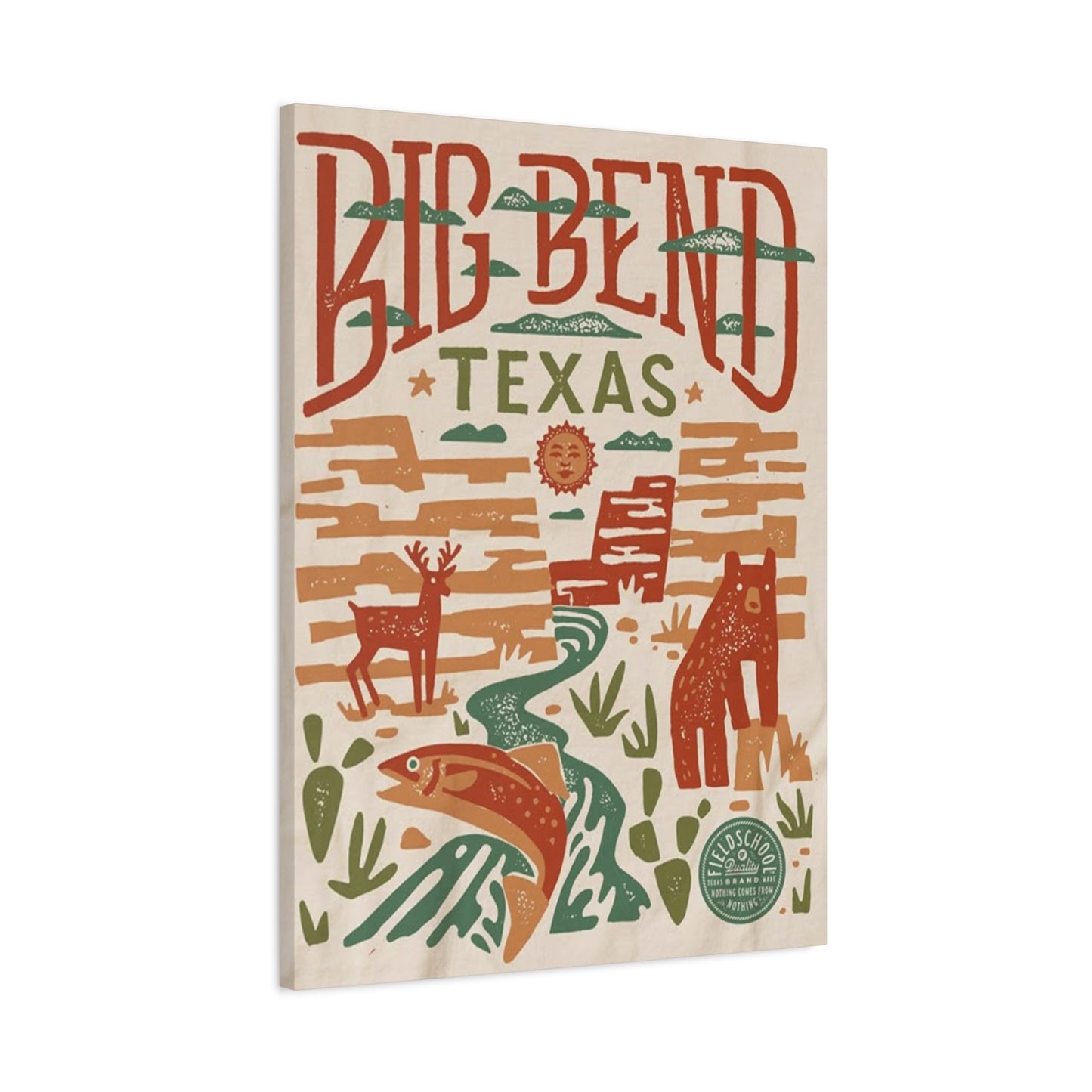
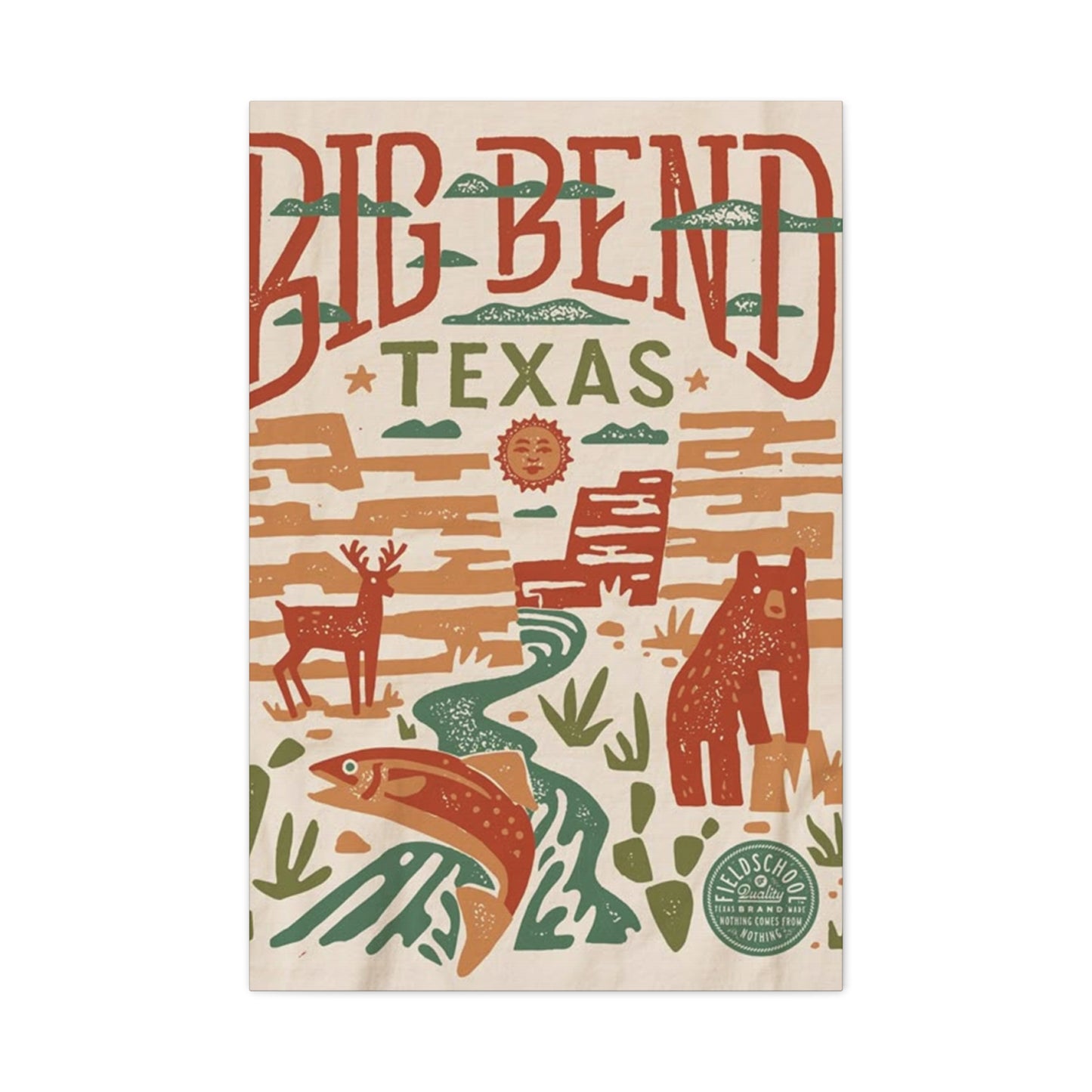
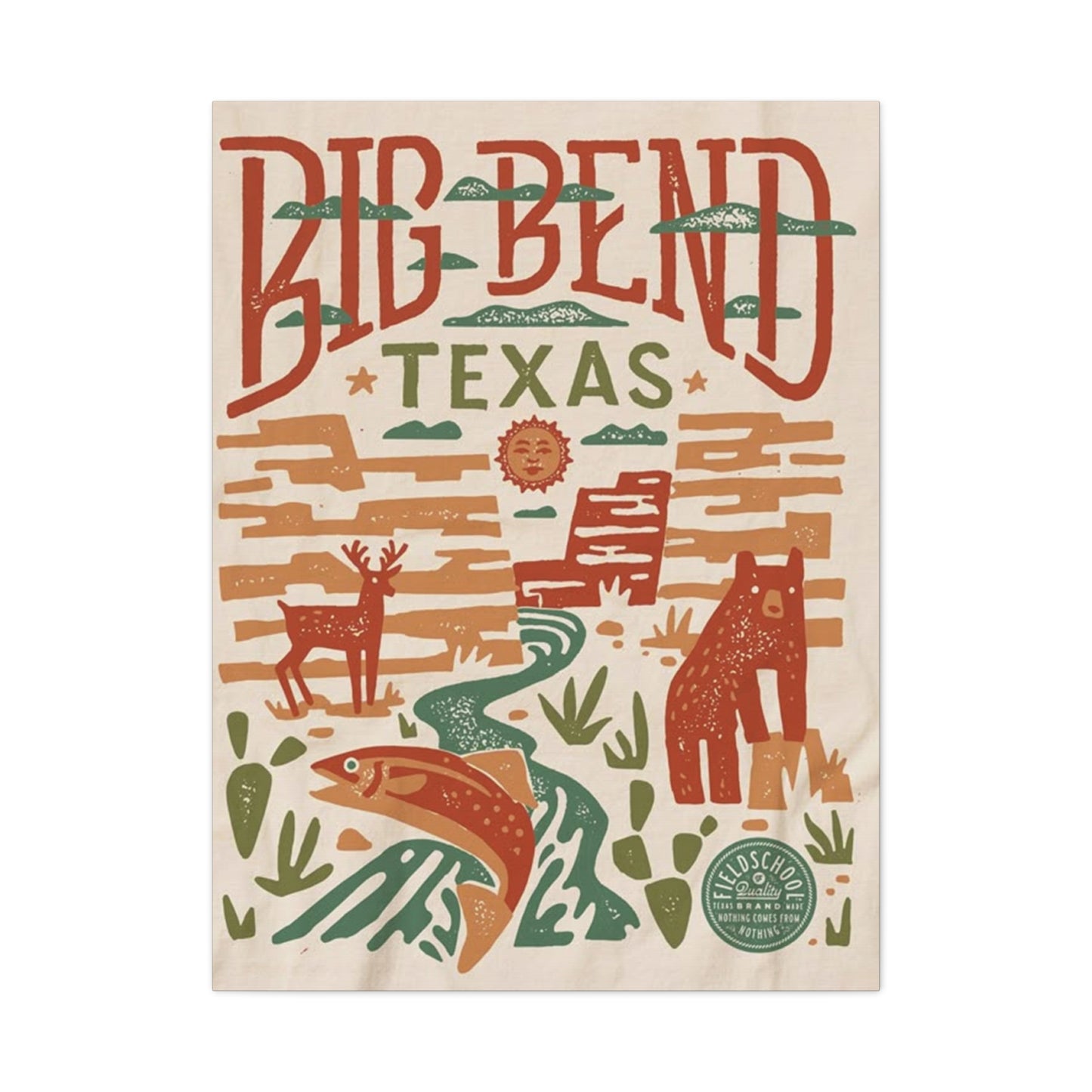
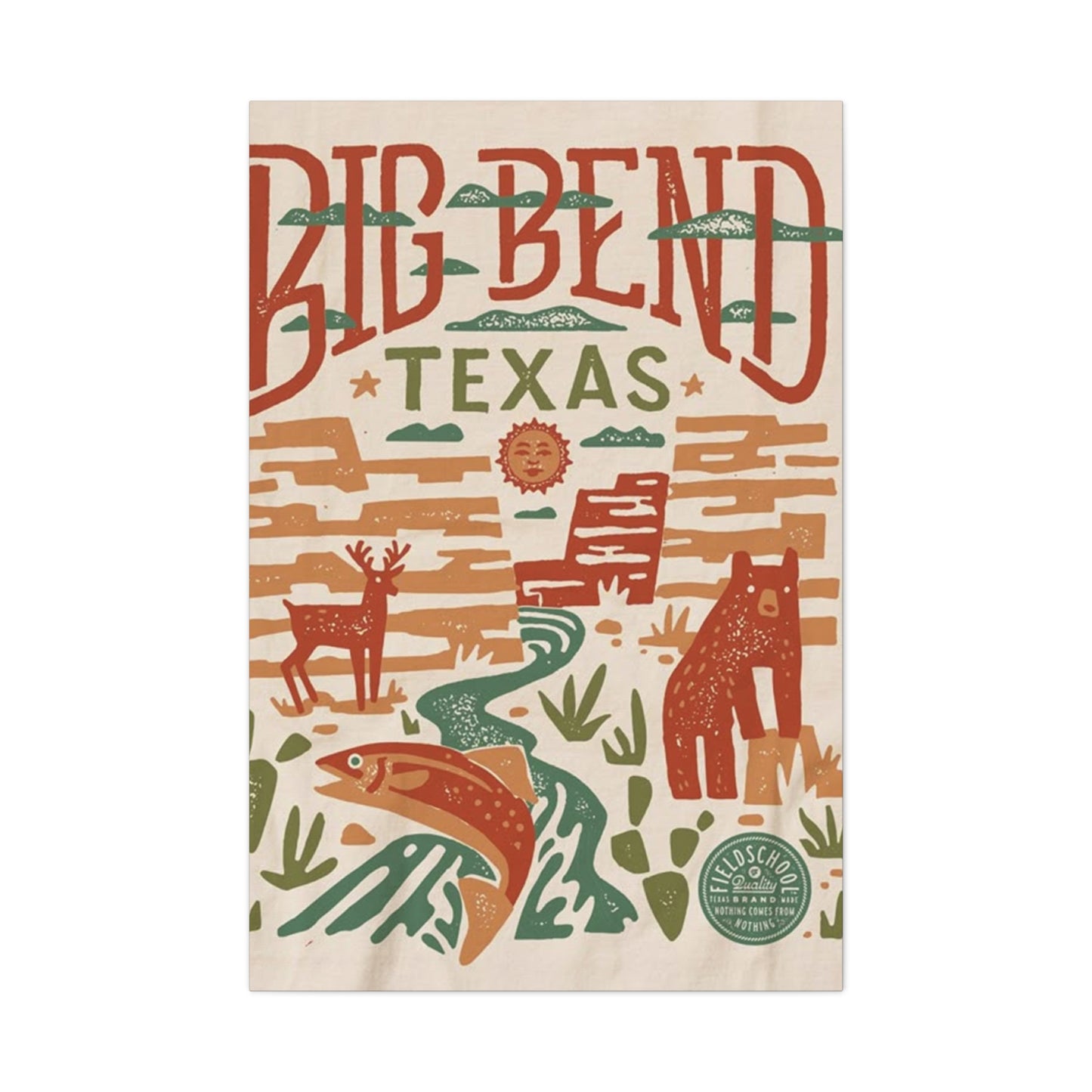
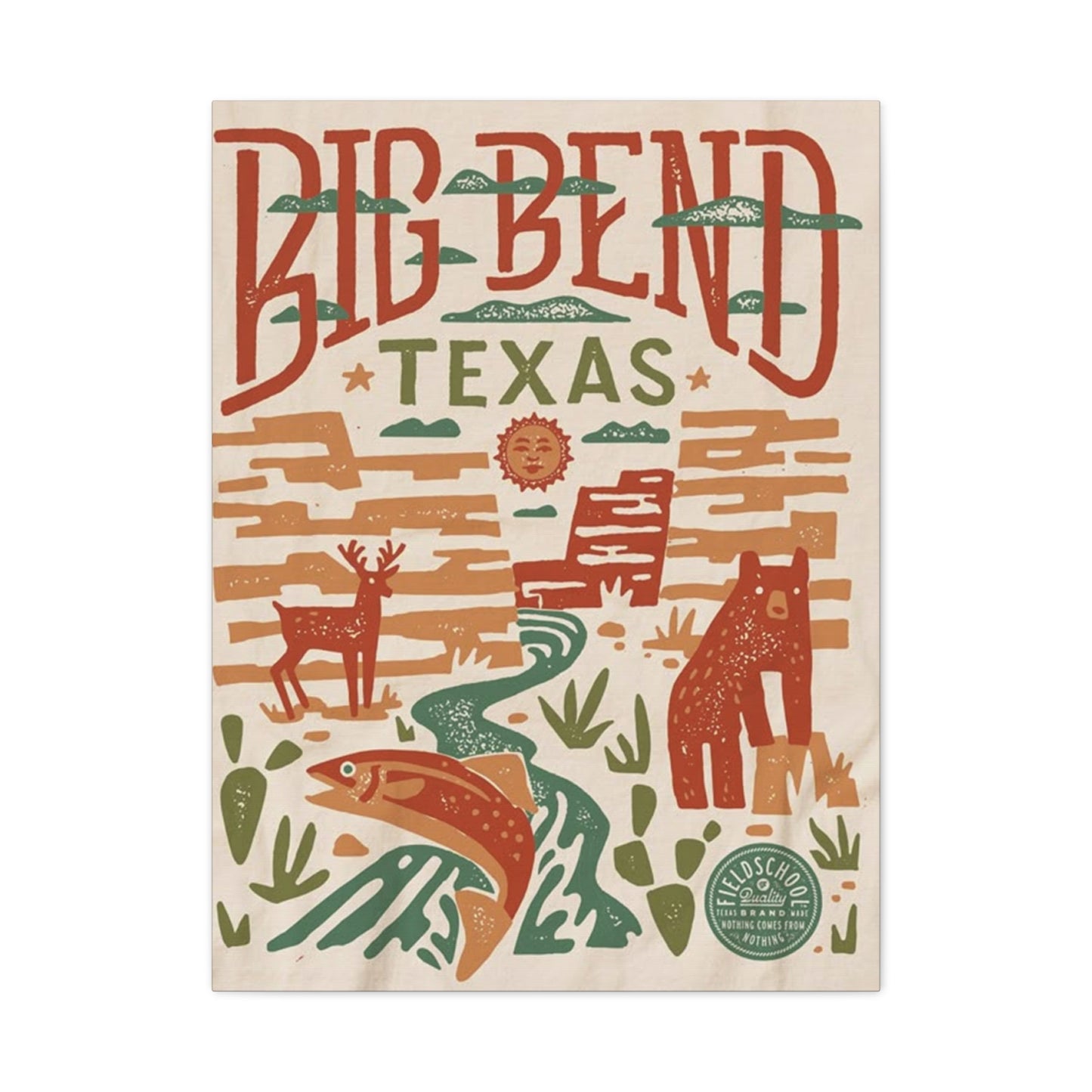
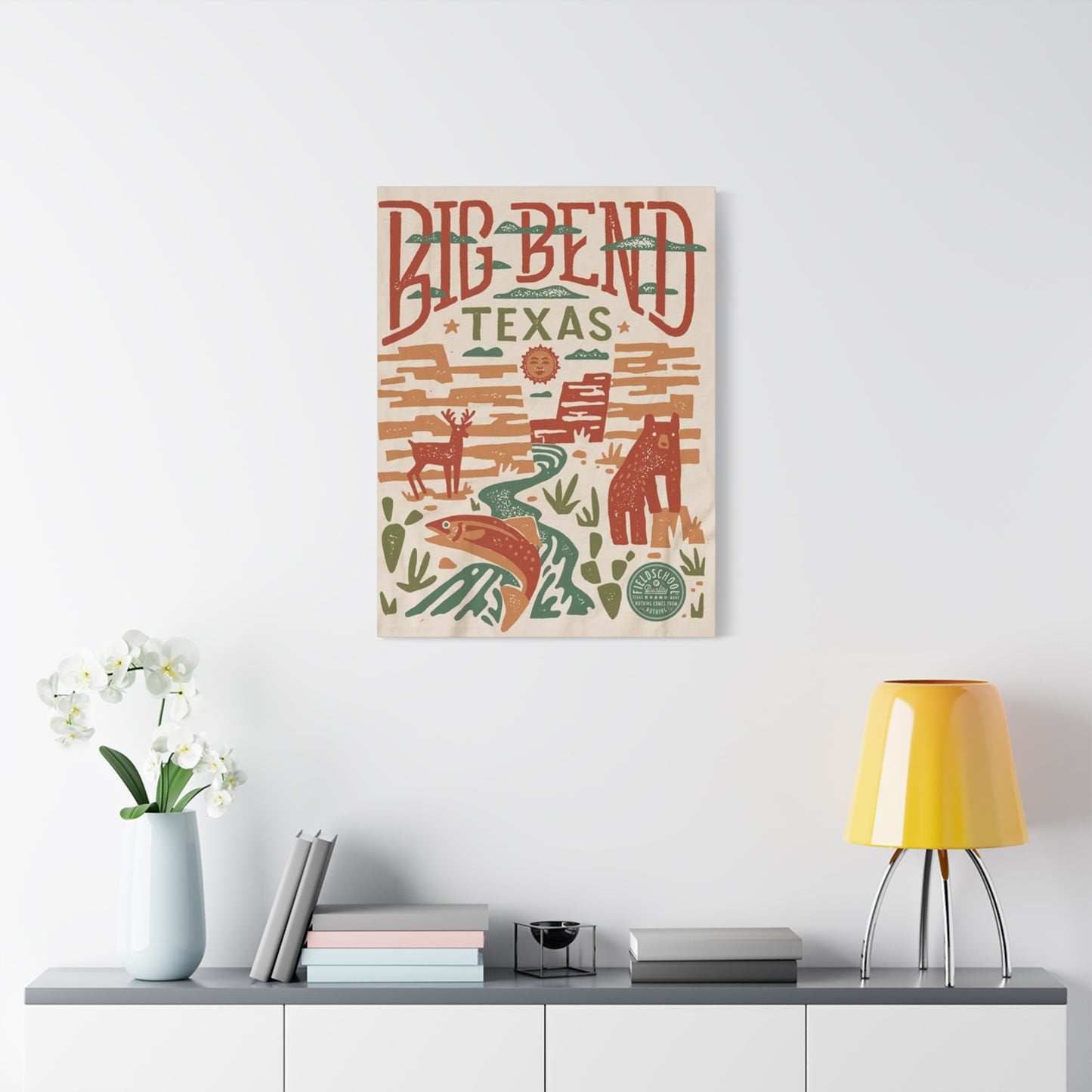
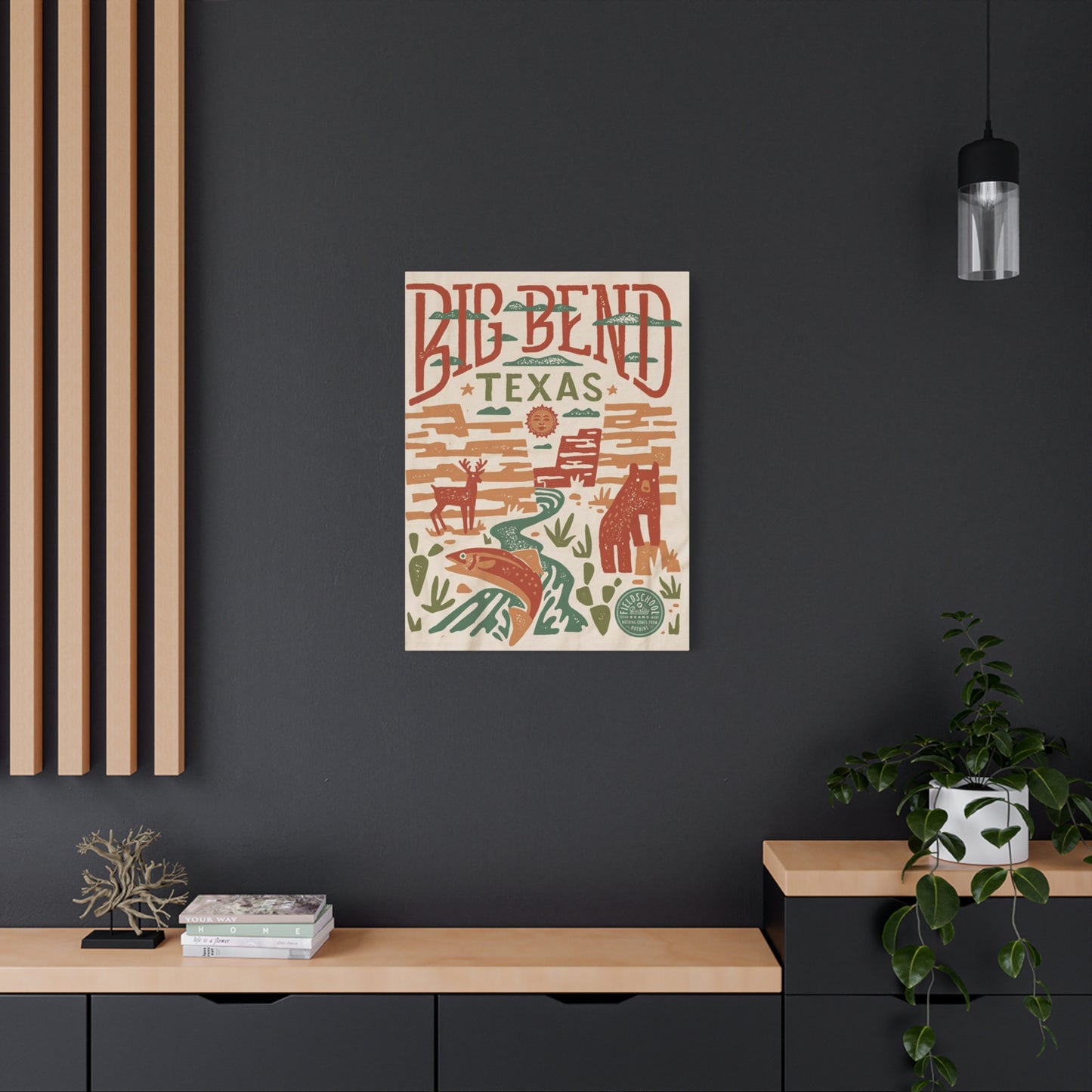
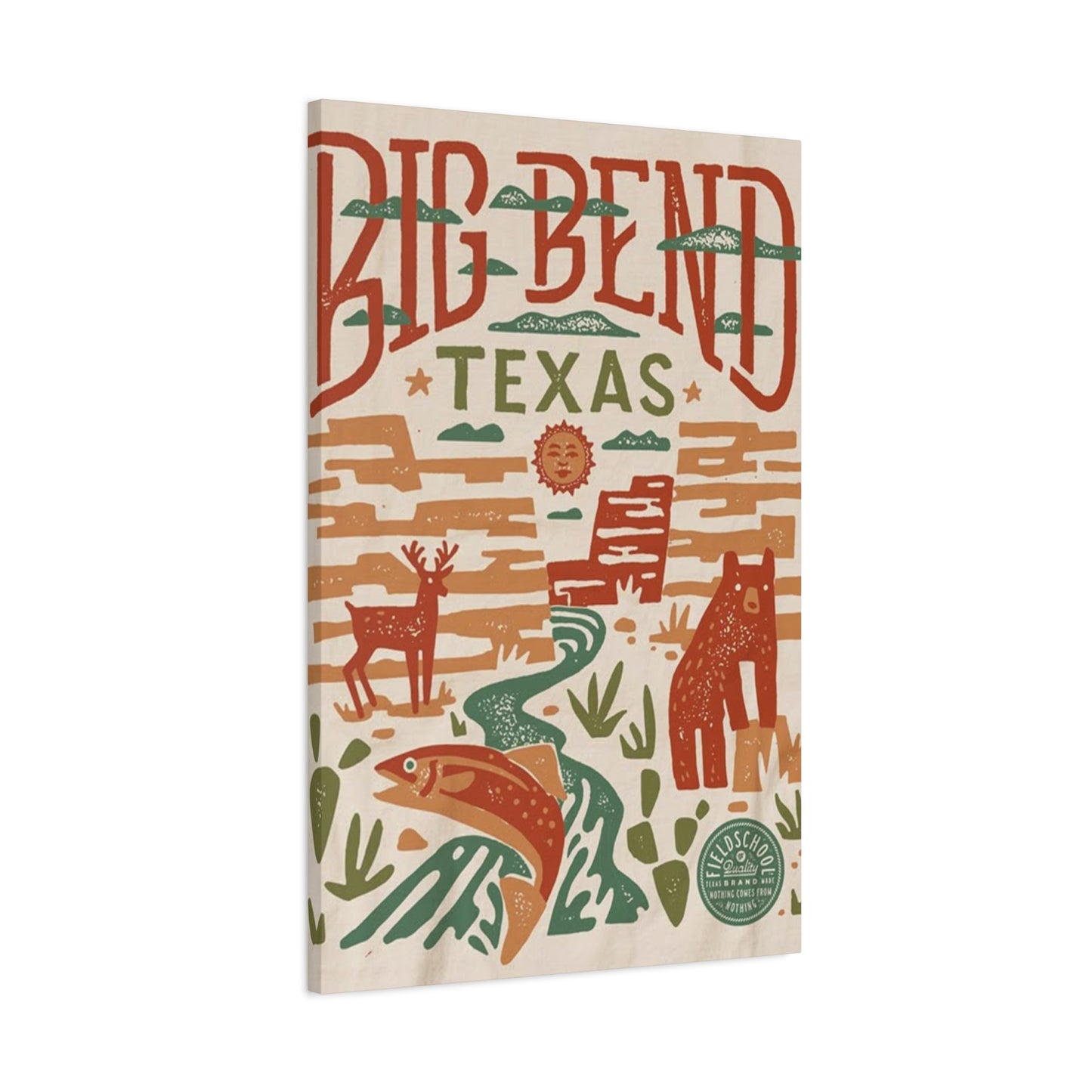
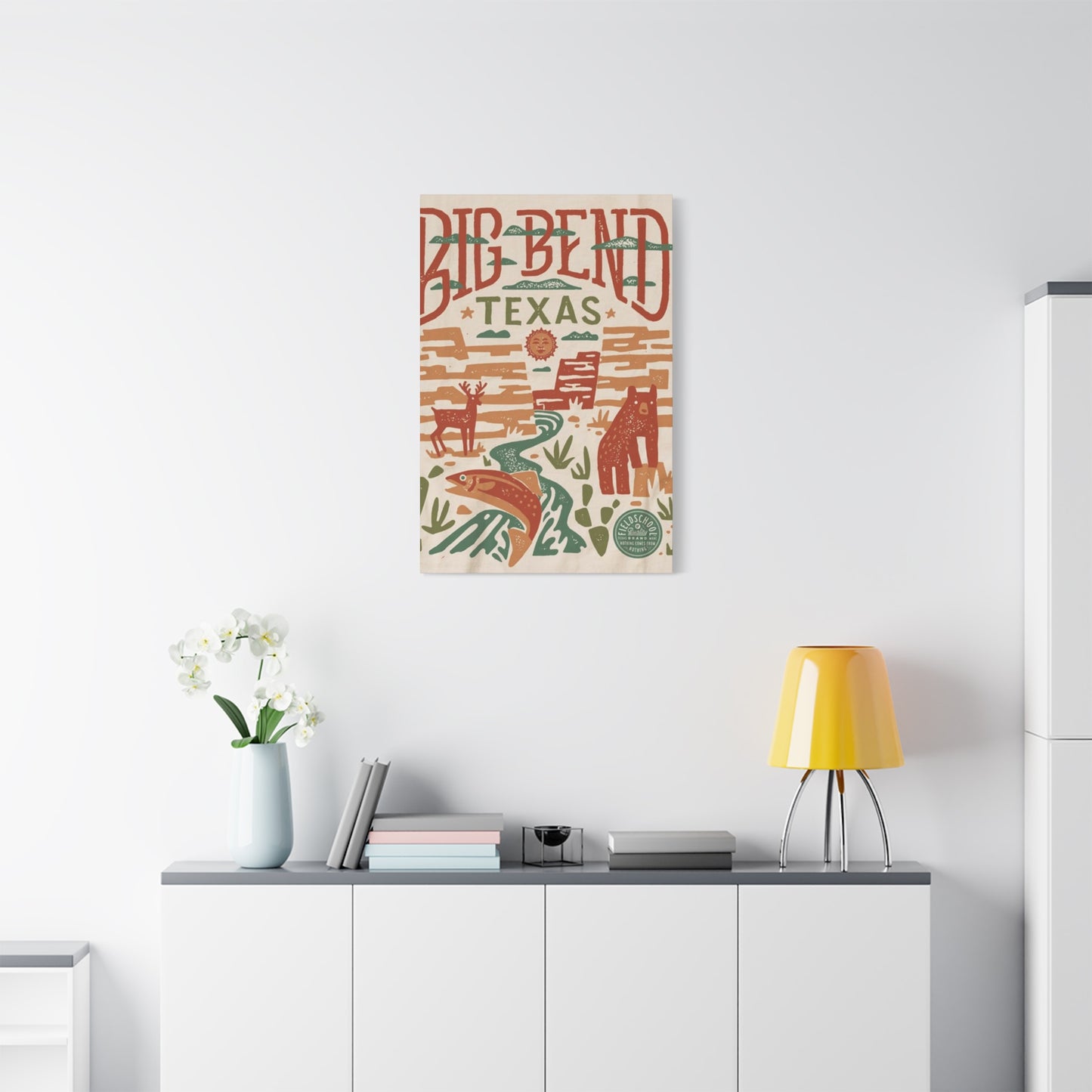
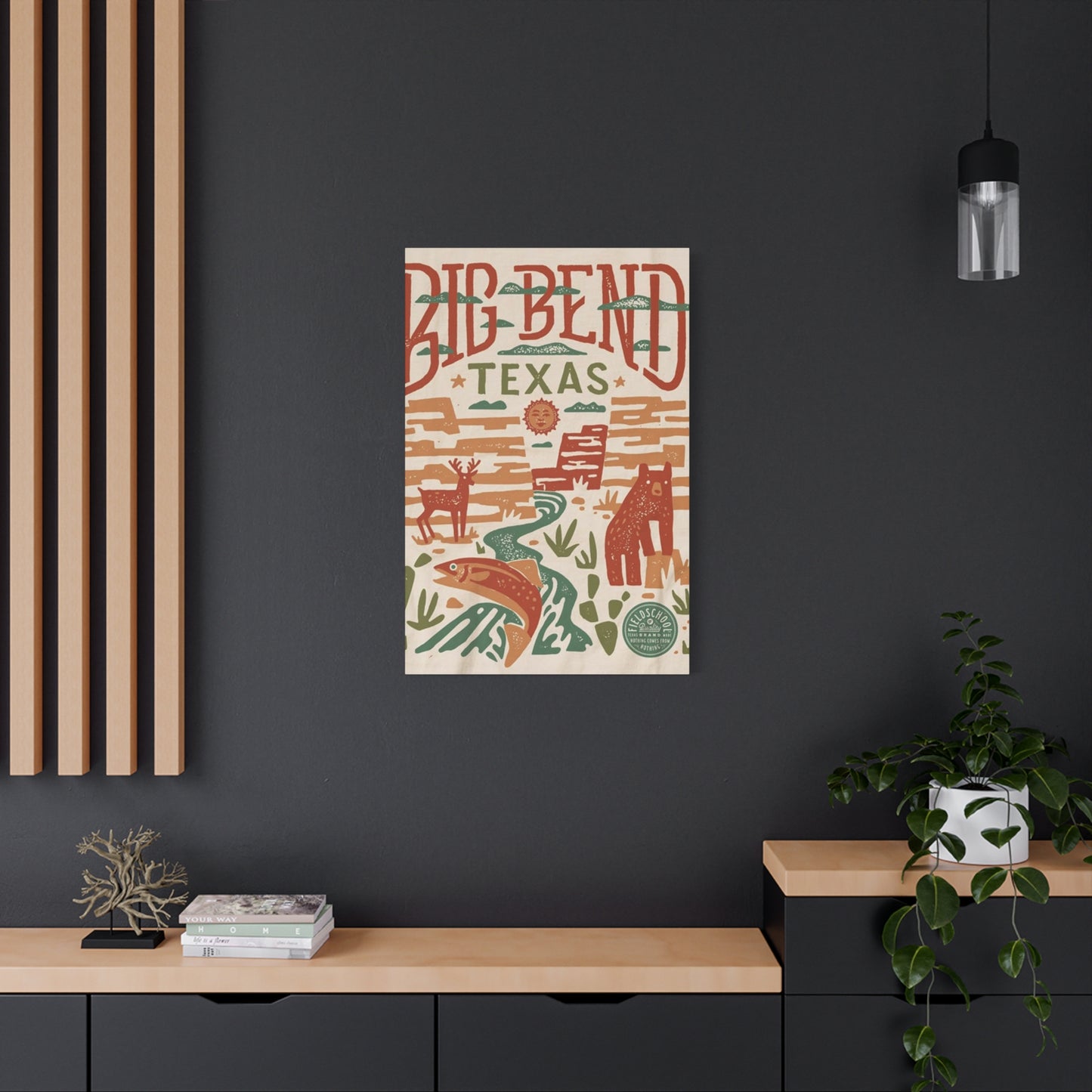
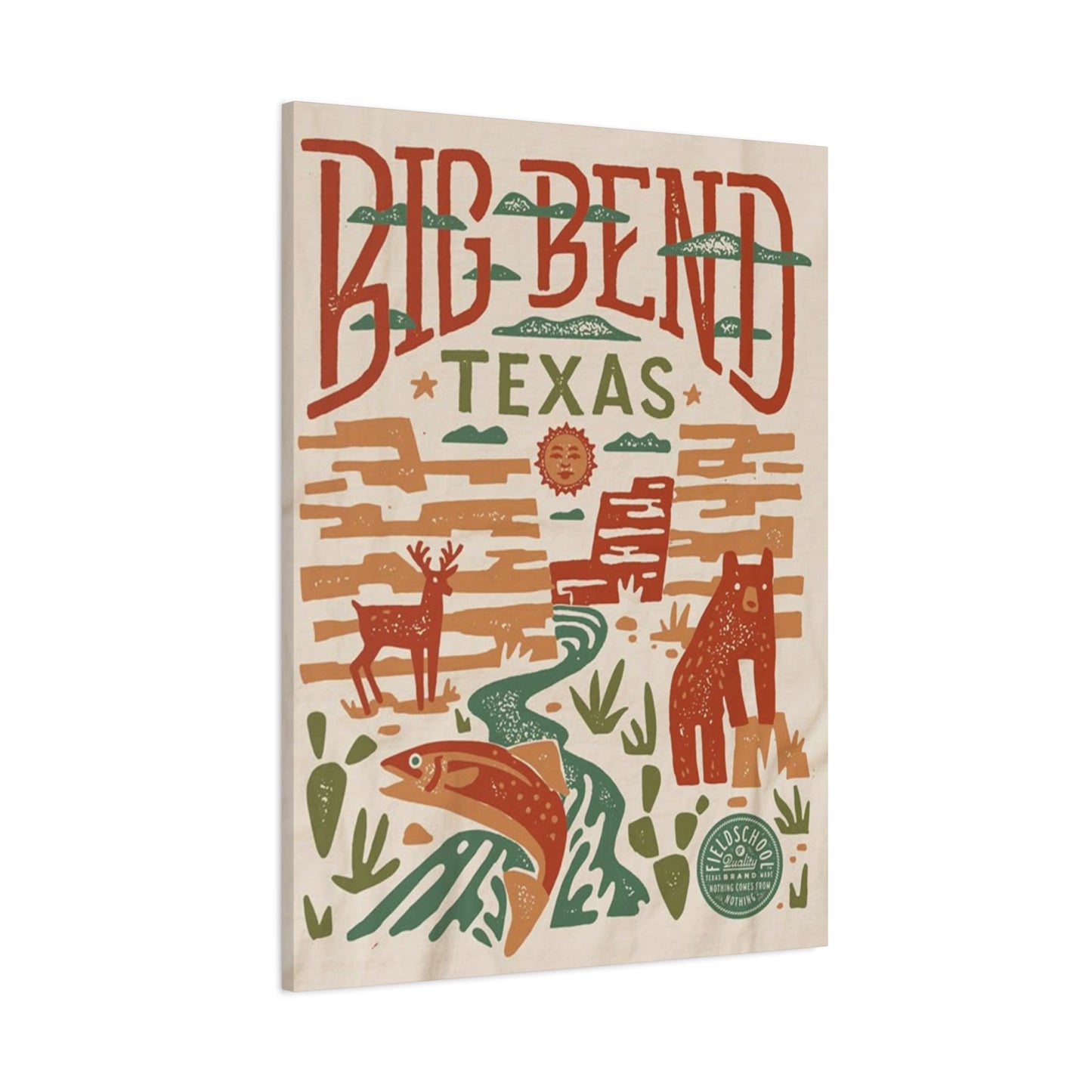
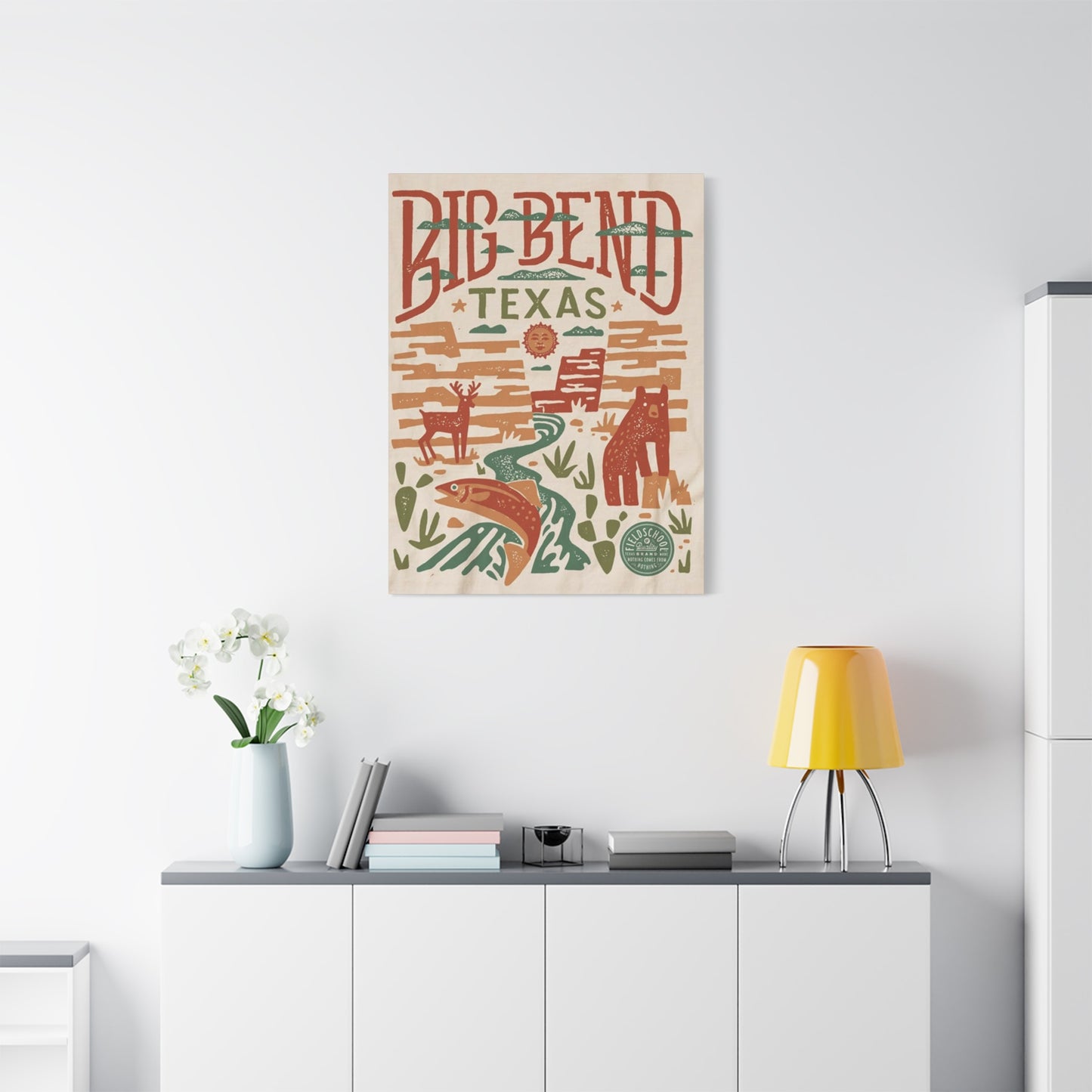
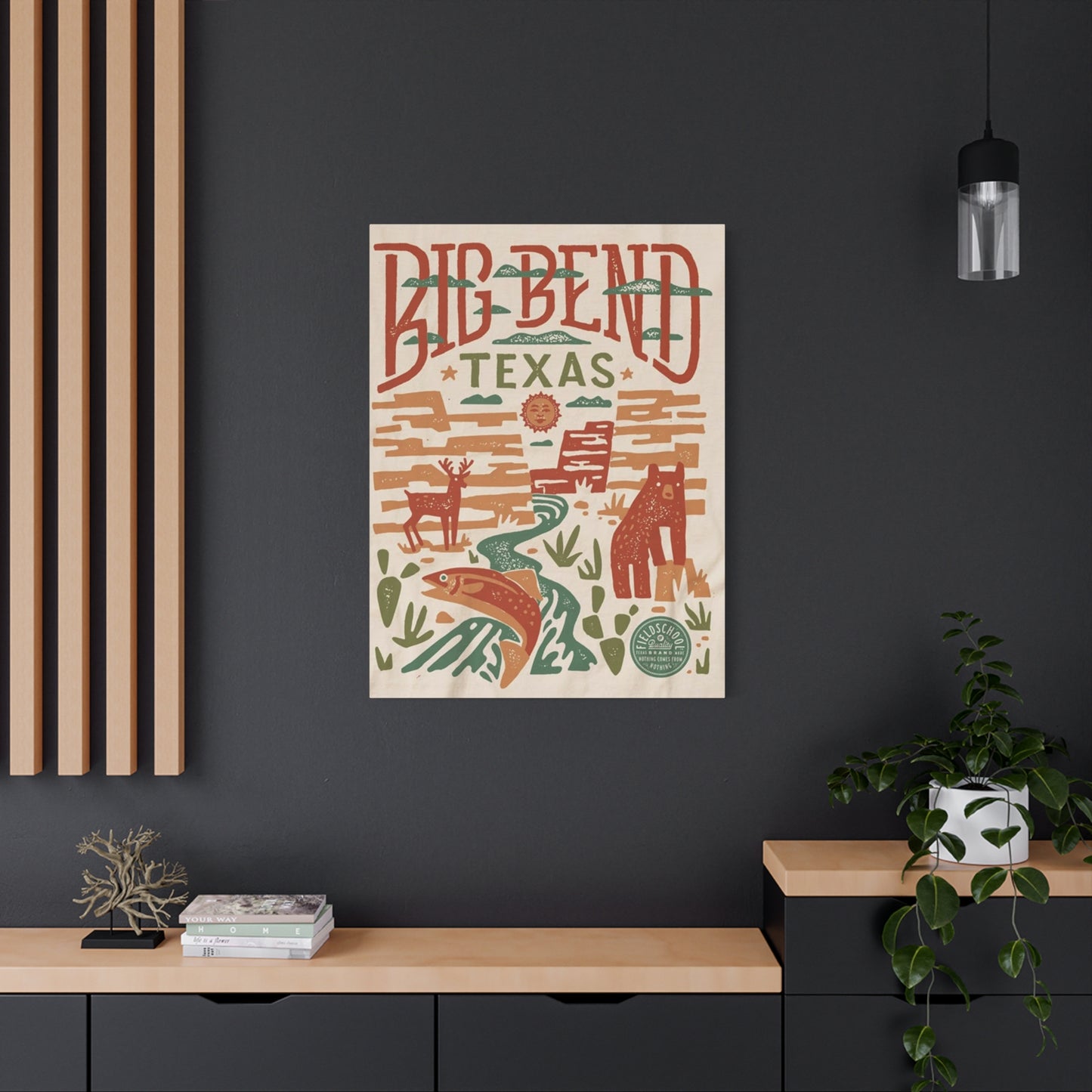
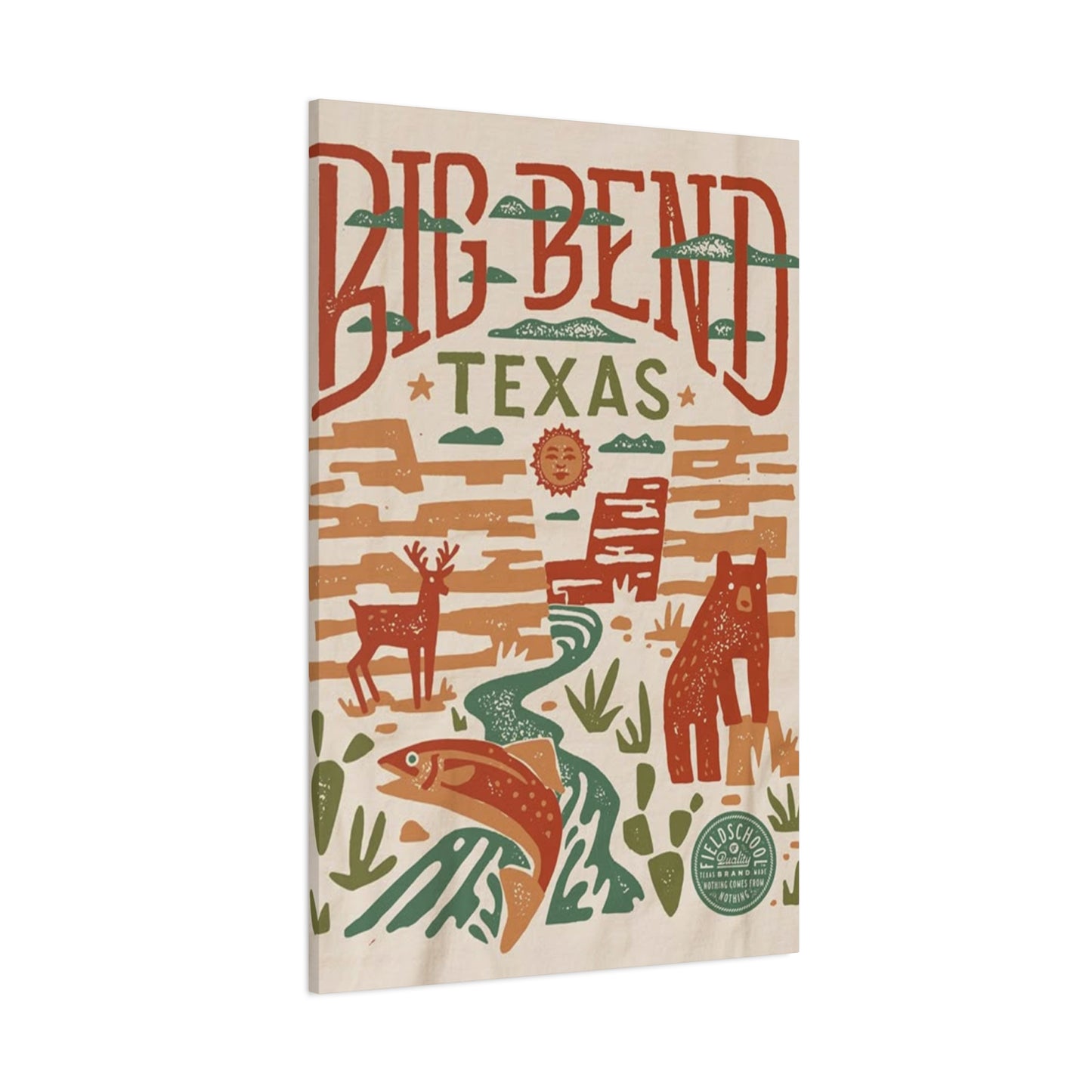
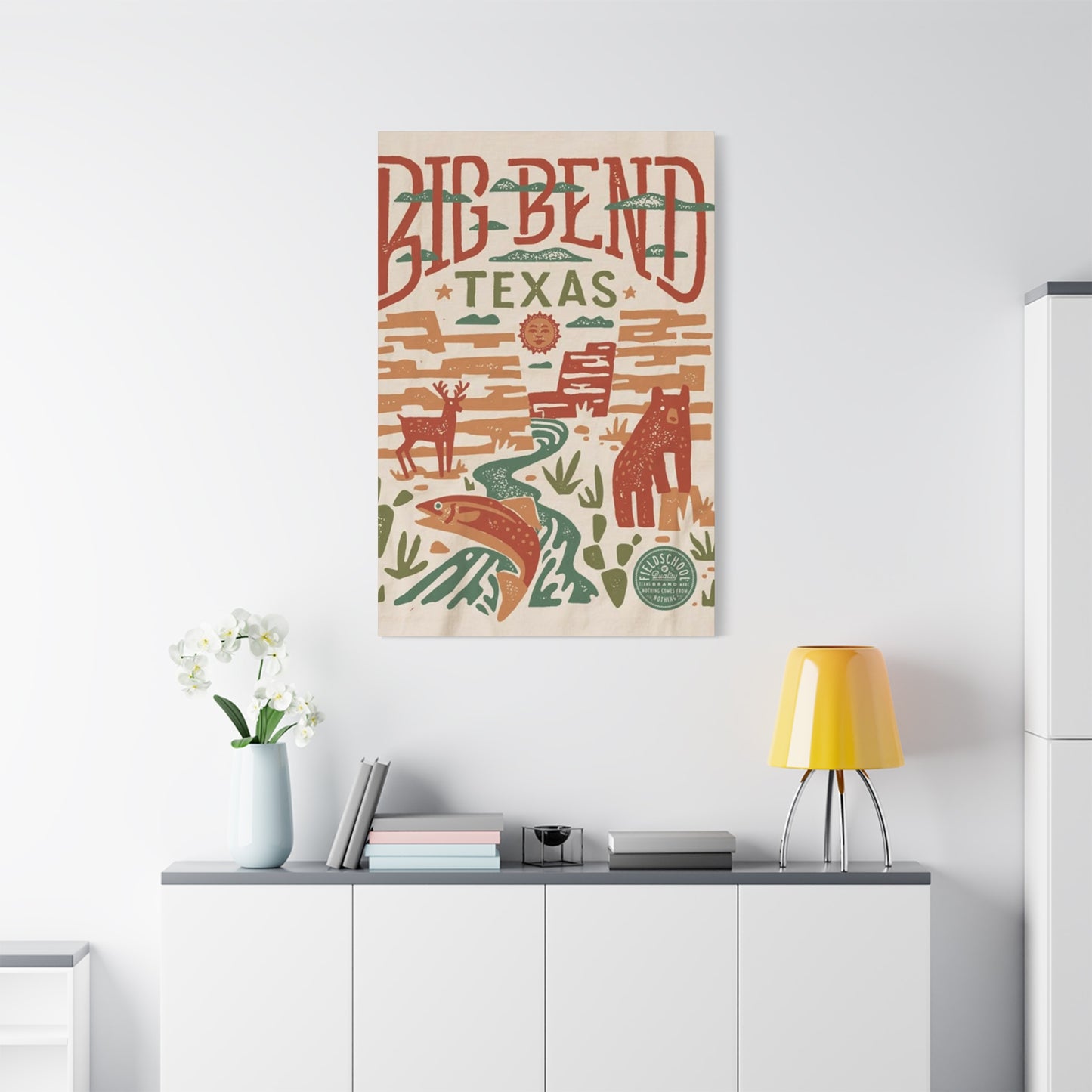
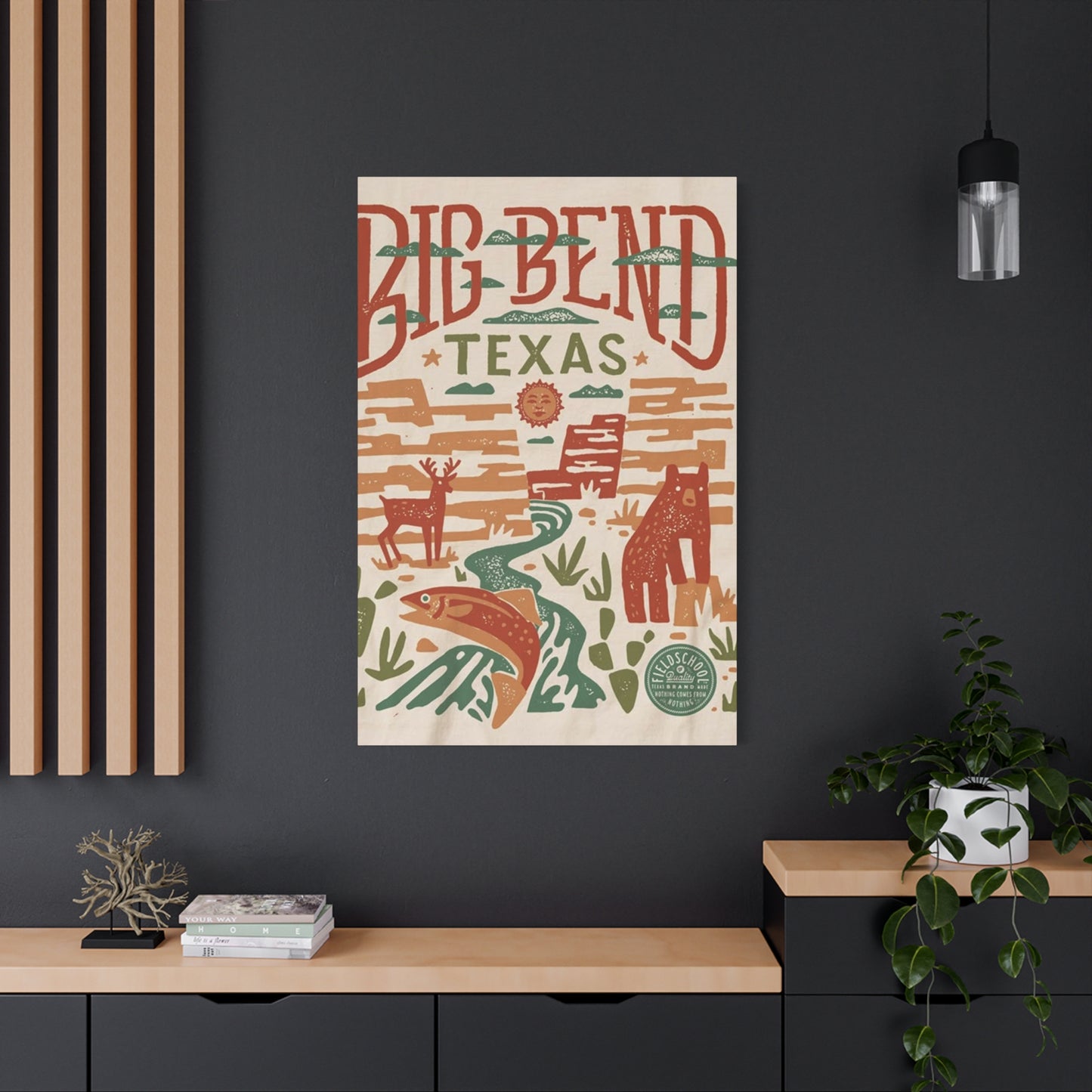
Big Bend Texas Wall Art & Canvas Prints
Big Bend Texas Wall Art & Canvas Prints
Couldn't load pickup availability
Embrace the Desert’s Beauty with Breathtaking Big Bend Texas Wall Art for a Majestic Home Transformation
The rugged landscapes of Big Bend region represent some of the most visually striking terrain found anywhere across North America. This remarkable area, where the Rio Grande carves through ancient limestone canyons and creates dramatic vistas at every turn, has become an increasingly popular subject for decorative pieces that capture the essence of the American Southwest. When homeowners and design enthusiasts seek to incorporate the raw, untamed beauty of this desert frontier into their interior spaces, Big Bend Texas wall art offers an unparalleled solution that brings both aesthetic appeal and a sense of adventure to any room.
The distinctive character of this region stems from its unique geographical position, where the Chihuahuan Desert meets towering mountain ranges, creating a tapestry of colors, textures, and natural formations that have captivated photographers, painters, and outdoor enthusiasts for generations. From the iconic Santa Elena Canyon's sheer rock walls rising hundreds of feet above the river to the delicate wildflower blooms that transform the desert floor each spring, every element of this landscape tells a story of resilience, beauty, and the enduring power of nature.
Why the Vast Chihuahuan Desert Landscapes Create Such Compelling Visual Narratives for Your Home
The visual appeal of desert scenes from this particular region goes far beyond simple aesthetic pleasure. These landscapes carry with them a profound sense of scale, solitude, and natural grandeur that resonates deeply with viewers. The geological formations found throughout the area have been shaped over millions of years, creating layers of sedimentary rock that display stunning bands of color ranging from deep reds and burnt oranges to pale yellows and creamy whites.
When captured through the lens of skilled photographers or interpreted by talented painters, these natural wonders translate beautifully into decorative pieces that command attention without overwhelming a space. The inherent drama of a sunset over the Chisos Mountains or the stark beauty of an ocotillo cactus silhouetted against an expansive sky provides focal points that draw the eye while maintaining a sense of tranquility and balance.
The color palette naturally present in these landscapes offers remarkable versatility for interior design schemes. Earth tones dominate, with warm terracottas, sandy beiges, and dusty sage greens creating a foundation that complements both modern minimalist aesthetics and more traditional rustic styles. The occasional splash of vibrant color from seasonal wildflowers or dramatic sunset skies adds visual interest without disrupting the overall harmony of the composition.
Beyond their immediate visual impact, these artistic representations serve as constant reminders of the natural world's enduring beauty. In our increasingly urbanized society, where many people spend the majority of their time indoors surrounded by artificial environments, having a window into the wild spaces of the Southwest can provide a valuable psychological anchor. Studies in environmental psychology have demonstrated that exposure to nature imagery, even in photograph or painted form, can reduce stress levels, improve mood, and enhance overall wellbeing.
The sense of space inherent in desert landscapes also plays a significant role in their appeal. Unlike dense forest scenes or crowded urban vistas, desert imagery typically features expansive horizons and open skies that can make a room feel larger and more open. This quality makes such artwork particularly valuable in smaller living spaces or rooms with limited natural light, where the illusion of expanded space can dramatically improve the overall ambiance.
Exploring the Diverse Styles and Mediums Available for Capturing the Southwest's Raw Magnificence
The market for decorative pieces featuring this region's scenery encompasses an impressive range of artistic styles and production methods. Understanding the distinctions between these various approaches helps buyers make informed decisions that align with their personal taste, budget constraints, and intended display locations.
Photographic prints represent one of the most popular categories, capturing the landscape's reality with stunning precision and detail. Professional photographers spend countless hours in the field, often waiting days for perfect lighting conditions to capture that one magical moment when the sun hits the canyon walls at just the right angle or when storm clouds create dramatic contrast against the mountain peaks. These images are then reproduced using various printing methods, each offering different qualities in terms of color accuracy, longevity, and texture.
Metal prints have gained considerable popularity in recent years for displaying landscape photography. This printing method involves infusing dyes directly into specially coated aluminum sheets, resulting in images with exceptional vibrancy, depth, and a slight luminescent quality that seems particularly well-suited to capturing the intense light characteristic of desert environments. The durability of metal prints makes them ideal for high-humidity areas like bathrooms or kitchens, where traditional paper prints might deteriorate over time.
Canvas prints offer a more traditional presentation that adds texture and dimension to photographic images. The fabric surface softens the image slightly compared to the crisp detail of metal or paper prints, creating a more painterly quality that many find appealing. Gallery-wrapped canvas, where the image extends around the edges of the stretcher frame, eliminates the need for additional framing and creates a contemporary, museum-quality presentation.
For those drawn to more interpretive representations, painted works offer endless possibilities. Contemporary artists working in acrylics or oils bring their unique perspectives to familiar landscapes, sometimes maintaining realistic detail while other times abstracting forms and colors to capture the emotional essence of the environment rather than its literal appearance. These original works and limited-edition reproductions carry a different kind of value, reflecting not just the landscape itself but also the artist's personal relationship with and interpretation of these spaces.
Watercolor representations of the region's scenery possess a delicate, ethereal quality that contrasts beautifully with the harsh, unforgiving nature of the desert itself. The medium's inherent transparency and the way colors blend and flow on paper can evoke the shimmering heat mirages that dance across the desert floor or the soft gradations of color in a dawn sky.
Mixed-media pieces incorporate various materials and methods to create textured, multi-dimensional works that engage viewers on multiple sensory levels. Artists might combine photography with painting, integrate actual sand or stone fragments from the region, or layer different papers and fabrics to build depth and complexity. These unique pieces often command premium prices but offer truly one-of-a-kind additions to art collections.
Digital art and graphic design approaches have opened new avenues for interpreting desert landscapes. Some artists create stylized, geometric representations that distill the essence of canyon forms or cactus silhouettes into bold, graphic compositions. Others manipulate photographs digitally to enhance colors, create surreal combinations of elements, or produce entirely new imaginative landscapes inspired by but not directly representing actual locations.
The scale of artwork also varies tremendously, from modest prints suitable for apartment living to massive multi-panel installations that can dominate entire walls in spacious homes or commercial settings. Triptychs and other multi-panel arrangements allow for panoramic views that capture the sweeping expansiveness of the landscape in ways that single images cannot, creating immersive viewing experiences that transport observers directly into the scene.
Selecting the Perfect Pieces to Complement Your Existing Interior Design Scheme
Choosing artwork that will truly enhance your living space requires thoughtful consideration of numerous factors beyond simple aesthetic preference. The relationship between art and its surrounding environment significantly impacts both the artwork's effectiveness and the overall coherence of the room's design.
Begin by carefully assessing the room where you intend to display your chosen piece. Take note of the existing color scheme, including wall colors, furniture upholstery, flooring materials, and accent colors present in textiles and decorative objects. While artwork can certainly introduce new colors to a space, the most successful installations typically share at least some color connections with existing elements, creating visual threads that tie the room together cohesively.
The architectural character of your space also influences appropriate artwork choices. Modern homes with clean lines, minimal ornamentation, and open floor plans often pair beautifully with equally clean, contemporary photographic prints or abstract interpretations of landscape elements. Traditional homes with more ornate moldings, detailed woodwork, and formal furniture arrangements might be better served by framed paintings with more classical presentations or vintage-inspired photographic treatments.
Lighting conditions play a crucial role in how artwork appears and how well it functions within a space. Rooms with abundant natural light can support darker, more dramatic images without the space feeling oppressive. Conversely, rooms with limited natural light benefit from artwork featuring lighter tones and brighter colors that help illuminate and enliven the space. Consider also the direction of natural light and how it changes throughout the day, as this can dramatically affect how colors appear at different times.
The scale relationship between artwork and both the wall space and surrounding furniture requires careful attention. A common mistake involves selecting pieces that are too small for their intended location, resulting in them appearing lost or insignificant. Generally, artwork hung above a sofa should span approximately two-thirds to three-quarters of the furniture's width. For artwork hung on otherwise empty walls, consider the entire wall as your canvas and don't be afraid to go large, as substantial pieces create impact and confidence.
Viewing distance also matters when selecting artwork. Pieces intended for close viewing, such as those hung in hallways or above console tables, can feature finer detail and subtler color variations that reward careful examination. Artwork viewed primarily from across a room benefits from bolder compositions, stronger contrast, and simpler forms that read clearly from a distance.
The room's purpose and the mood you wish to create should influence your choices. Bedrooms, intended as restful retreats, often benefit from calmer, more serene landscape images featuring softer colors and peaceful compositions. Living areas used for entertaining might accommodate more dramatic, conversation-starting pieces with bold colors or unusual perspectives. Home offices can benefit from inspiring vistas that provide visual breaks during work and encourage creative thinking.
Consider also the longevity of your choice. While it's tempting to follow current design trends, artwork represents a significant investment and will ideally remain relevant and appealing for years to come. Classic landscape images and high-quality artistic interpretations tend to have more enduring appeal than highly stylized treatments that might feel dated as design trends shift.
Personal connection matters enormously in art selection. Perhaps you've visited the region and have meaningful memories associated with particular locations. Maybe certain landscapes resonate with childhood experiences or represent aspirational travel goals. Artwork that holds personal significance will continue to bring joy and meaning long after the initial purchase, making it a more valuable addition to your home than something selected purely for its decorative qualities.
Understanding the Various Price Points and What Factors Influence Artwork Valuation
The market for Southwest landscape artwork spans an enormous price range, from affordable mass-produced prints available for under a hundred dollars to original paintings and photographs commanding tens of thousands. Understanding what drives these price differences helps buyers make informed decisions and ensures they receive appropriate value for their investment.
Reproduction prints of photographs and paintings represent the most accessible entry point for most buyers. These are typically produced in larger quantities using digital printing methods, making them affordable while still offering good quality imagery. The print resolution, paper or substrate quality, and reputation of the printing company all affect the final product's appearance and longevity. Professional-grade archival prints using pigment-based inks on museum-quality materials will cost more than standard poster prints but offer significantly better color accuracy and resistance to fading over time.
Limited edition prints occupy a middle ground between mass-produced reproductions and original works. Photographers and artists create these in restricted numbers, with each print numbered and often signed by the creator. The edition size matters significantly in determining value; smaller editions with only 25 or 50 prints command higher prices than editions of several hundred. Limited editions also appreciate in value over time, particularly for well-known artists whose work gains recognition and demand in the marketplace.
Original paintings obviously represent the highest price tier, with values influenced by numerous factors. The artist's reputation and exhibition history play major roles; established artists with gallery representation and museum collections command premium prices compared to emerging artists still building their careers. The painting's size, complexity, and the materials used also affect pricing, with larger works requiring more time and materials naturally costing more.
The medium matters as well in original works. Oil paintings typically command higher prices than watercolors or acrylics, partly due to the materials' cost and partly due to traditional perceptions about fine art hierarchy. However, exceptional works in any medium by talented artists hold their value regardless of these traditional distinctions.
For photography, whether the artist shot on film or digitally can influence collector perceptions and pricing. Some collectors prefer traditional film photography for its unique qualities and the analog craft involved, while others appreciate the creative possibilities and technical precision of digital capture. Printing methods also affect value, with traditional darkroom prints from film negatives or alternative processes like platinum prints commanding premiums over standard digital prints.
The artwork's provenance and condition significantly impact value in the secondary market. Pieces that have been exhibited in galleries or museums, included in publications, or owned by notable collectors carry enhanced prestige and generally higher prices. For older works, the condition becomes paramount; damage, fading, or poor previous restoration attempts can severely diminish value.
Framing and presentation quality should factor into your budget considerations. Professional framing with museum-quality materials, conservation glazing, and expert craftsmanship can easily cost several hundred dollars or more, particularly for larger pieces. However, proper framing protects your investment and significantly enhances the artwork's presentation and impact. Budget pieces might come pre-framed, but the quality often reflects the low price point, and replacing these frames with superior versions should be anticipated.
When evaluating prices, consider the cost-per-wear principle often applied to clothing and accessories. Artwork you'll enjoy daily for years or decades represents excellent value even at higher price points, while impulse purchases of cheaper pieces that never quite satisfy might ultimately prove more expensive if they're replaced repeatedly.
Discovering Where to Find Authentic and High-Quality Representations of the Southwest Landscape
The proliferation of online marketplaces has made finding and purchasing artwork easier than ever, yet this convenience comes with challenges. Knowing where to look and how to evaluate potential purchases ensures you find pieces that meet your quality expectations and arrive as described.
Gallery websites representing individual artists offer direct access to creators and their work. Many photographers and painters maintain robust online presences showcasing their portfolios, providing background information about their creative process, and offering prints or original works for sale. Purchasing directly from artists ensures authenticity, provides the best financial support for creators, and often allows for customization regarding print sizes, framing options, and even commissioned work depicting specific locations or incorporating particular elements.
Curated online art marketplaces aggregate work from multiple artists, providing one-stop shopping with quality vetting. Reputable platforms carefully screen artists before allowing them to sell through their sites, providing buyers some assurance of quality and professionalism. These sites often provide better search functionality, allowing you to filter by size, price range, color palette, and style preferences. Customer reviews and ratings offer additional confidence when considering unfamiliar artists.
Regional galleries located in or near the area being depicted often carry excellent selections of landscape artwork. Visiting these galleries in person allows you to see pieces firsthand, evaluating their quality, color accuracy, and impact in ways that online viewing cannot match. Gallery staff can provide valuable information about artists, assist with selection decisions, and often arrange shipping for larger pieces. Building relationships with gallery owners can also lead to notifications about new arrivals, upcoming exhibitions, and special pricing opportunities.
Art fairs and craft shows focused on Western or Southwest themes bring together numerous artists in single locations, providing opportunities to compare styles, meet creators personally, and sometimes negotiate pricing. The quality varies significantly at these events, from beginning hobbyists to accomplished professionals, requiring discriminating evaluation of craftsmanship and artistic merit.
Museum gift shops represent another reliable source for quality reproductions. Museums often have exclusive agreements with photographers and artists for reproductions of specific images, ensuring proper licensing and quality control. While selections might be more limited than commercial galleries, the quality typically meets high standards.
Local frame shops sometimes maintain relationships with regional photographers and artists, displaying their work and facilitating sales. These shops can be excellent resources for both finding artwork and ensuring proper framing and presentation.
For those seeking original vintage pieces or works by particular artists no longer producing, auction houses and estate sales can yield treasures. These venues require more knowledge and careful evaluation but can provide access to pieces unavailable through retail channels.
When purchasing online, carefully review seller policies regarding returns, particularly for more expensive pieces. Reputable sellers understand that artwork appears differently on screens than in person and accommodate returns if pieces don't meet expectations or don't work in their intended spaces. Check shipping costs and methods upfront, as large or fragile pieces can incur substantial shipping fees, and ensure adequate insurance coverage during transit.
Verify authenticity through available documentation. Limited edition prints should come with certificates of authenticity indicating the edition number and artist signature. Original works might include provenance documentation or artist statements. Be wary of suspiciously low prices for supposedly limited editions, as unauthorized reproductions of popular images circulate widely.
Proper Placement and Hanging Methods to Showcase Your Investment While Protecting Its Longevity
Once you've acquired the perfect piece, proper hanging and placement ensure it looks its best and remains in excellent condition for years to come. Mistakes in this area can diminish the artwork's impact or even cause damage over time.
The standard recommendation for hanging height places artwork so that its center sits at approximately 57 to 60 inches from the floor, which corresponds to average human eye level. This guideline works well for most situations, though adjustments may be necessary based on ceiling height, viewer height, and furniture arrangement. When hanging pieces above furniture, leave approximately 6 to 12 inches of space between the furniture top and the artwork's bottom edge, creating visual connection without crowding.
Direct sunlight poses the greatest environmental threat to artwork. Ultraviolet radiation causes fading, color shifts, and deterioration of paper and canvas substrates. Never hang valuable artwork where direct sunlight strikes it, even for limited periods during the day. If a sun-exposed wall represents your only option, invest in UV-filtering glazing for framed pieces or consider installing UV-filtering window film. Even in rooms without direct sun exposure, ambient UV radiation from daylight gradually affects artwork, making UV-protective measures worthwhile for pieces you intend to preserve long-term.
Humidity fluctuations and excessive moisture also threaten artwork. Avoid hanging pieces directly above heat sources like radiators or fireplaces, as rising heat creates temperature and humidity fluctuations. Bathrooms, laundry rooms, and kitchens pose challenges due to moisture and temperature variations, though some artwork types like metal prints tolerate these environments better than paper or canvas.
Proper hanging hardware appropriate to both the artwork's weight and your wall type prevents disasters. Picture wire attached to screw eyes on the frame's back sides provides secure hanging for lighter pieces on standard drywall using picture hangers rated for appropriate weight. Heavier pieces require more robust solutions, potentially including hanging directly from D-rings attached to the frame or using wall anchors if hanging on drywall without hitting studs. For very heavy pieces or those with significant financial or sentimental value, hiring professional art installers ensures secure, level mounting.
Leveling artwork properly seems obvious but often gets overlooked, and even slight tilting becomes glaringly obvious once noticed. Use a small level during installation, and step back frequently to check alignment from normal viewing distances. For multi-piece installations like triptychs, maintaining consistent spacing and alignment becomes crucial to the overall effect.
Consider the visual weight distribution on walls and throughout rooms. Hanging all artwork at the same height on a single wall can appear monotonous, while varying heights adds visual interest. However, some alignment - perhaps along top or bottom edges - helps maintain order. When arranging multiple pieces across different walls in a single room, ensure reasonably balanced distribution so one wall doesn't feel overloaded while others remain bare.
Gallery walls featuring multiple smaller pieces require careful planning. Lay out pieces on the floor in your intended arrangement before putting holes in walls, photographing the layout for reference during installation. Maintain consistent spacing between pieces, typically 2 to 3 inches for cohesive groupings. Begin by hanging the central piece first, then work outward, ensuring everything remains level and properly spaced.
Security systems might be worthwhile for valuable original works or extensive collections. These range from simple devices that alert you if artwork is removed from walls to more sophisticated systems monitoring environmental conditions like temperature and humidity.
Regular dusting keeps framed pieces looking fresh. Use clean, soft cloths or feather dusters, avoiding cleaning products that might damage frames or glass. For unframed canvas pieces, use soft brushes specifically designed for art cleaning, working gently to avoid abrading the surface.
The Cultural and Historical Significance That Makes This Region's Imagery Particularly Meaningful
The landscapes depicted in these artistic works carry profound cultural significance that extends far beyond their aesthetic appeal. Understanding this deeper context enriches appreciation for the imagery and connects viewers to important narratives about American identity, environmental conservation, and the complex relationships between humans and wild spaces.
This remote corner of the Southwest has served as home and sacred ground for indigenous peoples for thousands of years. Archaeological evidence reveals human presence dating back at least 10,000 years, with numerous pictograph and petroglyph sites throughout the region documenting the spiritual and daily lives of ancient inhabitants. These first peoples developed sophisticated survival strategies for thriving in an environment that challenges human habitation, creating cultures deeply attuned to natural cycles and the land's subtle gifts.
Spanish explorers and missionaries arrived in the 16th century, bringing European perspectives and dramatically altering the region's human geography. Later, the area became contested frontier territory between competing colonial powers and then young nations, with the Rio Grande eventually becoming the international boundary following the Mexican-American War. This geopolitical importance added layers of meaning to the landscape, transforming it from simply beautiful terrain into symbolically charged territory representing concepts of borders, sovereignty, and national identity.
The late 19th and early 20th centuries brought ranchers, miners, and settlers seeking to extract resources from the harsh environment. Their struggles and occasional successes became embedded in American mythology about frontier toughness and self-reliance. Ghost towns and abandoned mining equipment scattered throughout the region tell stories of these boom-and-bust cycles, adding romantic historical associations to the landscape.
The establishment of the national park in 1944 marked a crucial turning point, designating this landscape as worthy of preservation and public appreciation. This decision reflected growing recognition during the 20th century that wild spaces held value beyond their exploitable resources, serving important recreational, scientific, and spiritual purposes. The park's creation also ensured public access, allowing millions of visitors to experience these landscapes directly and supporting the market for artistic representations that help preserve memories and inspire future visits.
Environmental movements of the 1960s and 1970s elevated desert ecosystems from wastelands to be conquered into precious, fragile environments deserving protection. This shift in perception transformed how these landscapes appeared in art, from hostile obstacles to sublime natural cathedrals. Contemporary artwork often carries implicit or explicit conservation messages, reminding viewers of the delicate balances sustaining these ecosystems and the threats they face from climate change, water depletion, and overuse.
The region's remoteness and dramatic landscapes have also captured American imagination through literature, film, and music. Countless Western films used these landscapes as backdrops, associating them with adventure, freedom, and the mythological Old West. Writers from numerous genres have found inspiration here, from naturalists documenting the desert's ecology to novelists using the harsh environment as metaphor for internal struggles and transformation.
For many viewers, artwork depicting these landscapes connects to personal narratives about exploration, challenge, and discovery. The region has become something of a pilgrimage destination for outdoor enthusiasts, photographers, and those seeking transformative experiences in wild places. Displaying these images in homes keeps those experiences alive and accessible, serving as tangible reminders of personal growth achieved through challenging hikes, moments of transcendent beauty witnessed at dawn or dusk, or the profound quiet found in truly remote places.
This cultural significance adds intangible value to artwork depicting the region. Beyond mere decoration, these pieces become portals to important narratives about human relationship with nature, American identity and mythology, environmental consciousness, and personal transformation. This deeper meaning separates such artwork from purely decorative pieces lacking cultural or emotional resonance.
Seasonal Variations and How Different Times of Year Transform the Desert's Visual Character
One of the most fascinating aspects of Southwest desert landscapes involves their dramatic seasonal transformations. While casual observers might imagine deserts as unchanging environments, photographers and frequent visitors know these landscapes shift dramatically throughout the year, offering endless variety for artistic representation.
Winter brings the most subtle and perhaps most elegant palette to the desert. Cooler temperatures mute the region's typically warm colors, with silvery grays and pale blues dominating the landscape. Morning frost occasionally covers vegetation and rocks, creating sparkling, ephemeral beauty. The sun travels lower across the southern sky, producing longer shadows and softer, more directional light throughout the day. This lighting particularly enhances the three-dimensional quality of canyon walls and mountain slopes, emphasizing texture and geological structure. Snow occasionally dusts the higher elevations, creating striking contrasts between white-capped peaks and the tan desert below. Winter storms produce dramatic skies, with dark, brooding clouds creating powerful images when contrasted against illuminated landscape features.
Spring initiates one of the desert's most magical transformations. Following adequate winter rainfall, wildflowers explode across the landscape in displays that vary tremendously from year to year. Particularly wet years produce super blooms, where vast expanses of desert floor become carpeted with flowers in brilliant yellows, vivid purples, delicate pinks, and vibrant oranges. Common species include bluebonnets, Mexican gold poppies, prickly pear cactus blooms, and dozens of others, creating ephemeral displays lasting only weeks before the intensifying heat withers the delicate blooms. Photographers and artists prize images capturing peak bloom periods, as these scenes appear so different from typical desert imagery. The rebirth and renewal symbolism inherent in spring wildflowers adds meaningful subtext to artwork featuring these seasonal displays.
Spring also brings migrating birds through the region, adding movement and life to landscapes. Hummingbirds, warblers, and numerous other species pass through, attracted by flowering plants and awakening insects. While less commonly featured in landscape artwork, these creatures add scale and living presence when included.
Summer presents the harshest conditions but also some of the most dramatic atmospheric effects. Intense heat creates shimmering mirages on distant salt flats and roads. Monsoon season, typically beginning in July, brings afternoon thunderstorms that transform normally dry arroyos into raging torrents within minutes. These storms create spectacular cloudscapes, with towering cumulus clouds building throughout the afternoon before unleashing localized deluges. Photographers prize images of virga - rain falling from clouds but evaporating before reaching the ground - creating gray curtains hanging beneath storm cells. Lightning strikes across dark skies provide thrilling, if challenging to capture, photographic subjects. Following storms, the normally arid landscape briefly comes alive with water, and the air carries the distinctive, pleasant scent of creosote bushes, which some consider the quintessential desert aroma.
Autumn brings perhaps the most favorable visiting conditions and some of the most popular imagery. Cooler temperatures make outdoor activities pleasant, and the angle of sunlight strikes a beautiful balance between the low winter sun and harsh summer overhead lighting. Certain plants and grasses take on golden hues, and the cottonwood trees lining the river transform to brilliant yellow, creating pockets of intense color against the predominantly warm but muted landscape tones. Clear, stable air masses during autumn months often produce incredibly transparent atmospheric conditions, with distant mountains and features appearing sharp and clearly defined rather than hazed by humidity or dust.
The night sky throughout the year deserves special mention. Classified as an International Dark Sky Park, the region offers some of the best stargazing opportunities in the lower United States. Astrophotography captured here reveals the Milky Way in stunning detail, with millions of stars creating a luminous band across the sky. Silhouetting distinctive landscape features like natural rock formations or iconic plants against star-filled skies produces particularly striking imagery that works wonderfully as artwork. Meteor showers, occasional auroral displays, and the movements of planets and moon across the sky provide additional nighttime spectacles worth capturing.
Understanding these seasonal variations helps buyers select artwork that resonates with their personal experiences of the region or that captures the particular mood and character they wish to bring into their living spaces. A piece featuring spring wildflowers carries very different emotional content than a stark winter landscape or a dramatic summer monsoon scene, allowing collectors to curate selections that align with their aesthetic preferences and the feelings they want to evoke.
Caring for Your Investment to Ensure Decades of Enjoyment and Preservation
Proper care for artwork extends its lifespan indefinitely and preserves its appearance, protecting both financial investment and aesthetic value. The specific care requirements vary depending on the artwork type, but certain principles apply universally.
For framed pieces behind glass or acrylic glazing, regular gentle cleaning maintains appearance. Use clean, lint-free microfiber cloths and glass cleaner applied to the cloth rather than directly to the glazing, which could allow liquid to seep behind the frame. Wipe gently in circular motions, avoiding excessive pressure that might stress frame joints or glazing. Clean frames themselves with appropriate materials for their composition - soft cloths for wood frames, avoiding excessive moisture, and appropriate metal cleaners for metal frames if needed.
Unframed canvas pieces require more delicate care. Dust accumulates on the canvas surface over time, potentially working into the weave and dulling colors. Remove dust gently using soft brushes specifically designed for art cleaning, working in light sweeping motions following the canvas weave direction. Never use water, cleaning solutions, or rough cloths on canvas surfaces unless you're a trained conservator dealing with specific problems. For valuable pieces showing serious soiling or damage, professional conservation services provide expert cleaning and restoration.
Monitor environmental conditions where artwork hangs. Stable temperature and humidity prevent numerous problems. Ideal conditions typically involve temperatures between 65-75°F and relative humidity between 40-50%. Significant fluctuations in either parameter can cause materials to expand and contract, potentially leading to warping, cracking, or delamination. Areas subject to seasonal extremes might benefit from climate control monitoring and adjustment.
Inspect artwork periodically for signs of deterioration or pest problems. Silverfish, carpet beetles, and other insects sometimes attack paper and adhesives in framed pieces. Mold can develop if humidity rises too high, appearing as spots or hazy areas on paper or canvas. Catching problems early allows for intervention before significant damage occurs. For valuable pieces showing concerning changes, consult professional conservators rather than attempting repairs yourself.
If you need to move or store artwork temporarily, take appropriate precautions. Always handle framed pieces by their frames rather than touching glazing, which can leave fingerprints and oils. For short-term storage, keep pieces upright rather than stacking them flat, which can stress frames and glazing. Wrap pieces in acid-free paper or protective blankets, avoiding direct contact with plastic sheeting, which can trap moisture and promote mold growth. Long-term storage requires climate-controlled facilities with stable conditions, and valuable pieces should be professionally crated for maximum protection.
Consider professional conservation assessment for older pieces or those showing signs of deterioration. Conservators can stabilize damaged artwork, restore faded areas when appropriate, and provide expert advice about care and display. While conservation services represent additional expense, they can save valuable pieces that might otherwise deteriorate beyond recovery.
Photograph your art collection for insurance purposes and personal records. Detailed images documenting condition help with insurance claims if damage or theft occurs and provide records of your collection's scope and value. Update these records when acquiring new pieces or if existing pieces undergo conservation treatment.
Insurance considerations become important for valuable collections. Standard homeowner's or renter's insurance policies typically provide limited coverage for artwork, potentially insufficient for expensive pieces. Riders specifically covering fine art provide better protection, typically covering a wider range of potential losses including accidental damage. Maintain receipts, certificates of authenticity, appraisals, and other documentation supporting your artwork's value to facilitate insurance coverage and potential claims.
Consider rotation if you own multiple pieces suitable for the same space. Periodically swapping displayed artwork gives each piece respite from exposure while keeping your environment fresh and allowing you to appreciate different aspects of your collection. This practice particularly benefits pieces hanging in areas with challenging conditions, distributing exposure among multiple works rather than subjecting single pieces to continuous stress.
Commissioning Custom Pieces That Perfectly Capture Your Vision and Personal Connection to the Landscape
While readily available artwork serves most needs beautifully, commissioning custom pieces offers unique advantages worth considering for those with specific visions or particularly meaningful connections to certain locations.
Custom commissions allow you to specify exactly what you want: a particular location perhaps not commonly photographed or painted, specific compositional elements, preferred color treatments, unusual sizes or formats, or any combination of factors that standard offerings don't provide. This specificity ensures the finished piece integrates perfectly into your space and expresses precisely what you want it to convey.
Finding artists accepting commissions requires research. Many photographers and painters welcome commission work as it guarantees sales and often allows them to explore locations or creative directions they might not pursue speculatively. Review artists' existing portfolios to ensure their style aligns with your vision. Someone creating highly abstract interpretations probably isn't the right choice if you want realistic representation, and vice versa. Communication clarity about expectations prevents disappointments.
Commission processes typically begin with detailed discussions about your vision. Provide reference images showing locations, compositional styles, or color treatments you find appealing. Be specific about intended display location, including room colors, lighting conditions, and viewing distances, as these factors influence appropriate creative choices. Discuss dimensions and orientation carefully, ensuring the finished piece will fit your intended space properly.
Pricing for commissions varies enormously based on the artist's reputation, the project's scope, and medium requirements. Original paintings obviously cost more than photographic prints, and large-scale works require more time and materials than smaller pieces. Discuss budget constraints upfront to ensure feasibility. Most artists require deposits before beginning work, with the balance due upon completion or delivery.
Timeline expectations should be established clearly. Creating custom artwork takes time, from travel to locations for photography or reference gathering to the actual creative process to printing or framing. Rush jobs might incur premium pricing if artists must adjust schedules to accommodate tight deadlines. Plan accordingly if you need work completed by specific dates for gifts or events.
Many artists provide preliminary sketches, proofs, or multiple options during the creative process, allowing input before finalizing the piece. Take advantage of these opportunities to ensure the work develops according to your vision. However, recognize that you've hired the artist for their expertise and creative judgment; excessive micromanagement often produces inferior results compared to trusting talented creators to interpret your vision through their unique perspectives and skills.
Rights and usage discussions become particularly important for photographic commissions. Will you receive exclusive rights to the image, or can the photographer also sell prints through their normal channels? What about digital reproduction rights if you want to use the image for other purposes? Clear agreements prevent future disputes and ensure everyone understands what they're receiving or retaining.
Custom framing and presentation often accompany commissioned artwork. Work with the artist or a professional framer to select materials that complement the artwork and suit your interior design. Proper framing significantly impacts how artwork appears and integrates into spaces, justifying investment in quality materials and craftsmanship.
Commissioned works often develop into ongoing relationships with artists. If the first piece succeeds, subsequent commissions become easier as the artist understands your preferences and you trust their ability to execute your vision. Some collectors build entire collections of commissioned works from favored artists, creating cohesive bodies of work perfectly suited to their specific tastes and spaces.
Beyond aesthetic considerations, commissioning artwork provides meaningful support to artists, allowing them to continue practicing their craft and developing their skills. The knowledge that your displayed piece resulted from direct patronage often enhances emotional connection and satisfaction compared to purchasing mass-produced alternatives.
Creating Cohesive Collections That Tell Visual Stories Throughout Your Home
Many collectors progress from acquiring single pieces to developing curated collections that work together, creating visual narratives flowing through their living spaces. Building cohesive collections requires thoughtful planning and a clear vision of what you want your collected works to express.
Thematic coherence provides one organizing principle for collections. You might focus exclusively on a particular geographic area within the region, creating an in-depth visual exploration of specific canyons, mountain ranges, or river stretches. Alternatively, you might collect work depicting various locations but united by common elements - perhaps images featuring water in an otherwise arid landscape, or pieces capturing dawn or dusk lighting conditions.
Stylistic consistency offers another approach to collection building. Some collectors focus on a specific artistic movement or style, acquiring works by multiple artists working within similar aesthetic frameworks. A collection exclusively of black-and-white photography creates a different overall effect than one mixing color photography, paintings, and mixed media works. Neither approach is inherently superior; the choice depends on your aesthetic preferences and the statement you wish your collection to make.
Final Thoughts
Discovering breathtaking Big Bend Texas wall art allows you to bring the untamed beauty and grandeur of the desert into your living space. The striking landscapes of Big Bend, with its vast, rugged terrain, dramatic mountain ranges, and rich, vibrant colors, offer a unique opportunity to connect with the natural world in a way that transcends the ordinary. By incorporating this type of wall art into your home, you invite the spirit of adventure, tranquility, and awe-inspiring natural beauty into your everyday life. Whether you’re a lover of the outdoors, a traveler at heart, or someone who simply appreciates the majesty of the natural world, Big Bend-inspired art serves as a constant reminder of the power and allure of the desert.
Big Bend National Park, located in southwest Texas, is a haven of dramatic scenery—its towering cliffs, sweeping desert landscapes, and colorful sunsets make it a photographer’s dream and a treasure for those who appreciate raw, untouched beauty. Translating these breathtaking vistas into wall art allows you to bring that sense of awe into your living room, bedroom, or any other space in your home. The deep oranges, reds, and browns of the desert, paired with the stark blue skies, create a vibrant yet calming palette that’s perfect for any contemporary interior design.
What’s particularly captivating about Big Bend Texas wall art is how it captures the unique essence of the desert landscape—its stillness, its vastness, and its sense of timelessness. Whether it’s a sweeping panoramic view of the Chisos Mountains, the vivid sunset over the Rio Grande, or the quiet solitude of desert flora, these artworks tell a story of life thriving in the harshest environments. The desert’s beauty lies in its simplicity and resilience, and by bringing such art into your home, you create an environment that embodies both strength and serenity.
Moreover, Big Bend-inspired wall art brings a sense of tranquility and escape into your space. The vastness of the desert and the wide-open skies can make a room feel more expansive, helping to create an atmosphere of calm and relaxation. It evokes the feeling of being far removed from the hustle and bustle of everyday life, allowing you to retreat into a space where nature reigns and the world feels at peace. The desert, often perceived as harsh, is in fact a place of delicate beauty and deep connection to the earth. This art can remind you to slow down, appreciate the stillness, and find beauty in simplicity.
Another compelling reason to incorporate Big Bend Texas wall art into your home is the connection to the region’s rich history and cultural significance. The Big Bend area is not only a geological wonder, but it is also deeply intertwined with the history of Native American tribes, early settlers, and the development of the American Southwest. This rich cultural backdrop adds a layer of depth to the art, turning a mere landscape into a tribute to the resilience of nature and the human spirit.
Whether you opt for a striking, large-scale canvas that captures the sweeping grandeur of the desert or a more intimate print that zooms in on the intricate details of desert life, Big Bend Texas wall art offers endless possibilities for transforming your home. The desert’s colors and textures offer a perfect complement to minimalist interiors, rustic farmhouse styles, or even modern, urban spaces that aim to evoke warmth and connection to the land. These pieces can be used to create a central focal point or to enhance the overall vibe of a room, drawing the eye and sparking conversation.
In addition, the versatility of Big Bend-inspired wall art extends beyond the traditional living areas. It can create a peaceful and inspiring atmosphere in spaces such as home offices, yoga studios, or meditation corners. The expansive desert views can serve as a reminder to stay grounded, embrace the moment, and be present in your surroundings. This art has a calming effect, making it ideal for spaces where reflection, creativity, or relaxation is prioritized.
Ultimately, Big Bend Texas wall art is more than just a decoration; it’s a way to connect with nature, history, and a sense of wonder that is universally shared. Whether you’ve visited the park and want to keep its memory alive or simply admire the desert’s natural beauty, these art pieces offer an authentic way to incorporate the landscape into your home’s design. The vivid colors, vast landscapes, and cultural depth make these artworks a powerful addition to any living space, transforming it into a sanctuary of beauty, peace, and inspiration.
In conclusion, Big Bend Texas wall art brings the majesty of the desert into your home, offering both aesthetic and emotional depth. With its striking visuals and powerful connection to nature, it has the ability to transform any room into a place of serenity, adventure, and inspiration. By embracing this stunning landscape through wall art, you invite the essence of Big Bend’s vast beauty and rich history into your living space, creating an environment that speaks to your love of the outdoors and the timeless allure of the desert.
Share