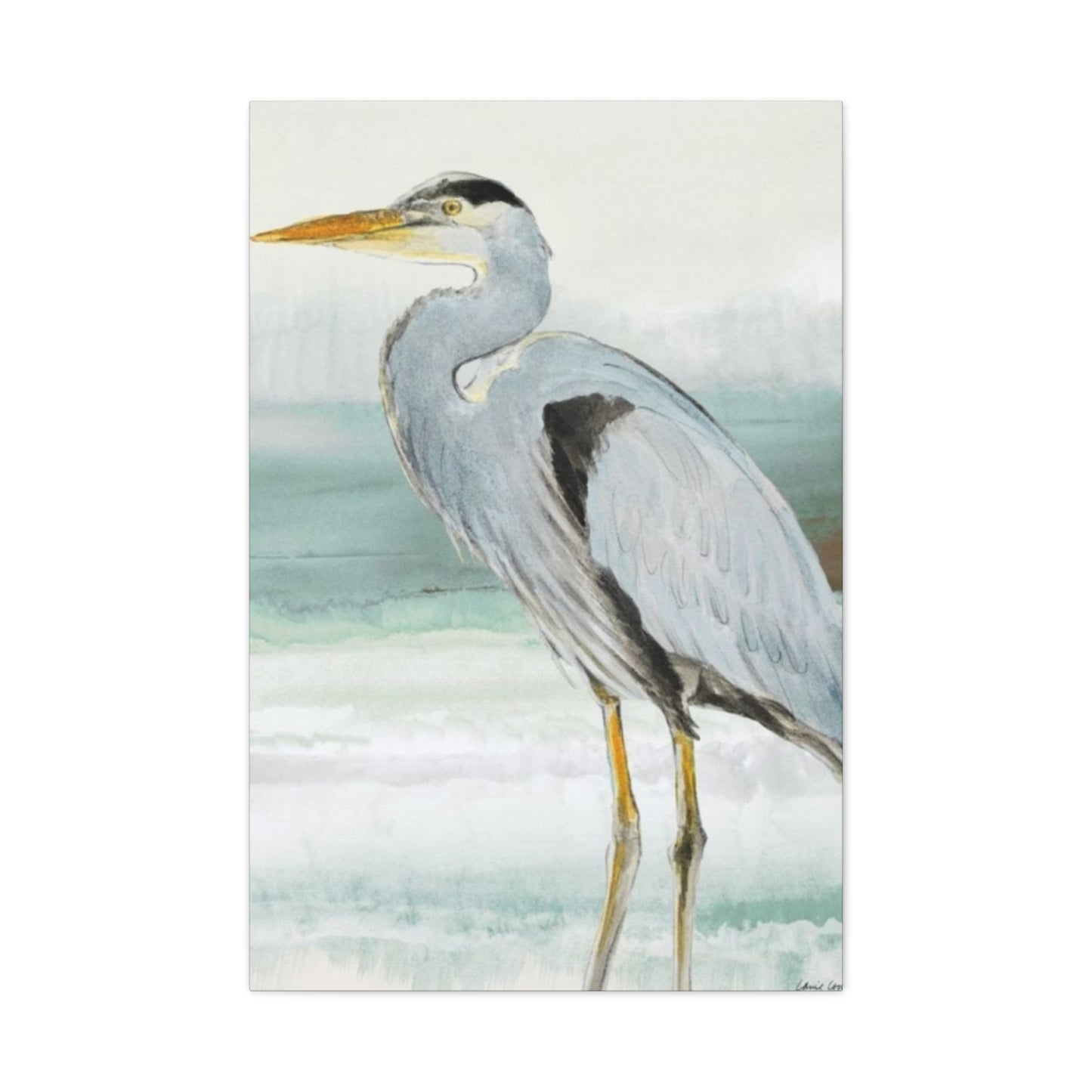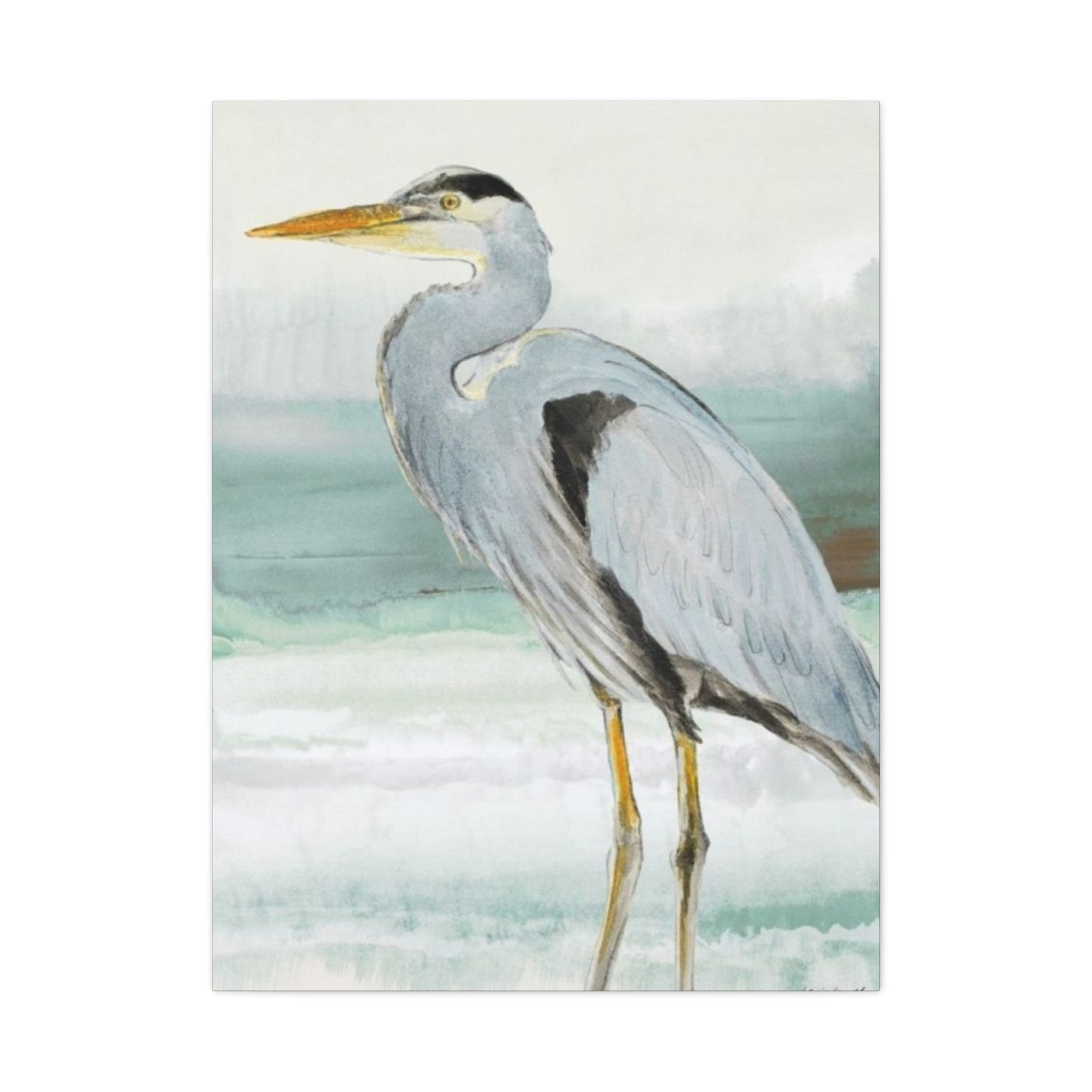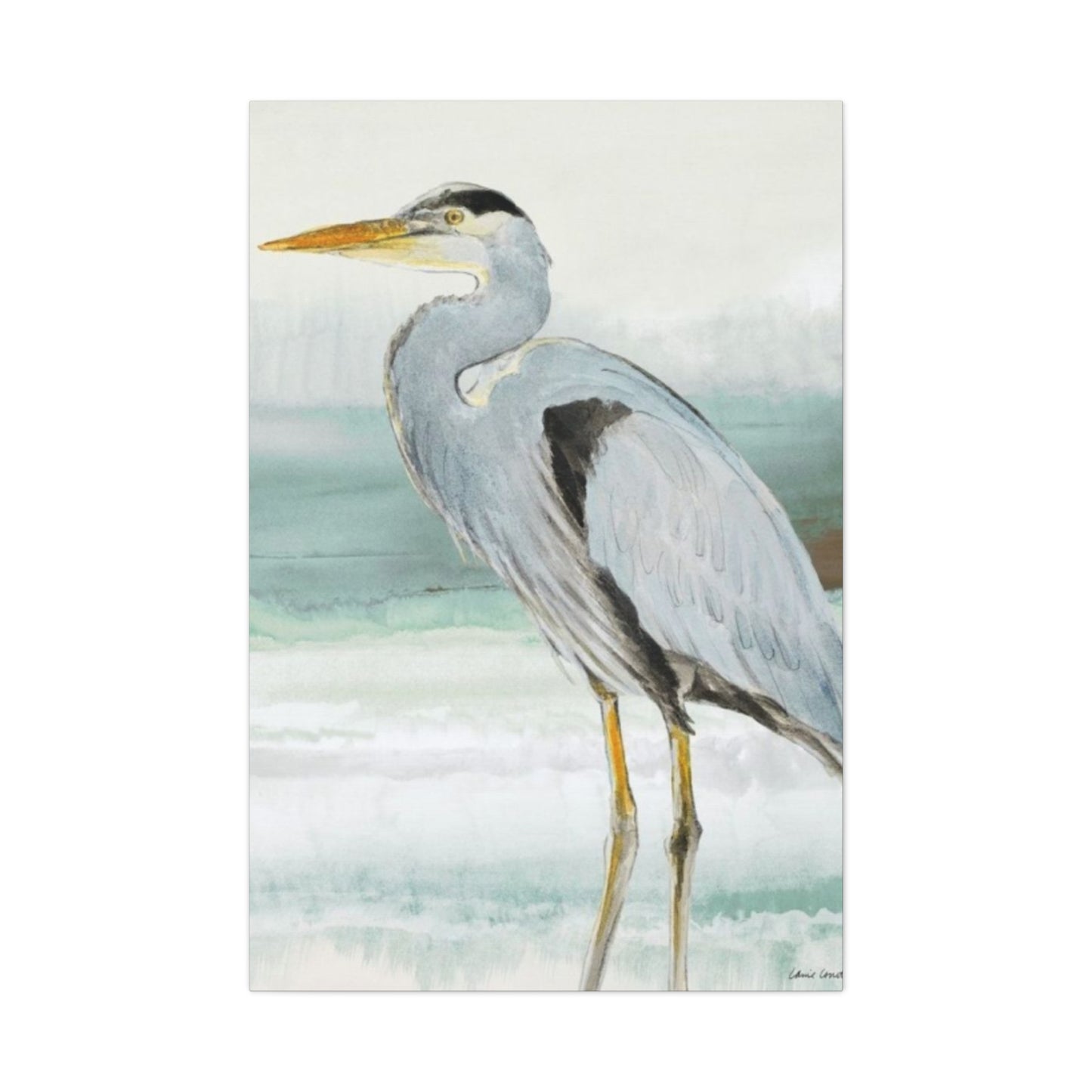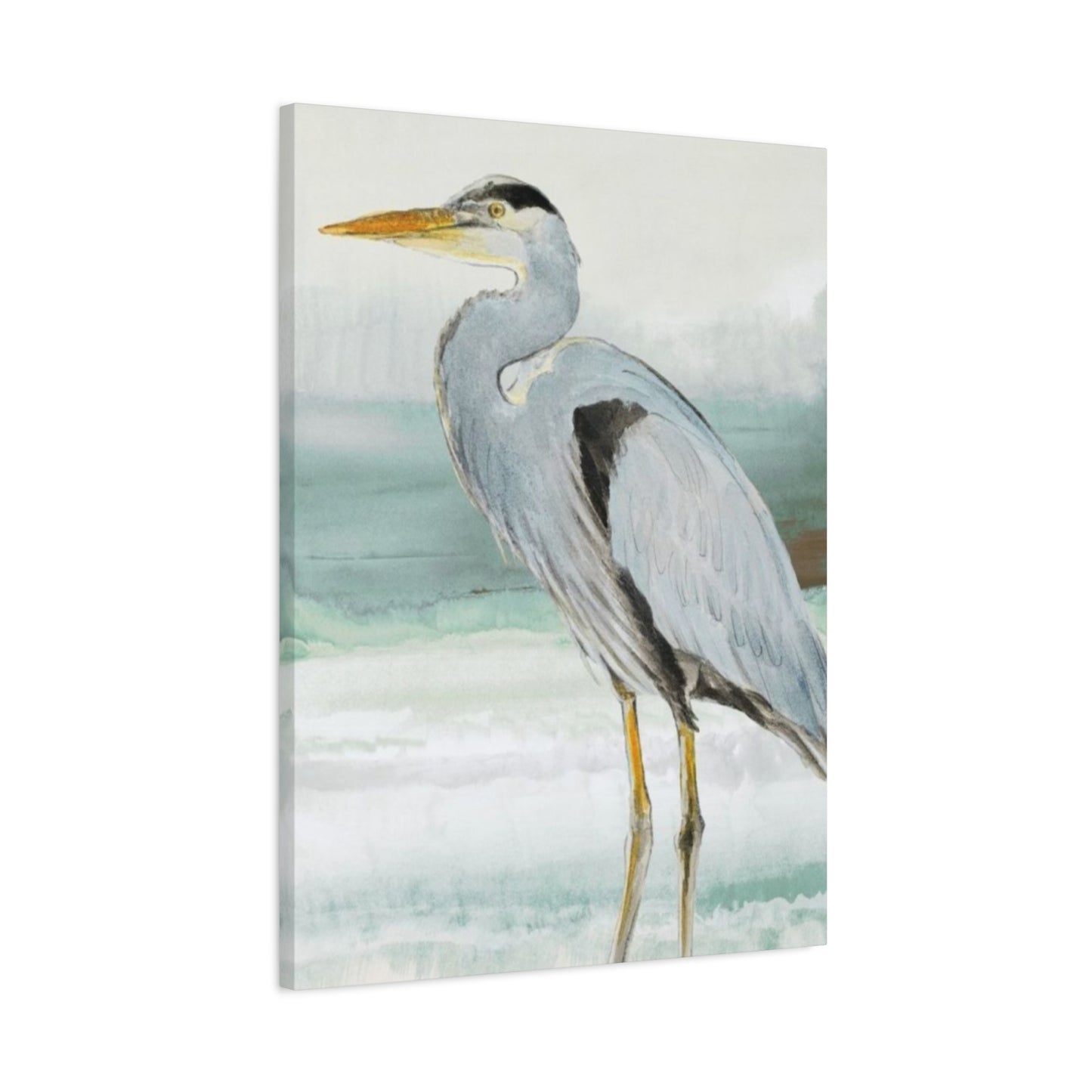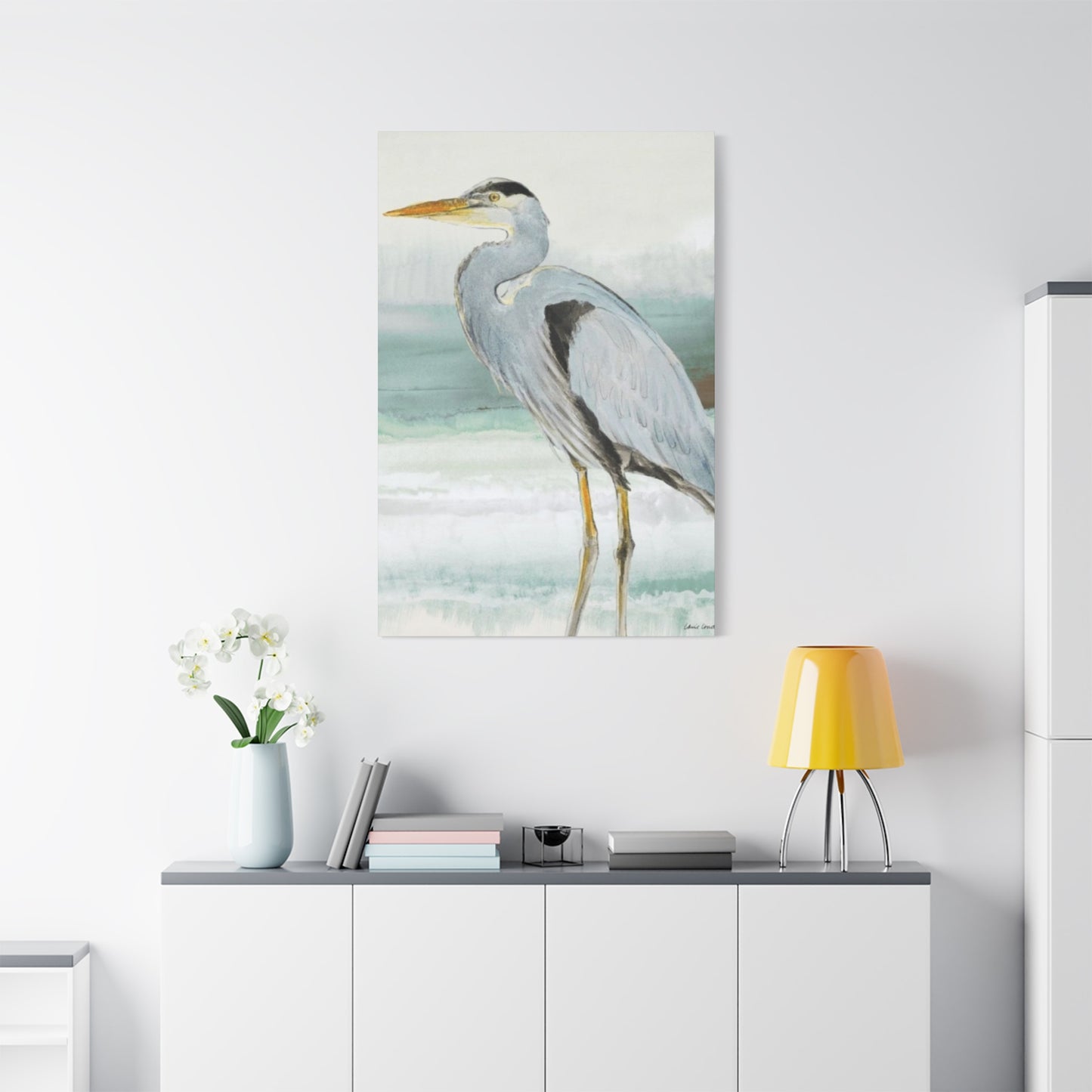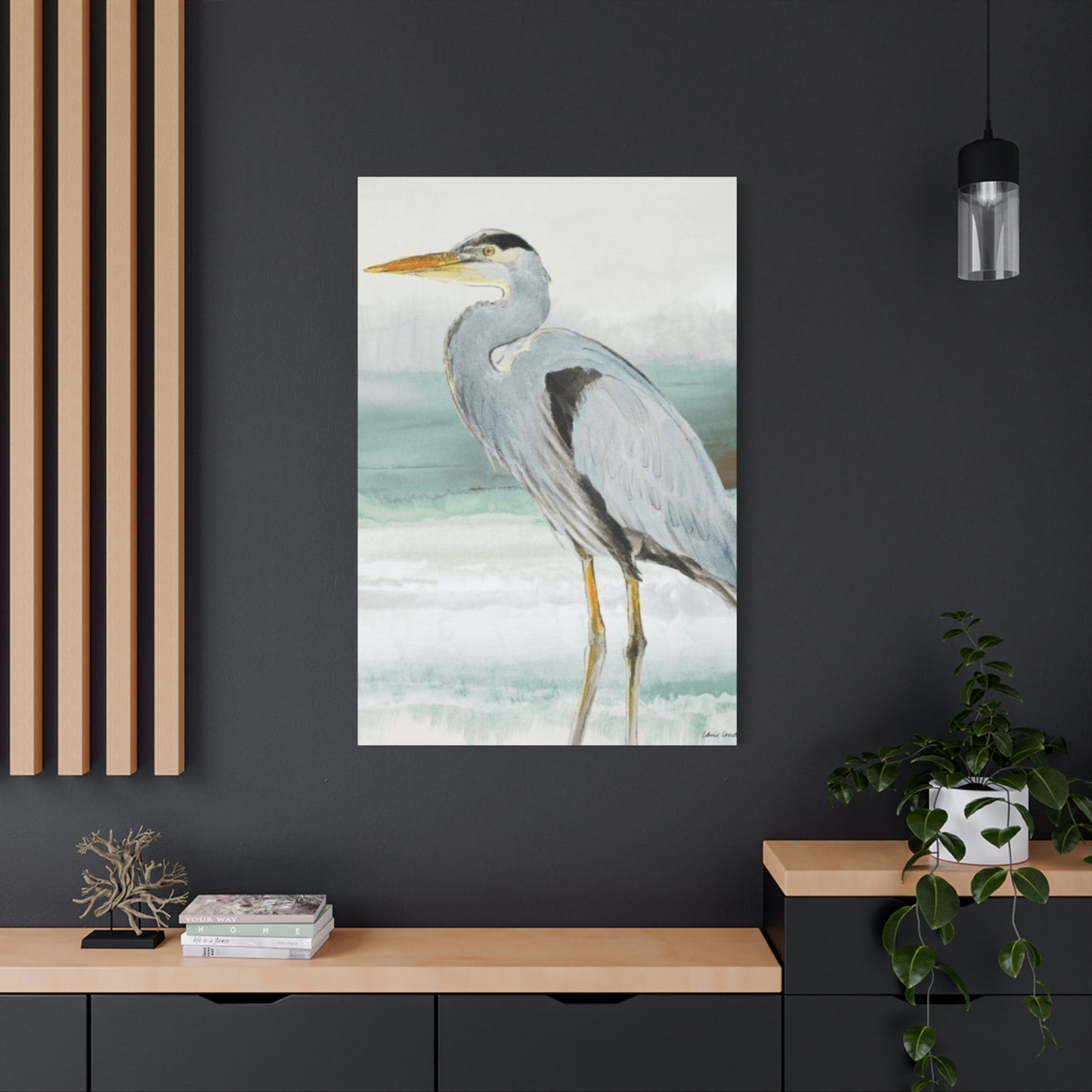


Beautiful White Heron Wall Art & Canvas Prints
Beautiful White Heron Wall Art & Canvas Prints
Couldn't load pickup availability
Exploring the Captivating World of Beautiful White Heron Wall Art: A Comprehensive Journey Through Artistic Expression and Natural Beauty
The realm of decorative wall pieces featuring graceful white herons has experienced remarkable growth in recent years, captivating homeowners, interior designers, and art enthusiasts alike. These stunning representations of one of nature's most elegant birds bring a sense of tranquility, sophistication, and natural wonder into living spaces. The beautiful white heron wall art has become more than just a decorative element; it represents a connection to the natural world and serves as a focal point that can transform any room into a sanctuary of peace and beauty.
The Mesmerizing Appeal of White Heron Imagery in Contemporary Interior Decoration
White herons have long been admired for their graceful movements, pristine plumage, and serene presence in natural habitats. When translated into wall art, these qualities become even more pronounced, offering viewers a constant reminder of nature's elegance. The beautiful white heron wall art captures the essence of these magnificent birds through various artistic mediums, from paintings and photographs to sculptures and mixed-media creations.
The popularity of heron-themed decorative pieces stems from their versatility and universal appeal. Unlike more aggressive or imposing wildlife imagery, white herons evoke feelings of calmness, purity, and contemplation. Their slender forms and elegant postures make them ideal subjects for artistic representation, allowing creators to experiment with different styles ranging from realistic portrayals to abstract interpretations.
When considering the addition of beautiful white heron wall art to your space, it's essential to understand the various factors that make these pieces so compelling. The natural habitat of white herons includes marshlands, coastal areas, and wetlands where they can be observed standing motionless in shallow waters or gliding gracefully through the air. These environments provide rich inspiration for artists who seek to capture not just the bird itself but the entire atmosphere surrounding it.
Diverse Artistic Styles and Mediums for Depicting White Herons in Wall Decor
The world of beautiful white heron wall art encompasses an impressive array of artistic approaches and materials. Each style offers unique characteristics that can complement different interior design schemes and personal preferences. Understanding these variations helps in selecting pieces that will resonate with your aesthetic vision and enhance your living environment.
Realistic paintings of white herons showcase the intricate details of their feathers, the delicate structure of their legs, and the focused intensity of their gaze. Artists who specialize in wildlife portraiture spend countless hours studying these birds to accurately capture their essence. The resulting works often feature stunning detail that allows viewers to appreciate the subtle variations in the bird's plumage, from the pure white of their bodies to the slight yellow tinge of their beaks.
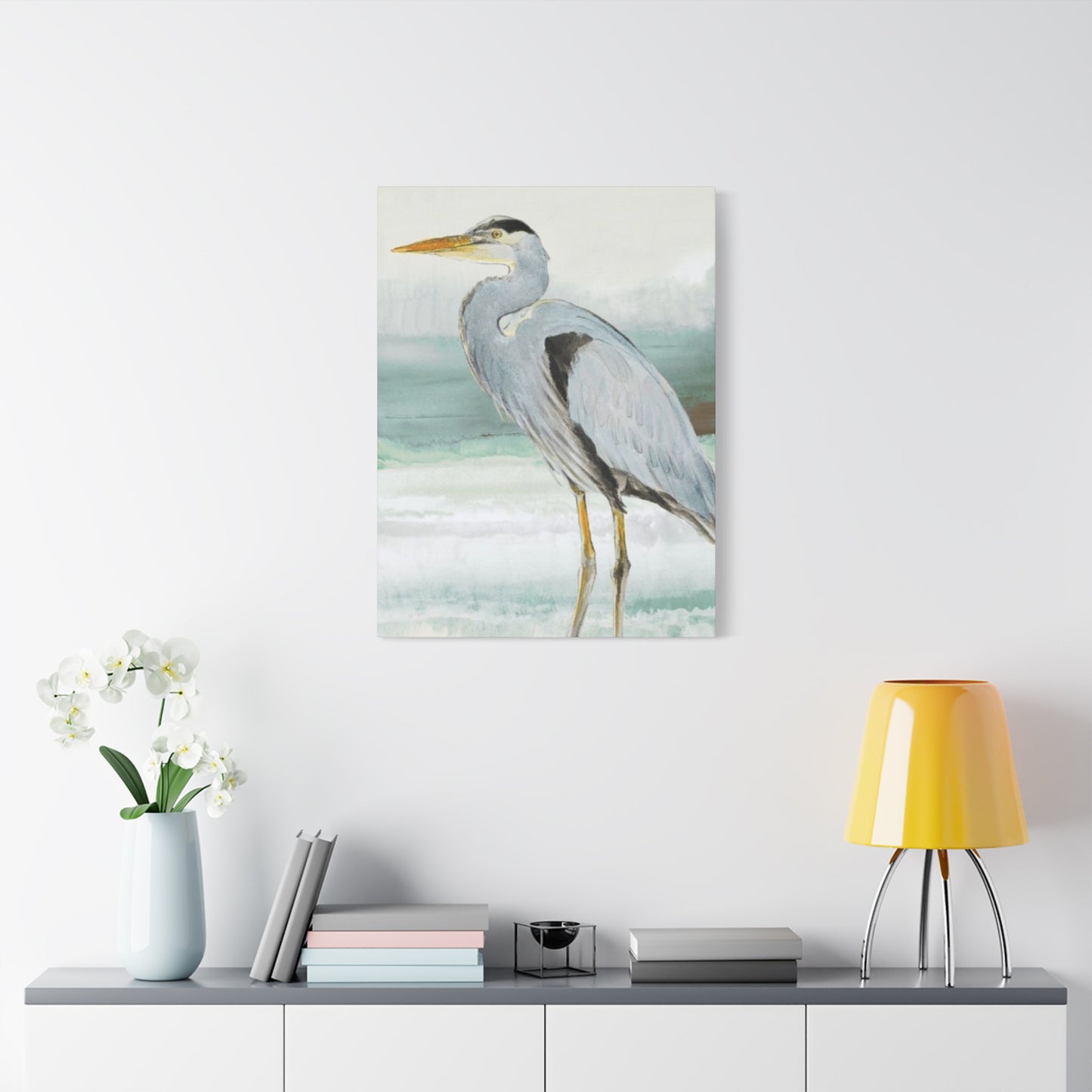
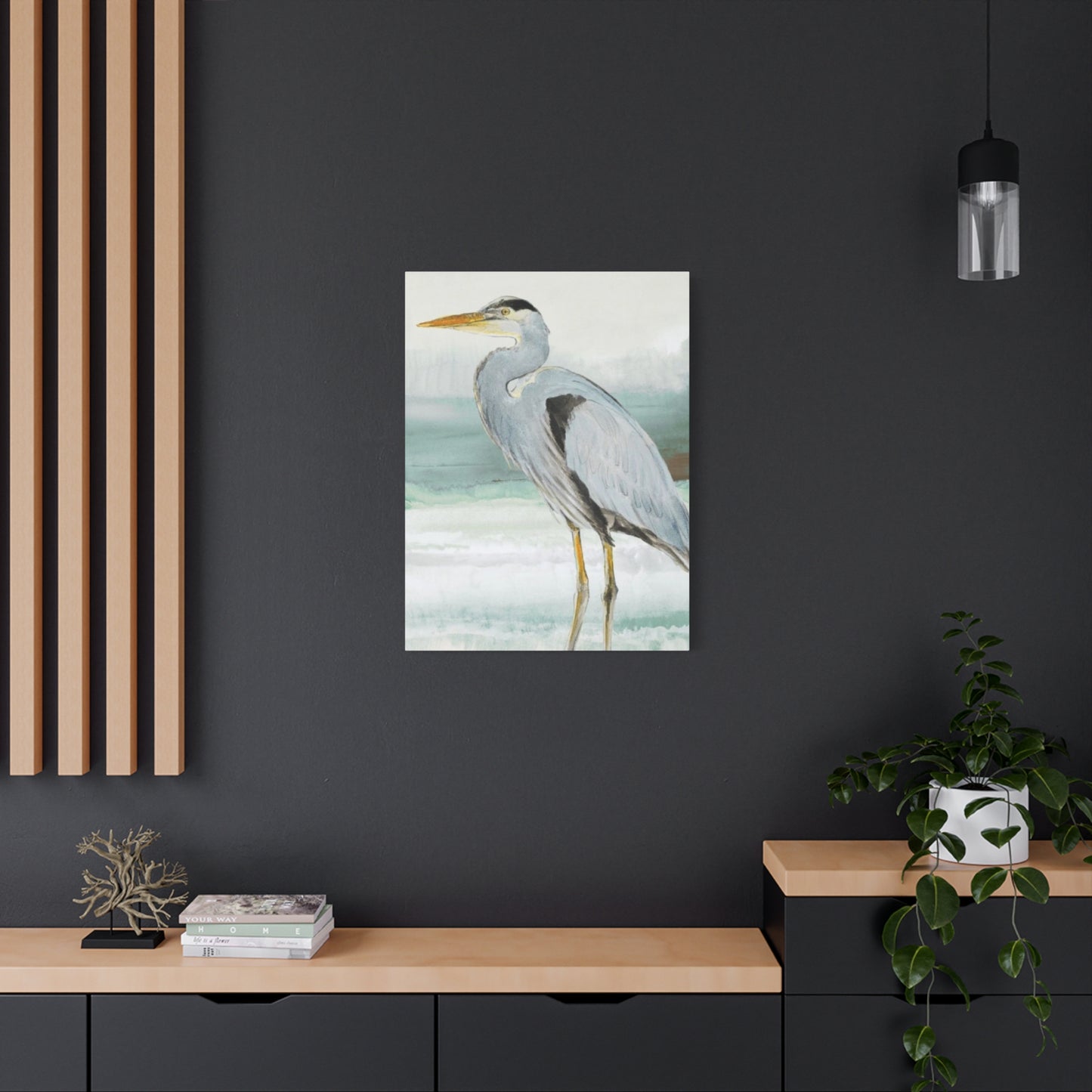
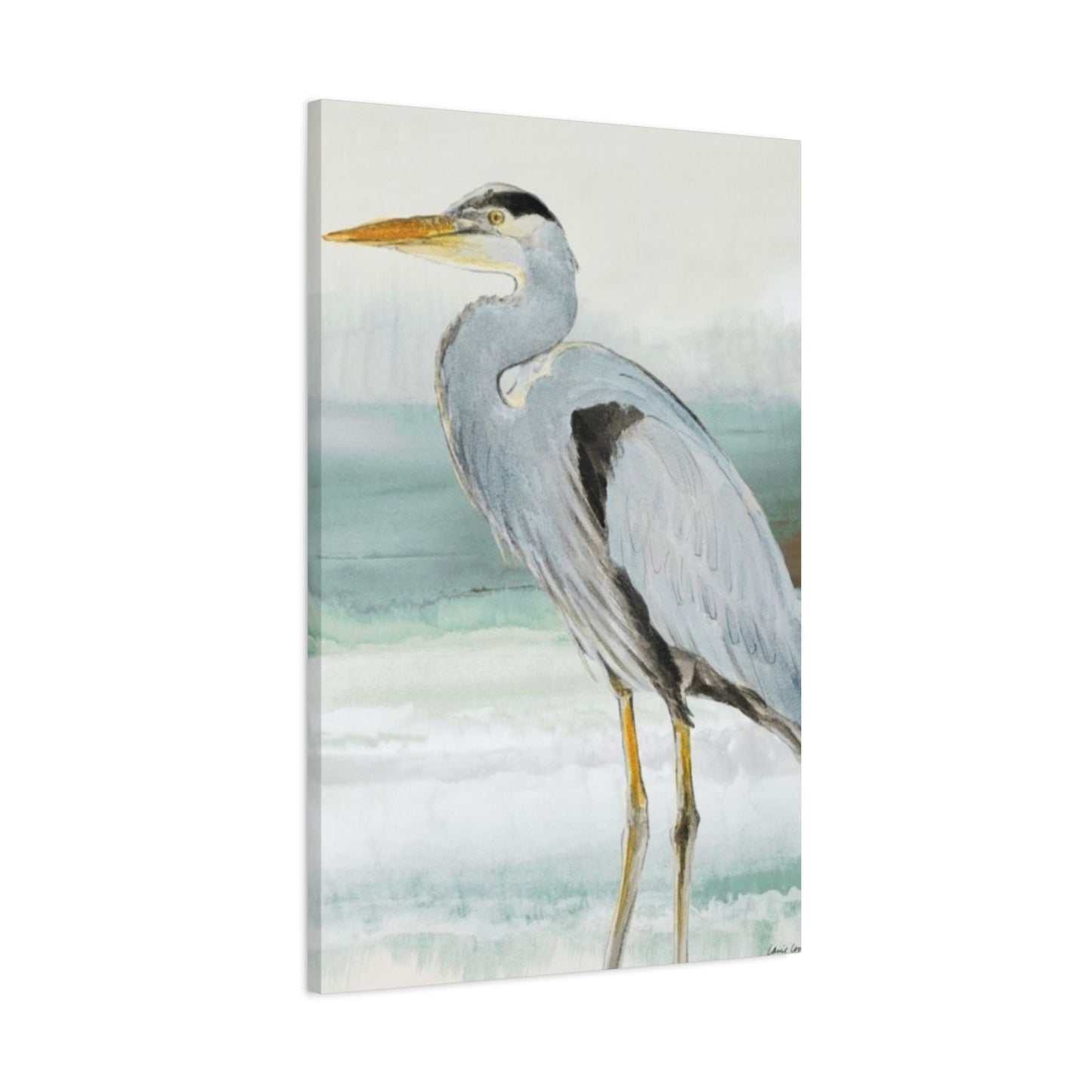
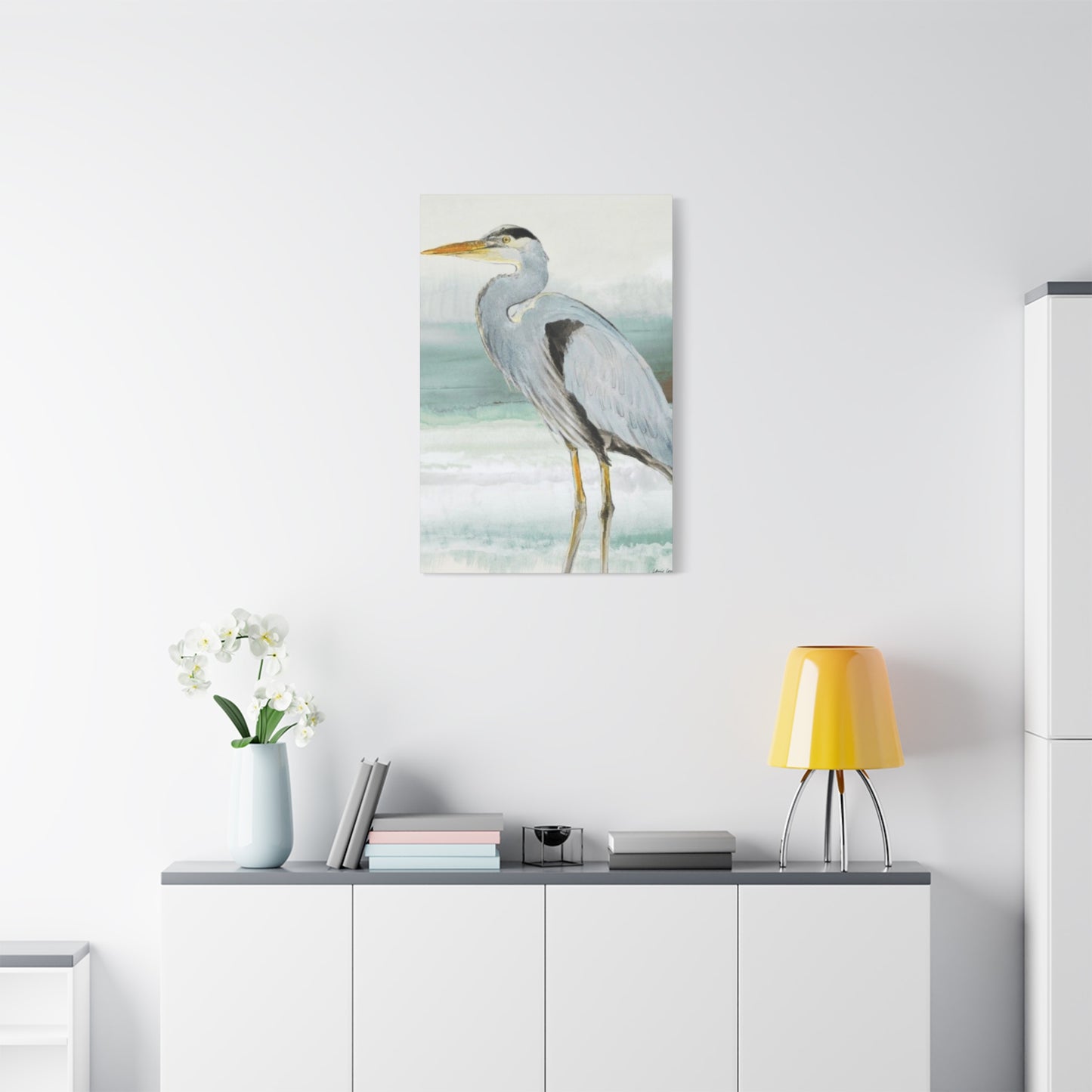
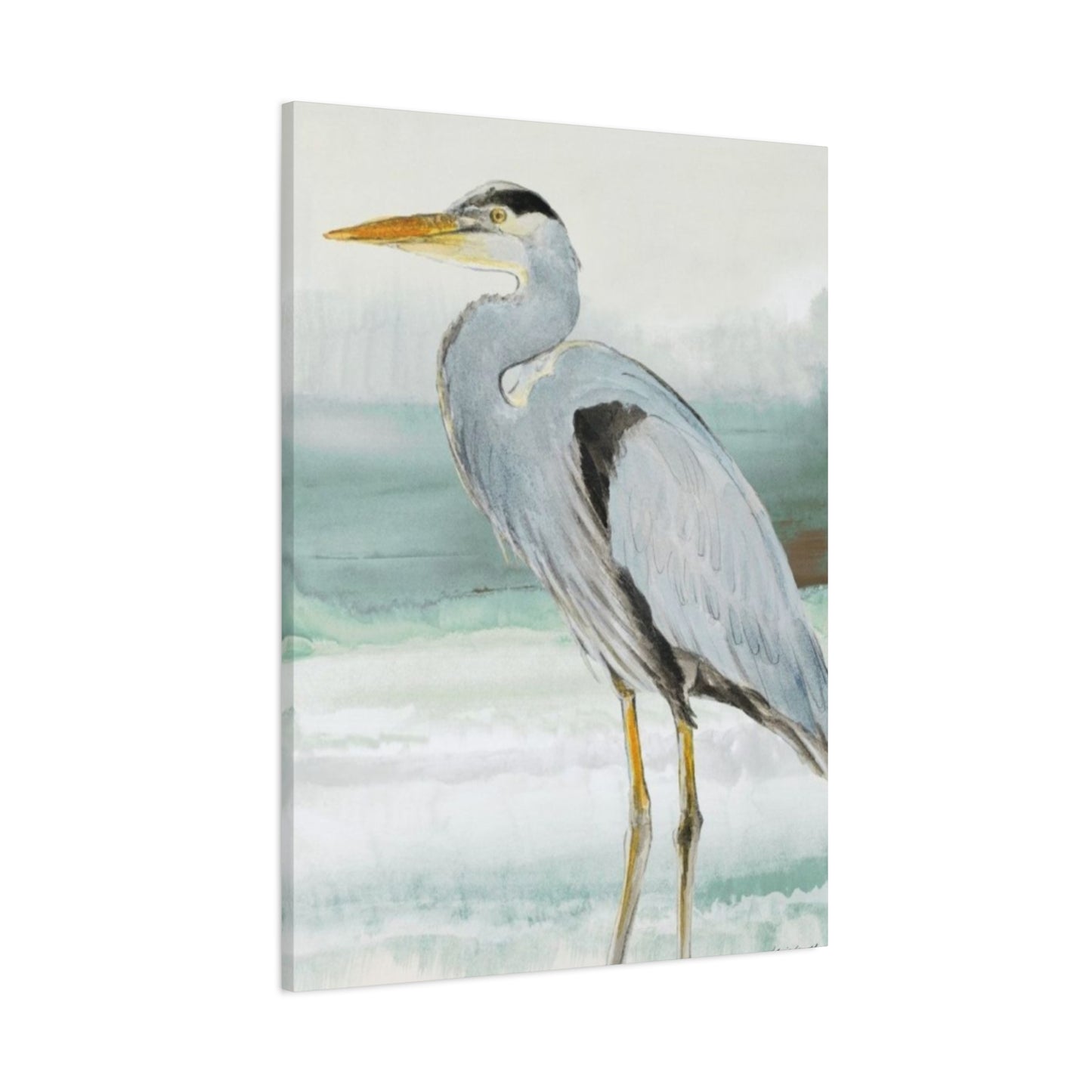
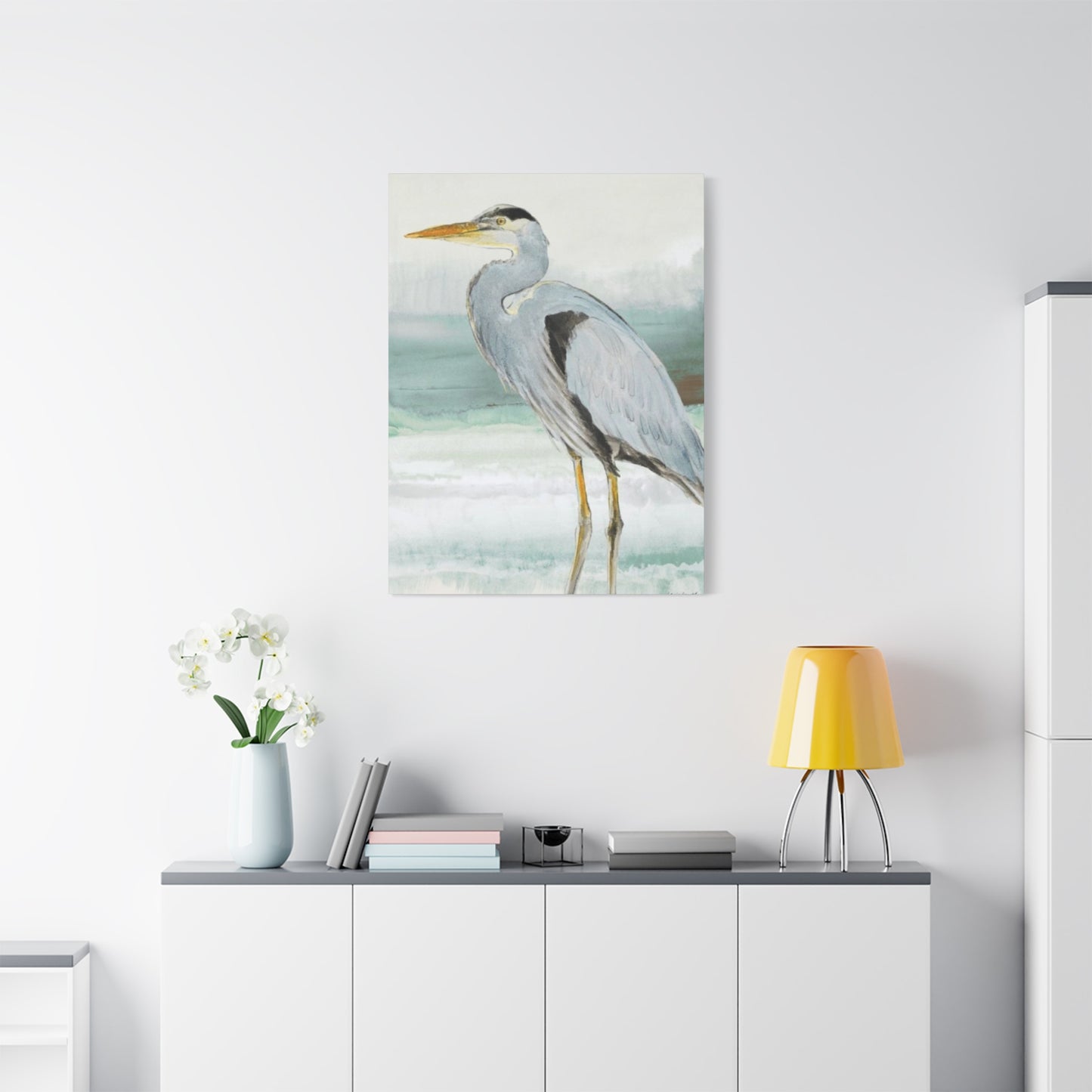
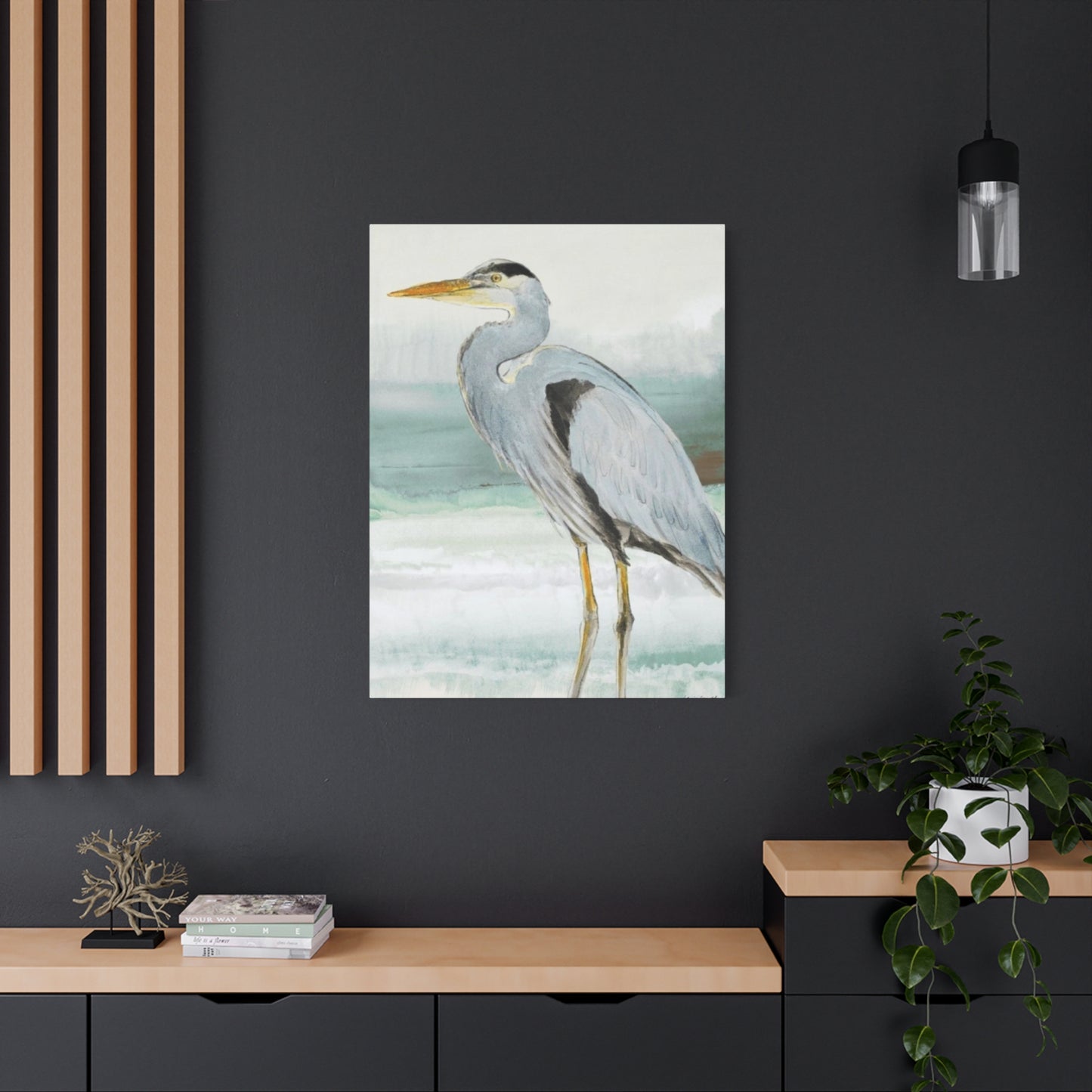
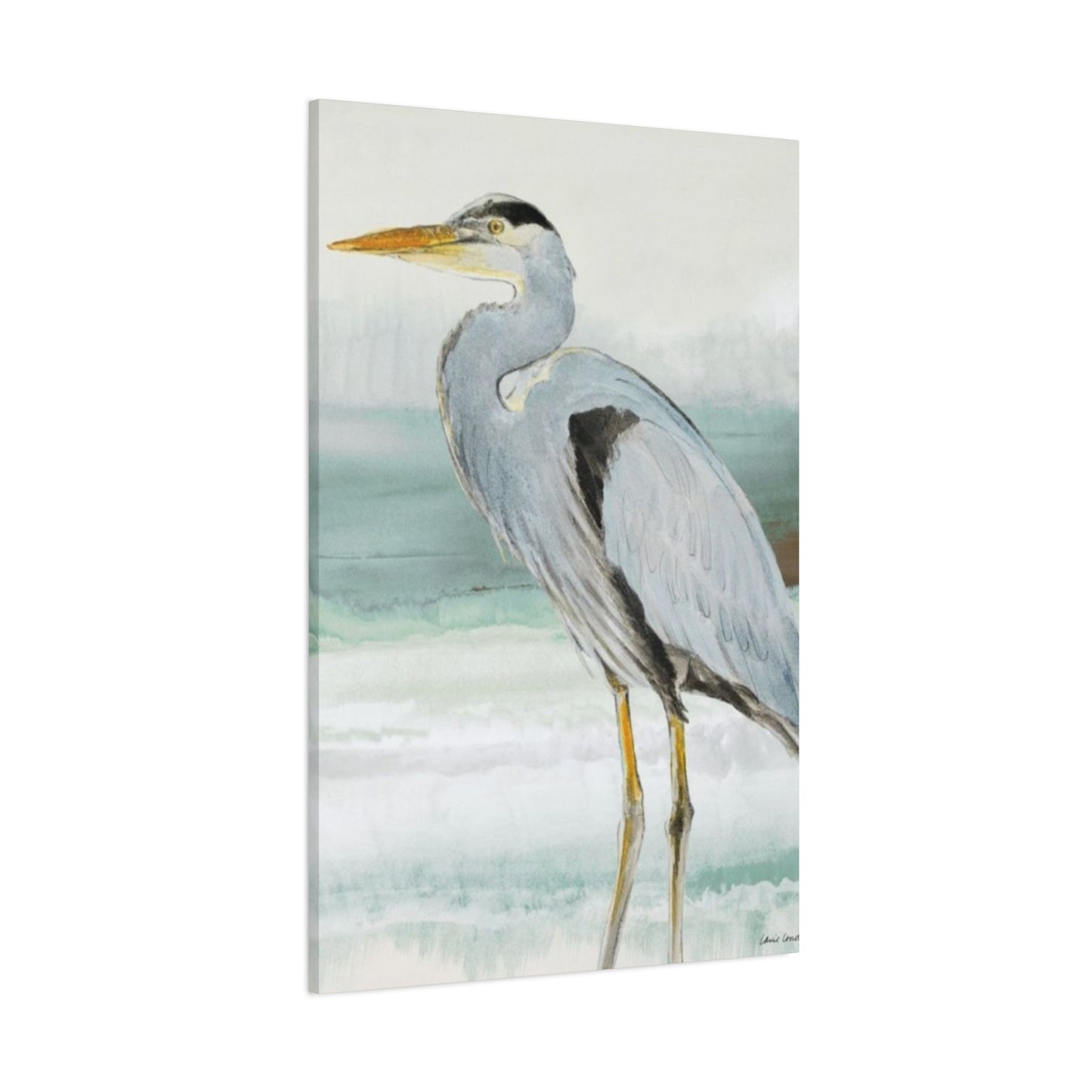
Watercolor representations of white herons bring a softer, more ethereal quality to wall art. This medium excels at conveying the fluidity of water environments and the gentle nature of these birds. The translucent layers of watercolor paint create depth and luminosity that perfectly suit the subject matter. Many artists choose watercolors when depicting herons in flight or standing in misty marshlands, as the medium naturally conveys a sense of atmosphere and mood.
Abstract interpretations of white herons have gained considerable popularity among collectors who appreciate contemporary art. These pieces might distill the bird's form down to its essential shapes and lines, creating minimalist compositions that suggest the heron's presence without depicting every detail. Such approaches can be particularly effective in modern interiors where clean lines and simplified forms are valued.
Photographic representations of white herons capture real moments in nature, offering authenticity that painted works cannot replicate. Wildlife photographers often spend days or weeks in the field waiting for the perfect shot, resulting in images that showcase these birds in their natural behaviors. The beautiful white heron wall art created from photographs can range from crisp, high-contrast images to softer, more artistic interpretations achieved through careful editing and printing processes.
Mixed-media creations combine various materials to create textured, dimensional pieces that engage viewers on multiple sensory levels. Artists might incorporate elements like reclaimed wood, metal accents, fabric, or even natural materials like reeds and grasses to enhance the connection to the heron's natural habitat. These pieces often become conversation starters and can serve as striking focal points in rooms.
The Symbolic Significance and Cultural Meanings Behind White Heron Imagery
Throughout various cultures and time periods, white herons have held special significance that extends beyond their physical beauty. Understanding these symbolic meanings can add depth to your appreciation of beautiful white heron wall art and help you select pieces that resonate on a deeper level.
In many Eastern cultures, white herons symbolize purity, patience, and grace. Their ability to stand motionless for extended periods while hunting has been interpreted as a lesson in mindfulness and focused attention. This association makes heron imagery particularly appealing to those who practice meditation or seek to create peaceful environments in their homes.
Native American traditions often view herons as symbols of self-determination and self-reliance. The bird's solitary hunting methods and independent nature have inspired stories and teachings about the importance of following one's own path. Incorporating beautiful white heron wall art with awareness of these meanings can serve as a daily reminder of personal strength and autonomy.
The color white itself carries universal symbolism related to new beginnings, clarity, and truth. When combined with the heron's natural elegance, these associations create powerful imagery that can influence the energy of a space. Many people choose white heron art for rooms intended for reflection, creativity, or renewal.
In Japanese aesthetics, herons represent good fortune and longevity. Their frequent appearance in traditional paintings and prints reflects their importance in Japanese culture. Contemporary beautiful white heron wall art that draws on these traditions can bring a sense of timeless elegance and cultural richness to modern spaces.
Selecting the Perfect White Heron Wall Art for Various Room Environments
Choosing the right beautiful white heron wall art for your space involves considering multiple factors including room size, existing decor, lighting conditions, and the mood you wish to create. Each environment presents unique opportunities and challenges that influence which pieces will work best.
For living rooms, larger statement pieces featuring white herons can serve as focal points that anchor the entire design scheme. A substantial canvas or framed print depicting a heron in flight or wading through marshlands can draw the eye and create a sense of drama. The living room's role as a gathering space makes it ideal for conversation-starting art that guests can appreciate and discuss.
Bedroom environments benefit from more serene and calming heron imagery. Pieces showing single herons in peaceful poses or soft, muted compositions can contribute to the restful atmosphere essential for quality sleep. The beautiful white heron wall art selected for bedrooms should avoid overly dynamic or busy compositions that might create visual stimulation counter to relaxation.
Home offices and study spaces can incorporate heron imagery that emphasizes focus and patience. Artworks depicting herons in their characteristic hunting stance, standing motionless and alert, can serve as visual metaphors for concentration and determination. These pieces can provide moments of contemplative pause during work sessions.
Bathrooms offer unique opportunities for water-themed heron art. Since herons are naturally associated with aquatic environments, placing beautiful white heron wall art in bathrooms creates thematic cohesion. The moisture-resistant materials necessary for bathroom art have expanded significantly, allowing for various options from specially treated canvas to metal prints.
Dining areas can feature heron art that complements the social and nourishing aspects of these spaces. Group compositions showing multiple herons or pieces that incorporate natural elements like water plants and sunset skies can enhance the dining experience by connecting meals to the abundance of nature.
Hallways and entryways benefit from series or collections of smaller heron pieces that create visual interest along extended wall spaces. A sequence of images showing different poses or perspectives of white herons can guide visitors through your home while maintaining thematic consistency.
The Interplay Between Color Palettes and White Heron Artwork
While white herons themselves present a limited color range, the backgrounds, settings, and artistic treatments applied to beautiful white heron wall art offer endless possibilities for color coordination with your existing decor.
Neutral-toned heron art featuring whites, grays, and subtle earth tones creates versatile pieces that complement virtually any color scheme. These works emphasize the heron's form and grace without introducing competing colors. They're particularly effective in minimalist or Scandinavian-inspired interiors where restraint and simplicity reign.
Blue-themed compositions depicting herons against water or sky backgrounds bring coolness and tranquility to spaces. Various shades from pale aqua to deep navy can be incorporated depending on the desired intensity. These pieces work exceptionally well in coastal or nautical-themed rooms but also add refreshing elements to landlocked homes.
Warm-toned pieces featuring golden hour lighting, sunset backgrounds, or autumn marsh settings introduce coziness and richness. The contrast between the pure white of the heron and warm oranges, reds, or golden yellows creates visually dynamic compositions. These works suit spaces where warmth and comfort are priorities.
Green-dominant heron art emphasizing the lush vegetation of wetland habitats brings nature's vitality indoors. From bright spring greens to deeper forest tones, vegetation provides context for the heron while introducing life-affirming color. Such pieces enhance biophilic design approaches that seek to strengthen human connections with nature.
Monochromatic treatments exploring various shades of a single color create sophisticated, cohesive artworks. Black and white heron photographs or paintings offer timeless elegance, while unexpected choices like sepia tones or blue monochromatics provide distinctive character. These approaches allow the heron's form to take precedence while maintaining visual interest through tonal variation.
Framing Considerations and Presentation Methods for Heron Wall Art
The manner in which beautiful white heron wall art is framed and presented significantly impacts its visual effect and integration with your space. Thoughtful consideration of these elements ensures that your chosen piece achieves its full potential.
Traditional wooden frames offer classic elegance that never goes out of style. Natural wood tones from light ash to deep walnut can be selected to coordinate with existing furniture and trim. The width and profile of the frame should be proportional to the artwork size, with larger pieces typically requiring more substantial framing to provide adequate visual weight.
Metal frames bring contemporary sophistication to heron art. Sleek aluminum or steel frames in finishes ranging from brushed nickel to matte black create clean, modern presentations. These frames work particularly well with photographic prints and abstract interpretations where contemporary sensibilities are emphasized.
Floating frames create the illusion that artwork hovers within the frame, adding dimensional interest. This presentation method works beautifully with canvas prints and can add perceived value to pieces. The shadow gap created between the artwork and frame adds subtle depth that enhances visual appeal.
Frameless presentations including gallery wraps where the image extends around the canvas edges create casual, contemporary looks. These pieces can be hung alone or grouped in clusters for greater impact. The absence of frames emphasizes the artwork itself and can make spaces feel less formal.
Custom matting provides opportunities to introduce color accents or create visual breathing room around smaller pieces. A well-chosen mat in a complementary or contrasting color can dramatically enhance the presentation of beautiful white heron wall art. Multiple mat layers can add sophistication to formal spaces.
Shadow boxes accommodate three-dimensional or mixed-media heron art requiring depth. These frames protect delicate elements while displaying them effectively. They work particularly well for pieces incorporating natural materials or sculptural elements that extend beyond flat surfaces.
The Role of Lighting in Showcasing White Heron Wall Art Effectively
Proper illumination transforms beautiful white heron wall art from pleasant decoration to stunning focal points that command attention. Understanding lighting principles helps you present your chosen pieces to their best advantage.
Natural daylight brings out the truest colors and finest details in heron artwork. Positioning pieces where they receive indirect sunlight avoids the fading risks associated with direct exposure while benefiting from natural illumination's quality. North-facing walls in the northern hemisphere receive consistent, even light ideal for artwork display.
Picture lights mounted directly above or below frames provide focused illumination that highlights specific pieces. These fixtures come in various styles from traditional brass to modern LED strips. Adjustable models allow you to direct light precisely where needed, reducing glare while maximizing visibility.
Track lighting offers flexibility for illuminating multiple pieces or adjusting focus as your collection evolves. Individual fixtures can be angled to highlight different works, and the ability to reposition them makes track systems particularly valuable in gallery-style displays or rooms where arrangements change periodically.
Recessed ceiling lights positioned to wash walls with illumination create even lighting across entire surfaces. This approach works well when displaying multiple heron pieces in collection groupings where individual spotlighting might create confusing focal competition.
Accent lighting placed strategically around rooms can subtly draw attention to beautiful white heron wall art without directly illuminating it. This indirect approach creates ambient interest and can make artwork visible even in dimly lit spaces designed for relaxation.
Avoiding glare requires careful consideration of light source placement relative to artwork surfaces. Glass-covered pieces are particularly susceptible to reflection issues. Positioning lights at appropriate angles and using non-reflective glazing materials helps minimize these problems.
Creating Harmonious Gallery Walls and Collections with Heron Imagery
Grouping multiple pieces of beautiful white heron wall art creates impactful displays that transform entire walls into artistic statements. Successful collections require planning and attention to composition principles.
Thematic collections centered on white herons can showcase different artistic interpretations or depict various aspects of heron life. Combining realistic portrayals with abstract versions, or mixing photographs with paintings creates visual interest through variety while maintaining cohesive subject matter.
Size variation within collections prevents monotony and creates dynamic visual rhythms. Combining large statement pieces with smaller supporting works allows eyes to move across the display in engaging ways. Odd-numbered groupings typically feel more natural and balanced than even-numbered arrangements.
Consistent spacing between pieces creates professional-looking installations. Gallery walls typically employ uniform gaps of two to four inches between frames. Maintaining these intervals requires careful measurement and planning, but the results justify the effort.
Color coordination across multiple pieces ensures that collections feel intentional rather than random. Even when individual artworks feature different palettes, selecting pieces that share certain tones or intensities creates underlying unity. Beautiful white heron wall art naturally shares the white element, providing inherent cohesion.
Geometric arrangements following grid patterns or symmetrical layouts suit formal spaces and traditional decor. These structured approaches bring order and predictability that some environments require. Templates and planning tools help achieve precise alignment.
Organic arrangements with asymmetrical layouts create casual, contemporary feels. These salon-style groupings require more intuition and experimentation but often result in more dynamic, personalized displays. Laying pieces out on the floor before hanging helps visualize the final effect.
Sourcing Authentic and Quality White Heron Wall Art from Various Venues
Finding beautiful white heron wall art that meets your standards for quality and authenticity requires knowing where to look and what criteria to apply when evaluating potential purchases.
Local art galleries specializing in wildlife or nature subjects often carry excellent heron pieces from regional artists. Establishing relationships with gallery owners can provide access to new works before they reach wider markets. These venues allow in-person examination of artwork quality impossible through online shopping.
Artisan markets and craft fairs bring opportunities to meet artists directly and discuss their creative processes. Purchasing beautiful white heron wall art from makers themselves often results in better pricing than gallery purchases while supporting creators more directly. These events also allow for custom commission discussions.
Online marketplaces have democratized art purchasing, making works from creators worldwide accessible. However, the inability to physically examine pieces before purchase requires careful evaluation of seller reputations, return policies, and product descriptions. High-resolution images from multiple angles help assess quality remotely.
Artist websites and direct-from-creator sales eliminate intermediaries, often resulting in better prices and more personal connections. Following favorite artists through social media or mailing lists provides early notification of new releases. Direct relationships may enable special requests or modifications.
Auctions both online and in-person offer opportunities to acquire unique or vintage heron art. These venues require research and sometimes quick decision-making. Understanding fair market values prevents overpaying while recognizing genuine deals when they appear.
Print-on-demand services allow high-quality reproduction of heron photography and digital art. While these pieces lack the uniqueness of original works, they make beautiful imagery accessible at various price points. Quality varies significantly between providers, making research essential.
The Environmental and Ethical Considerations in Wildlife Art Collecting
Responsible collecting of beautiful white heron wall art involves awareness of how artwork creation impacts the natural world and the artists who create it.
Supporting artists who advocate for wetland conservation and heron habitat protection extends the positive impact of your purchase beyond personal enjoyment. Many wildlife artists donate portions of proceeds to environmental organizations working to preserve the ecosystems these birds require.
Ensuring that wildlife photography was conducted ethically matters to conscientious collectors. Photographers should maintain respectful distances that don't disturb nesting birds or interfere with natural behaviors. Images captured using appropriate telephoto lenses without baiting or harassing subjects reflect responsible practices.
Choosing sustainable framing materials reduces environmental footprints. Reclaimed wood frames, recycled metal options, and sustainably harvested timber products allow beautiful presentation without contributing to deforestation. Many framing shops now offer eco-conscious alternatives.
Avoiding pieces created from actual feathers, eggs, or body parts of protected bird species ensures compliance with wildlife protection laws. While antique pieces may predate current regulations, contemporary works should never incorporate actual heron materials. Artificial alternatives exist for any desired effects.
Supporting emerging artists helps diversify the field and ensures that wildlife art remains vibrant and evolving. Established names carry prestige, but discovering talented newcomers can be equally rewarding and often more affordable. Many emerging artists bring fresh perspectives to traditional subjects like white herons.
Understanding the cultural sensitivity surrounding certain depictions of white herons matters when selecting art influenced by indigenous traditions. Respecting the origins and meanings of specific imagery styles acknowledges the cultural heritage they represent.
The Psychological and Emotional Impacts of Nature-Inspired Wall Decor
The presence of beautiful white heron wall art in living spaces influences mood, stress levels, and overall wellbeing through multiple mechanisms that researchers continue to explore and document.
Biophilic design principles recognize humans' innate connection to nature and our need for natural elements in built environments. Wildlife imagery like heron art satisfies this need when actual nature access is limited. Urban dwellers particularly benefit from these visual connections to the natural world.
Stress reduction occurs when viewing calming nature scenes. White herons' association with peaceful wetland environments and their own serene demeanor create imagery that promotes relaxation. Studies indicate that natural imagery can lower blood pressure and reduce cortisol levels.
Visual complexity at moderate levels engages attention without overwhelming. Well-composed heron art provides sufficient detail to remain interesting during repeated viewing without becoming visually chaotic. This balance supports sustained enjoyment over years of daily exposure.
Color psychology explains some of art's emotional impacts. The white of herons symbolizes purity and peace across cultures, while blue water tones promote calmness. Green vegetation suggests growth and renewal. Artists' color choices significantly influence pieces' emotional effects.
Personal meaning adds layers of significance beyond universal responses. Someone who grew up near marshlands where herons nested will experience deeper connections to heron imagery than others. Beautiful white heron wall art can evoke treasured memories and strengthen sense of identity.
Conversation facilitation represents another benefit of distinctive artwork. Interesting pieces spark discussions among family members and guests, strengthening social bonds. Explaining why you chose particular heron art and what it means to you creates opportunities for connection.
Caring for and Preserving White Heron Wall Art Across Different Mediums
Proper maintenance ensures that beautiful white heron wall art retains its visual appeal and value over decades of display. Different materials require specific care approaches.
Canvas paintings and prints need protection from excessive moisture, direct sunlight, and extreme temperature fluctuations. Periodic dusting with soft, dry brushes removes accumulated particles without damaging surfaces. Avoid commercial cleaners unless specifically formulated for canvas art.
Framed works behind glass require regular cleaning of glazing surfaces using appropriate glass cleaners applied to cloths rather than directly on glass to prevent liquid seepage. Microfiber cloths prevent scratching while removing fingerprints and dust.
Metal art pieces may require occasional polishing depending on the finish. Clear-coated metals need only dusting, while unfinished pieces might develop patina that some owners appreciate and others prefer to remove. Manufacturer guidelines should be followed when provided.
Photographic prints on various media have specific care requirements. Archival papers are more stable than standard photographic papers but still benefit from UV-protective glazing. Regular inspection for fading or discoloration allows early intervention if deterioration begins.
Wood elements in frames or mixed-media pieces benefit from occasional treatment with appropriate wood care products. Avoiding excessive moisture prevents warping and deterioration. Natural wood oils maintain appearance while protecting surfaces.
Climate control prevents the expansion and contraction cycles that damage artwork over time. Maintaining relatively stable humidity levels between forty and sixty percent protects most art types. Avoiding placement near heating vents or air conditioning units prevents localized extremes.
Incorporating White Heron Wall Art into Various Interior Design Styles
The versatility of beautiful white heron wall art allows integration into diverse design aesthetics from traditional to ultra-modern. Understanding style compatibility helps select appropriate pieces.
Coastal design naturally embraces heron imagery given these birds' association with shorelines and marshes. Pieces featuring beaches, dunes, or maritime settings reinforce coastal themes. Weathered frames and relaxed compositions suit this style's casual elegance.
Farmhouse aesthetics value rustic charm and connections to agrarian life. While herons aren't farm animals, their presence near rural ponds and streams makes them appropriate subjects. Distressed frames and paintings with vintage feels complement farmhouse interiors.
Contemporary spaces benefit from clean-lined heron art emphasizing geometric forms or abstract interpretations. Minimalist compositions with ample negative space suit this style's restraint. Frameless presentations or sleek metal frames maintain contemporary sensibilities.
Traditional interiors accommodate realistic heron paintings in ornate frames. Classical composition techniques and rich color palettes align with traditional design values. Formal symmetry in placement respects this style's appreciation for order.
Zen-inspired spaces find perfect companions in serene heron imagery emphasizing stillness and mindfulness. Simple presentations and monochromatic palettes support the meditative qualities these environments seek to cultivate. The heron's patient hunting stance embodies Zen principles.
Eclectic design's embrace of diverse elements allows freedom in selecting heron art. Mixing styles, mediums, and eras creates personalized spaces reflecting individual tastes. The common thread of heron subjects provides cohesion amid intentional variety.
The Investment Potential and Collectibility of Wildlife Art Featuring Herons
For those interested in art as more than decoration, understanding the factors that influence the value and collectibility of beautiful white heron wall art provides important context for purchasing decisions.
Artist reputation significantly impacts both current prices and appreciation potential. Established wildlife artists with strong auction records command higher prices but also hold value more reliably. Researching artists' exhibition histories, awards, and critical reception informs investment decisions.
Limited edition prints offer more affordable entry into collecting signed works by respected artists. Edition size matters—smaller editions typically maintain value better than larger ones. Numbering and artist signatures authenticate pieces and verify their place within editions.
Original paintings represent unique creations that generally appreciate more reliably than reproductions. The one-of-a-kind nature of originals appeals to serious collectors. Provenance documentation tracing ownership history adds value and authenticity verification.
Medium and technique influence desirability among collectors. Oil paintings traditionally command higher prices than watercolors, though exceptions exist for exceptional watercolor artists. Technical mastery and innovative approaches can overcome medium-based prejudices.
Condition dramatically affects value in the secondary market. Well-preserved pieces with minimal fading, no damage, and original framing maintain worth better than deteriorated examples. Professional conservation can restore compromised works but may not recover full value.
Market trends for wildlife art fluctuate with broader art market cycles and environmental awareness levels. Growing concern about habitat loss and species protection has increased interest in wildlife art generally. White herons' stable populations make them less controversial subjects than endangered species.
Documentation including certificates of authenticity, purchase receipts, and artist statements should be preserved carefully. These materials prove legitimacy and provide information valuable to future owners. Digital copies protect against physical document loss.
Commissioning Custom White Heron Wall Art from Talented Artists
Creating unique beautiful white heron wall art through artist commissions results in pieces perfectly tailored to your specifications and guaranteed to be one-of-a-kind additions to your collection.
Selecting the right artist requires reviewing portfolios to find creators whose existing style resonates with your vision. Wildlife specialists bring subject expertise while versatile artists might offer unexpected interpretations. Compatibility in working style and communication preferences matters for smooth collaboration.
Clearly communicating your vision helps artists understand your expectations. Describing desired mood, preferred color palette, approximate dimensions, and any specific heron poses or settings you envision provides essential direction. Reference images of both heron subjects and artistic styles you admire clarify your vision.
Discussing timelines establishes realistic expectations. Original artwork requires substantial time for conception, creation, and drying or finishing processes. Rush fees may apply for expedited completion. Building buffer time accommodates unexpected delays without causing frustration.
Negotiating pricing involves understanding that commissioned work typically costs more than existing pieces due to the personalized nature. Factors influencing cost include size, medium complexity, artist experience, and timeline. Deposit arrangements protect both parties' interests.
Contract agreements should specify deliverables, payment schedules, revision policies, and ownership rights. Understanding whether you're purchasing only the physical artwork or also reproduction rights matters if you envision using the image for other purposes. Written agreements prevent misunderstandings.
Progress updates during creation allow feedback and minor adjustments before completion. Most artists welcome reasonable input but resist major direction changes mid-process. Trusting their expertise while maintaining communication creates collaborative relationships.
Revisions after completion may be possible depending on medium and extent of requested changes. Oil paintings can be modified more easily than watercolors. Discussing revision policies before commencing work clarifies options if the initial result doesn't fully meet expectations.
The Process Behind Creating Different Types of White Heron Wall Art
Understanding how artists and craftspeople create beautiful white heron wall art deepens appreciation for finished pieces and informs quality assessment when purchasing.
Wildlife painters typically begin with extensive field observation and photography. Time spent watching herons in their natural habitats provides understanding of anatomy, movement patterns, and characteristic poses. Sketches and photographic references inform studio work.
Composition planning involves deciding focal points, background elements, and overall layout. Artists consider negative space, visual flow, and balance. Thumbnail sketches explore options before committing to full-scale pieces. Strong compositions direct viewer attention while maintaining overall harmony.
Underpainting establishes basic values and composition in many painting processes. These initial layers block in major shapes and tonal relationships. Building subsequent layers gradually increases detail and refines color relationships. Patient development produces luminous results.
Detail rendering requires specialized techniques depending on subject matter and medium. Capturing feather texture demands fine brushwork or careful color blending. Depicting water convincingly involves understanding reflection principles and light interaction with liquid surfaces.
Photography-based art begins with capturing images during dedicated wildlife observation sessions. Professional wildlife photographers invest in long telephoto lenses enabling detailed shots from respectful distances. Patience yields images capturing compelling moments and authentic behaviors.
Post-processing transforms raw photographs into finished art prints. Adjusting exposure, contrast, and color balance optimizes visual impact. Selective editing enhances certain elements while maintaining natural appearance. Printing on high-quality archival media ensures longevity.
Sculpture creation involves completely different processes. Artists working in metal cut, weld, and finish materials into three-dimensional heron forms. Detail levels vary from realistic reproductions to stylized interpretations. Mounting mechanisms must support pieces securely while remaining visually unobtrusive.
Mixed-media artists combine various materials for unique effects. They might start with painted backgrounds, add photographic elements, incorporate textured materials like fabric or paper, and finish with embellishments. Experimentation and revision characterize this exploratory process.
Seasonal Considerations for Displaying White Heron Wall Art
The ability to rotate beautiful white heron wall art seasonally or maintain consistent year-round displays depends on personal preference and practical considerations worth exploring.
Spring displays might feature heron imagery emphasizing new growth, nesting behaviors, and the fresh energy of seasonal renewal. Pieces showing herons among spring flowers or in breeding plumage celebrate this season's vitality. Lighter, brighter compositions suit spring's increasing daylight.
Summer art selections could showcase herons in full daylight with vibrant skies and lush vegetation. Active poses depicting hunting or flight capture summer's energy. Coastal scenes remind viewers of beach vacations and warm weather pursuits even when indoors.
Autumn presentations featuring herons against fall foliage or in marshlands transitioning to dormancy acknowledge seasonal change. Warmer color palettes with oranges, reds, and golden tones suit this harvest season. Migration-themed pieces recognize the journeys some heron species undertake.
Winter displays work well with stark, minimalist heron compositions emphasizing stillness and contemplation. Snowy scenes or pieces dominated by cool blues and grays reflect the season. White herons against white snow create subtle, sophisticated imagery.
Year-round displays provide consistency and allow deeper relationships with specific pieces. Beautiful white heron wall art selected carefully transcends seasonal limitations. Neutral palettes and timeless compositions work continuously. The investment in quality framing and premium pieces justifies permanent installation.
Rotation strategies keep spaces feeling fresh without constant purchases. Storing off-season pieces properly prevents damage. Climate-controlled storage spaces protect artwork during periods away from walls. Switching pieces can become an anticipated ritual marking seasonal transitions.
Documentary photography approaches capturing herons across seasons creates comprehensive portfolios. Displaying these series-based collections educates viewers about annual cycles while showcasing artistic consistency. Four-panel arrangements showing the same location across seasons work particularly well.
The Relationship Between Architecture and White Heron Wall Art Placement
The architectural features of spaces significantly influence how beautiful white heron wall art should be selected and positioned for maximum visual impact and harmonious integration.
Ceiling height affects appropriate artwork scale. Rooms with standard eight-foot ceilings accommodate most piece sizes, but selecting proportional works prevents overwhelming spaces. Taller ceilings in great rooms or foyers can handle monumental pieces that would dominate smaller rooms.
Wall color and texture interact with artwork presentation. White herons depicted against light backgrounds might disappear on white walls, while pieces with darker backgrounds create stronger contrast. Textured walls like exposed brick add visual complexity that competes with or complements art depending on composition.
Architectural details including crown molding, chair rails, and wainscoting create visual divisions that influence placement decisions. Centering artwork within sections defined by these elements respects architectural rhythm. Ignoring these features can create awkward visual relationships.
Window placement affects both natural lighting on artwork and competition for focal attention. Large windows with dramatic views might overwhelm wall art, while smaller windows allow art to dominate visually. Positioning pieces perpendicular to windows often provides optimal lighting without glare.
Built-in features like fireplaces, shelving units, and entertainment centers establish anchor points around which art must be arranged. Beautiful white heron wall art placed above mantels becomes focal points but must scale appropriately. Flanking pieces on either side of features creates balance.
Open floor plans require considering sight lines from multiple vantage points. Art visible from several rooms should work compositionally from all angles. Larger, bolder pieces typically succeed better in open plans than subtle, detailed works that reward close inspection.
Stairwell walls offer unique opportunities for vertical arrangements of heron art. Series or collections ascending alongside stairs guide movement through spaces. The continuous viewing experience differs from single-wall displays and allows creative sequencing.
Combining White Heron Wall Art with Other Decorative Elements
Creating cohesive interiors involves thoughtfully coordinating beautiful white heron wall art with furniture, textiles, accessories, and other decorative components.
Furniture placement should complement rather than compete with featured artwork. Major pieces like sofas typically sit below and to the side of wall art, creating clear visual relationships. Furniture blocking important pieces frustrates both elements' purposes.
Textile patterns and colors can either echo or contrast with heron art. Throw pillows featuring complementary colors tie rooms together visually. Avoiding identical heron motifs in both art and textiles prevents redundancy. Subtle coordination creates sophistication.
Decorative accessories including vases, sculptures, and found objects extend themes established by wall art. Natural elements like driftwood, shells, or stones reinforce connections to heron habitats. Restraint prevents cluttered arrangements that dilute rather than enhance artistic impact.
Plant selections bring living nature into spaces alongside nature-inspired art. Marsh plants like cattails or papyrus create thematic links to heron habitats. Even unrelated species contribute to biophilic design approaches that beautiful white heron wall art supports.
Lighting fixtures serve functional purposes while contributing aesthetically. Fixtures suggesting natural forms or incorporating materials like rattan, bamboo, or driftwood harmonize with nature themes. Avoiding fixtures that compete visually with artwork maintains proper focus.
Secondary artwork selections should complement rather than clash with featured heron pieces. Maintaining consistent quality levels prevents some pieces appearing inferior. Different subjects add variety while shared stylistic approaches or color palettes maintain cohesion.
Mirrors strategically placed can visually double the impact of heron art through reflection. This technique works particularly well with pieces featuring strong compositional elements. Ensuring reflections enhance rather than distort images requires careful positioning.
Conclusion
Choosing appropriately sized beautiful white heron wall art for specific locations requires understanding proportion principles that govern successful visual relationships.
The two-thirds rule suggests that artwork width should equal roughly two-thirds of the furniture width it sits above. A six-foot sofa pairs well with forty-inch wide art. This proportion creates balance without overwhelming furniture or leaving art appearing lost.
Vertical orientation suits narrow wall sections and draws eyes upward, making spaces feel taller. Horizontal orientations work better for wider walls and create calming, stable impressions. Square formats offer versatility but may feel static without dynamic composition.
Gallery-style groupings of smaller pieces can fill large walls more affordably than single monumental works. The combined visual weight of multiple pieces creates impact comparable to larger single artworks. Maintaining consistent spacing and alignment unifies collections.
Oversized statement pieces make bold impressions in spacious rooms with high ceilings. These substantial works command attention and establish clear focal points. Undersizing artwork in grand spaces creates disappointing visual impact that wastes walls' potential.
Negative space surrounding artwork affects visual impact. Crowding walls with too many elements overwhelms, while excessive emptiness makes individual pieces feel isolated. Balancing filled and empty wall areas creates rhythmic visual interest.
Viewing distance influences appropriate detail levels and scale. Pieces in hallways where viewers pass closely can feature finer details than those in large rooms viewed from greater distances. Large, bold compositions read better from afar than intricate, detailed works.
Considering human scale creates relatable proportions. Artwork hung at eye level (typically fifty-seven inches from floor to center) feels most accessible. Extremely high or low placement creates discomfort unless intentionally seeking dramatic effects.
When purchasing reproductions of beautiful white heron wall art rather than original pieces, understanding printing technologies helps evaluate quality and make informed decisions.
Giclée printing represents the highest quality reproduction method for fine art. This process uses archival inks sprayed through extremely fine nozzles onto archival papers or canvas. Color accuracy, detail resolution, and longevity surpass traditional printing methods. Museum-quality giclée prints rival original artworks in appearance.
Offset lithography produces high-quality prints at moderate costs through commercial printing processes. This method works well for limited editions when giclée costs are prohibitive. Quality varies significantly between commercial printers, making sample evaluation important.
Digital C-prints or chromogenic prints create photographic prints through chemical processes similar to traditional darkroom printing but using digital files. These prints offer excellent color depth and continuous tone reproduction ideal for photographic heron images.
Metal prints involve dye sublimation processes that infuse images into specially coated aluminum sheets. The resulting prints are extremely durable, vibrant, and reflective. They suit contemporary interiors and require no framing. Metal prints of beautiful white heron wall art create striking modern presentations.
Share