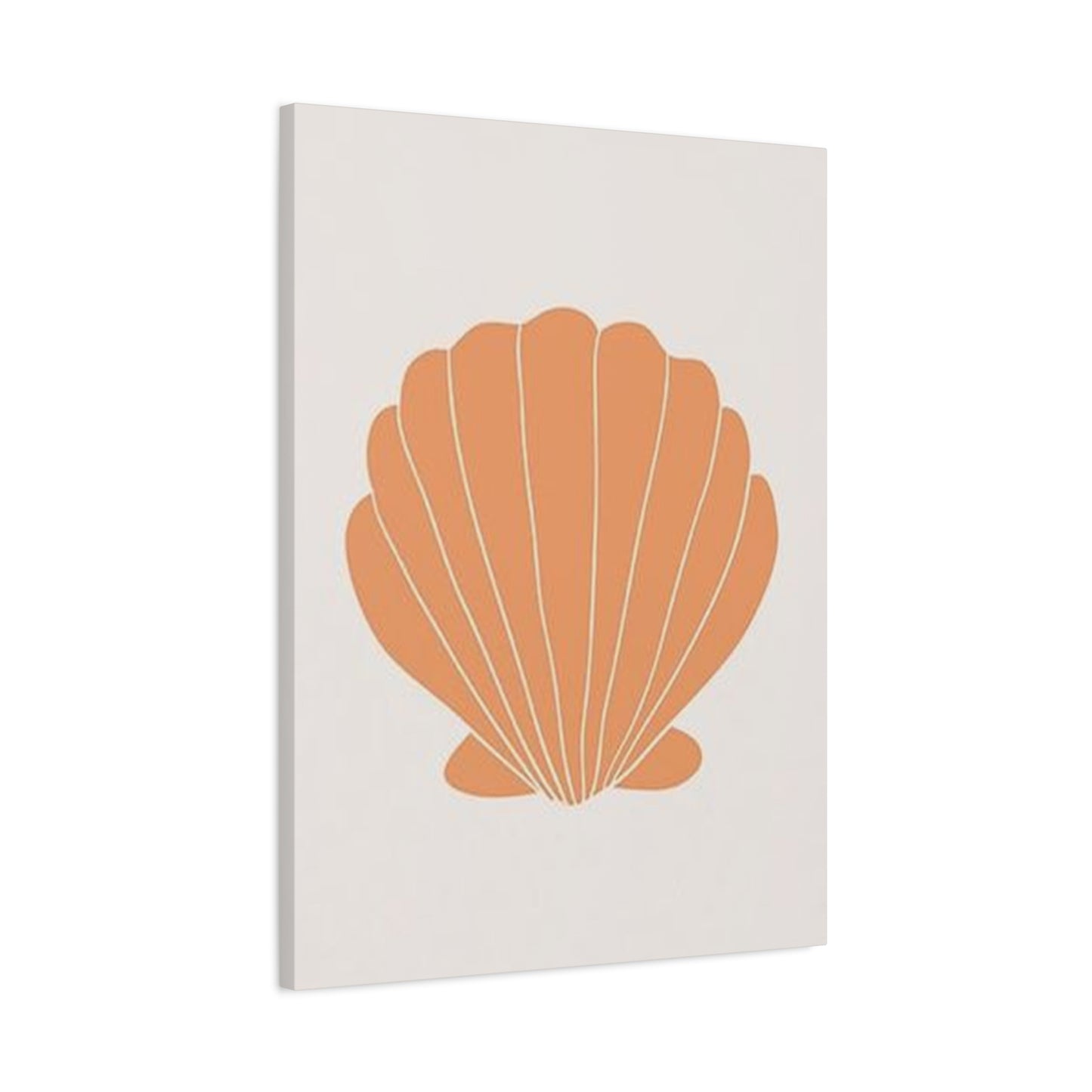
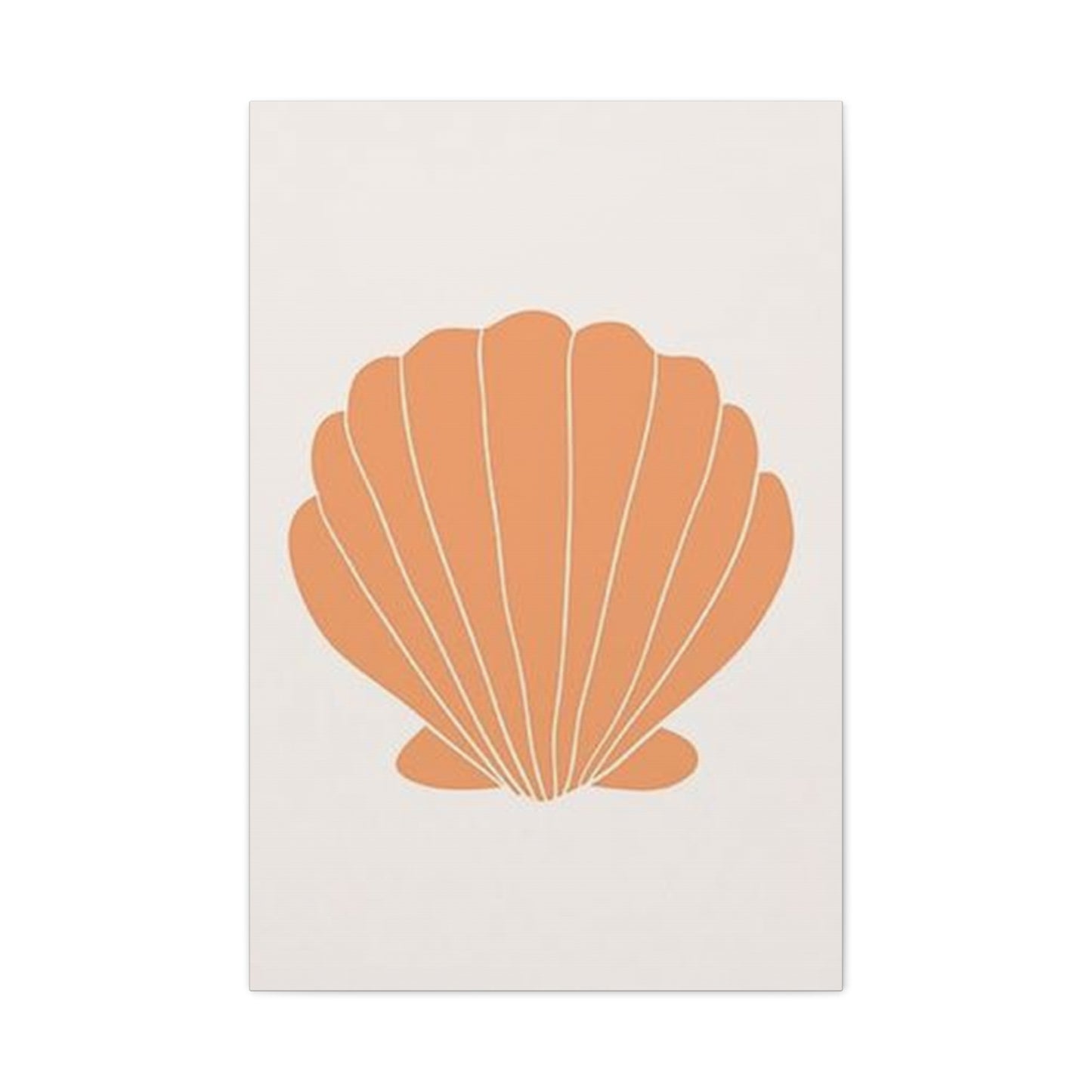
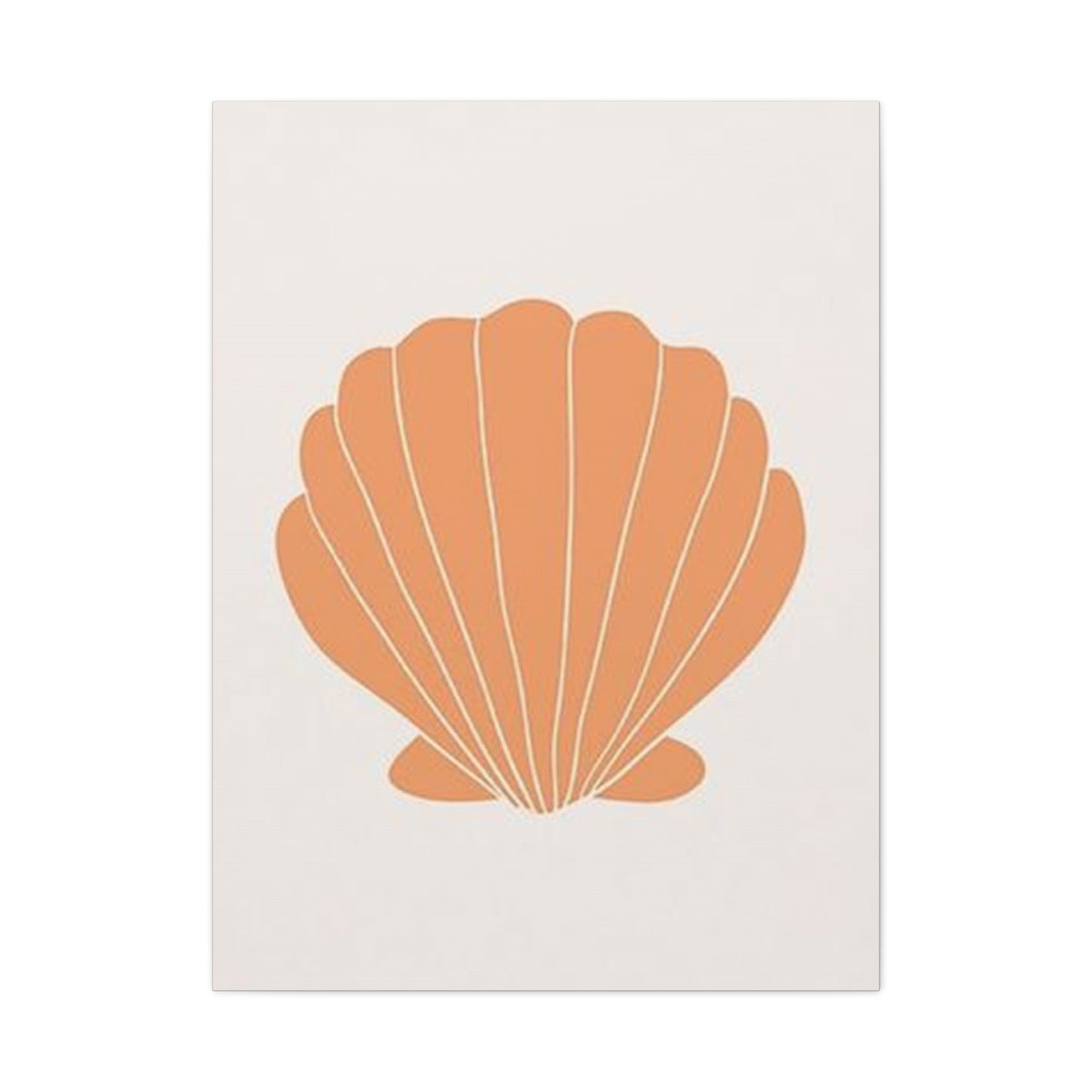
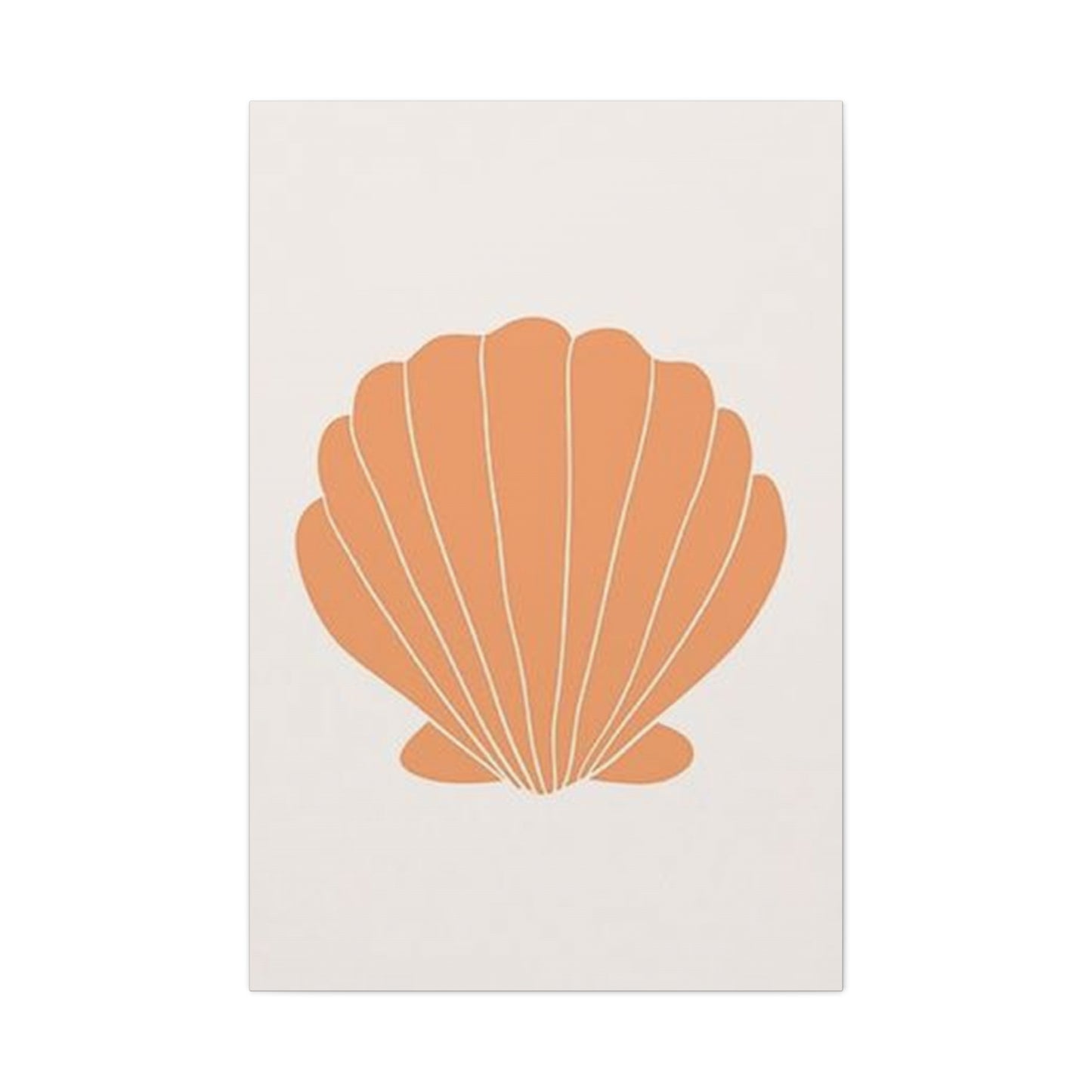
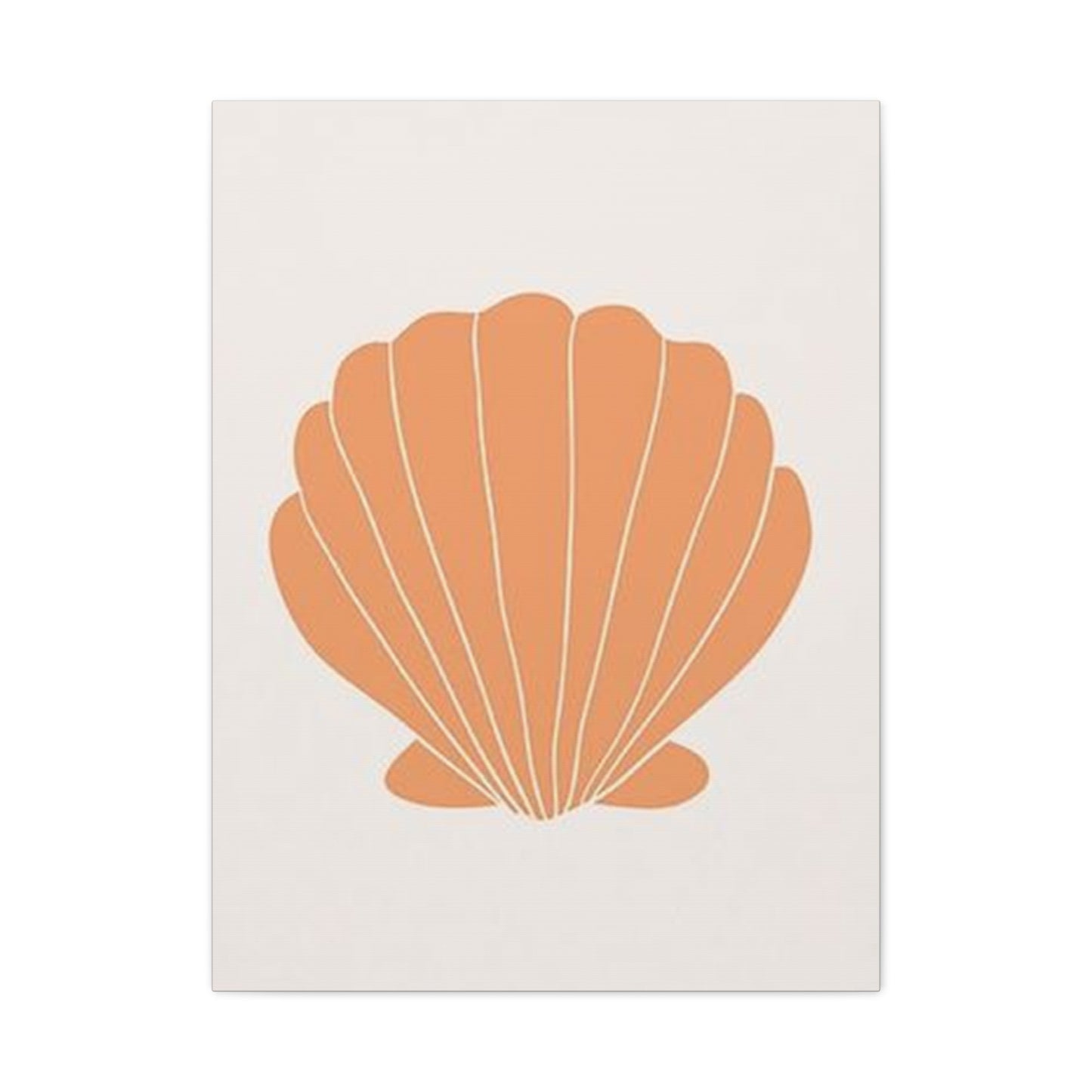
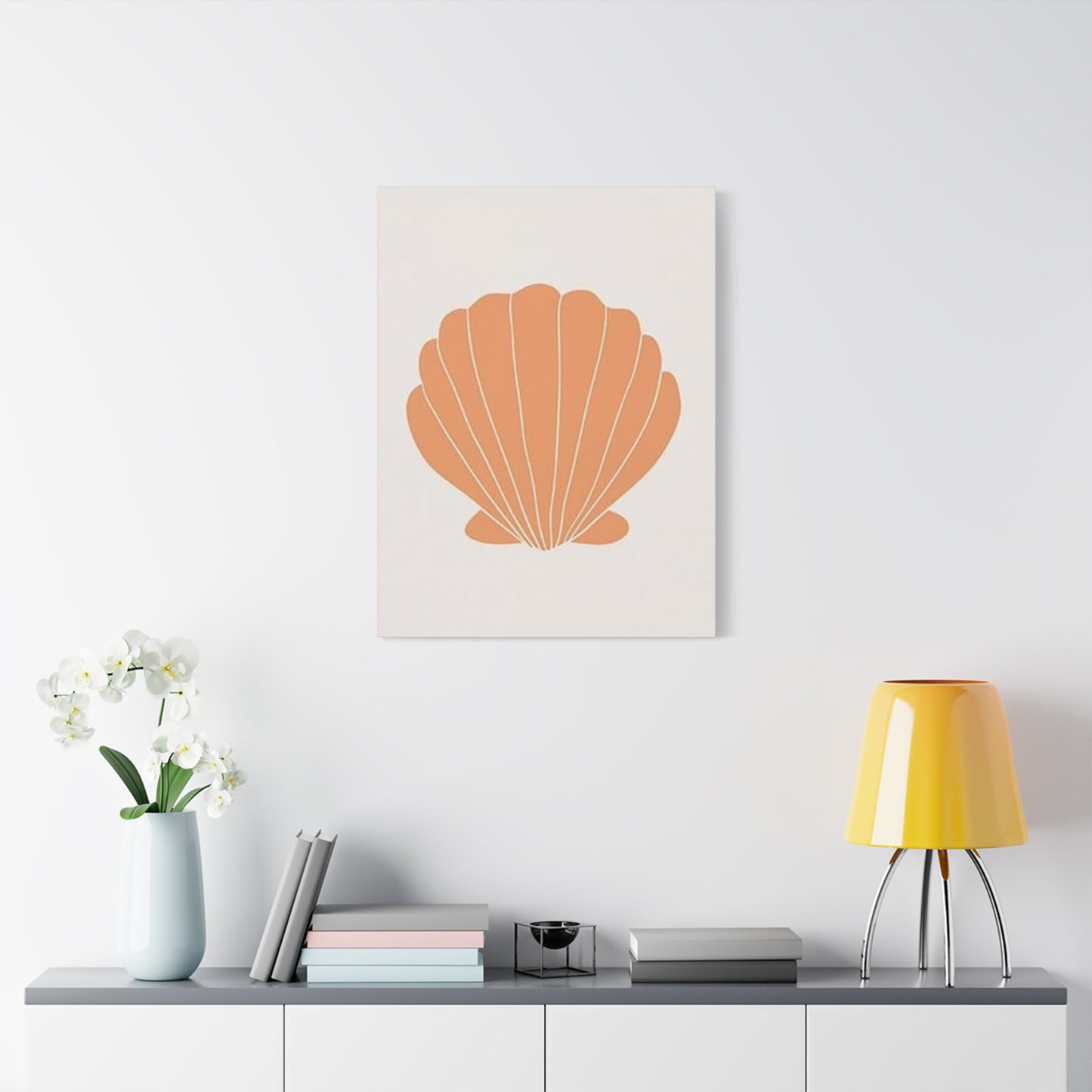
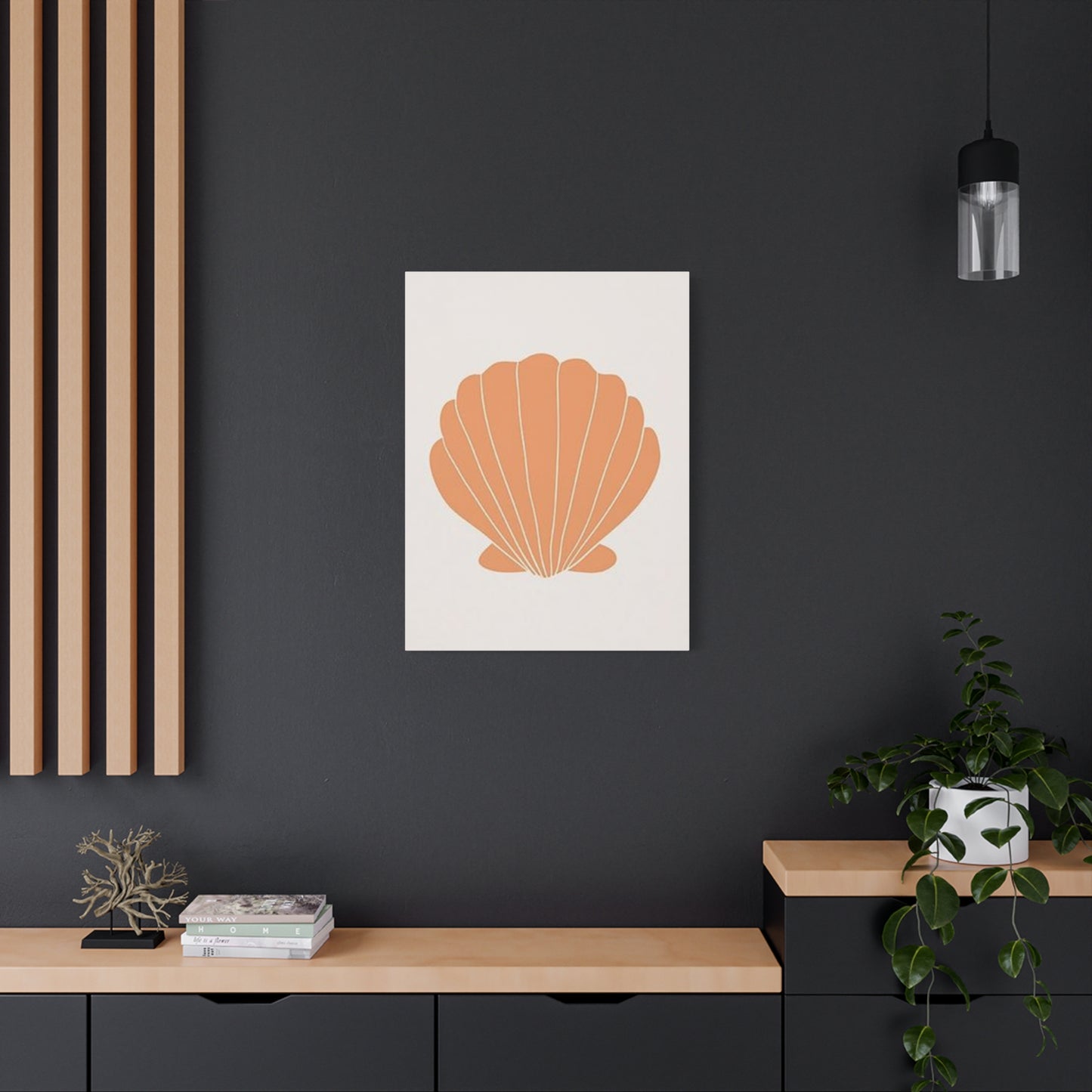
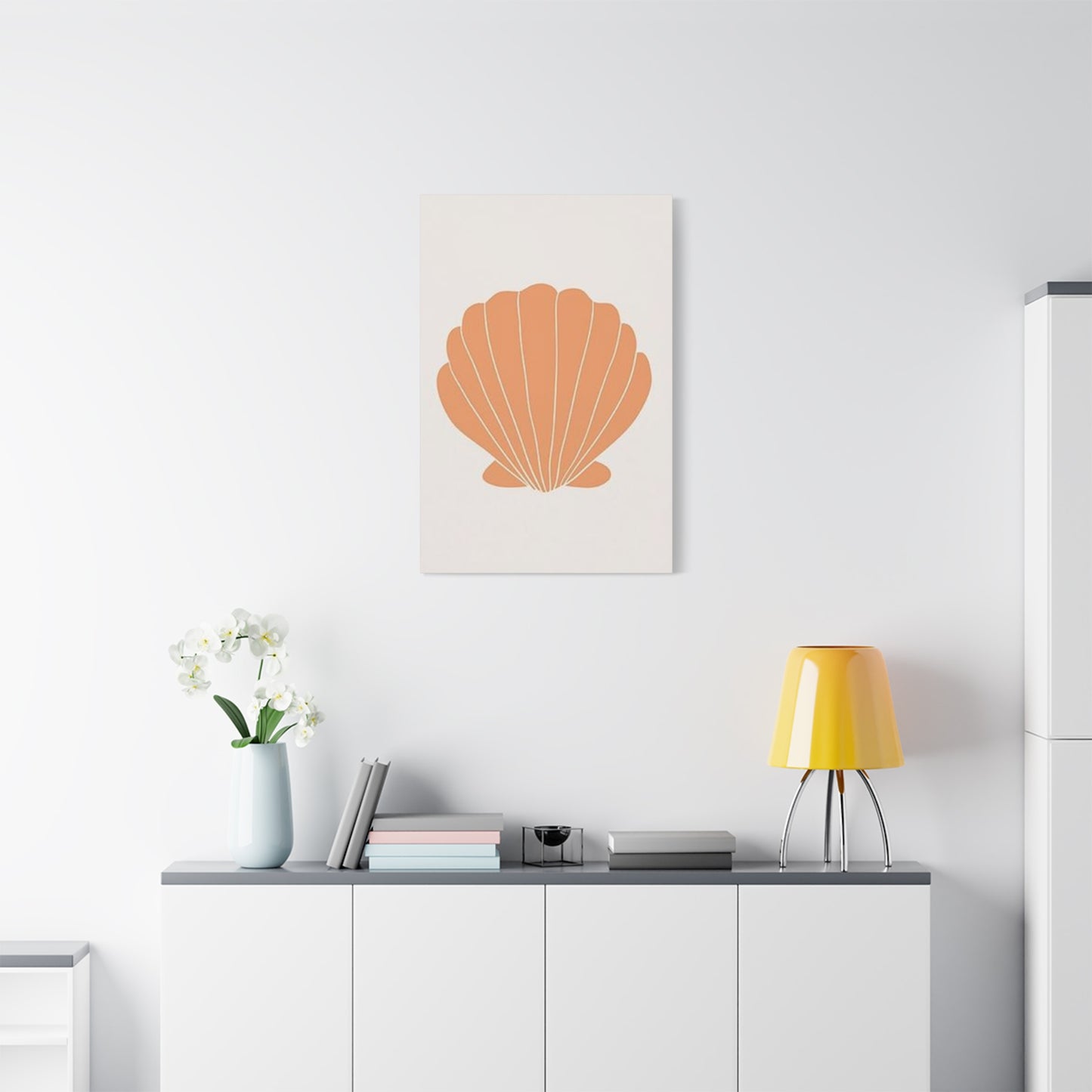
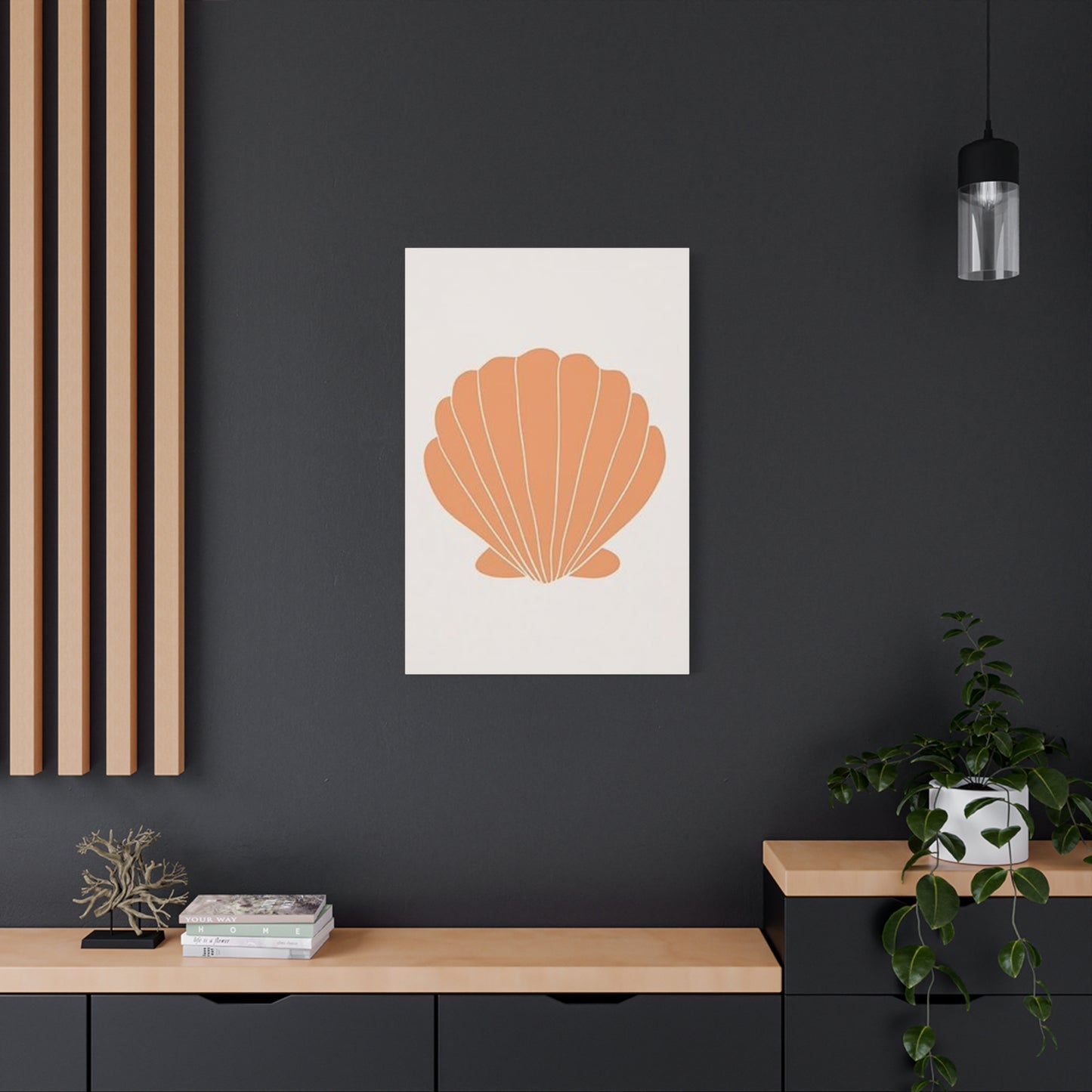
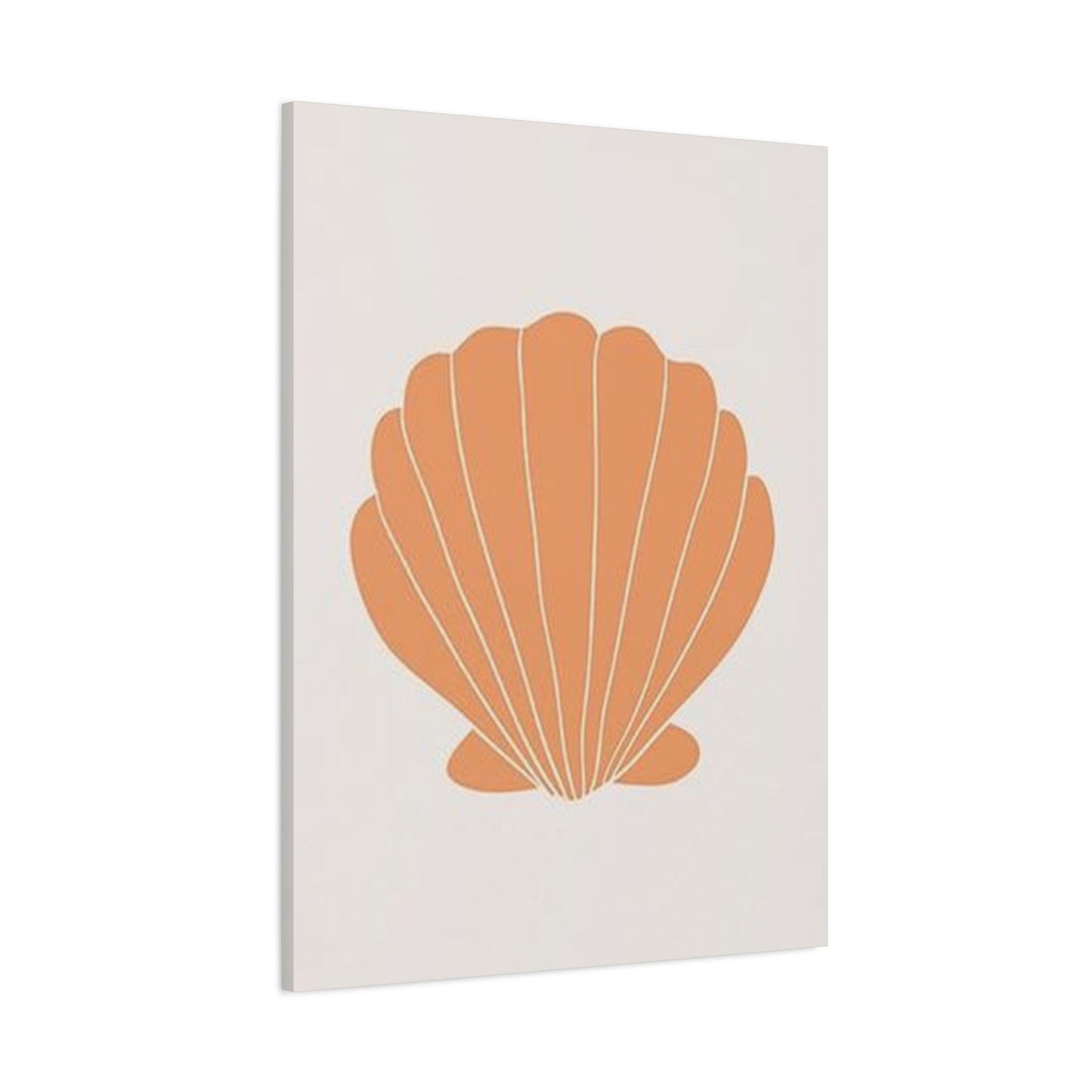
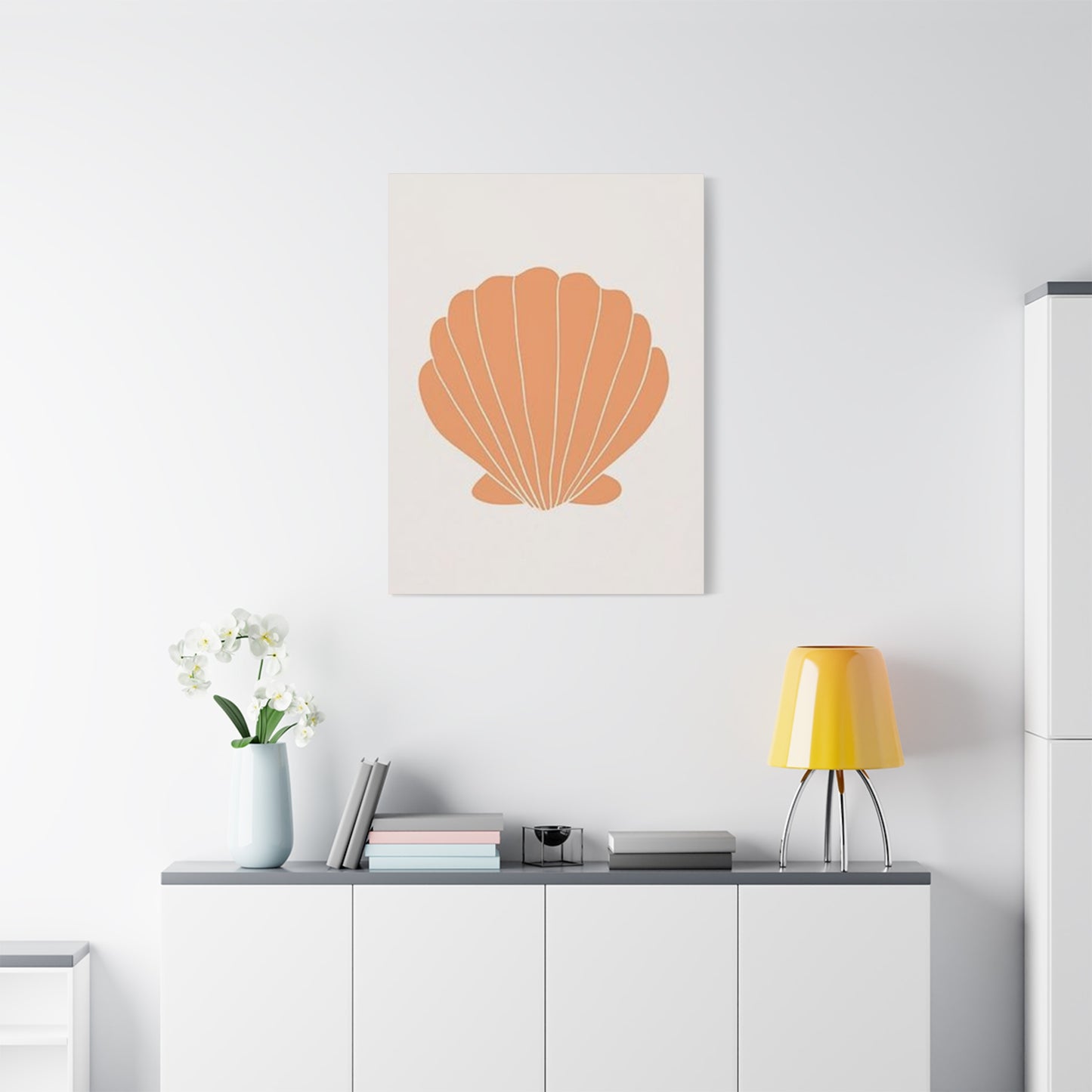
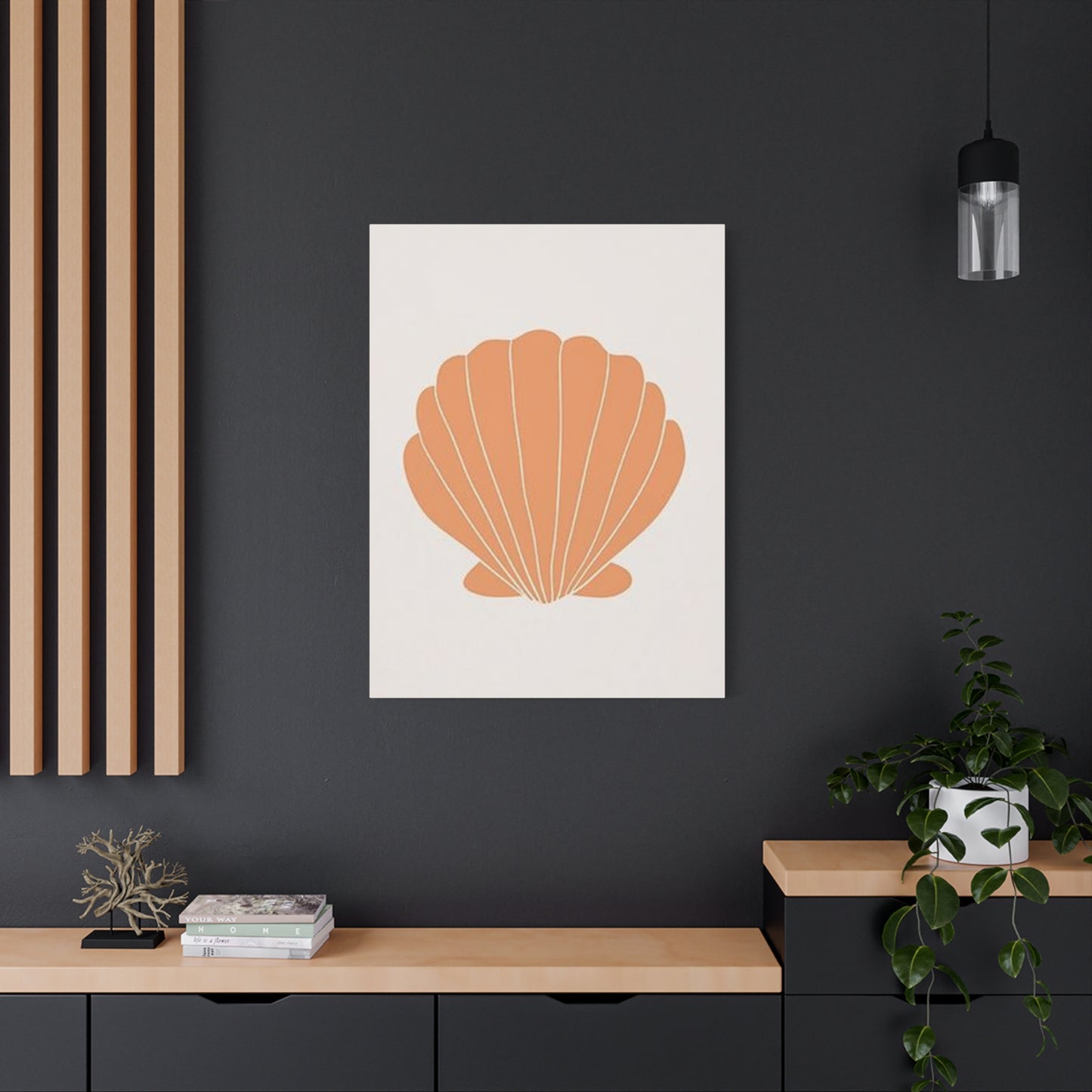
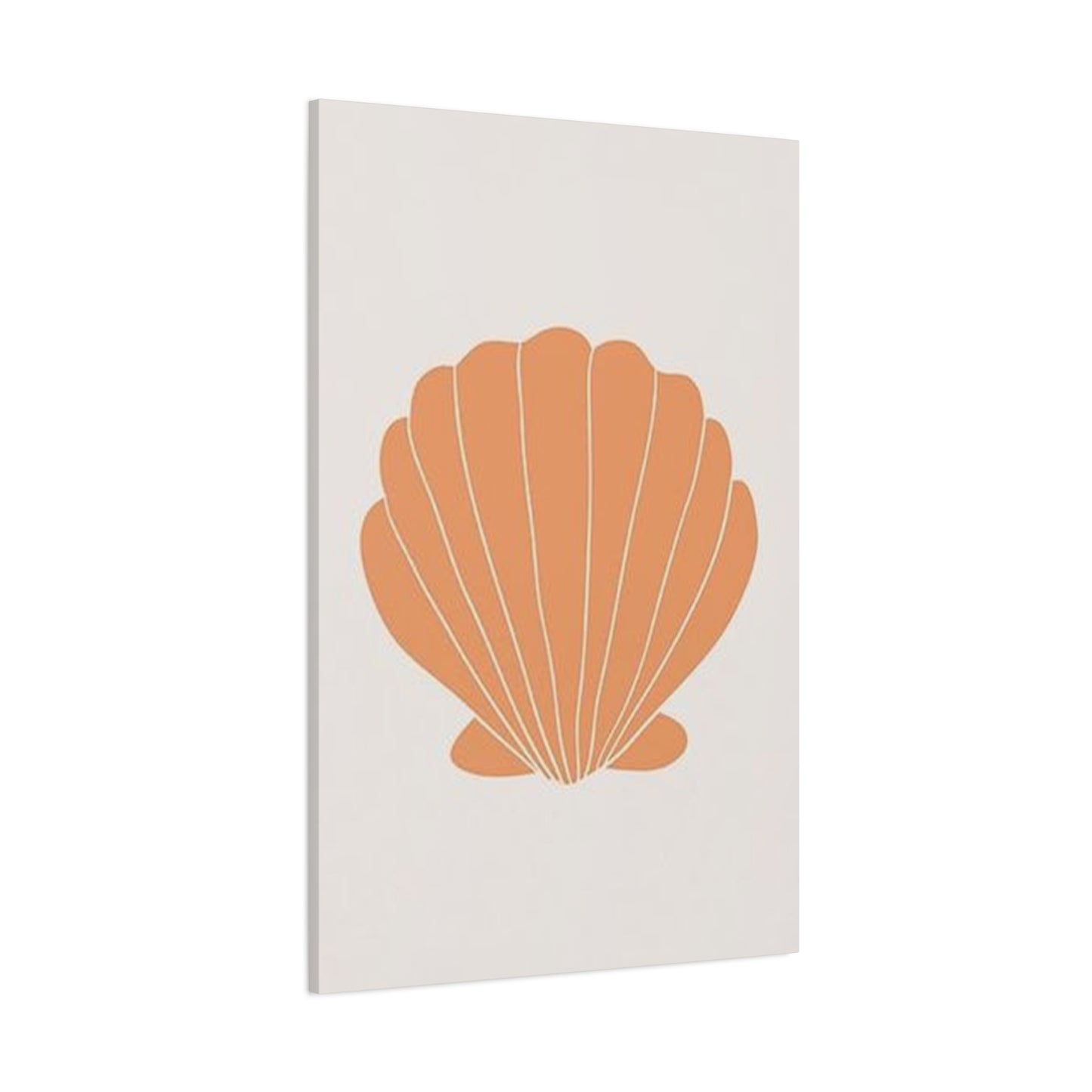
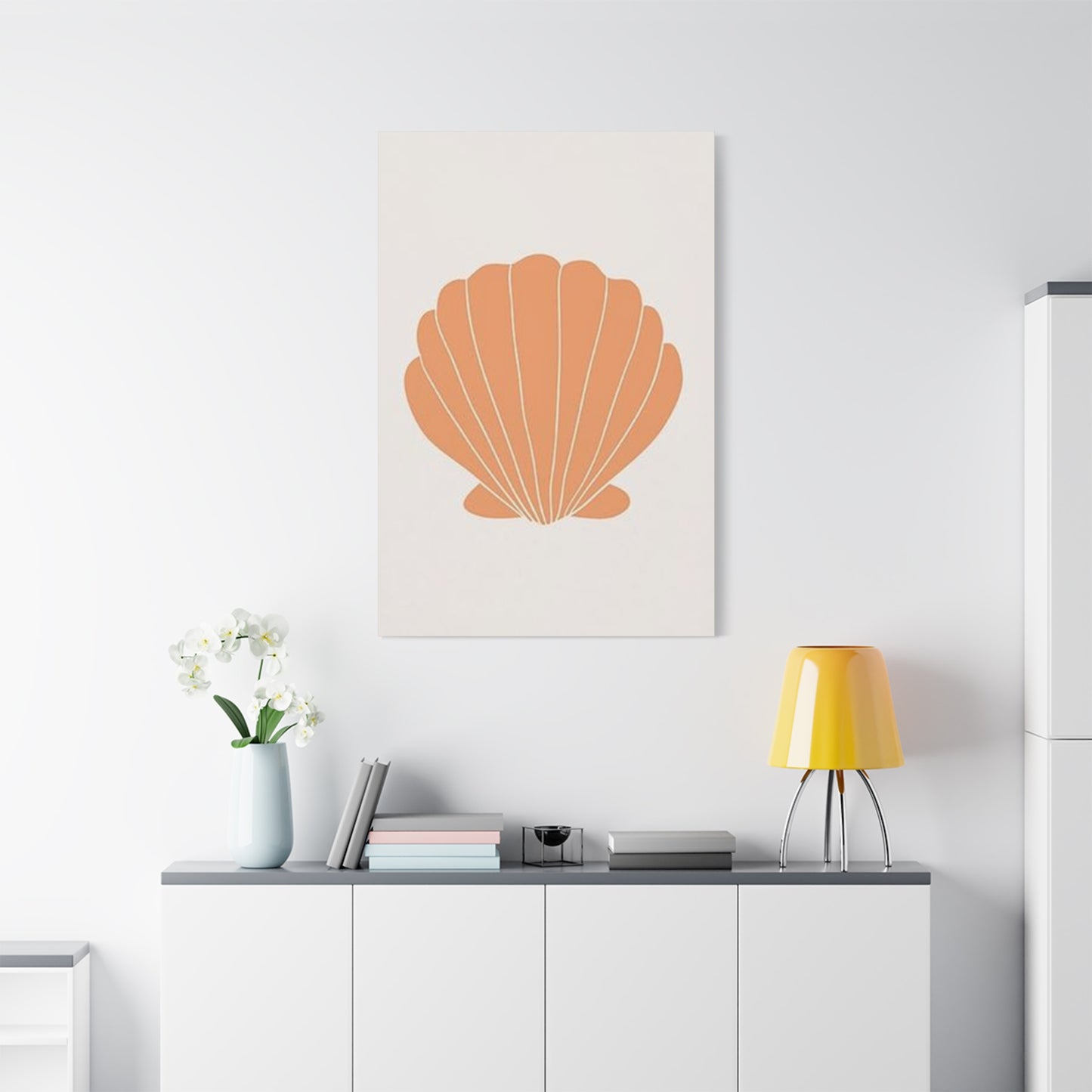
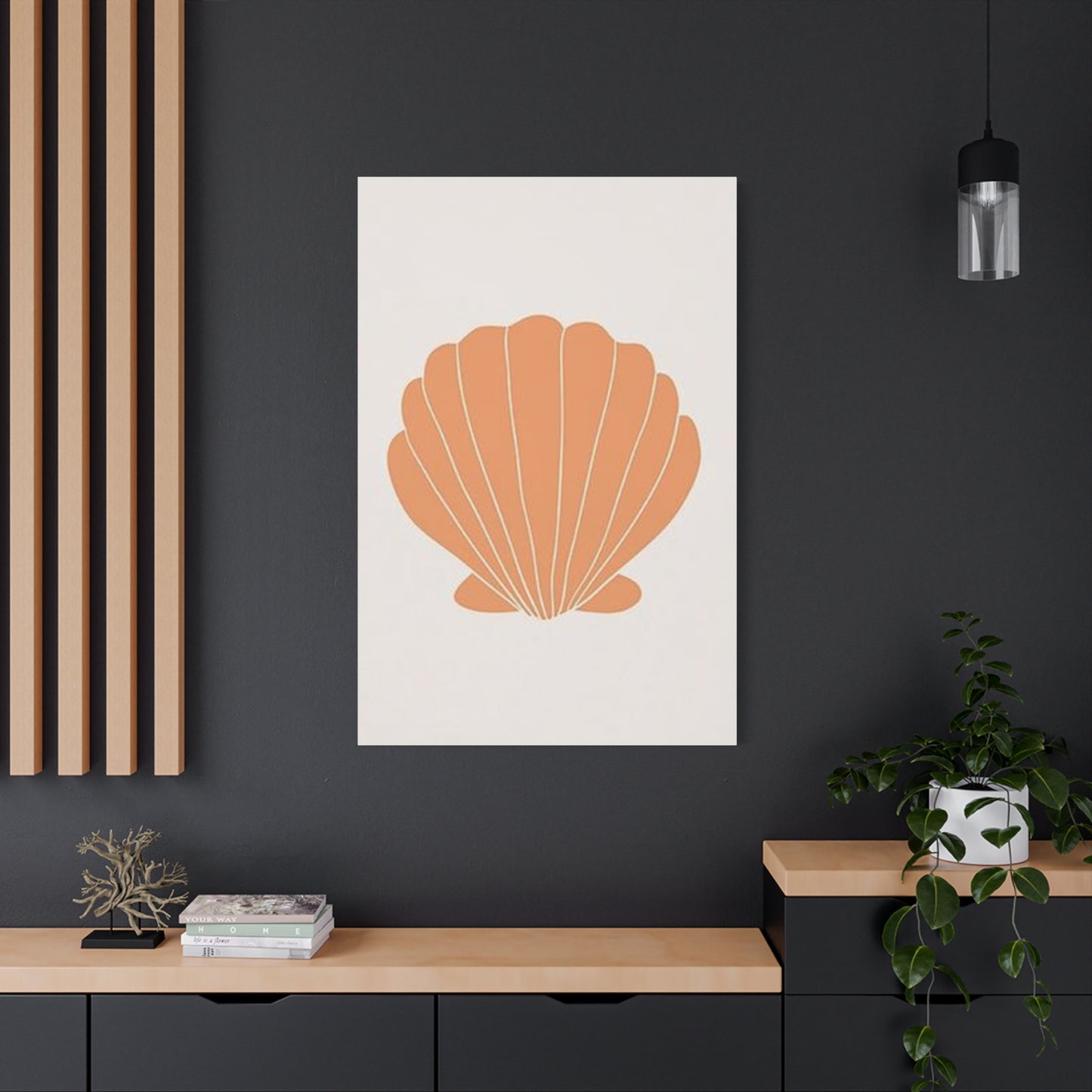
Beautiful Orange Shell Drawing Wall Art & Canvas Prints
Beautiful Orange Shell Drawing Wall Art & Canvas Prints
Couldn't load pickup availability
Infuse Your Home with Coastal Serenity: Creating Captivating Beautiful Orange Shell Drawing Wall Art
The allure of marine-inspired artwork has captivated interior design enthusiasts for generations, with coastal motifs bringing a sense of tranquility and natural beauty into modern homes. Among the most sought-after decorative elements, the beautiful orange shell drawing wall art stands as a testament to the harmonious blend of organic forms and artistic expression. This comprehensive exploration delves into the multifaceted world of shell-themed artwork, examining its creation, placement, and transformative impact on residential and commercial spaces.
Discovering the Timeless Appeal of Marine-Inspired Artwork in Contemporary Interior Spaces
The fascination with oceanic elements in home decoration traces back centuries, with coastal communities initially incorporating actual specimens into their living quarters. Today, artistic representations have evolved to capture the essence of marine life through various mediums, with shell illustrations holding a particularly prestigious position. The beautiful orange shell drawing wall art represents more than mere decoration; it embodies a connection to nature's intricate designs and the peaceful rhythm of coastal environments.
Contemporary homeowners increasingly seek artwork that provides visual interest while maintaining versatility across different design schemes. Shell illustrations fulfill this requirement exceptionally well, offering organic shapes and warm tones that complement numerous color palettes. The gentle curves and natural asymmetry found in shell forms create visual movement without overwhelming a space, making them ideal focal points or complementary pieces within larger gallery arrangements.
The resurgence of biophilic design principles in modern architecture has further elevated the status of nature-inspired artwork. These principles emphasize the human need for connection with natural elements, even within urban environments. Shell drawings satisfy this innate desire by bringing reminders of coastal ecosystems into everyday living spaces, promoting a sense of calm and wellbeing that synthetic decorations cannot replicate.
Artists working with shell subjects must possess keen observational skills and an understanding of light, shadow, and dimensional representation. The complexity of shell structures, with their spiraling chambers and textured surfaces, presents both challenges and opportunities for creative interpretation. When executed with skill, these artworks capture not just the physical appearance of shells but also their inherent sense of ancient beauty and mathematical precision.
Exploring Various Artistic Approaches to Shell Illustration and Rendering Methods
The creation of compelling shell artwork requires careful consideration of medium, style, and rendering approach. Traditional drawing methods using graphite, charcoal, or colored pencils offer artists precise control over detail and tonal gradation. These mediums excel at capturing the subtle variations in shell surface textures, from smooth, glossy areas to rough, weathered sections. The beautiful orange shell drawing wall art often employs these classic techniques to achieve photorealistic results that celebrate the specimen's natural characteristics.
Watercolor presentations provide a distinctly different aesthetic, with fluid pigments creating soft, luminous effects that mirror the translucent qualities of certain shell varieties. This medium allows for spontaneous color mixing and gradual tonal transitions, producing artwork that feels fresh and organic. Artists working in watercolor must develop expertise in controlling pigment flow and paper saturation to achieve desired effects without losing the crispness essential to recognizable shell forms.
Ink rendering techniques, including stippling, hatching, and cross-hatching, create bold graphic qualities that translate exceptionally well to modern interiors. These methods emphasize contrast and pattern, transforming shell subjects into striking visual statements. The precision required for ink work ensures that every mark contributes to the overall composition, resulting in artwork with remarkable clarity and impact.
Mixed media approaches combine multiple materials and techniques, allowing artists to layer textures and colors for added depth and visual complexity. An artist might begin with a graphite foundation, add watercolor washes for color, and finish with ink details for definition. This hybrid methodology produces unique pieces that showcase both the subject's natural beauty and the artist's creative interpretation.
Digital illustration has emerged as a contemporary alternative, offering unlimited color options and the ability to create perfectly symmetrical or intentionally distorted forms. Digital artists can manipulate shell imagery in ways impossible with traditional media, creating stylized interpretations that appeal to modern sensibilities. These works can be printed on various substrates, from canvas to metal, expanding display possibilities while maintaining consistent quality across multiple reproductions.
Selecting the Perfect Shell Subject for Your Artistic Composition
The diversity of shell species provides artists with endless subject matter, each variety offering distinct characteristics and visual appeal. Conch shells, with their dramatic spirals and substantial presence, create commanding focal points in larger compositions. Their robust forms and often vibrant colorations make them ideal subjects for artwork intended to make bold statements in spacious rooms.
Scallop shells present symmetrical beauty with their fan-like ridges radiating from a central hinge point. These shells work wonderfully in series or pairs, their balanced geometry creating harmony in formal settings. The repetitive pattern of their ribbing provides opportunities for exploring light and shadow through systematic rendering of parallel forms.
Nautilus shells represent perhaps the most mathematically fascinating specimens, with their chambered spirals following the golden ratio with remarkable precision. Artists drawn to geometric beauty find endless inspiration in these forms, which bridge the gap between natural wonder and mathematical perfection. When rendered skillfully, nautilus imagery appeals to both art enthusiasts and those appreciating scientific elegance.
Cowrie shells offer smooth, glossy surfaces that challenge artists to master reflective qualities and subtle color gradations. Their compact, rounded forms work well in intimate spaces or as components within larger coastal still-life arrangements. The beautiful orange shell drawing wall art might feature these specimens when seeking to convey warmth and approachability rather than dramatic impact.
Murex shells provide complex, sculptural forms with spines and protrusions that create dynamic visual interest. These specimens suit dramatic, contemporary settings where architectural presence takes precedence over soft, romantic aesthetics. The technical demands of rendering their intricate structures appeal to artists seeking to demonstrate mastery of three-dimensional representation on two-dimensional surfaces.
Mastering Color Theory Through Shell Illustration and Pigment Selection
Color choices profoundly influence how shell artwork integrates within interior spaces and affects viewer emotional responses. The beautiful orange shell drawing wall art capitalizes on orange's warm, energetic properties while avoiding the aggressive intensity of pure red. This hue range evokes sunset beaches and tropical warmth, creating inviting atmospheres in living areas, dining rooms, and casual gathering spaces.
Artists must understand how surrounding colors influence perception of their work. An orange shell rendered against a cool blue background creates maximum contrast and visual vibration, producing energetic, attention-grabbing results. Conversely, positioning the same subject against warm neutrals like cream or tan creates harmonious, restful compositions that blend seamlessly with existing decor.
Color temperature significantly impacts mood and spatial perception. Warm-toned shell artwork appears to advance toward viewers, making spaces feel more intimate and cozy. This quality makes orange shell illustrations particularly effective in large rooms where creating a sense of enclosure enhances comfort. Cool-toned pieces recede visually, helping small spaces feel more expansive.
The saturation level chosen for shell illustrations determines their decorative personality. Highly saturated, vivid oranges command attention and inject energy into neutral spaces, functioning as accent pieces within minimalist schemes. Desaturated, muted tones blend more subtly, supporting rather than dominating their surroundings. Artists must consider intended placement when determining saturation levels during the creation process.
Local color refers to an object's actual hue under neutral lighting, while observed color accounts for environmental influences like reflected light and atmospheric conditions. Skilled artists manipulate these concepts to create shell illustrations that appear naturally lit or dramatically stylized. Incorporating subtle color variations within nominally "orange" shells adds realism and visual interest, preventing flat, one-dimensional results.
Understanding Compositional Principles for Impactful Shell Artwork
Effective composition transforms simple shell studies into compelling artwork worthy of prominent display. The rule of thirds, dividing image area into nine equal sections, helps artists position focal points at intersection points where viewers naturally focus attention. Placing a shell slightly off-center creates more dynamic, interesting compositions than centered subjects, which can feel static despite other strengths.
Positive and negative space relationships determine how artwork breathes within its boundaries. Allowing adequate negative space around shell subjects prevents cramped, claustrophobic feelings while emphasizing the subject's importance. This breathing room becomes particularly crucial when creating the beautiful orange shell drawing wall art intended for display in already-furnished rooms where visual competition exists.
Leading lines guide viewer eyes through compositions, creating visual pathways that enhance engagement and understanding. In shell artwork, natural spiral forms provide built-in leading lines that draw attention from outer edges toward central points. Artists can emphasize these inherent pathways through strategic value placement and detail concentration, ensuring viewers experience intended visual journeys.
Balance exists in symmetrical and asymmetrical forms, each offering distinct advantages. Symmetrical balance creates formal, stable compositions suited to traditional interiors and formal spaces. Asymmetrical balance feels more dynamic and contemporary, distributing visual weight unevenly while maintaining overall equilibrium. Shell subjects naturally lend themselves to asymmetrical compositions due to their organic, irregular forms.
Depth illusion converts flat surfaces into apparently three-dimensional spaces through overlapping elements, size variation, and atmospheric perspective. Even single-subject shell illustrations benefit from these techniques, with careful shading and highlight placement making forms appear to project from their backgrounds. This dimensional quality enhances artwork's physical presence within rooms, increasing decorative impact.
Examining Surface Texture Rendering in Shell Illustration
Shells exhibit remarkable surface diversity, from mirror-smooth nacre to rough, barnacle-encrusted exteriors. Capturing these tactile qualities through visual media requires understanding how texture affects light behavior and employing appropriate rendering strategies. The beautiful orange shell drawing wall art gains authenticity and appeal through convincing texture representation that invites close examination.
Smooth shell surfaces reflect light sharply, creating distinct highlights and reflections that reveal surrounding environments. Artists rendering these qualities must observe how light sources create specular highlights and how surrounding objects cast colored reflections onto glossy surfaces. These observations inform mark-making choices that communicate smoothness convincingly.
Rough, weathered shell areas scatter light diffusely, creating subtle value gradations without sharp highlights. Rendering these zones requires patient buildup of mid-tone values with gradual transitions between light and shadow areas. Techniques like stippling or small circular strokes effectively communicate rough textures through accumulated marks that suggest irregular surface topography.
Ridged shell structures create parallel bands of light and shadow that rhythm across forms. These patterns require systematic rendering approaches that maintain consistent spacing and proportional relationships. Artists must resist oversimplifying these repetitive elements while avoiding tedious overworking that deadens results. Finding balance between accuracy and artistic efficiency separates professional results from amateur efforts.
Translucent shell sections allow light penetration, creating subtle glows in thin areas while maintaining opacity in thicker regions. Capturing this quality requires understanding subsurface scattering and how transmitted light differs from reflected illumination. Watercolor and digital media handle translucency particularly well, though skilled artists achieve similar effects with traditional dry media through careful value manipulation.
Investigating Light Source Considerations for Shell Artwork
Lighting dramatically transforms shell appearance, making light source decisions critical during artwork creation. Natural daylight provides cool, even illumination that reveals true colors and subtle detail. Artwork created under daylight conditions displays predictably across various settings, though morning and afternoon light qualities differ significantly due to atmospheric filtering.
Warm artificial lighting from incandescent sources enhances orange and yellow hues while suppressing cooler tones. Shell artwork created under warm lighting appears more vibrant in similar conditions but may seem oversaturated under daylight or cool LED illumination. Artists must anticipate display lighting when selecting and mixing pigments to ensure pieces look optimal in intended environments.
Directional lighting from single sources creates dramatic shadows and highlights that emphasize dimensional qualities and surface textures. This theatrical approach suits dramatic interpretations where mood takes precedence over documentary accuracy. The beautiful orange shell drawing wall art might employ strong directional lighting to create dynamic compositions with powerful visual impact.
Diffused lighting from overcast skies or softbox arrangements minimizes shadows and highlights, creating even, gentle illumination that reveals form through subtle value transitions. This approach suits realistic illustrations where accurate representation matters more than dramatic effect. Diffused lighting allows colors to appear at their truest, making it ideal for scientific or documentary purposes.
Backlighting creates silhouettes and emphasizes translucent qualities, producing ethereal, mysterious effects. While less common in traditional shell illustration, this dramatic approach can create striking contemporary pieces that prioritize mood over detail. Rim lighting, where light grazes subject edges, similarly creates dramatic effects by emphasizing outlines and creating glowing halos around forms.
Analyzing Scale and Proportion in Shell Wall Art Creation
Artwork dimensions profoundly influence both creation process and decorative impact. Small-scale pieces, typically under twelve inches in any dimension, suit intimate viewing and detailed work showcasing fine rendering skills. These pieces work well in personal spaces like bedrooms, home offices, or gallery walls where multiple pieces cluster together. The detailed examination they invite creates moments of quiet appreciation.
Medium-scale artwork, ranging from twelve to thirty-six inches, provides versatility for most residential settings. These dimensions allow substantial detail while maintaining manageable working surfaces for artists. The beautiful orange shell drawing wall art in these proportions functions effectively as standalone focal points or components within larger decorative arrangements, adapting to various spatial contexts.
Large-scale pieces exceeding three feet in any dimension make bold statements appropriate for commercial settings, spacious homes, and areas requiring commanding focal points. Creating artwork at this scale presents distinct challenges, requiring artists to maintain proportional accuracy across expansive surfaces while ensuring detail levels remain consistent. Large pieces demand confident execution since corrections become increasingly difficult as size increases.
Proportional relationships within compositions affect how viewers perceive subjects. Enlarging shell subjects beyond life-size creates surreal, attention-commanding effects that emphasize details typically overlooked at actual scale. This approach suits contemporary spaces where artwork serves as architectural element rather than mere decoration. Conversely, reducing subjects below actual size creates jewel-like, precious qualities appropriate for more traditional or intimate settings.
Aspect ratio determines whether artwork feels horizontal, vertical, or square, each orientation creating different spatial effects. Horizontal formats encourage lateral eye movement and complement horizontal architectural elements like mantels and sofas. Vertical pieces draw attention upward, making spaces feel taller while filling narrow wall sections. Square formats feel balanced and self-contained, working well as series components or standalone statements in symmetrical arrangements.
Evaluating Framing Options and Presentation Choices for Shell Artwork
Frame selection significantly impacts how artwork appears and integrates within spaces. Traditional wooden frames with ornate profiles suit classical interiors and formal settings, their substantial presence lending gravitas to enclosed artwork. These frames work particularly well with realistic shell illustrations that embrace traditional rendering approaches, creating cohesive packages that honor both subject matter and artistic method.
Contemporary metal frames with thin profiles provide clean, minimal borders that keep attention focused on artwork rather than presentation. These frames suit modern interiors and abstract or stylized shell interpretations where streamlined aesthetics take precedence over decorative ornamentation. The beautiful orange shell drawing wall art gains contemporary relevance through pairing with sleek metal frames in complementary metallic finishes.
Floating frames create gaps between artwork and frame edges, producing shadow boxes that add dimensional interest and emphasize the artwork as object rather than mere image. This presentation style works exceptionally well with works on thick paper or canvas, celebrating material qualities while providing clean, contemporary presentation. The depth created by floating enhances three-dimensional illusion within the artwork itself.
Mat selection influences visual breathing room and color relationships between artwork and framing. Wide mats provide generous borders that isolate artwork from surroundings, creating gallery-quality presentation appropriate for fine art. Narrow mats or direct mounting creates more intimate relationships between artwork and frames, producing less formal, more accessible appearances. Mat colors should complement without competing with artwork hues, with neutral tones typically providing safest choices.
Glass or acrylic glazing protects artwork while potentially affecting appearance through reflections and color casts. Museum glass minimizes reflections and UV filtering prevents fading, making it ideal for valuable or light-sensitive pieces. Standard glass provides adequate protection at lower cost but creates more noticeable reflections. Acrylic offers lighter weight and shatter resistance but scratches more easily than glass and attracts dust through static charges.
Exploring Placement Strategies for Shell Wall Art in Various Room Types
Living rooms accommodate shell artwork particularly well, with their generous wall space and social functions making them ideal locations for conversation-starting pieces. Positioning artwork above sofas creates natural focal points that anchor seating arrangements while providing visual interest for seated occupants. The beautiful orange shell drawing wall art in living rooms should hang at eye level for seated viewers, typically positioning centers between fifty-five and sixty inches from floors.
Bedrooms benefit from calming shell imagery that reinforces restful atmospheres conducive to relaxation and sleep. Placing artwork above headboards creates compositional relationships between furniture and wall decoration while ensuring pieces remain visible from room entrances. Alternatively, artwork on walls opposite beds provides focal points visible upon waking, establishing positive visual experiences that begin each day.
Dining rooms offer excellent opportunities for bold shell artwork that withstands the slightly elevated visual activity levels these spaces experience. Artwork in dining areas competes with table settings, centerpieces, and architectural features like chandeliers, requiring sufficient visual weight to maintain presence without overwhelming. Larger pieces or groupings of related works create appropriate impact in these social spaces.
Bathrooms naturally accommodate marine themes, with shell artwork reinforcing connections between water usage and oceanic origins. Moisture-resistant framing becomes essential in these environments, with sealed backs and moisture-resistant materials preventing damage from humidity and temperature fluctuations. Smaller-scale pieces work well in bathrooms, where limited wall space and intimate dimensions suit modest artwork proportions.
Entryways and hallways provide transitional spaces where shell artwork establishes thematic direction for entire homes. First impressions form quickly, making entry artwork particularly important for setting desired tones. Hallways accommodate series or gallery walls featuring multiple related pieces that create visual rhythm while leading occupants through spaces. Proper spacing between pieces prevents cluttered appearances while maintaining continuity.
Investigating Color Coordination Between Shell Artwork and Interior Palettes
Harmonious color relationships between artwork and surroundings create cohesive, intentionally designed appearances that elevate entire spaces. Monochromatic schemes using variations of single hues create sophisticated, unified looks where shell artwork in similar tonal ranges blends seamlessly with surroundings. The beautiful orange shell drawing wall art functions beautifully within rooms featuring warm neutrals, tans, and deeper brown tones that echo the artwork's inherent warmth.
Analogous color schemes employ hues adjacent on color wheels, creating gentle, harmonious relationships with minimal contrast. Orange shell artwork pairs naturally with yellow and red surroundings, creating warm, energetic environments. These schemes work particularly well in social spaces where vibrant, welcoming atmospheres enhance gathering and conversation.
Complementary color relationships pair opposite color wheel hues, creating maximum contrast and visual excitement. Orange shell artwork displays dramatically against blue walls or furnishings, with each color intensifying the other's appearance. These bold combinations suit contemporary spaces where dynamic visual interest takes precedence over subtle sophistication.
Triadic color schemes employ three equally spaced color wheel hues, creating balanced, vibrant compositions with multiple color interests. Orange shell artwork anchors schemes incorporating blue-green and red-violet accents, providing colorful yet balanced environments. These complex schemes require careful proportion management to prevent overwhelming results.
Neutral backgrounds allow colorful shell artwork to command full attention without competition from surrounding hues. White, gray, and beige walls create clean canvases that showcase artwork colors at their most vibrant and true. This approach suits spaces where artwork serves as primary color source and decorative focal point.
Studying the Influence of Artistic Style on Shell Artwork Appeal
Realistic illustration approaches prioritize accurate representation, capturing shell subjects with photographic fidelity that celebrates natural forms. These styles appeal to viewers appreciating documentary accuracy and scientific precision, with every detail rendered faithfully to source specimens. Realistic shell artwork suits traditional interiors and spaces where nature appreciation takes precedence over abstract artistic interpretation.
Impressionistic approaches sacrifice detail for overall atmospheric effects, suggesting rather than precisely defining forms through loose, expressive marks. These interpretations capture essential qualities and emotional responses to shell subjects without laboring over minute particulars. Impressionistic shell artwork brings freshness and spontaneity to spaces, their energetic execution creating lively visual experiences.
Abstract styles distill shells to essential forms, colors, and patterns while abandoning recognizable representation. These interpretations range from gentle simplification to complete departure from natural appearances, creating artwork that references shells conceptually while existing primarily as pure design. Abstract shell artwork suits contemporary spaces where artistic expression matters more than subject identification.
Minimalist approaches strip subjects to bare essentials, eliminating all but absolutely necessary elements. These austere interpretations create powerful impacts through economy of means, with every remaining mark carrying maximum significance. Minimalist shell artwork provides sophisticated focal points in uncluttered, modern interiors where simplicity reigns.
Decorative styles emphasize pattern, color, and ornamental qualities over realistic representation, creating artwork that functions primarily as beautiful decoration. These approaches often incorporate shells into larger pattern contexts, repeating motifs across surfaces or embedding them within ornamental borders. Decorative shell artwork suits eclectic and traditionally decorated spaces where ornamentation enhances rather than detracts from overall aesthetics.
Examining the Role of Shell Artwork in Biophilic Design Principles
Biophilic design recognizes human biological needs for nature connection, incorporating natural elements into built environments to enhance wellbeing. Shell artwork satisfies these needs by bringing reminders of coastal ecosystems indoors, creating psychological benefits through symbolic nature presence. The beautiful orange shell drawing wall art functions as biophilic element that promotes calm, reduces stress, and enhances cognitive function through natural form contemplation.
Research consistently demonstrates that nature imagery, even representations rather than actual specimens, produces measurable physiological responses including reduced blood pressure, lowered stress hormones, and improved mood states. These benefits accumulate through regular exposure, making shell artwork in frequently occupied spaces particularly valuable for wellbeing enhancement. Living rooms, bedrooms, and home offices benefit most from biophilic artwork placement.
Natural patterns found in shells, including spirals, fractals, and geometric repetitions, particularly engage human attention and preference. These patterns appear throughout nature at multiple scales, creating inherent familiarity that resonates subconsciously. Artwork incorporating these universal patterns taps into deep-seated aesthetic preferences that transcend cultural boundaries and personal taste variations.
Color psychology intersects with biophilic design through preferences for nature-associated hues. Warm tones like those in orange shells evoke sunshine, autumn leaves, and glowing sunsets, creating associations with warmth, energy, and positive emotional states. These psychological triggers enhance biophilic benefits beyond mere pattern recognition, engaging emotional responses that contribute to overall wellbeing.
Material authenticity enhances biophilic effects, with handmade artwork created using traditional media providing stronger connections than mass-produced prints. The human touch evident in original drawings creates subconscious recognition of craftsmanship and individual attention that digital reproductions cannot replicate. This authenticity factor justifies investment in original shell artwork despite higher costs compared to reproductions.
Analyzing Market Trends in Marine-Inspired Decorative Artwork
The coastal decor market has evolved significantly, moving beyond literal nautical themes toward sophisticated interpretations of marine inspiration. Contemporary consumers seek artwork that suggests coastal influences without resorting to obvious symbols like anchors or ship wheels. Shell illustrations satisfy this desire for subtle coastal reference that integrates seamlessly with diverse interior styles rather than announcing specific themes.
Sustainability concerns increasingly influence purchasing decisions, with environmentally conscious consumers preferring artwork depicting rather than incorporating actual specimens. Illustration eliminates ethical concerns about specimen collection while providing equivalent aesthetic benefits. This shift has elevated demand for high-quality shell drawings as alternatives to mounted specimens and shadow boxes containing actual shells.
The rise of online marketplaces has democratized access to original artwork, connecting buyers directly with artists worldwide. This accessibility has simultaneously increased competition and expanded audience reach, creating opportunities for artists offering distinctive styles and subjects. The beautiful orange shell drawing wall art finds audiences through digital platforms that would have remained unreachable through traditional gallery representation alone.
Customization demands continue growing as consumers seek personalized artwork reflecting individual tastes and specific color requirements. Artists offering commissioned shell illustrations in client-specified colors, sizes, and styles capture market segments unwilling to settle for mass-produced alternatives. This made-to-order approach commands premium pricing while ensuring customer satisfaction through collaborative creation processes.
Millennial and Generation Z consumers demonstrate particular interest in affordable artwork from emerging artists, prioritizing originality and story over established artist recognition. These demographics research artist backgrounds and working methods, seeking authentic connections and transparency about creative processes. Artists sharing work-in-progress documentation and personal narratives build engaged audiences that support ongoing creation through purchases and social media promotion.
Understanding Pricing Structures for Original Shell Artwork
Multiple factors influence artwork pricing, with size representing the most obvious determinant. Larger pieces require more materials, time, and skill to execute successfully, justifying higher prices proportional to dimensional increases. However, size alone inadequately determines value without considering complexity, detail level, and artist reputation factors that significantly impact final pricing.
Medium influences pricing through material costs and technical demands. Graphite drawings typically command lower prices than paintings due to simpler material requirements, while mixed media pieces incorporating multiple techniques justify premium pricing through increased complexity. The beautiful orange shell drawing wall art pricing varies depending on whether it employs simple graphite rendering or elaborate combinations of multiple media and specialized techniques.
Artist reputation dramatically affects pricing, with established artists commanding significantly higher prices than emerging talents despite potentially comparable skill levels. Reputation building requires years of consistent work, exhibition history, critical recognition, and market demand development. Beginning artists must price competitively while gradually increasing rates as recognition grows and demand increases.
Original artwork prices far exceed reproduction costs due to uniqueness and investment value. Owning the singular example of artwork provides prestige and potential appreciation that prints cannot offer. However, limited edition prints provide accessible entry points for collectors appreciating artists but unable to afford originals, creating tiered pricing structures that serve multiple market segments.
Commission premiums acknowledge the customization process and client collaboration time required for made-to-order pieces. Custom shell artwork typically costs twenty to thirty percent more than comparable ready-made pieces due to consultation time, revision cycles, and the inability to offer rejected work to other buyers. These premiums ensure artists receive fair compensation for personalized service beyond basic creation labor.
Exploring Shell Artwork Creation as Meditative Practice
The focused attention required for detailed shell rendering creates meditative states that benefit mental health and emotional wellbeing. The repetitive motions involved in stippling, hatching, or gradual value building induce relaxation responses similar to those achieved through formal meditation practices. Artists report time distortion during concentrated work sessions, entering flow states where hours pass unnoticed.
Observational drawing strengthens present-moment awareness by demanding complete attention to visual information without mental wandering. This forced presence mirrors mindfulness practices that cultivate non-judgmental awareness of current experiences. Regular drawing practice develops these attention skills, providing mental health benefits extending beyond creative sessions into daily life situations.
The problem-solving aspect of translating three-dimensional forms onto two-dimensional surfaces engages analytical thinking that provides welcome distraction from rumination and anxiety patterns. This cognitive engagement occupies mental resources that might otherwise fixate on stressors, providing temporary respite that accumulates into significant wellbeing benefits through regular practice.
Creative expression through shell artwork provides emotional outlet for feelings and experiences difficult to articulate verbally. The non-verbal nature of visual art allows subconscious material to emerge through color choices, mark-making intensity, and compositional decisions. This expressive function provides psychological release particularly valuable during stressful periods or emotional challenges.
Completion satisfaction from finishing shell artwork provides concrete achievement evidence that boosts self-efficacy and confidence. The tangible nature of finished pieces creates lasting reminders of capability and persistence, counteracting negative self-perceptions and building resilience through accumulated success experiences. Displaying completed works reinforces these positive effects through regular visual reminders of accomplishment.
Investigating Conservation and Preservation for Shell Artwork
Proper storage protects artwork when not displayed, preventing damage from environmental factors and physical hazards. Flat storage in acid-free portfolios prevents creasing and surface abrasion while protecting from light exposure that causes fading. Interleaving sheets between stacked pieces prevent transfer and adhesion, ensuring each work remains pristine regardless of storage duration.
Light exposure represents the primary fading threat, with ultraviolet radiation breaking down pigments and causing irreversible color shifts. Artwork displayed in direct sunlight faces rapid degradation, while even indirect natural light causes cumulative damage over time. UV-filtering glazing reduces but doesn't eliminate light damage, making display location choices critical for long-term preservation.
Humidity control prevents paper warping, mold growth, and pigment alterations that occur in moisture-rich environments. Relative humidity levels between forty and fifty percent provide optimal conditions for paper-based artwork, with levels outside this range causing expansion, contraction, and potential damage. Climate-controlled spaces provide best preservation conditions, though monitoring devices and dehumidifiers extend artwork lifespans in less ideal environments.
Temperature stability prevents expansion and contraction cycles that stress paper fibers and cause premature aging. Artwork stored or displayed in temperature-fluctuating locations near heating vents, exterior walls, or uninsulated spaces faces accelerated deterioration. Maintaining consistent temperatures between sixty-five and seventy-five degrees Fahrenheit optimizes longevity while remaining comfortable for occupants.
Professional conservation addresses damage when prevention fails, with trained conservators possessing skills and materials for damage reversal or stabilization. Early intervention prevents minor issues from escalating into major damage, making regular artwork inspection important for valuable pieces. Conservation costs often exceed original artwork prices, emphasizing prevention's importance through proper handling, display, and storage practices.
Evaluating Digital Reproduction Options for Shell Artwork
Giclée printing provides highest quality reproduction, using archival inks and professional-grade papers that ensure longevity rivaling original media. These museum-quality prints reproduce subtle color gradations and fine details with remarkable accuracy, creating reproductions that satisfy all but the most demanding collectors. Limited edition giclée prints occupy the premium reproduction market segment, commanding prices approaching original artwork costs.
Standard digital prints using desktop printers and conventional inks offer accessible reproduction for personal use despite inferior longevity and color accuracy. These prints serve well for temporary display, portfolio documentation, and preliminary presentation purposes where permanence matters less than immediate cost savings. Upgrading to archival papers and inks significantly improves standard print quality while maintaining cost advantages over professional services.
Canvas transfers create textured reproductions mimicking painted surfaces, adding dimensional qualities absent from paper prints. These reproductions suit casual settings where artwork serves primarily decorative functions without collectible aspirations. Canvas durability allows unglazed display that eliminates reflection issues while simplifying framing through gallery-wrap mounting that requires no additional framing.
Metal prints bond images to aluminum substrates, creating contemporary presentations with remarkable color vibrancy and luminosity. These modern reproductions suit the beautiful orange shell drawing wall art particularly well, with warm metallic surfaces enhancing orange tones while providing sleek, frameless presentation options. Metal prints resist moisture and physical damage, making them ideal for bathrooms and high-traffic areas where traditional framed works prove impractical.
Acrylic mounting encases prints between clear acrylic layers, creating depth and protecting surfaces while intensifying colors through refraction. These premium presentations command high prices justified by materials costs and specialized production requirements. Acrylic mounting creates gallery-quality presentations that rival framed originals for visual impact while offering contemporary alternatives to traditional framing methods.
Studying Cultural Significance of Shells Across Various Societies
Shells have served spiritual and ceremonial functions throughout human civilization, with coastal cultures attributing divine properties to specimens emerging from mysterious ocean depths. Many societies viewed shells as gifts from sea deities, incorporating them into religious rituals and using them as temple decorations. This sacred status elevated shells beyond mere decorative objects into symbols carrying profound spiritual significance.
Currency functions emerged across multiple continents, with specific shell types serving as standardized exchange mediums. Cowrie shells particularly dominated pre-monetary economies, their durability and natural beauty creating ideal currency characteristics. This widespread monetary usage established shells as symbols of wealth and prosperity that persist in modern consciousness despite currency evolution into paper and digital forms.
Status symbols across numerous cultures employed rare or beautiful shells to indicate social position and personal achievement. Warriors earned shell ornaments through battlefield prowess, while community leaders wore shell jewelry signifying authority. This status association created demand that drove long-distance trade networks moving shells hundreds of miles from coastal origins to inland populations willing to exchange valuable goods for prestigious specimens.
Artistic traditions worldwide incorporate shells into diverse creative expressions, from intricate inlay work to ceremonial masks. Pacific Islander cultures particularly developed sophisticated shell-working techniques, creating elaborate ornaments requiring years of labor investment. These artistic traditions demonstrate human fascination with shell beauty transcending mere utility into expressions of cultural identity and aesthetic achievement.
Modern symbolic associations connect shells with beach vacations, leisure time, and carefree relaxation that characterize idealized coastal living. This positive association makes shell imagery universally appealing across cultural boundaries, with few negative connotations competing with dominant peaceful, natural, and beautiful interpretations. The beautiful orange shell drawing wall art benefits from these widespread positive associations that create immediate favorable responses from diverse viewers.
Analyzing Composition Techniques for Multi-Shell Arrangements
Single-subject compositions create focused, intimate artworks that examine individual specimens in detail. This approach allows thorough exploration of form, texture, and color without compositional complexity diluting attention. Single shells suit small-scale works where detailed rendering receives emphasis, creating jewel-like pieces rewarding close examination.
Paired subjects create balanced compositions with inherent comparative interest as viewers automatically analyze similarities and differences. Positioning pairs facing toward composition centers creates inward energy, while outward orientations expand visual fields beyond frame boundaries. Paired arrangements work effectively for symmetrical presentations that suit formal spaces and traditional decorative schemes.
Multiple shell groupings range from three-specimen triangular arrangements to complex assemblages featuring dozens of varied forms. These collections celebrate diversity while creating unified compositions through careful attention to size relationships, spacing, and organizational principles. Odd-numbered groupings typically feel more dynamic than even-numbered arrangements, with triangular configurations providing particularly stable, satisfying results.
Overlapping elements create depth and spatial relationships that transform flat surfaces into apparently three-dimensional spaces. Strategic overlaps establish foreground, middle ground, and background zones that guide viewer attention through compositions while creating visual hierarchy. Careful value control ensures overlapped shells remain individually distinguishable despite spatial relationships.
Scattered arrangements distribute shells across picture planes without obvious organizational patterns, creating casual, beachcombing-found aesthetics. These relaxed compositions feel spontaneous and natural rather than carefully arranged, suiting informal spaces where rigid formality seems inappropriate. However, achieving effective scattered arrangements requires subtle organizational skill despite apparently random appearances.
Conclusion
Track lighting provides flexible illumination with adjustable fixtures directing light precisely where needed. This versatility allows highlighting specific artworks while leaving surrounding areas dimmer, creating dramatic presentations that emphasize featured pieces. Track systems accommodate various bulb types and beam spreads, allowing customization matching specific artwork requirements and room characteristics.
Picture lights mounted directly above frames provide dedicated illumination that ensures consistent lighting regardless of ambient conditions. These traditional fixtures work particularly well for valuable or important pieces deserving special attention. Modern LED picture lights consume minimal energy while producing minimal heat that could damage artwork over extended periods.
Accent lighting from strategically placed fixtures creates focal points that draw attention to artwork from across rooms. These lights might include recessed ceiling fixtures, adjustable wall sconces, or freestanding uplights depending on architectural conditions and desired effects. Proper accent lighting transforms the beautiful orange shell drawing wall art into commanding features that anchor entire room designs.
Natural lighting creates beautiful, ever-changing illumination conditions as sunlight shifts throughout days and seasons. However, direct sun exposure risks fading damage, making indirect natural light preferable for valuable artwork. North-facing walls in northern hemisphere locations receive consistent, cool light without direct sun exposure, creating ideal display conditions balancing visibility with preservation concerns.
Lighting color temperature significantly affects artwork appearance, with warm lighting enhancing reds and oranges while cool lighting emphasizes blues and greens. LED technology allows precise color temperature control, enabling artwork-specific lighting that optimizes color accuracy and visual impact. Matching display lighting to creation conditions ensures artwork appears as artists intended across various viewing environments.
Share