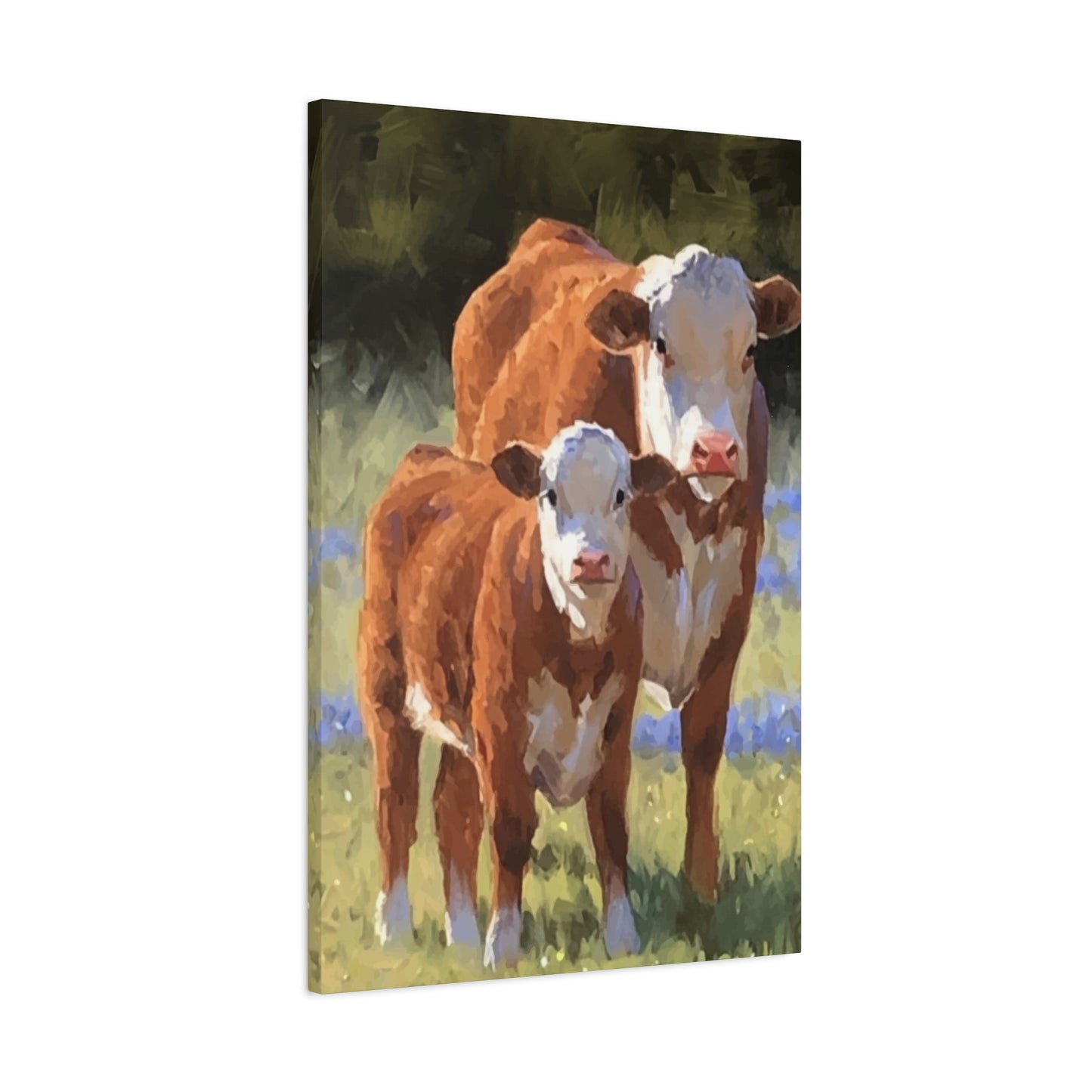
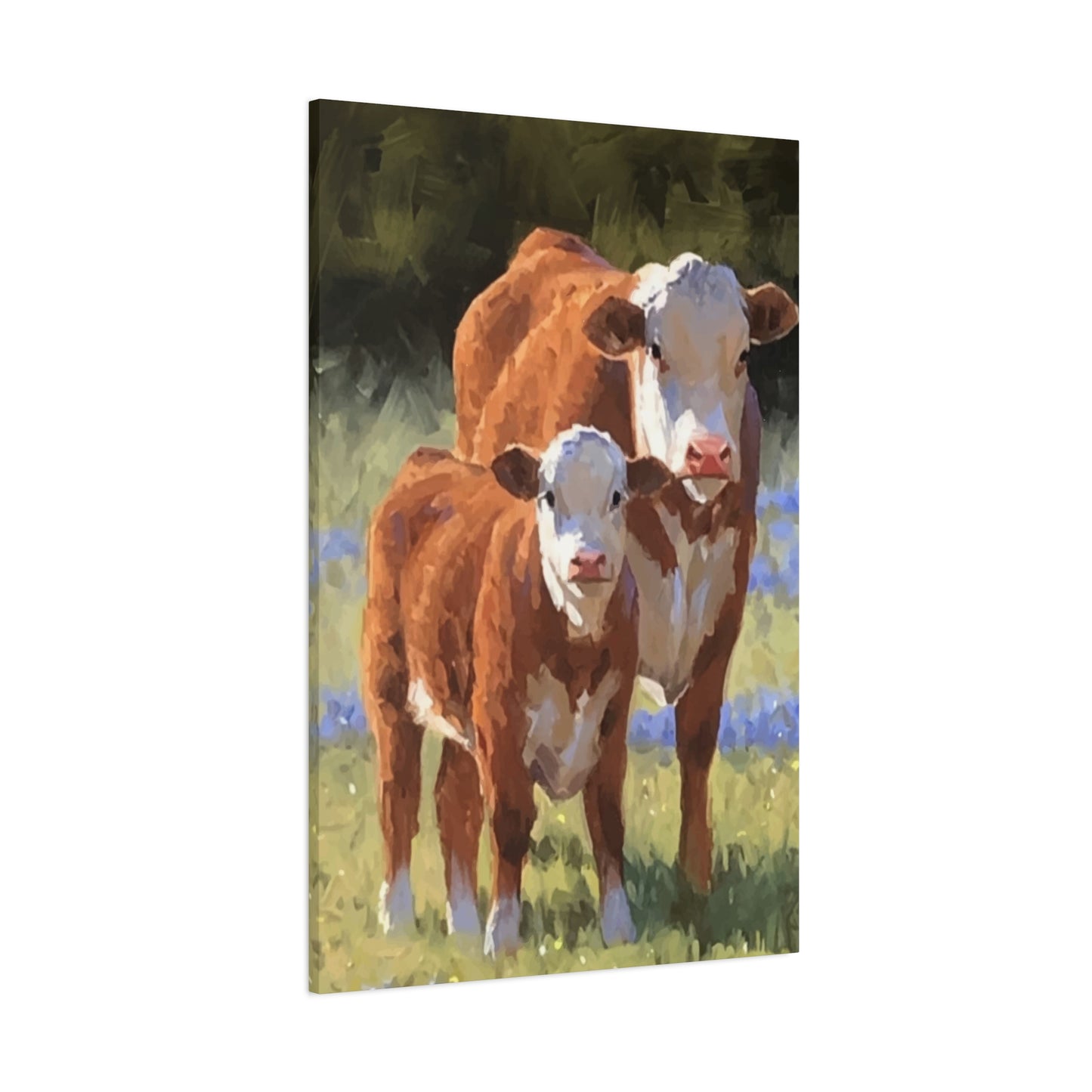
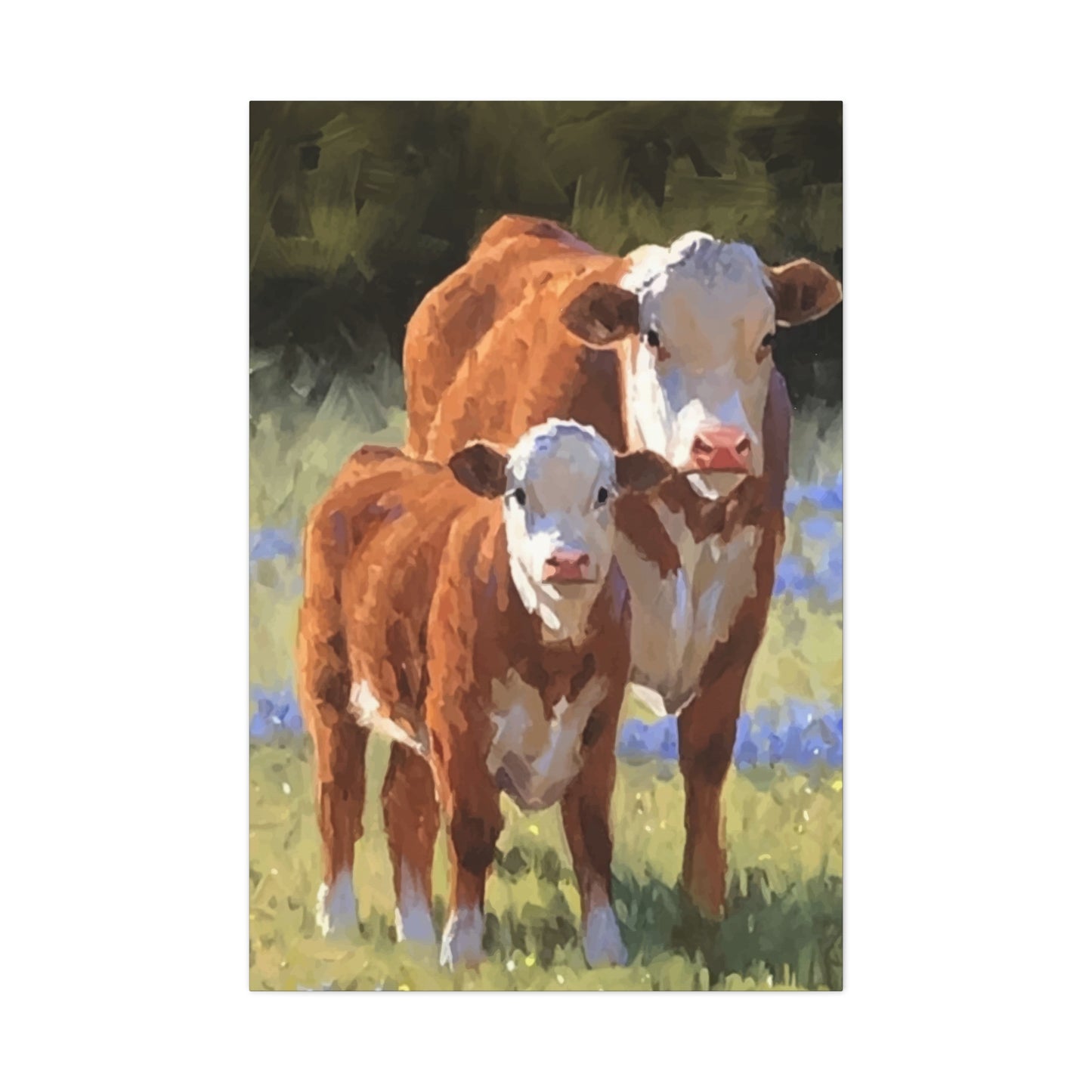
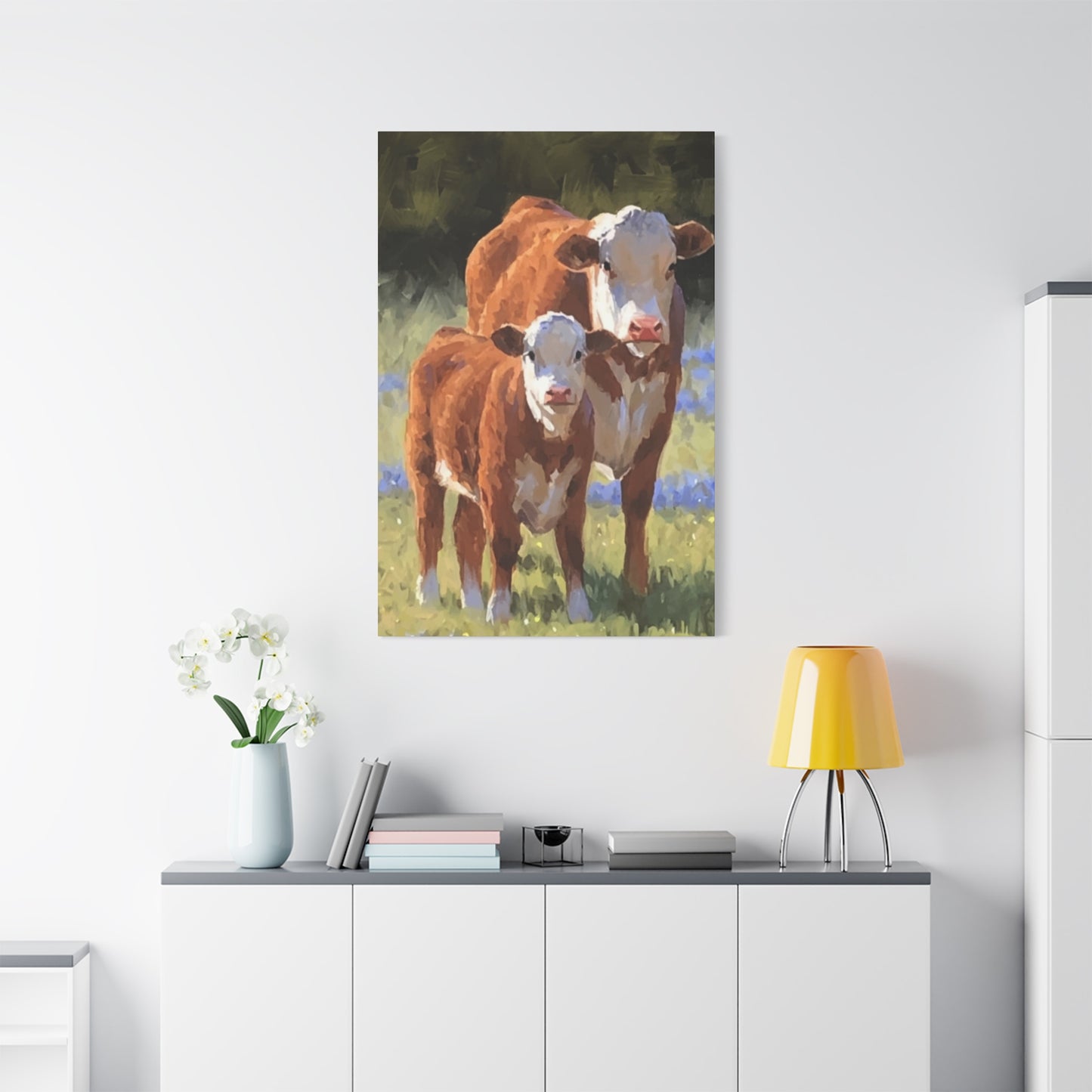
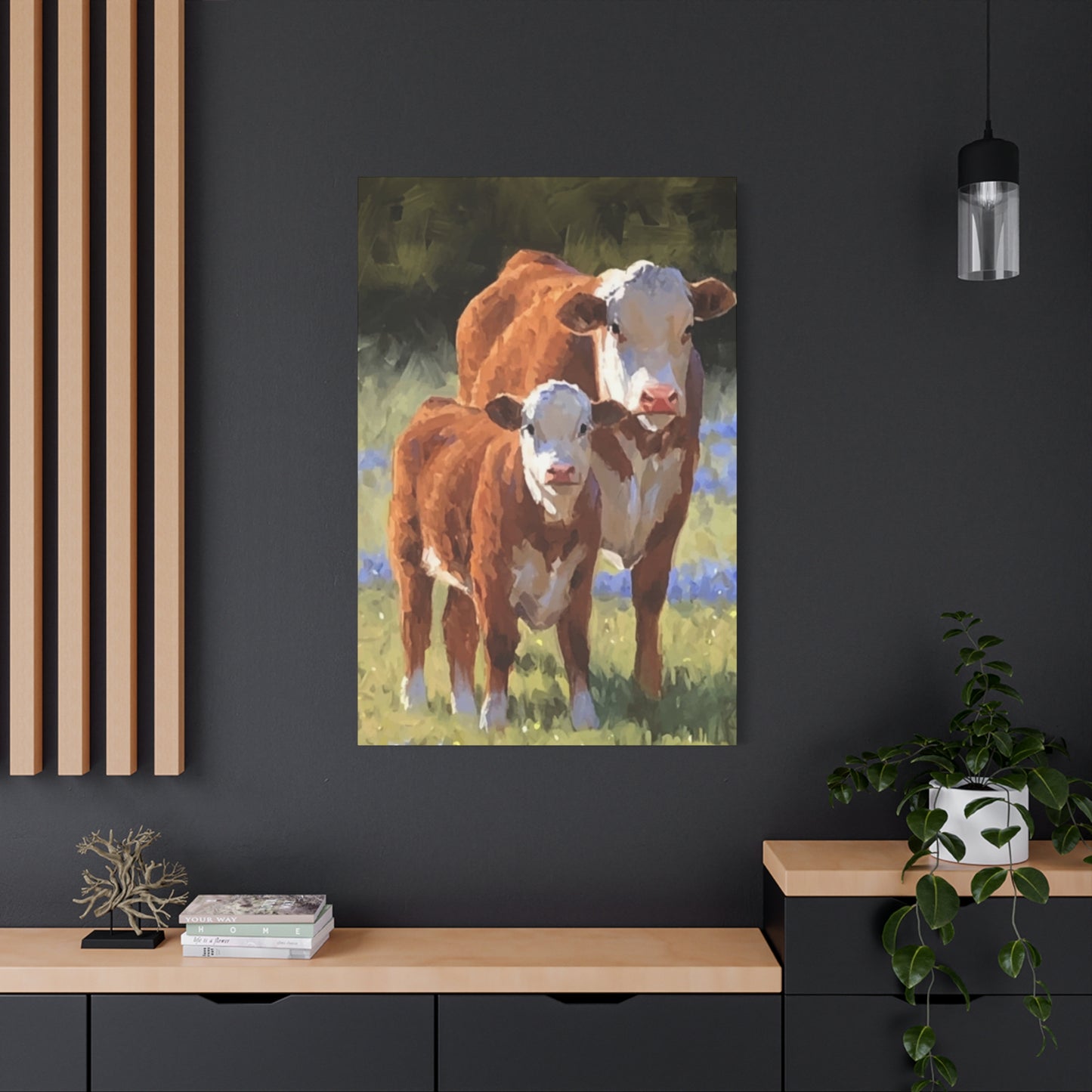
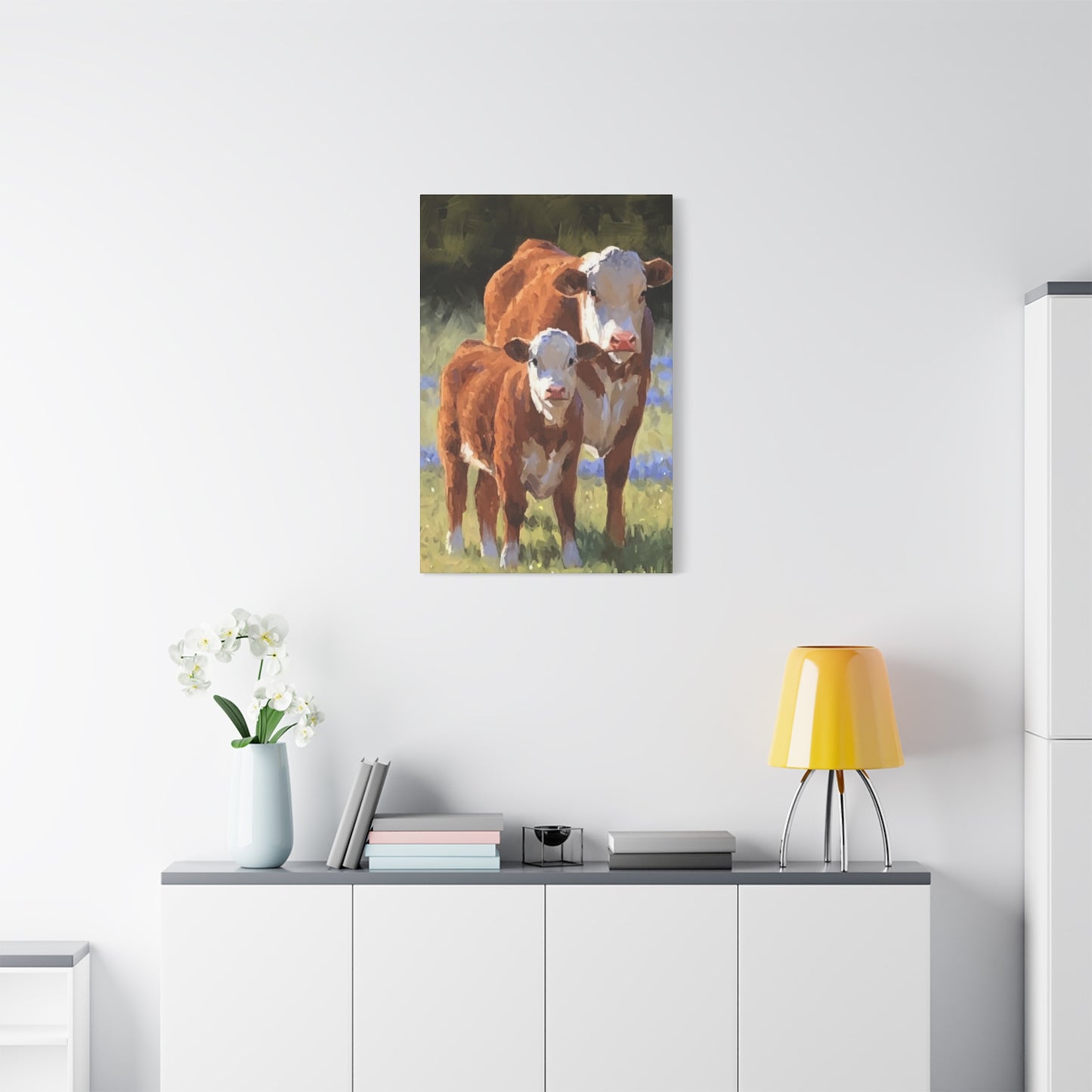
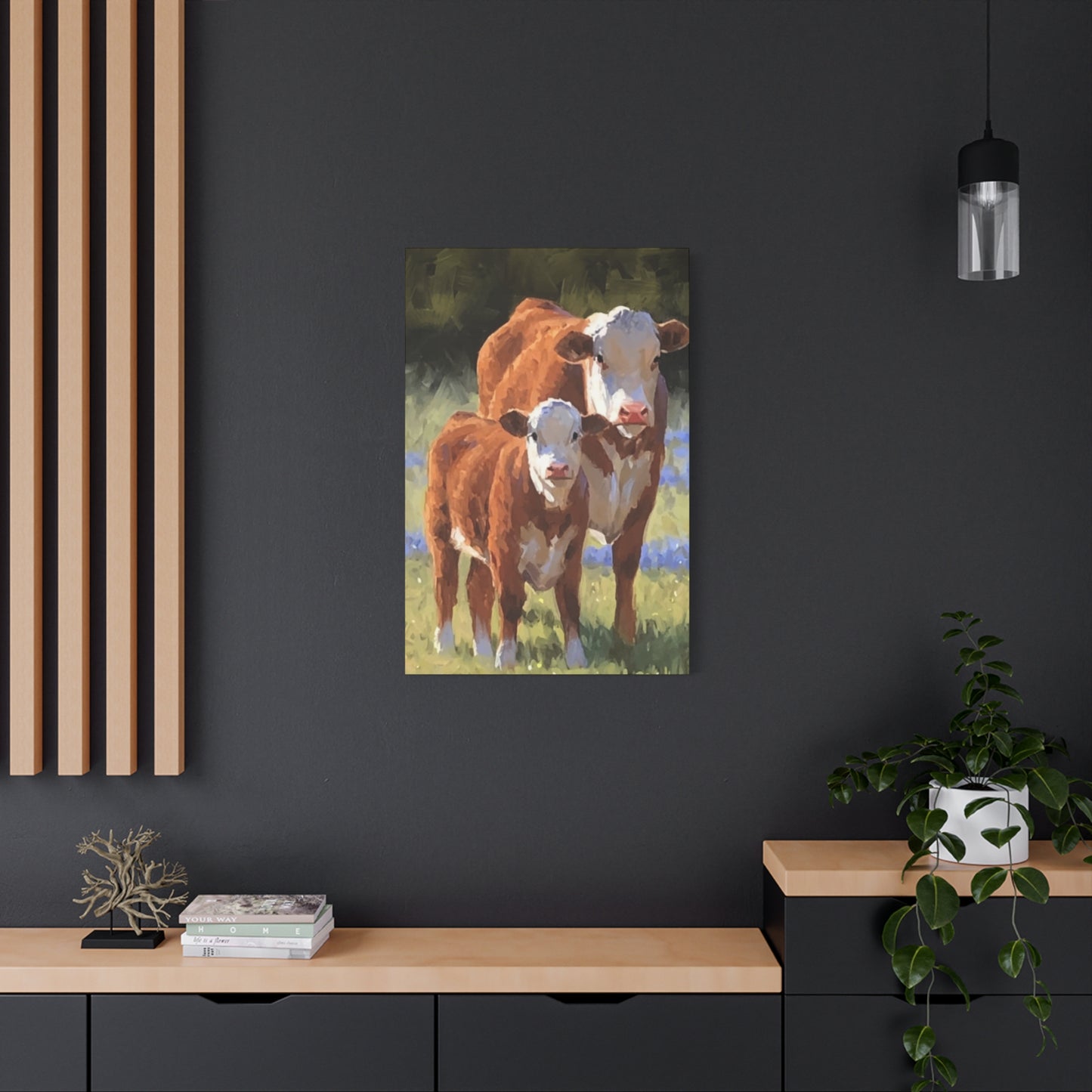
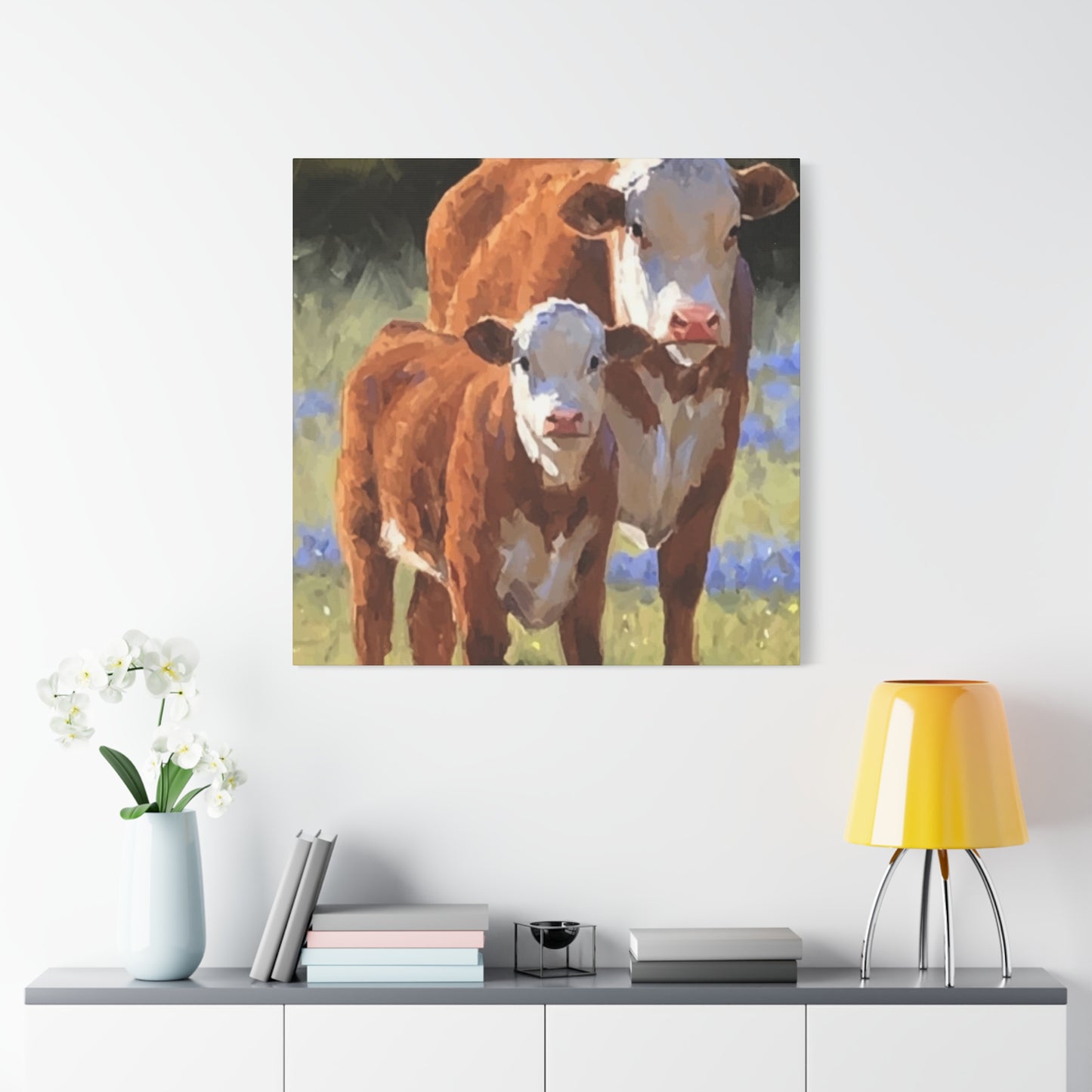
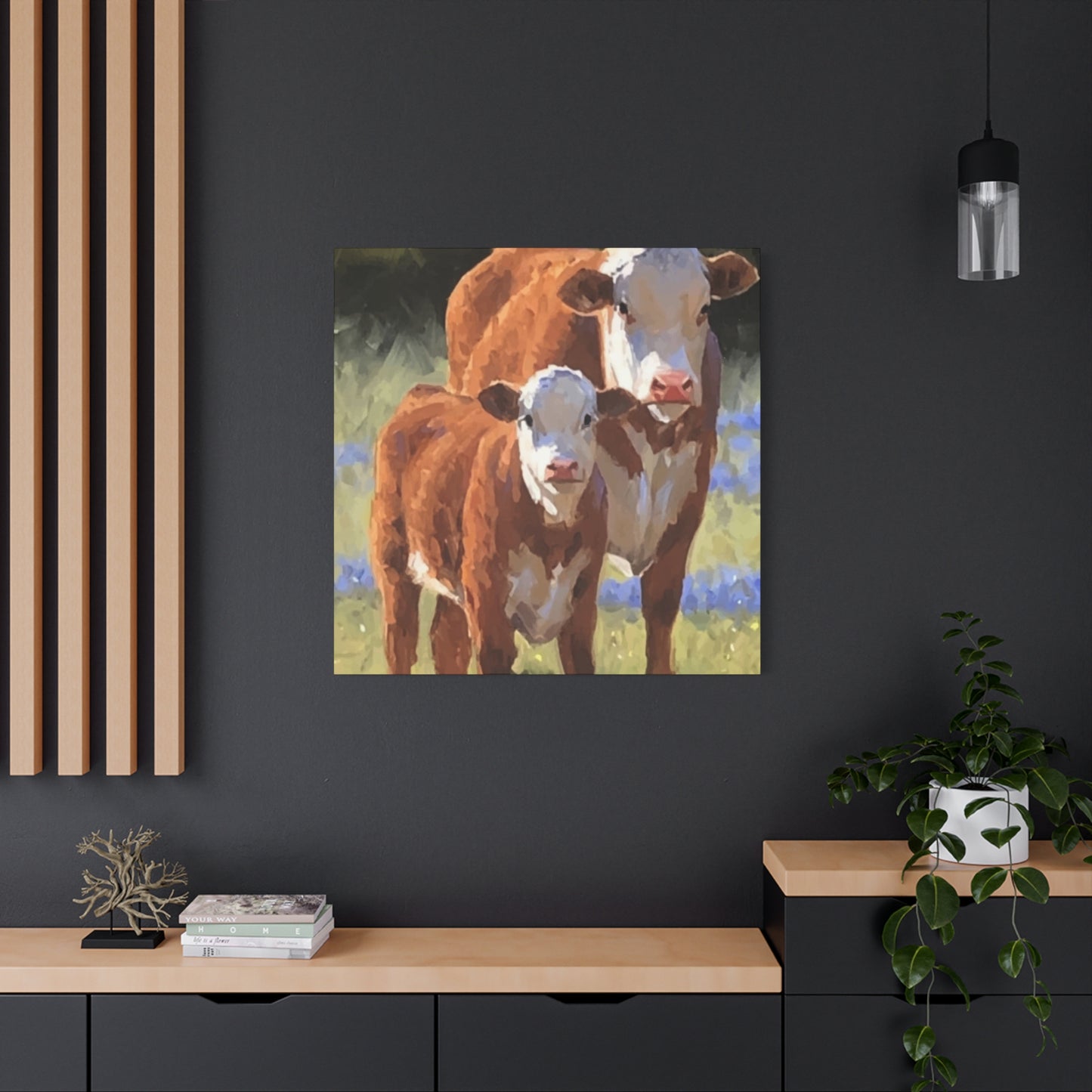
Beautiful Cow Wall Art & Canvas Prints
Beautiful Cow Wall Art & Canvas Prints
Couldn't load pickup availability
Create a Unique Home with Beautiful Cow Wall Art: A Complete Look at Bovine-Inspired Design and Artistic Expression
The surge in popularity of beautiful cow wall art represents far more than a fleeting trend in interior decoration. This phenomenon reflects a deeper cultural shift toward celebrating rustic authenticity, pastoral nostalgia, and the inherent charm found in farmyard creatures. Homeowners and design enthusiasts have discovered that bovine imagery brings an unexpected sophistication to living spaces while simultaneously evoking warmth and familiarity. The appeal transcends traditional country aesthetics, finding its way into urban lofts, modern farmhouses, eclectic studios, and minimalist apartments alike.
What makes these artistic representations particularly compelling is their versatility in complementing diverse decorating schemes. Whether rendered in photorealistic detail, abstract interpretations, watercolor softness, or bold graphic styles, cow imagery possesses an inherent adaptability that allows it to harmonize with various color palettes and furniture arrangements. The gentle demeanor captured in bovine portraits creates an atmosphere of tranquility, making them ideal focal points for spaces intended for relaxation and contemplation.
Furthermore, the rise of farmhouse chic and agrarian-inspired aesthetics has propelled these artworks from niche novelties to mainstream decorative staples. Interior designers increasingly recommend bovine artwork as an accessible entry point for clients seeking to infuse their homes with character without overwhelming their existing decor. The humble cow, with its association with pastoral landscapes and simpler times, serves as a visual bridge between contemporary living and our collective agricultural heritage.
The Profound Symbolism and Cultural Significance Behind Cattle Imagery in Visual Arts
Throughout human civilization, cattle have occupied sacred and symbolic spaces in countless cultures, religions, and mythologies. In Hindu tradition, cows represent divine motherhood, nourishment, and sanctity, making them revered creatures worthy of protection and veneration. Ancient Egyptian cultures associated cattle with fertility goddesses, while Celtic mythology intertwined bovine symbolism with prosperity and the abundance of the land. This rich tapestry of cultural meaning adds layers of depth to contemporary beautiful cow wall art, whether consciously acknowledged by viewers or operating on a subconscious level.
The symbolic resonance of cattle extends beyond religious contexts into practical associations with sustenance, agriculture, and humanity's relationship with the natural world. For generations, cows have represented stability, reliable provision, and the rewards of patient husbandry. These associations translate into modern interpretations where bovine artwork can symbolize groundedness, patience, gentle strength, and connection to nature. Selecting such pieces for one's home can be an unconscious expression of values centered around sustainability, simplicity, and appreciation for the natural cycles that sustain human life.
Artists who specialize in cattle portraiture often tap into these archetypal meanings while simultaneously bringing fresh perspectives to their subjects. Contemporary bovine art ranges from reverent and majestic portrayals that honor the animal's dignity to playful, whimsical interpretations that celebrate their gentle curiosity. Some artists focus on the textural richness of coats and hides, others on the soulful depth of bovine eyes, and still others on the graphic possibilities of horns and distinctive breed markings. Each approach offers viewers different entry points into contemplating our relationship with these remarkable creatures.
Exploring the Remarkable Variety of Styles Available in Bovine-Themed Artwork
The marketplace for beautiful cow wall art encompasses an astonishing spectrum of artistic styles, ensuring that collectors with vastly different aesthetic preferences can find pieces that resonate with their sensibilities. Photorealistic renderings capture every nuance of bovine anatomy, from the subtle variations in coat coloring to the moisture glistening on a nose. These works often showcase the artist's technical mastery while inviting viewers into intimate moments of connection with individual animals portrayed in stunning detail.
At the opposite end of the spectrum, abstract and impressionistic interpretations distill the essence of cattle into bold shapes, energetic brushstrokes, and evocative color relationships. These pieces prioritize emotional impact over literal representation, allowing viewers to project their own associations and feelings onto the work. The abstract approach can transform familiar bovine forms into striking compositions that command attention through their visual dynamism rather than their recognizable subject matter.
Between these poles lies an extensive middle ground where countless stylistic variations flourish. Folk art representations bring charming naivety and cultural specificity to bovine subjects, often incorporating patterns, bright colors, and simplified forms that celebrate regional artistic traditions. Vintage-inspired artwork taps into nostalgia through sepia tones, distressed finishes, and compositions reminiscent of early agricultural photography or pastoral paintings from previous centuries. Contemporary illustrative styles might feature flattened perspectives, limited color palettes, and graphic clarity that align with current design trends.
Watercolor renderings offer softness and atmospheric quality that can make bovine subjects appear dreamlike and ethereal. The medium's inherent fluidity creates gentle transitions between colors and values, lending itself beautifully to capturing the peaceful nature of cattle at rest in pastoral settings. Conversely, bold graphic approaches employing strong outlines and flat color fields create striking visual impact suitable for modern interiors that favor clean lines and uncluttered compositions.
Materials and Mediums That Bring Bovine Artwork to Life in Your Living Spaces
The physical manifestation of beautiful cow wall art spans an impressive range of materials and production methods, each offering distinct aesthetic qualities and practical considerations. Canvas prints remain among the most popular choices, providing the textured surface and substantial presence traditionally associated with fine art. Gallery-wrapped canvases, where the printed image extends around the frame edges, offer a polished, frame-free presentation that works particularly well in contemporary settings.
Metal prints represent a more recent innovation that delivers stunning visual impact through images infused onto aluminum surfaces. This medium produces extraordinary color vibrancy, sharpness, and depth while offering superior durability and a sleek, modern appearance. The reflective quality of metal can add dimension to bovine imagery, particularly in works featuring dramatic lighting or high contrast. These pieces work exceptionally well in spaces with industrial elements or contemporary aesthetics where their unconventional substrate becomes part of the artistic statement.
Framed paper prints offer traditional elegance and the widest range of frame style options, allowing for precise matching with existing room decor. From rustic barn wood frames that emphasize pastoral connections to sleek metal frames that create contemporary contrast, the framing choices dramatically influence how the artwork integrates into its environment. Mat boards provide additional opportunities for color coordination and visual breathing room around the image.
Wood panel prints combine the warmth of natural materials with artistic imagery, often allowing the wood grain to show through or around the image in ways that enhance the organic, earthy qualities of bovine subjects. This medium particularly suits farmhouse and rustic aesthetics while offering surprising compatibility with Scandinavian and modern organic design approaches. The dimensional quality of wood adds tactile interest that flat prints cannot match.
Textile-based options including tapestries, fabric banners, and even hand-embroidered pieces bring softness and acoustic benefits to spaces while presenting bovine imagery in unexpected formats. These alternatives work particularly well in bedrooms, reading nooks, and other areas where visual warmth and physical comfort are priorities. The textile approach also connects to craft traditions and handmade aesthetics that align philosophically with the agrarian associations of cattle imagery.
Selecting the Perfect Bovine Artwork to Complement Your Specific Interior Design Vision
Choosing beautiful cow wall art that genuinely enhances your space requires thoughtful consideration of multiple factors beyond simple personal preference for the image itself. Scale represents perhaps the most critical consideration, as improperly sized artwork can throw off the visual balance of an entire room. Large statement pieces work wonderfully above sofas, beds, or dining tables, anchoring furniture arrangements and establishing focal points. Medium-sized works suit narrower walls, hallway spaces, and areas where you want visual interest without overwhelming other design elements. Gallery walls incorporating multiple smaller bovine images offer opportunities for creating dynamic compositions that can adjust to fit unusual wall configurations.
Color relationships between the artwork and existing room elements determine whether the piece will feel harmoniously integrated or jarringly out of place. Artwork that pulls colors already present in your textiles, rugs, or furniture creates cohesive visual connections that make spaces feel carefully curated. Conversely, selecting pieces with colors absent from your current palette can inject energy and visual interest, but requires careful attention to ensure the introduction feels intentional rather than discordant. Neutral bovine artwork in blacks, whites, grays, and earth tones offers maximum versatility, adapting easily to changing decor without requiring replacement.
The mood and energy level of different artistic interpretations should align with the function and atmosphere you want to cultivate in each space. Serene, contemplative portraits of cattle at rest suit bedrooms, meditation spaces, and reading areas where tranquility is paramount. More dynamic compositions featuring multiple animals, dramatic lighting, or energetic brushwork can energize living rooms, home offices, and dining areas where you want to stimulate conversation and engagement.
Stylistic consistency across your home creates flow and intentionality, though this doesn't require identical artistic approaches in every room. Rather, consider how the style of bovine artwork relates to other art pieces and decorative objects in adjacent spaces. A farmhouse filled with vintage finds and weathered wood benefits from bovine art with complementary rustic qualities, while a minimalist modern home might showcase a single dramatic black-and-white cattle portrait as a standalone statement piece.
Creating Stunning Gallery Wall Arrangements Featuring Multiple Bovine Artworks
Gallery walls offer exciting possibilities for showcasing collections of beautiful cow wall art while creating visual impact that exceeds what single pieces can achieve. Successful gallery walls require careful planning regarding layout, spacing, and the relationships between individual pieces. Begin by laying out your arrangement on the floor, experimenting with different configurations until you find a composition that feels balanced and intentional. Photograph your preferred arrangement for reference during the hanging process.
Symmetrical grid arrangements bring order and formality to gallery walls, working particularly well with pieces of uniform size and framing. This approach suits traditional and transitional spaces where predictability and structure feel appropriate. Asymmetrical organic arrangements offer more visual dynamism and flexibility, accommodating pieces of varying sizes and orientations. This approach aligns well with eclectic, bohemian, and farmhouse aesthetics where a collected-over-time appearance feels authentic.
Maintaining consistent spacing between pieces creates cohesion even when the artwork itself varies considerably in style, color, or subject matter. Most designers recommend spacing of two to three inches between frames, though this can adjust based on the scale of your arrangement and the visual weight of individual pieces. Consistent spacing creates invisible grid lines that organize the composition even when pieces are different sizes.
Thematic coherence helps gallery walls feel intentional rather than haphazard. Focusing exclusively on bovine subjects creates strong thematic unity, but you might also consider broader farm animal themes, pastoral landscapes that include cattle, or vintage agricultural imagery that contextualizes bovine subjects within working farm environments. Black-and-white photography of cattle can mix beautifully with color pieces when united by consistent framing or mat choices.
Vertical arrangements work wonderfully in narrow wall spaces like hallways or between windows, creating visual movement that draws the eye upward and makes spaces feel taller. Horizontal arrangements suit walls above sofas, beds, and console tables, emphasizing width and creating grounding effects. Complex arrangements that extend in multiple directions work best on large, uninterrupted wall expanses where they can fully develop without competing with architectural features or furniture.
Understanding How Lighting Transforms the Presentation and Impact of Your Bovine Artwork
Proper illumination dramatically influences how beautiful cow wall art appears and the mood it creates within your space. Natural light offers the most flattering and color-accurate illumination but varies considerably throughout the day and with weather conditions. Positioning artwork to receive indirect natural light prevents fading while providing beautiful illumination during daytime hours. Direct sunlight should be avoided as it can damage artwork over time through UV exposure and heat.
Artificial lighting allows precise control over how artwork appears regardless of time or weather. Picture lights mounted directly above or below artwork provide focused illumination that highlights pieces while creating dramatic shadow effects. These fixtures work particularly well for showcasing prized individual pieces you want to emphasize as focal points. LED picture lights offer energy efficiency and minimal heat output, protecting artwork while providing excellent color rendering.
Track lighting and adjustable spotlights offer flexibility for illuminating multiple pieces or gallery walls, with the ability to redirect beams as your artwork collection evolves. Positioning lights at approximately thirty-degree angles prevents glare while providing even coverage. Dimmer switches allow you to adjust lighting intensity to match different times of day and activities, creating intimate evening ambiance or bright viewing conditions when desired.
The color temperature of your light sources significantly affects how colors in bovine artwork appear. Warm light (2700-3000K) creates cozy, inviting atmospheres and enhances earth tones, woods, and warm color palettes common in rustic and farmhouse settings. Cooler light (3500-4100K) provides more accurate color rendering and creates crisp, clean atmospheres that complement contemporary and minimalist spaces. Matching your lighting color temperature to your overall design aesthetic ensures artwork appears as intended.
Consider how ambient room lighting interacts with artwork-specific illumination. Layers of light from different sources at various heights and intensities create dimensional, sophisticated lighting schemes that showcase artwork while serving the functional needs of the space. Avoid installing lights that create reflective glare on glass-covered artwork or highly reflective substrates like metal prints.
Placing Bovine Artwork in Unexpected Spaces Throughout Your Home
While living rooms and bedrooms represent traditional locations for displaying beautiful cow wall art, exploring unconventional placements can yield delightful surprises and maximize your enjoyment of cherished pieces. Kitchen spaces welcome bovine imagery that connects to food sources, farm-to-table values, and agrarian heritage. Smaller prints or tile-style pieces work well in kitchen environments where practical concerns about moisture and cooking splatter require more durable materials or easily cleaned surfaces. The lighthearted presence of cattle imagery can transform kitchens into cheerful spaces that celebrate the origins of nourishment.
Bathroom spaces offer surprisingly suitable environments for bovine artwork, particularly when rendered in moisture-resistant materials or properly sealed. The unexpected nature of encountering pastoral cattle imagery in intimate personal spaces creates moments of whimsy and visual interest. Smaller-scale pieces work best in bathrooms, where wall space competes with mirrors, cabinets, and fixtures. Black-and-white or sepia-toned bovine photography can create sophisticated spa-like atmospheres when paired with natural materials and clean lines.
Home office spaces benefit tremendously from the calming presence of bovine imagery, which can provide mental respite during demanding work sessions. The gentle, contemplative nature of cattle at rest offers visual anchors for minds racing with tasks and deadlines. Positioning artwork within sight lines from your desk creates opportunities for brief mental breaks that can refresh focus and reduce stress. The symbolic associations of cattle with patience and steady productivity can serve as subtle psychological reinforcement for maintaining sustainable work rhythms.
Hallways and transitional spaces often contain blank walls that become afterthoughts in decorating schemes. These areas provide excellent opportunities for creating visual interest through beautiful cow wall art that surprises and delights as you move through your home. Vertical arrangements work particularly well in narrow hallway spaces, drawing the eye upward while maintaining clear passage. Gallery walls can transform bland corridors into personal galleries that showcase your collection while making circulation spaces feel intentional and designed.
Mudrooms and entryways establish tone for your entire home, making them strategic locations for artwork that reflects your values and aesthetic sensibilities. Bovine imagery in these spaces announces a connection to rural values, appreciation for simpler times, or celebration of agrarian heritage. Durable materials like metal prints or sealed wood pieces withstand the higher traffic and potential rough treatment that entry spaces experience. Welcoming guests with charming cattle portraits creates immediate warmth and conversation opportunities.
The Remarkable Benefits of Supporting Independent Artists and Artisans Creating Bovine Artwork
Purchasing beautiful cow wall art directly from independent artists and small studios yields benefits extending far beyond the transaction itself. When you support individual creators, you contribute directly to their ability to continue pursuing their craft, developing their skills, and bringing unique perspectives to their work. Unlike mass-produced prints from large corporations, artwork from independent sources often carries the distinctive vision and personal connection that makes pieces truly special.
Independent artists typically offer greater flexibility regarding sizing, customization, and special requests than commercial retailers. Many welcome commissioned pieces that incorporate specific color schemes, breed characteristics, or compositional preferences tailored to your exact needs. This collaborative process results in truly one-of-a-kind artwork that perfectly suits your space while establishing meaningful connection to the creation process and the artist behind it.
The quality and authenticity of independently created artwork generally surpasses mass-produced alternatives. Artists who specialize in bovine subjects often possess deep knowledge of cattle breeds, behaviors, and anatomy that translates into more nuanced and accurate representations. Their passion for the subject matter shows in the care and attention evident in finished pieces. Limited edition prints from independent artists retain more value than infinite reproductions, offering both aesthetic and potential investment benefits.
Building relationships with artists whose work resonates with you creates opportunities for ongoing dialogue about their process, inspiration, and evolving body of work. Many independent creators maintain active social media presences where they share works-in-progress, studio glimpses, and personal stories that deepen appreciation for finished pieces. Following artist journeys and witnessing skill development over time adds narrative richness to your collection that mass-market purchases cannot replicate.
Online marketplaces connecting artists directly with buyers have democratized access to distinctive artwork while eliminating traditional gallery markup structures. This benefits both artists, who receive larger percentages of sale prices, and buyers, who access unique pieces at more accessible price points. The vast selection available through these platforms ensures you can find bovine artwork that precisely matches your vision regardless of how specific or unusual your preferences might be.
Matching Bovine Artwork with Specific Design Aesthetics and Decorating Philosophies
The versatility of beautiful cow wall art allows it to enhance virtually any decorating style when selections align with aesthetic principles guiding the space. Farmhouse and country styles represent the most intuitive pairings, where bovine subjects reinforce themes of rural living, agricultural heritage, and pastoral simplicity. Vintage-inspired cattle imagery with aged effects, sepia tones, or folk art qualities strengthens authentic farmhouse atmospheres. Weathered barn wood frames, distressed finishes, and gallery walls incorporating farm implements alongside artwork create cohesive agrarian narratives.
Modern farmhouse aesthetics blend rustic elements with clean lines, neutral palettes, and edited restraint. This popular style embraces bovine imagery but favors refined presentations over overtly country treatments. Black-and-white cattle photography in sleek frames, minimalist line drawings of cow profiles, or single dramatic portraits with substantial negative space align with modern farmhouse principles. The key lies in allowing bovine subjects to shine without surrounding them with excessive decoration or overly busy compositions.
Scandinavian and Nordic aesthetics prioritize simplicity, functionality, and connection to nature through organic materials and forms. Bovine artwork fits naturally within this framework when rendered in understated ways that emphasize the inherent beauty of animal subjects without embellishment. Simple line drawings, watercolor studies with ample white space, or black-and-white photography printed on natural paper align with Scandinavian sensibilities. Light wood frames or frameless presentations maintain the airy, uncluttered qualities central to this aesthetic.
Industrial and urban styles might seem unlikely candidates for bovine artwork, yet carefully selected pieces create compelling contrasts that enhance both the artwork and the surrounding environment. The juxtaposition of rustic cattle subjects against exposed brick, metal fixtures, and concrete surfaces creates visual tension that makes each element more interesting. Black-and-white photography, images printed on metal substrates, or graphic interpretations with hard edges bridge the gap between pastoral subjects and industrial settings.
Bohemian and eclectic styles welcome bovine artwork alongside diverse collections of objects, textiles, and art from various sources and eras. The key to success in eclectic environments lies in color coordination and thematic threads that create cohesion despite apparent diversity. Colorful bovine portraits, folk art representations, or mixed-media pieces incorporating textiles or three-dimensional elements feel at home in maximalist spaces where more is more. Layering artwork, leaning pieces on surfaces, and creating dense gallery walls align with bohemian principles.
Minimalist aesthetics demand particular restraint when incorporating beautiful cow wall art. Single powerful images with strong compositions and substantial negative space work far better than busy scenes or multiple pieces. Monochromatic color schemes, simple framing, and precise placement that respects spatial relationships maintain minimalist integrity while introducing the warmth of bovine subjects. The discipline required for successful minimalist placement ensures that chosen artwork becomes a true focal point rather than contributing to visual clutter.
The Surprising Psychology Behind Our Attraction to Bovine Imagery in Home Environments
Understanding why beautiful cow wall art resonates so deeply with contemporary audiences requires examining psychological and emotional factors underlying aesthetic preferences. Cattle possess inherent qualities that humans find soothing and appealing. Their large, gentle eyes, calm demeanor, and unhurried movements trigger nurturing responses and feelings of tranquility. Evolutionary psychologists suggest that domesticated animals, particularly those associated with sustenance and survival, occupy positive spaces in human consciousness that persist despite increasing urbanization and distance from agricultural lifestyles.
The biophilia hypothesis proposes that humans possess innate tendencies to seek connections with nature and living things. As modern life increasingly unfolds in urban environments dominated by artificial materials and manufactured forms, we compensate by introducing natural elements into our living spaces through plants, natural materials, and imagery of animals and landscapes. Bovine artwork satisfies this deep-seated need for connection to the natural world while remaining accessible and safe, unlike wildlife imagery that might trigger more complex emotional responses.
Nostalgia plays a significant role in the appeal of cattle imagery, even for individuals who never lived on farms or spent time around livestock. Cultural narratives around pastoral life, agricultural heritage, and slower-paced rural existence create collective nostalgia for idealized versions of these experiences. Bovine artwork serves as visual shorthand for values we perceive as threatened or diminished in contemporary life: simplicity, authenticity, connection to land and seasons, and meaningful labor. Surrounding ourselves with these images allows us to maintain psychological connections to these values regardless of our actual lifestyle circumstances.
The concept of soft fascination, coined by environmental psychologists, explains why certain stimuli hold our attention without demanding cognitive effort or creating stress. Cattle quietly grazing, resting in barns, or gazing peacefully create soft fascination that allows mental restoration while providing gentle visual interest. This makes bovine artwork particularly valuable in spaces designated for relaxation, recovery from mental fatigue, and stress reduction.
Color palettes commonly associated with cattle and pastoral scenes trigger specific emotional responses. Earth tones, greens, and sky blues create calming effects associated with nature and outdoor environments. These colors lower blood pressure, reduce anxiety, and promote feelings of safety and stability. Even when bovine artwork incorporates unexpected color choices, the familiar subject matter provides psychological anchoring that makes experimentation feel safe rather than unsettling.
Sourcing High-Quality Bovine Artwork from Various Platforms and Marketplaces
The digital age has revolutionized access to beautiful cow wall art, with countless platforms connecting artists and buyers while offering varying advantages and considerations. Online marketplaces dedicated to handmade and artist-created goods provide extensive selections spanning all style preferences, price points, and materials. These platforms emphasize supporting independent creators while offering buyer protections, customer reviews, and detailed product information that facilitate informed decisions. The ability to communicate directly with artists through these systems allows for questions, customization discussions, and developing relationships that enhance the purchasing experience.
Print-on-demand services offer another avenue for acquiring bovine artwork, particularly for buyers seeking specific sizes, framing options, or materials not available through other channels. These platforms work with vast libraries of licensed images and artist collaborations, providing flexibility regarding how artwork is produced and finished. While perhaps lacking the direct artist connection of other options, print-on-demand services excel in customization capabilities and providing precisely what you envision for your space.
Gallery websites and artist portfolio sites offer direct purchasing from creators while showcasing complete bodies of work that provide context for individual pieces. Browsing an artist's full portfolio reveals their range, evolution, and areas of specialization in ways that marketplace listings cannot. Direct purchases through artist websites ensure creators receive maximum financial benefit from sales while giving buyers confidence in authenticity and provenance. Many artists offer email newsletters and early access to new work for direct customers, creating insider opportunities for acquiring coveted pieces.
Local art fairs, craft shows, and farmers markets provide in-person opportunities to view bovine artwork before purchasing while meeting artists face-to-face. The tactile experience of examining pieces in person reveals details of materials, finishes, and colors that digital images cannot fully convey. Conversations with artists yield insights into their processes, inspirations, and stories behind specific works that deepen appreciation and connection. Supporting local artists strengthens community creative ecosystems while often providing more accessible pricing than formal gallery settings.
Social media platforms have emerged as unexpected but powerful tools for discovering independent artists creating bovine artwork. Many creators maintain active presences showcasing works-in-progress, finished pieces, and studio life while building communities around their art. Direct messaging capabilities allow for inquiry, custom work discussions, and purchases without intermediary platforms. The visual nature of these platforms makes them particularly well-suited for discovering new artists and staying current with their output.
Caring for and Preserving Your Beautiful Cow Wall Art Collection for Future Generations
Proper attention to preservation ensures that beloved beautiful cow wall art maintains its beauty and integrity for decades. Understanding material-specific vulnerabilities allows targeted protection measures that prevent degradation without excessive intervention. Paper-based artwork remains particularly sensitive to environmental conditions, requiring vigilance regarding light exposure, humidity, and physical contact. Museum-quality framing with UV-protective glazing provides excellent protection for valuable paper pieces, while acid-free mats prevent chemical interactions that cause yellowing and deterioration over time.
Canvas prints require different care approaches focused on preventing stretching, sagging, and surface damage. Avoid hanging canvas pieces in areas with extreme temperature fluctuations or high humidity that can affect tension and cause warping. Dusting canvas surfaces gently with soft brushes or microfiber cloths maintains appearance without risking damage from moisture or harsh cleaning products. If canvas pieces do require more thorough cleaning, consult conservation professionals rather than attempting aggressive treatment that might harm the substrate or printed image.
Metal prints offer exceptional durability but still benefit from proper handling and placement. While resistant to many environmental factors that damage other materials, metal surfaces can scratch if handled roughly or cleaned with abrasive materials. Microfiber cloths slightly dampened with water prove sufficient for cleaning metal prints in most cases. Avoid placing metal artwork where it might be struck by doors, furniture, or high-traffic flow patterns that increase likelihood of physical damage.
Wood-based artwork requires monitoring for signs of warping, cracking, or pest activity that can compromise structural integrity. Maintaining relatively stable humidity levels prevents excessive expansion and contraction that causes wood damage over time. Avoid hanging wood pieces near heating vents, radiators, or in bathrooms where moisture levels fluctuate dramatically. Periodic treatment with appropriate wood care products maintains finish integrity and provides some protection against environmental factors, though always verify compatibility with any printed or painted surfaces on the piece.
Regular inspection of all artwork regardless of material type allows early detection of problems before they become serious. Look for fading that might indicate excessive UV exposure requiring new placement or additional protection. Check for warping, loosening frames, or separation of materials that suggest environmental issues or mounting failures. Document your collection through photographs taken periodically under consistent lighting conditions, creating visual records that reveal subtle changes over time while providing invaluable documentation for insurance purposes.
Commissioning Custom Bovine Artwork Tailored to Your Exact Specifications and Vision
Creating custom beautiful cow wall art through commissions offers opportunities for acquiring truly unique pieces that perfectly suit your space and preferences. The commissioning process begins with identifying artists whose existing work resonates with your aesthetic while demonstrating capability to execute what you envision. Review artist portfolios carefully, paying attention not just to style but to technical skill, attention to detail, and ability to capture bovine anatomy and personality convincingly.
Initial communications establish whether an artist accepts commissions and feels your project aligns with their interests and capabilities. Provide reference images showing the style, mood, and compositional approach you prefer, but avoid expecting exact replication of another artist's work. Share photographs of the space where artwork will hang, including surrounding decor, lighting conditions, and dimensions. This context helps artists envision how their creation will function within your environment and tailor their approach accordingly.
Budget discussions should occur early in the conversation, as commissioned artwork pricing varies enormously based on size, complexity, medium, and artist experience. Custom pieces understandably command premium pricing compared to existing work, reflecting the personalized attention and creative problem-solving required. Be prepared for deposit requirements before work commences, with remainder due upon completion but before delivery. Deposits protect artists' time and material investments while demonstrating your commitment to the project.
Establish clear communication protocols regarding progress updates, approval points, and revision policies before work begins. Many artists provide preliminary sketches or digital mockups for approval before investing substantial time in the final piece. Discuss how many rounds of revisions are included and costs for additional changes beyond agreed parameters. Understanding these details prevents misunderstandings and ensures smooth collaboration throughout the creation process.
Timeline expectations require realistic assessment of the artist's current commitments and the complexity of your project. Custom artwork cannot be rushed without compromising quality, so plan commissioned pieces well in advance of deadlines or special occasions. Most artists provide estimated completion windows rather than specific dates, allowing flexibility for creative process and unexpected complications. Patience during the commissioning process typically yields far superior results than pressure for rapid completion.
The Role of Breed-Specific Imagery in Bovine Artwork and Its Appeal to Different Audiences
Beautiful cow wall art often features specific cattle breeds whose distinctive appearances attract particular audiences and carry unique associations. Highland cattle with their shaggy coats and impressive horns create dramatic visual impact while evoking Scottish heritage, rugged landscapes, and romantic pastoral imagery. Their photogenic qualities make them frequent subjects for both fine art and popular décor, with appeal extending well beyond those with Scottish connections. The textural richness of Highland coat variations provides artists with abundant material for exploration across various media.
Holstein dairy cattle with their distinctive black-and-white patterns offer strong graphic possibilities that translate effectively into bold, contemporary artwork. The high contrast of Holstein markings creates natural visual interest requiring minimal artistic embellishment. These familiar cattle represent dairy farming heritage and agricultural productivity in popular consciousness, making them meaningful subjects for those with connections to dairy country or appreciation for the industry's contributions to food systems.
Angus cattle present very different aesthetic opportunities, their solid dark coloring creating silhouettes and studies in form rather than pattern. Artists working with Angus subjects often emphasize lighting, muscular structure, and the sculptural qualities of bovine anatomy without distraction from contrasting markings. These cattle carry associations with beef production and ranching culture that resonate particularly in regions where cattle ranching forms part of cultural identity and economic foundation.
Longhorn cattle with their dramatic horn spans create instantly recognizable imagery strongly associated with Texas, the American West, and frontier heritage. Longhorn artwork appeals to those drawn to Western themes, regional pride, or the romance of cattle drives and ranching history. The impressive horn variation among individual Longhorns provides distinctive subjects that artists can portray as powerful, majestic creatures embodying strength and untamed spirit.
Jersey and Guernsey cattle with their fawn coloring and gentle expressions offer softer aesthetic possibilities than more dramatic breeds. These smaller dairy cattle create artwork with particular warmth and approachability, their large eyes and refined features emphasizing gentleness and beauty. Artists drawn to subtlety and nuanced color work often favor these breeds, producing pieces with quiet elegance rather than bold impact.
Incorporating Bovine Artwork into Seasonal and Holiday Decorating Schemes
Beautiful cow wall art can adapt surprisingly well to seasonal rotation and holiday decorating, offering fresh visual interest throughout the year without requiring artwork replacement. The inherent neutrality of bovine subjects allows them to serve as foundations upon which seasonal elements build through surrounding décor adjustments. During spring months, surrounding cattle artwork with fresh flowers, pastel accents, and lighter textiles emphasizes renewal and pastoral awakening without requiring the artwork itself to change.
Summer decorating celebrates abundance, growth, and outdoor living. Bovine artwork fits naturally into these themes given cattle's associations with pasture, farmland, and agricultural productivity. Pairing cow portraits with vibrant green accents, farm-fresh produce displays, and natural materials like wood and linen reinforces seasonal connections to land and harvest. Gallery walls can incorporate temporary additions like pressed wildflowers or photographs of summer farm scenes that complement permanent bovine pieces.
Autumn brings harvest themes where cattle imagery connects beautifully to agricultural celebration and gratitude for abundance. Rich earth tones, dried grasses, pumpkins, and wheat sheaves surrounding bovine artwork create cohesive seasonal displays. The muted colors common in autumn décor complement the natural tones of cattle coats and pastoral landscapes. This season offers particularly strong alignment between bovine subjects and broader decorating themes centered on farming, harvest, and preparation for winter.
Winter and holiday decorating might seem to challenge bovine artwork integration, but thoughtful approaches maintain cohesion while celebrating seasonal traditions. Cattle in snow, winter barn scenes, or farmyard imagery featuring holiday elements create seasonal versions of bovine artwork that can rotate into display during colder months. Even artwork without explicit winter elements works beautifully when surrounded by evergreen branches, rustic wood elements, and warm lighting that evokes cozy barn interiors. The association between cattle and nativity scenes in Christian traditions provides additional holiday connection points.
Creating permanent gallery walls with intentional spacing allows seasonal additions that temporarily expand collections without requiring existing artwork removal. Small wreaths, garlands, or decorative brackets positioned around bovine pieces transform overall arrangements while respecting the integrity of individual artworks. This approach offers creative flexibility without the labor and risk of constantly removing and rehinging permanent pieces.
The Environmental and Sustainability Considerations When Purchasing Bovine Artwork
Increasingly, consumers consider environmental impacts when making purchasing decisions, including beautiful cow wall art acquisitions. Several factors influence the sustainability profile of artwork, from production methods to materials to shipping considerations. Digitally created and printed artwork generally carries lower environmental impact than traditionally painted pieces requiring physical art supplies, though this varies significantly based on printing methods, substrates, and finishing processes employed.
Artwork printed on recycled materials or using eco-friendly inks demonstrates commitment to environmental responsibility that resonates with sustainability-minded buyers. Some artists and print companies specifically market their environmental credentials, offering carbon-neutral shipping, sustainable packaging, or donating portions of proceeds to environmental causes. Seeking out these creators allows values-aligned purchasing that supports businesses operating according to principles you share.
Longevity represents an often-overlooked sustainability factor. High-quality artwork that maintains its beauty and integrity for decades proves far more sustainable than inexpensive pieces requiring frequent replacement. Investing in well-constructed pieces using archival materials and proper framing prevents the waste generated by disposable décor cycles. This perspective reframes higher-quality purchases as environmental choices rather than luxury expenditures.
Local sourcing reduces transportation-related environmental impacts while supporting regional economies. Seeking bovine artwork from artists working relatively near you minimizes shipping distances and associated emissions. Local art fairs and studio visits eliminate shipping entirely while providing community connection and supporting makers whose success contributes to local creative ecosystems. The growing emphasis on regional food systems has parallels in regional art markets that deserve similar support and consideration.
Digital artwork available for personal printing offers another sustainability angle by eliminating shipping of finished pieces. Buyers can select local printers using environmental practices they trust while choosing materials aligned with their values. This approach requires more active participation than purchasing finished pieces but provides maximum control over environmental impacts throughout the production chain. Additionally, digital files can be reprinted if originals are damaged, extending the useful life of the artwork itself.
Final Thoughts
Beautiful cow wall art is more than just a depiction of farm life or rural landscapes; it’s a vibrant and soulful expression of the connection between humans and nature, creativity, and tradition. Whether you’re drawn to the pastoral serenity of cows grazing in fields or the more abstract, contemporary interpretations of these majestic creatures, cow-inspired artwork offers endless possibilities for personal expression and interior design. Incorporating cow wall art into your space creates an opportunity to celebrate nature’s simplicity, evoke nostalgia for country living, and add a unique, rustic charm to your home.
What makes cow wall art so appealing is its ability to blend effortlessly into various design styles, from farmhouse chic and rustic to modern and eclectic. For those who embrace a country or rural aesthetic, a beautifully crafted piece of cow art can evoke the tranquility and charm of farm life. The warm, earthy tones and natural beauty of the cow's form can add a sense of groundedness and authenticity to a room. For example, a detailed black-and-white portrait of a cow can bring contrast and visual interest to a neutral space, while a colorful, abstract interpretation might inject energy and modernity into a minimalist or contemporary room.
The versatility of cow wall art also lies in its ability to work within a variety of interior themes. In a rustic farmhouse setting, a classic cow painting or photograph of a herd grazing in a field complements wooden furniture, woven textiles, and vintage accents. This type of wall art fits seamlessly into a warm, earthy space where natural materials like wood and stone take center stage. For a modern or industrial setting, a stylized or abstract cow piece can add a pop of character and contrast to sleek, contemporary furnishings and polished finishes. Whether the cow is depicted realistically or in an exaggerated, artistic form, it brings a welcoming, organic touch to urban spaces or more polished settings.
The symbolism of cows also adds depth and meaning to their representation in art. Cows are often associated with nourishment, abundance, and pastoral life. They represent hard work, patience, and the simple yet profound connection between humans and the earth. This deep symbolism can infuse a room with a sense of comfort, prosperity, and grounding. A large, commanding cow art piece can serve as a visual anchor in a space, symbolizing stability and abundance, while smaller, more whimsical cow illustrations can evoke a lighthearted and welcoming atmosphere. The diversity of cow imagery allows you to tailor the artwork to match your personal style and the energy you want to create in the room.
Another powerful aspect of cow wall art is its ability to evoke nostalgia for rural life or a connection to the countryside. For those who have lived on farms or spent time in rural areas, cow-inspired art can be a sentimental tribute to the simplicity and beauty of that way of life. Even for those without direct ties to the countryside, the imagery of cows can evoke feelings of peace, slower rhythms, and the beauty of the natural world. A striking cow portrait or an abstract representation of these animals can trigger memories of summer days spent outdoors, or the calming rhythm of farm life.
In terms of placement, cow wall art works beautifully in both large and small spaces. In kitchens or dining areas, a rustic or vintage cow painting can enhance the room’s warmth and coziness, helping to set the tone for relaxed, homey gatherings. Living rooms can benefit from larger, more commanding pieces of cow art that serve as the focal point of the space. The natural imagery also makes it a great fit for bedrooms, especially in spaces where you want to foster a sense of calm and serenity. For more playful or quirky designs, cow wall art can even enhance children’s rooms, offering a touch of whimsy while maintaining a connection to the simplicity of farm life.
Choosing the right framing can enhance the impact of cow wall art in your home. For a more rustic or country feel, a distressed wood frame complements the natural aesthetic and gives the artwork a more authentic, vintage appearance. In more modern spaces, a clean black or white frame can provide a sharp contrast to the soft, organic tones of the cow imagery, adding an element of sophistication while letting the art stand out as the focal point. Canvas prints without frames are another option that works well in contemporary settings, creating a sleek, unbroken look that allows the art to blend seamlessly with the surroundings.
The medium of the artwork also plays a role in its style and impact. Oil paintings or watercolors often capture the softness and texture of a cow’s coat, while photographs bring a sense of realism and timeless beauty. For those who enjoy more graphic or abstract art, digital or stylized cow illustrations can bring a bold and modern twist to the traditional farm animal. Whichever style you choose, cow wall art can infuse your home with personality, warmth, and a connection to nature that resonates deeply.
In conclusion, beautiful cow wall art is a versatile and meaningful way to express your love for nature, rural life, and artistic expression. Whether you choose a realistic portrait of a cow, an abstract depiction, or a whimsical design, this artwork brings both visual appeal and emotional depth to your space. The timeless appeal of cows, combined with the flexibility of artistic style, makes this form of décor an ideal choice for those who want to celebrate the beauty of nature while adding warmth and character to their home. By incorporating cow art into your interior design, you invite both serenity and vitality into your living space, turning it into a place where nature and art harmoniously coexist.
Share