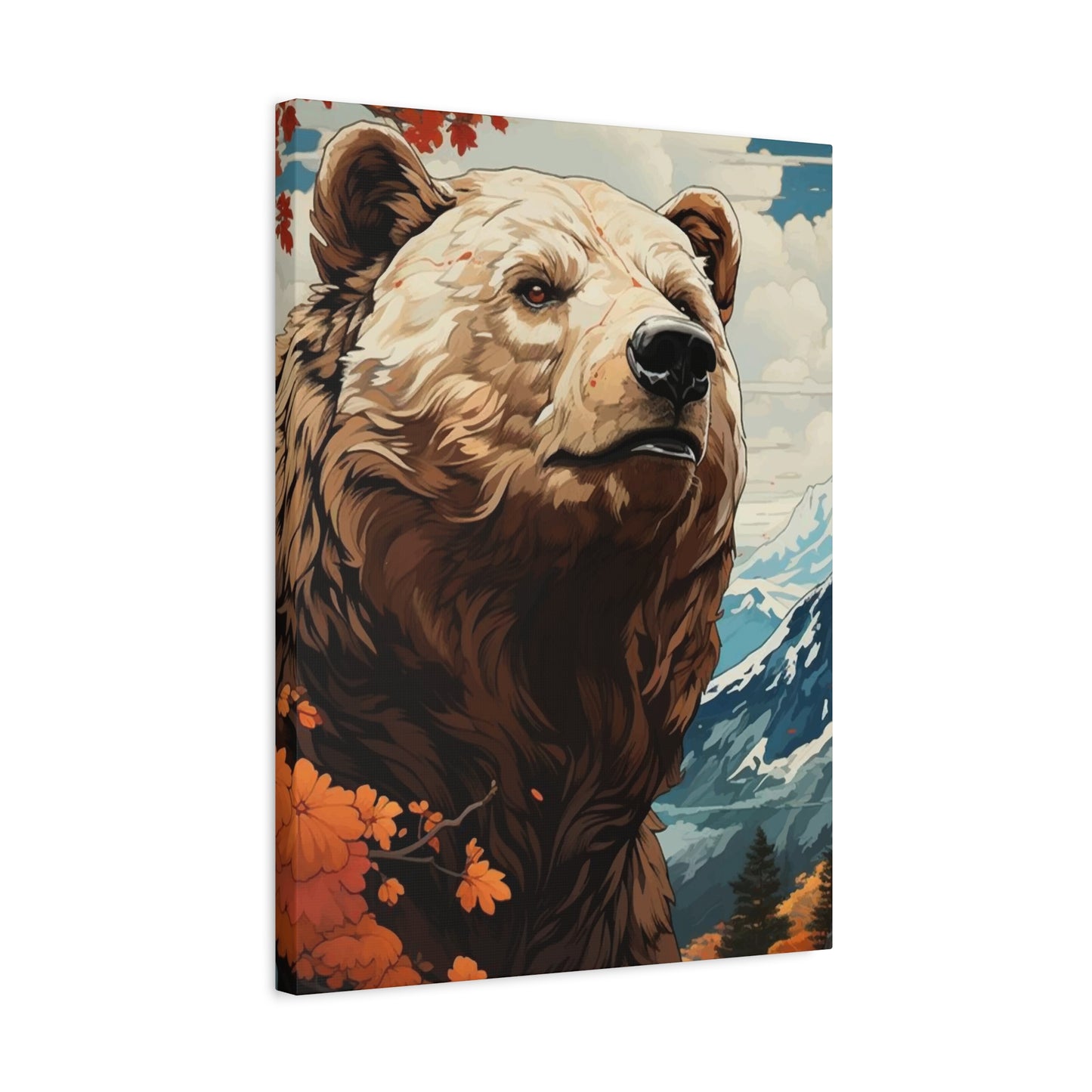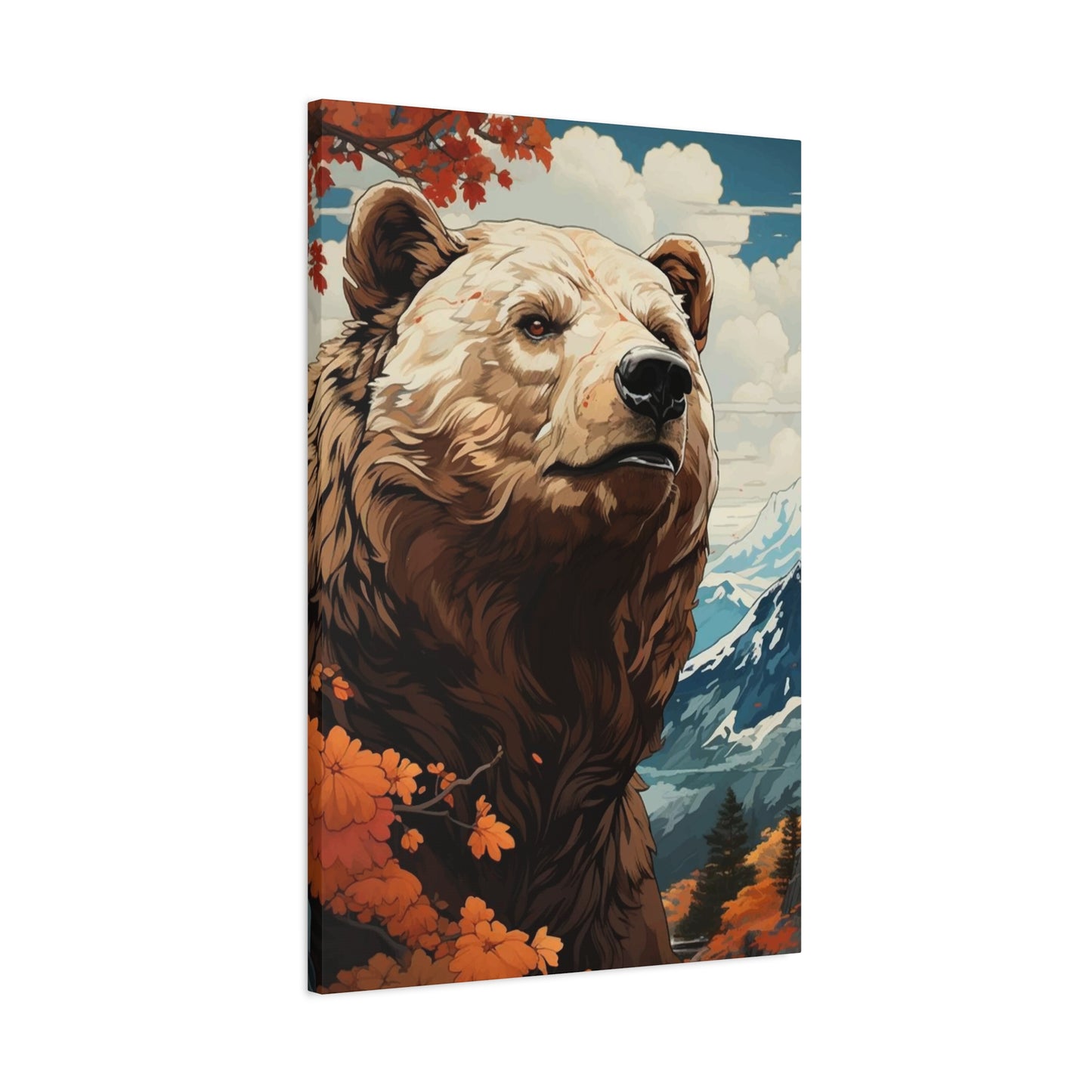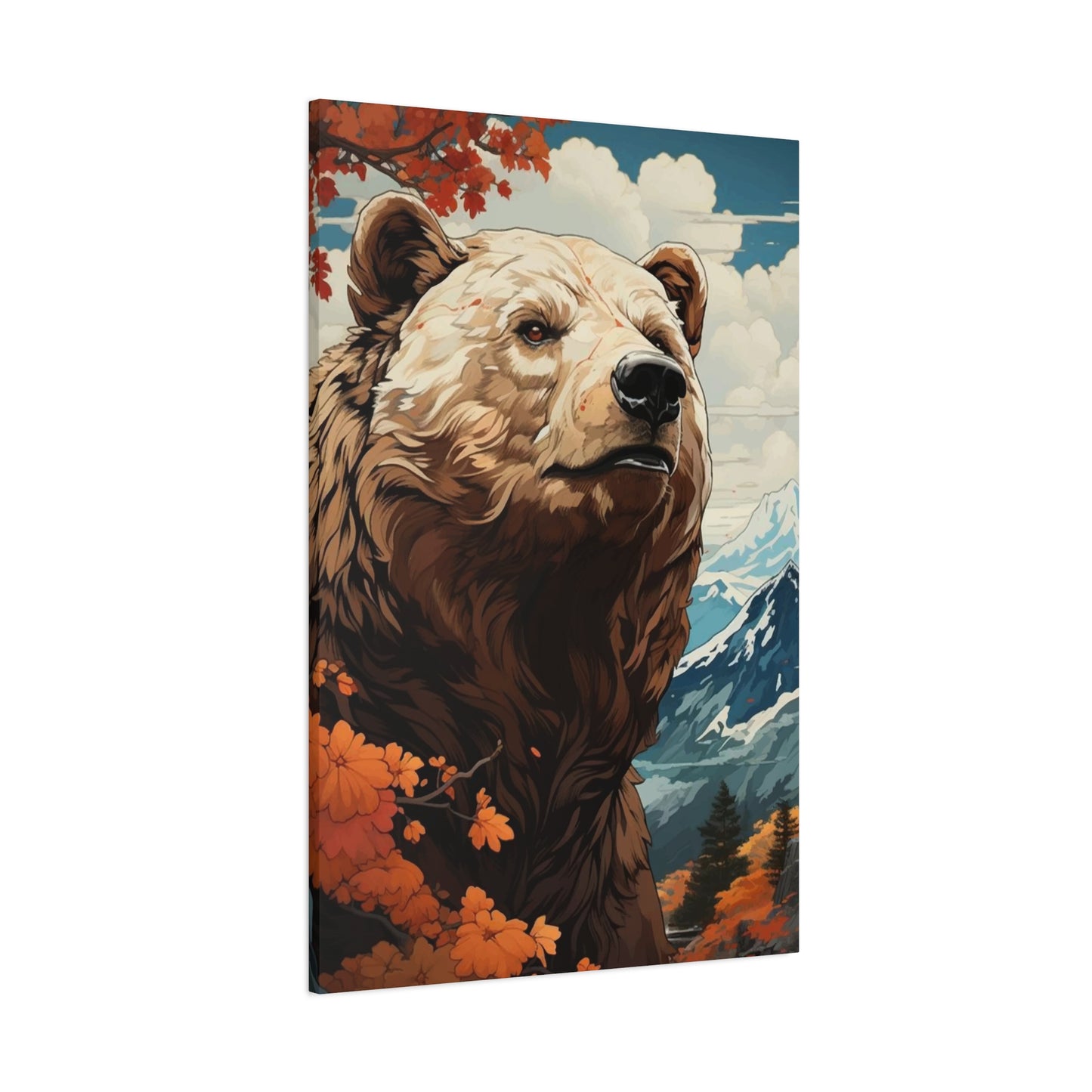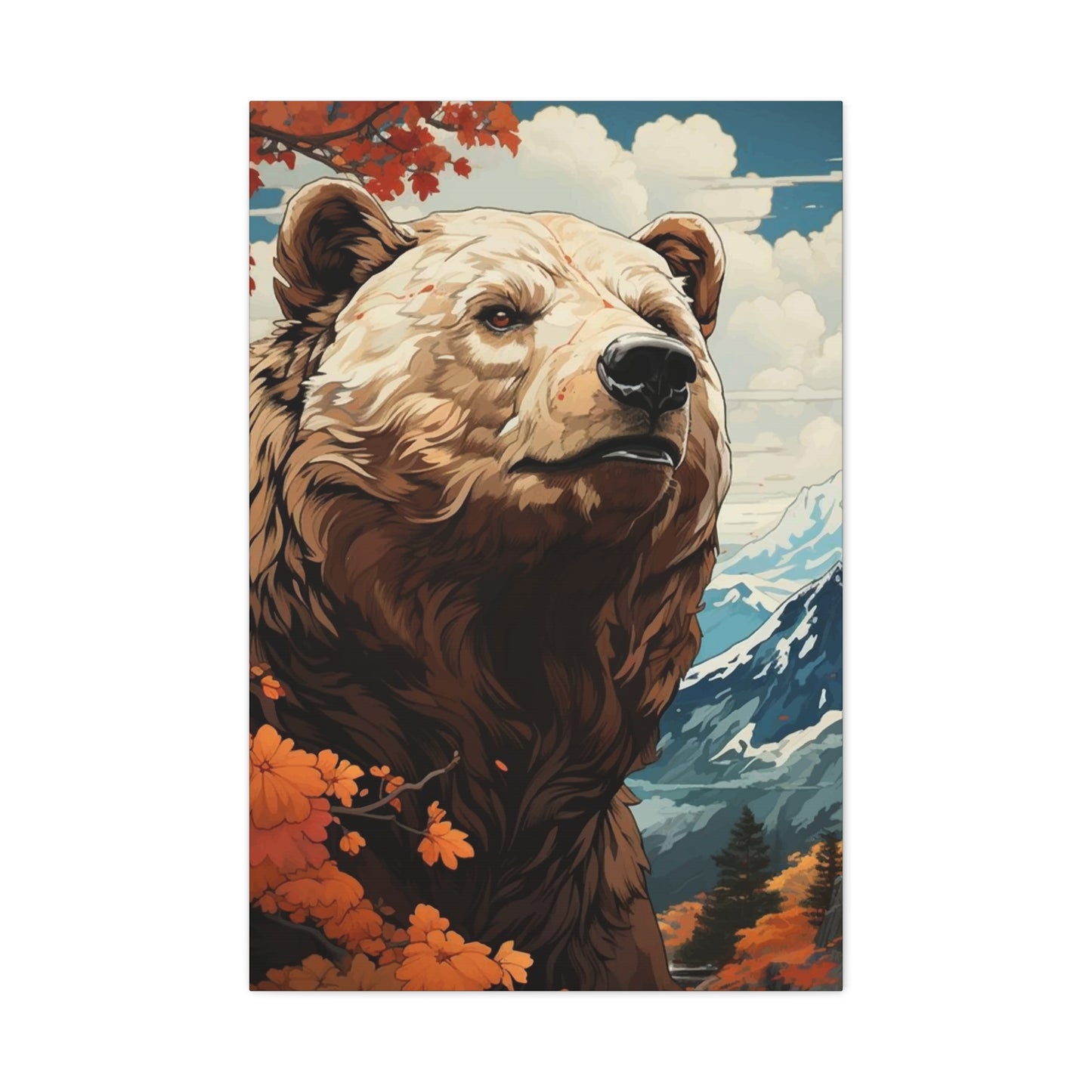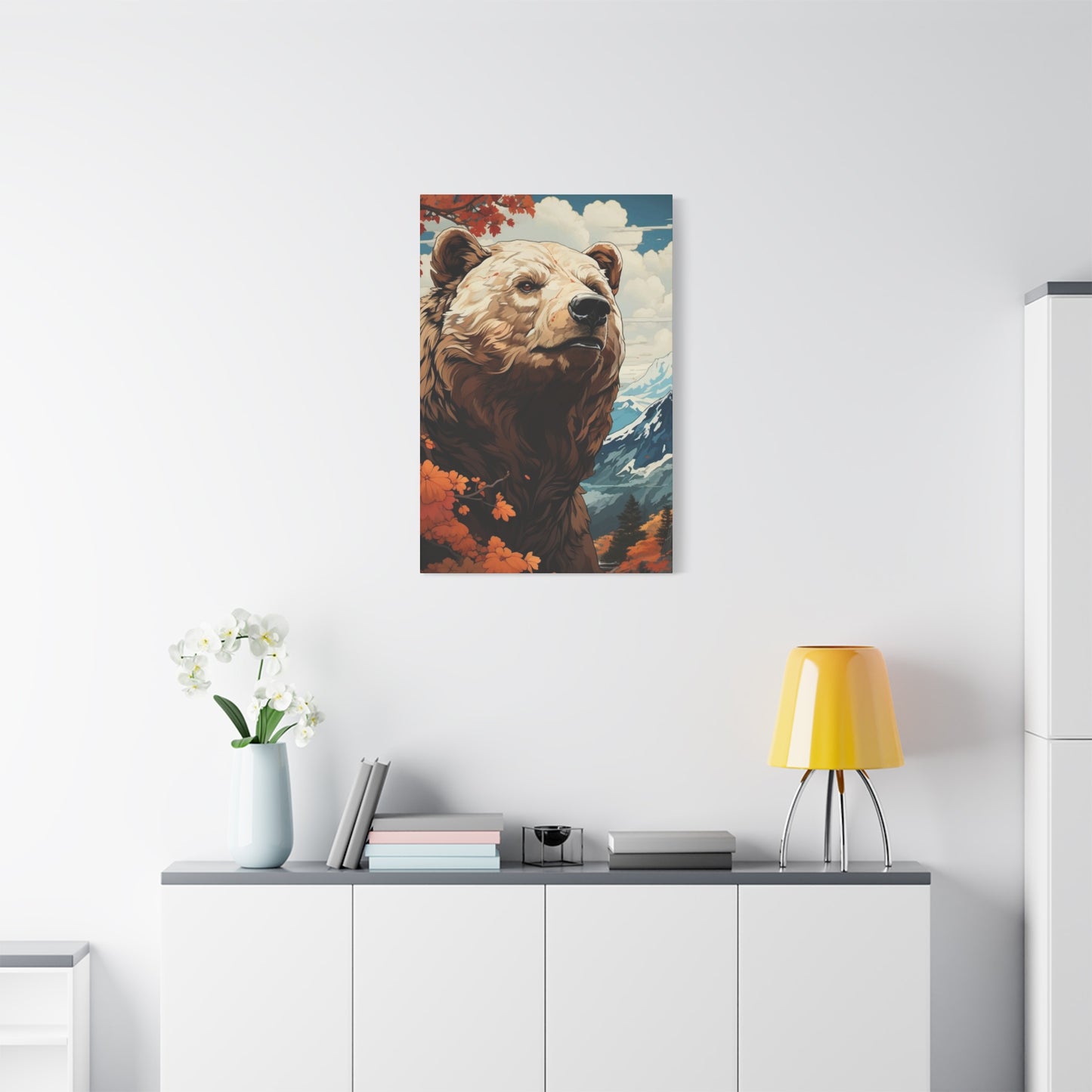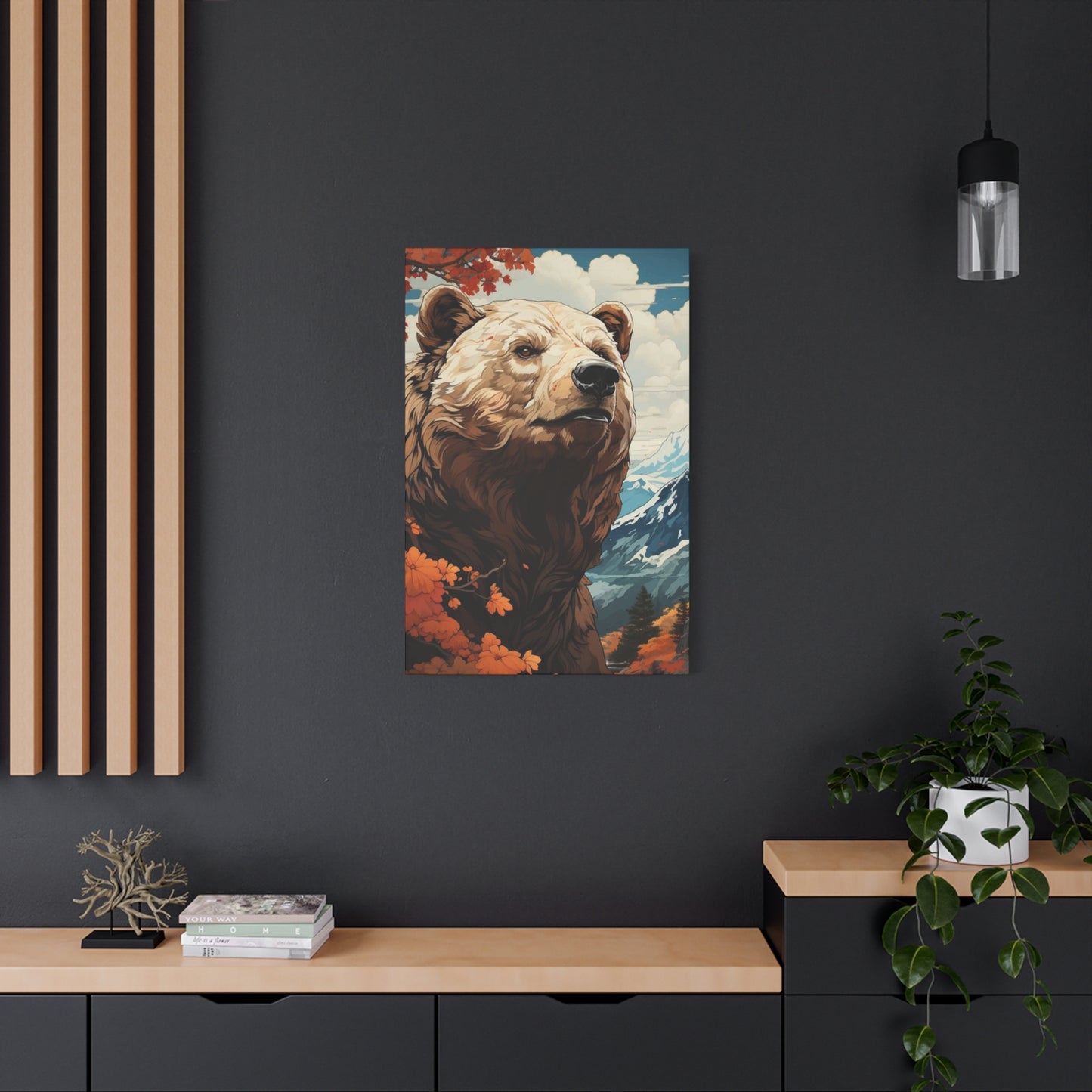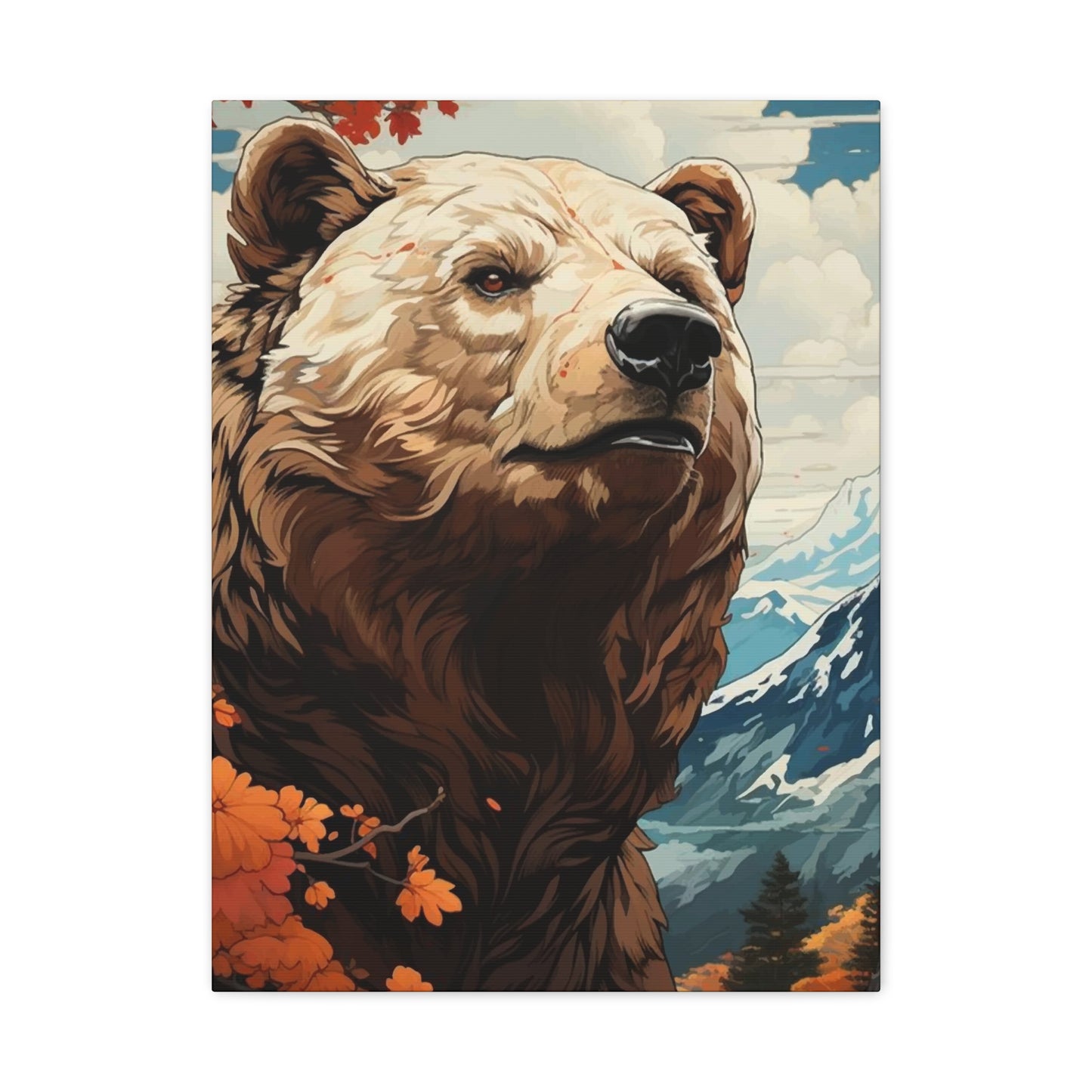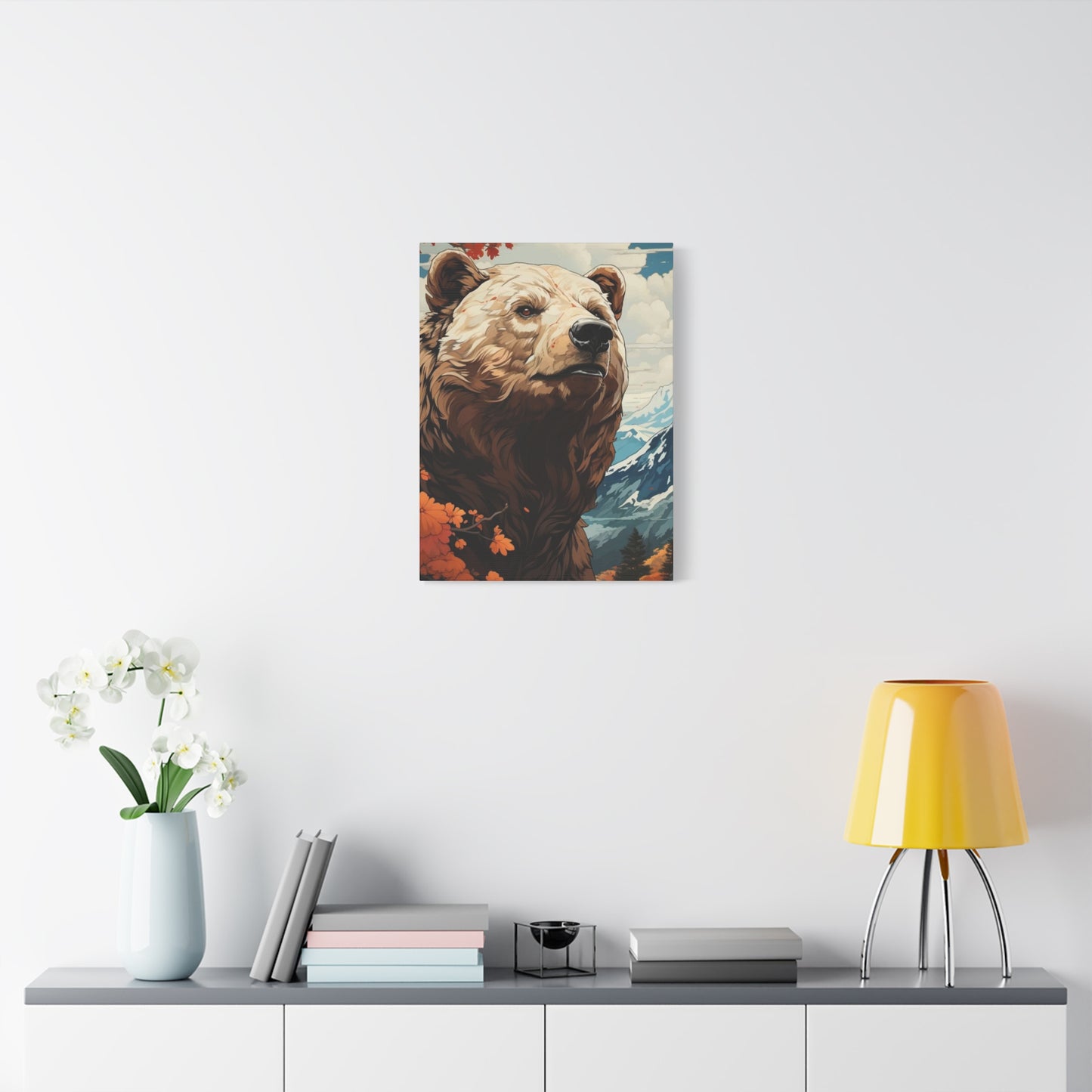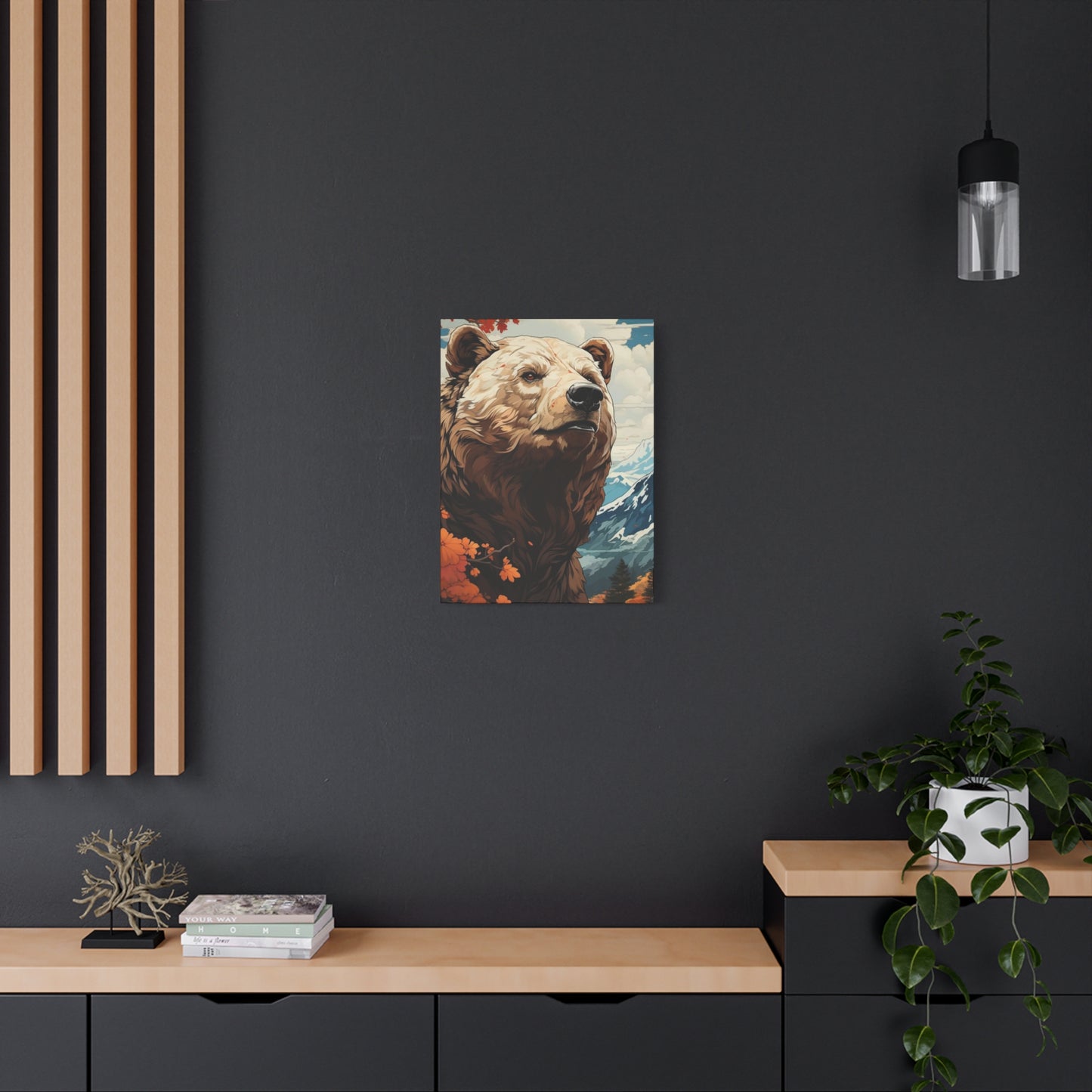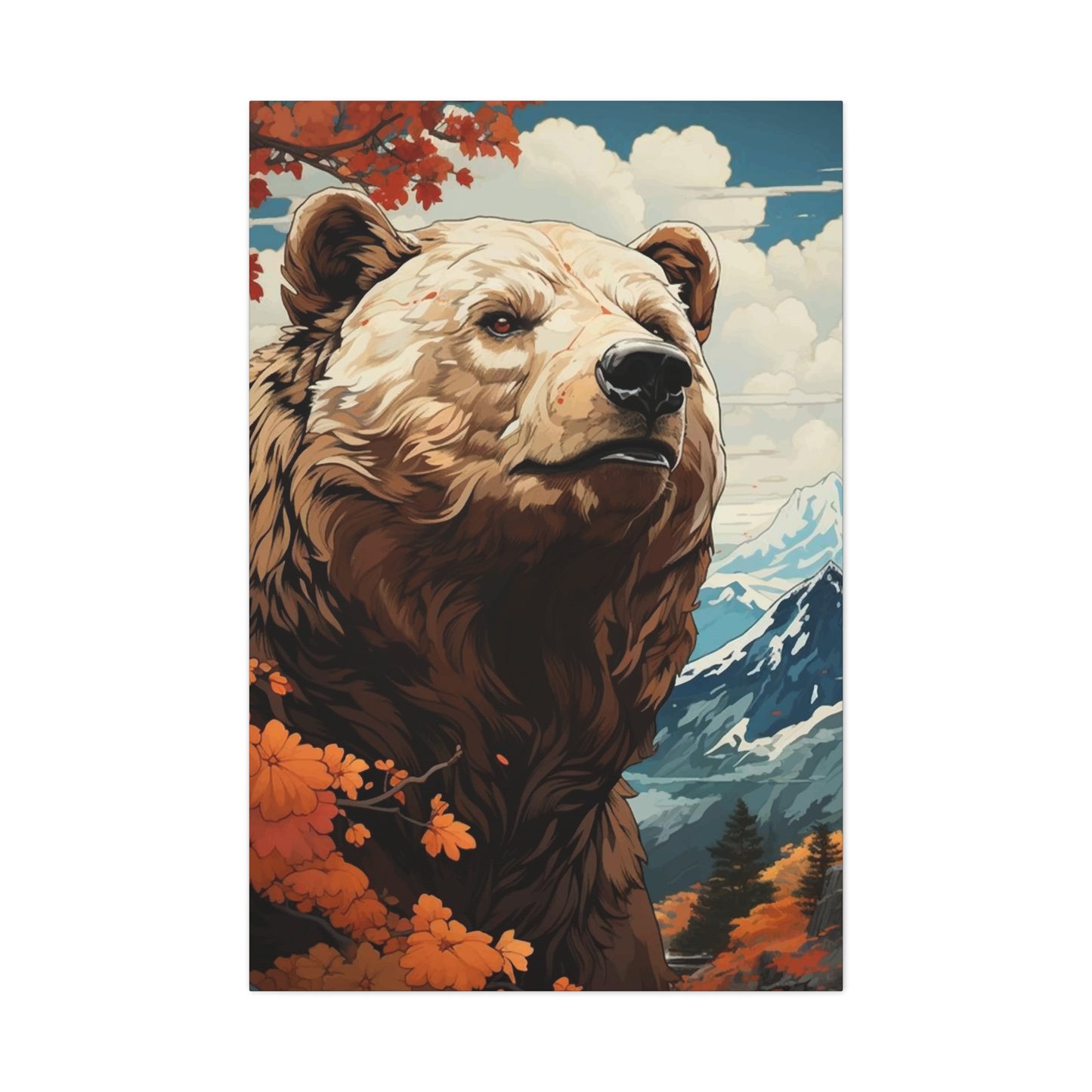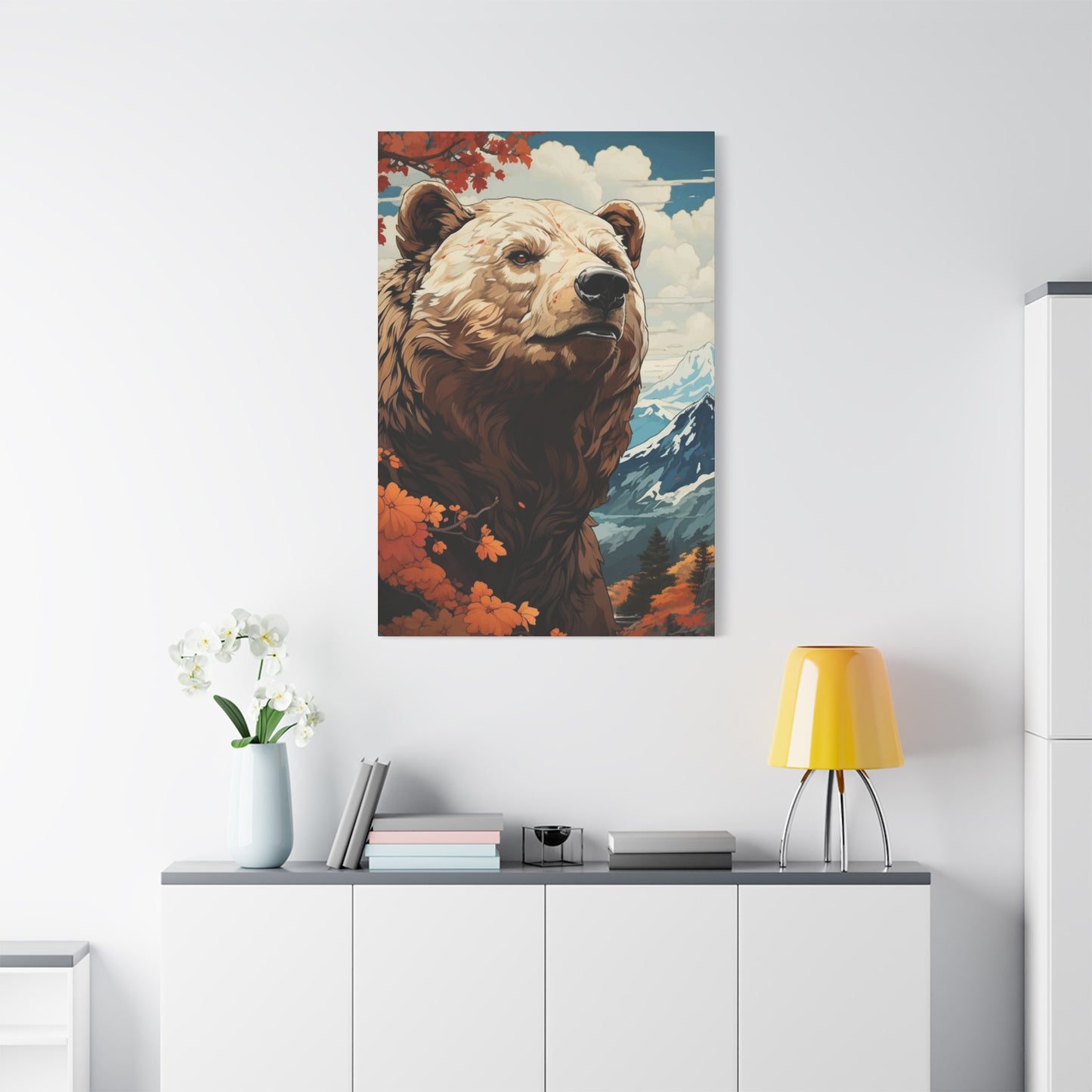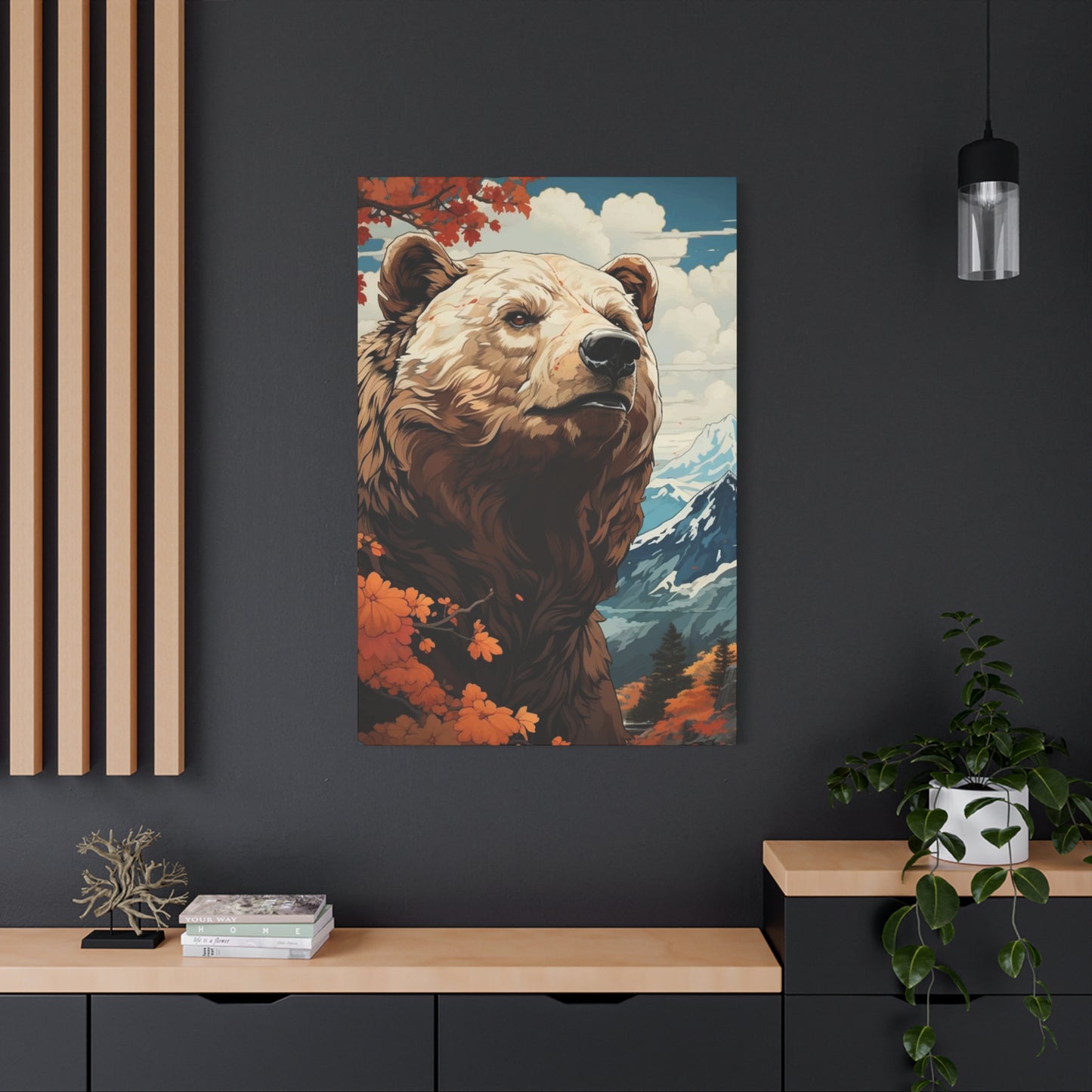


Bear Wall Art & Canvas Prints
Bear Wall Art & Canvas Prints
Couldn't load pickup availability
Exceptional Bear Wall Art: Creating Stunning Wildlife-Inspired Spaces That Captivate and Inspire
The realm of decorating living spaces with wildlife imagery has experienced remarkable growth, particularly when featuring majestic creatures from wilderness territories. Among these magnificent animals, bears stand as powerful symbols that resonate deeply within human consciousness, representing strength, wisdom, and connection to untamed nature. When incorporated into interior design schemes, bear wall art transforms ordinary rooms into extraordinary sanctuaries that celebrate the raw beauty of natural landscapes while creating focal points that command attention and spark meaningful conversations.
Exploring the Deep Cultural Significance Behind Bears in Artistic Representation
Throughout millennia, bears have occupied prominent positions within countless societies across diverse geographical regions. Native American tribes revered these powerful creatures as spiritual guides and symbols of courage, incorporating their images into sacred ceremonies and traditional storytelling practices. Scandinavian cultures developed rich mythologies surrounding bears, viewing them as bridges between earthly existence and mystical realms. Asian civilizations, particularly within Chinese and Japanese traditions, attributed qualities of strength, longevity, and protective energy to these formidable animals.
This profound cultural significance translates seamlessly into contemporary decorative choices. When homeowners select bear wall art, they tap into these ancient associations, bringing layers of meaning and symbolism into their personal environments. The imagery serves purposes beyond mere aesthetic appeal, functioning as daily reminders of resilience, natural wisdom, and the importance of maintaining connections with wilderness heritage.
Contemporary artists continue exploring these themes through various interpretive lenses, creating pieces that range from photorealistic wilderness scenes to abstract representations that capture essential characteristics without literal depiction. This diversity allows collectors to find expressions that align with their personal philosophical perspectives while honoring timeless symbolic traditions.
Discovering Various Artistic Styles Available for Your Living Environment
The marketplace offers extensive variety when seeking bear wall art, ensuring every taste and preference finds suitable expression. Realistic photography captures these magnificent creatures in their natural habitats, presenting moments of raw authenticity that showcase behavioral nuances and environmental contexts. These pieces appeal to nature enthusiasts who appreciate documentary-style representation and seek windows into wilderness experiences they might never personally encounter.
Impressionistic paintings offer softer, more interpretive approaches, using color, brushwork, and compositional techniques to evoke emotional responses rather than provide literal documentation. These works often emphasize mood and atmosphere, creating dreamlike qualities that transform spaces into contemplative retreats. The artistic freedom inherent in impressionistic styles allows creators to emphasize particular aspects, whether focusing on the animal's formidable presence or highlighting harmonious relationships with surrounding landscapes.
Contemporary abstract interpretations push boundaries further, reducing forms to essential shapes, lines, and color relationships. These pieces suit modern aesthetics perfectly, providing sophisticated focal points that complement minimalist design philosophies while maintaining thematic connections to wildlife subjects. Abstract bear wall art demonstrates particular versatility, adapting to various color schemes and architectural styles with remarkable ease.
Vintage and rustic styles tap into nostalgic sensibilities, often featuring weathered textures, muted color palettes, and compositions reminiscent of historical wildlife illustrations. These pieces create warmth and character within cabin retreats, lodge-style homes, and spaces embracing farmhouse aesthetics. The deliberately aged appearance adds instant heritage and storytelling potential to environments.
Selecting Appropriate Dimensions and Scale for Maximum Visual Impact
Determining proper sizing represents crucial decision-making that dramatically affects overall visual success. Large-scale pieces make bold statements, functioning as dominant focal points that immediately capture attention upon room entry. These expansive works suit spacious walls above substantial furniture pieces like sofas, beds, or dining tables, where their impressive presence can be fully appreciated without overwhelming the area.
Medium-sized artwork offers flexibility, working effectively in various locations throughout homes. These versatile pieces can anchor smaller wall sections, participate in gallery arrangements alongside complementary works, or stand independently in intimate spaces like reading nooks, home offices, or entryways. Their manageable dimensions simplify installation while still providing meaningful visual contribution.
Smaller pieces serve specialized purposes, whether creating clustered arrangements that build visual interest through repetition and variety, or adding finishing touches to spaces where larger works would prove impractical. These compact options excel in narrow hallways, powder rooms, stairwell walls, and other challenging locations where standard-sized artwork struggles to fit appropriately.
When evaluating dimensions, consider the viewing distance that typically occurs within each specific space. Artwork hung in areas where people stand close requires different sizing considerations than pieces viewed primarily from across rooms. Additionally, ceiling height influences perceived scale; rooms with soaring ceilings accommodate larger works without creating cramped feelings, while standard-height spaces benefit from more proportionate selections.
Understanding Material Choices and Their Distinctive Characteristics
Canvas prints dominate the bear wall art marketplace, offering excellent quality at accessible price points. These reproductions capture fine details and color accuracy while providing texture that adds dimensional interest. Gallery-wrapped canvas, where imagery continues around frame edges, creates contemporary presentation that eliminates framing requirements, though many collectors choose to add frames for enhanced finished appearance and protective benefits.
Metal prints represent innovative alternatives that infuse artwork with modern sophistication. The printing process embeds inks directly onto aluminum surfaces, producing luminous colors, exceptional sharpness, and remarkable durability. These pieces resist fading, moisture damage, and physical wear significantly better than traditional prints, making them excellent choices for high-traffic areas or locations with challenging environmental conditions.
Wood-mounted prints appeal to those seeking organic aesthetics that complement rustic or natural design themes. Printing directly onto wooden surfaces or mounting prints to wood panels creates unique character through visible grain patterns and textural variations. These pieces harmonize beautifully with cabin decor, lodge interiors, and spaces celebrating natural materials.
Framed prints under glass provide traditional presentation with protective advantages. Quality framing preserves artwork from environmental damage while allowing customization through frame style selection. This approach suits formal settings, classic decorating schemes, and situations where longevity and preservation take priority.
Identifying Perfect Locations Throughout Your Home for Display
Living rooms serve as primary candidates for bear wall art display, offering prominent walls and guaranteed visibility for family members and guests. Positioning substantial pieces above seating arrangements creates natural focal points that anchor furniture groupings while establishing room character. Consider sightlines carefully, ensuring artwork remains visible from primary seating positions and entry points.
Bedrooms transform into personal sanctuaries when decorated with meaningful imagery. Bear wall art brings calming wilderness energy into sleeping quarters, creating peaceful atmospheres conducive to relaxation and restoration. Positioning pieces where they're visible upon waking provides positive daily affirmations of strength and natural connection.
Home offices benefit from inspirational wildlife imagery that promotes focus while preventing sterile corporate atmospheres. Bears symbolize determination and resilience, qualities that translate well into workspaces where productivity and motivation matter. Positioning artwork within sightlines from desks provides mental refreshment during demanding tasks without creating distracting elements.
Dining spaces gain conversation-starting focal points when adorned with compelling wildlife scenes. The communal nature of dining rooms makes them ideal showcases for artwork that sparks discussion and creates memorable gathering environments. Scale pieces appropriately to wall dimensions and furniture proportions, ensuring balanced relationships between all room elements.
Entryways and hallways present opportunities for creating impactful first impressions. Bear wall art positioned near home entrances immediately communicates personality and interests while setting tones for entire dwellings. These transitional spaces often feature challenging dimensions that smaller or vertically-oriented pieces navigate successfully.
Harmonizing Color Palettes with Existing Interior Design Schemes
Successful incorporation requires thoughtful consideration of color relationships between artwork and surrounding environments. Pieces featuring warm earth tones, rich browns, golden highlights, and forest greens integrate naturally with rustic, traditional, and nature-inspired decorating approaches. These palettes create cohesive flows that feel organic and intentional rather than forced or contrived.
Cooler color schemes featuring blues, grays, and whites suit contemporary and coastal aesthetics while maintaining bear imagery themes. These selections work particularly well in modern spaces where neutrality and sophistication take precedence. Black and white photography offers timeless versatility, adapting to virtually any color scheme while providing dramatic contrast and artistic gravitas.
For rooms with bold, saturated wall colors, consider how artwork either complements or contrasts with existing hues. Complementary relationships create harmonious feelings, while contrasting selections generate energy and visual excitement. Neither approach proves inherently superior; success depends on desired emotional impacts and overall design philosophies.
Examine undertones carefully when matching colors. Warm grays differ significantly from cool grays, and these subtle variations affect how pieces interact with surrounding elements. Bringing paint samples or fabric swatches when selecting bear wall art helps ensure accurate color coordination that translates successfully from retail environments to actual home settings.
Creating Compelling Gallery Walls with Multiple Coordinated Pieces
Gallery arrangements allow collectors to showcase multiple bear wall art pieces simultaneously, building visual interest through thoughtful composition. Begin by selecting pieces that share unifying elements, whether consistent color palettes, complementary styles, or thematic connections. This cohesion prevents arrangements from appearing random or chaotic.
Layout planning before installation prevents unnecessary holes and alignment frustrations. Create full-scale templates using craft paper cut to exact artwork dimensions, then experiment with arrangements using removable tape. This process reveals spatial relationships and allows adjustments before permanent mounting occurs.
Symmetrical arrangements provide formal, balanced aesthetics suited to traditional settings. These layouts typically center around single anchor pieces flanked by coordinating works in mirrored configurations. Asymmetrical approaches feel more contemporary and dynamic, using varied sizes and strategic positioning to achieve visual equilibrium without obvious symmetry.
Maintain consistent spacing between pieces, typically ranging from two to four inches depending on overall scale. This uniformity creates professional appearance while allowing individual works to maintain distinct presence. Consider the entire arrangement as single compositional unit rather than collection of separate elements.
Incorporating Seasonal Variations and Rotating Displays for Fresh Perspectives
Seasonal rotation keeps interiors feeling current while extending enjoyment of diverse bear wall art collections. Spring selections might emphasize bears emerging from hibernation, foraging in blooming meadows, or caring for cubs, celebrating renewal and growth themes. Summer pieces showcase active behaviors in lush wilderness settings, capturing peak energy and abundance.
Autumn artwork featuring bears preparing for winter, fishing in salmon-rich waters, or traversing landscapes ablaze with fall colors resonates with harvest themes and transitional energy. Winter scenes highlighting bears moving through snow-covered territories or sheltering in dens create cozy atmospheres during cold months.
Rotating displays prevents visual fatigue that occurs when identical arrangements remain unchanged indefinitely. Even beloved pieces gain renewed impact after temporary absence, allowing fresh appreciation upon rehang. This practice also protects artwork from prolonged light exposure in particular locations, distributing potential fading risks across entire collections.
Storage systems for rotated pieces should provide protection from dust, moisture, and physical damage. Acid-free wrapping materials, climate-controlled environments, and careful handling during transitions preserve artwork quality for decades. Label stored pieces clearly to simplify selection during rotation cycles.
Commissioning Custom Artwork from Talented Artists and Photographers
Original commissioned bear wall art offers unparalleled uniqueness and personal significance. Working directly with creators allows specification of particular bear species, environmental settings, compositional preferences, and dimensional requirements. This collaborative process results in pieces perfectly tailored to spaces and personal visions.
Research artists thoroughly before commissioning, examining portfolios to ensure their styles align with desired aesthetics. Many wildlife artists specialize in particular mediums or approaches; selecting creators whose strengths match project requirements increases satisfaction likelihood. Read reviews and testimonials from previous clients to gauge professionalism, communication quality, and finished product satisfaction.
Commissioning processes typically begin with detailed consultations where clients describe visions, provide reference materials, and discuss practical considerations like dimensions and timelines. Artists then create preliminary sketches or digital mockups for approval before proceeding with final execution. Clear communication throughout ensures outcomes meet expectations.
Custom wildlife photography commissions allow specification of desired scenarios, whether particular bear behaviors, specific locations, or certain lighting conditions. Professional wildlife photographers possess expertise in capturing compelling images while respecting animal welfare and environmental regulations. These unique pieces carry special significance as one-of-a-kind creations.
Budget considerations for commissioned work vary dramatically based on artist reputation, piece complexity, and dimensional requirements. Original paintings and drawings command premium prices reflecting time investments and creative expertise. Limited edition prints from original photographs offer middle-ground options that maintain some exclusivity at reduced costs compared to unique originals.
Preserving and Protecting Your Valuable Wildlife Art Investment
Proper preservation techniques extend bear wall art longevity while maintaining visual quality. Avoid positioning pieces in direct sunlight, which causes gradual fading regardless of medium quality. UV-filtering glass or acrylic glazing provides protective barriers for framed works, absorbing harmful wavelengths while allowing visible light transmission.
Climate control prevents damage from humidity fluctuations and temperature extremes. Excessive moisture encourages mold growth, warping, and adhesive degradation, while extremely dry conditions cause cracking and brittleness. Maintaining stable environments between sixty-five and seventy-five degrees Fahrenheit with forty to fifty percent relative humidity optimizes preservation.
Regular dusting prevents particle accumulation that dulls surfaces and potentially causes abrasive damage. Use soft, clean cloths or specialized art dusters, working gently to avoid scratching or disturbing materials. For glass-covered pieces, clean with streak-free glass cleaners applied to cloths rather than directly onto surfaces, preventing liquid infiltration behind glazing.
Professional cleaning and restoration services address damage that exceeds homeowner capabilities. Conservators possess specialized knowledge and materials for repairing tears, stabilizing deteriorating components, and refreshing appearance without compromising artistic integrity. Engage qualified professionals for valuable or sentimental pieces requiring intervention.
Exploring Different Bear Species Represented in Artistic Works
Grizzly bears, with their distinctive shoulder humps and powerful builds, represent quintessential wilderness majesty. Artwork featuring these formidable creatures often emphasizes raw strength and untamed landscapes of western North America. Their commanding presence makes them natural subjects for dramatic compositions that celebrate wild places.
Black bears, smaller and more widely distributed than grizzlies, appear frequently in bear wall art across diverse settings. Their adaptability to varied habitats, from dense forests to mountainous regions, provides rich contextual possibilities for artistic interpretation. Many collectors appreciate their somewhat more approachable appearance while still maintaining wild dignity.
Polar bears symbolize arctic wilderness and climate-related conservation concerns. Their striking white coats against icy backdrops create stunning visual contrasts that translate beautifully into artistic media. These pieces often carry environmental messaging alongside aesthetic qualities, appealing to eco-conscious decorators.
Panda bears, though less common in typical wildlife art markets, offer distinctive black and white coloring and cultural associations with Asian traditions. Their endangered status and beloved public image create emotional connections that resonate strongly with many collectors. Artistic interpretations range from realistic portrayals to stylized, whimsical representations.
Spirit bears, the rare white-coated variants of black bears found in coastal British Columbia, hold sacred significance in indigenous cultures. Artwork featuring these ethereal creatures carries mystical qualities and represents harmony between physical and spiritual realms. Their rarity makes them particularly special subjects for collectors seeking unique pieces.
Matching Artistic Styles to Specific Room Functions and Activities
Formal living spaces benefit from refined artistic approaches that communicate sophistication and cultural awareness. Realistic wildlife photography in elegant frames, classical painting styles, or tasteful abstract interpretations suit these environments where impression management matters. Color palettes should complement existing furnishings while maintaining timeless appeal.
Casual family rooms allow playful, energetic artistic expressions that withstand scrutiny from various age groups. Colorful interpretations, dynamic compositions capturing action moments, or series depicting behavioral narratives engage diverse audiences while creating approachable atmospheres. Durability considerations increase importance in high-traffic family zones.
Meditation spaces and personal retreat areas call for calming, contemplative bear wall art that promotes relaxation rather than stimulation. Soft color palettes, serene compositions, and pieces emphasizing peaceful coexistence with nature support these environments' restorative purposes. Scale should feel intimate rather than overwhelming in these typically smaller sanctuaries.
Children's rooms accommodate age-appropriate interpretations that inspire wonder without frightening young viewers. Illustrated styles, warm color schemes, and pieces depicting cubs or family groups create nurturing feelings while introducing wildlife appreciation. As children mature, artwork can transition to more sophisticated representations that grow with developing tastes.
Understanding Framing Options That Enhance Presentation Quality
Frame selection dramatically influences overall artwork impact and longevity. Traditional wood frames offer warmth and classic appeal, with countless profiles ranging from simple modern designs to ornately carved traditional styles. Wood species selection affects color and grain characteristics; consider how these natural variations complement or contrast with imagery.
Metal frames provide contemporary sophistication with clean lines and streamlined profiles. Available finishes include brushed nickel, polished chrome, matte black, and antique brass, among countless others. These frames particularly suit modern and industrial design schemes while offering substantial structural stability.
Rustic barn wood frames perfectly complement cabin-style decor and nature-themed spaces. Their weathered appearances, complete with natural imperfections and aged patinas, add instant character while harmonizing with wilderness imagery. These frames make bear wall art feel like genuine lodge artifacts rather than recent purchases.
Floater frames create illusion of artwork hovering within frame openings, leaving visible gaps between canvas edges and frame interiors. This contemporary presentation emphasizes artwork while maintaining protective and finishing benefits that frames provide. The technique works particularly well with gallery-wrapped canvas pieces.
Discovering Emerging Artists and Affordable Wildlife Art Sources
Regional art fairs and wildlife festivals showcase talented creators who may not yet enjoy widespread recognition. These venues offer opportunities to meet artists personally, discuss their creative processes, and potentially negotiate pricing more favorably than established gallery rates. Supporting emerging talent provides satisfaction beyond mere acquisition.
Online marketplaces connect global communities of artists and collectors, dramatically expanding selection beyond local availability. Platforms specializing in original artwork and limited edition prints feature searchable databases with filtering options for subject matter, style, price range, and numerous other criteria. Read seller reviews carefully and understand return policies before purchasing.
Nonprofit wildlife organizations frequently operate retail outlets selling bear wall art from which proceeds support conservation efforts. These purchases serve dual purposes, enhancing home environments while contributing to species protection and habitat preservation. Many organizations offer exclusive designs created specifically for fundraising purposes.
Print-on-demand services allow artists to offer work at accessible price points by eliminating inventory costs and printing pieces only after purchase. While quality varies between providers, reputable services produce excellent results suitable for most display purposes. This model particularly benefits collectors seeking specific size requirements or less common format options.
Estate sales and antique markets occasionally yield vintage wildlife prints, paintings, and other treasures at bargain prices. These hunts require patience and luck, but discoveries can include genuine collector's items with historical significance and distinctive character unavailable through contemporary retail channels.
Incorporating Lighting Strategies That Showcase Artwork Effectively
Picture lights mounted directly to frames or walls above artwork provide focused illumination that highlights details while creating sophisticated ambiance. LED versions minimize heat generation that could damage pieces while offering energy efficiency and long operational lifespans. Adjustable models allow precise beam direction for optimal effect.
Track lighting systems provide flexibility for illuminating multiple pieces or adjusting as displays change. Individual fixtures can be repositioned, aimed, and sometimes dimmed independently, accommodating various artwork sizes and locations. Choose LED bulbs with appropriate color temperatures that render hues accurately without distorting original palettes.
Accent lighting from floor lamps, table lamps, or wall sconces can supplement ambient illumination while drawing attention toward bear wall art. Position light sources to avoid glare on glass or glossy surfaces, which obscures imagery and creates viewing frustration. Indirect lighting reflected off walls or ceilings provides gentle, even illumination without harsh shadows.
Natural lighting through windows offers beautiful, cost-free illumination during daylight hours but requires careful management to prevent UV damage. Sheer curtains, UV-filtering window films, or strategic artwork positioning that avoids direct sun exposure allows enjoyment of natural light while minimizing risks.
Dimmers provide control over lighting intensity, allowing adjustments based on time of day, activities, and desired moods. Lower illumination creates intimate evening atmospheres, while brighter settings support daytime activities requiring greater visibility. This flexibility maximizes enjoyment across varied circumstances.
Building Cohesive Themed Collections That Tell Visual Stories
Series featuring bear wall art across seasons creates narrative continuity while showcasing environmental changes and behavioral adaptations. Spring emergence, summer activity, autumn preparation, and winter dormancy provide natural storytelling framework that unfolds across multiple pieces. These collections work beautifully in hallways, stairwells, or large wall expanses.
Life cycle themes following bears from infancy through maturity offer touching perspectives on growth and family bonds. Cubs playing under maternal supervision, adolescents exploring independence, and mature adults claiming territories present engaging progressions that resonate emotionally with viewers who see parallels to human experiences.
Habitat diversity collections showcase bears across varied environments, from coastal salmon streams to alpine meadows to dense forests. These arrangements celebrate ecosystem variety while demonstrating species adaptability. The approach appeals to collectors interested in broader environmental contexts beyond individual animal portraits.
Behavior-focused collections examine particular activities like fishing, foraging, hibernation denning, or cub rearing. These specialized themes provide educational value alongside aesthetic appeal, creating conversation opportunities about wildlife biology and natural history. Such collections particularly suit educators, naturalists, and passionate wildlife enthusiasts.
Respecting Cultural Sensitivity When Displaying Indigenous-Inspired Wildlife Art
Many bear wall art pieces draw inspiration from indigenous artistic traditions that hold sacred significance within originating cultures. When incorporating such works, approach with respect and genuine appreciation rather than superficial appropriation. Research cultural contexts, understanding symbolism and proper display considerations.
Support indigenous artists directly when seeking culturally-significant pieces, ensuring communities benefit from their artistic heritage. Many indigenous cooperatives and galleries represent authentic creators whose work maintains traditional techniques while expressing contemporary visions. These purchases honor cultural sovereignty while acquiring meaningful artwork.
Avoid displaying sacred or ceremonial imagery in inappropriate contexts. Certain symbols, colors, and representations carry spiritual significance unsuitable for casual decorating purposes. When uncertain about particular pieces, consult cultural resources or contact tribal organizations for guidance regarding respectful display.
Acknowledge cultural origins when sharing or discussing indigenous-inspired bear wall art. This recognition honors source communities and educates others about rich artistic traditions. Consider displaying explanatory information near pieces, particularly in public or semi-public spaces where broader audiences will encounter works.
Addressing Space Limitations with Creative Display Solutions
Vertical arrangements maximize impact in narrow spaces where width restrictions limit horizontal options. Stacking smaller pieces in column formations draws eyes upward while making efficient use of available wall real estate. This approach works exceptionally well in hallways, between windows, and alongside doorways.
Corner installations transform underutilized areas into artistic focal points. Specially designed corner frames or creative hanging techniques allow bear wall art to span adjoining walls, creating unique presentations that capitalize on otherwise awkward architectural features. These installations demonstrate design creativity while solving practical challenges.
Floating shelves accommodate framed pieces while providing display flexibility unavailable with permanently mounted arrangements. Pieces can be easily swapped, adjusted, or rearranged without creating wall damage. This solution particularly benefits renters or those who enjoy frequent design refreshers.
Easels offer portable display options suitable for bear wall art rotation or temporary exhibitions. These stands work beautifully in offices, reading corners, or anywhere permanent mounting proves impractical. Quality easels provide stable support while adding sculptural interest as design elements themselves.
Investing in Quality Reproductions Versus Original Artwork
Original paintings, drawings, and sculptures represent unique artistic expressions with inherent value extending beyond mere decoration. These pieces often appreciate financially over time, particularly when created by recognized or emerging talents. Collectors valuing authenticity, investment potential, and direct artist support gravitate toward originals despite premium pricing.
Limited edition prints offer middle-ground compromises between affordability and exclusivity. Numbered series restrict total quantities produced, maintaining scarcity that preserves value better than unlimited reproductions. Many collectors find satisfaction in owning numbered pieces from editions, particularly when artists sign individual prints.
Open edition reproductions provide maximum accessibility, allowing broader audiences to enjoy imagery at budget-friendly price points. While lacking investment potential or exclusivity, quality reproductions faithfully represent original works and serve decorating purposes beautifully. For many households, these practical options deliver desired aesthetics without financial strain.
Canvas transfers and giclée prints employ sophisticated reproduction technologies that capture extraordinary detail and color accuracy. These processes produce gallery-worthy results virtually indistinguishable from originals when viewed at normal distances. Such quality elevates open editions significantly above basic poster prints.
Pairing Bear Wall Art with Complementary Decorative Elements
Natural materials echo wilderness themes inherent in bear wall art. Wood furnishings, stone accents, leather upholstery, and woven textiles create harmonious environments that feel cohesive rather than haphazard. These organic elements reinforce connections to outdoor landscapes while building layered, tactile spaces.
Botanical elements through live plants, dried arrangements, or botanical prints strengthen nature themes without literal duplication. Varied organic subjects create richer, more nuanced environments than monothematic approaches. Plants also contribute air quality benefits and living energy that enhances overall ambiance.
Subtle wildlife accents through decorative objects like carved figures, antler displays, or nature photography books support themes without overwhelming spaces. Curate carefully, maintaining restraint that prevents rooms from feeling like overcrowded natural history museums. Quality trumps quantity when building tasteful thematic collections.
Lighting fixtures incorporating natural materials or organic forms complement bear wall art while serving practical purposes. Antler chandeliers, wood-and-metal pendants, or fixtures with botanical motifs bridge functional and decorative realms while reinforcing design narratives.
Textiles featuring complementary patterns, whether subtle geometric designs inspired by indigenous traditions or organic textures reminiscent of natural fibers, add dimension without competing for attention. Layer various textiles through pillows, throws, and window treatments to build welcoming, multifaceted environments.
Evaluating Print Quality and Production Standards Before Purchasing
Resolution determines image sharpness and clarity in reproduced artwork. Professional-quality prints require minimum 300 DPI (dots per inch) resolution, ensuring crisp details even when viewed closely. Lower resolutions appear pixelated or fuzzy, undermining visual impact and revealing cheap production methods.
Color accuracy depends on calibrated printing equipment and quality control processes. Reputable producers maintain strict standards ensuring reproductions faithfully match original artwork colors. Request samples when ordering custom prints to verify satisfaction before committing to large or expensive pieces.
Paper or canvas quality dramatically affects finished product durability and appearance. Archival-grade materials resist yellowing, deterioration, and environmental damage far better than budget alternatives. Museum-quality papers and premium canvas weights justify higher costs through superior longevity and professional appearance.
Ink types influence fade resistance and color vibrancy. Pigment-based inks offer exceptional lightfastness, maintaining colors for generations when properly displayed. Dye-based inks, while producing brilliant initial colors, fade more rapidly and suit temporary displays better than permanent installations.
Printing techniques ranging from basic offset lithography to sophisticated giclée processes affect quality levels. Giclée printing produces exceptional results through microscopic ink droplets applied in multiple passes, creating smooth tonal gradations and remarkable detail. This premium process justifies higher costs for discerning collectors.
Creating Dramatic Statements with Oversized Bear Wall Art Installations
Monumental pieces transform rooms into immersive environments where artwork dominates spatial perception. These impressive installations suit high-ceilinged great rooms, converted loft spaces, or commercial settings where dramatic impact takes priority. Scale considerations extend beyond dimensions to encompass visual weight and color intensity.
Multi-panel installations split large images across several canvases mounted with small gaps between sections. This contemporary presentation technique called triptych (three panels) or polyptych (multiple panels) adds architectural interest while making enormous images manageable during transportation and installation. The segmented approach creates rhythm through repeated vertical elements.
Floor-to-ceiling installations maximize vertical space in rooms with soaring ceilings. These impressive presentations command attention while making architectural scale feel more intimate and human-centered. Proper installation requires professional expertise due to weight considerations and precise alignment challenges.
Mural-scale bear wall art creates fully immersive environments that transport viewers into wilderness settings. These expansive treatments work beautifully in themed spaces like lodge-style gathering rooms, wildlife education centers, or hospitality venues celebrating regional landscapes. Professional installation ensures seamless appearance and long-term stability.
Incorporating Educational Elements That Enhance Appreciation
Subtle labeling identifying bear species, habitats, or behavioral contexts adds informational value without compromising aesthetic qualities. Small plaques or discrete wall text positioned near artwork satisfies curiosity while enriching understanding. This approach particularly suits collections displayed in educational settings or homes where learning takes priority.
Accompanying literature through coffee table books, field guides, or conservation publications extends engagement beyond visual appreciation. Curated book selections complement bear wall art thematically while providing resources for deeper exploration. Display books accessibly where guests can browse during visits.
QR codes linking to supplementary digital content offer innovative ways to provide context without visual clutter. Discrete codes positioned near artwork can direct smartphones toward artist statements, conservation information, interactive maps showing habitats, or video footage of bears in natural settings. This approach particularly appeals to technology-comfortable audiences seeking deeper engagement.
Conservation messaging through partnerships with wildlife organizations connects decorative choices to meaningful causes. Many nonprofits offer artwork specifically designed for fundraising, with purchase proceeds supporting field research, habitat protection, and public education. Displaying such pieces creates opportunities for discussing conservation importance with guests.
Understanding Regional Variations in Bear Imagery and Symbolism
Pacific Northwest indigenous traditions feature bears prominently in totemic art, clan systems, and creation stories. Artistic styles from this region often incorporate formline design principles with characteristic ovoid shapes, split U-forms, and distinctive color palettes dominated by black, red, and sometimes blue or green. These culturally significant pieces require respectful treatment acknowledging their sacred origins.
Rocky Mountain and Greater Yellowstone interpretations frequently emphasize dramatic landscapes and pristine wilderness contexts. Artwork from this region often showcases grizzly bears against mountainous backdrops, reflecting ecosystems where these iconic predators remain relatively abundant. The imagery celebrates conservation successes and ongoing wilderness protection efforts.
Eastern woodland traditions historically featured black bears within deciduous forest contexts, though habitat loss has complicated contemporary relationships. Modern artwork sometimes addresses conservation themes alongside aesthetic considerations, acknowledging complex histories while celebrating remaining populations and restoration efforts.
Arctic representations focus on polar bears within frozen seascapes, often addressing climate-related themes. These pieces carry urgency reflecting rapid environmental changes threatening ice-dependent species. Many contemporary arctic bear wall art works intentionally provoke conservation conversations through powerful imagery.
European traditions spanning centuries present bears through various cultural lenses, from medieval bestiaries to contemporary wildlife photography. Historical European bear art often incorporated symbolic or allegorical elements reflecting cultural beliefs, while modern interpretations tend toward naturalistic documentation as European bear populations slowly recover.
Sourcing Sustainable and Ethically-Produced Wildlife Artwork
Environmentally conscious collectors prioritize artwork produced through sustainable practices minimizing ecological impacts. Seek creators using recycled materials, eco-friendly inks, renewable energy in studios, and carbon-neutral shipping methods. Many artists prominently feature environmental commitments, making identification straightforward.
Fair trade principles ensure artists receive equitable compensation for their creative labor. Direct purchases from creators or cooperatives they control maximize financial benefits reaching communities producing artwork. This approach contrasts with mass-market retailers where profit margins heavily favor distributors over actual artists.
Certified sources guarantee wood frames derive from responsibly managed forests rather than old-growth logging or illegal harvesting. Forest Stewardship Council (FSC) certification provides reliable verification of sustainable forestry practices. Similarly, recycled frame materials reduce demand for virgin resources while diverting waste from landfills.
Digital printing technologies generally create less environmental impact than traditional lithography or screen printing, particularly when using water-based inks and energy-efficient equipment. However, individual businesses vary significantly in environmental commitments, making research essential for truly green purchasing decisions.
Supporting conservation-linked artists ensures purchases contribute to wildlife protection beyond mere symbolic representation. Many wildlife artists donate portions of sales proceeds to specific conservation organizations, effectively converting decorative purchases into charitable contributions. These partnerships create tangible positive impacts for species depicted in artwork.
Mixing Bear Wall Art with Other Wildlife Subjects for Diverse Collections
Ecosystem-based collections featuring multiple species from shared habitats create educational assemblages demonstrating ecological relationships. Combining bear wall art with wolves, elk, eagles, salmon, and other cohabitants builds comprehensive environmental portraits. These collections particularly suit nature enthusiasts interested in broader wilderness contexts.
Predator galleries focusing on apex species showcase nature's most formidable hunters. Grouping bears with big cats, wolves, raptors, and other predators creates powerful thematic statements celebrating wildness and natural selection. This approach appeals to collectors fascinated by predator ecology and behavioral biology.
Contrast-based arrangements intentionally juxtapose subjects with different characteristics for dramatic effect. Pairing bears with songbirds, butterflies, or other delicate creatures creates interesting tensions between power and fragility, large and small, predator and prey. These thoughtful combinations generate conversation and philosophical reflection.
Geographic collections representing specific regions through diverse wildlife portraits celebrate biodiversity and unique ecosystems. A Rocky Mountain collection might include bears, bighorn sheep, marmots, and pikas, while an Alaskan theme could feature bears, moose, caribou, and marine mammals. These assemblages demonstrate habitat richness while providing decorative variety.
Troubleshooting Common Display Challenges and Installation Issues
Stud location determines secure mounting for heavier pieces. Electronic stud finders identify solid framing members behind walls, providing reliable anchor points. When studs don't align with desired artwork positions, specialized hardware like toggle bolts or wall anchors distributes weight across larger areas for stable mounting in hollow wall sections.
Level alignment ensures professional appearance and prevents visual discomfort from tilted pieces. Quality levels with multiple vials allow verification of both horizontal and vertical alignment. Take time during installation to achieve perfect positioning; small adjustments make significant differences in finished appearance.
Wire hanging systems provide adjustment flexibility unavailable with rigid mounting hardware. Picture wire attached to frame backs allows minor position tweaking after initial installation. However, wire must be securely attached to substantial frame components, and wall hooks must support combined weight of artwork and hardware.
Protective backing on frames prevents wall damage from protruding hardware and shields artwork from dust infiltration. Kraft paper or cardboard backing creates professional appearance while serving practical protective functions. This detail particularly matters for valuable pieces warranting museum-quality presentation standards.
Grouping arrangements benefit from precise planning and measurement. Creating cardboard templates matching each piece allows experimentation with layouts before making wall holes. Mark hanging positions lightly with pencil, verify measurements twice, then proceed with confident installation knowing positions work correctly.
Conclusion
Monochromatic imagery emphasizes form, texture, composition, and tonal relationships without color's potential distractions. This artistic reduction focuses attention on essential elements, often revealing details and subtleties overlooked in color versions. Black and white bear wall art carries classical sophistication that transcends temporary color trends.
High contrast treatments create dramatic impacts through stark oppositions between lights and darks. These bold interpretations suit contemporary spaces and make powerful statements. Skillful photographers manipulate contrast to emphasize subjects, create depth, and guide viewer attention through compositional elements.
Low contrast approaches produce softer, more contemplative moods through subtle tonal gradations. These pieces feel gentler and more introspective, suiting spaces designed for relaxation and reflection. The understated elegance appeals to viewers preferring quiet sophistication over dramatic flair.
Textural emphasis becomes pronounced in monochrome photography, where color doesn't compete for attention. Fur details, water droplets, weathered tree bark, and rocky surfaces gain prominence through careful lighting and printing. These tactile qualities create sensory richness despite chromatic simplicity.
Historical aesthetic connections link contemporary black and white bear wall art to documentary photography traditions and artistic movements spanning more than a century. This lineage adds cultural gravitas and artistic legitimacy, positioning pieces within broader art historical contexts.
Maternal imagery showcasing protective mothers with dependent cubs evokes universal parenting themes that resonate emotionally across cultures. These tender scenes emphasize care, nurturing, and familial bonds, creating warmth and positive energy within spaces. The subject matter appeals broadly, particularly to parents and family-oriented households.
Playful cub behavior captured through photography or painting brings joy and lightheartedness to rooms. Young bears wrestling, climbing, exploring, and engaging in other youthful activities create smiles and positive associations. These dynamic compositions add energy and movement while maintaining wildlife authenticity.
Learning moments depicting mothers teaching cubs essential survival skills carry both emotional and educational appeal. Fishing lessons, foraging instruction, and danger avoidance scenarios present engaging narratives that viewers can follow and appreciate. These pieces work beautifully in family spaces and educational environments.
Share