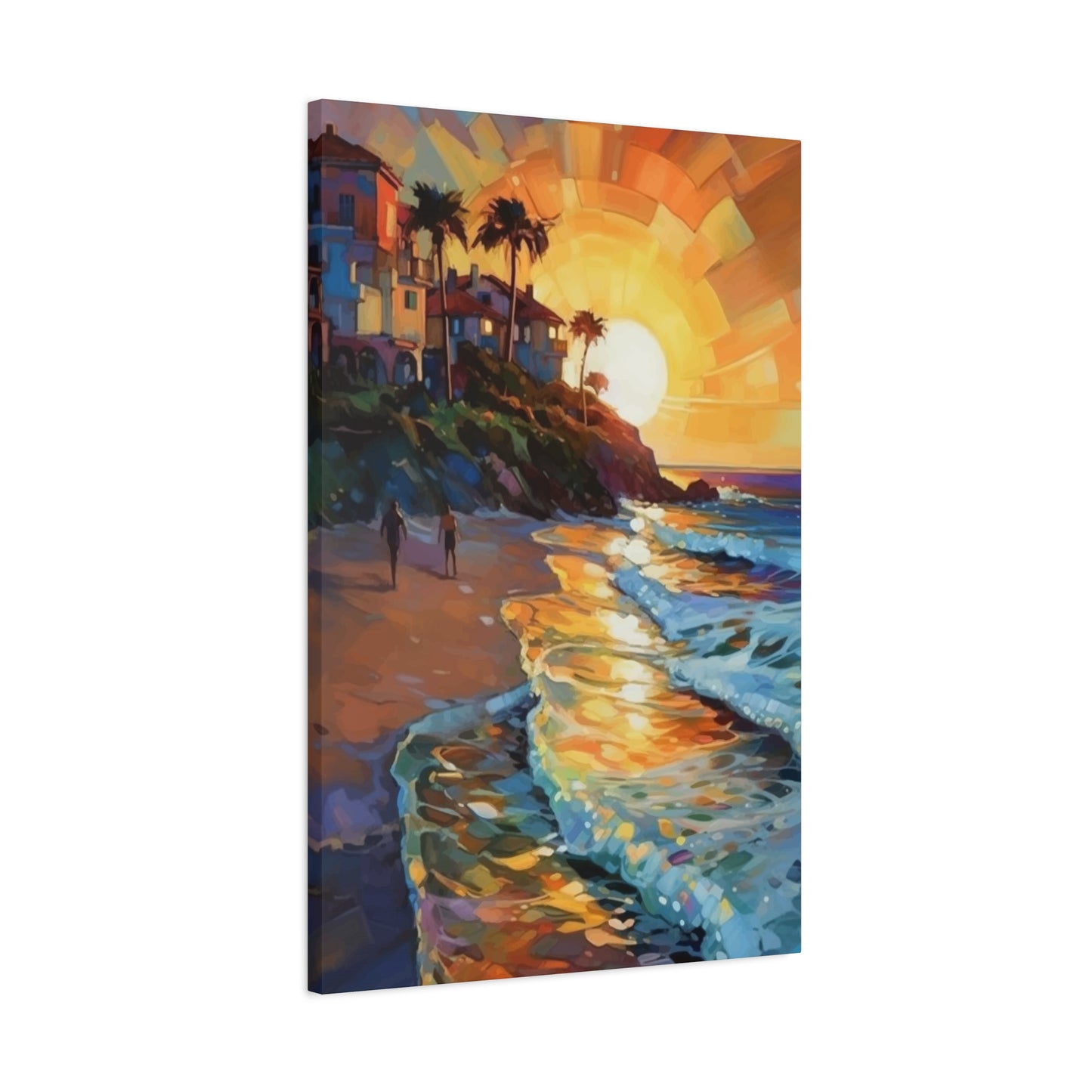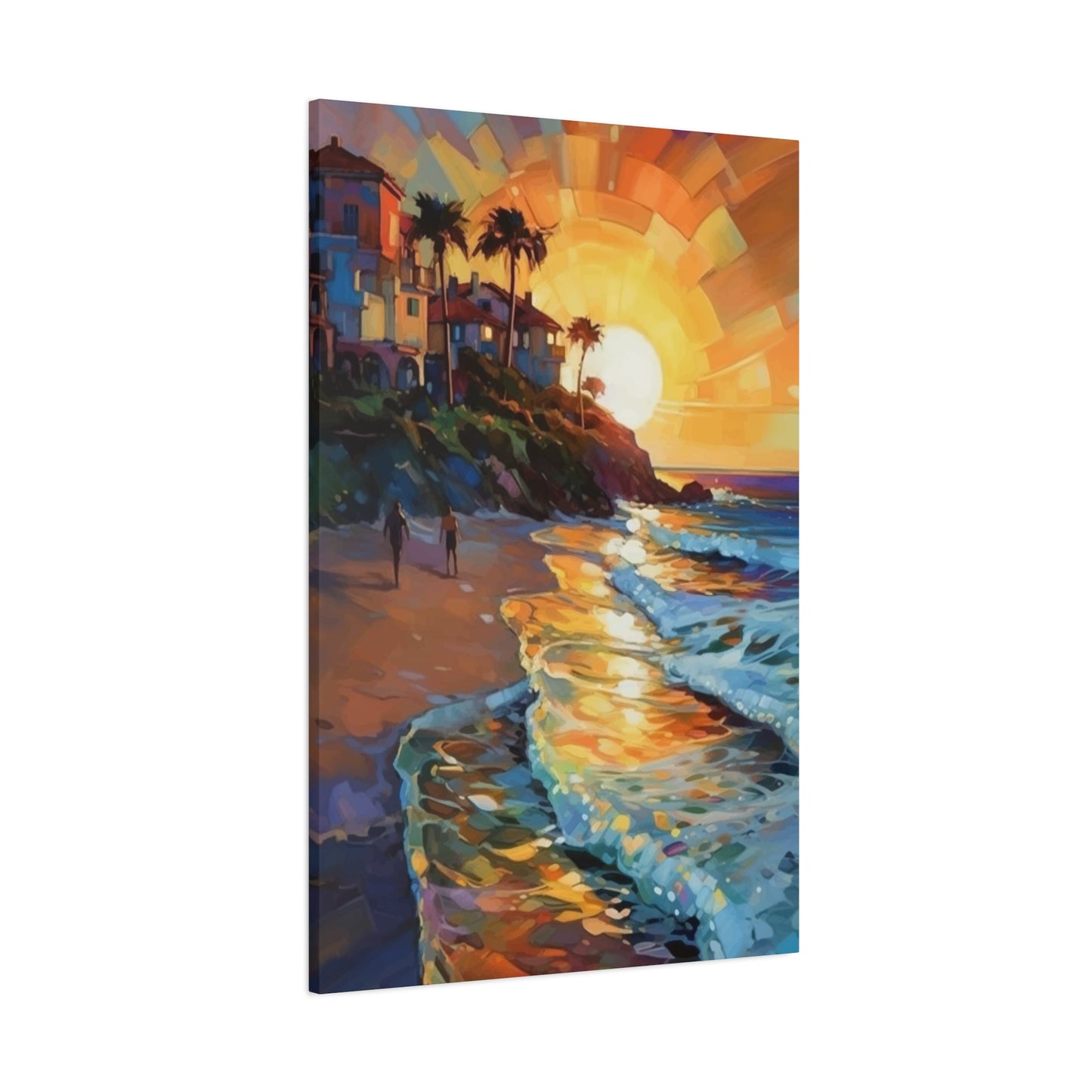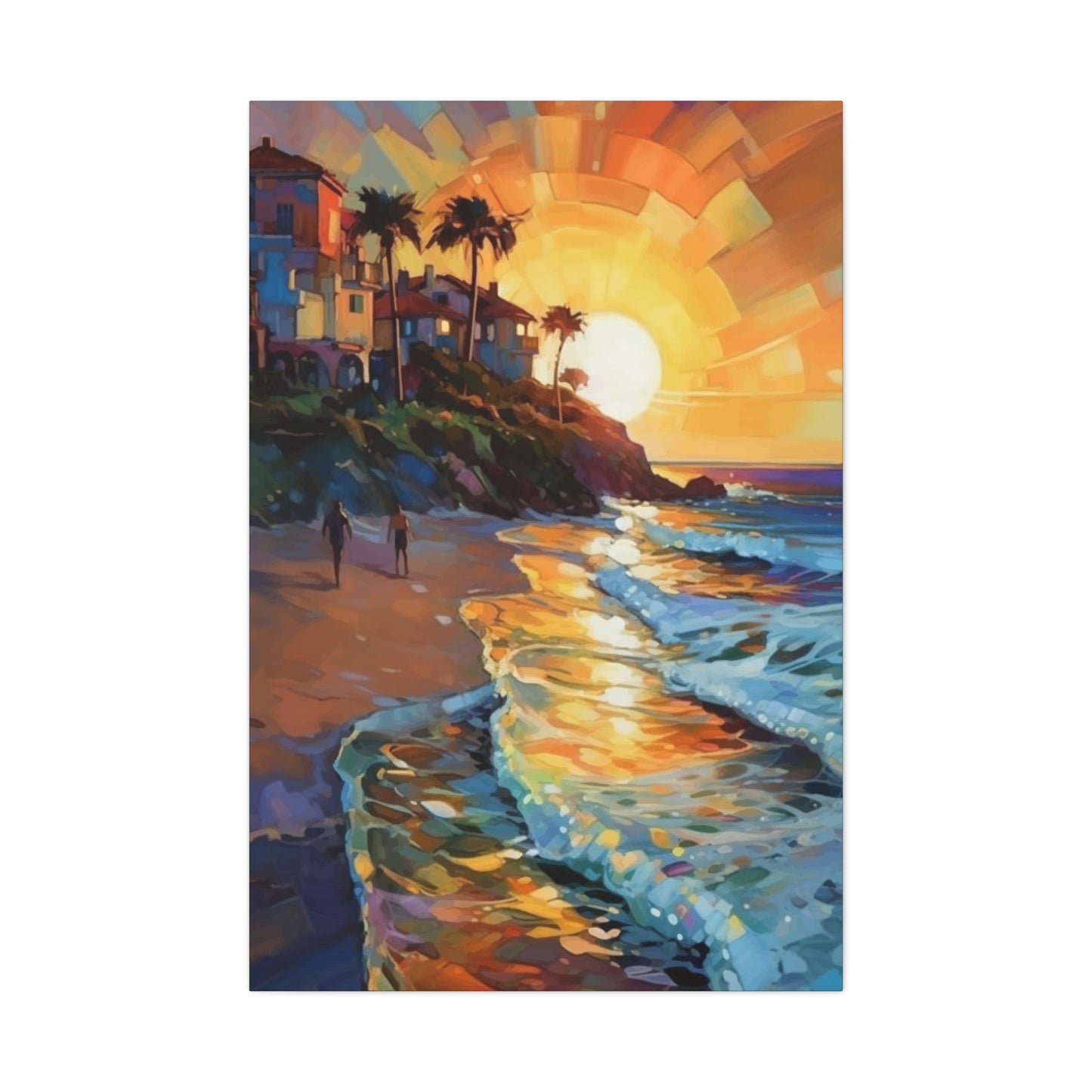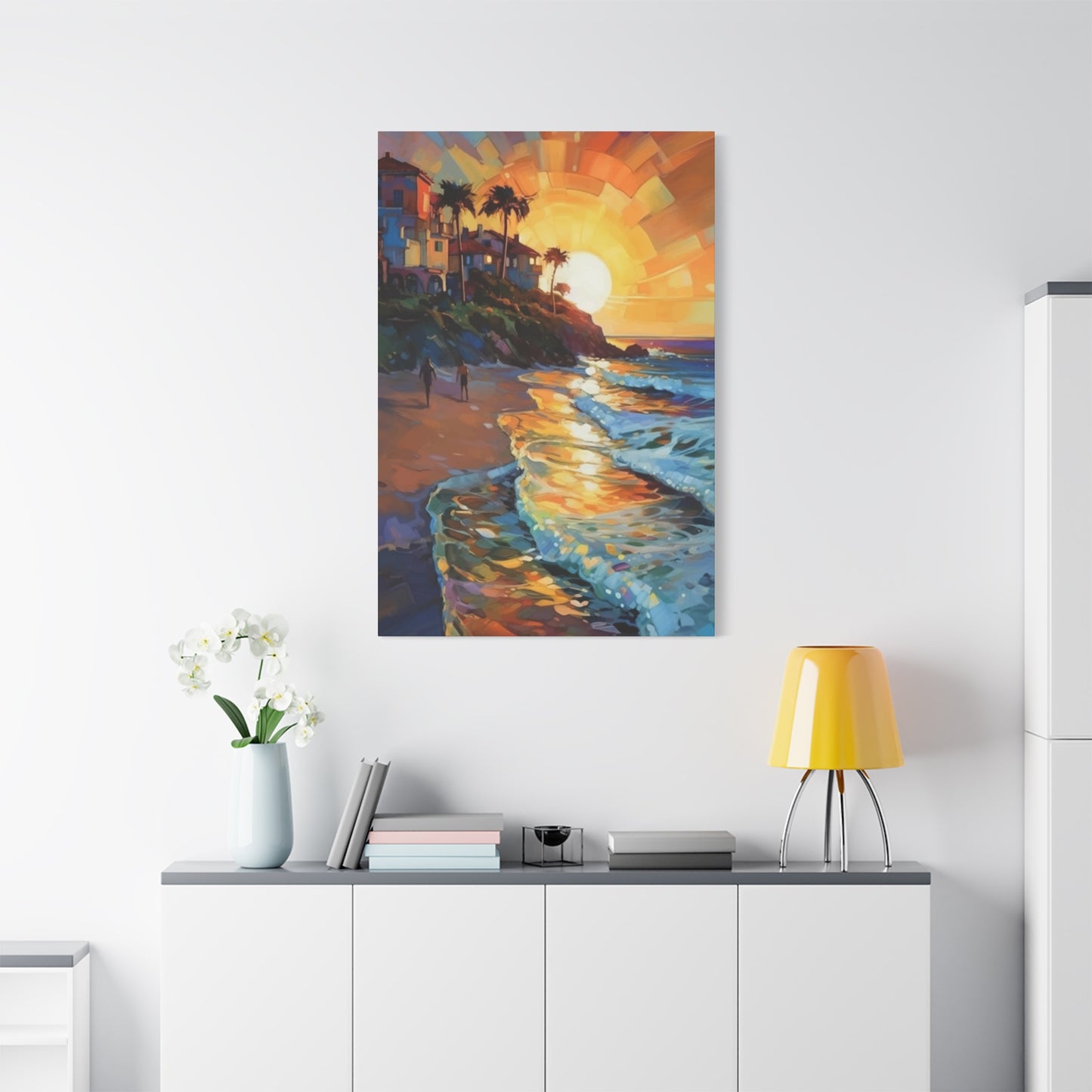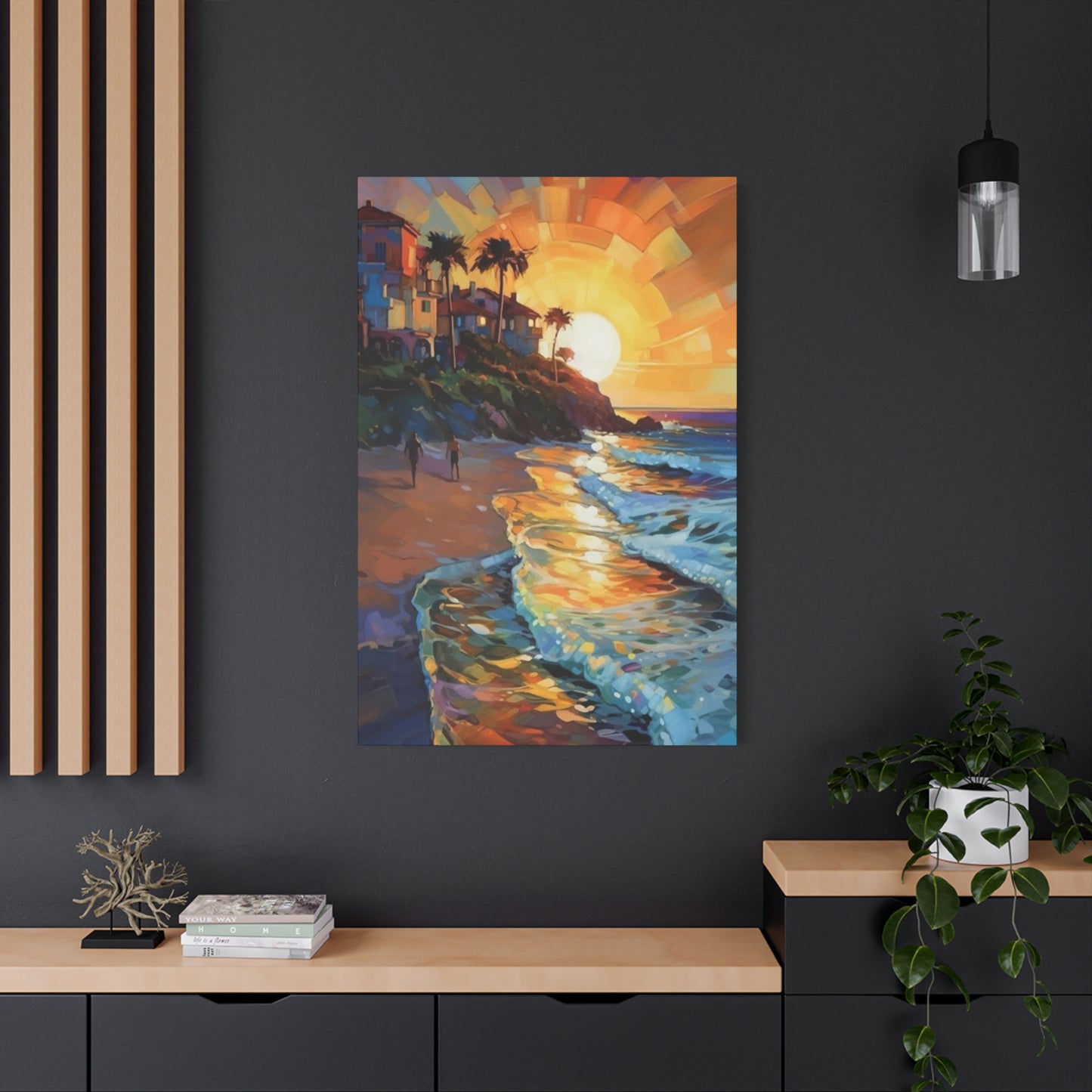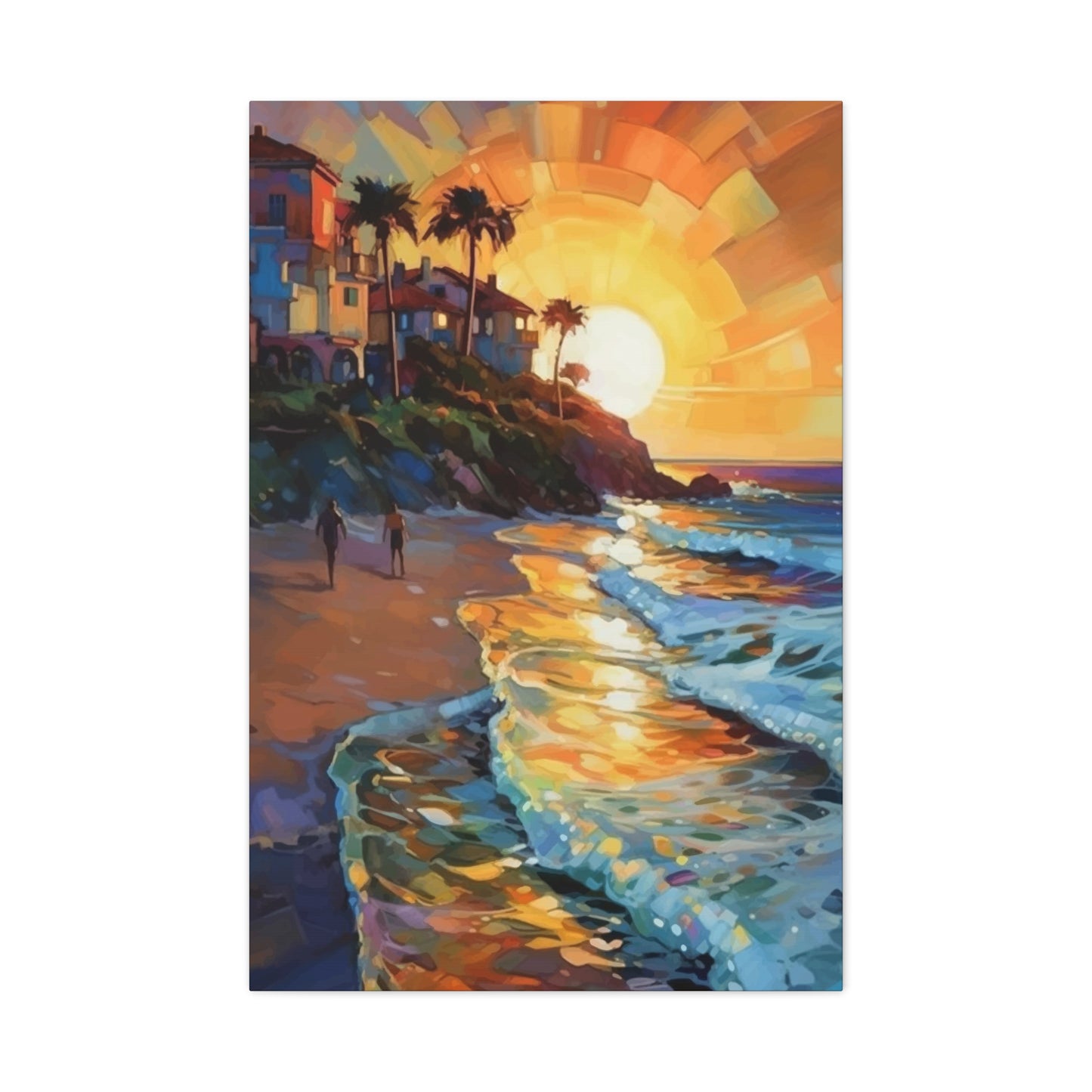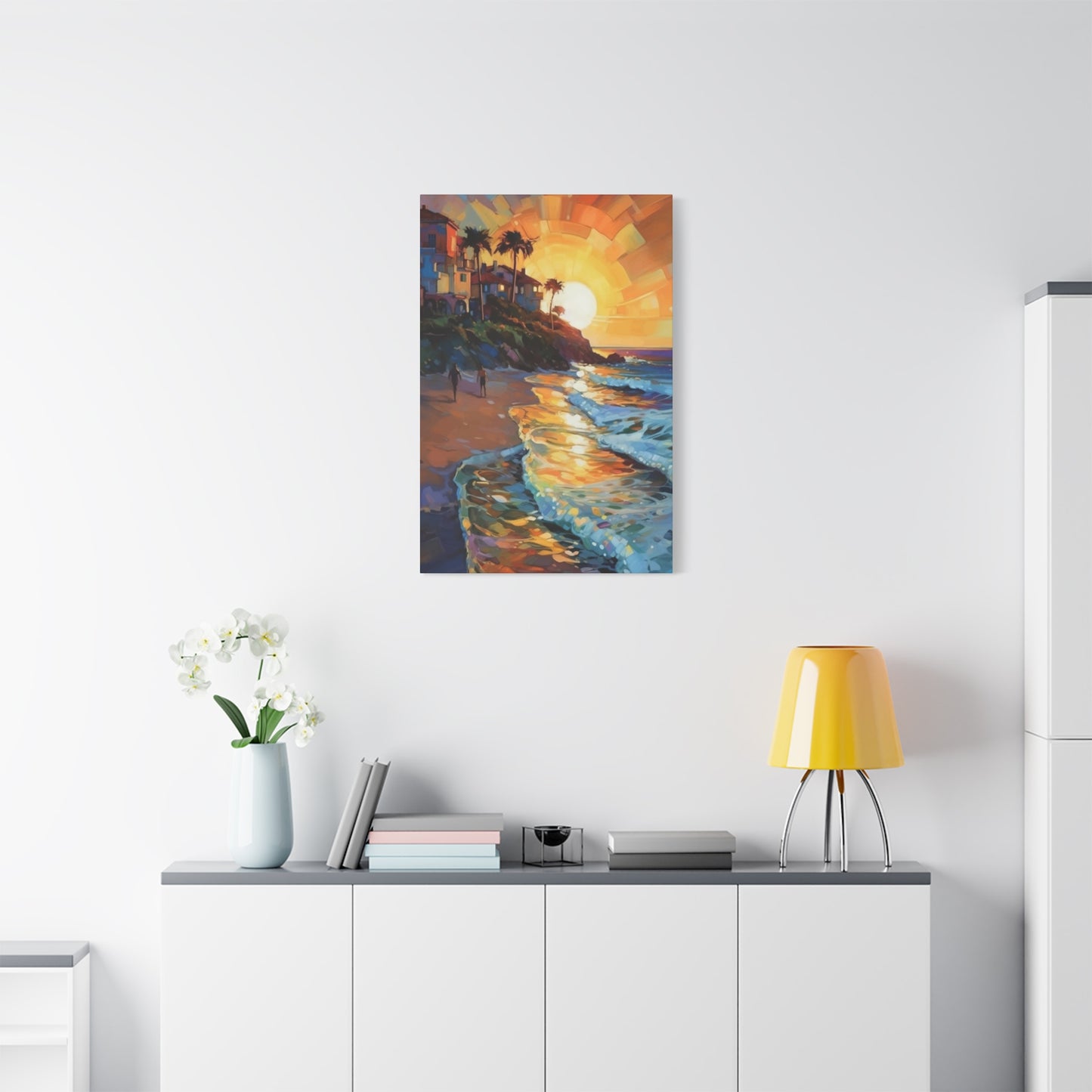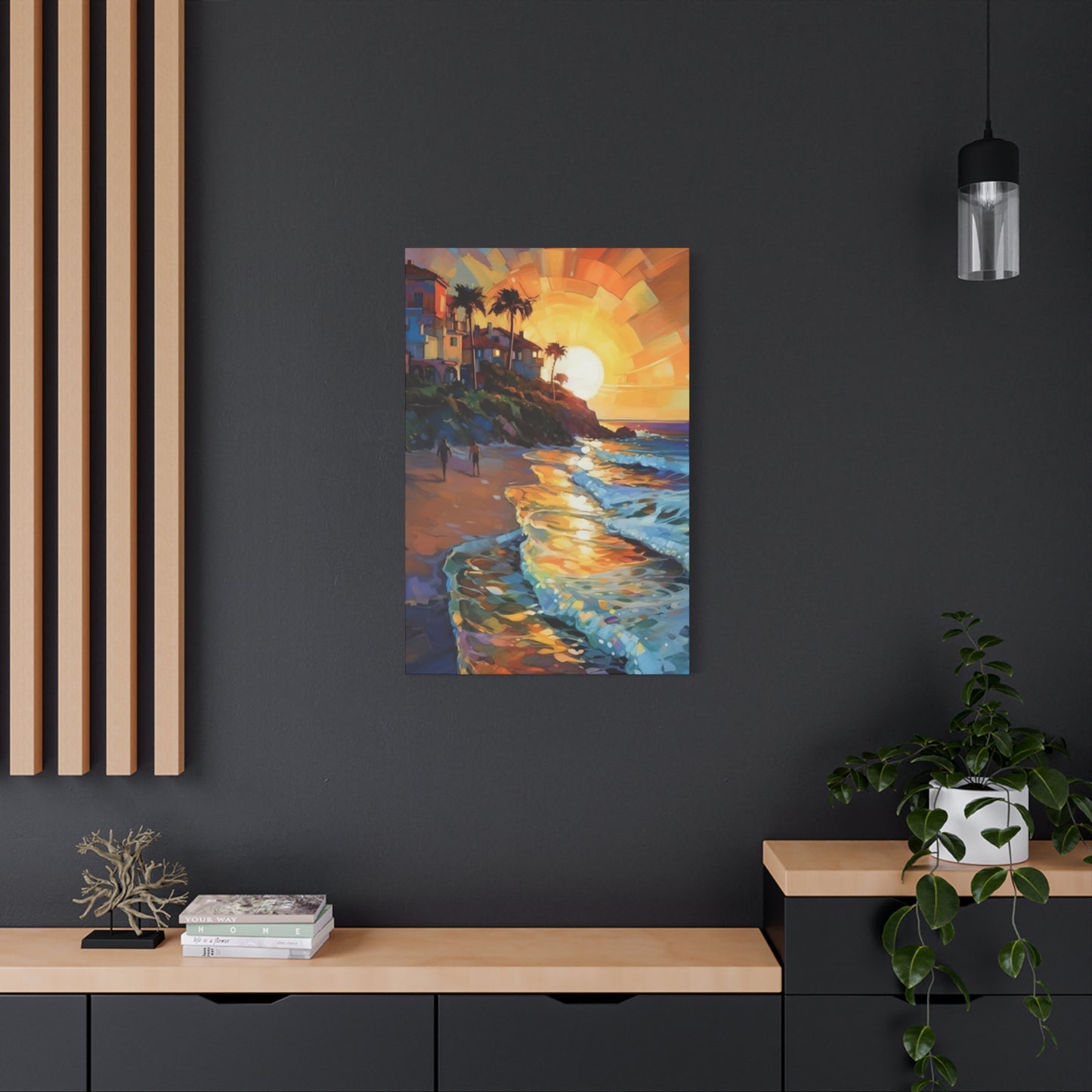


Beach View Wall Art & Canvas Prints
Beach View Wall Art & Canvas Prints
Couldn't load pickup availability
Infuse Your Home with the Beauty of the Beach: A Thorough Exploration of Beach View Wall Art and Its Aesthetic Impact
The magnetism of seaside vistas permeates our collective consciousness with an almost primordial resonance. Human beings have harbored an intrinsic fascination with aquatic landscapes since antiquity, drawn magnetically toward the rhythmic cadence of waves and the boundless horizons that characterize coastal environments. This elemental attraction manifests resoundingly within our domestic spheres, as countless individuals seek to encapsulate the tranquility and majesty of oceanic panoramas within their living quarters through the acquisition and exhibition of beach view wall art.
The phenomenon of adorning interior walls with maritime imagery represents far more than mere aesthetic predilection. It constitutes a deliberate endeavor to establish atmospheric coherence, foster psychological equilibrium, and construct environments that resonate with our deepest inclinations toward natural splendor. The deployment of beach view wall art functions as a conduit through which individuals can perpetually access the rejuvenating essence of coastal destinations, regardless of geographic location or temporal constraints.
Contemporary interior design paradigms increasingly acknowledge the considerable influence that visual representation exerts upon emotional welfare and spatial perception. Beach view wall art, in its manifold manifestations, serves as a particularly efficacious instrument for this purpose, furnishing observers with perpetual reminders of serenity, vastness, and the restorative potentialities inherent within natural environments.
Comprehending the Multifaceted Dimensions of Beach View Wall Art Selection and Curation
When contemplating the acquisition of beach view wall art, prospective purchasers encounter a bewildering profusion of alternatives, each presenting distinctive characteristics, aesthetic sensibilities, and physiological impacts. The determination of appropriate selections demands thoughtful contemplation regarding multiple interconnected variables, encompassing dimensional specifications, chromatic harmonization, compositional equilibrium, and thematic concordance with preexisting interior configurations.
The dimensionality of wall art constitutes one of the most consequential determinants in the selection paradigm. Expansive formats establish commanding focal points, gravitating ocular attention and fundamentally transmuting spatial perception. Conversely, diminutive configurations facilitate subtle integration within existing compositional schemes, furnishing supplementary visual interest without overwhelming spatial hierarchies. The judicious calibration of dimensional proportions relative to wall surface area and encompassing furniture arrangements necessitates measured deliberation.
Chromatic considerations exercise equally substantial influence upon the efficaciousness of beach view wall art within particular interior contexts. Compositions predominantly characterized by sapphire tonalities, aquamarine hues, and cerulean gradations cultivate atmospheric impressions of refreshment and tranquility. Conversely, renditions emphasizing aureate sunlight, ambrosial amber, and saffron infusions engender warmth and convivial ambiance. The prevailing palette of encompassing furnishings, wall surfaces, and decorative accessories must demonstrate harmonic alignment with the predominant chromatic signatures embedded within selected artwork.
Compositional architecture—encompassing the spatial arrangement of visual elements, the establishment of perspectival relationships, and the deployment of focal points—profoundly influences the psychological resonance emanating from beach view wall art. Compositions characterized by dynamic diagonal configurations and assertive foreground articulation communicate vitality and engagement. In contradistinction, horizontally oriented arrangements evoking serene vista contemplation communicate repose and meditative equilibrium.
Investigating the Heterogeneous Manifestations of Beach Imagery Presented in Artistic Expression
The realm of beach view wall art encompasses considerable heterogeneity regarding representational approaches, stylistic vocabularies, and interpretive philosophies. Comprehending these distinctions facilitates more discerning curatorial decisions aligned with individual predilections and spatial exigencies.
Photorealistic renderings constitute one prominent category, characterized by meticulous verisimilitude and scrupulous attention to phenomenological authenticity. These compositions attempt faithful reproduction of actual coastal vistas, meticulously capturing the translucency of aqueous media, the granular composition of littoral substrates, and the atmospheric luminosity characteristic of maritime environments. Such representations furnish observers with profound sensory immersion, facilitating virtual displacement to cherished coastal destinations.
Impressionistic interpretations occupy a distinct aesthetic territory, prioritizing emotional essence and subjective impression over documentary exactitude. Characterized by liberated brushwork, chromatic exuberance, and compositional dissolution, impressionistic beach view wall art communicates the phenomenological sensation of seaside engagement rather than precise descriptive cataloging. This approach frequently proves particularly efficacious for cultivating atmospheric ambiance and establishing visual dynamism within residential configurations.
Minimalist conceptualizations strip away superfluous elaboration, distilling beach vista essence to fundamental compositional components. These compositions frequently emphasize geometric abstraction, restricted chromatic palettes, and negative spatial deployment. Minimalist beach view wall art demonstrates particular aptness for contemporary interior schemes predicated upon uncluttered aesthetics and restrained visual complexity.
Abstract interpretations liberate representational constraints entirely, channeling the conceptual essence of maritime environments through non-representational vocabularies. Chromatic harmonizations, gestural markings, and compositional experimentation supplant figurative fidelity. Such approaches facilitate singular versatility regarding interior scheme integration, functioning efficaciously within myriad design paradigms.
Vintage and nostalgic renderings evoke historical aesthetic vocabularies, invoking the pictorial traditions established during antecedent artistic epochs. Sepia tonalities, distinctive stylistic vocabularies reminiscent of fin de siècle sensibilities, and representational choices echoing early twentieth-century maritime imagery characterize this category. Such compositions frequently resonate powerfully with individuals cultivating retro-inspired interior schemes or harboring nostalgic predilections.
Fabrication Methodologies and Material Substrates: Foundational Considerations for Beach View Wall Art Production
The material foundation upon which beach view wall art resides fundamentally influences its aesthetic manifestation, durability characteristics, maintenance requisites, and integration within particular spatial contexts. Contemporary manufacturers deploy an expansive repertoire of substrates and fabrication methodologies, each presenting distinctive advantages and considerations.
Canvas substrates represent the most venerable and extensively deployed material foundation for pictorial wall art. Fabricated from cellulose fibers, canvas furnishes a receptive surface for acrylic pigmentation, oil-based colorants, and water-soluble media. The inherent texture characterizing canvas surfaces contributes visual dimension and haptic sophistication to completed compositions. Canvas-rendered beach view wall art frequently commands aesthetic gravitas and exhibits museum-quality authenticity that resonates strongly with discerning collectors.
Photographic prints mounted upon rigid substrates constitute an alternative manifestation, delivering photorealistic precision and chromatic fidelity. Contemporary printing methodologies enable exceptional color saturation and tonal nuance, facilitating faithful reproduction of actual photographic source material. Mounting upon rigid supports such as wood composites or aluminum substrates furnishes structural integrity and facilitates contemporary presentation modalities.
Acrylic-rendered compositions constitute another widely deployed format, characterized by vibrant chromatic properties and rapid desiccation kinetics. Acrylic pigmentation adheres robustly to numerous substrate varieties, permitting considerable versatility in compositional approach. Acrylic renditions frequently manifest pronounced visual luminosity and chromatic saturation, rendering them particularly efficacious for vibrant, contemporary aesthetic schemes.
Wooden substrate implementations have experienced resurgence within contemporary design paradigms, furnishing rustic authenticity and tactile warmth. Beach view wall art rendered upon wooden foundations or integrated into wooden frameworks establishes consonance with organic material vocabularies, demonstrating particular aptness for coastal-inspired interior configurations.
Digital printing technologies have revolutionized mass production capabilities, enabling precise reproduction of diverse artistic visions across scalable formats. Inkjet printing upon canvas, photographic paper, or synthetic substrates permits exceptional fidelity while maintaining accessibility regarding dimensional customization and volume production.
Metal substrates and aluminum panels furnish industrial aesthetic vocabulary and exceptional durability. Such implementations frequently manifest contemporary sophistication, demonstrating particular appropriateness for minimalist or modern design schemes. Metal substrates resist moisture accumulation and environmental deterioration, rendering them particularly suitable for moisture-prone architectural contexts such as bathrooms or sunrooms.
Dimensional Specifications and Spatial Integration: Orchestrating Harmonious Aesthetic Coordination
The determination of appropriate dimensional specifications constitutes a multifaceted analytical endeavor, necessitating consideration of wall surface area, furnishing arrangements, perspectival sightlines, and cumulative spatial proportion.
Diminutive wall art compositions, typically measuring between twenty and thirty-six inches across their dominant axis, function optimally as supplementary visual elements within compositional schemes already anchored by dominant furnishings or architectural features. Such dimensions facilitate gallery-wall conceptualizations, wherein multiple compositions collectively establish visual impact through cumulative assemblage rather than individual assertion.
Medium-scale implementations, encompassing dimensional ranges between forty and sixty inches, establish moderate visual prominence without overwhelming spatial perception. Such configurations frequently serve as secondary focal points, attracting ocular attention without commanding comprehensive spatial dominion. This dimensional category accommodates considerable versatility regarding installation contexts, functioning efficaciously within both expansive and modest spatial parameters.
Large-scale installations, encompassing dimensional specifications exceeding sixty inches and frequently approaching or surpassing ninety inches, constitute commanding focal points capable of fundamentally transmuting spatial character. Such monumental configurations demand careful spatial assessment regarding wall surface dimensions, sightline relationships, and furnishing arrangement compatibility. Properly deployed large-scale beach view wall art establishes theatrical presence, functioning as definitive spatial anchors that organize surrounding compositional elements hierarchically.
The judicious calibration of dimensional specifications relative to wall surface dimensions follows proportional guidelines emphasizing harmonic relationships. Compositions generally occupying approximately sixty to seventy percent of available wall surface area establish visually balanced configurations neither diminutive nor oppressive. Compositions occupying excessive surface percentages risk spatial claustrophobia, whereas diminutive implementations within expansive walls may appear diminished and contextually disconnected.
Sightline elevation constitutes an additional dimensional consideration of considerable consequence. Wall art positioned at approximate eye-level heights facilitates optimal engagement, whereas elevated or diminished positioning necessitates postural adjustment and may compromise accessibility to visual experience. Professional installation paradigms typically position composition centers approximating horizontal sightline heights for standing observers, ranging between sixty and sixty-five inches from flooring surfaces.
Chromatic Harmonization and Color Psychology: Orchestrating Emotional Resonance Through Pigmentary Selection
The chromatic vocabulary embedded within beach view wall art exerts profound psychological influence upon occupants, modulating emotional tenor and establishing foundational atmospheric qualities. Comprehending the interrelationship between pigmentary selection and psychological reception facilitates the curation of configurations optimizing spatial ambiance.
Azure tonalities communicate tranquility, expansiveness, and psychological repose. These pigmentary selections evoke aqueous media and expansive atmospheric perspectives characteristic of maritime environments. Sapphire and cerulean hues prove particularly efficacious for cultivating meditative atmospheric qualities, demonstrating especial aptness for repose quarters and contemplative spatial configurations.
Ambrosial amber and aureate tonalities evoke luminous solar radiation and romantic golden-hour phenomena characterizing coastal environments during crepuscular intervals. Such chromatic selections communicate warmth, convivial conviviality, and nostalgic temporal consciousness. Golden tonalities frequently establish congenial ambiance within social gathering spaces and leisure configurations.
Verdant chlorophyll hues, frequently incorporated within beach vista compositions featuring vegetative littoral elements, communicate vitality, renewal, and ecological vitality. Such selections prove particularly efficacious when integrated within compositions featuring botanical components such as coastal vegetation or tropical arboreal specimens.
Ivory, alabaster, and cream tonalities evoke littoral substrate compositions and furnish chromatic neutrality facilitating integration within heterogeneous interior schemes. Such pale tonalities communicate luminosity and establish visual spaciousness, demonstrating particular aptness for diminished spatial parameters or minimally appointed configurations.
Twilight-inspired chromatic vocabularies emphasizing purple, magenta, and indigo tonalities cultivate enigmatic, introspective atmospheric qualities. Such selections communicate mystery, sophistication, and aesthetic refinement, proving particularly felicitous for bedchamber applications or sophisticated contemporary schemes.
The cumulative chromatic environment established through integrated consideration of wall art pigmentation, architectural surfaces, furnishing selections, and ambient illumination determines overall spatial psychological tenor. Strategic chromatic concordance across these interconnected variables facilitates orchestrated emotional experiences transcending individual compositional elements.
Thematic Conceptualizations and Artistic Orientations: Navigating Diverse Representational Approaches
Beach view wall art encompasses considerable thematic diversity, reflecting heterogeneous artistic sensibilities, cultural perspectives, and conceptual preoccupations. Comprehending these thematic orientations facilitates selection of compositions resonating with personal predilections and spatial contexts.
Serene solitude conceptualizations emphasize expansive, uninhabited vista representations showcasing pristine littoral landscapes devoid of human presence. Such compositions frequently prioritize atmospheric luminosity, celestial phenomena, and the sublime majesty of untamed maritime environments. These representations communicate peacefulness, contemplation, and escape from anthropogenic perturbation.
Dynamic action-oriented compositions emphasize kinetic maritime phenomena including turbulent wave formations, meteorological phenomena, and athletic oceanic engagement. Such renderings communicate vitality, exhilaration, and the magnificent potentiality inherent within natural maritime forces. These compositions prove particularly efficacious for individuals seeking visual stimulation and dynamic aesthetic engagement.
Sunset and crepuscular phenomenon representations constitute an extensively embraced thematic category, emphasizing luminous celestial transformations characterizing twilight intervals. Such compositions evoke romanticism, nostalgic introspection, and the ephemeral magnificence of temporal transition. Sunset-oriented beach view wall art frequently establishes profoundly affective resonance, functioning as visual focal points facilitating meditative contemplation.
Sunrise conceptualizations emphasize nascent solar emergence, regeneration symbolism, and the commencement of novel temporal cycles. Such representations communicate optimism, renewal, and the perpetual regenerative potentiality characterizing natural phenomena. Sunrise compositions frequently demonstrate particular aptness for bedchamber installations and spaces wherein individuals commence quotidian routines.
Nocturnal maritime visualizations emphasizing celestial phenomena, lunar luminescence, and starlit firmaments communicate enchantment, mystery, and the profound vastness of cosmic perspective. Such compositions frequently incorporate phosphorescent properties or specialized pigmentation enabling luminescence deployment, furnishing supplementary visual engagement during nocturnal intervals.
Littoral wildlife representations emphasizing avifauna, cetacean populations, ichthyofauna, or crustacean inhabitants constitute another prominent thematic manifestation. Such compositions celebrate biodiversity, ecological interconnection, and the magnificent zoological populations characterizing maritime environments. Wildlife-oriented beach view wall art frequently appeals powerfully to individuals manifesting naturalistic predilections and ecological consciousness.
Botanical integrations emphasizing coastal vegetation, palmaceous specimens, or littoral flora communicate tropical exoticism, botanical vitality, and the luxuriant proliferation characterizing warm-climate maritime littoral zones. Such compositions frequently establish congenial, resort-inspired atmospheric qualities particularly efficacious for leisure spaces and recreational configurations.
Installation Methodologies and Display Configurations: Establishing Secure, Aesthetically Harmonious Presentations
The efficacious deployment of beach view wall art demands judicious attention to installation methodologies, wall surface preparation, and presentational frameworks ensuring both physical security and aesthetic optimization.
Professional wall mounting systems vary considerably regarding load-bearing capacity, aesthetic obtrusiveness, and compatibility with diverse wall substrate materials. Traditional nail-based implementations furnish straightforward, economical deployment options, though dimensional and weight specifications constrain their applicability to lighter compositions. Picture hanging systems utilizing specialized hooks and rail assemblies distribute mass more equitably across expanded wall surface area, accommodating heavier implementations.
Adhesive mounting systems represent an alternative paradigm, particularly suitable for lighter compositions and contemporary aesthetic sensibilities prioritizing bracket concealment. High-tensile polymeric adhesives specifically formulated for wall art applications furnish sustained adherence while minimizing wall surface damage upon eventual removal. Such methodologies prove particularly advantageous for rental configurations or situations necessitating non-permanent installation.
Floating frame implementations furnish a contemporary presentational paradigm wherein artwork appears to levitate above wall surfaces, suspended within transparent polymeric casings or specialized framework architectures. Such presentations emphasize artwork prominence while establishing architectural sophistication and visual sophistication.
Gallery wall conceptualizations orchestrate multiple compositions into unified assemblages, frequently employing standardized framework specifications and coordinated chromatic schemes facilitating cumulative visual impact. Such installations permit considerable compositional diversity and permit periodic reconfiguration accommodating evolving aesthetic preferences.
Ledge-based presentations constitute an alternative methodology wherein artwork rests upon narrow horizontal architectural protrusions, dispensing with permanent wall penetrations while furnishing effortless reconfiguration capabilities. Such approaches facilitate rotational artwork deployment and accommodate renters or individuals prioritizing installation flexibility.
Canvas stretcher configuration represents the traditional framework paradigm wherein artwork is affixed to wooden frameworks establishing tension across the substrate surface, enabling frameless presentation or integration within external framework architectures. Such methodologies remain predominant within gallery and museum contexts, furnishing conventional, widely recognized aesthetic presentations.
Maintenance Regimens and Preservation Considerations: Safeguarding Aesthetic Integrity and Longevity
The sustained enjoyment of beach view wall art necessitates consistent maintenance protocols forestalling deterioration, chromatic degradation, and accumulation of environmental contaminants. Comprehensive preservation approaches protect aesthetic investment and ensure extended operational longevity.
Dust accumulation constitutes perhaps the most prevalent maintenance challenge, as atmospheric particulates settle upon artwork surfaces, obscuring chromatic vibrancy and establishing dull patinas compromising visual clarity. Regular dusting utilizing soft-bristled implements or lint-free textiles removes superficial contaminants without abrading delicate pigmentation or substrate surfaces. Quarterly intervals generally suffice for ordinary residential environments, whereas maritime or industrial contexts may necessitate more frequent intervention.
Luminous exposure regulation constitutes a critical preservation determinant, as extended ultraviolet irradiation catalyzes chromatic fading, pigmentary degradation, and accelerated substrate deterioration. Positioning artwork beyond direct solar illumination, deploying ultraviolet-filtering window treatments, or utilizing museum-grade pigmentation resistant to photochemical alteration mitigates such deterioration. Contemporary synthetic pigmentation formulations demonstrate substantially enhanced photochemical stability compared to traditional formulations, though deliberate light limitation remains prudent.
Moisture accumulation constitutes a particularly insidious deterioration vector, particularly within bathrooms, kitchens, or other moisture-prone architectural contexts. Excessive humidity catalyzes biological proliferation, substrate delamination, and pigmentary separation. Installations within elevated-moisture environments necessitate substrate selections and frameworking implementations demonstrating hygroscopic resistance, such as metal substrates or synthetic panel materials. Adequate ventilation systems preventing moisture accumulation prove equally consequential.
Temperature fluctuation management prevents substrate warping, pigmentary separation, and adhesive degradation. Maintaining relatively consistent ambient temperatures minimizes expansion-contraction cycling capable of compromising structural integrity. Positioning artwork beyond proximity to heating elements, cooling apparatus, or architectural apertures experiencing temperature extremes mitigates thermal stress.
Protective glazing implementations utilizing ultraviolet-filtering acrylic or glass substrates furnish comprehensive chromatic preservation while simultaneously protecting delicate surfaces from dust, atmospheric contaminants, and casual contact. Such implementations prove particularly advantageous for exceptionally valuable compositions or installations within high-traffic contexts.
Pest management assumes particular relevance in regions where arthropod populations pose existential threats to substrate integrity. Periodic inspection identifying incipient infestations permits timely intervention preventing substantial substrate damage. Preventive measures including sealed storage, atmospheric conditioning, and periodic aeration minimize pest proliferation risks.
Spatial Contextual Integration: Orchestrating Coherent Interior Schemes Through Strategic Artwork Deployment
The eficacious incorporation of beach view wall art transcends isolated compositional considerations, extending into comprehensive spatial orchestration wherein artwork functions as integrated component within coordinated interior vocabularies.
Bedchamber contexts particularly accommodate beach view wall art deployment, as such spaces prioritize reposeful atmospheric qualities and personal aesthetic expression. Serene, meditative compositions emphasizing vast horizons and tranquil maritime phenomena facilitate the nocturnal psychological transitions characterizing rest preparation. Positioning artwork visible from recumbent perspectives optimizes engagement during rest intervals, permitting extended contemplation prior to somnolent transition.
Social gathering spaces including living areas and entertainment configurations benefit from dynamic, engagement-oriented beach imagery communicating vitality and convivial conviviality. Sunset-oriented compositions or representations emphasizing familial maritime recreation activities foster convivial atmosphere encouraging conversation and collective engagement.
Culinary quarters and dining configurations demonstrate particular compatibility with coastal aesthetic vocabularies, especially compositions featuring littoral botanical elements or maritime provisioning imagery. Such selections establish resort-inspired conviviality and frequently coordinate harmoniously with naturalistic, organic material selections characterizing contemporary culinary spatial design.
Bathroom installations necessitate particular attention regarding moisture-resistant substrate selections and composition themes evoking cleansing, renewal, and aqueous phenomena. Serene, minimalist compositions prove particularly efficacious, avoiding visual congestion within diminished spatial parameters.
Passages and transitional spaces benefit from proportionally calibrated compositions providing visual interest during circulation while avoiding spatial congestion. Gallery wall conceptualizations frequently prove particularly efficacious within corridor contexts, permitting sequential compositional engagements as occupants traverse spatial progressions.
Office and workspace configurations incorporating beach view wall art frequently enhance cognitive function and occupational satisfaction. Visual reminders of maritime serenity facilitate psychological respite during concentrated labor intervals and communicate personal aesthetic sensibilities within professional contexts.
Fiscal Considerations and Value Appraisal: Navigating Economic Dimensions of Artwork Acquisition
The acquisition of beach view wall art encompasses considerable fiscal range encompassing budget-conscious alternatives and premium investment selections. Comprehending value hierarchies and fiscal optimization methodologies facilitates judicious fiscal resource allocation.
Mass-produced implementations utilizing photographic printing methodologies upon synthetic substrates furnish economical entry-point alternatives, frequently ranging between modest financial outlays and moderate expenditures. Such productions permit widespread accessibility and facilitate experimentation regarding aesthetic preferences prior to substantial investment commitment.
Mid-tier selections encompassing canvas renditions by emerging artistic practitioners, superior printing methodologies, and enhanced substrate specifications typically range within moderate to substantial price categories. Such acquisitions frequently furnish superior aesthetic qualities and durability characteristics compared to budget alternatives while remaining accessible to non-specialist collectors.
Premium selections encompassing original artistic creations, museum-quality frameworking, limited edition productions, or compositions by established artistic practitioners command substantially elevated fiscal premiums reflective of artistic prestige, technical virtuosity, and scarcity considerations. Such acquisitions frequently constitute investment selections anticipating aesthetic and fiscal appreciation.
The determination of appropriate fiscal allocation necessitates honest appraisal regarding personal preferences, spatial contexts, projected tenure, and financial capacity. Substantial investments in limited edition or original compositions prove justified for individuals manifesting profound aesthetic commitment, whereas exploratory acquisitions may justify more economical selections permitting aesthetic evolution without excessive fiscal consequence.
Authentication considerations assume particular relevance for premium selections, as counterfeit and derivative implementations proliferate within contemporary marketplaces. Reputable acquisition channels, documented provenance, and verification through qualified specialists mitigate fraudulent acquisition risks.
Thematic Coordination with Architectural and Furnishing Schemes: Achieving Comprehensive Aesthetic Coherence
The optimal deployment of beach view wall art extends beyond isolated compositional merit, encompassing holistic coordination with encompassing architectural vocabularies and furnishing selections establishing unified spatial narratives.
Rustic coastal schemes emphasizing distressed wooden furnishings, organic textile selections, and nautical artifacts coordinate harmoniously with vintage or impressionistic beach renditions emphasizing atmospheric qualities over documentary precision. Such comprehensive configurations establish nostalgic, romantically evocative environments resonating with maritime heritage sensibilities.
Contemporary minimalist schemes predicated upon uncluttered aesthetics, restrained color palettes, and geometric furnishing forms demonstrate particular compatibility with abstract maritime compositions or minimalist literal representations employing restricted pigmentary vocabularies. Such coordinated approaches exemplify contemporary design sophistication while maintaining visual coherence.
Tropical resort aesthetic vocabularies emphasizing palmaceous vegetation, woven natural fiber furnishings, and vibrant chromatic palettes coordinate optimally with botanical-integrated beach compositions or sunset renditions featuring warm chromatic tonalities. Such schemes establish vacation-inspired conviviality facilitating psychological displacement from quotidian existence.
Mediterranean aesthetic traditions emphasizing terra cotta colorations, whitewashed architectural surfaces, and ancient maritime heritage imagery coordinate harmoniously with classically-oriented beach representations or compositions emphasizing littoral architectural monuments and historical maritime traditions.
Industrial contemporary schemes incorporating metal framework selections, exposed structural elements, and utilitarian aesthetic vocabularies demonstrate particular aptness for metal substrate beach art or photorealistic digital implementations emphasizing compositional precision and chromatic fidelity.
Bohemian eclecticism celebrating heterogeneous aesthetic traditions, diverse global influences, and individualistic expression accommodates considerable beach art diversity, permitting integration of varied stylistic approaches within holistic configurations celebrating aesthetic pluralism and personal idiosyncrasy.
Emotional and Psychological Implications: Comprehending Profound Intrapersonal Effects of Maritime Imagery
The psychological potentiality harbored within beach view wall art extends far beyond superficial aesthetic appeal, encompassing profound ramifications for emotional welfare, cognitive function, and interpersonal dynamics.
Contemplative engagement with coastal imagery facilitates psychological respite from quotidian perturbations, enabling temporary cognitive cessation from occupational pressures and relational complexities. The expansive horizons characteristic of maritime vistas psychologically suggest boundless potentiality, counteracting constrictive psychological patterns and fostering mental liberation.
Biophilic conceptualizations emphasizing intrinsic human affinity for natural environments document substantial correlations between exposure to naturalistic imagery and enhanced psychological welfare, diminished anxiety manifestation, and improved cognitive function. Beach view wall art furnishes perpetual biophilic engagement, facilitating psychological benefits analogous to direct environmental exposure.
Nostalgia activation through coastal imagery frequently engenders affective engagement with cherished temporal reminiscences, facilitating reconnection with periods of psychological vitality, familial togetherness, or personal accomplishment. Such nostalgic resonance frequently demonstrates particularly pronounced potentiality for cultivating psychological contentment and existential meaning.
Social cohesion facilitation through collective artistic appreciation represents an often-overlooked psychological benefit, as shared aesthetic engagement frequently catalyzes interpersonal connection and communicative interaction. Striking beach compositions frequently function as conversation catalysts, facilitating social engagement and interpersonal bonding within domestic contexts.
Aspirational symbolism embedded within idealized coastal representations communicates possibility consciousness and optimistic anticipation regarding future potentiality. Periodic engagement with aspirational imagery frequently reinforces psychological resilience and sustains motivation through challenging circumstantial intervals.
Circadian rhythm regulation through chromatic exposure management demonstrates potential psychological applicability, as cooler oceanic tonalities promote alertness during diurnal intervals whereas warmer sunset-oriented compositions facilitate evening psychological transition toward nocturnal repose.
Curation Methodologies for Heterogeneous Spatial Configurations: Strategies for Diverse Architectural Contexts
The determination of appropriate beach view wall art selections demonstrates considerable contextual dependence upon specific architectural parameters, spatial configurations, and occupational patterns characterizing particular installations.
Expansive open-plan residential configurations demand sufficiently prominent compositions establishing gravitational visual centering and furnishing compositional anchoring within undifferentiated spatial parameters. Large-scale implementations or gallery wall conceptualizations frequently prove efficacious, preventing visual fragmentation within expansive, insufficiently articulated architectural contexts.
Confined spatial parameters demand proportionally calibrated selections avoiding overwhelming visual experiences or establishing claustrophobic atmospheric qualities. Diminutive to medium-scale implementations prove particularly suitable, permitting aesthetic engagement without spatial domination. Minimalist compositional approaches frequently demonstrate particular aptness, as visual parsimony prevents exacerbating spatial constriction.
Multipurpose configurations accommodating heterogeneous occupational functions frequently benefit from moderate-scale implementations exhibiting thematic neutrality accommodating diverse user preferences and varied spatial utilizations. Versatile compositions demonstrating compatibility across heterogeneous interior vocabularies prove particularly advantageous.
Rental configurations demanding non-permanent installation approaches necessitate adhesive mounting systems, ledge-based presentations, or specialized hanging frameworks minimizing wall surface alteration. Such considerations frequently constrain selection toward mass-produced alternatives exhibiting exceptional durability and universal aesthetic compatibility.
Commercial contexts including hospitality establishments, corporate workspaces, and retail environments demand compositions manifesting universal appeal while establishing appropriate professional or convivial atmospheric qualities. Compositions emphasizing serene transcendence rather than particular aesthetic eccentricity frequently prove most suitable for comprehensive occupant satisfaction.
Historic architectural contexts frequently demand curatorial restraint and compositional selections honoring preexisting aesthetic vocabularies rather than introducing jarring contemporary incongruities. Vintage-oriented or classically-informed selections frequently demonstrate particular contextual aptness within historically significant structures.
Investigative Frameworks for Compositional Evaluation: Establishing Discernment Methodologies for Selection Optimization
Systematic evaluation methodologies facilitate judicious selection decisions transcending subjective aesthetic whimsy, enabling more deliberate curatorial determination.
Compositional balance assessment examines the equilibrium of visual weight across dimensional axes, evaluating whether primary focal points establish appropriate spatial anchoring or whether compositions manifest disproportionate asymmetry producing visual discomfort. Skillfully orchestrated compositions distribute visual emphasis across spatial configurations, avoiding monotonous uniformity while preventing chaotic visual discord.
Chromatic integration compatibility assessment examines the harmonic alignment between artwork pigmentation and preexisting interior chromatic vocabularies. Compositions exhibiting excessive chromatic dissonance with encompassing architectural schemes frequently produce visual friction, whereas judicious chromatic consonance facilitates seamless spatial orchestration.
Perspectival depth evaluation examines compositional articulation of atmospheric perspective, spatial recession, and dimensional illusionism. Compositions effectively employing atmospheric perspective and scale modulation create psychological impressions of enhanced spatial depth, frequently transmuting perceived room dimensions and establishing impressions of architectural expansion.
Luminosity evaluation examines the compositional engagement with light phenomena, evaluating whether renditions convincingly capture the characteristic luminous qualities of maritime environments. Compositions effectively communicating luminous phenomena frequently establish more compelling visual engagement than renditions inadequately capturing atmospheric luminosity.
Focal point clarity assessment examines whether compositions maintain sufficient compositional coherence and focal emphasis preventing visual fragmentation and occupant perceptual confusion. Compositions exhibiting ambiguous or distributed focal points frequently diminish viewer engagement and establish visual uncertainty.
Thematic coherence evaluation examines the consistency of compositional conceptualization, evaluating whether visual elements harmonize toward unified thematic communication or whether dissonant elements produce confused compositional messages.
Durability assessment examines material substrate quality, chromatic stability, and manufacturing excellence, evaluating whether compositions demonstrate sufficient robustness ensuring extended aesthetic preservation.
Derivative Aesthetic Vocabularies and Stylistic Evolution: Recognizing Contemporary Artistic Manifestations
The contemporary artistic landscape encompasses considerable innovation regarding representational approaches, stylistic vocabularies, and conceptual orientations regarding maritime imagery. Comprehending these evolving manifestations facilitates recognition of contemporary artistic vitality and aesthetic innovation.
Digital composite conceptualizations synthesizing photographic source material with digital manipulation, chromatic enhancement, and surrealist conceptual integration represent emerging methodologies transcending strict verisimilitude toward imaginative reinterpretation. Such approaches frequently incorporate fantastical elements, impossible perspectives, or dreamlike ambiguities challenging conventional representational paradigms.
Biomimetic artistic approaches emphasizing organic formations, cellular structures, and biological morphologies discoverable within coastal environments constitute an innovative artistic genre celebrating ecological diversity and microscopic magnificence. Such compositions frequently reveal hidden natural splendor perceptible only through magnified perspective or specialized perceptual frameworks.
Temporal-sequential conceptualizations orchestrating multiple temporal states within unified compositions communicate perpetual transformation and the fluid temporality characterizing natural phenomena. Such approaches frequently layer multiple sunrise, sunset, or meteorological phenomena within singular compositions, creating temporally ambiguous but thematically coherent renderings.
Sustainable material implementations utilizing recycled substrates, environmentally conscientious pigmentation, and ecological stewardship principles increasingly characterize progressive artistic methodologies. Such approaches harmonize aesthetic aspirations with environmental responsibility, appealing to ecologically conscious contemporary consumers.
Participatory and interactive implementations incorporating kinetic elements, responsive chromatic properties triggered by luminous conditions, or digital engagement modalities represent avant-garde artistic explorations transcending static aesthetic contemplation toward dynamic experiential engagement.
Multisensory conceptualizations incorporating olfactory elements, tactile substrate variations, or auditory accompaniments attempt holistic sensory engagement transcending visual primacy. Such experimental approaches represent artistic frontiers exploring comprehensive perceptual integration.
Curatorial Narratives and Personal Significance: Establishing Meaningful Relationships with Artistic Selections
The most profound and enduring relationships with artwork frequently extend beyond superficial aesthetic appreciation toward deeper personal significance and narrative meaning.
Commemorative selections referencing specific locations, occasions, or individuals frequently harbor profound emotional resonance, functioning as visual mementos anchoring significant life experiences. Artworks depicting beloved vacation destinations, sites of personal accomplishment, or regions associated with cherished individuals frequently sustain emotional engagement transcending ordinary aesthetic appreciation.
Aspirational imagery representing idealized future states or conceptually desired environmental conditions frequently catalyzes psychological motivation and symbolic meaning. Individuals contemplating relocation to coastal communities frequently deploy such imagery facilitating psychological preparation and emotional attunement toward impending environmental transition.
Familial and intergenerational significance emerges when artwork selections reference ancestral maritime heritage, familial traditions, or inherited aesthetic sensibilities. Such selections frequently strengthen intergenerational continuity and communicate familial historical consciousness.
Remedial applications wherein individuals utilize beach imagery facilitating psychological healing from trauma, anxiety manifestation, or emotional distress frequently establish intensely significant personal relationships with artwork. Therapeutic deployment of calming maritime imagery frequently demonstrates documented efficacy in clinical and domestic contexts.
Philosophical and spiritual significance emerges when individuals perceive maritime imagery as embodying existential themes, spiritual principles, or metaphysical conceptualizations. Such interpretations frequently extend personal significance beyond aesthetic dimensions toward transcendent meaning-making.
Acquisition Channels and Sourcing Methodologies: Navigating Contemporary Commercial Landscapes
The contemporary marketplace encompasses considerable heterogeneity regarding acquisition channels, each presenting distinctive advantages, disadvantages, and appropriateness regarding particular circumstances.
Conventional brick-and-mortar galleries and artistic retail establishments furnish advantages including compositional examination prior to commitment, expert curatorial consultation, and direct interpersonal engagement with sales representatives. Such channels frequently command premium pricing reflecting commercial overhead and expert expertise, though they frequently provide authentication assurance and professional guidance.
Online commercial platforms furnishing extensive cataloging, competitive pricing, and residential delivery convenience represent increasingly predominant acquisition methodologies. Such channels offer exceptional selection diversity, though remote purchasing eliminates compositional examination and increases substitution risks. Reputable commercial platforms demonstrate commitment to quality assurance and consumer protection mechanisms mitigating fraud risks.
Artist studios and direct creator engagement frequently furnish exceptional advantages including authentic interaction with artistic practitioners, comprehensive compositional understanding, and potential customization accommodations. Direct patronage frequently demonstrates ethical business conduct and ensures creator compensation maximization. Such channels frequently require locational proximity or international logistics facilitation.
Auction establishments specializing in artistic materials frequently furnish premium or limited edition selections, though such venues frequently target specialist collectors and frequently entail substantial fiscal outlays. Auction contexts frequently offer authentication assurance and comprehensive provenance documentation.
Estate sales and secondhand resale channels frequently furnish exceptional fiscal values, particularly for vintage or established artistic selections. Such acquisitions frequently exhibit historical significance or exceptional artisanal manufacturing, though authentication verification assumes heightened importance within secondhand contexts.
Customization services permitting bespoke commission generation based upon personal specifications constitute specialized acquisition channels accommodating highly individualized requirements. Such approaches frequently command premium pricing reflecting labor intensity and artistic customization, though they furnish singular aesthetic accommodation.
Final Thoughts
Elevating your living quarters with captivating beach view wall art is one of the most effective ways to infuse your space with the serenity, beauty, and calm of the ocean. Whether you live by the coast or dream of the sea, beach view art can transform any room into a tranquil retreat, offering a visual escape to the endless horizon. These artworks don't just decorate your walls—they evoke emotions, tell stories, and create atmospheres that speak to the heart and soul of coastal living.
The appeal of beach view wall art lies in its ability to transport you to the peacefulness of the shore, where the rhythm of the waves, the scent of salt in the air, and the warmth of the sun on your skin seem just within reach. It’s an invitation to pause, breathe, and unwind, which is precisely what many modern living spaces crave in a fast-paced world. With its calming colors—soft blues, sandy neutrals, and vibrant sunset hues—beach view art invites a sense of openness and relaxation into your home. It has the power to create an ambiance that feels light, airy, and free, where every glance at the artwork helps remind you of the natural world’s beauty and tranquility.
One of the greatest strengths of beach view wall art is its versatility. The range of beach scenes—ranging from panoramic views of sweeping coastlines to intimate close-ups of shoreline details—means there’s a perfect piece to suit any room. A grand, sweeping vista of a sunsetting beach could serve as a dramatic focal point in a living room, while a smaller, subtler depiction of waves crashing against the rocks might enhance a bathroom or hallway, offering a gentle reminder of nature’s power. This variety allows you to curate a space that is uniquely yours, tailored to your specific tastes and needs.
Beyond aesthetics, beach view art can also have a profound emotional impact. It stirs feelings of nostalgia, calm, and connection to the natural world, which is why it's particularly well-suited for spaces where you want to relax and recharge, like bedrooms or meditation corners. The repetitive motion of waves and the stillness of wide-open beaches evoke a sense of stillness, helping to create a calming environment ideal for unwinding at the end of a busy day. The peaceful imagery can soothe the mind, reduce stress, and offer a moment of mental respite, making it perfect for rooms designed for rest, reflection, or mindfulness.
What’s more, beach view wall art can easily complement a wide range of interior styles. In coastal or beach-themed rooms, it fits naturally with furniture made from light woods, rattan, or wicker and textiles in airy linen or cotton. The subtle tones of sand and sea also work well with minimalist and modern decor, where the goal is to let the artwork stand as the primary focal point without overwhelming the space. Even in more urban settings, where the connection to nature might be distant, a beach view painting or photograph can evoke a sense of escape, offering a bit of the ocean’s calming influence right in the heart of the city.
Framing also plays a significant role in how beach view wall art integrates into a room. For a rustic, coastal feel, consider framing your artwork in distressed wood, which adds texture and warmth. For a sleeker, more contemporary look, a thin black or metallic frame can provide a modern contrast, drawing attention to the image itself. Canvas prints are a great choice for a more organic, textured look, while high-quality photo prints with gloss finishes can offer a more polished and refined aesthetic.
Furthermore, the placement of your beach view art can have a transformative effect on the room. Larger pieces can serve as a statement wall, especially in living rooms or dining areas, drawing attention and creating a sense of openness and expansiveness. Smaller artworks can be grouped together in a gallery wall format, offering a layered and personalized touch. No matter where you place them, beach views help visually expand a room, especially if the space is smaller or lacks natural light. The feeling of depth and openness that ocean scenes evoke can make even the most compact spaces feel larger and more inviting.
Another appealing aspect of beach view wall art is the potential for personalization. Many artists create custom beach scenes, whether it’s a painting of a particular beach you love or a stylized version of your favorite vacation spot. Personalized beach art can also be a great way to commemorate special memories, like family beach trips or honeymoon destinations. These unique touches bring a sense of meaning and nostalgia, turning the artwork into a cherished part of your home’s story.
In summary, beach view wall art offers an elegant and emotional way to bring the beauty and serenity of the ocean into your home. Whether you prefer large, dramatic canvases or subtle, quiet depictions of the coast, these pieces can transform your living quarters into a peaceful sanctuary. By selecting art that speaks to your connection with the ocean, you not only enhance the visual appeal of your home but also create an atmosphere that promotes relaxation, mindfulness, and a deep connection to nature. From coastal chic to modern minimalism, beach view wall art adapts effortlessly to any style, making it an ideal choice for those seeking to elevate their home with ocean-inspired beauty.
Share