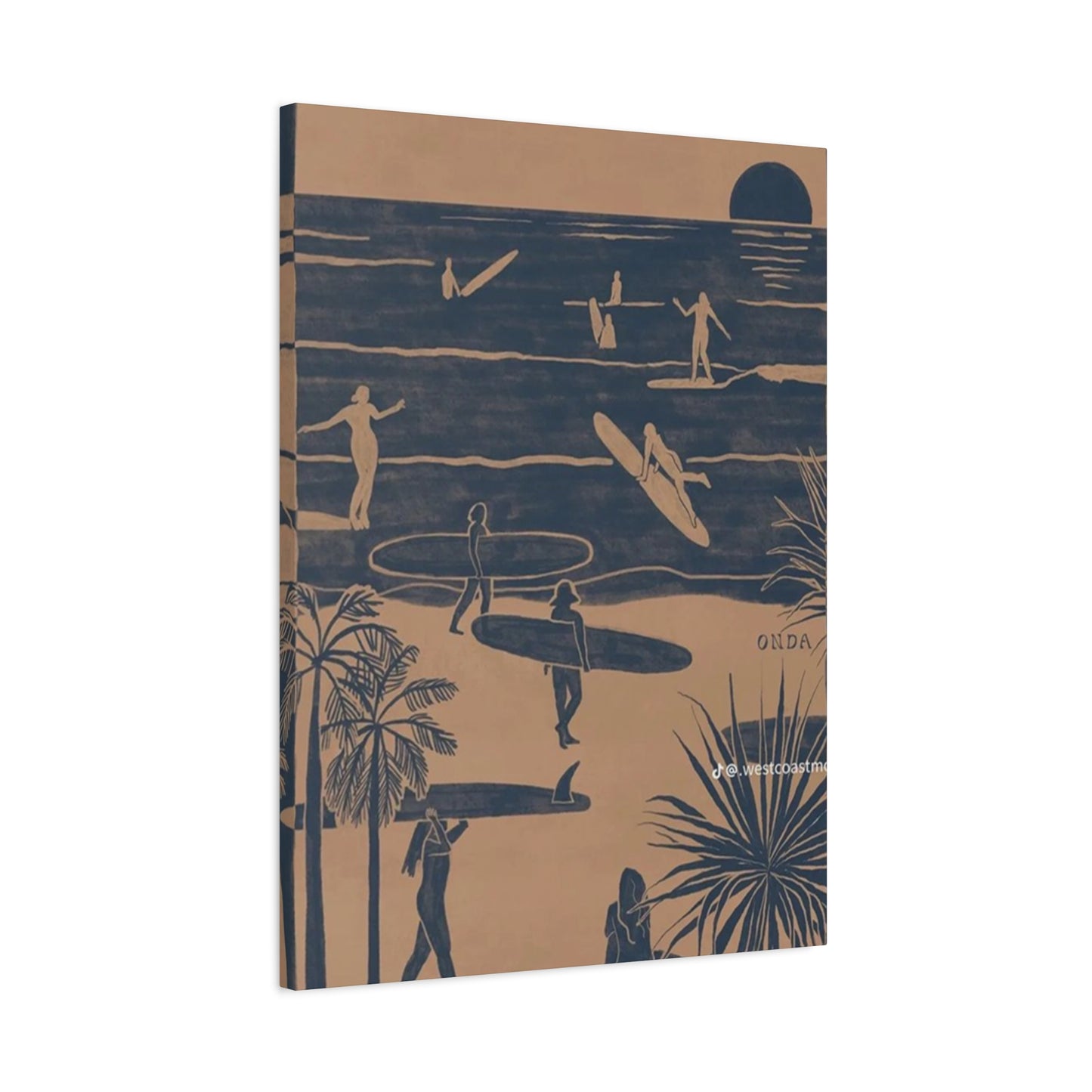
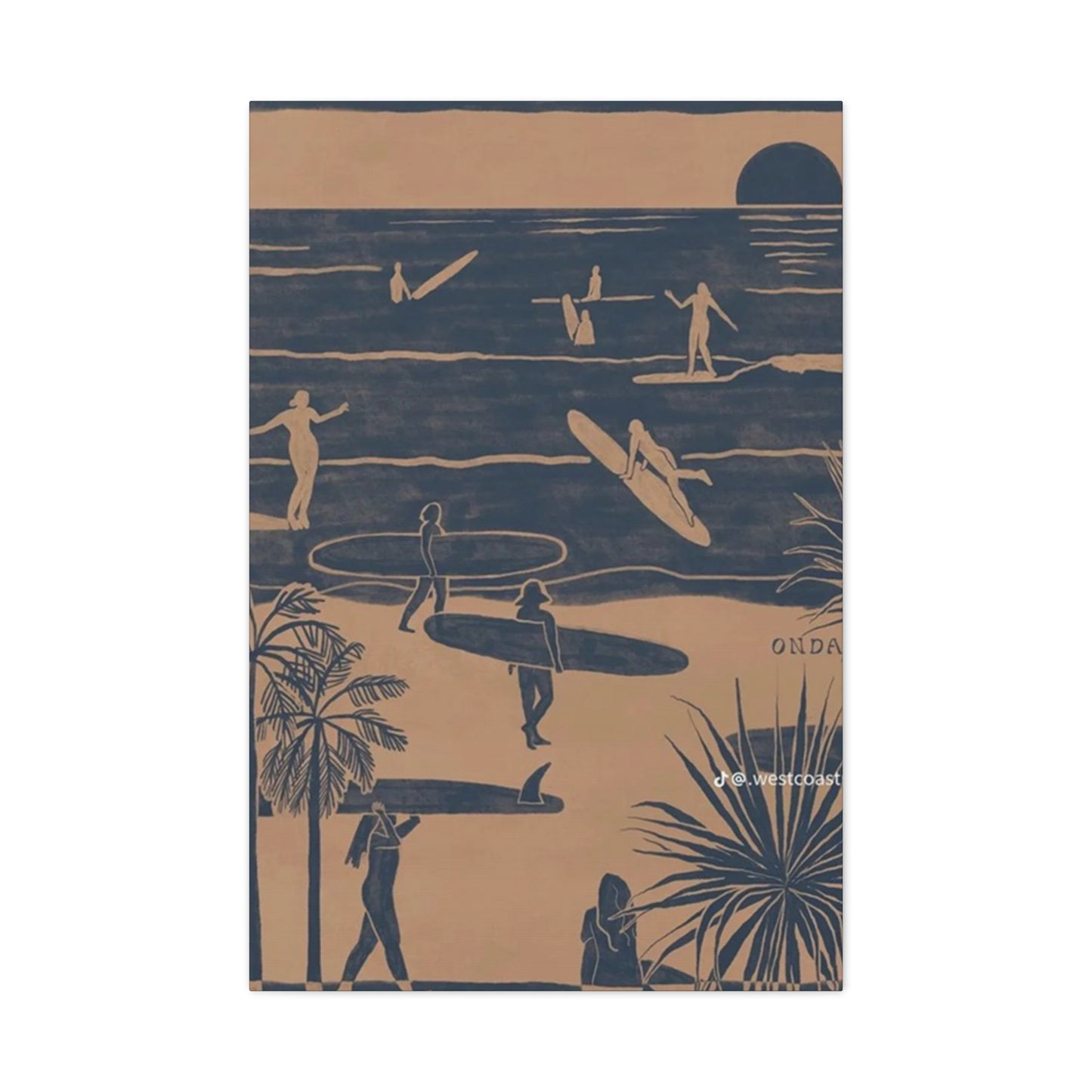
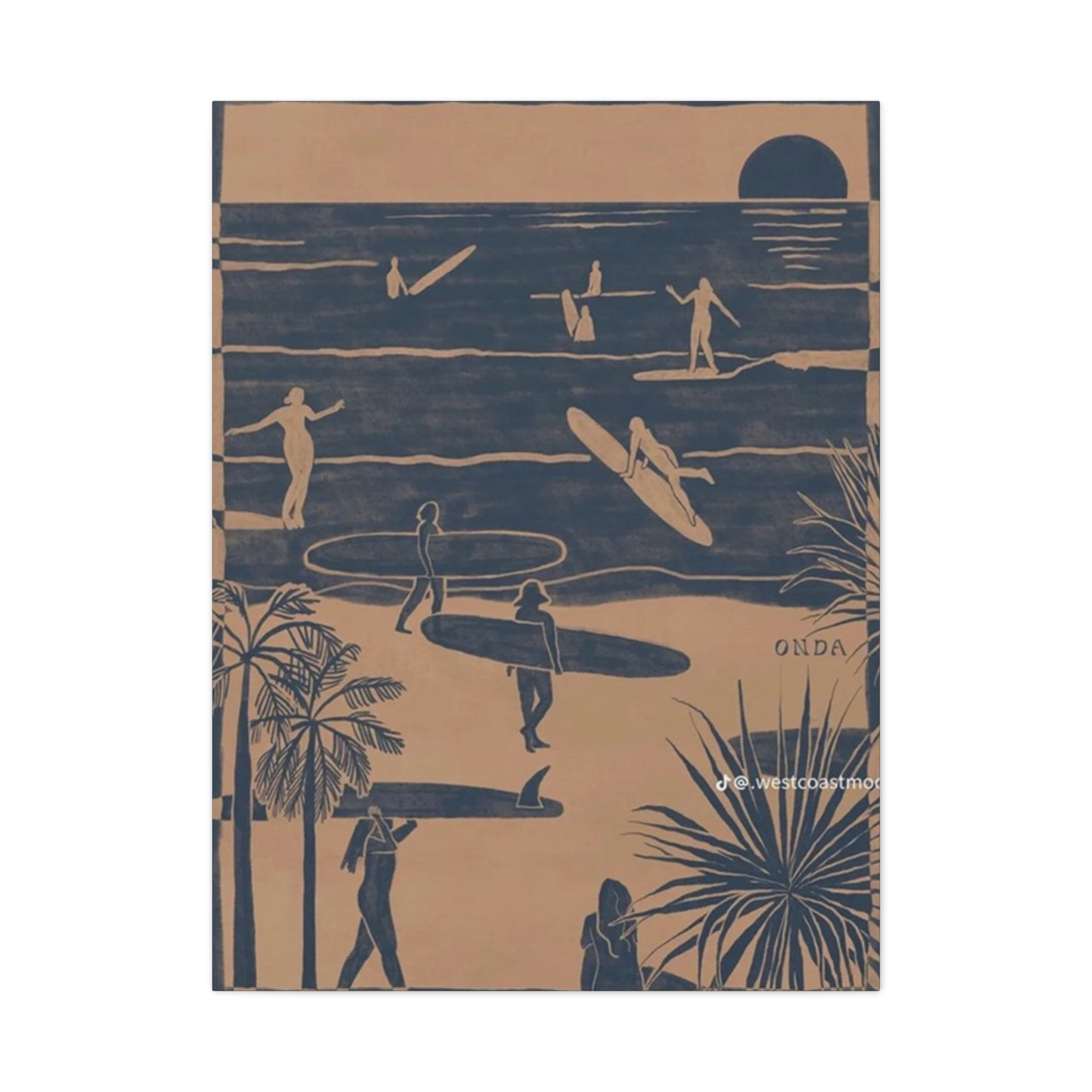
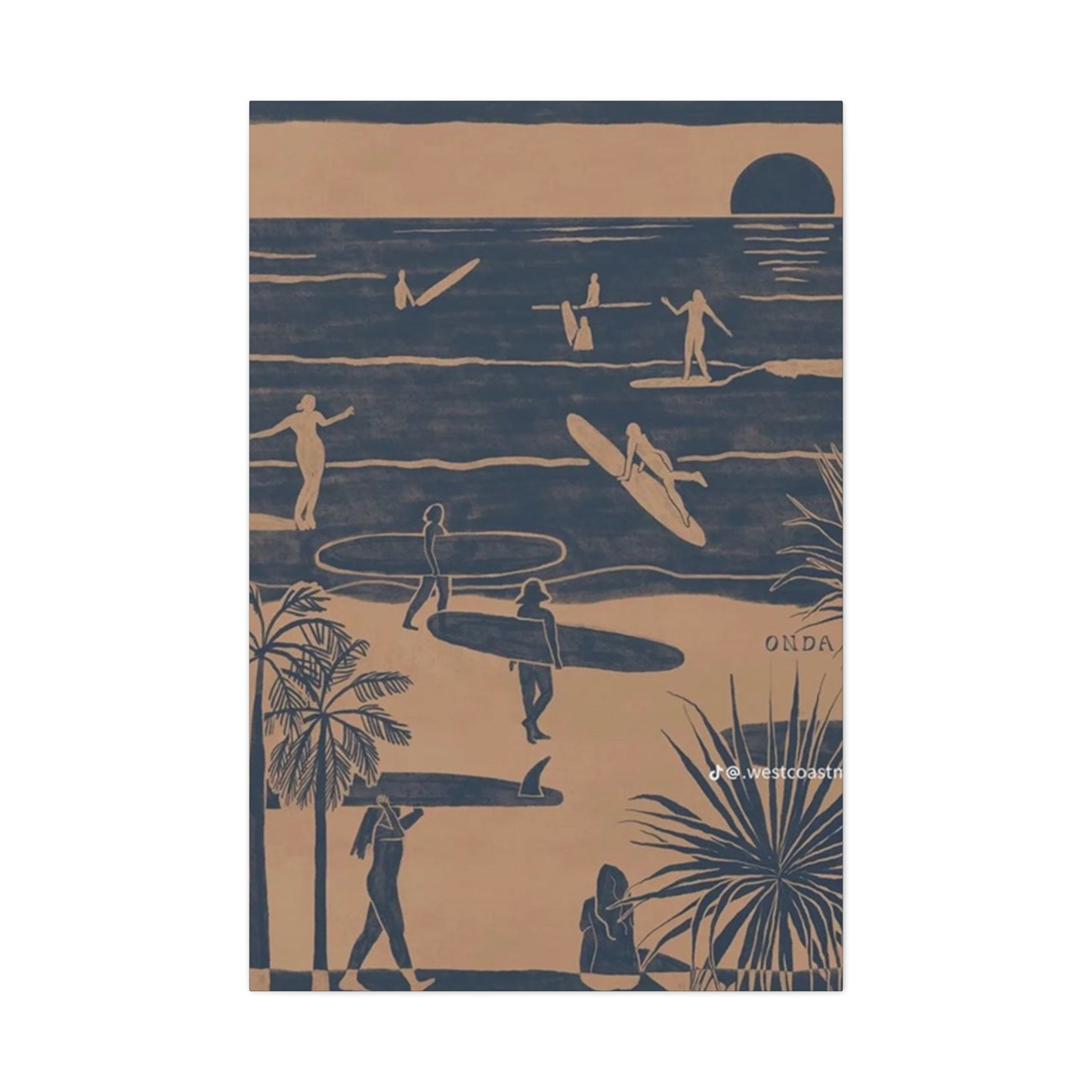
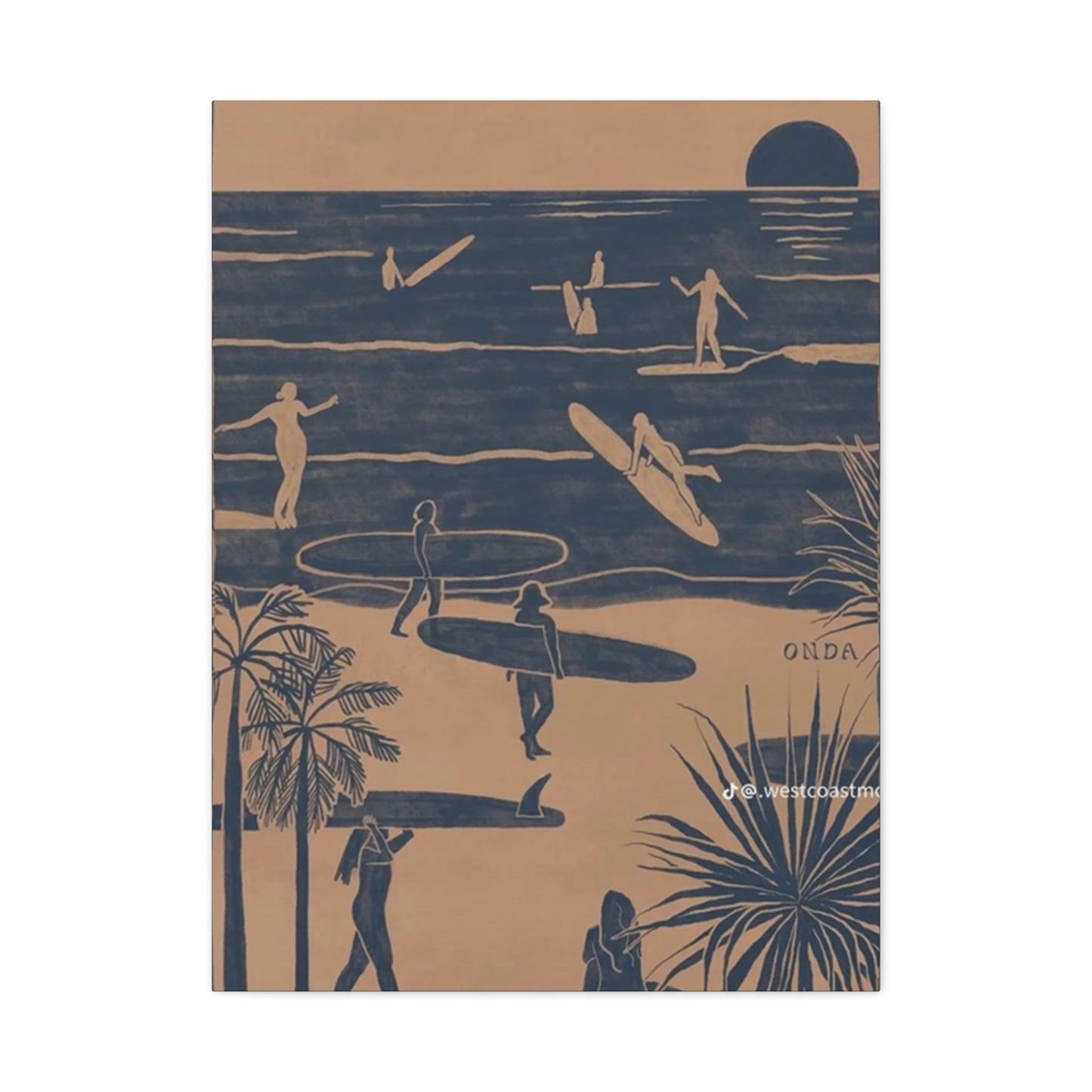
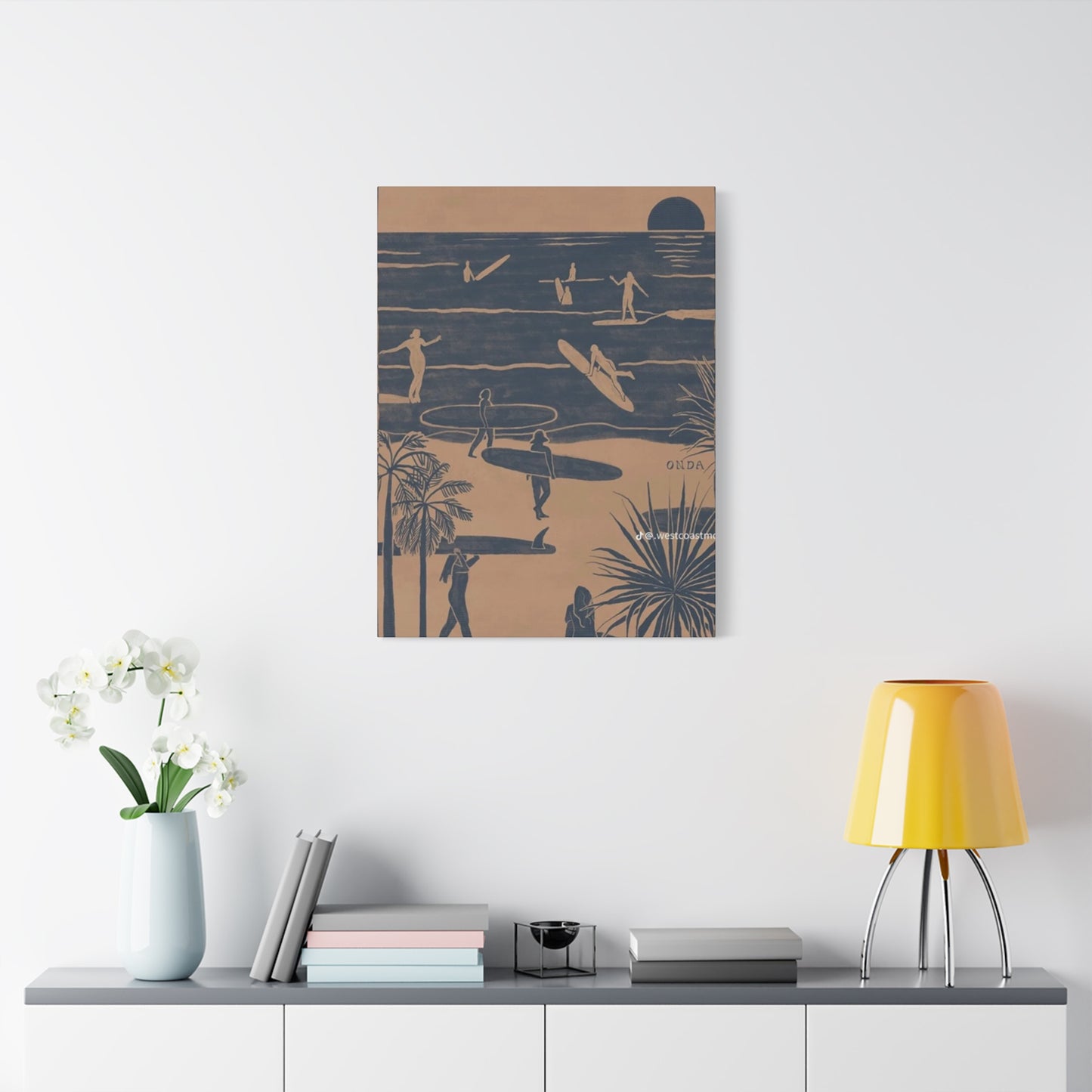
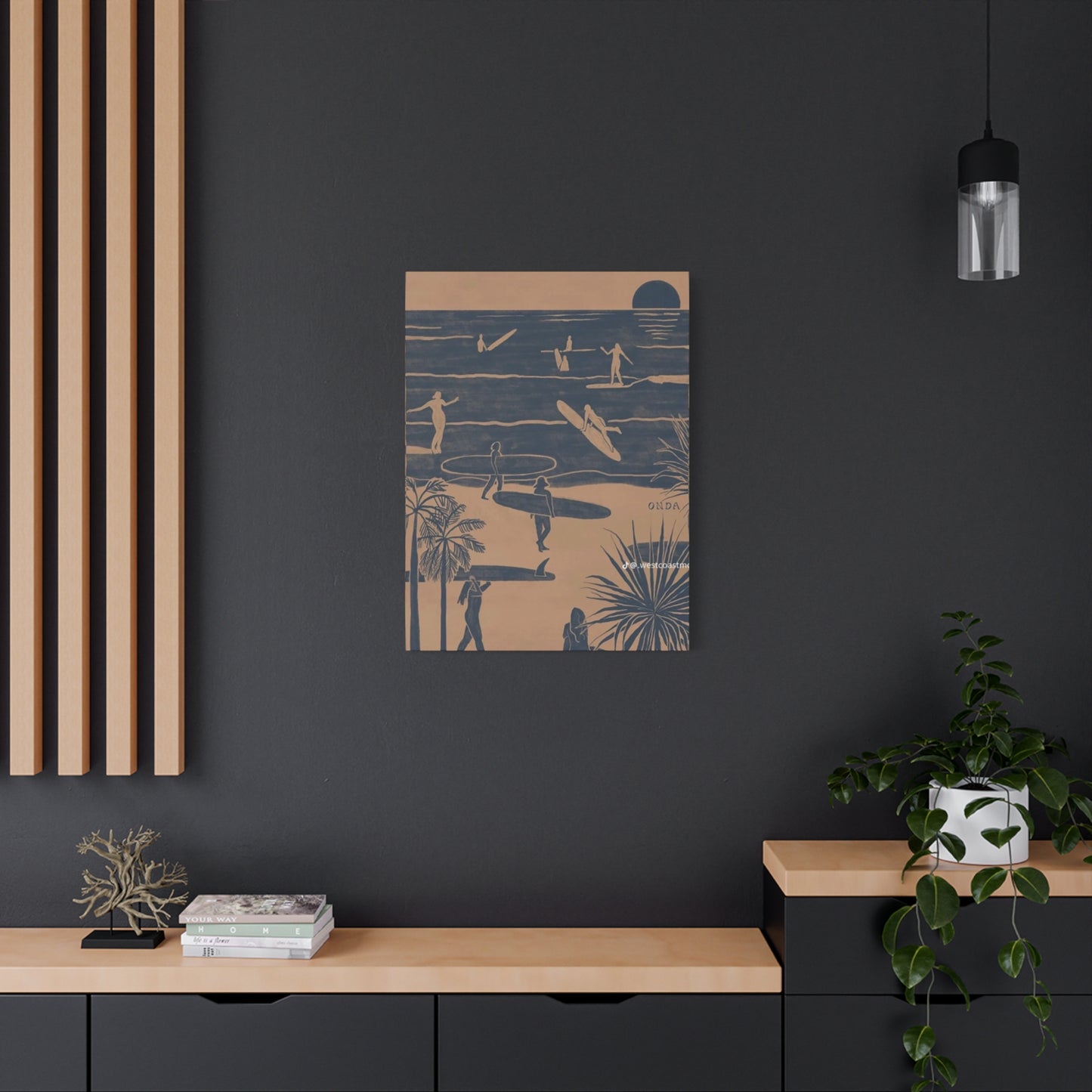
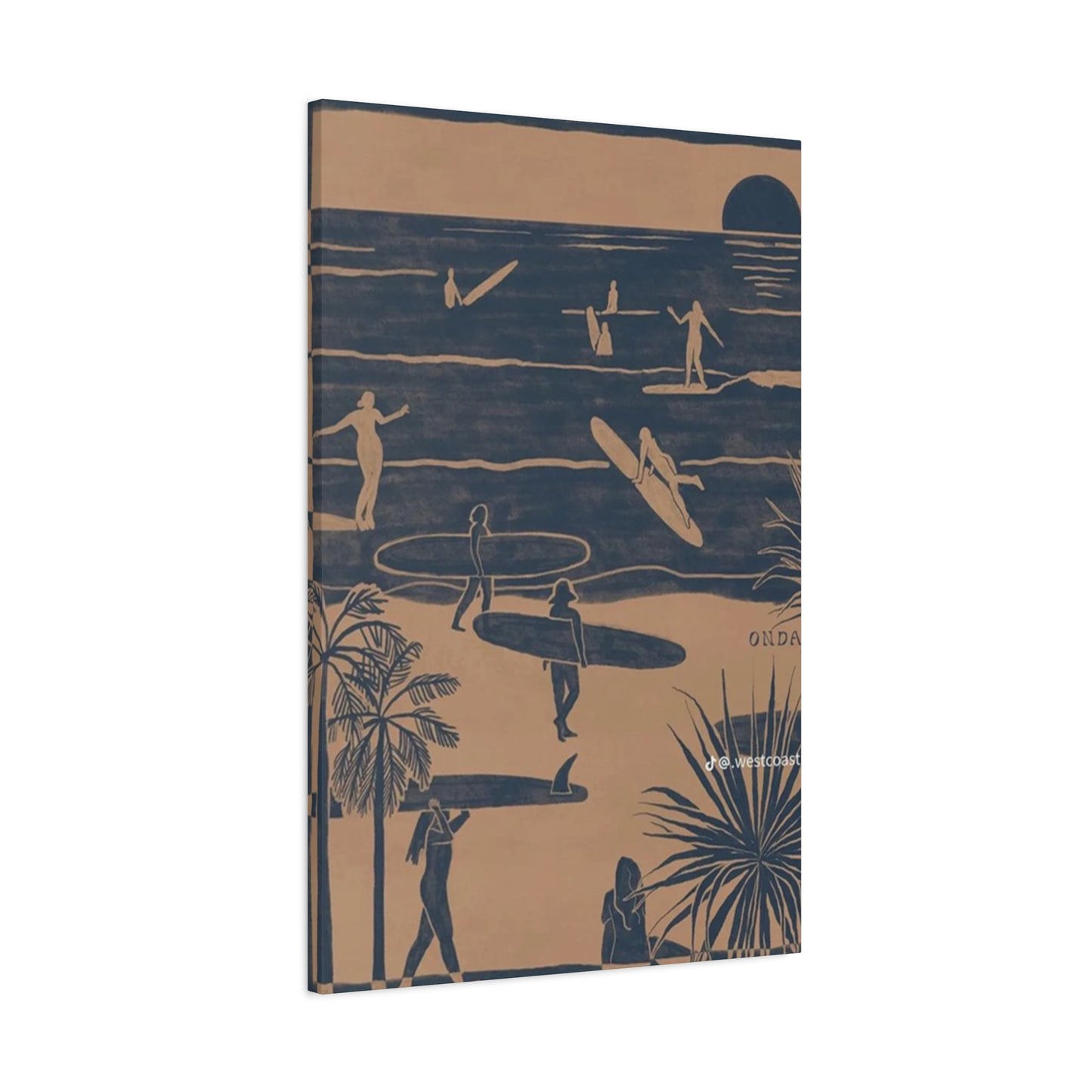
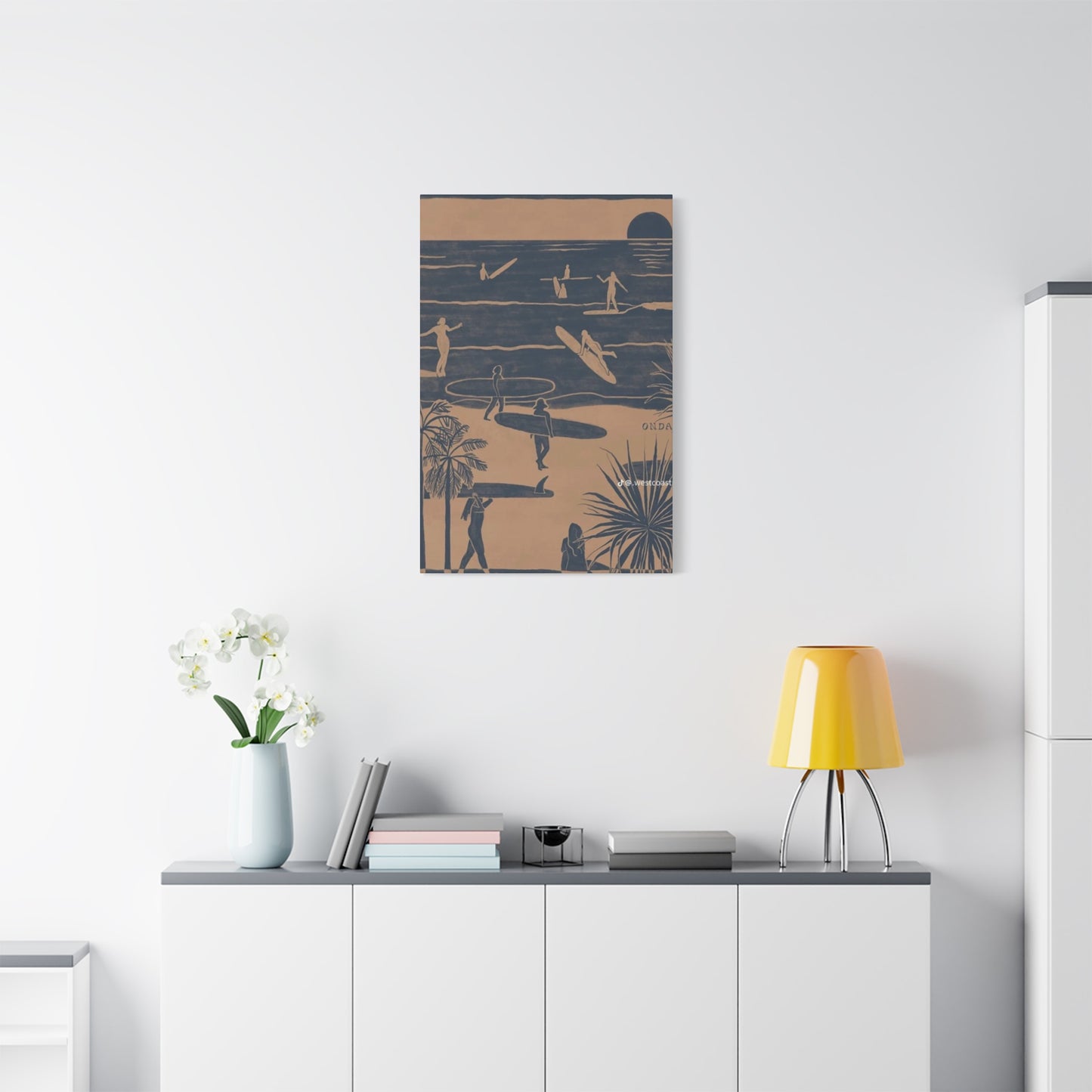
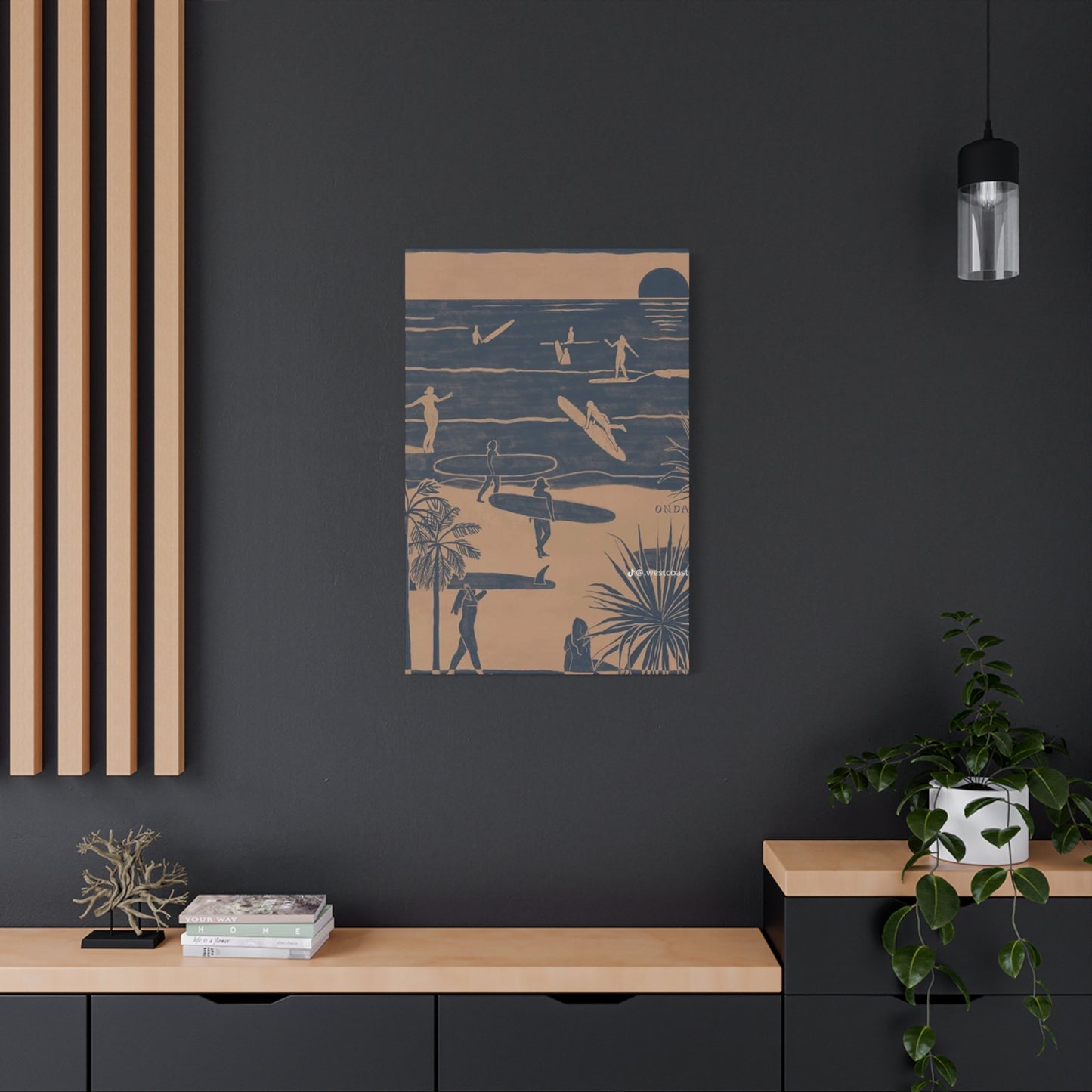
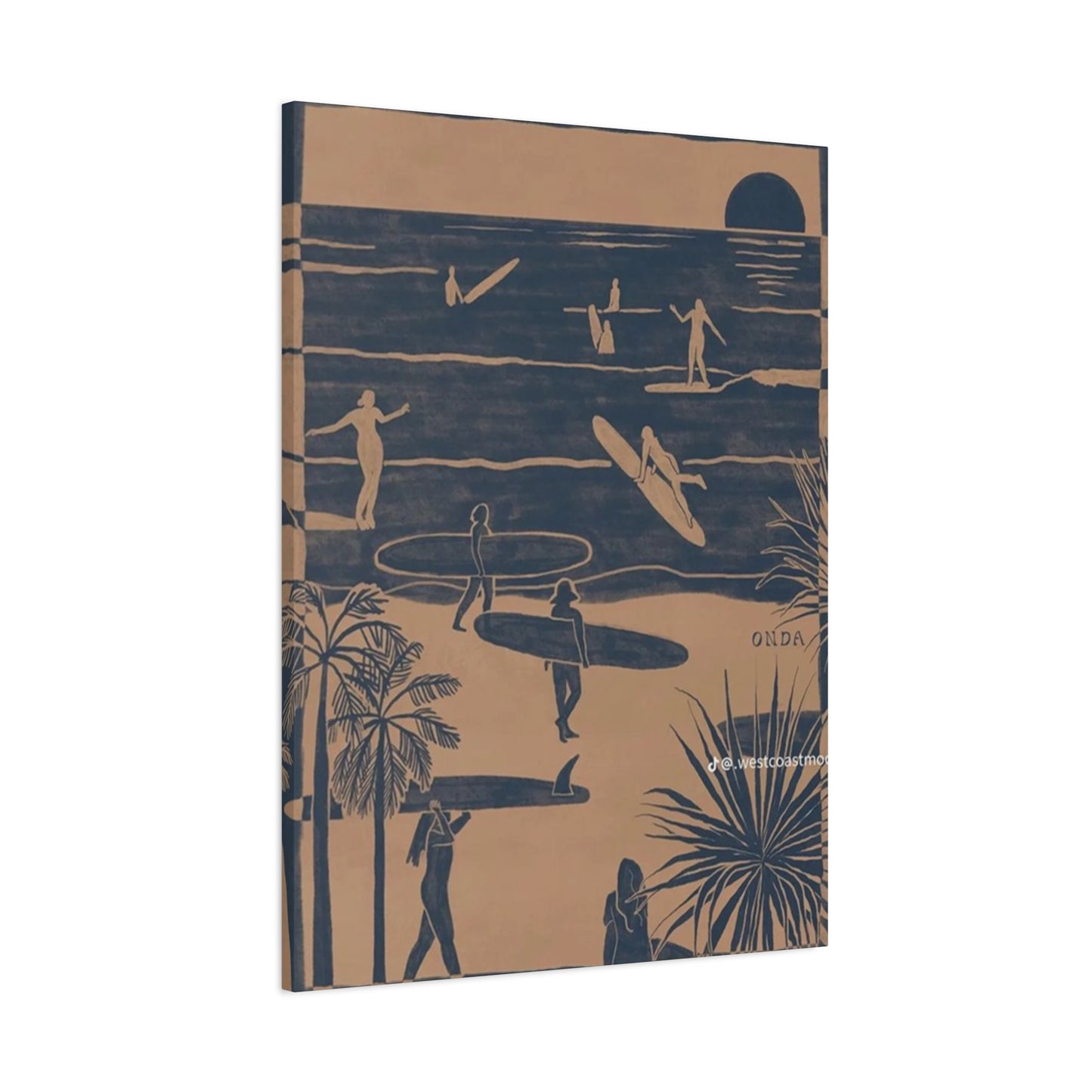
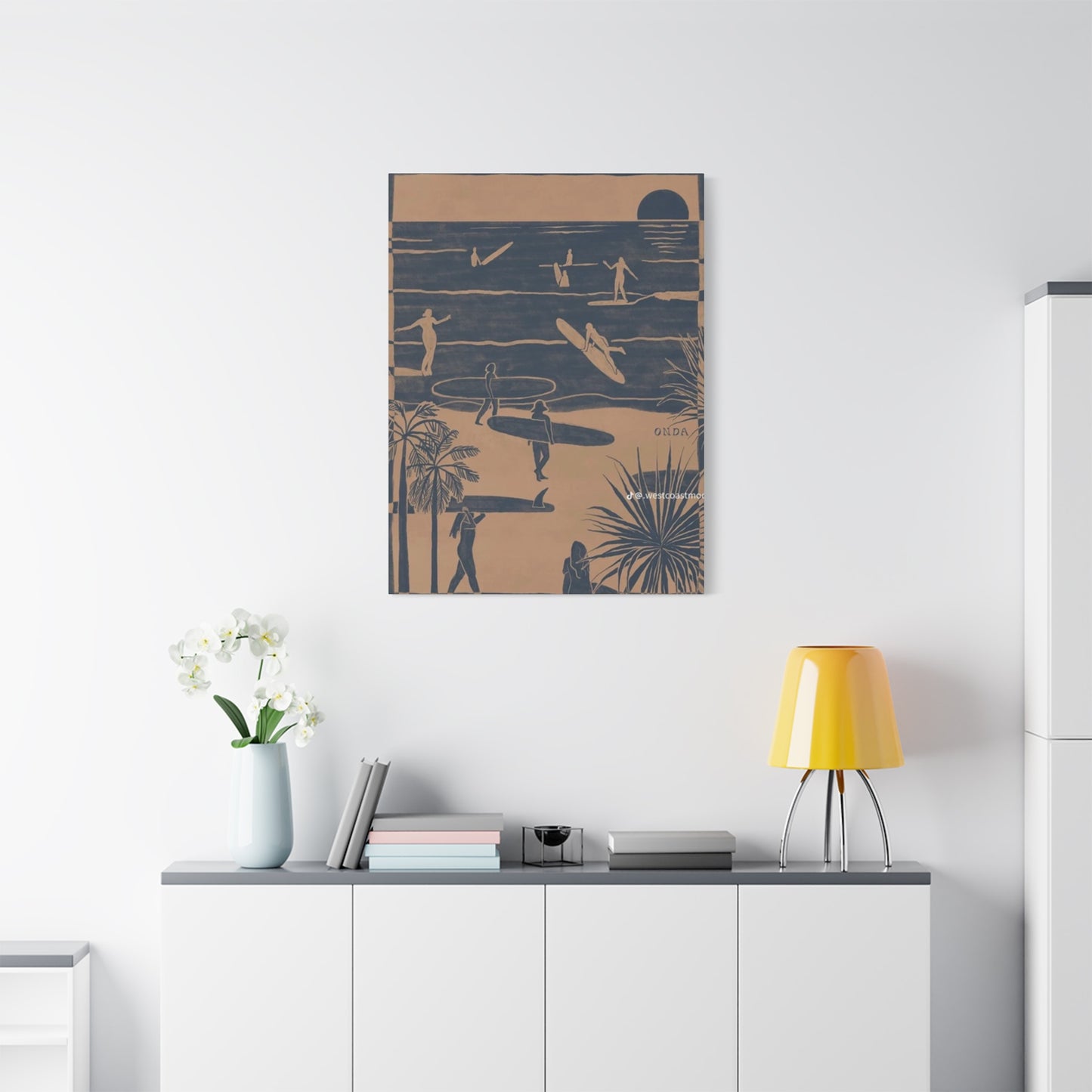
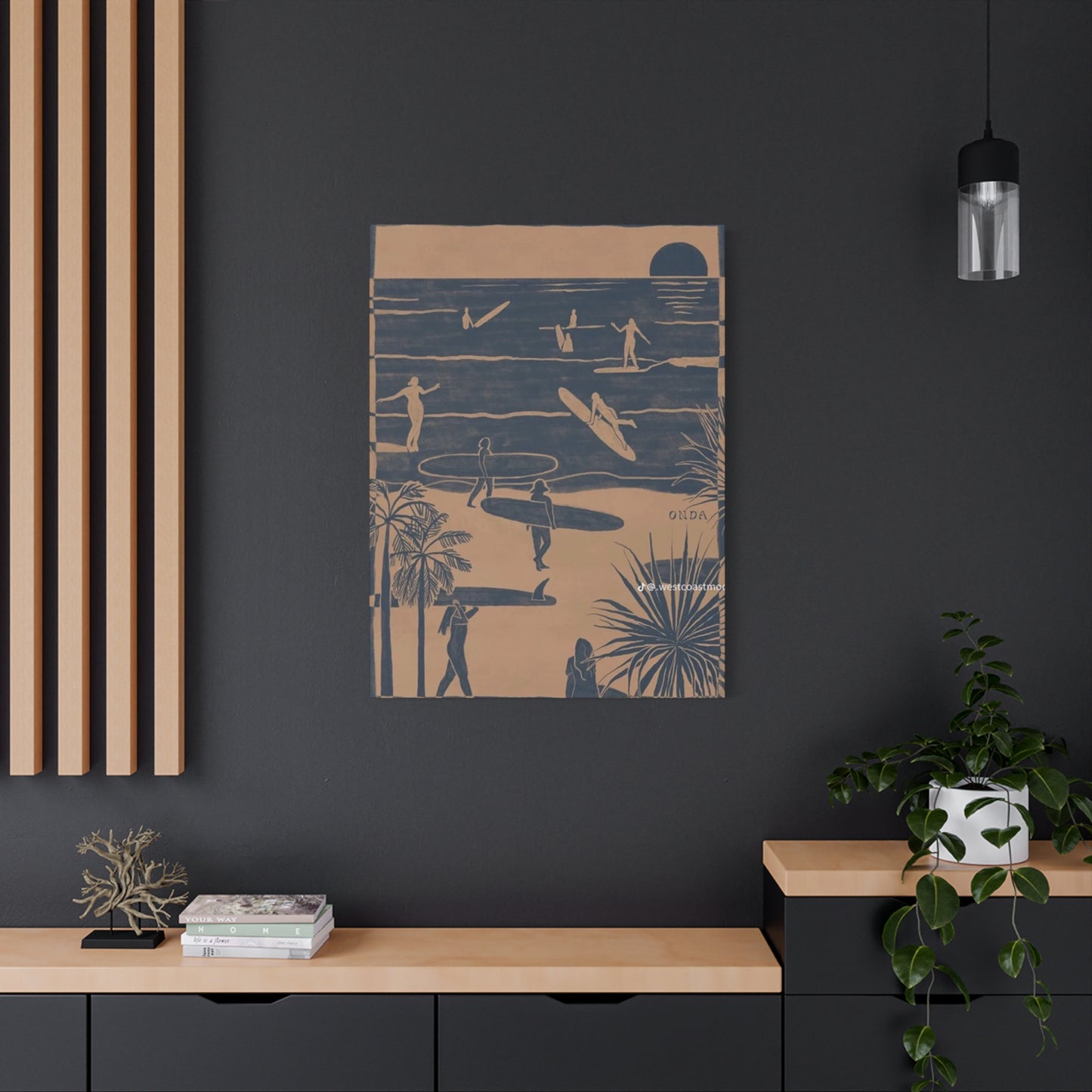
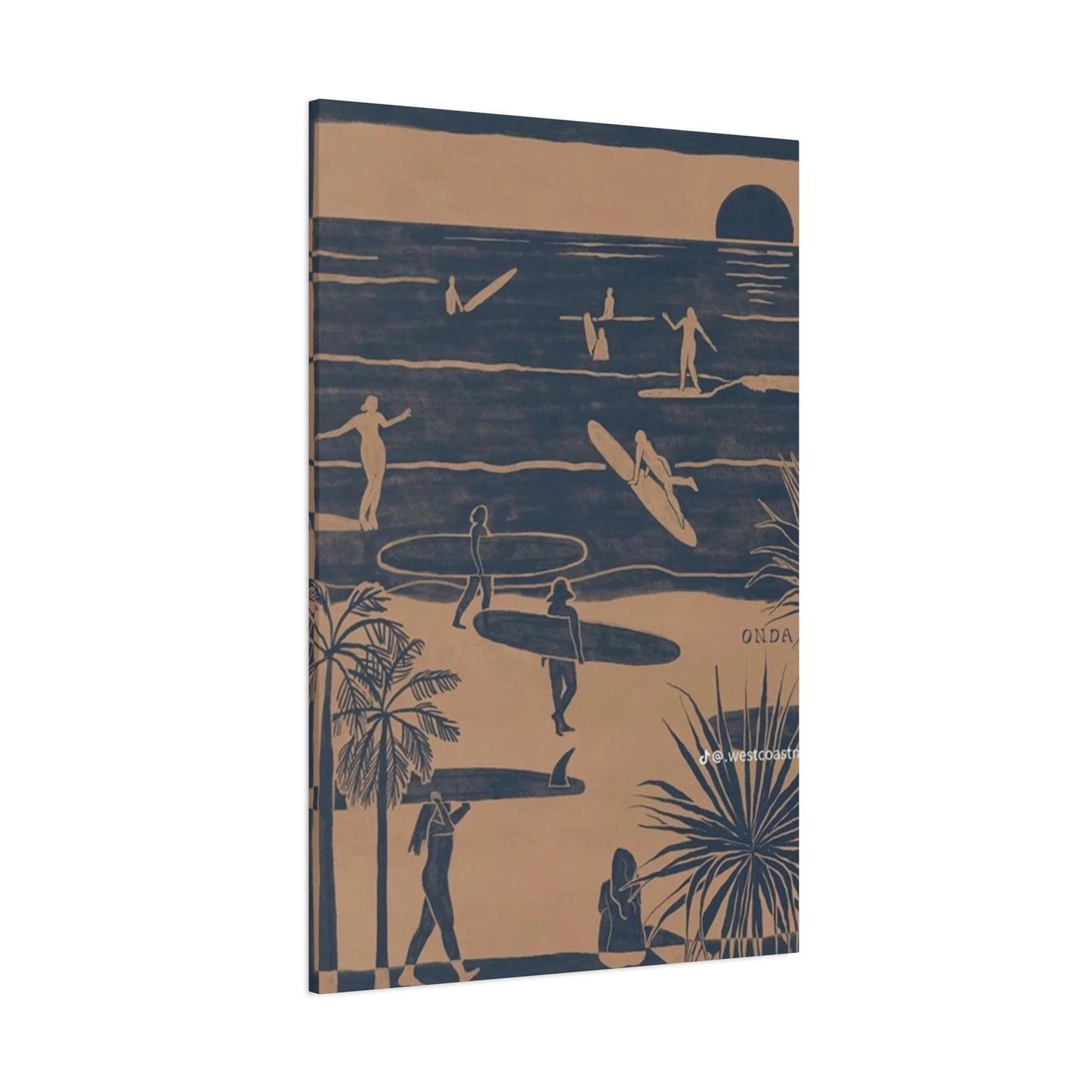
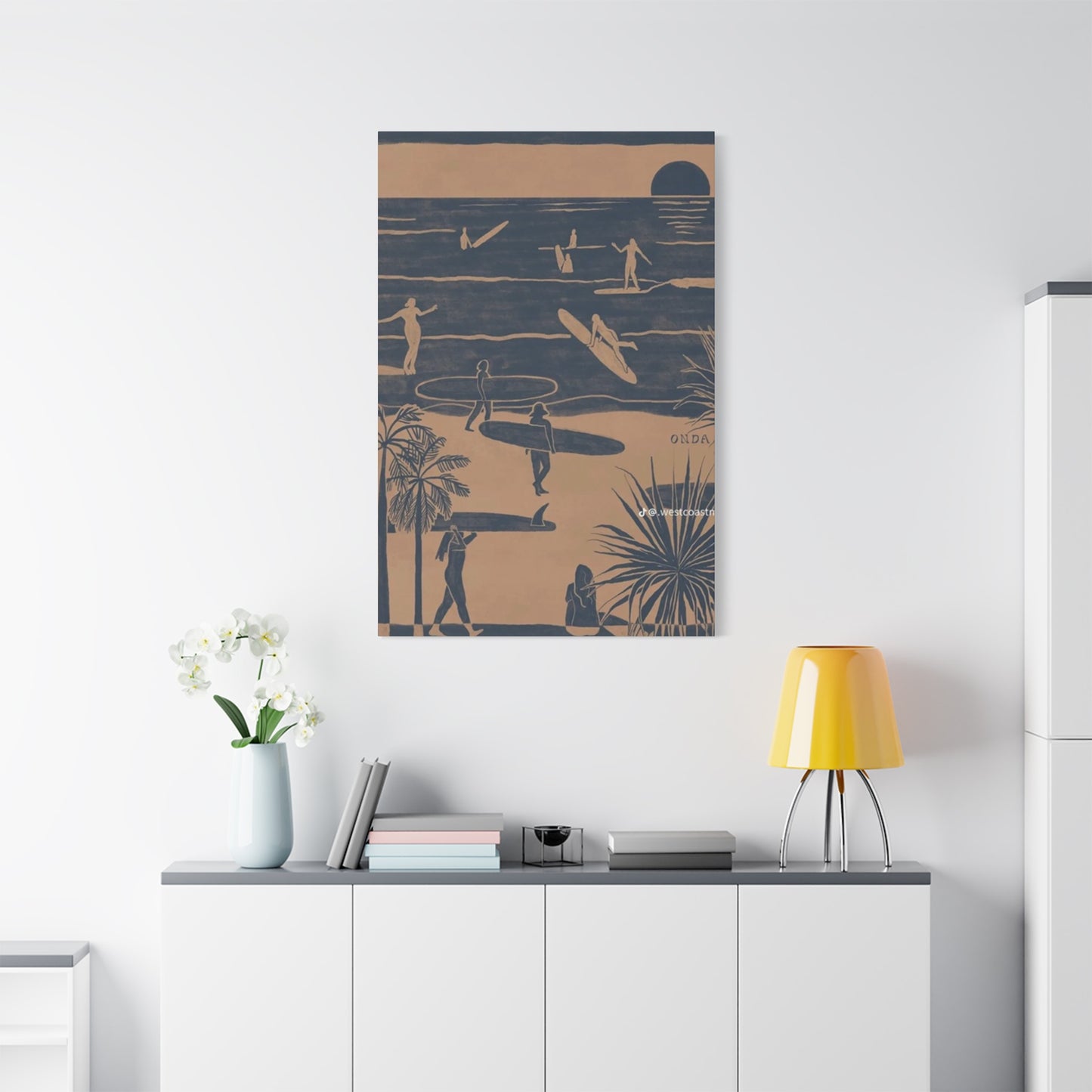
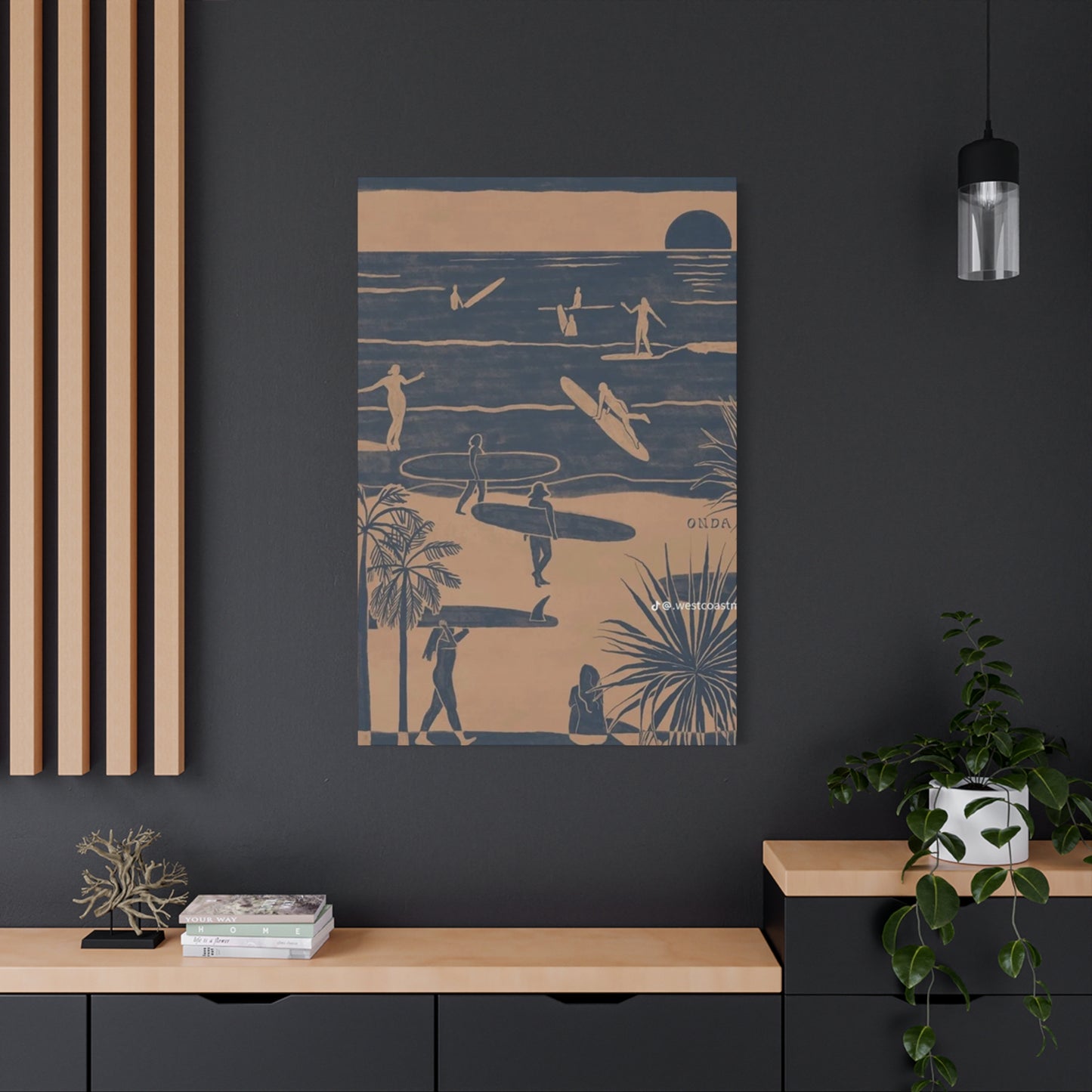
Beach Surfing Painting Wall Art & Canvas Prints
Beach Surfing Painting Wall Art & Canvas Prints
Couldn't load pickup availability
From Canvas to Living Room: How Beach Surfing Painting Wall Art Are Defining Modern Coastal Home Décor
The intersection of coastal lifestyle and visual artistry has created a remarkable phenomenon in contemporary interior design. Beach surfing painting wall art represents far more than decorative pieces hanging on residential or commercial walls. These creations embody the untamed spirit of ocean waves, the adrenaline-fueled moments of riders carving through water, and the serene beauty of coastal landscapes. This form of artistic expression has transcended traditional boundaries, becoming a cornerstone of modern aesthetic preferences for individuals who cherish maritime culture, adventure sports, and the tranquil essence of seaside environments.
The allure of beach surfing painting wall art stems from its ability to transport viewers to sun-drenched shores, where turquoise waters meet golden sands and where surfers dance with nature's most powerful force. Each brushstroke captures the ephemeral moments when human determination meets oceanic majesty, creating visual narratives that resonate deeply with enthusiasts and casual admirers alike. These artistic representations serve as constant reminders of freedom, adventure, and the eternal connection between humanity and the sea.
The Cultural Significance Behind Oceanic Artwork in Contemporary Living Spaces
Throughout human civilization, the ocean has held profound symbolic meaning across diverse cultures and societies. Maritime imagery has adorned dwellings for centuries, representing everything from prosperity and abundance to adventure and exploration. In modern times, beach surfing painting wall art has evolved into a sophisticated expression of lifestyle choices and personal values. These pieces communicate far more than aesthetic preferences; they reveal the inhabitant's connection to nature, their appreciation for risk-taking endeavors, and their yearning for environments that evoke tranquility and excitement simultaneously.
The phenomenon of incorporating coastal-themed artwork into living spaces reflects a broader societal shift toward experiential living. As urban populations grow and concrete jungles expand, individuals increasingly seek visual connections to natural environments. The presence of beach surfing painting wall art in apartments, offices, and public spaces serves as an antidote to the stress and monotony of city life. These pieces create mental escapes, allowing viewers to momentarily transport themselves to wave-swept beaches where worries dissolve like foam on the shore.
Furthermore, the popularity of such artwork intersects with the global surf culture that has permeated mainstream consciousness. What began as a niche pursuit practiced by coastal communities has transformed into a worldwide movement encompassing millions of participants and admirers. The sport's aesthetic elements—the graceful movements of riders, the majestic curl of waves, the interplay of light on water—provide endless inspiration for visual artists seeking to capture motion, energy, and natural beauty within static frames.
Diverse Artistic Styles Represented in Coastal Wave Imagery
The realm of beach surfing painting wall art encompasses an extraordinary spectrum of artistic approaches, each offering distinct visual experiences and emotional resonances. Realistic representations meticulously recreate the precise details of coastal scenes, from the crystalline transparency of wave faces to the weathered textures of surfboards and the anatomical accuracy of riders in motion. These works appeal to purists who appreciate technical mastery and the faithful documentation of surfing's physical realities.
Impressionistic interpretations, conversely, prioritize mood and atmosphere over precise representation. Artists working in this mode employ loose brushwork, vibrant color palettes, and abstract forms to convey the sensory experience of being near the ocean. These pieces capture the shimmering quality of sunlight on water, the hazy boundaries between sea and sky, and the kinetic energy of waves in perpetual motion. The resulting artworks evoke emotional responses rather than providing documentary accuracy, creating deeply personal connections with viewers.
Abstract expressions push boundaries even further, deconstructing oceanic elements into pure form, color, and gesture. In these works, waves might become sweeping arcs of cerulean and turquoise, surfers reduced to dynamic lines suggesting movement and balance. These pieces challenge viewers to engage more actively with the artwork, projecting their own experiences and emotions onto canvases that suggest rather than depict. The abstract approach to beach surfing painting wall art appeals to collectors seeking thought-provoking pieces that complement minimalist or contemporary interior designs.
Contemporary mixed-media approaches combine traditional painting with collage elements, digital manipulations, or unconventional materials. Artists might incorporate actual sand, weathered wood fragments, or resin to create textured surfaces that engage multiple senses. These innovative works blur the boundaries between two-dimensional painting and three-dimensional sculpture, offering tactile dimensions that enhance visual impact. Such pieces particularly appeal to collectors who value originality and experimental approaches to traditional subject matter.
Color Theory and Palette Selections in Maritime Artistic Creations
The chromatic choices made by artists creating beach surfing painting wall art significantly influence the emotional impact and aesthetic compatibility of these works. Understanding the psychological and visual effects of color selections helps collectors make informed decisions when selecting pieces for specific environments. The ocean's natural color spectrum—ranging from deep navy and indigo in offshore waters to crystalline turquoise in shallow reef breaks—provides a foundational palette that artists variously embrace or subvert depending on their creative intentions.
Warm color schemes incorporating oranges, reds, and yellows evoke sunset surf sessions, tropical climates, and the energetic excitement of summer beach culture. These palettes create inviting, energized atmospheres particularly suited to social spaces like living rooms and entertainment areas. The warmth of such colors psychologically raises ambient temperature perception and stimulates conversation and social interaction.
Cool palettes dominated by blues, greens, and purples create calming, meditative environments reminiscent of early morning surf sessions or the tranquil depths beneath wave surfaces. These color schemes work exceptionally well in bedrooms, meditation spaces, or professional environments where focus and serenity are priorities. The psychological effects of cool colors include reduced stress levels, enhanced concentration, and feelings of spaciousness—particularly valuable in smaller rooms or urban apartments.
Monochromatic approaches utilizing variations of single hues create sophisticated, unified visual statements. Black and white beach surfing painting wall art, for instance, emphasizes form, composition, and tonal contrast while eliminating the distraction of multiple colors. These pieces possess timeless elegance and integrate seamlessly into diverse decorating schemes. The absence of color focuses attention on the fundamental elements of artistic composition—line, shape, value, and texture.
Complementary color pairings, such as orange against blue or yellow against purple, create maximum visual contrast and dynamic energy. Artists employing complementary schemes often seek to capture the dramatic moments of surfing—the explosive collision of rider and wave, the contrast between human form and aquatic environment, or the tension between calm horizons and turbulent whitewater. These high-contrast pieces serve as focal points in room designs, commanding attention and creating memorable visual impact.
Compositional Elements That Define Powerful Coastal Artwork
Successful beach surfing painting wall art relies on fundamental compositional principles that guide viewer attention and create balanced, engaging visual experiences. Artists manipulate various elements—foreground, middle ground, and background; horizontal versus vertical orientation; negative space; and focal points—to construct compelling narratives within rectangular frames.
The rule of thirds, a foundational principle borrowed from photography, divides compositions into nine equal sections using two horizontal and two vertical lines. Placing key elements—a surfer's figure, the curl of a wave, or the horizon line—along these divisions or at their intersections creates naturally balanced, aesthetically pleasing arrangements. Many renowned beach surfing painting wall art pieces utilize this principle, often positioning surfers at intersection points while allowing wave forms and sky to occupy supporting areas.
Diagonal compositions inject dynamic movement into static images, perfectly suited to capturing surfing's inherent motion. Artists frequently position wave faces or surfer trajectories along diagonal axes, creating visual pathways that guide eyes through the composition while suggesting ongoing action. This approach particularly suits horizontal rectangular canvases that echo the expansive width of ocean horizons.
Vertical orientations, though less common in beach surfing painting wall art, offer opportunities for emphasizing the height and power of massive waves or the vertical drop of surfers descending wave faces. These compositions create drama through towering perspectives, making viewers feel simultaneously awed and vulnerable before nature's might.
Strategic use of negative space—areas of composition left relatively empty or simplified—provides visual breathing room and prevents overcrowded, chaotic arrangements. In beach surfing painting wall art, negative space might consist of expansive sky areas, smooth water surfaces, or simplified foreground elements. These zones balance busier sections depicting complex wave structures or detailed surfer figures, allowing viewers' eyes to rest periodically while scanning the composition.
The Emotional Resonance Created by Oceanic Visual Narratives
Beach surfing painting wall art possesses unique capacity to evoke profound emotional responses, functioning as more than mere decoration. These pieces tap into universal human experiences and aspirations—the desire for freedom, the thrill of challenging oneself against natural forces, the meditative quality of water, and the nostalgic pull of memorable moments spent near the sea.
For individuals who have personally experienced surfing, these artworks trigger vivid sensory memories. The sight of a painted wave might recall the feeling of cold water rushing past skin, the taste of salt on lips, the sound of breaking surf, or the exhilarating sensation of gliding across liquid surfaces. These multi-sensory associations transform visual artworks into portals accessing entire experiential landscapes stored in memory.
Even viewers without direct surfing experience respond emotionally to well-executed beach surfing painting wall art. The universal appeal of water, the archetypal power of waves, and the admiration for individuals pushing physical boundaries create connections that transcend personal experience. These pieces speak to fundamental human responses to nature's beauty and power, triggering feelings of awe, respect, and humility before forces greater than ourselves.
The calming effects of water imagery have been documented in numerous scientific studies examining environmental psychology and stress reduction. Hospital waiting rooms, dental offices, and corporate wellness centers frequently incorporate beach surfing painting wall art specifically to reduce anxiety and create soothing atmospheres. The repetitive patterns of waves, the organic curves of water forms, and the associations with vacation and leisure all contribute to measurable reductions in stress indicators.
Conversely, action-oriented beach surfing painting wall art depicting dramatic moments—surfers launching off wave lips, massive barrels closing overhead, or wipeouts in chaotic whitewater—stimulates excitement and energy. These pieces work well in fitness facilities, adventure sports shops, or home offices where motivation and dynamism are desired atmospheric qualities. The implied motion and risk-taking depicted in such artworks can inspire viewers to embrace challenges in their own lives.
Material Considerations for Enduring Coastal Artwork Displays
The longevity and visual quality of beach surfing painting wall art depend significantly on material choices made during creation and subsequent display. Understanding these factors helps collectors protect investments and maintain optimal appearance over decades.
Canvas remains the most traditional and popular substrate for beach surfing painting wall art. Quality cotton or linen canvases properly primed provide ideal surfaces for various paint types while offering subtle texture that enhances visual interest. Stretched canvas installations create depth through the space between artwork and wall, casting subtle shadows that increase dimensional presence. Gallery-wrapped canvases, where painted surfaces continue around frame edges, offer modern, frameless presentation options particularly suited to contemporary spaces.
Wood panels provide alternative substrates with distinct characteristics. Rigid surfaces allow extremely detailed work impossible on flexible canvas, while wood grain adds subtle textural elements visible beneath thin paint layers. Birch plywood, maple, and specially manufactured artist panels offer archival stability. Some contemporary artists deliberately incorporate visible wood grain into compositions, allowing substrate to become active design element rather than passive support.
Paper-based artworks, including watercolors and certain mixed media pieces, require protection from environmental factors. Quality archival papers resist yellowing and deterioration, but remain vulnerable to moisture, direct sunlight, and physical contact. Beach surfing painting wall art created on paper typically requires framing behind UV-protective glass or acrylic, adding cost but ensuring preservation.
Paint selection profoundly impacts appearance, longevity, and maintenance requirements. Acrylic paints offer vibrant colors, quick drying times, and excellent lightfastness when quality pigments are used. Their water-based nature simplifies cleanup and reduces toxic fume concerns, making acrylics popular among contemporary artists. Oil paints provide rich, luminous colors and extended working times allowing subtle blending and detailed refinement. However, oils require longer curing periods and involve solvents with health and environmental considerations.
Watercolors create luminous, translucent effects perfect for capturing light's interaction with water surfaces. The medium's flowing, unpredictable nature suits impressionistic approaches to beach surfing painting wall art. However, watercolors are particularly susceptible to fading from light exposure, necessitating careful display placement and protective framing.
Protective coatings applied as final steps shield artwork from dust accumulation, moisture infiltration, and ultraviolet damage. Varnishes for oil and acrylic paintings come in various finishes—matte, satin, or gloss—each creating different visual effects. Gloss varnishes intensify colors and create reflective surfaces reminiscent of wet paint, while matte finishes reduce glare and create understated elegance. Removable varnishes allow future cleaning or restoration without damaging underlying paint layers.
Dimensional Specifications and Spatial Planning for Visual Impact
Selecting appropriately sized beach surfing painting wall art requires careful consideration of display environment dimensions, viewing distances, and surrounding design elements. Improperly scaled artwork creates imbalanced compositions that diminish both the piece's impact and the room's overall aesthetic coherence.
Large-scale works measuring four feet or wider create commanding focal points suitable for spacious living rooms, lobbies, or commercial spaces. These substantial pieces require adequate wall space—typically the artwork should occupy roughly two-thirds to three-quarters of the available wall width. Viewing distance matters significantly; massive pieces lose impact when observed from too close, as eyes cannot encompass the entire composition without excessive head movement. Ideal viewing distance for large beach surfing painting wall art typically equals approximately one-and-a-half to two times the artwork's diagonal measurement.
Medium-sized pieces ranging from twenty-four to forty-eight inches suit most residential applications, including bedrooms, dining areas, and home offices. These dimensions provide sufficient visual presence without overwhelming moderate spaces. Multiple medium-sized works can be arranged as gallery walls, creating varied, personalized displays that tell visual stories through curated selections.
Small-format beach surfing painting wall art works effectively in intimate spaces, transitional areas like hallways, or as components of larger gallery wall arrangements. Pieces smaller than twenty-four inches require closer viewing to appreciate details, making them suitable for locations where viewers naturally approach closely—adjacent to doorways, above desks, or in powder rooms.
Orientation significantly affects spatial perception and design harmony. Horizontal rectangles naturally complement the horizontal expanse of ocean horizons depicted in beach surfing painting wall art while echoing the proportions of most furniture pieces—sofas, credenzas, beds. These orientations create visual stability and restfulness. Vertical orientations introduce dynamic energy and work particularly well in spaces with high ceilings or narrow wall sections. Square formats offer balanced, modern alternatives that work flexibly in diverse contexts.
Multiple-panel installations, where single compositions extend across two or more separate canvases, create dramatic contemporary statements. Diptychs, triptychs, and larger multi-panel arrangements allow artworks to span extremely wide spaces while maintaining manageable individual panel sizes. The spacing between panels becomes part of the overall composition, with gaps typically ranging from two to six inches depending on overall scale. These segmented presentations suit modern interiors and create architectural elements through artistic means.
Strategic Placement Guidelines for Maximum Aesthetic Effectiveness
Proper positioning of beach surfing painting wall art dramatically affects its visual impact and the overall atmosphere of interior spaces. Numerous factors influence optimal placement decisions, including lighting conditions, furniture arrangements, architectural features, and traffic patterns.
Height placement follows general guidelines suggesting artwork centers should align with average human eye level, typically fifty-seven to sixty inches from floor to artwork center. This standard creates comfortable viewing experiences without requiring viewers to crane necks or stoop. However, context sometimes requires adjustments—artwork above furniture should maintain six to twelve inches of clearance above the highest furniture element, ensuring visual connection between pieces while preventing crowded appearances.
Lighting profoundly influences how beach surfing painting wall art appears throughout daily cycles. Natural light from windows creates constantly changing illumination that brings canvases to life, with shifting sun angles revealing different aspects of brushwork and color. However, direct sunlight causes fading and deterioration, particularly affecting watercolors and certain fugitive pigments. Positioning artwork perpendicular to windows rather than directly opposite minimizes direct sun exposure while maintaining ambient natural light benefits.
Artificial lighting allows controlled, consistent illumination regardless of time or weather conditions. Picture lights mounted directly on frames or walls above artworks create focused illumination that highlights textures and colors while creating dramatic shadowing effects. Track lighting offers flexible positioning options suitable for gallery wall arrangements or regularly rotated displays. LED technology provides energy-efficient, heat-minimizing options that protect artworks from thermal damage while offering various color temperature choices affecting atmospheric mood.
Relationship to furniture requires careful consideration. Beach surfing painting wall art positioned above sofas should span roughly two-thirds to three-quarters of the furniture width, creating visual balance without appearing either lost or overwhelming. The spacing between furniture top and artwork bottom typically measures six to twelve inches, establishing clear relationship while preventing cramped appearance. Similar principles apply to artwork above beds, dining buffets, or console tables.
Architectural features like windows, doorways, fireplaces, and built-in shelving influence placement decisions. Centering artwork on chimney breasts or between symmetrical windows creates formal, balanced arrangements. Asymmetrical placements relative to architectural features suit contemporary, relaxed design approaches. Beach surfing painting wall art can visually anchor conversation areas, define functional zones in open-plan spaces, or provide terminal focal points for sightlines through doorways and hallways.
Traffic flow considerations ensure artwork remains visible and protected. High-traffic areas risk accidental contact, particularly at corridor corners or narrow passages. Placing valuable beach surfing painting wall art slightly recessed from heavy traffic zones protects investments while maintaining visibility. Commercial installations in restaurants, hotels, or offices require additional spacing considerations accounting for service carts, luggage, and frequent passersby.
Curatorial Approaches to Assembling Cohesive Collections
Building meaningful collections of beach surfing painting wall art involves more than accumulating individual pieces. Thoughtful curation creates visual dialogues between artworks, constructing narratives that exceed the sum of individual parts. Successful collections reflect personal taste while demonstrating aesthetic sophistication through careful selection and arrangement.
Thematic coherence provides foundational organizational principles. Collections might focus on specific surf locations, particular wave types, certain artistic periods or movements, or individual artists' bodies of work. These organizing themes create intellectual frameworks that transform random accumulations into purposeful collections. Visitors to homes displaying thematically curated beach surfing painting wall art immediately perceive the collector's depth of interest and knowledge.
Stylistic variety within coherent parameters prevents monotony while maintaining collection unity. Mixing realistic, impressionistic, and abstract interpretations of coastal subjects creates visual interest through contrast while maintaining subject matter consistency. Varying sizes, orientations, and color palettes within collections adds dynamism and prevents repetitive, predictable displays.
Chronological arrangements tracking artistic evolution—either of individual artists or broader movements—create educative narratives. Collections documenting surf art's development from mid-century tiki culture through contemporary street art-influenced pieces tell cultural stories paralleling surfing's mainstream emergence. Such collections function as personal museums, preserving and presenting art-historical progressions.
Provenance awareness adds value beyond aesthetic considerations. Understanding each piece's origin—the artist's biography, creation circumstances, previous ownership, exhibition history—enriches emotional connections and investment value. Documentation through certificates of authenticity, artist correspondence, or exhibition catalogs transforms collections into archival resources with research potential.
Rotation strategies keep displays fresh without requiring constant new acquisitions. Seasonally rotating beach surfing painting wall art between displayed and stored pieces allows rediscovery of previously exhibited works while protecting all pieces from continuous light exposure. This approach particularly suits substantial collections where simultaneous display of all holdings would create overwhelming visual cacophony.
Conservation consciousness ensures long-term collection preservation. Climate-controlled environments maintaining stable temperature and humidity levels prevent canvas warping, paint cracking, and mold growth. Professional appraisals and insurance coverage protect financial investments. Relationships with conservators provide resources for addressing inevitable age-related deterioration or accidental damage.
Emerging Artists Reshaping Coastal Artistic Landscapes
The contemporary beach surfing painting wall art scene thrives with diverse creators bringing fresh perspectives to time-honored subjects. While established names command premium prices and institutional recognition, emerging talents inject innovation and accessibility into the market.
Young artists leverage social media platforms to build followings and distribute work directly to collectors, bypassing traditional gallery systems. Instagram, in particular, functions as virtual gallery space where painters share process videos, finished works, and behind-the-scenes glimpses into creative lives. This democratization allows talented creators without gallery representation to reach global audiences and build sustainable careers.
Street art aesthetics increasingly influence beach surfing painting wall art, with spray paint techniques, graffiti lettering, and urban imagery combining with traditional coastal subjects. These hybrid styles appeal to younger collectors seeking edge and contemporary relevance. The resulting works bridge high art and popular culture, making fine art accessible to demographics traditionally alienated by gallery pretensions.
Digital tools expand creative possibilities while generating philosophical debates about authenticity and handcraft. Artists using tablets and styluses to create digital beach surfing painting wall art argue these tools are simply contemporary equivalents of brushes and paint. Critics counter that eliminating physical materials removes essential aspects of artistic process. Regardless of philosophical positions, digital works printed on canvas or other substrates have found substantial markets among collectors valuing imagery over methodology.
Indigenous and international perspectives bring cultural diversity to beach surfing painting wall art. Hawaiian artists incorporating ancestral wave knowledge and spiritual ocean connections create culturally grounded works distinct from mainstream surf art. Australian Aboriginal artists applying traditional dot painting techniques to surfing subjects merge ancient artistic languages with contemporary subject matter. Indonesian, Brazilian, and South African creators contribute regionally specific coastal aesthetics reflecting local surf cultures.
Women artists increasingly claim space in historically male-dominated surf art realms. Their perspectives often emphasize ocean relationships beyond adrenaline and conquest, exploring themes of feminine power, environmental stewardship, bodily autonomy, and nature's nurturing aspects. These alternative narratives expand beach surfing painting wall art's conceptual territories beyond traditional masculine frameworks.
Collaborative projects between surfers and painters produce authentic works grounded in lived experience. Professional surfers partnering with visual artists lend credibility and insider knowledge to resulting pieces. These collaborations often involve surfers providing photographic references, consulting on technical accuracy, or even co-creating works through joint studio sessions. The results combine artistic skill with athletic authority, appealing to serious surf culture participants.
Investment Potential Within Contemporary Surf Art Markets
Beach surfing painting wall art represents potential financial investment beyond aesthetic value. Understanding market dynamics helps collectors make informed acquisition decisions balancing personal enjoyment with economic considerations.
Limited edition prints democratize access to desirable imagery while creating scarcity that maintains value. Artists producing numbered, signed print editions typically limit runs to between fifty and five hundred impressions. Lower edition numbers generally command premium prices, with early impressions sometimes valued higher than later pulls. Collectors should verify whether editions include artist proofs, printer's proofs, or other additional impressions beyond stated numbering, as these affect actual scarcity.
Original paintings represent unique, unreproducible creations commanding substantially higher prices than prints. The investment calculus for original beach surfing painting wall art involves artist reputation, work provenance, size, condition, and subject matter desirability. Emerging artists' originals might sell for hundreds to low thousands of dollars, while established names command five-figure and occasionally six-figure prices. Historical pieces by deceased artists of note often appreciate substantially, particularly works documenting culturally significant periods or locations.
Artist career trajectory significantly impacts investment potential. Acquiring works by talented emerging artists before widespread recognition offers greatest appreciation potential, though with corresponding risk of artists never achieving mainstream success. Indicators of rising artists include gallery representation expansion, museum acquisitions, critical attention in art publications, and social media following growth. Collectors willing to research and take calculated risks on emerging talent can build valuable collections relatively affordably.
Market sectors exhibit varying dynamics. Decorator-oriented beach surfing painting wall art emphasizing broad appeal and interior design compatibility maintains steady demand but limited appreciation potential. Culturally significant works documenting surf history's pivotal moments or created by sport participants achieve both artistic and historical value. Fine art pieces transcending decorative categories to engage broader art-historical conversations command serious collector and institutional attention.
Condition dramatically affects value, with original works requiring careful preservation. Fading from light exposure, cracking from improper storage, water damage, or clumsy restoration attempts can devastate value. Professional conservation ensures optimal condition maintenance, though associated costs must factor into investment calculations. Documentation through professional photography and written condition reports establishes baselines for insurance and resale purposes.
Provenance trails establish authenticity and increase desirability. Works exhibited in museums, published in books, or previously owned by notable collectors carry premium valuations. Documentation through exhibition catalogs, sales receipts, and artist correspondence should be carefully preserved and transferred with artworks during sales.
Market cycles affect all art sectors, including beach surfing painting wall art. Economic downturns typically depress discretionary spending on art, creating acquisition opportunities for financially secure collectors. Conversely, economic prosperity and low interest rates drive art market booms where prices sometimes exceed fundamental values. Astute collectors monitor broader economic indicators alongside art-specific trends.
Environmental Narratives Within Contemporary Oceanic Artwork
Beach surfing painting wall art increasingly engages environmental themes as ecological crises affect coastal ecosystems and surf spots worldwide. Contemporary artists use their work to document disappearing coastlines, protest pollution, raise climate change awareness, and advocate for ocean conservation.
Climate change impacts surf environments through rising sea levels, increased storm intensity, and warming waters affecting wave characteristics and marine ecosystems. Artists document these transformations through before-and-after series comparing historical and contemporary coastlines, abstract works suggesting environmental deterioration, or explicitly political pieces demanding policy action. These environmentally conscious works attract collectors valuing both aesthetics and activism.
Plastic pollution's visible disfigurement of beaches and oceans provides powerful subject matter. Beach surfing painting wall art incorporating actual collected plastic, depicting debris-strewn surf breaks, or using trash as compositional elements confronts viewers with uncomfortable realities while maintaining artistic merit. Such works function as both aesthetic objects and consciousness-raising tools, appealing to environmentally committed collectors.
Conservation organizations increasingly utilize beach surfing painting wall art in fundraising efforts. Artists donate works for charity auctions, with proceeds supporting reef restoration, marine protected areas, or clean water initiatives. Limited edition prints benefit specific campaigns, allowing broad collector participation in conservation funding. These collaborations create win-win scenarios where artists gain exposure, collectors acquire desirable works, and environmental causes receive crucial support.
Sustainable artistic practices align creation methods with environmental messages. Artists increasingly select eco-friendly materials—plant-based paints, recycled canvases, reclaimed wood supports—reducing their creative process's environmental footprint. This consistency between message and method appeals to collectors prioritizing holistic environmental commitment.
Indigenous ocean relationships offer alternative models for human-nature interaction beyond exploitation or domination. Beach surfing painting wall art created from indigenous perspectives often emphasizes reciprocity, respect, and spiritual connection with marine environments. These works challenge Western utilitarian frameworks, presenting oceans as sacred spaces requiring protection and reverence rather than resources for extraction or recreation.
Biographical elements connecting artists to environmental causes increase work authenticity. Painters who are active surfers, marine scientists, or conservation volunteers bring personal commitment evident in resulting artworks. Collectors often value these authentic connections, viewing purchases as supporting individuals genuinely dedicated to environmental protection rather than opportunistically exploiting trendy themes.
Architectural Compatibility Across Diverse Interior Styles
Beach surfing painting wall art adapts to remarkably diverse interior design schemes when thoughtfully selected and positioned. Understanding style compatibility helps collectors integrate coastal artwork into existing aesthetics or build design schemes around centerpiece paintings.
Coastal and nautical interiors provide natural homes for beach surfing painting wall art, where ocean themes reinforce overall design narratives. However, avoiding heavy-handedness requires restraint and sophistication. Combining surf artwork with weathered wood, rope details, and maritime antiques risks theme park aesthetics. Instead, allowing one or two quality beach surfing painting wall art pieces to anchor more subtly coastal spaces creates sophisticated, livable environments.
Contemporary minimalist spaces benefit from bold, simplified beach surfing painting wall art that provides visual interest without cluttering clean-lined aesthetics. Abstract or graphic interpretations work particularly well, offering color and form without excessive detail contradicting minimalist principles. Large-scale pieces suit expansive white walls characteristic of minimalist design, creating focal points in otherwise sparse environments.
Industrial lofts' raw concrete, exposed brick, and metal elements create surprising compatibility with beach surfing painting wall art. The contrast between organic coastal subjects and hard urban materials generates dynamic tension. Realistic or impressionistic paintings soften industrial edges while maintaining masculine energy appropriate to such spaces. Oversized canvases match industrial architecture's dramatic scale.
Mid-century modern interiors' clean lines, organic forms, and nature-inspired aesthetics align naturally with beach surfing painting wall art. The period's emphasis on bringing outdoors in through large windows and nature imagery makes coastal paintings logical extensions of design philosophy. Color palettes should coordinate with typical mid-century schemes—teal, orange, avocado, gold—while artwork's organic subjects complement period furniture's sculptural forms.
Traditional and transitional spaces accommodate beach surfing painting wall art through careful framing and subject selection. Classical frames with ornate molding formalize casual surf subjects, allowing integration into sophisticated interiors. Realistic paintings depicting timeless coastal scenes suit traditional aesthetics better than edgy contemporary interpretations. Muted color palettes coordinate with traditional interiors' typically subdued tones.
Bohemian and eclectic styles embrace beach surfing painting wall art's diverse manifestations. These maximalist approaches layer multiple artworks, varied furniture pieces, global textiles, and collected objects into vibrant, personalized environments. Surf paintings contribute to visual richness while injecting specific thematic elements. Eclectic spaces accommodate experimental or unconventional works unsuited to more formal design schemes.
Scandinavian design's light-filled spaces, natural materials, and restrained palettes create serene contexts for beach surfing painting wall art. Cool-toned paintings complement Scandinavian interiors' whites, grays, and pale woods. The style's emphasis on bringing nature indoors through materials and imagery makes coastal paintings thematically appropriate. Simple, frameless presentations suit Scandinavian minimalism's understated aesthetic.
Psychological Dimensions of Ocean Imagery in Residential Environments
The decision to incorporate beach surfing painting wall art into living spaces reflects and influences psychological states and social identities. Understanding these deeper dimensions reveals why certain individuals gravitate toward coastal imagery while others remain indifferent.
Identity expression through environmental personalization allows individuals to communicate values, experiences, and aspirations to themselves and visitors. Beach surfing painting wall art signals connection to surf culture, affinity for outdoor recreation, coastal lifestyle attraction, or travel experiences. These artistic choices construct self-narratives and reinforce desired identities, functioning as visible manifestations of inner self-concepts.
Nostalgia's powerful emotional pull often motivates beach surfing painting wall art purchases. Pieces recalling childhood beach vacations, memorable surf trips, or idealized coastal lifestyles provide comfort and continuity amid life's changes. These artworks function as visual anchors to valued memories, offering psychological security through connection to positive past experiences.
Aspirational acquisition occurs when buyers purchase beach surfing painting wall art representing desired rather than actual lifestyles. Urban apartment dwellers may surround themselves with coastal imagery expressing yearning for beach living, while desk-bound professionals might seek vicarious adventure through action-oriented surf paintings. These purchases reflect goals and fantasies, creating motivational environments reminding individuals of alternative life possibilities.
Stress reduction through nature exposure is well-documented in environmental psychology research. Humans evolved in natural environments, developing hardwired positive responses to natural features like water, vegetation, and open vistas. Beach surfing painting wall art provides surrogate nature contact for urbanites disconnected from direct environmental interaction. Studies demonstrate that even viewing nature imagery produces measurable physiological changes—reduced blood pressure, decreased cortisol levels, improved mood.
Social signaling through aesthetic choices allows individuals to communicate sophisticated taste, cultural awareness, and economic status. Displaying original beach surfing painting wall art by recognized artists signals refined artistic sensibility and financial resources. Even print selections reveal connoisseurship through artist recognition and edition knowledge. These subtle status communications operate primarily among culturally literate viewers capable of decoding artistic references and valuation systems.
Conversation catalysts transform artworks into social facilitators. Distinctive beach surfing painting wall art prompts visitor questions and comments, providing natural conversation topics easing social interactions. Hosts can share acquisition stories, artist information, or personal connections to depicted locations, transforming potentially awkward social situations into comfortable exchanges. Artworks thus function beyond decoration, serving interpersonal relationship purposes.
Mood regulation capabilities allow strategic use of beach surfing painting wall art to influence emotional states. Energizing pieces with vibrant colors and dynamic compositions stimulate activity and motivation, suitable for home offices or fitness spaces. Calming works with cool palettes and peaceful scenes promote relaxation, ideal for bedrooms or meditation areas. Thoughtful placement allows environmental mood management through visual stimuli.
Global Surf Destinations Immortalized Through Artistic Interpretation
Certain surf locations achieve iconic status, becoming pilgrimage sites for wave riders worldwide and inspirational subjects for beach surfing painting wall art. These legendary spots' unique characteristics make them instantly recognizable to cognoscenti while offering universal appeal to general audiences.
Hawaiian islands birthed modern surfing culture and provide endless artistic inspiration. Pipeline's perfect barrels, Waimea's massive winter swells, and Sunset Beach's powerful peaks appear repeatedly in beach surfing painting wall art. The islands' volcanic landscapes, tropical vegetation, and crystalline waters create visually stunning contexts. Cultural significance adds depth beyond physical beauty, with Hawaiian locations representing surfing's spiritual home.
California's diverse coastline offers varied subject matter from San Diego's mellow beach breaks to Big Sur's dramatic cliffs and Northern California's cold-water reef breaks. Iconic locations like Malibu, Trestles, and Mavericks each possess distinctive visual characteristics artists capture in beach surfing painting wall art. Southern California's surf culture influence on mainstream fashion, music, and lifestyle makes its beaches culturally resonant beyond surfing circles.
Australia's coastal variety spans thousands of miles, from Queensland's warm tropical waters to Victoria's temperate southern swells. Famous breaks like Bells Beach, Snapper Rocks, and Margaret River Main Break provide dramatic settings for beach surfing painting wall art. Australia's distinctive light quality—bright, harsh, and saturating colors—creates specific aesthetic characteristics artists explore. The nation's beach-centric lifestyle and surf culture prominence make Australian coastal imagery internationally recognized.
Indonesia's tropical perfection draws surfers and artists seeking pristine environments and flawless waves. Bali's reef breaks, particularly Uluwatu and Padang Padang, combine turquoise waters, volcanic rock formations, and lush vegetation into visually spectacular settings. Less-developed islands offer even more dramatic isolation and natural beauty. Beach surfing painting wall art depicting Indonesian locations often emphasizes exotic paradise aesthetics appealing to tropical fantasies.
European destinations provide unexpected settings for beach surfing painting wall art. Portugal's powerful beach breaks and dramatic Atlantic coastline attract increasing attention, while France's Hossegor and Spain's Basque Country offer world-class waves against distinctly European architectural and cultural contexts. These locations expand coastal imagery beyond tropical or Californian stereotypes, offering sophisticated alternatives for collectors seeking less common subjects.
Central American locations combine tropical beauty with relative accessibility and affordability. Costa Rica's consistent swells, warm water, and rainforest backgrounds create lush visual contexts. Nicaragua, El Salvador, and Panama offer uncrowded waves and stunning natural settings increasingly documented through beach surfing painting wall art. These destinations appeal to adventure-oriented collectors valuing discovery and exploration themes.
Final Thoughts
The rising popularity of beach surfing painting wall art in modern home décor reflects a growing appreciation for the dynamic beauty of the ocean and the adrenaline rush of surfing. These paintings capture not just the physical motion of the waves and surfers but also the emotional connection many people have with the sea. The combination of artistic expression and natural wonder brings a unique energy to a space, making it an ideal addition to homes that seek to blend artistic flair with nature-inspired serenity. Whether it’s the movement of a crashing wave, the sleek form of a surfer cutting through the surf, or the play of light and color on the water, these works of art inject a sense of freedom, adventure, and raw beauty into any room.
Beach surfing paintings are much more than just visual representations of the sport; they encapsulate the essence of coastal life and the exhilarating experience of being in sync with the ocean. The fluidity of water, the dynamic motion of waves, and the powerful force of nature captured in these artworks create a dynamic presence in your space. For those who have experienced the thrill of surfing, these pieces act as a reminder of the waves and the freedom of the open sea. For those who haven’t, the artwork offers a glimpse into the exciting, liberating world of surfing—a lifestyle and culture that celebrates adventure, nature, and personal challenge.
One of the main draws of beach surfing paintings is their ability to evoke a wide range of emotions. The visual tension of a wave building up before crashing, the sense of motion as a surfer rides the crest, or the calming shades of blue and green in the water can bring a room to life. Whether you're drawn to the energy and excitement of a surfer in mid-action or the more tranquil, contemplative nature of a peaceful beach scene, surfing art creates a narrative in your home that invites both energy and reflection. This versatility makes it suitable for various settings, whether it’s a home office that seeks inspiration, a living room that needs a focal point, or a bedroom designed as a sanctuary for relaxation.
Beyond the emotional resonance, surfing paintings also bring a sense of texture, color, and movement into a room, all of which can contribute to the room’s overall design. Surfing paintings, often featuring rich tones of ocean blues, sandy neutrals, and vibrant sunlit hues, integrate seamlessly with coastal or nautical themes. These colors are known to evoke a sense of calm and balance, making them perfect for spaces intended for relaxation. On the other hand, a more abstract or action-filled depiction of surfing can energize a room, making it a focal point of conversation and activity.
The rise of surfing culture in mainstream media, combined with the growing interest in wellness, fitness, and adventure, has helped propel the popularity of beach surfing paintings. Art that showcases surfers riding massive waves or gracefully gliding on smaller, playful swells speaks not only to the aesthetics of surfing but also to the philosophy behind it: a deep connection to nature, a passion for adventure, and an appreciation for the ocean’s timeless beauty. As more people seek ways to bring the outdoors into their living spaces, surfing art offers the perfect blend of action, style, and natural beauty.
Incorporating beach surfing painting wall art into modern home décor also allows for a degree of personalization. Whether you’re a passionate surfer or someone who simply admires the sport, you can select artwork that aligns with your experience and aesthetic preferences. Some might prefer abstract renditions of surf and waves that highlight colors and motion, while others may lean towards highly detailed and realistic depictions of surfers in action. This flexibility makes surfing art suitable for various interior styles, from minimalist and modern to bohemian and eclectic. Whether placed in a contemporary urban loft or a beachside cottage, these pieces can adapt to their surroundings, complementing the design elements of the room.
Furthermore, the materials used in these paintings also enhance their impact. Hand-painted canvas works bring a raw, organic feel to the art, with brushstrokes that mimic the fluidity of waves and the energy of the surf. On the other hand, digital or print-based paintings, often made using high-definition images and vibrant pigments, can offer a sharper, more polished aesthetic. These different styles allow homeowners to select artwork that best matches their preferred atmosphere and level of energy.
In conclusion, beach surfing painting wall art is a powerful addition to modern home décor, blending artistry with nature to create an environment that is both visually captivating and emotionally resonant. The rise in its popularity reflects an increasing desire for dynamic, nature-inspired designs that evoke the freedom, energy, and beauty of the ocean. Whether you’re a surfer, an ocean lover, or simply someone who appreciates art that celebrates the natural world, these paintings allow you to bring the spirit of the sea into your home. By capturing the essence of ocean waves and surfing culture, these works of art create a unique and personalized atmosphere in any room, transforming spaces with their vibrancy, energy, and connection to the natural world.
Share