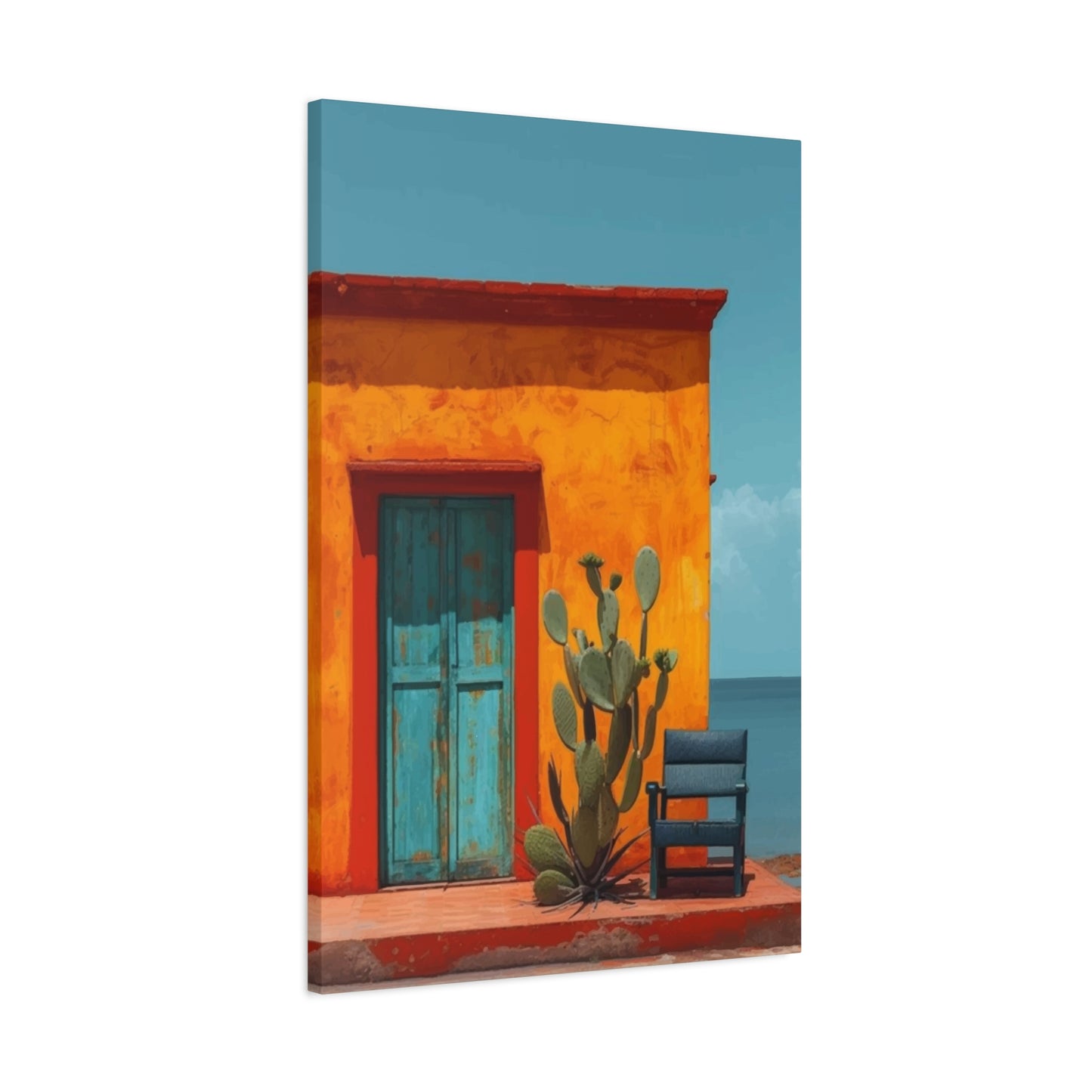
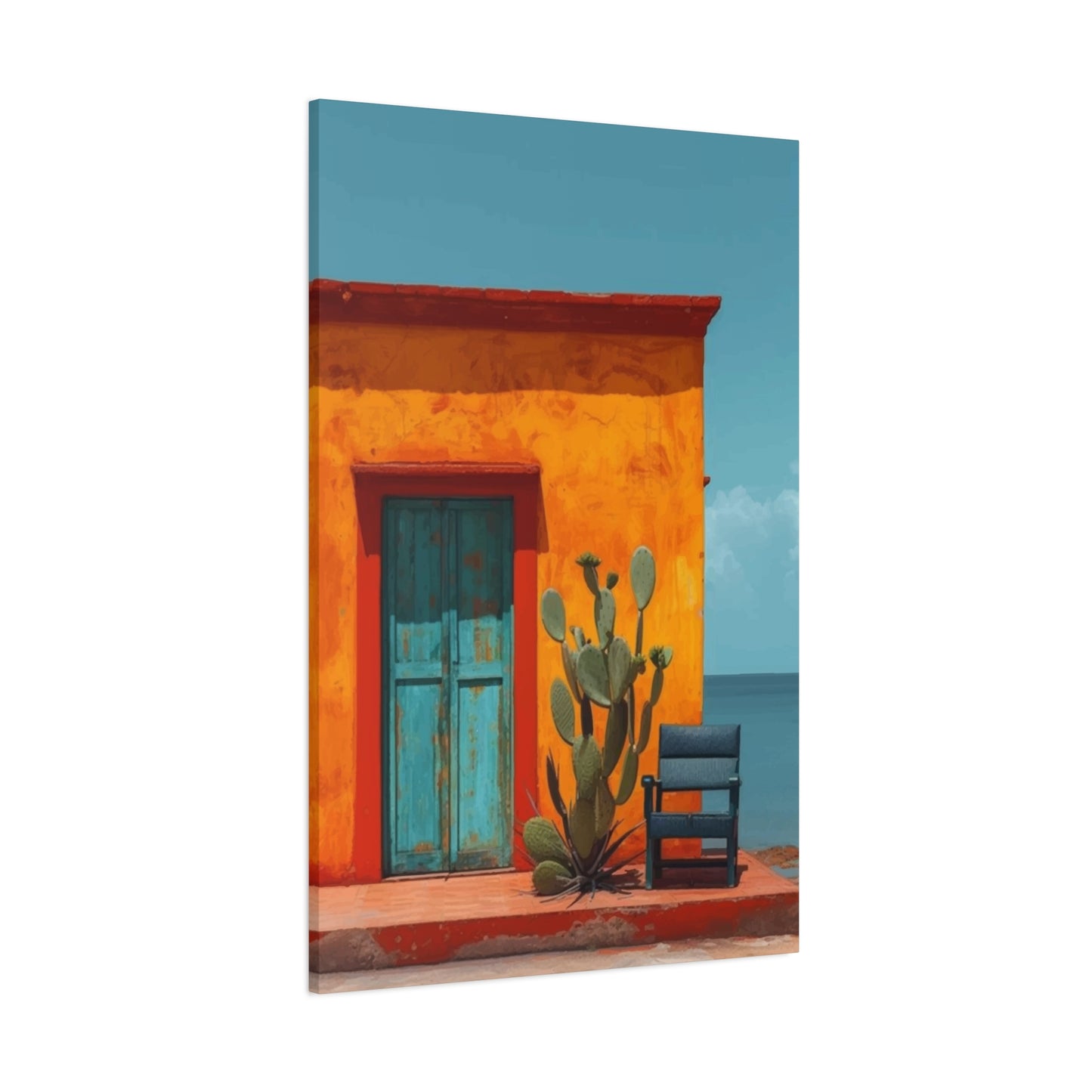
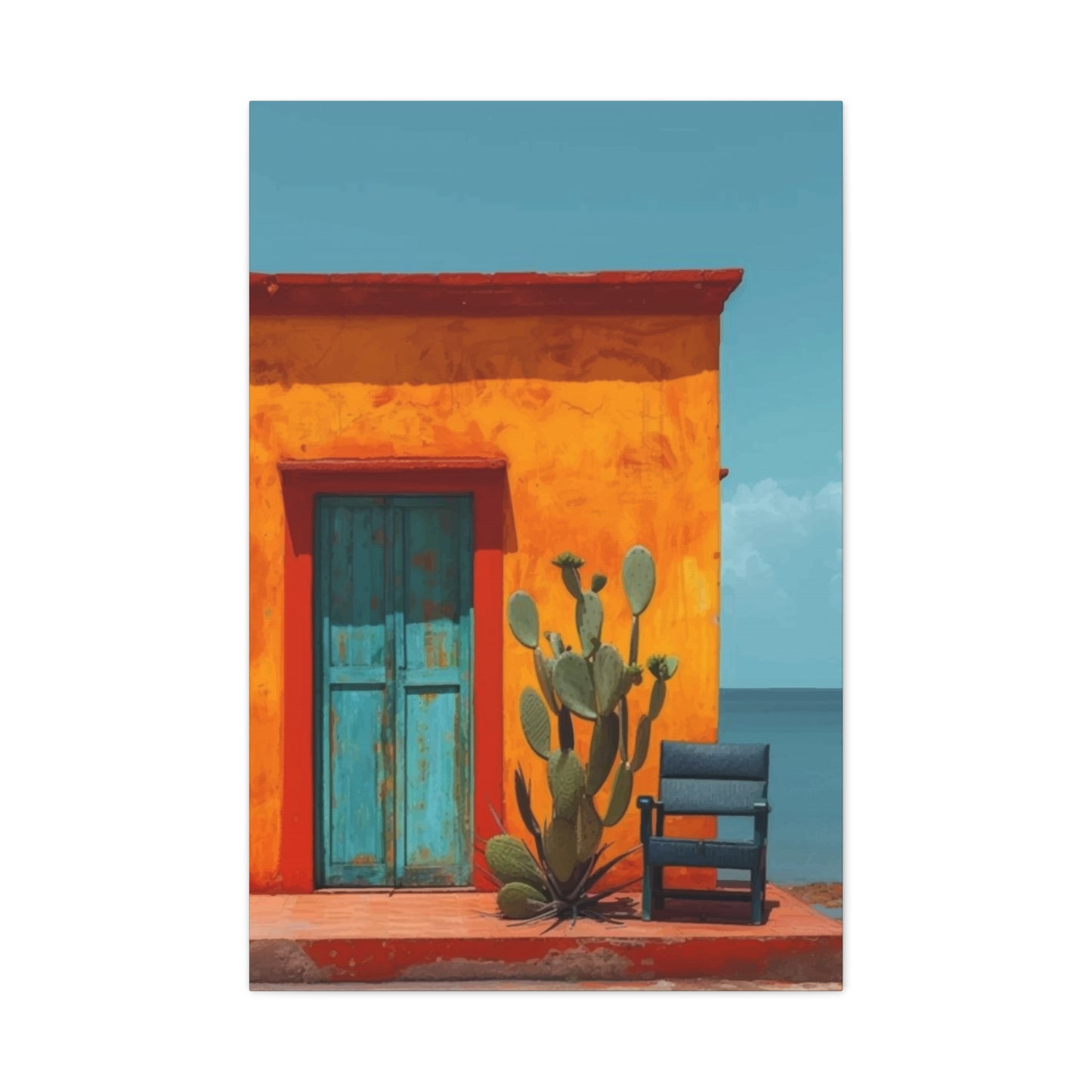
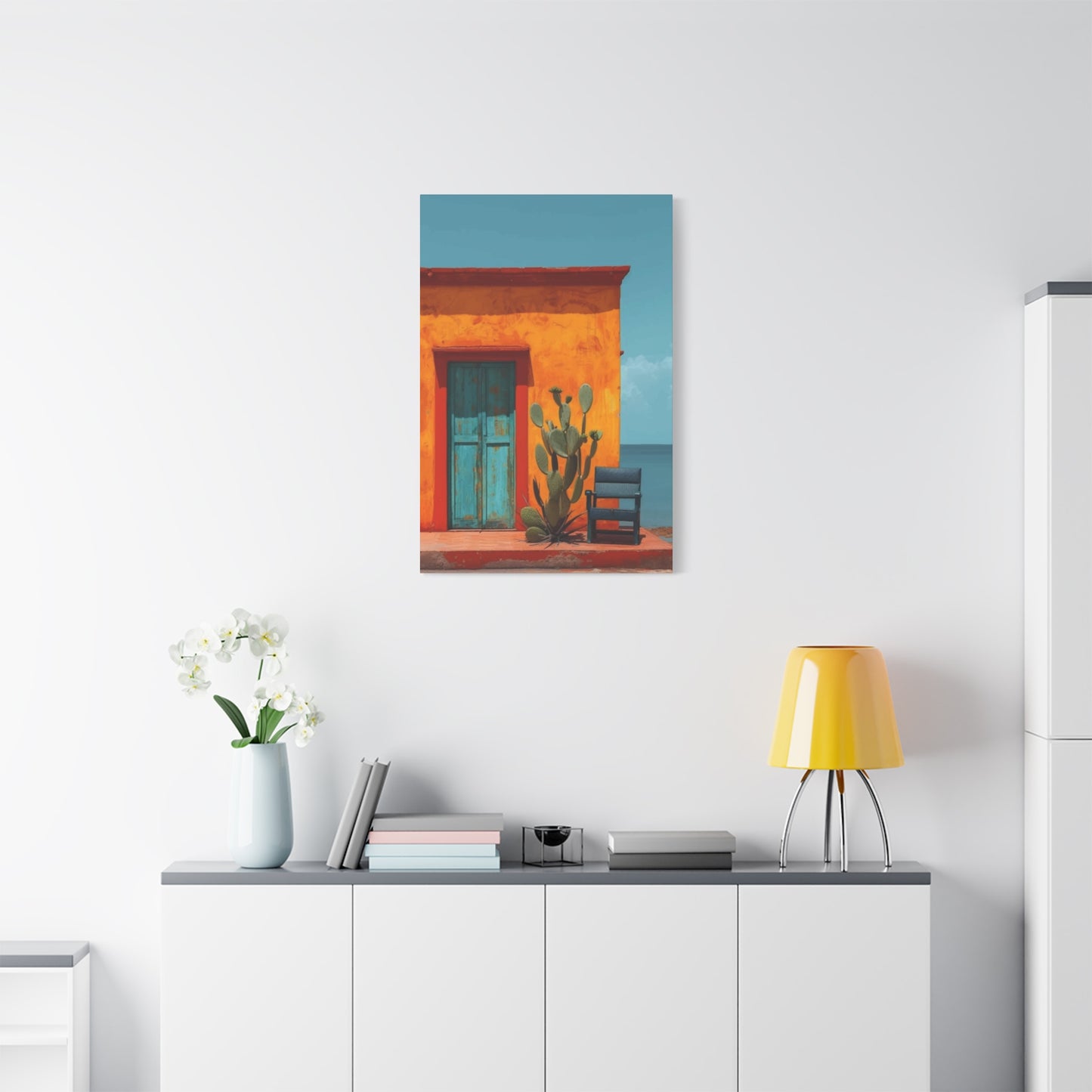
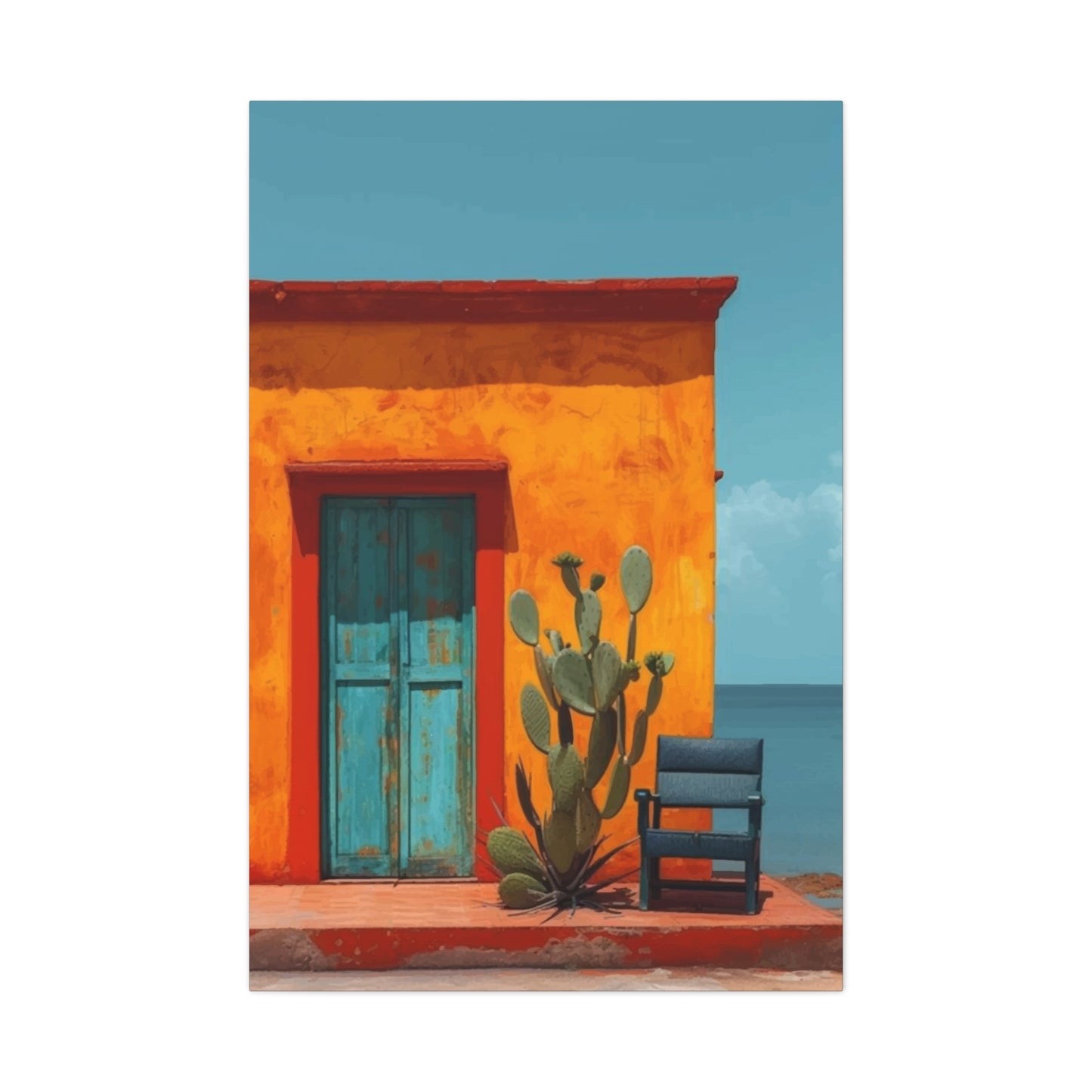
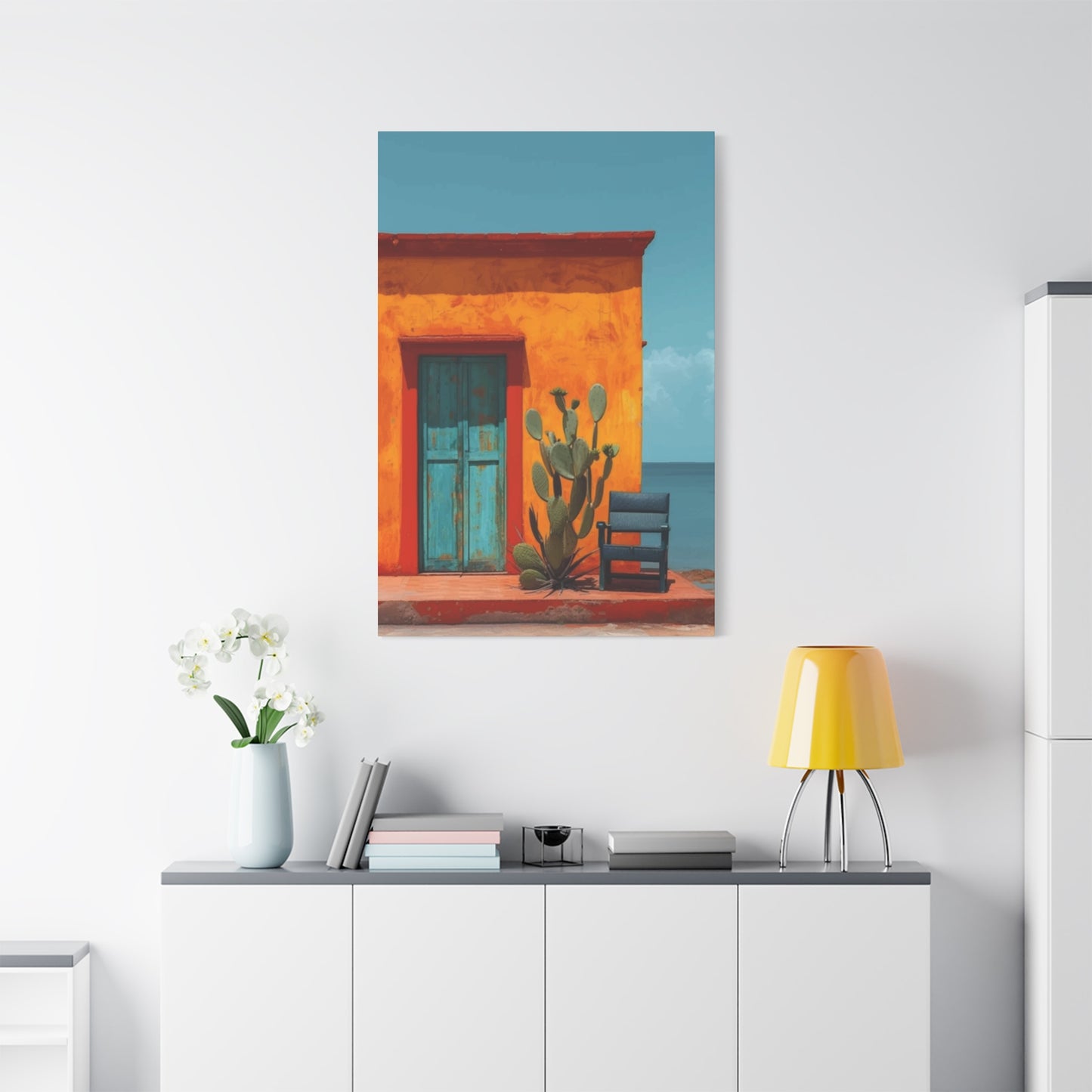
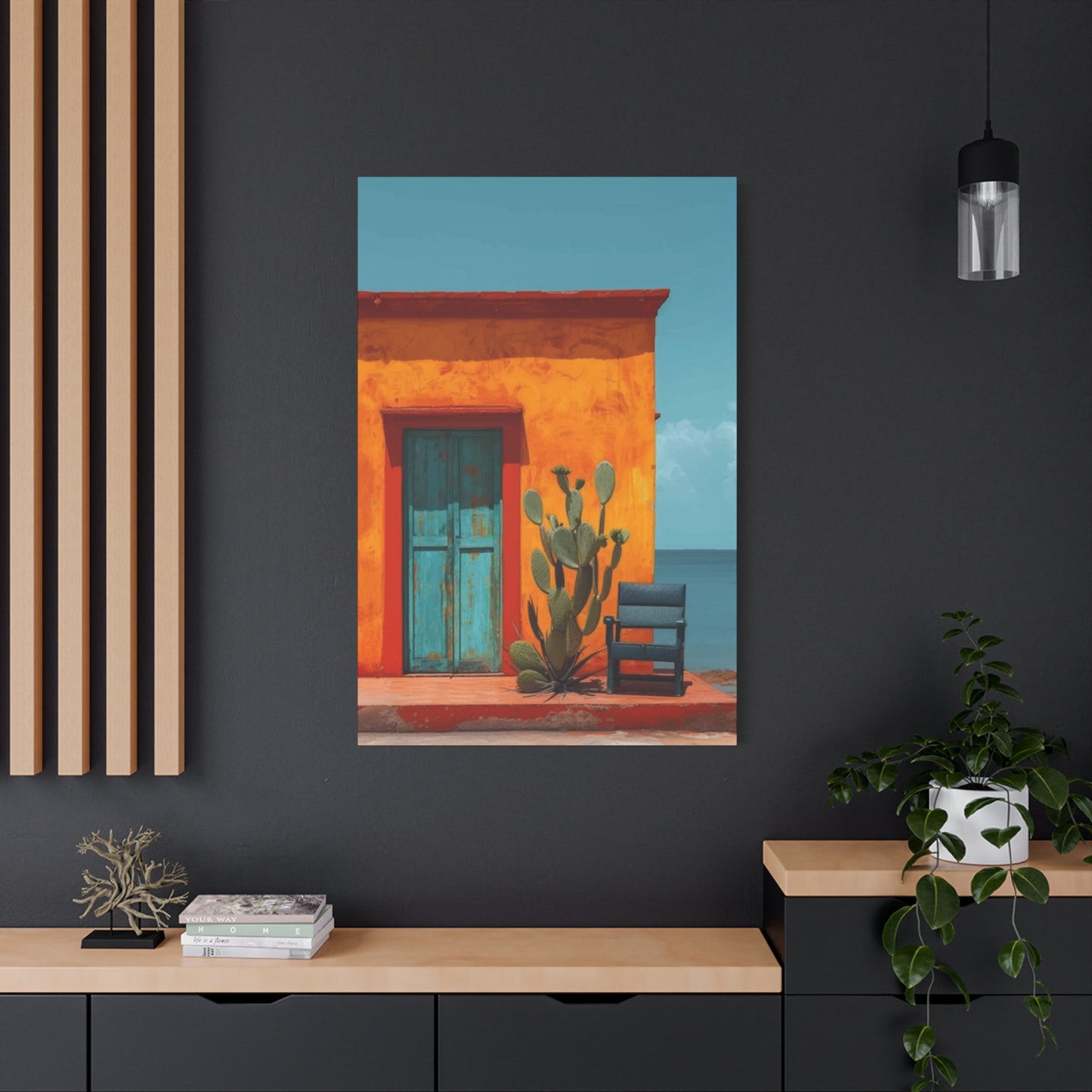
Beach House Wall Art & Canvas Prints
Beach House Wall Art & Canvas Prints
Couldn't load pickup availability
Crafting Stunning Interiors with Beach House Wall Art: A New Approach to Coastal Living Through Design and Storytelling
The allure of coastal environments has captivated humanity for centuries, drawing people toward the rhythmic sounds of waves, the vast expanse of azure horizons, and the peaceful ambiance that ocean landscapes provide. Within residential spaces, particularly those designed to evoke seaside tranquility, the strategic placement of carefully selected visual decorations serves as a powerful catalyst for transforming ordinary rooms into extraordinary sanctuaries. These artistic expressions, when thoughtfully curated and displayed, possess the remarkable ability to transport inhabitants mentally and emotionally to sun-drenched shores, regardless of their actual geographical location.
The phenomenon of bringing oceanic aesthetics indoors through decorative elements represents far more than simple interior enhancement. It embodies a profound connection between human consciousness and natural environments, creating psychological anchors that influence mood, productivity, and overall wellbeing. When individuals surround themselves with imagery depicting coastal scenes, marine life, or nautical themes, they unconsciously tap into memories of relaxation, vacation experiences, and the inherent peace associated with waterfront settings.
Contemporary homeowners increasingly recognize the transformative potential of incorporating beach house wall art into their living environments. This growing awareness stems from multiple factors, including the desire to create personalized spaces that reflect individual tastes, the need for stress-reducing environments in our fast-paced world, and the aesthetic appeal of coastal motifs that seamlessly blend with various design philosophies. Whether adorning the walls of actual beachfront properties or urban apartments miles from any coastline, these visual elements serve as constant reminders of nature's beauty and the restorative qualities of maritime landscapes.
The selection process for such decorative pieces involves careful consideration of numerous factors, ranging from color palettes and compositional styles to scale, proportion, and thematic coherence. Homeowners must navigate a vast marketplace filled with diverse options, each offering unique visual characteristics and emotional resonances. From photographic reproductions capturing specific coastal locations to abstract interpretations of oceanic themes, from vintage nautical charts to contemporary mixed-media creations, the possibilities are virtually limitless.
Beyond mere aesthetic considerations, the placement and arrangement of these artistic elements within residential spaces requires strategic thinking and spatial awareness. The relationship between wall decorations and surrounding furnishings, architectural features, and lighting conditions significantly impacts the overall visual impact and emotional atmosphere of any room. Successful integration demands attention to details such as hanging heights, grouping strategies, frame selections, and color coordination with existing decor elements.
This comprehensive exploration delves deeply into every aspect of incorporating oceanic imagery into residential environments, providing readers with extensive knowledge about selection criteria, design principles, installation methods, styling approaches, and maintenance practices. By examining the subject from multiple perspectives—including artistic, practical, and emotional dimensions—this discussion aims to equip readers with the insights necessary to make informed decisions about enhancing their living spaces with coastal-inspired visual elements.
Exploring the Diverse Spectrum of Coastal Imagery Options Available for Residential Decoration
The marketplace for oceanic-themed decorative pieces offers an astonishing variety of styles, mediums, and artistic approaches, each catering to different aesthetic preferences and design sensibilities. Understanding the breadth of available options enables homeowners to make selections that truly resonate with their personal vision while complementing their existing interior environments.
Photographic prints representing authentic coastal scenes constitute one of the most popular categories within this genre. These images capture real moments and locations, from dramatic cliff-side vistas and crashing surf to serene sunrise panoramas and intimate tidal pool details. The authenticity inherent in photographic work appeals to those seeking genuine representations of natural beauty, offering windows into specific geographical locations that hold personal significance or simply evoke desired emotional responses. High-quality photographic prints, when properly produced using archival materials and professional printing processes, deliver stunning clarity and color accuracy that brings the essence of coastal environments directly into residential spaces.
Painted compositions, whether created through traditional oils, acrylics, watercolors, or mixed media, offer distinctly different aesthetic qualities compared to photographic works. Artists interpreting coastal themes through painting bring subjective perspectives and stylistic choices that range from hyperrealistic renderings to loose, impressionistic interpretations. The visible brushwork, texture variations, and color manipulations characteristic of painted pieces add layers of visual interest and tactile appeal that photographic prints cannot replicate. Collectors often prize original paintings for their uniqueness and the direct connection they provide to the creating artist's vision and skill.
Abstract representations of oceanic themes push beyond literal depictions, instead capturing the essence, movement, and emotional qualities of coastal environments through color, form, and composition. These works might employ sweeping gestural marks suggesting wave motion, layered color fields evoking oceanic depths, or geometric patterns inspired by nautical elements. Abstract pieces offer versatility in interpretation, allowing viewers to project their own meanings and associations onto the artwork while still maintaining thematic connections to coastal imagery.
Vintage nautical charts, maps, and maritime illustrations provide historical dimension and intellectual appeal to coastal-themed spaces. These pieces often feature intricate linework, period typography, and geographical details that serve both decorative and informational purposes. Antique maps depicting specific coastal regions carry particular significance for homeowners with personal connections to those areas, while general nautical charts evoke the age of exploration and maritime adventure. The weathered, aged appearance of vintage materials adds character and depth to contemporary interiors, creating visual contrast and conversation-starting focal points.
Textual elements featuring coastal quotes, maritime sayings, or oceanic poetry offer another avenue for incorporating beach-inspired themes into residential spaces. Typography-based designs range from simple, minimalist presentations to elaborate compositions integrating text with illustrative elements. These pieces speak to those who appreciate literary connections and find meaning in carefully chosen words that articulate feelings about coastal living, ocean love, or nautical life.
Three-dimensional and sculptural wall decorations extend beyond flat surfaces, introducing depth and shadow play into decorative schemes. Options include weathered driftwood assemblages, metal wave sculptures, dimensional coral representations, and mixed-media constructions incorporating found beach objects. These textured pieces create dynamic visual interest through their interaction with natural and artificial lighting, casting shadows that change throughout the day and adding physical dimension to wall displays.
Illustrative works, including botanical drawings of coastal flora, scientific renderings of marine species, and stylized graphic designs, bridge the gap between fine art and decorative design. These pieces often feature clean lines, careful detail, and educational elements that appeal to viewers interested in the natural world. Botanical illustrations of sea grasses, coastal wildflowers, and salt-tolerant plants provide sophisticated options for those seeking refined, understated coastal references.
Digital art and contemporary graphic designs represent the newest category within coastal-themed decorations, leveraging modern software tools to create striking visual compositions. These works often feature bold colors, crisp lines, and innovative approaches to traditional coastal subjects. Digital artists can manipulate photographic elements, blend multiple visual sources, and create entirely original compositions that would be impossible through traditional mediums alone.
The choice between original artworks and reproductions represents a significant decision point for collectors and decorators. Original pieces offer uniqueness, potential investment value, and direct connection to artists, but command substantially higher prices. High-quality reproductions, conversely, make desirable imagery accessible at more affordable price points while still delivering impressive visual impact when properly produced and framed. Limited edition prints occupy middle ground, offering some exclusivity through numbered production runs while remaining more accessible than one-of-a-kind originals.
Size considerations dramatically affect both visual impact and placement options. Large-scale statement pieces serve as room focal points, commanding attention and anchoring design schemes. Medium-sized works offer versatility for various wall spaces and grouping arrangements. Small pieces work beautifully in tight spaces, hallways, or as elements within gallery wall collections. Understanding how size relates to viewing distance, room proportions, and surrounding elements helps ensure selections achieve desired visual effects.
Color palette choices within coastal imagery span the full spectrum, from classic blue-and-white combinations to warm sunset tones, from monochromatic neutrals to vibrant tropical hues. The colors present in wall decorations should harmonize with existing room colors while either complementing or providing calculated contrast. Analogous color schemes create harmonious, cohesive environments, while complementary colors generate visual energy and dynamic interest. Neutral-toned coastal imagery offers flexibility, working successfully with virtually any color scheme while maintaining thematic integrity.
Decoding the Emotional Resonance and Atmospheric Influence of Oceanic Visual Elements in Living Environments
The presence of beach house wall art within residential spaces extends far beyond superficial decoration, reaching into deeper psychological and emotional territories that significantly influence inhabitant wellbeing and environmental atmosphere. Research across multiple disciplines, including environmental psychology, neuroscience, and interior design studies, consistently demonstrates that visual stimuli within living spaces profoundly affect human mood, stress levels, cognitive function, and overall quality of life.
Coastal imagery specifically triggers associations with vacation experiences, leisure time, and escape from daily pressures. The human brain forms strong connections between visual cues and remembered experiences, meaning that even small reminders of pleasant beach memories can activate similar neural patterns as the original experiences themselves. This phenomenon explains why individuals often report feeling calmer, more relaxed, and mentally transported when surrounded by oceanic imagery, even within landlocked urban environments far removed from actual shorelines.
The color psychology embedded within typical coastal imagery contributes substantially to these emotional effects. Blues and greens, predominant in ocean scenes, rank among the most psychologically soothing colors across cultural boundaries. Blue tones specifically have been shown to lower blood pressure, reduce heart rate, and decrease anxiety levels through both conscious perception and subconscious processing. The prevalence of these calming hues in coastal-themed decorations explains their widespread appeal for bedroom environments, meditation spaces, and areas designated for relaxation.
Natural imagery, including coastal landscapes, engages what researchers term "soft fascination"—a gentle form of attention that restores mental resources without demanding cognitive effort. Unlike urban environments filled with hard edges, signage, and human-made structures that require constant vigilance and interpretation, natural scenes allow the mind to rest while remaining gently engaged. This restorative quality makes oceanic imagery particularly valuable in home office environments, where mental fatigue from focused work can be counterbalanced by views of soothing coastal scenes.
The horizon line prominent in most beach scenes holds particular psychological significance. Humans have evolved to find comfort in distant horizons, which subconsciously signal open spaces, lack of immediate threats, and freedom of movement. The presence of clear horizon lines in coastal imagery can create feelings of expanded space within rooms, making even modest-sized areas feel more open and less confined. This perceptual expansion contributes to reduced feelings of claustrophobia and increased sense of breathing room within residential environments.
Water elements featured prominently in coastal imagery tap into primal human responses to this essential life resource. Throughout evolutionary history, proximity to water sources meant survival, and humans retain deep-seated positive associations with water-rich environments. Visual representations of ocean waves, calm bays, or coastal wetlands can trigger these ancient positive associations, creating subtle feelings of security and abundance even at unconscious levels.
The rhythmic, repetitive patterns inherent in ocean waves and tidal movements depicted in coastal imagery can induce meditative states and promote mental stillness. Just as watching actual waves creates hypnotic effects that quiet mental chatter, viewing artistic representations of wave patterns can generate similar, though milder, responses. This quality makes wave-focused artwork particularly appropriate for spaces designed for contemplation, yoga practice, or stress reduction.
Biophilic design principles emphasize human needs for connection with natural environments and living systems. Incorporating coastal imagery into interiors satisfies these biophilic needs, providing visual connections to natural world even within entirely man-made structures. This connection supports human wellbeing in measurable ways, including improved mood, enhanced creativity, better sleep quality, and increased overall life satisfaction. The biophilic benefits of coastal imagery explain why it resonates so strongly across diverse populations and cultural backgrounds.
Nostalgia plays a powerful role in the emotional impact of beach-themed decorations. For individuals with positive childhood memories of beach vacations, coastal artwork can evoke specific recollections that carry emotional warmth and comfort. These personal associations amplify the inherent qualities of the imagery itself, creating deeply meaningful connections between viewers and decorative pieces. Selecting imagery that resonates with personal memories or aspirational destinations adds layers of individual significance beyond universal aesthetic appeal.
The aspirational dimension of coastal imagery should not be underestimated. For many people, beach settings represent idealized lifestyles characterized by leisure, luxury, and escape from responsibilities. Surrounding oneself with visual reminders of these aspirational environments can function as motivational tools, daily reminders of personal goals, or symbolic representations of desired life changes. This forward-looking quality distinguishes coastal imagery from purely historical or nostalgic decorative choices.
Seasonal affective patterns influence how people respond to different types of coastal imagery throughout the year. During winter months, artwork depicting sunny beaches and tropical coastlines can provide psychological counterbalance to dark, cold conditions outside. Conversely, images of dramatic stormy seas or fog-shrouded coastlines might resonate more strongly during particular moods or seasons. Understanding these temporal variations allows homeowners to rotate artwork seasonally, keeping visual environments fresh and aligned with current emotional needs.
Strategic Placement Principles and Spatial Considerations for Maximizing Visual Impact Within Residential Architecture
Successful incorporation of beach house wall art into living spaces requires more than simply selecting appealing pieces; it demands careful attention to placement strategies, spatial relationships, and architectural considerations that maximize visual impact while maintaining functional integrity of rooms. The location, height, and arrangement of decorative elements significantly influence both aesthetic outcomes and the practical usability of spaces.
Eye-level hanging represents the fundamental principle guiding artwork placement in most residential contexts. The general guideline positions artwork centers approximately fifty-seven to sixty inches from floor level, corresponding to average human eye height in standing position. This standard ensures comfortable viewing without requiring upward or downward neck adjustments. However, this rule requires modification based on ceiling heights, furniture arrangements, and viewer positions. In rooms where people primarily view artwork while seated—dining rooms, living rooms with low furniture, or bedrooms—center points should drop correspondingly to align with seated eye levels.
Scale relationships between artwork and wall spaces critically affect visual balance and impact. Undersized pieces appear lost on expansive walls, failing to command appropriate attention or fill visual voids effectively. Conversely, oversized artwork on small walls creates cramped, overwhelming impressions that diminish rather than enhance spaces. A useful guideline suggests artwork should occupy roughly two-thirds to three-quarters of available wall width above furniture pieces, though this ratio varies based on specific room proportions and desired effects.
Furniture relationships establish important parameters for artwork placement. Pieces hung above sofas, console tables, beds, or other substantial furniture should relate proportionally to these elements, neither floating disconnectedly high on walls nor crowding furniture tops. Adequate breathing space—typically four to eight inches between furniture tops and artwork bottoms—allows each element to register independently while maintaining visual connection. This spacing prevents artwork from appearing to sit directly on furniture while ensuring sufficient proximity to establish clear relationships.
Architectural features including windows, doors, fireplaces, and built-in elements create both opportunities and constraints for artwork placement. Symmetrical arrangements flanking fireplaces or centered above mantels create formal, balanced compositions suitable for traditional design schemes. Asymmetrical placements generate more dynamic, contemporary feels while potentially solving spacing challenges posed by off-center architectural features. Windows should be considered as visual elements within overall wall compositions, with artwork placement accounting for their presence rather than competing against them.
Lighting conditions profoundly influence how artwork appears and should guide placement decisions accordingly. Natural light from windows illuminates artwork beautifully but introduces concerns about UV damage and glare. Positioning artwork on walls perpendicular to windows rather than opposite them minimizes glare issues while still benefiting from natural illumination. Artificial lighting, through ceiling fixtures, track systems, or dedicated picture lights, should be planned to highlight artwork effectively without creating hot spots or shadows that obscure details.
Gallery wall arrangements offer creative solutions for displaying multiple pieces collectively, creating visually rich focal points from varied elements. Successful gallery walls require careful planning to achieve balanced, cohesive appearances despite varying sizes, frames, and subjects. Layout strategies include symmetrical grid arrangements for orderly, formal effects; organic, asymmetrical clusters for relaxed, collected-over-time aesthetics; or linear arrangements following architectural features like stairways. Creating floor templates using paper cutouts allows experimentation with arrangements before committing to wall holes.
Grouping strategies for multiple pieces involve decisions about how closely to space items and what unifying elements will tie diverse pieces together. Tight spacing between two and three inches creates unified, cohesive impressions where individual pieces read as parts of larger compositions. Wider spacing emphasizes each piece as independent element while still maintaining relationships through proximity. Consistent framing styles, mat colors, or subject matter provide visual coherence across varied pieces.
Negative space—the empty wall area surrounding artwork—deserves as much consideration as the artwork itself. Adequate negative space allows individual pieces to breathe and prevents walls from appearing cluttered or overwhelming. Crowding too many elements onto single walls creates visual chaos rather than curated displays. Leaving generous margins around artwork and between grouped pieces creates sophisticated, intentional appearances that showcase pieces effectively.
Ceiling height considerations influence both size selections and placement strategies. Standard eight-foot ceilings limit vertical space, requiring careful attention to scale and sometimes favoring horizontal orientation over vertical. Higher ceilings in contemporary construction permit larger-scale pieces and more vertical arrangements, including stacked compositions or extremely tall individual works. Vaulted or cathedral ceilings present unique opportunities for dramatic large-scale installations but require specialized hanging systems and careful planning.
Traffic flow patterns within rooms should inform placement decisions to ensure artwork enhances rather than impedes functional use of spaces. High-traffic areas like narrow hallways require careful consideration of projection distance from walls—thick frames or dimensional pieces may create hazards in tight passages. Positioning artwork in zones where people naturally pause rather than pass creates better viewing opportunities and reduces risk of accidental contact.
Doorway relationships affect how artwork registers upon room entry and throughout use of spaces. Pieces positioned to be visible immediately upon entering rooms create strong first impressions and help establish overall room character. Conversely, artwork placed on walls adjacent to entries reveals itself gradually as occupants move through spaces, creating discovery moments and rewarding exploration.
Selecting Complementary Color Schemes and Coordinating Visual Elements Throughout Interior Environments
The color relationships between beach house wall art and surrounding interior elements fundamentally shape the visual harmony, emotional atmosphere, and aesthetic success of decorated spaces. Color coordination involves understanding both the science of color theory and the art of intuitive aesthetic judgment, requiring consideration of multiple factors from paint selections to fabric choices to decorative accessories.
Monochromatic color schemes built around single hues in varying saturations and values create sophisticated, cohesive environments that feel intentionally designed rather than randomly assembled. Within coastal contexts, monochromatic blues ranging from pale sky tints to deep navy saturations offer particularly effective foundations. Artwork featuring predominantly blue tones integrates seamlessly into such schemes while variations in intensity and warmth prevent monotony. White and cream elements provide necessary relief and prevent environments from feeling heavy or overwhelming.
Analogous color combinations utilizing colors adjacent on the color wheel—such as blues, blue-greens, and greens—create harmonious environments with gentle visual interest. Coastal imagery naturally incorporates these analogous relationships through depictions of ocean waters, coastal vegetation, and sky elements. Extending these color relationships into room colors, textile choices, and accessory selections creates unified, flowing environments where artwork feels integral rather than supplemental.
Complementary color schemes pair opposite hues on the color wheel, creating vibrant, energetic contrasts. Within coastal contexts, blue-orange combinations appear frequently, with blue ocean or sky elements contrasted against warm sand tones, sunset colors, or coral accents. These high-contrast relationships generate visual excitement and prevent coastal themes from feeling too cool or monotonous. Balancing proportions carefully ensures one color dominates while its complement provides accent interest rather than competing equally.
Neutral-dominated schemes with strategic color accents offer versatile foundations that accommodate changing tastes and seasonal variations. Base palettes of whites, creams, grays, and natural wood tones create calm, sophisticated backgrounds against which colorful coastal artwork provides controlled focal points. This approach allows artwork to command attention without competing against busy background colors, and facilitates easy artwork rotation or replacement without requiring wholesale room redesigns.
Warm versus cool color balances significantly affect room atmosphere and emotional character. Cool-toned coastal imagery dominated by blues and greens creates serene, calming environments suitable for bedrooms and relaxation spaces. Adding warm accent colors through wood tones, coral elements, or sunset imagery prevents spaces from feeling cold or sterile. Conversely, warm-toned coastal scenes featuring sunrise colors, weathered wood, or golden-hour lighting create inviting, cozy atmospheres that work beautifully in social spaces.
Color intensity and saturation levels influence visual weight and emotional impact. Highly saturated, vivid colors generate energy and demand attention, making them effective for statement pieces in social areas but potentially overwhelming in restful spaces. Muted, desaturated tones create subtle, sophisticated effects that work well for large-scale pieces or spaces requiring calm atmospheres. Balancing saturated and muted elements throughout rooms prevents visual fatigue while maintaining interest.
White space and negative areas in artwork interact with wall colors to affect overall visual impact. Artwork featuring substantial white or light neutral areas appears airier and less visually heavy than pieces filled edge-to-edge with color. Against colored walls, white spaces in artwork create breathing room and prevent compositions from feeling cramped. Against white walls, these areas may blend more than desired, suggesting carefully chosen wall colors that provide subtle contrast.
Framing choices contribute substantially to color coordination strategies. Frame colors should complement both artwork and surrounding decor, serving as transitions between pieces and walls. White or cream frames create fresh, coastal-appropriate feels while providing clean separations between artwork and walls. Natural wood frames echo coastal driftwood and add warmth that balances cool ocean tones. Painted frames in colors pulled from artwork can create striking custom effects that unify pieces with room schemes.
Mat colors deserve careful consideration as they directly border artwork and significantly influence color perception. White mats create maximum separation between artwork and frames, making them appear crisp and clean. Colored mats can complement specific hues within artwork, drawing attention to particular elements while creating sophisticated custom presentations. Neutral mats in cream, beige, or gray offer versatile options that work with varied color schemes.
Textile coordination including upholstery, throw pillows, curtains, and area rugs should echo colors from coastal artwork to create unified design narratives. Repeating specific blues, greens, or accent colors from artwork in soft furnishings ties rooms together visually and demonstrates intentional design thinking. Patterns in textiles might reference oceanic motifs without literally depicting beaches, adding thematic layers through abstractions like wave patterns or coral-inspired designs.
Framing Methodologies and Presentation Formats That Enhance Coastal Imagery While Protecting Investment
The framing and presentation of beach house wall art significantly impacts both aesthetic appearance and long-term preservation, making these decisions worthy of careful consideration. Appropriate framing enhances artwork by providing structural support, visual focus, and protective barriers against environmental damage, while poor framing choices can detract from even exceptional pieces.
Wood framing represents the traditional choice for coastal artwork, offering natural warmth and organic character that complements beach themes authentically. Weathered or distressed wood finishes particularly suit coastal aesthetics, evoking driftwood, aged boardwalks, and beach cottages. Natural wood grains in lighter tones like ash, maple, or whitewashed finishes create bright, airy presentations, while darker woods like walnut or mahogany add richness and grounding weight. The texture inherent in wood frames adds dimensional interest that flat materials cannot match.
Metal frames deliver contemporary, streamlined appearances that work particularly well with modern coastal interpretations and minimalist design schemes. Thin metal profiles in silver, gold, or black create crisp, clean presentations that let artwork dominate without visual competition from frames. Brushed or matte finishes feel more casual and coastal-appropriate than highly polished surfaces. Metal frames offer practical advantages including durability, resistance to humidity, and lightweight construction that simplifies hanging.
Floater frames, which create gaps between frame edges and artwork edges, showcase pieces as though floating within frame boundaries. This presentation style works exceptionally well for canvas paintings and photographs mounted on rigid substrates, adding depth and shadow play that enhances dimensional perception. Floater frames suit contemporary spaces while allowing artwork full visual expression without traditional frame overlaps obscuring edge details.
Mat board selections involve choices about both functional and aesthetic dimensions. From preservation perspectives, acid-free, archival-quality mats prevent chemical migration that causes yellowing and deterioration over time. Aesthetically, mats create visual breathing room around artwork, preventing direct contact with glazing and providing color transitions between pieces and frames. Double or triple matting adds dimensional interest and sophisticated custom appearances, with reveal layers in complementary colors creating subtle color progressions.
Glazing options balance visibility, protection, and budget considerations. Regular glass provides basic protection at modest cost but reflects light noticeably and offers no UV filtering. Non-reflective or anti-glare glass minimizes reflections through etched surfaces but slightly softens image clarity. UV-filtering glass blocks harmful ultraviolet rays that cause fading while maintaining excellent clarity, representing wise investment for valuable pieces. Acrylic glazing weighs significantly less than glass and resists shattering, making it appropriate for large pieces or high-traffic areas, though it scratches more easily and attracts static.
Museum glass represents the premium glazing option, combining UV protection, exceptional clarity, and virtually invisible reflection control through specialized coating technologies. While substantially more expensive than standard options, museum glass delivers dramatically superior viewing experiences and maximum protection, justifying costs for important artwork or problematic lighting situations. The investment particularly makes sense for original artwork or limited editions where preservation matters most.
Canvas wraps without frames offer contemporary, casual presentation alternatives particularly suited to photographic prints and contemporary paintings. Gallery-wrapped canvases with imagery extending around side edges can hang frameless for clean, modern aesthetics. This approach reduces costs while creating streamlined appearances, though frameless canvases lack protective barriers against humidity, pollutants, and physical contact.
Shadow boxes accommodate dimensional elements including driftwood, shells, coral, or found beach objects incorporated into artistic compositions. These deeper frames provide necessary clearance for three-dimensional components while protecting delicate materials behind glazing. Shadow box presentations work beautifully for memory pieces combining photographs with actual beach collectibles or for sculptural assemblages requiring protection from handling and dust.
Frame profiles—the shapes and widths of frame moldings—dramatically affect visual weight and style character. Wide, substantial frames create traditional, formal impressions and work well with classical imagery or traditional interiors. Narrow profiles feel lighter and more contemporary, allowing artwork to dominate without heavy frame competition. Ornate profiles with decorative details suit formal spaces and traditional artwork but may overwhelm casual coastal imagery or contemporary pieces.
Hanging hardware requires attention to both functionality and preservation. D-rings or sawtooth hangers attached properly to frame backs provide secure mounting while allowing level adjustments. Wire hanging across frame backs distributes weight effectively but can allow artwork to tilt. French cleats offer maximum security and precision leveling for heavy pieces. All hardware should be appropriately rated for artwork weight, with professional installation recommended for valuable or heavy pieces.
Preservation framing techniques employ archival materials and methods that maximize artwork longevity. Acid-free mats, spacers preventing artwork contact with glazing, proper sealing to exclude dust and pollutants, and UV-filtering glazing all contribute to preservation goals. While increasing initial costs, preservation framing protects investments and maintains artwork appearance for generations, particularly important for valuable originals or meaningful personal pieces.
Strategic Shopping Approaches and Quality Assessment Criteria for Coastal Decorative Pieces
Navigating the marketplace for beach house wall art requires knowledge of where to find quality pieces, how to evaluate offerings critically, and what factors justify varying price points. Understanding these elements empowers consumers to make confident purchases that deliver lasting satisfaction and appropriate value.
Specialized galleries focusing on coastal and maritime artwork offer curated selections and expert guidance from knowledgeable staff who understand both artistic merit and decorative applications. Gallery environments allow direct viewing of actual pieces under proper lighting, providing accurate impressions impossible through online viewing. Gallery relationships potentially access emerging artists before their work gains wider recognition and pricing increases accordingly. The personalized service and expertise justify premium pricing at quality galleries.
Online marketplaces have democratized access to artwork from diverse sources worldwide, offering unprecedented selection across all price ranges. Major platforms connect buyers with individual artists, commercial publishers, and gallery dealers, though varying quality control standards require careful evaluation. High-resolution images allow detailed examination of artwork, while return policies provide security for purchases that disappoint upon arrival. The convenience and selection advantages of online shopping must be balanced against inability to see actual pieces before purchase.
Direct-from-artist purchases through studio websites or social media platforms eliminate intermediary markups while establishing personal connections with creators. Commissioning custom pieces allows precise specification of sizes, colors, and subjects to suit particular spaces perfectly. Supporting working artists directly appeals to those valuing the human stories behind artwork and wanting to contribute to creative livelihoods. Building relationships with favored artists can lead to first access to new work and opportunities to acquire pieces before public availability.
Print-on-demand services offer budget-friendly access to vast image libraries, producing prints only after orders are placed. This model eliminates inventory costs, keeping prices low while providing nearly unlimited selection. Quality varies significantly among providers, making careful vendor research essential. Print-on-demand works well for trying new styles or refreshing seasonal displays without major investment, though print quality typically falls short of fine art reproduction standards.
Local craft fairs and art festivals provide opportunities to discover regional artists and acquire unique pieces unavailable through commercial channels. These venues allow personal interaction with artists, gaining insights into creative processes and inspirations. Supporting local creative communities appeals to those valuing connection and authenticity over mass-produced alternatives. Pieces acquired at festivals often carry memories of enjoyable outings, adding personal significance beyond purely aesthetic value.
Quality assessment begins with examining print techniques and materials. Giclée prints using archival inks on high-quality papers or canvas deliver museum-quality reproductions with exceptional color accuracy and longevity. Less expensive methods including standard inkjet or offset printing produce acceptable results for budget applications but fade more quickly and show less detail. Original paintings should demonstrate competent technique, quality materials, and careful finishing. Photographs should show sharp focus, proper exposure, and professional printing standards.
Image resolution directly affects print quality, particularly as size increases. Adequate resolution prevents visible pixelation or softness that cheapens appearance. Reputable sellers specify resolution capabilities and maximum recommended sizes for digital files. Requesting test prints or examining samples helps evaluate whether resolution meets expectations for intended display sizes.
Authenticity documentation matters for original artwork and limited edition prints. Certificates of authenticity signed by artists verify provenance and edition information, protecting investment and resale value. Edition numbers indicate print position within total production runs—lower numbers sometimes command premiums from collectors. Understanding edition sizes helps gauge scarcity and potential value appreciation.
Return policies and satisfaction guarantees provide important consumer protections, particularly for online purchases where pre-purchase viewing isn't possible. Liberal return windows allow adequate time for home evaluation under actual lighting and alongside existing decor. Understanding return conditions, including who pays return shipping and whether refunds are full or partial, prevents unpleasant surprises if pieces disappoint.
Price evaluation requires understanding what factors justify costs. Original artwork commands premium pricing based on uniqueness, artist reputation, size, medium, and market demand. Limited edition prints cost more than open editions due to artificial scarcity and collectibility. Framing quality dramatically affects pricing—professional custom framing using archival materials and specialty glazing adds substantial cost but protects investment. Reproductions of famous works command higher prices than unknown imagery due to licensing fees and prestige associations.
Creating Cohesive Thematic Narratives Through Thoughtful Curation and Storytelling Elements
Beyond simply selecting appealing individual pieces, creating truly compelling coastal-themed interiors involves curating cohesive collections that tell visual stories and establish clear thematic narratives. This approach transforms random accumulations of beach-related imagery into intentional, sophisticated design statements that feel curated rather than accidental.
Thematic consistency provides the foundation for cohesive collections, whether focusing broadly on coastal environments generally or narrowing to specific sub-themes like tropical beaches, rocky New England shores, Mediterranean coastlines, or abstract oceanic interpretations. Committing to particular geographic regions or stylistic approaches creates visual unity even across diverse pieces. A collection focusing exclusively on Caribbean imagery, for instance, maintains thematic consistency through shared tropical characteristics, vibrant colors, and distinctive landscape features regardless of specific islands depicted.
Color story coherence helps unify disparate pieces into cohesive collections. Selecting artwork that shares similar color palettes or temperature ranges creates visual harmony that reads as intentional curation. This doesn't require identical colors across pieces but rather complementary relationships—perhaps various blues and greens with consistent warm accents, or predominantly neutral pieces with strategic pops of coral or turquoise. Color consistency demonstrates sophisticated design thinking that elevates beyond random selections.
Varied perspectives within consistent themes add visual interest while maintaining cohesion. Combining wide panoramic vistas, medium-range coastal scenes, and intimate close-up details of beach elements creates dynamic collections that reward different viewing experiences. This variation prevents monotony while keeping viewers engaged through changing scales and focal points. A collection might include sweeping ocean horizons, detailed studies of tide pools, and abstract interpretations of wave patterns, all relating to oceanic themes through different lenses.
Subject matter progression can create narrative flows within multi-piece displays. Sequential arrangements might follow daily progressions from dawn through sunset, seasonal transitions from summer abundance through winter starkness, or spatial journeys from shore through surf to open ocean. These narrative structures add intellectual dimension beyond pure visual appeal, rewarding viewers who engage thoughtfully with collections.
Mixed media combinations incorporating various artistic approaches—photographs, paintings, prints, and dimensional elements—create visually rich collections with varied textures and dimensional qualities. This diversity prevents the flatness that can result from exclusively two-dimensional works while maintaining thematic unity through shared subject matter. A collection might combine photographic coastal prints, painted wave studies, a driftwood sculptural element, and vintage nautical charts, all contributing to cohesive coastal narrative despite different media.
Personal connection infusion distinguishes meaningful collections from generic decorative choices. Including pieces depicting personally significant locations—childhood vacation spots, honeymoon destinations, or aspirational future visits—adds emotional dimension invisible to casual observers but deeply meaningful to inhabitants. Personal photography alongside acquired artwork creates layers of authenticity and individual story that mass-produced images alone cannot achieve.
Seasonal rotation capabilities build flexibility into collections, allowing environmental refreshments without complete redesigns. Maintaining core pieces year-round while swapping seasonal elements keeps spaces feeling fresh and responsive to changing conditions outside. Summer might feature bright, sunny beach scenes while winter rotation brings dramatic storm imagery or contemplative fog-shrouded coastlines. This approach requires planning for storage and swapping logistics but rewards with evolving environments that never feel stagnant.
Scale variation within collections creates visual rhythm and prevents monotony. Combining large anchor pieces with medium supporting works and small accent elements establishes hierarchy and guides viewer attention deliberately. This varied approach feels more dynamic and professional than uniform sizing while accommodating different wall spaces throughout homes. The largest, most impactful piece might dominate the main living space while smaller related works extend themes into hallways, bathrooms, or secondary rooms.
Repetition of specific elements—particular shells, marine species, or coastal features—creates subtle continuities that sophisticated viewers notice and appreciate. This technique unifies collections without obvious heavy-handedness, instead rewarding attentive observation. Repeating starfish imagery across different pieces, for example, creates thematic threads that tie collections together while allowing individual pieces stylistic freedom.
Practical Preservation Methods and Ongoing Care Requirements for Long-Term Artwork Protection
Protecting investments in beach house wall art requires understanding proper preservation practices and implementing ongoing care routines that prevent common deterioration causes. While properly framed artwork requires minimal maintenance, awareness of potential hazards and preventive measures ensures pieces remain beautiful for decades.
Environmental control represents the most critical factor affecting artwork longevity. Temperature fluctuations cause expansion and contraction cycles that stress materials over time, while excessive humidity promotes mold growth, paper degradation, and adhesive failures. Ideal storage and display conditions maintain stable temperatures between sixty-five and seventy-five degrees Fahrenheit with relative humidity between forty and fifty percent. While residential environments rarely achieve museum-standard control, avoiding extreme conditions and rapid fluctuations provides substantial protection.
Sunlight exposure poses severe risks through ultraviolet radiation that causes irreversible fading, yellowing, and material breakdown. Direct sunlight should never fall on valuable artwork, while even indirect natural light causes gradual damage over time. UV-filtering glazing provides significant protection but doesn't eliminate all risk. Positioning artwork away from windows or using window treatments that block UV rays adds protective layers.
Final Thoughts
Coastal living is a style that evokes feelings of relaxation, simplicity, and a connection to nature. Incorporating beach house wall art into your living space is one of the most effective ways to bring that coastal tranquility indoors. Beyond mere decoration, beach house wall art tells a story of the ocean’s timeless beauty, creating an atmosphere that encourages calm and invites an escape from the fast-paced world outside. Whether you live by the coast or dream of the sea, the right artwork can help recreate the serene ambiance of beachside living, transforming any room into a peaceful retreat.
Beach house wall art achieves a unique blend of nostalgia and nature-inspired elegance. When you decorate with coastal art, you are not just adding a piece of visual beauty to your home, but also enhancing the atmosphere with a sense of space, light, and freedom. The ocean’s vastness, the natural textures of sand and sea, and the dynamic movement of waves can all be captured in art, creating a dynamic narrative that plays out across your walls. These visual stories often bring a sense of peace and reflection, perfect for fostering an environment where you can unwind and reconnect with yourself and nature.
One of the most compelling aspects of beach house wall art is its versatility. From classic coastal photography showcasing the untouched beauty of beach landscapes to more abstract representations of water and waves, these art pieces can fit seamlessly into a variety of interior design styles. Whether your space is traditional and rustic, modern and minimalist, or eclectic and bohemian, beach house wall art can be tailored to complement your overall aesthetic. The fluidity of beach scenes and the soothing colors of the ocean can tie together a room’s design elements, from light and airy linens to natural wooden furniture, or even more contemporary, industrial settings that crave a touch of nature.
In addition to its visual appeal, beach house wall art can function as a storytelling element. A collection of images depicting different times of the day—like a sunrise over the ocean, a golden afternoon by the shore, and a starlit beach night—can create a journey across your walls, evoking the natural rhythms of the coastal environment. You can use these artworks to reflect the essence of your favorite beach destinations or to evoke a personal connection to the ocean, whether you’ve visited a particular coastline or simply have a fond memory of a beach retreat. These pieces not only create visual impact but also stir up emotions, making the space feel uniquely yours.
The design elements of beach house wall art go beyond just color and composition. Many pieces incorporate textures that enhance the sense of being by the water. For example, art printed on canvas or framed with natural wooden borders can mimic the feel of the beach itself, creating an immersive experience. Similarly, the colors used in beach house art—soft pastels, deep blues, sand tones, and crisp whites—help reflect the colors of the sea and sky, reinforcing the overall coastal vibe. These colors, when thoughtfully chosen, can also set the mood of a room. Soft, muted hues offer a calming, relaxing ambiance, while vibrant blues and bold ocean imagery can add energy and vibrancy to a space.
Framing and placement also play a crucial role in maximizing the impact of beach house wall art. The right frame not only protects the artwork but can enhance its aesthetic appeal. For example, using reclaimed wood frames can add texture and reinforce a beachy, rustic feel. Alternatively, sleek metal or glass frames can work wonders in a more modern setting, offering a sharp contrast to the organic nature of the subject matter. Placement is just as important—larger pieces or panoramas can be used as focal points in key areas like above the sofa or on a feature wall, while smaller, complementary pieces can be grouped together in gallery walls for a cohesive display that tells a broader story.
Moreover, beach house wall art can be a great tool for creating balance and harmony within your space. By integrating elements that reflect the coastal theme—such as the gentle curves of waves, the texture of seafoam, or the calmness of a beach sunset—you invite nature into the home, grounding the space with natural beauty. This can be especially important in rooms where you seek peace and rejuvenation, like bedrooms or bathrooms, where beach house art can help to cultivate a serene and restorative atmosphere.
Incorporating beach house wall art into your living space isn’t just about decorating; it’s about curating an experience. The artwork you choose allows you to bring the natural beauty and spirit of the coast into your daily life. From serene coastal views to playful surf scenes, or abstract interpretations of the ocean, each piece tells a part of the larger narrative that connects us to the timeless energy of the sea. By thoughtfully selecting art that resonates with you, you can create a space that is not only visually appealing but deeply personal, a place where the calm, soothing vibes of coastal living are always within reach.
In the end, beach house wall art is more than just a visual addition to your home—it’s an invitation to embrace the serenity, beauty, and endless inspiration of the ocean. Whether you’re seeking a peaceful haven, an energizing retreat, or simply a space that reflects your love for coastal living, these artworks bring the magic of the beach to your everyday surroundings. With their ability to evoke emotions, tell stories, and enhance your home’s ambiance, beach house wall art is the perfect way to reimagine your living space and create an atmosphere that feels like a permanent vacation.
Share