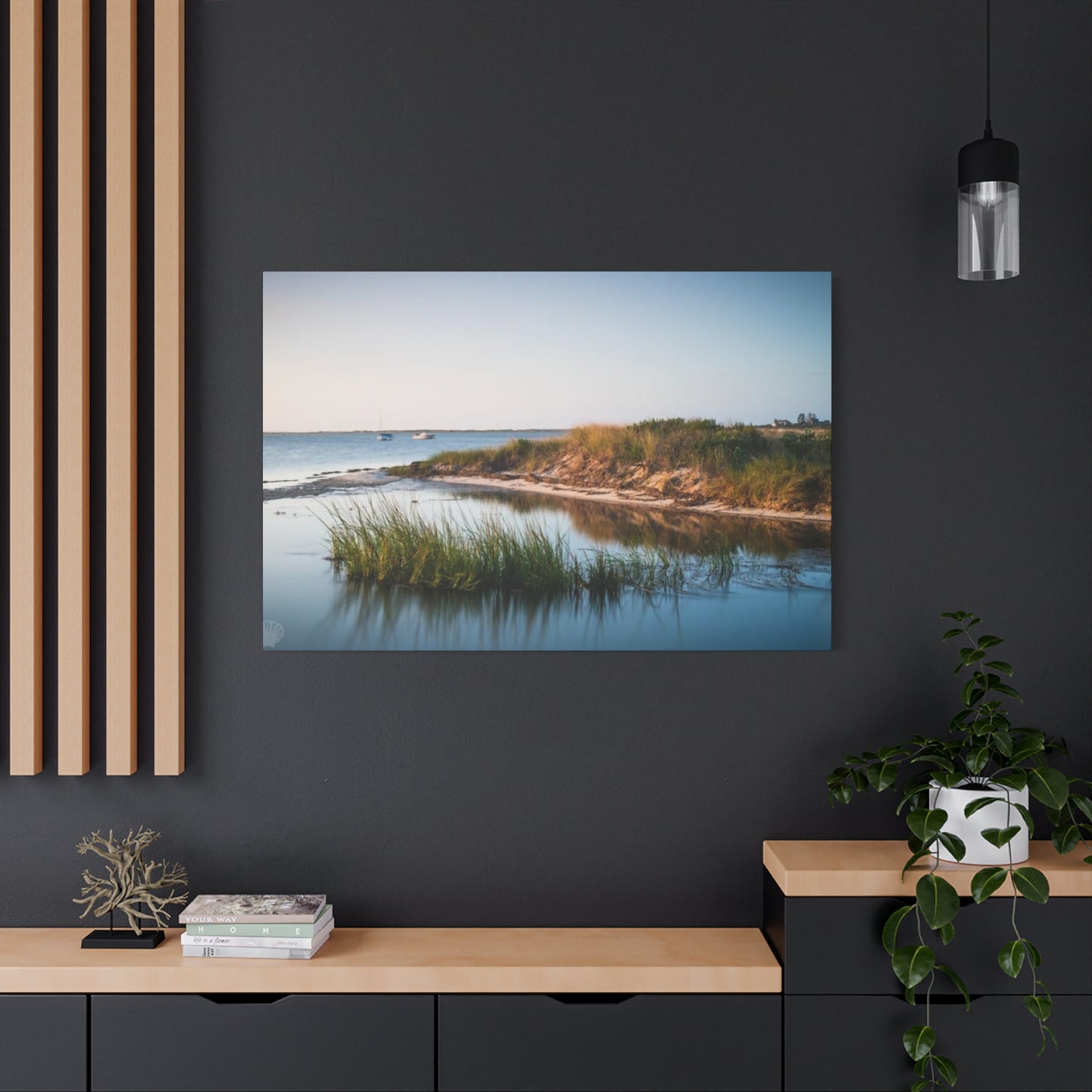
Beach Fine Wall Art & Canvas Prints
Beach Fine Wall Art & Canvas Prints
Couldn't load pickup availability
Capturing Coastal Serenity: Your Comprehensive Resource for Beach Fine Wall Art Collection and Display
The allure of oceanfront imagery has captivated collectors and homeowners for centuries, offering a window into the tranquil world of sandy shores, rolling waves, and endless horizons. Beach fine wall art represents more than mere decoration—it embodies the spirit of coastal living, the romance of seaside vacations, and the meditative quality of water meeting land. This distinctive genre of visual expression encompasses everything from photographic prints capturing golden-hour sunsets over pristine beaches to abstract interpretations of marine landscapes rendered in oils, acrylics, and mixed media.
When we examine the cultural significance of coastal imagery, we find it deeply rooted in human psychology and our innate connection to natural environments. The beach serves as a universal symbol of relaxation, freedom, and escape from daily pressures. Bringing these elements indoors through carefully selected artwork allows inhabitants to maintain that connection regardless of their geographic location. Whether residing in landlocked regions or bustling urban centers, individuals can create personal sanctuaries that evoke memories of barefoot walks along shorelines, the sound of crashing waves, and the salty breeze that characterizes coastal environments.
The market for seaside-themed artwork has expanded dramatically over recent decades, driven by growing interest in biophilic design principles and the wellness movement's emphasis on creating calming residential spaces. Collectors now have access to an unprecedented variety of styles, from hyperrealistic renderings that could be mistaken for photographs to impressionistic pieces that capture the essence of coastal scenes through bold brushstrokes and vibrant color palettes. This diversity ensures that regardless of personal aesthetic preferences or existing interior design schemes, appropriate pieces can be identified to enhance any space.
Contemporary artists working within this genre push boundaries while honoring traditional approaches. Some focus on capturing specific geographic locations—the rugged cliffs of California's coastline, the pristine white sands of Caribbean islands, or the dramatic rock formations found along Mediterranean shores. Others adopt more universal approaches, creating composite scenes that represent idealized versions of beach environments rather than specific locations. Both approaches offer value, with location-specific works appealing to those with personal connections to particular areas and universal representations serving as more broadly accessible options.
The process of selecting beach fine wall art requires consideration of multiple factors beyond simple aesthetic appeal. Scale plays a crucial role in determining impact—oversized statement pieces command attention and serve as focal points, while smaller works can be clustered to create gallery walls that tell visual stories. Color harmony between artwork and surrounding decor elements ensures cohesive interior design schemes. The emotional resonance of particular scenes or artistic styles should align with the atmosphere homeowners wish to cultivate within their spaces.
Material considerations also influence both appearance and longevity. Traditional canvas prints offer texture and depth, while metal prints provide contemporary sleekness with enhanced durability. Acrylic mounting creates floating effects with dimensional qualities that change as viewing angles shift. Wood-mounted prints complement rustic or farmhouse aesthetics, adding warmth through natural grain patterns. Framing choices further impact presentation, with options ranging from minimalist gallery frames that keep focus on the artwork itself to ornate borders that transform pieces into classical statements.
Exploring Diverse Artistic Styles Within Coastal Visual Expression
The realm of beach fine wall art encompasses numerous artistic movements and stylistic approaches, each offering distinct visual languages for interpreting coastal environments. Photorealism stands at one end of the spectrum, with artists dedicating painstaking attention to recreating every detail of beach scenes—individual grains of sand catching sunlight, the translucent quality of shallow water over white sand bottoms, weathered wood textures of abandoned piers, and the precise way foam patterns form as waves retreat. These works appeal to those seeking windows into actual places, offering virtual transportation to distant shores.
Impressionistic coastal art captures the feeling of beach environments rather than literal representations. Artists working in this tradition employ loose brushwork, bold color choices, and emphasis on light effects to convey the sensory experience of being at the shore. Monet's beach scenes at Étretat exemplify this approach, demonstrating how suggestion and atmosphere can communicate place more powerfully than precise detail. Contemporary impressionists continue this legacy, creating works that shimmer with movement and light, inviting viewers to complete images through their own perceptions and memories.
Abstract interpretations of coastal themes strip away representational elements to focus on essential qualities—the rhythm of waves reduced to flowing lines, color palettes inspired by sea and sky without depicting recognizable forms, textures suggesting sand or weathered surfaces without literal representation. This approach offers maximum flexibility for integration into various interior design schemes since the absence of specific imagery allows these pieces to complement rather than dominate spaces. Abstract coastal art works particularly well in contemporary and minimalist settings where subtle references prove more appropriate than obvious beach iconography.
Vintage and nostalgic styles tap into collective memories of classic seaside vacations, invoking mid-century travel posters, retro surfing culture, and the golden age of boardwalk entertainment. These works often employ limited color palettes reminiscent of aged photographs or old postcards, creating instant nostalgia even for viewers too young to have experienced the eras being referenced. This aesthetic particularly appeals to those furnishing beach cottages, vacation homes, or spaces intended to capture the carefree spirit of summer holidays.
Maritime realism focuses specifically on accurate depictions of nautical subjects—sailing vessels, lighthouses, coastal architecture, fishing boats, and harbor scenes. This subcategory attracts collectors interested in maritime heritage and naval history. The technical skill required to accurately render ships, rigging, and water effects ensures these pieces showcase artistic mastery while providing visual interest through complex compositions and rich detail.
Tropical beach imagery represents another significant category, characterized by vibrant colors, exotic vegetation, and crystal-clear waters in shades of turquoise and azure. These works transport viewers to paradise destinations—think Tahitian lagoons, Hawaiian shores, or Maldivian atolls. The aspirational quality of tropical beach art makes it particularly popular for creating escape-themed spaces where inhabitants can mentally vacation without leaving home.
Understanding Color Psychology in Seaside Artwork Selection
Color choices within beach fine wall art significantly impact the emotional atmosphere of spaces where pieces are displayed. The dominant blue tones found in most coastal imagery carry specific psychological associations worth considering during selection processes. Cool blues promote calmness and relaxation, lowering heart rates and reducing stress responses. Lighter aqua and turquoise shades evoke tropical destinations and vacation mindsets, while deeper navy and cobalt tones suggest sophistication and contemplation. The prevalence of blue in coastal art makes it naturally suited for bedrooms, bathrooms, and other spaces where tranquility is desired.
Warm color accents within beach scenes provide balance and visual interest. Golden sandy tones introduce warmth that prevents spaces from feeling cold or sterile. Sunset imagery incorporating oranges, pinks, and purples adds romantic elements while maintaining coastal themes. These warmer palettes work well in living areas where comfort and welcome matter more than pure tranquility. The interplay between cool water tones and warm sand or sky colors creates dynamic tension that keeps artwork visually engaging over time.
Neutral beach art featuring predominantly white, cream, gray, and tan tones offers maximum versatility for integration into existing color schemes. These subdued palettes never compete with other design elements, making them ideal for spaces with bold furniture or wallpaper. Black and white coastal photography provides timeless elegance, emphasizing composition, texture, and form over color. This approach suits sophisticated interiors where restraint and refinement take precedence.
Monochromatic color schemes within beach art create cohesive visual statements. Entirely blue compositions from pale sky tones through deep ocean shades demonstrate how single-color explorations can maintain interest through value variation and texture. These works function almost as neutral elements despite their color content, providing easy coordination with surrounding decor.
Understanding personal color responses guides selection toward pieces that will provide lasting satisfaction. Some individuals find energizing stimulation in vibrant tropical palettes, while others prefer the meditative qualities of fog-shrouded coastlines rendered in soft grays. Testing emotional responses to various color schemes before committing to purchases ensures selections will enhance rather than clash with intended atmospheric goals for spaces.
Seasonal color considerations also merit attention. Beach art featuring spring and summer palettes may feel discordant during fall and winter months in regions with distinct seasonal changes. Alternatively, consistent coastal imagery can serve as year-round reminders of warmer times. Some collectors rotate artwork seasonally, displaying brighter pieces during warmer months and moodier, stormier coastal scenes during colder periods.
Examining the Cultural Significance of Coastal Imagery Throughout Artistic Movements
Beach scenes have appeared in visual arts since humans first began creating representational imagery, but their prominence increased dramatically with the rise of landscape painting as a respected genre during the Renaissance period. Early depictions often served documentary purposes, recording unfamiliar coastlines encountered during exploration and colonization. These practical beginnings evolved into romantic interpretations as artists recognized the dramatic potential of sea meeting shore.
The Dutch Golden Age of the 17th century produced numerous maritime paintings, though these typically focused on ships and naval activities rather than beaches themselves. Artists like Willem van de Velde the Younger created detailed seascapes that documented both calm harbors and dramatic storms, establishing conventions for depicting water that influenced generations of subsequent painters. The emphasis on accurate representation reflected both Dutch mercantile interests and Calvinist appreciation for observable reality.
Romantic movement artists of the late 18th and early 19th centuries transformed coastal imagery into vehicles for emotional expression and philosophical contemplation. J.M.W. Turner's later seascapes dissolved solid forms into atmospheric effects, prioritizing subjective experience over objective documentation. His revolutionary approach to depicting light, weather, and the sublime power of nature influenced countless followers and helped establish the beach as a legitimate subject worthy of serious artistic treatment.
The impressionists' fascination with light and leisure made beaches natural subjects. Monet, Renoir, and their contemporaries frequently depicted seaside resorts where middle-class Parisians vacationed, capturing the social dimensions of coastal life alongside natural beauty. These works documented the emerging phenomenon of recreational beach-going, a practice that would eventually become democratized beyond the privileged classes who initially popularized it.
American painters of the late 19th and early 20th centuries developed distinctly New World approaches to coastal subjects. Winslow Homer's powerful depictions of Maine's rocky shores emphasized nature's raw force and the isolation of coastal existence. His works avoided sentimentality in favor of honest observation of both beauty and danger inherent in life near the sea. This unflinching approach contrasted with more idealized European seaside imagery.
The 20th century saw coastal imagery embraced by numerous movements. Fauvists employed unnaturalistic colors to express emotional responses to Mediterranean light. Surrealists placed impossible objects on deserted beaches to create dreamlike narratives. Abstract expressionists found inspiration in the rhythms of waves and tides. Pop artists appropriated beach culture imagery—surfboards, lifeguard towers, boardwalks—as commentary on consumer society and leisure pursuits.
Contemporary beach fine wall art draws from this rich lineage while incorporating modern sensibilities. Environmental concerns prompt many artists to document threatened coastlines and endangered marine ecosystems, adding urgency to beauty. Others explore beaches as contested spaces where issues of access, development, and privatization play out. This contemporary contextualization adds conceptual depth to what might otherwise be purely decorative imagery.
Navigating the Marketplace for Coastal Artistic Acquisitions
The channels through which beach fine wall art reaches consumers have multiplied exponentially, each offering distinct advantages and considerations. Traditional brick-and-mortar galleries provide tactile experiences impossible to replicate online—the ability to view pieces in person reveals details, textures, and scale relationships that photographs cannot fully convey. Gallery staff often possess deep knowledge about artists, materials, and provenance, serving as valuable resources during selection processes. However, geographic limitations restrict access to galleries for many potential collectors, and gallery markups can significantly inflate prices.
Online marketplaces have democratized access to coastal artwork, connecting artists directly with global audiences. Platforms specializing in art sales feature extensive inventories searchable by style, color, size, and price point. Virtual room visualizers allow shoppers to preview how pieces might appear in their own spaces, partially addressing the inability to view works in person before purchasing. Return policies vary widely, making careful review of terms essential before completing transactions. The challenge of assessing quality from screen images remains, though high-resolution photography and detailed descriptions help mitigate this limitation.
Artist websites and social media presences enable direct relationships between creators and collectors, eliminating intermediary markups. This model benefits both parties—artists retain larger percentages of sale prices while collectors access lower costs. Following artists on platforms like Instagram provides insight into creative processes and allows collectors to claim new works immediately upon release. The personal connection fostered through direct artist relationships adds emotional value beyond the physical artwork itself.
Print-on-demand services offer beach fine wall art at entry-level price points, making coastal imagery accessible to budget-conscious consumers. These companies maintain catalogs of designs available in multiple sizes and formats, producing items only after orders are received. While this model eliminates inventory risk, it also means pieces lack uniqueness—identical prints may hang in numerous homes. Quality varies by provider, with some producing museum-grade reproductions and others generating lower-quality output suitable only for temporary display.
Art fairs and festivals provide opportunities to view multiple artists' works in single locations, facilitating comparison and discovery. These events often feature emerging talents alongside established names, allowing collectors to identify rising stars before prices escalate. The festival atmosphere encourages spontaneous purchases, though rushing decisions can lead to regret. Taking time to photograph interesting pieces and reflecting before committing usually yields better outcomes.
Commissioned custom works represent the ultimate in personalization, allowing collectors to specify exact subjects, color palettes, and dimensions. Artists may base custom pieces on client-provided photographs—perhaps of a family vacation spot or childhood beach. This approach guarantees uniqueness and deep personal meaning but requires patience for completion and typically commands premium pricing. Establishing clear communication about expectations prevents disappointment when finished works are revealed.
Secondary markets including auction houses and resale platforms offer access to works by deceased artists or sold-out editions by living creators. Pricing in these venues reflects market demand, potentially offering bargains on under-appreciated artists or requiring substantial investment for recognized names. Authentication concerns necessitate careful vetting—provenance documentation and seller reputation matter critically when purchasing high-value pieces through secondary channels.
Implementing Effective Display Strategies for Maximum Visual Impact
The manner in which beach fine wall art is presented dramatically influences its aesthetic impact and how it interacts with surrounding spaces. Height placement follows general guidelines suggesting eye-level hanging, typically 57-60 inches from floor to artwork centers. However, this standard should be adjusted based on ceiling heights, furniture placement, and viewing contexts. In dining areas where people primarily see artwork while seated, lower placement proves more appropriate. In foyers or hallways where viewers are typically standing and moving, standard or even slightly elevated heights work better.
Lighting dramatically affects artwork appearance and preservation. Natural light illuminates pieces beautifully but carries risks—ultraviolet radiation causes fading and degradation over time. Direct sunlight proves particularly damaging and should be avoided entirely. Window treatments filtering UV rays help protect artwork while maintaining natural illumination benefits. Artificial lighting provides control over intensity, direction, and color temperature. Track lighting allows precise positioning of illumination, while picture lights mounted above individual pieces create gallery-quality presentation. LED options minimize heat output that might damage artwork while offering energy efficiency and longevity.
Grouping arrangements multiply visual impact beyond what individual pieces achieve alone. Gallery walls incorporating multiple coastal works in varied sizes create dynamic compositions that hold attention longer than single pieces. Successful gallery walls balance symmetry and asymmetry—overly rigid arrangements feel stiff, while complete randomness appears chaotic. Laying out arrangements on the floor before hanging allows experimentation with configurations. Maintaining consistent spacing between pieces (typically 2-4 inches) unifies collections into coherent statements.
Vertical versus horizontal orientations serve different purposes in space planning. Vertical pieces draw eyes upward, making ceilings appear higher and particularly suiting narrow walls. Horizontal orientations emphasize width, working well above sofas or in spaces where breadth matters more than height. Panoramic beach scenes spanning multiple feet create immersive effects, enveloping viewers in coastal environments.
Matting and framing choices significantly impact presentation. Mats create breathing room around images, preventing cramped appearances and protecting artwork from direct glass contact. Mat widths should scale appropriately with image sizes—larger pieces demand wider mats. Mat colors typically employ neutral whites, creams, or grays that don't compete with artwork, though accent colors can be used strategically for specific effects. Frame styles should complement both the artwork and surrounding interior design—ornate frames suit traditional settings, while simple gallery frames work in contemporary spaces. Matching frames throughout a room creates cohesion, while varied frames suggest curated collections accumulated over time.
Standalone presentation on shelves or mantels offers flexibility impossible with permanently hung pieces. Leaning artwork against walls on floating shelves creates casual, approachable displays easily rearranged. Layering multiple pieces of varying sizes adds dimensional interest. This approach works particularly well in rental situations where wall damage concerns limit hanging options.
Investigating Various Printing Methods and Substrate Materials
The physical characteristics of beach fine wall art depend significantly on production methods and materials employed. Understanding these variables helps collectors make informed decisions aligned with aesthetic preferences and budgetary constraints. Traditional canvas printing remains highly popular, offering rich colors and slight texture that adds dimension. Canvas surfaces accommodate large formats without becoming unwieldy, and the lack of reflective glare ensures visibility from multiple viewing angles. Stretching printed canvas over wooden frames creates gallery-wrapped presentations with continuous imagery wrapping around edges, eliminating the need for separate frames.
Metal printing represents a contemporary alternative that delivers vivid colors and exceptional durability. Dye sublimation processes infuse images directly into specially coated aluminum panels, creating waterproof surfaces resistant to fading. The inherent reflectivity of metal adds luminosity, making water appear to glow from within and enhancing the illusion of depth in coastal scenes. White or silver metal bases produce different effects—white backing yields accurate colors with high contrast, while silver creates slightly ethereal, diffused qualities. Metal prints particularly suit modern interiors where sleek materials align with overall design philosophies.
Acrylic face mounting bonds photographic prints to the backs of clear acrylic panels, creating stunning depth as light travels through the transparent material. This method produces jewel-like quality with colors appearing suspended within glossy surfaces. The dimensional effects change as viewing angles shift, adding dynamic interest. Acrylic mounting commands premium pricing but delivers unmatched visual impact for showcase pieces. The substantial weight of thick acrylic panels requires secure mounting systems—considerations for hanging should be addressed before installation.
Wood prints offer organic warmth with visible grain patterns showing through printed images, creating fusion between photographic imagery and natural materials. This rustic approach particularly suits beach cottages, farmhouses, or spaces emphasizing natural materials. Wood prints work best with images that accommodate the grain texture—abstract coastal scenes or vintage-processed photographs integrate beautifully, while highly detailed contemporary photographs may be disrupted by underlying wood patterns.
Paper prints remain the most traditional format, offering maximum archival potential when executed with proper materials. Giclée printing on acid-free fine art papers using archival inks produces museum-quality reproductions with exceptional detail and color accuracy. Various paper surfaces—glossy, matte, or textured—yield different aesthetics. Paper prints require framing with UV-filtering glass for protection from environmental damage. This format suits collectors prioritizing longevity and those who appreciate traditional presentation methods.
Tapestry and textile prints provide soft alternatives to hard surfaces, adding textural variety to wall displays. Woven or printed fabrics create bohemian or relaxed aesthetics appropriate for casual spaces. Tapestries also serve functional purposes—their insulating properties help regulate temperature, and sound-absorbing qualities reduce echo in rooms with hard surfaces. This format particularly suits beach-themed bedrooms or outdoor living spaces where weather resistance matters.
Framed versus frameless presentations represent another key consideration. Traditional frames provide finished appearances and protect edges from damage, but add thickness that may overwhelm small spaces. Frameless mounting methods like canvas wraps or metal prints with standoff hardware create contemporary looks that minimize bulk. The choice depends on both aesthetic preferences and practical considerations about damage vulnerability in high-traffic areas where frames offer protective benefits.
Analyzing Size Proportions and Scaling for Architectural Harmony
Determining appropriate dimensions for beach fine wall art requires careful assessment of available wall space and surrounding elements. The relationship between artwork size and wall area significantly impacts visual balance. A useful guideline suggests artwork should occupy 60-75% of the available wall width above furniture pieces. For example, above a 90-inch sofa, ideal art width falls between 54-67 inches. This proportion ensures pieces feel substantial without overwhelming spaces.
Oversized statement pieces measuring 40x60 inches or larger command immediate attention, functioning as focal points around which room designs revolve. These dramatic works suit spacious walls in living rooms, master bedrooms, or foyers where making bold impressions matters. The challenge with oversized pieces involves ensuring surrounding elements don't compete for attention—when showcasing large-scale coastal art, other wall decor should be minimized to prevent visual chaos.
Medium-sized pieces ranging from 24x36 to 36x48 inches offer versatility for various applications. Multiple medium works can be grouped for gallery wall effects or hung individually throughout spaces. This scale works well above beds, in dining rooms, or flanking larger furniture pieces. Medium sizes balance visibility with flexibility, making them popular choices for collectors building versatile collections.
Small-scale artwork measuring 16x20 inches or smaller introduces intimate details that reward close viewing. Clustered in groups, small pieces create visual interest through repetition and variation. They work beautifully in bathrooms, home offices, hallways, or any spaces where wall area is limited. Small beach fine wall art also serves as supplementary elements in larger displays, providing accent notes that support without overwhelming.
Vertical to horizontal ratio considerations influence how pieces interact with spaces. Landscape orientation (wider than tall) naturally suits beach scenes, emphasizing the horizon lines that define coastal environments. Portrait orientation (taller than wide) works for dramatic perspectives like towering lighthouse shots or vertical compositions of beach grasses. Square formats provide balanced, grounded feelings that suit both contemporary and traditional settings.
Multi-panel arrangements like triptychs or larger polyptychs allow expansive compositions broken into manageable pieces. A beach panorama spanning three panels creates immersive effects while remaining more practical to transport and hang than a single massive canvas. Split-panel presentations also introduce dimensional elements as slight spacing between sections adds depth. These arrangements particularly suit long, narrow walls where single pieces would appear awkwardly proportioned.
Ceiling height dramatically influences ideal artwork dimensions. Standard 8-foot ceilings limit options for tall vertical pieces, while 10-foot or higher ceilings accommodate grand-scale works that would overwhelm lower spaces. In rooms with cathedral or vaulted ceilings, artwork placement becomes more complex—pieces may need positioning lower on walls to maintain visual connection with eye-level viewing, or larger scales may be required to avoid pieces appearing lost in expansive vertical spaces.
Room proportions and architectural features guide placement decisions. In narrow hallways, horizontal orientations emphasize length, while vertical pieces accentuate height, potentially making tight spaces feel taller and less claustrophobic. Corner placements benefit from considering sight lines—artwork in corners should be visible from major entry points rather than hidden from primary views. Architectural details like fireplaces, windows, or built-in shelving create natural focal points that either support or compete with artwork depending on placement relative to these features.
Delving Into Subject Matter Variations Within Coastal Themes
The beach fine wall art category encompasses diverse subject matter beyond simple wave and sand depictions. Understanding these variations helps collectors articulate preferences and identify pieces resonating with personal experiences and aesthetic sensibilities. Sunrise and sunset scenes represent perennial favorites, capturing the magic of transitional light moments when colors intensify and atmospheres transform. Golden hour photography when the sun hovers near horizons bathes beaches in warm, flattering light that creates romantic moods. Silhouetted figures or objects against brilliant skies add narrative elements without requiring detailed representation.
Stormy seascapes communicate drama and power, depicting nature's formidable forces. Dark clouds, turbulent waves, and wind-bent vegetation create tension and energy. These dynamic scenes appeal to those seeking artwork that stimulates rather than soothes, adding visual excitement to spaces. Stormy beach imagery particularly suits studies, offices, or other environments where energizing atmospheres outweigh tranquility concerns.
Aerial perspectives transformed by drone photography present beaches from novel vantage points previously available only through expensive helicopter shoots. Bird's-eye views reveal patterns in waves, sand formations, and beachgoer distributions invisible from ground level. These geometric compositions appeal to those with contemporary design sensibilities, offering abstract qualities within representational frameworks. Aerial beach fine wall art particularly suits modern interiors where innovative perspectives align with forward-thinking design approaches.
Close-up details isolate specific elements—weathered driftwood textures, shell collections arranged on sand, tide pools teeming with marine life, footprints preserved in wet sand. These intimate studies celebrate the small wonders often overlooked in wider vistas. Detail-focused pieces work beautifully in smaller spaces where subtle subjects prove more appropriate than sweeping panoramas. They also suit collections showcasing various scales, providing visual variety within cohesive coastal themes.
Beach structures including lifeguard towers, piers, boardwalks, and beach houses introduce human elements while maintaining coastal atmosphere. These subjects carry nostalgic associations with summer vacations and simpler times. Vintage-styled renderings of classic beach architecture particularly appeal to collectors furnishing vacation homes or creating spaces celebrating seaside heritage. Contemporary takes on beach structures can emphasize geometric forms and bold colors for more modern presentations.
Nautical elements like sailboats, surfboards, beach umbrellas, and fishing equipment add activity suggestions without depicting people. These objects imply human presence and recreational purposes that beaches serve. Composition choices determine whether these elements dominate scenes or provide accent details within larger landscape contexts. Collections mixing people-free beaches with nautical-themed pieces create narrative variety while maintaining thematic consistency.
Flora and fauna unique to coastal ecosystems expand subject possibilities. Sea oats and beach grasses bending in wind create graceful linear elements. Seabirds—gulls, pelicans, sandpipers—add movement and life. Marine creatures visible in shallow waters or along shorelines introduce color and biological interest. These subjects appeal to nature enthusiasts and those interested in specific ecosystems rather than generic beach representations.
Tropical versus temperate coastal distinctions create very different aesthetics. Tropical beaches feature vibrant aquamarine waters, white or pink sand, palm trees, and lush vegetation in intense colors. Temperate beaches present subtler palettes—cool grays, blues, and tans—with beach grasses, driftwood, and rocky outcroppings. These variations suit different design schemes and personal preferences shaped by familiar or aspirational coastal experiences.
Examining Artistic Mediums and Their Distinctive Characteristics
Beach fine wall art manifests through numerous artistic mediums, each offering unique visual qualities and creative possibilities. Oil painting remains a prestigious traditional medium, valued for rich colors, subtle blending capabilities, and textural applications. Thick impasto techniques build dimensional surfaces where paint stands proud of canvas, catching light and creating tactile interest. Glazing methods build luminosity through transparent layers, particularly effective for rendering water's translucent qualities. Oil paintings command premium prices reflecting the time investment and skill required, but deliver timeless appeal that endures across decorating trends.
Acrylic painting offers versatility and vivid colors that dry quickly, allowing rapid layering and modification. While traditionally considered less prestigious than oils, contemporary artists exploit acrylics' unique properties—brilliant intensity, sharp edges, and experimental techniques impossible with slower-drying oils. Acrylic beach fine wall art spans stylistic approaches from photorealistic to highly abstract, demonstrating the medium's adaptability. The lower cost relative to oils makes acrylics accessible entry points for emerging collectors.
Watercolor creates ethereal effects perfectly suited to atmospheric coastal scenes. The medium's inherent fluidity and transparency evoke water's essence—hardly surprising given the shared root word. Watercolor excels at capturing fog-shrouded shorelines, delicate dawn light, and the ephemeral quality of clouds. The medium's unpredictability requires artists to embrace happy accidents and work with rather than against materials' natural behaviors. Watercolor beach art appeals to collectors appreciating subtlety and suggesting rather than stating.
Photography revolutionized coastal imagery by enabling unprecedented accuracy and instant capture of fleeting moments. Black and white beach photography emphasizes form, texture, and composition, creating timeless works unaffected by changing color preferences. Color photography ranges from saturated, vibrant captures emphasizing visual impact to subtle, naturalistic renderings prioritizing authenticity. Various photographic styles—HDR processing, long exposures smoothing waves to milky flows, infrared imaging creating otherworldly effects—demonstrate the medium's creative range.
Mixed media approaches combine multiple materials and techniques, creating rich complexity. A piece might incorporate acrylic painting, collaged materials like actual sand or shells, gold leaf accents, and photographic transfers. These layered works offer visual and tactile interest that single-medium pieces cannot match. Mixed media particularly suits contemporary and eclectic interiors where unexpected combinations feel at home.
Digital art represents contemporary innovation, created entirely or partially using computer software and hardware. Digital artists employ specialized tablets and styluses to paint with virtual brushes, or manipulate photographs through complex editing processes. The digital realm enables effects impossible in physical media—perfect symmetry, precise geometric patterns, unlimited color palettes. While some traditionalists question digital art's legitimacy, its growing acceptance reflects recognition that creativity matters more than tool choices. Digital beach fine wall art particularly appeals to younger collectors and those furnishing tech-forward environments.
Encaustic painting using heated beeswax mixed with pigments creates luminous surfaces with unique depth. This ancient technique experiences contemporary revival among artists attracted to its distinctive appearance and rich history. Encaustic works feature subtle translucency and textural variation from layered wax applications. The medium suits coastal subjects by enabling capturing water's refractive qualities and light's interaction with surfaces. Encaustic pieces require special care to avoid heat damage but reward owners with singular beauty.
Recognizing How Coastal Artwork Influences Interior Design Schemes
Beach fine wall art functions as more than standalone decoration—it actively shapes and reinforces comprehensive interior design concepts. In coastal-themed rooms embracing seaside aesthetics throughout furnishings and accessories, artwork provides essential reinforcement that unifies disparate elements. A room featuring white slipcovered furniture, bleached wood surfaces, rope accents, and blue textiles achieves cohesion when coastal artwork ties these elements together through shared theme and complementary colors.
Paradoxically, beach imagery also serves as sole coastal reference in otherwise non-themed interiors, allowing inhabitants to enjoy seaside associations without committing to comprehensive coastal decorating. A single striking piece of beach fine wall art in a mid-century modern living room or industrial loft introduces vacation atmosphere without requiring broader design realignment. This selective approach suits those who appreciate coastal imagery's aesthetic and emotional qualities but prefer eclectic or contemporary design schemes.
Color extraction methodologies use artwork palettes as foundations for entire room color schemes. When a piece featuring sandy beiges, soft blues, and coral sunset tones hangs prominently, these colors can be echoed in throw pillows, area rugs, curtains, and accent furniture. This approach ensures harmonious environments where artwork feels integrated rather than arbitrarily placed. Even in rooms with established color schemes, selecting beach fine wall art with compatible palettes creates cohesion.
Scale relationships between artwork and furniture establish visual hierarchies communicating what matters most in spaces. Large-scale coastal pieces above sofas claim focal point status, with furniture arrangements oriented to facilitate viewing. Conversely, when impressive furniture pieces anchor rooms, smaller complementary artwork supports without competing. Understanding these hierarchies guides placement decisions ensuring balanced environments rather than competing elements.
Artwork placement influences traffic flow and sight lines through spaces. Statement pieces in foyers establish initial impressions and set tones for entire homes. In open-concept living areas, strategically placed beach fine wall art can subtly define zones without physical barriers—a coastal piece above a reading nook establishes that area's identity while maintaining visual connection to larger spaces.
The psychological impact of coastal imagery on interior environments extends beyond aesthetics into wellness territory. Studies indicate nature imagery reduces stress and promotes recovery from mental fatigue. Offices and workspaces benefit from beach fine wall art providing mental escape during demanding days. Bedrooms featuring calming coastal scenes support relaxation conducive to quality sleep. Healthcare facilities increasingly incorporate nature imagery including beach scenes to support patient wellbeing and stress reduction.
Seasonal decorating strategies can incorporate or exclude coastal artwork depending on desired effects. Year-round display works well in consistently decorated homes or regions with minimal seasonal variation. In areas with distinct seasons, some designers rotate artwork, displaying beach scenes during warmer months and transitioning to other subjects for fall and winter. This approach keeps spaces feeling fresh while acknowledging seasonal realities.
Conclusion
Ensuring beach fine wall art retains its beauty and value over decades requires implementing appropriate preservation strategies. Environmental factors significantly impact artwork longevity, with light exposure representing the primary threat. Ultraviolet radiation breaks down pigments and materials, causing fading and degradation. Even indirect natural light contains harmful UV rays, necessitating protective measures. UV-filtering glass or acrylic in frames blocks damaging radiation while maintaining visibility. Window films or treatments filtering incoming light protect entire rooms including artwork. Positioning pieces away from direct sunlight paths provides additional protection.
Artificial lighting also warrants consideration, though risks prove less severe than natural light. Halogen bulbs emit UV radiation and substantial heat, both problematic for artwork preservation. LED lighting provides safer alternatives with minimal UV output and heat generation. Keeping light levels moderate preserves artwork while providing adequate illumination—brighter isn't better when preservation matters. Timer systems ensuring lights aren't left on unnecessarily extend artwork lifespans.
Humidity control prevents numerous deterioration problems. Excess moisture promotes mold growth, causes paper warping, and can degrade adhesives in mounted works. Conversely, extremely low humidity makes materials brittle and prone to cracking. Ideal humidity levels for artwork preservation fall between 40-50%. Climate-controlled environments maintained for human comfort typically fall within acceptable ranges, though coastal regions with naturally high humidity may require dehumidification. Bathrooms and kitchens present challenging environments due to steam and temperature fluctuations—artwork displayed in these spaces requires extra monitoring.
Temperature stability matters alongside humidity control. Rapid temperature fluctuations cause expansion and contraction stressing materials and accelerating deterioration. Avoiding placement near heating vents, radiators, fireplaces, or exterior walls experiencing significant temperature changes protects artwork. Consistent moderate temperatures throughout seasons prove ideal for preservation.
Physical protection from damage includes proper hanging methods preventing falls. Hardware selection should exceed artwork weight—if a piece weighs 10 pounds, use hardware rated for at least 20 pounds as safety margins. Wall anchors in drywall or masonry bolts in concrete ensure secure mounting. Professional hanging services make sense for valuable or especially large pieces where installation complexity or damage risk exceeds owner comfort levels.
Cleaning requires caution and appropriate methods for specific materials. Canvas and paper-based works should never be cleaned with water or conventional cleaners—professional conservation services handle significant cleaning needs. Dust removal using soft, dry brushes prevents accumulation without introducing moisture. Glass or acrylic surfaces in frames can be cleaned with appropriate products applied to lint-free cloths, never sprayed directly on frames where liquid might seep behind glass and contact artwork. Metal and acrylic prints tolerate gentle cleaning with damp cloths, though abrasive materials must be avoided to prevent scratching.
Insurance considerations apply to valuable collections. Standard homeowners or renters insurance policies often provide limited coverage for artwork, and excluded perils may include floods or other disasters. Separate fine art insurance policies or riders provide comprehensive coverage reflecting true replacement values. Documentation including purchase receipts, photographs, and professional appraisals supports claims if losses occur. Digital records stored separately from physical artwork ensure information survives disasters affecting homes.
Storage of unframed works or pieces in rotation requires protective materials. Acid-free tissue paper prevents surface damage. Artwork should be stored flat when possible, avoiding rolled storage which can cause creases or warping. Climate-controlled storage spaces prevent environmental damage during periods when pieces aren't displayed. Protective sleeves or portfolios keep multiple works organized while providing physical protection.
Share