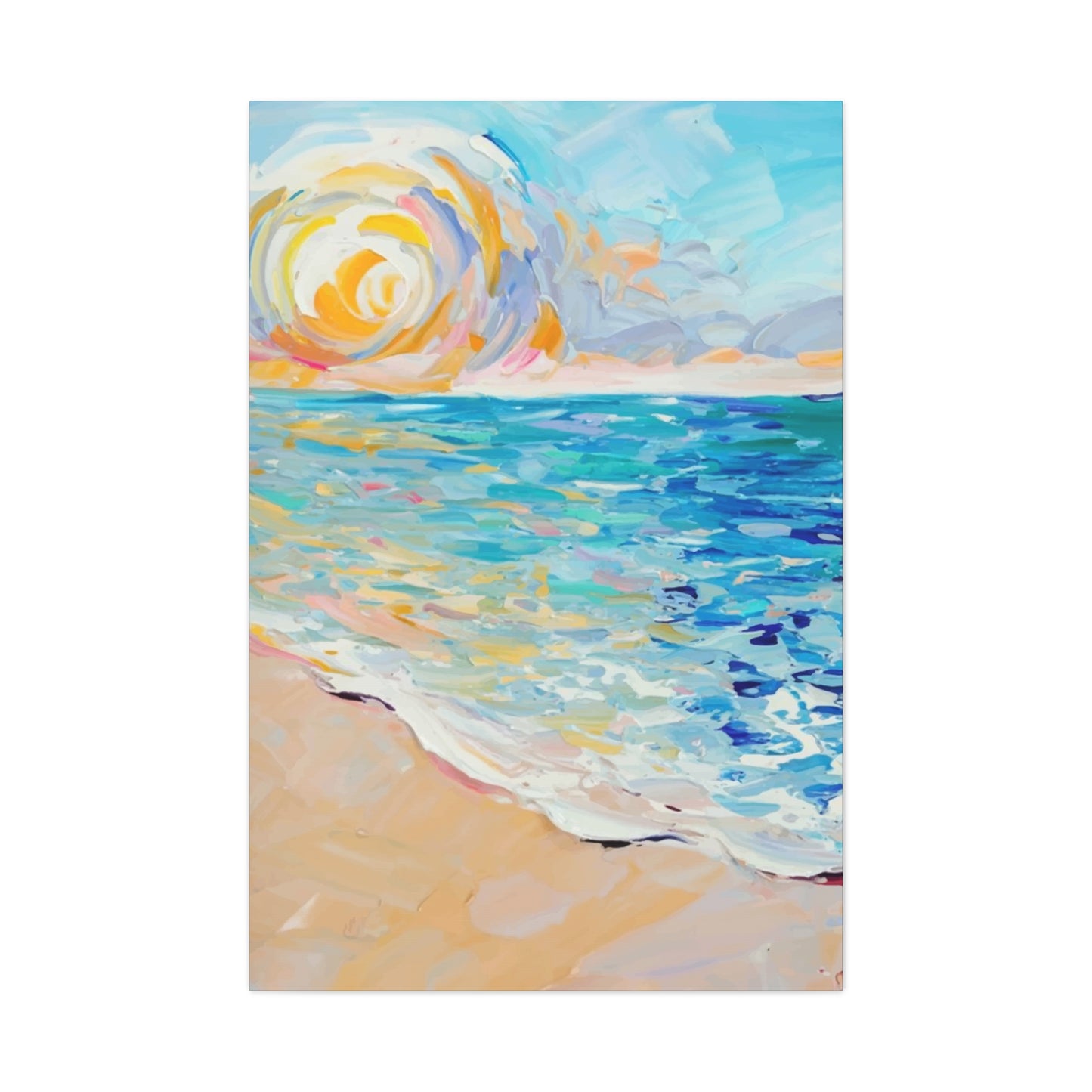
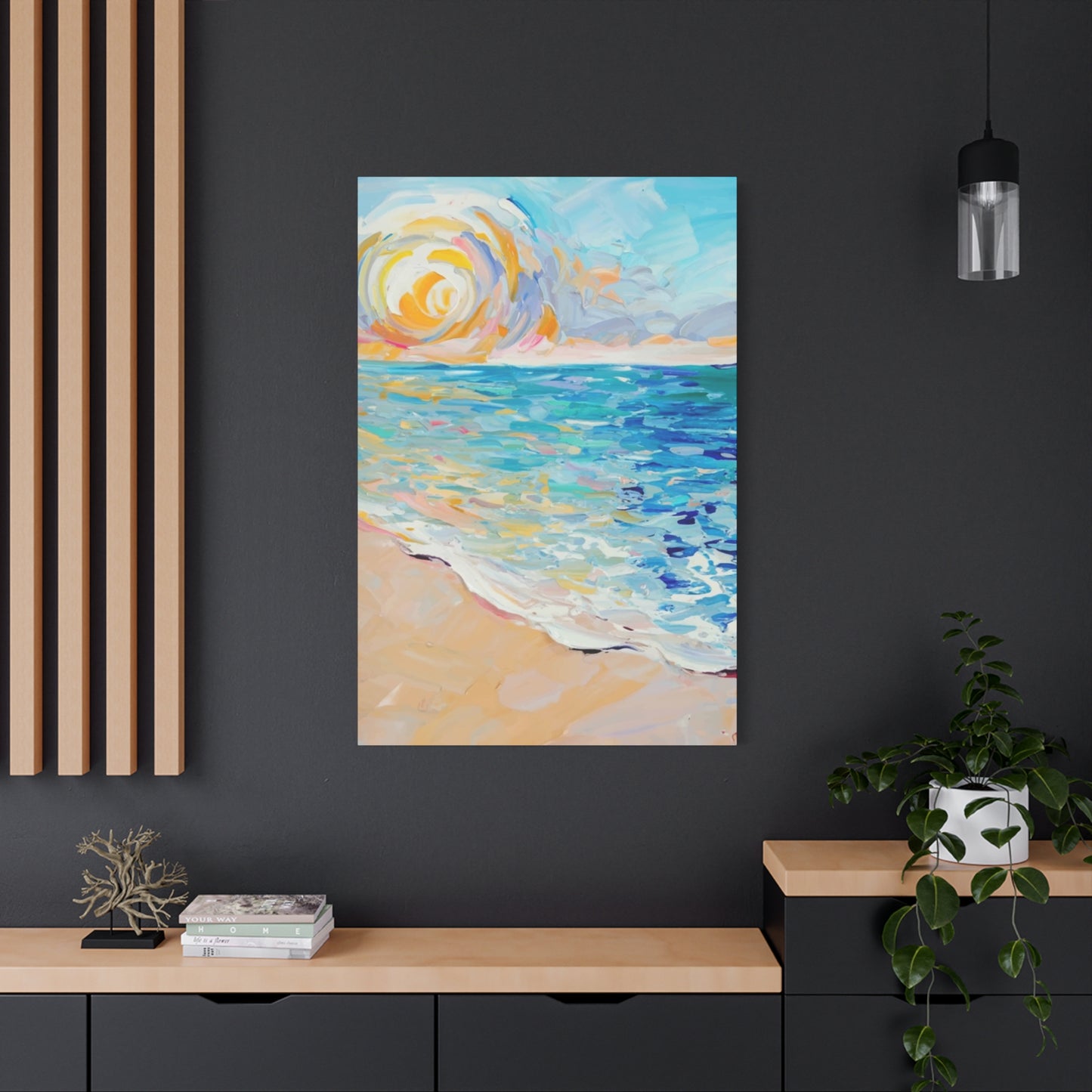
Beach Abstract Wall Art & Canvas Prints
Beach Abstract Wall Art & Canvas Prints
Couldn't load pickup availability
Coastal Canvas Expressions: Creating Stunning Beach Abstract Wall Art for Modern Living Spaces
The marriage of oceanic elements with contemporary artistic expression has revolutionized interior design paradigms across residential and commercial domains. Beach abstract wall art represents a sophisticated fusion where natural coastal phenomena meet avant-garde creative interpretation, producing visual narratives that transcend traditional landscape representations. This distinctive genre captures the ephemeral qualities of shoreline environments through non-representational forms, color palettes derived from maritime ecosystems, and textural elements that evoke tactile memories of sandy beaches and rhythmic wave patterns.
Contemporary artists working within this specialized field draw inspiration from the perpetual motion of tides, the translucent qualities of seawater under varying light conditions, and the organic patterns created by wind-sculpted dunes. The resulting compositions often feature fluid brushwork, layered glazes reminiscent of ocean depths, and gestural marks that suggest movement without literal depiction. Collectors and design enthusiasts gravitate toward these pieces for their ability to infuse spaces with tranquility while maintaining visual dynamism that prevents monotony.
Transformative Power of Oceanic Abstraction in Contemporary Interior Environments
The psychological impact of surrounding oneself with beach abstract wall art extends far beyond mere aesthetic appreciation. Neuroscientific research has documented how exposure to visual representations of natural environments activates specific neural pathways associated with stress reduction and emotional regulation. When these natural elements are filtered through abstract interpretation, viewers engage in a more active perceptual process, creating personal narratives and emotional connections that differ from passive observation of photographic coastal imagery.
Color theory plays a fundamental role in how these artworks influence spatial perception and emotional states. The characteristic palette of beach-inspired abstracts typically incorporates variations of cerulean, aquamarine, seafoam, and turquoise alongside neutral tones of sand, driftwood gray, and shell white. These chromatic selections aren't arbitrary; they mirror the documented calming effects of blue-green hues on human physiology, including measurable reductions in heart rate and blood pressure. When deployed strategically within residential or workplace settings, such artworks create atmospheric conditions conducive to contemplation, creativity, and restorative rest.
The scale of beach abstract wall art significantly affects its spatial dynamics. Oversized canvases establishing commanding focal points can anchor entire rooms, directing traffic flow and establishing hierarchical relationships between architectural elements. Conversely, serialized smaller works arranged in deliberate configurations create rhythmic visual experiences that guide the eye across wall surfaces, establishing narrative progression through space. Design practitioners increasingly recognize that the relationship between artwork dimensions and room proportions influences perceived ceiling height, apparent room width, and the overall sense of spatial generosity or intimacy.
Diverse Methodological Approaches in Creating Coastal Abstract Compositions
Artists specializing in beach abstract wall art employ remarkably varied processes to achieve their distinctive results. Acrylic pouring techniques have gained substantial popularity, allowing creators to manipulate fluid paint consistency and tilting angles to generate organic patterns reminiscent of water movement and foam dispersal. This methodology produces unpredictable results that echo the aleatory nature of coastal processes, where each piece becomes genuinely unique despite following similar procedural frameworks.
Resin art represents another compelling approach, where multiple transparent or translucent layers create dimensional depth analogous to looking through water at submerged sand formations. Artists working with epoxy resin can embed natural materials like crushed shells, sand particles, or even small pebbles within their compositions, adding tactile dimensionality that invites closer inspection. The glossy finish characteristic of cured resin mimics the reflective quality of wet surfaces, catching and refracting ambient light in ways that cause the artwork to appear subtly different throughout the day as illumination conditions shift.
Mixed media practitioners combine disparate materials to build textural complexity. Molding paste applied with palette knives creates topographical relief suggesting windswept dunes or rocky coastal formations. Incorporated fabrics like linen or gauze add visual interest while referencing sailcloth or fishing nets. Some artists integrate found objects collected from actual beaches—weathered wood fragments, sea glass, or oxidized metal—creating direct material connections to the coastal environments inspiring their work. This approach resonates particularly strongly with collectors seeking artworks that bridge abstract expression and tangible natural elements.
Watercolor abstracts offer ethereal qualities perfectly suited to beach-themed compositions. The medium's inherent transparency and tendency toward soft edges mirror the atmospheric haziness often observed at shorelines where sky meets water. Artists exploit watercolor's unpredictable behavior, allowing pigments to bloom, granulate, and separate on wet paper in ways that suggest tidal pools, reflected clouds, or the mottled appearance of sand when viewed through shallow water. The resulting works possess a lightness and luminosity that contrasts effectively with heavier decorative elements in room settings.
Selecting Appropriate Beach Abstract Wall Art for Varied Spatial Contexts
Choosing suitable beach abstract wall art requires consideration of multiple interrelated factors beyond simple color coordination. Room function significantly influences optimal artwork characteristics. In sleeping quarters, softer palettes with muted contrasts promote restfulness, while common areas benefit from more energetic compositions with stronger value variations that stimulate conversation and engagement. Home offices and creative workspaces thrive with beach abstracts that balance calming coastal references with enough visual complexity to maintain mental alertness without causing distraction.
Existing architectural features dictate practical constraints and creative opportunities. Rooms with abundant natural light can accommodate darker, more saturated coastal abstracts that might appear oppressive in dimmer spaces. Conversely, interiors receiving limited daylight benefit from beach art incorporating substantial white space and reflective qualities that amplify available illumination. Ceiling height influences ideal artwork proportions; standard eight-foot ceilings typically showcase vertical or square compositions most effectively, while loftier spaces can accommodate dramatic horizontal panoramas that emphasize breadth.
Furniture arrangement and room layout inform strategic placement decisions. Beach abstract wall art positioned above substantial furniture pieces like sofas or console tables should maintain appropriate scale relationships—generally spanning two-thirds to three-quarters of the furniture width to establish visual coherence without overwhelming. In dining areas, artwork hung above buffets or sideboards should clear the furniture top by six to twelve inches, creating breathing room while maintaining connection. Hallways and corridors present unique opportunities for sequential installations where multiple related beach abstracts create rhythmic progression encouraging movement through space.
The existing color scheme provides either constraint or inspiration depending on design philosophy. Complementary approaches select beach abstract wall art featuring hues already present in textiles, flooring, or architectural finishes, reinforcing established chromatic themes. Contrasting strategies introduce coastal artwork with unexpected colors that create visual punctuation, drawing attention and preventing spaces from reading as monotonous. Neutral-dominant interiors offer maximum flexibility, allowing bold beach abstracts to function as primary color sources that can be echoed through smaller accessories and accent pieces.
Material Substrates and Their Influence on Beach Abstract Presentations
The surface receiving beach abstract compositions substantially affects both aesthetic character and practical longevity. Traditional stretched canvas remains popular for its lightweight properties, ease of hanging, and receptiveness to various media. Gallery-wrapped canvas edges that continue the painted composition around sides eliminate framing requirements, creating clean contemporary presentations suited to minimalist design philosophies. However, canvas vulnerability to punctures and environmental fluctuations necessitates careful placement away from high-traffic areas and dramatic humidity variations.
Wood panels offer dimensional stability superior to canvas, resisting warping and sagging that can occur with fabric supports. Artists appreciate the rigid surface for supporting heavy texture buildup and allowing aggressive mark-making without substrate flex. Finished beach abstracts on wood possess substantial physical presence; their heft conveys permanence and craftsmanship. Cradled panels with built-in hanging systems simplify installation while projecting slightly from walls, creating subtle shadow lines that enhance three-dimensional qualities. Various wood species impart distinct characteristics—birch provides neutral smooth surfaces, while mahogany introduces warm undertones that can enhance earth-toned coastal palettes.
Metal panels, typically aluminum, introduce reflective qualities and industrial aesthetics appealing to contemporary sensibilities. The substrate's inherent coolness complements beach themes involving water and sky. Dye sublimation printing on metal produces extraordinarily vivid colors with exceptional fade resistance, making this format ideal for high-light environments where other media might deteriorate. The non-porous surface resists moisture damage, recommending metal substrates for bathroom or kitchen installations where humidity concerns might preclude other options.
Paper remains relevant for beach abstract wall art despite perceptions of fragility. Heavyweight watercolor papers and handmade varieties with visible fiber inclusions add artisanal character. Proper matting and glazing protect paper works while creating sophisticated presentations with substantial visual impact. Archival framing techniques ensure longevity comparable to other substrates. Paper's fibrous nature responds uniquely to water-based media, producing effects difficult to replicate on other surfaces—particularly the soft edges and luminous transparencies characteristic of masterful watercolor coastal abstracts.
Color Psychology Within Beach-Themed Abstract Visual Narratives
The chromatic vocabulary of beach abstract wall art operates on multiple perceptual levels simultaneously. Beyond immediate emotional responses, color selections encode symbolic meanings and cultural associations that viewers process consciously and subconsciously. Blues dominating many coastal abstracts trigger associations with sky and water, evoking expansiveness, tranquility, and contemplative states. Psychological studies consistently demonstrate blue environments reduce mental churn and promote focused thinking, explaining why such artworks prove popular in professional settings requiring sustained concentration.
Turquoise and aquamarine hues occupy a unique perceptual space between blue and green, carrying connotations of tropical paradises and pristine waters. These shades inject energy and optimism while maintaining the calming properties of blue. In beach abstract compositions, turquoise often functions as an accent color providing vibrancy against more subdued backgrounds. The color's relative rarity in typical interior environments gives it novelty value that captures attention without aggression.
Sandy neutrals—beiges, taupes, creams, and warm grays—ground beach abstracts in earthy reality, preventing compositions from floating away into pure atmospheric reverie. These stabilizing hues reference tangible coastal elements: weathered driftwood, sun-bleached shells, and granular sand. Neutrals provide visual rest areas within complex compositions, allowing eyes to reset before engaging with more chromatic regions. Rooms featuring predominantly neutral palettes gain substantial vitality from beach abstract wall art incorporating these familiar tones alongside more saturated marine colors.
Unexpected color introductions—coral pinks, sunset oranges, or storm-cloud purples—inject personality and prevent beach abstracts from becoming predictable. These departures from conventional coastal palettes demonstrate artistic interpretation over literal representation. A slash of coral across predominantly blue composition suggests living reefs or painted skies at dusk. Violet passages might evoke storm systems gathering offshore or the mysterious depths where sunlight fails to penetrate. Such chromatic adventurousness separates sophisticated beach abstracts from decorative clichés.
White space manipulation dramatically affects compositional energy levels. Generous negative space creates breathing room, suggesting fog banks, overcast skies, or vast expanses of foam. Compositions with substantial white read as serene and contemplative. Conversely, beach abstracts densely packed with information and minimal white space convey energy and complexity, suitable for stimulating rather than calming environments. The proportion of white to chromatic content should align with intended psychological effects and room function.
Framing Strategies That Enhance Beach Abstract Visual Impact
Frame selection profoundly influences how beach abstract wall art integrates within interior contexts. The frame serves as transitional element mediating between artwork and surrounding architecture, either emphasizing continuity or creating deliberate separation. No-frame presentations, where painted edges remain visible, suit contemporary minimalist aesthetics and allow uninterrupted visual flow. This approach works particularly well with gallery-wrapped canvases or cradled panels where edge treatment receives equal artistic attention as front surface.
Floating frames create subtle separation between artwork and frame interior edge, introducing shadow gaps that enhance three-dimensional presence. This contemporary framing style complements beach abstracts beautifully, the visible space around the artwork suggesting atmospheric perspective or the liminal zone where water meets shore. Float frames in natural wood finishes echo driftwood and maintain organic coastal connections, while metal versions in brushed brass or matte black provide sophisticated contrast emphasizing the artwork's chromatic content.
Traditional frames with substantial profiles can successfully showcase beach abstract wall art when thoughtfully selected. Wide frames in weathered or distressed finishes reinforce rustic coastal aesthetics, while sleek profiles in white or pale woods maintain connections to seaside architecture without competing for attention. Frame width should correlate with artwork scale—larger pieces support wider frames that establish commanding presence, while delicate works benefit from thinner profiles preventing visual overwhelm.
Mat integration between artwork and frame introduces additional design variables. Wide mats create breathing room around compositions, enhancing perceived value and allowing viewers to approach artworks with fresh eyes uncluttered by immediate environmental context. Mat colors typically default to white or cream for neutral settings, but unexpected choices can transform presentation dramatically. A charcoal mat intensifies colors through contrast, while a pale blue mat creates seamless transition from artwork to wall in monochromatic rooms. Double matting with contrasting inner and outer layers adds sophistication while pulling specific colors from the beach abstract composition.
Glazing protects artworks while influencing viewing experience. Standard glass provides basic protection but introduces reflective glare that can obscure artwork under certain lighting. Non-reflective glass eliminates glare through surface treatment that slightly diffuses light, allowing unobstructed viewing from any angle. Museum glass represents premium option, combining anti-reflective properties with UV filtering that prevents fading. For beach abstracts in high-value collections or bright environments, museum glass justifies cost through preservation benefits. Acrylic glazing alternatives offer shatter resistance valuable in commercial settings or homes with active children, though acrylic scratches more easily than glass and may accumulate static charges attracting dust.
Lighting Considerations That Maximize Beach Abstract Presentations
Proper illumination transforms good beach abstract wall art into spectacular focal points while inadequate lighting causes even exceptional pieces to disappear. Natural light varies tremendously throughout days and seasons, requiring consideration of window orientation and sun path. South-facing rooms in northern hemisphere locations receive bright, relatively consistent light ideal for showcasing beach abstracts with subtle tonal variations. North-facing spaces receive cooler, indirect light that can mute warm coastal hues, suggesting artwork selection favoring cooler palettes or supplemental artificial lighting.
Direct sunlight presents preservation challenges despite its attractive qualities. Prolonged UV exposure fades pigments, particularly organic dyes in watercolors and certain acrylic formulations. Beach abstract wall art positioned where direct sun strikes should either feature UV-protective glazing or employ lightfast pigments guaranteed for permanence. Alternatively, window treatments can filter harmful rays while admitting visible light. UV-blocking films applied to windows provide invisible protection without altering views.
Artificial lighting offers controllable illumination independent of weather or time. Track lighting with adjustable heads allows precise beam direction, emphasizing specific artwork regions or washing entire surfaces evenly. LED fixtures have revolutionized art lighting through cool operation preventing heat damage, extraordinary longevity reducing maintenance, and spectral output options mimicking daylight or providing warmer character. Color rendering index ratings indicate how accurately fixtures reproduce colors; beach abstracts benefit from high-CRI sources ensuring blues, greens, and neutrals appear as intended.
Picture lights mounted directly above or below artworks provide dedicated illumination creating dramatic shadow gradations and emphasizing texture. This classical approach suits traditionally framed beach abstracts particularly well. Contemporary battery-operated LED picture lights eliminate wiring concerns, allowing flexibility in placement. Adjustable brightness controls accommodate different times of day and mood preferences.
Ambient lighting strategies illuminate entire rooms while showcasing artworks as integrated components rather than isolated objects. Recessed ceiling fixtures equipped with dimming capability allow graduated lighting scenarios from bright task illumination to soft atmospheric glow. In such schemes, beach abstract wall art acts as color source and focal anchor around which overall lighting design revolves. Complementary accent lighting on architectural features, shelving, or floor lamps creates layered illumination preventing flat, uninteresting lighting conditions.
Curatorial Approaches for Multiple Beach Abstract Arrangements
Displaying multiple beach abstract wall art pieces together requires compositional thinking at architectural scale. Gallery walls assemble diverse works into cohesive visual statements through strategic arrangement. Successful gallery walls balance variety with unity—pieces should relate through shared characteristics like color palette, similar mark-making styles, or thematic connections while offering enough diversity to maintain interest. Pre-planning proves essential; full-scale paper templates taped to walls allow experimentation with configurations before committing to nail holes.
Symmetrical arrangements create formal elegance and calm order. Diptychs and triptychs—artworks intentionally created as paired or tripled components—establish immediate visual relationships. Hanging symmetrical groupings requires precise measurement ensuring equal spacing and level alignment. Laser levels eliminate guesswork, guaranteeing professional results. Symmetry suits traditional architectural contexts and formal rooms where visual discipline reinforces spatial order.
Asymmetrical arrangements offer dynamic energy and contemporary flair. Deliberately off-center compositions create visual tension that energizes spaces and directs eye movement. Salon-style hangings covering walls edge-to-edge with minimal spacing between varied-sized frames maximize impact in limited areas. This approach particularly suits beach abstract wall art collections accumulated over time, allowing continuous addition without requiring complete reconfiguration.
Grid arrangements impose order on diverse collections through rigid spatial organization. Identical frames and consistent spacing create unified fields where individual artworks function as components in larger compositions. This approach works beautifully with serial beach abstracts exploring variations on themes—different color palettes evoking various times of day, or experimental mark-making techniques applied to consistent formats. Grids suit contemporary interiors with clean lines and minimal ornamentation.
Linear arrangements along hallways or above furniture create rhythmic progressions guiding attention through space. Beach abstracts sequenced chromatically from cool to warm or arranged by compositional complexity from simple to dense create narrative experiences encouraging sustained engagement. Vertical stacking works in narrow spaces where horizontal expansion proves impossible, drawing eyes upward and emphasizing ceiling height.
Preservation Strategies Ensuring Long-Term Beach Abstract Integrity
Protecting beach abstract wall art investments requires vigilance regarding environmental conditions and handling practices. Temperature stability prevents support material expansion and contraction causing paint adhesion failures or substrate warping. Ideal storage and display temperatures range from 65-75 degrees Fahrenheit with minimal fluctuation. Avoid hanging artworks near heat sources like radiators, fireplaces, or heating vents where thermal cycling accelerates deterioration.
Humidity control prevents mold growth, mildew formation, and hygroscopic material dimensional changes. Relative humidity between 40-50 percent provides optimal conditions for most artworks. Coastal homes often experience elevated humidity requiring dehumidification systems. Conversely, arid climates or heavily air-conditioned environments may necessitate humidification preventing excessive drying. Wood panels and canvas respond particularly dramatically to moisture fluctuations; maintaining consistent humidity prevents cracking, warping, and paint layer separation.
Dust accumulation dulls colors and eventually abrades surfaces through friction. Regular gentle cleaning with soft brushes or microfiber cloths prevents buildup. Unframed canvas and textured surfaces trap more particulates than smooth glazed works. Avoid household dusting sprays containing chemicals that may react with art materials. Compressed air removes dust from crevices and textured areas without physical contact. Professional conservation cleaning becomes necessary when surface grime resists gentle removal or when valuable pieces require expert attention.
Handling procedures prevent accidental damage. Always lift framed works from sides rather than top, distributing weight across entire frame rather than stressing hanging hardware. Wear clean cotton gloves handling unframed works, preventing skin oil transfer. Never touch painted surfaces directly; oils and acids from skin cause cumulative damage invisible initially but manifesting over time as discoloration or deterioration.
Storage requirements apply when rotating displayed artworks or temporarily relocating pieces. Vertical storage on padded racks prevents pressure damage better than horizontal stacking which risks crushing. Wrap artworks in acid-free tissue or glassine paper avoiding direct plastic contact that can trap moisture. Store in climate-controlled areas avoiding basements prone to flooding or attics experiencing temperature extremes.
Contemporary Artists Pushing Beach Abstract Boundaries
The field of beach abstract wall art continues evolving through innovative practitioners challenging conventional approaches. Emerging artists combine traditional wet media with digital processes, creating hybrid works that begin as physical paintings subsequently scanned, digitally manipulated, and printed on alternative substrates. This methodology enables editions that democratize access while maintaining fine art legitimacy through limited production runs and artist signatures.
Sculptural beach abstracts extend beyond two-dimensional surfaces, incorporating dimensional elements projecting from walls. Layered acrylic sheets at varied depths create parallax effects where compositions shift based on viewing angle. Incorporated LED elements introduce luminous qualities suggesting bioluminescence or sunlight penetrating water. Found object integration brings literal beach materials into gallery contexts—driftwood pieces, accumulated plastic debris arranged into environmental commentaries, or scientific instruments like tide gauges repurposed as compositional elements.
Site-specific beach abstracts respond to particular architectural contexts, created for designated locations considering proportions, lighting, and spatial relationships. Commissioned works allow collectors collaborating with artists, influencing palette and scale while respecting artistic vision. This partnership approach produces uniquely suited artworks impossible through ready-made acquisition.
Collaborative practices between multiple artists generate unexpected results transcending individual capabilities. One artist might establish compositional foundations through broad gestural marks while another adds detailed linear work. This call-and-response methodology mirrors natural coastal processes where multiple forces—wind, water, geological substrate—interact producing complex results. Collaborative beach abstracts carry energy and unpredictability distinguishing them from solo efforts.
Performance-based creation processes where artists paint publicly generate audience engagement and process transparency. Beach-side painting sessions capture specific light conditions and atmospheric qualities impossible to recreate in studios. Documentation through photography and video provides collectible ephemera accompanying finished artworks, adding narrative depth and connecting viewers to creative moments.
Investment Considerations Within Beach Abstract Collecting
Beach abstract wall art increasingly attracts serious collectors recognizing aesthetic and financial value. Understanding market dynamics informs intelligent acquisition decisions. Original artworks command premium pricing reflecting unique one-of-one status, artist labor investment, and material costs. Emerging artists offer accessible entry points with appreciation potential as careers develop. Established artists with exhibition histories and critical recognition command higher prices justifiable through proven track records.
Edition prints democratize access to beach abstract imagery through controlled reproduction. Limited editions numbered and signed by artists retain collectibility while costing substantially less than originals. Edition size inversely correlates with value—smaller editions of 10-25 maintain exclusivity better than large editions of 500-plus. Print method affects quality and longevity; giclée prints on archival substrates rival original paintings visually while providing superior fade resistance. Hand-embellished prints where artists add painted elements to printed bases create hybrid originals with edition affordability.
Provenance documentation establishes authenticity and ownership history. Certificates of authenticity should accompany purchases, describing materials, dimensions, creation date, and artist signature. Sales receipts and artist statements add value for insurance and resale purposes. Maintaining documentation throughout ownership transfers preserves artwork history.
Insurance protects investments against damage, theft, or loss. Homeowner's policies typically provide limited coverage for artworks; valuable collections warrant specialized fine art insurance policies. Professional appraisals establish current market values for insurance purposes. Periodic reappraisal accounts for appreciation or market shifts. Documenting collections through detailed photography aids claims processing if losses occur.
Market timing influences purchase strategy. Acquiring works from mid-career artists balancing affordability with established reputations offers optimal risk-reward ratios. Purely speculative collection focused on financial returns rather than aesthetic appreciation rarely succeeds unless backed by expert market knowledge. Collecting based on genuine attraction to specific beach abstracts provides inherent satisfaction independent of market performance.
Regional Coastal Influences Shaping Beach Abstract Characteristics
Geographic location profoundly influences beach abstract wall art character through regional natural phenomena, light quality, and cultural associations. Pacific Northwest coastal abstracts often feature moody palettes of slate grays, deep greens, and muted blues reflecting foggy conditions and evergreen forests meeting rocky shorelines. The region's dramatic tide fluctuations and sea stack formations inspire compositional structures emphasizing vertical elements and erosion patterns.
Caribbean-inspired beach abstracts explode with saturated turquoise, coral pink, and sunshine yellow mirroring tropical waters and vibrant marine ecosystems. The region's crystalline water clarity and white sand beaches translate into high-contrast compositions with pronounced value ranges. Cultural influences including indigenous art traditions and colonial architectural color preferences inform chromatic boldness and pattern work.
Mediterranean coastal abstracts capture the particular quality of light reflecting off ancient limestone and azure seas. Warm palettes featuring ochres, terra cottas, and sun-bleached whites reference centuries of human habitation and distinctive architectural traditions. The region's mythological associations and artistic heritage influence compositional approaches favoring classical proportions and gestural confidence.
Atlantic coast beach abstracts reflect varied character along extensive shoreline. New England-inspired works incorporate cool palettes and austere compositions echoing rocky coasts and maritime heritage. Mid-Atlantic pieces might reference barrier islands and maritime forests. Southern Atlantic abstracts warm considerably, introducing Spanish moss draping and tidal marsh influences unique to lower latitudes.
Gulf coast abstracts capture unique ecosystems of brackish bayous, barrier islands, and warm shallow waters. Palettes incorporate warm greens, sandy tans, and soft blues. Cultural influences from Creole, Cajun, and Mexican traditions introduce pattern elements and color relationships distinct from other American coastal regions.
Scale Relationships Between Beach Abstracts and Architectural Proportions
Artwork dimensions dramatically affect spatial perception and viewer experience. Monumental beach abstract wall art measuring six feet or larger establishes commanding presence that anchors entire rooms. Such pieces function as architectural elements rather than mere decorative accessories, influencing furniture arrangement and traffic flow. Large-scale works allow immersive viewing experiences where peripheral vision fills with composition, creating enveloping sensory environments. The physical act of painting at this scale produces gestural marks impossible at smaller dimensions, lending kinetic energy to finished works.
Medium-scale beach abstracts between three and six feet suit most residential contexts perfectly, large enough to read clearly across rooms while remaining proportional to standard furniture and ceiling heights. This size range offers versatility; pieces work above sofas, beds, or console tables without overwhelming. Production at this scale allows detailed work while maintaining gestural freedom. Collectors appreciate medium formats as sweet spots balancing impact with practical hanging considerations and pricing accessibility.
Small-scale beach abstracts under three feet invite intimate viewing experiences rewarding close inspection. Detail work, subtle color gradations, and delicate mark-making shine at smaller dimensions. These pieces cluster effectively in gallery walls or march in series along hallways. Collectors often begin with small-scale acquisitions, testing style preferences before committing to larger investments. Small formats prove particularly suitable for personal spaces like bedrooms or home offices where proximity to artwork allows sustained engagement.
Proportion refers to dimensional relationships between height and width. Horizontal rectangles emphasize breadth, appropriate for beach abstracts suggesting expansive coastal views or shoreline horizons. These formats complement wide furniture pieces and low-ceiling rooms where vertical emphasis might feel claustrophobic. Square formats provide balanced neutrality, neither emphasizing width nor height. Their inherent stability suits centered compositions and symmetrical design schemes. Vertical rectangles draw eyes upward, beneficial in rooms with generous ceiling heights or when installed above tall furniture. Beach abstracts in vertical orientation might suggest dramatic cliffsides, lighthouse perspectives, or underwater depths.
Cultural Symbolism Embedded Within Coastal Abstract Expressions
Beach abstract wall art carries symbolic resonance extending beyond formal aesthetic considerations. Water symbolizes emotional realms, the unconscious mind, and transformative potential across numerous cultural traditions. Beach abstracts emphasizing aquatic elements tap into archetypal associations with cleansing, renewal, and fluidity. Psychological interpretations suggest attraction to water imagery correlates with desire for emotional release or need to access deeper intuitive awareness.
Horizons separating sky from sea represent boundaries between known and unknown, conscious and unconscious, material and spiritual realms. Beach abstracts featuring prominent horizontal divisions invite contemplation of liminal spaces and transitional states. The horizon line's position within composition affects symbolic reading; low horizons emphasize celestial vastness suggesting transcendence, while high horizons focus on earthly or watery domains suggesting immersion in material experience.
Shells appearing abstractly in coastal compositions carry multivalent symbolism. Protective casings for vulnerable creatures, shells represent defense mechanisms and safe containers for sensitive aspects of self. Empty shells suggest transformation, the occupant having outgrown previous form. Spiral shell forms echo golden ratios and natural growth patterns, connecting beach imagery to universal mathematical principles underlying creation.
Tidal cycles referenced through compositional ebb and flow patterns resonate with concepts of rhythmic change, cyclical renewal, and inevitability of transformation. Beach abstracts capturing transitional moments between tides speak to acceptance of impermanence and participation in larger natural rhythms beyond human control. Such works provide visual reminders of connection to planetary cycles and cosmic temporality.
Storm imagery within beach abstracts addresses darker emotional registers while maintaining coastal connections. Turbulent seas and threatening skies acknowledge life's challenges, emotional upheavals, and periods of chaos. Including such imagery prevents coastal abstraction from devolving into mere escapism, instead presenting beaches as sites of powerful natural forces demanding respect and adaptation.
Commercial Spaces Leveraging Beach Abstract Atmospheric Qualities
Beach abstract wall art serves particularly valuable functions in commercial environments where atmospheric establishment and brand identity communication prove crucial. Hospitality venues including hotels, resorts, and restaurants deploy coastal abstracts creating immediate associations with relaxation, vacation mindsets, and escape from daily routines. Lobby installations featuring monumental beach abstracts establish brand positioning and set experiential expectations. Guest rooms furnished with coordinated beach abstract series create cohesive aesthetic identities that guests remember and associate with positive experiences.
Medical and dental offices increasingly recognize environmental design's impact on patient anxiety levels. Beach abstract wall art contributes to stress reduction strategies, lowering cortisol levels and creating atmospheric conditions conducive to healing. Waiting rooms featuring calming coastal imagery help patients enter procedures with reduced nervous tension. The non-representational character of abstracts prevents visual monotony that might develop with literal photographic coastal scenes viewed repeatedly.
Corporate offices utilize beach abstract wall art softening institutional atmospheres and humanizing workspaces. Conference rooms benefit from coastal abstracts that stimulate creative thinking without distracting from meeting content. Executive offices furnished with sophisticated beach abstracts communicate success while maintaining approachability. Common areas including cafeterias and lounges gain visual interest and environmental differentiation from work zones, supporting employee wellbeing and satisfaction.
Retail environments employ beach abstracts reinforcing brand identities and creating shopping atmospheres. Coastal lifestyle brands use beach abstract wall art establishing immediate style associations. The imagery suggests relaxed sophistication, outdoor recreation, and quality craftsmanship. Dressing rooms featuring calming beach abstracts create flattering environments where customers linger, increasing conversion rates. Window displays incorporating coastal abstract elements catch passing attention and communicate seasonal themes.
Wellness facilities including yoga studios, spas, and meditation centers find natural alignment with beach abstract aesthetics. The imagery supports mindfulness practices and stress reduction programming central to these businesses. Treatment rooms gain soothing focal points that guide attention without mental stimulation that might interfere with relaxation. Coastal abstracts in such contexts aren't merely decorative but functional tools supporting therapeutic outcomes.
Digital Beach Abstracts and Emerging Display Technologies
Digital creation tools expand beach abstract wall art possibilities while raising questions about authenticity and artistic legitimacy. Tablets with pressure-sensitive styluses allow artists working in digital paint simulation software achieving effects resembling traditional media. Advantages include unlimited experimentation without material costs, easy correction of errors, and ability to generate variations exploring alternative color schemes or compositional arrangements. Critics argue digital processes lack physical engagement with materials fundamental to artistic expression, though this debate increasingly seems generational as younger artists embrace digital fluency.
High-resolution printing technologies enable translating digital beach abstracts to physical substrates with extraordinary fidelity. Large-format inkjet printers producing giclée prints approach or exceed traditional print methods in color accuracy, tonal range, and longevity. Specialized media including canvas, watercolor paper, metal, and acrylic accept digital prints, offering varied aesthetic characters. Some artists create digital beach abstracts specifically exploiting printing capabilities like fluorescent pigments or metallic inks impossible with traditional painting.
Augmented reality applications introduce interactive dimensions to beach abstract wall art. Viewers pointing smartphones or tablets at static artworks trigger overlaid digital animations—waves might begin moving, seabirds fly across compositions, or color palettes shift simulating different times of day. This technology particularly appeals to younger demographics expecting interactive experiences. QR codes embedded in gallery labels link to artist videos discussing creative processes or inspiration sources, deepening viewer connections with works.
NFT technology introduces controversial digital ownership frameworks. Beach abstract artists mint limited digital editions as blockchain-based tokens purchasers collect and potentially resell. Debates rage regarding environmental costs of blockchain verification, actual scarcity in infinitely reproducible digital contexts, and whether NFTs represent legitimate collecting or speculative bubbles. Regardless, the technology has generated substantial income for some digital artists and introduced new collector audiences.
Dynamic digital displays replace static artworks with changing content. High-resolution screens built into decorative frames cycle through beach abstract collections, allowing single installation serving varied moods and occasions. Programmable displays adjust to time of day, showing energetic compositions during waking hours and calming pieces evening hours. Smart home integration enables voice control artwork selection. While purists reject screens as artwork equivalents, practical advantages and decreasing costs suggest growing adoption, particularly in commercial contexts where content refreshing maintains novelty.
Conclusion
Many collectors maintain rotating beach abstract wall art displays adapting to seasonal shifts and mood variations. Summer installations emphasize bright, energetic coastal abstracts with saturated colors evoking sunshine and outdoor recreation. These pieces celebrate warm weather and vacation mindsets. Compositional energy skews toward dynamic mark-making and gestural boldness matching season's vitality.
Autumn transitions introduce moodier beach abstracts with deeper tones and more contemplative character. Palettes shift toward storm grays, deeper blues, and metallic accents suggesting cooler temperatures and shorter days. These works acknowledge seasonal transition from extroversion to introspection, outdoor activity to interior gathering. Textural complexity increases, inviting sustained engagement during longer evenings indoors.
Winter beach abstracts explore dramatic contrasts and spare compositions suggesting coastal environments stripped to essential elements. Palettes dominated by whites, grays, and muted blues mirror frozen shorelines and overcast skies. Despite potentially stark subject matter, these works provide visual respite from holiday decorative excess. The minimalism resonates with desires for simplicity and clarity at year's end.
Spring selections emphasize renewal themes through fresh palettes incorporating pale greens, soft pinks, and luminous blues. Compositional approaches favor openness and breathing room reflecting seasonal awakening. Delicate mark-making and transparent layering techniques suggest emerging life and gentle weather improvements. These works capture anticipation and optimism characteristic of spring psychology.
Rotating displays require storage systems protecting artworks during off-season. Flat files, padded storage racks, or custom crating preserve pieces between displays. Climate-controlled storage prevents environmental damage. Documentation systems tracking which pieces hang when, in which locations, prevents repetitive displays boring inhabitants. Photography of past installations provides reference for recreating successful arrangements.
Practical display rotation utilizes consistent hanging systems accommodating varied artworks without wall damage from repeated hardware removal and reinstallation. Picture rails allow hanging adjustments without new nail holes. Gallery hanging systems with adjustable cables and hooks enable flexible arrangements. These systems particularly benefit rental properties where wall preservation requirements limit hanging options.
Custom commissioned beach abstract wall art offers unparalleled personalization opportunities. Working directly with artists ensures artwork perfectly suits spaces, color schemes, and personal aesthetic preferences. Commission processes typically begin with consultations discussing vision, reviewing artist portfolios, and establishing parameters including dimensions, palette preferences, and general compositional direction. Clear communication prevents misunderstandings while respecting artistic license essential for inspired results.
Successful commissions balance specific direction with creative freedom. Providing artists with photographs of intended spaces, paint samples, and fabric swatches informs their decision-making without stifling creativity. Discussing emotional qualities desired—energizing versus calming, bold versus subtle—helps artists translate abstract preferences into visual strategies. Sharing inspiration images from other sources clarifies aesthetic preferences more effectively than verbal descriptions alone.
Timeline expectations require clear establishment. Custom beach abstracts demand substantial time investments—weeks for smaller pieces, months for major works. Rush fees may apply for expedited production. Understanding that quality artwork requires adequate working time prevents frustration. Payment structures typically involve deposits securing commissions, progress payments at specified milestones, and final payments upon completion approval.
Share