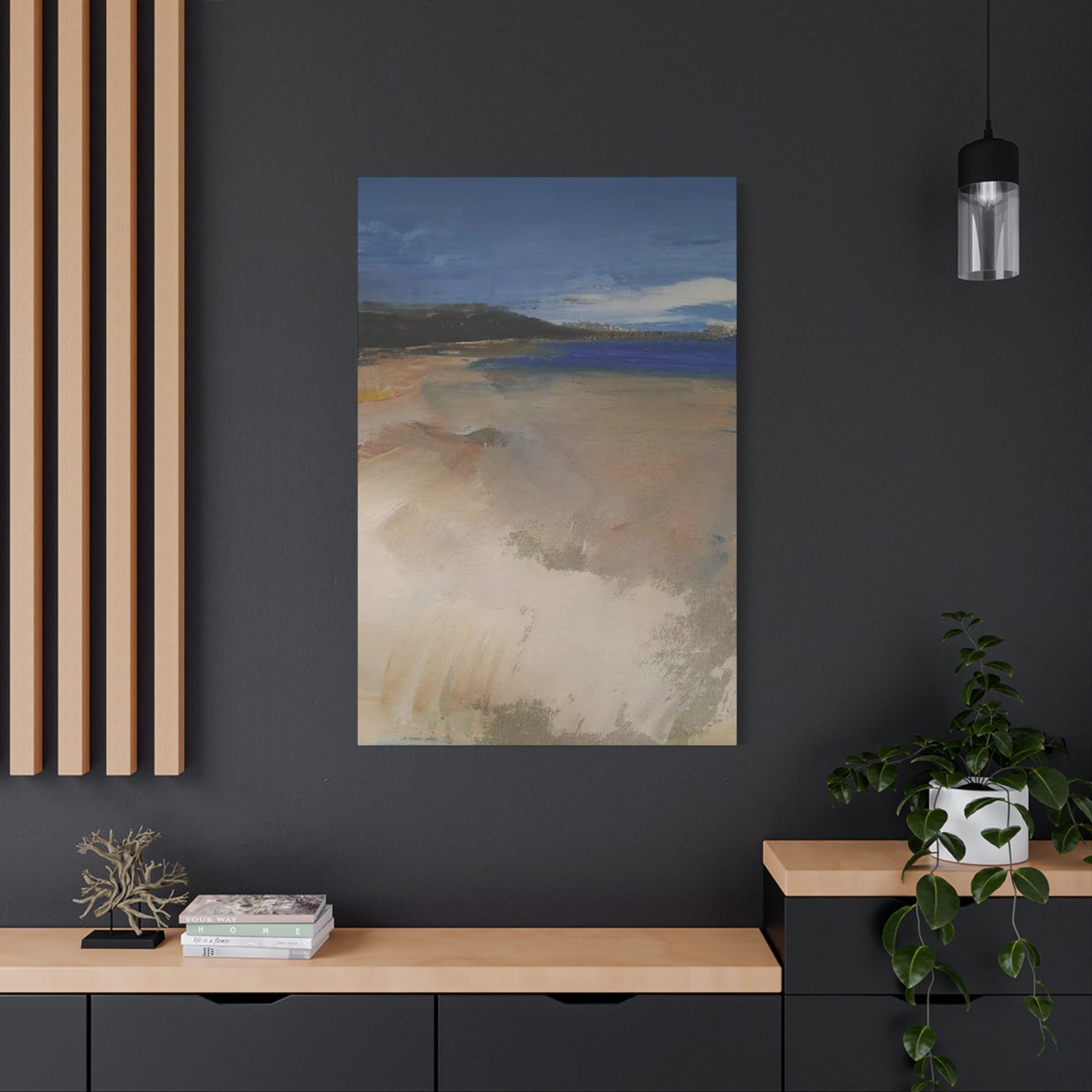


Beach Abstract Fine Wall Art & Canvas Prints
Beach Abstract Fine Wall Art & Canvas Prints
Couldn't load pickup availability
Explore the Stunning World of Beach Abstract Fine Wall Art: A Complete Guide to Coastal Creative Expression
The realm of coastal-inspired artistic creations has experienced a remarkable surge in popularity among interior design enthusiasts and art collectors worldwide. Beach abstract fine wall art represents a unique fusion of natural oceanic elements with contemporary creative expression, offering homeowners and designers an opportunity to bring the serene beauty of coastal landscapes into their living spaces. This sophisticated art form transcends traditional landscape painting by interpreting the essence of seaside environments through bold colors, fluid forms, and imaginative compositions that evoke the emotional connection people feel toward the ocean.
The Fundamental Essence and Defining Characteristics of Coastal Abstract Artwork
Beach abstract fine wall art embodies a distinctive artistic philosophy that captures the spirit of maritime environments without relying on photorealistic representation. This creative approach allows artists to distill the fundamental qualities of coastal scenes into their most evocative elements. The genre encompasses a wide spectrum of interpretations, from pieces that maintain recognizable oceanic references to completely non-representational works that convey the feeling of being near the water through pure color, texture, and form.
The defining characteristics of this art form include dynamic movement that mirrors the constant motion of waves and tides, color palettes inspired by natural coastal phenomena, and textural qualities that evoke the varied surfaces found in beach environments. Artists working in this medium often employ unconventional materials and methods to create depth and dimension, resulting in pieces that engage viewers on multiple sensory levels. The interplay between chaos and harmony in these compositions reflects the dual nature of the ocean itself—simultaneously peaceful and powerful.
Contemporary creators in this field draw inspiration from diverse sources including the play of sunlight on water, the patterns left by receding tides, the weathered textures of driftwood and shells, and the atmospheric conditions unique to coastal regions. This broad interpretive framework allows for endless variation within the genre, ensuring that each piece possesses a distinct character while maintaining connection to the overarching theme of beach and ocean environments.
Exploring the Diverse Visual Language and Stylistic Variations Within Coastal Abstract Art
The stylistic spectrum of beach abstract fine wall art encompasses numerous approaches, each offering unique aesthetic qualities and emotional resonance. At one end of this spectrum, artists create pieces with clearly identifiable coastal references—simplified horizon lines, suggested wave forms, or abstracted beach elements—that maintain an obvious connection to their maritime inspiration. These semi-abstract works provide viewers with recognizable anchors while still embracing creative interpretation and artistic freedom.
Moving toward greater abstraction, some artists focus on capturing the essential colors and atmospheric qualities of coastal environments without depicting specific scenes or elements. These pieces might employ gradations of blue, turquoise, and aqua alongside sandy neutrals and sun-bleached whites to evoke the coastal palette without literally representing water or sand. The emphasis shifts from what the ocean looks like to how it makes people feel, prioritizing emotional response over visual accuracy.
At the furthest reaches of abstraction, certain creators produce works that abandon all representational elements, instead using the coastal theme as a conceptual foundation for purely formal exploration. These pieces might feature gestural brushwork that suggests energy and movement, layered textures that evoke geological and organic processes, or color field compositions that create immersive atmospheric experiences. While these works may not immediately read as beach-related to every viewer, they capture intangible qualities of coastal environments in powerful and unexpected ways.
Another significant variation involves mixed-media approaches that incorporate actual beach materials into the artwork. Sand, crushed shells, sea glass, and other collected elements become integral parts of the composition, adding authentic tactile dimension and creating direct physical connections to actual coastal locations. This approach bridges the gap between pure abstraction and environmental art, resulting in pieces that function as both aesthetic objects and material records of specific places.
The Rich Historical Context and Evolutionary Journey of Abstract Coastal Art Forms
The roots of abstract coastal art extend back to the early twentieth century when pioneering modernist painters began experimenting with non-representational approaches to landscape subjects. Artists like Wassily Kandinsky and Kazimir Malevich, though not specifically focused on maritime themes, established the philosophical and visual foundations that would eventually enable abstract interpretations of natural subjects including ocean and beach environments.
The mid-twentieth century witnessed increased interest in combining abstraction with landscape themes as artists sought to express their personal responses to natural settings rather than simply documenting appearances. Abstract Expressionists working in coastal areas produced powerful works that channeled the energy and emotion of their surroundings into dynamic compositions. Jackson Pollock's rhythmic drip paintings, created during his time in coastal regions, capture something of the repetitive yet ever-changing character of waves, even when not explicitly depicting oceanic subjects.
The Color Field painters of the same era explored expansive areas of saturated hue that could evoke the immersive experience of sky meeting water at the horizon. Mark Rothko's luminous rectangles, though not representational, create contemplative atmospheric spaces that resonate with the meditative qualities many people associate with gazing at the ocean. These artists demonstrated that abstraction could convey the experiential and emotional dimensions of natural environments as effectively as traditional representational approaches.
As contemporary art movements emerged in subsequent decades, artists continued finding new ways to engage with coastal themes through abstract means. Minimalist approaches stripped beach scenes to their most essential geometric and chromatic elements, while process-based artists developed methods that incorporated chance and natural forces—echoing the way wind, water, and time shape actual coastal landscapes. Installation artists created immersive environments that surrounded viewers with sensory experiences reminiscent of being at the beach.
In recent decades, the growing accessibility of art markets through online platforms has democratized both the creation and collection of beach abstract fine wall art. A new generation of artists has emerged, bringing fresh perspectives and hybrid approaches that combine digital and traditional media, incorporate global influences, and respond to contemporary environmental concerns about ocean health and coastal preservation. This evolution continues to expand the boundaries of what coastal abstract art can be and mean.
Navigating the Creative Methods and Artistic Processes Behind Beach Abstract Fine Wall Art
The creation of compelling beach abstract fine wall art involves numerous specialized methods and materials, each contributing distinct visual and textural qualities to the finished work. Acrylic paints remain among the most popular media for this genre due to their versatility, vibrant color potential, and relatively quick drying times that allow for layering and spontaneous mark-making. Artists can achieve everything from thin, transparent washes that suggest atmospheric depth to thick, impasto applications that create sculptural surface textures reminiscent of sand dunes or rocky shorelines.
Oil paints offer different advantages, particularly for artists seeking the subtle color transitions and luminous qualities that can evoke the play of light on water. The extended working time of oils allows for complex blending and manipulation, enabling smooth gradations that mirror the seamless merging of sea and sky at the horizon. Some artists employ traditional oil painting methods passed down through centuries, while others experiment with contemporary approaches including cold wax mixed with oils to create matte, encaustic-like surfaces with rich textural dimension.
Watercolor and fluid media present unique opportunities for creating effects that naturally echo the behavior of water itself. The unpredictable flow and bleeding of pigments on wet surfaces can produce organic patterns remarkably similar to those found in nature—the spread of color might suggest tide pools, the meeting of fresh and salt water, or the dispersal of sediment in surf. Artists working in these media must develop comfort with relinquishing some control, allowing the materials themselves to participate in the creative process.
Many contemporary artists working in beach abstract fine wall art embrace mixed-media approaches that combine traditional painting with collage, assemblage, and incorporation of found materials. Beach sand mixed into acrylic mediums creates authentic textural surfaces, while fragments of nautical charts, weathered fabric, or pages from maritime literature can add layers of meaning and visual interest. Some creators embed actual shells, sea glass, or pieces of driftwood into their compositions, transforming their works into three-dimensional reliefs that engage viewers through both visual and tactile dimensions.
The physical process of creation varies widely among artists, with approaches ranging from carefully planned compositions executed with precision to spontaneous, gesture-driven methods that embrace accident and improvisation. Some artists work on horizontal surfaces, allowing fluid media to pool and spread in gravity-driven patterns. Others use large brushes, palette knives, or even unconventional tools like squeegees and sponges to apply paint in ways that create distinctive marks and textures. A growing number of creators incorporate pouring and flow techniques, tilting stretched canvases to direct streams of thinned paint across the surface in patterns that naturally evoke the movement of water.
Understanding Color Theory and Palette Selection for Effective Coastal Abstract Compositions
The color palette serves as one of the most crucial elements in beach abstract fine wall art, immediately establishing the work's connection to coastal environments and setting its emotional tone. Successful artists in this genre demonstrate sophisticated understanding of color relationships and the psychological effects different hues produce on viewers. The classic coastal palette centers on various blues—from deep navy suggesting deep ocean waters to pale sky blue evoking fair weather skies—combined with turquoise and aqua tones that capture the unique color of shallow tropical waters.
These cool hues typically form the foundation of coastal abstract pieces, but they gain depth and complexity through interaction with complementary and analogous colors. Warm neutrals including sand tones, weathered wood grays, and sun-bleached whites provide essential balance, preventing compositions from becoming too uniformly cool. These earth tones ground the work and reference the solid land that borders every beach, creating visual and conceptual anchors within more fluid compositions.
Many artists introduce unexpected accent colors that enhance visual interest while remaining true to coastal inspiration. Coral pinks and oranges might suggest sunset reflections on water or the shells and sea life found in tide pools. Touches of golden yellow can evoke sunlight streaming through waves or the warmth of sand underfoot. Even small amounts of these warmer hues create dynamic contrast that makes the cooler blues and greens appear more vibrant through simultaneous contrast effects.
The relationship between saturated and muted colors within a single composition significantly impacts its overall effect. Highly saturated hues create energetic, contemporary pieces that command attention and work well in modern interiors. More muted, grayed variations of coastal colors produce calmer, more sophisticated works that evoke the soft light of overcast beach days or the faded palette of vintage nautical imagery. Many successful pieces combine both approaches, using areas of high saturation as focal points within compositions dominated by subtler tones.
Understanding color temperature nuances allows artists to create convincing spatial illusions and atmospheric effects. Warmer blues—those with slight red or violet undertones—typically advance visually, while cooler blues containing more green recede. Artists can use this principle to suggest depth in abstract compositions, layering warmer tones in foreground areas and cooler ones in backgrounds to create the illusion of space without relying on traditional perspective. This approach proves particularly effective for evoking the sense of gazing out toward a distant horizon where sea meets sky.
Composition Principles and Visual Structure in Beach Abstract Fine Wall Art
Effective composition transforms random elements into cohesive, compelling visual statements. In beach abstract fine wall art, artists employ various structural strategies to organize their works in ways that guide viewer experience and reinforce the coastal theme. The horizon line, even when suggested rather than explicitly depicted, serves as a fundamental compositional device that divides picture space and creates stability. Positioning this division according to classical proportions like the golden ratio often produces inherently pleasing results.
Many coastal abstract pieces employ diagonal movements that suggest the approach and recession of waves or the slant of afternoon light across water. These dynamic angles create visual energy and lead the eye through the composition, preventing static, boring arrangements. Curved forms that echo the arcs of breaking waves or the rounded shapes of worn stones introduce organic qualities that contrast effectively with any straight edges or geometric elements present in the work.
Balance—whether symmetrical or asymmetrical—plays a crucial role in determining how a composition feels to viewers. Symmetrical arrangements create formal, calm impressions suitable for serene interpretations of still waters or tranquil beaches. Asymmetrical compositions produce more dynamic, interesting results that can suggest the constant motion and change characteristic of coastal environments. Artists achieve asymmetrical balance by carefully distributing visual weight through strategic placement of color intensity, textural density, and compositional elements.
The concept of focal points guides viewer attention and provides entry into abstract works that might otherwise seem difficult to parse. Artists create focal points through concentrated areas of contrast—where the darkest and lightest values meet, where the most saturated color appears against neutral surroundings, or where the finest detail exists within a largely gestural piece. In coastal abstracts, these focal areas might suggest specific elements like the gleam of light on water or the cluster of shells on sand, even within otherwise non-representational compositions.
Negative space functions as an active compositional element rather than merely empty background. In beach abstract fine wall art, areas of relative calm provide visual rest and allow the eye to recover between more active passages. These breathing spaces often utilize neutral tones or subtle variations of a single hue, creating expanses that suggest the vastness of sky or the smooth, wet sand left by receding tides. The relationship between active and quiet areas establishes rhythm and pacing that guides how viewers experience the work over time.
Scale Considerations and Size Selection for Different Spaces and Contexts
The physical dimensions of beach abstract fine wall art significantly influence its impact and suitability for various environments. Large-scale pieces—those measuring several feet in width or height—create commanding focal points that can anchor entire rooms and set the tone for surrounding decor. These substantial works prove particularly effective in spacious areas like open-concept living rooms, lobbies, or above king-sized beds where their presence can be fully appreciated without overwhelming the space.
Oversized coastal abstracts offer viewers the opportunity for immersive visual experiences, particularly when the composition features expansive color fields or all-over patterns that fill the picture plane. At close viewing distances, large pieces reveal textural details and subtle color variations invisible from across the room, rewarding sustained attention and repeated viewing. The scale also allows artists to employ broad, gestural strokes and work with the full extension of their bodies, often resulting in compositions with distinctive energy and movement.
Medium-sized works—typically ranging from two to four feet in their longest dimension—offer versatility for various residential and commercial settings. These pieces make substantial visual statements without requiring vast wall areas, making them suitable for dining rooms, bedrooms, offices, and similar spaces. Multiple medium-sized pieces can be arranged as gallery walls or diptychs and triptychs that create cohesive but varied visual experiences, allowing collectors to curate their own arrangements.
Smaller beach abstract fine wall art pieces serve important functions despite their modest dimensions. Works measuring under two feet in any direction fit well in intimate spaces like powder rooms, reading nooks, or narrow hallways where larger pieces would overwhelm. These smaller works also suit collectors building curated groupings and those working within budget constraints, as they typically carry lower price points than larger counterparts while still delivering significant visual impact. The reduced scale encourages close viewing and appreciation of fine details and subtle effects.
When selecting scale, the relationship between artwork and furniture dimensions deserves consideration. A common guideline suggests that wall art above sofas or beds should span roughly two-thirds to three-quarters of the furniture's width, creating visual harmony without either overwhelming the space or appearing insignificant. Vertical works draw the eye upward and can make rooms with low ceilings feel more spacious, while horizontal compositions emphasize width and suit wide wall expanses.
Framing and Presentation Methods That Enhance Beach Abstract Fine Wall Art
The manner in which beach abstract fine wall art is framed and presented significantly affects its aesthetic impact and integration with surrounding decor. Gallery-wrapped canvases—where the canvas continues around the stretcher bars with painted edges—offer a contemporary, minimalist presentation that requires no additional framing. This approach suits modern and transitional interiors, allowing the artwork itself to remain the sole focus without competing with frame ornamentation. The depth of the stretcher bars, typically ranging from three-quarters of an inch to several inches, influences the piece's physical presence on the wall.
Traditional framing with wood or metal molding provides a more finished, classic presentation that works particularly well in conventional and eclectic interiors. Frame selection dramatically alters the artwork's appearance and relationship to its surroundings. Light natural wood frames or whitewashed finishes complement coastal themes and create cohesive, beach-inspired looks. These lighter frames also help brighten spaces and suit the airy, relaxed aesthetic associated with seaside living. Darker frames including walnut, espresso, or black finishes create stronger contrast and more dramatic presentations, focusing viewer attention intensely on the artwork within.
Float mounting—where the artwork appears to hover within the frame with a visible gap between the piece and the frame edge—creates an elegant, gallery-quality presentation. This method particularly suits works on paper or panel and adds visual interest through the shadow line created in the space between artwork and frame. For coastal abstracts, float mounting in simple, clean frames produces sophisticated results that feel both contemporary and timeless.
Matting adds another layer of presentation possibility, though it applies primarily to works on paper rather than canvas. A mat creates breathing room around the artwork, preventing it from feeling cramped within the frame while adding a neutral buffer between the piece and its surroundings. For beach abstract fine wall art, mat colors typically stay within neutral ranges—white, off-white, or subtle sandy tones—that won't compete with the artwork's palette. Double matting with a thin reveal of complementary color can add subtle visual interest without overwhelming delicate works.
Plexiglass or acrylic glazing protects framed artwork from dust and environmental damage while adding a slight luminous quality through reflection and light transmission. For abstract pieces with rich textures, however, glass can create unwanted barriers between viewers and the tactile surface qualities. Non-reflective or museum glass minimizes glare issues while providing protection, though at higher cost than standard glazing options. Some collectors prefer to display canvases unglazed to maintain direct visual access to paint textures and layers.
Strategic Placement and Display Locations That Maximize Visual Impact
Determining optimal placement for beach abstract fine wall art requires consideration of multiple factors including lighting conditions, viewing distances, and spatial relationships. Natural light significantly affects how colors appear and how textures cast shadows across painted surfaces. Positioning artwork near windows or in naturally bright spaces enhances visibility of subtle color variations and creates ever-changing appearances as daylight shifts throughout the day. However, direct sunlight should be avoided as it can fade pigments and damage artwork over time, particularly pieces created with light-sensitive media.
Artificial lighting offers controlled illumination that can be specifically designed to showcase artwork. Track lighting, picture lights, or recessed spotlights positioned to wash the wall with even illumination highlight coastal abstracts effectively without creating problematic glare or hot spots. The color temperature of bulbs influences how artwork appears—warmer light emphasizes yellows, oranges, and reds, while cooler light enhances blues and greens. For beach abstract fine wall art dominated by cool coastal hues, neutral to slightly cool lighting typically produces the most accurate color rendering.
Height placement follows general guidelines suggesting that the center of artwork should hang at average eye level, approximately 57 to 60 inches from the floor. This standard accommodates most viewers comfortably, though adjustments make sense in specific contexts. In dining rooms where people are typically seated, hanging slightly lower ensures comfortable viewing from chairs. Above furniture, artwork should be positioned high enough to clear the furniture by several inches but low enough to maintain visual connection—typically 6 to 10 inches above a sofa or headboard.
The architectural features of a space suggest natural locations for focal point artwork. Walls visible from room entries draw the eye immediately upon entering and serve as prime real estate for striking beach abstract pieces. Mantels create natural showcases for artwork hung above them, with the horizontal fireplace opening providing grounding weight that balances substantial pieces. Long hallways benefit from series of related works that create visual journey and reward movement through the space.
Consideration of the entire room's visual flow ensures that beach abstract fine wall art feels integrated rather than arbitrarily placed. Aligning the edges of multiple pieces creates organized, intentional arrangements even when mixing different sizes. Maintaining consistent spacing between works in groupings produces cohesive gallery walls, with 2 to 6 inches between frames being standard depending on the overall scale. Balancing artwork placement with other room elements including windows, doors, and furniture prevents either side of the space from feeling heavier or more cluttered than the other.
Creating Cohesive Interior Design Schemes Centered Around Coastal Abstract Art
Beach abstract fine wall art can serve as the foundational element around which entire interior design schemes develop, with colors, textures, and furnishings selected to complement and enhance the artwork's aesthetic. This approach ensures that the artwork feels like an integral part of the space rather than an afterthought. Extracting key colors from the piece and repeating them throughout the room in accessories, textiles, and accents creates harmonious visual connections that tie everything together.
For coastal abstracts dominated by blues and aquas, surrounding decor might incorporate throw pillows in coordinating hues, area rugs with wave-like patterns, or table accessories in sea glass colors. These repetitions need not be exact matches—in fact, using varied shades within the same color family creates more sophisticated, layered results than uniform application of a single tone. Introducing the warm accent colors from the artwork in smaller quantities through elements like candles, vases, or small decorative objects adds pops of visual interest while maintaining color coherence.
Textural coordination extends the artwork's physical qualities into three-dimensional space. If the beach abstract fine wall art features heavy impasto or mixed-media textures, echoing that tactile richness through nubby linen upholstery, natural fiber rugs, or decorative objects with dimensional surfaces creates sensory continuity. Conversely, smooth, sleek artwork pairs beautifully with polished surfaces, streamlined furniture, and minimalist accessories that share the work's refined aesthetic.
The style and period of furnishings should complement the artwork's artistic approach. Contemporary coastal abstracts with bold, modern sensibilities suit spaces with clean-lined furniture, industrial accents, and current design trends. More traditional or vintage-inspired abstract pieces feel at home with classic furniture silhouettes, antique accents, and time-honored decorating principles. Eclectic interiors successfully combine diverse elements when the beach abstract fine wall art serves as the unifying factor that provides visual cohesion across varied pieces.
Material choices throughout the space can reference coastal environments without resorting to literal nautical themes. Natural materials like weathered wood, stone, jute, and linen evoke beach cottages and seaside retreats while maintaining sophisticated aesthetics. Metal finishes in brushed nickel, antique brass, or oil-rubbed bronze suggest maritime hardware without obvious anchor or ship wheel motifs. Glass and mirror elements catch and reflect light much like water surfaces, creating luminous, airy spaces that complement coastal abstract artwork.
The Psychology of Color and Form in Beach Abstract Fine Wall Art
The human response to beach abstract fine wall art extends beyond aesthetic appreciation to encompass profound psychological and emotional reactions. Color psychology research demonstrates that different hues trigger specific emotional and physiological responses. Blues—the predominant color family in most coastal abstracts—generally produce calming effects, reducing heart rate and blood pressure while promoting feelings of tranquility and peace. This explains why so many people instinctively choose blue-dominated artwork for bedrooms and relaxation spaces.
The various shades within the blue spectrum evoke distinct moods and associations. Deep navy suggests the mysterious depths of open ocean and creates contemplative, somewhat serious atmospheres. Bright turquoise and aquamarine evoke tropical paradise and vacation mindsets, generating feelings of escape and carefree joy. Pale, grayed blues suggest foggy mornings at the beach and create subtle, sophisticated moods that work well in formal or professional environments. Artists manipulate these color-mood connections to produce works with intended emotional impacts.
Warm accent colors within predominantly cool compositions provide essential psychological balance. Small amounts of coral, peach, or golden yellow prevent overly cool spaces from feeling sterile or uninviting. These warm touches suggest sunlight, human presence, and vitality, counterbalancing the more introspective qualities of blue hues. The proportion of warm to cool tones significantly affects overall mood—spaces with balanced color temperatures feel most comfortable and livable, while those skewed heavily in one direction create more extreme, specific atmospheres.
The abstract nature of this art form engages viewers differently than representational work. Without obvious subjects to identify and interpret, viewers project their own experiences, memories, and emotions onto abstract compositions. This makes beach abstract fine wall art particularly personal and meaningful—each observer might see something different in the same piece based on their unique history with coastal environments. A gestural sweep of blue paint might remind one person of bodysurfing in California, another of ferry rides in the Mediterranean, and yet another of childhood summers at a local lake.
Biophilic design principles explain some of the appeal of coastal abstract artwork. Humans possess an innate affinity for natural environments, and artworks that reference natural elements satisfy this deep-seated need for connection with the non-human world. Even highly abstracted interpretations of beach and ocean scenes trigger recognition of natural patterns—the repetition of waves, the gradations of water depth, the organic shapes of shorelines. Surrounding ourselves with these references, even in artistic form, produces subtle but measurable improvements in wellbeing, stress reduction, and cognitive function.
Collecting and Investing in Beach Abstract Fine Wall Art
The market for beach abstract fine wall art encompasses everything from emerging artists selling through online platforms to established names commanding significant prices at major galleries and auction houses. Entering this market as a collector requires understanding various factors that influence value and desirability. Artist reputation stands as perhaps the most significant value determinant—works by recognized names with exhibition histories, critical recognition, and gallery representation typically command premium prices and show greater investment potential than pieces by unknown creators.
Provenance—the documented history of a work's creation and ownership—adds value and confidence to purchases. Artworks that come directly from artists or reputable galleries arrive with clear provenance that assures authenticity. Documentation including certificates of authenticity, exhibition records, and publication history enhances value and provides important information for insurance and eventual resale. Collectors should maintain comprehensive records of their acquisitions including purchase receipts, condition reports, and any correspondence or documentation from artists.
Edition information matters significantly for prints and reproductions. Original one-of-a-kind pieces naturally command higher prices than editions, but limited edition prints by respected artists can still represent solid investments and accessible entry points for new collectors. Edition size affects value—smaller editions generally maintain higher per-print values than large runs. The distinction between artist-signed prints and unsigned reproductions dramatically impacts both price and collectibility, with signed, numbered editions commanding substantial premiums over unsigned versions.
Physical condition directly affects value, with pristine works commanding full market prices while damaged pieces sell at discounts proportional to the severity and visibility of problems. Common condition issues include fading from light exposure, yellowing of protective varnishes, surface grime accumulation, cracking or flaking paint, and damage to stretcher bars or frames. Professional conservation can address many problems, but prevention through proper display and storage conditions proves far more cost-effective than remediation after damage occurs.
Building a cohesive collection around beach abstract fine wall art themes allows collectors to develop expertise in a specific area while creating focused, museum-quality holdings. Some collectors pursue works by artists from specific regions or time periods, while others focus on particular styles or methods within the genre. Theme-based collecting enables development of comprehensive knowledge that aids in identifying quality and value, while also producing visually cohesive collections that work well when displayed together.
Discovering Emerging and Established Artists in the Coastal Abstract Genre
The beach abstract fine wall art community encompasses thousands of practicing artists working at various career stages and levels of recognition. Major museums including the Museum of Modern Art, the Metropolitan Museum, and the Tate Modern include historical abstract works with coastal themes in their permanent collections, though these institutions rarely focus exclusively on this genre. Contemporary artists working primarily in coastal abstraction exhibit at galleries specializing in landscape and abstract work, with coastal regions naturally hosting higher concentrations of these specialists.
Online platforms have revolutionized art discovery and acquisition, making it possible to explore work by artists worldwide from home. Multiple dedicated marketplaces connect artists directly with collectors, often eliminating gallery intermediaries and reducing prices while increasing artist compensation. These platforms typically feature sophisticated search functions allowing users to filter by color, size, style, and price range. Reading artist statements and biographies provides insight into creative philosophies and methods, helping collectors identify whose work resonates most strongly with their sensibilities.
Social media, particularly visual platforms, has become essential for artist promotion and discovery. Many practitioners maintain active accounts where they share finished work, in-progress images, and behind-the-scenes content that reveals their creative processes. Following artists provides ongoing connection and typically offers first access to new work before it reaches galleries or larger platforms. Some collectors discover their favorite artists through algorithmic recommendations based on previously viewed content.
Gallery relationships remain valuable despite the growth of direct-to-collector sales. Established galleries provide curation that helps filter the overwhelming abundance of available work, selecting artists whose quality and consistency meet professional standards. Gallery exhibitions offer opportunities to view work in person before purchasing, experiencing scale, color accuracy, and texture in ways impossible through screens. Many galleries host artist talks, exhibition openings, and collector events that facilitate personal connections between creators and buyers.
Art fairs and festivals dedicated to contemporary art provide concentrated opportunities to discover multiple artists and compare works side by side. Major fairs attract galleries and artists from around the world, while regional events showcase local and emerging talent. These events typically allow direct conversation with artists and gallery representatives, providing opportunities to ask questions, discuss available works, and potentially negotiate prices. Many collectors plan annual trips to major art fairs specifically for discovery and acquisition purposes.
Commissioning Custom Beach Abstract Fine Wall Art for Personalized Spaces
Commissioning original beach abstract fine wall art offers the opportunity to acquire pieces perfectly tailored to specific spaces, color schemes, and personal preferences. The commission process typically begins with identifying an artist whose existing work demonstrates stylistic compatibility with the client's vision. Initial conversations explore the desired size, color palette, and overall mood while reviewing examples of previous work to ensure shared understanding of expectations.
Many artists request photographs of the intended installation space to understand architectural context, existing decor, and lighting conditions. This information helps them create work that will harmonize with its environment while maintaining artistic integrity. Some creators conduct in-person site visits when feasible, though modern technology makes remote collaboration effective through video calls and shared image files. Discussing specific inspirations—particular beach locations, memorable experiences, or reference images—helps artists understand the emotional qualities clients hope to evoke.
Commission agreements should clearly specify all relevant details including exact dimensions, color palette parameters, timeline for completion, payment schedule, and policies regarding artist approval of the final work before delivery. Most artists require deposits ranging from 25 to 50 percent of the total price to begin work, with the balance due upon completion and approval. Agreements should address what happens if the client rejects the finished work—whether revisions are included, whether the deposit is forfeitable, and whether the artist retains the work for other sales.
Timeline expectations require flexibility as creative work doesn't always proceed on predictable schedules. Most artists can provide estimated completion timeframes based on their current workload and the scale of the commissioned piece, with larger, more complex works naturally requiring more time. Clients should avoid commissions with inflexible deadlines for specific events, as rushed work rarely represents an artist's best output. Allowing several months for completion ensures unhurried creativity and accommodates unexpected delays.
The level of client involvement during creation varies by artist preference. Some creators work in relative isolation, unveiling the finished piece only upon completion, while others provide regular progress updates through photographs or studio visits. Establishing expectations about communication and client input at the outset prevents misunderstandings. Most artists resist excessive client micromanagement of the creative process but welcome general feedback at appropriate stages that allows for course correction before the work is too far advanced.
Proper Handling and Preservation Methods for Longevity
Beach abstract fine wall art represents significant financial and emotional investment that warrants proper care to ensure its longevity and preservation. Understanding the vulnerabilities of different media and materials guides appropriate handling and display practices. Acrylic paintings prove relatively durable and resistant to environmental fluctuations, but they remain susceptible to scratching and can attract dust to their static-prone surfaces. Oil paintings take months or even years to fully cure, remaining vulnerable to smudging and indentation during this period.
Works on paper including watercolors and mixed media pieces demonstrate particular sensitivity to light, humidity, and pollutants. These should be framed under UV-protective glazing and displayed away from direct sunlight. Relative humidity ideally should remain between 40 and 60 percent year-round, as excessive moisture encourages mold growth while very dry conditions cause paper to become brittle. Climate-controlled environments prove essential for valuable works on paper, particularly in regions with extreme seasonal variations.
Regular maintenance consists primarily of gentle dusting using soft, dry brushes designed for art handling. Microfiber cloths work well for smooth surfaces but should be used carefully to avoid catching on any raised textures. Compressed air can remove dust from heavily textured areas where brushing might damage delicate surface elements. Never apply water, cleaning solutions, or commercial dusters containing chemicals directly to artwork surfaces as these can cause permanent damage or discoloration.
Varnishing provides protective layers that shield paintings from dust, minor abrasions, and UV exposure while potentially enhancing color saturation and depth. Some artists apply final varnish coats before selling work, while others leave this decision to collectors. Removable varnishes—formulated to be dissolved and replaced by conservators when they yellow or deteriorate—offer the best long-term protection as they can be refreshed without affecting the underlying paint layers. Application of varnish requires skill and understanding of materials, so artists or professional conservators should handle this process rather than collectors attempting DIY varnishing.
Professional conservation becomes necessary when damage occurs or when preventative treatments are needed for valuable pieces. Conservators possess specialized training in treating artworks using methods and materials that stabilize damage while remaining reversible for future treatment. They can address issues including tear repairs, paint stabilization, mold remediation, and removal of discolored varnish. Selecting conservators with specific experience treating contemporary abstract paintings ensures appropriate handling of beach abstract fine wall art using current best practices.
Insurance and Documentation for Beach Abstract Fine Wall Art Collections
Protecting art investments through proper insurance coverage provides financial security against loss, damage, or theft. Standard homeowners or renters insurance policies typically include some coverage for personal property including artwork, but these policies often have low per-item limits and require proof of value. Serious collectors should pursue supplemental fine art insurance policies or riders that provide agreed-value coverage specifically for artwork without depreciation factors.
Agreed-value policies eliminate disputes about artwork worth by establishing the insured value upfront through appraisal or other documentation. In the event of total loss, the insurance company pays the agreed amount without arguing about replacement value or market fluctuations. These policies typically cover more scenarios than standard property insurance, including accidental damage, mysterious disappearance, and loss during transit. Premium costs depend on total collection value, security measures, and geographic location, but generally remain quite reasonable relative to the protected value.
Comprehensive documentation supports both insurance coverage and estate planning. Each artwork should be photographed from multiple angles including close-ups of signature, labels, and any distinctive features. These images serve as condition records and assist in recovery efforts if pieces are stolen. Written documentation should include the artist's name, work title, creation date, dimensions, medium, purchase price, current estimated value, and provenance information. Digital records stored in cloud services ensure preservation even if physical records are destroyed.
Appraisals by qualified professionals establish current market value for insurance, estate tax, donation, and resale purposes. Appraisers should hold recognized credentials and demonstrate specific knowledge of contemporary abstract art markets. Many appraisals remain valid for three to five years before requiring updates to reflect market changes, though significant shifts in an artist's career or reputation may warrant more frequent reappraisal. Insurance companies typically require appraisals for individual works valued above certain thresholds, commonly five to ten thousand dollars.
Estate planning for art collections ensures that pieces pass to intended heirs or institutions according to the collector's wishes while minimizing tax burdens. Artwork can comprise significant portions of taxable estates, potentially creating liquidity challenges for heirs facing estate tax bills. Working with estate attorneys experienced in art holdings helps structure bequests, charitable donations, and other strategies that preserve collections while managing tax implications. Some collectors arrange donations of significant pieces to museums in exchange for tax deductions during their lifetimes rather than waiting for estate disposition.
Share