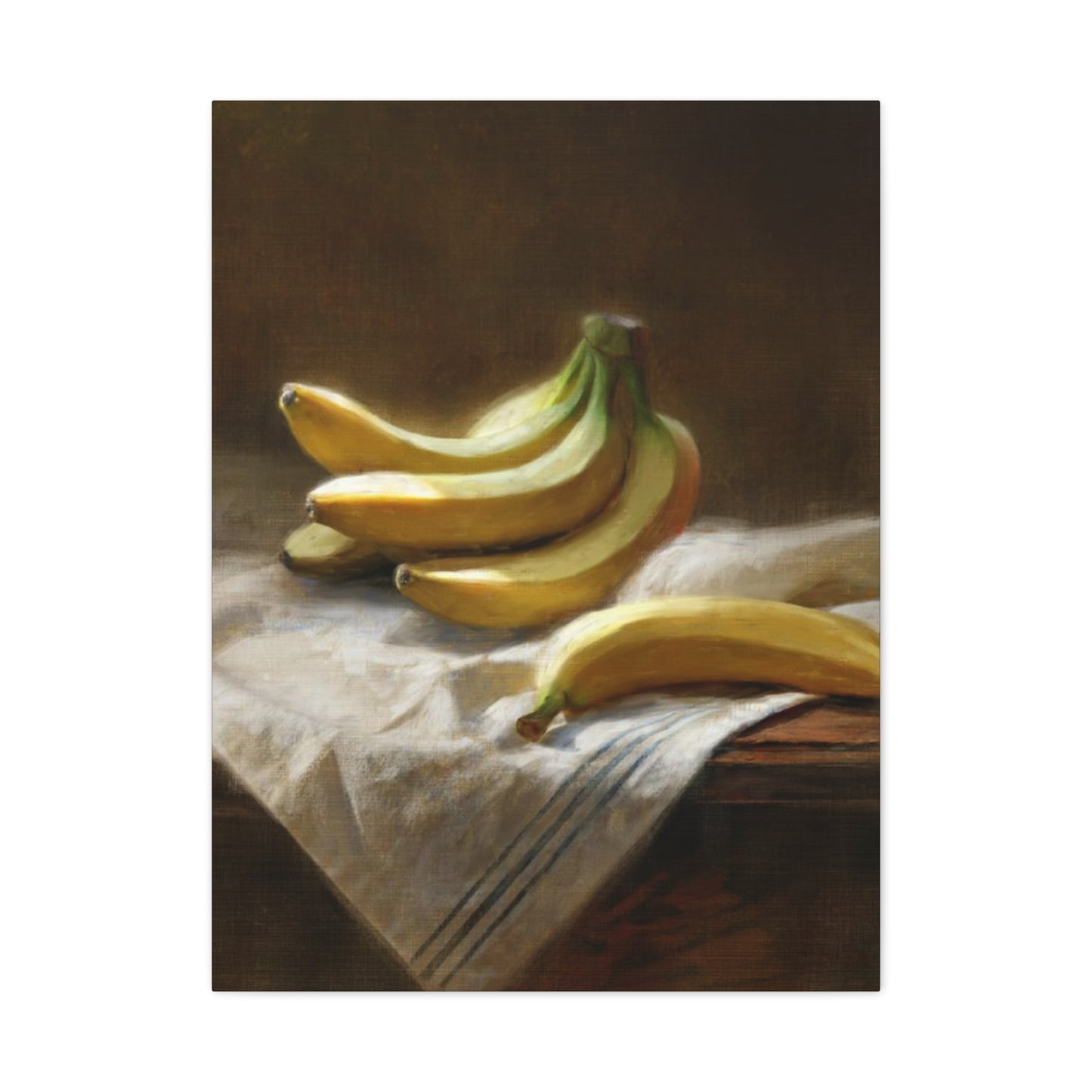
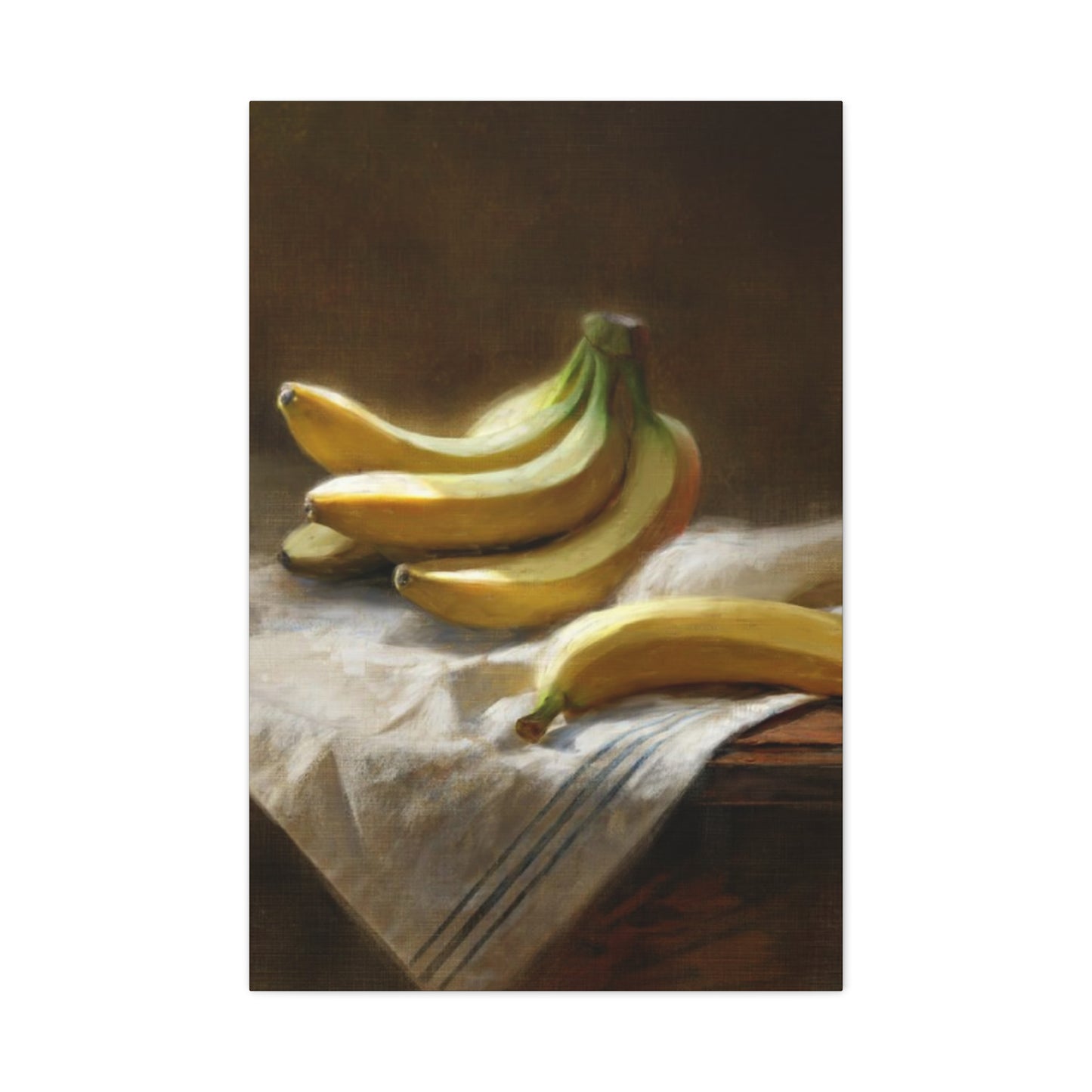
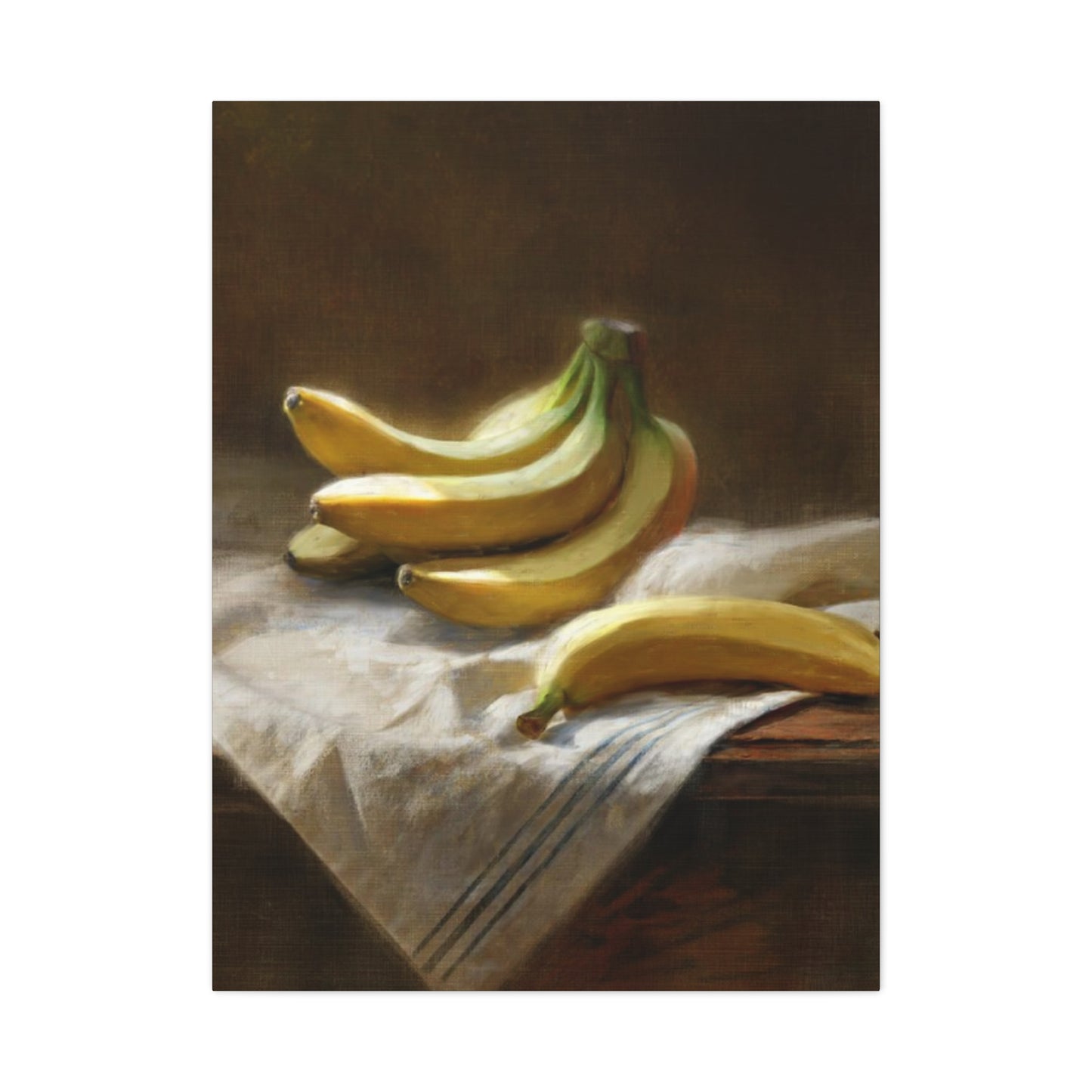
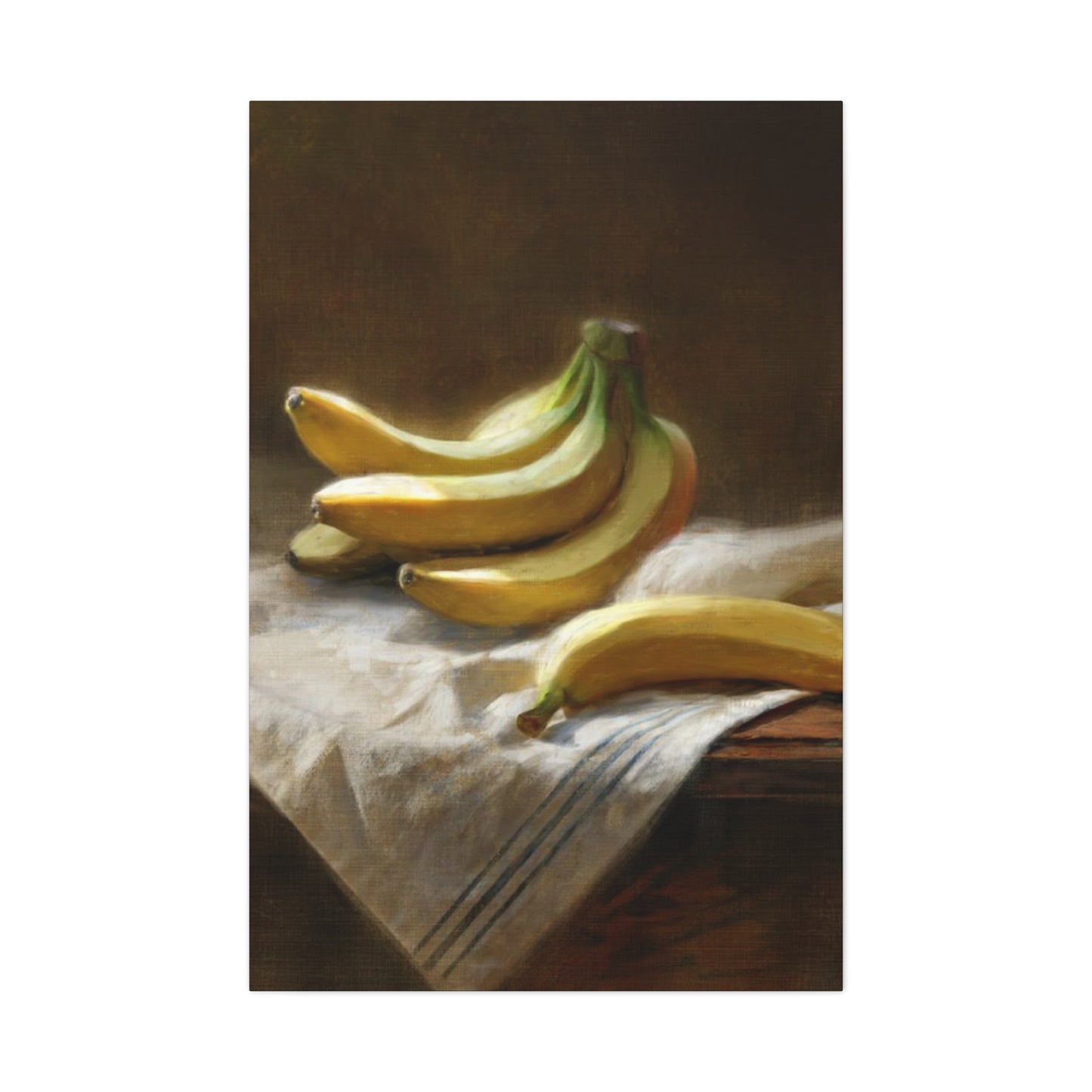
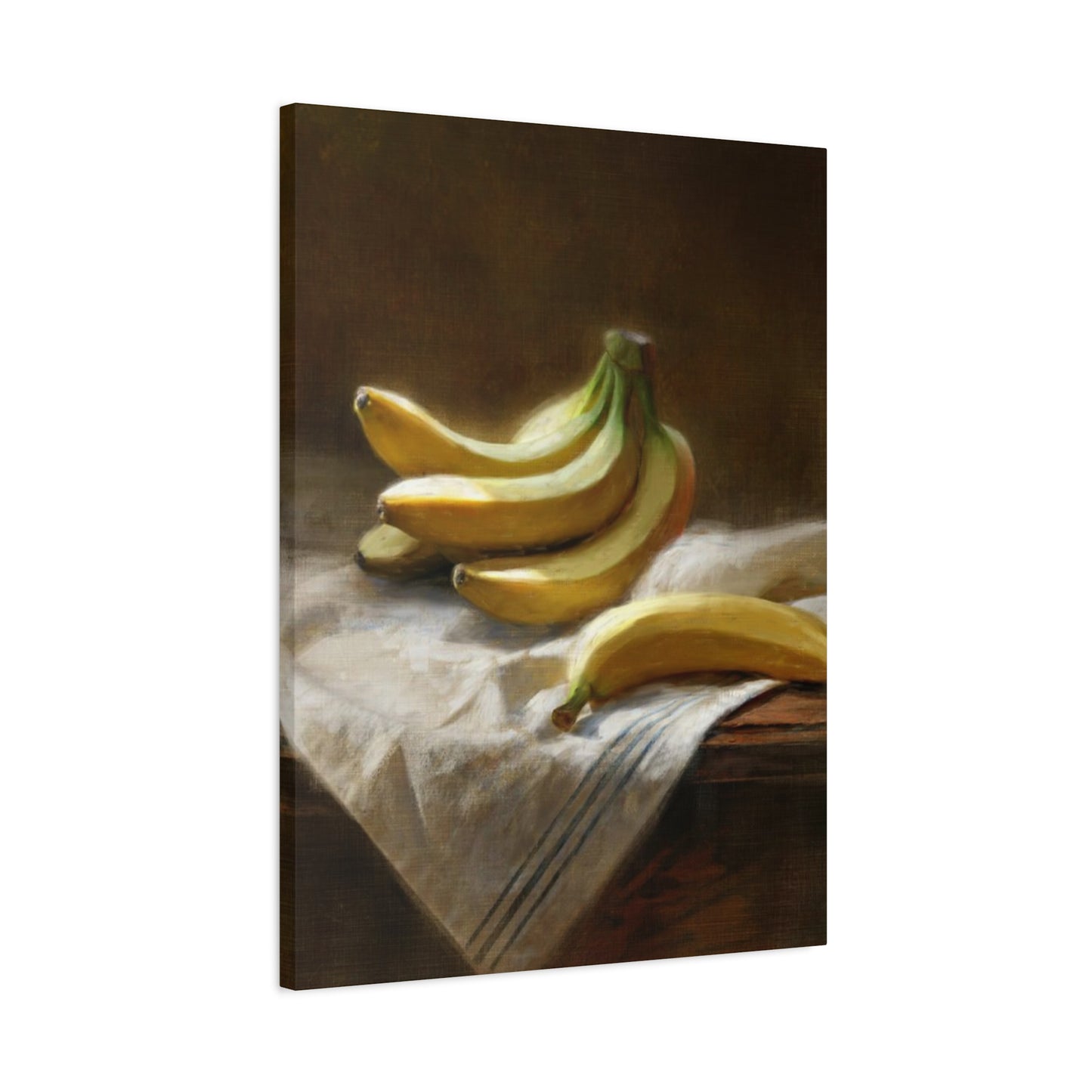
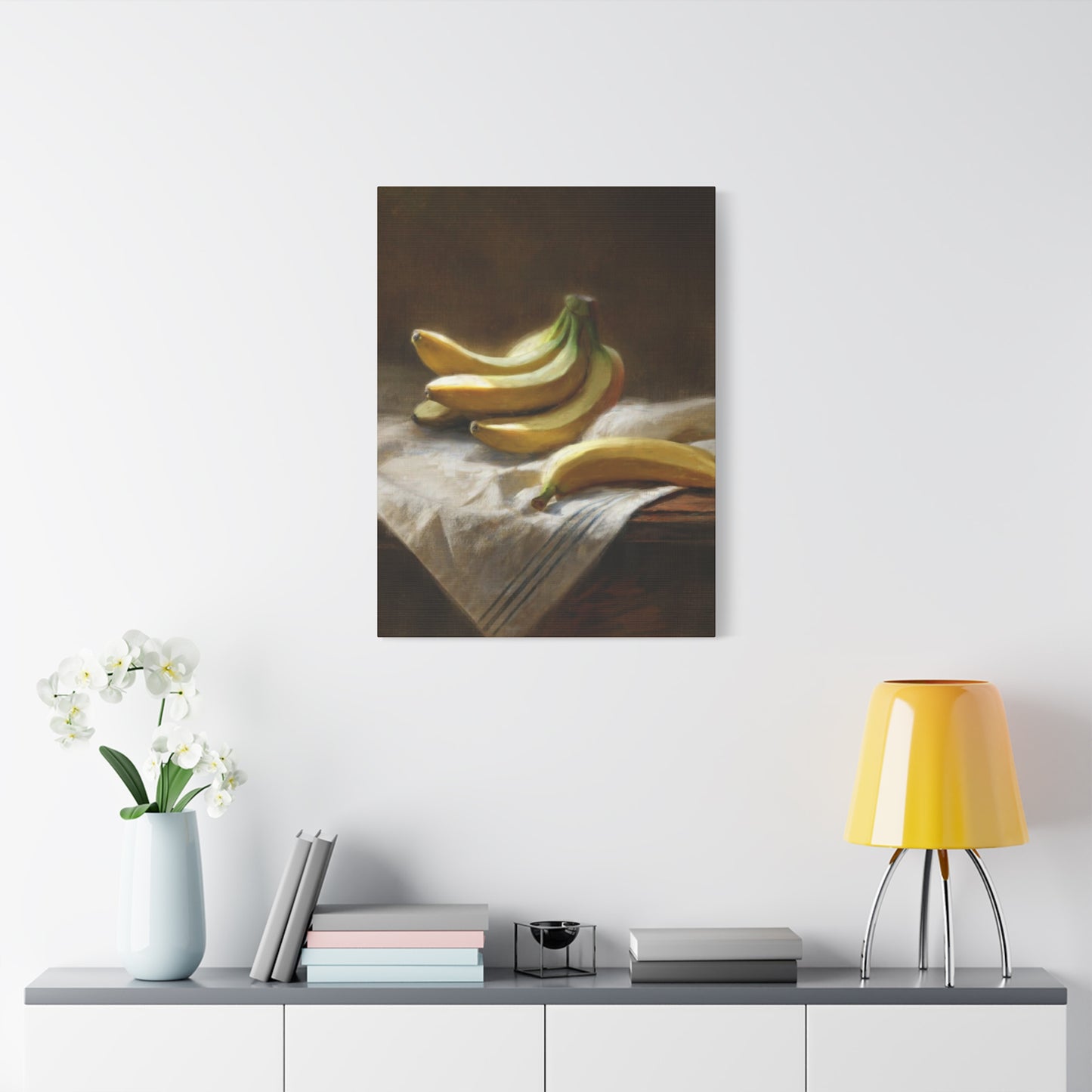
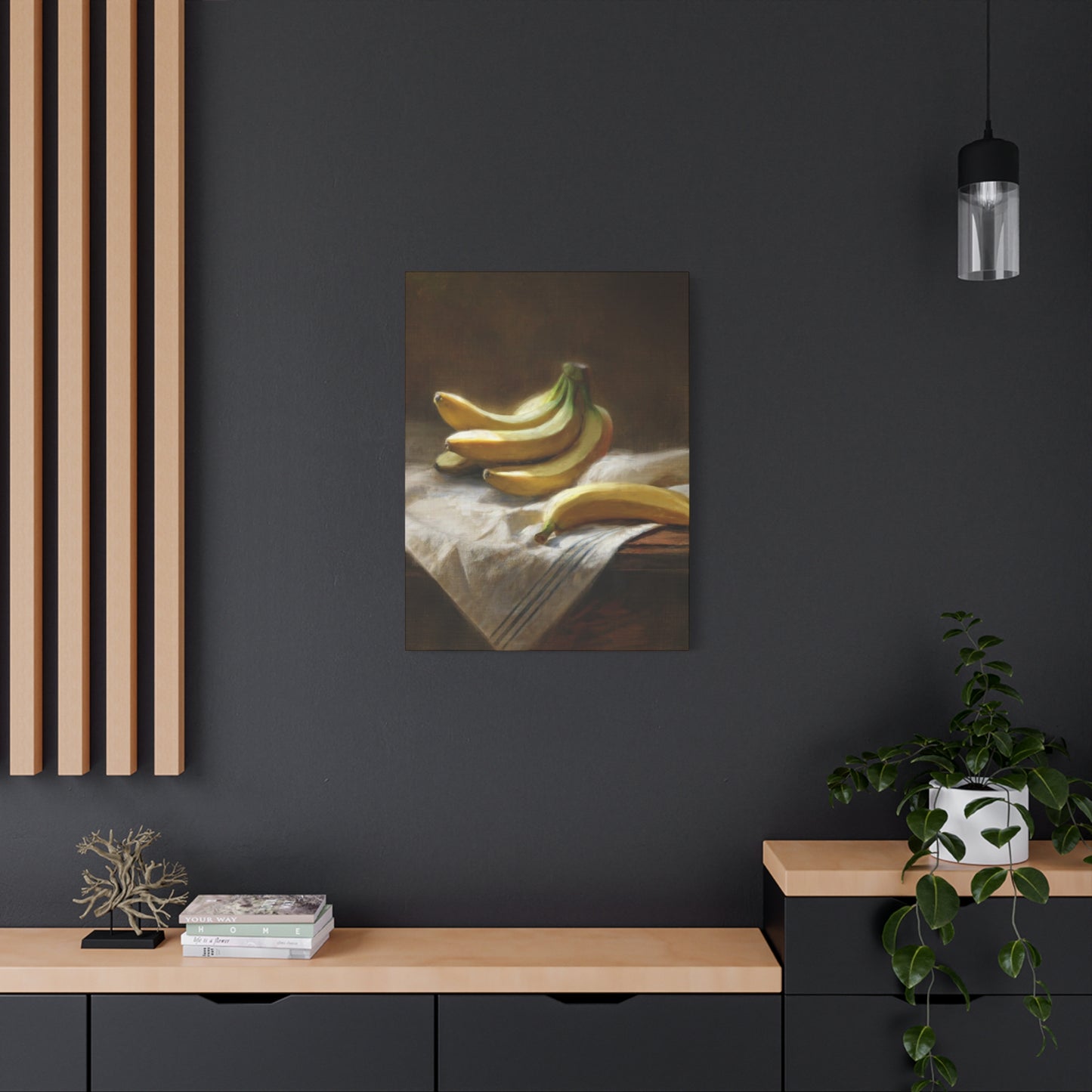
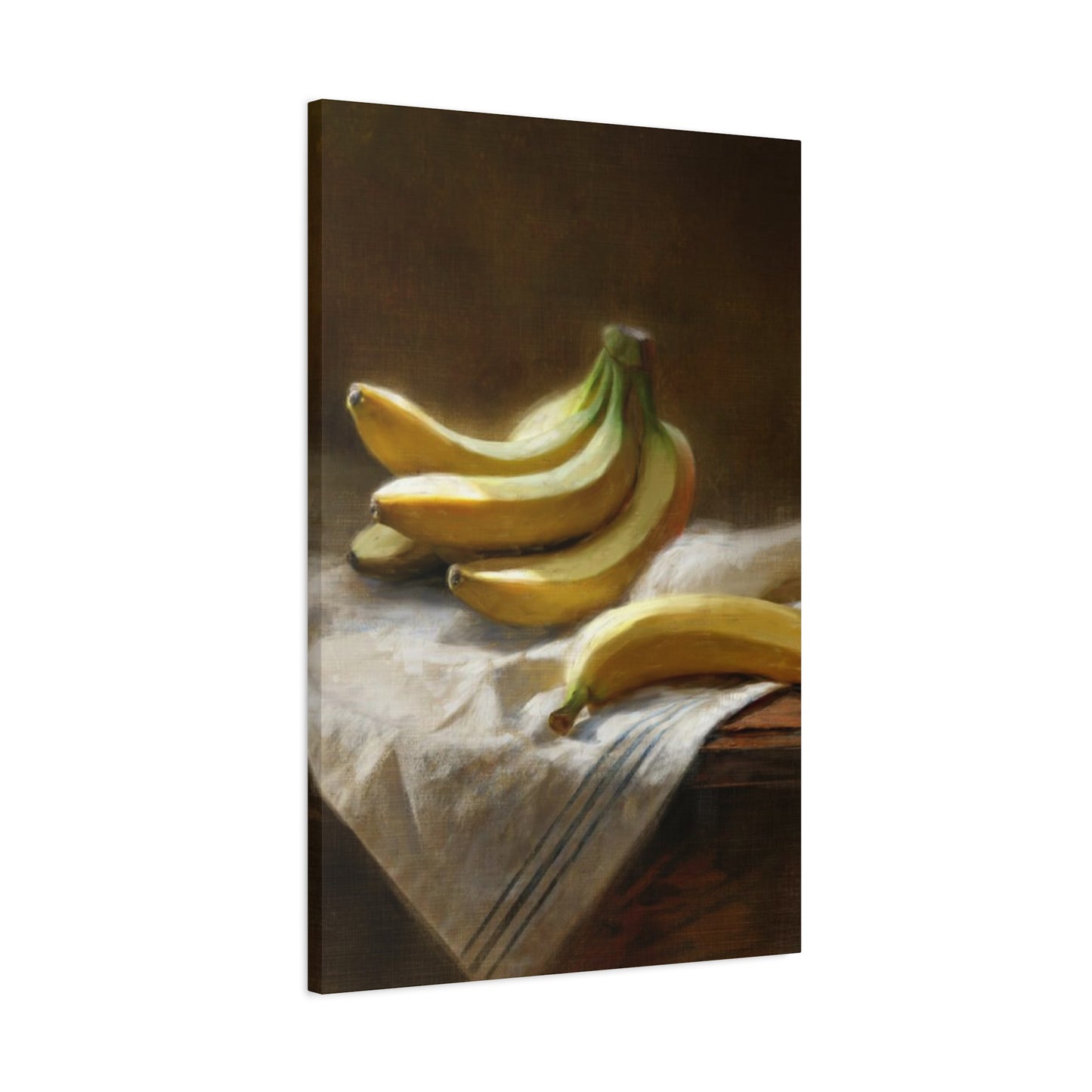
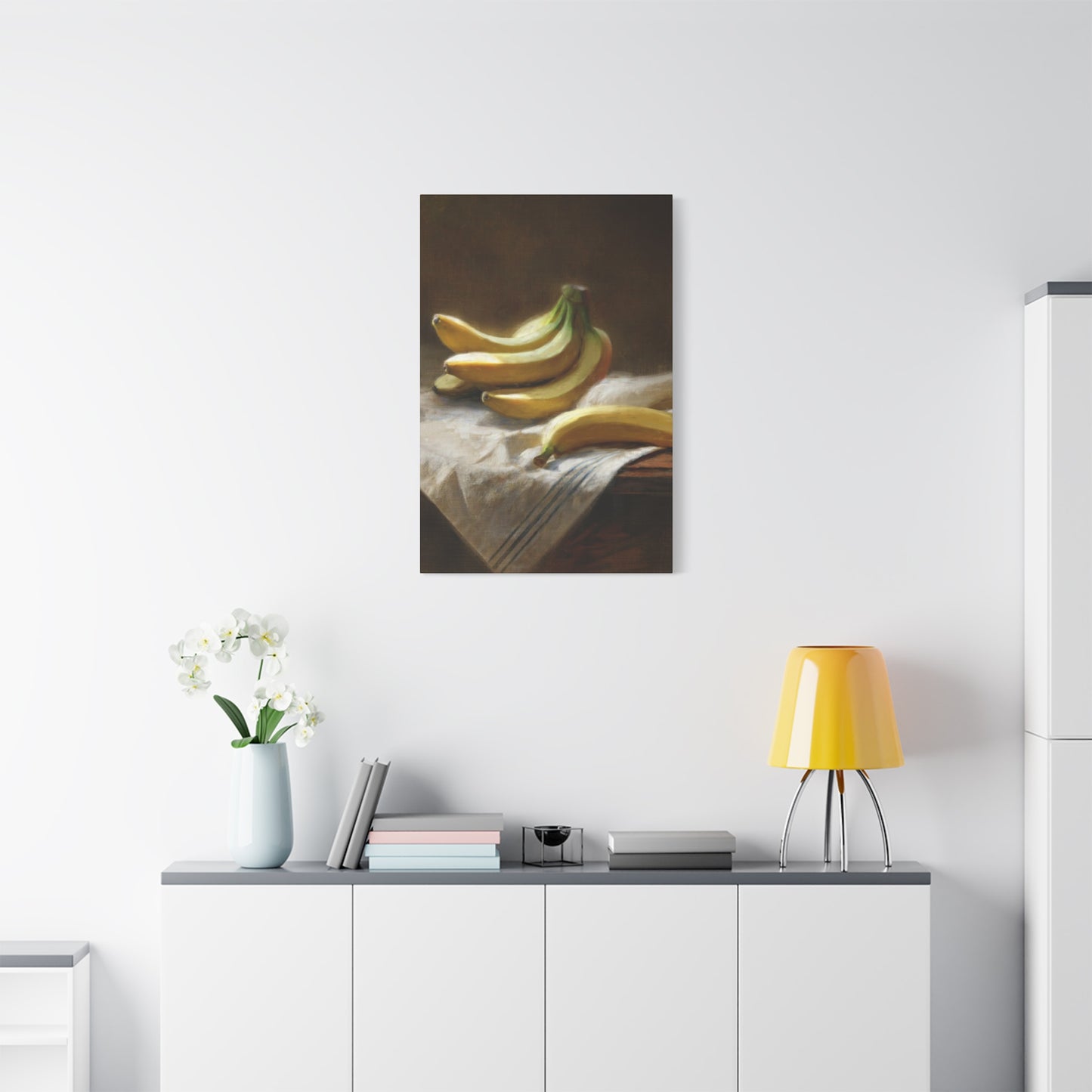
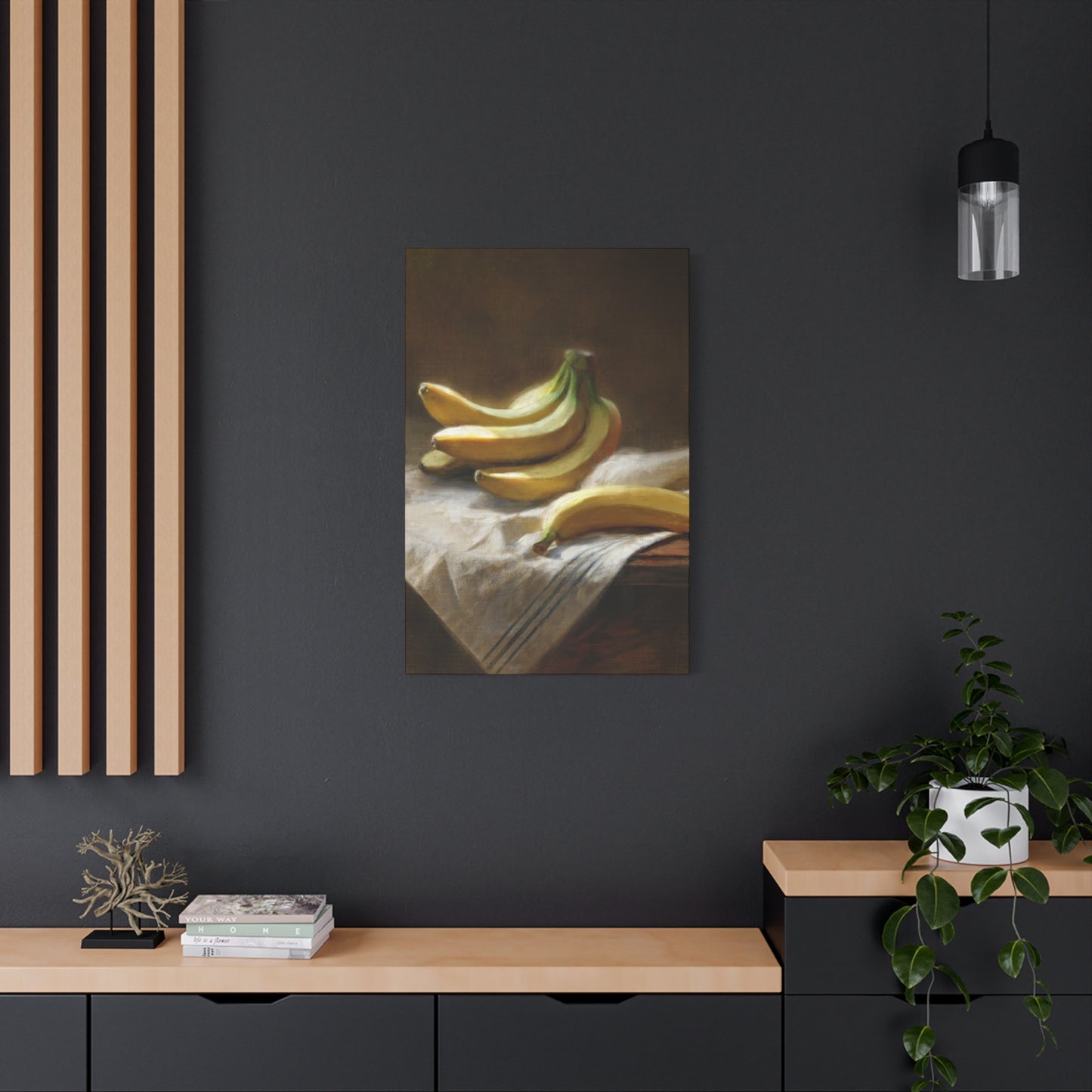
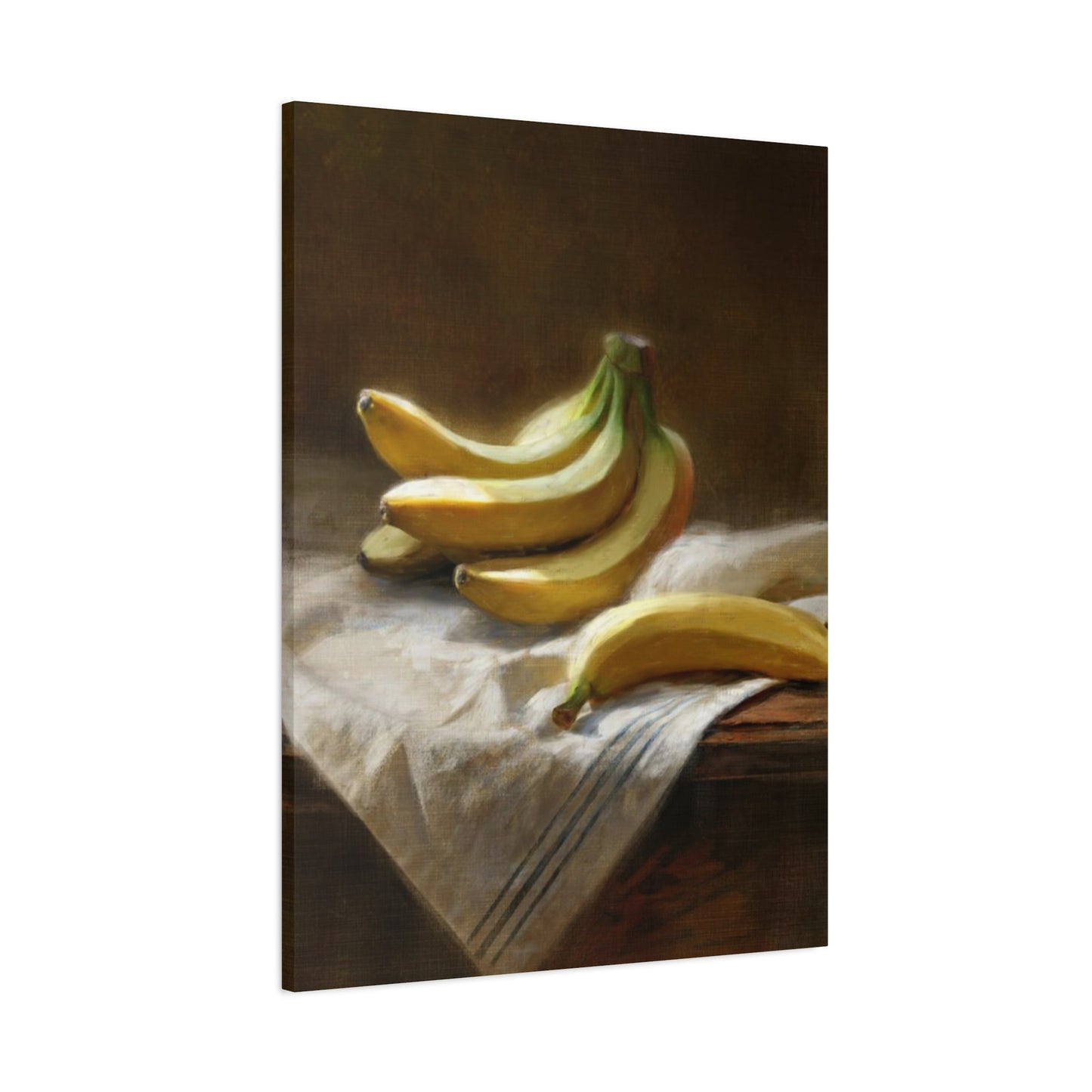
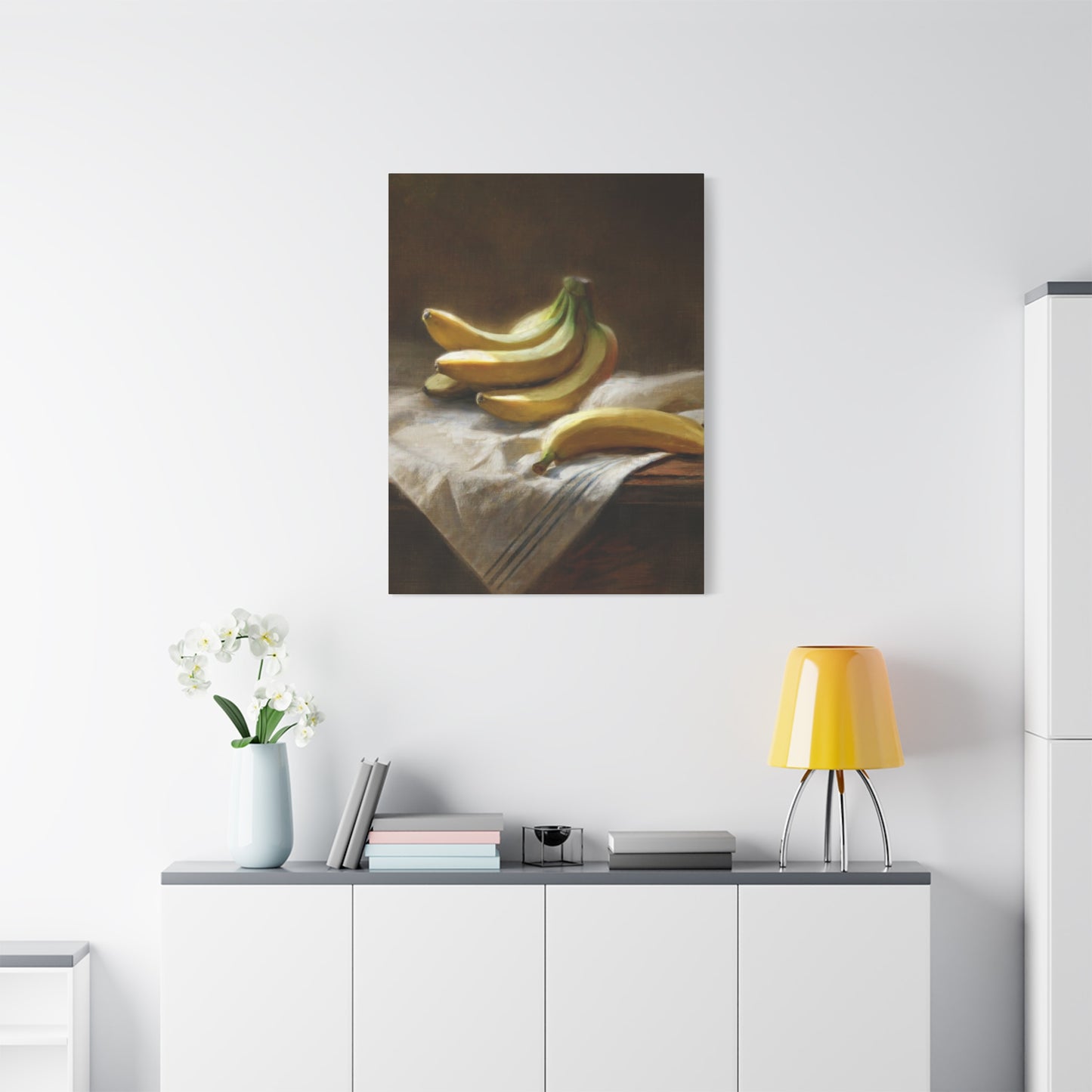
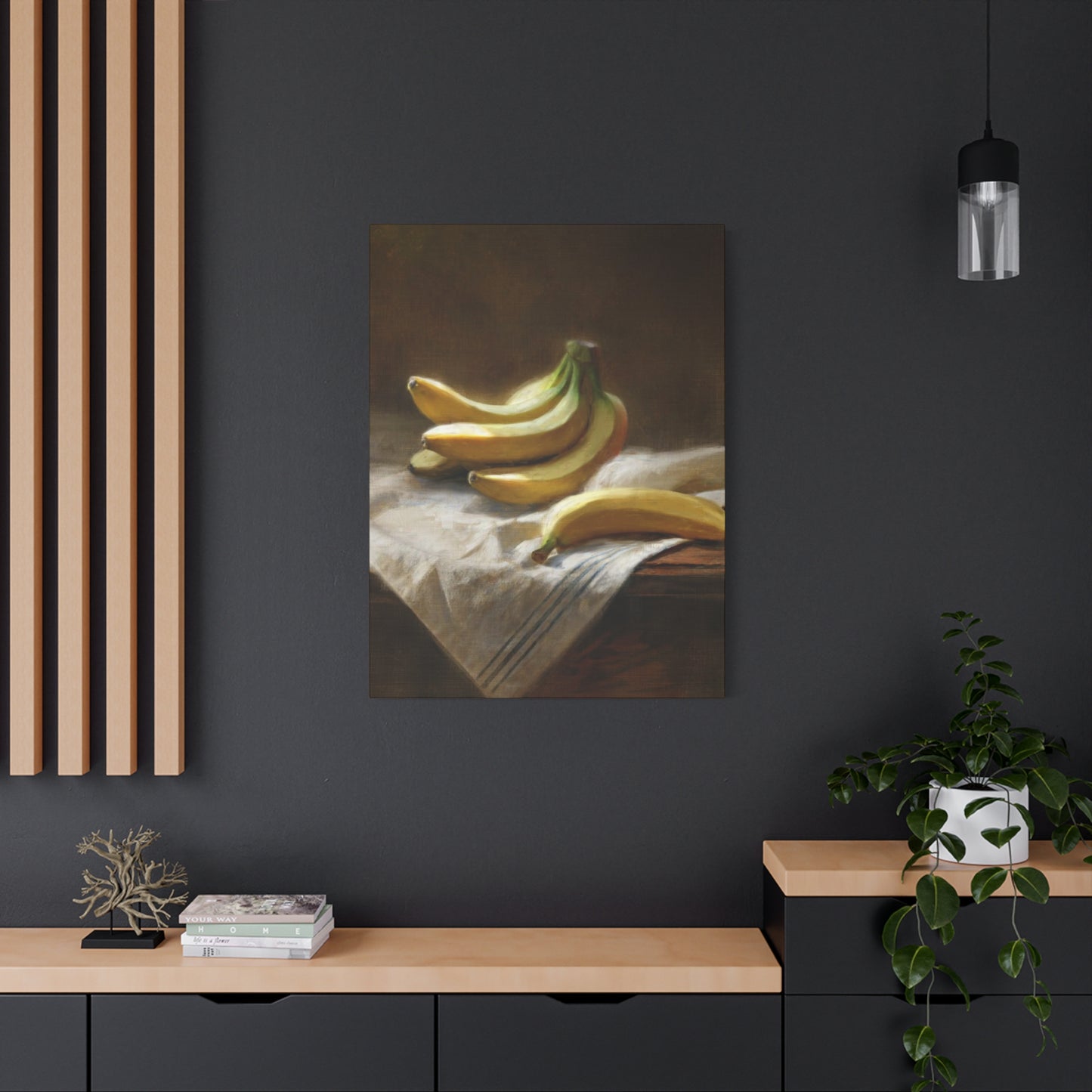
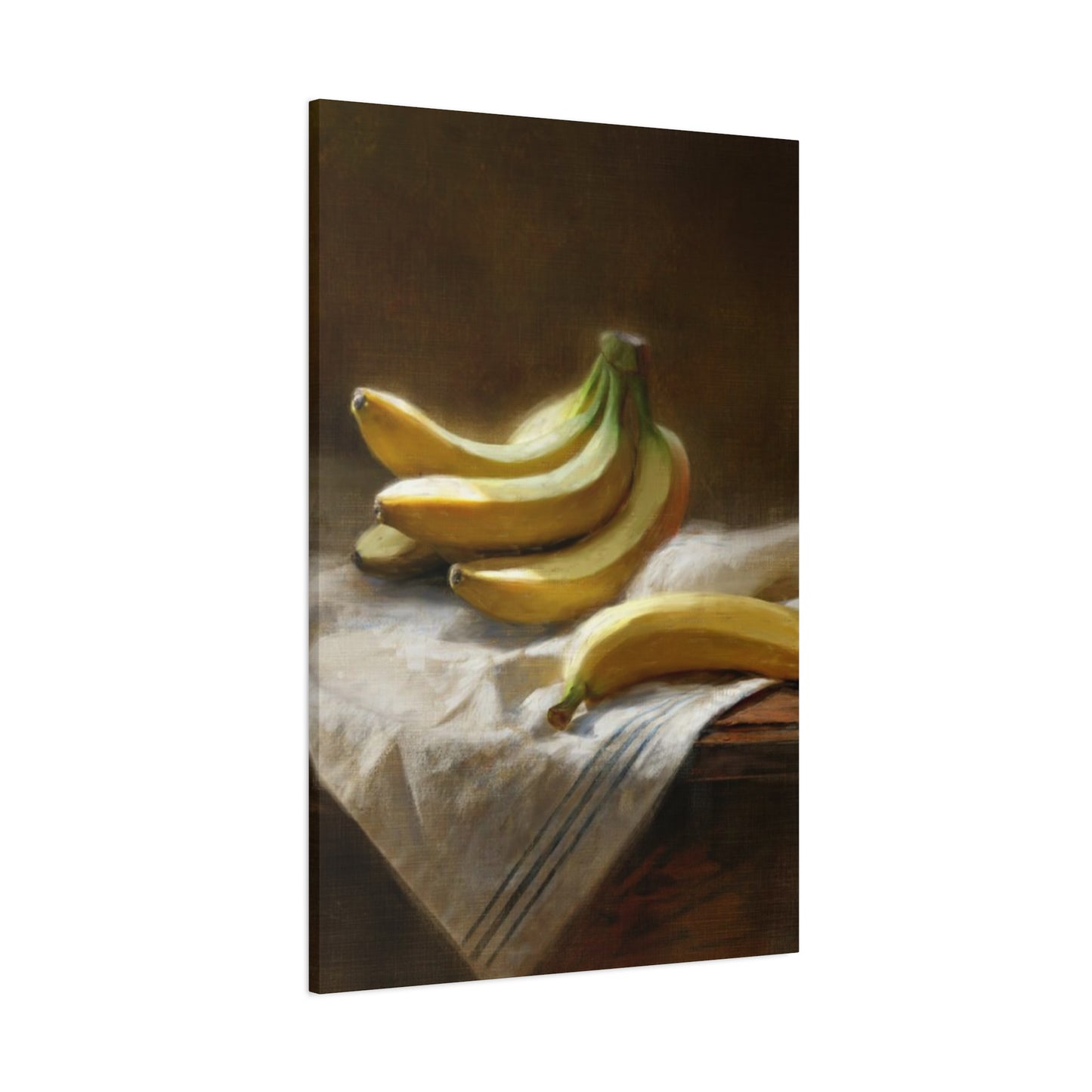
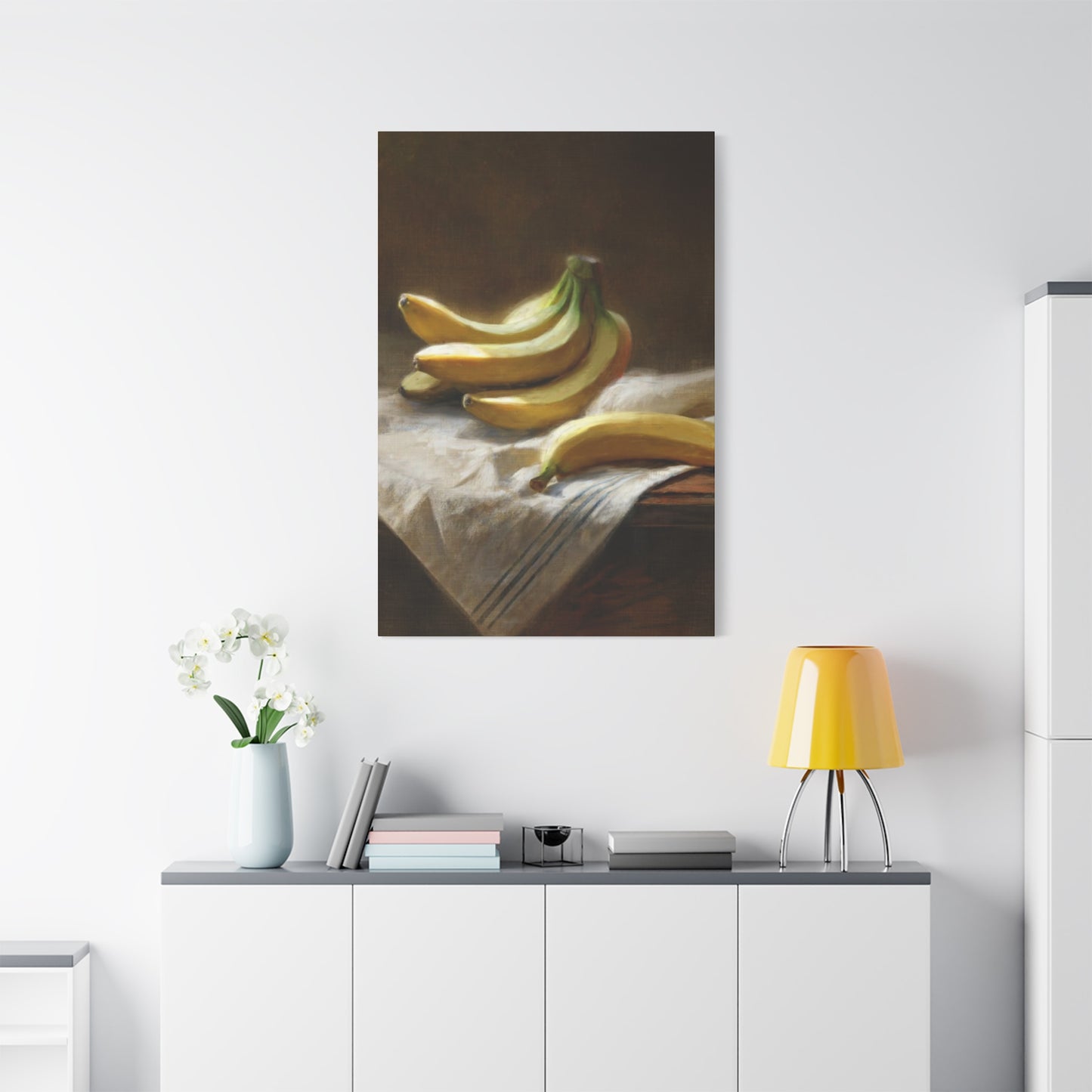
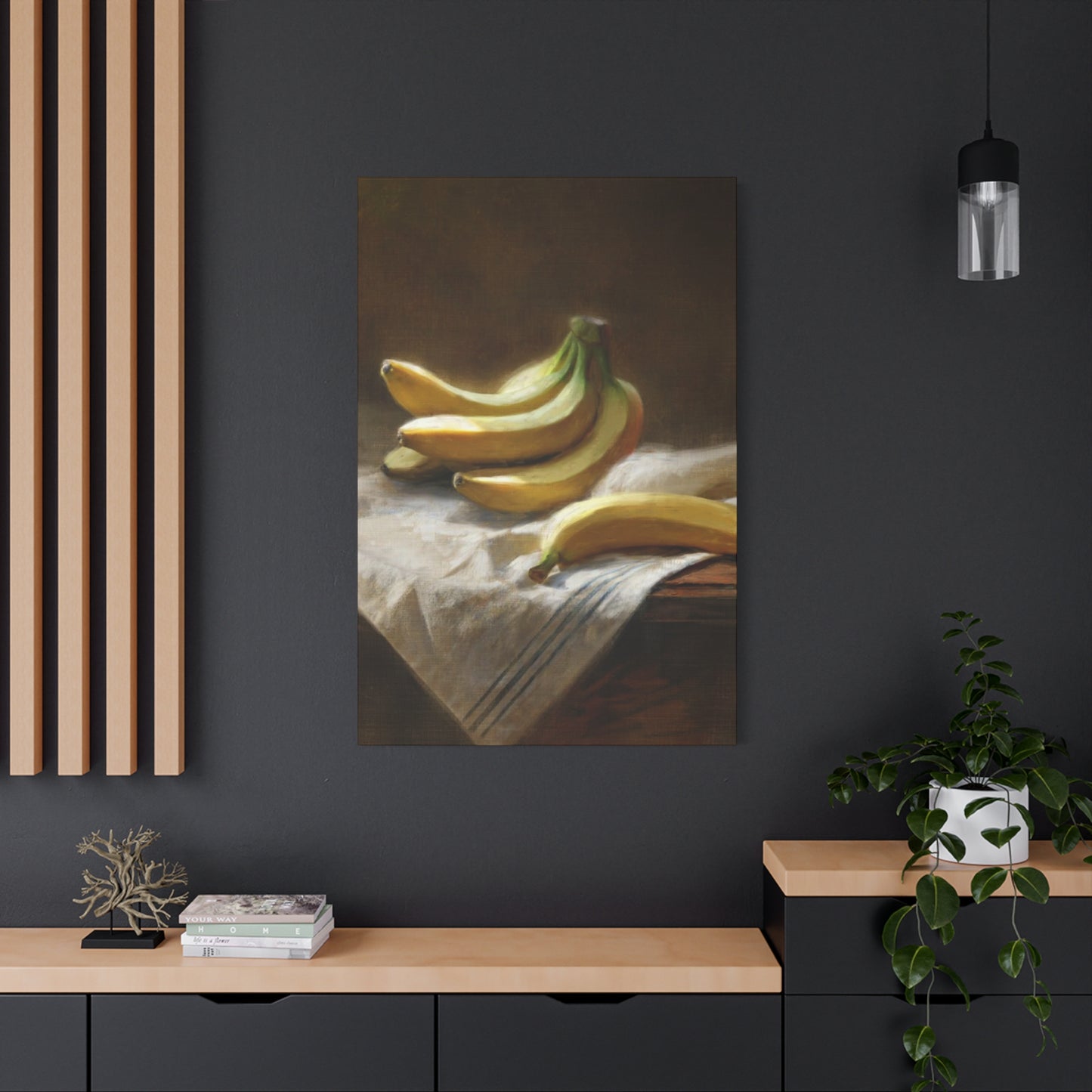
Banana Wall Art & Canvas Prints
Banana Wall Art & Canvas Prints
Couldn't load pickup availability
Elevate Your Living Space with Stunning Banana Wall Art: A Comprehensive Journey Through Tropical Design Elements
Transforming interior spaces with tropical-themed decorative pieces has become increasingly popular among homeowners and design enthusiasts seeking to infuse warmth, vibrancy, and natural beauty into their environments. Among the most captivating choices available, banana wall art stands as a remarkable option that seamlessly blends botanical elegance with contemporary aesthetics. This extensive exploration delves into every facet of incorporating these magnificent pieces into your living areas, examining their cultural significance, design variations, placement strategies, and the profound impact they can create within residential and commercial settings.
The Botanical Magnificence Behind Banana-Inspired Decorative Elements for Interior Spaces
The banana plant, scientifically known as Musa, represents far more than a simple fruit-bearing specimen. Throughout centuries, this remarkable plant has captivated artists, designers, and cultural enthusiasts with its distinctive architectural form, featuring broad, sweeping leaves that create dramatic visual statements. The aesthetic appeal of banana foliage stems from its inherent structural beauty—large, paddle-shaped leaves that unfurl in graceful arcs, creating natural patterns that translate beautifully into artistic representations.
When considering banana wall art for your interior spaces, understanding the botanical characteristics that make these plants so visually compelling becomes essential. The distinctive leaf structure features prominent midribs with parallel veining that extends outward, creating intricate linear patterns that artists have captured through various mediums. These natural geometric formations provide visual interest while maintaining an organic, flowing quality that softens modern interiors without overwhelming the space.
The color palette associated with banana plants extends beyond simple green hues, encompassing rich emerald tones, vibrant lime shades, and even variegated patterns featuring cream or yellow striations. Some varieties display reddish or purple undertones, particularly in newer growth, offering artists a diverse spectrum of colors to incorporate into their creations. This natural color diversity allows designers to select pieces that complement existing color schemes while introducing subtle variations that add depth and dimension.
The cultural symbolism attached to banana plants varies across different regions and societies, adding layers of meaning to decorative pieces featuring these botanical subjects. In many tropical cultures, banana plants symbolize prosperity, fertility, and abundance due to their prolific growth patterns and generous fruit production. Caribbean and Southeast Asian traditions often associate these plants with hospitality and welcome, making them particularly appropriate for entryways and gathering spaces. This rich cultural heritage adds depth and narrative to your decorative choices, transforming simple wall art into conversation pieces with meaningful backstories.
Exploring Diverse Artistic Styles and Mediums for Banana-Themed Decorative Pieces
The versatility of banana motifs in artistic representation allows for an extraordinary range of creative expressions, from photorealistic depictions to abstract interpretations. Canvas paintings featuring banana leaves have gained tremendous popularity, with artists employing various techniques including oil, acrylic, and watercolor to capture the plant's essence. Oil paintings often showcase rich, luminous greens with subtle gradations that highlight the leaf's natural sheen, while watercolors create more ethereal, translucent effects that evoke tropical mists and diffused sunlight filtering through dense foliage.
Contemporary digital art has revolutionized banana wall art creation, enabling artists to produce stunning pieces with precision and vibrancy that traditional methods sometimes cannot achieve. Digital illustrations allow for bold, graphic interpretations featuring clean lines, vivid color blocks, and stylized representations that work exceptionally well in modern and minimalist interiors. These pieces often incorporate geometric elements alongside organic banana forms, creating dynamic compositions that bridge natural and constructed worlds.
Photographic prints capturing banana plants in their natural habitats offer another compelling option for those seeking realistic representations. Black and white photography transforms banana leaves into studies of form, texture, and shadow, emphasizing the plant's sculptural qualities while maintaining a sophisticated, timeless appeal. Color photography, conversely, celebrates the plant's vibrant presence, often capturing details like water droplets on leaves, sunlight creating translucent effects, or the dramatic unfurling of new growth.
Mixed media approaches combine various materials and techniques to create textured, dimensional pieces that engage multiple senses. Artists might incorporate metallic leaf, fabric elements, or three-dimensional components that project from the canvas surface, creating shadows and depth that change with lighting conditions throughout the day. These pieces often command attention as focal points, working particularly well in spaces where art serves as a primary design element rather than mere accent.
Metal wall art featuring banana motifs has emerged as a striking option for those seeking durability and contemporary appeal. Laser-cut steel, copper, or aluminum pieces create dramatic silhouettes that cast intriguing shadows on walls, adding kinetic visual interest as natural and artificial light sources shift throughout the day. Some metal pieces incorporate powder coating in various colors, while others celebrate the raw beauty of oxidized or brushed metal finishes.
Wood-carved representations offer warmth and organic texture that resonates particularly well in bohemian, coastal, or natural design schemes. Artisans create relief carvings that highlight the banana leaf's distinctive vein patterns, sometimes leaving wood in natural states with clear protective finishes, other times applying stains or paints that enhance dimensional aspects. Carved wooden pieces introduce tactile elements that flat prints cannot provide, inviting closer inspection and creating rich visual texture even from a distance.
Textile-based banana wall art, including woven tapestries and embroidered pieces, introduces softness and warmth while celebrating traditional crafting methods. These pieces often incorporate natural fibers like cotton, linen, or jute, reinforcing the organic nature of the subject matter. The dimensional quality of woven threads creates subtle surface variations that respond beautifully to lighting changes, while embroidered details can highlight specific aspects of banana plant anatomy with remarkable precision.
Color Palette Considerations When Selecting Banana-Themed Decorative Elements
The color scheme you select for banana wall art significantly influences how pieces integrate with existing décor while setting overall mood and atmosphere. Traditional green-dominated pieces celebrate the plant's natural coloration, offering variations from deep forest tones to bright, almost neon lime hues. These verdant selections work beautifully in spaces featuring neutral backgrounds, providing organic color injections that energize without overwhelming.
Monochromatic banana wall art renders these botanical subjects in single-color families, creating sophisticated statements that work particularly well in refined, elegant interiors. Black and white versions emphasize form, shadow, and texture, offering timeless appeal that transcends passing design trends. Sepia-toned pieces evoke vintage botanical illustrations, lending historical character and scholarly gravitas to libraries, studies, or traditional dining rooms.
Bold, tropical color palettes incorporate vibrant pinks, electric blues, sunny yellows, and warm oranges alongside traditional greens, creating energetic, playful compositions that reflect Caribbean and Hawaiian influences. These vivacious pieces work wonderfully in recreational spaces, children's rooms, or any area where joyful, uplifting energy is desired. The key to successfully incorporating these bold pieces lies in balancing their intensity with more subdued surrounding elements that prevent visual chaos.
Muted, pastel interpretations soften the banana motif, rendering leaves in sage, mint, dusty rose, or pale peach tones that work beautifully in serene, calming environments. These gentler versions suit bedrooms, meditation spaces, or any area where tranquility is paramount. The subtle approach allows the distinctive banana leaf shape to create visual interest without the stimulating effects of more vibrant color choices.
Metallic accents within banana wall art introduce glamorous, luxurious qualities that elevate these botanical subjects beyond casual coastal themes. Gold leafing on banana leaves creates opulent statements suitable for formal dining rooms or sophisticated living areas, while copper tones add warmth and vintage industrial charm. Silver or platinum finishes lend cool elegance that pairs beautifully with contemporary furnishings and minimalist design philosophies.
Watercolor-effect pieces featuring soft color bleeds and translucent layers create dreamy, romantic interpretations of banana foliage. These artistic renderings often incorporate unexpected color combinations—perhaps lavender shadows or peachy highlights—that transform familiar botanical forms into imaginative, artistic statements. The fluid, organic nature of watercolor techniques particularly suits banana subjects, as both share flowing, unstructured qualities.
Strategic Placement Methods for Maximizing Visual Impact Throughout Your Home
Selecting appropriate locations for banana wall art requires thoughtful consideration of space characteristics, viewing angles, and functional requirements of each area. The entryway or foyer presents an ideal opportunity to establish welcoming, tropical ambiance immediately upon entering your home. A substantial banana leaf piece positioned prominently creates memorable first impressions while setting expectations for the aesthetic journey throughout remaining spaces.
Living room installations benefit from considering furniture arrangement and traffic patterns when positioning banana-themed pieces. Above sofas or console tables, horizontal compositions featuring multiple banana leaves or clusters create balanced focal points without competing with seating areas. Alternatively, vertical pieces positioned beside windows or in corner arrangements draw the eye upward, creating a sense of height while complementing rather than obstructing natural sight lines.
Dining spaces gain considerable character from thoughtfully placed banana wall art that enhances mealtime experiences without overwhelming intimate conversation. Consider positioning pieces where they're visible from seated positions but don't directly face diners, preventing the art from becoming a distraction during meals. The organic, abundant nature of banana imagery subtly reinforces themes of nourishment and hospitality particularly appropriate for dining environments.
Bedroom placements should prioritize creating serene, restful atmospheres conducive to relaxation and sleep. Position banana wall art where it's visible from the bed but doesn't dominate the primary sight line, perhaps on walls perpendicular to the headboard or in seating areas if your bedroom includes such spaces. The natural, organic subject matter of banana plants supports restful environments while adding visual interest to otherwise understated sleeping quarters.
Bathroom spaces, particularly those embracing spa-like or tropical themes, welcome banana wall art as reinforcement of resort-inspired aesthetics. Ensure pieces are adequately protected from moisture exposure, either through appropriate framing with sealed edges or selection of inherently water-resistant materials like metal or treated wood. The lush, verdant nature of banana imagery enhances the refreshing, rejuvenating qualities desired in bathing spaces.
Home office environments benefit from the energizing yet organic presence of banana wall art, which introduces natural elements into potentially sterile work environments without creating distracting patterns or overly stimulating imagery. Position pieces where they're visible during breaks from screen time but don't directly compete with monitors or primary work surfaces. The structured yet flowing forms of banana leaves can subtly encourage both focus and creative thinking.
Kitchen installations work particularly well given the culinary connection to bananas as food sources, creating thematic consistency that feels intuitive and appropriate. However, ensure pieces are positioned away from direct exposure to cooking steam, grease, or heat sources that might compromise their condition over time. Open shelving arrangements can incorporate smaller banana-themed pieces among dishware and decorative objects for layered visual interest.
Stairwell walls offer often-underutilized vertical space perfect for creating dramatic visual journeys through ascending or descending arrangements of banana wall art. Consider creating gallery walls featuring multiple pieces in various sizes, or install a single large-scale piece that commands attention while animating this transitional space. The upward growth pattern of banana plants makes them particularly appropriate metaphors for upward movement through your home.
Sizing Strategies for Achieving Perfect Proportions in Any Room Configuration
Determining appropriate dimensions for banana wall art requires careful assessment of wall space available, ceiling heights, and surrounding furnishings. Oversized statement pieces measuring four feet or larger in any dimension create commanding focal points suitable for spacious rooms with substantial wall expanses. These dramatic installations work particularly well in open-concept living areas, above king-sized beds, or in double-height entryways where they can be appreciated from multiple levels.
Medium-sized pieces ranging from two to four feet accommodate most standard residential spaces, providing substantial visual presence without overwhelming typical room proportions. These versatile dimensions work above sofas, in dining rooms, or as anchor pieces in bedroom arrangements. The moderate scale allows the artwork to command attention while leaving space for additional decorative elements that create layered, collected aesthetics.
Smaller pieces under two feet in any dimension serve beautifully as components in gallery wall arrangements or as accent elements in intimate spaces like powder rooms, reading nooks, or narrow hallway sections. Multiple small pieces arranged intentionally create visual interest through repetition and variation, allowing you to build comprehensive banana-themed displays that tell more complex stories than single pieces might achieve.
When considering scale, the relationship between artwork dimensions and surrounding furniture proves crucial. A general guideline suggests wall art above furniture pieces should span approximately two-thirds to three-quarters of the furniture's width, creating visual harmony without appearing either lost or cramped. However, intentionally breaking this rule can create dynamic, unexpected effects when executed with confidence and supporting design elements.
Vertical versus horizontal orientation significantly impacts how banana wall art interacts with space. Vertical pieces draw the eye upward, making rooms feel taller and more spacious—particularly valuable in homes with standard eight-foot ceilings. Horizontal arrangements emphasize width, making them ideal above lengthy furniture pieces like sofas or sideboards, while also creating grounding, stabilizing effects in rooms where height might otherwise feel disproportionate.
Triptych and multi-panel arrangements allow for customization and flexibility in how you occupy wall space. Three-panel banana leaf installations can be hung closely together for cohesive impact or spread across wider expanses with intervening wall space, adapting to your specific spatial requirements. This modular approach also facilitates easier transportation and installation compared to single large-scale pieces of equivalent overall dimensions.
Framing and Presentation Options That Enhance Banana Wall Art Displays
The framing choices you make profoundly influence how banana wall art integrates with your overall design scheme while protecting pieces from environmental damage. Traditional wood frames in natural finishes complement the organic subject matter, creating cohesive presentations that emphasize the botanical nature of banana imagery. Oak, walnut, teak, and bamboo frames introduce varying grain patterns and color tones that can either harmonize with or intentionally contrast against the artwork itself.
Painted frames offer opportunities to introduce additional colors that tie artwork to existing room palettes. White or cream frames create clean, gallery-like presentations that work universally across design styles, while black frames add dramatic definition and work particularly well with monochromatic or high-contrast banana pieces. Colored frames—perhaps picking up accent hues from within the artwork—create unified, intentional presentations that demonstrate thoughtful design consideration.
Metal frames introduce contemporary sophistication, with options ranging from sleek brushed aluminum to warmer brass or copper finishes. The industrial edge of metal framing can create interesting juxtapositions with organic banana subjects, bridging natural and urban design languages. Thin metal frames minimize visual weight, allowing the artwork itself to dominate, while chunkier profiles make stronger design statements themselves.
Floating frames create the illusion that artwork hovers slightly off the wall surface, introducing dimensional interest and contemporary flair. This presentation style works particularly well with canvas or wood panel banana wall art, allowing the piece's edges to remain visible and creating subtle shadow lines that enhance three-dimensional qualities. The modern aesthetic of floating frames suits minimalist and contemporary interiors especially well.
Gallery wrap presentations, where canvas or fabric prints wrap around stretcher bar edges, eliminate framing entirely for clean, modern displays. This approach works beautifully with bold, graphic banana imagery where the design extends seamlessly around sides, creating finished appearances from multiple viewing angles. Gallery-wrapped pieces can be hung immediately without additional framing expenses, though their unprotected edges may be more vulnerable to damage.
Matting strategies influence how banana wall art presents itself, with white or neutral mats creating breathing room that prevents pieces from feeling cramped within frames. Colored mats can either complement or contrast with the artwork, introducing additional design opportunities. However, contemporary trends often favor frameless or minimally framed presentations that allow artwork to speak more directly without intervening traditional elements.
Shadow box framing introduces significant depth, creating cases that can accommodate three-dimensional banana wall art elements like preserved leaves, carved wooden pieces, or mixed media works with substantial relief. The added dimensionality creates museum-quality presentations that elevate artwork status while providing superior protection from dust and handling. Shadow boxes work particularly well for valuable or delicate pieces deserving special treatment.
Creating Cohesive Gallery Wall Arrangements Featuring Banana-Themed Artwork
Gallery walls offer dynamic opportunities to create comprehensive banana wall art displays that tell richer stories than individual pieces might achieve alone. When planning these arrangements, establishing a unifying element—whether consistent color palette, frame style, or artistic medium—helps prevent the collection from appearing haphazard or chaotic. This connecting thread allows for diversity in size, orientation, and specific imagery while maintaining overall cohesion.
Grid arrangements featuring evenly spaced banana wall art pieces in identical frames create orderly, sophisticated presentations particularly suited to modern and transitional interiors. This structured approach works well with a series of coordinated prints, perhaps featuring different banana plant parts or stages of growth, unified through consistent sizing and framing. The predictable rhythm of grid layouts creates calm, organized impressions while still allowing individual pieces to contribute unique content.
Salon-style gallery walls embrace asymmetry and varied spacing, sizes, and frame styles for collected, eclectic presentations with considerable personality. This approach requires more careful planning to achieve balanced compositions despite intentional irregularity. Begin by arranging pieces on the floor, photographing various configurations until you find an arrangement where visual weight distributes evenly despite varying sizes. When incorporating banana wall art into salon arrangements, consider including complementary subjects—other tropical plants, abstract pieces in coordinating colors, or even non-botanical works that share tonal or stylistic connections.
Linear arrangements featuring banana wall art pieces aligned along consistent top or bottom edges create clean, contemporary presentations that work particularly well in hallways, above lengthy furniture, or in rooms with strong horizontal lines. This approach accommodates varying heights while maintaining organizational coherence through shared alignment. Consider alternating vertical and horizontal orientations for visual rhythm that prevents monotony.
Symmetric arrangements flanking central focal points—perhaps doorways, windows, or furniture pieces—create formal, balanced presentations with traditional appeal. Identical or visually similar banana wall art pieces positioned equidistant from central elements establish order and refinement appropriate for dining rooms, formal living areas, or traditional design schemes. This approach creates predictable comfort through bilateral symmetry that the human eye finds inherently satisfying.
Corner gallery walls utilize often-overlooked spaces where two walls meet, wrapping banana wall art around the corner in three-dimensional arrangements that create immersive environments. This approach works particularly well in open-concept spaces where distinct areas require subtle definition without physical barriers. Wrapping a unified collection around corners guides the eye through space while establishing visual continuity between adjoining areas.
Leaning galleries, where banana wall art pieces rest on mantels, console tables, or floating shelves rather than hanging directly on walls, create casual, approachable presentations with flexibility for frequent rearrangement. This less permanent approach suits renters or design enthusiasts who enjoy regularly refreshing their displays. Layer multiple pieces at varying heights, allowing smaller works to peek from behind larger ones for depth and discovery.
Color Coordination Strategies That Amplify Banana Wall Art's Visual Presence
Successfully integrating banana wall art requires thoughtful consideration of existing color schemes and strategic decisions about whether pieces should harmonize seamlessly or create intentional contrast. Monochromatic approaches use varying shades, tints, and tones of a single color family, creating sophisticated, cohesive environments where banana wall art blends into the overall palette while contributing texture and form. For instance, a room dominated by various greens—from sage walls to emerald accents—might incorporate botanical banana prints that reinforce the verdant theme through subtle variation.
Analogous color schemes combine colors adjacent on the color wheel, such as yellow-green, green, and blue-green, creating harmonious environments with gentle variation. Banana wall art featuring multiple green tones naturally fits these schemes, while pieces incorporating yellow or blue elements can bridge adjacent color families. The resulting environments feel coordinated and intentional without the potential monotony of strictly monochromatic approaches.
Complementary color strategies pair opposites on the color wheel—green with red-pink, yellow with purple, or blue-green with red-orange—creating vibrant, energetic contrasts. Banana wall art featuring predominantly green foliage creates striking impacts against walls in warm coral, terracotta, or dusty rose tones. These high-contrast combinations demand confidence but reward with dynamic, memorable environments that celebrate color's emotional and visual power.
Triadic color schemes incorporate three evenly spaced colors around the color wheel, such as the primary combination of red, yellow, and blue, or secondary grouping of orange, purple, and green. Banana wall art within these schemes might feature unexpected color treatments—perhaps leaves rendered in purple shadows with golden highlights—that play into the three-color framework while maintaining recognizable form.
Neutral-dominated environments rely on whites, grays, beiges, and blacks as primary palettes, using color sparingly for maximum impact. In these contexts, banana wall art bearing vibrant greens or tropical color combinations creates powerful focal points that draw the eye immediately. The surrounding neutrality amplifies the artwork's presence, making even modestly sized pieces command considerable attention.
Seasonal color rotations allow you to refresh environments by swapping banana wall art pieces that emphasize different aspects of the color spectrum. Summer displays might feature bright, sunny yellows and lime greens, while autumn versions incorporate deeper emeralds with warm golden accents. This rotation keeps spaces feeling current and responsive to changing light qualities and seasonal moods without requiring comprehensive redesigns.
Accent color extraction involves identifying minor colors within banana wall art and amplifying them throughout the space through accessories, textiles, or painted elements. Perhaps a piece features subtle pink tones in new growth or flowers; echoing those pinks in throw pillows, vases, or area rug details creates sophisticated connections that demonstrate design intentionality. This approach allows relatively neutral rooms to feel cohesive and thoughtfully composed without overwhelming color saturation.
Material Considerations for Longevity and Appropriate Placement
The substrates and production methods used in banana wall art creation significantly impact durability, maintenance requirements, and appropriate placement locations. Canvas prints stretched over wooden frames offer classic appeal with reasonable durability for most interior locations. However, canvas remains vulnerable to moisture, humidity, and direct sunlight, making protective UV-resistant glass or acrylic glazing advisable for valuable pieces. Proper stretching prevents sagging over time, while gallery-wrapped edges eliminate vulnerable exposed canvas corners.
Metal prints created through dye sublimation directly onto aluminum sheets provide exceptional durability, vivid color reproduction, and resistance to moisture and fading. These modern productions suit bathrooms, kitchens, or other areas where traditional paper or canvas prints might deteriorate. The material's inherent sheen creates luminous effects particularly beautiful with banana leaf imagery, though glossy finishes may create glare in certain lighting conditions. Matte metal finishes offer alternatives that minimize reflections while retaining durability benefits.
Acrylic prints feature imagery printed on paper or directly infused into acrylic panels, creating depth and luminosity through the translucent material's refractive properties. The glossy, glass-like appearance creates modern, sophisticated presentations while offering superior protection against environmental factors. Acrylic's lightweight nature simplifies hanging compared to traditional glass, though surfaces scratch more easily and require careful cleaning methods to avoid damage.
Wood panel prints infuse ink directly into wood grain, allowing natural texture to show through imagery for warm, organic presentations. The wood's inherent variation ensures each piece remains unique, even when produced from identical designs. These prints work beautifully in rustic, coastal, or bohemian settings where natural materials reinforce overall design philosophies. However, wood substrates can warp with humidity changes and may fade more quickly than other options without UV protection.
Fine art paper prints offer traditional appeal and the widest range of texture options, from smooth matte finishes to heavy watercolor papers with pronounced texture. These prints typically require framing behind glass for protection, increasing overall cost and weight but providing archival quality that preserves investment value. Paper remains the choice for serious collectors and those prioritizing traditional artistic production methods.
Fabric prints on materials like canvas, linen, or polyester blends create lightweight options suitable for large-scale banana wall art where weight becomes a concern. Modern fabric printing technology produces impressive color saturation and detail, while the material's flexibility simplifies shipping and storage. However, fabric can absorb odors and collect dust more readily than rigid substrates, requiring more frequent maintenance in high-traffic areas.
Glass printing techniques reverse-print imagery on glass backs, protecting designs from surface damage while creating striking depth and luminosity. The weight and fragility of glass limit practical sizes, but for smaller banana wall art pieces, glass creates jewelry-like presentations with exceptional color clarity. Safety considerations require tempered glass and secure hanging methods to prevent injury should breakage occur.
Lighting Approaches That Dramatically Enhance Banana Wall Art Presentation
Proper illumination transforms banana wall art from mere decoration into captivating focal points that anchor entire rooms. Picture lights—dedicated fixtures mounted above or below frames—provide focused, adjustable illumination that highlights artwork while minimizing glare. LED picture lights offer energy efficiency and minimal heat production, protecting pieces from thermal damage while providing consistent, high-quality light. Adjustable arms allow you to direct light precisely, accommodating various frame sizes and hanging positions.
Track lighting systems offer flexibility to illuminate multiple banana wall art pieces or adjust as you rearrange displays. Position tracks at appropriate distances from walls—typically two to three feet—to allow light to wash down surfaces at flattering angles without creating harsh shadows or hot spots. Adjustable fixtures within tracks accommodate artwork at various heights, while dimming capabilities let you modify intensity for different occasions or times of day.
Recessed ceiling spotlights create clean, unobtrusive lighting solutions that direct attention to banana wall art without visible fixtures competing for visual attention. Position lights at approximately thirty-degree angles from walls to minimize glare while providing adequate illumination. Use narrow-beam lamps for focused accent lighting or wider floods for gentler, more diffused effects depending on desired drama levels.
Wall washers provide broad, even illumination across entire wall sections, creating subtle backgrounds that allow banana wall art to emerge through inherent colors and forms rather than directed spotlighting. This approach works particularly well in gallery settings or contemporary spaces where smooth, uniform lighting reinforces minimalist aesthetics. However, art-specific highlighting diminishes, so this method suits spaces with multiple pieces rather than single focal statements.
Natural light offers beautiful, dynamic illumination that changes throughout days and seasons, creating living relationships between banana wall art and environment. However, direct sunlight causes fading and material degradation over time, necessitating protective measures for valuable pieces. UV-filtering window films or glazing on frames protect artwork while allowing natural light benefits. Consider that colors and details visible in morning light may appear quite different in afternoon or evening illumination, affecting optimal placement decisions.
Accent lighting from table or floor lamps positioned to graze banana wall art creates intimate, layered lighting schemes that emphasize texture and dimension. Up-lighting from floor lamps creates dramatic shadows and emphasizes relief in three-dimensional pieces, while table lamps at mid-height provide gentler, more diffused illumination. This approach works particularly well in living rooms or bedrooms where multiple light sources at various heights create comfortable, adjustable ambiance.
Backlighting with LED strips positioned behind banana wall art creates halo effects that separate pieces from walls, introducing architectural drama and contemporary flair. This approach works best with pieces mounted on spacers or having inherent depth that creates channels for concealed lighting. The ethereal glow can transform botanical imagery into luminous, almost magical presences that anchor evening ambiance when primary room lighting dims.
Color temperature selection significantly impacts how banana wall art presents itself. Warm white lighting (2700-3000K) enhances golden tones and creates cozy, inviting atmospheres but may distort cooler colors. Neutral white (3500-4100K) provides balanced illumination suitable for most artworks without strong color shifting. Cool white (5000-6500K) emphasizes blues and greens while creating crisp, energizing environments—potentially ideal for banana wall art with strong green coloration. Consider using adjustable color temperature fixtures that allow modification based on time of day or desired mood.
Styling Banana Wall Art Within Various Interior Design Philosophies
Coastal design schemes embrace banana wall art naturally, as tropical plants epitomize beach house aesthetics and laid-back resort living. Pair botanical banana prints with weathered wood tones, natural fiber textiles, and blue-green color palettes that reference ocean waters. Distressed white frames reinforce beachy casual vibrancy, while jute or sisal matting adds textural interest. Complementary elements like coral specimens, driftwood pieces, or nautical accessories reinforce maritime themes without becoming overly literal.
Bohemian interiors celebrate banana wall art's organic forms and global influences, incorporating pieces within maximalist layered displays featuring diverse patterns, textures, and collected treasures. Mismatched vintage frames, macramé wall hangings, and colorful textiles create rich, eclectic environments where banana imagery contributes botanical elements that anchor more abstract patterns. The plant's association with tropical regions aligns with boho style's embrace of global influences and handcrafted artistry.
Modern tropical aesthetics blend clean contemporary lines with lush botanical elements, creating sophisticated spaces that reference resort destinations without kitsch excess. Banana wall art in this context often features graphic, simplified interpretations or stunning photography rather than traditional botanical illustrations. Pair with natural materials like teak, marble, and linen in refined neutral palettes punctuated by carefully selected green or blue accents. The restraint prevents tropical elements from overwhelming, maintaining modern sophistication while celebrating natural beauty.
Minimalist spaces incorporate banana wall art judiciously, selecting single statement pieces with strong visual presence rather than multiple smaller works. Black and white photography or simple line drawings of banana leaves align with minimalist principles of reduction and essential form. Clean presentation without ornate framing allows the plant's inherent beauty to communicate without excess embellishment. Surrounding negative space becomes as important as the artwork itself, creating breathing room that prevents visual clutter.
Industrial interiors benefit from unexpected juxtapositions between raw, hard-edged elements and organic banana imagery. Exposed brick, concrete floors, and metal fixtures provide stark backgrounds that make lush botanical prints feel refreshing and humanizing. Metal frames or prints on industrial substrates like galvanized steel reinforce material connections while maintaining thematic consistency. The contrast between manufactured and natural elements creates dynamic tension that energizes spaces.
Scandinavian design's emphasis on natural elements and connection to the outdoors welcomes banana wall art despite tropical origins diverging from Nordic references. Select pieces featuring muted colors—sage, gray-green, or monochromatic treatments—that align with Scandi palettes. Simple wooden frames in light oak or birch complement Nordic design's material preferences. The organic subject matter reinforces biophilic design principles central to Scandinavian philosophy while introducing subtle visual warmth.
Traditional interiors incorporate banana wall art through formal botanical illustration styles reminiscent of historical plant documentation. Antique or antique-reproduction frames with classical profiles, gold leafing, or carved details elevate botanical subjects to fine art status appropriate for traditional settings. Pair with other period-appropriate botanical prints of ferns, palms, or tropical flowers to create comprehensive plant study collections that reference gentleman's libraries and Victorian conservatories.
Eclectic maximalist spaces embrace banana wall art's versatility, incorporating pieces alongside diverse artistic styles and subjects without concern for strict thematic consistency. Vibrant, boldly colored banana prints contribute energetic bursts that play against busy wallpaper, numerous patterns, and collected objects filling every surface. The key lies in confident composition that celebrates abundance and personal expression over design rules.
Seasonal Styling Approaches That Keep Banana Wall Art Feeling Fresh
While banana plants maintain year-round presence in tropical climates, styling around banana wall art can shift seasonally to create fresh perspectives and respond to changing light qualities. Summer styling celebrates banana imagery's tropical associations through maximum vibrancy and warmth. Surround pieces with fresh flowers in complementary colors, lightweight fabrics in bright patterns, and accessories emphasizing sunshine and outdoor living. The resulting environment channels vacation energy and warm weather exuberance.
Autumn approaches can emphasize warmer tones within banana wall art through strategic surrounding color choices. Incorporate russet, amber, and deep emerald accessories that draw attention to similar undertones in the artwork. Velvet textiles, brass accents, and warmer lighting create cocoon-like environments that transition from summer's brightness into fall's introspective richness. The banana imagery remains constant, but shifting context alters perception and mood.
Winter styling creates interesting contrasts between lush tropical banana imagery and cold weather realities outside, offering visual escape and warmth during dark months. Pair with luxurious textures like faux fur, velvet, and chunky knits that create cozy environments where botanical subjects provide reminders of warm weather and lush growth. Metallic gold or copper accents add festive warmth while complementing green foliage in the artwork.
Spring styling emphasizes renewal and growth that banana plants exemplify through their vigorous propagation and continuous leaf production. Freshen displays with pale, clean colors—soft yellows, light greens, and crisp whites—that evoke emerging growth. Incorporate real plants around banana wall art to strengthen connections between artistic representation and living specimens. Open curtains to maximize natural light that energizes both actual plants and their depicted counterparts.
Holiday-specific styling adapts banana wall art temporarily through surrounding décor rather than permanent changes. Tropical Christmas themes incorporate banana imagery naturally alongside palms, hibiscus, and beach-inspired ornaments for non-traditional celebrations. Reef or driftwood wreaths hung near banana wall art create cohesive tropical holiday environments. Summer holidays like Independence Day can feature red, white, and blue accessories around banana pieces for patriotic tropical themes.
Transitional styling between seasons creates gradual shifts that prevent abrupt design changes while keeping environments feeling current. Begin introducing next season's palette through small accessories—pillows, vases, or throws—before making comprehensive changes. This approach maintains design cohesion while allowing banana wall art to serve as constant anchor through evolving surrounding elements.
Conclusion
Finding exceptional banana wall art requires exploring various marketplace channels and supporting creators whose artistic vision aligns with your aesthetic preferences. Online art marketplaces host thousands of artists offering diverse interpretations of banana themes across numerous styles and price points. These platforms typically allow direct communication with artists, opening possibilities for custom sizing, color modifications, or completely personalized commissions that address specific needs.
Local art fairs and markets provide opportunities to view banana wall art in person before purchasing, examining print quality, texture, and color accuracy that photos sometimes misrepresent. Meeting artists directly offers insights into creative processes and inspirations while supporting local creative economies. Many artists accept commissions or can modify existing works to suit your specific requirements regarding size, color, or framing.
Gallery purchases offer curated selections where professionals have vetted quality and artistic merit. Galleries specializing in botanical subjects or contemporary tropical art concentrate expertise in these niches, providing knowledgeable staff who can guide selections. Higher price points reflect gallery overhead and artist representation, but also ensure investment-quality pieces with documented provenance and authenticity.
Print-on-demand services democratize access to banana wall art by offering vast catalogs from numerous contributors at accessible prices. While lacking original artwork exclusivity, these platforms provide convenient access to diverse styles printed on various substrates with framing options. Quality varies significantly between providers, so research regarding ink quality, substrate options, and customer service proves worthwhile before committing to larger purchases.
Antique and vintage markets occasionally yield botanical prints, including banana specimens from historical plant documentation projects. These authentic period pieces carry historical character and rarity that contemporary reproductions cannot match. Condition varies widely, potentially requiring professional restoration, but the unique patina and authenticity justify effort for serious collectors.
Commission work from established or emerging artists creates truly unique banana wall art tailored precisely to your vision. Provide reference images, color preferences, size requirements, and contextual information about placement to help artists understand project parameters. Commission processes typically involve preliminary sketches or digital mockups before final execution, ensuring satisfaction before significant investment.
Social media platforms enable direct discovery of artists creating banana wall art, often allowing purchases directly through artist profiles or linked shops. Following artists provides ongoing exposure to new works, process insights, and sometimes exclusive presale opportunities. Engaging meaningfully with artists' posts through comments and shares supports creative communities while potentially establishing relationships that inform future purchases.
Share