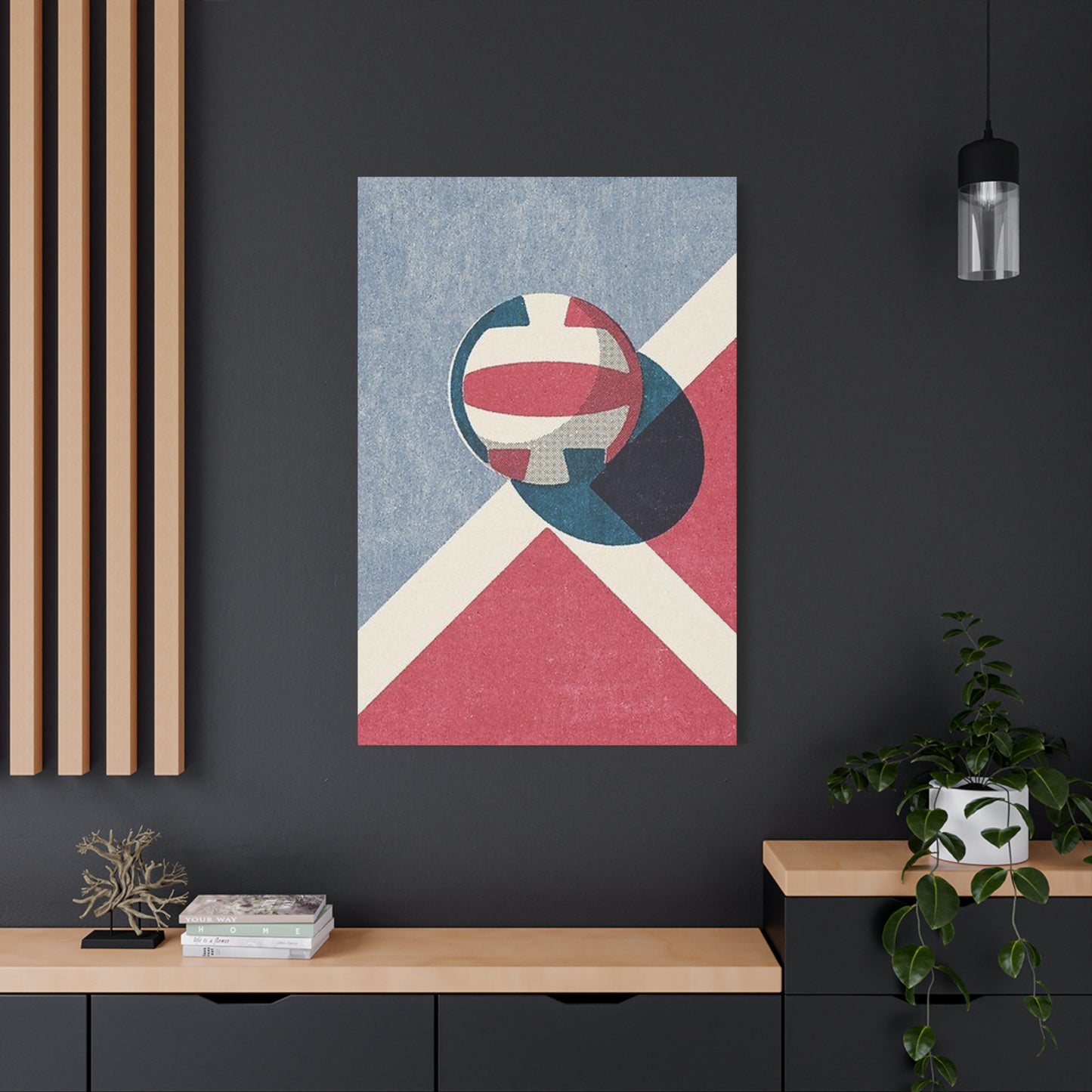


Ball Poster Wall Art & Canvas Prints
Ball Poster Wall Art & Canvas Prints
Couldn't load pickup availability
Discover Exceptional Ball Poster Wall Art: Your Complete Resource for Selecting, Displaying, and Enjoying Sports-Themed Visual Elements in Modern Living Spaces
The realm of decorative wall pieces featuring spherical sporting equipment has evolved dramatically over recent decades, transforming from simple memorabilia into sophisticated artistic statements that enhance contemporary interiors. Ball poster wall art represents a distinctive category within home decoration, combining athletic passion with aesthetic appeal to create visually striking focal points that resonate with enthusiasts and casual observers alike.
Why Spherical Sports Imagery Commands Attention in Contemporary Interior Design Schemes
The magnetic pull of athletic imagery transcends mere fandom, tapping into deeper psychological connections that bind humans to competition, achievement, and physical prowess. When individuals incorporate ball poster wall art into their living environments, they're not merely adding decoration—they're embedding personal narratives, cherished memories, and aspirational elements into the very fabric of their daily surroundings.
Sports-themed visual elements possess an inherent dynamism that static landscapes or abstract compositions often lack. The circular geometry of balls creates natural focal points that draw the eye inward, while the associated kinetic energy implied by sporting equipment generates subtle psychological momentum within spaces. This phenomenon explains why gyms, recreational facilities, and even corporate offices frequently employ such imagery to inspire activity and determination.
The cultural significance of athletic pursuits cannot be understated. From ancient civilizations that worshipped physical competition to modern societies where sporting events captivate billions, humanity has consistently elevated athletic achievement to near-mythological status. Ball poster wall art serves as tangible connections to this grand tradition, allowing individuals to participate vicarially in narratives of excellence, perseverance, and triumph.
Color psychology plays a crucial role in the appeal of sports-themed decorations. The vibrant oranges of basketballs, pristine whites of baseballs, bold patterns of soccer balls, and neon hues of tennis balls inject energy into environments that might otherwise feel sterile or subdued. These chromatic choices aren't arbitrary—they've been carefully selected over generations to maximize visibility during gameplay, and this same high-contrast appeal translates beautifully to residential and commercial spaces.
Texture perception represents another fascinating dimension of ball poster wall art. Even two-dimensional representations of spherical objects create visual texture through shading, highlighting, and surface detail rendering. The dimpled surface of golf balls, stitched panels of volleyballs, and pebbled texture of footballs all translate into visual interest that adds depth and complexity to wall surfaces.
The versatility of this decorative category deserves particular emphasis. Unlike highly specific artwork that demands particular aesthetic contexts, sports-themed pieces adapt remarkably well to diverse design philosophies. Minimalist spaces benefit from the clean geometry and focused subject matter, while eclectic environments can incorporate such pieces alongside seemingly disparate elements without creating visual discord.
Demographic appeal extends across age ranges, gender identities, and socioeconomic backgrounds. Children respond enthusiastically to colorful, energetic imagery that reflects their play activities. Adolescents and young adults find personal identity reinforcement through displays of favored sports. Middle-aged individuals often select such decorations as nostalgic touchstones to athletic pursuits from their youth. Even elderly populations maintain connections to sports they watched, played, or followed throughout their lives.
The social signaling aspect of ball poster wall art merits consideration. Displaying sports imagery communicates values such as teamwork, discipline, competitive spirit, and physical vitality. In professional contexts, such decorations can signal approachability and relatability, humanizing otherwise impersonal office environments. In residential settings, they serve as conversation initiators and common ground identifiers among guests with shared interests.
Commercial establishments have long recognized the power of sports imagery to create atmosphere and influence consumer behavior. Sports bars, fitness studios, athletic retailers, and recreational facilities all employ such decorations strategically to reinforce brand identity and customer experience. The proliferation of these commercial applications has, in turn, influenced residential decorating trends as people seek to recreate aspects of environments they find appealing and energizing.
The accessibility of sports themes represents another advantage over more esoteric artistic subjects. While abstract expressionism or surrealist movements might alienate viewers unfamiliar with art historical context, nearly everyone has thrown, kicked, or hit a ball at some point in their lives. This universal experiential baseline creates immediate recognition and emotional connection that more obscure subject matter cannot match.
Seasonal flexibility distinguishes quality ball poster wall art from more temporally specific decorations. Unlike holiday-themed items that require periodic rotation, sports imagery maintains year-round relevance. While specific sports have traditional seasons, the visual elements themselves transcend temporal limitations, allowing for permanent installations that don't feel dated or inappropriate during off-season months.
Exploring the Magnificent Variety Within Spherical Sports Visual Representation Categories
The spectrum of available styles within the ball poster wall art category spans from photorealistic captures to highly abstracted interpretations, each offering distinct aesthetic qualities and emotional resonances that cater to varied tastes and decorating objectives.
Photographic realism dominates one end of this stylistic continuum, featuring high-resolution captures of actual sporting equipment in various contexts. These pieces might showcase game-worn balls bearing scuff marks and authentic patina, pristine equipment photographed against studio backgrounds, or action shots capturing spherical objects mid-flight during competitive moments. The appeal of photorealistic representations lies in their documentary quality and perceived authenticity, allowing viewers to feel connected to actual sporting experiences.
Illustrative interpretations offer artists greater creative latitude to emphasize particular qualities, exaggerate certain features, or inject personality into otherwise inanimate objects. Hand-drawn basketball illustrations might feature anthropomorphized expressions, while stylized soccer ball renderings could incorporate cultural motifs or symbolic elements that transcend literal representation. This category encompasses everything from simple line drawings suitable for minimalist spaces to elaborate compositions featuring multiple elements and complex color schemes.
Vintage aesthetic treatments have gained tremendous popularity in recent years, capitalizing on nostalgia and retro design sensibilities. These pieces often employ aged paper textures, faded color palettes, and typography reminiscent of mid-century advertising or early sports programming graphics. The intentional artifice of weathering and aging creates instant heritage and emotional depth that newer, cleaner designs sometimes lack.
Abstract interpretations deconstruct spherical forms into geometric components, color fields, or conceptual representations that suggest rather than depict their subjects. A basketball might be reduced to concentric circles in team colors, while a baseball could be represented through a pattern of curved lines suggesting stitching without rendering the complete object. These approaches appeal to viewers seeking sophistication and subtlety over obvious representation.
Typography-focused designs integrate text elements with visual representations, often featuring motivational quotes, team slogans, famous player names, or inspirational messages alongside ball imagery. The interplay between verbal and visual communication creates layered meaning and provides additional context that pure imagery alone cannot convey. Font selection becomes crucial in these compositions, with everything from bold sans-serif faces to elegant scripts contributing to overall aesthetic impact.
Collage compositions combine multiple elements—various ball types, player silhouettes, stadium imagery, and textural components—into unified artistic statements. These complex pieces reward extended viewing as observers discover new details and relationships between compositional elements. The layered nature of collage work creates visual depth that simpler single-subject pieces cannot achieve.
Monochromatic treatments strip away color to focus attention on form, texture, and tonal variation. Black and white renderings of sporting equipment possess timeless elegance and sophisticated restraint that suits formal environments where colorful displays might feel inappropriate. Sepia tones add warmth and vintage character, while stark black-on-white creates dramatic contrast and modernist appeal.
Watercolor interpretations introduce softness and fluidity that contrasts beautifully with the hard geometry and solid forms typical of most sporting equipment. The bleeding edges and color gradations characteristic of watercolor technique create dreamy, contemplative qualities that invite reflection rather than excitement. These pieces work particularly well in calmer spaces like bedrooms or reading areas where aggressive energy would feel discordant.
Pop art influences manifest in bold colors, repetitive patterns, and graphic simplifications reminiscent of Warhol, Lichtenstein, and their contemporaries. These treatments often feature vibrant, unnatural color choices, ben-day dot patterns, and flattened perspectives that emphasize surface and pattern over dimensional representation. The playful, accessible nature of pop-influenced sports art makes it particularly suitable for casual spaces and younger demographics.
Graffiti and street art aesthetics bring urban energy and rebellious spirit to ball poster wall art. Spray paint effects, dripping paint, stenciled elements, and mixed-media textures associate sporting equipment with underground culture and countercultural movements. These pieces resonate particularly strongly with younger audiences and urbanites who identify with hip-hop culture and street credibility.
Metallic and foil treatments add literal shine and dimensional variation through reflective surfaces that catch and manipulate light. Gold foil basketballs, silver-accented baseballs, and holographic soccer balls create luxury associations and premium perceptions that justify higher price points. The light-interactive nature of these pieces means their appearance changes throughout the day as lighting conditions shift.
Minimalist reductions strip away extraneous details to present essential forms in their simplest possible expressions. A single curved line might suggest a basketball's characteristic grooves, while a small pattern of stitches could represent an entire baseball. These ultra-simplified representations appeal to viewers with refined aesthetic sensibilities who appreciate restraint and conceptual elegance.
Maximalist compositions embrace complexity, density, and visual abundance by incorporating multiple balls, elaborate backgrounds, overlapping elements, and rich detail throughout the entire composition. Where minimalism whispers, maximalism shouts, creating visually busy pieces that command attention and reward extended examination. These works suit spaces that already embrace eclectic or bohemian design philosophies.
Navigating Material Considerations That Influence Longevity, Appearance, and Environmental Impact
The physical substrate upon which ball poster wall art gets printed or mounted dramatically affects not only aesthetic qualities but also durability, cost, environmental implications, and suitability for various installation contexts.
Paper remains the most traditional and widely utilized medium for poster creation, offering numerous subcategories with distinct characteristics. Matte paper provides non-reflective surfaces that minimize glare and create soft, museum-quality presentations suitable for formal settings. Glossy paper enhances color vibrancy and creates photographic polish that makes images pop with intensity, though at the cost of introducing reflections that can obscure viewing from certain angles. Semi-gloss or satin finishes split the difference, offering enhanced color depth while maintaining reasonable visibility under varied lighting conditions.
Canvas mounting has surged in popularity due to its gallery-quality appearance and enhanced durability compared to paper alternatives. Stretched canvas wraps around wooden frames to create three-dimensional objects that project from walls, eliminating the need for additional framing while creating shadow-box effects that add architectural interest. The textured surface of canvas imparts painterly qualities even to digitally created images, lending artistic credibility and crafted authenticity. However, canvas installations require careful handling during mounting to avoid warping or slack development over time.
Metal printing represents a contemporary option that delivers striking visual impact through dye sublimation processes that infuse images directly into specially coated aluminum sheets. The resulting pieces exhibit extraordinary color depth, remarkable sharpness, and excellent durability that resists fading even in challenging environmental conditions. The rigid substrate eliminates concerns about warping, sagging, or damage from humidity. Lightweight aluminum construction simplifies mounting while reducing shipping costs. The sleek, modern appearance of metal prints particularly suits contemporary and industrial design schemes.
Acrylic mounting suspends printed images behind clear acrylic sheets, creating depth, protection, and stunning clarity that resembles high-end gallery presentations. Light refracts through the acrylic layer, illuminating images from within and creating luminous quality that standard framing cannot match. The smooth, glossy surface repels dust and simplifies cleaning. However, acrylic's weight and fragility require sturdy mounting systems and careful handling during installation.
Wood panel mounting transfers images onto solid wood surfaces through various printing or adhesion processes, resulting in rustic, organic presentations that emphasize natural grain patterns and textural variation. Wood's warmth and authenticity create casual, approachable aesthetics particularly suited to cabin decor, man caves, and spaces emphasizing natural materials. The rigid substrate prevents damage from impacts or bending, though wood remains vulnerable to moisture and requires appropriate sealing for humid environments.
Fabric prints utilize specialized textiles that accept dye-sublimation or direct-printing processes, creating lightweight, flexible pieces that can be stretched, hung, or mounted in various configurations. Fabric's softness and drapability allow for creative installation approaches impossible with rigid substrates. The material's breathability prevents moisture accumulation that might damage paper or wood alternatives. However, fabric prints generally lack the sharp detail and color intensity of paper or metal options.
Foam board mounting adheres printed images to lightweight, rigid foam-cored boards that offer structural support without excessive weight. This economical option works well for temporary displays, rental properties, or situations where premium materials don't justify cost expenditure. The lightweight construction simplifies hanging and reduces stress on mounting hardware and wall surfaces. Limited durability and cheaper appearance make foam board unsuitable for permanent installations in prominent locations.
Framed glass presentations protect printed materials behind glass panes while adding architectural elements through frame selection. Traditional framing allows for matting, spacing, and presentation flexibility that mounted options cannot match. Glass protects against UV radiation, moisture, dust, and physical contact that might damage unprotected prints. However, glare from glass surfaces can significantly impair visibility under certain lighting conditions, and frames add weight, cost, and visual borders that some decorating schemes find undesirable.
Laminated finishes apply protective plastic layers over paper prints, enhancing durability and moisture resistance without the weight and cost of framing. Matte lamination reduces glare while adding subtle texture, while glossy lamination intensifies colors and creates photographic polish. Laminated pieces can be mounted directly to walls or displayed on easels without additional protection. The process adds minimal weight and maintains the flexibility of paper substrates.
Magnetic mounting systems utilize thin, flexible magnetic sheets adhered to print backsides, allowing attachment to any ferromagnetic surface without hardware, adhesives, or wall damage. This approach suits renters, frequent redecorators, and anyone seeking installation flexibility. The ability to easily reposition or remove pieces without leaving traces provides significant advantages in certain contexts, though obviously limits placement to compatible surfaces.
Backlit mounting incorporates LED illumination behind translucent prints, transforming static displays into glowing features that function partially as lighting fixtures. The dramatic impact of backlit presentations creates focal points that command attention even in visually busy environments. However, electrical requirements, heat generation, and complexity substantially increase installation challenges and costs.
Strategic Placement Principles That Maximize Visual Impact Across Diverse Architectural Contexts
Location selection profoundly influences how ball poster wall art is perceived and experienced, with strategic placement transforming decorations into powerful design elements that shape spatial character and emotional resonance.
Living rooms and family areas represent prime locations for sports-themed displays due to their social nature and prominence within residential layouts. Positioning pieces above sofas creates natural focal points that anchor seating arrangements while providing visual interest at eye level for seated viewers. The conversational nature of these spaces makes them ideal for displaying personal interests and identity markers that facilitate social interaction and reveal household character to guests.
Home offices and dedicated workspaces benefit from motivational sports imagery that inspires discipline, perseverance, and achievement during working hours. Placing inspirational pieces directly within the primary sight line from desk positions ensures regular visual reinforcement of desired mental states. The competitive and goal-oriented nature of athletic imagery aligns naturally with professional ambitions and productivity objectives, creating psychological priming effects that subtly influence work behavior and attitudes.
Bedroom selections should consider the space's dual nature as both personal sanctuary and first/last daily visual environment. Calmer, more contemplative sports imagery works better than aggressive action shots in spaces dedicated to rest and relaxation. Positioning pieces on walls facing beds ensures they're among the first things occupants see upon waking, potentially setting positive tones for entire days through subconscious priming effects.
Children's rooms and play spaces present opportunities for vibrant, energetic displays that reflect youthful enthusiasm and encourage physical activity. Multiple smaller pieces arranged in clusters or grids create visual variety while maintaining thematic coherence. Positioning artwork at lower heights accommodates children's shorter statures and ensures accessibility to developing aesthetic sensibilities. The ability to easily swap pieces as interests evolve should inform material and mounting choices.
Basements and recreational spaces traditionally house less formal decorating schemes that accommodate bold sports displays other areas might not support. These locations frequently serve as entertainment centers, game rooms, or personal retreats where occupants can indulge specific interests without considering broader household aesthetics. The casual nature of basement spaces permits experimental arrangements, larger scales, and more aggressive imagery than formal areas.
Hallways and transitional spaces offer linear display opportunities that guide movement through homes while filling otherwise blank architectural features. Gallery-style arrangements of multiple coordinated pieces create visual rhythm that complements the directional flow of corridors. Narrower formats suit hallway dimensions better than square or horizontally oriented pieces that might overwhelm limited wall space.
Stairwell walls provide vertical display opportunities that follow ascending or descending movement patterns. Arranging multiple pieces in diagonal progressions that parallel stair angles creates dynamic compositions that feel intentional rather than arbitrary. The constantly shifting viewing angles inherent to stairwell navigation ensure displays never appear static, with new perspectives revealed as viewers move through spaces.
Dining areas might initially seem unconventional for sports displays, yet thematic consistency can create unique character in spaces that often receive minimal decorative attention beyond functional furniture. Vintage sports imagery particularly suits dining contexts, as nostalgic aesthetics complement the traditional, social nature of shared meals. Conversation-starting decorations facilitate social interaction during gatherings.
Kitchen spaces rarely feature significant wall art, yet strategic placement above breakfast nooks or in adjacent breakfast rooms can inject personality into utilitarian environments. Moisture-resistant materials become essential in these environments where cooking generates humidity, steam, and airborne particles that might damage unsuitable substrates.
Bathroom selections require careful material consideration due to extreme humidity, temperature fluctuations, and moisture exposure. Metal prints, laminated pieces, or sealed wood installations resist bathroom conditions better than paper or canvas options. Sports imagery in bathrooms creates unexpected moments of personality in typically mundane spaces.
Entryways and foyers establish first impressions for guests while reflecting household identity and interests. Bold statement pieces positioned prominently near entries communicate confidence and personal authenticity. The welcoming nature of accessible sports themes helps guests feel comfortable and provides immediate conversation material.
Garage and workshop environments embrace their casual, functional characters through appropriate decorating choices. Sports imagery aligns naturally with these spaces' active, hands-on natures. Larger scales work well in typically spacious garage environments, and durability concerns matter less in spaces not dedicated to aesthetic perfection.
Commercial environments including offices, retail locations, and hospitality venues employ sports displays strategically to shape customer experiences and communicate brand identities. Reception areas benefit from universally appealing imagery that avoids controversial or polarizing subject matter. Conference rooms might feature motivational sports content that primes participants toward productive, goal-oriented mindsets. Retail environments use such displays to reinforce product categories and create immersive shopping experiences.
Dimensional Specifications That Balance Visual Presence With Spatial Compatibility
Size selection represents a critical decision that affects visual impact, spatial harmony, and decorative success, with both undersized and oversized pieces creating problematic aesthetic situations.
Small formats ranging from eight by ten inches to sixteen by twenty inches serve specific purposes including gallery wall components, desktop displays, bookshelf accents, and spaces with severe dimensional constraints. These modest dimensions allow grouping multiple pieces without overwhelming limited wall real estate. The intimate scale invites close viewing and detail examination impossible with larger formats. However, solo installations of small pieces often appear lost on expansive walls, creating visual imbalance and decorative timidity.
Medium dimensions spanning twenty by thirty inches to thirty by forty inches represent versatile middle-ground options suitable for most residential applications. These proportions provide substantial visual presence without dominating spaces or limiting furniture arrangement flexibility. The scale allows comfortable viewing from typical conversation distances while maintaining sufficient detail to reward closer examination. Medium formats work as focal points above furniture pieces, hallway features, or components within larger arrangements.
Large presentations from forty by sixty inches upward command attention and establish powerful focal points that anchor entire room designs. These substantial dimensions suit spacious areas with ample wall space and viewing distances that prevent overwhelming proximity. Dramatic scale creates memorable impressions and communicates confidence in decorative choices. However, large pieces demand careful consideration of proportional relationships with furniture, architectural features, and overall room dimensions to avoid crushing delicate aesthetic balances.
Panoramic formats emphasizing horizontal orientation suit specific architectural contexts including spaces above sofas, beds, mantels, and other elongated furniture pieces. The stretched proportions create visual movement that guides eyes across compositions while complementing the natural horizontal emphasis of most residential interiors. Panoramic presentations work particularly well for action shots capturing motion or multi-subject compositions spanning considerable horizontal space.
Vertical orientations emphasizing height over width suit narrow wall spaces, hallway applications, and locations where horizontal formats would conflict with adjacent architectural elements. The upward emphasis creates feelings of elevation and aspiration particularly appropriate for motivational sports imagery. Vertical formats also work well for stairwell installations where diagonal arrangements follow ascending paths.
Square formats provide balanced, stable compositions that work in diverse contexts without strong directional emphasis. The equal dimensions create self-contained visual units that group well in grid arrangements or stand alone as focal points. Square presentations suit both minimalist aesthetics valuing geometric simplicity and eclectic schemes where they provide visual rest amid varied shapes.
Triptych and multi-panel arrangements divide single images across multiple separate canvases or frames, creating segmented presentations that add architectural interest through physical gaps between components. The spacing introduces negative space that prevents visual heaviness while maintaining thematic unity. Multi-panel installations allow covering substantial wall areas without requiring single massive pieces that complicate handling and shipping.
Custom dimensions address unique spatial requirements or personal preferences that standard sizes cannot satisfy. Made-to-order pieces eliminate compromise but typically involve higher costs, longer production timelines, and inability to return if expectations aren't met. The perfect fit achieved through custom sizing often justifies premium investment for spaces where standard options feel inadequate.
Scaling principles suggest artwork should cover sixty to seventy-five percent of the furniture width above which it's positioned to maintain proportional harmony. Pieces significantly smaller create visual disconnection between decorative and functional elements, while oversized presentations might overwhelm furniture pieces they're meant to complement. This guideline provides starting points rather than absolute rules, with personal preference and overall design philosophy influencing final decisions.
Viewing distance considerations should inform size selection, with the general principle that comfortable viewing requires distances approximately equal to image diagonal measurements. Pieces intended for close examination can be smaller, while displays viewed primarily from across rooms should be larger to maintain visual legibility and impact from standard viewing positions.
Ceiling height relationships affect perceived proportions and appropriate sizing. Standard eight-foot ceilings accommodate different dimensions than ten or twelve-foot heights, with taller spaces benefiting from larger pieces or vertically stacked arrangements that take advantage of available height. Low ceilings make oversized pieces feel oppressive and create cramped sensations.
Color Palette Coordination That Harmonizes With Existing Environments While Creating Desired Atmospheres
Chromatic relationships between ball poster wall art and surrounding design elements determine whether pieces integrate smoothly or create jarring visual discord, making color consideration essential to decorative success.
Complementary color schemes pair hues opposite each other on color wheels—orange and blue, red and green, yellow and purple—creating high-contrast, visually exciting combinations that generate energy and attention. Sports imagery naturally incorporates many complementary relationships through team colors and equipment design. Basketballs' orange tones pair beautifully with blue walls, while green soccer fields complement red accents. However, complementary schemes risk visual aggression if not balanced with neutral elements that provide visual rest.
Analogous color relationships utilize hues adjacent on color wheels, such as blue-green-yellow or red-orange-yellow progressions, creating harmonious, cohesive palettes with subtle variation rather than dramatic contrast. These schemes feel calm and coordinated, making them suitable for spaces prioritizing serenity over stimulation. Analogous selections work well when sports imagery must integrate into established color schemes without dominating or disrupting overall aesthetic flow.
Monochromatic approaches restrict palettes to single hues in varied saturations and values, creating sophisticated restraint through intentional limitation. Black and white sports imagery exemplifies monochromatic treatment, as do sepia-toned vintage pieces. The absence of competing colors focuses attention on form, composition, and subject matter rather than chromatic relationships. Monochromatic pieces integrate easily into diverse environments since they introduce minimal color that might clash with existing schemes.
Neutral-dominant pieces emphasizing whites, grays, blacks, and earth tones provide decorative interest without introducing problematic color conflicts. The versatility of neutral-based imagery makes it suitable for frequently redecorated spaces or situations where color commitments feel risky. Neutrals create calm, sophisticated foundations that allow other design elements to provide chromatic interest without competition from artwork.
Bold, saturated colors inject energy and personality into spaces, creating focal points that command attention through chromatic intensity. Vibrant oranges, electric blues, vivid reds, and neon yellows characteristic of many sporting goods translate into dynamic visual excitement. However, saturated colors risk overwhelming smaller spaces or creating visual fatigue in areas where occupants spend extended periods. Strategic use of bold color draws eyes to intended focal points while avoiding chromatic assault.
Muted, desaturated palettes create sophisticated, mature aesthetics through subdued color choices that suggest rather than shout. Dusty blues, sage greens, rust oranges, and similar tones provide color interest while maintaining the restraint associated with refined taste. These choices suit spaces where sports themes must coexist with elegant, understated design philosophies that reject obvious enthusiasm in favor of subtle acknowledgment.
Triadic color schemes employ three hues equally spaced around color wheels, such as red-yellow-blue or orange-green-purple combinations, creating balanced yet vibrant palettes with strong visual interest. Many sports naturally incorporate triadic relationships through team colors, equipment design, and environmental elements. These balanced schemes provide chromatic richness without the aggressive contrast of complementary pairings.
Warm color dominance featuring reds, oranges, yellows, and related hues creates energizing, welcoming environments associated with activity, enthusiasm, and social engagement. Warm-toned sports imagery suits social spaces, workout areas, and contexts where stimulation and motivation are desired outcomes. The psychological associations with warmth, energy, and excitement align naturally with athletic themes.
Cool color emphasis utilizing blues, greens, purples, and related shades generates calm, contemplative atmospheres associated with focus, stability, and intellectual engagement. Cool-toned sports pieces suit offices, bedrooms, and spaces where overstimulation would be counterproductive. The psychological connections with peace, concentration, and professionalism balance the inherently energetic nature of sporting content.
Metallic accents incorporating gold, silver, copper, or bronze elements add luxury associations and light-interactive qualities that change as viewing conditions shift. Metallic details create premium perceptions and sophisticated polish particularly suited to formal environments or upscale residential spaces. The reflective qualities introduce dynamic elements that prevent static appearance.
Seasonal color considerations account for how natural light variations throughout the year affect color perception and emotional responses. Colors appearing vibrant and energizing during bright summer days might feel garish under winter's softer light, while subtle tones that work beautifully in gentle spring illumination might disappear during harsh summer glare. Awareness of these variations informs color selections that perform well across seasonal changes.
Curatorial Approaches for Assembling Cohesive Multi-Piece Displays That Tell Visual Stories
Gallery wall construction represents an art form unto itself, requiring compositional awareness, spatial planning, and aesthetic sensitivity that transform random collections into unified visual narratives.
Grid arrangements organize pieces in regular, evenly-spaced patterns emphasizing order, consistency, and clean geometry. The mathematical precision of grid layouts creates calm, organized impressions suitable for minimalist and contemporary design schemes. Identical frame sizes and consistent spacing between elements maximize the orderly effect, while varied content within uniform structures provides visual interest without chaos. However, rigid grids can feel sterile if not balanced with organic elements elsewhere in spaces.
Salon-style clusters arrange varied sizes and orientations in organic, asymmetrical compositions that fill wall areas without geometric regularity. This traditional approach originated in European salons where artwork covered walls floor-to-ceiling in seemingly haphazard arrangements. The eclectic nature suits bohemian, maximalist, or vintage design philosophies celebrating abundance over restraint. Successful salon arrangements require careful planning despite their casual appearance, with balanced distribution of visual weight preventing lopsided compositions.
Symmetrical arrangements mirror elements across central axes, creating formal, balanced compositions that emphasize stability and tradition. Matching pieces flank central focal points at equal distances, or multiple elements balance across horizontal or vertical centerlines. Symmetry particularly suits formal spaces, traditional design schemes, and contexts where order and predictability are valued over spontaneity and surprise.
Linear progressions arrange pieces in single horizontal or vertical lines, creating clean, simple displays suitable for hallways, staircases, or above linear furniture pieces. The straightforward organization provides visual guidance that complements directional spaces while avoiding complexity that might overwhelm narrow areas. Varied frame sizes within linear arrangements add interest while maintaining the fundamental organizational principle.
Diagonal arrangements follow angular orientations that create dynamic movement and energy impossible with horizontal or vertical alignments. Ascending diagonals suggest growth and achievement, while descending angles might imply decline or reflection. The unconventional orientation draws attention through unexpected positioning that challenges viewer expectations.
Shaped configurations outline recognizable forms—circles, hearts, stars, or geometric shapes—through strategic piece placement. The overall silhouette becomes a secondary compositional element that adds conceptual layers to individual pieces. Sports-themed galleries might outline balls, equipment silhouettes, or abstract forms suggesting movement or energy.
Themed groupings unite pieces through shared subject matter, color schemes, styles, or conceptual relationships beyond simple spatial proximity. A basketball-focused wall might feature multiple pieces exploring different aspects of the sport through varied artistic approaches. Thematic coherence creates narrative threads that reward attentive viewing and reveal deeper meanings through juxtaposition.
Chronological arrangements organize pieces temporally, perhaps progressing from vintage sports imagery through contemporary representations, or following an athlete's career progression. The temporal organization creates narrative arcs that tell stories through visual progression, adding biographical or historical dimensions to purely aesthetic presentations.
Scale progressions arrange pieces from smallest to largest or vice versa, creating visual rhythm through dimensional variation. The size gradient establishes directional flow that guides viewer attention along intended paths while demonstrating relationships between elements through proportional hierarchy.
Spacing considerations dramatically affect gallery wall perception, with tight clustering creating unified, cohesive impressions while generous spacing emphasizes individual pieces within looser associations. Standard recommendations suggest two to three inch gaps between frames for cohesive galleries, with wider spacing introducing more separation and independence between elements. Consistent spacing maintains visual order even in asymmetrical arrangements.
Layering three-dimensional elements introduces physical depth that purely flat arrangements cannot achieve. Shelves interspersed among framed pieces allow displaying small sculptures, balls, or memorabilia that reinforce themes while breaking two-dimensional monotony. The dimensional variation creates architectural interest and shadows that add visual complexity.
Color flow management considers how chromatic distribution across gallery arrangements affects visual balance and attention direction. Concentrating similar colors creates focal clusters, while dispersing colors evenly generates balanced, cohesive impressions. The interplay between color concentration and distribution shapes how viewers navigate and experience multi-piece displays.
Preservation Strategies That Protect Artistic Integrity and Extend Display Longevity
Proper care ensures ball poster wall art maintains its visual appeal and structural integrity over years or decades of display, preventing premature degradation that diminishes aesthetic and financial value.
Light exposure represents the primary threat to most artwork, with ultraviolet radiation causing irreversible fading, discoloration, and material degradation. Direct sunlight accelerates damage dramatically, making windows significant hazards for valuable or cherished pieces. UV-filtering glass, acrylic, or window films substantially reduce harmful radiation while maintaining visibility. Strategic placement away from direct sunlight eliminates exposure entirely, though indirect light also causes cumulative damage over extended periods.
Temperature extremes and fluctuations stress materials through expansion and contraction cycles that eventually cause warping, cracking, or delamination. Stable environments maintaining temperatures between sixty-five and seventy-five degrees Fahrenheit minimize thermal stress. Avoiding placement near heating vents, radiators, fireplaces, or air conditioning units protects pieces from temperature volatility. Attics and basements often experience severe temperature swings that make them unsuitable for artwork storage or display.
Humidity control prevents moisture-related damage including mold growth, paper cockeling, adhesive failure, and metal corrosion. Relative humidity between forty and fifty percent provides optimal conditions for most materials. Dehumidifiers address excessive moisture in humid climates or damp basements, while humidifiers prevent over-drying in arid environments or during winter heating seasons. Bathrooms and kitchens present challenging humidity conditions that require resistant materials or risk damage.
Dust accumulation dulls colors, obscures details, and provides nourishment for insects or mold if allowed to persist. Regular gentle cleaning prevents buildup that becomes increasingly difficult to remove safely. Microfiber cloths remove dust without scratching surfaces, while soft brushes reach textured areas. Glass-covered pieces tolerate gentle cleaning solutions, but unprotected prints require extreme caution to avoid moisture damage or color transfer.
Physical protection prevents mechanical damage from impacts, scratches, or handling accidents. Framing behind glass or acrylic provides substantial protection while maintaining visibility. Corner bumpers or protective edging shields frames from casual contact. High-traffic areas warrant extra protection through strategic placement beyond typical contact zones or robust framing that withstands occasional bumps.
Insect prevention protects paper-based artwork from damage by silverfish, book lice, or other cellulose-consuming pests. Regular inspection reveals infestations before significant damage occurs. Maintaining clean, dry environments discourages pest establishment. Proper framing with sealed backing prevents insect access to paper surfaces.
Chemical contamination from household products, smoke, or off-gassing materials damages artwork gradually through airborne particle deposition or gaseous reactions. Adequate ventilation reduces contaminant concentrations. Avoiding smoking, candle burning, or fireplace use near valuable artwork prevents particulate accumulation and chemical exposure.
Mounting hardware failures cause disastrous falls that damage artwork and potentially injure occupants. Regular inspection of hanging systems ensures screws haven't loosened, wire hasn't frayed, or wall anchors haven't pulled free. Proper weight-rated hardware matched to piece dimensions and materials prevents overload failures. Using multiple mounting points distributes weight and provides redundancy if individual components fail.
Backing board protection prevents environmental damage from behind by sealing paper prints between acid-free mounting boards. This encapsulation blocks moisture, insects, and contaminants while providing rigid support that prevents creasing or folding. Museum-quality mounting materials ensure preservation without introducing acidic components that might cause future damage.
Rotation strategies limit cumulative exposure by periodically replacing displayed pieces with stored alternatives, distributing degradation across collections rather than concentrating damage on constantly displayed favorites. This approach suits collectors with more artwork than display space, allowing enjoyment of varied pieces while extending each one's lifespan through reduced exposure.
Documentation including purchase information, artist details, edition numbers, and condition assessments preserves provenance and facilitates insurance claims, resale, or estate planning. Photographs documenting original condition provide comparison baselines revealing any degradation. Digital inventories simplify collection management and insurance documentation.
Sourcing Strategies That Balance Quality, Authenticity, Affordability, and Ethical Considerations
Acquiring ball poster wall art involves navigating diverse marketplaces ranging from international retailers to individual artists, each presenting distinct advantages, limitations, and considerations.
Online marketplaces aggregate enormous selections from numerous sellers, offering convenient comparison shopping and competitive pricing through vendor competition. The breadth of options ensures finding pieces matching nearly any specification regarding style, subject, size, or price range. However, inability to examine physical pieces before purchase introduces risk regarding color accuracy, material quality, or overall craftsmanship. Return policies and customer reviews partially mitigate these uncertainties.
Print-on-demand services offer customization capabilities through systems that print designs onto various substrates only after receiving orders. This model eliminates inventory costs that traditional retailers must recover through pricing, potentially reducing costs. Customization options including size selection, material choice, and sometimes design modifications provide flexibility impossible with fixed inventory. Quality control proves inconsistent across providers, making research into specific companies essential.
Final Thoughts
When it comes to enhancing your living space with ball poster wall art, it’s not just about selecting a random image—it’s about thoughtfully integrating your passion for sports into your home’s design. A ball poster can serve as more than a simple decoration; it’s a reflection of who you are, what excites you, and what inspires you. Whether it’s a moment of triumph from your favorite team or a powerful action shot of a legendary player, the right poster can inject energy, style, and meaning into any room.
The process of selecting a ball poster involves considering more than just the sport itself. It’s about understanding the emotions that particular image evokes—be it the thrill of a buzzer-beater, the intensity of a final goal, or the raw power of a sprint to the finish line. Choosing something that resonates deeply will make the artwork a lasting piece in your home, one that you’ll continue to enjoy for years to come.
Additionally, the quality of the print and the framing should never be underestimated. Opting for high-definition prints on quality materials will ensure that the poster remains vibrant over time. Framing, too, adds an element of sophistication and completeness to the piece, tying it seamlessly into your home’s overall aesthetic. Whether you prefer a sleek, minimalist frame or a more ornate, vintage look, the right frame can elevate the artwork from a mere image to a true statement piece.
Proper placement is another critical factor in making sure your ball poster has maximum impact. A well-placed poster can create a focal point in the room, enhancing the overall vibe and flow of the space. Whether it’s positioned above your sofa, alongside other art pieces, or as a centerpiece to a sports-themed gallery wall, the strategic placement can make all the difference.
In the end, the true beauty of ball poster wall art lies in its ability to bring life, energy, and inspiration into your home. It serves not just as a decorative element but as a constant reminder of the moments that make sports so captivating. With the right selection, framing, and display, your ball poster can become an integral part of your living space, adding a personal touch that reflects your love for the game.
Share