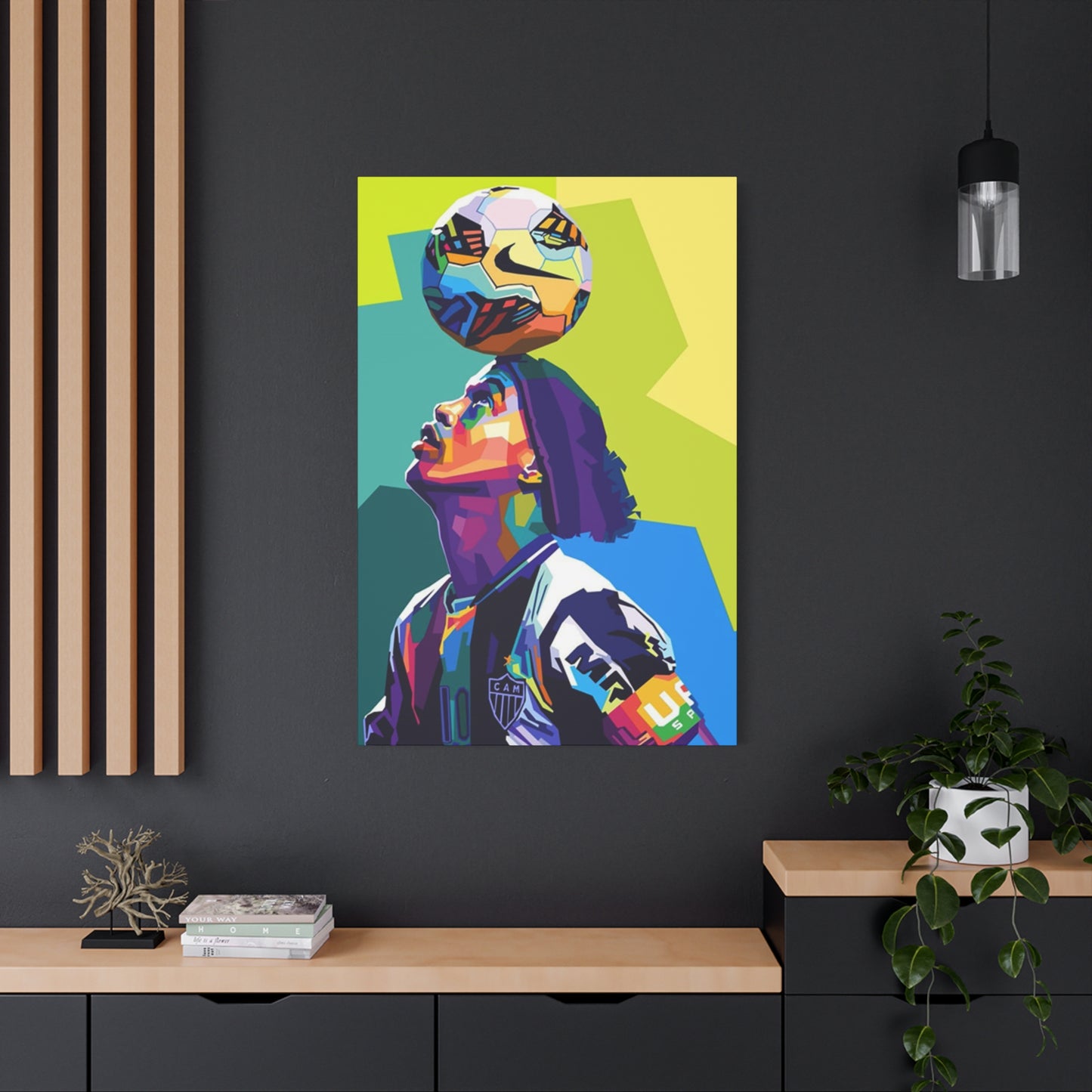
Ball On Head Wall Art & Canvas Prints
Ball On Head Wall Art & Canvas Prints
Couldn't load pickup availability
Step Into the Fascinating World of Ball On Head Wall Art: A Thorough Exploration of Spherical Creativity in Art
The realm of artistic expression has witnessed a remarkable surge in the popularity of unconventional decorative elements that challenge traditional aesthetic boundaries. Among these innovative trends, Ball On Head Wall Art has emerged as a fascinating phenomenon that captivates observers through its unique combination of geometric simplicity and profound symbolic depth. This distinctive form of visual representation transcends mere decoration, offering viewers an opportunity to engage with conceptual themes that resonate on multiple levels of human experience.
The Fascinating Origins and Cultural Significance Behind Spherical Artistic Representations
Throughout various civilizations and epochs, spheres have maintained a powerful presence in artistic endeavors, symbolizing concepts ranging from cosmic perfection to the cyclical nature of existence. Ancient cultures frequently incorporated circular and spherical motifs into their ceremonial artifacts, recognizing the inherent harmony contained within these mathematical forms. The contemporary interpretation through Ball On Head Wall Art builds upon this rich heritage while infusing modern sensibilities and aesthetic preferences.
The juxtaposition of a sphere positioned atop or near a human head creates a visual dialogue that invites contemplation about balance, consciousness, and the relationship between humanity and abstract concepts. This artistic arrangement suggests themes of burden and enlightenment simultaneously, creating a paradoxical tension that draws viewers into deeper reflection. Artists working within this genre often explore the boundaries between representational and abstract expression, utilizing the simple geometric form to convey complex philosophical inquiries.
Cultural anthropologists have noted that spherical objects have held sacred significance across numerous societies, from prayer beads to celestial representations in cosmological diagrams. The adaptation of this symbolism into contemporary decorative contexts demonstrates how traditional meanings can evolve while retaining their essential resonance. When viewers encounter Ball On Head Wall Art in their living spaces, they unconsciously tap into this collective symbolic vocabulary, even if they cannot articulate the specific cultural references being invoked.
Exploring Various Artistic Styles and Creative Approaches to Spherical Compositions
The versatility of Ball On Head Wall Art manifests through an extraordinary range of stylistic interpretations, each offering distinct visual experiences and emotional impacts. Minimalist approaches emphasize clean lines and monochromatic palettes, creating compositions that speak through restraint and negative space. These stripped-down versions often appeal to individuals who appreciate contemporary design philosophies that prioritize simplicity and clarity of form.
Conversely, maximalist interpretations embrace bold color combinations, intricate patterns, and layered textures that transform the basic concept into explosive celebrations of visual abundance. These vibrant pieces command attention and can serve as focal points that energize entire rooms with their dynamic presence. The sphere itself might be rendered with metallic finishes, iridescent coatings, or hand-applied embellishments that catch and reflect light in captivating ways.
Surrealist influences have also shaped numerous iterations of this artistic concept, with creators introducing dreamlike elements that distort conventional expectations. Elongated proportions, impossible perspectives, and unexpected material combinations characterize these imaginative works. Some artists incorporate additional symbolic elements like cascading flora, geometric patterns radiating from the sphere, or fragmented facial features that suggest psychological states or altered consciousness.
Abstract expressionist versions focus on gestural marks and spontaneous application methods, where the sphere becomes a starting point for explorations of color relationships and surface textures. These pieces often feature visible brushstrokes, drips, or palette knife applications that emphasize the physical act of creation. The resulting artworks carry an energetic quality that contrasts with more controlled, precise renderings of the same basic composition.
Material Considerations and Manufacturing Processes for Different Artistic Mediums
The production of Ball On Head Wall Art encompasses diverse material selections, each contributing unique characteristics to the finished piece. Canvas remains a popular substrate for painted versions, offering a traditional surface that accommodates various application techniques from delicate watercolor washes to heavy impasto oil paint. The texture of canvas adds subtle dimensionality that enhances the tactile appeal of the artwork, even when viewed from a distance.
Metal compositions provide striking alternatives, with artists employing copper, aluminum, steel, and brass to create pieces that introduce industrial aesthetics into residential environments. Welding, cutting, and patination techniques allow for sculptural dimensionality that extends beyond two-dimensional representations. The reflective qualities of polished metal surfaces create dynamic visual effects as ambient lighting conditions shift throughout the day, essentially making the artwork a constantly evolving presence.
Wood serves as another compelling medium, particularly for artists interested in organic warmth and natural grain patterns. Carved, burned, or laser-etched wooden panels can incorporate the spherical motif while celebrating the inherent beauty of the base material. Reclaimed wood pieces carry additional narrative weight, as the weathering and previous use history of the materials contribute subtle storytelling elements to the composition.
Contemporary makers have also embraced mixed media approaches that combine disparate materials into cohesive wholes. Resin-encapsulated elements, embedded found objects, fabric applications, and digital printing on various substrates all represent viable pathways for artistic expression within this genre. These hybrid creations often appeal to collectors seeking truly unique pieces that defy easy categorization.
Psychological Impact and Emotional Resonance of Geometric Visual Compositions
The human response to geometric forms, particularly spheres, involves complex neurological processing that extends beyond simple pattern recognition. Research in environmental psychology has demonstrated that certain shapes and spatial arrangements can influence mood, stress levels, and cognitive function. The balanced symmetry of spherical forms tends to produce calming effects, as the eye can trace smooth, continuous curves without encountering jarring angles or disruptive transitions.
When positioned in relation to human representation, as in Ball On Head Wall Art, these geometric elements acquire additional layers of meaning that engage viewers' capacity for symbolic interpretation. The head traditionally represents intellect, consciousness, and individual identity, while the sphere can symbolize wholeness, perfection, or cosmic unity. Their combination suggests narratives about mental states, spiritual aspirations, or the burden of consciousness itself.
Color selection profoundly impacts the emotional tenor of these artworks. Warm hues like terracotta, amber, and crimson tend to evoke feelings of passion, energy, and physical vitality, while cool tones such as azure, sage, and slate promote tranquility, introspection, and mental clarity. Neutral palettes offer versatility and timeless appeal, allowing the composition's structural elements to take precedence over chromatic drama.
The scale of Ball On Head Wall Art also plays a crucial role in determining its psychological impact. Oversized pieces create dramatic statements that can dominate a space, establishing a strong presence that influences the character of the entire room. Smaller works offer intimate viewing experiences that reward close observation and contemplation, functioning more like personal talismans than bold declarations.
Strategic Placement Strategies for Maximizing Visual Impact in Residential Environments
Successful incorporation of Ball On Head Wall Art into living spaces requires thoughtful consideration of architectural features, existing furnishings, and traffic flow patterns. The artwork should enhance rather than compete with other design elements, creating harmonious relationships that elevate the overall aesthetic quality of the environment. Entryways and foyers present excellent opportunities for making strong first impressions, as these transitional spaces benefit from striking visual anchors that welcome guests while reflecting the homeowner's aesthetic sensibilities.
Living rooms offer versatile canvas for artistic display, with multiple potential locations depending on furniture arrangements and architectural features. Above sofas or mantels represents traditional placement that works particularly well when the artwork's dimensions relate proportionally to the furniture beneath it. The general guideline suggests the piece should span approximately two-thirds to three-quarters of the furniture width, creating balanced visual relationships that feel neither overwhelmed nor dwarfed.
Bedrooms provide opportunities for more personal, introspective artistic selections, as these private sanctuaries can accommodate pieces that resonate on deeply individual levels. Ball On Head Wall Art with calming color palettes and contemplative compositions works especially well in these restful environments, contributing to atmospheres conducive to relaxation and rejuvenation. Positioning artwork opposite the bed allows it to serve as a focal point during quiet moments of reflection before sleep and upon waking.
Dining areas benefit from artwork that stimulates conversation and creates memorable backdrops for shared meals. The symbolic nature of spherical compositions positioned near human figures naturally invites discussion and interpretation, making them ideal conversation starters during dinner parties and family gatherings. The artwork should be positioned at appropriate heights to remain visible even when diners are seated, typically centered at approximately 57 to 60 inches from the floor.
Complementary Design Elements That Enhance Spherical Artistic Compositions
Creating cohesive interior design schemes around Ball On Head Wall Art involves selecting supporting elements that echo or contrast with the artwork's visual language. Sculptural accessories with rounded forms can reinforce the spherical motif without creating monotonous repetition, particularly when varied in scale and material. Ceramic vessels, glass orbs, and smooth stones arranged on shelving or tables establish subtle visual connections that unify the space.
Lighting design plays an instrumental role in showcasing artwork effectively. Dedicated picture lights mounted above or below the piece ensure consistent illumination regardless of natural light fluctuations. Adjustable track lighting offers flexibility to modify beam angles and intensities as desired, while ambient lighting from floor lamps and sconces contributes to overall atmosphere without creating competing visual focal points.
Textile selections provide opportunities to incorporate colors extracted from the artwork, creating threads of continuity that weave through the room's various elements. Throw pillows, window treatments, and area rugs can feature hues that appear in the Ball On Head Wall Art, establishing color relationships that feel intentional rather than coincidental. Texture variations within these textile elements add depth and tactile interest that prevents the color coordination from appearing too matchy or contrived.
Furniture styles can either harmonize with or deliberately contrast the artwork's aesthetic character. Mid-century modern pieces with clean lines and organic curves complement minimalist interpretations of spherical compositions, while ornate traditional furnishings create intriguing juxtapositions when paired with contemporary abstract renderings. The key lies in maintaining consistent quality levels across all elements, ensuring that each component merits its place within the overall composition.
Curatorial Considerations for Building Cohesive Collections of Related Artworks
Serious collectors often develop focused collections around specific themes or motifs, with Ball On Head Wall Art serving as an excellent anchor for explorations of geometric abstraction, figurative symbolism, or conceptual portraiture. Building a collection requires establishing criteria for selection that balance aesthetic appeal with intellectual coherence, ensuring that individual pieces contribute to a larger narrative or thematic exploration.
Size variation within a collection creates visual interest and display flexibility, allowing for dynamic arrangements that can evolve over time as acquisitions expand. Mixing large statement pieces with smaller complementary works enables collectors to create gallery walls that maintain viewer engagement through varied scales and compositional rhythms. The interplay between different sizes also permits layering effects when pieces are arranged with strategic overlaps or deliberate spacing.
Medium diversity enriches collections by demonstrating the versatility of the spherical head motif across different production processes. A collection might include painted canvases, metal sculptures, photographic prints, and mixed media constructions that all explore variations on the central theme. This variety prevents visual monotony while showcasing the adaptability of the conceptual framework to different artistic approaches.
Provenance and artist background add layers of significance to collected works, particularly when creators have established reputations or unique personal narratives. Documenting acquisition details, exhibition history, and critical reception contributes to the intellectual framework surrounding the collection. These contextual elements enhance both personal appreciation and potential investment value, as well-documented pieces tend to maintain stronger market positions.
Market Dynamics and Investment Potential Within Contemporary Decorative Arts
The market for Ball On Head Wall Art reflects broader trends within the contemporary decorative arts sector, where unique, conversation-starting pieces command premium prices among discerning buyers. Limited edition releases and one-of-a-kind creations generally appreciate more reliably than mass-produced variations, though accessibility considerations make reproductions appealing to budget-conscious enthusiasts who prioritize aesthetic appeal over rarity.
Emerging artists working within this genre represent potential investment opportunities, as early acquisitions from creators who subsequently gain recognition can yield substantial appreciation. Identifying promising talent requires research into exhibition participation, critical reviews, and social media presence indicators that suggest growing visibility. Gallery representation often signals professional legitimacy and increased market potential, though independent artists selling directly to consumers sometimes offer better value propositions.
Auction results provide valuable data points for assessing market demand and price trends, though buyers should recognize that publicly reported sales represent only a fraction of total market activity. Private sales through galleries and dealer networks account for substantial transaction volumes that remain undocumented, making comprehensive market analysis challenging. Nonetheless, tracking auction performances offers useful insights into which stylistic approaches and material choices currently resonate with collectors.
Condition preservation directly impacts long-term value retention, making proper display and storage practices essential for anyone treating artwork as investment assets. Environmental factors including light exposure, humidity fluctuations, and temperature extremes can degrade materials and diminish visual appeal over time. Implementing conservation-grade framing, UV-filtering glass, and climate-controlled environments protects investments while ensuring continued viewing enjoyment.
Creative Commissioning Processes for Personalized Artistic Interpretations
Commissioning custom Ball On Head Wall Art allows individuals to obtain pieces perfectly tailored to their specific preferences, spatial requirements, and conceptual interests. The commissioning process typically begins with exploratory conversations between client and artist, during which aesthetic preferences, thematic interests, and practical considerations are thoroughly discussed. These initial dialogues establish the foundation for successful collaborations by aligning expectations and identifying potential challenges early in the creative process.
Dimensional specifications must account for both the intended display location and the artwork's internal compositional requirements. Artists need adequate scale to execute their vision effectively, while clients require pieces that fit harmoniously within existing architectural contexts. Detailed measurements of wall spaces, ceiling heights, and viewing distances inform appropriate sizing decisions that balance impact with proportionality.
Color palette development represents a crucial phase where client preferences intersect with artistic judgment. Some patrons arrive with specific hue selections extracted from existing room elements, while others prefer to grant artists full creative freedom within broad parameters. Providing paint swatches, fabric samples, or photographs of the intended environment helps artists understand the contextual framework within which their work will exist, enabling more informed chromatic decisions.
Material selection conversations explore the practical and aesthetic implications of different substrate and media choices. Budget constraints, desired longevity, maintenance willingness, and stylistic preferences all influence these determinations. Transparent discussions about material costs, durability characteristics, and care requirements prevent misunderstandings and ensure clients receive pieces that meet both their aesthetic and practical needs.
Environmental Sustainability Practices Within Contemporary Artistic Production
Growing awareness of ecological impacts has prompted many artists to adopt sustainable practices in creating Ball On Head Wall Art and other decorative pieces. Responsible material sourcing prioritizes renewable resources, recycled content, and low-impact production processes that minimize environmental footprints. Reclaimed wood, recycled metals, and plant-based pigments represent eco-conscious alternatives to conventional art supplies that often involve environmentally harmful extraction or manufacturing processes.
Non-toxic media formulations protect both artist health and environmental quality, as traditional art materials historically contained hazardous substances that posed risks during creation and disposal. Water-based paints, natural dyes, and low-VOC finishes offer safer alternatives that maintain artistic quality while reducing chemical exposures. These healthier options particularly matter for pieces intended for bedrooms or children's spaces, where air quality concerns carry additional significance.
Local sourcing strategies reduce transportation-related carbon emissions while supporting regional economies and craftspeople. Artists who procure materials from nearby suppliers minimize shipping distances and often gain opportunities to develop relationships with material providers that yield quality advantages beyond environmental benefits. Understanding material origins and production methods enables consumers to make informed purchasing decisions aligned with their values.
End-of-life considerations increasingly influence design decisions, with thoughtful creators anticipating eventual disposal or repurposing needs. Artwork constructed from easily separable components facilitates recycling when pieces reach the end of their display life, while modular designs enable repairs or component replacements that extend functional longevity. These forward-thinking approaches reflect maturing environmental consciousness within the creative community.
Lighting Techniques That Transform Spherical Compositions Through Illumination
Sophisticated lighting strategies dramatically enhance the visual impact of Ball On Head Wall Art, revealing details, creating mood, and establishing focal hierarchies within rooms. Directional spotlighting from above casts subtle shadows that emphasize textural variations and dimensional qualities, particularly effective for pieces with significant surface relief or sculptural elements. The angle of illumination should avoid harsh glare spots while providing sufficient intensity to make colors appear vibrant and forms clearly defined.
Grazing light techniques, where illumination strikes surfaces at acute angles, accentuate textural irregularities and brushstroke patterns invisible under flat lighting conditions. This approach works exceptionally well for heavily textured paintings or pieces with raised elements, transforming them into dynamic compositions that shift appearance based on viewing angles. Adjustable fixtures enable experimentation with different grazing angles to identify optimal configurations for each specific artwork.
Backlighting creates dramatic halo effects around pieces mounted away from walls, introducing theatrical dimensionality that makes artwork appear to float within space. This technique particularly suits metal or translucent materials that can transmit or reflect light in interesting ways. The resulting silhouette effects and peripheral glow attract attention while creating memorable visual experiences that elevate ordinary decorative displays into extraordinary focal points.
Color temperature selection influences how artwork hues appear under artificial illumination, with warm white light enhancing reds, oranges, and yellows while cool white light favors blues, greens, and purples. Neutral white light provides the most accurate color rendering, important when precise color matching between artwork and room elements matters. Dimmable systems offer flexibility to adjust lighting intensity based on time of day, activity, and desired ambiance.
Cultural Variations in Geometric Symbolism Across Global Artistic Traditions
Different cultural contexts imbue spherical forms with varied symbolic meanings that inform artistic interpretations of Ball On Head Wall Art. Eastern philosophical traditions often associate circles and spheres with concepts of enlightenment, wholeness, and the cyclical nature of existence. These associations find expression in artwork that emphasizes harmony, balance, and spiritual transcendence through compositional choices and symbolic elements.
Western artistic traditions have employed spherical motifs to represent perfection, divine proportion, and mathematical order since classical antiquity. Renaissance artists incorporated geometric forms into compositions as demonstrations of mathematical knowledge and divine creation principles. Contemporary interpretations sometimes reference these heritage associations while subverting traditional meanings through unexpected materials, scales, or contextual placements.
Indigenous artistic practices from various regions incorporate circular and spherical elements with culturally specific meanings related to cosmology, social structures, and spiritual beliefs. These traditional symbol systems continue influencing contemporary creators who draw inspiration from ancestral knowledge while adapting forms to modern aesthetic sensibilities. Respectful engagement with these cultural references requires understanding and acknowledging source traditions rather than appropriating symbols devoid of context.
Cross-cultural synthesis creates hybrid artistic expressions that blend influences from multiple traditions, reflecting increasingly interconnected global culture. Artists working in this syncretistic mode often intentionally juxtapose symbolic systems to create dialogue between different worldviews, inviting viewers to consider multiple interpretive frameworks simultaneously. These multicultural approaches expand the conceptual possibilities of Ball On Head Wall Art beyond single-tradition boundaries.
Preservation Strategies for Maintaining Artwork Quality Over Extended Periods
Proper care extends the lifespan and maintains the appearance of Ball On Head Wall Art, protecting investments while ensuring continued aesthetic enjoyment. Dusting represents the primary maintenance task for most pieces, requiring gentle approaches that avoid damaging delicate surfaces. Soft, lint-free cloths or specialized art dusters remove accumulated particles without scratching finishes or disturbing applied media. Frequency depends on environmental conditions, with dustier locations requiring more frequent attention.
Light exposure management prevents fading and material degradation that occurs when artwork receives excessive ultraviolet and visible light. Positioning pieces away from direct sunlight, installing UV-filtering window treatments, and utilizing conservation-grade glass in frames all mitigate light damage. Even artificial lighting should be moderated, as prolonged exposure to intense illumination gradually affects pigments and substrates.
Climate control maintains stable humidity and temperature levels that prevent warping, cracking, mold growth, and other environmental damage. Ideal conditions typically fall between 40-50% relative humidity and temperatures between 65-75 degrees Fahrenheit, though specific materials may have different optimal ranges. Rapid fluctuations pose greater risks than static conditions outside ideal ranges, making consistency more critical than achieving perfect parameters.
Professional conservation services address damage that exceeds the scope of routine maintenance, including structural repairs, cleaning of stubborn contaminants, and restoration of deteriorated elements. Engaging qualified conservators ensures that interventions follow best practices that preserve artwork integrity while addressing condition issues. Documentation of conservation work maintains provenance records and informs future care decisions.
Innovative Presentation Formats Beyond Traditional Wall Mounting Methods
While conventional hanging techniques remain popular, alternative display approaches offer fresh perspectives on Ball On Head Wall Art that challenge viewer expectations. Leaning large-scale pieces against walls rather than mounting them creates casual, approachable presentations that work particularly well in contemporary interiors. This method allows for easy repositioning while introducing dynamic angles that differentiate the display from standard perpendicular wall mounting.
Floating mount systems create the illusion that artwork hovers independently of its support surface, achieved through concealed hardware that positions pieces several inches away from walls. The resulting shadow gaps enhance dimensional qualities while lending sophistication to presentations. These mounting solutions work best for structurally sound pieces capable of supporting distributed weight across hidden attachment points.
Shelf displays enable frequent rotation and seasonal refreshing of artwork collections, particularly suitable for smaller pieces that might be overwhelmed if given isolated wall space. Layering multiple works at varied depths creates gallery-inspired vignettes that feel curated rather than haphazard. Incorporating decorative objects alongside artwork adds textural variety and personal touches that humanize displays.
Room divider and freestanding screen applications transform Ball On Head Wall Art into functional spatial organizers that separate areas while maintaining visual flow. These movable partitions offer flexibility in open-plan layouts where permanent walls would restrict adaptability. Artwork on both sides of dividers maximizes visual interest while acknowledging that pieces will be viewed from multiple angles.
Digital Reproduction Technologies and Their Impact on Art Accessibility
Advances in digital imaging and printing have democratized access to Ball On Head Wall Art, enabling wider audiences to enjoy designs previously available only to collectors of original works. High-resolution scanning captures fine details with remarkable accuracy, while sophisticated printing processes reproduce colors and textures that closely approximate original surfaces. These reproductions make celebrated designs attainable for enthusiasts operating within modest budgets.
Giclée printing represents the premium standard in digital art reproduction, utilizing archival inks and specialized substrates to produce museum-quality prints with exceptional longevity. The term itself derives from French and refers to the spray or spurt of ink that creates continuous-tone imagery free from visible dot patterns. When properly executed with lightfast inks on acid-free papers or canvas, giclée prints rival traditional printmaking methods in both appearance and durability.
Authentication and edition management maintain value distinctions between original artworks and reproductions, with signed and numbered prints commanding higher prices than open-edition versions. Limited edition digital prints typically include certificates of authenticity documenting edition sizes, printing methods, and creator authorization. These practices protect both artist interests and collector investments by maintaining scarcity that supports secondary market values.
Augmented reality previewing tools enable potential buyers to visualize how Ball On Head Wall Art will appear in their specific spaces before committing to purchases. These smartphone and tablet applications overlay digital artwork images onto live camera feeds of rooms, showing accurate scale relationships and color interactions with existing decor. This try-before-you-buy capability reduces purchase uncertainty while decreasing return rates for online retailers.
Thematic Grouping Strategies for Creating Narrative Through Multiple Pieces
Assembling multiple Ball On Head Wall Art pieces into cohesive groupings creates opportunities for storytelling and thematic exploration beyond what single works can achieve. Sequential arrangements suggest progression or transformation, with subtle variations between pieces implying movement through time or states of consciousness. These narrative groupings engage viewers more deeply by inviting interpretive efforts to decode relationships and extract meanings from compositional patterns.
Color gradation series organize pieces according to chromatic shifts, creating visual journeys that transition smoothly from one hue family to another. These rainbow or ombré arrangements appeal to viewers' innate appreciation for color harmony while demonstrating artistic versatility within a constrained formal framework. The consistent spherical head motif provides structural unity that allows color variations to take center stage without appearing chaotic.
Size progression groupings arrange pieces from smallest to largest or vice versa, creating visual rhythms that guide eye movement in intentional directions. Ascending scales can suggest growth, accumulation, or increasing intensity, while descending progressions imply diminishment, distance, or fading presence. These dimensional variations add dynamic energy to wall displays while maintaining orderly organization.
Material contrast assemblages deliberately juxtapose pieces created with different media to highlight how substrate and technique choices influence interpretation of identical compositional concepts. Pairing painted canvas versions with metal sculptures or photographic prints emphasizes the malleability of artistic ideas across production methods. These instructive groupings appeal particularly to viewers interested in creative process and material properties.
Psychological Considerations for Matching Artwork to Individual Personality Types
Personal resonance with artwork depends partially on psychological characteristics including temperament, cognitive preferences, and emotional disposition. Individuals drawn to order and predictability often appreciate Ball On Head Wall Art with clear geometric precision, balanced compositions, and harmonious color relationships. These structured pieces provide visual satisfaction through their adherence to mathematical principles and aesthetic conventions.
Conversely, personality types comfortable with ambiguity and novelty typically respond enthusiastically to experimental interpretations that challenge expectations through unexpected material combinations, unconventional scales, or surrealistic distortions. These viewers value artwork that provokes questions rather than providing answers, preferring pieces that reward repeated examination with fresh insights.
Introverted individuals frequently gravitate toward contemplative compositions with subdued palettes and intimate scales that invite quiet reflection. These pieces function as companions for solitary moments rather than conversation catalysts, providing visual anchors for meditation and introspection. The sphere's association with completeness and self-containment resonates particularly strongly with self-directed personality types.
Extraverted persons often prefer bold, social artworks with vibrant colors, dramatic scales, and clear narratives that facilitate discussion and shared viewing experiences. These pieces project outward rather than inviting inward journeys, serving as platforms for social interaction and collective interpretation. The playful or provocative qualities of certain Ball On Head Wall Art iterations align well with outgoing, socially-oriented dispositions.
Seasonal Rotation Strategies for Maintaining Visual Freshness in Living Spaces
Periodically changing displayed artwork prevents visual staleness and allows collections to remain engaging over extended periods. Seasonal rotation aligns artwork with changing light quality, weather associations, and cultural moments throughout the year. Spring displays might emphasize lighter palettes and optimistic compositions, while autumn presentations could feature warmer tones and more contemplative moods.
Storage solutions for rotated pieces require protective environments that prevent damage during periods when artwork is not displayed. Acid-free sleeves, climate-controlled closets, and proper stacking techniques maintain condition during storage intervals. Maintaining detailed inventories helps track rotation schedules and ensures all pieces receive equitable display time over multi-year cycles.
Rotation provides opportunities to reassess placement strategies and experiment with fresh configurations that might reveal new appreciation for familiar pieces. An artwork that seemed unremarkable in one location might shine when repositioned elsewhere, benefiting from different lighting conditions, architectural contexts, or companion pieces. This experimental approach keeps interior design feeling dynamic rather than static.
Documentation through photography captures each configuration for future reference and enables comparison of different arrangement strategies. These records prove valuable when planning subsequent rotations or sharing design ideas with others. Time-stamped images also create visual diaries of evolving personal taste and living space transformations over months and years.
The Role of Negative Space in Enhancing Compositional Impact
Empty areas surrounding Ball On Head Wall Art significantly influence visual impact and viewer experience, with negative space functioning as an active compositional element rather than merely leftover background. Generous margins allow pieces to breathe, preventing crowded feelings that diminish individual artwork appreciation. This spaciousness communicates confidence and intentionality, suggesting that each displayed piece merits undivided attention.
The ratio between artwork dimensions and available wall space affects perceived importance and aesthetic balance. Art consulting guidelines traditionally recommend leaving space equivalent to one-third to one-half of the artwork's size on each side when possible, though these parameters can flex based on specific circumstances. Smaller pieces benefit from relatively more generous margins, while large-scale works can command walls with less surrounding space.
Ceiling height considerations influence optimal vertical positioning and the amount of space above artwork. Higher ceilings accommodate taller pieces and allow for elevated placements that draw eyes upward, creating vertical interest in rooms. Lower ceilings require more thoughtful positioning to avoid pieces feeling compressed or overwhelming the available vertical space.
Adjacent architectural features including windows, doors, moldings, and built-in elements establish relationships with artwork that either compete or complement. Successful placements acknowledge these fixed elements by aligning with their visual weight, respecting their spatial claims, and creating balanced arrangements that feel resolved rather than accidentally positioned. Ball On Head Wall Art works particularly well when its geometric clarity relates harmoniously to architectural proportions.
Collaborative Artistic Practices and Their Influence on Contemporary Decorative Arts
Partnerships between artists working in different media or stylistic modes produce unique hybrid pieces that synthesize diverse creative perspectives. These collaborations might pair painters with sculptors, traditional craftspeople with digital designers, or artists from different cultural backgrounds who blend their respective symbolic vocabularies. The resulting Ball On Head Wall Art often exhibits complexity and innovation difficult to achieve through solo practice.
Open-source artistic movements encourage sharing of designs and techniques that accelerate creative evolution across maker communities. Artists contribute patterns, methods, and conceptual frameworks that others adapt and reinterpret, creating genealogies of related works that trace influence chains. This democratized approach contrasts with proprietary models that closely guard creative processes as competitive advantages.
Maker culture and DIY communities have embraced spherical head motifs as accessible entry points for artistic experimentation, with tutorials and workshops teaching reproduction techniques to enthusiastic amateurs. These grassroots creative activities blur boundaries between professional artists and hobbyists, expanding the pool of people creating and displaying Ball On Head Wall Art in their homes. Quality varies widely within this democratized landscape, from rudimentary attempts to sophisticated amateur works rivaling professional output.
Social media platforms enable unprecedented global connectivity among artists working with similar themes, facilitating inspiration exchange and collaborative project organization across geographic distances. Digital networks create virtual artistic communities where practitioners share work-in-progress images, request feedback, and celebrate completed pieces. These online interactions complement but cannot fully replace in-person exchanges that occur at exhibitions, fairs, and studio visits.
Framing and Matting Decisions That Complement Rather Than Compete
When Ball On Head Wall Art requires framing, these protective and presentational elements should enhance rather than overshadow the enclosed composition. Frame style selections balance several considerations including artwork aesthetic, room decor, and personal preferences regarding ornamentation levels. Minimalist artworks often pair beautifully with simple, unadorned frames that maintain visual cleanliness, while more ornate pieces might accommodate decorative frames without creating excessive busyness.
Matting introduces additional borders between artwork and frame, serving both protective and aesthetic functions. Neutral mats in white, cream, or gray provide safe choices that work across diverse color palettes, while colored mats can either complement specific hues within the artwork or create deliberate contrasts. Mat width affects perceived importance, with wider mats lending formality and gravitas while narrow mats maintain casual approachability.
Glass and acrylic glazing protect artwork from dust, moisture, and physical contact while introducing reflective surfaces that require consideration. Non-glare options reduce distracting reflections but may slightly diminish color intensity and detail clarity. UV-filtering glazing provides conservation benefits by blocking harmful light wavelengths, particularly important for pieces containing fugitive pigments susceptible to fading.
Frame depth accommodates different artwork thicknesses while creating dimensional relationships between piece and wall. Deep frames create shadow boxes that emphasize three-dimensional qualities, particularly effective for mixed media works with significant relief. Shallow frames maintain closer relationships between artwork and wall surfaces, appropriate for flat works on paper or canvas.
Addressing Common Misconceptions About Geometric Artistic Compositions
Several persistent myths surround Ball On Head Wall Art and similar geometric compositions, occasionally deterring potential enthusiasts from exploring this expressive genre. The misconception that geometric abstraction lacks emotional depth overlooks how simplified forms can communicate profound feelings through color relationships, proportional harmonies, and symbolic associations. The sphere's universal recognizability provides immediate visual entry points while supporting infinite interpretive possibilities.
Another fallacy suggests that creating geometric compositions requires less skill than representational artwork, ignoring the rigorous formal decisions involved in achieving balanced, visually compelling arrangements. Successful geometric pieces demonstrate sophisticated understanding of color theory, spatial relationships, and compositional dynamics. The apparent simplicity of finished works often belies extensive experimentation and refinement processes.
Some critics dismiss contemporary decorative arts as superficial compared to fine art, imposing hierarchical valuations that privilege certain creative outputs over others. This elitist perspective fails to recognize that artwork's primary function involves enhancing lived environments and enriching daily experience rather than serving institutional or market interests exclusively. Ball On Head Wall Art fulfills important roles in making living spaces more beautiful, meaningful, and personally expressive.
The belief that matching artwork to existing decor requires professional assistance discourages confident personal curation, when in reality, individual instincts and preferences constitute valid decision-making foundations. While professional guidance offers value, particularly for large investments or complex spaces, most people possess adequate aesthetic judgment to select pieces they will genuinely enjoy living with over extended periods.
The Influence of Architectural Styles on Optimal Artwork Selection
Architectural context significantly impacts which Ball On Head Wall Art iterations work most harmoniously within specific buildings. Modern and contemporary structures with clean lines, large windows, and minimal ornamentation provide ideal backdrops for bold, simplified geometric compositions. The architectural clarity creates neutral canvases that allow artwork to assume starring roles without competing against elaborate built environments.
Traditional architecture featuring ornate moldings, detailed woodwork, and classical proportions can accommodate geometric artwork when pieces acknowledge the inherent formality through appropriate framing, dignified color palettes, and proportional sensitivity. The contrast between contemporary artwork and traditional settings creates productive tensions that energize spaces while respecting their character.
Industrial lofts and converted commercial spaces benefit from larger-scale Ball On Head Wall Art that relates appropriately to expansive walls, high ceilings, and raw material surfaces. The honest materiality of exposed brick, concrete, and metal structural elements pairs naturally with straightforward geometric compositions that share similar unpretentious aesthetics.
Minimalist interiors require extremely thoughtful artwork selection, as sparse environments amplify the impact of every included element. Ball On Head Wall Art chosen for minimalist spaces should exhibit exceptional quality and precise execution, as imperfections become glaringly apparent when few other elements distract attention. The pieces selected often function as singular focal points around which entire rooms organize.
Understanding Color Psychology to Select Emotionally Appropriate Artwork
Color psychology research demonstrates that hues significantly influence mood, energy levels, and emotional states, making chromatic selection crucial when choosing Ball On Head Wall Art. Red stimulates excitement, passion, and urgency, working well in social spaces where energizing atmospheres enhance gathering experiences. However, excessive red in restful environments can feel agitating, making moderation important in bedrooms and meditation spaces.
Blue promotes calmness, contemplation, and mental clarity, making it particularly suitable for work environments, bedrooms, and other areas where focus and tranquility benefit occupants. Darker blues suggest sophistication and stability, while lighter variants feel airy and refreshing. The widespread appeal of blue across cultures makes it relatively safe for shared spaces where diverse preferences converge.
Yellow radiates optimism, creativity, and warmth, brightening spaces and lifting spirits. This cheerful hue works wonderfully in kitchens, breakfast nooks, and creative studios where positive energy enhances activities. Caution applies to intense yellows in large doses, as overly bright versions can become overwhelming or even anxiety-inducing for sensitive individuals.
Green connects viewers to nature, growth, and renewal, creating balanced environments that neither overstimulate nor sedate. This versatile color family spans from energizing limes to restful sages, offering options for various emotional objectives. Green's prevalence in natural environments makes it inherently comfortable for most people, supporting its popularity in residential artwork.
Final Thoughts
Discovering the captivating world of Ball On Head wall art opens up an exciting realm of creative expression, where the simple, spherical shape of a ball becomes a symbol of balance, whimsy, and even philosophical reflection. This unique genre of artwork blends the surreal with the playful, offering both abstract and literal interpretations that can elevate any modern living space. The theme of a ball resting on a head, whether portrayed through minimalist design, vivid color palettes, or symbolic elements, has become an intriguing motif in contemporary art, resonating with viewers on both an aesthetic and emotional level.
The beauty of Ball On Head wall art lies in its versatility and the many layers of meaning it can embody. On one hand, the image of a ball balanced on someone's head can represent effortless grace or a delicate sense of balance—an idea that appeals to those who seek harmony in their lives or within their surroundings. On the other hand, the simple yet profound nature of this visual can evoke a sense of absurdity or challenge conventional perspectives. This duality makes the artwork both intriguing and thought-provoking, as it invites the viewer to interpret the piece in a way that aligns with their own worldview.
In modern living environments, Ball On Head wall art can serve as a striking focal point that draws attention and encourages conversation. These pieces often feature bold contrasts, dynamic compositions, and a surreal element that adds an unexpected, playful touch to any space. Whether placed in a living room, office, or creative studio, such artwork brings an air of whimsy and contemporary flair. The balance of playful symbolism and bold design can transform a room into something visually stimulating while maintaining a sense of sophisticated, modern minimalism.
For those who enjoy contemporary or abstract art, Ball On Head works can fit seamlessly into spaces that embrace modern design principles. Whether displayed as a single, large statement piece or part of a curated gallery wall, the visual impact of the piece is undeniable. The spherical shape—a universally recognized symbol—works beautifully within geometric and clean-lined interiors, making it ideal for those who appreciate simplicity with a twist. The use of colors can range from striking monochromes to vibrant, multi-hued palettes, allowing the artwork to complement various color schemes and design aesthetics, from neutral tones to bolder, more dramatic room setups.
Moreover, the ball's shape often carries connotations of play, youth, and the idea of "lightness" in both literal and figurative senses. This can create a sense of joy and carefree energy in a room, which is perfect for spaces where you want to cultivate an uplifting and inspiring environment. For creative professionals or spaces meant to foster innovation—like an office or studio—this kind of artwork can serve as a subtle yet effective reminder of the importance of maintaining balance, thinking outside the box, and finding joy in life's playful moments.
The nature of Ball On Head wall art also allows for a high degree of personal interpretation. Some may see it as a commentary on human nature, symbolizing the weight of the world and the balancing act of life. Others may view it simply as an aesthetic exploration of geometry, space, and form. The simplicity of the design, often minimalist in style, encourages the viewer to project their own meanings, making the artwork resonate differently with each individual.
In addition, for those drawn to symbolism, the ball can represent various concepts—from the circular nature of time, unity, and wholeness, to the playful idea of "balancing" different aspects of life. The head, often depicted as the focal point of human consciousness, adds another layer, perhaps suggesting a mental or emotional equilibrium. These layers of meaning give the artwork depth and relevance, allowing it to speak to a variety of personal experiences or philosophical reflections.
In conclusion, Ball On Head wall art is a dynamic and multifaceted way to express creativity and conceptual thought through design. Whether it's the playful imagery, the abstract representation of balance, or the philosophical implications tied to the spherical form, this genre of artwork offers endless opportunities for interpretation and visual intrigue. As a decorative element, it breathes life into any room, inviting viewers to pause, think, and embrace the whimsy and complexity of life. Its appeal lies not only in its aesthetic qualities but also in its ability to spark curiosity and contemplation, making it an excellent addition to modern living spaces that value creativity, conversation, and the beauty of simple, thought-provoking design.
Share