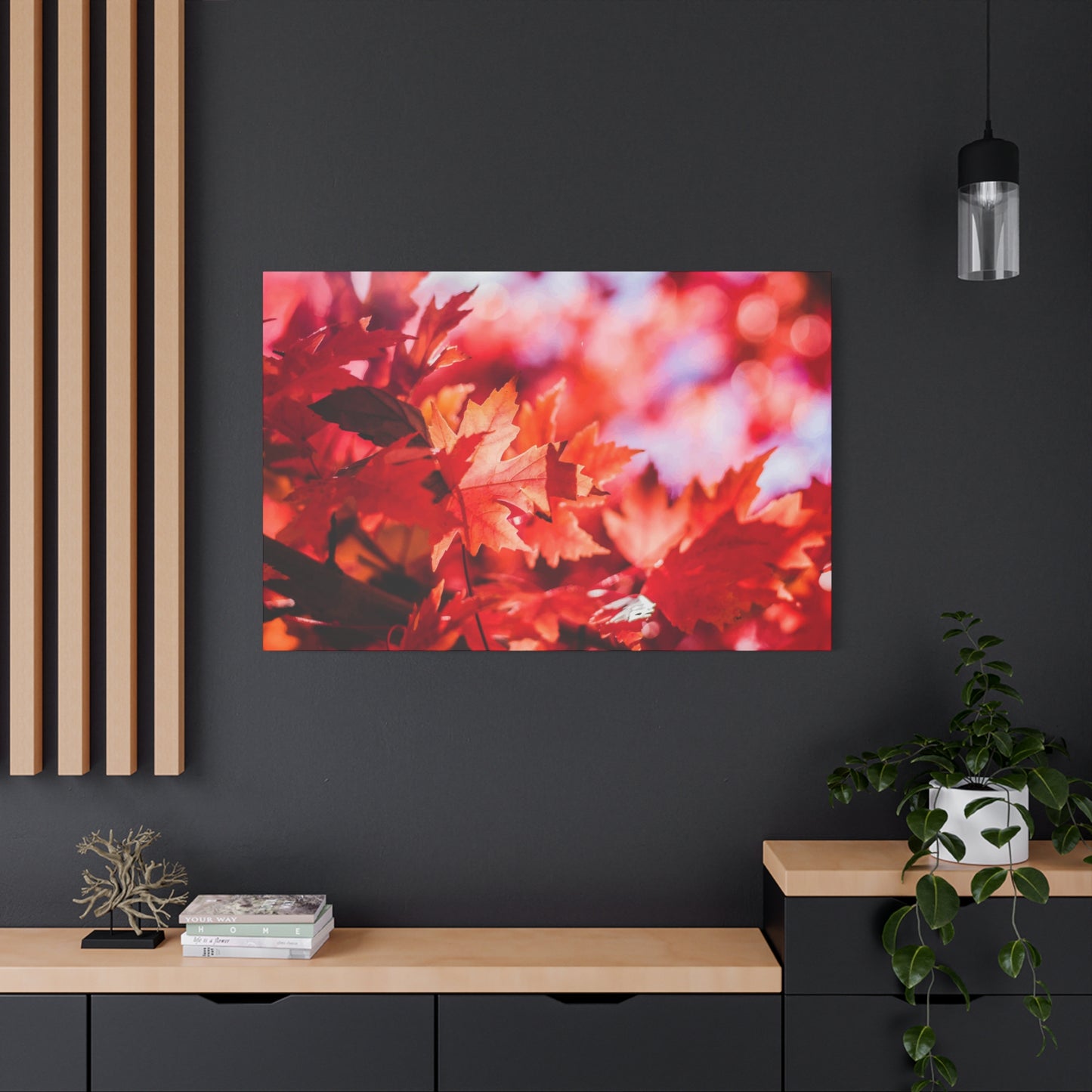
Autumn Flower Wall Art & Canvas Prints
Autumn Flower Wall Art & Canvas Prints
Couldn't load pickup availability
Celebrate the Vibrant Colors of Fall with Beautiful Autumn Flower Wall Art for Your Living Space
The crisp air of fall brings with it a spectacular transformation in nature's palette, and capturing this seasonal magnificence through decorative pieces has become an increasingly popular way to infuse warmth into interior environments. When the leaves begin their annual dance of color change, homeowners and design enthusiasts seek creative methods to bring that outdoor splendor indoors. Autumn flower wall art represents more than mere decoration; it embodies the essence of a season celebrated for its rich hues, abundant harvests, and contemplative atmosphere.
Fall-themed botanical artwork possesses a distinctive charm that resonates deeply with those who appreciate the cyclical nature of our environment. The appeal stems from multiple factors that work harmoniously to create pieces that feel both timeless and contemporary. Unlike spring blooms that celebrate renewal, autumn florals carry a mature, sophisticated energy that speaks to reflection and gratitude.
The color spectrum associated with fall botanicals ranges from deep burgundies and russet oranges to golden yellows and earthy browns. These shades naturally complement existing interior color schemes, particularly those featuring neutral foundations or warm undertones. The versatility of these hues allows them to transition seamlessly from modern minimalist spaces to traditional countryside dwellings.
Psychological connections to autumn create an emotional resonance with these decorative pieces. This season evokes memories of harvest celebrations, cozy gatherings, and preparation for winter's arrival. Displaying representations of fall blooms allows inhabitants to maintain a connection with the natural world even as outdoor temperatures drop and daylight hours diminish. This connection serves as a reminder of nature's perpetual cycle and the beauty inherent in each phase.
Botanical illustrations from the fall season also carry symbolic meanings that add depth to their visual appeal. Chrysanthemums, frequently featured in autumn arrangements, symbolize longevity and rejuvenation in various cultures. Sunflowers represent adoration and loyalty, while dahlias convey elegance and inner strength. These layered meanings transform simple decorations into conversation pieces that invite contemplation.
Exploring Various Artistic Styles for Fall Botanical Display Pieces
The world of autumn flower wall art encompasses numerous artistic approaches, each offering distinct aesthetic qualities. Understanding these different styles helps individuals select pieces that align with their personal preferences and existing décor themes.
Realistic depictions capture botanical specimens with scientific precision, showcasing every petal, stamen, and leaf vein in meticulous detail. These works appeal to nature enthusiasts and those who appreciate the intersection of art and natural science. The hyperrealistic approach creates images so lifelike they seem ready to release their fragrance into the surrounding space.
Impressionistic interpretations take a different path, emphasizing mood and atmosphere over precise detail. These pieces use loose brushwork and blended colors to suggest rather than define forms. The dreamy quality of impressionistic fall florals creates a sense of nostalgia and romance, perfect for spaces designed to encourage relaxation and introspection.
Abstract representations push boundaries further, using botanical elements as starting points for explorations of color, form, and composition. These pieces might feature stylized petals in unexpected arrangements or reduce flowers to their essential geometric shapes. Abstract autumn botanical artwork suits contemporary spaces and serves as focal points that generate visual interest.
Watercolor renditions offer translucent layers and soft edges that create delicate, ethereal effects. The medium's inherent fluidity mirrors nature's organic qualities, making it particularly suited to botanical subjects. Watercolor fall florals bring gentleness to spaces while maintaining the season's characteristic warmth.
Vintage botanical prints reference the golden age of plant illustration, when explorers and scientists documented specimens with both accuracy and artistry. These pieces carry historical weight and scholarly appeal, adding intellectual dimension to their decorative function. Reproductions of antique botanical plates featuring autumn blooms combine educational value with aesthetic pleasure.
Selecting Perfect Placement Locations Throughout Your Residence
Strategic positioning of autumn flower wall art maximizes its visual impact and enhances overall spatial harmony. Different rooms present unique opportunities for showcasing these seasonal pieces.
Living areas serve as primary gathering spaces where families and guests spend considerable time. Placing substantial autumn botanical artwork above seating arrangements creates focal points that anchor the room's design scheme. The scale should correspond to furniture proportions—larger sofas call for expansive pieces or grouped smaller works, while loveseat arrangements pair well with medium-sized single images.
Dining spaces benefit tremendously from fall floral displays that enhance the convivial atmosphere surrounding shared meals. The rich colors associated with autumn botanicals stimulate appetite and encourage lingering conversations. Positioning these pieces where diners can comfortably view them without craning their necks creates pleasant visual accompaniment to culinary experiences.
Bedroom environments represent personal sanctuaries where calming influences prove particularly valuable. Autumn flower wall art in sleeping quarters should promote tranquility rather than overstimulation. Pieces featuring softer tones within the fall palette—muted mauves, dusty roses, and gentle golds—support restful states. Positioning artwork opposite the bed allows it to be the first sight upon waking, setting a positive tone for the day.
Entrance halls and corridors present opportunities to create memorable first impressions. These transitional spaces often lack natural light and benefit from artwork that brings warmth and visual interest. Autumn botanical pieces in these locations welcome inhabitants and visitors while establishing the home's aesthetic character.
Kitchen areas, particularly breakfast nooks and dining counters, embrace the harvest associations of fall florals. These spaces connect directly to food preparation and consumption, making botanical imagery especially appropriate. Smaller pieces or series of coordinated prints work well in kitchens, where wall space often competes with functional elements like cabinets and appliances.
Home workspaces require careful consideration of visual elements that support productivity without causing distraction. Autumn flower wall art in offices can provide brief mental breaks during concentrated work periods. The natural subject matter offers eyes a restful place to land when shifting focus from computer screens or documents.
Color Coordination Strategies for Harmonious Interior Schemes
Successfully incorporating autumn flower wall art requires thoughtful consideration of existing color palettes and desired atmospheric effects. The inherently warm nature of fall hues offers both opportunities and challenges in various decorative contexts.
Monochromatic schemes built around single color families create sophisticated, cohesive environments. When working with autumn botanical pieces, selecting artwork that emphasizes one dominant hue from the fall spectrum—perhaps deep amber or rich burgundy—and coordinating surrounding elements in lighter and darker versions of that same color produces elegant results. This approach works particularly well in formal spaces or minimalist interiors where visual restraint proves paramount.
Complementary color combinations utilize hues opposite each other on the color wheel to create dynamic tension and visual excitement. Autumn florals featuring orange tones pair dramatically with blue-gray walls or furnishings, while burgundy blooms pop against sage green backgrounds. These high-contrast pairings energize spaces and draw attention to the artwork as a central design element.
Analogous color schemes employ hues adjacent on the color wheel, creating smooth transitions and harmonious blending. Autumn flower wall art naturally supports this approach, as the seasonal palette moves seamlessly from yellow through orange to red and brown. Surrounding the artwork with colors from this warm spectrum produces environments that feel enveloping and comfortable.
Neutral foundations provide versatile backdrops that allow autumn botanical pieces to shine without competing visual elements. Beige, cream, taupe, and soft gray walls create gallery-like settings where the artwork's colors and details receive full attention. This approach suits those who prefer letting decorative pieces serve as the primary source of color in a space.
Accent color strategies involve using autumn flower wall art to introduce pops of warmth into predominantly cool-toned environments. A single piece featuring vibrant fall florals can transform an otherwise austere modern space dominated by whites, grays, and blacks. This technique demonstrates how even limited applications of seasonal color can significantly impact spatial perception.
Material Considerations for Long-Lasting Decorative Pieces
The physical composition of autumn flower wall art affects both its appearance and longevity. Various materials offer distinct advantages depending on placement location, budget constraints, and aesthetic preferences.
Canvas prints provide texture and depth that enhance botanical imagery. The woven surface adds subtle dimensionality that flat prints cannot achieve. Gallery-wrapped canvases, where the image extends around the frame edges, create contemporary presentations that eliminate the need for traditional framing. Canvas withstands varying humidity levels reasonably well, making it suitable for most interior locations.
Paper-based prints offer the widest range of finish options, from matte to high-gloss surfaces. Fine art papers with high cotton content provide archival quality that resists yellowing and deterioration over time. These prints typically require protective framing behind glass or acrylic to prevent damage from environmental factors and handling.
Metal prints represent a modern medium that produces striking results with botanical subjects. The printing process infuses dyes directly into specially coated aluminum sheets, creating images with exceptional clarity and color saturation. Metal prints resist fading, require no additional framing, and possess water-resistant properties that make them suitable for high-humidity environments like bathrooms.
Wood-based substrates bring organic warmth that particularly suits autumn botanical subjects. Printing directly onto finished wood surfaces or mounting prints on wood panels creates rustic presentations that emphasize the natural connection between subject matter and display medium. The visible grain patterns add character and ensure each piece possesses unique qualities.
Acrylic face-mounted prints place imagery behind clear acrylic sheets, creating depth and luminosity that makes colors appear particularly vibrant. This contemporary presentation style suits modern interiors and protects the print surface from environmental damage. The glossy finish enhances color saturation, though it may create glare in brightly lit locations.
Textile-based presentations, including embroidered pieces and fabric prints, introduce softness and tactile interest. These formats work beautifully for autumn florals, particularly in casual living spaces or bedrooms where comfort takes precedence over formality. Textile pieces may require periodic cleaning to maintain their appearance.
Framing Options That Enhance Autumn Botanical Displays
The frame surrounding autumn flower wall art significantly influences its overall impact and relationship with surrounding décor. Thoughtful frame selection elevates botanical pieces from simple decorations to polished design elements.
Natural wood frames amplify the organic qualities of botanical subjects. Light oak or maple frames create airy, Scandinavian-inspired presentations, while darker walnut or cherry woods add gravitas and traditional elegance. The wood grain patterns provide subtle visual interest that complements rather than competes with the floral imagery.
Painted frames offer opportunities to coordinate directly with room color schemes or artwork hues. White or cream frames create clean, gallery-style presentations suitable for various interior styles. Black frames provide dramatic contrast that makes autumn florals' warm colors appear even more vibrant. Colored frames matching accent tones within the artwork create cohesive presentations.
Metal frames suit contemporary spaces and industrial-style interiors. Thin profiles in brushed silver, gold, or copper tones add sophistication without overwhelming the botanical subject. Metal frames work particularly well with abstract or modern interpretations of fall florals.
Ornate frames with carved details or gilded finishes suit traditional interiors and vintage botanical prints. These elaborate surrounds reference classical presentation styles and add perceived value to the displayed pieces. However, highly decorative frames risk overpowering subtle botanical artwork, so careful balancing proves essential.
Floating frames create the illusion that artwork hovers within a surrounding border, adding contemporary flair to presentations. This format works beautifully with canvas or wood-mounted autumn flower wall art, emphasizing the piece's three-dimensional qualities.
Matting provides breathing room between artwork and frame, preventing visual crowding. White or neutral mats suit most applications, while colored mats can highlight specific hues within the botanical imagery. Double matting, using two coordinating mat colors, adds depth and sophistication to framed presentations.
Creating Compelling Gallery Walls with Fall Botanical Themes
Grouping multiple autumn flower wall art pieces creates visual impact exceeding what single items achieve. Successful gallery wall arrangements balance cohesion with variety, establishing rhythms that guide viewer attention throughout the composition.
Symmetrical arrangements provide formal structure through precise alignment and balanced distribution of visual weight. Grid patterns work well for collections of same-sized autumn botanical prints, creating orderly presentations suited to traditional or transitional interiors. Centered arrangements radiating outward from a central piece establish clear focal points.
Asymmetrical groupings feel more relaxed and contemporary, allowing creative expression through varied sizes, frame styles, and spacing. These organic arrangements mimic nature's own irregular patterns, making them particularly appropriate for botanical subjects. Starting with the largest piece and building outward helps maintain visual balance.
Linear arrangements align pieces horizontally or vertically, creating clean lines that complement architectural features. Horizontal groupings above sofas or console tables emphasize width, while vertical arrangements draw eyes upward, benefiting spaces with high ceilings. These orderly presentations suit modern interiors emphasizing geometric clarity.
Salon-style arrangements densely pack walls with numerous pieces in various sizes and formats, creating curated collections with museum-like appeal. This approach works wonderfully for autumn botanical artwork, particularly when mixing different artistic styles and eras. The density creates visual richness that rewards extended viewing.
Themed collections focusing exclusively on specific autumn flowers—chrysanthemums, asters, or dahlias—create cohesive narratives that demonstrate botanical appreciation. Alternatively, collections might trace a single flower through different artistic interpretations, from realistic to abstract.
Color-coordinated groupings organize pieces according to dominant hues, creating gradient effects or complementary contrasts. An arrangement might progress from golden yellows through oranges to deep reds, mirroring autumn's natural color progression. This approach creates visual harmony while showcasing color range.
Seasonal Rotation Strategies for Year-Round Interior Freshness
While autumn flower wall art celebrates a specific season, strategic approaches allow its incorporation into spaces that embrace change throughout the year. Thoughtful rotation systems maintain visual interest while honoring each season's unique character.
Core collection approaches maintain certain versatile pieces year-round while rotating accent items seasonally. Autumn botanical works featuring muted tones or abstract interpretations may remain displayed permanently, while more explicitly seasonal pieces appear only during fall months. This strategy provides continuity while acknowledging seasonal transitions.
Dedicated seasonal spaces like mantels, entrance consoles, or dining room walls become rotating galleries where décor changes quarterly. Autumn flower wall art takes center stage during fall, supported by complementary elements like dried arrangements and seasonal textiles. When winter arrives, these botanical pieces return to storage, replaced by imagery appropriate to that season.
Layered display systems use picture ledges or gallery rails allowing easy swapping without wall damage. Multiple autumn botanical pieces can lean against walls during fall, then be replaced with winter or spring imagery as seasons change. This flexible approach suits renters or those who frequently update their décor.
Transitional pieces featuring neutral backgrounds or subtle seasonal elements extend their relevant display periods. Autumn flower wall art emphasizing brown tones and golden hues might remain appropriate from late summer through early winter, maximizing value from each piece. Strategic selection during acquisition can expand seasonal relevance.
Lighting Techniques That Showcase Botanical Artwork Effectively
Proper illumination dramatically affects how autumn flower wall art appears and the ambiance it creates. Understanding lighting principles helps maximize decorative impact while protecting pieces from damage.
Natural light brings botanical subjects to life but requires careful management. Direct sunlight causes fading and degradation, particularly for pieces using paper substrates and certain pigments. Positioning autumn florals near windows with sheer curtains or on walls perpendicular to windows allows natural illumination while minimizing harmful exposure. Rooms with northern exposure offer consistent, gentle light ideal for artwork display.
Picture lights mounted directly above or below frames create focused illumination that highlights specific pieces. LED picture lights generate minimal heat, reducing fading risks while providing excellent color rendering. Adjustable models allow precise beam direction, emphasizing artwork details while minimizing glare.
Track lighting systems offer flexibility for illuminating multiple pieces or creating changing emphasis throughout a space. Adjustable heads direct light exactly where needed, and dimming capabilities allow atmospheric adjustments. Using track lighting for autumn flower wall art creates gallery-like presentations in residential settings.
Recessed spotlights integrated into ceilings provide clean, architectural lighting solutions. Adjustable trim styles direct beams onto specific walls or pieces. This approach works particularly well in contemporary spaces where visible fixtures might conflict with minimalist aesthetics.
Accent lighting through nearby table or floor lamps creates ambient glow that gently illuminates autumn botanical pieces without harsh directness. This softer approach suits intimate spaces like bedrooms or reading nooks where comfort takes precedence over dramatic presentation.
Backlighting techniques work particularly well with certain autumn flower wall art formats. Translucent pieces or those mounted with space behind them can be illuminated from behind, creating luminous effects that emphasize colors and details. This dramatic approach suits contemporary installations and accent walls.
Incorporating Dimensional Elements for Enhanced Visual Interest
While traditional two-dimensional artwork remains popular, adding depth and texture through dimensional elements creates dynamic presentations that engage multiple senses.
Shadow boxes frame three-dimensional arrangements of preserved autumn botanicals, combining actual specimens with artistic presentations. These depth-containing frames might include dried fall flowers, seed pods, leaves, and complementary elements arranged to create miniature landscape compositions. The physical presence of actual botanical material intensifies the connection with nature.
Layered mixed-media pieces combine painting, collage, and dimensional elements to create complex, visually rich works. Autumn flower wall art might incorporate pressed real petals, metallic leaf applications, or fabric elements adding textural variety. These unique pieces often qualify as functional sculpture rather than simple decoration.
Relief sculptures translate botanical forms into three-dimensional wall-hanging pieces. Cast metal autumn florals or carved wood representations add dramatic shadows and tactile interest. These substantial pieces suit large walls in contemporary or transitional spaces.
Assemblage works combine found objects and artistic elements to create unique compositions. An autumn botanical assemblage might incorporate vintage book pages, antique frames, preserved flowers, and painted elements unified by fall themes. These highly personalized pieces serve as conversation starters.
Wire sculptures offer airy, skeletal representations of botanical forms. Copper or black iron wire bent into autumn flower shapes creates modern interpretations that cast intricate shadows. These minimalist pieces suit industrial or contemporary interiors.
Pairing Botanical Artwork with Complementary Decorative Elements
Autumn flower wall art achieves maximum impact when thoughtfully coordinated with surrounding decorative elements. Creating cohesive vignettes that support and enhance botanical pieces demonstrates refined design sensibility.
Textile coordination through throw pillows, blankets, and window treatments reinforces color themes established by autumn florals. Selecting fabrics that echo hues within the artwork creates visual continuity. Patterns might include complementary botanical motifs or geometric designs in coordinating colors.
Furniture selection influences how effectively autumn flower wall art integrates into spaces. Wood furniture in similar tones to frame colors creates harmonious relationships. Upholstery fabrics might pick up accent colors from the botanical pieces, establishing connections between wall and floor elements.
Decorative objects on nearby surfaces support botanical themes through material, color, or subject matter. Ceramic vessels in earth tones, brass candlesticks reflecting autumn's golden hues, or actual flower arrangements echoing depicted species create layered presentations. Avoid excessive coordination that feels contrived; subtle references prove most sophisticated.
Area rugs ground spaces and can reinforce autumn botanical themes through color or pattern. Rugs featuring warm tones complement fall floral artwork, while botanical-patterned rugs create thematic continuity. Alternatively, neutral rugs allow autumn flower wall art to provide the primary color interest.
Living plants create dialogue between artistic botanical representations and actual living specimens. Positioning potted plants near autumn flower wall art emphasizes the natural inspiration behind the artwork. Fall-blooming varieties like chrysanthemums or ornamental kale create especially relevant pairings.
Sourcing Exceptional Autumn Botanical Artwork for Your Collection
Finding autumn flower wall art that truly resonates requires knowing where to look and what qualities distinguish exceptional pieces from mediocre offerings.
Independent artists offer original works and limited editions that ensure unique collections. Online portfolios and social media platforms allow direct connections with creators whose styles align with personal preferences. Commissioning custom pieces guarantees perfectly scaled, colored, and styled artwork meeting specific requirements.
Local art galleries curate selections reflecting regional aesthetic sensibilities. Gallery owners often provide valuable guidance about artists, materials, and framing options. Purchasing through galleries supports local creative economies and provides opportunities to view pieces in person before committing.
Art fairs and craft markets showcase numerous artists simultaneously, allowing comparison shopping and direct conversations with creators. These events often feature demonstrations explaining artistic processes, adding depth to purchasing decisions. Fall-themed markets particularly emphasize autumn botanical works.
Online marketplaces provide vast selections spanning various price points and styles. Detailed photographs, customer reviews, and return policies reduce risks associated with remote purchasing. Filtering options help narrow overwhelming selections to pieces meeting specific criteria regarding size, color, and style.
Estate sales and antique shops yield vintage botanical prints and original paintings with historical character. These sources offer unique pieces impossible to replicate, though condition varies. Knowledgeable dealers can provide provenance information adding context and value.
Print-on-demand services allow reproduction of public-domain botanical illustrations onto various substrates. This cost-effective approach provides access to classic imagery from historical botanical references. Quality varies among providers, so researching reputations proves important.
Museum shops offer reproduction prints of works from their collections, providing access to masterpieces at accessible prices. These high-quality reproductions maintain color accuracy and often include educational information about original works and artists.
Understanding Scale and Proportion for Balanced Presentations
Selecting appropriately sized autumn flower wall art prevents common decorating mistakes and ensures harmonious spatial relationships.
Wall coverage guidelines suggest artwork or gallery wall groupings should occupy roughly two-thirds to three-quarters of the available space width. For walls behind sofas, the artwork width should measure approximately two-thirds the sofa's length. These proportions create visual balance without overwhelming spaces.
Ceiling height influences appropriate artwork scale. Rooms with standard eight-foot ceilings accommodate pieces up to approximately three feet in height. Higher ceilings allow proportionally larger works. Vertical spaces like stairwell walls benefit from tall, narrow pieces or vertically arranged groupings that emphasize height.
Viewing distance affects optimal size selection. Artwork intended for appreciation from across large rooms should be substantially larger than pieces positioned in intimate spaces where viewers stand nearby. Detailed botanical illustrations reward close examination, while bold, abstract autumn florals maintain impact from distance.
Furniture proportions guide sizing decisions. Artwork above mantels should not exceed the mantel's width; pieces above dining tables should be narrower than the table. These relationships prevent top-heavy appearances and maintain visual equilibrium.
Negative space surrounding autumn flower wall art proves as important as the pieces themselves. Overcrowding walls creates visual confusion, while excessive empty space makes properly sized pieces appear lost. Maintaining breathing room allows artwork to command attention appropriately.
Multiple-piece arrangements require considering both individual element sizes and total grouping dimensions. Collections of small pieces can equal the visual weight of single large works when properly arranged. Planning layouts using paper templates before hanging prevents mistakes.
Preserving and Protecting Your Botanical Art Investment
Proper care ensures autumn flower wall art maintains its beauty for years or even generations. Understanding preservation principles protects both aesthetic and financial value.
Environmental control prevents damage from temperature fluctuations, humidity extremes, and air pollutants. Maintaining consistent temperatures between 65-70 degrees Fahrenheit and relative humidity around 40-50 percent creates ideal conditions. Avoid positioning artwork near heating vents, radiators, or air conditioning units producing temperature swings.
UV exposure causes irreversible fading, particularly affecting watercolors, certain pigments, and paper substrates. UV-filtering glass or acrylic in frames blocks harmful rays while allowing visible light transmission. Window films provide additional protection in rooms with substantial natural light.
Dust accumulation dulls colors and can attract moisture and pests. Regular gentle dusting using soft, dry cloths maintains appearance. For framed pieces, clean glass surfaces with appropriate cleaners applied to cloths rather than directly onto glass, preventing liquid seepage behind glazing.
Proper hanging hardware prevents accidents and damage. Use hangers rated for artwork weight, and ensure wall anchors match wall construction—drywall anchors for drywall, appropriate fasteners for plaster or masonry. Distribute weight across multiple hanging points for larger pieces.
Professional cleaning and restoration services address issues beyond simple maintenance. Conservators can repair torn papers, restore faded colors, and stabilize deteriorating materials. Regular professional assessment identifies problems before they become severe.
Documentation through photographs and purchase records preserves information about pieces, artists, and acquisition circumstances. This documentation proves valuable for insurance purposes and provides historical context for future generations.
Seasonal Styling Ideas Beyond Simple Wall Hanging
Autumn flower wall art serves as foundation for creative seasonal styling that extends throughout living spaces.
Mantel compositions place botanical artwork as centerpieces surrounded by complementary fall elements. Flanking the main piece with pillar candles in autumn colors, arrangements of preserved leaves, and small decorative pumpkins creates layered presentations celebrating the season. Varying heights and textures adds visual interest.
Console table vignettes position autumn flower wall art above horizontal surfaces dressed with coordinating objects. A substantial botanical piece above a hallway console anchors arrangements including ceramic vessels, stacked vintage books, and small potted mums. Asymmetrical arrangements feel more natural and contemporary than rigidly balanced setups.
Shelf styling incorporates smaller autumn botanical pieces among books and decorative objects. Leaning framed prints against back walls of shelving units creates casual, curated appearances. Interspersing botanical art among fall-colored volumes and natural objects like interesting branches or seed pods creates cohesive displays.
Bedroom headboard alternatives using substantial autumn flower wall art eliminate traditional headboards while providing focal points. Large-scale botanical pieces centered above beds create dramatic statements requiring no additional decoration. This approach works particularly well in master suites emphasizing serene simplicity.
Breakfast nook focal walls dedicated to autumn botanical collections create cheerful spaces for morning meals. Grouping multiple smaller pieces or creating floor-to-ceiling arrangements transforms ordinary eating areas into character-filled destinations.
The Symbolic Language of Autumn Blooms in Decorative Artwork
Understanding the cultural and symbolic associations of various autumn flowers adds meaning layers to decorative choices and allows intentional message communication through displayed artwork.
Chrysanthemums dominate fall gardens and appear frequently in autumn flower wall art. In Eastern cultures, particularly Japan and China, chrysanthemums symbolize longevity, nobility, and rejuvenation. The flower's association with the fall season emphasizes the beauty found in maturity. Different colors carry specific meanings—red chrysanthemums represent deep love, white ones signify truth, and yellow varieties indicate slighted love.
Asters bring starry beauty to autumn landscapes and derive their name from the Greek word for star. These late-blooming flowers symbolize wisdom, valor, and faith. In Victorian flower language, asters conveyed messages of patience and elegance. Their presence in autumn flower wall art suggests sophistication and steadfast love.
Dahlias provide bold, architectural blooms in extraordinary color ranges. These Mexican natives symbolize inner strength, creativity, and change. The intricate petal arrangements represent the complexity of lasting commitments. Dahlia imagery suits spaces intended for contemplation or creative pursuits.
Marigolds, despite their humble appearance, carry profound symbolic weight. In Mexican culture, marigolds guide spirits during Día de los Muertos celebrations, representing the fragility and beauty of life. Their golden hues symbolize optimism, passion, and resurrection. Marigold-featuring autumn flower wall art brings warmth and cultural depth to spaces.
Sunflowers, though summer bloomers, extend into early autumn and frequently appear in fall botanical artwork. These solar-tracking flowers symbolize adoration, loyalty, and longevity. Their association with harvest and abundance makes them particularly appropriate for autumn displays. Sunflower imagery creates cheerful, optimistic atmospheres.
Zinnias bring jewel-toned colors to fall gardens and represent endurance, remembrance, and lasting affection. Their ability to thrive in hot, dry conditions symbolizes resilience. Victorian lovers exchanged zinnias to express constancy and enduring regard. Zinnia-centered autumn flower wall art suits romantic or sentimental spaces.
Artistic Movements and Their Influence on Botanical Wall Décor
Various art movements throughout history approached botanical subjects differently, creating diverse stylistic options in contemporary autumn flower wall art selections.
Dutch Golden Age paintings elevated still life compositions, including floral arrangements, to high art status. These meticulously rendered works emphasized realism, dramatic lighting, and symbolic complexity. Contemporary autumn flower wall art drawing from this tradition features rich, dark backgrounds that make colorful blooms appear luminous, creating drama suited to formal spaces.
Arts and Crafts movement brought stylized botanical designs emphasizing decorative harmony over scientific accuracy. William Morris's iconic floral wallpapers exemplify this approach, featuring repeated botanical motifs in flattened, pattern-like arrangements. Modern autumn flower wall art influenced by this movement suits traditional and cottage-style interiors.
Art Nouveau embraced flowing, organic lines inspired by natural forms. Botanical subjects appeared as sinuous, intertwining designs emphasizing graceful curves and asymmetry. Autumn flower wall art in Art Nouveau style brings elegant movement and romantic sensibility to spaces.
Modernist movements stripped away decorative excess, reducing subjects to essential forms and colors. Georgia O'Keeffe's oversized, abstracted flower paintings exemplify modernist botanical art, emphasizing pure form and color relationships over literal representation. Contemporary autumn flower wall art following this approach suits minimalist and contemporary interiors.
Pop Art transformed everyday subjects, including flowers, through bold colors, repetition, and commercial art techniques. Andy Warhol's flower screen prints demonstrated how botanical subjects could be reimagined through contemporary lens. Autumn flower wall art drawing from Pop Art brings playful energy and contemporary relevance to traditional subjects.
Creating Custom Autumn Botanical Artwork Through DIY Projects
Those with creative inclinations can develop personalized autumn flower wall art through accessible do-it-yourself projects requiring minimal artistic training.
Pressed flower compositions preserve actual autumn blooms between glass panes or under acrylic mounting. Collecting specimens at peak beauty, pressing them between weighted papers for several weeks, then arranging dried flowers on attractive backgrounds creates unique pieces. Museum-quality mounting requires archival materials and proper sealing to prevent deterioration.
Botanical printing techniques transfer plant pigments directly onto fabric or paper. Hammering fresh autumn flowers onto natural fiber fabric releases their colors in organic patterns. Though less permanent than other methods, these pieces capture ephemeral beauty and work well as seasonal displays. Alternatively, dye-based contact printing creates more lasting results.
Watercolor paintings offer accessible entry into creating original autumn botanical artwork. Beginner-friendly techniques include wet-on-wet blooms creating soft, atmospheric effects perfect for floral subjects. Following online tutorials or taking community classes builds skills progressively. Even simple watercolor florals gain charm from their handmade quality.
Collage projects combine magazine clippings, decorative papers, fabric scraps, and other materials into botanical compositions. This forgiving medium allows experimentation without requiring traditional artistic skills. Autumn flower wall art created through collage brings textural interest and personal expression to spaces.
Photography projects document autumn gardens, capturing local botanical beauty for display. Macro photography reveals intricate details often missed by casual observation. Printed on quality paper or canvas, these personal photographs become meaningful autumn flower wall art celebrating specific places and moments.
Stencil applications allow reproducing botanical designs onto various surfaces. Creating or purchasing autumn flower stencils enables painting coordinated designs on canvases, wood panels, or fabric. This technique produces cohesive sets of related pieces for gallery wall arrangements.
The Psychological Impact of Botanical Imagery in Living Spaces
Research increasingly demonstrates measurable effects of nature imagery, including autumn flower wall art, on human wellbeing and spatial perception.
Biophilic design principles recognize humans' innate connection to nature and incorporate natural elements into built environments. Botanical artwork satisfies biophilic needs even when direct nature access proves limited. Studies indicate nature imagery reduces stress markers, lowers blood pressure, and improves mood. Autumn flower wall art brings these benefits while adding aesthetic value.
Color psychology explains varying responses to different hues predominant in fall botanical pieces. Warm oranges and yellows stimulate mental activity, encourage social interaction, and create welcoming atmospheres. Deeper reds and burgundies promote feelings of comfort and security. Browns and earth tones ground spaces and foster stability. Understanding these effects helps select autumn flower wall art producing desired emotional responses.
Attention restoration theory suggests natural imagery provides mental respite from the focused attention demanded by modern life. Viewing botanical artwork offers "soft fascination" that refreshes cognitive resources without requiring concentrated effort. Positioning autumn flower wall art in workspaces or high-stress areas provides opportunities for restorative breaks.
Seasonal affective responses influence how autumn imagery affects mood. For some, fall representations evoke pleasant associations with harvest celebrations and cozy gatherings, producing positive emotional responses. Others may find autumn imagery melancholic, associating it with seasonal depression and nature's decline. Personal relationships with seasons should inform decorating choices.
Memory and nostalgia connections to autumn flowers create emotional resonance that purely abstract decoration cannot match. Chrysanthemums might recall childhood visits to grandparents' gardens, while sunflowers evoke memories of rural road trips. These personal associations make autumn flower wall art psychologically meaningful beyond aesthetic considerations.
Incorporating Autumn Floral Motifs Across Various Design Styles
Autumn flower wall art adapts to diverse interior design approaches, demonstrating its versatility across aesthetic preferences.
Farmhouse style embraces rustic simplicity and vintage charm. Autumn botanical pieces in this context often feature distressed frames, muted color palettes, and subjects like sunflowers or wheat sheaves. Galvanized metal frames or reclaimed wood surrounds enhance farmhouse character. Pairing botanical artwork with shiplap walls and vintage furnishings creates cohesive country aesthetics.
Scandinavian design emphasizes minimalism, functionality, and connection to nature. Autumn flower wall art in Nordic-inspired spaces features clean lines, muted colors, and simple presentations. Light wood frames and plenty of white space prevent visual clutter. Single large-scale pieces or sparse arrangements of smaller works maintain the restrained aesthetic.
Industrial style contrasts hard materials like exposed brick and metal with soft natural elements. Autumn flower wall art in industrial spaces provides necessary warmth and organic counterpoint to rough textures and utilitarian fixtures. Dramatic black frames or metal mounting emphasize the style's edgy character while botanical subjects soften overall impressions.
Bohemian interiors celebrate eclecticism, pattern layering, and global influences. Autumn flower wall art fits easily into boho spaces through gallery wall arrangements mixing various styles, sizes, and subjects. Ornate vintage frames, textile-based pieces, and vibrant color selections align with bohemian sensibilities. Abundant plants and pattern-rich textiles create maximalist presentations.
Coastal style might seem antithetical to autumn themes, but softer fall palettes bridge seasonal and regional aesthetics. Autumn flower wall art featuring coral, peach, and gold tones complements coastal blues and sandy neutrals. Incorporating dried beach grasses alongside fall florals creates transitional arrangements suitable for seaside homes during autumn months.
Mid-century modern design's clean lines and organic shapes accommodate botanical artwork beautifully. Autumn flower wall art with geometric simplification or abstract interpretation suits mid-century interiors. Teak frames and period-appropriate presentation styles maintain aesthetic consistency. Positioning botanical pieces above iconic mid-century furniture creates pleasing juxtapositions.
Professional Designers' Secrets for Autumn Botanical Displays
Interior design professionals employ specific strategies when incorporating autumn flower wall art that elevate results beyond typical approaches.
Layering artwork and objects creates depth and visual complexity. Professionals might position autumn botanical pieces on picture ledges, then lean smaller items in front while allowing portions of multiple pieces to remain visible. This dimensional arrangement feels curated and dynamic rather than static.
Unexpected scale selections create memorable impact. While conventional wisdom suggests matching artwork to furniture proportions, designers sometimes deliberately select oversized pieces that dominate spaces or surprisingly small works that require closer inspection. These unconventional choices generate visual interest and conversational intrigue.
Repetition with variation establishes rhythm while maintaining interest. A gallery wall might feature five autumn botanical pieces all in identical frames but with varying subject matter and colors. Alternatively, five prints of the same subject in different color treatments create cohesive yet varied presentations.
Final Thoughts
Discovering the enchanting beauty of autumn flower wall art brings the rich, warm hues and delicate details of fall into your living spaces, offering a perfect way to celebrate the season's natural splendor. As the leaves change and the crisp air settles in, autumn flowers—such as chrysanthemums, sunflowers, and dahlias—bloom in full force, representing the transitional beauty between summer’s vibrancy and winter’s calm. By incorporating autumn flower art into your décor, you introduce not only the colors and textures of the season but also a sense of tranquility and warmth that envelops your home.
The beauty of autumn flower wall art lies in its ability to capture the fleeting yet stunning moments of fall. The deep oranges, reds, golds, and browns found in these flowers evoke the season’s essence—rich, earthy tones that add a sense of comfort and coziness to your living space. Whether it’s a detailed botanical painting, an abstract interpretation of autumn blooms, or a vintage-inspired print, each piece invites you to slow down and appreciate the subtleties of nature’s changing cycles. The seasonal shift represented through these flowers adds a layer of nostalgia, reflecting the passing of time and the beauty that exists in transformation.
Autumn flower wall art has the ability to transform any room into a peaceful sanctuary. In the living room, it can act as a focal point, offering a burst of color against more neutral or minimalist furnishings. In a bedroom, it can bring warmth and comfort, creating a cozy and inviting atmosphere perfect for relaxation. In a dining area or hallway, these pieces can subtly enhance the space, introducing the beauty of the outdoors indoors and contributing to a feeling of seasonal harmony. The soft, earthy colors of autumn flowers blend seamlessly with a variety of interior styles—from rustic and farmhouse-inspired to contemporary and bohemian—making it a versatile and timeless décor choice.
Beyond their aesthetic appeal, autumn flowers also carry rich symbolism. Many of these blooms represent renewal, gratitude, and change—perfect for a season that marks a time of reflection and preparation for what’s to come. Displaying autumn flower wall art in your home can create a deeper connection to nature’s cycles, encouraging mindfulness and appreciation for the present moment. Whether you associate them with fall harvests, family gatherings, or the sheer beauty of the season, these artworks bring a sense of grounding and celebration to any space.
Ultimately, autumn flower wall art is more than just a seasonal décor trend; it’s a celebration of the beauty and vibrancy of the fall season that can brighten your home all year long. By inviting these pieces into your space, you're not only enhancing your environment with color and texture, but also embracing the calm and beauty that comes with the changing of the seasons. From the first crisp days of autumn to the slow, quiet onset of winter, these artworks bring nature’s beauty into your home, creating a warm, inviting, and harmonious atmosphere that captures the very spirit of the season.
Share