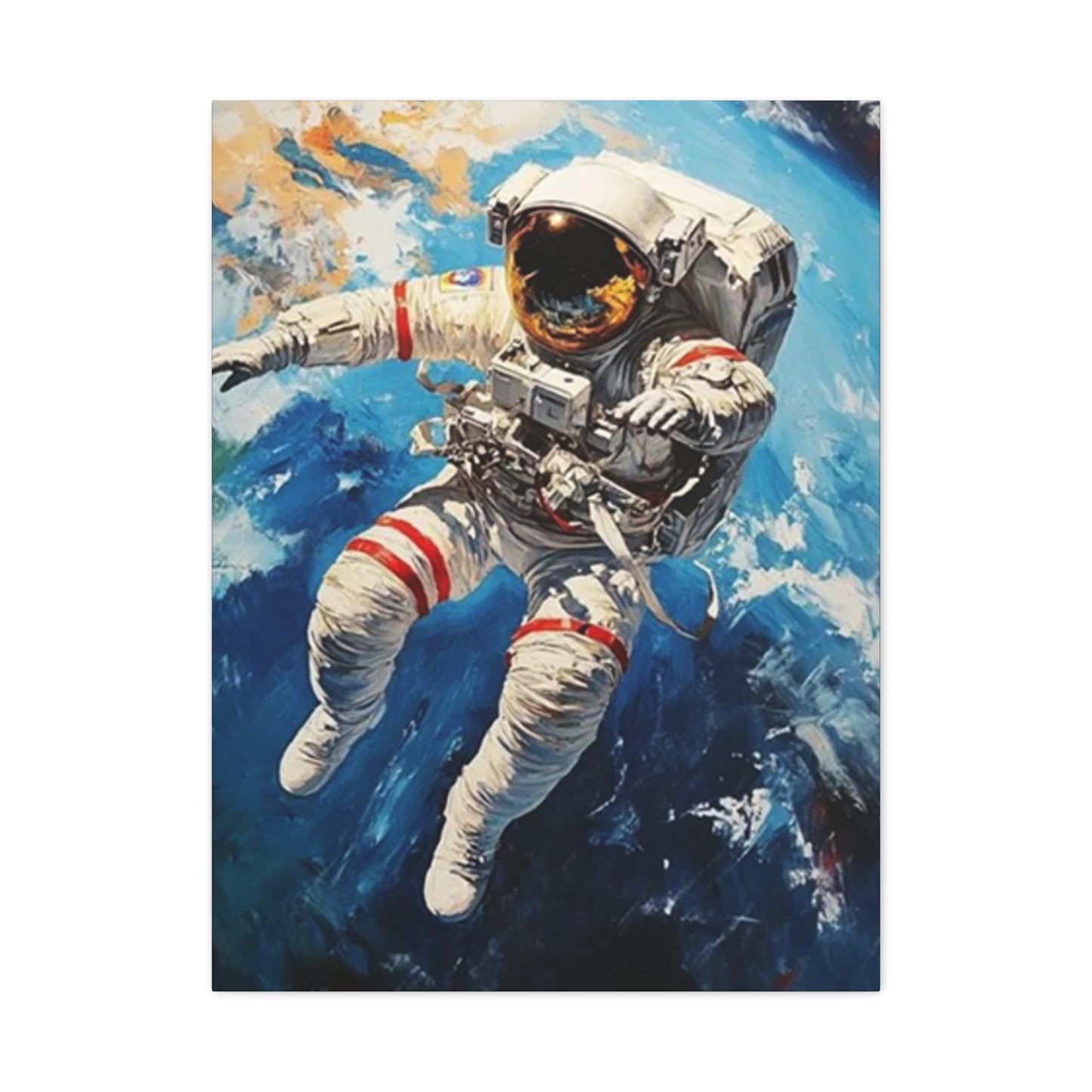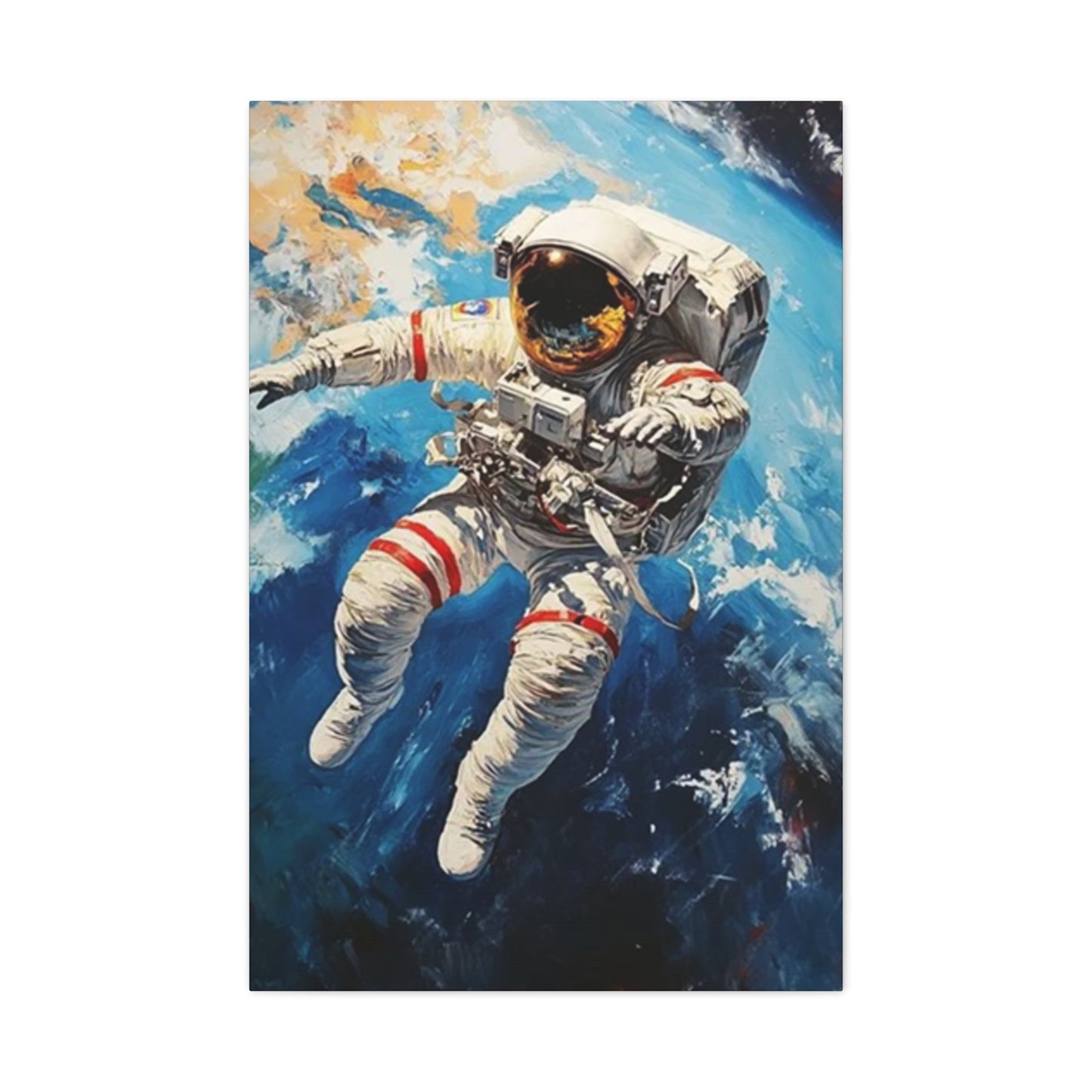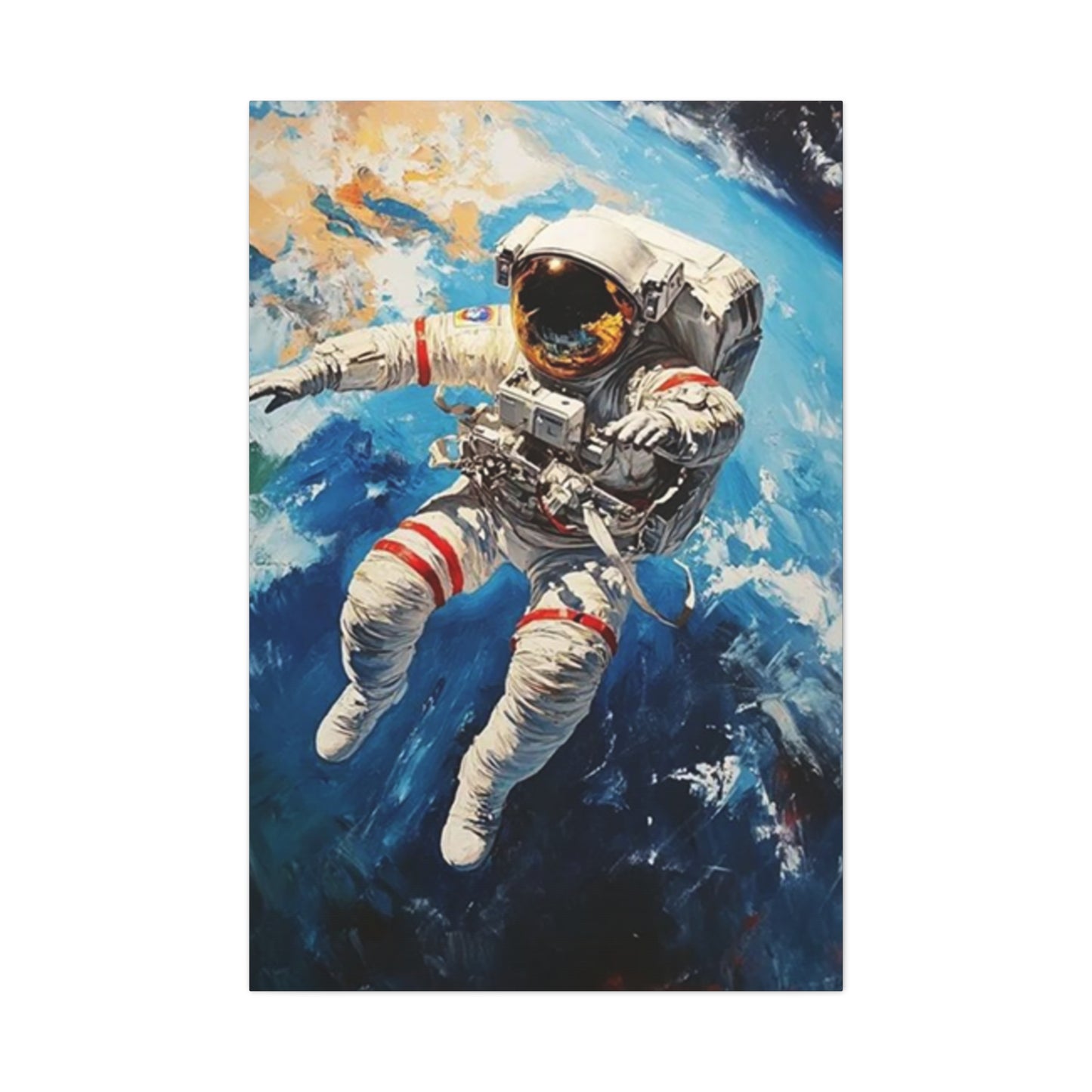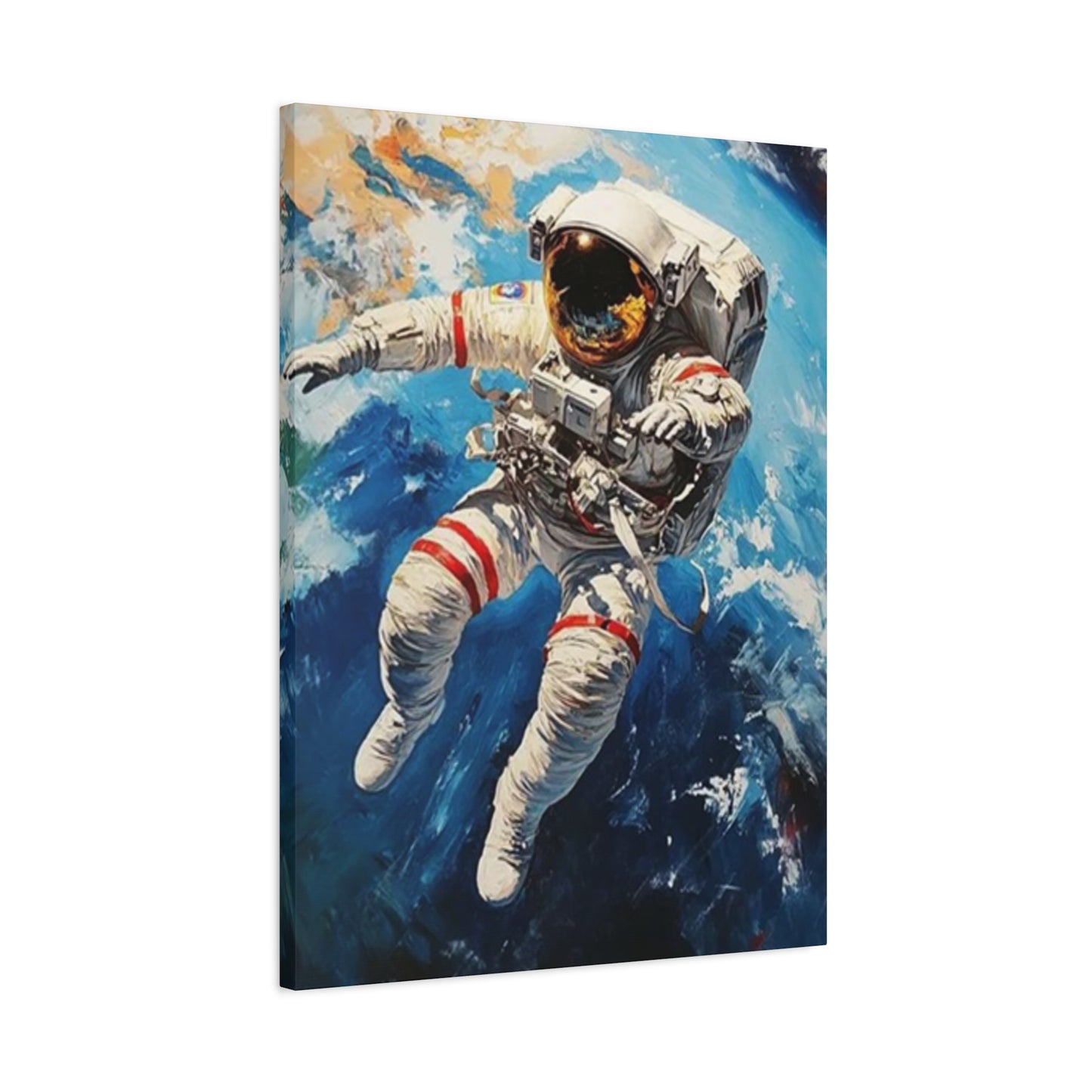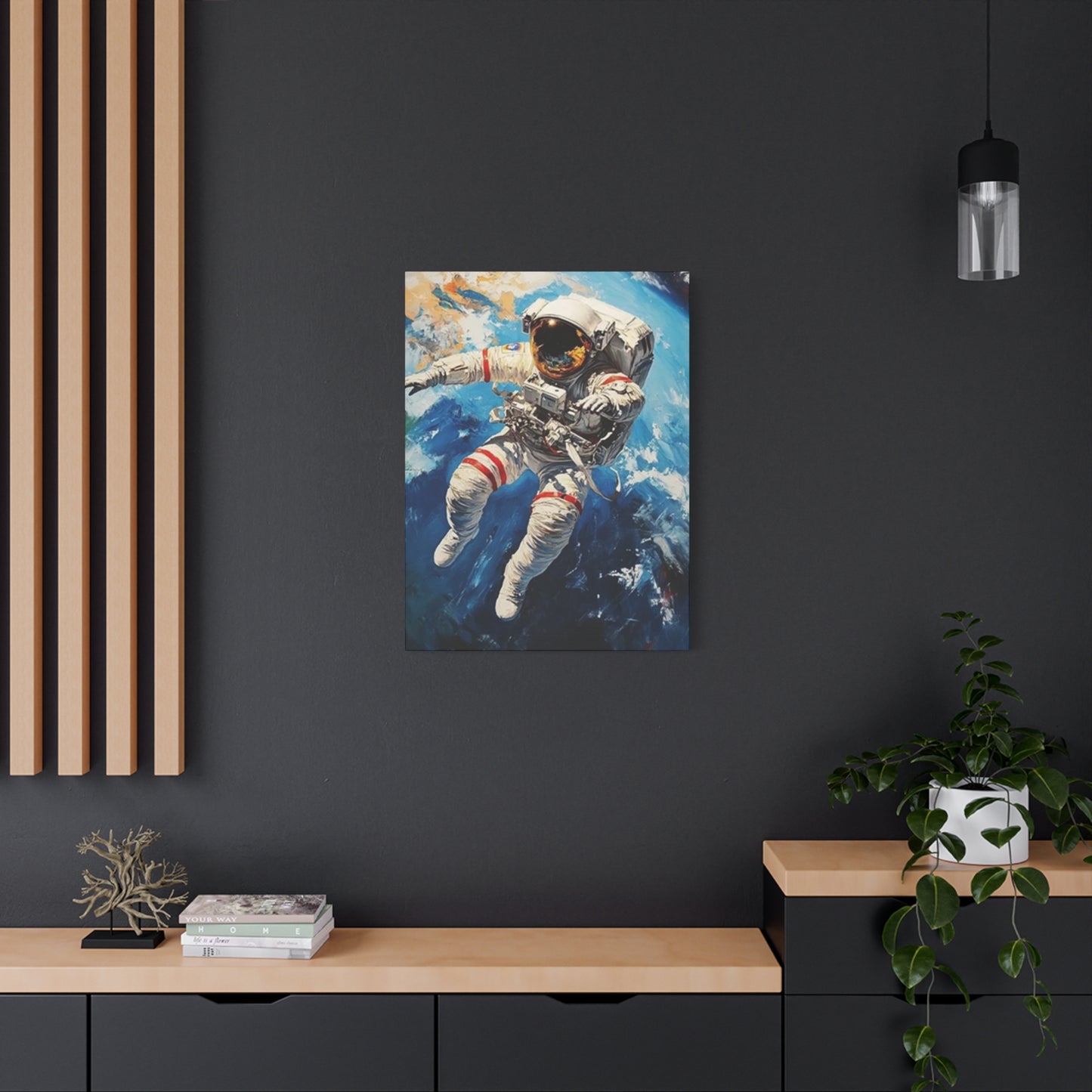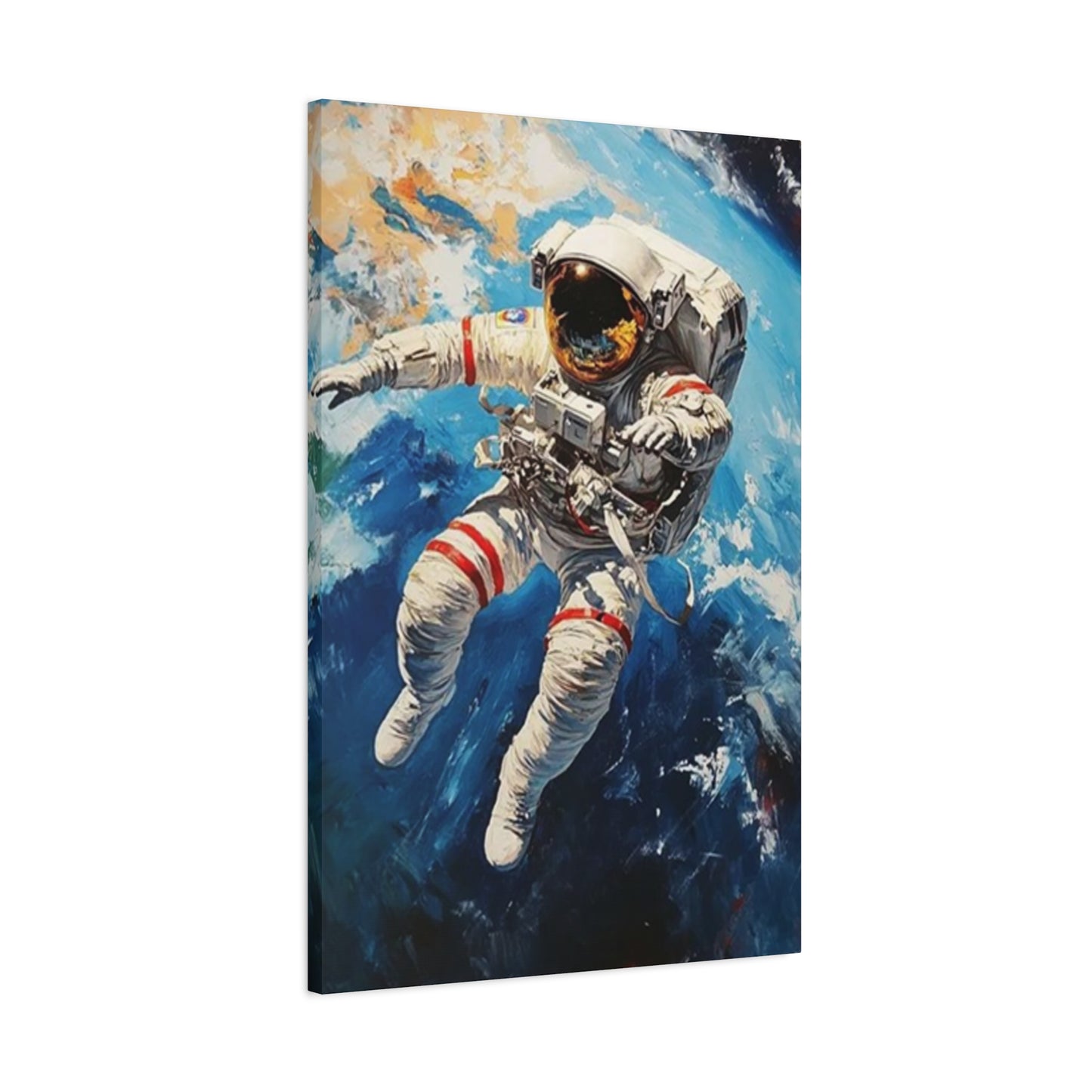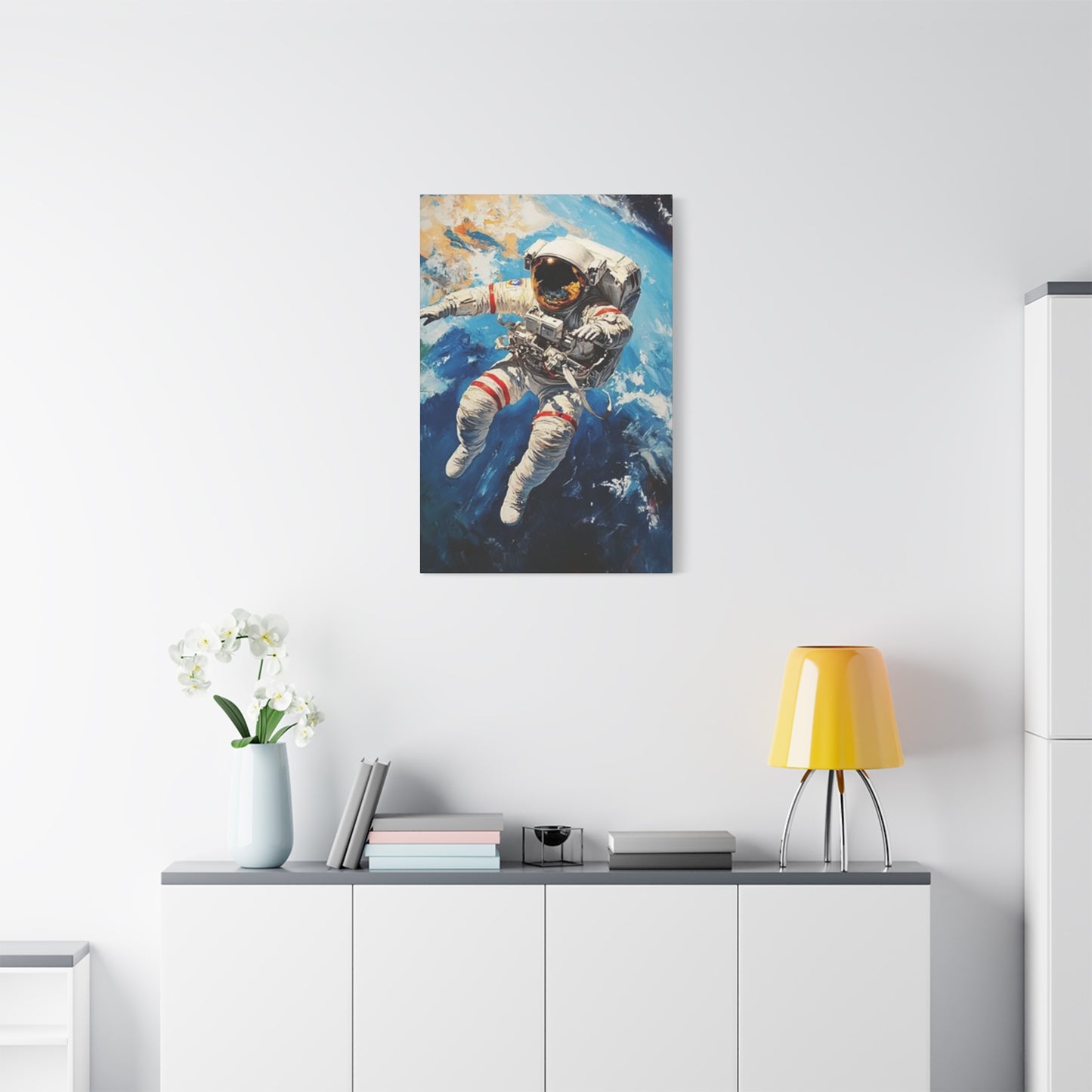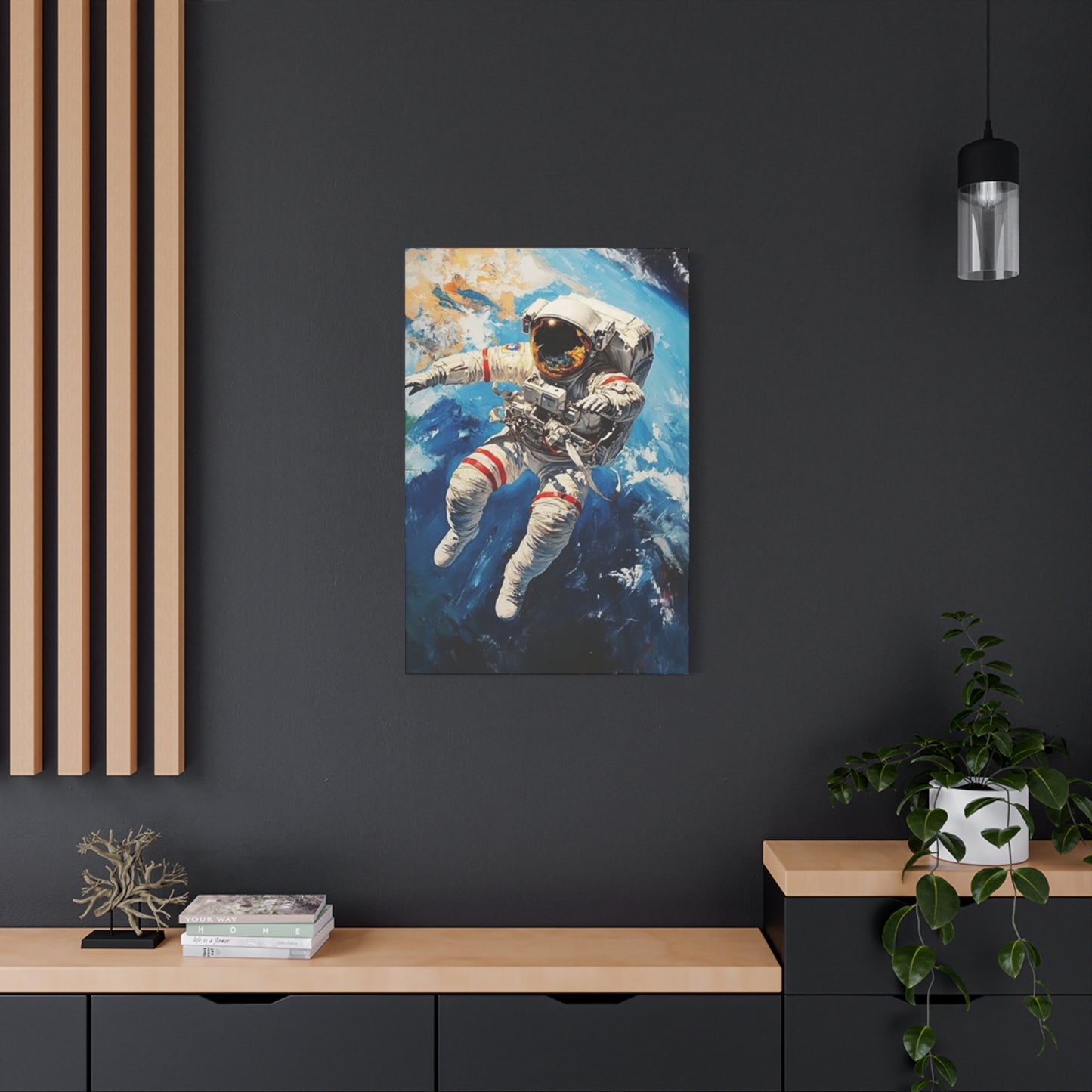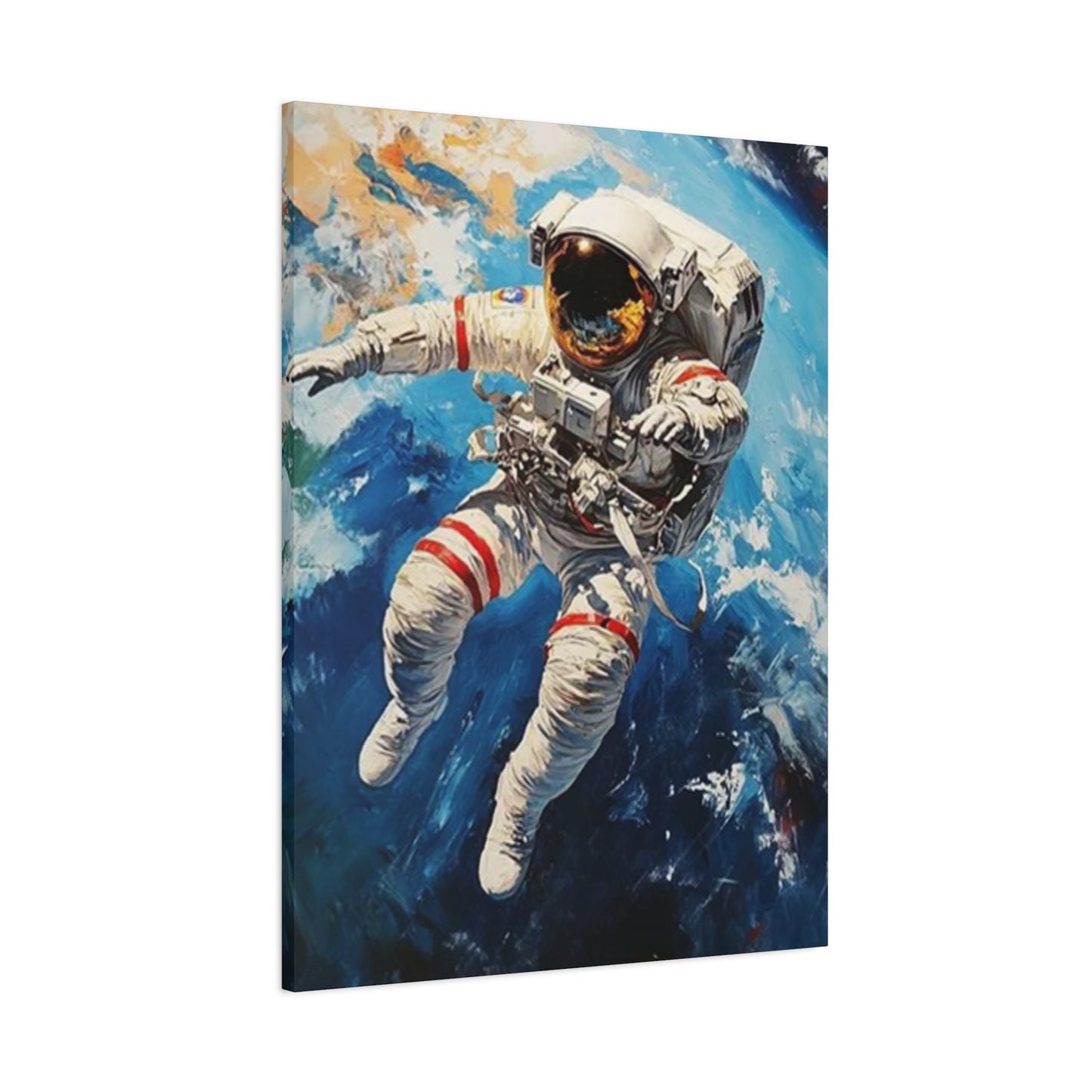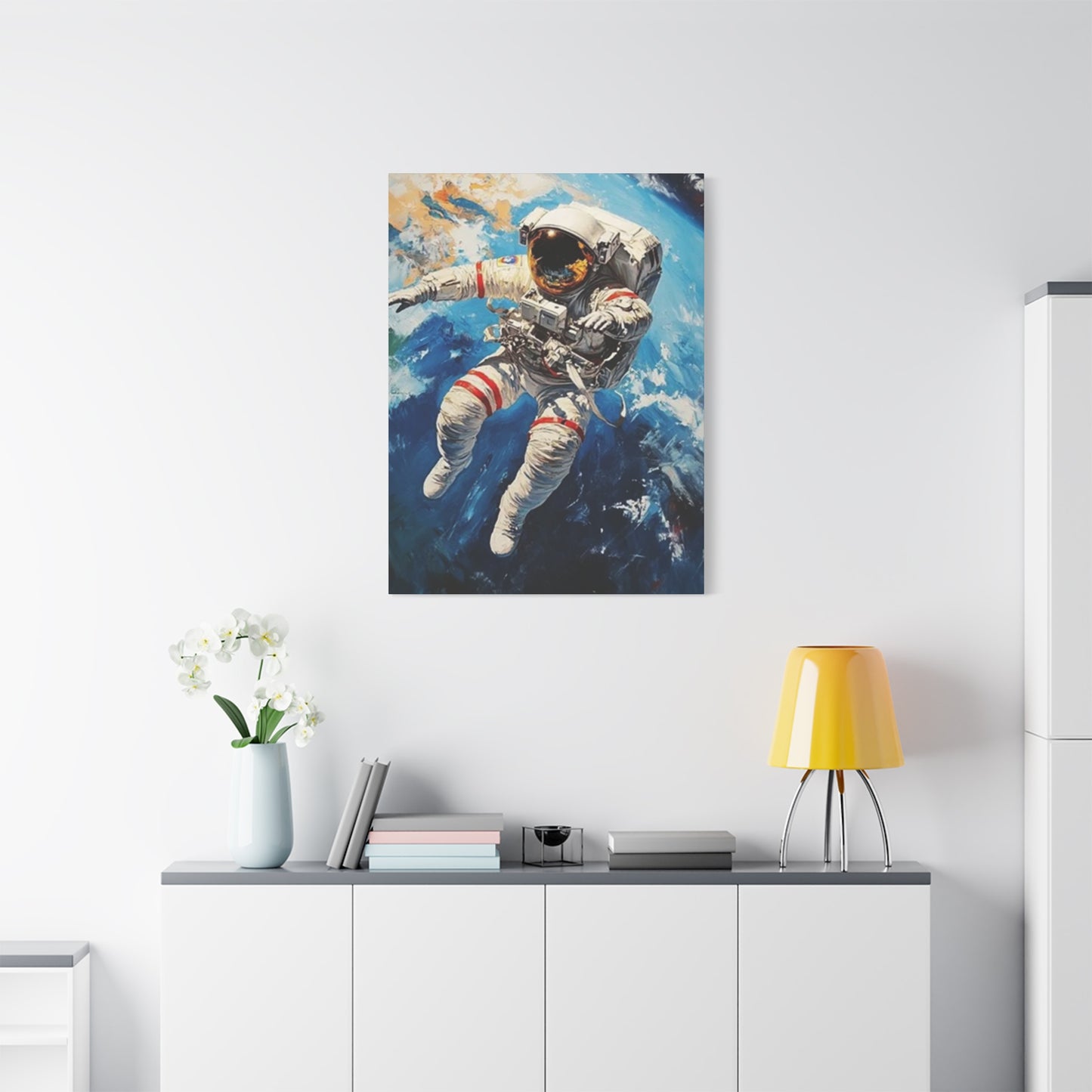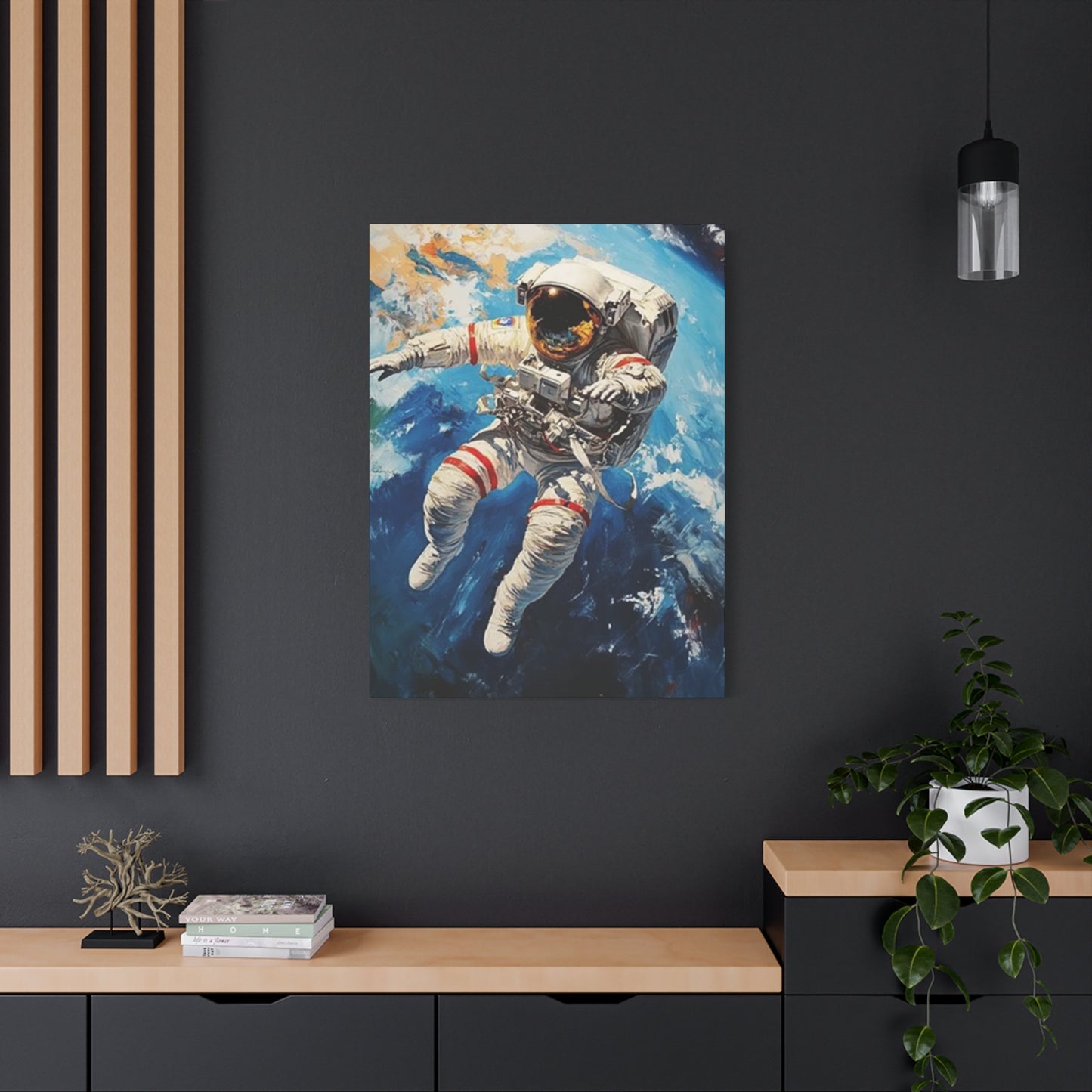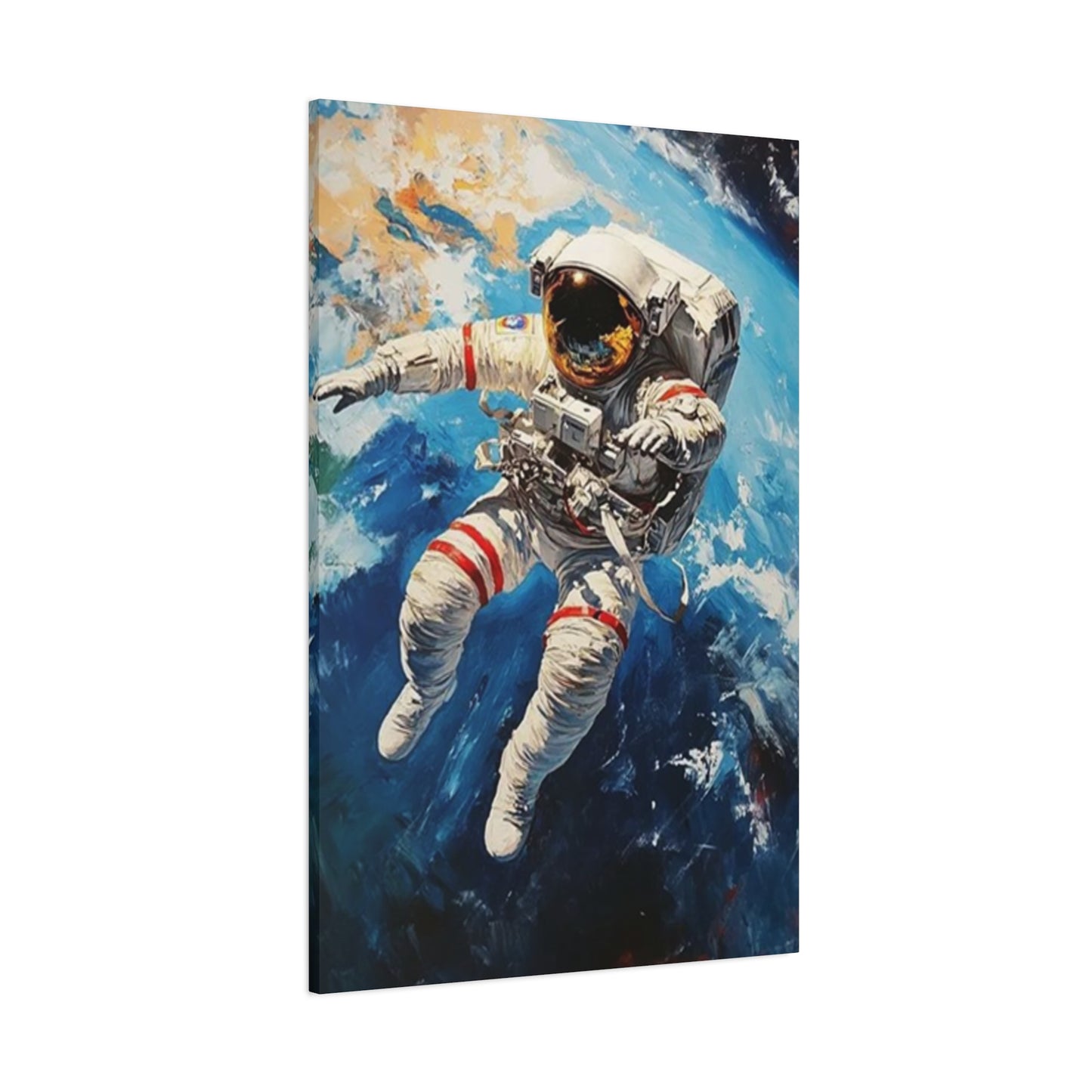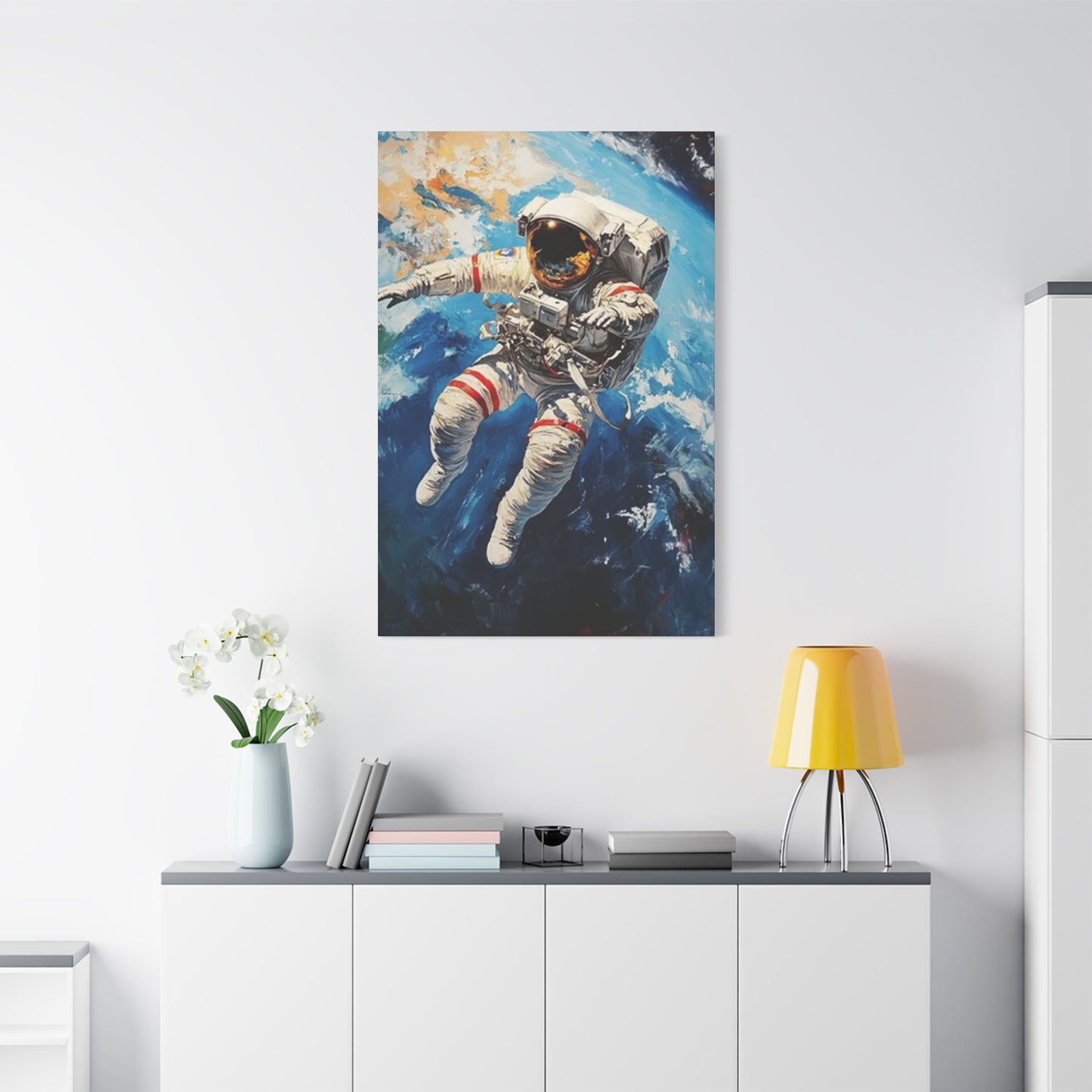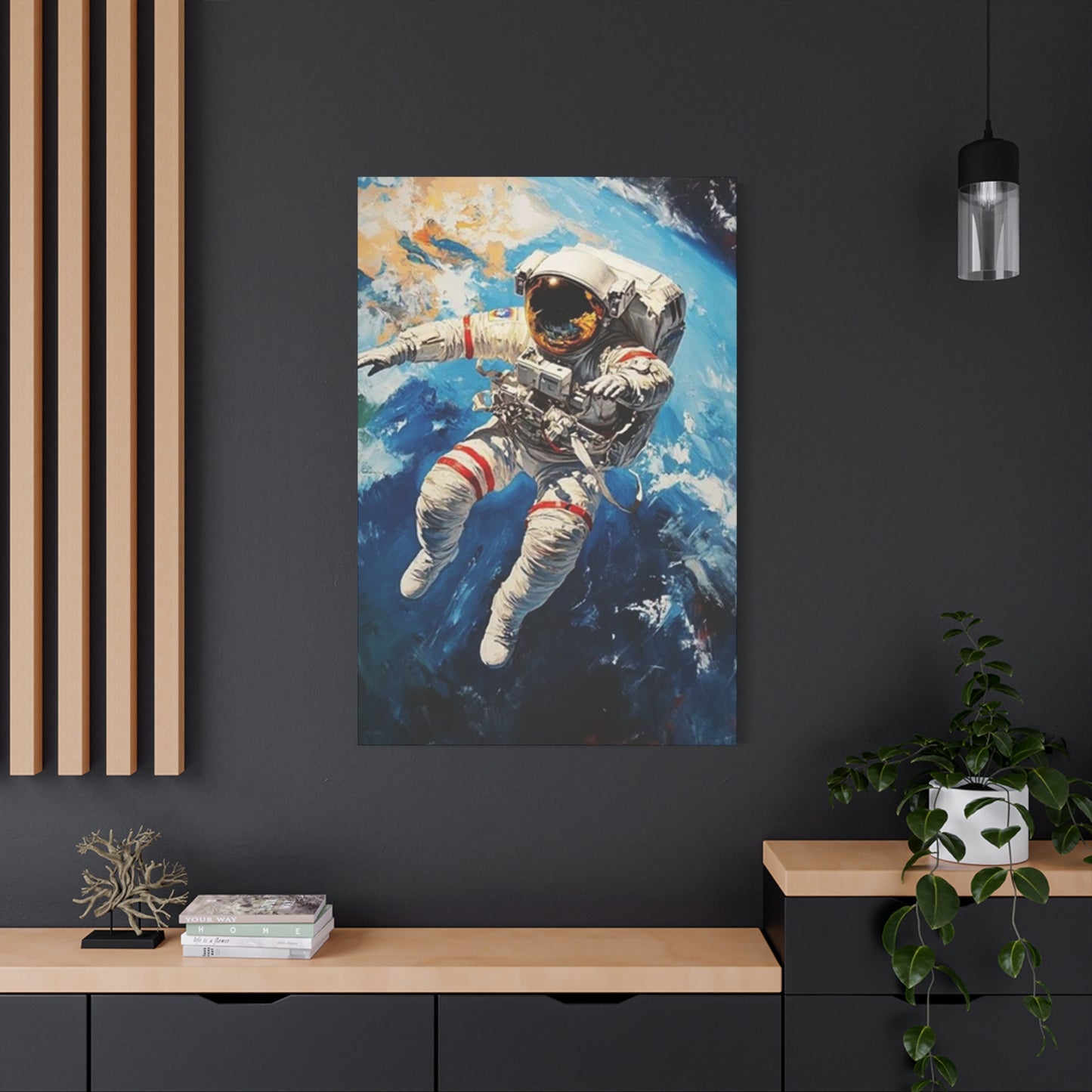


Astronaut In Space Wall Art & Canvas Prints
Astronaut In Space Wall Art & Canvas Prints
Couldn't load pickup availability
How Astronaut In Space Wall Art Revolutionizes Modern Interior Décor
The fascination with celestial exploration has captivated humanity for generations, and this profound interest has seamlessly translated into contemporary home aesthetics. Astronaut in space wall art represents more than mere decoration—it embodies humanity's eternal quest to understand the cosmos while bringing that wonder directly into personal living spaces. This comprehensive exploration delves into every facet of cosmic-themed artistic expressions, from their philosophical implications to practical considerations for collectors and enthusiasts.
The Profound Symbolism Behind Celestial Explorer Imagery in Contemporary Spaces
When individuals choose to display depictions of spacefarers floating among the stars, they're making a statement that extends far beyond aesthetic preferences. These visual representations carry multilayered meanings that resonate on personal, cultural, and universal levels. The solitary figure suspended against the infinite darkness symbolizes human courage, the pioneering spirit, and our species' relentless drive to transcend earthly limitations.
The imagery of cosmic voyagers tethered to their vessels while surrounded by the velvet blackness of the void evokes feelings of both isolation and connection. Observers often report experiencing a peculiar mixture of emotions—simultaneously feeling insignificant against the vastness of creation while also recognizing humanity's remarkable achievements. This duality makes astronaut in space wall art particularly compelling for those who appreciate thought-provoking decorative elements.
From a philosophical standpoint, these artistic pieces prompt contemplation about existence itself. The contrast between the fragile human form encased in protective gear and the infinite expanse surrounding them serves as a powerful metaphor for the human condition. We are temporary, vulnerable beings existing within an incomprehensibly vast universe, yet we possess the intelligence and determination to explore realms that seem impossibly distant.
Cultural commentators have noted that the resurgence of interest in space-themed décor coincides with renewed public engagement with aerospace endeavors. As private companies push boundaries and governmental agencies plan ambitious missions to distant celestial bodies, the collective imagination has once again turned skyward. This cultural moment has elevated cosmic voyager imagery from nostalgic retrofuturism to contemporary relevance.
The psychological impact of surrounding oneself with such imagery cannot be understated. Environmental psychology suggests that the visual elements within our personal spaces significantly influence our mental states and cognitive processes. Depictions of cosmic exploration can inspire feelings of possibility, encourage expansive thinking, and provide perspective during challenging times. When daily stresses threaten to overwhelm, a glance at a figure floating serenely among distant galaxies can serve as a reminder of broader contexts and larger possibilities.
Diverse Artistic Styles That Bring Orbital Explorers Into Your Living Environment
The market for astronaut in space wall art encompasses an extraordinary range of aesthetic approaches, each offering distinct visual languages and emotional tones. Understanding these varied styles helps collectors make informed decisions that align with their personal tastes and existing interior schemes.
Photorealistic renderings capture every detail with meticulous precision, from the reflective properties of helmet visors to the intricate textures of spacecraft surfaces. These pieces appeal to those who appreciate the documentary quality of actual space missions, offering viewers the sensation of witnessing authentic moments of cosmic exploration. The technical mastery required to produce such works commands respect, and the results often blur the line between photography and painting.
Abstract interpretations take a radically different approach, deconstructing the subject matter into shapes, colors, and forms that suggest rather than explicitly depict. These pieces might reduce a spacesuit to geometric patterns or represent the surrounding cosmos through bold color fields and gestural marks. Such works invite personal interpretation and can integrate seamlessly into modernist or contemporary interiors where literal representation might feel incongruous.
Minimalist approaches strip away extraneous details, focusing on essential elements to create impactful compositions through simplicity. A solitary silhouette against a monochromatic background, a single tether line cutting across negative space, or the curved horizon of a planetary body rendered in limited tones—these restrained compositions demonstrate how powerful suggestion can be when executed with confidence and clarity.
Surrealist visions combine cosmic exploration with dreamlike elements, creating fantastical scenes that transcend physical reality. These might feature astronauts surrounded by impossible celestial phenomena, encountering otherworldly beings, or existing in spaces where the laws of physics bend to artistic imagination. Such pieces appeal to those who appreciate whimsy and the blending of science with fantasy.
Vintage-inspired artwork channels the aesthetic of mid-century space race propaganda and early science fiction illustrations. Bold colors, simplified forms, and optimistic compositions characterize this style, evoking nostalgia for an era when space exploration represented humanity's brightest future. These pieces work particularly well in retro-themed spaces or as ironic commentary in ultra-modern environments.
Pop art interpretations apply the visual language popularized by Warhol and Lichtenstein to cosmic themes, often incorporating bright colors, repeated imagery, and graphic treatments. These bold, energetic pieces make strong statements and work especially well as focal points in rooms that can handle their visual intensity.
Digital art and mixed media approaches leverage contemporary tools and techniques, often combining multiple methods within single pieces. These might incorporate photographic elements, hand-painted sections, digital manipulation, and various texturing techniques to create layered, complex works that reward close examination.
Material Considerations That Define Quality and Longevity in Cosmic Artwork
The substrate and production methods used for astronaut in space wall art significantly impact both the initial visual impression and long-term durability. Discerning collectors recognize that the material choices made during creation fundamentally influence a piece's character and lifespan.
Canvas remains one of the most popular choices for reproducing cosmic imagery, offering a traditional gallery-quality feel that many collectors appreciate. The texture of canvas adds dimension to printed images, and stretched canvas pieces arrive ready to hang without requiring frames. However, quality varies considerably—premium canvases use heavier weight materials and tighter weaves that better preserve image details and resist sagging over time.
Metal prints have surged in popularity for space-themed artwork due to their inherent aesthetic qualities. The process involves infusing dyes directly into specially coated aluminum sheets, resulting in images with exceptional vibrancy and depth. The reflective properties of metal surfaces enhance the luminous quality of stars and celestial phenomena, making this medium particularly suited to cosmic subjects. These prints resist moisture and UV damage better than many alternatives, making them suitable for various environments.
Acrylic mounting creates a contemporary, high-end presentation that emphasizes image clarity and color saturation. The process sandwiches printed material between acrylic layers or face-mounts images onto acrylic panels, creating depth and a glossy finish that intensifies visual impact. The dimensional quality achieved through this method adds a sculptural element that elevates the viewing experience.
Fine art papers designed specifically for high-quality reproductions offer archival properties that ensure decades of color stability when properly displayed and maintained. These papers come in various finishes—matte, satin, and glossy—each imparting different characteristics to the final product. Matte finishes reduce glare and provide a subtle, refined appearance, while glossy surfaces maximize color vibrancy and contrast.
Wood panels provide an organic, warm foundation for cosmic imagery that creates interesting juxtaposition between natural materials and space-age subjects. Direct printing onto wood preserves the grain patterns, which become part of the artistic composition. This approach works particularly well for rustic or industrial interior schemes.
Framed prints behind glass offer traditional presentation with excellent protection from environmental factors. Museum-quality framing includes UV-protective glazing and acid-free matting that prevent deterioration, making this option ideal for valuable pieces or particularly meaningful works that justify the investment in premium preservation.
Strategic Placement Methods That Maximize Visual Impact Throughout Your Home
The location and arrangement of astronaut in space wall art dramatically influences its effectiveness as both decorative element and conversation catalyst. Thoughtful placement considers factors including viewing distances, lighting conditions, surrounding elements, and the psychological effects of scale and positioning.
Large-scale pieces command attention and work best as standalone focal points rather than competing with other decorative elements. A dramatic depiction spanning four or five feet creates an immersive viewing experience that draws observers into the scene. Such pieces typically anchor a room's design scheme, with other elements selected to complement rather than compete with the dominant artwork.
Gallery wall arrangements allow collectors to display multiple related pieces while creating visual narratives through their relationships. Thematic groupings might trace the progression of a space mission, compare different artistic interpretations of similar subjects, or create dialogue between contrasting styles. The arrangement itself becomes an artistic statement, with spacing, alignment, and flow contributing to the overall impact.
Living rooms and family gathering spaces benefit from cosmic artwork that sparks conversation and sets contemplative tones. Positioning such pieces where they're visible from multiple seating positions ensures they remain part of the social experience without dominating every interaction. Consider sight lines from various angles to ensure the work remains engaging from different perspectives.
Home offices and personal workspaces gain particular benefit from inspirational imagery that encourages expansive thinking and perseverance. The symbolism inherent in cosmic exploration—problem-solving under pressure, venturing into the unknown, achieving seemingly impossible goals—makes astronaut in space wall art especially appropriate for environments dedicated to creative or intellectual pursuits.
Bedrooms offer opportunities for more personal, introspective engagement with cosmic themes. The quieter, private nature of these spaces allows for contemplative viewing that might include extended observation before sleep or upon waking. Some individuals report that celestial imagery in bedrooms promotes dreams with cosmic themes or encourages a sense of perspective that reduces anxiety.
Children's and adolescent spaces can be enhanced with age-appropriate cosmic explorer imagery that encourages curiosity about science, astronomy, and human achievement. Such pieces can spark interest in STEM fields while providing visually engaging decoration that matures better than cartoon characters or overtly juvenile themes.
Hallways and transitional spaces benefit from striking visual elements that transform otherwise utilitarian areas into engaging passages. A well-placed cosmic scene can make these forgotten spaces feel intentional and considered while guiding movement through the home with visual interest.
Lighting considerations dramatically affect how artwork appears at different times of day and under various conditions. Natural light brings out certain qualities during daylight hours, while artificial lighting creates different moods in evening. Some collectors install dedicated picture lights or track lighting to ensure consistent illumination that highlights specific aspects of their cosmic artwork regardless of ambient conditions.
Size Selection Strategies That Harmonize Artwork With Architectural Elements
Determining appropriate dimensions for astronaut in space wall art requires balancing multiple factors including wall dimensions, ceiling height, furniture scale, and desired visual impact. Understanding proportional relationships prevents common mistakes like selecting pieces too small to register properly or too large for their intended spaces.
The foundational rule suggests that artwork should occupy roughly two-thirds to three-quarters of the width of furniture pieces it hangs above. A sofa measuring eight feet wide calls for artwork spanning approximately five to six feet across, either as a single large piece or a grouped arrangement. This proportion creates visual harmony that feels balanced and intentional rather than haphazard.
Wall height and ceiling elevation significantly influence appropriate artwork dimensions. Standard eight-foot ceilings generally accommodate pieces up to three or four feet tall without overwhelming the space, while higher ceilings in contemporary homes can handle more imposing dimensions. The key consideration involves maintaining adequate breathing room—the negative space surrounding the artwork that prevents it from feeling cramped or dominating.
Viewing distance plays a crucial role in determining ideal size. Artwork intended for observation from across a large room should be substantially larger than pieces meant for closer inspection. A general guideline suggests that comfortable viewing distance equals roughly one-and-a-half to two times the diagonal measurement of the artwork. This ensures observers can take in the entire composition without excessive head movement while still appreciating details.
Vertical versus horizontal orientation affects spatial perception in significant ways. Horizontal compositions emphasize width and can make walls appear broader, while vertical pieces draw the eye upward and can make ceilings feel higher. Choosing between these orientations depends on both the space's physical characteristics and the desired psychological effect.
Multiple small pieces can create impact equivalent to single large works while offering flexibility in arrangement and the ability to tell visual stories through relationships between individual elements. This approach works particularly well for collectors who want to display various aspects of cosmic exploration or different artistic interpretations of similar themes.
Scale experimentation through temporary placement methods—using paper templates cut to size and temporarily affixed to walls—allows visualization of different dimensions before committing to purchases. This simple technique prevents expensive mistakes and helps ensure satisfaction with final selections.
Color Psychology and Palette Selection for Maximum Emotional Resonance
The chromatic choices within astronaut in space wall art profoundly influence the emotional atmosphere of spaces and the psychological responses of observers. Understanding color theory and its practical implications enables more intentional selection that supports desired moods and complements existing design schemes.
Deep blues and rich purples dominate many cosmic scenes, reflecting the visual reality of space while evoking feelings of mystery, tranquility, and infinite depth. These cool tones create calming environments suitable for relaxation and contemplation. Psychological research indicates that blue environments can lower blood pressure and heart rate, making such artwork appropriate for spaces intended for stress reduction.
Fiery oranges, reds, and yellows often appear in depictions of planetary sunrises, distant nebulae, or the glow of rocket propulsion systems. These warm tones inject energy and passion into spaces, creating dynamic visual excitement that stimulates conversation and activity. However, their intensity requires careful consideration—while appropriate for social spaces and areas where energy is desirable, they may prove too stimulating for restful environments.
Monochromatic schemes using various shades of single colors create sophisticated, cohesive appearances that integrate seamlessly into existing décor. Black and white cosmic imagery offers timeless elegance that transcends passing trends while allowing the subject matter's inherent drama to dominate without chromatic distraction. Such pieces work particularly well in minimalist or modern interiors where color restraint is paramount.
Complementary color schemes employing hues opposite on the color wheel—such as blue and orange or purple and yellow—create vibrant contrast that commands attention and maintains visual interest. These combinations occur naturally in certain cosmic phenomena, lending authenticity while maximizing impact through scientifically grounded color theory.
Metallic accents including gold, silver, and copper add luxurious dimension to cosmic artwork while referencing the materials comprising actual spacecraft. These reflective elements catch light dynamically, ensuring artwork changes character throughout the day as lighting conditions shift. The shimmer of metallic touches can elevate pieces from merely decorative to genuinely captivating.
Earth tone integration provides grounding warmth that balances the otherworldly nature of space themes. Browns, tans, and muted greens might appear in depictions of planet surfaces or provide contrast through frame choices and matting selections. These organic hues create bridges between the cosmic subject matter and terrestrial living spaces.
Personal color preferences and existing palette commitments should guide final selections. Artwork that clashes with established color schemes creates visual tension that undermines both the piece and the broader interior design. However, introducing a carefully chosen artwork can inspire comprehensive room refreshes, with the cosmic piece serving as the conceptual anchor around which other elements cohere.
Frame Selection and Presentation Methods That Enhance Without Overwhelming
The manner in which astronaut in space wall art is presented significantly impacts its effectiveness and the impression it creates. Frame choices, matting decisions, and alternative mounting methods each contribute distinct characteristics that can either amplify or undermine the artwork's inherent qualities.
Traditional frames in wood or metal provide classic presentation that suits a wide range of interior styles. Wood frames offer warmth and organic character that can soften the high-tech subject matter of cosmic imagery, creating interesting contrast between natural materials and space-age themes. Different wood tones—from light ash to rich walnut—impart varying degrees of formality and traditional sensibility.
Metal frames deliver contemporary, clean-lined aesthetics that align naturally with space-themed subjects. Sleek aluminum or stainless steel profiles emphasize modernity while their industrial character references the materials comprising actual spacecraft. These frames work particularly well in minimalist, modern, or industrial-styled spaces where their streamlined appearance complements broader design philosophies.
Black frames offer versatile neutrality that focuses attention on artwork rather than presentation apparatus. This classic choice works across diverse interior styles and has the practical advantage of coordinating easily with other framed pieces throughout a home. The psychological effect of black frames involves creating definitive boundaries that separate artwork from surrounding walls, enhancing focus and formal presentation.
White or light-colored frames create bright, airy impressions that work especially well in spaces employing lighter palettes. These frames can make artwork feel more accessible and less formal than darker alternatives, though they require more maintenance to keep clean. In spaces with predominantly light walls, white frames can create seamless integration where the artwork feels like part of the architecture rather than an added element.
Frameless presentation methods including canvas wraps, mounted prints, and acrylic face-mounting offer contemporary alternatives to traditional framing. These approaches eliminate the visual separation that frames create, allowing artwork to feel more immediate and integrated with its environment. Gallery-wrapped canvases where the image extends around edges create dimensional presence without requiring frames while maintaining polished, finished appearances.
Matting choices profoundly influence perceived value and presentation quality. Wide mats create breathing room around images, providing visual rest that can make artwork feel more precious and gallery-worthy. Mat color selection follows principles similar to frame selection—neutral tones typically prove most versatile, while colored mats create bold statements that work when carefully coordinated with both the artwork and surrounding décor.
Float mounting techniques suspend artwork within frames with visible gaps between the edges and frame borders, creating dimensional effects that add visual interest and contemporary flair. This approach works particularly well with mixed media pieces or works on interesting substrates where the material itself contributes to the artistic statement.
Shadow box framing adds significant depth, allowing for three-dimensional elements or creating layered effects with multiple paper planes. For cosmic-themed artwork, this technique might incorporate miniature spacecraft models, meteorite fragments, or other related objects that extend the thematic narrative beyond two-dimensional imagery.
Authentic Versus Reproduction Considerations for Collectors and Enthusiasts
The distinction between original artwork and various reproduction methods carries significant implications for value, authenticity, and collecting philosophy. Understanding these differences enables informed decisions aligned with individual priorities, budgets, and intentions.
Original paintings and handcrafted works represent singular creations where each piece is unique. The artist's hand is directly evident in brushstrokes, texture, and the subtle variations that distinguish handmade work from mechanical reproduction. These pieces command premium prices reflecting the time, skill, and singular nature of their creation. For serious collectors, original works offer investment potential and the satisfaction of owning irreplaceable objects.
Limited edition prints strike a balance between accessibility and exclusivity by restricting production to specified quantities. Artists typically sign and number these pieces, with edition sizes varying from dozens to hundreds depending on the work's nature and the artist's reputation. Smaller editions generally command higher prices and greater collector interest, while larger editions provide broader accessibility at lower price points.
Giclée printing technology enables museum-quality reproductions that capture extraordinary detail and color accuracy. This term—derived from French meaning "to spray"—refers to the process of using specialized inkjet printers with archival inks on fine art papers or canvas. The resulting prints can be nearly indistinguishable from originals in visual quality while remaining affordable for broader audiences.
Open edition prints lack production restrictions, making them the most accessible option for those who prioritize aesthetics over collectibility. While these lack the exclusivity that drives value appreciation, they allow anyone to acquire high-quality cosmic imagery regardless of budget constraints. For many individuals, the daily enjoyment derived from attractive astronaut in space wall art far outweighs concerns about investment value or limited availability.
Digital artwork represents a contemporary category where the piece exists primarily in electronic form. Some collectors acquire digital works displayed on high-resolution screens, creating dynamic galleries that can rotate through multiple images. This approach maximizes variety within limited space, though it lacks the tangible quality that traditional collectors often prize.
Provenance and documentation prove crucial for valuable pieces. Original works should include certificates of authenticity, information about the artist, and ideally, documentation of exhibition history or publications featuring the work. These materials not only verify legitimacy but also contribute to long-term value by establishing clear ownership chains and historical context.
Condition assessment becomes paramount when acquiring pre-owned pieces. Original works require examination for damage, fading, or restoration. Even high-quality reproductions can degrade over time if produced with non-archival materials or improperly maintained. Professional appraisals provide objective assessments for expensive acquisitions and help ensure appropriate insurance coverage.
Preservation Practices That Ensure Decades of Vivid Display
Protecting astronaut in space wall art from environmental degradation requires understanding the factors that cause deterioration and implementing straightforward preventive measures. Proper care extends the lifespan of pieces significantly while maintaining their visual impact and, for valuable works, their monetary worth.
Light exposure represents the primary threat to artwork longevity, with ultraviolet radiation causing irreversible fading and material breakdown. Direct sunlight proves especially damaging, capable of noticeably degrading pieces within months. Even indirect natural light and certain artificial sources emit UV rays that accumulate damage over time. Solutions include positioning artwork away from windows, using UV-filtering glazing for framed pieces, and selecting LED lighting that produces minimal ultraviolet radiation.
Humidity fluctuations cause expansion and contraction of materials that can lead to warping, cracking, or delamination. Canvas may sag or become brittle, papers can cockle or develop mold, and adhesives can fail under extreme conditions. Maintaining consistent relative humidity between 40-60% provides optimal conditions for most artwork types. In particularly humid or dry climates, whole-house humidification or dehumidification systems offer comprehensive solutions, while smaller spaces might benefit from localized climate control.
Temperature stability prevents stress on materials while inhibiting mold growth and insect activity. Moderate, consistent temperatures between 65-75 degrees Fahrenheit prove ideal for long-term preservation. Avoid positioning artwork near heating vents, fireplaces, exterior walls subject to temperature extremes, or other sources of thermal fluctuation.
Dust accumulation seems innocuous but can cause gradual damage through abrasive particles and the harboring of pests or mold spores. Regular, gentle cleaning using soft, dry microfiber cloths removes surface dust without causing scratches. Framed pieces benefit from occasional cleaning of glass or acrylic glazing using appropriate cleaners applied to cloth rather than directly to surfaces. Unframed canvas or textured surfaces require more care—dusting with soft brushes or low-suction vacuuming with protective screens prevents damage.
Physical damage from impacts, punctures, or improper handling necessitates careful placement away from high-traffic areas and secure mounting that prevents falls. This consideration becomes especially important in homes with children, pets, or active lifestyles. Earthquake-prone regions warrant specialized hanging hardware and securing methods that prevent artwork from becoming dangerous projectiles during seismic events.
Chemical exposure from cleaning products, air fresheners, or smoking can cause discoloration and material degradation. Maintaining general air quality through proper ventilation and avoiding harsh chemicals near valuable artwork preserves both aesthetic qualities and material integrity. For extremely valuable pieces, air purification systems that filter particulates and neutralize chemical pollutants provide additional protection.
Professional conservation services become necessary when damage occurs or when particularly valuable pieces require expertise beyond routine maintenance. Conservators possess specialized knowledge and techniques for repairing damage, removing discoloration, and stabilizing deteriorating materials. For significant original works, establishing relationships with qualified professionals before problems arise ensures rapid response when issues occur.
Documentation through high-resolution photography creates records of artwork in pristine condition, useful for insurance purposes and providing references should restoration ever become necessary. These images capture details and colors that might change over time, offering baselines for detecting gradual degradation that might otherwise go unnoticed.
Pricing Dynamics Across Different Quality Levels and Acquisition Channels
Understanding the pricing landscape for astronaut in space wall art enables realistic budgeting and helps identify appropriate value propositions across the vast range of available options. Prices span from minimal amounts for basic prints to substantial investments for museum-quality originals, with various factors influencing where specific pieces fall within this spectrum.
Budget-friendly options typically include small-format open edition prints on standard papers or basic canvas. These pieces generally range from nominal amounts to moderate prices, making cosmic imagery accessible to virtually anyone regardless of financial constraints. While lacking exclusivity or premium materials, many budget options deliver satisfying aesthetic results for casual decorators who prioritize appearance over collectibility or longevity.
Mid-range offerings incorporate better production methods, more durable materials, and sometimes limited edition status. Prices in this category typically reflect higher quality inks, premium substrates like heavy canvas or fine art papers, and more careful color management during printing. These pieces balance affordability with quality, offering excellent value for homeowners seeking gallery-worthy appearances without extreme expenditures.
Premium reproductions utilize the finest materials and printing techniques available, often approaching the visual quality of original artwork. Giclée prints on museum-grade papers, metal prints using superior dye sublimation, and acrylic-mounted pieces with flawless color calibration populate this category. Prices reflect not just materials and production quality but also often include licensing fees for images by renowned photographers or the estates of famous artists.
Original artwork prices vary enormously based on artist reputation, piece size, medium, and market demand. Emerging artists might price modest-sized original works affordably as they build recognition, while established names command substantial sums reflecting their market positions and the singular nature of their creations. Particularly notable pieces by celebrated artists can reach extraordinary prices at auction, becoming investments that appreciate significantly over time.
Commissioned custom work allows collectors to specify exactly what they want, from size and color palette to specific scenes or compositional elements. Pricing for commissions depends on artist experience, piece complexity, and size, but typically exceeds comparable existing works due to the personalized nature and additional time required. This option suits those with specific visions that available works don't satisfy and budgets sufficient for bespoke creation.
Acquisition channels significantly impact pricing for equivalent pieces. Direct purchases from artists eliminate intermediary markups, potentially offering best values while ensuring creators receive maximum compensation. Galleries add expertise in curation and presentation but include markups reflecting their costs and profit margins. Online marketplaces offer convenience and selection but require careful vetting to ensure quality and authenticity. Auction environments can yield bargains for patient buyers or drive prices to extraordinary heights when multiple bidders compete for desirable pieces.
Sales, promotions, and seasonal opportunities provide chances to acquire quality pieces at reduced prices. Many sellers offer periodic discounts, particularly during slower retail periods or to clear inventory for new offerings. Patient collectors who monitor preferred sources can capitalize on these opportunities without compromising on quality.
Value assessment requires balancing objective quality factors against personal satisfaction and intended use. A modestly priced print that brings daily joy offers better value than an expensive piece that doesn't resonate emotionally, regardless of its technical or collectible merits. The "right" price depends on individual circumstances, priorities, and the role artwork will play in your life.
Discovering Quality Sources for Cosmic Explorer Visual Works
Identifying reliable sources for astronaut in space wall art ensures satisfactory purchases while avoiding disappointment from poor quality or fraudulent offerings. The marketplace includes diverse channels, each with distinct advantages and considerations that influence both selection and purchasing experiences.
Online marketplaces offering handmade and artistic goods provide extraordinary selection encompassing independent artists and small production operations. These platforms democratize access to creative works while allowing consumers to discover emerging talent before mainstream recognition. Careful evaluation of seller reviews, production methods, and return policies helps ensure satisfactory transactions. Many platforms facilitate direct communication with creators, allowing clarification of details before purchase.
Specialized cosmic and science-themed retailers curate selections specifically appealing to space enthusiasts and science fiction fans. These focused operations often employ knowledgeable staff who can guide selections based on specific interests, whether those involve particular missions, celestial phenomena, or artistic styles. The specialized expertise available through these channels proves valuable for those seeking authentic representations or historically accurate depictions.
Fine art galleries representing contemporary artists offer curated selections emphasizing artistic merit and investment quality. Gallery relationships provide expert guidance, authentication assurance, and often include framing services and installation assistance. The premium pricing typical of gallery purchases reflects these value-added services along with the carefully vetted nature of their offerings.
Direct artist websites and social media presences enable purchasing straight from creators, eliminating intermediaries while maximizing artist compensation. Many contemporary artists maintain robust online presences showcasing portfolios, explaining their processes, and offering work for sale. This direct connection often includes opportunities for commissioning custom pieces or acquiring works not available through other channels.
Home décor retailers increasingly stock space-themed artwork as cosmic aesthetics gain mainstream popularity. These mass-market options prioritize affordability and immediate availability over uniqueness or collectibility. While lacking exclusivity, they provide convenient solutions for decorators seeking coordinated looks or budget-conscious options.
Museum shops and science center gift stores offer carefully selected pieces often with educational components or historical significance. Purchases from these institutional sources frequently support their broader missions while providing assurance of quality and appropriateness. Many institutions partner with reputable artists or license imagery from their collections, ensuring authenticity and supporting preservation efforts.
Art fairs and craft shows provide opportunities to view work in person before purchasing while meeting artists and learning about their processes firsthand. These events create engaging shopping experiences and support local creative communities. The ability to examine pieces closely before buying eliminates uncertainty about quality, colors, and physical characteristics that sometimes surprise when purchasing remotely.
Auction houses dealing in contemporary and space-themed artwork attract serious collectors seeking investment-grade pieces or rare historical items. While this channel typically involves higher price points and more complex purchasing procedures, auctions can yield exceptional finds unavailable through conventional retail channels. Understanding auction mechanics and establishing bidding limits prevents emotionally driven overspending.
Thematic Expansion Beyond Solo Spacefarers in Orbital Environments
While individual cosmic voyagers create powerful imagery, expanding thematic consideration to related subjects provides additional options for creating cohesive or varied collections that explore different aspects of space exploration and cosmic wonder.
Celestial body landscapes depicting alien worlds, cratered moons, or the swirling storms of gas giants offer complementary subjects that extend cosmic themes without duplicating spacewalker imagery. These pieces capture the destinations that make space travel purposeful, showcasing the diverse environments humans seek to explore. Dramatic planetary vistas can be equally captivating as human subjects while providing variety within space-themed collections.
Spacecraft and rocket imagery celebrates the remarkable machines enabling cosmic exploration, from sleek contemporary designs to historically significant vessels that carried early pioneers beyond Earth's atmosphere. These subjects appeal particularly to those fascinated by aerospace engineering and the technological achievements underlying human spaceflight. Detailed renderings of famous spacecraft become conversation pieces for enthusiasts who appreciate these machines' historical significance.
Nebulae, galaxies, and deep space phenomena showcase cosmic beauty at scales far beyond human exploration. These subjects emphasize the universe's aesthetic wonder rather than human achievement, offering contemplative, almost meditative visual experiences. The vibrant colors and otherworldly forms characteristic of astronomical photography create striking focal points while maintaining thematic consistency with astronaut imagery.
Mission patch collections and program insignia appeal to those interested in space program history and heraldic design. These graphic compositions combine symbolism, typography, and illustration to represent specific missions or organizations. Arranged as collections, they create visual timelines of spaceflight achievement while functioning as attractive, distinctive décor with historical significance.
Conceptual future visions and science fiction scenarios extend imagination beyond current capabilities into speculative realms of possibility. These pieces might depict massive space stations, terraformed planets, or encounters with alien civilizations—subjects that bridge scientific knowledge with creative speculation. Such imagery appeals to those who value imaginative possibility as much as historical achievement.
Planetary ring systems, particularly Saturn's magnificent bands, provide instantly recognizable cosmic subjects with inherent beauty and scientific fascination. These can serve as sophisticated alternatives to more common cosmic imagery while maintaining thematic connections to space exploration.
Earth from orbit perspectives flip the traditional viewpoint, showing our home planet from the vantage that astronauts describe as transformative. The "overview effect"—the cognitive shift reported by many who view Earth from space—can be suggested through artwork capturing our world's fragile beauty against the cosmic void. These pieces carry environmental and philosophical implications while remaining visually stunning.
Conclusion
Proper installation of astronaut in space wall art ensures safety, protects both walls and artwork, and achieves professional-looking results that maximize visual impact. Understanding appropriate hardware and techniques prevents common mistakes while accommodating various wall types and artwork characteristics.
Wall anchor selection must account for wall construction and artwork weight. Drywall requires specialized anchors that distribute weight across larger areas than simple nails can support. Toggle bolts provide excellent holding power for heavier pieces, expanding behind drywall to create secure attachment points capable of supporting substantial weight. Plastic expansion anchors work for lighter pieces, while heavier artwork necessitates metal anchors rated for appropriate weight limits.
Stud mounting offers the strongest attachment method when hanging locations align with wooden framing members behind wall surfaces. Electronic stud finders locate these structural elements, allowing direct screwing into solid wood that can support virtually any weight. For particularly heavy or valuable pieces, professional installers often insist on stud mounting to eliminate any risk of failure.
Picture hanging wire attached to frames provides flexibility in positioning and adjustment but requires proper installation to function safely. Wire should be attached to frame sides approximately one-third down from the top, creating a configuration where the hanging point falls slightly above center. This positioning prevents frames from tilting forward while ensuring secure suspension. Wire ratings should substantially exceed artwork weight to provide safety margins against failure.
D-ring hangers mounted on frame backs offer more rigid mounting that keeps pieces flat against walls without wire visibility. These work particularly well for contemporary frameless presentations where minimalist aesthetics matter. Proper positioning—typically one-third to one-quarter down from the top—ensures stability and appropriate hanging height.
French cleat systems provide professional-grade mounting ideal for heavy pieces requiring robust support with easy removal capability. This method uses interlocking beveled strips—one mounted to the wall and another to the artwork—that mate together to create strong, even weight distribution. French cleats excel for large or heavy pieces and allow easy removal for cleaning or relocation without wall damage.
Sawtooth hangers built into frame backs offer simple, integrated solutions for lightweight to medium pieces. While convenient, these work best for smaller artwork as their holding power has limitations. Proper installation requires ensuring the sawtooth sits level and that the nail or screw engages solid support behind the wall surface.
Adhesive mounting systems using specialized tapes or velcro-style strips provide damage-free alternatives for renters or those avoiding wall penetrations. Modern versions can support surprising weight when properly applied to smooth, clean surfaces. However, these methods suit lighter pieces and may fail in humid environments or with temperature fluctuations unless specifically rated for such conditions.
Leveling tools ranging from traditional bubble levels to smartphone apps ensure perfectly horizontal installation. Taking time to level pieces during initial installation prevents the need for adjustments that can damage walls through multiple anchor holes. For multi-piece arrangements, establishing level reference lines with painter's tape creates guides ensuring cohesive grouping alignment.
Height considerations dramatically affect viewing comfort and aesthetic success. The general guideline places artwork centers at approximately 57-60 inches above the floor—average eye height in standing position. However, context matters—pieces meant for viewing while seated should hang lower, while artwork in hallways or above furniture may require different positioning. The key principle involves ensuring comfortable viewing without excessive head movement or awkward neck angles.
Successfully incorporating astronaut in space wall art into existing interiors requires thoughtful consideration of how cosmic elements interact with other design components. Strategic coordination creates environments where space-themed pieces feel intentional and integrated rather than randomly placed afterthoughts.
Color echoing involves selecting or introducing accent colors that appear in the artwork throughout the space. A piece featuring prominent blue nebulae might inspire navy throw pillows, celestial blue vases, or sapphire decorative objects distributed around the room. This repetition creates visual threads that tie disparate elements together while reinforcing the artwork's importance in the overall scheme.
Metallic accent coordination references the materials comprising spacecraft while adding sophisticated shimmer to spaces. Silver, chrome, copper, or brushed gold elements in light fixtures, furniture hardware, or decorative accessories create subtle connections to aerospace themes without overt space imagery. These touches work particularly well in contemporary or industrial spaces where metal finishes feel natural.
Complementary theme weaving introduces related elements that support cosmic concepts without redundancy. Rather than filling a room with multiple astronaut images, consider incorporating telescope models, constellation maps, lunar phase prints, or vintage aerospace instruments. This approach builds richly layered environments exploring various facets of space and exploration without repetitive imagery.
Share