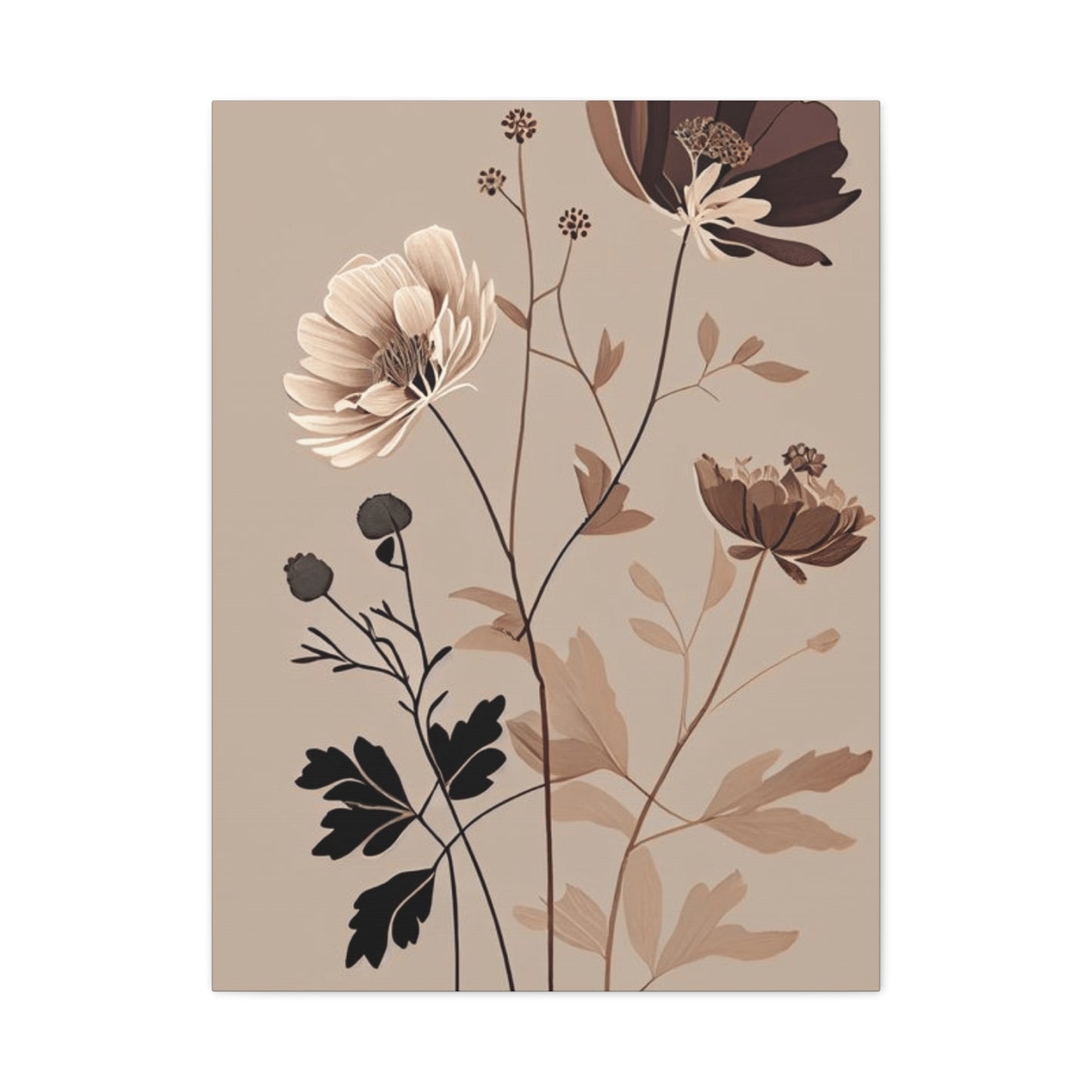
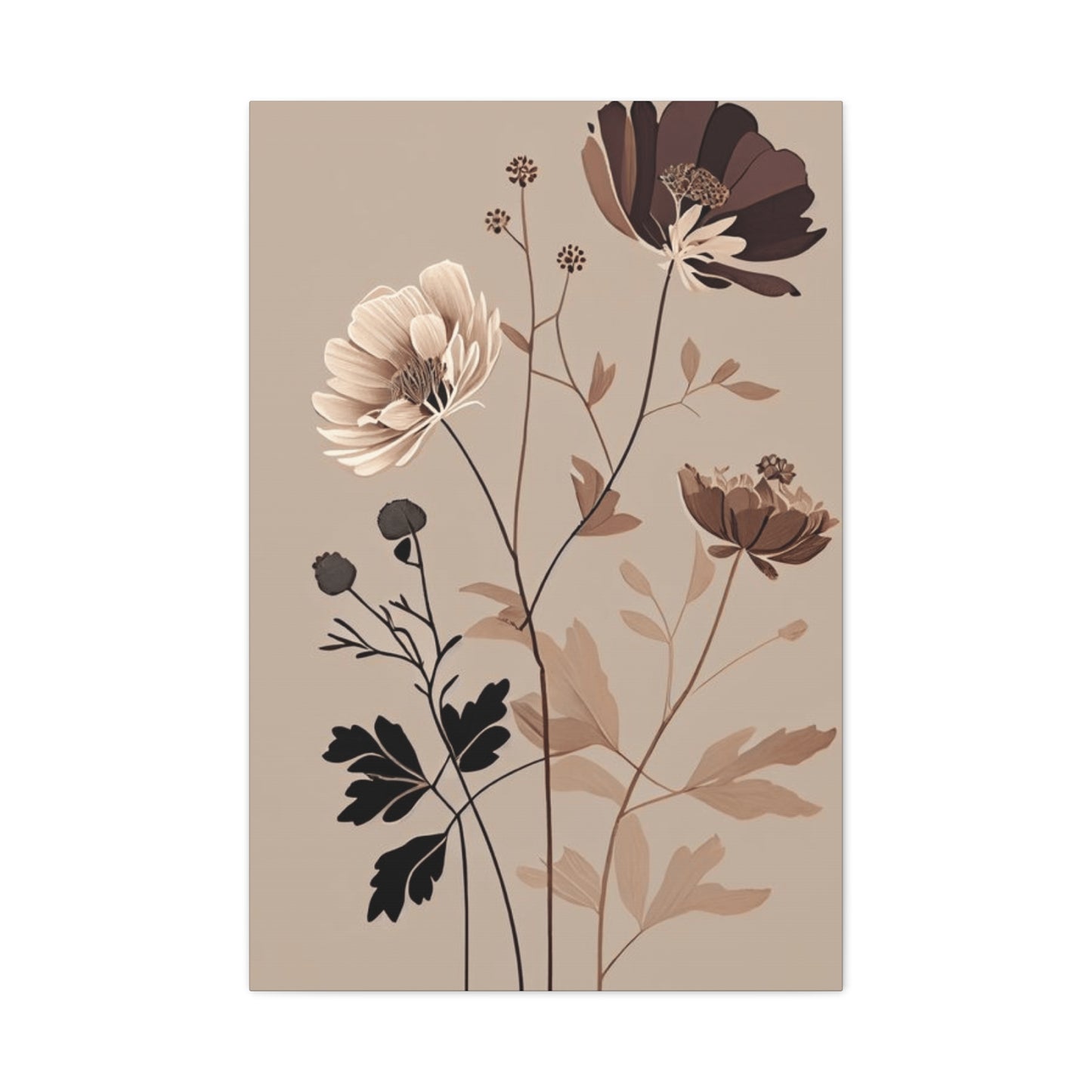
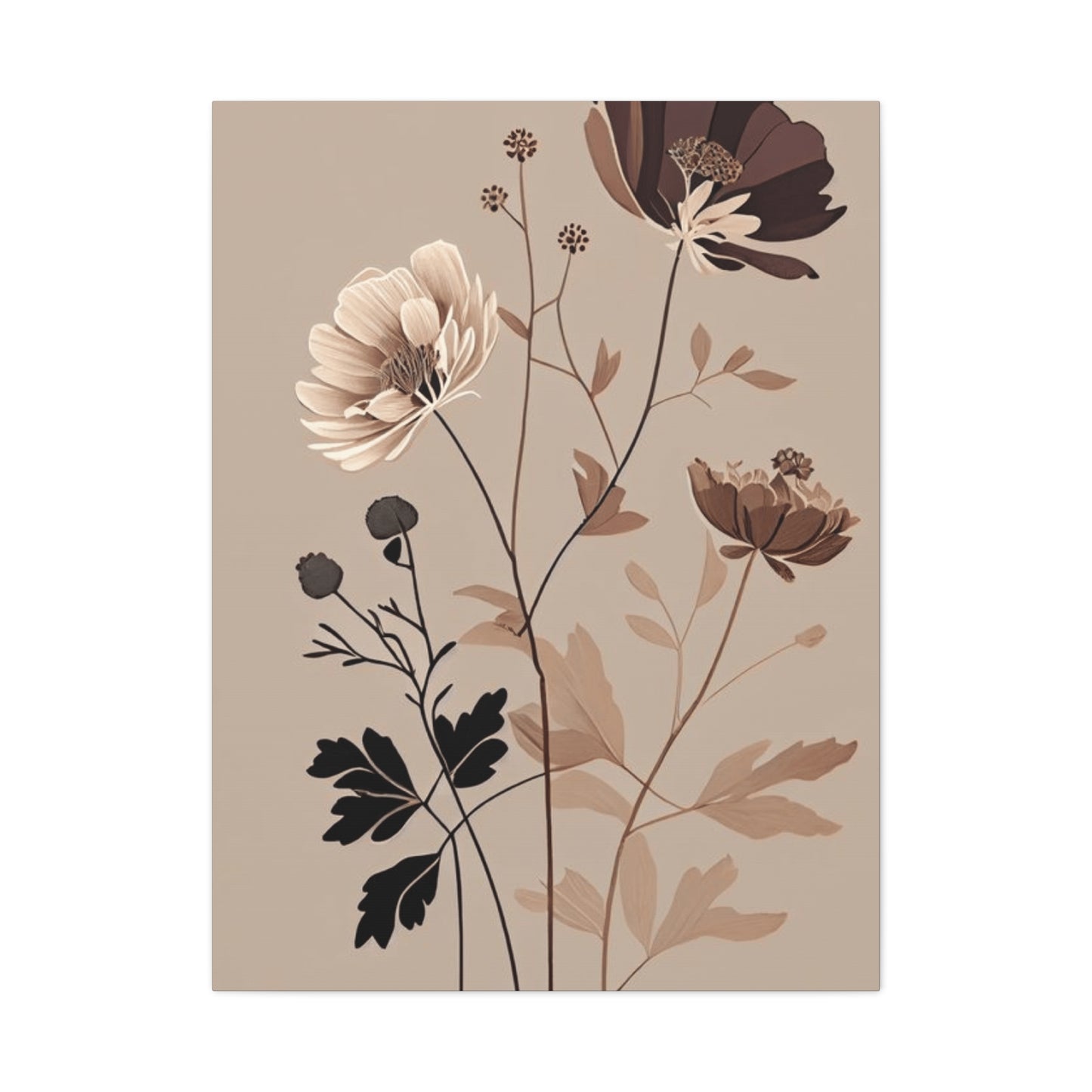
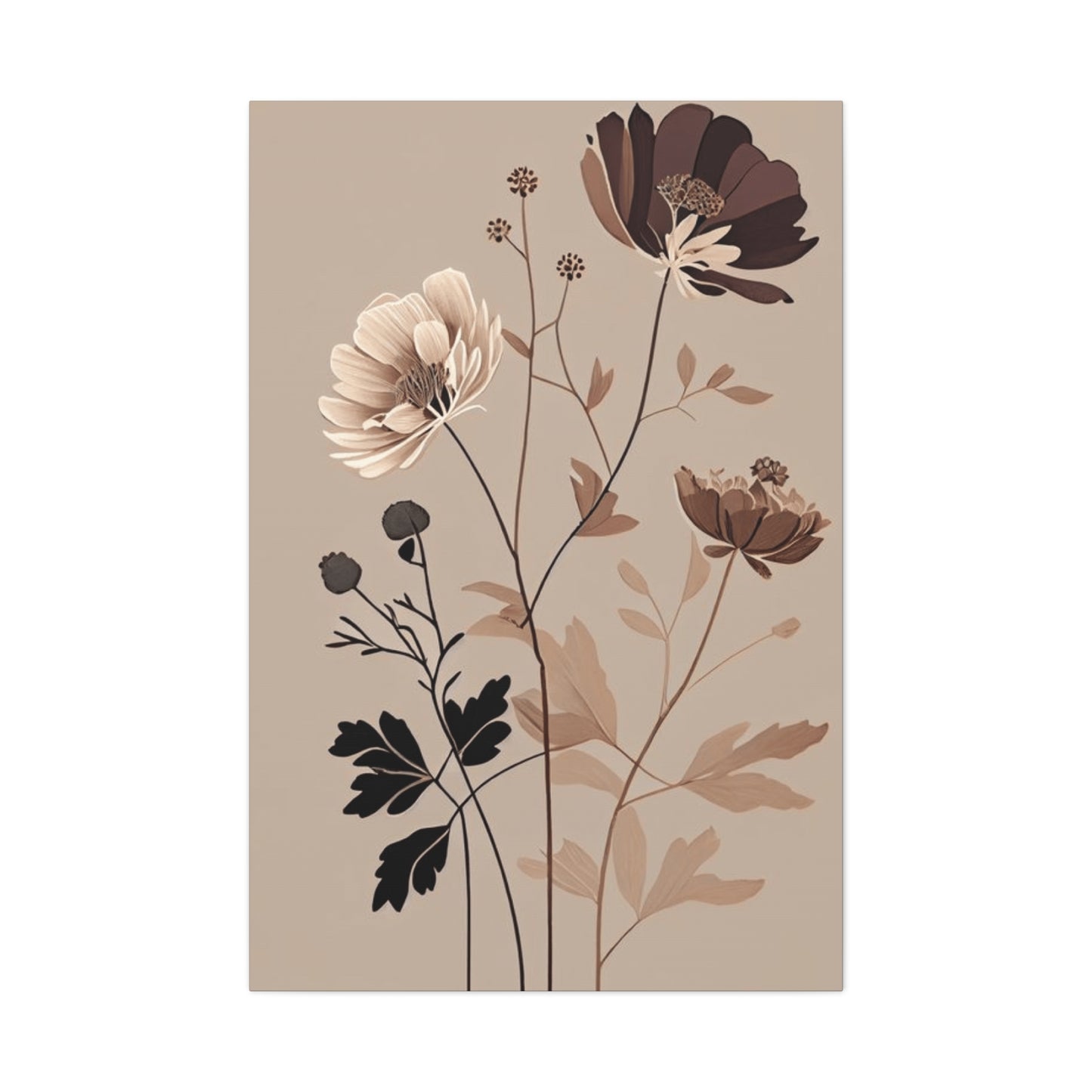
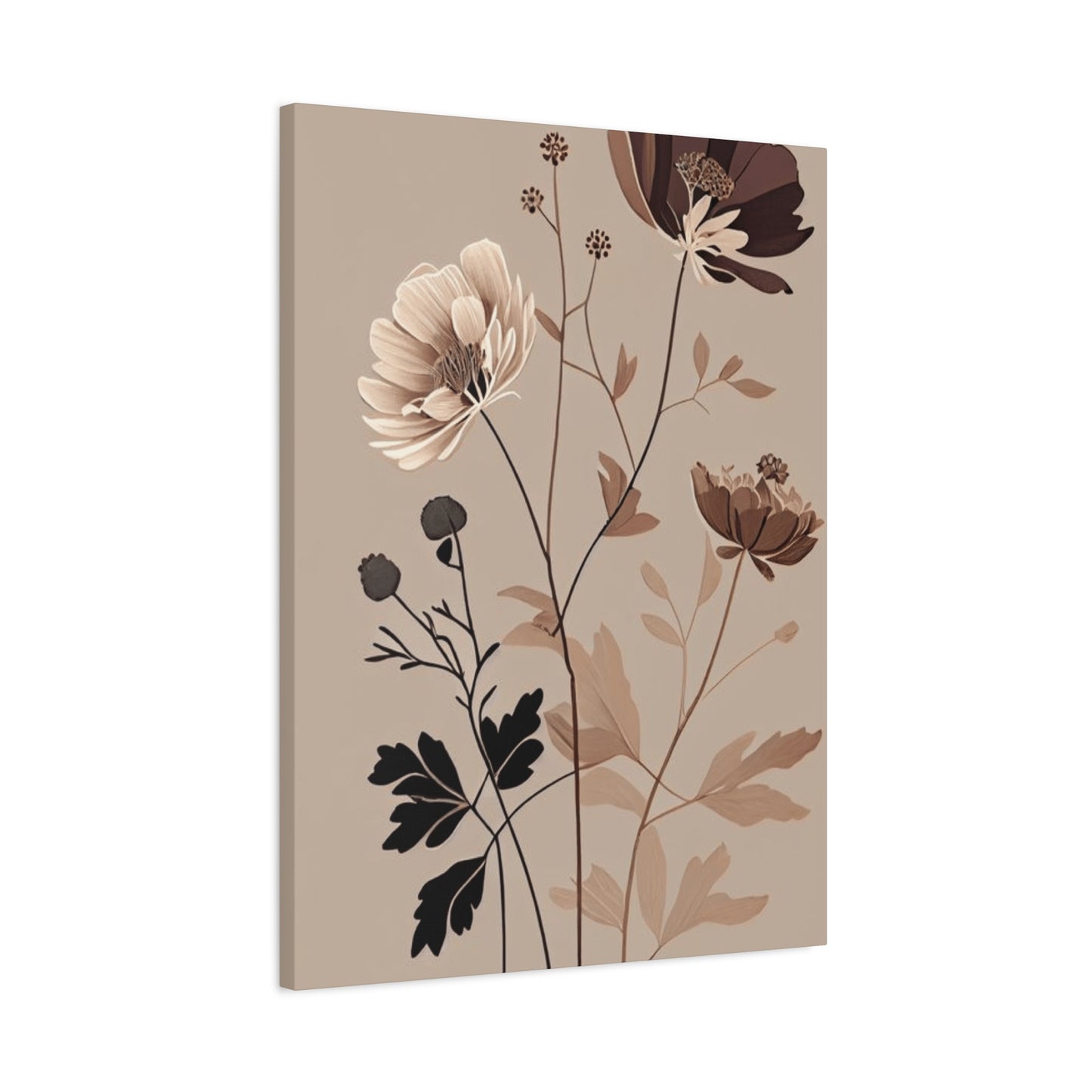
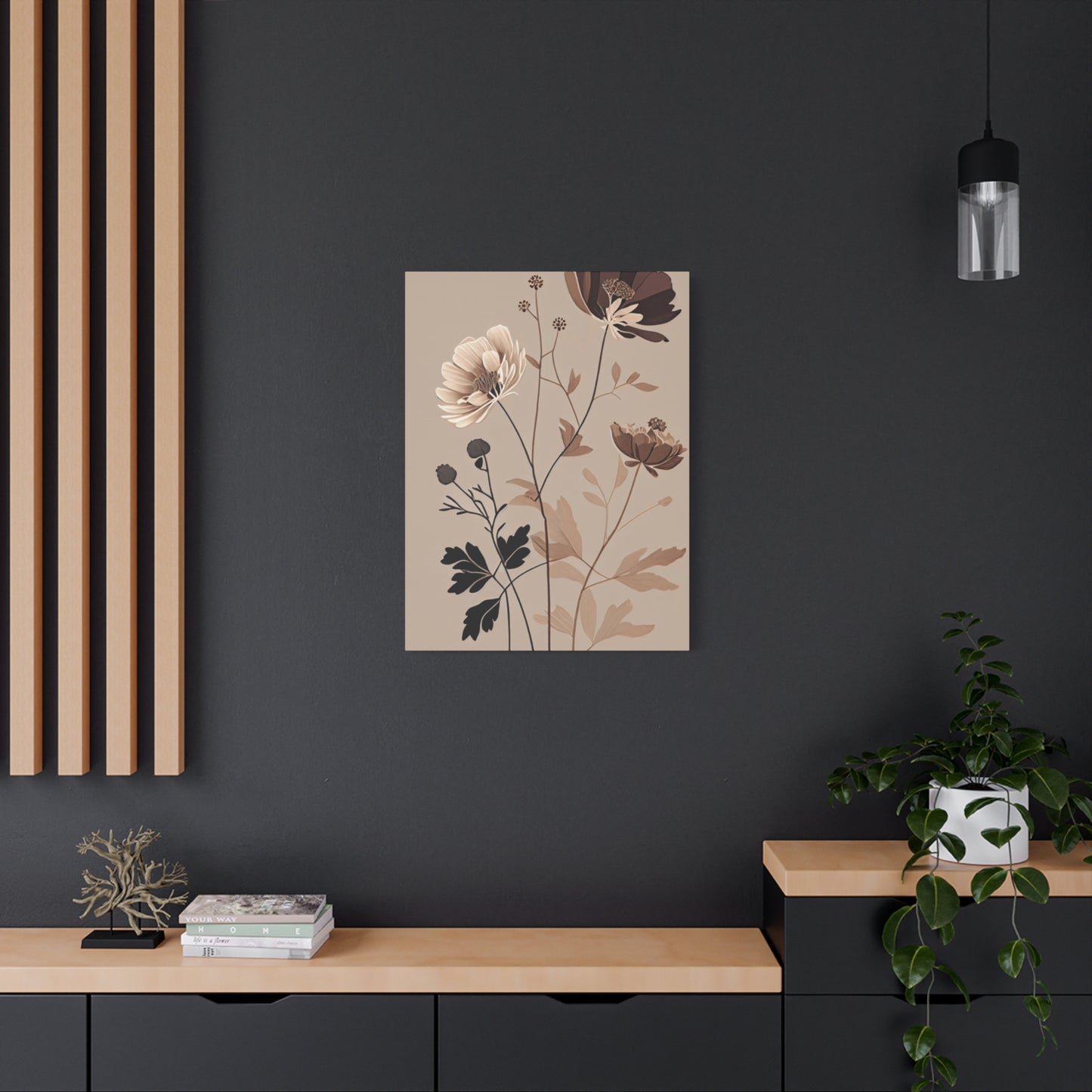
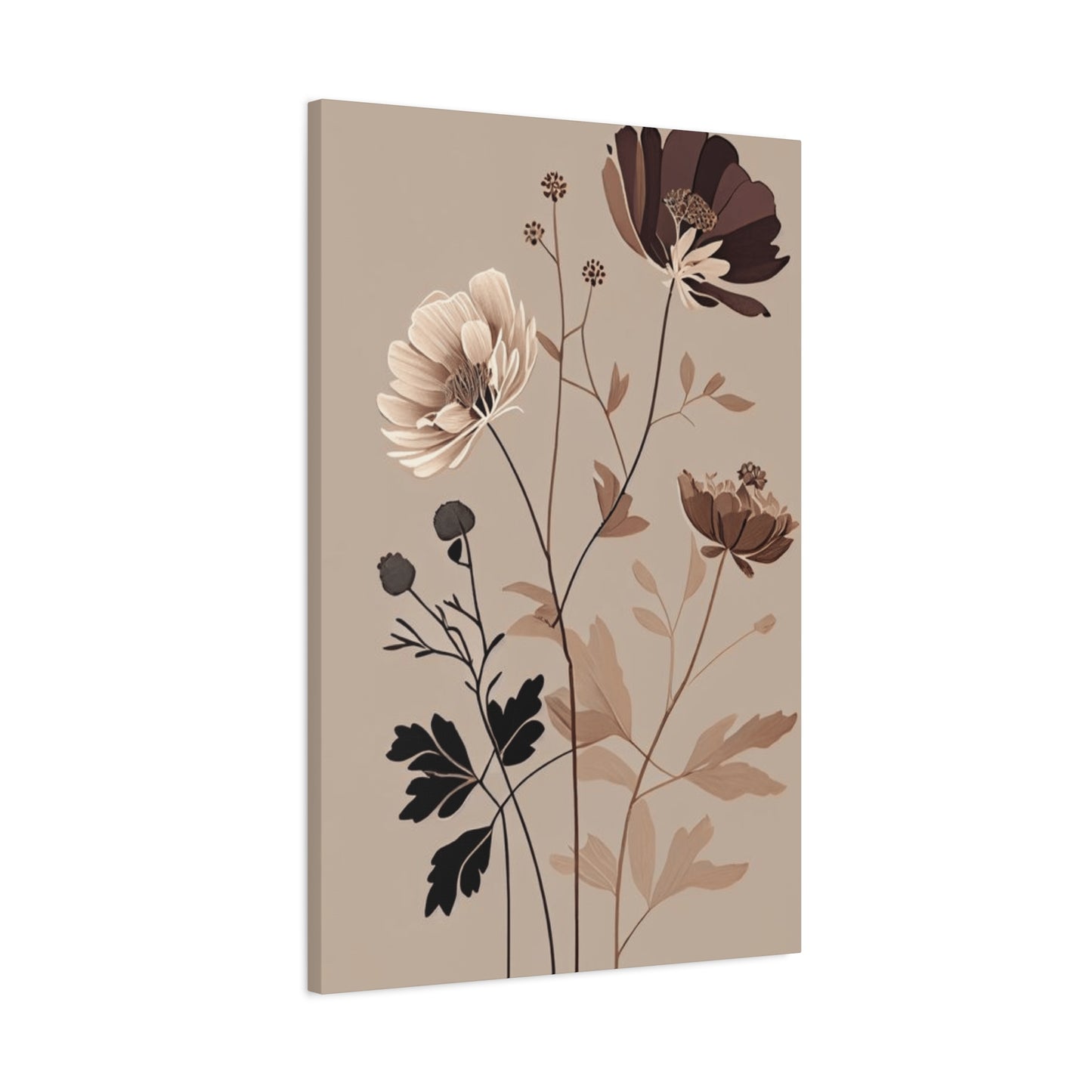
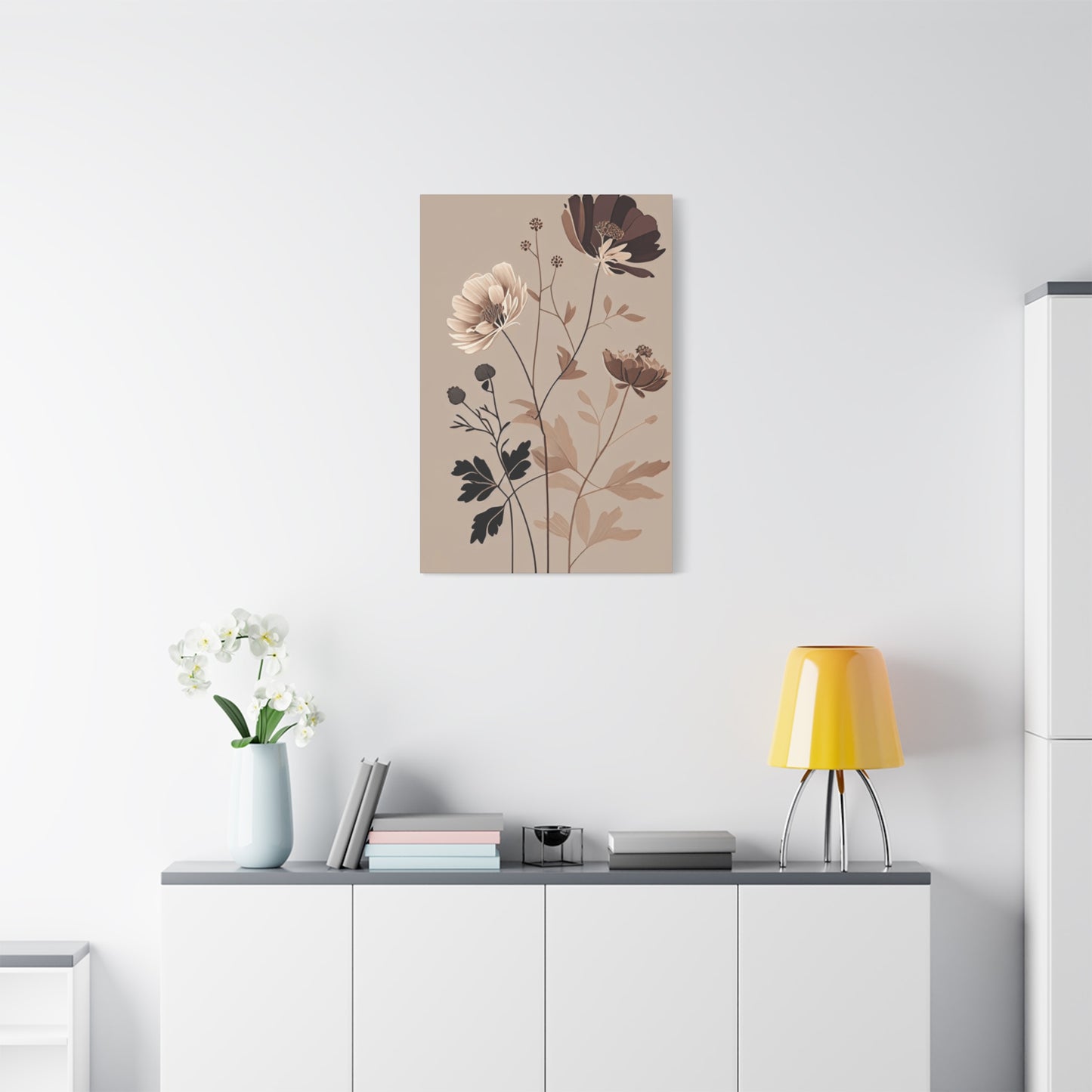
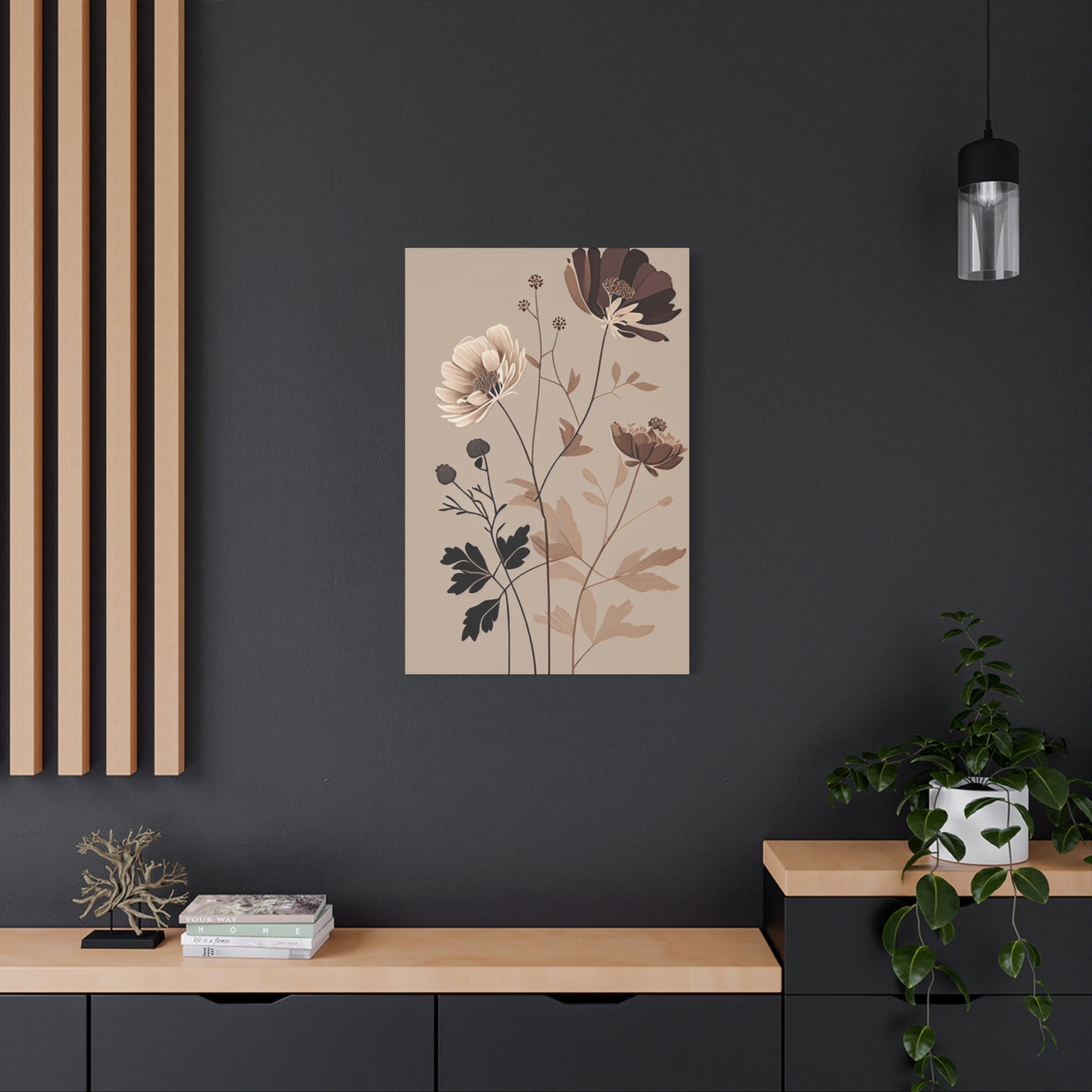
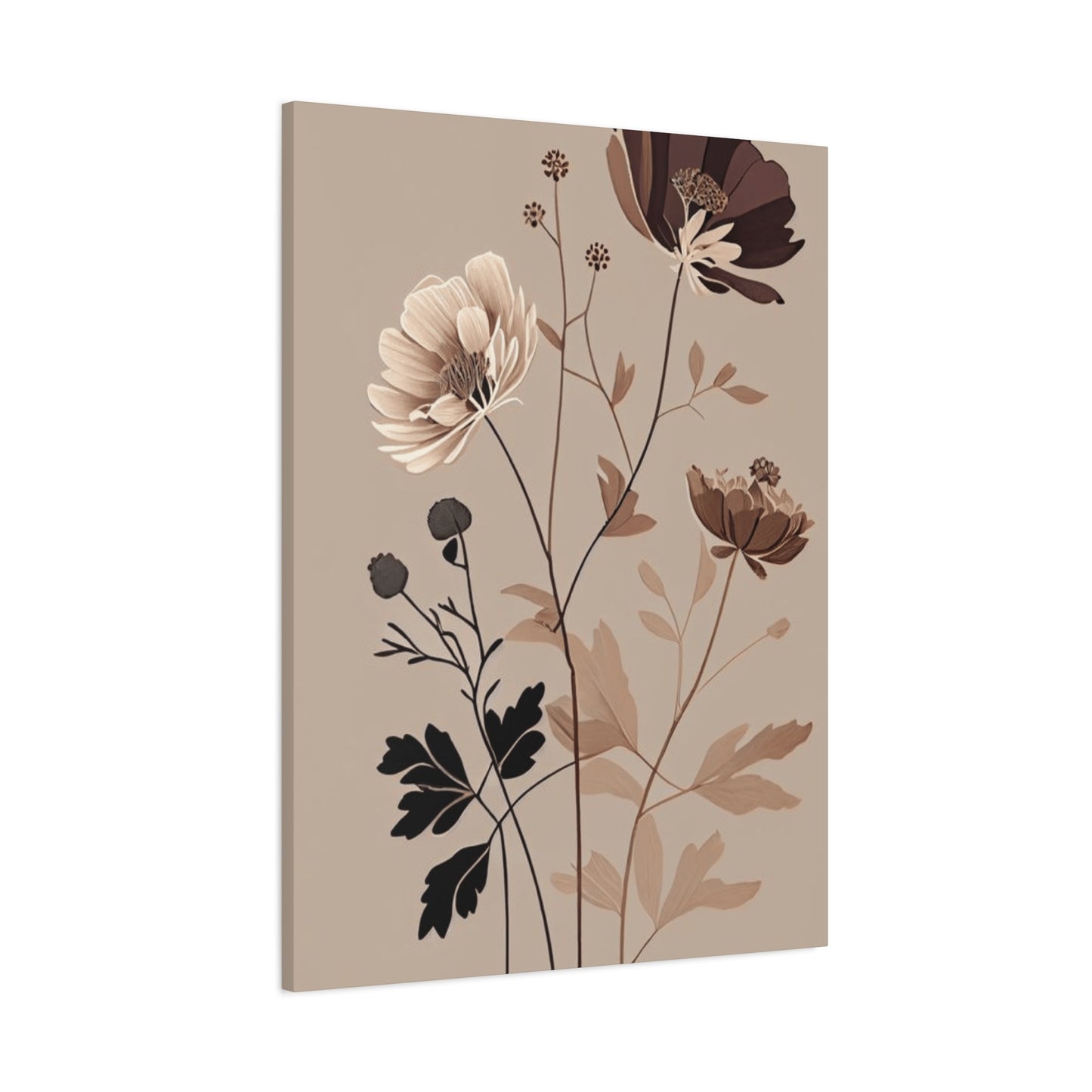
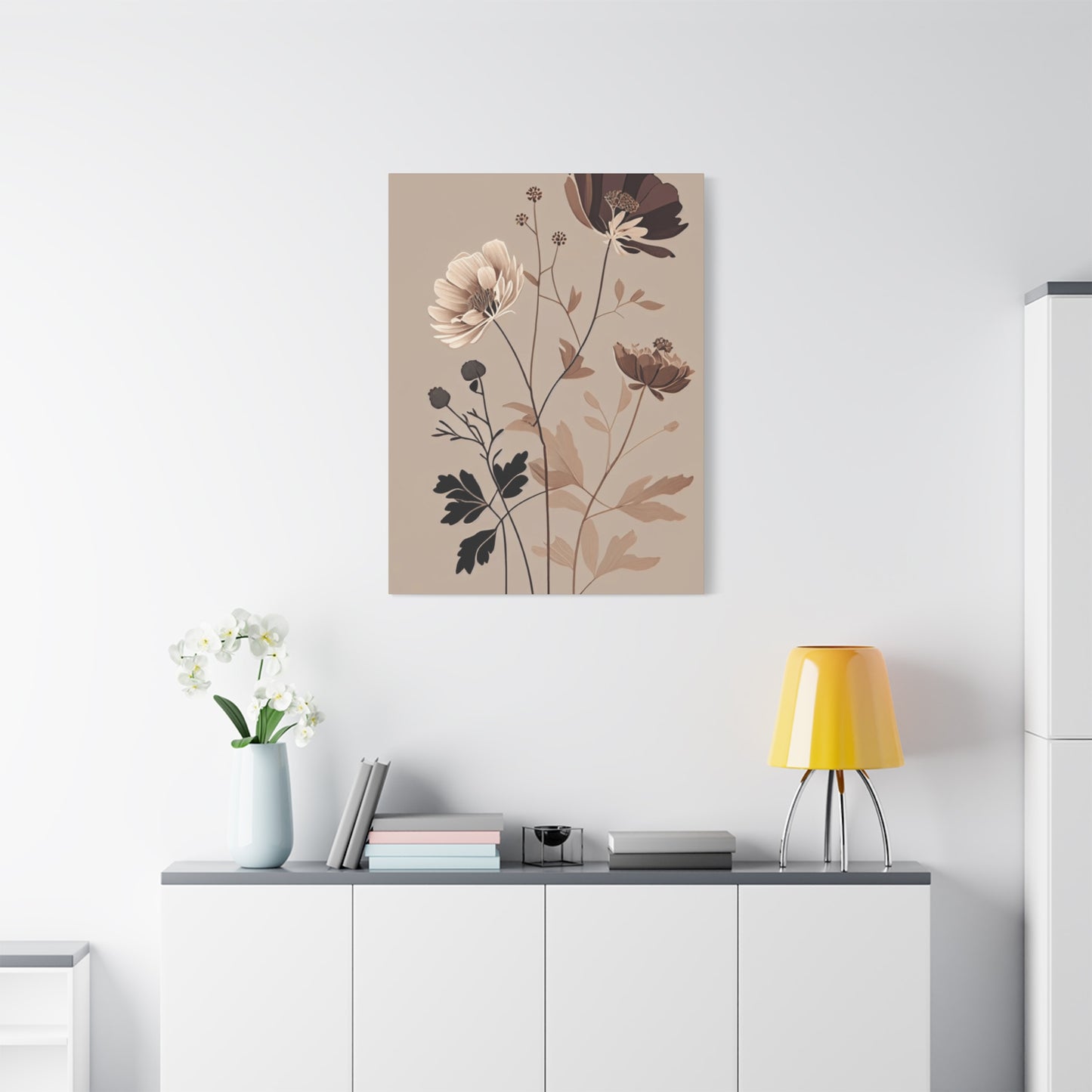
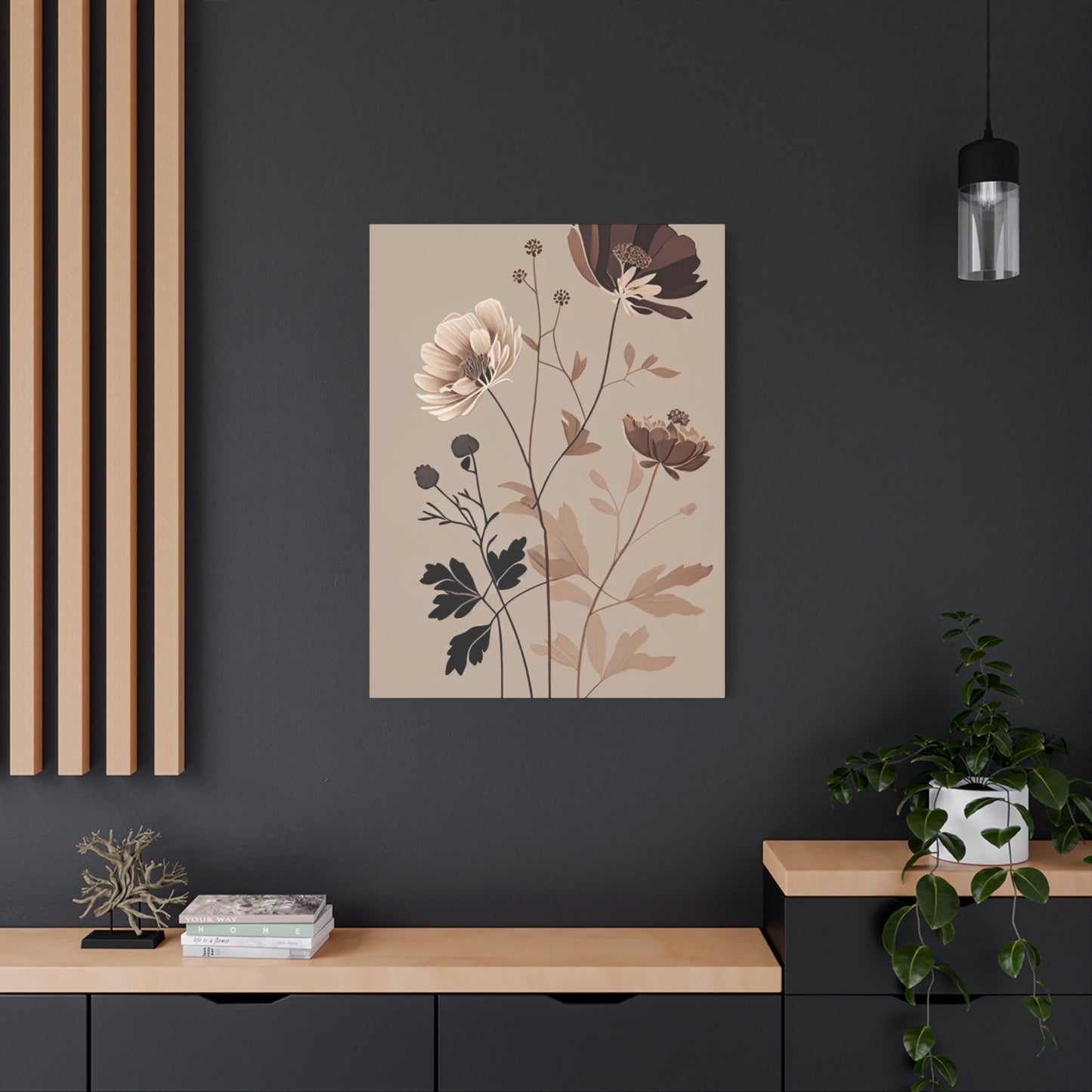
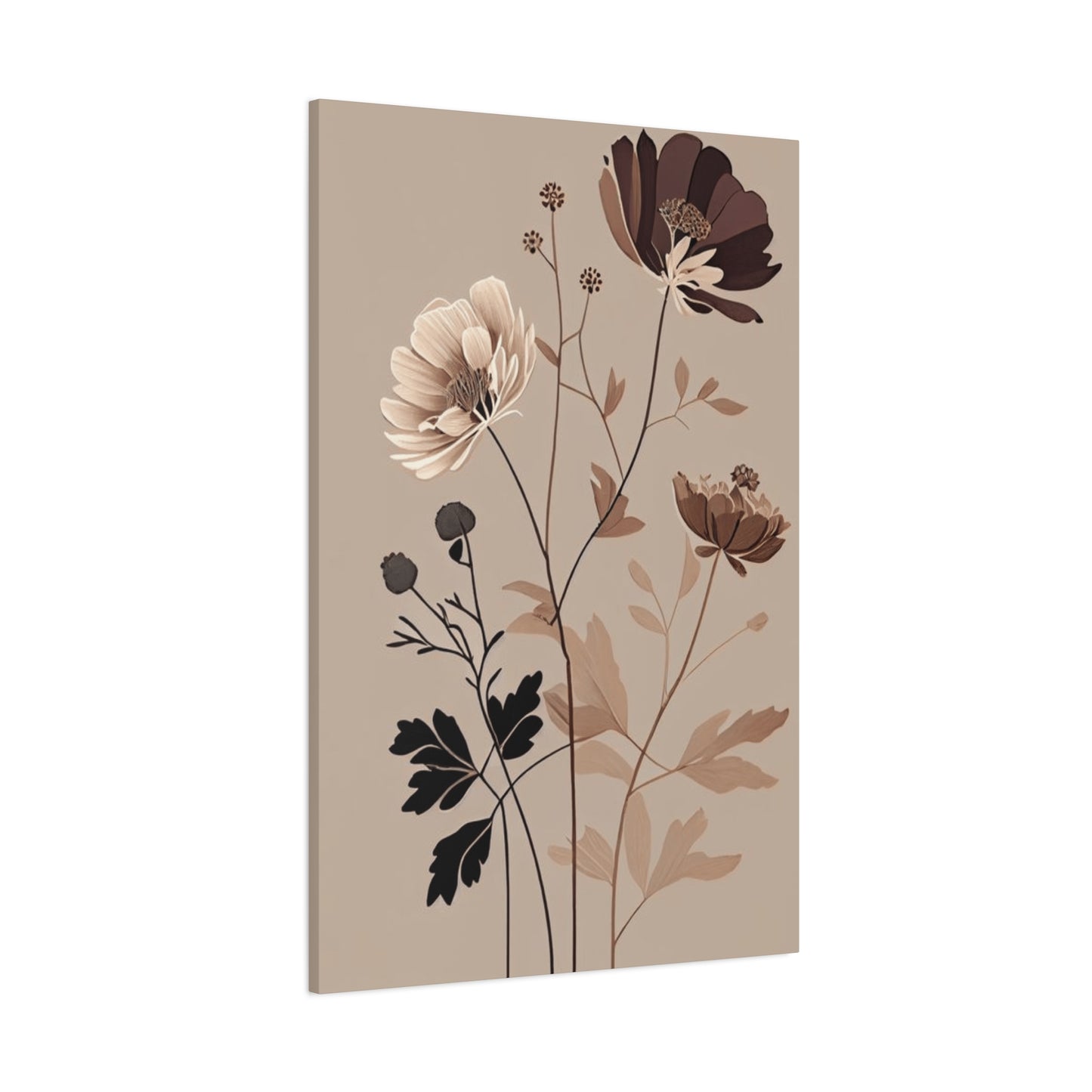
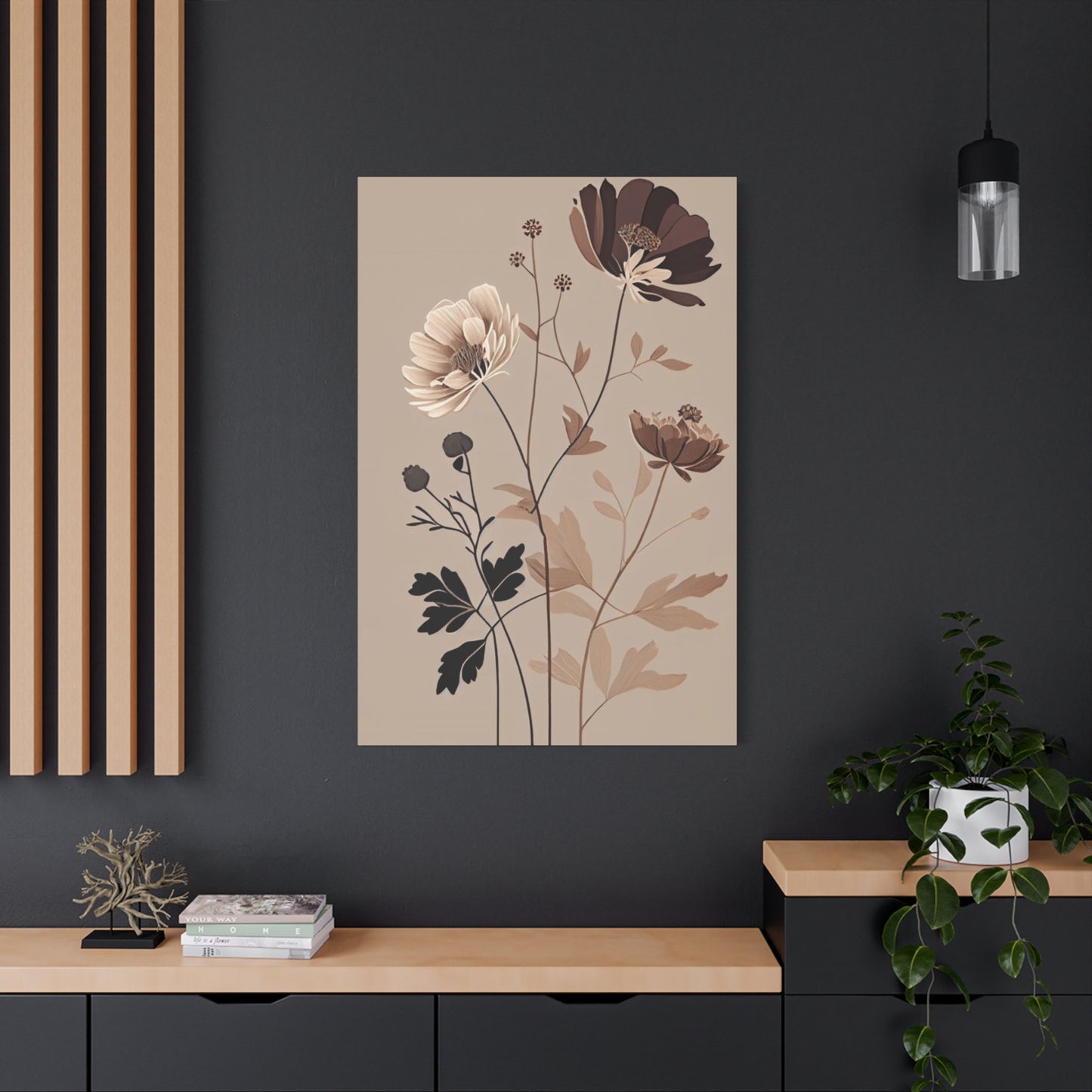
Artistic Floral Painting Wall Art & Canvas Prints
Artistic Floral Painting Wall Art & Canvas Prints
Couldn't load pickup availability
Breathtaking Artistic Floral Painting Wall Art: Discovering Creative Expressions Through Botanical Canvas Masterpieces
Artistic floral painting wall art represents one of humanity's most enduring forms of creative expression, capturing the ephemeral beauty of nature's botanical wonders on canvas, paper, and various other mediums. Throughout centuries, artists have been mesmerized by the delicate petals, vibrant colors, and intricate patterns found in flowers, translating these natural marvels into stunning visual compositions that grace homes, galleries, and public spaces worldwide. The journey of botanical artistry encompasses diverse styles ranging from hyperrealistic representations that mirror photographic precision to abstract interpretations that capture the essence and emotional resonance of floral subjects rather than their literal appearance.
The profound connection between human consciousness and floral imagery runs deeper than mere aesthetic appreciation. Flowers symbolize countless concepts across different cultures—love, remembrance, celebration, mourning, rebirth, and spiritual enlightenment. When these symbols manifest through artistic creation, they become powerful vehicles for communication, transcending linguistic barriers and speaking directly to our emotional core. Contemporary interior designers and homeowners increasingly recognize the transformative potential of artistic floral painting wall art, understanding how these pieces can dramatically alter the atmosphere, mood, and perceived dimensions of living spaces.
Exploring Various Styles Within Botanical Canvas Creations
The realm of artistic floral painting wall art encompasses an extraordinary spectrum of stylistic approaches, each offering distinct visual languages and emotional impacts. Impressionistic floral works emphasize light, color, and movement, capturing fleeting moments in gardens where sunlight dances across petals and leaves shimmer in gentle breezes. These paintings often feature visible brushstrokes and a luminous quality that seems to pulse with life, inviting viewers to experience the sensory richness of being present in blooming gardens.
Realistic botanical illustrations demand meticulous attention to anatomical accuracy, documenting every vein, stamen, pistil, and subtle color gradation with scientific precision. These works serve dual purposes as both artistic achievements and educational resources, allowing observers to study plant structures in exquisite detail. The tradition of botanical illustration stretches back centuries, when artists accompanied explorers on expeditions to document newly discovered species, creating visual records that remain valuable to botanists and horticulturists today.
Abstract floral compositions liberate artists from representational constraints, using flowers as springboards for explorations of color relationships, gestural mark-making, and emotional expression. In these works, recognizable floral forms may dissolve into sweeping color fields, energetic brushstrokes, or geometric patterns that evoke rather than depict botanical subjects. Such pieces often resonate with viewers on subconscious levels, triggering emotional responses through pure visual dynamics rather than narrative content.
Watercolor floral paintings possess a distinctive ethereal quality, with transparent washes creating luminous, atmospheric effects that seem almost to glow from within. The unpredictable nature of watercolor—how pigments flow, blend, and settle on paper—introduces elements of spontaneity and happy accident that can yield breathtakingly delicate results. Many artists prize this medium for capturing the fragile, transient nature of blossoms, whose brief lifespan makes them poignant symbols of beauty's impermanence.
Contemporary mixed-media approaches combine traditional painting with collage, digital elements, textural additives, and unconventional materials, creating multidimensional works that engage viewers tactilely as well as visually. Artists might incorporate actual pressed flowers, metallic leafing, fabric fragments, or three-dimensional components that project from the picture plane, blurring boundaries between painting and sculpture. These innovative pieces reflect our current era's interdisciplinary creative spirit and willingness to challenge conventional definitions of what constitutes painting.
Selecting Complementary Botanical Artwork For Diverse Interior Environments
Choosing appropriate artistic floral painting wall art for specific spaces requires careful consideration of multiple factors including room dimensions, existing color palettes, furniture styles, lighting conditions, and the psychological atmosphere you wish to cultivate. Large-scale floral canvases can serve as commanding focal points in spacious living rooms or dining areas, drawing the eye immediately upon entering and establishing the room's aesthetic tone. These statement pieces work particularly well above sofas, mantels, or credenzas, where they occupy prominent wall space without competing for attention with other decorative elements.
Smaller floral paintings excel in creating gallery wall arrangements, where multiple pieces of varying sizes create dynamic, curated collections that tell visual stories. When assembling such displays, consider not just individual artwork merits but how pieces dialogue with each other—repeating certain colors across different works creates cohesion, while varying styles or subjects maintains visual interest and prevents monotony. The spacing between frames significantly impacts the overall effect; closer groupings create intimate, dense displays, while generous spacing produces more breathing room and contemporary flair.
Bedroom environments benefit from artistic floral painting wall art that promotes tranquility and restful contemplation. Soft pastels, muted tones, and gentle compositions featuring delicate blooms like cherry blossoms, peonies, or lavender encourage relaxation and peaceful mental states conducive to restorative sleep. Conversely, home offices and creative workspaces might embrace more vibrant, energetic floral pieces in bold oranges, magentas, or electric blues—colors that stimulate mental alertness, creative thinking, and productive energy.
Bathrooms present unique opportunities for incorporating botanical artwork, particularly in spa-like settings designed for rejuvenation and self-care. Moisture-resistant prints or properly sealed canvases featuring tropical flowers, succulents, or aquatic plants complement the room's function while withstanding humid conditions. The organic curves and natural themes of floral art particularly suit bathrooms, where we seek connections with nature's restorative qualities.
Kitchen and dining spaces traditionally welcome fruit and flower still life paintings, a convention with roots in Dutch Golden Age masterworks. Contemporary interpretations might feature farmers' market bouquets in mason jars, wildflower meadow scenes, or herb garden closeups that celebrate culinary and horticultural pleasures. These images subconsciously enhance dining experiences, connecting meals with agricultural origins and seasonal rhythms that our increasingly urbanized lifestyles often obscure.
Understanding Color Psychology Within Floral Visual Compositions
The chromatic choices within artistic floral painting wall art profoundly influence viewer perception and emotional response, making color selection paramount when choosing pieces for specific environments. Red floral paintings pulsate with passion, vitality, and dramatic intensity—think crimson roses, scarlet poppies, or ruby dahlias that command attention and elevate heart rates. These works inject spaces with excitement and energy, making them suitable for entertainment areas, exercise rooms, or anywhere you want to create stimulating, socially vibrant atmospheres.
Pink blossoms evoke romance, tenderness, and gentle joy, from blushing cherry branches to fuchsia bougainvillea cascades. The spectrum of pinks—from barely-there blush to saturated magenta—offers nuanced emotional registers. Pale pinks whisper of innocence and delicacy, perfect for nurseries or meditation spaces, while hot pinks shout confidence and playfulness, enlivening contemporary interiors with youthful exuberance. Pink floral art particularly resonates in spaces dedicated to self-care, creativity, and emotional connection.
Blue flowers possess an inherent rarity in nature, making azure blooms like delphiniums, hydrangeas, and morning glories particularly captivating subjects. Blue's psychological effects include promoting mental clarity, reducing anxiety, and encouraging contemplative states. Artistic floral painting wall art dominated by cool blues works beautifully in bedrooms, bathrooms, and reading nooks—anywhere tranquility and mental peace take priority. The color's association with sky and water connects viewers with vast natural elements, expanding perceived spatial boundaries.
Yellow floral compositions radiate optimism, intellectual energy, and sunny cheerfulness. Sunflowers, daffodils, and golden poppies capture light itself, seeming to illuminate spaces from within. Yellow's ability to stimulate mental activity and conversation makes yellow-hued botanical artwork ideal for breakfast nooks, home offices, and creative studios. However, excessive yellow can overstimulate, so balance proves crucial—perhaps pairing predominantly yellow pieces with neutral furnishings and wall colors.
Purple flowers have long symbolized royalty, spirituality, and creative inspiration, from deep violet irises to pale lilac wisteria. Purple's position between warm red and cool blue gives it unique psychological complexity, simultaneously stimulating and calming. Artistic floral painting wall art featuring purple blooms suits creative spaces, meditation rooms, and anywhere you wish to encourage imaginative thinking and spiritual contemplation. The color's relative rarity in nature also lends purple floral art an air of luxury and distinction.
White and cream flowers offer purity, simplicity, and sophisticated elegance. Paintings of magnolias, gardenias, white tulips, or lily of the valley introduce brightness without chromatic intensity, making them versatile additions to virtually any color scheme. White floral art particularly enhances minimalist or Scandinavian-inspired interiors, where it contributes organic warmth without disrupting clean, pared-down aesthetics. The subtle tonal variations within white flowers—ivory, ecru, pearl, alabaster—provide surprising visual richness despite limited color range.
Mastering Proper Display Methods For Canvas Botanical Artwork
Properly presenting artistic floral painting wall art maximizes its visual impact while ensuring longevity and preservation. Hanging height significantly affects viewer experience; general guidelines suggest positioning artwork so its center point sits at approximately 57-60 inches from the floor, roughly eye level for average-height individuals. However, contextual factors should inform adjustments—in rooms with tall ceilings or furniture pieces below the artwork, slightly higher or lower placement may create better visual balance.
Lighting dramatically transforms how we perceive paintings, with proper illumination revealing colors, textures, and details that poor lighting obscures. Natural daylight offers ideal viewing conditions but requires careful management to prevent UV damage and fading. Position floral paintings perpendicular to windows rather than directly opposite them, and consider UV-filtering glass or acrylic glazing for valuable pieces. Avoid direct sunlight, which accelerates pigment deterioration and can cause irreversible damage over time.
Artificial lighting should illuminate artwork evenly without creating glare or hotspots. Picture lights mounted above frames provide focused illumination that highlights artworks without lighting entire rooms. Track lighting offers flexibility, allowing adjustment of individual fixtures to accommodate multiple pieces or changing displays. For gallery walls or important singular works, consider adjustable LED spotlights, which provide excellent color rendering while generating minimal heat that could damage paintings.
Framing choices profoundly impact how artistic floral painting wall art integrates with surrounding décor. Traditional ornate frames suit classical botanical illustrations and realistic floral paintings, their decorative elements echoing the organic curves and patterns within the artwork. Contemporary pieces often benefit from clean-lined frames in natural wood, sleek black, or metallic finishes that complement rather than compete with the art. Some modern paintings look striking with no frames at all, their painted edges becoming part of the composition in gallery-wrapped presentations.
Matting creates breathing room between artwork and frame, preventing visual crowding and drawing focus toward the image. Archival-quality mats in neutral tones—cream, white, or subtle gray—suit most floral paintings, though adventurous choices like deep charcoal or navy can create dramatic effects with the right pieces. Mat width affects perceived scale; wider mats lend importance and formality, while narrow or absent mats feel more casual and contemporary.
Discovering Emerging Artists Specializing In Botanical Visual Expression
The contemporary art world teems with talented creators producing exceptional artistic floral painting wall art, many operating outside mainstream gallery systems through online platforms, studio sales, and art fair circuits. Seeking work from emerging artists offers multiple benefits—more affordable price points than established names, opportunities to acquire unique pieces before artists gain wider recognition, and the satisfaction of directly supporting working creators. The internet has democratized art discovery, allowing collectors to find artists whose work resonates personally regardless of geographic distance.
Online marketplaces specifically curated for original artwork connect buyers with thousands of independent artists worldwide. These platforms typically allow searching by style, subject matter, color palette, and price range, simplifying the process of finding pieces that match specific criteria. Many sites include artist statements and process descriptions, providing context that deepens appreciation and understanding. Reading about why an artist chose particular subjects or how specific pieces came into being enriches the ownership experience beyond pure visual pleasure.
Social media platforms, particularly image-focused networks, have become crucial tools for artists promoting their work and connecting with potential collectors. Following botanical artists whose aesthetic appeals to you provides regular inspiration and opportunities to witness creative processes through progress shots and studio glimpses. Many artists announce new work availability, special promotions, or open studio events exclusively through social channels, rewarding engaged followers with first access.
Local art festivals, open studio tours, and community exhibitions offer chances to view artistic floral painting wall art in person, experiencing scale, texture, and color accuracy that digital reproductions cannot fully convey. Meeting artists face-to-face allows discussion of their inspirations, materials, and working methods, creating personal connections that transform artwork from mere decoration into meaningful acquisitions with stories and relationships attached. Supporting local artists also strengthens community cultural ecosystems and keeps artistic revenue within regional economies.
Commission work provides opportunities to acquire custom artistic floral painting wall art tailored precisely to your specifications regarding size, color palette, specific flowers, and stylistic approach. Collaborating with artists on bespoke pieces ensures perfect integration with existing décor while creating truly one-of-a-kind works unavailable elsewhere. The commission process typically involves preliminary sketches or digital mockups for approval before final execution, allowing input while respecting artists' creative vision and expertise.
Art rental programs and subscription services offer alternatives to outright purchase, allowing rotation of different pieces seasonally or when aesthetic preferences evolve. These arrangements particularly suit people who enjoy variety, those uncertain about committing to specific pieces long-term, or renters unable to invest heavily in permanent collections. Some services eventually allow purchasing displayed pieces, functioning as extended try-before-you-buy arrangements.
Preserving And Protecting Painted Floral Canvases Over Extended Periods
Proper stewardship ensures artistic floral painting wall art retains its beauty and value across decades or even generations. Environmental conditions critically impact painting longevity; stable temperature and humidity levels prevent the expansion and contraction cycles that stress canvas and paint layers, potentially causing cracking, flaking, or delamination. Aim for consistent temperatures between 65-75°F and relative humidity around 40-50%. Avoid hanging paintings near heating vents, air conditioning units, fireplaces, or exterior walls prone to temperature fluctuations.
Dust accumulation dulls colors and can abrade delicate paint surfaces over time. Gentle regular cleaning with soft, dry brushes or microfiber cloths removes surface dust without damaging paint layers. Never use water, cleaning solutions, or compressed air, which can drive particles into paint crevices or introduce moisture. For valuable pieces or those with delicate surfaces, consider professional conservation cleaning every few years to maintain optimal appearance and condition.
Smoke, whether from tobacco, candles, or cooking, deposits invisible films that gradually discolor paintings, particularly lighter tones that yellow noticeably. Kitchen proximity exposes artwork to airborne grease particles that attract dust and create sticky residues difficult to remove without professional intervention. If displaying artistic floral painting wall art near potential smoke sources, ensure excellent ventilation and consider protective glazing that can be cleaned without touching paint surfaces.
Insurance documentation protects against financial loss from theft, damage, or disaster. Photograph artwork from multiple angles under good lighting, including any signatures, certificates of authenticity, and identifying marks. Record purchase prices, dates, artist information, and dimensions. Store this documentation securely off-site or digitally, ensuring accessibility if originals are destroyed. For valuable collections, consult insurance specialists about fine art policies offering broader coverage than standard homeowner's insurance.
Periodic inspection catches developing problems before they become severe. Check for loose canvas, cracking paint, mold or mildew growth, insect damage, or frame deterioration. Early detection allows simpler, less expensive remediation than waiting until problems become extensive. For concerning changes, consult professional conservators rather than attempting DIY repairs that might cause irreversible damage. Conservation specialists possess training and materials for safely addressing structural and surface problems.
When relocating artwork, proper packing prevents damage during transport. Wrap paintings in acid-free tissue paper, never newspaper or materials that might transfer inks or acids. Use corner protectors and sturdy boxes sized appropriately for each piece, filling empty spaces with cushioning materials that prevent shifting. Mark boxes clearly as fragile and note which direction is upright. Climate-controlled transportation protects against extreme temperatures that could harm artwork during moving.
Incorporating Botanical Paintings Within Diverse Design Styles
Artistic floral painting wall art adapts beautifully across interior design styles from traditional to cutting-edge contemporary. In classical and traditional spaces featuring rich wood tones, elaborate moldings, and formal furniture arrangements, realistic botanical illustrations and old-master-style still life paintings feel naturally at home. Ornate gilded frames complement these settings, their decorative details echoing architectural elements and furniture embellishments. Deep, saturated floral paintings in burgundy, forest green, and navy harmonize with traditional color schemes.
Transitional design, which bridges traditional and contemporary sensibilities, welcomes artistic floral painting wall art that balances classical subject matter with modern presentation. Clean-lined frames in brushed metals or simple wood profiles house realistic or impressionistic floral paintings, creating dialogue between familiar subjects and fresh approaches. Color palettes mixing neutrals with strategic accent hues allow floral artwork to provide pops of organic color without overwhelming spaces that favor restraint.
Contemporary interiors characterized by minimalism, clean lines, and neutral color schemes benefit from bold, graphic floral paintings that make definitive statements without clutter. Large-scale abstractions featuring singular blooms dramatically enlarged, high-contrast black-and-white botanical photographs, or geometric interpretations of floral forms complement spare contemporary aesthetics. These pieces prove that floral subject matter need not imply fussiness or excessive decoration when executed with modern sensibilities.
Industrial-style spaces with exposed brick, metal fixtures, and rough-hewn wood gain surprising softness from artistic floral painting wall art, which provides organic counterpoint to hard materials and utilitarian objects. Urban loft dwellers often embrace this juxtaposition, selecting oversized contemporary floral paintings that hold their own against challenging architectural elements. The contrast between delicate botanical subjects and gritty industrial contexts creates dynamic visual tension that enlivens spaces.
Bohemian and eclectic interiors thrive on mixing patterns, colors, and styles, making them ideal showcases for diverse collections of artistic floral painting wall art. Gallery walls combining various floral styles, periods, and frame treatments create curated chaos that reflects bohemian celebration of individuality and creative freedom. Vibrant colors, global influences, and unexpected combinations define this approach, where conventional design rules yield to personal expression.
Scandinavian design emphasizes simplicity, functionality, and connection with nature, making understated floral artwork a natural fit. Watercolor botanical studies, minimalist line drawings of flowers, or photographs of wildflowers complement pale wood furnishings and white-dominated color schemes. Frames in natural oak or birch and mat boards in soft cream or pale gray maintain the light, airy quality Scandinavian interiors prize.
Farmhouse and cottage styles with their emphasis on rustic charm and cozy comfort embrace artistic floral painting wall art depicting garden favorites, wildflower meadows, and homey floral arrangements. Distressed wooden frames, vintage botanical prints, and paintings featuring mason jar bouquets or weathered garden tools align with farmhouse aesthetics. Soft, romantic color palettes in sage green, dusty rose, and creamy white enhance the nostalgic, welcoming atmosphere these styles cultivate.
Exploring Various Mediums Within Floral Artistic Creation
Artistic floral painting wall art encompasses numerous mediums beyond traditional oil and acrylic paints, each offering distinct visual characteristics and expressive possibilities. Oil painting remains prestigious, valued for luminous color intensity, smooth blending capabilities, and archival permanence when properly executed. Oil's slow drying time allows extensive manipulation, enabling artists to achieve subtle gradations and complex color relationships. The medium's rich tradition—from Dutch masters to Impressionists—lends oil floral paintings historical gravitas and timeless appeal.
Acrylic paints offer versatility and convenience, drying rapidly to permanent, water-resistant films. Artists can apply acrylics in thin, watercolor-like washes or thick, impasto layers resembling oil paint. This medium's flexibility suits both realistic and abstract approaches. Modern acrylics rival oils in vibrancy and longevity while avoiding toxic solvents and lengthy drying times. Many contemporary artists favor acrylics for large-scale works where quick drying and minimal odor provide practical benefits.
Watercolor's transparency and luminosity create ethereal effects particularly suited to botanical subjects. The medium demands confidence since corrections prove difficult once paint touches paper. This immediacy produces spontaneous, fresh qualities as pigments flow, blend, and settle in ways partially beyond artist control. Traditional watercolor technique builds lights to darks, preserving paper white for highlights. The resulting paintings possess delicate, atmospheric beauty perfect for capturing flowers' ephemeral grace.
Gouache combines watercolor's water-solubility with opacity similar to acrylics, producing matte, velvety surfaces with intense, flat colors. This medium excels for graphic, stylized floral paintings and illustration work. Gouache's matte finish eliminates glare concerns when photographing or scanning artwork, making it popular with commercial illustrators. The medium's smooth, even coverage suits decorative and pattern-focused approaches to artistic floral painting wall art.
Pastel, whether soft, hard, or oil-based, applies pigment directly without liquid mediums, producing richly saturated, velvety surfaces. Soft pastels blend beautifully for realistic rendering or bold, expressionistic mark-making. The medium's immediacy—no brush separates hand from pigment—creates intimate, tactile relationships between artist and creation. Finished pastel paintings require protective framing with spacers preventing surface contact with glazing.
Ink drawing techniques from delicate pen work to bold brush strokes produce striking monochromatic or limited-palette floral artwork. Sumi-e, the Japanese ink painting tradition, captures botanical subjects' essential spirit through minimal, gestural brushstrokes. Contemporary ink artists explore diverse approaches from hyper-detailed botanical studies to loose, expressive interpretations. Ink's permanence and graphic impact create artwork with timeless, iconic quality.
Digital painting increasingly contributes to artistic floral painting wall art as sophisticated software replicates traditional media while offering unique possibilities. Digital artists employ pressure-sensitive tablets that respond to gesture and touch like physical brushes. The medium allows infinite experimentation without material waste, easy color adjustment, and printing in various sizes and substrates. Some purists question digital work's authenticity, but growing numbers recognize it as legitimate creative expression requiring substantial skill and artistic vision.
Creating Harmonious Arrangements With Multiple Floral Art Pieces
Displaying multiple works of artistic floral painting wall art together creates visual impact exceeding individual pieces' sum. Successful groupings require attention to unifying elements while maintaining sufficient variety to prevent monotony. Color coordination provides the most obvious connecting thread—selecting pieces sharing key hues creates cohesion even when styles, sizes, or specific subjects differ. A collection united by soft blues, greens, and creams reads as intentionally curated despite potentially including realistic roses, abstract daisies, and impressionistic garden scenes.
Thematic consistency offers another organizing principle—gathering paintings of specific flower types, particular seasons, or shared concepts like wildflowers or cultivated gardens. These themed collections tell visual stories, their combined presence creating narratives more complex than individual works convey. A wall dedicated to paintings of spring blooms—tulips, daffodils, cherry blossoms, magnolias—celebrates seasonal renewal's joyous energy through multiple artistic interpretations.
Stylistic coherence, while effective, isn't mandatory for successful groupings. Eclectic arrangements mixing realistic, abstract, and impressionistic pieces create dynamic visual dialogues where differing approaches energize each other through contrast. The key lies in finding balance—too much similarity becomes repetitive; excessive difference creates chaos. Successful eclectic groupings often share formal elements like color temperature, value range, or compositional structure despite stylistic diversity.
Scale variation within multi-piece displays prevents visual monotony while establishing hierarchy and rhythm. Combining larger focal pieces with smaller supporting works creates visual journeys as eyes travel between prominent and secondary elements. Odd-numbered groupings—particularly threes, fives, and sevens—generally appear more dynamic than even numbers. The classic trio arrangement with one large central piece flanked by two smaller works provides foolproof visual balance.
Frame consistency unifies diverse artistic floral painting wall art into cohesive collections. Identical frames in matching finishes create gallery-like presentation that emphasizes artwork over framing. Alternatively, frames in complementary styles—perhaps varying wood tones but maintaining similar profiles—unite without demanding perfect uniformity. Frameless gallery-wrapped canvases create contemporary, cohesive appearance through consistent presentation method.
Spacing and arrangement geometry significantly impact overall effect. Tight groupings with minimal space between frames create dense, salon-style walls pulsing with energy and visual richness. Generous spacing produces breathing room and contemporary calm, each piece existing in its own territory while contributing to collective effect. Grid arrangements with precise alignment feel orderly and controlled; organic, asymmetrical layouts convey creative spontaneity and casual elegance.
Investigating Symbolic Meanings Behind Common Floral Subjects
Artistic floral painting wall art carries symbolic weight accumulated through centuries of cultural association, religious significance, and literary reference. Understanding these meanings enriches appreciation and informs selection for spaces where particular sentiments feel appropriate. Roses dominate floral symbolism, with meanings varying by color—red signifies passionate love and desire, white represents purity and innocence, pink conveys gentle affection and grace, yellow traditionally meant jealousy though now often suggests friendship and joy. Roses' universal recognition makes them powerful communicators of emotion across cultural boundaries.
Lilies possess rich symbolic history across cultures and religions. Madonna lilies represent purity and appear frequently in Christian religious art associated with the Virgin Mary. Calla lilies suggest magnificent beauty, while tiger lilies convey confidence and wealth. In Chinese culture, lilies symbolize summer and abundance. Oriental lilies' intoxicating fragrance makes them memorable subjects, their dramatic form and spectacular coloring creating commanding artistic presence.
Lotus flowers hold profound spiritual significance, particularly within Buddhism and Hinduism where they symbolize enlightenment, rebirth, and purity. The lotus's growth pattern—rooted in mud, rising through water, blooming pristinely above—represents spiritual journey from worldly concerns toward enlightened consciousness. Artistic floral painting wall art featuring lotus blooms introduces contemplative, spiritual qualities particularly suited to meditation spaces or anywhere reflective atmosphere feels appropriate.
Sunflowers radiate joy, warmth, and devotion, their faces tracking the sun's journey creating associations with loyalty and adoration. Van Gogh's iconic sunflower paintings elevated these humble agricultural flowers to artistic celebrity. Their bold forms, saturated yellows, and positive associations make sunflowers popular subjects for spaces needing cheerful, optimistic energy. Sunflowers also symbolize longevity and good fortune in various cultural traditions.
Cherry blossoms carry profound meaning in Japanese culture where spring's fleeting sakura blooms represent life's transient beauty. The brief flowering period—often just days before petals scatter—creates poignant awareness of time's passage and beauty's impermanence. This consciousness of mono no aware (the pathos of things) lends cherry blossom artwork contemplative depth. In Chinese tradition, cherry blossoms symbolize feminine beauty and love.
Peonies symbolize prosperity, romance, and honor, particularly cherished in Chinese culture where they're called "king of flowers." Lush, abundantly petaled peony blooms suggest wealth and good fortune, making peony artwork popular for spaces where prosperity and success are desired. Their romantic associations—peony bouquets traditionally signified happy marriage—make them meaningful for bedrooms and intimate spaces.
Orchids communicate luxury, beauty, strength, and love. Their exotic appearance and relative rarity in nature create associations with sophistication and refined taste. In Victorian flower language, orchids conveyed luxurious beauty. Chinese tradition associates orchids with integrity, nobility, and friendship. The flowers' sculptural forms and remarkable variety—from tiny miniatures to dramatic large blooms—provide endless artistic inspiration.
Tulips historically symbolize perfect love, though meanings vary by color. Red tulips declare true love, yellow tulips once meant hopeless love but now suggest cheerful thoughts, and purple tulips represent royalty. The tulip's simple, elegant form appeals to artists seeking clean, graphic compositions. Their dramatic role in Tulipmania—the 17th-century Dutch economic bubble—makes tulips curious historical footnotes beyond their aesthetic appeal.
Commissioning Custom Botanical Artwork For Personal Spaces
Commissioning personalized artistic floral painting wall art offers opportunities to acquire pieces precisely tailored to individual preferences, specific spatial requirements, and meaningful personal connections. The process begins by identifying artists whose existing work resonates aesthetically and whose style appropriately suits your vision. Review portfolio pieces carefully, noting not just finished work but range and versatility. Some artists excel within narrow stylistic parameters while others comfortably shift between approaches. Consider whether you want faithful adherence to a demonstrated style or flexibility to explore variations.
Initial consultation establishes project parameters including dimensions, color preferences, specific flowers or gardens to depict, compositional preferences, and intended display location. Providing reference images—photographs of favorite flowers, existing artwork you admire, or even the intended installation space—helps artists understand your vision. Be specific about practical requirements like dominant colors that must coordinate with existing décor, but remain open regarding how artists interpret broader creative direction. Successful collaborations balance clear communication of preferences with respect for artistic expertise and creative freedom.
Budget discussions should happen early and transparently. Custom artwork pricing reflects numerous factors including size, medium, complexity, artist experience, and timeline. Larger pieces require more materials, labor, and often command premium pricing. Detailed realistic work demanding extensive time investment typically costs more than looser, gestural approaches. Established artists with substantial exhibition records and critical recognition price higher than emerging creators. Rush projects may incur additional fees. Request itemized quotes and clarify what's included—shipping, framing, hanging hardware, certificates of authenticity.
Timeline agreements should account for creative process realities. Quality artwork cannot be rushed; adequate time for conception, execution, drying (particularly for oil paintings), and shipping ensures satisfactory results. Typical timelines range from several weeks to several months depending on project scope and artist workload. Establish milestones for preliminary sketches or color studies allowing feedback before substantial work proceeds. Building flexibility into deadlines prevents disappointment if unexpected complications arise.
Contracts protecting both parties should formalize all agreements in writing. Documentation should specify dimensions, medium, subject matter, color palette, timeline, payment schedule, shipping responsibility, reproduction rights, and cancellation policies. Most artists require deposits—often 50%—before beginning work, with balance due upon completion. Clarify whether you're purchasing only physical artwork or also reproduction rights for personal use like holiday cards. Understand revision policies—how many rounds of changes are included and fees for additional modifications.
Progress updates during creation build anticipation and ensure the work develops according to expectations. Many artists provide photographs at key stages—initial drawing, underpainting, mid-point development—allowing course corrections before completion. Respond promptly to these check-ins with clear feedback. If something doesn't align with your vision, speak up early when adjustments remain straightforward rather than waiting until completion when substantive changes may prove impossible.
Final approval before shipping ensures satisfaction. Request high-quality photographs from multiple angles under good lighting. Scrutinize details, color accuracy, and overall composition. Ask questions about anything unclear or concerning. Most artists eagerly address final concerns before shipping, but substantive changes after declaring work complete may incur additional costs. Once approved, arrange payment of remaining balance, insurance, and shipping logistics.
Sourcing Authentic Vintage And Antique Floral Paintings
Acquiring authentic vintage or antique artistic floral painting wall art offers opportunities to own pieces with historical significance, unique character, and potential investment value. Estate sales provide treasure-hunting environments where family collections disperse, sometimes revealing remarkable pieces among household miscellany. Arriving early increases chances of finding quality items before pickers and dealers snap up valuable pieces. Examine artwork carefully—frame backs often reveal labels from galleries, framers, or exhibitions providing provenance information. Don't hesitate to negotiate prices, particularly when purchasing multiple items.
Auction houses from prestigious international establishments to regional companies handle estate liquidations including artwork. Online bidding expands access beyond local buyers, though physical preview when possible allows condition assessment impossible through photographs. Research auction houses' specialties—some focus on fine art while others handle general estates. Review catalogs carefully, noting estimates, condition reports, and provenance information. Establish maximum bids beforehand, avoiding emotional overspending in competitive bidding environments.
Antique stores and vintage shops occasionally stock artistic floral painting wall art among furniture and decorative objects. Building relationships with dealers who understand your interests yields benefits; they may contact you when relevant pieces arrive or offer preferred pricing to regular customers. Quality and pricing vary dramatically between high-end antique galleries and modest thrift stores—know appropriate value ranges to recognize genuinely underpriced treasures or avoid inflated pricing.
Online marketplaces dedicated to vintage and antique goods connect buyers with international sellers, dramatically expanding available inventory. Search filtering by period, style, price range, and location narrows overwhelming selections to manageable options. Examine photographs extremely carefully since you cannot physically inspect items. Read seller ratings and reviews, favoring established dealers with strong reputations. Understand return policies before purchasing, particularly for expensive pieces.
Authenticating older artwork protects against fraudulent attribution or outright forgery. Signatures provide starting points but aren't definitive proof since forgers easily imitate them. Research known examples of claimed artists' work, comparing style, technique, materials, and subject matter. Canvas texture, pigment characteristics, craquelure patterns (age-related surface cracks), and backing materials offer authenticity clues. For valuable pieces, professional authentication services examine work using technical analysis including X-rays, ultraviolet examination, and pigment testing.
Condition assessment determines whether vintage artistic floral painting wall art requires restoration and affects appropriate pricing. Surface dirt often cleans easily without damage, revealing brighter colors. Yellowed varnish removal dramatically improves appearance but requires professional skill. More serious problems—flaking paint, torn canvas, water damage, mold—demand conservation intervention. Factor restoration costs into purchase decisions, recognizing that proper conservation isn't cheap but proves essential for preserving valuable pieces.
Provenance documentation establishing ownership history enhances value and interest while reducing fraud risk. Gallery labels, exhibition stickers, auction records, and previous owner information create paper trails authenticating attribution and tracking artwork through time. Well-documented pieces command premium pricing but offer greater confidence and potentially superior investment value. Request any available documentation when purchasing and maintain careful records for future sales or insurance purposes.
Selecting Appropriate Frames That Enhance Rather Than Distract
Framing decisions profoundly impact how artistic floral painting wall art integrates within spaces and how successfully it communicates intended effects. Traditional ornate frames featuring gilded finishes, carved decorative elements, and substantial profiles suit classical botanical illustrations, old-master style florals, and formal realistic paintings. These elaborate frames echo the meticulous detail within artwork itself, creating harmonious pairings where frame and image reinforce shared aesthetic values. Gold leafing, whether bright or antiqued, particularly complements warm-toned paintings with rich reds, oranges, and yellows.
Contemporary frames emphasizing clean lines and minimal decoration suit modern and abstract artistic floral painting wall art where simplicity allows artwork to dominate without competition. Flat profiles in black, white, or metallic finishes provide crisp boundaries without calling attention to themselves. Natural wood frames in maple, oak, walnut, or cherry complement organic floral subjects while maintaining contemporary straightforwardness. The wood's warmth prevents cold, institutional appearance sometimes associated with stark black frames.
Rustic and distressed frames constructed from reclaimed wood or given weathered finishes suit farmhouse, cottage, and bohemian interiors. These frames' imperfect character—visible wood grain, knots, color variations, deliberate distressing—reflects handmade artisan quality that resonates with similar values in artwork itself. Paintings of wildflowers, garden scenes, or loose, painterly florals pair naturally with rustic frames emphasizing organic, unpretentious beauty.
Final Thoughts
Breathtaking artistic floral painting wall art offers a captivating way to infuse your living space with the natural beauty and vibrant energy of botanical life. Through carefully crafted brushstrokes and vivid colors, floral paintings celebrate the delicate intricacies of flowers, plants, and foliage, capturing both their fleeting beauty and their enduring symbolism. These masterpieces serve not just as decorative pieces, but as windows into the expressive world of nature, inviting creativity, calm, and a touch of elegance into any room.
Floral art has always held a special place in the world of design, with flowers representing everything from love and renewal to mystery and elegance. The variety of shapes, colors, and textures in nature’s flora provides artists with endless possibilities for exploration and expression. Whether it's the soft, pastel tones of a peony or the bold, vibrant hues of a sunflower, each flower evokes its own mood and energy, allowing the artist to create a visual story that resonates with the viewer. Floral paintings can evoke joy, serenity, or even nostalgia, depending on the style and subject matter chosen.
When you bring floral painting wall art into your home, you’re not simply adding beauty to your walls—you’re introducing a sense of life and vibrancy that can transform the mood of a room. A large, bold canvas of a blooming flower can act as the focal point of a living room, drawing attention and sparking conversation. On the other hand, smaller, subtler pieces can enhance a bedroom, hallway, or entryway, creating a calm, welcoming atmosphere that reflects the natural world’s gentleness.
The versatility of botanical paintings makes them an ideal choice for a wide range of interior styles. From contemporary to classic, from minimalist to boho chic, floral art adapts effortlessly to various design aesthetics. A vibrant abstract floral piece can brighten a modern space, while a more traditional, realistic botanical painting might complement vintage or farmhouse-inspired interiors. The connection between art and nature is timeless, and incorporating floral paintings into your décor adds a sense of warmth, freshness, and organic elegance to your home.
Additionally, botanical paintings often evoke themes of growth and transformation, making them a perfect addition for those seeking to bring inspiration or personal meaning into their living spaces. The delicate beauty of a flower is a powerful metaphor for renewal, change, and even resilience, and these qualities can serve as reminders in your home to embrace growth, beauty, and the passage of time.
Ultimately, breathtaking artistic floral painting wall art is a timeless way to celebrate the beauty of the natural world while introducing creativity and emotion into your living space. Whether it’s the vibrant colors of a blooming garden or the delicate lines of a single blossom, these paintings capture the essence of nature in a way that is both visually captivating and deeply meaningful. With floral art, you’re not just decorating your walls; you’re inviting a connection to nature’s most beautiful and inspiring creations.
Share