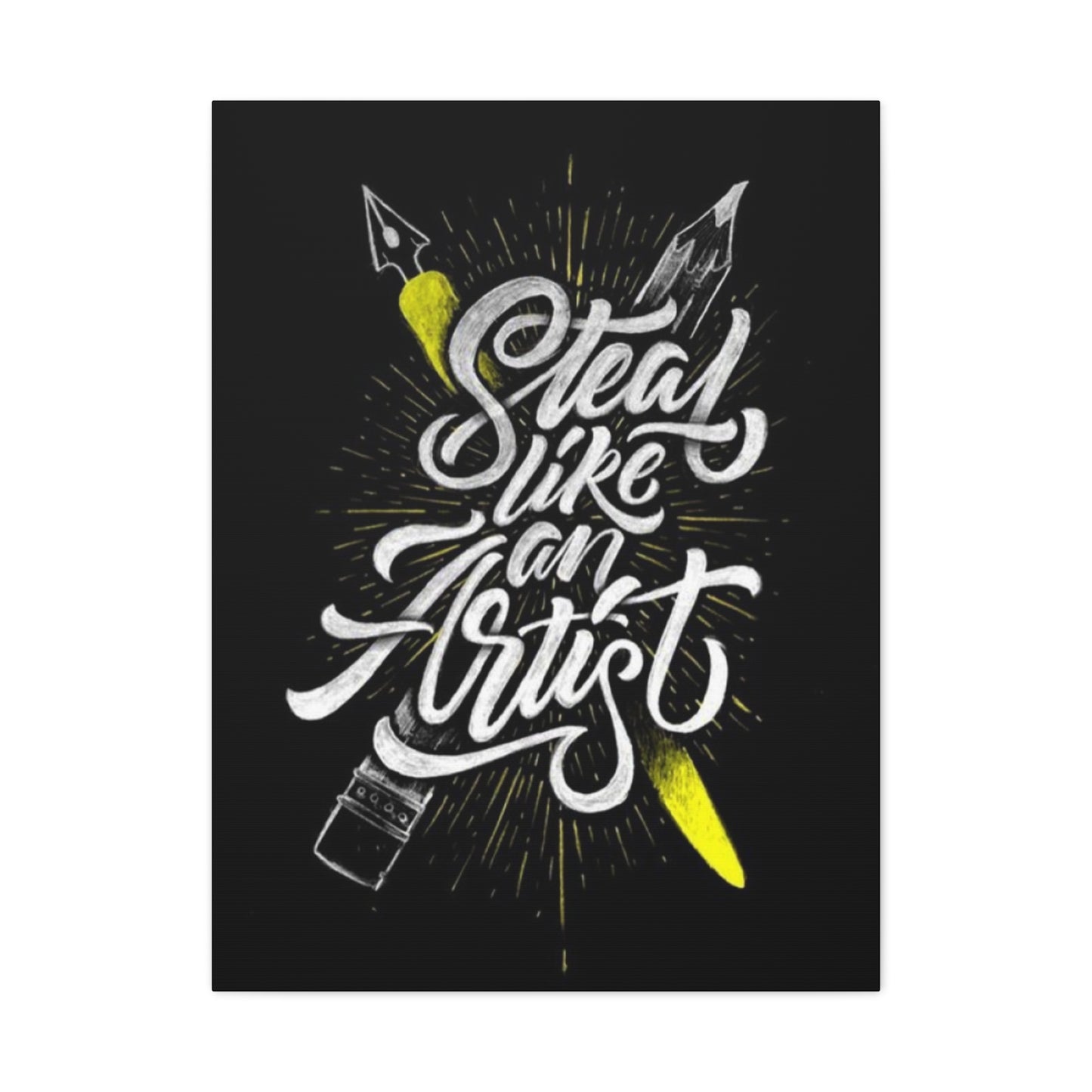
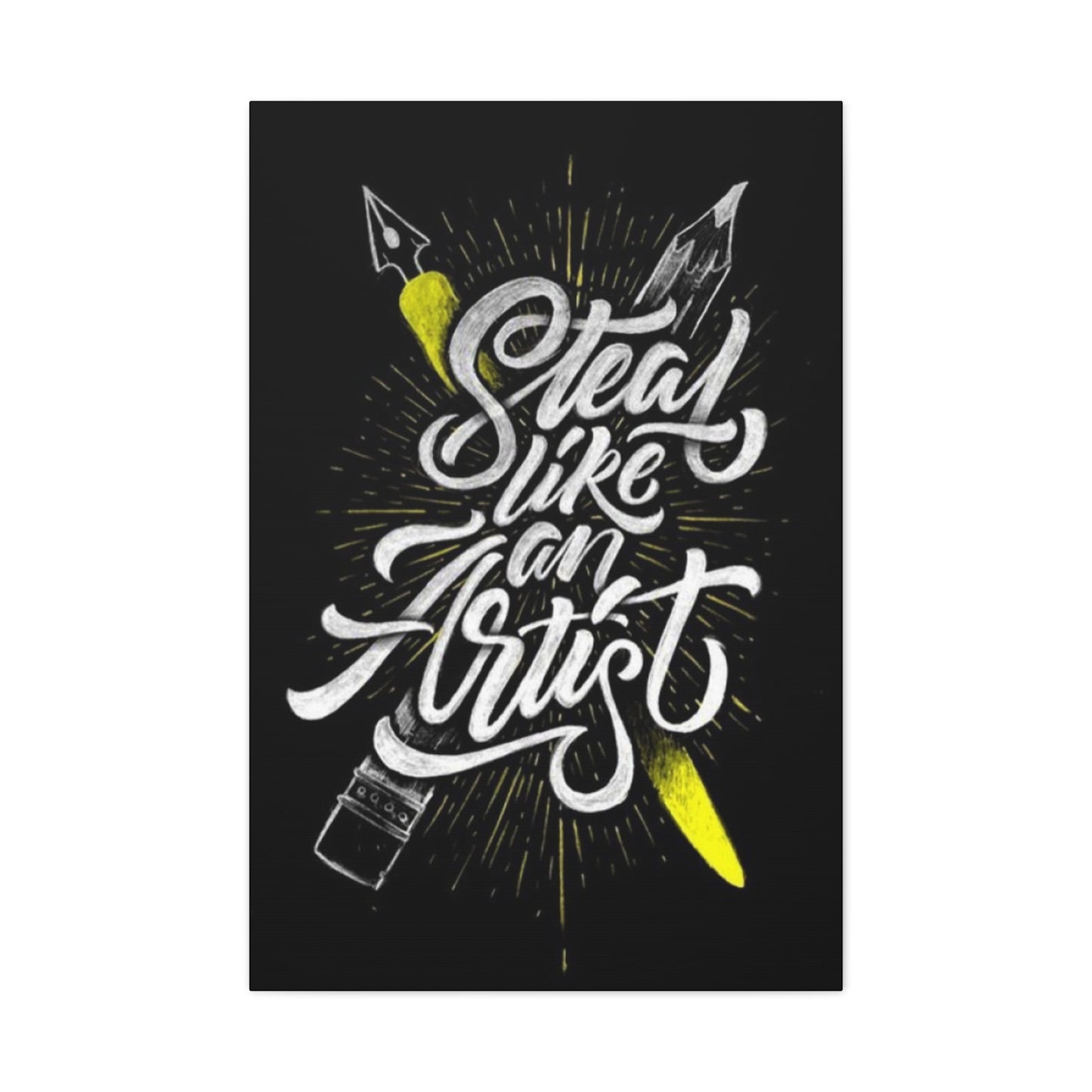
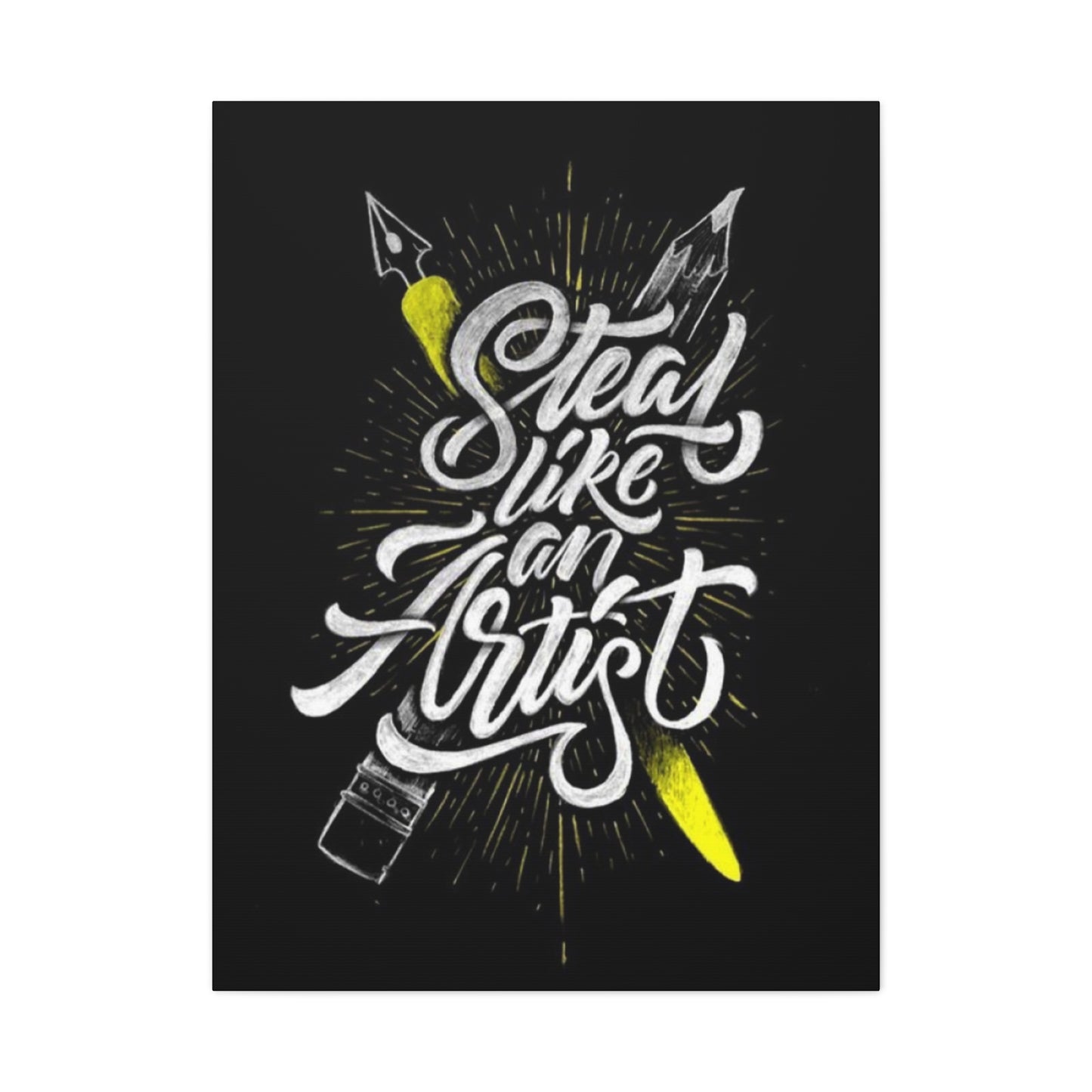
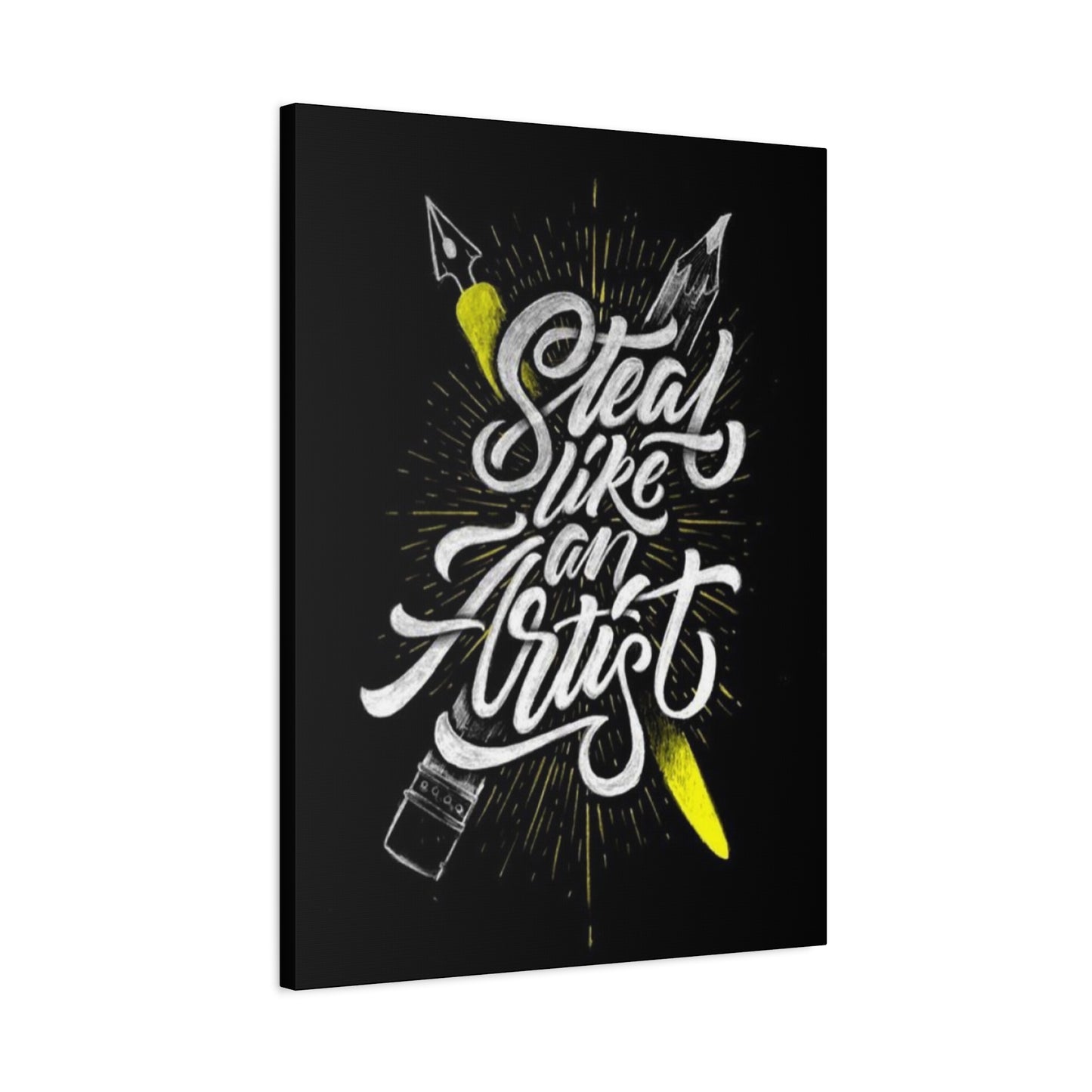
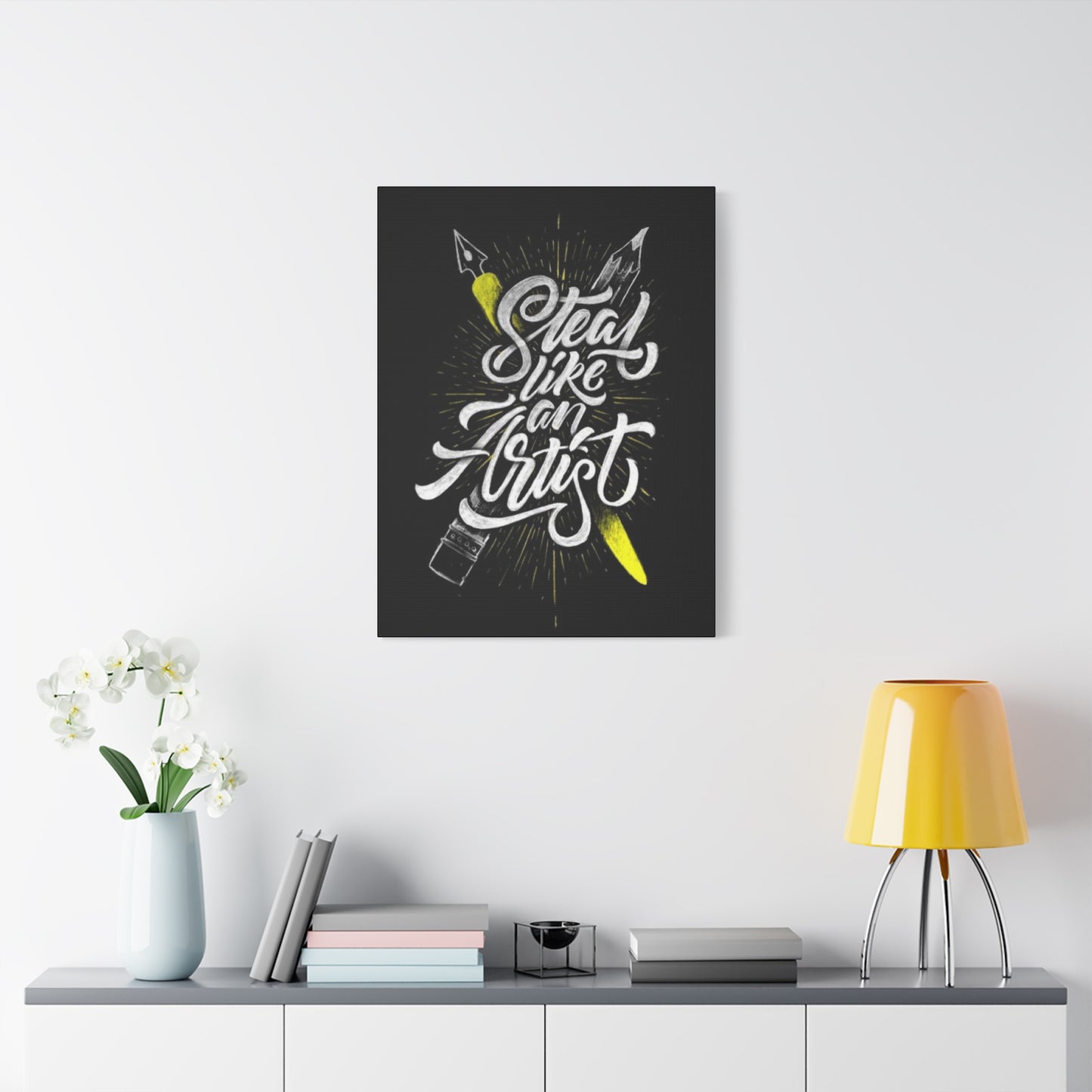
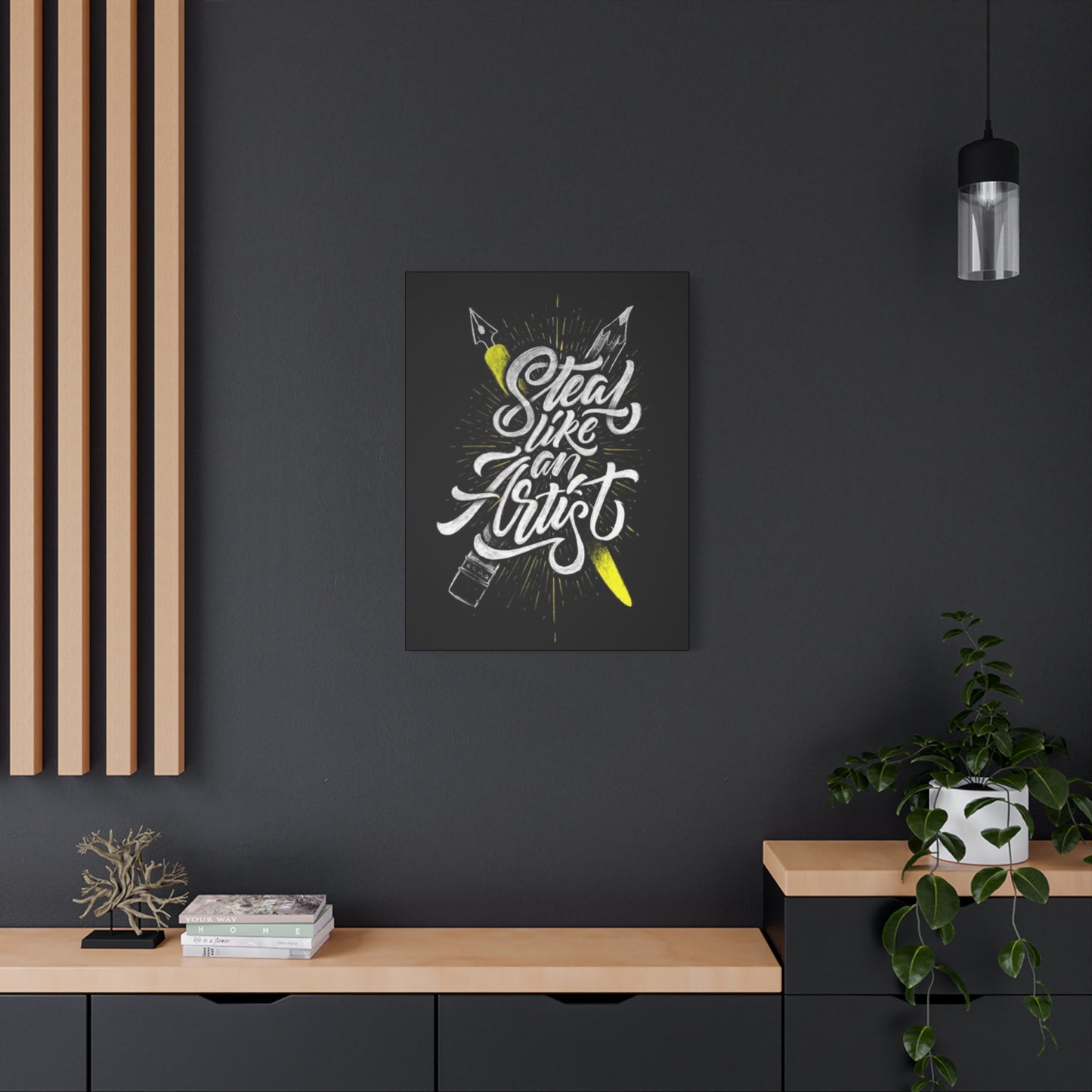
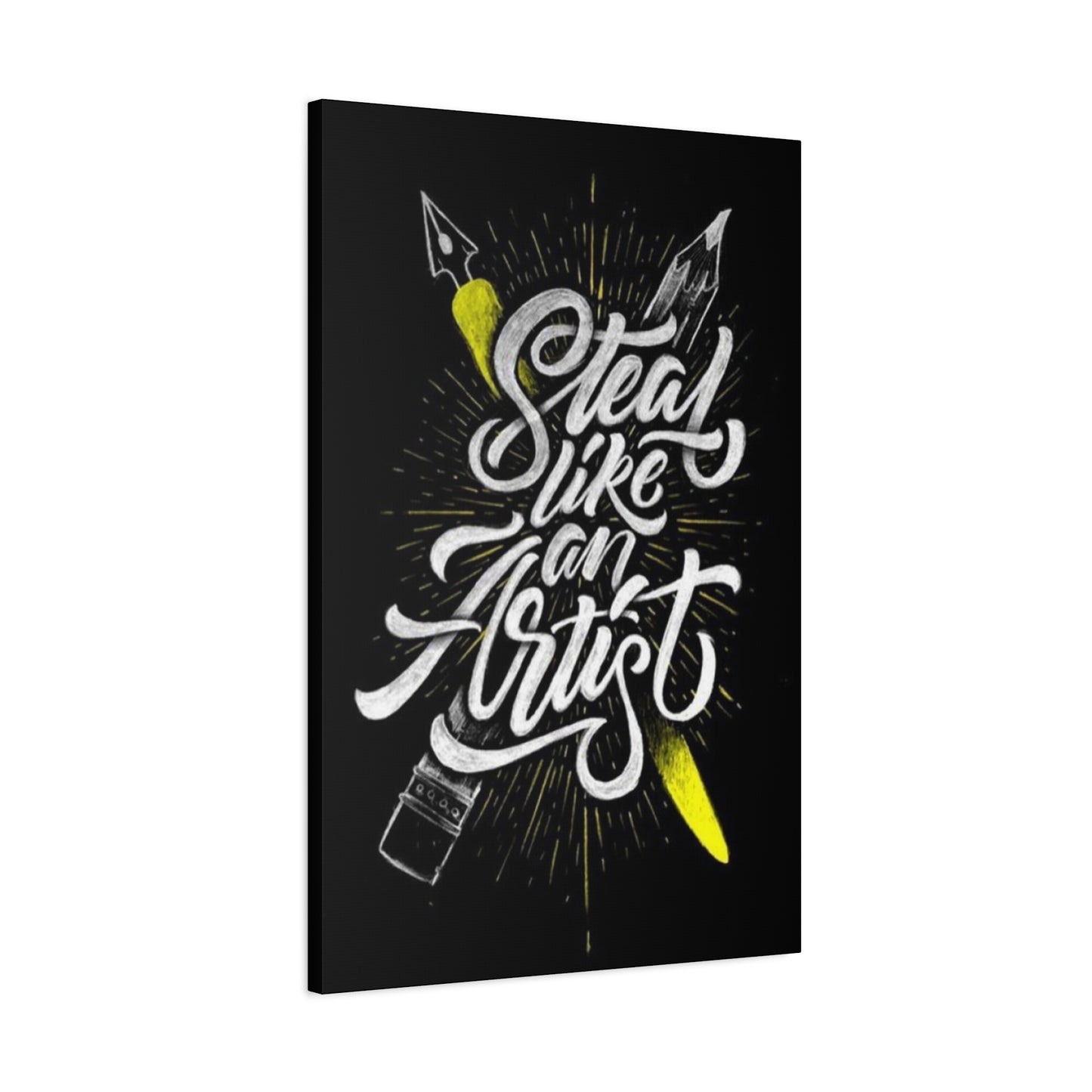
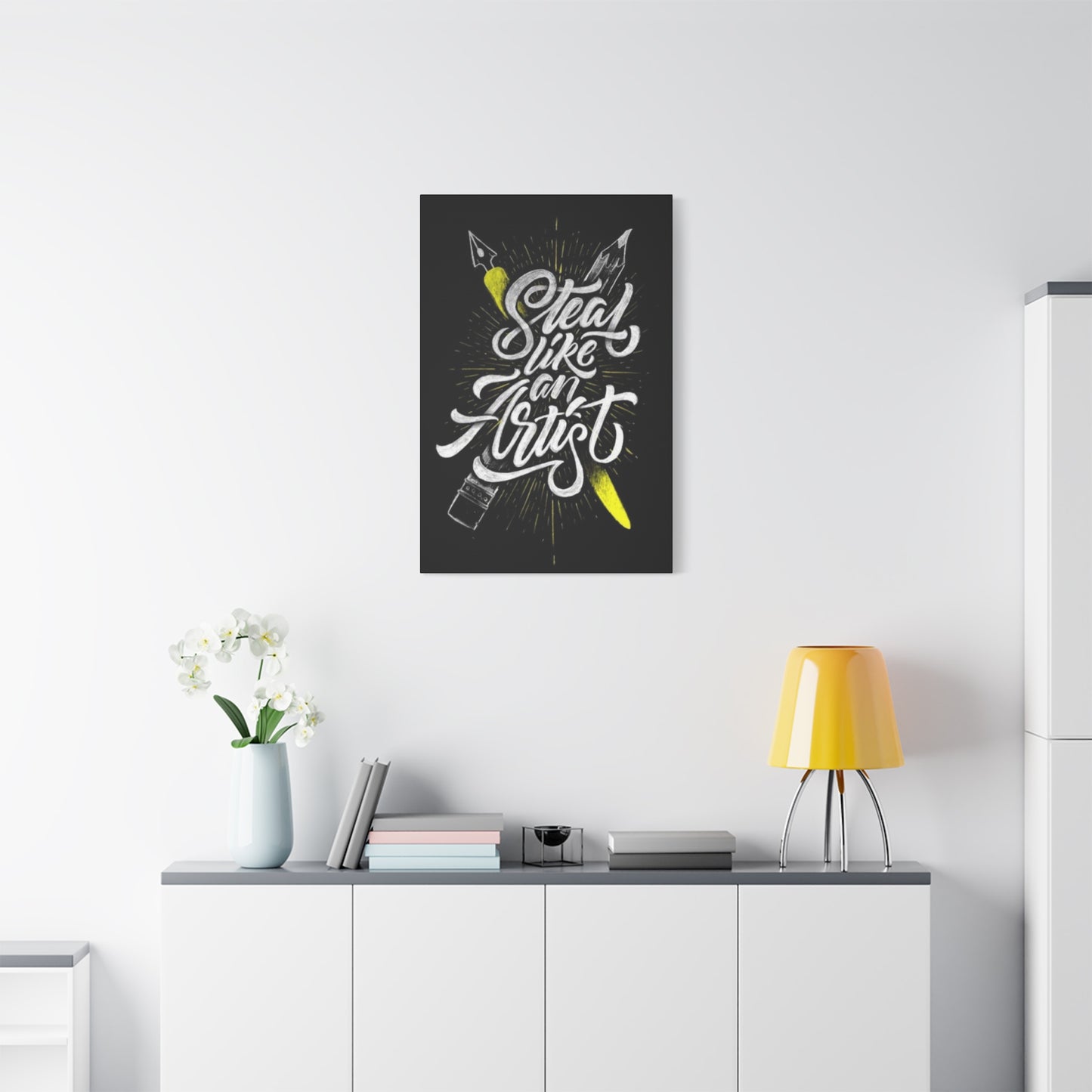
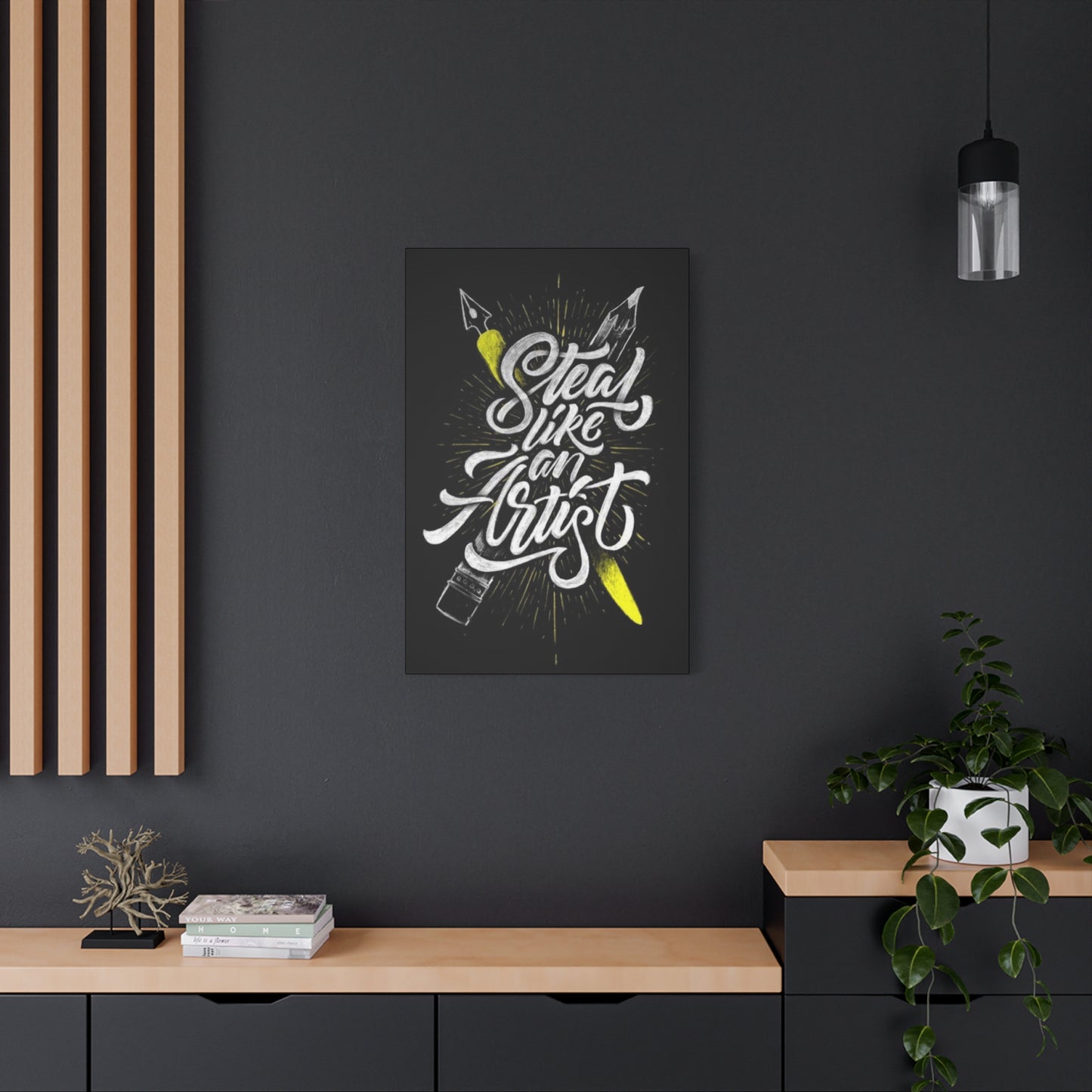
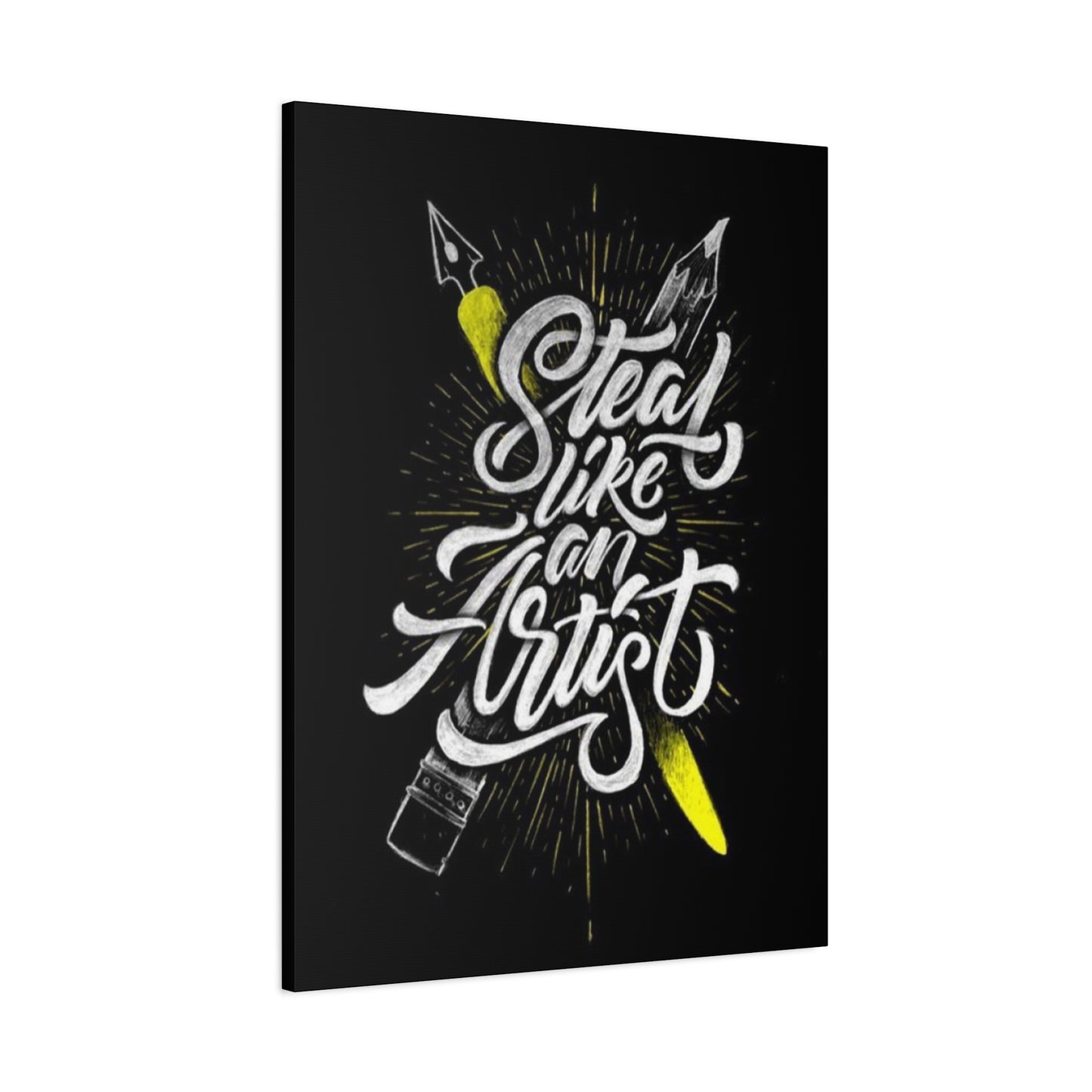
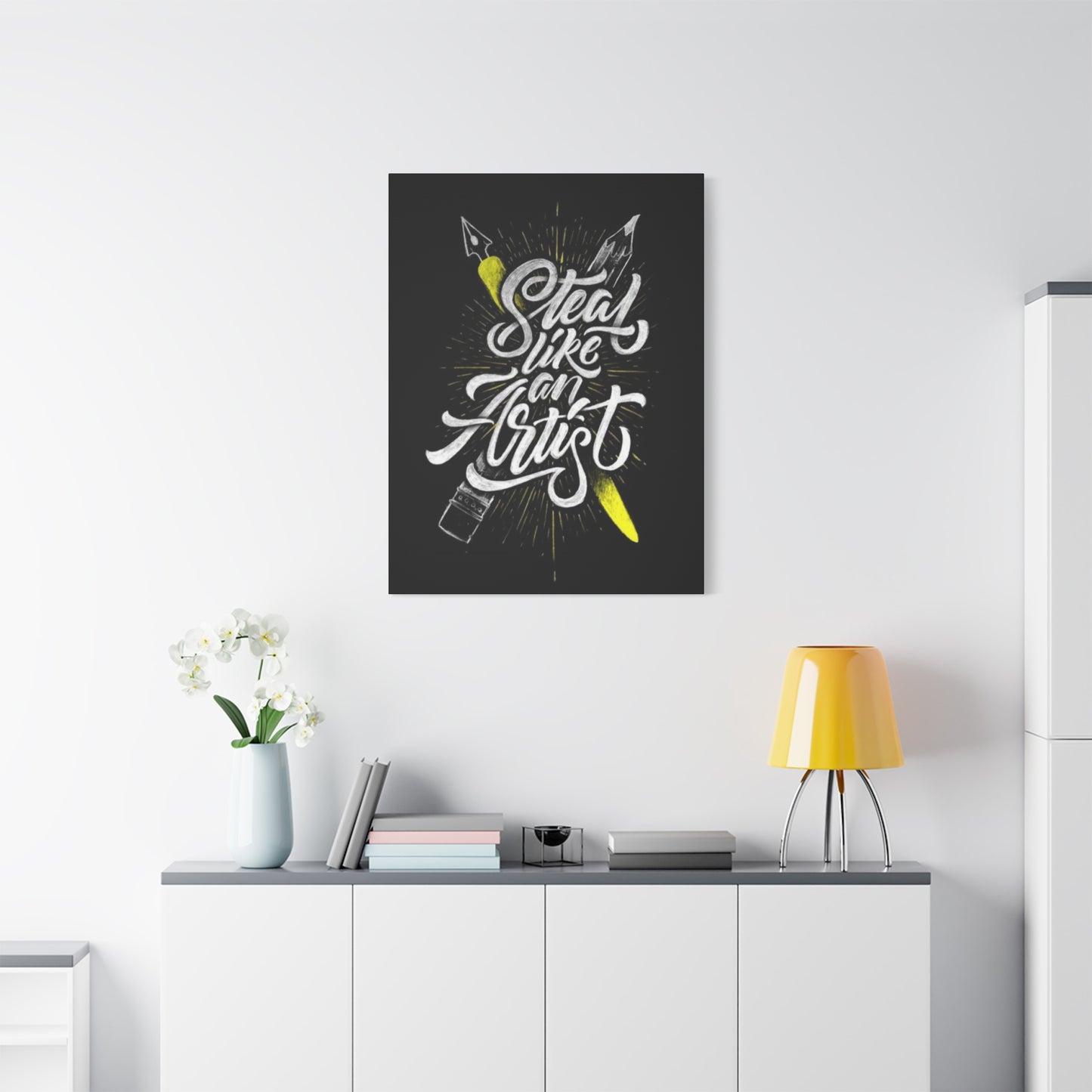
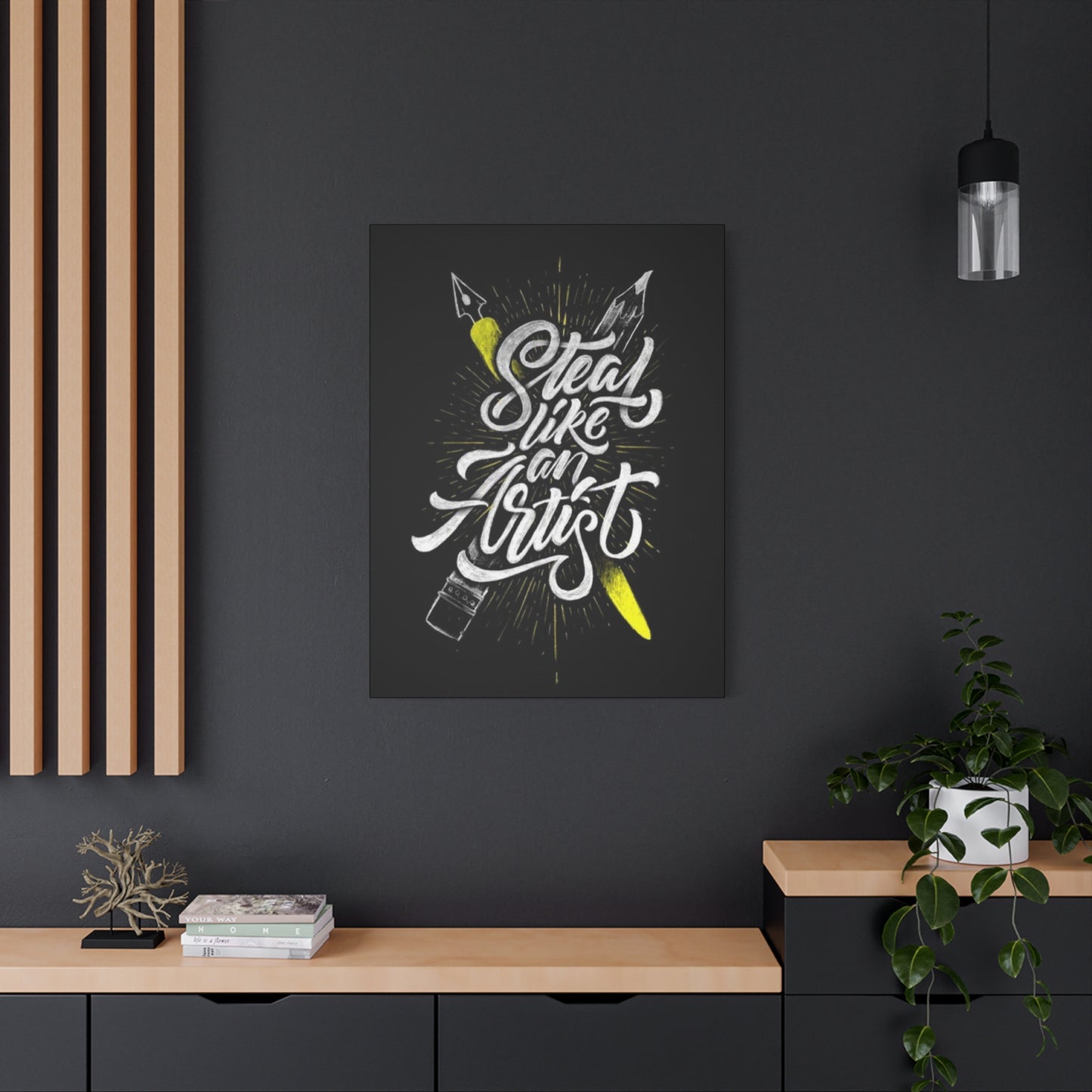
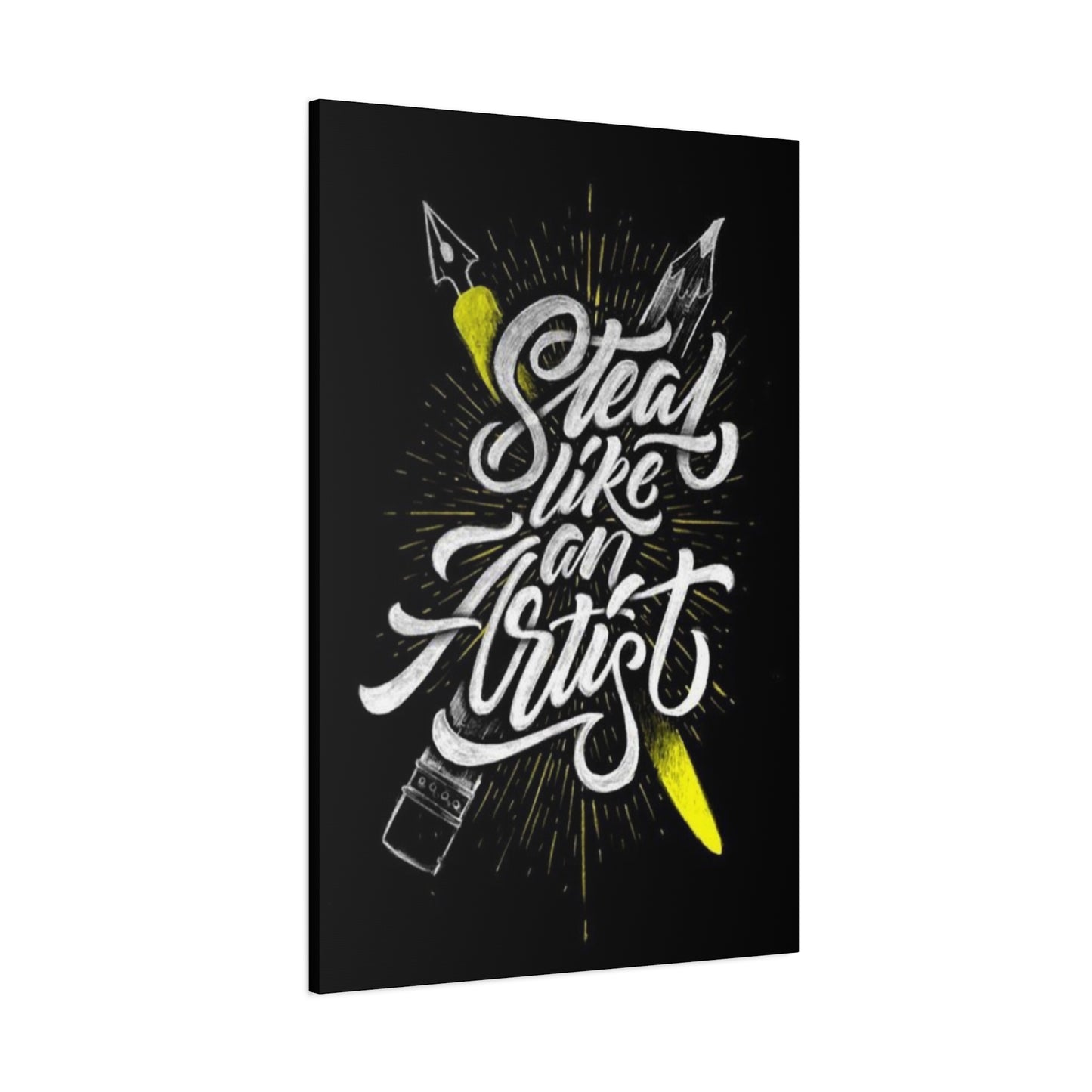
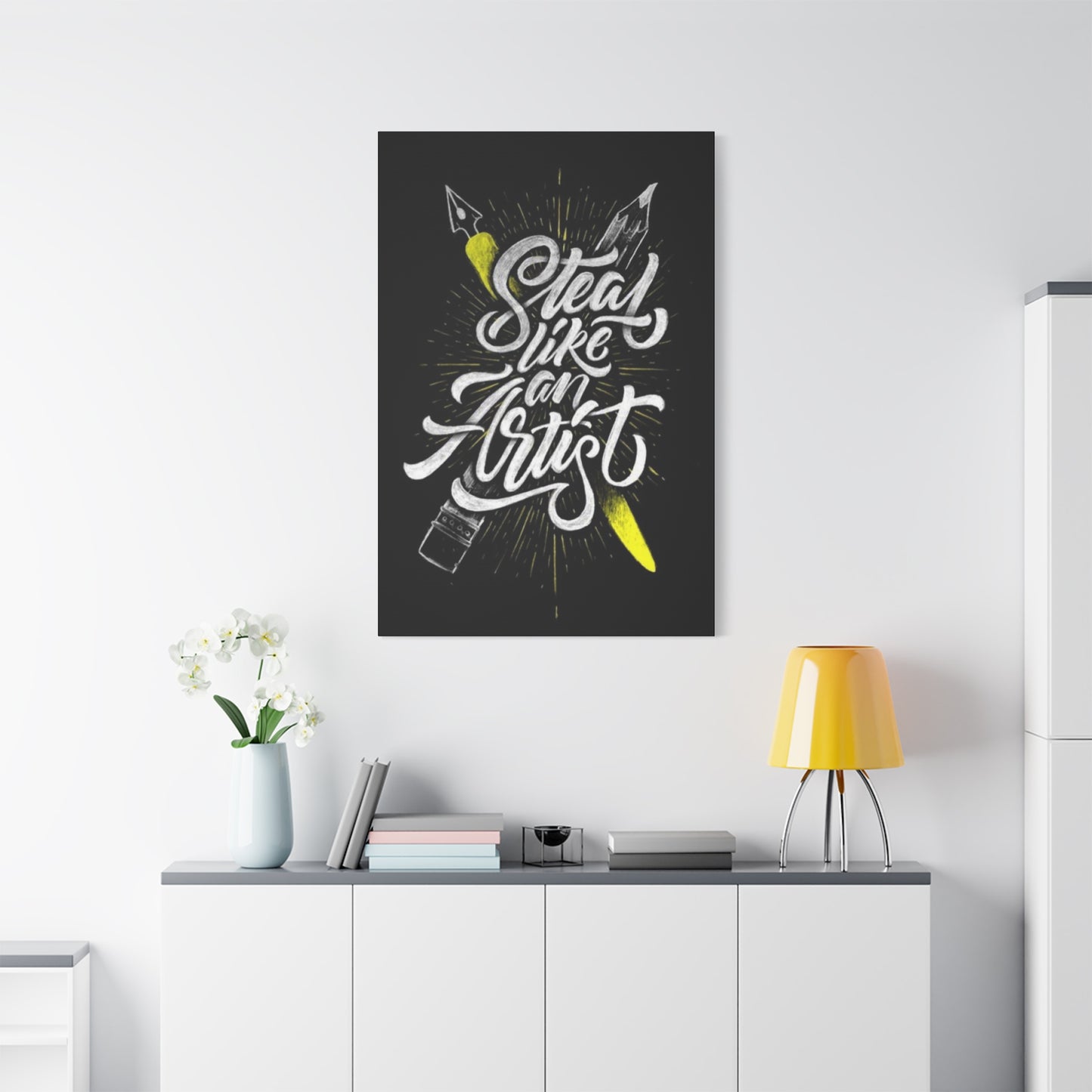
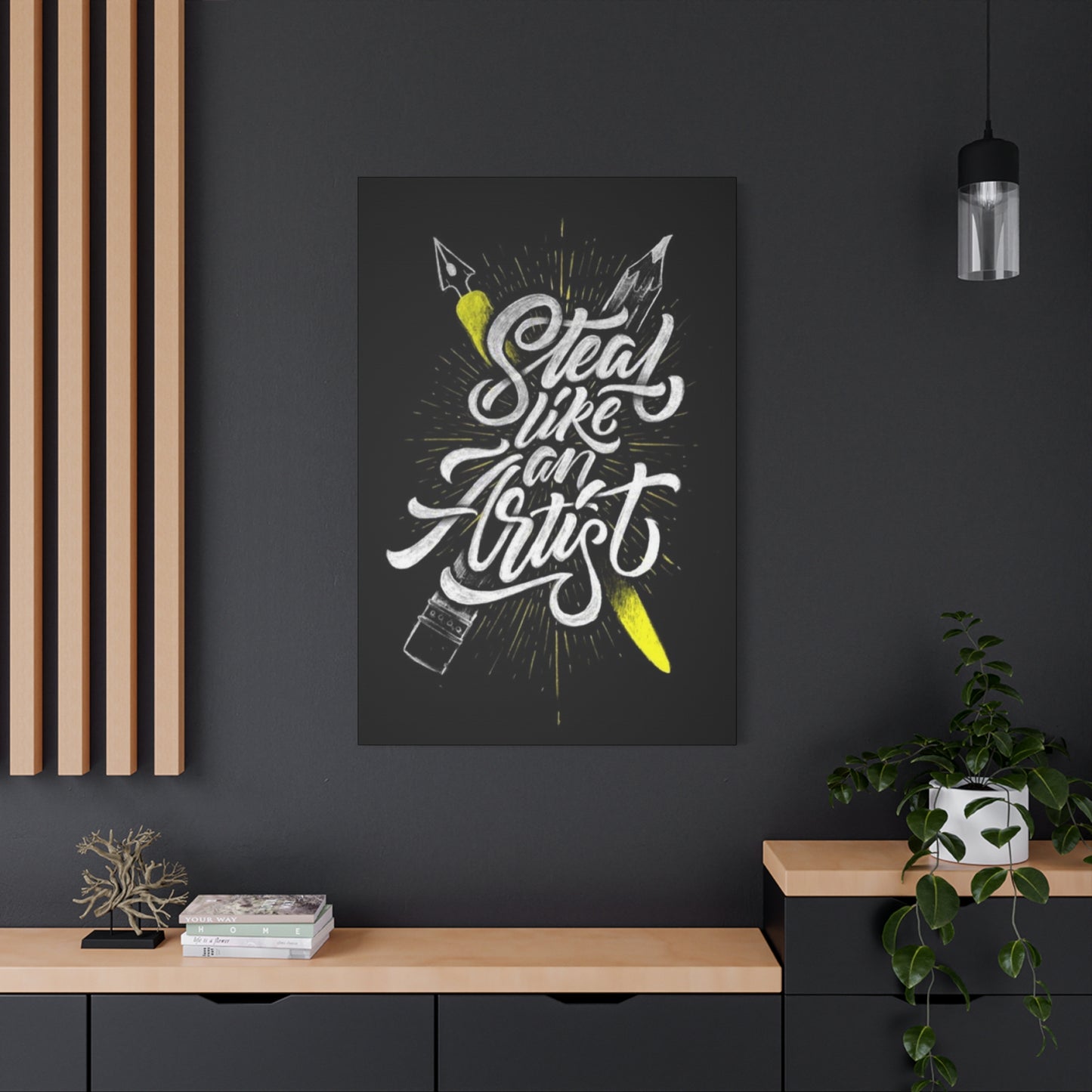
Artist Work Chalkboard Wall Art & Canvas Prints
Artist Work Chalkboard Wall Art & Canvas Prints
Couldn't load pickup availability
Creating Stunning Visual Masterpieces with Artist Work Chalkboard Wall Art for Modern Spaces
The world of interior decoration has witnessed a remarkable shift in how individuals perceive and utilize their living spaces. The emergence of writable surfaces has opened unprecedented avenues for artistic expression within residential and commercial environments. These innovative surfaces provide a canvas that transcends conventional limitations, allowing creators to reimagine their surroundings with dynamic, changeable artwork that reflects their evolving tastes and moods.
Artist work chalkboard wall art represents a convergence of practicality and creativity, offering a medium that celebrates impermanence while honoring the timeless appeal of handcrafted visuals. Unlike static paintings or prints, these surfaces invite continuous reinvention, making them ideal for those who crave variety and spontaneity in their aesthetic choices. The tactile nature of working with chalk on prepared surfaces creates a sensory experience that digital alternatives cannot replicate, fostering a deeper connection between the creator and their environment.
The appeal of these writable surfaces extends beyond their functional versatility. They serve as conversation starters, focal points, and reflections of personal identity. Whether adorning a kitchen, home office, children's playroom, or commercial establishment, these surfaces adapt to their context while maintaining their distinctive character. The ability to erase and recreate without permanent commitment democratizes art-making, removing the pressure of perfection and encouraging experimental approaches.
Contemporary design philosophy increasingly values elements that engage multiple senses and invite participation. Writable artistic surfaces exemplify this trend by offering visual appeal alongside interactive potential. They blur the boundaries between decoration and utility, creating spaces that feel both curated and spontaneous. This duality resonates with modern sensibilities that reject rigid categorizations in favor of fluid, multifunctional solutions.
Exploring the Diverse Materials That Bring These Artistic Surfaces to Life
The creation of effective writable surfaces relies on carefully selected materials that balance aesthetic appeal with practical performance. Specialty paints formulated specifically for chalk receptivity form the foundation of most installations. These coatings differ significantly from standard wall paints, incorporating fine-grit particles that create the necessary texture for chalk adherence while maintaining a smooth enough finish for easy writing and erasing.
Quality formulations typically contain a blend of pigments, binders, and texturing agents that work synergistically to produce surfaces with optimal characteristics. The pigment density affects both color saturation and coverage, while binder composition determines durability and resistance to wear. Texturing agents, often microscopic in size, create the subtle roughness that allows chalk to leave visible marks without requiring excessive pressure that might damage the surface or create dust clouds.
Beyond specialty paints, alternative materials offer distinct advantages for specific circumstances. Adhesive films provide removable options ideal for rental properties or temporary installations. These products consist of multiple layers: a backing material for stability, an adhesive layer for attachment, and a writing surface treated to accept chalk. The quality of the adhesive significantly impacts longevity and ease of removal, with premium products leaving minimal residue upon removal.
Magnetic receptive coatings add another dimension to writable surfaces, enabling the attachment of magnetic accessories alongside traditional chalk drawings. These formulations incorporate iron particles or other ferromagnetic materials into their composition, creating surfaces that respond to magnets while maintaining writing functionality. This dual capability expands creative possibilities, allowing for three-dimensional elements and removable decorative pieces to complement drawn designs.
Natural slate, the original chalkboard material, continues to find favor among purists and those seeking authentic vintage aesthetics. Quarried slate possesses inherent properties that make it ideal for chalk writing, including a naturally occurring surface texture and mineral composition that creates excellent contrast with chalk marks. However, slate's weight, cost, and installation requirements limit its practicality for large-scale applications, relegating it primarily to accent pieces and high-end installations.
Mastering the Craft of Surface Preparation for Flawless Results
Achieving professional-quality writable surfaces begins long before the first application of specialty coating. Proper surface preparation determines the longevity, appearance, and functionality of the finished product. Existing wall conditions vary widely, from newly installed drywall to decades-old painted surfaces, each requiring tailored preparatory approaches to ensure optimal adhesion and performance.
Cleaning represents the critical first step in any surface preparation protocol. Even seemingly clean walls harbor dust, oils, and other contaminants that interfere with paint adhesion. A thorough washing with degreasing agents removes these invisible barriers, creating a receptive substrate for subsequent coatings. Particular attention should focus on kitchens and high-traffic areas where accumulated grease and grime concentrate. After washing, complete drying is essential, as moisture trapped beneath coatings leads to adhesion failure and potential mold growth.
Surface irregularities pose another challenge requiring address before coating application. Drywall imperfections, previous repair attempts, and texture variations create uneven bases that telegraph through final coatings, compromising both appearance and writing quality. Filling compounds specifically formulated for wall repair address these issues, though proper application technique proves crucial. Overfilling creates proud spots requiring extensive sanding, while underfilling leaves depressions that remain visible. Multiple thin applications, each properly dried and sanded, yield superior results compared to single heavy applications.
Sanding smooths filled areas and provides mechanical tooth for improved paint adhesion. Grit selection impacts both efficiency and final quality, with coarser grits removing material quickly but leaving visible scratches, and finer grits producing smoother finishes while working more slowly. A progressive sanding approach, beginning with medium grits and finishing with fine varieties, balances speed and quality. Proper dust removal after sanding prevents contamination of subsequent coatings; vacuum extraction followed by tack cloth wiping ensures complete particle removal.
Priming creates a uniform base that enhances coating adhesion while sealing porous substrates and blocking stains that might bleed through topcoats. Primer selection depends on substrate characteristics and final coating requirements. High-adhesion primers suit previously painted or glossy surfaces, while stain-blocking primers prevent tannin bleed-through from wood and water stains from compromising appearance. Some specialty writable surface coatings incorporate self-priming properties, eliminating this step, though separate priming often yields superior results, particularly on challenging substrates.
The Precise Methods for Applying Coatings That Deliver Exceptional Writing Surfaces
Application methodology profoundly influences the quality and longevity of writable surfaces. While product instructions provide baseline guidance, nuanced technique separates adequate results from exceptional outcomes. Tool selection represents the first critical decision, with rollers, brushes, and sprayers each offering distinct advantages and limitations. Foam rollers excel at producing smooth, even coats with minimal texture, making them ideal for most applications. Their closed-cell structure prevents excessive paint absorption, ensuring consistent film thickness across the entire surface.
Roller nap length affects texture and coverage, with shorter naps producing smoother finishes on already smooth surfaces, while longer naps better accommodate minor surface irregularities. The rolling technique itself demands attention to detail. Overlapping strokes in a W pattern distribute paint evenly, preventing roller marks and ensuring consistent coverage. Excessive pressure squeezes paint from the roller unevenly, creating thin spots and texture variations, while insufficient pressure leaves inadequate material on the surface. Maintaining consistent pressure throughout each stroke requires conscious effort and develops with practice.
Brush application suits smaller areas, edges, and detail work where roller access proves challenging. Quality brushes with appropriate bristle materials make dramatic differences in results. Synthetic bristles suit water-based formulations, maintaining their shape and stiffness when wet, while natural bristles perform better with solvent-based products. Brush loading technique impacts flow and finish quality; overloaded brushes drip and apply excess material, while underloaded brushes create drag marks and incomplete coverage. Dipping bristles approximately one-third their length and gently tapping excess against container edges achieves optimal loading.
Spray application produces the smoothest possible finishes, eliminating stroke marks entirely when executed properly. However, spraying demands specialized equipment, skill development, and extensive masking to protect adjacent surfaces from overspray. High-volume low-pressure sprayers optimize material transfer efficiency while minimizing overspray, though they require significant initial investment. Airless sprayers offer faster coverage but generate more overspray and require careful pressure adjustment to avoid excessive film thickness that leads to runs and sags.
Multiple thin coats invariably outperform single heavy applications, regardless of application method. Thin coats dry faster, level better, and develop fewer defects than thick applications. Industry standards typically recommend two to three coats for optimal performance, with complete drying between applications. Rushing recoat times traps solvents beneath subsequent layers, compromising adhesion and causing cohesion failure within the coating film. Environmental conditions during application and curing significantly impact results; temperature extremes, high humidity, and inadequate ventilation all contribute to coating defects.
Unveiling the Endless Creative Possibilities for Artistic Expression
Artist work chalkboard wall art transcends mere functionality, serving as a vehicle for unlimited creative expression. The medium's forgiving nature encourages experimentation, allowing artists to explore ideas without fear of permanent consequences. This psychological freedom unlocks creativity, enabling both trained artists and casual doodlers to approach the surface with confidence. The immediate feedback of chalk on prepared surfaces provides satisfying tactile and visual rewards that sustain engagement and motivate continued artistic exploration.
Typography represents one of the most popular creative applications, transforming inspirational quotes, family mottos, or humorous sayings into striking visual focal points. Hand-lettering's resurgence has elevated typography beyond simple text display, with elaborate serifs, decorative flourishes, and dimensional shading techniques creating artwork that rivals printed graphics. Chalk's opacity and blendability enable sophisticated lettering effects, including ombre transitions, shadow effects, and highlights that add depth and dimension to letterforms.
Illustrative artwork ranging from simple line drawings to complex, fully shaded compositions demonstrates the medium's remarkable versatility. Still life compositions, botanical illustrations, and portraiture all translate effectively to chalk execution. The medium particularly excels at creating vintage-inspired imagery reminiscent of early commercial signage and ornate Victorian-era graphics. This nostalgic aesthetic resonates strongly with contemporary design trends that celebrate craftsmanship and historical references.
Seasonal and holiday-specific artwork keeps spaces fresh and relevant throughout the year. The ease of changing designs makes accommodating seasonal shifts practical rather than burdensome. Autumn displays featuring harvest motifs give way to winter wonderlands, which transition to spring florals and summer scenes in an endless cycle of renewal. This temporal responsiveness creates living spaces that acknowledge and celebrate the passage of time, fostering deeper connections to natural rhythms often obscured in modern life.
Menu displays in residential kitchens and commercial dining establishments represent highly practical creative applications. These functional artworks communicate information while enhancing ambiance, turning utilitarian notifications into aesthetic elements. The ability to update menu information easily accommodates daily specials, seasonal ingredient changes, and promotional offerings without producing waste or incurring printing costs. Creative menu presentations featuring decorative borders, illustrated ingredients, and artistic layouts elevate dining experiences while serving their informative function.
Discovering Unexpected Locations That Benefit from Writable Artistic Surfaces
While kitchen walls represent the stereotypical location for writable surfaces, countless other spaces benefit from their incorporation. Entryways and mudrooms gain functionality and charm when featuring surfaces for messages, reminders, and daily schedules. These transition zones between exterior and interior environments benefit from the organizational support that writable surfaces provide, helping families coordinate activities and communicate important information without relying on scattered notes or digital devices.
Home offices and study spaces achieve enhanced productivity when incorporating writable surfaces for brainstorming, task tracking, and idea capture. The physical act of writing ideas creates neural connections that typing cannot replicate, improving memory retention and creative problem-solving. Large writable surfaces accommodate mind mapping, project planning, and visual organization strategies that facilitate complex cognitive tasks. Unlike whiteboards with their chemical odors and staining issues, chalk surfaces provide healthier, more aesthetically pleasing alternatives.
Children's spaces transform when featuring writable surfaces that invite creative expression. Playrooms, bedrooms, and learning areas all benefit from surfaces that encourage imaginative play and artistic development. The low-stakes nature of chalk artwork removes performance anxiety, allowing children to experiment freely without worrying about wasting materials or creating permanent marks. This creative freedom supports cognitive development, fine motor skill refinement, and emotional expression through art-making.
Dining rooms achieve unexpected personality when featuring writable surfaces as conversation starters and decorative elements. Table runners created on painted table surfaces, wine pairing notes alongside built-in bars, and artistic scenes that complement formal dining settings demonstrate the medium's adaptability to elegant contexts. The juxtaposition of casual chalk artwork with formal dining furnishings creates intriguing contrasts that elevate both elements.
Commercial environments from retail shops to restaurants, offices to educational facilities increasingly incorporate writable surfaces for both practical and aesthetic purposes. Retail establishments use them for product information, promotional messaging, and brand storytelling that feels authentic and handcrafted. Restaurants create ambiance while communicating menus and specials in formats that feel personal and artisanal. Corporate offices leverage them for collaborative work, company culture communication, and creative problem-solving sessions. Educational facilities employ them not just in classrooms but in corridors, cafeterias, and common areas, extending learning beyond traditional boundaries.
Examining the Color Spectrum Beyond Traditional Black Surfaces
While classic black remains the most recognizable color for writable surfaces, contemporary formulations offer extensive color options that expand design possibilities. Navy blue provides subtle variation from black while maintaining strong contrast with white and colored chalks. This rich hue complements nautical, traditional, and contemporary design schemes while offering slightly softer visual impact than stark black.
Green tones reference traditional classroom boards, evoking nostalgia while providing excellent chalk visibility. Forest greens, sage tones, and emerald shades each create distinct moods while maintaining functional effectiveness. Green's association with nature and growth makes it particularly appropriate for spaces emphasizing wellness, creativity, or environmental consciousness.
Gray formulations ranging from charcoal to light slate offer sophisticated neutrality that integrates seamlessly with modern design aesthetics. These tones provide contrast sufficient for chalk visibility while avoiding the stark drama of black. Gray surfaces particularly suit minimalist and industrial design schemes where visual subtlety supports overall aesthetic cohesion.
Unexpected color choices including burgundy, brown, and even white create distinctive statements while requiring careful consideration of chalk color compatibility. Darker chalks show best on white surfaces, reversing traditional color relationships and creating unique visual effects. These unconventional choices demonstrate confidence and creativity, setting spaces apart from conventional applications.
Custom color matching capabilities allow writable surfaces to coordinate precisely with existing color schemes, integrating seamlessly rather than dominating spaces. This coordination proves particularly valuable in carefully curated interiors where every element contributes to unified aesthetic visions. The ability to tint specialty coatings to match any color expands design flexibility exponentially, limited only by imagination and willingness to experiment.
Navigating the Selection Process for Optimal Product Choices
The marketplace offers dozens of writable surface products, each claiming superiority and optimal performance. Navigating these options requires understanding key performance characteristics and how they align with specific project requirements. Coverage rate indicates how much surface area a given quantity of product will adequately coat, directly impacting project costs. Products with higher coverage rates reduce material requirements, though lower-quality formulations may sacrifice performance for economy.
Drying time affects project timelines and convenience, with faster-drying formulations enabling quicker project completion but potentially compromising workability during application. Slower-drying products allow more time for technique refinement and error correction but extend project duration. Optimal drying times balance these competing concerns, providing adequate working time without unnecessary delays.
Durability characteristics determine how surfaces withstand repeated writing, erasing, and cleaning cycles. Superior formulations maintain their writing properties through thousands of use cycles, while inferior products degrade rapidly, requiring frequent reapplication. Durability testing information, when available from manufacturers, provides valuable guidance for product selection.
Odor intensity during application and curing affects user comfort and space usability. Low-odor and zero-VOC formulations minimize health concerns and allow occupied space usage during application, particularly important in residential environments. Traditional solvent-based products offer certain performance advantages but carry odor burdens that make them impractical for many situations.
Surface preparation requirements vary significantly between products, with some demanding extensive prep work while others forgive minor imperfections. Time-constrained projects benefit from products with minimal preparation demands, though investing effort in proper preparation typically yields superior long-term results regardless of product selection.
Understanding the Science Behind How Chalk Interacts with Prepared Surfaces
The visible mark creation when chalk contacts prepared surfaces results from particle transfer and physical adherence mechanisms. Chalk consists of compressed calcium carbonate, a soft mineral that readily fractures into fine particles under pressure. When drawn across textured surfaces, friction causes chalk to fracture, depositing particles into microscopic surface irregularities where they lodge and accumulate, creating visible marks.
Surface texture plays a crucial role in this process. Excessive smoothness prevents adequate particle lodgment, causing chalk to skip and produce faint, inconsistent marks. Conversely, excessive roughness fractures chalk too aggressively, creating dusty, indistinct marks while rapidly consuming chalk material. Optimal texture balances these extremes, providing sufficient tooth for particle retention while maintaining smoothness that preserves chalk and enables precise mark-making.
Chalk composition affects marking characteristics and color intensity. Pure calcium carbonate produces white marks, while additives including pigments and binders create colored varieties. Pigment loading determines color saturation, with higher concentrations producing more vibrant hues. Binder content affects chalk hardness and dust generation; harder chalks last longer and produce less dust but require more pressure for mark creation, while softer varieties mark easily but wear quickly and generate significant dust.
Erasability depends on the physical nature of chalk adhesion. Since chalk particles lodge mechanically rather than bonding chemically, they remove relatively easily with appropriate tools. Dry erasers work by mechanically dislodging particles, while damp cloths dissolve calcium carbonate slightly, enabling more complete removal. Understanding these mechanisms guides effective erasing technique development and tool selection.
Ghosting, the phenomenon where erased chalk marks remain faintly visible, results from particle migration into surface micropores too deep for erasers to reach. Periodic deep cleaning with appropriate solutions removes these embedded particles, restoring surfaces to pristine condition. Preventive measures including proper chalk selection and erasing technique minimize ghosting, extending intervals between deep cleanings.
Developing Effective Cleaning Protocols That Preserve Surface Integrity
Regular cleaning maintains writable surface appearance and functionality, preventing buildup that impairs performance. Daily or per-use cleaning removes fresh chalk particles before they migrate deeply into surface texture. Simple dry erasing with felt erasers or microfiber cloths suffices for routine cleaning, mechanically dislodging recently deposited particles.
Weekly or bi-weekly damp cleaning addresses particles that evade dry erasing. Slightly moistened microfiber cloths provide sufficient solvent action to dissolve calcium carbonate without oversaturating surfaces. Excess moisture risks damaging underlying substrates or coatings, so cloths should be barely damp rather than wet. Gentle circular motions distribute moisture evenly while mechanically dislodging particles, and immediate drying with separate dry cloths prevents moisture-related issues.
Monthly deep cleaning addresses ghosting and accumulated residue that regular cleaning cannot fully remove. Specialized cleaning solutions or mild soap mixtures applied with soft cloths penetrate surface micropores, dissolving embedded particles. Following manufacturer recommendations for cleaning agents prevents damage from incompatible chemicals. Thorough rinsing removes all cleaning residue, which otherwise interferes with subsequent chalk adhesion.
Stubborn stains from colored chalks or prolonged mark exposure require more aggressive treatment while avoiding abrasives that damage surfaces. Magic eraser products, which work through microscopic abrasion, remove persistent marks but should be used sparingly to avoid gradually wearing away coating texture. Testing cleaning methods in inconspicuous areas before broad application prevents unexpected damage.
Preventive measures minimize cleaning demands and extend surface life. Promptly erasing marks rather than leaving them for extended periods prevents deep particle migration. Using high-quality dustless chalk reduces particle generation and simplifies cleanup. Avoiding excessive chalk application minimizes residue accumulation. These practices reduce cleaning frequency requirements while maintaining optimal surface condition.
Exploring Chalk Varieties That Enhance Creative Capabilities
Traditional stick chalk remains the most familiar format, offering economy and versatility. Standard sizes suit general drawing and writing, while jumbo varieties provide coverage efficiency for large-area work. Chalk quality varies significantly, with premium compressed varieties producing more consistent, vibrant marks while generating less dust than economy options. Color selection ranges from basic six-color assortments to professional sets featuring dozens of hues including pastels, neons, and metallics.
Chalk pencils combine chalk's marking properties with pencil form factors, enabling precise detail work impossible with stick formats. Wooden casings protect chalk cores from breakage while providing comfortable grips for extended use. Sharpening capabilities allow point refinement for fine line work and detailed illustrations. Chalk pencils particularly suit intricate lettering, botanical drawings, and portraiture where precision proves essential.
Liquid chalk markers represent significant innovation, offering brilliant opacity and precise application through fiber or chisel tips. These markers use chalk-pigmented liquid suspensions that dry to powdery finishes resembling traditional chalk. The primary advantage lies in dust-free application and exceptional vibrancy, particularly for bold graphics and lettering. However, removal typically requires damp cleaning rather than dry erasing, and some formulations prove challenging to remove completely, risking permanent marking if left too long.
Chalk pastels, though traditionally associated with paper artwork, translate effectively to prepared wall surfaces for fine art applications. These compressed pigment sticks offer vibrant color saturation and sophisticated blending capabilities that enable painterly effects. Fixatives preserve pastel artwork on writable surfaces, though this obviates the erasability that defines the medium's character. Most artists reserve pastels for semi-permanent installations where artwork will remain for extended periods.
Specialized chalks including glow-in-the-dark varieties and scented options add novelty and expanded creative possibilities. Photoluminescent chalks charge under light exposure and emit visible glow in darkness, creating dramatic nighttime effects. Scented varieties incorporate fragrances that release during application, adding olfactory dimensions to visual artwork. While perhaps gimmicky for some applications, these specialty products inspire creativity and engagement, particularly among younger users.
Mastering Artistic Skills That Elevate Chalkboard Creations from Simple to Spectacular
Effective lettering forms the foundation of most artist work chalkboard wall art, making typography skills valuable investments. Beginning with basic print and cursive letterforms builds competence before advancing to decorative styles. Understanding letterform anatomy including baselines, x-heights, ascenders, and descenders enables consistent, proportional lettering. Graph paper practice transfers skills to writable surfaces, where light preliminary sketches guide final execution.
Decorative lettering styles including serifs, scripts, and brush lettering create visual interest and emotional impact. Serif fonts convey formality and tradition, while script styles suggest elegance and personality. Brush lettering mimics calligraphic effects through varied stroke widths, creating dynamic, flowing compositions. Mastering multiple styles provides versatility for diverse messaging and aesthetic contexts.
Shading and dimensional effects transform flat lettering into eye-catching three-dimensional illusions. Drop shadows create depth, while inline highlights suggest dimensional form. Gradient fills add sophistication through color transitions within letterforms. These techniques require understanding light source directionality and consistent application across all letters for convincing results.
Illustrative skills expand creative possibilities beyond text. Basic shape drawing establishes foundations for more complex imagery. Circles, squares, and triangles combine to form recognizable objects from simple geometric elements. Observational drawing skills improve through regular practice, training eyes to perceive proportions, relationships, and essential characteristics that enable convincing representation.
Rendering techniques including hatching, cross-hatching, and stippling create tonal variations and textural effects. These methods use line density and pattern to suggest light, shadow, and surface qualities. Chalk's opacity and erasability make it particularly forgiving for rendering practice, allowing corrections and adjustments without permanent consequences.
Blending techniques leverage chalk's powdery nature to create smooth tonal transitions and painterly effects. Fingertip blending works well for small areas, while blending stumps or cloths suit larger regions. Light layering of multiple colors builds complex hues and subtle variations impossible through single-color applications. These skills particularly benefit realistic illustration, portraiture, and atmospheric compositions.
Incorporating Design Principles That Transform Amateur Efforts Into Professional Results
Compositional awareness elevates artwork from chaotic arrangements to purposeful designs. The rule of thirds divides spaces into nine equal sections, with important elements positioned at intersection points for naturally pleasing arrangements. This principle applies equally to letterform placement and illustrative compositions, guiding element positioning for maximum impact.
Balance creates visual stability through strategic element distribution. Symmetrical balance places equal visual weight on both sides of vertical centerlines, conveying formality and orderliness. Asymmetrical balance achieves equilibrium through varied elements that collectively equate in visual weight, creating dynamic, interesting compositions. Understanding each approach's psychological impacts informs appropriate selection for specific contexts.
Contrast commands attention and creates visual hierarchy. Size contrasts distinguish primary from secondary messaging. Color contrasts draw eyes to focal points. Texture contrasts between smooth and heavily worked areas add depth and interest. Strategic contrast application guides viewer attention along intended visual paths, ensuring key information receives appropriate emphasis.
White space, perhaps counterintuitively, proves as important as marked areas. Generous margins frame compositions, while spacing between elements prevents crowding and confusion. Resist tendencies to fill every available space; restraint often produces stronger results than busy, overfilled designs.
Repetition establishes rhythm and unity. Repeated elements including colors, shapes, or decorative motifs create cohesive designs where individual components clearly belong together. Excessive repetition risks monotony, requiring occasional variations that maintain interest while preserving overall unity.
Alignment ensures professionalism and polish. Invisible grid structures guide element placement, creating orderly compositions even when arrangements appear casual. Text alignment options including left, centered, right, and justified each serve specific purposes and create distinct impressions. Consistent alignment throughout compositions prevents scattered, amateurish appearances.
Addressing Common Challenges That Frustrate Creators and Their Solutions
Uneven chalk coverage frustrates many creators, producing blotchy, unprofessional appearances. This typically results from inconsistent pressure or inferior chalk quality. Maintaining steady pressure throughout strokes and investing in premium chalk products largely resolves this issue. Building color gradually through multiple light layers rather than attempting full coverage in single passes also improves results.
Smudging during creation ruins carefully executed work, particularly frustrating hours into complex pieces. This occurs from hands or arms contacting already-marked surfaces. Working from top to bottom prevents resting hands on completed sections. Using mahl sticks to support hands above surfaces while working provides stability without contact. Fixative sprays applied to completed sections enable subsequent work on adjacent areas without smudging risks.
Chalk dust accumulation creates health concerns and housekeeping burdens. Using dustless chalk formulations significantly reduces particle generation. Working in well-ventilated areas and using drop cloths to catch falling dust simplifies cleanup. Air purifiers with HEPA filtration capture airborne particles, improving air quality. Damp mopping rather than sweeping prevents dust redistribution.
Color limitations frustrate artists accustomed to painting's unlimited palette. While chalk selection has expanded dramatically, mixing capabilities remain limited compared to wet media. Embracing the medium's inherent character rather than forcing it to mimic other media produces more satisfying results. Layering complementary colors creates visual mixing that expands apparent palette options.
Proportion errors plague even experienced artists working on large scales without preliminary planning. Creating scaled sketches on paper before transferring to surfaces prevents disproportionate elements. Grid methods divide both sketches and wall surfaces into corresponding sections, enabling accurate enlargement. Projecting reference images directly onto surfaces provides traceable guides, though this approach risks dependent creativity that inhibits skill development.
Lettering inconsistencies betray amateur execution even in otherwise competent work. Establishing guidelines using chalk lines or low-tack tape ensures consistent letter heights and alignments. Creating letterform templates from cardboard enables tracing for repeated text elements. With practice, freehand lettering becomes reliable, but tools provide valuable support during skill development phases.
Discovering Time-Saving Methods for Efficient Creation Processes
Stencils dramatically accelerate repeated element creation, from letterforms to decorative motifs. Commercial stencils offer countless designs, while custom creations enable unique elements. Adhesive stencils minimize shifting during use, producing crisp edges. Proper stencil removal technique prevents smudging newly created marks. Building personal stencil libraries provides efficient access to frequently used elements.
Chalk holder extenders reduce hand fatigue during extended work sessions while extending chalk stick usability to the last fragment. These simple tools grip chalk pieces securely, enabling comfortable use of otherwise difficult-to-hold stubs. The modest investment pays dividends in comfort and material economy.
Preliminary sketches using pencils or light chalk colors enable compositional refinement before final execution. Mistakes correct easily at this stage, preventing frustration and material waste. Once satisfied with preliminary layouts, final execution proceeds confidently with clear roadmaps.
Photography documentation preserves ephemeral artwork for portfolios and social media sharing. Quality photographs require adequate lighting and appropriate camera settings or smartphone techniques. Multiple angles capture dimensional effects and context. Time-lapse videos document creation processes, providing engaging content that showcases skill and effort.
Template libraries collecting successful designs enable efficient recreation and variation development. Photographing completed works from straight-on angles provides references for future executions. Maintaining physical or digital design journals documents creative evolution while providing inspiration reservoirs.
Batch creation approaches maximize efficiency when producing multiple similar elements. Creating all letterforms of a particular style before moving to the next maintains consistency and rhythm. Mixing all needed colors simultaneously prevents repeated preparation steps. Strategic workflow organization minimizes wasted motion and material waste.
Protecting Finished Artwork to Maximize Display Longevity
Fixative applications preserve chalk artwork against accidental smudging and gradual degradation, particularly valuable for semi-permanent installations. Workable fixatives allow additional marking after application, enabling progressive preservation during multi-session projects. Final fixatives provide maximum protection but prevent subsequent additions. Proper application technique, using light sweeping passes from appropriate distances, ensures even coverage without pooling that causes runs or color darkening.
Physical barriers prevent accidental contact damage in high-traffic locations. Glass or acrylic panels installed several inches in front of surfaces protect artwork while allowing visibility. Floating frame designs create shadow gaps between surfaces and glazing, accommodating dimensional effects and preventing chalk transfer. Roped barriers or furniture placement can establish protective zones around unglazed installations.
Strategic location selection minimizes exposure to conditions that accelerate deterioration. Avoiding direct sunlight prevents fading and heat-related coating damage. Maintaining stable humidity levels protects against condensation that dissolves chalk marks and coating integrity. Positioning away from heating and cooling vents prevents air current disturbances that erode chalk particle adhesion.
Regular maintenance extends artwork longevity. Gentle dusting with soft brushes removes accumulated environmental particles without disturbing intentional marks. Addressing small damages immediately prevents progressive deterioration. Periodic reapplication of fixatives restores protection as initial applications degrade.
Photographic documentation preserves artwork beyond its physical existence, providing references for recreation and digital enjoyment. Professional-quality photography captures details and overall compositions, creating archives that outlast temporary installations. Digital files enable prints, social media sharing, and portfolio presentations that extend artwork impact beyond original contexts.
Acceptance of impermanence aligns with the medium's essential character. Artist work chalkboard wall art celebrates change and evolution rather than fighting against entropy. Viewing each piece as a temporary installation rather than permanent artwork reduces anxiety about preservation while encouraging creative risk-taking and frequent reinvention.
Evaluating Economic Considerations for Budget-Conscious Projects
Material costs vary dramatically based on quality selections and project scales. Economy chalks and basic coating formulations enable budget-friendly projects, though compromises in performance and appearance may result. Premium materials command higher initial investments but deliver superior results and greater longevity, potentially offering better value over time. Careful assessment of priorities guides appropriate budget allocations.
Labor considerations factor significantly into professional installations but prove largely irrelevant for DIY approaches. Hiring professional applicators ensures expert execution but multiplies project costs substantially. Self-installation eliminates labor expenses while providing satisfaction and skill development, though results may initially lack professional polish.
Tool investments represent one-time expenses that serve multiple projects. Basic supplies including rollers, brushes, drop cloths, and cleaning materials suffice for most applications. Specialty tools including chalk holders, stencils, and blending stumps enhance capabilities but remain optional for basic implementations. Strategic tool acquisition spreads costs across time while building capabilities progressively.
Maintenance costs remain minimal compared to many decorative treatments. Chalk represents an economical, renewable resource requiring modest ongoing investment. Cleaning supplies consist of common household items, eliminating specialized product requirements. Occasional coating touch-ups restore optimal performance at fractions of complete refinishing costs.
Comparative value analysis against alternatives illuminates writable surfaces' economic advantages. Removable wallpapers, while offering change capabilities, carry higher initial costs and limited reuse potential. Paint color changes require complete repainting with associated labor and material expenses for each alteration. Framed artwork involves acquisition costs for each piece plus installation hardware. Writable surfaces' unlimited change capability at minimal incremental cost provides exceptional value for those desiring evolving aesthetics.
Hidden costs including time investments and learning curve frustrations deserve consideration. Initial implementations may require multiple attempts before achieving satisfactory results, consuming materials and effort. Skill development takes time and practice, potentially delaying project completion. However, these investments pay ongoing dividends as competencies transfer to subsequent projects.
Ensuring Household Safety Throughout Creation and Display Processes
Material safety considerations begin with product selection. Low-VOC and zero-VOC formulations minimize respiratory irritants and volatile organic compound exposure during application and curing. Reading product safety data sheets provides comprehensive hazard information and proper handling guidance. Selecting products with favorable safety profiles proves particularly important in homes with children, elderly residents, or individuals with respiratory sensitivities.
Ventilation during application and curing prevents harmful vapor accumulation. Opening windows and using fans to exhaust vapors outdoors reduces exposure significantly. Avoiding application during extreme weather that prevents adequate ventilation postpones projects until conditions permit safe practices. Respiratory protection including properly fitted masks provides additional safeguards during application in situations where optimal ventilation proves impossible.
Chalk dust, while generally benign, can irritate respiratory systems during heavy exposure. Using dustless chalk formulations and maintaining clean work areas through regular dusting and damp cleaning minimizes airborne particles. Individuals with asthma or chronic respiratory conditions should exercise particular caution, potentially wearing dust masks during intensive chalk work.
Physical safety concerns including stable ladder use and proper body mechanics prevent injuries during application and creation. Ladder positioning following manufacturer guidelines, including appropriate angles and weight limits, prevents falls. Step stool selection with adequate height ratings and non-slip surfaces enhances stability. Avoiding overreaching by frequently repositioning ladders prevents loss of balance. Proper lifting techniques when moving supplies prevent back injuries and muscle strains.
Child safety considerations require particular attention in households with young residents. Water-based coating formulations eliminate concerns about solvent toxicity during and after application. Storing chalks, cleaning supplies, and unused coatings in secure locations prevents unauthorized access and accidental ingestion. Supervising young children during their chalk use prevents eating chalk, inhaling excessive dust, and marking unauthorized surfaces.
Fire safety awareness addresses flammability concerns associated with certain coatings and cleaning solvents. Following manufacturer storage recommendations prevents dangerous vapor accumulation. Proper disposal of solvent-soaked rags in sealed metal containers prevents spontaneous combustion from oxidation reactions. Avoiding application near open flames, pilot lights, or spark-producing equipment prevents ignition of flammable vapors.
Final Thoughts
Creating stunning visual masterpieces with artist work chalkboard wall art brings an element of creativity and versatility into modern spaces that few other design choices can match. Chalkboard art has transcended its functional beginnings as a classroom tool to become an exciting medium for artistic expression and interior design. By incorporating chalkboard wall art into your home, you not only introduce a functional piece but also an interactive canvas that evolves with your creativity and style. Whether you’re writing inspirational quotes, drawing intricate designs, or displaying temporary art pieces, chalkboard art can truly transform a space into a dynamic work of art.
One of the most captivating aspects of chalkboard wall art is its ability to adapt to any mood or season. Unlike traditional paintings or prints, which remain fixed in their composition, chalkboard art allows you to change the design as often as you like. You can create something fresh for each season, celebrate holidays with themed artwork, or even change it based on your current mood or aspirations. This adaptability makes chalkboard wall art a unique, living feature in your home—a canvas that invites you to be part of the creative process, providing an ongoing opportunity to reimagine your space.
In modern interiors, where sleek lines and minimalist designs often dominate, chalkboard wall art introduces an element of warmth and personality. Its deep, matte black surface provides the perfect contrast to bright colors and modern furnishings, while the soft, white chalk drawings add a sense of whimsy and individuality. From geometric shapes and abstract patterns to detailed sketches or playful doodles, chalkboard art can be customized to fit seamlessly into your design aesthetic, whether you’re decorating a kitchen, home office, or living room.
Beyond its visual appeal, chalkboard wall art also evokes a sense of nostalgia, harkening back to childhood days spent scribbling on classroom boards. This connection to simpler times adds a layer of charm and playfulness to the space. It becomes more than just a wall decoration—it becomes a tool for personal expression and a constant reminder of the joy found in creativity.
For those seeking a more interactive or family-friendly space, chalkboard art is a perfect choice. Children can engage with the wall as a place to draw and write, turning it into an evolving gallery of their own creations. It’s an inviting space for brainstorming ideas, jotting down reminders, or simply having fun with your imagination.
Incorporating artist work chalkboard wall art into modern spaces elevates the interior design by merging functionality with art. It allows you to add personality, creativity, and a sense of fluidity to your home. No longer just a practical element, chalkboard art can serve as a transformative feature that brings character, joy, and artistic expression to any room—making it a must-have for those who appreciate the beauty of a space that’s constantly evolving.
Share