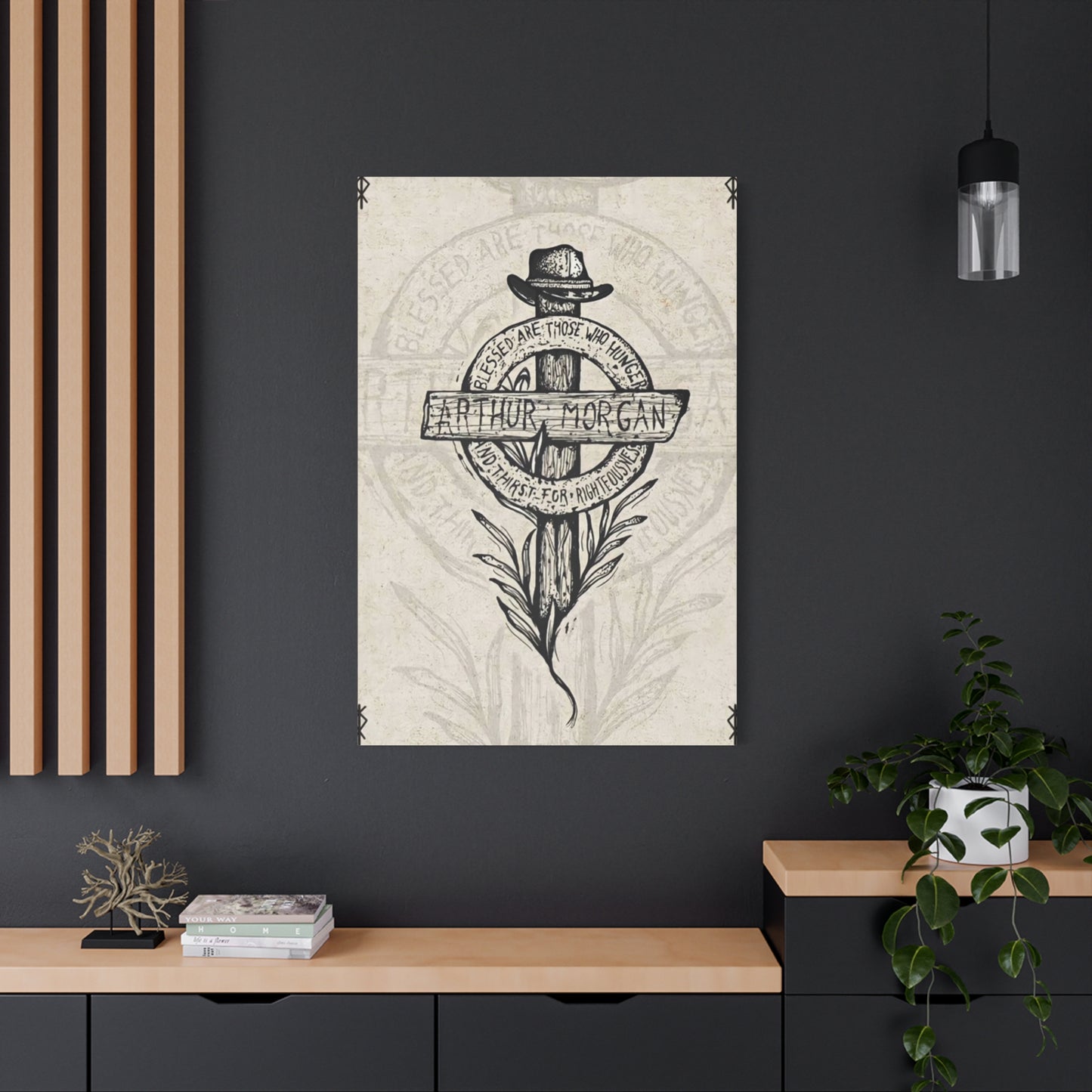
Arthur Morgan Sketch Wall Art & Canvas Prints
Arthur Morgan Sketch Wall Art & Canvas Prints
Couldn't load pickup availability
Bringing the Old West Home: Arthur Morgan Sketch Wall Art for Your Living Space
The rugged appeal of Western-themed interior decoration has witnessed remarkable growth among enthusiasts who appreciate the raw authenticity of frontier narratives. Among the most sought-after pieces capturing this essence stands the Arthur Morgan sketch wall art, representing one of gaming's most iconic protagonists from the acclaimed Red Dead Redemption series. This comprehensive exploration delves into every aspect of incorporating these striking visual pieces into residential and commercial environments, examining their cultural significance, aesthetic versatility, and lasting impact on contemporary interior design.
The Cultural Resonance Behind Outlaw Protagonist Artwork in Modern Homes
The phenomenon of displaying character-driven artwork extends far beyond simple fandom. When examining the popularity of Arthur Morgan sketch wall art, we encounter a fascinating intersection of storytelling, visual artistry, and nostalgic reverence for the American frontier period. This particular character embodies complex moral ambiguities that resonate deeply with audiences seeking more nuanced representations of the human condition.
The outlaw archetype has pervaded American consciousness since the earliest days of westward expansion. Figures operating outside societal constraints while maintaining personal codes of honor have captivated imaginations across generations. This character represents a modern interpretation of these timeless themes, filtered through contemporary narrative sensibilities that acknowledge both the romantic allure and harsh realities of that bygone epoch.
Sketch-style renderings possess distinctive qualities that differentiate them from photorealistic or heavily stylized alternatives. The visible pencil strokes, deliberate shading variations, and unfinished aesthetic create intimacy between viewer and subject. These artistic choices evoke the feeling of witnessing creative genesis itself, as though observing an artist's hand bringing form from emptiness. This raw immediacy proves particularly effective when depicting characters defined by their unpolished authenticity and moral complexity.
Contemporary collectors increasingly value artwork that sparks meaningful conversation while reflecting personal interests beyond conventional decorative choices. Arthur Morgan sketch wall art serves this purpose exceptionally, offering visual interest that invites inquiry from guests unfamiliar with the source material while providing recognition and connection for those who share appreciation for the narrative.
The psychological impact of surrounding ourselves with imagery reflecting our values and interests cannot be overstated. Spaces adorned with carefully selected artwork become extensions of personal identity, communicating aspects of character that might otherwise remain unspoken. Choosing to display outlaw protagonist imagery suggests appreciation for narrative complexity, moral examination, and the enduring mythology of American frontier identity.
Examining Various Artistic Interpretations and Visual Styles Available
The marketplace offers remarkable diversity in how artists approach rendering this iconic character. Understanding these variations enables collectors to select pieces that harmonize with existing décor while satisfying personal aesthetic preferences. From minimalist line drawings to heavily detailed crosshatch compositions, each interpretation brings unique character to residential spaces.
Traditional graphite sketches emphasize the fundamental beauty of monochromatic composition. These pieces typically showcase the artist's technical proficiency through careful attention to facial structure, shadow placement, and textural variation achieved solely through pencil pressure and stroke direction. The resulting images carry timeless quality that transcends temporary trends, ensuring relevance regardless of shifting design preferences.
Charcoal renderings introduce dramatic intensity through their characteristic deep blacks and smudged transitions. This medium lends itself particularly well to capturing the weathered features and world-weary expressions that define this character. The tactile quality of charcoal creates almost three-dimensional presence, with shadows appearing to recede into genuine depth rather than existing as flat tonal variations.
Digital sketch simulations represent contemporary approaches that replicate traditional media characteristics while offering advantages in reproduction quality and archival stability. Skilled digital artists can create remarkably authentic pencil-sketch appearances while ensuring consistency across multiple prints. These versions often prove more resistant to fading and environmental degradation compared to actual graphite or charcoal works.
Mixed media interpretations combine sketch elements with painted sections, photographic components, or textural additions that create layered visual interest. These pieces often incorporate period-appropriate elements like aged paper textures, vintage typography, or symbolic imagery drawn from Western iconography. The resulting compositions function as artistic narratives rather than simple portraits.
Minimalist line-art versions strip away extraneous detail, focusing on essential contours and characteristic features that make the subject immediately recognizable despite extreme simplification. These interpretations align beautifully with contemporary design aesthetics favoring clean lines and uncluttered spaces. Their restraint allows them to complement rather than dominate surrounding décor elements.
Highly detailed hyperrealistic sketches demonstrate technical virtuosity that borders on photographic accuracy while maintaining the unmistakable qualities of hand-rendered artwork. These pieces often require hundreds of hours to complete, with artists painstakingly rendering individual facial hairs, fabric textures, and environmental elements with extraordinary precision. Such works become focal points commanding attention and admiration.
Selecting Appropriate Dimensions and Proportions for Different Room Configurations
Proper sizing represents a crucial consideration often underestimated by first-time art buyers. Arthur Morgan sketch wall art must relate proportionally to both the wall space and surrounding furnishings to achieve balanced visual impact. Understanding basic spatial relationships prevents common mistakes that diminish artwork effectiveness.
Small format pieces measuring twelve by sixteen inches or smaller work beautifully in intimate settings like home offices, reading nooks, or bedroom nightstand areas. These compact dimensions create personal touchpoints rather than dominating architectural statements. Grouping multiple small-scale pieces in curated arrangements allows flexibility in composition while maintaining cohesive thematic expression.
Medium-sized artwork ranging from eighteen by twenty-four inches to twenty-four by thirty-six inches represents the most versatile category for residential applications. These proportions suit living rooms, dining areas, and primary bedroom walls without overwhelming space or appearing insignificant. This size range balances presence with accessibility, creating focal points that anchor design schemes without demanding complete subservience from surrounding elements.
Large format pieces exceeding three feet in any dimension make bold statements appropriate for spacious great rooms, commercial establishments, or dedicated entertainment areas. These substantial works command attention immediately upon entering spaces, establishing thematic direction for entire rooms. However, they require adequate viewing distance to be properly appreciated, making them unsuitable for compact quarters where viewers cannot step back sufficiently.
Panoramic orientations featuring extended horizontal proportions work exceptionally well above sofas, beds, or console tables where their shape echoes the furniture lines below. These formats create visual continuity that enhances perceived room width while maintaining appropriate scale relationships. Vertical orientations suit narrower wall sections like spaces between windows or alongside doorways.
Gallery wall arrangements combining multiple Arthur Morgan sketch wall art pieces of varying sizes allow creative expression while filling substantial wall areas with cohesive content. This approach requires careful planning regarding spacing, alignment, and visual weight distribution. Successful gallery walls balance variety with unity, creating dynamic compositions that reward extended viewing.
Consider ceiling height when determining appropriate artwork dimensions. Standard eight-foot ceilings typically accommodate pieces up to thirty-six inches tall comfortably, while nine or ten-foot ceilings allow proportionally larger works. The relationship between artwork height and wall height significantly impacts visual harmony, with pieces appearing either lost on expansive walls or cramped on modest ones.
Material Considerations and Print Quality Factors Affecting Longevity
The substrate and reproduction method dramatically influence both immediate visual appeal and long-term preservation of Arthur Morgan sketch wall art. Understanding these material considerations enables informed purchasing decisions that balance budget constraints with quality expectations and preservation requirements.
Canvas prints offer textured surfaces that enhance artistic authenticity while providing durability resistant to minor impacts and environmental fluctuations. Gallery-wrapped canvas stretched over wooden frames creates three-dimensional presence eliminating the need for additional framing. High-quality canvas prints utilizing archival inks maintain color accuracy and resist fading for decades when displayed away from direct sunlight.
Fine art paper provides smooth surfaces that showcase intricate details with exceptional clarity. Museum-grade papers manufactured from cotton or alpha-cellulose exhibit archival properties preserving artwork integrity across generations. The tactile quality of premium paper adds sophistication that discerning collectors appreciate. However, paper prints require protective framing to prevent handling damage and environmental deterioration.
Metal prints represent contemporary alternatives creating stunning visual impact through dye-sublimation processes that infuse images directly into specially coated aluminum surfaces. The resulting pieces exhibit extraordinary vibrancy, depth, and luminosity while offering superior moisture resistance and durability. The modern aesthetic of metal prints may not suit traditional Western-themed décor but excels in contemporary settings.
Acrylic face-mounting creates gallery-quality presentations by sandwiching prints between transparent acrylic sheets. This process produces remarkable depth and color saturation while protecting artwork behind scratch-resistant surfaces. The luminous quality achieved through acrylic mounting elevates perceived value substantially, though costs significantly exceed standard framing options.
Wood-mounted prints combine rustic authenticity with structural stability by adhering artwork directly to finished wood panels. This approach particularly suits Western themes, as natural wood grain visible at edges reinforces frontier aesthetics. Various wood species offer different color tones and grain patterns that can be selected to complement or contrast with image content.
Ink quality determines color accuracy, vibrancy, and fade resistance more than any other single factor. Pigment-based archival inks dramatically outlast dye-based alternatives, maintaining color fidelity for seventy-five years or more under proper display conditions. Giclée printing processes utilizing professional-grade archival inks on premium substrates represent gold standards for fine art reproduction.
Print resolution measured in dots per inch determines image sharpness and detail rendering. Professional reproductions should utilize minimum 300 DPI resolution, with higher values providing marginal improvements detectable primarily in very large formats viewed at close range. Inadequate resolution produces visible pixelation that undermines artistic integrity and perceived quality.
Strategic Placement Principles That Maximize Visual Impact Throughout Homes
Where you position Arthur Morgan sketch wall art within rooms significantly affects its effectiveness as decorative and conversational elements. Strategic placement considers sightlines, lighting conditions, surrounding context, and functional room usage patterns to optimize viewing experience and thematic coherence.
Eye-level hanging represents the foundational principle guiding artwork placement. Professional guidelines suggest positioning pieces so their vertical centers align approximately fifty-seven to sixty inches from floor level, matching average human eye height. This placement feels natural and accessible, though adjustments may be warranted when seating arrangements or viewer demographics differ from standard assumptions.
Living room focal walls behind sofas provide prime real estate for substantial Arthur Morgan sketch wall art pieces. This positioning capitalizes on the natural gathering orientation of seating arrangements, ensuring artwork receives attention from multiple viewing angles. Maintaining appropriate clearance between sofa backs and artwork bottom edges prevents awkward cramped appearances while allowing decorative objects on console tables.
Dining area walls benefit from artwork that stimulates conversation without distracting from social interaction. Pieces positioned opposite primary seating orientations engage attention during meal preparation and clearing while avoiding direct competition with dinner companions for focus. The character's contemplative expressions particularly suit dining environments where reflection and discussion flow naturally.
Home office and study spaces gain character and personality through carefully selected artwork reflecting occupant interests and values. Arthur Morgan sketch wall art in these environments signals appreciation for narrative complexity and moral nuance while maintaining professional appearance. Positioning artwork within natural sightlines from desk positions provides mental respite during concentrated work sessions.
Bedroom placement requires balancing visual interest with restful ambiance conducive to relaxation and sleep. Positioning artwork on walls opposite or perpendicular to bed orientations allows appreciation while dressing or moving through space without creating excessive visual stimulation from resting positions. The contemplative quality of sketch renderings suits bedroom atmospheres particularly well.
Hallways and transitional spaces often receive insufficient decorative attention despite offering excellent opportunities for artwork display. These areas accommodate narrower pieces or gallery arrangements that create visual interest while guiding movement through homes. The sequential viewing experience of hallway artwork allows narrative or thematic progressions across multiple related pieces.
Lighting dramatically affects artwork perception, with proper illumination revealing details and enhancing colors while inadequate or harsh lighting diminishes visual impact. Natural light provides ideal illumination during daylight hours but requires careful positioning to avoid direct sunlight causing fade damage. Adjustable picture lights or track lighting systems enable customized illumination optimizing specific pieces.
Framing Options That Complement Western Aesthetic Sensibilities
Appropriate framing enhances Arthur Morgan sketch wall art while protecting valuable pieces from environmental damage and physical harm. Frame selection should harmonize with both artwork characteristics and surrounding décor, creating cohesive presentations that elevate perceived quality and visual impact.
Rustic wood frames constructed from reclaimed barn wood, distressed pine, or rough-hewn timbers reinforce frontier themes while adding three-dimensional texture. These frames suit sketch artwork exceptionally well, as their handcrafted imperfections complement the organic qualities of pencil or charcoal renderings. Natural wood tones ranging from weathered grays to rich browns offer palette options accommodating various color schemes.
Simple black frames provide timeless versatility that focuses attention on artwork rather than competing for visual emphasis. The clean lines and neutral presence of quality black frames suit virtually any décor style from traditional to contemporary. Matte black finishes reduce glare and reflections compared to glossy alternatives while projecting sophisticated restraint.
Ornate gilded frames introduce elegant formality that elevates artwork importance within spaces. While potentially seeming incongruous with rough-edged outlaw subjects, the deliberate contrast can create compelling visual dialogue between refined presentation and unpolished subject matter. Antique gold finishes with deliberate patina bridge Western themes with classical artistic traditions.
Floating frames create modern presentations by suspending artwork between transparent glass or acrylic sheets, allowing images to appear suspended within frames. This contemporary approach particularly suits sketch artwork by maintaining visible paper edges and creating subtle shadow effects that enhance dimensional presence. The minimalist aesthetic of floating frames suits streamlined contemporary interiors.
Gallery-style frames featuring wide mats surrounding relatively smaller artwork create museum-quality presentations that command respect and attention. Substantial matting in neutral tones like cream, gray, or tan provides visual breathing room separating artwork from frame edges while enlarging overall presentation size. Multiple mat layers add depth and sophistication to formal displays.
Shadow box frames accommodate three-dimensional embellishments beyond flat artwork surfaces. These deeper frames allow incorporating objects like replica coins, miniature artifacts, or dimensional text elements creating layered compositions. Shadow boxes transform simple prints into curated displays telling richer stories through combined elements.
Custom framing enables precise matching between frames and artwork while ensuring proper conservation materials protect valuable pieces. Professional framers provide expertise regarding mat colors, frame styles, glass options, and mounting methods appropriate for specific artwork types. The investment in custom framing proves worthwhile for treasured pieces deserving optimal presentation and protection.
Coordinating Color Schemes and Complementary Décor Elements
Arthur Morgan sketch wall art functions most effectively when integrated thoughtfully within broader room design schemes. Understanding color theory, thematic consistency, and stylistic harmony enables creation of cohesive environments where artwork enhances rather than clashes with surrounding elements.
Monochromatic sketch artwork offers remarkable versatility due to inherent neutral palettes. Black, white, and gray tones coordinate effortlessly with virtually any color scheme, allowing bold or subtle surrounding palettes without creating discord. This flexibility makes sketch artwork particularly valuable for rooms undergoing periodic décor updates, as pieces remain appropriate across changing color preferences.
Earth-tone palettes featuring browns, tans, rusts, and sage greens echo natural frontier landscapes while creating warm inviting atmospheres. These colors harmonize beautifully with Western themes, supporting rather than competing with Arthur Morgan sketch wall art. Textiles, furniture finishes, and decorative accessories in complementary earth tones establish cohesive environments feeling intentionally designed.
Accent colors drawn from sunset palettes including burnt oranges, dusty roses, and golden yellows inject warmth and energy into spaces while maintaining period-appropriate character. These hues can be introduced through throw pillows, area rugs, decorative objects, and window treatments that punctuate neutral base palettes with controlled color interest.
Leather furnishings and accents reinforce Western authenticity while providing durable, comfortable seating and surfaces. Distressed leather exhibiting natural patina particularly suits frontier aesthetics, suggesting well-loved objects bearing witness to life's adventures. Leather's rich brown tones complement sketch artwork's monochromatic palette while adding tactile variety.
Wood elements throughout rooms create textural richness and natural warmth supporting Western themes. Exposed ceiling beams, hardwood flooring, furniture constructed from solid timber, and wood-paneled accent walls establish rustic foundations that contextualize outlaw protagonist artwork within appropriate stylistic frameworks. Varied wood tones prevent monotony while maintaining material cohesiveness.
Metal accents in aged bronze, wrought iron, or brushed steel introduce industrial elements recalling frontier-era tools, hardware, and fixtures. Light fixtures, curtain rods, furniture legs, and decorative objects incorporating these metals add visual interest while remaining thematically appropriate. The cool tones of metal provide contrast against warm wood and leather elements.
Textile patterns including Native-inspired geometrics, traditional plaids, and subtle stripes add visual complexity without overwhelming spaces. These patterns work best when limited to accent pieces like throw pillows, blankets, and small area rugs rather than dominating large furniture upholstery or wall coverings. Pattern scale should vary across room elements creating layered interest.
Caring for Your Artwork to Preserve Quality Across Decades
Proper preservation practices ensure Arthur Morgan sketch wall art retains visual appeal and structural integrity for generations. Understanding common deterioration causes and implementing preventive measures protects valuable pieces from premature aging, damage, and degradation.
Ultraviolet radiation represents the primary threat to artwork longevity, causing irreversible fading and color shifts even in archival-quality prints. Positioning artwork away from windows receiving direct sunlight provides basic protection, while UV-filtering glass or acrylic glazing blocks harmful wavelengths without significantly affecting visible light transmission or color accuracy. Museum-quality UV protection filters approximately ninety-nine percent of damaging radiation.
Temperature and humidity fluctuations stress artwork substrates causing dimensional changes that eventually produce warping, buckling, or cracking. Maintaining stable indoor environments between sixty-five and seventy-five degrees Fahrenheit with relative humidity between forty and fifty-five percent provides ideal preservation conditions. Avoid hanging artwork above heat sources like fireplaces, radiators, or heating vents where thermal cycling proves most extreme.
Dust accumulation dulls artwork appearance while harboring moisture and pollutants that gradually degrade surfaces. Regular gentle dusting using clean soft brushes or microfiber cloths prevents buildup without risking abrasion damage. Framed pieces behind glass require only occasional exterior cleaning, while unprotected canvas or paper surfaces demand more delicate approaches avoiding direct contact pressure.
Environmental pollutants including cigarette smoke, cooking fumes, and airborne particulates chemically react with artwork surfaces causing discoloration and deterioration. Adequate ventilation and air filtration systems minimize exposure to these contaminants. Never hang valuable artwork in kitchens or other high-pollution environments where grease and smoke concentrate.
Proper hanging hardware prevents accidents that damage both artwork and walls. Use appropriate picture hangers rated for frame weight, ensuring secure attachment to wall studs or proper anchors in drywall. Inspect hanging hardware periodically for signs of loosening, corrosion, or fatigue that might precipitate failures.
Professional conservation assessment proves worthwhile for particularly valuable or sentimental pieces. Qualified conservators identify existing condition issues and recommend appropriate interventions or preservation strategies. Conservation-grade materials and methods far exceed standard practices in effectiveness and longevity.
Insurance documentation protects investments by facilitating replacement or restoration following damage or loss. Photograph artwork clearly showing overall appearance and any distinctive features, retain purchase receipts, and document estimated values through appraisals when warranted. Specialized fine art insurance policies provide superior coverage compared to standard homeowner policies.
Discovering Authentic Sources for Quality Reproductions
Locating high-quality Arthur Morgan sketch wall art requires understanding marketplace options, distinguishing legitimate offerings from inferior products, and recognizing value indicators that justify varying price points. Informed purchasing protects against disappointment while ensuring satisfactory long-term ownership experiences.
Independent artists creating original interpretations offer unique pieces unavailable through commercial channels. These works exhibit individual artistic vision and craftsmanship deserving appreciation beyond mass-produced alternatives. Supporting independent creators fosters artistic communities while acquiring pieces with inherent uniqueness. Online platforms connecting artists directly with buyers facilitate discovery of talented creators working in sketch mediums.
Licensed merchandise ensures legal compliance with intellectual property rights while typically maintaining quality standards befitting associated brands. Official licensed products support content creators and rights holders, contributing to continued production of beloved characters and narratives. Licensing marks and authentic documentation distinguish legitimate products from unauthorized reproductions.
Print-on-demand services offer accessibility and variety through extensive catalogs and customization options. These platforms enable ordering specific sizes, frame combinations, and substrate choices tailored to individual preferences. Quality varies significantly between print-on-demand providers, with premium services utilizing superior materials and reproduction methods justifying higher costs compared to budget alternatives.
Specialized retailers focusing on gaming-related artwork curate selections appealing to enthusiast communities. These vendors typically understand their audiences' preferences and quality expectations, offering products meeting higher standards than general-purpose retailers. Customer reviews and community reputation provide valuable insights regarding vendor reliability and product satisfaction.
Etsy marketplaces host numerous independent sellers offering handcrafted and custom Arthur Morgan sketch wall art pieces. The platform's review systems and buyer protection policies reduce transaction risks while supporting small creators. Carefully review seller ratings, product photographs, and description details before purchasing to ensure expectations align with actual offerings.
Convention and gaming event vendors provide opportunities for in-person examination before purchasing. Direct interaction with artists and sellers facilitates questions regarding materials, processes, and customization possibilities. Convention exclusives sometimes offer unique variants unavailable through other channels, appealing to collectors seeking distinctive pieces.
Commission work allows completely customized creations tailored precisely to specifications regarding size, style, composition, and details. Commissioning artists to create original Arthur Morgan sketch wall art produces one-of-a-kind pieces perfectly suited to specific spaces and preferences. Clear communication regarding expectations, timelines, and approval processes ensures satisfactory outcomes.
Building Thematic Collections Around Frontier Narratives
Single artwork pieces provide starting points for broader collections exploring Western themes, outlaw narratives, and frontier mythology through visual media. Thoughtful collection building creates cohesive displays offering richer storytelling and visual interest than isolated pieces.
Character series featuring multiple protagonists and supporting figures from related narratives create ensemble presentations. Grouping Arthur Morgan sketch wall art alongside companions and contemporaries establishes narrative context while filling substantial wall areas with thematically unified content. Maintaining consistent artistic styles, sizes, and framing across series pieces ensures visual coherence.
Scene progression collections depicting sequential moments from favorite story arcs function as visual storytelling devices. These arrangements guide viewers through narrative beats while creating dynamic compositions where individual pieces relate to neighbors. Comic strip or storyboard arrangements emphasize sequential nature, while more abstract groupings suggest thematic connections without literal chronology.
Mood and moment variations showing characters in different emotional states or situations demonstrate range and complexity. Contrasting contemplative portraits with action scenes or vulnerable moments alongside defiant poses creates psychological depth inviting extended contemplation. These variations prevent monotony while revealing multifaceted character dimensions.
Period artifact collections combine character artwork with reproductions of historically-appropriate objects, documents, maps, and ephemera. Shadow boxes, shelving displays, and gallery walls integrating diverse elements create immersive environments evoking frontier atmospheres. Authentic or replica period pieces including wanted posters, vintage photographs, and period-appropriate tools enhance thematic authenticity.
Location-based collections featuring landscape artwork depicting iconic environments contextualize character pieces within their settings. Sweeping vistas, intimate campsite scenes, and weathered frontier town depictions establish sense of place while providing visual variety from portrait-focused pieces. Landscape orientations particularly suit spaces above furniture requiring horizontally-proportioned artwork.
Cross-media collections incorporate gaming screenshots, promotional materials, concept art, and fan creations alongside formal Arthur Morgan sketch wall art pieces. These eclectic assemblages celebrate creative properties across various manifestations while demonstrating personal engagement depth. Mixing official licensed products with independent artist works creates layered collections reflecting both commercial and grassroots creative communities.
Rotational display strategies allow enjoying extensive collections despite limited wall space. Seasonal rotations, periodic refreshes based on mood preferences, or systematic cycling through inventory maintains novelty while protecting stored pieces from light exposure and environmental stress. Digital catalogs documenting complete collections facilitate rotation planning and inventory management.
Understanding Artistic Value and Investment Considerations
Arthur Morgan sketch wall art ownership involves both aesthetic enjoyment and potential financial dimensions warranting consideration. Understanding factors influencing artwork value enables informed acquisition decisions balancing personal satisfaction with prudent resource allocation.
Original artwork created directly by artists commands premium pricing reflecting unique handcrafted nature and inherent irreproducibility. These pieces appreciate based on artist reputation, technical execution quality, subject matter desirability, and market demand dynamics. Investing in emerging artists with developing reputations offers potential appreciation opportunities alongside current affordability.
Limited edition prints numbered and signed by artists establish artificial scarcity increasing perceived value relative to unlimited open-edition alternatives. Edition sizes significantly impact premium levels, with smaller runs commanding substantially higher prices. Certificates of authenticity documenting edition numbers, print dates, and artist signatures prove essential for establishing provenance and value.
Artist reputation and career trajectory dramatically affect artwork values. Established artists with exhibition histories, critical recognition, and strong collector followings command premium pricing reflecting proven track records. Emerging artists offer more accessible entry points with appreciation potential if careers develop favorably. Research artist backgrounds, exhibition participation, and market presence when evaluating purchases.
Subject matter popularity influences demand and corresponding values. Currently iconic and culturally relevant characters like Arthur Morgan maintain strong collector interest sustaining healthy resale markets. However, cultural tastes shift over time, with yesterday's phenomena becoming tomorrow's obscurities. Balance enthusiast passion with realistic assessment of long-term relevance when considering investment dimensions.
Condition preservation directly impacts resale values, with pristine pieces commanding substantial premiums over damaged or degraded alternatives. Implementation of proper preservation practices protects both aesthetic enjoyment and financial value. Professional restoration of damaged pieces proves expensive and rarely fully recovers original value.
Provenance documentation establishing ownership history, creation circumstances, and authenticity verification substantially impacts valuable piece marketability. Maintain purchase receipts, certificates of authenticity, artist correspondence, and condition reports throughout ownership tenure. This documentation proves essential when seeking insurance coverage, appraisals, or eventual resale.
Market timing affects realization of investment returns, with cultural zeitgeist fluctuations creating variable demand patterns. Patience allows selling during favorable market conditions rather than accepting discounted prices during temporary demand troughs. However, overemphasis on investment returns potentially diminishes pure enjoyment of artwork ownership.
Creating Gallery Walls That Tell Cohesive Visual Stories
Gallery wall arrangements transform multiple individual pieces into unified compositions exceeding the sum of their parts. Successful gallery walls require planning regarding layout, spacing, thematic coherence, and visual balance while allowing creative expression reflecting personal aesthetic sensibilities.
Planning layouts before hanging prevents costly mistakes and unnecessary wall damage. Create paper templates matching actual frame dimensions and experiment with arrangements using painter's tape on walls. This process reveals spatial relationships, identifies optimal configurations, and ensures adequate spacing before committing to permanent mounting.
Symmetrical arrangements featuring balanced compositions appeal to classical sensibilities favoring order and harmony. Grid patterns with uniform spacing between identically-sized frames create clean architectural statements. Symmetry suits formal spaces and traditional design aesthetics while simplifying layout planning through mathematical precision.
Asymmetrical organic arrangements embrace irregular spacing and varied frame sizes creating dynamic visual interest. These compositions feel more spontaneous and personal compared to rigid symmetrical alternatives. Successful asymmetry requires careful attention to visual weight distribution ensuring balanced compositions despite irregular elements.
Central anchor pieces establish focal points around which supporting elements orbit. Large signature Arthur Morgan sketch wall art pieces function effectively as anchors with smaller complementary works surrounding them. This hierarchical approach creates clear visual entry points guiding viewer attention through compositions.
Horizontal linear arrangements suit spaces above furniture where vertical development proves limited. These formations spread across substantial wall widths while maintaining relatively constrained heights. Varying frame sizes within horizontal constraints prevents monotonous uniformity while respecting architectural boundaries.
Vertical column arrangements work effectively in narrow wall sections like hallway segments or spaces between architectural features. Stacked configurations draw eyes upward while efficiently utilizing limited horizontal space. Maintaining consistent frame widths throughout columns creates cohesive appearances despite varied heights.
Salon-style dense arrangements covering entire walls from floor to near-ceiling create dramatic immersive displays. This approach suits dedicated gallery spaces or feature walls intended as room focal points. Successful salon walls require numerous pieces creating sufficient density justifying comprehensive coverage.
Spacing consistency significantly impacts gallery wall cohesiveness. Professional galleries typically space frames two to four inches apart, with consistent gaps throughout arrangements creating visual rhythm. Overly tight spacing creates cluttered appearances while excessive gaps fragment compositions into isolated elements.
Incorporating Lighting Design That Enhances Artistic Presentation
Proper illumination dramatically affects Arthur Morgan sketch wall art visibility, color accuracy, and overall impact. Strategic lighting design elevates artwork from merely visible to genuinely showcase-worthy while preventing damage from excessive or inappropriate light exposure.
Picture lights mounted directly above frames provide focused illumination highlighting specific pieces. These fixtures attach to frames or adjacent walls, directing concentrated light across artwork surfaces. Adjustable arms allow precise positioning optimizing illumination angles. LED picture lights offer energy efficiency and minimal heat generation protecting artwork from thermal damage.
Track lighting systems provide flexible illumination accommodating multiple artwork pieces or gallery wall arrangements. Adjustable fixtures mounted on ceiling tracks allow redirecting light as collections evolve or rearrange. Quality track systems accept various bulb types enabling customization of color temperature, beam spread, and intensity.
Recessed ceiling spotlights create clean architectural appearances without visible fixtures competing for attention. Angled recessed lights positioned appropriately distance from walls wash artwork surfaces evenly without creating harsh shadows or hot spots. Dimmer controls enable intensity adjustments accommodating different viewing preferences and ambient light conditions.
Natural daylight provides ideal color rendering when properly managed to prevent direct sun exposure and UV damage. Sheer window treatments diffuse harsh direct sunlight while maintaining brightness. Positioning artwork perpendicular to windows rather than opposite them minimizes glare and reflections on glazed surfaces.
Ambient room lighting establishes baseline illumination affecting artwork visibility within broader environmental contexts. While insufficient alone for optimal artwork presentation, adequate ambient lighting prevents excessive contrast between illuminated artwork and surrounding darkness causing eye strain and diminishing viewing comfort.
Color temperature measured in Kelvin significantly affects perceived artwork appearance. Warm white light between 2700K and 3000K creates cozy inviting atmospheres but may yellow monochromatic sketch artwork. Neutral white around 3500K to 4000K provides balanced illumination maintaining natural appearance. Cool white above 5000K renders artwork harshly and typically proves unsuitable for residential applications.
Lighting angles relative to artwork surfaces determine shadow patterns and surface texture visibility. Thirty-degree angles from vertical provide good general-purpose illumination minimizing glare while revealing surface texture. Shallower angles emphasize texture but increase glare risk, while steeper angles flatten appearance reducing dimensional perception.
Dimming capabilities allow adjusting lighting intensity matching different times of day, activities, and moods. Variable lighting accommodates both detailed examination requiring bright illumination and ambient viewing during entertaining or relaxation preferring subdued lighting. Smart lighting systems enable programmed scenes automatically adjusting throughout daily cycles.
Exploring the Psychological Impact of Character-Driven Artwork
The presence of specific imagery within personal spaces extends beyond mere decoration, influencing mood, thought patterns, and self-perception in subtle but meaningful ways. Understanding these psychological dimensions enriches appreciation for why particular Arthur Morgan sketch wall art pieces resonate with individuals.
Character identification creates psychological connections between viewers and depicted subjects. When selecting artwork featuring characters embodying admired qualities like resilience, honor, or introspection, viewers subconsciously reinforce these values within themselves. The daily presence of these visual reminders subtly shapes priorities and behavioral inclinations.
Narrative immersion through environmental cues maintains mental connections with beloved stories providing emotional sustenance. Surrounding ourselves with visual references to meaningful narratives creates ongoing touchpoints keeping story themes and lessons accessible. This sustained engagement enriches daily experience by maintaining connection with resonant content.
Contemplative imagery encourages reflection and mindfulness through visual cues prompting mental pause. Sketch artwork's inherent intimacy and unfinished quality invites viewers to mentally complete images, engaging active observation rather than passive glancing. The weathered, thoughtful expressions characteristic of this particular protagonist encourage viewers toward similar contemplative states.
Aspirational representation displays imagery embodying qualities viewers seek to cultivate within themselves. The complex morality, loyalty, and personal code demonstrated by this character inspire viewers examining their own ethical frameworks and behavioral choices. Artwork becomes visual mentor subtly encouraging personal growth.
Nostalgia activation through familiar imagery triggers positive emotional responses associated with memorable experiences. For those with strong attachments to source narratives, Arthur Morgan sketch wall art evokes fond memories of story moments, discovery excitement, and emotional impact experienced during initial engagement. These positive associations color broader environmental perception.
Conversation facilitation through distinctive artwork choices creates natural social interaction starting points. Unusual or personalized décor naturally prompts guest inquiry, providing opportunities to share enthusiasms and connect over common interests. These interactions deepen relationships while validating personal preferences through shared appreciation.
Identity expression communicates personal values and interests without verbal declaration. Home environments function as three-dimensional self-portraits revealing occupant character through accumulated choices. Displaying outlaw protagonist artwork signals appreciation for moral complexity, narrative depth, and unpolished authenticity over superficial conventionality.
Examining Cultural Significance Within Gaming and Broader Media
The remarkable resonance of Arthur Morgan sketch wall art reflects broader cultural phenomena surrounding interactive storytelling, character-driven narratives, and the elevation of gaming media to artistic legitimacy. Examining these contexts enriches understanding of why particular characters transcend their original formats.
Interactive storytelling creates uniquely powerful emotional connections through player agency and identification. Unlike passive media consumption, gaming requires active participation in narrative unfolding. Players don't merely observe character journeys but literally guide protagonists through defining moments, creating psychological investment exceeding traditional media engagement.
Moral complexity in contemporary narratives reflects audience maturation beyond simplistic good-versus-evil dichotomies. Characters exhibiting human flaws, ethical ambiguity, and conflicting motivations resonate more authentically than idealized heroes. This protagonist's journey through loyalty, regret, and redemption exemplifies narrative sophistication elevating gaming to artistic respectability.
Cultural mythology evolution adapts timeless archetypes to contemporary sensibilities. The outlaw figure represents modern interpretation of ancient rebel heroes operating outside corrupt systems while maintaining personal integrity. This character's frontier setting provides nostalgic historical backdrop while themes of loyalty, identity, and mortality transcend temporal specifics.
Medium maturation legitimizes gaming as artistic expression worthy of serious critical analysis and cultural preservation. As gaming reaches audiences across generational and demographic boundaries, iconic characters achieve cultural saturation comparable to classic literature, cinema, and fine art protagonists. Arthur Morgan sketch wall art represents physical manifestation of this cultural legitimacy.
Community formation around shared enthusiasm creates social structures bonding individuals through common interests. Fan communities produce remarkable creative output including artwork, writing, analysis, and discussion extending well beyond original content consumption. Displaying community-created artwork demonstrates participation in these creative ecosystems.
Transmedia storytelling extends narratives across multiple platforms creating richer fictional universes than single-medium approaches allow. Characters achieving cultural prominence often transcend original contexts, appearing in various media formats and inspiring diverse creative interpretations. This multimedia presence reinforces cultural significance and maintains relevance.
Generational imprinting creates lasting attachments when formative encounters with characters occur during psychologically significant life periods. Young adult audiences experiencing powerful narratives during identity formation often maintain lifelong connections with characters encountered during these developmental windows. Arthur Morgan sketch wall art allows maintaining these connections throughout life stages.
Commissioning Custom Artwork Tailored to Personal Specifications
While commercial offerings provide convenience and affordability, commissioned original artwork delivers unique pieces perfectly matched to specific preferences and spaces. Understanding the commission process enables successful collaborations between collectors and artists producing truly personalized results.
Artist selection represents the foundational decision determining final artwork character. Review extensive portfolio examples assessing whether artists' existing styles align with desired aesthetics. Consider subject matter experience, technical proficiency, and demonstrated ability to capture specific qualities like weathered features or contemplative expressions characteristic of this protagonist.
Initial consultation establishes mutual understanding regarding project scope, specifications, and expectations. Clearly communicate desired dimensions, preferred medium, stylistic direction, specific scene or expression preferences, and any contextual elements to incorporate. Reference images help convey visual concepts transcending verbal description limitations.
Quotation and timeline discussion addresses practical considerations including pricing, payment schedules, and project completion timeframes. Custom artwork prices vary dramatically based on artist reputation, technical complexity, size, and medium. Realistic timeline expectations account for artist workload and creation time requirements, typically spanning weeks or months for substantial pieces.
Final Thoughts
Bringing the Old West home through Arthur Morgan sketch wall art is a way to immerse your living space in the rugged charm and enduring spirit of a bygone era. Morgan’s sketches, with their raw and detailed depictions of the American frontier, capture the essence of the Old West—a time marked by adventure, exploration, and the strength of the human spirit. These artworks provide more than just a visual connection to history; they evoke the feeling of a time and place where cowboys, horses, and wide-open landscapes reigned supreme, transporting you to a world that feels both timeless and evocative.
Arthur Morgan’s sketches are known for their intricate line work, dramatic shadows, and finely rendered details, all of which help bring the Old West to life in a way that’s both gritty and poetic. Whether depicting a lone cowboy on horseback, a sprawling desert landscape, or the architecture of early Western settlements, Morgan’s artwork conveys a deep sense of solitude and freedom that defined the frontier experience. These sketches have a timeless quality that makes them more than just historical art; they’re reflections of the enduring spirit of the American West.
When you bring these pieces into your home, you’re not just adding a decorative element; you’re embracing a part of American history that speaks to themes of exploration, resilience, and independence. The minimalist, monochromatic style of the sketches adds a level of sophistication, making them suitable for a wide range of interior styles—whether you lean toward rustic farmhouse aesthetics, a more contemporary, industrial vibe, or even a space with subtle Southwestern influence. The simplicity of the sketches allows them to complement a variety of color schemes and room layouts while maintaining their visual impact.
Moreover, the Old West embodies a sense of nostalgia and adventure that many people find deeply appealing. The raw landscapes, the feeling of open space, and the rugged lifestyle are captured in Morgan’s work, making them a compelling choice for anyone looking to add character and a sense of history to their living space. These pieces also create a conversation starter, sparking discussions about the history and culture of the American West, the lifestyle of early settlers, and the bold individuals who carved out their lives in the wilderness.
Incorporating Arthur Morgan sketch wall art into your living space allows you to honor the legacy of the Old West in a way that feels both personal and powerful. It offers a glimpse into the past, celebrating a time when the land was wild, the people were tough, and the adventures seemed endless. For those who appreciate history, art, and the captivating allure of the frontier, Morgan’s sketches are a beautiful and meaningful way to bring the spirit of the Old West into your home.
Share