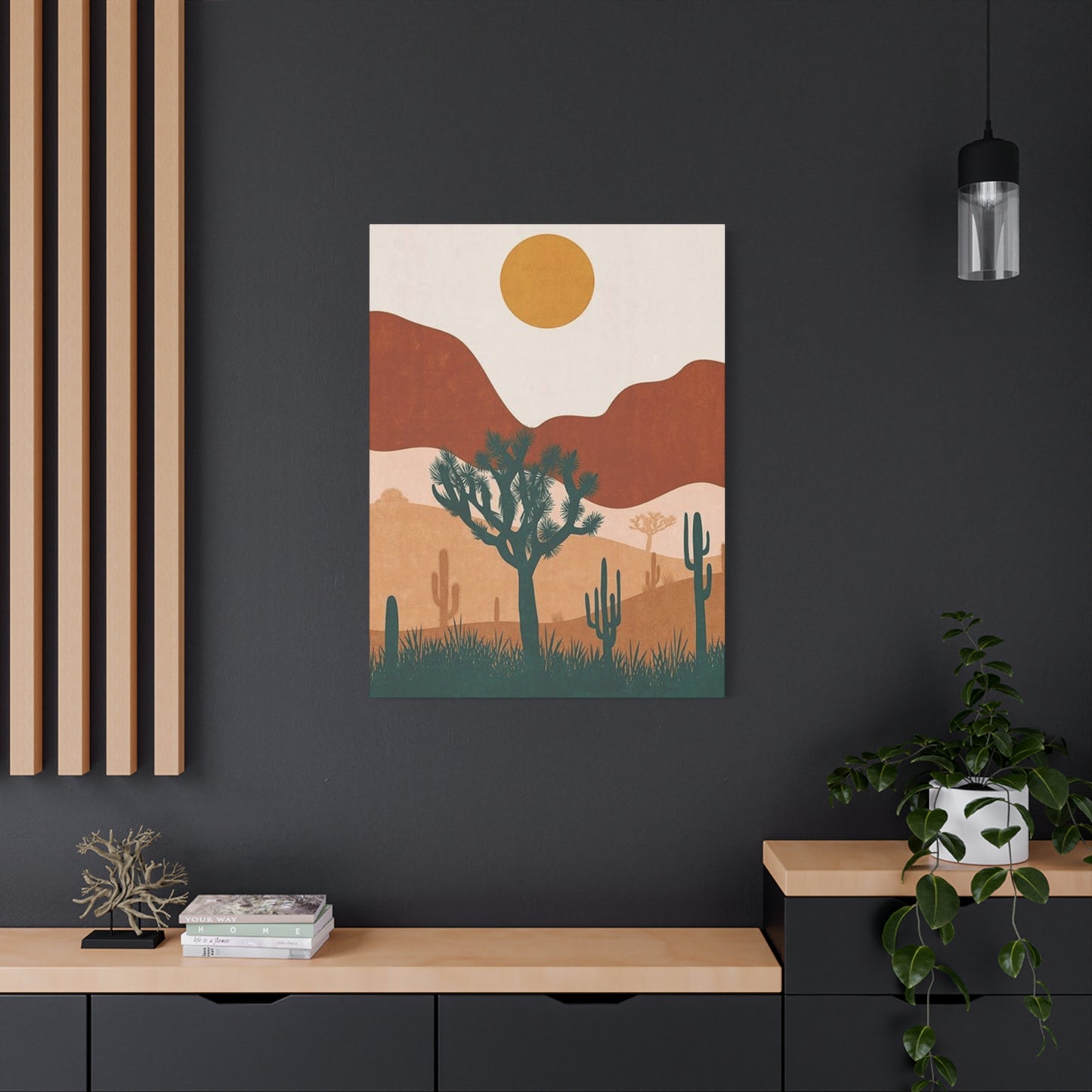
Arizona Wall Art & Canvas Prints
Arizona Wall Art & Canvas Prints
Couldn't load pickup availability
Uncover the Majestic Beauty of Arizona Wall Art: Your Full Guide to Desert-Inspired Home Décor
Arizona wall art represents more than mere decorative pieces hanging on residential or commercial walls. These artistic creations capture the raw, untethical beauty of the southwestern landscape, bringing the majesty of crimson sunsets, towering saguaro cacti, and rugged canyon formations directly into living spaces. The movement toward incorporating regional aesthetics into interior design has gained tremendous momentum, with desert-themed artwork becoming a cornerstone of contemporary home styling.
The fascination with southwestern visuals stems from their ability to evoke powerful emotional responses. When individuals observe representations of Arizona's natural wonders, they experience an immediate connection to the vast openness and serene tranquility that characterizes the region. This connection transcends geographical boundaries, allowing people worldwide to embrace the spirit of the American Southwest through carefully curated artistic expressions.
Understanding Why Desert Landscapes Resonate So Deeply With Modern Collectors
The human attraction to desert imagery operates on multiple psychological levels. Desert environments represent freedom, simplicity, and a return to fundamental elements of existence. When translated into visual artwork, these themes manifest through warm color palettes dominated by terracotta, burnt sienna, dusty rose, and golden amber. The minimalist nature of desert scenery, with its clean lines and uncluttered vistas, appeals to contemporary sensibilities that favor streamlined aesthetics.
Collectors and homeowners gravitate toward Arizona wall art because it offers a respite from urban complexity. In cities where concrete and steel dominate the visual landscape, artwork depicting wide-open desert spaces provides a necessary counterbalance. The psychological impact of viewing such imagery has been documented extensively, with studies indicating that natural landscape representations can reduce stress levels and promote mental clarity.
The textural variety available in southwestern artwork adds another dimension to its appeal. Artists working in this genre employ diverse mediums including oil paints, watercolors, metal sculptures, photography, and mixed media compositions. Each medium brings unique characteristics that enhance the viewer's experience. Watercolor renditions might capture the ephemeral quality of desert light, while metal sculptures can convey the stark resilience of desert flora through three-dimensional form.
Exploring the Diverse Styles That Define Southwestern Visual Expressions
Arizona wall art encompasses an impressive range of stylistic approaches, each offering distinct interpretive lenses through which to view the desert experience. Realist painters meticulously recreate geological formations, capturing every shadow and crevice with photographic precision. These works appeal to collectors who value accurate representation and documentary-style depictions of specific locations like Monument Valley, the Painted Desert, or the Grand Canyon.
Abstract interpretations take a divergent approach, distilling desert elements into geometric shapes, color fields, and emotional impressions. Abstract southwestern art might reduce a sunset to bold horizontal bands of color or represent a saguaro cactus as a series of vertical green rectangles. This style resonates with viewers who appreciate conceptual thinking and prefer artwork that stimulates imagination rather than providing literal documentation.
Contemporary Southwest art blends traditional imagery with modern design principles. Artists working in this mode might incorporate native patterns, petroglyphs, or tribal motifs into compositions that feature clean lines and contemporary color schemes. The result bridges cultural heritage with current aesthetic preferences, creating pieces that honor tradition while remaining firmly anchored in present-day visual language.
Vintage-inspired Southwest artwork draws from mid-century design movements that romanticized the American West. These pieces often feature saturated colors, stylized landscapes, and a nostalgic quality that evokes roadside attraction posters and classic travel advertisements. Collectors seeking to create retro-themed interiors find these works particularly valuable for establishing authentic period atmospheres.
Selecting Artwork That Harmonizes With Existing Interior Design Schemes
Choosing appropriate Arizona wall art requires careful consideration of multiple factors beyond personal preference. The existing color palette within a space dictates which artworks will integrate seamlessly versus those that might create jarring contrasts. Rooms featuring neutral tones provide maximum flexibility, allowing artwork with vibrant desert colors to serve as focal points without overwhelming the environment.
Scale represents another critical consideration. Oversized pieces command attention and work best in rooms with substantial wall space and minimal competing visual elements. Smaller works function effectively when grouped in gallery-style arrangements, creating visual interest through curated collections rather than individual statement pieces. The relationship between artwork dimensions and furniture proportions affects perceived balance within a room, with improperly scaled pieces creating disharmony regardless of their inherent quality.
Lighting conditions dramatically influence how artwork appears within a space. Natural light reveals true colors and creates dynamic viewing experiences as the sun's angle changes throughout the day. Artificial lighting allows for controlled presentation but requires careful selection of bulb types and positioning to avoid glare or color distortion. Many collectors invest in specialized picture lights that illuminate artwork without generating excessive heat or causing fading over time.
The architectural characteristics of a room influence artwork selection in subtle but important ways. Spaces with Southwestern architectural elements like exposed wood beams, adobe-style walls, or terracotta flooring naturally complement desert-themed artwork. Conversely, ultra-modern spaces with sleek surfaces and minimalist features benefit from more abstract or contemporary interpretations of southwestern themes to maintain stylistic consistency.
Investigating the Symbolism Embedded Within Desert Imagery
Arizona wall art frequently incorporates symbols that carry deep cultural and spiritual significance. The saguaro cactus, an icon of the Sonoran Desert, represents endurance, protection, and the ability to thrive in harsh conditions. Its towering presence in artwork serves as a reminder of resilience and adaptability. Native peoples traditionally viewed the saguaro as a person, attributing human qualities to these majestic plants that can live for over 200 years.
Kokopelli, the humpbacked flute player figure found in ancient petroglyphs throughout the Southwest, appears frequently in contemporary artwork. This fertility deity symbolizes music, joy, and the arrival of spring. His presence in wall art connects modern living spaces to ancient traditions, creating a sense of continuity across millennia. Artists interpret Kokopelli in countless ways, from faithful reproductions of prehistoric rock art to whimsical contemporary renditions.
Thunderbird imagery draws from indigenous mythology, representing power, strength, and divine protection. This enormous supernatural bird, believed to create thunder by flapping its wings and lightning by blinking its eyes, appears in both traditional and modern artistic contexts. Thunderbird representations in wall art often feature bold, angular designs that convey the creature's formidable nature while adding striking visual elements to interior spaces.
Spiral motifs, prevalent in ancestral Puebloan rock art, symbolize journeys, cycles, and cosmic connections. These elegant geometric forms translate beautifully into contemporary design contexts, appearing in everything from large-scale metal sculptures to delicate line drawings. The spiral's mathematical precision and organic growth pattern create a bridge between natural phenomena and human-made art.
Discovering Where to Source Authentic Southwestern Artwork for Your Collection
Acquiring quality Arizona wall art requires knowledge of reliable sources and an understanding of market dynamics. Regional galleries in cities like Scottsdale, Santa Fe, and Tucson offer curated selections directly from accomplished artists. These establishments provide authentication, provenance documentation, and expert guidance that prove invaluable for serious collectors. Gallery relationships often yield access to emerging artists before their work gains widespread recognition and corresponding price increases.
Art festivals and shows throughout the Southwest present opportunities to meet creators directly, understand their processes, and purchase works without gallery markup. Events like the Scottsdale Arts Festival or the Phoenix Art Walk showcase hundreds of artists working in diverse mediums and styles. Direct artist purchases support creative communities while often yielding more favorable pricing than traditional retail channels.
Online marketplaces have democratized art acquisition, allowing collectors worldwide to access southwestern artwork regardless of geographic location. Platforms dedicated to handmade and artistic goods enable artists to reach global audiences while maintaining control over their work and pricing. However, online purchasing requires vigilance regarding quality, authenticity, and accurate representation of colors and dimensions.
Estate sales, auctions, and antique dealers occasionally offer vintage southwestern artwork with historical significance. These pieces may include works by renowned artists from the Taos Society of Artists or the Cowboy Artists of America, organizations that shaped perceptions of the American West through their creative output. Authenticating vintage works requires expertise, as the market contains reproductions and misattributed pieces that can deceive inexperienced buyers.
Examining the Role of Native Artistic Traditions in Contemporary Wall Décor
Indigenous artistic traditions form the foundation upon which much contemporary southwestern art stands. Pueblo pottery designs, with their geometric precision and symbolic imagery, influence countless modern interpretations. The distinctive black-on-black pottery developed by Maria Martinez at San Ildefonso Pueblo inspired generations of artists to explore monochromatic palettes and minimalist design principles. These aesthetic choices translate effectively to wall art, creating pieces that honor cultural heritage while fitting contemporary spaces.
Navajo weaving patterns provide rich source material for artists creating southwestern wall pieces. The intricate geometric designs found in traditional textiles, including Two Grey Hills, Teec Nos Pos, and Ganado patterns, translate beautifully to other mediums. Painters reproduce these patterns on canvas, metalworkers incorporate them into sculptural pieces, and photographers capture vintage textiles in ways that allow their display as wall art.
Sand painting traditions, central to Navajo healing ceremonies, have influenced contemporary artists despite their sacred nature. While authentic ceremonial sand paintings are never sold or permanently preserved, the aesthetic principles underlying their creation appear in permanent artwork. Artists create sand-inspired pieces using colored sands, ground minerals, and similar materials, producing textured works that evoke the spiritual power of traditional practices without appropriating sacred imagery.
Kachina representations walk a delicate line between artistic expression and cultural sensitivity. These spiritual beings, central to Hopi and other Puebloan belief systems, appear in various artistic contexts. Respectful artists work with community members to ensure their representations honor cultural protocols while creating visually compelling artwork. Collectors must exercise discernment, avoiding pieces that appropriate sacred imagery inappropriately while supporting works created with cultural consultation and approval.
Learning How Various Mediums Create Different Aesthetic Experiences
Oil paintings deliver richness and depth unmatched by other mediums, making them ideal for depicting the dramatic lighting conditions that characterize Arizona landscapes. The slow drying time of oil paints allows artists to blend colors seamlessly, creating subtle gradations that capture the atmospheric perspective visible in desert vistas. Layering techniques build luminosity, particularly effective when rendering sunset skies where multiple color transitions occur simultaneously.
Watercolor's translucent quality perfectly captures the ethereal light that filters through desert air. The medium's tendency toward soft edges and subtle color mixing mirrors the hazy horizons and diffused sunlight common in arid environments. Watercolor paintings on quality paper possess a delicate beauty that suits intimate spaces where viewers can appreciate fine details and nuanced color work.
Acrylic paints offer versatility, drying quickly while allowing bold color application. Artists working in acrylics can achieve both transparent washes similar to watercolors and opaque coverage rivaling oils. The medium's flexibility makes it popular among contemporary southwestern artists who might combine realistic elements with abstract passages within single compositions.
Photography captures Arizona's grandeur with documentary precision, preserving specific moments in time. Large-format landscape photography showcases the vast scale of southwestern scenery, while macro photography reveals the intricate details of desert flora that casual observers might miss. Black and white photography strips away color distractions, emphasizing form, texture, and tonal relationships inherent in desert landscapes.
Metal sculptures bring three-dimensional presence to walls, with materials like copper, steel, and bronze offering durability and distinctive aesthetics. Copper develops natural patinas that shift from bright metallic to deep verdigris, creating living artworks that evolve over time. Steel can be powder-coated in vibrant colors or left to develop rust, providing industrial edge to southwestern themes. Metal artwork often incorporates cutout designs that cast interesting shadows, adding temporal variation as lighting conditions change.
Mastering the Art of Creating Gallery Wall Arrangements With Desert Themes
Gallery walls transform ordinary spaces into curated exhibitions that reflect personal taste and style. When assembling collections featuring Arizona wall art, coherence emerges from thoughtful selection rather than random accumulation. Successful arrangements balance variety with unity, incorporating diverse pieces that share unifying elements like color palette, subject matter, or style.
Planning gallery arrangements before hanging prevents frustrating trial-and-error mounting. Creating paper templates matching each piece's dimensions allows rearrangement on the floor until achieving satisfactory composition. This preparatory step saves walls from unnecessary holes and ensures final arrangements meet expectations. Digital planning tools offer alternative approaches, allowing virtual arrangement before physical implementation.
Spacing between pieces affects overall visual impact significantly. Tight spacing (2-3 inches between frames) creates dense, museum-style presentations that emphasize the collection's totality. Wider spacing (4-6 inches) allows individual pieces more breathing room, suitable when each work merits independent attention. Consistent spacing throughout an arrangement creates visual order, while varied spacing can generate dynamic energy but risks appearing haphazard.
Anchor pieces, typically larger works placed centrally or at eye level, establish gallery wall foundations. Surrounding elements relate to anchors through complementary colors, echoing shapes, or thematic connections. Balancing visual weight prevents arrangements from appearing lopsided, with darker or larger pieces distributed strategically rather than clustered. Asymmetrical balance often creates more interesting compositions than rigid symmetry.
Frame selection unifies disparate artworks, even when pieces span different styles and mediums. Matching frame colors, profiles, or materials creates cohesion without requiring identical frames. Natural wood frames suit rustic southwestern themes, while black or white frames lend contemporary edge. Mat board colors should complement rather than compete with artwork, with neutral tones typically proving most versatile.
Preserving Artwork to Ensure Longevity and Lasting Visual Appeal
Environmental factors pose significant threats to artwork longevity, necessitating protective measures. Ultraviolet radiation causes fading and deterioration, particularly damaging to watercolors, photographs, and any pigments derived from organic sources. UV-filtering glazing materials block harmful wavelengths while maintaining transparency, protecting artwork without altering appearance. Window films offer additional protection for rooms receiving intense direct sunlight.
Humidity fluctuations stress artwork, causing expansion and contraction that leads to warping, cracking, and delamination. Maintaining stable humidity levels between 40-50% protects most artwork types. Dehumidifiers combat excessive moisture in humid climates, while humidifiers address dry conditions common in desert regions and heated winter interiors. Monitoring equipment allows proactive responses to problematic conditions before damage occurs.
Temperature extremes accelerate deterioration, with heat particularly problematic. Hanging artwork away from heat sources like radiators, fireplaces, and heating vents prevents thermal damage. Similarly, avoiding exterior walls in climates with extreme temperature variations prevents condensation issues. Climate-controlled environments provide optimal preservation conditions for valuable collections.
Dust accumulation dulls appearance and provides abrasive particles that scratch surfaces during cleaning attempts. Regular gentle dusting with soft brushes or microfiber cloths prevents buildup. Glass-fronted pieces tolerate cleaning with appropriate glass cleaners applied to cloths rather than sprayed directly on artwork. Canvas paintings require specialist cleaning to avoid damaging delicate surfaces and should receive professional attention when soiling exceeds surface dust.
Insect pests threaten certain artwork types, with paper-based works particularly vulnerable. Regular inspection allows early detection of infestations before significant damage occurs. Maintaining clean environments and addressing moisture issues that attract pests provides primary defense. Valuable pieces warrant archival framing materials that create barriers against insect intrusion.
Investigating How Color Psychology Influences Décor Choices
Colors within Arizona wall art trigger psychological and emotional responses that influence space perception and occupant mood. Warm tones predominant in southwestern artwork—reds, oranges, and yellows—stimulate energy, conversation, and appetite. These qualities make warm-toned pieces excellent choices for social spaces like living rooms, dining areas, and kitchens where activity and interaction are desired.
Cool blue and purple tones, appearing in twilight desert scenes and shadow areas, promote calmness, contemplation, and relaxation. Artwork featuring these colors suits bedrooms, bathrooms, and meditation spaces where tranquility is paramount. The cooling visual effect of blue-toned pieces can help balance warm color schemes elsewhere in a room.
Earth tones—browns, tans, and olive greens—create grounding effects that foster stability and comfort. These neutral colors provide visual rest areas, preventing stimulation overload in spaces featuring multiple competing elements. Earth-toned artwork serves as effective buffer zones between bold color statements, allowing eyes to reset before moving to the next visual focal point.
Color temperature affects spatial perception, with warm colors advancing and cool colors receding. This phenomenon allows strategic use of Arizona wall art to visually alter room dimensions. Warm-toned pieces make distant walls appear closer, creating intimacy in oversized rooms. Cool-toned artwork makes close walls seem farther away, useful for expanding cramped spaces perceptually.
Saturation levels impact energy and mood as dramatically as hue selection. Highly saturated colors deliver vibrancy and excitement, perfect for spaces intended to energize and inspire. Desaturated, muted tones promote sophistication and serenity, appropriate for spaces where overstimulation would prove counterproductive. Many successful interiors layer various saturation levels, using intense colors as accents within predominantly muted palettes.
Uncovering the Stories Behind Famous Southwestern Artists and Their Iconic Works
Maynard Dixon, born in 1875, captured the essence of the American West through bold compositions that simplified forms while maintaining emotional power. His cloud studies demonstrate mastery of atmospheric effects, while his depictions of solitary figures against vast landscapes convey the relationship between humanity and nature. Dixon's work influenced generations of artists who followed, establishing visual vocabulary still employed in contemporary southwestern art.
Georgia O'Keeffe's love affair with New Mexico produced some of American art's most recognizable images. Her monumental flower paintings, stark architectural studies, and abstracted landscape forms revolutionized perception of southwestern subjects. O'Keeffe's ability to find profound beauty in simple elements—a bleached skull, a weathered door, a distant mesa—taught viewers to look beyond surface appearances and appreciate subtle complexities.
The Taos Society of Artists, founded in 1915, promoted southwestern themes when the region remained largely unknown to eastern audiences. Members including Ernest Blumenschein, Bert Phillips, and Oscar Berninghaus created romantic depictions of Native peoples and dramatic landscapes that shaped national perceptions of the Southwest. Their legacy continues through institutions they established and artists they inspired.
Ed Mell brought contemporary sensibilities to southwestern subjects, developing a distinctive style characterized by angular forms, bold colors, and dynamic compositions. His works transform familiar desert elements into powerful graphic statements that bridge realism and abstraction. Mell's influence extends beyond painting into sculpture and public art installations throughout Arizona.
Contemporary artists continue evolving southwestern visual traditions. Painters like Howard Post and Bob Boze Bell blend humor with reverence, creating works that honor western heritage while acknowledging its mythologies. Native artists including Dan Namingha and Roxanne Swentzell bring indigenous perspectives to contemporary art discourse, ensuring authentic voices remain central to southwestern artistic conversations.
Delving Into Specialized Niches Within the Southwestern Art Market
Cowboy art represents a distinct subcategory celebrating ranching culture, horsemanship, and frontier life. Artists working in this genre depict cattle drives, rodeo action, and western character studies that preserve disappearing lifestyles. The Cowboy Artists of America, founded in 1965, maintains high standards for work in this category, with membership signifying achievement and market value.
Native American fine art, created by indigenous artists, offers authentic perspectives on southwestern subjects. Contemporary Native artists blend traditional knowledge with modern aesthetics, producing works that challenge stereotypes while honoring cultural heritage. Collectors increasingly recognize the importance of supporting Native artists directly rather than purchasing works by non-Native artists depicting indigenous subjects.
Petroglyph reproductions bring ancient rock art into modern contexts. While authentic petroglyphs remain protected in their original locations, artists create interpretations using traditional techniques or contemporary mediums. These works connect viewers to ancestral peoples who inhabited southwestern landscapes millennia ago, fostering appreciation for cultural continuity.
Wildlife art focusing on desert-adapted species attracts collectors interested in natural history and conservation. Artists specializing in this niche render coyotes, roadrunners, javelinas, bighorn sheep, and other regional fauna with scientific accuracy and artistic flair. These pieces educate viewers about biodiversity while providing aesthetic pleasure.
Architectural subjects showcase distinctive southwestern building styles from pueblo structures to mission churches to mid-century modern homes. Artists capture the interplay between human construction and desert environments, exploring how architecture responds to climatic challenges while expressing cultural values. These works appeal to collectors interested in design history and regional character.
Examining How Southwestern Aesthetics Complement Various Interior Design Styles
Rustic interiors naturally accommodate Arizona wall art through shared emphasis on natural materials, warm colors, and organic forms. Spaces featuring exposed wood, stone surfaces, and leather furnishings provide perfect contexts for landscape paintings, wildlife art, and Native-inspired pieces. The visual weight of rustic elements balances bold southwestern artwork without competition.
Modern minimalist spaces benefit from carefully selected southwestern pieces that serve as focal points within otherwise spare environments. Abstract interpretations of desert themes work particularly well, offering visual interest without cluttering clean lines. Single large-scale pieces prove more effective than multiple smaller works in maintaining minimalist principles.
Eclectic interiors embrace diversity, making them ideal showcases for varied southwestern artwork. Mixing vintage travel posters, contemporary paintings, Native textiles, and sculptural pieces creates layered complexity that characterizes eclectic style. The unifying element might be color palette, subject matter, or simply the collector's personal taste rather than strict stylistic consistency.
Industrial spaces with exposed brick, metal fixtures, and concrete surfaces gain warmth through southwestern artwork. The juxtaposition between hard urban materials and organic desert imagery creates interesting visual tension. Metal sculptures particularly suit industrial contexts, echoing structural materials while introducing southwestern motifs.
Bohemian interiors celebrate artistic expression and cultural fusion, making them natural partners for southwestern artwork. The bohemian preference for handcrafted items, ethnic textiles, and colorful layering aligns perfectly with southwestern aesthetic priorities. Mixing Native American crafts, Mexican folk art, and contemporary southwestern paintings creates rich visual tapestries characteristic of boho style.
Understanding the Investment Potential of Southwestern Art Collections
Art investment requires different mindsets than purely decorative purchasing. Investment-grade pieces typically come from established artists with documented market histories, exhibition records, and critical recognition. Emerging artists present higher risk but potentially greater returns if their careers develop successfully. Diversification across multiple artists, styles, and price points mitigates risk inherent in any art investment strategy.
Provenance documentation enhances value by establishing ownership history and authenticity. Works with exhibition histories, publication references, or connections to significant collections command premiums over similar undocumented pieces. Maintaining comprehensive records from acquisition forward protects investment value and facilitates eventual sales.
Condition directly impacts value, with pristine examples worth significantly more than damaged counterparts. Conservation and restoration decisions affect future value, with inappropriate interventions potentially decreasing worth despite improving appearance. Consulting qualified conservators before undertaking any restoration ensures procedures meet professional standards.
Market trends influence southwestern art values, with certain artists, periods, or styles experiencing cyclical popularity fluctuations. Understanding these patterns helps investors time purchases and sales strategically. However, acquiring artwork solely for investment ignores the aesthetic and emotional rewards that make art collecting fulfilling beyond financial returns.
Limited editions, particularly prints by prominent artists, offer accessible entry points for collectors building southwestern art holdings. Edition size affects value, with smaller editions generally commanding higher prices. Artist proofs and low-numbered prints often carry premiums. However, original works typically appreciate more reliably than reproductions over long timeframes.
Exploring Regional Variations in Southwestern Artistic Expressions Across Different States
Arizona's artistic identity reflects its specific geographical features including the Sonoran Desert, Grand Canyon, and Painted Desert. Local artists emphasize the giant saguaro cactus, iconic only to southern Arizona, and the state's distinctive red rock formations. Phoenix and Scottsdale serve as major art centers with numerous galleries, museums, and collector communities supporting regional artists.
New Mexico's artistic traditions draw heavily from its tri-cultural heritage blending Native American, Hispanic, and Anglo influences. Santa Fe and Taos function as internationally recognized art destinations where southwestern styles evolved and continue flourishing. New Mexican art often incorporates adobe architecture, religious imagery from Spanish colonial periods, and symbols from various Pueblo cultures.
Texas contributes cowboy and ranching themes to southwestern artistic vocabulary, with artists depicting longhorn cattle, working cowboys, and vast ranchlands. Texas art tends toward action and narrative, celebrating the state's independent spirit and frontier heritage. Cities like Austin and San Antonio support vibrant art scenes where southwestern themes blend with diverse contemporary influences.
Utah's southwestern region features distinctive geological formations including arches, hoodoos, and slot canyons that inspire artists. The state's significant Native American populations, particularly Navajo and Ute peoples, contribute authentic indigenous perspectives to regional art. Utah artists often emphasize the spiritual dimensions of landscape through compositions that convey reverence for natural wonders.
Colorado's high desert and mountain landscapes provide unique southwestern perspectives where altitude dramatically affects light quality and vegetation patterns. Artists working in Colorado often capture the transition zones where desert meets mountains, creating compositions that blend multiple ecological communities. The state's significant tourism industry supports robust markets for landscape artwork appealing to visitors seeking visual reminders of their experiences.
Discovering How Lighting Strategies Enhance Artwork Presentation and Visual Impact
Natural lighting provides ideal viewing conditions for most artwork, revealing true colors and creating dynamic viewing experiences. North-facing windows deliver consistent indirect light without harsh directional glare, traditionally preferred for studios and galleries. However, southern exposures require UV protection to prevent fading while still allowing beneficial natural illumination.
Track lighting offers flexibility for illuminating multiple pieces independently, with adjustable fixtures accommodating various sizes and positions. LED track lights provide energy efficiency, minimal heat generation, and excellent color rendering when quality fixtures are selected. Positioning lights at 30-degree angles relative to artwork minimizes glare while ensuring even illumination.
Picture lights mounted directly above or below artwork deliver focused illumination that draws attention while creating intimate viewing zones. Modern LED picture lights operate coolly enough to mount close to artwork without heat concerns. Brass or bronze fixtures complement southwestern aesthetic preferences, while contemporary chrome or black finishes suit modern interiors.
Ambient lighting establishes overall room illumination levels affecting artwork visibility. Dimming capabilities allow mood adjustment while preventing excessive brightness that causes eye strain and color distortion. Layered lighting schemes combining ambient, task, and accent lighting provide maximum flexibility for various activities and times of day.
Color temperature significantly impacts how artwork appears, with measurements in Kelvin indicating warmth or coolness. Bulbs rated 2700-3000K produce warm light similar to incandescent sources, flattering for artwork with warm color palettes. Daylight-balanced bulbs around 5000K more accurately render colors but may appear harsh in residential settings. Matching color temperature throughout spaces where artwork appears prevents jarring transitions.
Investigating the Relationship Between Southwestern Art and Sustainable Living Philosophies
Desert environments teach resource conservation through harsh necessity, lessons increasingly relevant as climate change affects global populations. Artwork celebrating desert ecology implicitly promotes appreciation for water-wise landscaping, solar energy, and minimalist consumption patterns aligned with sustainability values. Displaying such artwork reinforces personal commitments to environmental responsibility.
Many contemporary southwestern artists embrace sustainable practices, using reclaimed materials, non-toxic mediums, and environmentally conscious production methods. Supporting these artists aligns purchasing decisions with ecological values. Sculptures fabricated from salvaged metal, paintings created with natural pigments, and works incorporating recycled elements demonstrate that artistic excellence need not compromise environmental integrity.
The southwestern aesthetic preference for natural materials, handcrafted items, and regional products supports sustainable consumption patterns. Choosing locally created artwork reduces transportation impacts while supporting regional economies. The durability and timeless appeal of quality southwestern art opposes disposable décor trends that generate waste through constant replacement.
Indigenous perspectives central to authentic southwestern art promote harmonious relationships with natural world, contrasting sharply with exploitative resource extraction philosophies. Artwork incorporating these worldviews educates viewers about alternative approaches to environmental stewardship. The spiritual dimensions of land evident in Native-inspired art foster reverence that translates into protective attitudes.
Biophilic design principles suggesting human wellbeing improves through nature connections find perfect expression in Arizona wall art. Studies demonstrate that viewing natural imagery provides measurable stress reduction and cognitive benefits. Incorporating desert landscape artwork satisfies biophilic needs while supporting broader sustainability goals through promoting environmental awareness and appreciation.
Analyzing How Digital Tools are Transforming Southwestern Art Creation and Distribution
Digital painting software enables artists to experiment with compositions, color schemes, and stylistic approaches without material costs. Artists can quickly explore multiple variations, preserving successful experiments while discarding unsuccessful attempts. Digital originals can be printed on various substrates including canvas, metal, and fine art paper, offering collectors choices unavailable with traditional mediums.
Photography processing software revolutionized how photographers capture and present southwestern landscapes. High dynamic range imaging captures the extreme brightness ranges common in desert environments where intense sunlight creates deep shadows and brilliant highlights simultaneously. Panoramic stitching allows creating ultra-wide compositions impossible with single exposures, matching the vast scale of southwestern vistas.
Social media platforms democratized art marketing, allowing artists to reach global audiences without gallery representation. Southwestern artists leverage these tools to share works-in-progress, finished pieces, and studio glimpses that build follower relationships. Direct sales through social media channels eliminate intermediaries, improving artist compensation while reducing collector costs.
Online galleries and virtual exhibitions expanded market access beyond geographical limitations. Collectors worldwide can view southwestern artwork from Arizona, New Mexico, and beyond without traveling. High-resolution photography and detailed descriptions partially compensate for inability to experience works physically, though serious collectors typically insist on in-person viewing before significant purchases.
Print-on-demand services allow artists to offer affordable reproductions without inventory investment. Collectors can purchase southwestern imagery printed on everything from traditional paper to aluminum, acrylic, and canvas at price points accommodating various budgets. While some purists lament reproduction proliferation, democratized access introduces southwestern aesthetics to audiences who might never acquire original artwork.
Exploring How Seasonal Changes Influence Desert Landscapes and Their Artistic Representations
Spring transforms Arizona deserts into floral showcases when winter rains trigger massive wildflower blooms. Artists capture carpets of Mexican gold poppies, lupines, and desert marigolds painting hillsides in vibrant yellows, purples, and oranges. The ephemeral nature of these displays makes their documentation particularly valuable, preserving beauty that lasts mere weeks.
Summer monsoon seasons bring dramatic weather phenomena including towering thunderheads, lightning displays, and sudden violent storms that transform parched landscapes. Artists portraying monsoons capture the awesome power of nature through turbulent skies and rain curtains sweeping across desert basins. The dramatic lighting during storm events provides spectacular subjects for photographers and painters alike.
Autumn delivers subtle color changes as temperatures moderate and certain desert plants prepare for winter dormancy. While lacking the vibrant foliage displays of temperate regions, southwestern autumns offer golden grasslands, russet shrubs, and crystalline light that photographers particularly appreciate. Wildlife becomes more visible as animals increase activity preparing for winter, providing subjects for wildlife artists.
Winter reveals desert architecture through leafless deciduous trees and dormant vegetation. Snow occasionally dusts higher elevations and northern regions, creating striking contrasts between white precipitation and red rock formations. Low sun angles during winter months produce long shadows and warm golden-hour lighting that extends throughout shorter days, creating ideal conditions for landscape photography and painting.
Artists specializing in seasonal documentation create series following specific locations through annual cycles, revealing subtle transformations casual observers might miss. These bodies of work educate viewers about desert ecological rhythms while demonstrating artistic versatility through varied conditions, lighting, and colors characterizing each season.
Delving Into the Technical Aspects of Various Printing Methods for Southwestern Imagery
Giclée printing represents the quality standard for fine art reproductions, using archival inks and substrates to create museum-quality prints. The term derives from French meaning "to spray," referencing inkjet technology that deposits microscopic droplets in precise patterns. High-end giclée printers accommodate various substrates including watercolor paper, canvas, and specialty surfaces, with color gamuts exceeding traditional printing methods.
Metal prints infuse dyes directly into specially coated aluminum sheets, creating vibrant, durable artwork resistant to fading, moisture, and physical damage. The process yields luminous colors and deep blacks particularly effective for southwestern photography featuring brilliant skies and dramatic contrasts. Metal prints require no framing, mounting directly to walls with floating hardware that creates dimensional presence.
Canvas prints reproduce paintings and photographs on canvas material, stretching results over wooden frames called stretcher bars. The dimensional quality and textured surface of canvas prints resemble traditional paintings, appealing to collectors seeking painterly aesthetics without original artwork costs. Quality varies dramatically based on canvas weight, ink types, and coating applications protecting against fading and damage.
Acrylic prints mount photographs behind clear acrylic sheets, creating depth and vibrancy through layers. Light reflects off the backing material through the image and acrylic surface, producing luminous quality particularly effective for backlit or colorful subjects. Acrylic prints deliver contemporary aesthetic suited to modern interiors while protecting images from environmental damage.
Traditional photographic printing on chemical-sensitive papers continues offering qualities digital printing cannot quite replicate. The continuous tones and subtle gradations of traditional darkroom prints appeal to collectors valuing handcrafted qualities and limited availability. However, the labor-intensive nature and specialized equipment requirements make traditional printing increasingly rare.
Understanding How to Commission Custom Southwestern Artwork Tailored to Specific Spaces
Commissioning custom artwork begins with identifying artists whose existing portfolios demonstrate relevant skills and aesthetic alignment. Reviewing previous commissions provides insight into how artists translate client visions into finished works. Communication skills matter enormously, as successful commissions require clear dialogue about expectations, timelines, and creative processes.
Specifications should address size, orientation, color palette, subject matter, and stylistic preferences while allowing artists creative freedom within defined parameters. Overly restrictive requirements may stifle artistic expression, yielding technically proficient but creatively lifeless results. The most successful commissions balance clear direction with trust in artistic judgment.
Budget discussions should occur early, with all costs including materials, labor, framing, and delivery clearly outlined. Deposit structures typically involve partial payment initiating work, progress payments at predetermined milestones, and final payment upon completion. Written agreements protect both parties by documenting expectations, responsibilities, and procedures for addressing dissatisfaction.
Timeline management requires realistic expectations acknowledging that quality artwork demands adequate creation time. Large-scale or complex pieces may require months from commission to completion. Artists should provide estimated timelines with regular progress updates allowing clients to monitor development without micromanaging creative processes.
Photography or sketches documenting work-in-progress allow course corrections before completion if results diverge from expectations. However, excessive interference disrupts creative flow and may prompt artists to abandon commissions. Mutual respect and clear communication prevent misunderstandings while fostering collaborative relationships yielding satisfying outcomes.
Investigating the Role of Color Theory in Creating Harmonious Southwestern Art Displays
Complementary color schemes pair opposites on the color wheel, creating vibrant contrasts. In southwestern contexts, blue skies complement orange rock formations, while purple shadows contrast yellow sunlight. Artwork emphasizing complementary relationships delivers visual excitement and energy suitable for active spaces demanding attention.
Analogous color schemes use adjacent color wheel positions, creating harmonious blends. Southwestern sunsets often feature analogous progressions from red through orange to yellow, demonstrating how related colors transition smoothly. Artwork emphasizing analogous relationships produces cohesive, restful compositions suited to spaces promoting relaxation.
Triadic color schemes employ three equidistant color wheel positions, offering vibrancy while maintaining balance. Desert imagery might combine blue skies, green cacti, and reddish soil in triadic arrangement. These schemes deliver visual interest without the intensity of complementary contrasts, balancing energy and harmony.
Monochromatic schemes explore single hue variations through different saturations and values. Southwestern artists might create monochromatic works emphasizing various desert browns or sky blues. These sophisticated compositions demonstrate how much visual interest emerges from subtle variations within limited palettes.
Color temperature contrasts between warm and cool tones create depth and atmospheric perspective. Distant mountains appear bluer and cooler while foreground elements show warmer tones, a phenomenon called atmospheric perspective that artists exploit to suggest three-dimensional space on two-dimensional surfaces. Understanding these principles helps collectors evaluate artistic skill and select works creating desired spatial effects.
Final Thoughts
Discovering the beauty of Arizona wall art opens a doorway to a world of stunning, nature-inspired home décor that captures the essence of one of the most breathtaking landscapes in the United States. From the expansive desert plains and rugged mountain ranges to the vibrant sunsets and iconic cacti, Arizona offers an array of visual wonders that translate beautifully into artwork. By bringing these desert-inspired pieces into your home, you not only enhance the aesthetic appeal of your space but also create an atmosphere that celebrates the serenity, vitality, and timeless allure of the Southwest.
Arizona’s desert landscapes have an innate ability to tell a story through art. The vastness of the desert skies, the bold silhouettes of towering saguaro cacti, and the deep hues of the rocky terrain evoke feelings of awe and introspection. Artists often use these natural elements to convey both the harshness and beauty of the desert—capturing moments when the sun dips behind the horizon, casting the land in golden or fiery hues, or when the first light of dawn reveals the intricate details of the land. These works of art invite the viewer to pause, reflect, and immerse themselves in the power and peace of the desert.
The versatility of Arizona wall art is one of its most appealing aspects. Whether you choose a bold, panoramic desert landscape as a statement piece or prefer smaller, more subtle works depicting cactus silhouettes or desert flora, Arizona-inspired art can seamlessly fit into a variety of interior styles. Whether your home has a Southwestern flair, a minimalist modern design, or even a more eclectic approach, these artworks can serve as a focal point or complementary piece, effortlessly enhancing the room’s atmosphere. The warm, earthy tones of the desert—reds, oranges, yellows, and browns—work harmoniously with neutral or vibrant color schemes, while the natural elements evoke a grounded, organic energy.
More than just an aesthetic addition, Arizona desert wall art also invites a deeper connection to nature. For those who have visited or lived in Arizona, these pieces can act as a nostalgic reminder of a cherished landscape. For others, they offer an opportunity to discover the beauty of a place that might otherwise feel distant. The timeless appeal of these landscapes invites anyone to experience the feeling of standing beneath a vast desert sky or walking along a rugged mountain trail.
Ultimately, Arizona wall art is not just decoration; it’s an invitation to explore the magnificence of the natural world. It brings the beauty, resilience, and quiet strength of the desert into your home, transforming your living space into a reflection of the vast, awe-inspiring landscapes that have inspired generations of artists. Whether you are drawn to the stillness of the desert or the vibrant energy of its sunsets, Arizona-inspired wall art is a perfect way to bring the spirit of the Southwest into your own home.
Share