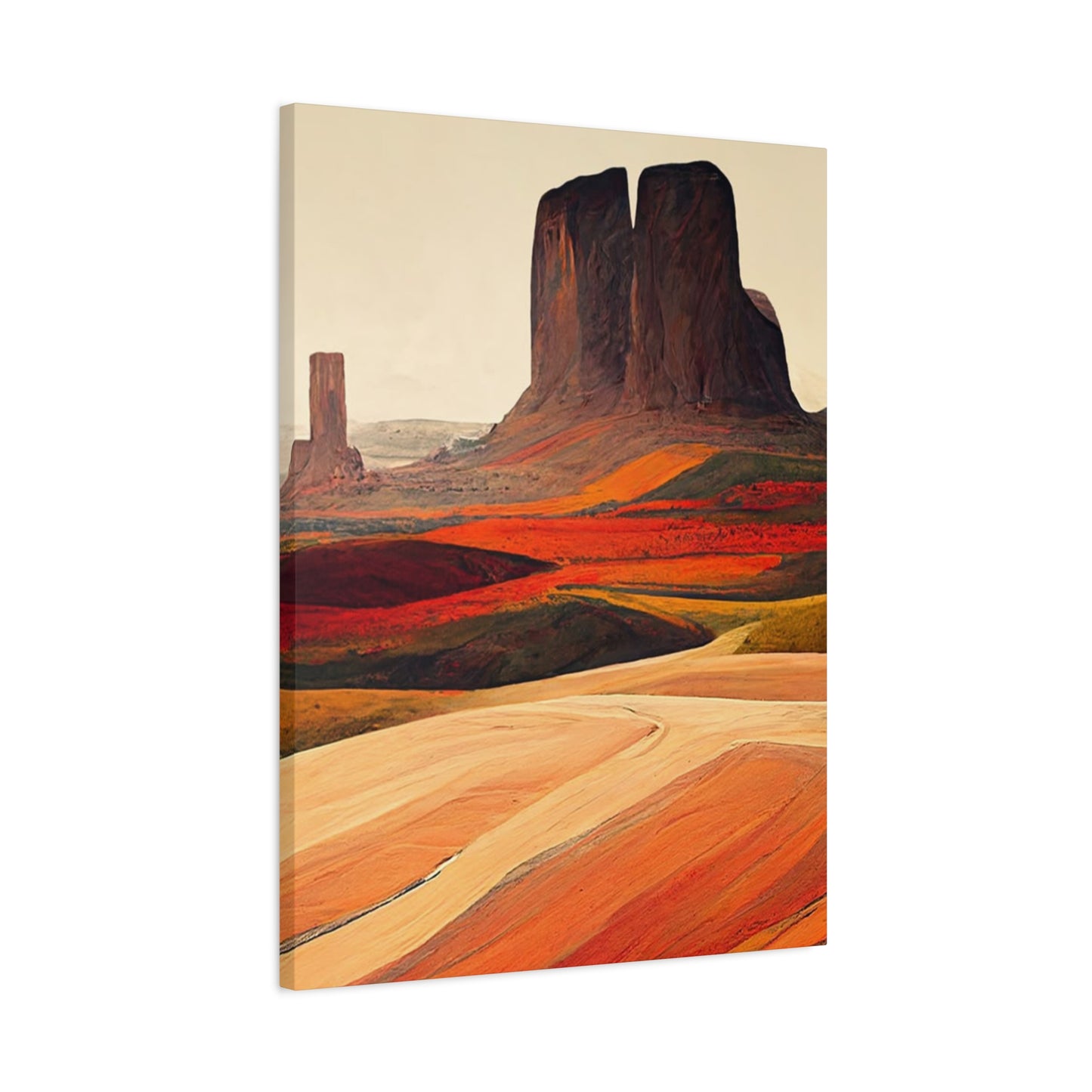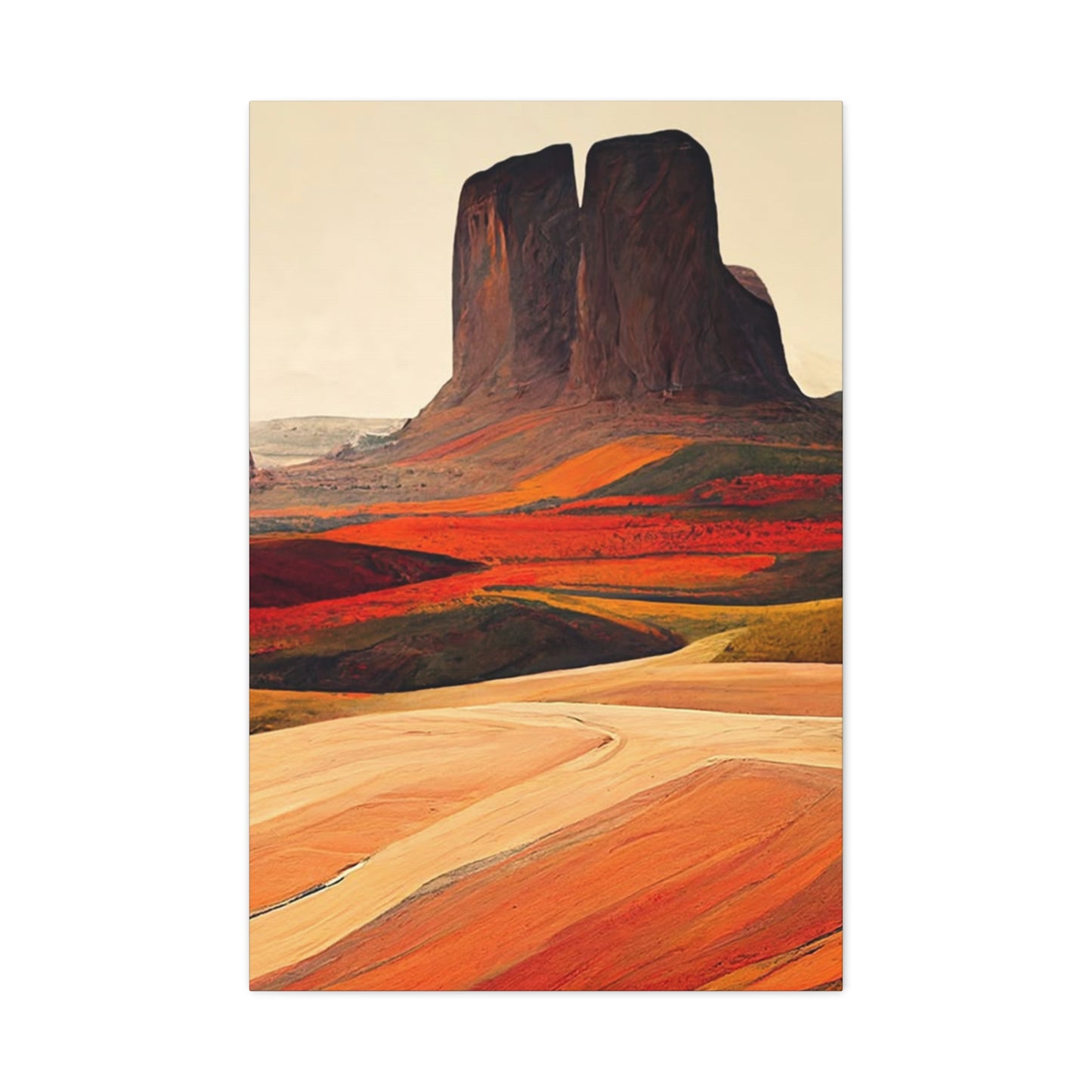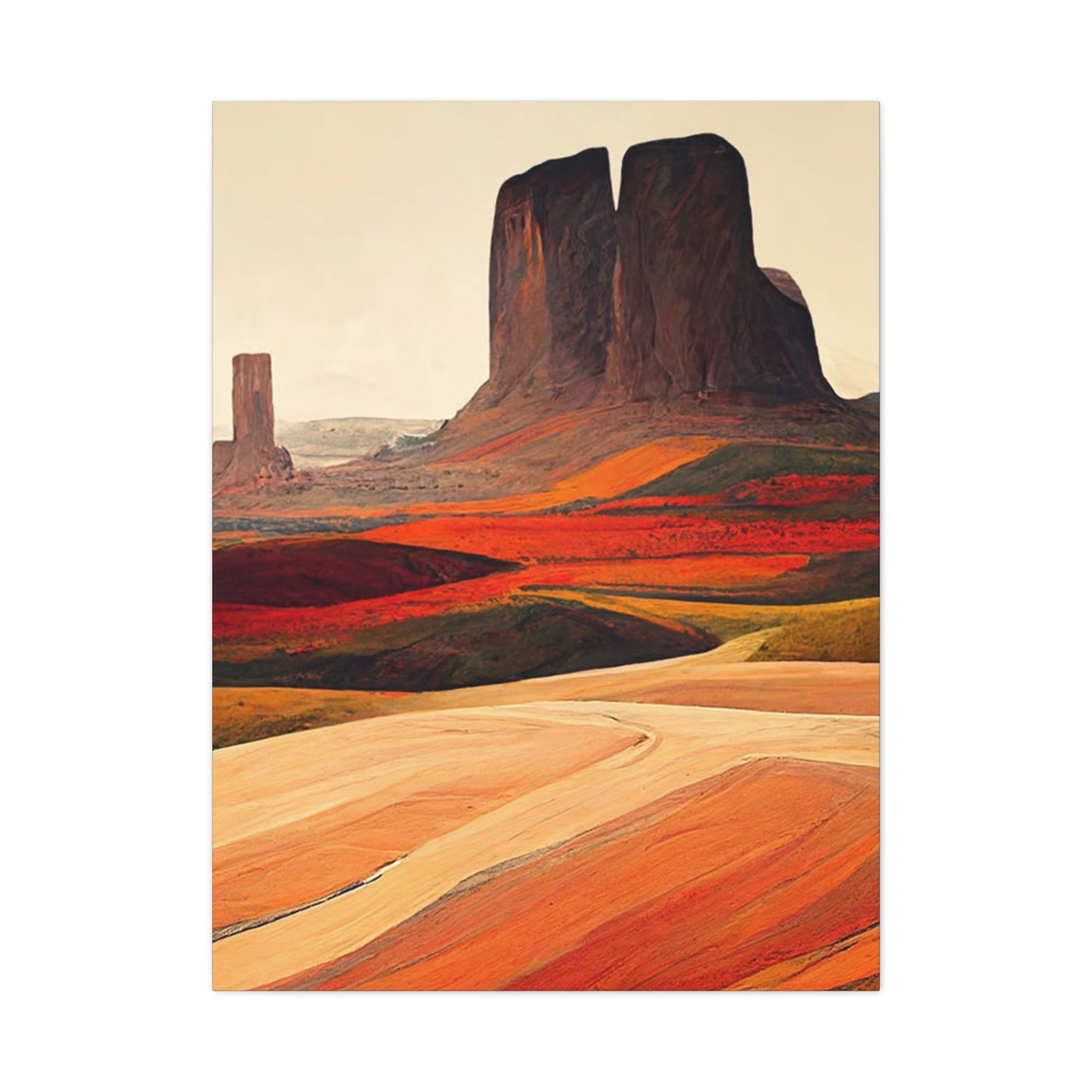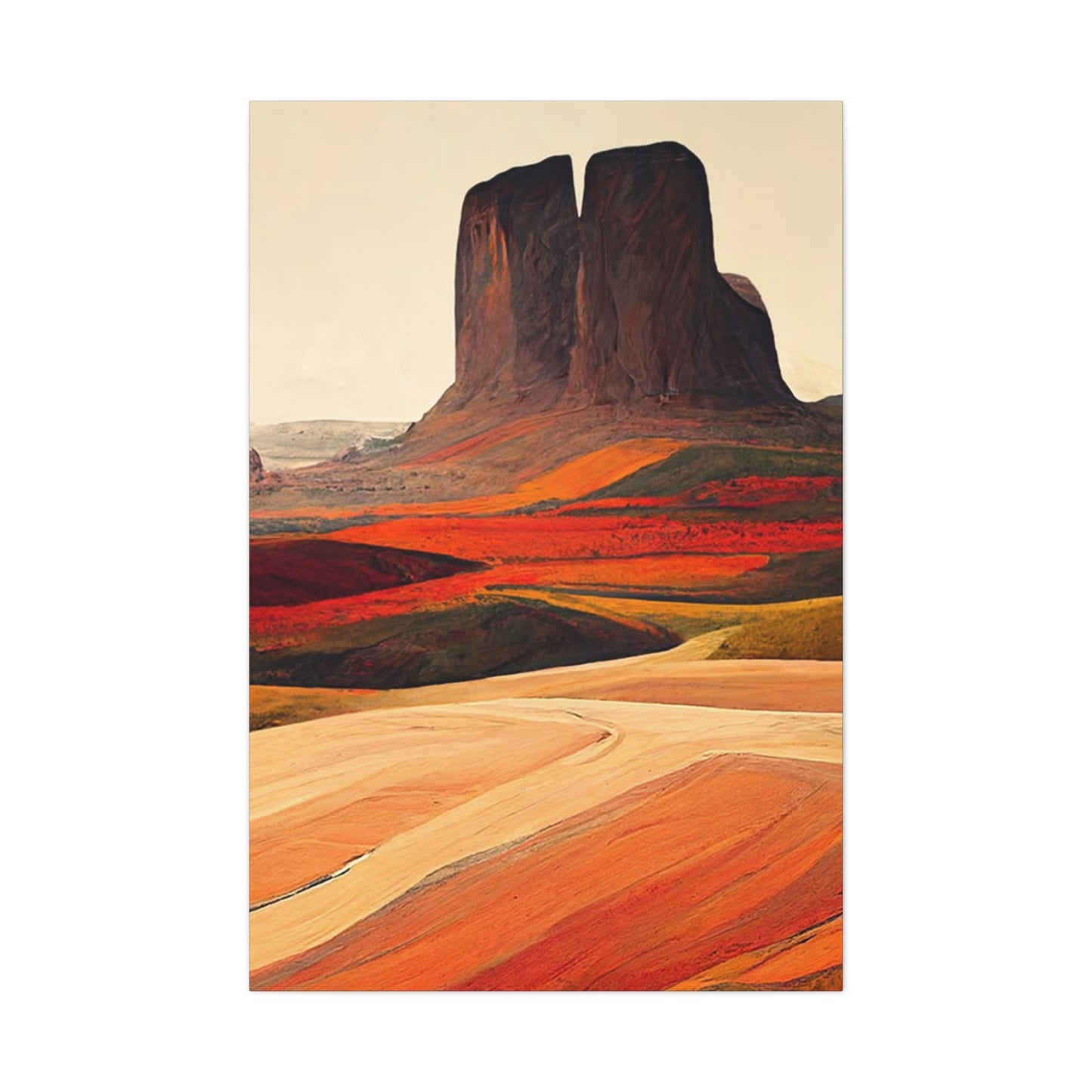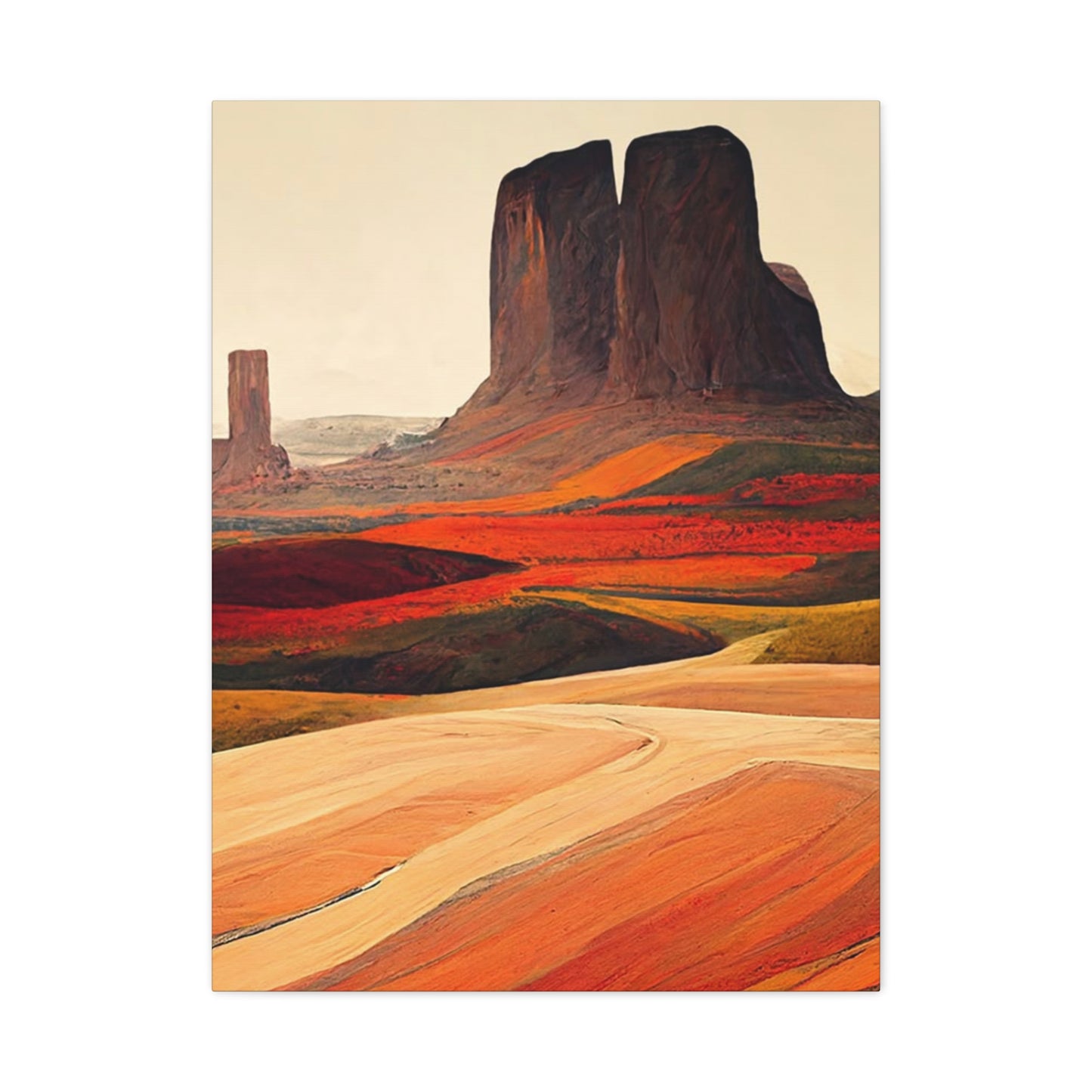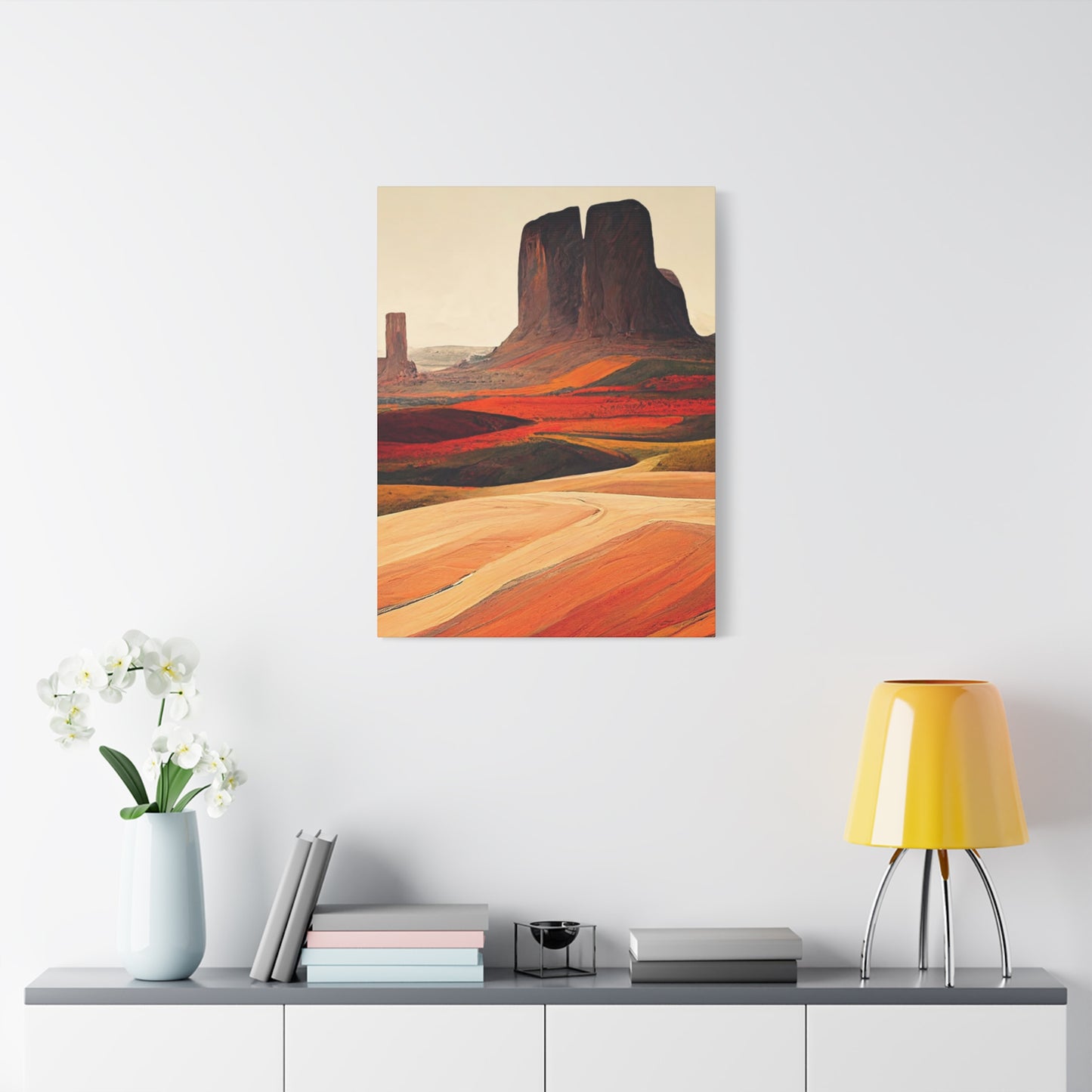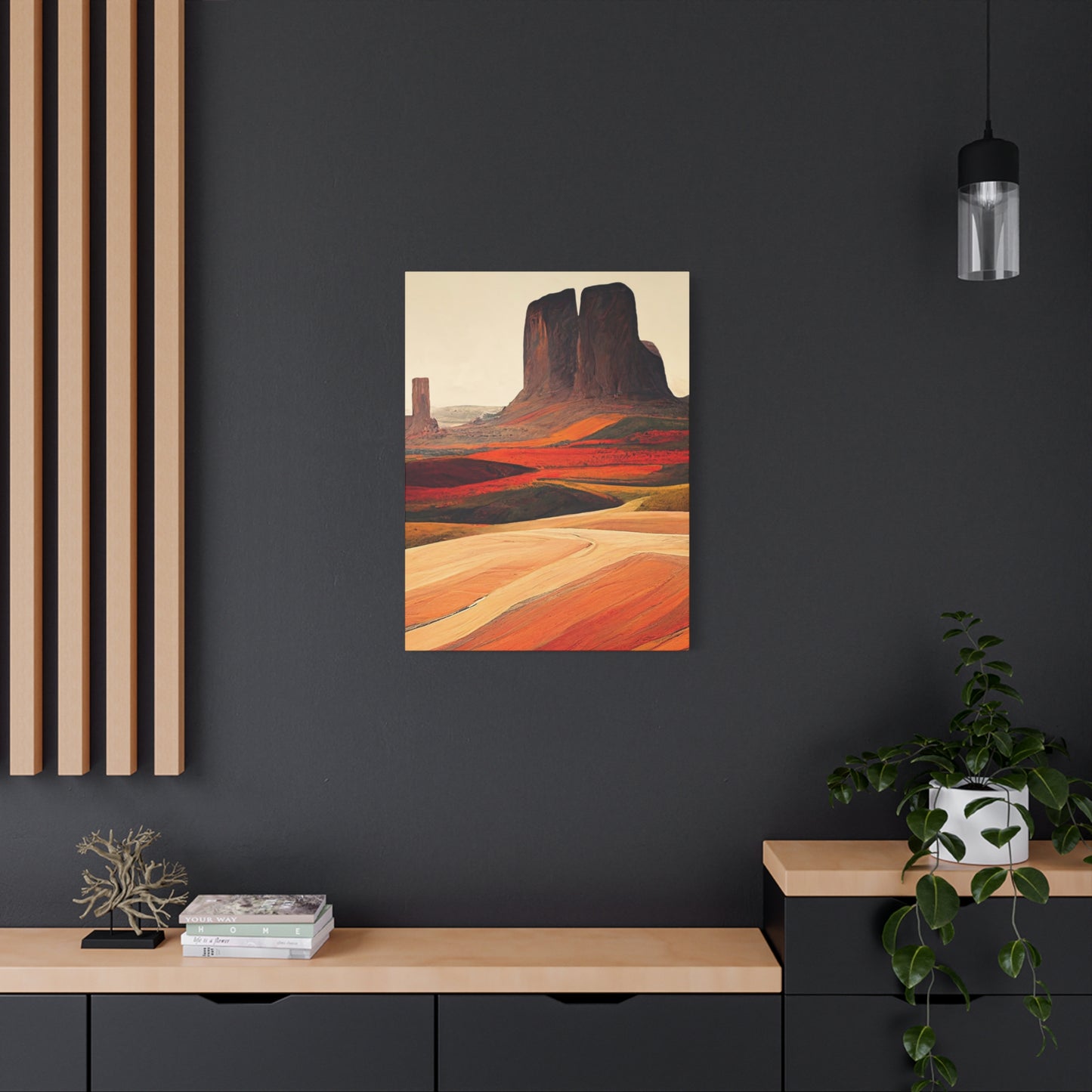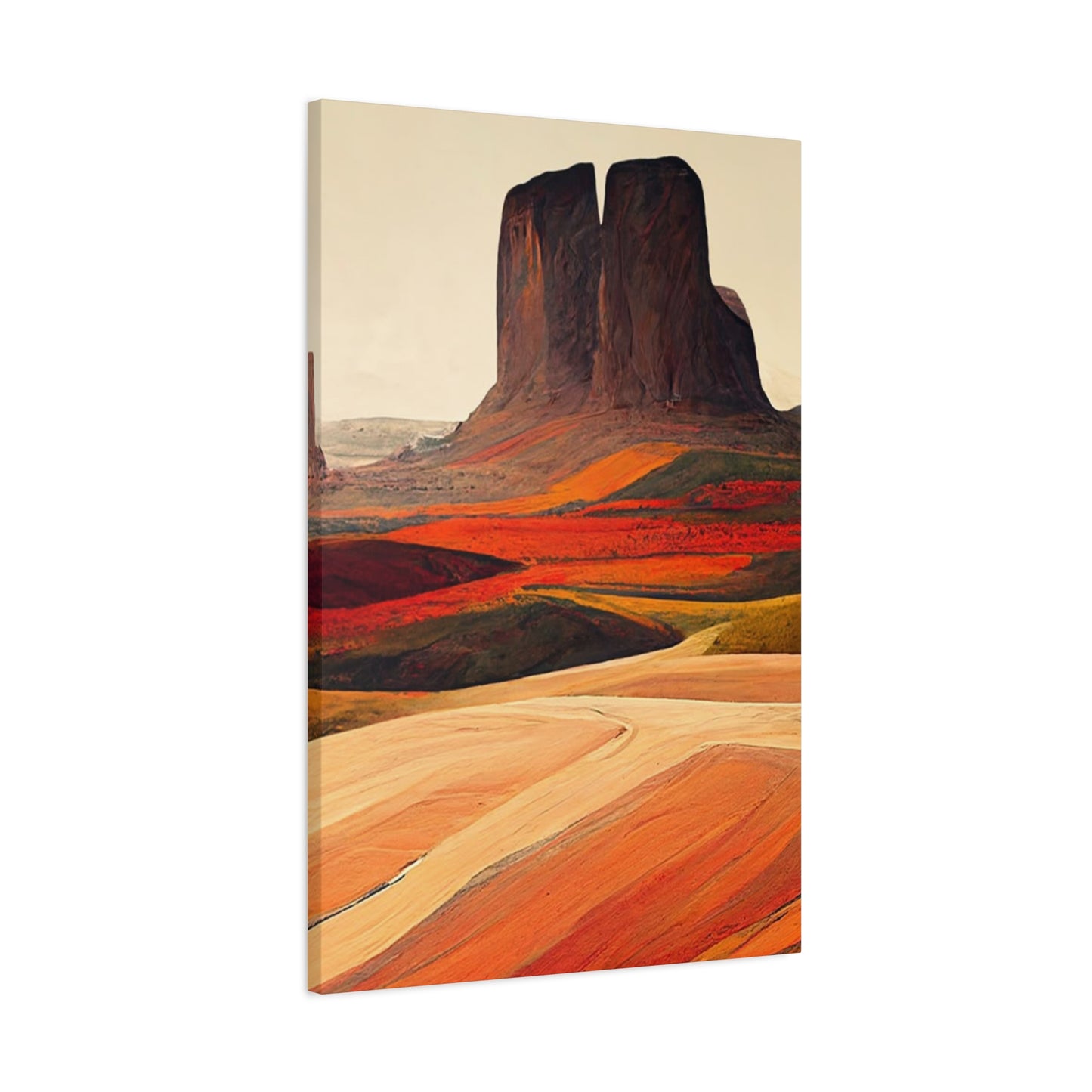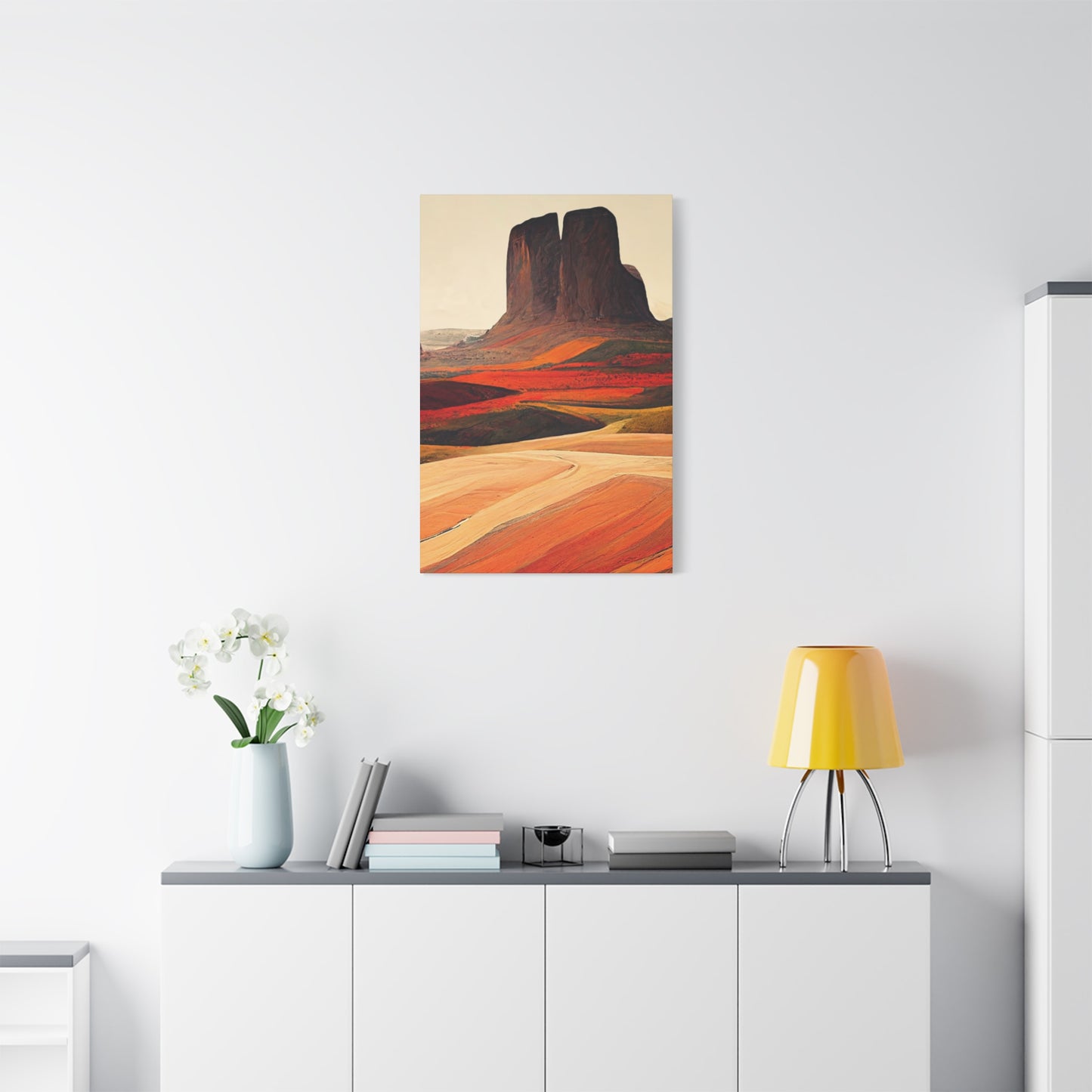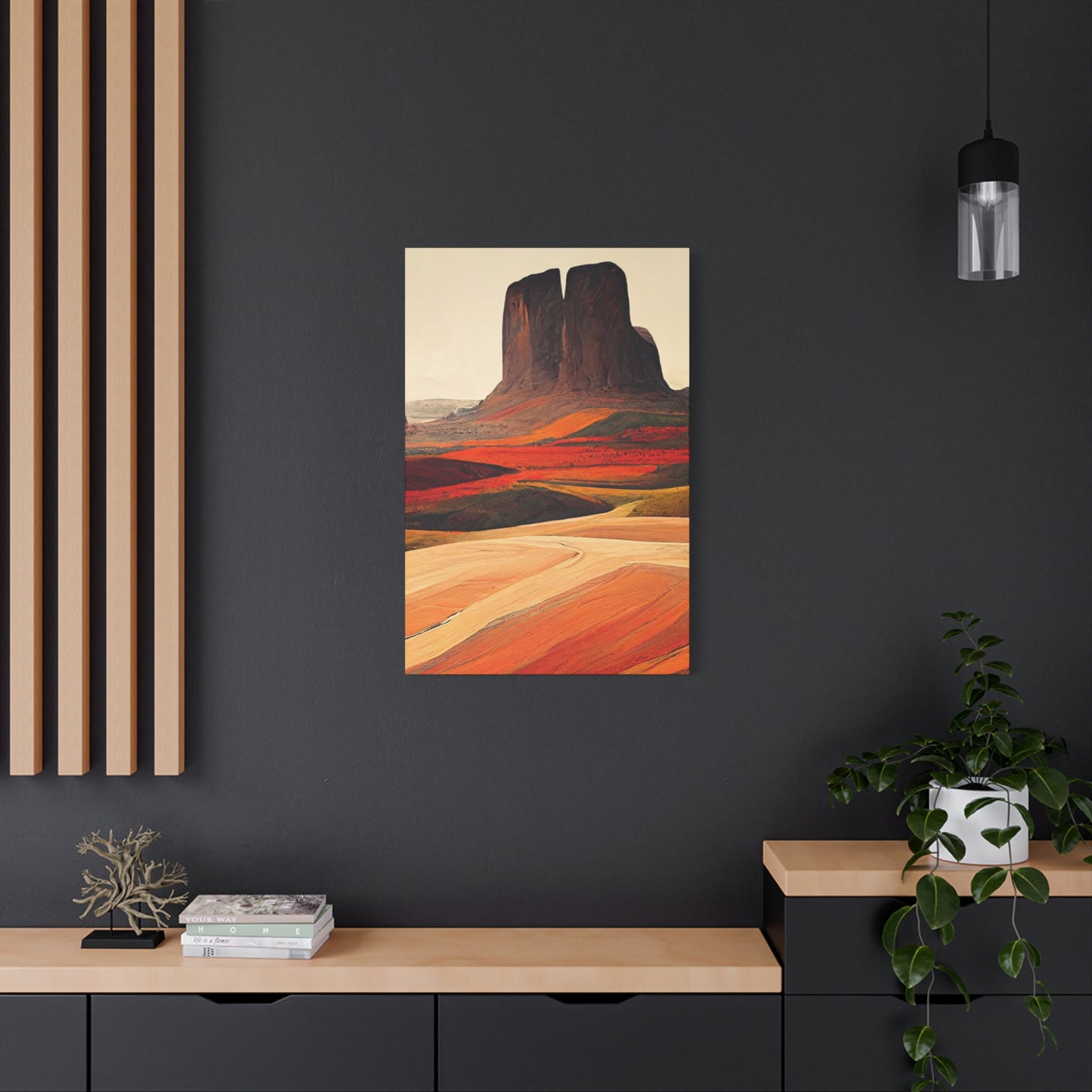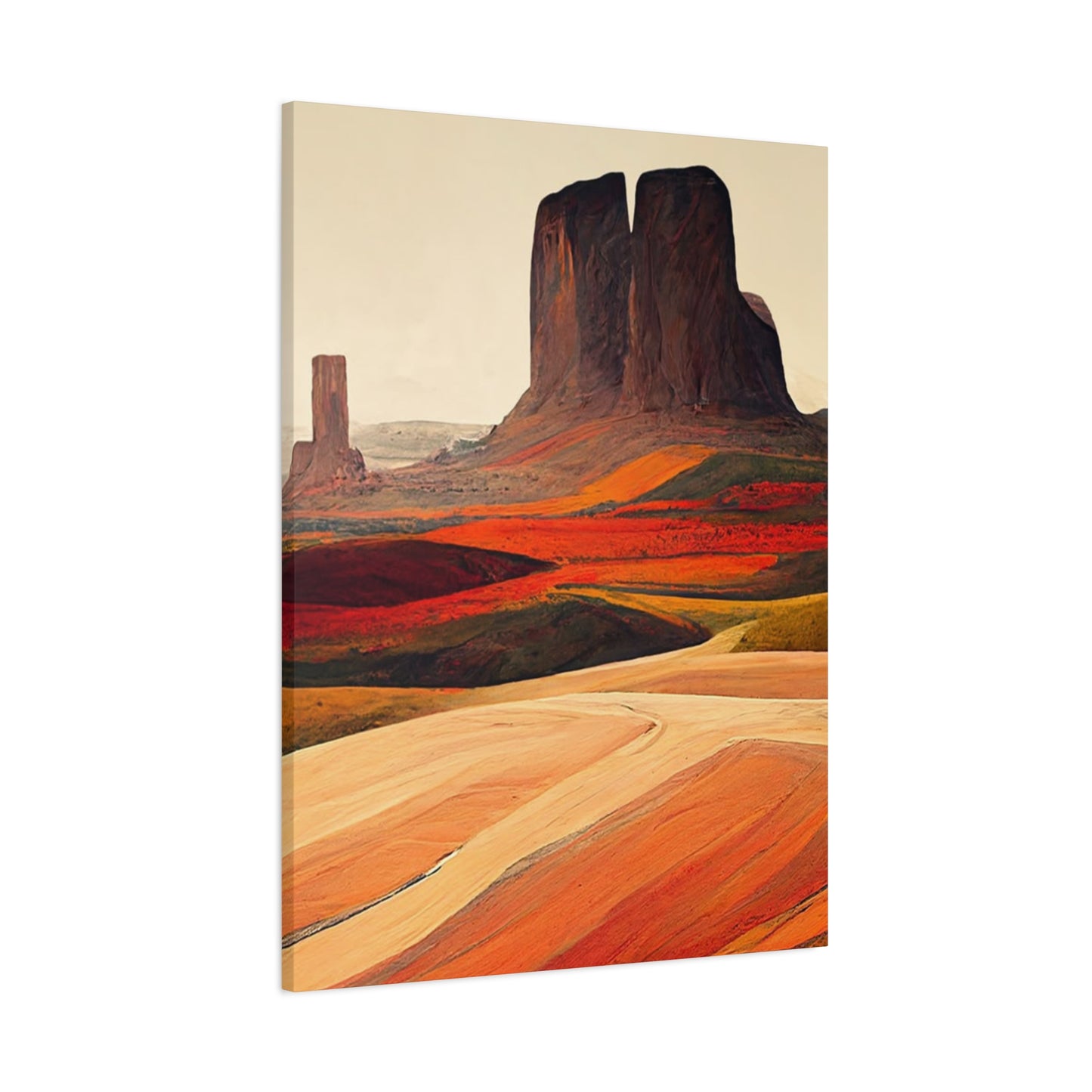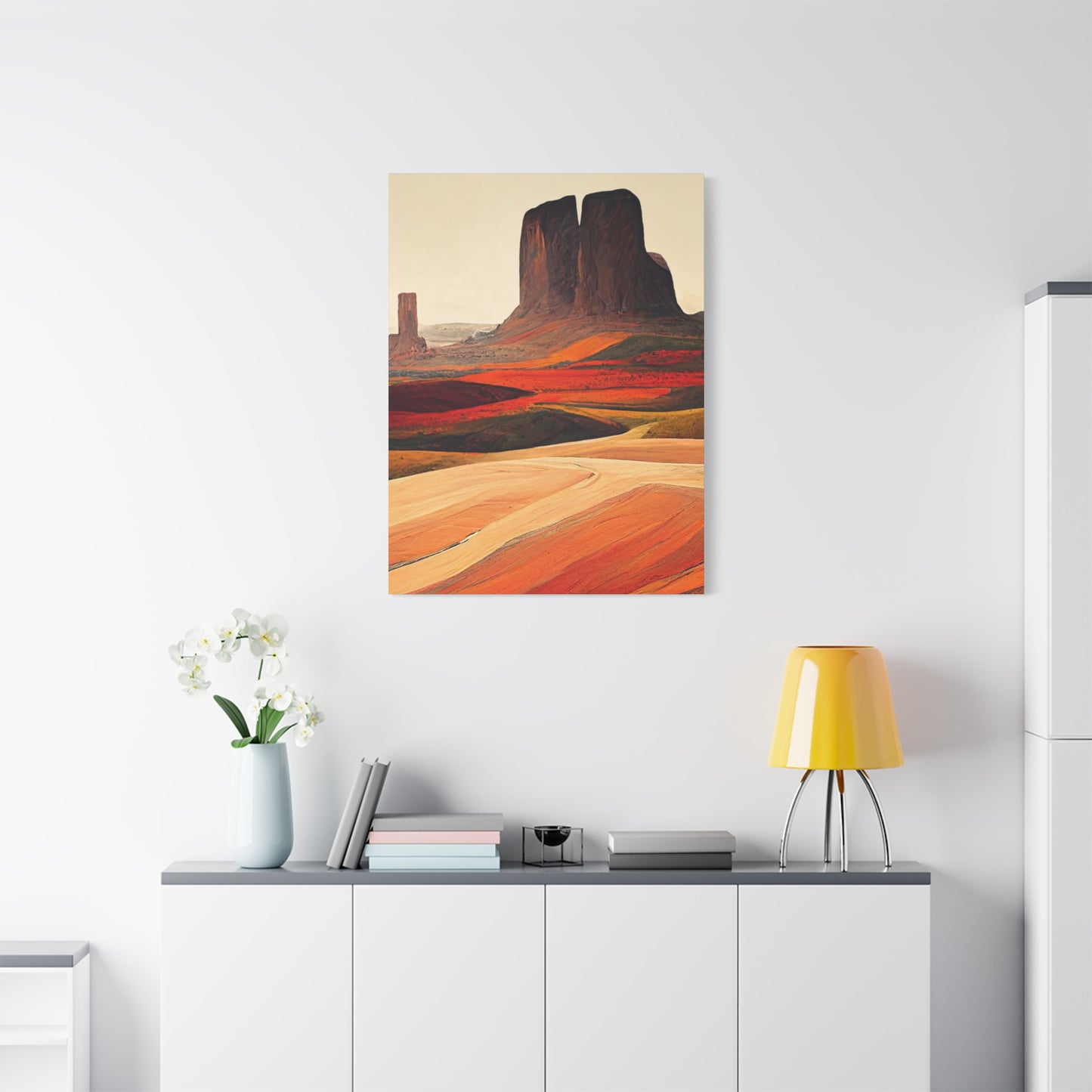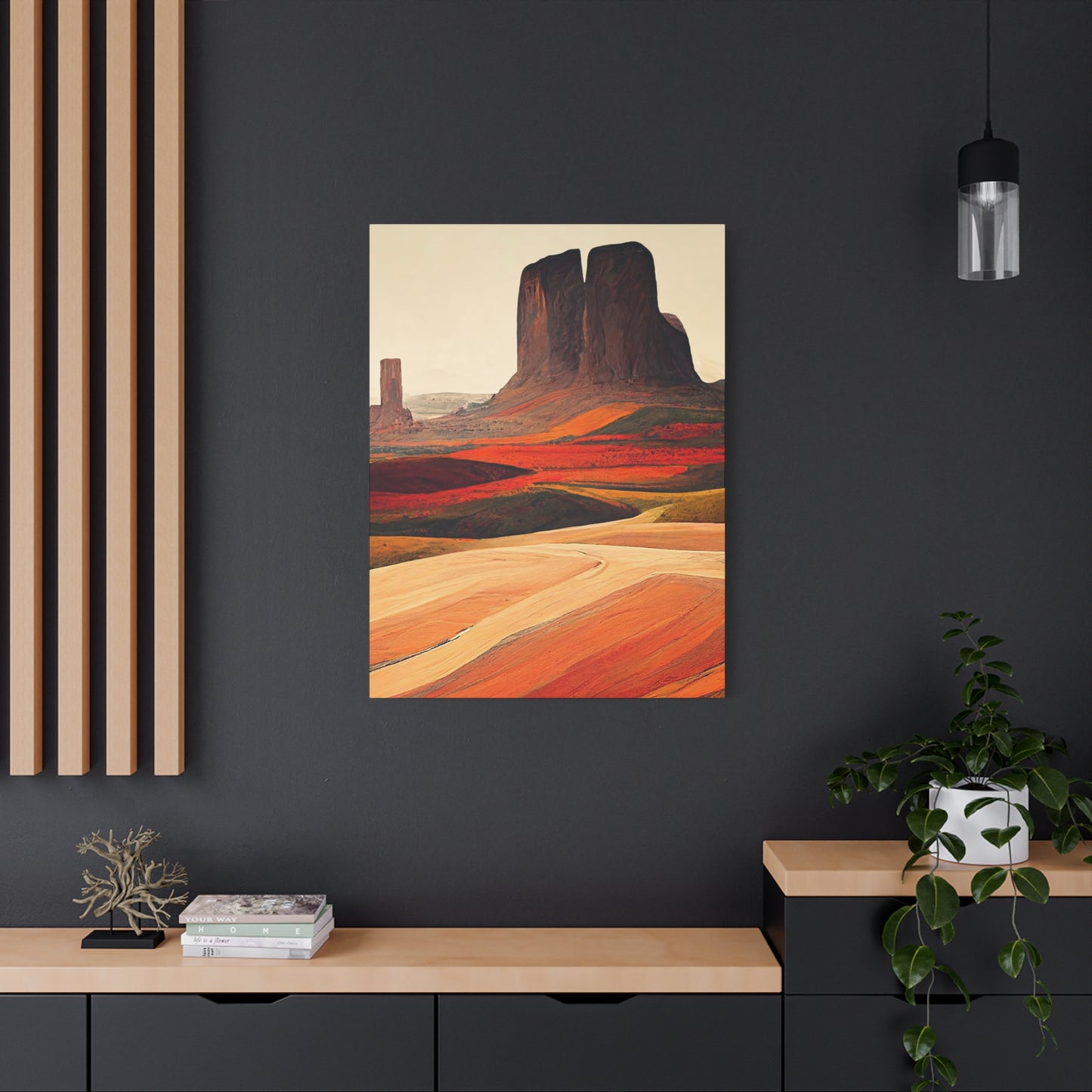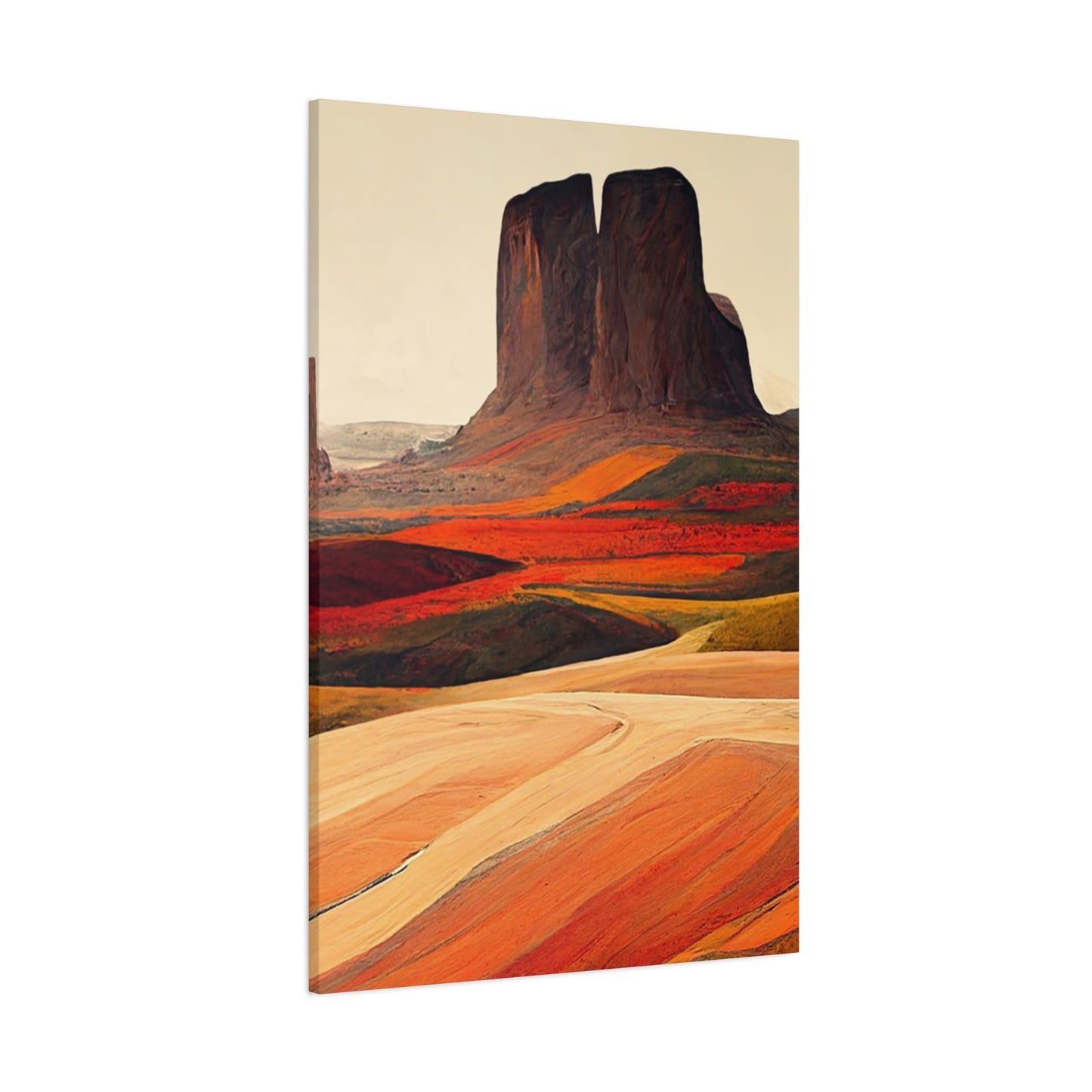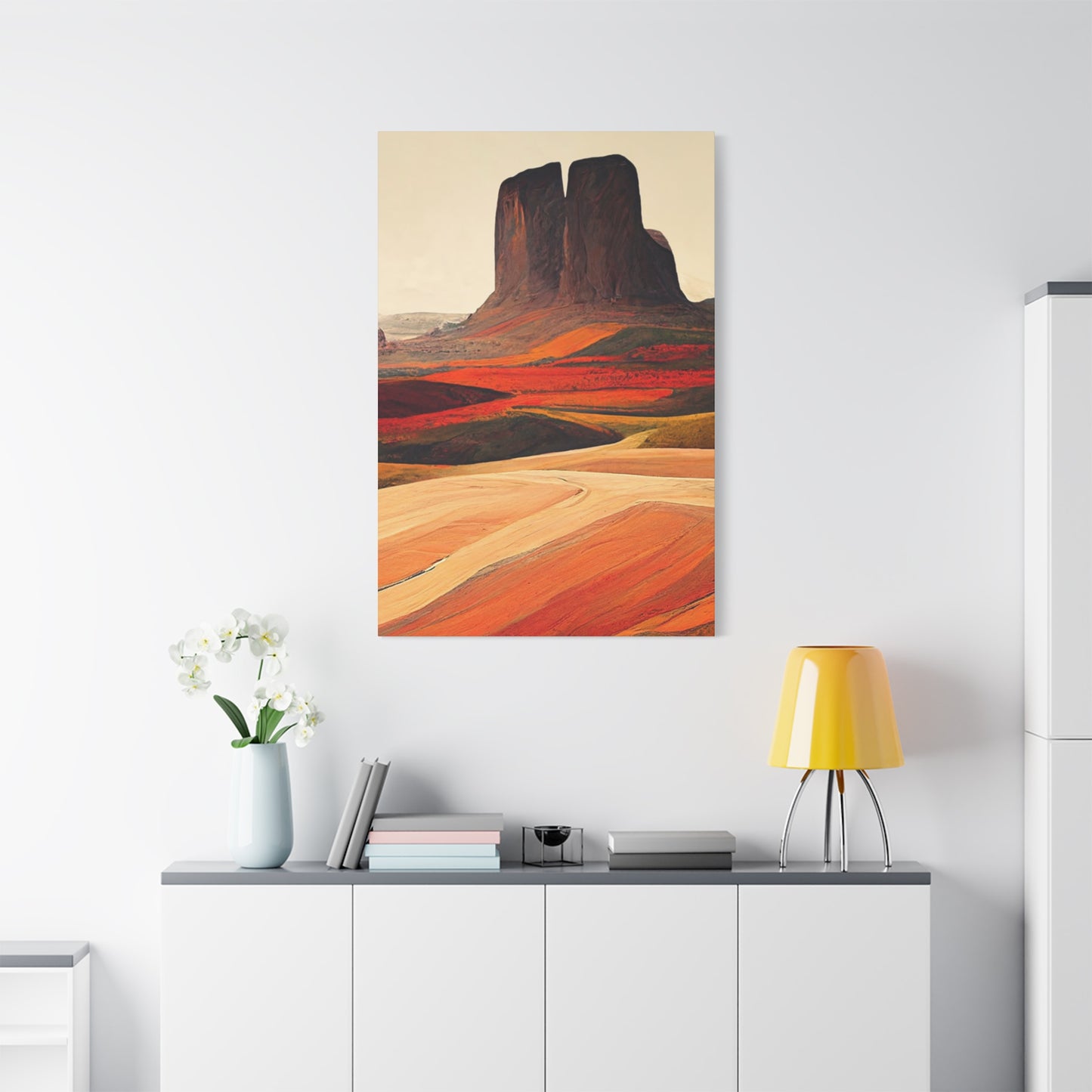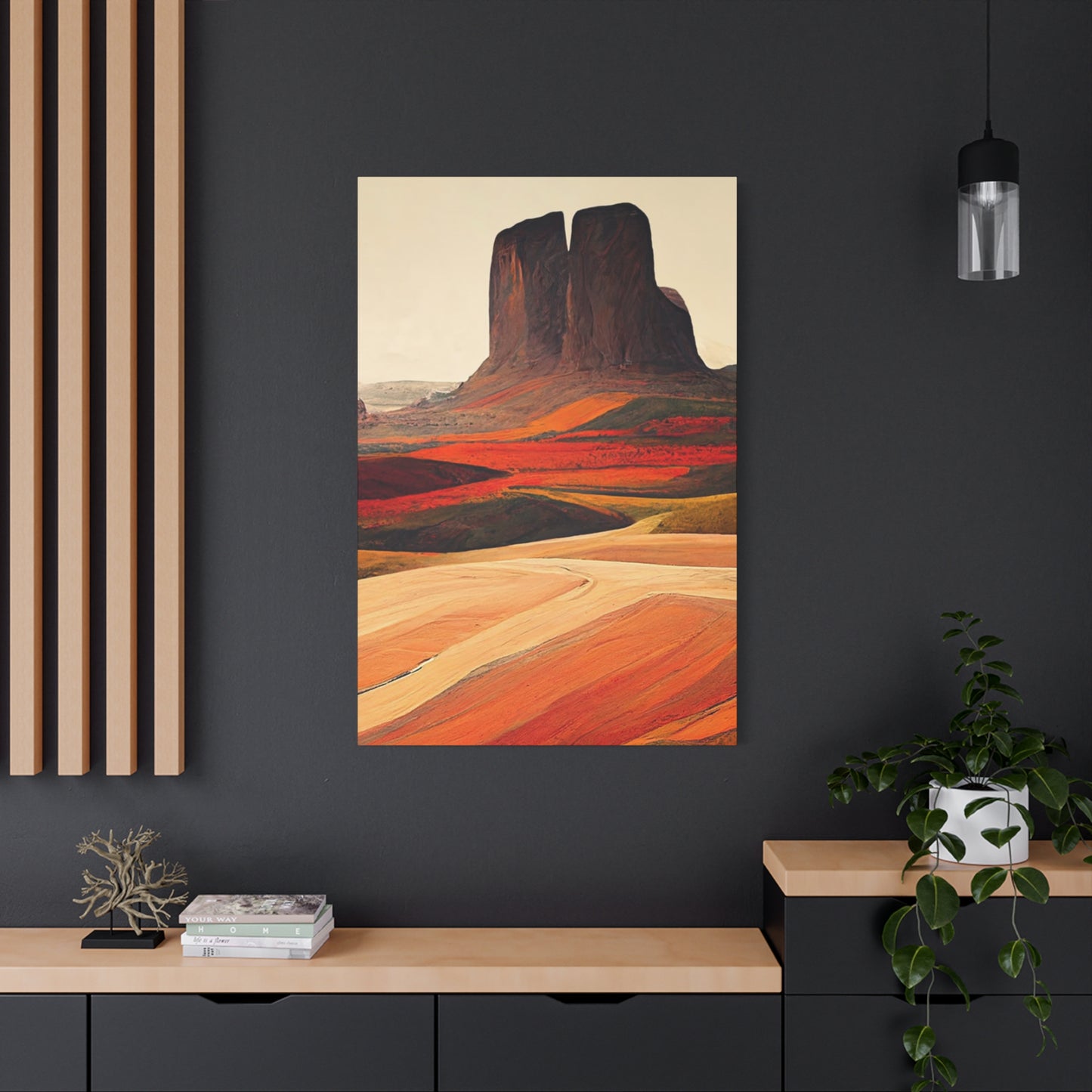


Arizona Desert Wall Art & Canvas Prints
Arizona Desert Wall Art & Canvas Prints
Couldn't load pickup availability
Create a Southwestern Sanctuary in Your Home with the Timeless Beauty of Arizona Desert Wall Art
The magnificent landscapes of Arizona's arid regions have captivated artists, photographers, and nature enthusiasts for generations. When transformed into visual displays for interior spaces, these breathtaking scenes create powerful focal points that infuse homes, offices, and commercial establishments with the raw majesty of America's Southwest. The crimson rock formations, towering saguaro cacti, and endless golden horizons characteristic of this terrain offer unparalleled aesthetic appeal that resonates with people seeking authentic connections to nature within their built environments.
Creating atmospheric depth through carefully selected imagery from Arizona's wilderness represents far more than simple decoration. These artistic representations serve as windows into ecosystems shaped by millennia of geological processes, extreme climate conditions, and remarkable biological adaptations. Each piece tells stories of survival, beauty emerging from harsh conditions, and the profound tranquility found in seemingly inhospitable environments.
Capturing the Essence of Southwestern Landscapes Through Visual Representation
The distinctive terrain found throughout Arizona presents photographers and artists with seemingly limitless creative possibilities. From the painted deserts near Petrified Forest to the massive sandstone formations of Monument Valley, these environments showcase nature's sculptural prowess in its most dramatic forms. Visual artists working in this region face the unique challenge of translating three-dimensional vastness, shifting light qualities, and atmospheric depth into two-dimensional formats that maintain emotional impact.
Successful artistic interpretation requires intimate understanding of how light interacts with landscape at different times throughout the day. Dawn illumination bathes canyon walls in soft pink and coral hues, while midday sun creates stark contrasts between brilliant surfaces and deep shadow pools. Late afternoon brings that coveted golden hour, when horizontal rays transform ordinary rocks into glowing amber monuments. Twilight adds purple and cobalt tones that seem almost supernatural in their intensity.
The seasonal variations throughout Arizona's wilderness regions provide additional layers of visual interest. Winter months bring occasional snow dusting to higher elevations, creating striking juxtaposition between white precipitation and red sandstone. Spring awakens dormant plants, covering previously barren ground with wildflower carpets in yellow, purple, and orange. Summer monsoon seasons deliver dramatic cloud formations and lightning displays that add dynamic energy to otherwise static landscapes. Autumn transforms riparian areas with golden cottonwood leaves that contrast beautifully against evergreen vegetation and weathered rock.
Selecting Imagery That Resonates With Your Personal Aesthetic Vision
Choosing appropriate visual representations for your environment involves consideration of multiple factors beyond simple aesthetic preference. The emotional tone conveyed by different landscape types varies significantly. Vast panoramic views of open desert plains evoke feelings of freedom, possibility, and expansiveness. These work exceptionally well in spaces where you want to promote creative thinking or provide psychological breathing room.
Intimate close-up compositions focusing on individual cacti, rock textures, or small-scale desert inhabitants create entirely different atmospheric effects. These detailed studies invite contemplation and closer examination, making them ideal for reading nooks, meditation spaces, or areas designated for focused work. The intricate patterns found in weathered sandstone, the geometric precision of barrel cactus spines, or the delicate structure of ocotillo blooms provide endless fascination for observant viewers.
Canyon imagery strikes a balance between grandeur and intimacy. The layered geological strata visible in formations like Grand Canyon or Antelope Canyon reveal Earth's temporal depth, reminding viewers of scales beyond human comprehension. These striations in rust, cream, charcoal, and tan create natural color palettes that coordinate effortlessly with numerous interior design schemes.
Sunset and sunrise compositions capture transitional moments when the landscape undergoes rapid chromatic transformation. These pieces introduce dynamic energy into spaces, suggesting change, renewal, and natural cycles. The warm color temperatures typically dominating these scenes create welcoming, comfortable atmospheres particularly suited to gathering spaces and areas designed for relaxation.
Material Considerations for Displaying Desert Landscape Imagery
The substrate and production method selected for your Arizona Desert Wall Art significantly influences both visual presentation and longevity. Traditional canvas prints offer texture and depth that complement the natural subjects depicted. The woven surface adds subtle dimension that enhances the tactile quality of desert scenes. Gallery-wrapped canvas, where the image extends around the frame edges, creates a finished appearance that eliminates need for additional framing.
Metal prints represent a contemporary approach that delivers stunning color vibrancy and remarkable detail clarity. The printing process infuses dyes directly into specially coated aluminum surfaces, creating water-resistant, scratch-resistant displays with extraordinary luminosity. This medium particularly excels at rendering the brilliant color saturation found in southwestern sunsets and the crisp detail visible in rock formations. The reflective quality of metal surfaces adds subtle shimmer that changes with viewing angle and ambient lighting conditions.
Acrylic mounting involves adhering photographic prints to clear acrylic panels, creating depth and color intensity that rivals backlit displays. Light penetrates the acrylic surface, interacts with the image, and reflects back to viewers with enhanced brilliance. This method produces contemporary, sleek presentations particularly well-suited to modern interior design schemes. The dimensional quality created by the acrylic thickness adds sculptural interest to flat walls.
Wood-mounted prints bring organic warmth that complements desert subject matter beautifully. Natural wood grain visible around image edges creates visual connection between the mounting surface and the natural landscapes depicted. Various wood species offer different color tones and grain patterns, allowing customization to match existing décor elements. Bamboo mounts provide sustainable options with distinctive linear grain patterns.
Framed photographic prints under glass provide classic presentation with maximum protection. This approach allows for mat borders that create visual breathing space around images while offering opportunities to incorporate complementary colors drawn from the artwork itself. Frame materials ranging from rustic reclaimed wood to sleek metallic finishes enable precise coordination with surrounding furnishings and architectural details.
Size and Scale Relationships Within Interior Environments
Determining appropriate dimensions for landscape imagery requires careful assessment of available wall space and intended visual impact. Oversized statement pieces measuring four feet or larger in their shortest dimension create dramatic focal points that anchor entire rooms. These substantial works command attention and establish immediate atmospheric tone. Large-scale presentations work particularly effectively above sofas, beds, fireplaces, or in entry areas where they create memorable first impressions.
Gallery walls composed of multiple smaller pieces offer flexibility and visual complexity. Arranging several complementary images creates narrative sequences that guide viewers through different aspects of Arizona's diverse terrain. This approach allows for combining panoramic vistas with detailed close-ups, creating layered storytelling that rewards repeated viewing. The arrangement possibilities for multi-piece displays are virtually limitless, enabling personalization and adaptation as design preferences evolve.
Medium-sized pieces ranging from twenty to forty inches provide versatility for various applications. These dimensions work well in hallways, bathrooms, offices, and secondary living spaces. Multiple medium-sized works can be distributed throughout a home to create visual cohesion while avoiding monotony. The manageable scale makes installation straightforward while still providing sufficient presence to impact room atmosphere.
Small accent pieces measuring less than twenty inches serve specialized purposes. These compact works complement larger displays, fill awkward spaces, and provide intimate viewing experiences in confined areas. Collections of small works can be arranged in grid patterns for contemporary appeal or asymmetrically for organic, flowing compositions.
Color Palette Coordination Within Interior Design Schemes
The natural color ranges found in Arizona desert scenes provide remarkably versatile palettes that coordinate with numerous decorating approaches. Warm earth tones dominating many southwestern landscapes—terracotta, burnt sienna, ochre, and umber—create cozy, welcoming environments that pair beautifully with wood furnishings, leather upholstery, and natural fiber textiles. These hues promote feelings of stability, comfort, and connection to the earth.
Cooler color temperatures appearing in shadow areas, distant mountains, and twilight skies introduce balance to warm-dominated compositions. Sage greens, dusty purples, slate blues, and charcoal grays provide sophisticated counterpoints that prevent spaces from feeling overwhelmingly warm. These cooler accents add depth and complexity to color schemes while maintaining harmony with the primary warm tones.
Monochromatic and near-monochromatic desert imagery offers opportunities for minimalist interior approaches. Black-and-white renditions of Arizona landscapes emphasize form, texture, and tonal relationships rather than color intensity. These stark presentations suit contemporary spaces where simplicity and clean lines dominate design philosophy. The absence of color allows architectural features and sculptural furnishings to receive primary visual attention while landscape imagery provides supporting atmospheric context.
Sunset and sunrise scenes deliver vibrant color saturation ranging from deep magenta and violet through coral, peach, and gold. These chromatic intensities create energetic focal points that enliven neutral surroundings. The warm, positive emotional associations with colorful skies make these compositions particularly appropriate for social spaces and areas designated for creative activities.
Arranging Multiple Pieces for Maximum Visual Impact
Creating cohesive multi-panel displays requires attention to compositional relationships, spacing proportions, and thematic connections. Triptych arrangements featuring three related images offer traditional symmetry while providing enough visual variation to maintain interest. These work particularly well when depicting progression through time, such as dawn-to-dusk sequences, or spatial relationships like foreground-middle-ground-background segments of a single landscape.
Asymmetrical groupings of varying sizes create dynamic, contemporary presentations that feel organic and personally curated. This approach allows for incorporating both horizontal and vertical orientations within single displays. The key to successful asymmetrical arrangements lies in maintaining balanced visual weight distribution. Larger pieces anchor compositions while smaller works fill supporting roles without creating cluttered appearances.
Diptych formats pairing two complementary images provide elegant simplicity. Side-by-side horizontal panels suggest panoramic vistas that extend beyond individual frame boundaries. Vertically stacked diptychs create different dynamics, with upper panels often depicting sky elements while lower sections focus on terrestrial features. This division mirrors natural horizon lines and feels intuitively comfortable to viewers.
Grid arrangements of identically sized pieces deliver contemporary, gallery-like aesthetics. Four, six, nine, or twelve uniformly dimensioned works arranged in precise geometric patterns create strong visual impact through repetition and order. This format works exceptionally well when depicting variations on common themes—different species of cacti, various rock formations, or seasonal changes in single locations.
Salon-style walls incorporating numerous pieces of different sizes and orientations require careful planning but deliver maximum personality and visual richness. These eclectic collections feel personally curated and evolving, suggesting accumulation over time rather than single purchasing decisions. Success depends on maintaining some unifying elements—consistent framing styles, coordinated color palettes, or thematic relationships—that prevent compositions from appearing chaotic.
Lighting Strategies That Enhance Desert Landscape Displays
Proper illumination dramatically influences how Arizona Desert Wall Art appears and impacts surrounding spaces. Natural daylight provides constantly changing lighting conditions that reveal different aspects of imagery throughout the day. Positioning pieces where indirect sunlight reaches them creates gentle, flattering illumination without the harsh glare and potential fading concerns associated with direct sun exposure. East-facing walls receive soft morning light, while west-facing locations bask in afternoon and evening illumination.
Picture lights mounted directly above framed works deliver focused illumination that highlights artwork while minimizing light spillage into surrounding areas. These dedicated fixtures come in various styles from traditional brass designs to sleek contemporary LED strips. Adjustable options allow customization of beam spread and intensity to suit specific pieces. The directional nature of picture lighting creates subtle shadows and dimensional effects that add depth to flat images.
Track lighting systems provide flexible solutions for illuminating multiple pieces or changing displays. Individual fixtures can be positioned and aimed precisely, with adjustments made easily as arrangements evolve. Modern LED track lights offer excellent color rendering that faithfully reproduces the subtle hues present in desert landscapes. Dimmable options enable atmospheric control, allowing brighter task lighting when needed and softer ambient illumination for relaxation.
Recessed ceiling fixtures, particularly when equipped with adjustable trim rings, can be directed toward wall displays to provide even, non-intrusive illumination. This approach works especially well in spaces with contemporary architectural styling where visible lighting fixtures might disrupt clean lines. Spacing multiple recessed lights along walls creates uniform coverage that flatters entire gallery-style arrangements.
Wall-washing techniques using linear LED strips or closely spaced recessed fixtures create smooth, even illumination across large wall expanses. This approach minimizes shadows and hotspots while providing sufficient light levels for comfortable viewing. Wall washing works particularly effectively with oversized statement pieces where uniform illumination across the entire surface is desired.
Accent lighting using adjustable spotlights draws attention to specific focal pieces while allowing surrounding works to recede slightly into background. This hierarchical lighting approach guides viewer attention and creates visual drama. Warm color temperature bulbs enhance the natural warmth present in many sunset and earth-toned landscape images, while cooler temperatures complement twilight and shadow-dominated compositions.
Incorporating Desert Imagery Into Various Interior Design Styles
Southwestern and rustic design schemes provide natural homes for Arizona landscape imagery. These styles embrace earthy materials, warm color palettes, and cultural elements that align seamlessly with desert subject matter. Rough-hewn wood furnishings, terracotta tile floors, exposed beam ceilings, and wrought iron accents create contextual environments where desert scenes feel inherently appropriate. Adobe-style architecture with its curved walls and natural plaster finishes provides particularly authentic settings.
Contemporary and modern interiors benefit from the clean lines and dramatic compositions available in desert landscape imagery. Minimalist spaces with neutral color schemes gain warmth and visual interest from carefully selected southwestern scenes. The geometric forms inherent in rock formations, the architectural qualities of saguaro cacti, and the horizontal expanses of open plains complement modern design's emphasis on form and space. Sleek mounting options like metal and acrylic prints align with contemporary material preferences.
Transitional styles bridging traditional and contemporary aesthetics find balance through moderate approaches to desert imagery. Framed prints with subtle mat borders and understated frames provide enough formality to complement traditional elements while remaining sufficiently clean-lined for contemporary tastes. Color palettes drawn from desert scenes—warm neutrals accented with sage, dusty blue, or muted coral—create sophisticated environments that feel both timeless and current.
Industrial interiors with exposed brick, concrete surfaces, and metal accents gain softness and organic warmth through landscape imagery. The juxtaposition between hard urban materials and natural desert scenes creates appealing contrasts. Black-and-white landscape prints particularly complement industrial aesthetics, adding visual interest without introducing color complications. Oversized canvases or metal prints work especially well in loft-style spaces with high ceilings and expansive walls.
Coastal and tropical design schemes might initially seem incompatible with desert imagery, yet thoughtful selections can bridge these disparate aesthetics. Desert sunset palettes incorporating coral, peach, and turquoise tones coordinate beautifully with coastal color schemes. The sandy earth tones present in desert landscapes connect with beach sand colors. Selecting images featuring Arizona's riparian areas—desert rivers and oases with cottonwood trees—creates natural bridges between arid and aquatic environments.
Commissioning Custom Photographic Works From Southwestern Regions
Engaging professional photographers specializing in Arizona landscapes offers opportunities for obtaining truly unique pieces perfectly suited to your specific requirements. Custom commissions allow you to specify desired locations, seasonal timing, compositional preferences, and even particular lighting conditions. This personalized approach ensures your Arizona Desert Wall Art reflects your individual vision rather than mass-market interpretations.
The commissioning process typically begins with consultations where you communicate your aesthetic preferences, intended installation locations, and any specific features or elements you particularly value. Experienced photographers can suggest optimal times for capturing desired locations, explaining how seasonal and daily timing influences available imagery. Spring months deliver wildflower blooms, while autumn provides golden foliage in riparian corridors. Winter offers unique opportunities for snow-dusted landscapes and dramatic cloud formations.
Location selection requires balancing iconic, recognizable landmarks with lesser-known hidden gems. Famous formations like Monument Valley or Antelope Canyon carry immediate recognition and cultural resonance but may feel less personally distinctive. More obscure locations discovered through exploration and research provide exclusivity and personal connection. Many photographers maintain extensive portfolios of locations accumulated through years of regional exploration.
Compositional discussions should address preferred perspectives, framing approaches, and focal points. Some viewers prefer expansive vistas showcasing maximum environmental context, while others connect more strongly with intimate studies emphasizing specific elements. Vertical orientations suit certain architectural spaces better than horizontal formats. Decisions regarding inclusion of foreground elements, sky-to-land ratios, and focal depth profoundly influence final results.
Production specifications including final dimensions, mounting preferences, and color management requirements ensure delivered works meet your exact needs. Photographers can produce files optimized for specific output methods, whether canvas, metal, acrylic, or traditional photographic prints. Color profiles can be calibrated to match your viewing environment's lighting conditions, ensuring accurate color reproduction.
Caring for and Preserving Your Desert Landscape Displays
Proper stewardship ensures your Arizona Desert Wall Art maintains its original beauty for decades. Different materials and production methods require specific care approaches. Canvas prints benefit from occasional gentle dusting using soft, dry microfiber cloths. Avoid using cleaning solutions directly on canvas surfaces as moisture can damage both the print and the underlying fabric. If stubborn marks require attention, very slightly dampened cloths can be used sparingly on coated canvas surfaces, always testing inconspicuous areas first.
Metal prints resist moisture and tolerate gentle cleaning better than most substrates. Microfiber cloths dampened with water or diluted glass cleaner remove fingerprints and dust without scratching surfaces. The durable nature of metal prints makes them excellent choices for environments where occasional contact occurs, such as hallways or spaces frequented by children and pets.
Acrylic-mounted pieces maintain clarity through regular cleaning with appropriate solutions. Standard glass cleaners work effectively, though ammonia-free formulations prevent potential yellowing over extended periods. Microfiber cloths prevent scratching while removing smudges and dust. The non-porous nature of acrylic surfaces makes cleaning straightforward, though care should be taken to avoid excessive pressure that might compromise adhesion between the acrylic and mounted print.
Framed works under glass require attention to both the glass surface and the frame materials. Glass cleaning follows standard practices using appropriate solutions and lint-free cloths. Wood frames benefit from occasional treatment with furniture polish appropriate to their finish type. Inspect frames periodically for loosening joints or hardware, addressing issues promptly to prevent damage to the artwork itself.
Environmental factors significantly impact longevity. Direct sunlight exposure causes fading over time, even with UV-protective glazing. Positioning artwork away from windows or using window treatments to filter sunlight preserves color vibrancy. Humidity extremes can affect various materials—excessive moisture may compromise canvas integrity or wood frame stability, while extremely dry conditions can cause materials to become brittle. Maintaining moderate, stable humidity levels through appropriate climate control protects your pieces.
Temperature fluctuations, particularly rapid changes, stress materials and adhesives. Avoid hanging artwork near heating vents, fireplaces, or air conditioning registers where dramatic temperature shifts occur. Similarly, exterior walls in poorly insulated buildings subject artwork to greater temperature variations than interior walls.
Exploring Lesser-Known Locations Throughout Arizona's Diverse Terrain
While iconic landmarks rightfully earn recognition, countless lesser-known locations throughout Arizona offer equally compelling imagery without the crowds and commercial associations. The Superstition Mountains east of Phoenix present rugged volcanic peaks, hidden canyons, and desert flora with distinctive character. The dramatic relief and varied geology create opportunities for compositions ranging from jagged summit profiles to intimate canyon corridors lined with saguaros and paloverde trees.
Chiricahua National Monument in southeastern Arizona showcases extraordinary rock formations created by volcanic activity and erosion. The balanced rocks, towering hoodoos, and narrow passages create almost surreal landscapes that challenge perceptions of natural possibility. The monument's elevation provides ecological diversity, with grasslands transitioning to pine forests, expanding photographic possibilities beyond typical lower desert scenes.
The Painted Desert and Petrified Forest region offers landscapes so otherworldly they barely seem terrestrial. Exposed sedimentary layers create striated hills in shades ranging from deep purple through rust, pink, cream, and gray. Scattered throughout these badlands lie fossilized logs transformed into brilliant crystals over millions of years. The stark, minimal vegetation enhances the geological drama.
Vermilion Cliffs National Monument encompasses remote wilderness featuring some of the Southwest's most spectacular geological formations. The Wave, though requiring permits and difficult access, presents flowing sandstone striations in cream and rust that photograph like abstract paintings. Equally compelling but less regulated areas throughout the monument offer endless exploration opportunities for dedicated photographers.
Canyon de Chelly National Monument provides cultural depth alongside geological grandeur. Ancient cliff dwellings nestle within soaring sandstone walls that rise hundreds of feet above the canyon floor. Seasonal water flow supports cottonwood groves that provide verdant contrast against red rock. The cultural significance adds narrative dimension to purely aesthetic considerations.
Organ Pipe Cactus National Monument along the Mexican border showcases namesake cacti found nowhere else in the United States. The organ pipe's distinctive multi-armed form provides unique subject matter, while the monument's position ensures different flora combinations than found in central Arizona. Dramatic mountain backdrops add visual interest to desert floor compositions.
Understanding How Geological Processes Created Arizona's Distinctive Landscapes
The spectacular scenery depicted in Arizona Desert Wall Art represents the visible outcome of geological forces operating across vast timespans. The vivid red coloration characteristic of many formations results from iron oxide—essentially rust—coating sand grains. The intensity and specific hue depend on oxidation conditions prevailing when sediments were deposited and subsequently altered. Deeper reds indicate more thorough oxidation, while paler shades suggest different chemical environments.
Layered sedimentary rocks visible throughout Arizona's canyon country record successive depositional environments. Ancient seas, river deltas, desert dune fields, and shallow coastal environments each produced distinctive sediment types and structures. Subsequent geological uplift exposed these layers to erosional forces that carved the canyons, buttes, and mesas visible today. The varying resistance of different rock layers to erosion creates the stepwise profiles characteristic of southwestern plateaus.
Volcanic activity contributed substantially to Arizona's geological diversity. The San Francisco Peaks near Flagstaff represent remains of a massive stratovolcano that once exceeded twelve thousand feet elevation. Numerous smaller volcanic features dot central and southern Arizona, creating landscapes dominated by dark basaltic rock contrasting sharply with lighter sedimentary formations. These volcanic rocks weather into distinctive forms, often supporting unique plant communities adapted to the darker, heat-absorbing surfaces.
Tectonic forces created the basin-and-range topography dominating southern Arizona. Crustal extension caused blocks to tilt and separate, forming long, parallel mountain ranges separated by broad valleys. This distinctive topography creates the characteristic basin floors with distant mountain horizons that provide classic southwestern vistas. The relative youth of this topographic style means mountains retain sharp profiles not yet subdued by prolonged erosion.
The Colorado River's relentless downcutting created the Grand Canyon, perhaps Earth's most spectacular erosional feature. The river's gradient, combined with abundant sediment supply and variations in rock resistance, enabled carving through thousands of feet of strata. Side canyons tributary to the main gorge demonstrate similar processes on smaller scales, creating intricate drainage networks visible from rim viewpoints.
Seasonal Variations That Transform Desert Landscapes Throughout the Year
Arizona's wilderness regions undergo remarkable seasonal transformations that offer photographers and artists continuously changing subject matter. Spring awakening begins with subtle shifts as increasing day length and warming temperatures trigger plant responses. Desert wildflowers emerge following adequate winter precipitation, transforming barren ground into temporary carpets of color. Mexican gold poppies blanket lower elevations in brilliant orange, while lupines add purple accents. Desert marigolds, brittlebush, and owl clover contribute yellow tones. The bloom timing varies annually depending on rainfall patterns, creating anticipation and requiring flexibility from photographers seeking peak displays.
Summer monsoon season delivers dramatic afternoon and evening storms that transform atmospheric conditions. Towering cumulus clouds build through afternoon heating, developing into thunderstorms that provide spectacular backdrops for landscape photography. Lightning displays add dynamic energy, though capturing electrical discharges requires specialized techniques and careful safety considerations. Brief but intense rainfall creates temporary waterfalls, flowing washes, and reflecting pools that disappear within hours. The moisture transforms air quality, creating exceptionally clear conditions once storms pass.
Autumn brings cooler temperatures and changing foliage in riparian corridors and higher elevations. Cottonwood trees lining desert waterways transition to brilliant gold, creating striking contrasts against evergreen vegetation and red rock. The lower sun angle characteristic of shorter days casts longer shadows and warmer light quality. Reduced atmospheric moisture following monsoon season often produces exceptional clarity and vibrant sunset coloration.
Winter delivers occasional precipitation to higher elevations, creating opportunities for snow-dusted landscapes rarely associated with desert environments. The juxtaposition of white snow against red sandstone or coating saguaro arms creates visually arresting scenes. Cold, clear air produces maximum atmospheric transparency, enabling sharp rendering of distant features. Lower visitor numbers during winter months provide opportunities for capturing iconic locations without crowds appearing in frames.
The specific elevation of any location dramatically influences seasonal timing and character. Higher elevation areas experience pronounced seasons with significant temperature variations, substantial winter snowfall, and distinct growing periods. Lower desert elevations maintain warmer temperatures year-round with subtle seasonal shifts. This elevational diversity means different seasonal conditions exist simultaneously across Arizona's varied terrain, providing photographers options regardless of specific timing.
The Cultural and Historical Significance Embedded Within Desert Landscapes
Arizona's distinctive terrain carries profound cultural significance extending back thousands of years. Indigenous peoples developed sophisticated societies adapted to seemingly harsh environments, leaving architectural, artistic, and agricultural legacies visible throughout the region. Ancestral Puebloan cliff dwellings tucked into canyon alcoves demonstrate remarkable engineering and site selection. These structures' placement maximized solar heating in winter while providing shade during summer, showcasing environmental understanding acquired through generations of observation.
Rock art panels throughout Arizona preserve visual records of beliefs, events, and daily life spanning millennia. Petroglyphs pecked into desert varnish-coated rock surfaces and pictographs painted on protected cliff faces depict hunting scenes, geometric patterns, anthropomorphic figures, and astronomical markers. These cultural expressions transform certain landscapes into outdoor galleries connecting contemporary viewers with ancient artists who observed the same rock formations and sunsets.
Spanish colonial exploration and subsequent Mexican territorial control left cultural imprints visible in place names, architectural styles, and land use patterns. Mission establishments attempted to extend European influence into frontier regions, creating distinctive adobe structures blending indigenous and European building traditions. These historical layers add depth to landscape interpretation, reminding viewers that these seemingly timeless scenes witnessed centuries of human activity and cultural change.
Mining booms during territorial and early statehood periods created communities and infrastructure throughout mountainous regions. Abandoned mine workings, crumbling structures, and rusted equipment scattered across remote areas testify to boom-and-bust cycles driven by copper, gold, and silver extraction. These remnants contribute to a sense of historical continuity, suggesting the ongoing human relationship with these landscapes.
Contemporary indigenous communities maintain living connections with ancestral lands, continuing cultural practices and traditional knowledge systems. Recognition of these ongoing relationships adds ethical dimensions to landscape representation. Certain locations hold particular spiritual or cultural significance, raising questions about appropriate photographic documentation and public sharing of imagery from sensitive sites.
Incorporating Native Flora Into Your Arizona Desert Wall Art Selection
The distinctive plant species thriving in Arizona's arid environments contribute substantially to regional landscape character. The iconic saguaro cactus, found naturally only in the Sonoran Desert of southern Arizona and northern Mexico, serves as perhaps the most recognizable southwestern plant symbol. These massive columnar cacti can exceed forty feet in height and live for two centuries, developing their characteristic arms only after approximately seventy-five years. Saguaro imagery carries immediate regional identification while providing dramatic vertical elements that balance horizontal landscape expanses.
Organ pipe cacti, restricted to a small region along the Mexican border, present distinctive multi-stemmed forms rising from shared bases. These relatives of saguaros lack dominant central trunks, instead producing clusters of vertical arms. Their unusual growth pattern creates striking silhouettes particularly effective in backlit compositions. The rarity and restricted range add exclusivity to imagery featuring these distinctive plants.
Ocotillo shrubs produce long, spiny canes radiating from central crowns. Though appearing dead most of the year, these drought-deciduous plants rapidly produce leaves following rainfall, transforming gray stems into green fountains. Spring brings spectacular displays of scarlet tubular flowers clustered at branch tips. The architectural qualities of branching patterns and seasonal transformation provide varied photographic opportunities.
Paloverde trees contribute the title of Arizona's state tree, earning designation through their ecological importance and distinctive appearance. These small trees photosynthesize through green bark rather than relying solely on leaves, enabling survival through extended drought periods. Spring brings profuse yellow flower displays so dense they obscure foliage and branches. The light-filtering qualities of paloverde's delicate canopy and distinctive lime-green trunks add visual interest to desert scenes.
Chollas represent diverse cactus species with cylindrical, segmented stems and formidable spination. Teddy bear cholla earns its name from fuzzy-appearing stems that appear deceptively soft until encountered closely. Jumping cholla segments detach readily, adhering firmly to anything contacting the plant. Backlit cholla spines create dramatic glowing effects in sunrise and sunset photography. The architectural branching patterns and textural complexity make chollas compelling photographic subjects.
Agave species contribute rosette forms ranging from compact clusters to massive specimens exceeding six feet in diameter. The geometric precision of succulent leaf arrangement creates strong compositional elements. Century plants produce spectacular flowering stalks reaching twenty feet high, then die after setting seed. The stark, sculptural qualities of agave forms provide dramatic focal points or foreground elements in larger landscape compositions.
Choosing Between Photographic and Painted Interpretations of Desert Scenes
Photography and traditional painting media offer distinct approaches to depicting Arizona's wilderness, each with unique strengths and aesthetic qualities. Photographic representations provide literal accuracy and extraordinary detail capture. Modern digital cameras resolve textures, colors, and subtle tonal gradations with remarkable fidelity. For viewers seeking accurate depictions of actual locations, photography delivers unmatched specificity. The documentary quality of photographs creates certain authenticity and immediacy.
Painted interpretations allow artistic license that transforms literal scenes into more personal, interpretive visions. Artists can emphasize particular elements while subordinating others, creating compositions impossible through photography alone. Color saturation, value relationships, and atmospheric effects can be exaggerated or modified to heighten emotional impact. The visible evidence of hand and tool marks in paintings adds layers of meaning—viewers respond not only to depicted subjects but also to the artist's process and creative decisions.
Watercolor paintings capture desert scenes with transparent luminosity particularly suited to depicting atmospheric effects and subtle color transitions. The medium's inherent spontaneity and unpredictability can mirror the unexpected beauty found in natural environments. Watercolor's light-filled quality effectively conveys the intense illumination characteristic of arid regions.
Oil and acrylic paintings provide density and textural possibilities difficult to achieve through other media. Impasto techniques building dimensional paint surfaces create physical texture echoing the geological textures depicted. The ability to layer colors and build complex surfaces over extended working periods enables refinements impossible in more spontaneous media.
Mixed media approaches combining photographic elements with painted or drawn interventions bridge these distinct methods. Base photographic images can be printed on canvas then enhanced with selective paint application, creating hybrid works merging photographic accuracy with painterly expression. Digital illustration tools enable similar synthesis through virtual means, layering painted effects over photographic foundations.
Discovering Emerging Artists Specializing in Southwestern Landscape Imagery
Beyond established photographers and painters, numerous emerging artists develop distinctive voices interpreting Arizona's wilderness. Local art festivals, gallery openings, and outdoor shows provide opportunities to discover new talent while supporting regional creative communities. These venues enable direct interaction with artists, facilitating deeper understanding of creative processes and allowing discussion of custom commission possibilities.
Online platforms democratize art discovery, enabling artists worldwide to share southwestern-inspired work regardless of physical location. Social media channels dedicated to landscape photography and nature art aggregate content from countless creators. While this abundance offers remarkable variety, it also requires discernment to identify truly distinctive work amid overwhelming volume. Attention to technical excellence, creative vision, and consistent development helps identify promising talents.
University and college art programs throughout the Southwest produce graduates trained in various media and approaches. Student exhibitions and thesis shows present opportunities to acquire work from emerging artists at accessible price points. Supporting young artists early in their careers can prove personally rewarding as their recognition and skills develop.
Artist cooperatives and collectives often feature diverse members working across various media and style approaches. These organizations provide mutual support while maintaining individual artistic identities. Cooperative galleries eliminate commercial gallery overhead, often resulting in more favorable pricing while ensuring artists receive greater compensation percentages.
Regional art publications and blogs dedicated to southwestern culture frequently profile emerging talents, providing curated introductions to new work. These sources offer critical context and background information beyond what simple image viewing provides. Understanding artists' conceptual approaches and creative development adds appreciation layers.
Incorporating Arizona Desert Wall Art Into Commercial and Hospitality Environments
Hotels, restaurants, offices, and healthcare facilities increasingly recognize how thoughtfully selected artwork influences patron experiences and organizational culture. Arizona desert imagery offers particular advantages for commercial contexts. The generally non-controversial nature of landscape subjects avoids potential objections associated with figurative, political, or abstract work. Natural subjects create welcoming, calming atmospheres appreciated in hospitality and healthcare settings.
Southwestern themes resonate strongly with tourism-oriented businesses throughout the region. Hotels and resorts employ locally relevant artwork to reinforce sense of place and provide authentic regional character. Guests visiting Arizona often specifically seek southwestern experiences, making desert landscape displays both decorative and experientially supportive. Custom photography featuring recognizable local landmarks can strengthen connections with specific communities.
Corporate environments benefit from the professional yet approachable character of landscape imagery. Desert scenes provide visual interest and atmospheric warmth without the informality of overtly decorative approaches. The expansive qualities of many desert vistas can metaphorically suggest vision, growth, and possibility—attributes aligning with corporate values. Conference rooms, reception areas, and executive offices gain sophistication through carefully selected landscape displays.
Healthcare facilities employ evidence-based design principles recognizing artwork's influence on patient wellbeing and recovery. Natural scenes, particularly landscapes featuring horizons and expansive skies, reduce stress and promote positive emotional states. The warm earth tones predominant in many desert images create comfortable, non-clinical atmospheres that help counteract institutional coldness. Waiting areas, patient rooms, and treatment spaces benefit from calming nature imagery.
Restaurant and hospitality venues create memorable dining experiences partially through atmospheric design. Regional cuisine establishments enhance authenticity through coordinated décor including locally relevant artwork. The warm color palettes common in desert imagery complement natural materials like wood and stone frequently employed in southwestern-themed dining spaces. Dramatic sunset scenes or intimate desert gardens depicted in artwork can influence perceived ambiance and dining experience quality.
Retail environments employ artwork to establish brand identity and create distinctive shopping atmospheres. Businesses focused on outdoor gear, western wear, home furnishings, or regional specialty products strengthen thematic consistency through coordinated Arizona desert imagery. The artwork becomes part of larger experiential retail approaches that differentiate businesses from generic commercial spaces.
Exploring Black and White Renditions of Color-Rich Desert Landscapes
While Arizona's wilderness is renowned for spectacular color displays, monochromatic interpretations reveal different aesthetic dimensions. Black and white imagery emphasizes form, texture, contrast, and composition unencumbered by chromatic considerations. The absence of color focuses attention on fundamental visual elements—the play of light and shadow across canyon walls, the textural contrast between weathered rock and flowing sand, the geometric patterns created by erosional processes.
Converting color scenes to monochrome requires artistic decisions beyond simple desaturation. Different colors occupying similar mid-tone ranges in color images require manipulation to create adequate contrast in black and white. Blue sky and green foliage might appear nearly identical in straight grayscale conversions, losing important visual separation. Sophisticated black and white processing employs color channel mixing to render specific hues as lighter or darker grays, creating separation and emphasis impossible in original color captures.
The tonal range in successful black and white landscape photography extends from pure black through subtle gray gradations to brilliant white. This full-spectrum tonal distribution creates images with depth and dimensionality. Flat, gray images lacking true blacks and whites appear dull regardless of compositional strength. Careful exposure and post-processing ensure monochrome renditions display rich tonal ranges that satisfy visually.
Certain subjects particularly benefit from monochrome treatment. Complex geological features with subtle surface variations become more readable without color distraction. The flowing lines in sandstone formations stand out more prominently when color variation is eliminated. Weathered wood structures, rock textures, and erosional patterns gain emphasis through black and white rendering.
Final Thoughts
Arizona desert wall art offers an extraordinary way to introduce the raw and captivating beauty of the Southwestern landscape into your home. The vast expanses of Arizona’s deserts, with their unique cacti, sun-baked hills, and dramatic skies, serve as a perfect backdrop for nature-inspired art that evokes both tranquility and power. By incorporating these striking artworks into your living space, you invite not only the beauty of the desert but also its timeless spirit—its endless skies, towering cacti, and rugged mountains—into your everyday life.
The natural beauty of Arizona’s deserts is both harsh and enchanting. The arid landscape may seem desolate at first glance, but upon closer inspection, it is teeming with life—cacti that reach toward the sky, wildflowers that bloom in the most unexpected places, and creatures that have adapted to thrive in this unforgiving environment. Artists often capture these elements with incredible detail, using vivid colors and dynamic compositions that breathe life into every piece. Whether it’s a glowing sunset over the desert or the silhouette of a saguaro cactus against a colorful sky, Arizona desert wall art brings a sense of both energy and calm to your home.
These artworks are more than just decoration—they are windows into a landscape that represents endurance, beauty, and the quiet strength of nature. They can transform a room by bringing a sense of space and depth, evoking the expansive horizons of the desert. The colors of the desert—sandy beige, rusty reds, deep purples, and brilliant oranges—add warmth to any room, while the boldness of the cacti and mountains provides a sense of structure and grounding. Whether you’re looking for a dramatic centerpiece or subtle accents that tie a room together, Arizona desert wall art offers something for every taste and space.
Incorporating desert-themed artwork into your home can also serve as a tribute to Southwestern culture. The imagery of the desert resonates deeply with the region’s history, lifestyle, and traditions. It connects the past with the present, inviting you to appreciate the vast, untamed beauty of the land while celebrating its cultural significance.
Whether you're drawn to the stark elegance of a desert landscape or the warm, earthy tones that speak to your love of nature, Arizona desert wall art is a timeless and meaningful addition to any home. It provides a unique opportunity to celebrate the beauty and resilience of the Southwest, all while enhancing the character and ambiance of your living space.
Share