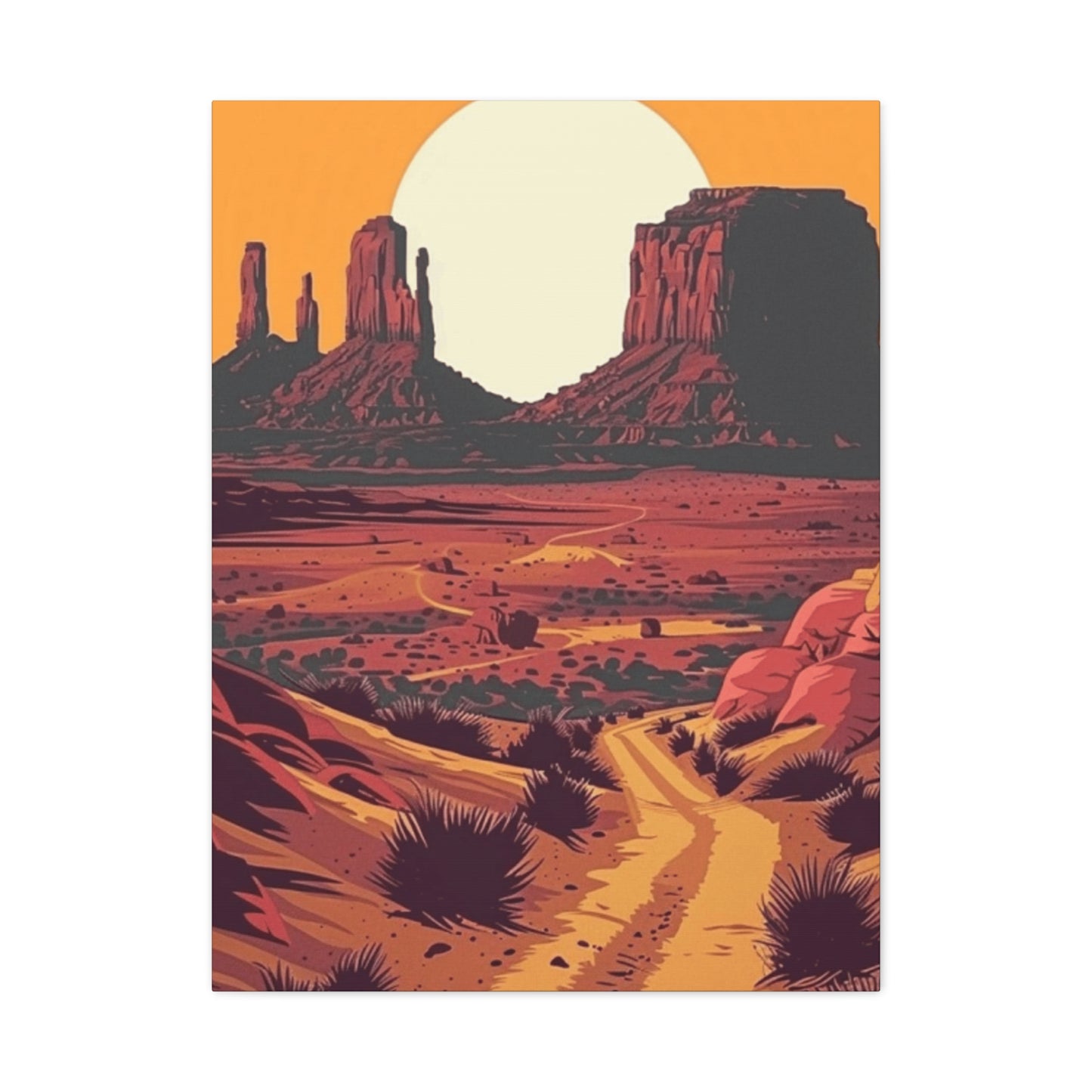
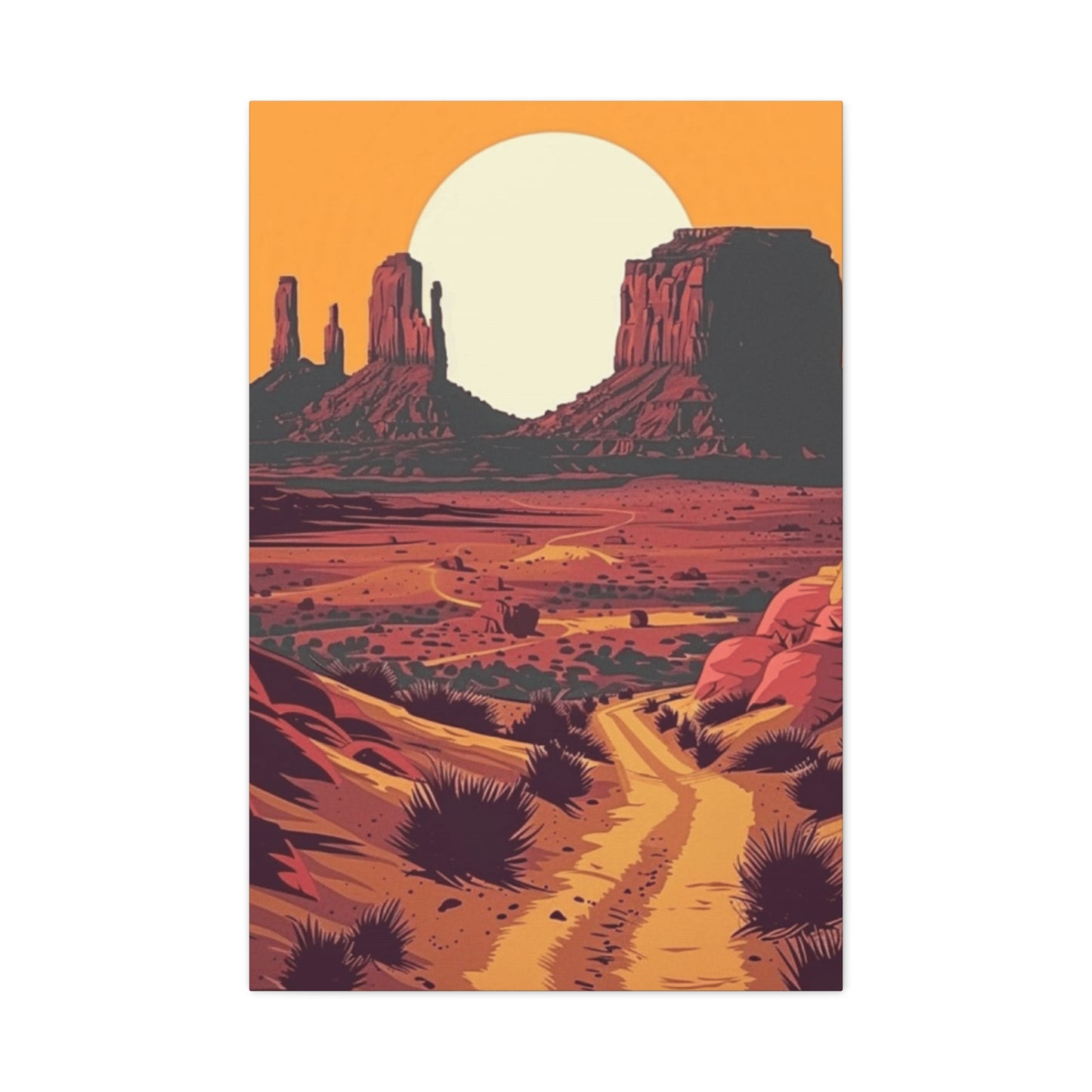
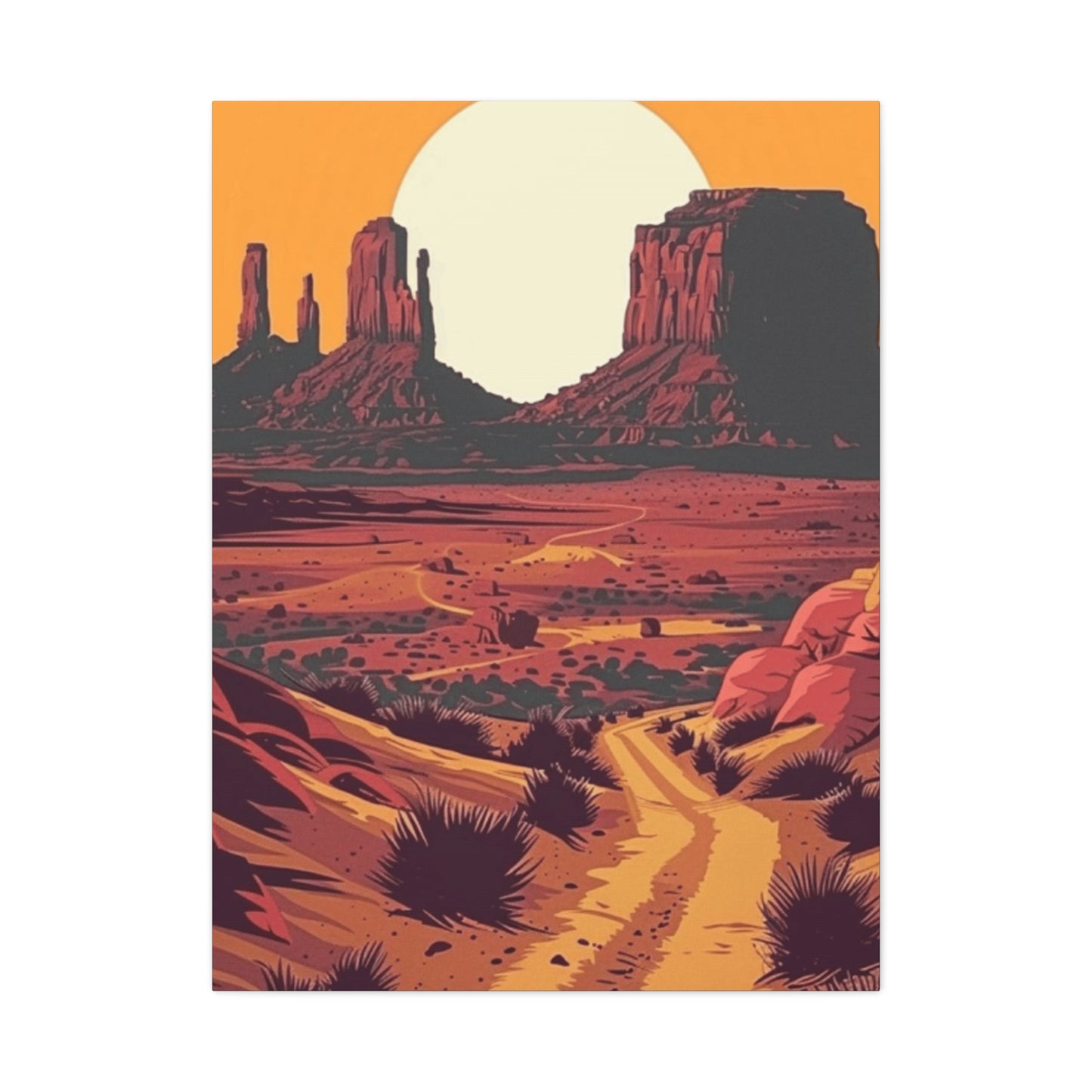
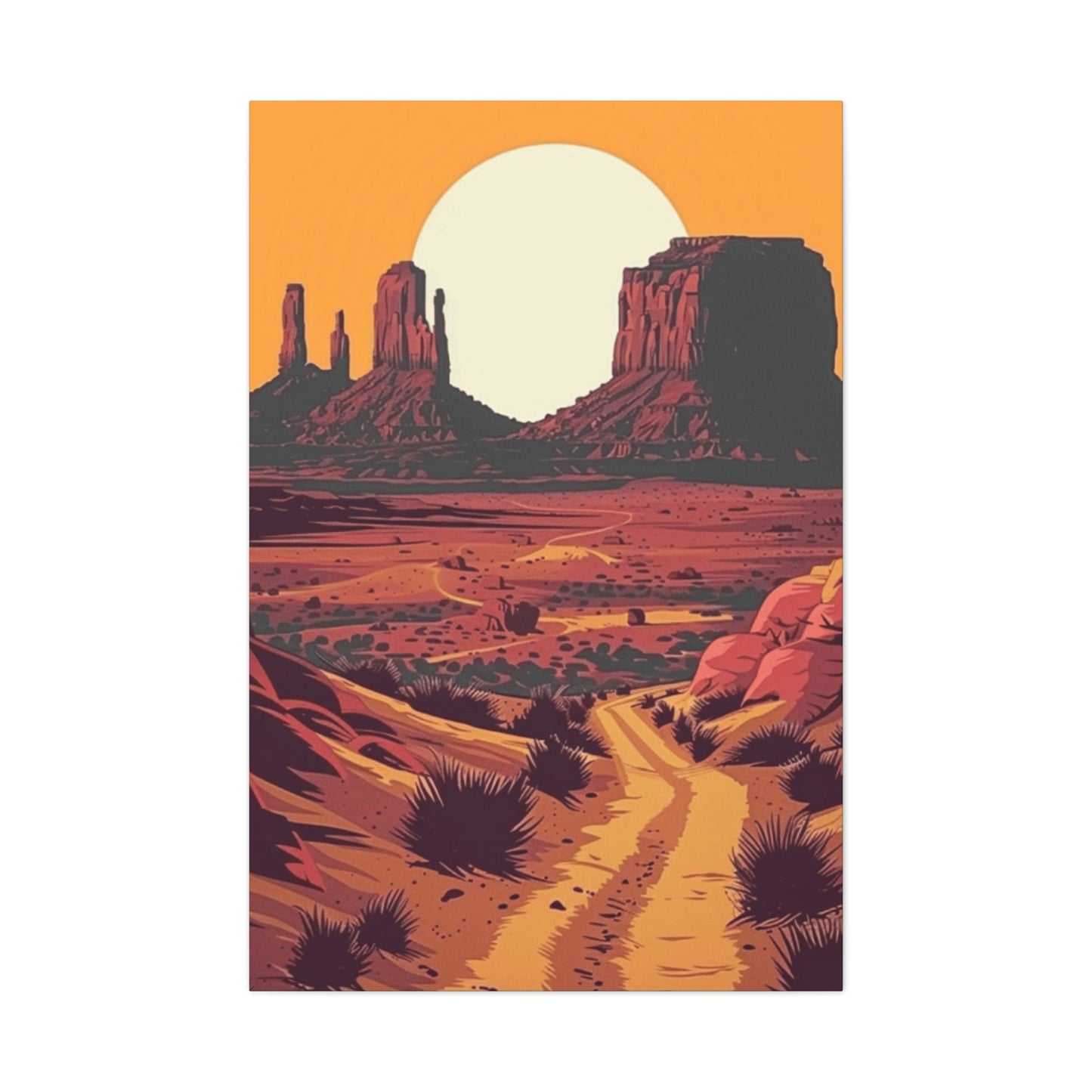
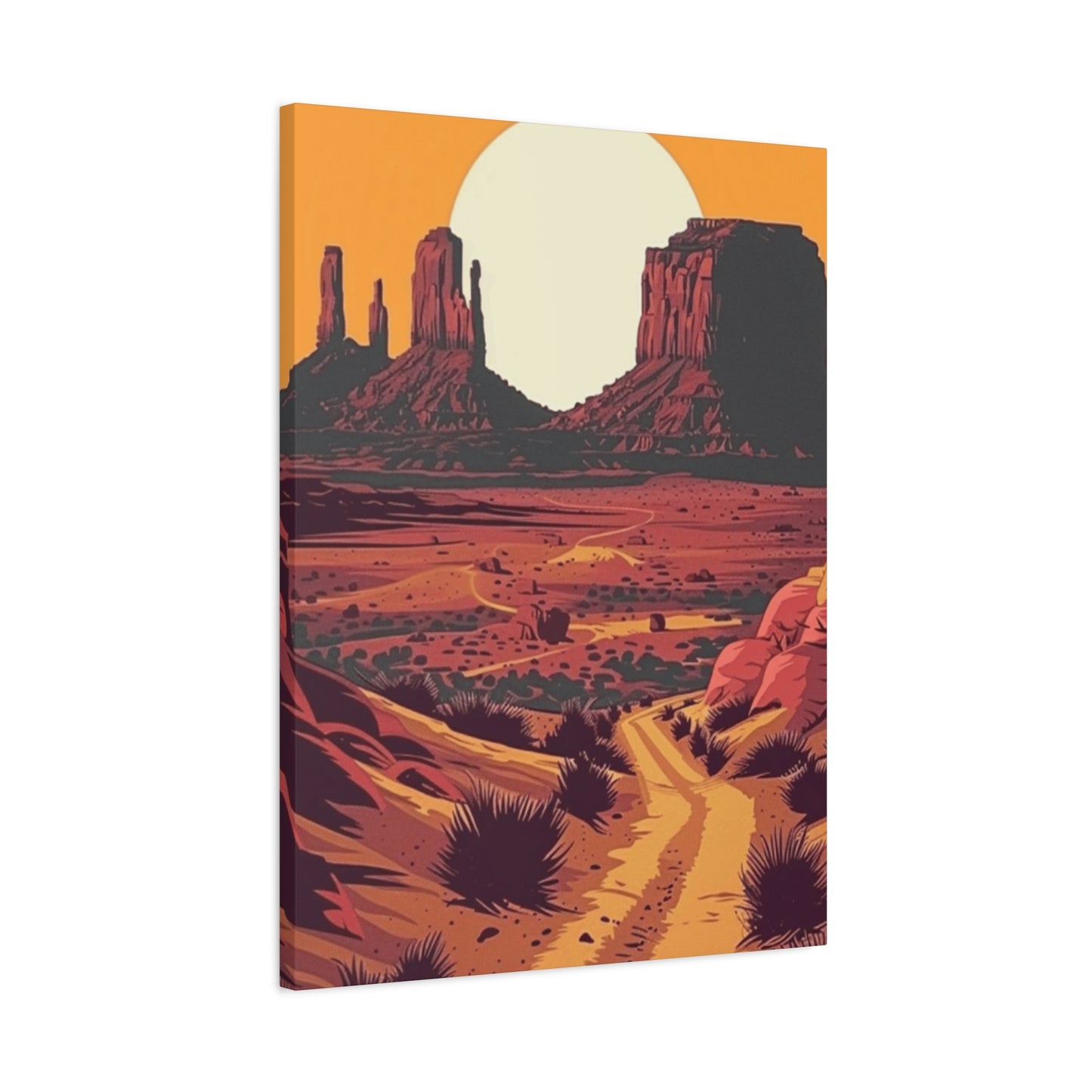
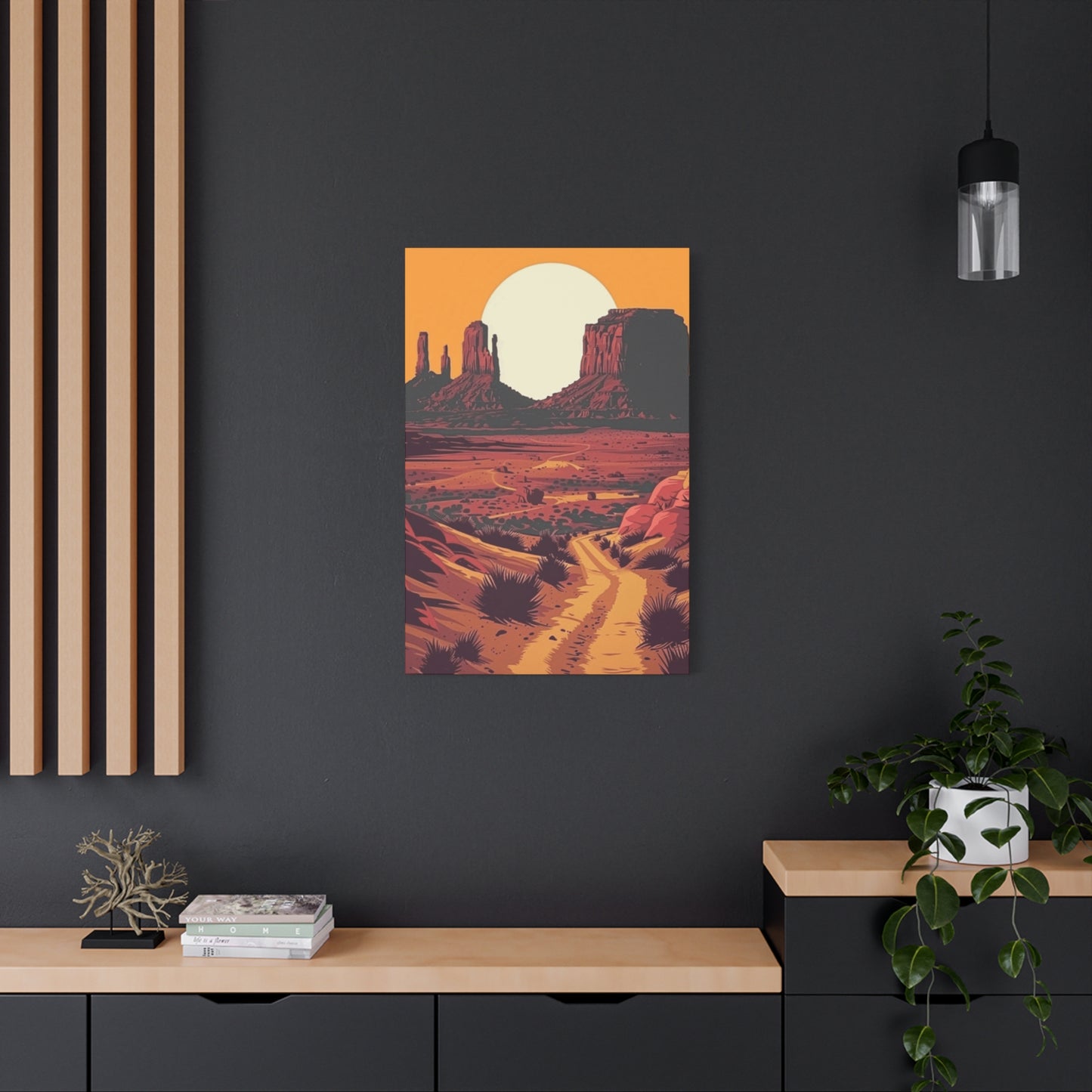
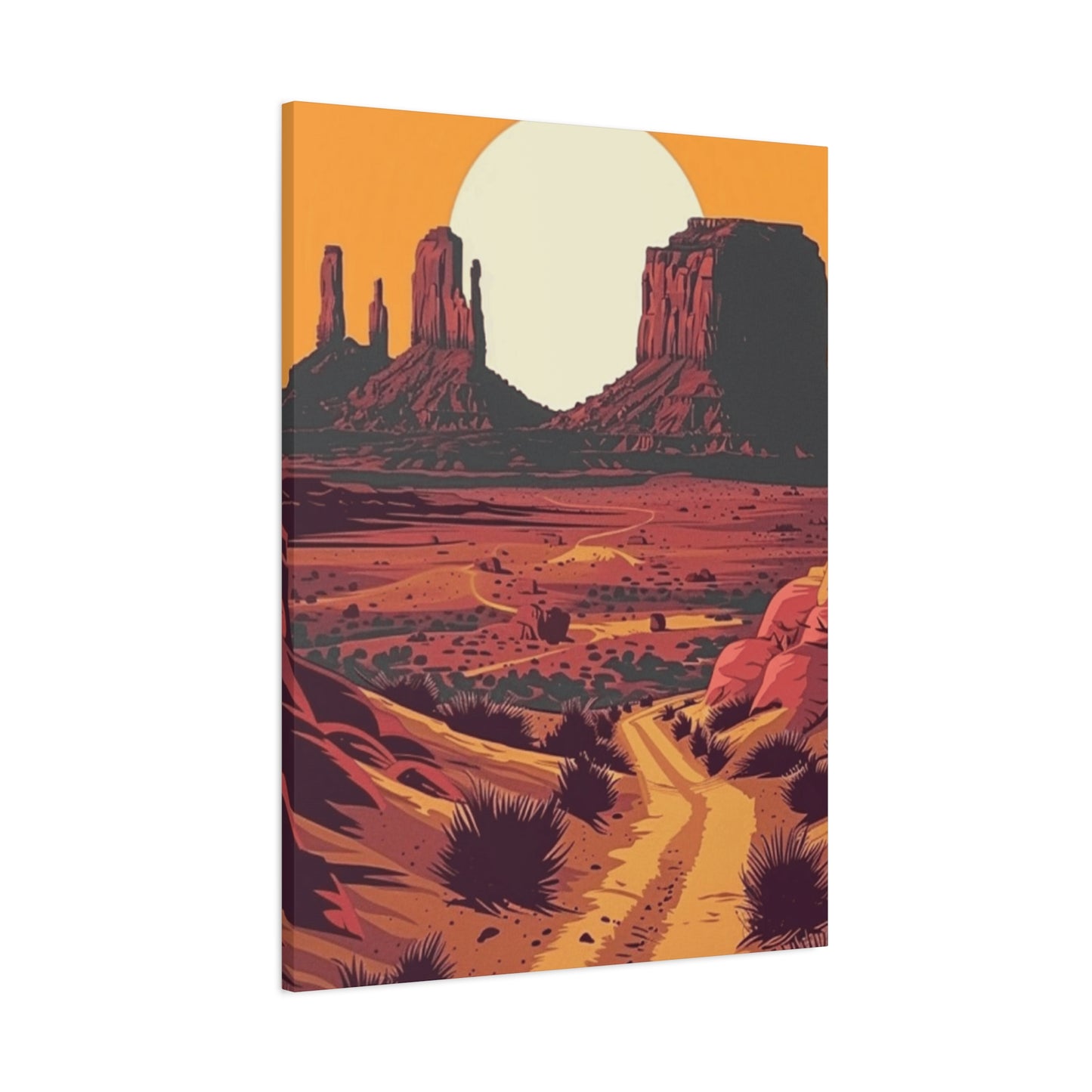
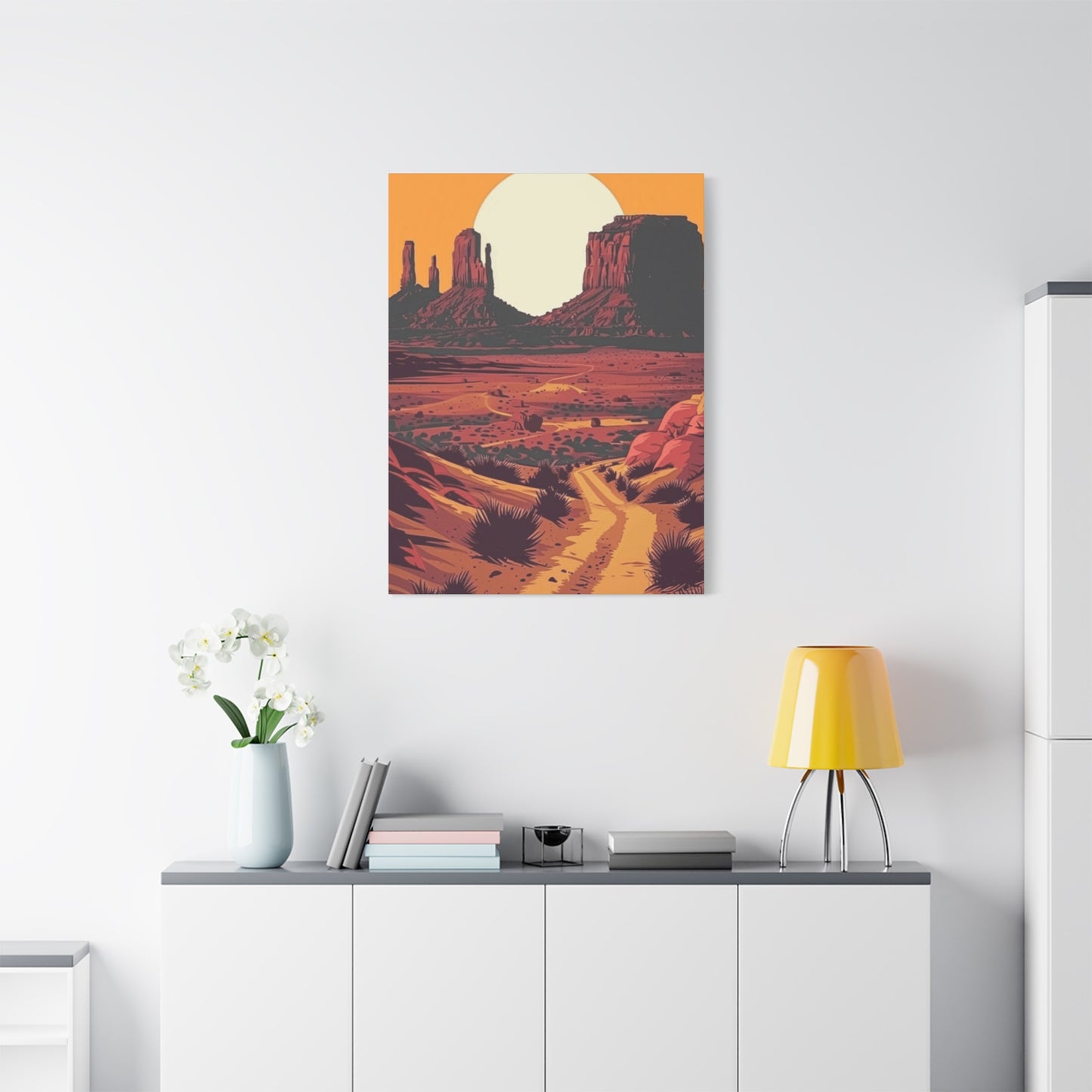
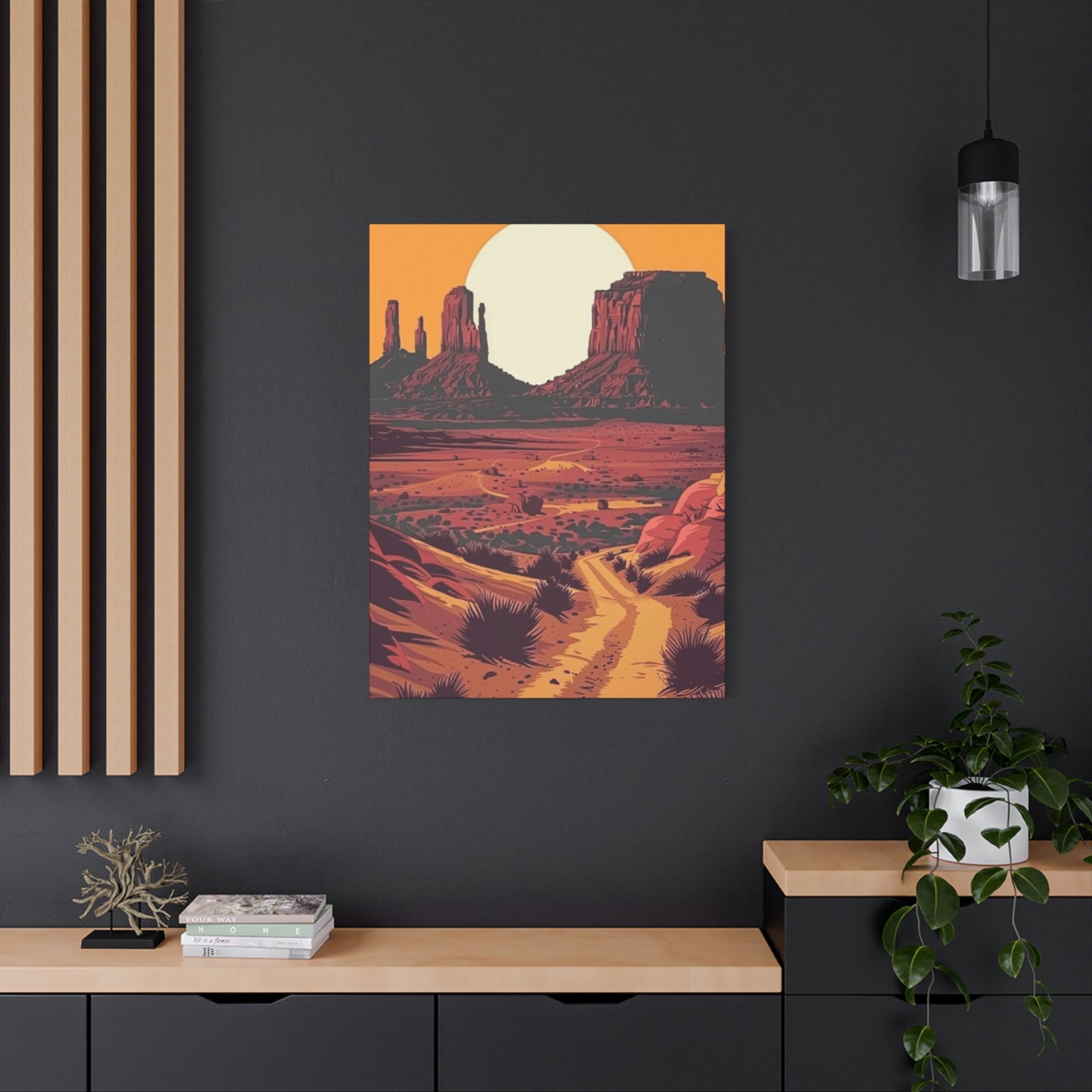
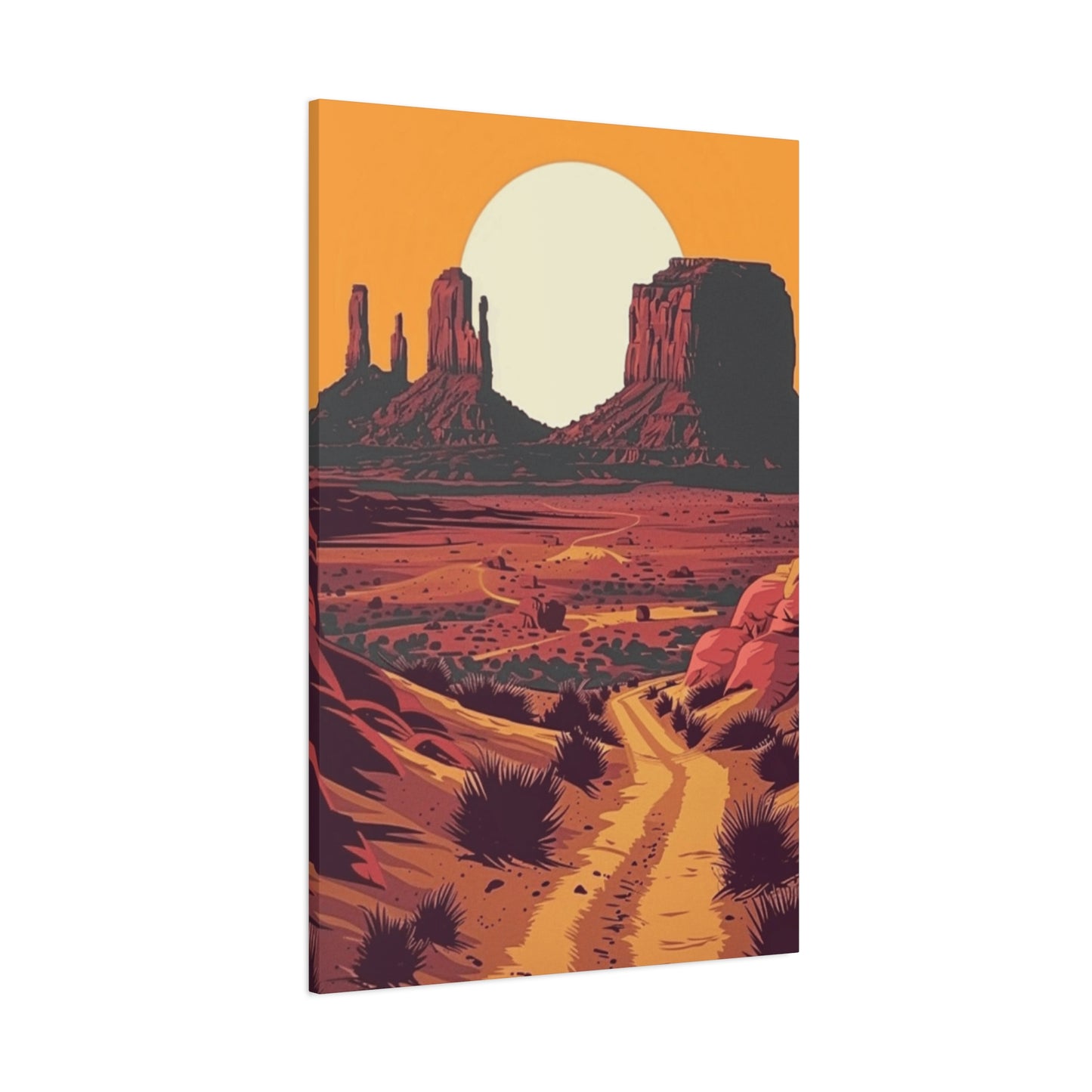
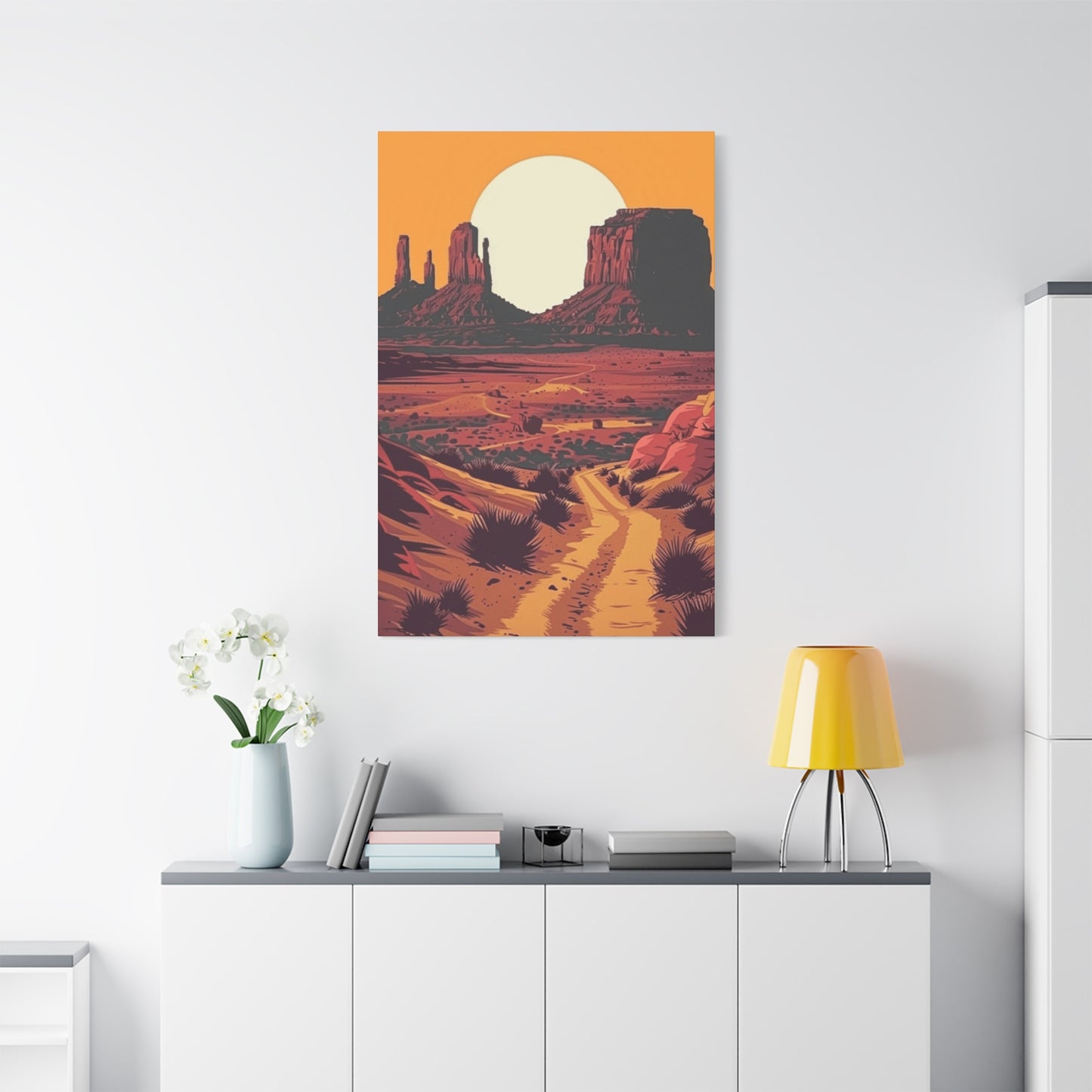
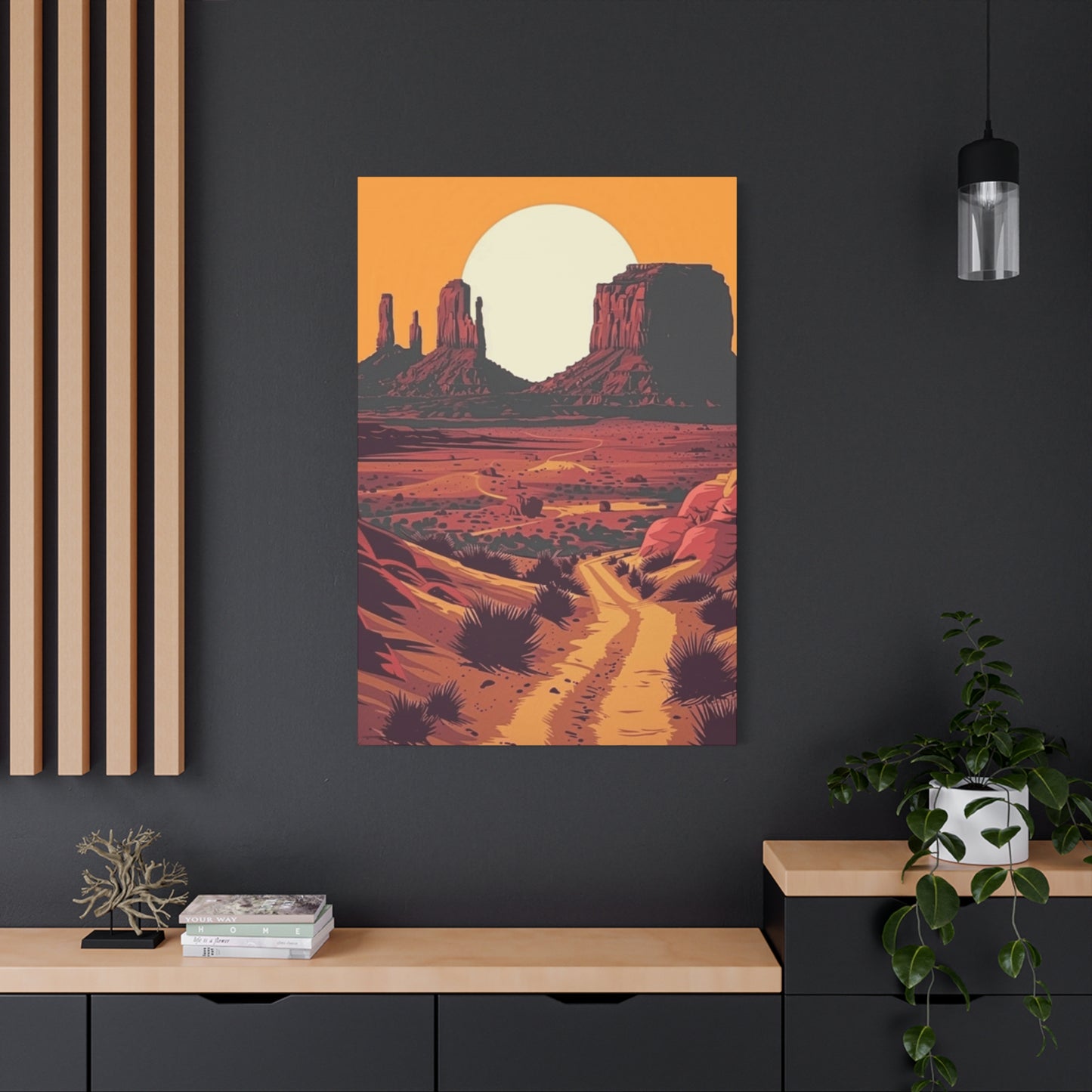
Arizona Desert Sunset Wall Art & Canvas Prints
Arizona Desert Sunset Wall Art & Canvas Prints
Couldn't load pickup availability
Capturing the Magnificent Beauty of Arizona Desert Sunset Wall Art for Your Living Space
The American Southwest possesses an ethereal quality that transcends ordinary landscape beauty, particularly when golden hour descends upon the arid terrain of Arizona's vast wilderness. Arizona Desert Sunset Wall Art represents more than mere decorative pieces; these visual treasures encapsulate the raw magnificence of nature's most spectacular daily performance. Every brushstroke, photograph, or digital rendering attempts to freeze those fleeting moments when the sky erupts in flames of orange, crimson, and purple across the rugged desert expanse.
Why Desert Landscapes from Arizona Create Such Compelling Visual Statements in Modern Interior Design
The striking topography of Arizona's desert regions offers an unparalleled canvas for artistic expression that resonates deeply with individuals seeking connection to nature's grandeur. These arid environments present a unique combination of geological formations, indigenous flora, and atmospheric conditions that generate some of Earth's most breathtaking chromatic displays during twilight hours.
The saguaro cacti standing sentinel against blazing skies create iconic silhouettes that have become synonymous with the American frontier spirit. These ancient plants, some reaching heights exceeding forty feet and ages surpassing two centuries, provide natural compositional elements that artists and photographers leverage to craft visually arresting imagery. Their distinctive anthropomorphic shapes cast dramatic shadows during the day and transform into powerful dark forms against luminous sunset backdrops.
Beyond the cacti, the desert terrain itself contributes layers of textural complexity through weathered rock formations, undulating sand dunes, and scattered desert vegetation. The Superstition Mountains, Painted Desert, and Sonoran Desert each offer distinct geological characteristics that influence the quality and character of sunset displays. These geographical features create varied topographical profiles that interact with descending sunlight in endlessly fascinating ways.
The atmospheric conditions prevalent in Arizona's desert climate play a crucial role in generating those spectacular color gradations that make sunset imagery so captivating. Low humidity levels combined with minimal air pollution allow light to travel with exceptional clarity, producing intensely saturated hues. Dust particles suspended in the atmosphere scatter shorter wavelengths of light, permitting the longer wavelengths—those rich reds, oranges, and magentas—to dominate the visual spectrum during sunset hours.
How Different Artistic Mediums Interpret and Express the Drama of Desert Twilight Scenes
Photography remains one of the most popular mediums for capturing Arizona's desert sunsets, offering documentary precision while allowing for artistic interpretation through composition, exposure, and post-processing choices. Landscape photographers often venture into remote locations during specific seasons to capture optimal lighting conditions, sometimes waiting hours for clouds to arrange themselves in complementary formations.
High-resolution photographic prints preserve intricate details that might escape casual observation—the subtle gradations between color bands, the delicate textures of distant mountain ridges, or the foreground patterns created by desert vegetation. Modern printing methodologies on materials like metal, acrylic, or canvas add dimensional qualities that enhance the visual impact of these images.
Traditional painting approaches, including oil, acrylic, and watercolor, offer artists opportunities to interpret desert sunsets through subjective lenses colored by personal experience and emotional response. Oil paintings can capture the luminous quality of desert light through layered glazing protocols, building depth and richness that mirror the actual atmospheric effects. The slow-drying properties of oil paints enable blending approaches that create seamless color transitions reminiscent of actual sunset progressions.
Acrylic paintings provide vibrant color saturation and faster working times, allowing artists to capture spontaneous impressions and bold color relationships. The versatility of acrylics permits both transparent washes similar to watercolor and opaque applications comparable to oils, making them ideal for rendering the varied textures found in desert landscapes—from gossamer cloud formations to solid rock masses.
Watercolor paintings bring a delicate, translucent quality particularly suited to capturing the ephemeral nature of sunset light. The medium's inherent fluidity mirrors the transient quality of twilight moments, while its transparency allows underlying white paper to reflect light back through pigment layers, creating an inner luminosity that photographs sometimes struggle to replicate.
Digital artwork has emerged as a powerful medium for creating Arizona Desert Sunset Wall Art, combining photographic elements with painterly interpretations or generating entirely synthetic landscapes through sophisticated rendering software. Digital artists can manipulate color palettes with precision, enhance atmospheric effects beyond natural possibilities, and create compositions that blend reality with imaginative elements.
Mixed-media approaches combine multiple artistic methodologies within single pieces, perhaps incorporating photography with painted elements, or adding textural components like sand, stone fragments, or metal leaf to enhance dimensional qualities. These hybrid works can bridge the gap between documentary realism and expressive interpretation, offering viewers both familiar recognition and novel perspectives.
Selecting the Perfect Scale and Proportion for Your Arizona Desert Sunset Wall Art Display
The physical dimensions of artwork significantly influence its visual impact and appropriateness for specific spaces. Large-format pieces measuring five feet or more in width create commanding focal points that anchor entire rooms, immersing viewers in expansive desert vistas. These substantial works function best in spaces with adequate viewing distances—living rooms with spacious seating arrangements, hotel lobbies, corporate reception areas, or dining rooms with generous square footage.
Medium-sized pieces ranging from two to four feet across offer versatility for diverse residential and commercial settings. They provide substantial visual presence without overwhelming smaller spaces, making them suitable for master bedrooms, home offices, or boutique retail environments. These dimensions allow for appreciable detail while maintaining manageable installation requirements.
Smaller works measuring eighteen to thirty inches accommodate intimate viewing experiences and fit well in personal spaces like reading nooks, powder rooms, or hallway galleries. Their modest scale makes them ideal for creating clustered arrangements where multiple pieces can dialogue with one another, perhaps showing different times during the same sunset sequence or contrasting desert locations.
Multi-panel compositions, often called triptychs, diptychs, or polyptychs depending on panel count, offer dynamic alternatives to single-piece displays. These segmented works can span considerable wall expanses while maintaining visual continuity across separate canvases or panels. The spaces between segments add rhythmic elements to the composition, and the format allows for interesting variations in panel sizes and arrangements.
Vertical orientations, sometimes called portrait format, emphasize dramatic vertical elements in desert landscapes—towering saguaro cacti, cliff faces, or spectacular cloud formations reaching toward zenith. These formats work exceptionally well in spaces with limited horizontal wall space but generous ceiling heights, such as stairwells, narrow hallways, or alongside tall windows.
Horizontal or landscape orientations naturally suit the expansive character of desert vistas, allowing compositions to spread across wide viewing fields. These formats capture the sense of boundless space characteristic of desert environments and work beautifully above furniture pieces like sofas, credenzas, or beds where they can extend across substantial widths.
Panoramic formats with extreme width-to-height ratios create immersive experiences that approximate actual desert horizon lines. These dramatic pieces might measure eight or ten feet wide while remaining only two or three feet tall, pulling viewers into the landscape and creating powerful architectural statements.
Understanding Color Psychology and How Desert Sunset Palettes Influence Spatial Atmosphere
The warm color spectrum dominating most Arizona desert sunsets—those fiery oranges, deep crimsons, golden yellows, and burnt siennas—carries specific psychological and emotional associations that influence how spaces feel to occupants. Warm hues generally evoke feelings of comfort, energy, and vitality, making them excellent choices for social spaces where gathering and conversation occur.
Orange tones, abundant in desert sunset imagery, combine the physical energy of red with the cheerfulness of yellow, creating inviting atmospheres that stimulate social interaction without the aggressive intensity sometimes associated with pure red. These hues can increase appetite, making them particularly suitable for dining areas, while their energizing qualities benefit home offices or creative studios.
Red tones present in dramatic sunset skies carry powerful emotional resonance, symbolizing passion, strength, and determination. In residential contexts, these bolder hues work well as accent elements rather than dominant features, providing visual punctuation without overwhelming senses. Commercial spaces like restaurants or retail environments can leverage red's attention-capturing properties more aggressively.
Yellow and gold tones radiating through sunset clouds or illuminating desert landscapes bring associations of optimism, mental clarity, and happiness. These cheerful hues brighten spaces both literally through their high luminance values and figuratively through their positive psychological connotations. They work particularly well in spaces that receive limited natural light, compensating for solar deficiency.
Purple and magenta hues appearing in dramatic sunset skies introduce elements of creativity, luxury, and spiritual contemplation. These cooler tones within predominantly warm compositions provide visual relief and compositional balance while adding sophistication to color schemes. They bridge warm sunset tones with cooler environmental colors, creating harmonious transitions.
The darker earth tones found in silhouetted foreground elements—those deep browns, charcoal grays, and near-blacks of cacti and mountain profiles—ground compositions and provide visual weight. These darker values create contrast that makes luminous sky colors appear even more vibrant while anchoring compositions with substantive presence.
Blue tones appearing in transitional zones between sunset brilliance and approaching night introduce calm, stability, and serenity into compositions. Even in predominantly warm sunset scenes, these cooler accents provide essential balance, preventing color schemes from becoming monotonously hot. They offer visual rest areas where eyes can momentarily escape from intense chromatic stimulation.
Exploring the Various Physical Formats and Substrate Materials for Desert Sunset Imagery
Canvas prints remain among the most popular formats for reproducing photographic or digital imagery, offering textured surfaces that add painterly qualities to printed works. Gallery-wrapped canvases, where the image continues around stretcher bar edges, create frameless presentations with contemporary aesthetic appeal. The fabric substrate absorbs light rather than reflecting it, reducing glare issues in brightly lit spaces.
Metal prints involve dye sublimation processes that infuse images into specially coated aluminum panels, creating luminous displays with exceptional color saturation and remarkable durability. The reflective surface properties of metal substrates create depth and brilliance particularly suited to capturing the luminous qualities of sunset light. These modern presentations resist fading, moisture damage, and environmental degradation far better than traditional materials.
Acrylic prints sandwich images between clear acrylic panels or mount them behind single acrylic sheets, creating depth and dimension through transparent layering. Light penetrates the clear acrylic, interacting with the image in ways that enhance luminosity and color vibrancy. These sleek, contemporary presentations work exceptionally well in modern, minimalist interiors where clean lines and sophisticated materials dominate.
Framed prints under glass provide traditional presentations with archival qualities, protecting images from environmental damage while offering formal, refined appearances. Museum-quality matting creates visual breathing room around images while protecting artwork from direct contact with glass. Various frame styles—from rustic weathered wood to sleek metal profiles—allow customization to match specific décor aesthetics.
Wood panel prints transfer images directly onto prepared wood surfaces, preserving visible wood grain that adds organic texture to compositions. This format creates rustic, natural presentations particularly appropriate for desert imagery, as the wood substrate echoes the organic character of desert environments. Different wood species offer varied grain patterns and color tones that can complement or contrast with image palettes.
Fabric tapestries and textile hangings offer soft, dimensional alternatives to rigid substrates, introducing tactile qualities and acoustic benefits. These woven or printed textiles can span large dimensions while remaining relatively lightweight, and their flexible nature allows for curved or draped presentations impossible with rigid materials.
Determining Optimal Placement Locations Throughout Residential and Commercial Environments
Living rooms represent prime locations for substantial Arizona Desert Sunset Wall Art pieces, as these gathering spaces benefit from conversation-stimulating focal points that reflect homeowners' aesthetic preferences. Positioning above sofas or seating arrangements ensures artwork remains within comfortable viewing angles for seated occupants. The warm, inviting qualities of desert sunset palettes complement the social functions these spaces serve.
Bedroom environments benefit from the calming yet warm qualities of desert sunset imagery, particularly when selecting compositions emphasizing softer color transitions and serene compositions. Positioning artwork as the primary focal point on the wall behind beds creates visual anchors for room designs while establishing atmospheric qualities conducive to relaxation. Sunset imagery reminds occupants to slow down and appreciate natural beauty.
Dining areas gain warmth and visual interest from desert sunset artwork, with the energizing warm tones potentially stimulating appetite and conversation. Positioning pieces where they're visible to seated diners without causing distraction during meals requires careful consideration of sight lines and lighting. The social nature of dining aligns well with the communal experience of sunset appreciation.
Home offices and creative studios benefit from inspirational imagery that stimulates imagination without causing distraction. Desert sunset scenes can provide mental escape during intensive work sessions while maintaining professional appearances appropriate for video conferencing backgrounds. The balance between energizing warm tones and grounding earth colors supports sustained concentration.
Entryways and foyer spaces gain immediate visual impact from striking desert sunset imagery that establishes aesthetic tone for entire homes or facilities. First impressions form within seconds of entry, making these transitional spaces strategic locations for powerful artistic statements. The welcoming warmth of sunset palettes creates hospitable atmospheres.
Commercial office environments utilize Arizona Desert Sunset Wall Art to humanize corporate spaces, introducing natural beauty that counterbalances sterile architectural elements. Conference rooms benefit from imagery that inspires without distracting, while reception areas leverage visual impact to create memorable first impressions. The universal appeal of natural beauty makes desert sunset imagery culturally neutral and broadly appreciated.
Hospitality venues including hotels, resorts, and restaurants embrace desert sunset imagery to establish regional identity and create memorable atmospheric experiences. Guests seeking authentic connections to local character appreciate artwork reflecting the natural environments surrounding their temporary accommodations. Large-format installations in lobbies or dining areas become destination features worth photographing and sharing.
Healthcare facilities increasingly recognize the therapeutic benefits of nature imagery in reducing patient anxiety and supporting healing processes. Desert sunset scenes provide uplifting visual experiences that distract from clinical environments while maintaining appropriate emotional tone. Waiting areas, patient rooms, and staff break rooms all benefit from these calming yet optimistic visual elements.
Coordinating Desert Sunset Artwork with Existing Interior Design Styles and Color Schemes
Southwestern or Santa Fe design styles naturally complement Arizona Desert Sunset Wall Art, as both draw inspiration from regional aesthetic traditions. These interiors typically feature earth-toned palettes, natural materials like adobe, wood, and stone, and handcrafted decorative elements. Desert sunset imagery reinforces the regional character while introducing those spectacular chromatic elements that make the landscape so distinctive.
Contemporary minimalist interiors benefit from carefully selected desert sunset pieces that provide controlled injections of warmth and organic beauty into otherwise austere environments. Selecting compositions with clean, simplified elements and limiting color palettes to harmonize with minimal color schemes prevents visual clash. The dramatic simplicity of silhouetted cacti against bold skies aligns well with minimalist aesthetic principles.
Rustic or farmhouse styles accommodate desert sunset artwork through shared appreciation for natural beauty and organic materials. The weathered, authentic qualities of rustic interiors align with the raw, unadorned character of desert landscapes. Selecting artwork with visible texture—perhaps canvas with heavy brush strokes or wood panel prints—reinforces the tactile qualities characteristic of rustic design.
Modern industrial spaces with exposed brick, concrete, and metal elements gain organic softness through desert sunset imagery that balances hard architectural finishes with natural beauty. The contrast between raw industrial materials and spectacular natural scenes creates dynamic tension that energizes spaces. Metal print formats particularly complement industrial aesthetics through material compatibility.
Coastal or nautical interiors might seem incompatible with desert imagery, yet the shared emphasis on natural beauty and expansive horizons creates common ground. Selecting desert sunset compositions emphasizing cooler purple and blue transitional tones can bridge the color gap between beach-inspired blues and desert warmth. The similar emotional responses evoked by ocean and desert vistas—feelings of vastness, peace, and natural wonder—create conceptual connections.
Eclectic interiors mixing diverse stylistic elements can successfully incorporate desert sunset artwork when careful attention focuses on color coordination and compositional compatibility. These maximalist spaces often benefit from bold artistic statements that hold their own among varied decorative elements. The strong visual character of dramatic sunset imagery prevents it from disappearing among competing visual stimuli.
Traditional or classic interiors featuring formal furniture arrangements and sophisticated color palettes can accommodate desert sunset imagery when presentation formats maintain appropriate refinement. Selecting framed prints with elegant matting and traditional frame profiles helps bridge the gap between wild natural subjects and formal interior contexts. Focusing on compositions emphasizing beauty over ruggedness supports successful integration.
Investigating the Unique Characteristics of Different Arizona Desert Regions and Their Sunset Qualities
The Sonoran Desert, stretching across southern Arizona and extending into Mexico, represents the most biologically diverse desert in North America. Its signature saguaro cacti create instantly recognizable foreground elements for sunset compositions, while the varied terrain including bajadas, mountain ranges, and occasional water features generates diverse compositional possibilities. Summer monsoon storms create spectacular cloud formations that interact dramatically with setting sun, producing some of the most colorful displays imaginable.
The Painted Desert in northeastern Arizona offers extraordinary geological color variations that intensify during golden hour. The exposed sedimentary layers display natural striations in reds, oranges, purples, and grays that seem to glow when illuminated by angled sunset light. This region's relative lack of vegetation creates clean, graphic compositions emphasizing pure landscape form and color rather than botanical elements.
The Chihuahuan Desert extending into southeastern Arizona presents different character through its higher elevation grasslands and distinctive plant species including ocotillo and various yucca varieties. Sunsets here often feature more subtle color progressions across expansive skies above rolling terrain. The open grasslands create compositions emphasizing horizontal expanse and unobstructed sky dominance.
Monument Valley, straddling the Arizona-Utah border, offers iconic buttes and mesas that create dramatic silhouettes against sunset skies. These massive sandstone formations, sculpted by millennia of erosion, provide compositional anchors of extraordinary power. The remote location and limited light pollution allow for stunning twilight displays that transition seamlessly into star-filled night skies.
The Superstition Mountains east of Phoenix present rugged, mysterious profiles that have inspired legends and artistic interpretation for generations. Sunset views featuring these distinctive peaks create compositions balancing geological drama with spectacular chromatic displays. The varied elevations within this range generate interesting atmospheric effects as light interacts with different elevation zones simultaneously.
Canyon landscapes including the Grand Canyon's southern reaches present opportunities for sunset imagery emphasizing depth, scale, and geological time. The layered rock walls capture and reflect sunset light in complex ways, with different strata displaying varied responses to changing illumination angles. These vertical landscapes create compositions emphasizing dramatic relief rather than horizontal expanse.
Appreciating the Seasonal Variations in Arizona Desert Sunset Character and Photographic Opportunities
Spring months bring comfortable temperatures and blooming desert wildflowers that add foreground color interest to sunset compositions. The iconic saguaro cactus blooms appear in late spring, providing additional compositional elements. Dust levels remain relatively low, creating clear atmospheric conditions that yield sharp, saturated color displays. The sun's path during spring provides favorable angles for capturing both sunset and twilight blue hour sequences.
Summer monsoon season, typically running July through September, generates spectacular cloud formations that dramatically enhance sunset displays. Towering cumulonimbus clouds catch sunset light on their massive vertical faces, creating three-dimensional sky sculptures illuminated in brilliant oranges and pinks against deep blue-gray storm backgrounds. Lightning strikes occasionally punctuate these dramatic scenes, adding dynamic elements for bold photographers. The humid air during monsoon season can scatter light differently, sometimes producing more diffused, pastel color palettes.
Autumn brings returning clear skies after monsoon humidity dissipates, combined with comfortable temperatures ideal for outdoor photography excursions. The sun's lower angle during fall months creates longer-lasting golden hour periods with warm, directional light that emphasizes landscape texture. Occasional weather fronts moving through during autumn can generate interesting cloud formations without monsoon season's intensity.
Winter months offer the lowest sun angles of the year, creating extended periods of warm, directional light that enhances landscape dimensionality. The crisp, dry air produces exceptional atmospheric clarity, allowing for sharp, intensely saturated colors. Snow occasionally dusts higher elevation desert areas, creating rare and striking contrasts between white-capped mountains or frosted cacti and warm sunset skies. Winter sunsets occur earlier in the day, allowing photographers to capture golden hour without staying out late.
The transitional periods between seasons sometimes produce unusual atmospheric conditions that generate unique sunset displays. Temperature inversions can create layered atmospheric effects, dust storms preceding weather fronts can produce surreal orange or red skies, and the contrast between warming and cooling air masses sometimes generates unusual cloud formations.
Examining the Cultural and Symbolic Significance of Deserts and Sunsets in Human Experience
Desert environments have held profound significance across human cultures throughout recorded history, representing places of spiritual quest, purification, and revelation. Major religious traditions including Judaism, Christianity, and Islam all incorporate desert narratives involving prophets, visions, and divine encounters. This spiritual dimension adds symbolic depth to desert imagery beyond mere aesthetic appreciation.
The sunset itself carries universal symbolic resonance as a daily reminder of transitions, endings, and cyclical renewal. Across cultures, sunset has symbolized completion, reflection, and the bridge between conscious activity and restorative rest. The spectacular beauty of desert sunsets amplifies these symbolic associations through visual grandeur that elevates ordinary daily transitions to something approaching transcendent experience.
Native American cultures indigenous to Arizona's desert regions hold deep spiritual connections to the landscape, viewing mountains, water sources, and distinctive land formations as sacred sites imbued with spiritual power. While respecting that these connections belong to specific cultural traditions, artwork depicting these landscapes inevitably carries echoes of this profound relationship between human consciousness and desert environment.
The desert as metaphor appears throughout literature, philosophy, and popular culture, representing everything from spiritual emptiness requiring redemption to pristine wilderness threatened by civilization's encroachment. These layered meanings influence how viewers respond to desert imagery, bringing personal associations and cultural narratives to their aesthetic experiences.
The American frontier mythology associates desert landscapes with independence, self-reliance, and the pioneering spirit. Western films, literature, and visual arts have reinforced these associations for generations, creating cultural narratives that influence contemporary responses to desert imagery. Arizona Desert Sunset Wall Art can therefore evoke not just natural beauty but also these deeper cultural resonances.
Investigating Color Harmony Principles and How They Apply to Displaying Desert Sunset Artwork
Analogous color schemes, utilizing colors adjacent on the color wheel, dominate most desert sunset imagery. The progression from yellow through orange to red creates harmonious color relationships that feel naturally unified. When selecting artwork for spaces with established color palettes, choosing pieces emphasizing the analogous colors already present in the environment creates cohesive, balanced results.
Complementary contrast between warm sunset tones and cool blue accents creates dynamic visual tension that energizes compositions. The blue-orange complementary relationship appears frequently in desert sunset imagery where residual daylight blue contrasts with warm sunset illumination. Interior spaces can leverage this natural color contrast by introducing décor elements that echo either the warm or cool components of artwork palettes.
Triadic color relationships involving three equidistant colors on the color wheel sometimes appear in dramatic sunset scenes combining orange warmth, blue-violet twilight zones, and green-yellow reflected light. These complex color relationships create vibrant, dynamic compositions with multiple focal points. Interiors incorporating such artwork benefit from restraint in competing color sources to prevent visual chaos.
Monochromatic approaches focusing primarily on variations within single color families create unified, sophisticated presentations. Desert sunset pieces emphasizing primarily orange tones in varied saturations and values can create powerful statements through color repetition rather than contrast. These harmonious presentations work well in spaces seeking calm, unified atmospheres.
Color temperature considerations influence how artwork relates to surrounding environments. Warm-toned sunset imagery naturally complements spaces with warm-toned woods, earth-colored textiles, and golden lighting, while creating intentional contrast in cool-toned contemporary spaces dominated by grays, whites, and blue accents.
Value contrast—the relationship between light and dark elements—creates visual drama and compositional hierarchy within artwork. High-contrast pieces featuring dark silhouettes against brilliant skies create bold, graphic statements that command attention, while low-contrast compositions with subtle value transitions create more subdued, contemplative experiences.
Exploring Lighting Considerations for Properly Illuminating and Protecting Your Desert Sunset Artwork
Natural lighting presents both opportunities and challenges for displaying artwork. Direct sunlight creates severe conservation concerns, as ultraviolet radiation causes fading and deterioration of pigments and substrate materials. Positioning artwork to receive indirect natural light provides illumination while minimizing damage risks. Southern exposures in Northern Hemisphere locations receive the most intense sun and require particular caution.
Artificial lighting offers controlled illumination that can enhance artwork while minimizing conservation risks when properly implemented. LED lighting has become the preferred choice due to its minimal heat generation, lack of ultraviolet emission, and energy efficiency. Dedicated picture lights mounted above or beside artwork provide focused illumination that highlights pieces while minimizing ambient light requirements.
Track lighting systems offer flexibility for illuminating multiple artworks or adjusting beam angles to accommodate changing display arrangements. Adjustable fixtures allow fine-tuning of illumination direction and intensity to minimize glare while maximizing color accuracy and visual impact. Dimming capabilities enable lighting adjustments for different times of day and various functional needs.
Color temperature of artificial lighting significantly influences how artwork appears. Warm white light (2700-3000K) enhances the warm tones in sunset imagery, creating harmonious reinforcement of existing color palettes. Neutral white light (3500-4100K) provides more accurate color rendering that doesn't skew color perception. Cool white light (5000K+) can create unwanted color casts that diminish warm sunset hues.
Light intensity should provide adequate illumination to appreciate artwork details without causing glare or overwhelming surrounding spaces. Generally, artwork should receive two to three times the ambient light level in the room, creating visual emphasis without harsh contrast. Excessively bright illumination causes viewer discomfort and accelerates artwork degradation.
Glare considerations vary by substrate material. Reflective surfaces like acrylic or metal prints require careful lighting angle management to prevent mirror-like reflections that obscure imagery. Matte surfaces like unglazed canvas handle varied lighting angles more forgivingly but benefit from focused rather than broad-source illumination.
Conservation-minded lighting practices include limiting light exposure duration, using UV-filtering glazing on framed works, maintaining moderate temperature and humidity levels, and periodically rotating displayed pieces to rest in dark storage. Even LED lighting, while safer than older technologies, causes cumulative damage over extended exposure periods.
Understanding Frame Selection and Presentation Choices That Complement Desert Sunset Imagery
Frame materials significantly influence overall presentation character and compatibility with various design contexts. Wood frames offer warmth and organic character that naturally complements desert subject matter. Different wood species and finishes—from light maple to dark walnut, rustic barn wood to polished mahogany—create varied aesthetic effects suitable for different design styles.
Metal frames provide sleek, contemporary presentations particularly compatible with modern and industrial interiors. Brushed aluminum, polished steel, or powder-coated finishes in colors ranging from matte black to metallic copper offer diverse possibilities. Thin metal profiles create minimal visual interference, allowing artwork to dominate, while substantial metal frames make bold architectural statements.
Composite and manufactured frame materials enable diverse finishes mimicking natural materials while offering practical advantages like moisture resistance and dimensional stability. These materials can successfully replicate wood grain, metallic finishes, or decorative surface treatments at accessible price points.
Frame color choices create either harmonious integration or intentional contrast with artwork palettes. Neutral colors—blacks, whites, grays, and natural wood tones—provide versatile compatibility with diverse imagery. Colored frames can echo specific hues within artwork, creating visual connections, or introduce complementary contrasts that energize presentations.
Frame profile dimensions influence visual weight and formality. Narrow profiles measuring one to two inches wide create understated, contemporary presentations that minimize framing presence. Medium profiles of two to four inches provide substantial presence without overwhelming artwork. Wide profiles exceeding four inches make strong architectural statements suitable for traditional formal contexts or for adding visual weight to smaller artworks.
Matting options for framed prints under glass create visual breathing room, enhance perceived value, and provide conservation benefits by preventing direct contact between artwork and glazing. Mat colors typically range from bright white through various off-whites, creams, and tans, occasionally incorporating colored mats that echo artwork hues. Multiple mat layers in complementary colors add depth and sophistication.
Shadowbox frames create dimensional displays with spacing between artwork and glazing, suitable for pieces with textural surfaces or when housing multiple layers like photographs mounted on textured backing. These deeper frames create dramatic presentations with enhanced visual depth.
Frameless presentations including gallery-wrapped canvases, mounted prints, or acrylic blocks offer contemporary alternatives to traditional framing. These clean, modern approaches work particularly well in minimalist contexts or when seeking unobstructed views of artwork edges and substrates.
Discovering Lesser-Known Arizona Desert Locations That Offer Extraordinary Sunset Viewing Experiences
Organ Pipe Cactus National Monument in southwestern Arizona near the Mexican border protects diverse Sonoran Desert ecosystems featuring the monument's namesake organ pipe cactus along with numerous other desert species. The remote location and protected status ensure minimal light pollution and pristine desert landscapes. Sunset views here encompass varied terrain from flat desert floors to rugged mountain slopes.
Petrified Forest National Park in northeastern Arizona combines the badlands topography of the Painted Desert with ancient fossilized forests, creating unique compositional opportunities. The exposed colorful sediments display spectacular chromatic qualities during golden hour that rival sunset sky colors. This less-visited park offers solitude for contemplative sunset experiences.
Kofa National Wildlife Refuge in southwestern Arizona protects rugged mountain wilderness and diverse desert wildlife habitats. The dramatic Kofa Mountains create powerful profiles against sunset skies, while the remote location ensures dark skies for extended twilight photography. Palm Canyon, harboring rare native palm trees, offers unusual compositional elements for desert sunset scenes.
Vermilion Cliffs National Wilderness straddling the Arizona-Utah border features spectacular red rock formations that glow intensely during sunset illumination. The remote, roadless wilderness requires significant effort to access but rewards visitors with otherworldly landscapes largely unphotographed compared to more accessible locations. The layered geology creates extraordinary color and textural complexity.
Buenos Aires National Wildlife Refuge in southern Arizona protects extensive grassland ecosystems with scattered desert mountains creating distant profiles. The open grasslands provide unobstructed sunset views with expansive skies dominating compositions. Seasonal water features attract diverse wildlife that adds foreground interest to landscape photography.
White Tank Mountain Regional Park west of Phoenix offers accessible desert mountain landscapes with distinctive white granite formations that reflect sunset light dramatically. The park's proximity to metropolitan areas provides convenience while its western slopes capture optimal sunset illumination. Numerous trails enable photographers to find unique perspectives and compositional elements.
Tonto National Forest, spanning nearly three million acres across central Arizona, encompasses diverse desert elevations from saguaro-studded lowlands to ponderosa pine highlands. This vast area offers countless locations for sunset observation, from desert lakes reflecting sky colors to mountain overlooks providing sweeping vistas. The Superstition Wilderness within Tonto Forest presents particularly dramatic sunset viewing.
Considering Size and Scale Relationships Between Artwork and Surrounding Architectural Elements
Furniture relationships significantly influence appropriate artwork dimensions. The general guideline suggests artwork spanning roughly two-thirds to three-quarters of the furniture width beneath it, though this rule allows flexibility based on specific circumstances. For example, a sofa measuring ninety inches wide might accommodate artwork spanning sixty to seventy inches, creating balanced proportions without exact mathematical precision.
Ceiling height influences both maximum artwork size and optimal hanging height. Standard eight-foot ceilings limit practical artwork height to approximately forty inches to maintain comfortable viewing positions and adequate spacing from ceiling and furniture. Higher ceilings permit larger-scale works and offer more flexibility in vertical positioning. The guideline of hanging artwork so the center point sits at average eye level (approximately sixty inches from floor) works well in most contexts.
Wall dimensions establish overall constraints for artwork size, with consideration for maintaining adequate breathing room between artwork edges and adjacent walls, corners, or architectural features. Leaving twelve to eighteen inches of open wall space around artwork perimeters prevents cramped appearances. Large walls can accommodate single substantial pieces or multiple coordinated works in gallery arrangements.
Window and door placements influence available wall space and introduce compositional considerations. Artwork positioned between windows should maintain balanced spacing, while pieces hung above doorways require adequate clearance for passage plus visual separation. Windows themselves can serve as compositional elements in gallery wall arrangements, integrated as if they were artwork pieces within the overall design.
Architectural features including fireplaces, built-in shelving, and decorative moldings create focal points that artwork must either complement or compete with for visual attention. Hanging artwork above fireplaces requires careful consideration of mantel depth, which affects how far artwork projects from the wall and influences optimal viewing angles. Heat and smoke concerns necessitate adequate vertical clearance above mantels.
Multi-wall relationships in open-plan spaces require considering how artwork on different walls relates visually. Pieces visible simultaneously from primary viewpoints should exhibit compatible scales, styles, and color relationships. Artwork serving as focal points for distinct functional zones within open spaces helps define spatial boundaries and create psychological separation between areas.
Stairway presentations introduce unique challenges and opportunities, as changing viewer elevation alters perspective and viewing angles. Gallery arrangements ascending stairways typically follow the slope angle, maintaining consistent spacing relationships despite changing vertical positions. Landing walls at stairway turns provide opportunities for substantial statement pieces viewed from multiple levels.
Investigating Color Saturation Choices and Their Impact on Visual Energy and Atmospheric Qualities
Highly saturated, vivid color presentations create energetic, dynamic atmospheres that command immediate attention and generate strong emotional responses. Sunset imagery employing intense, pure hues appears bold and contemporary, suitable for spaces seeking dramatic visual impact. These vibrant presentations work well as focal points in otherwise neutral environments where they provide concentrated color energy.
Moderate saturation levels create accessible presentations that balance visual interest with versatility. These pieces feature recognizable colors without pushing into garish territory, maintaining broad compatibility with diverse design contexts. Moderate saturation allows artwork to make clear statements while remaining flexible enough to work with evolving décor around it.
Desaturated or muted palettes create sophisticated, contemplative presentations that whisper rather than shout. These subtle interpretations of sunset scenes maintain color relationships while reducing intensity, resulting in refined, elegant effects. Muted palettes work particularly well in spaces seeking calm, restful atmospheres or in contexts where artwork should enhance rather than dominate.
Monochromatic or near-monochromatic presentations focusing primarily on value variations within limited color ranges create unified, cohesive statements. Sepia-toned or single-color sunset interpretations emphasize form, composition, and tonal relationships rather than chromatic variety. These restrained presentations suit formal contexts or minimalist aesthetics prioritizing simplicity.
Selective saturation approaches emphasize specific elements through color intensity while maintaining restraint elsewhere. For example, brilliant sunset sky colors contrasting with desaturated foreground elements create focal point emphasis and compositional hierarchy. This directed attention guides viewer engagement and creates visual narratives within compositions.
Color intensity variations within single pieces create depth, dimension, and visual journey. Gradual transitions from intense color in focal areas to subtler tones in peripheral zones mirror natural viewing patterns where central vision processes color more intensely than peripheral vision. These graduated saturation approaches feel naturally comfortable to viewers.
Conclusion
Rule of thirds compositional frameworks position key elements along imaginary lines dividing frames into thirds horizontally and vertically, with intersections marking power points for focal element placement. Desert sunset compositions often position horizon lines along the upper or lower third line rather than centered, creating dynamic imbalance that engages viewers. Prominent foreground elements like distinctive cacti might occupy power point intersections, anchoring compositions.
Centered or symmetrical compositions create formal, contemplative presentations that emphasize stability and balance. Positioning horizon lines or prominent vertical elements like singular saguaros along central axes creates meditative symmetry. These balanced compositions suit formal contexts or spiritual, contemplative themes.
Foreground-midground-background layering creates depth perception in two-dimensional images through size relationships, atmospheric perspective, and focus variations. Strong foreground elements provide entry points and scale references, midground features create transitional zones, and distant mountains or sky features establish depth. This layering mimics natural depth perception, creating immersive viewing experiences.
Leading lines—visual pathways created by roads, fences, water courses, or natural terrain features—guide viewer attention through compositions toward intended focal points. Converging lines create perspective depth while directing visual journey, preventing aimless wandering around image areas.
Share