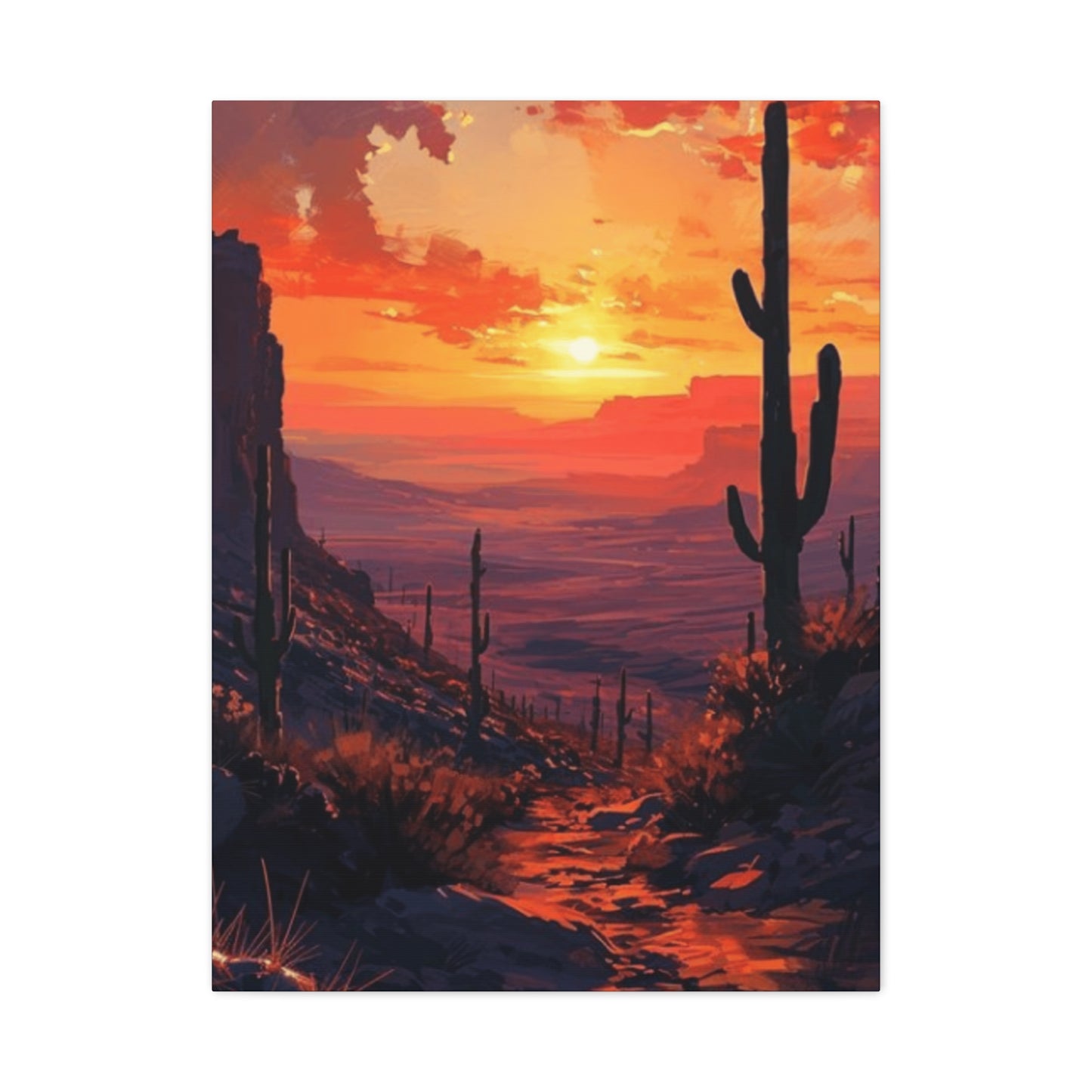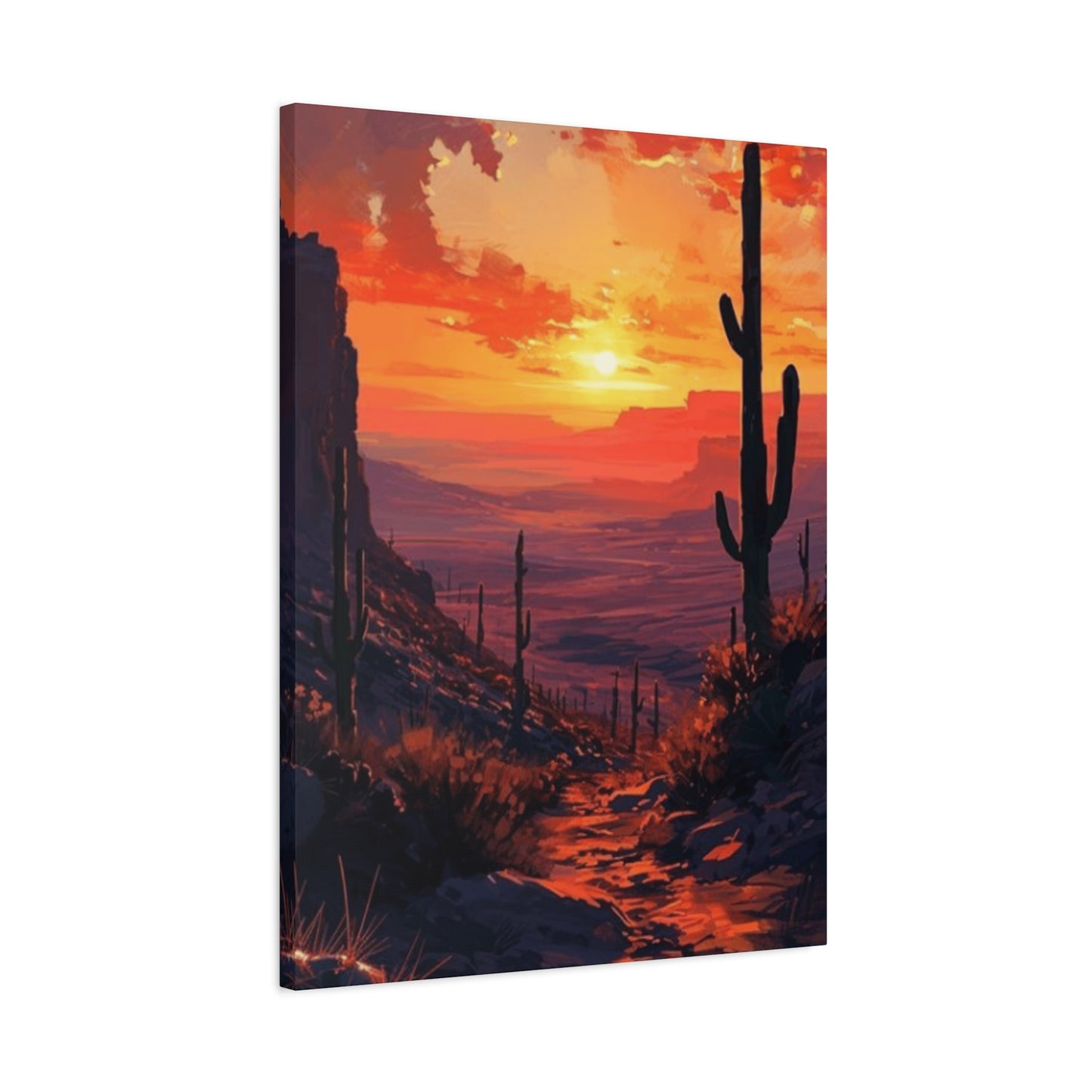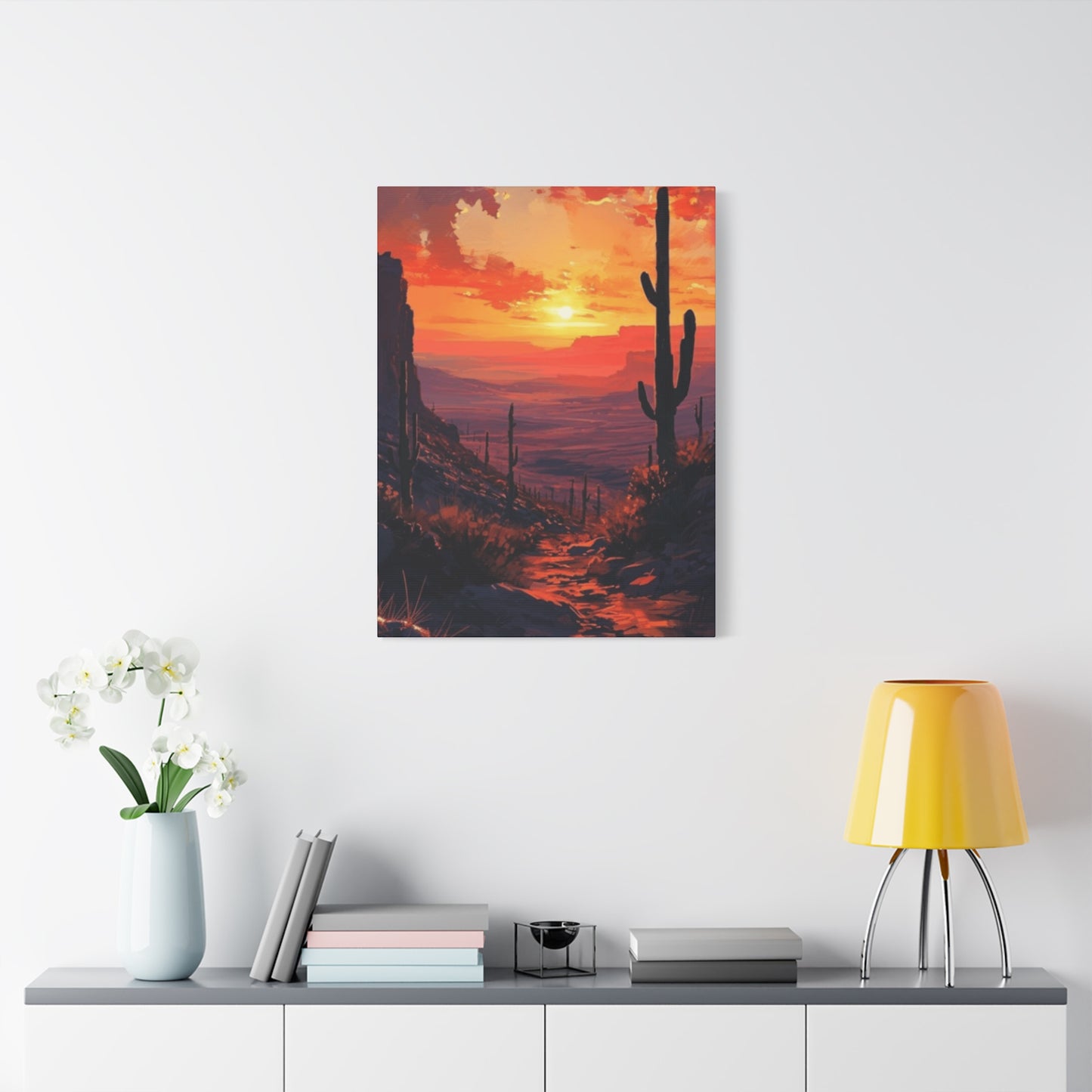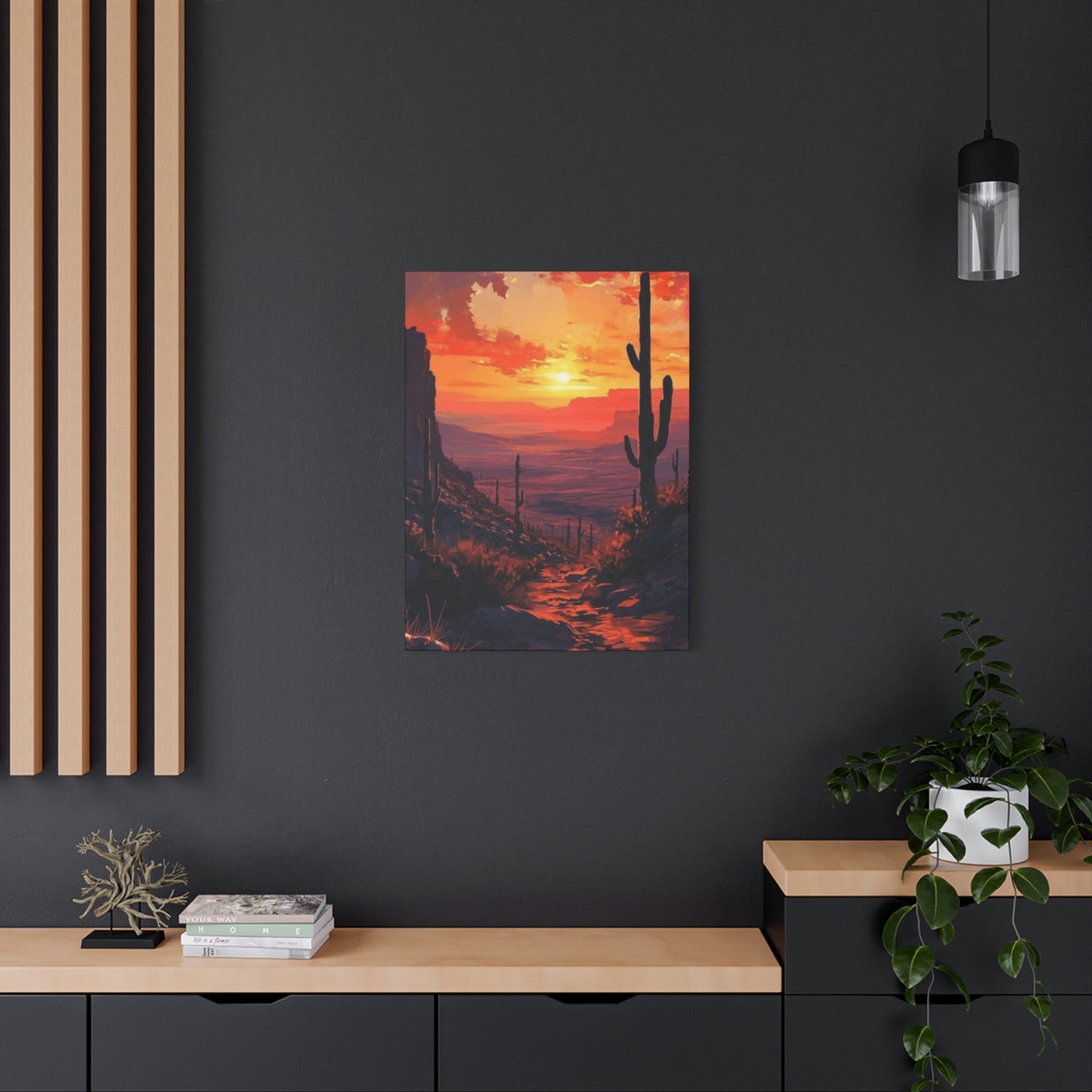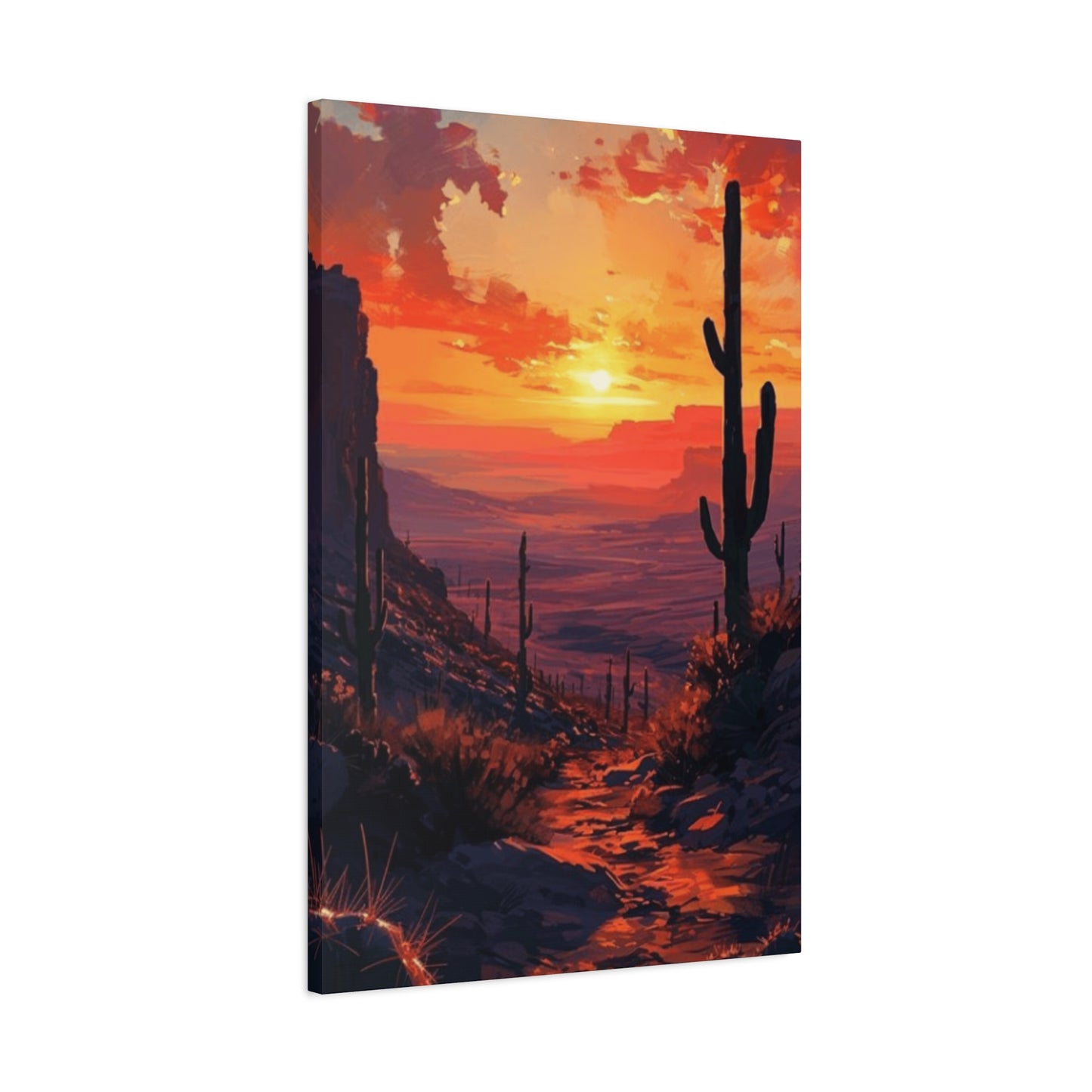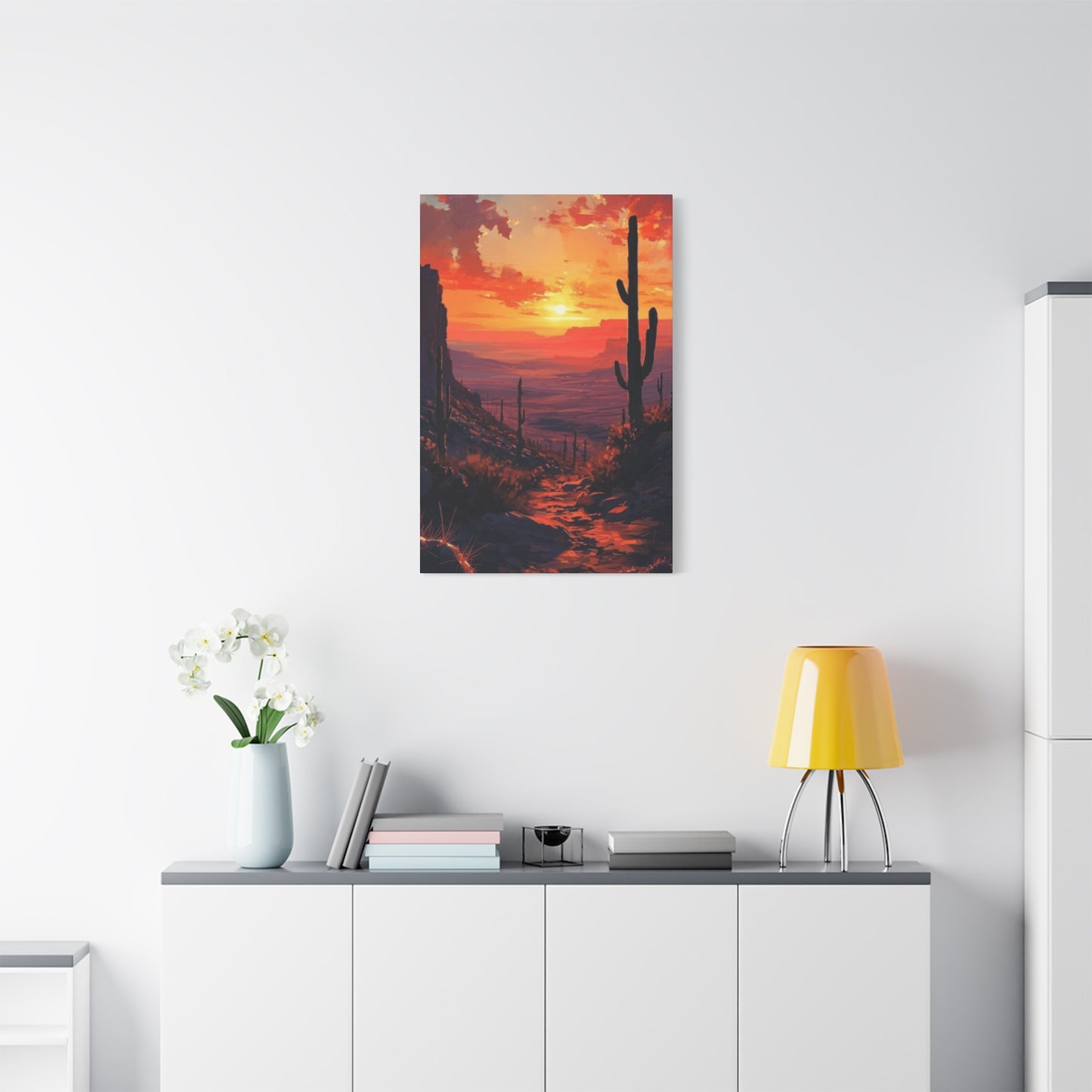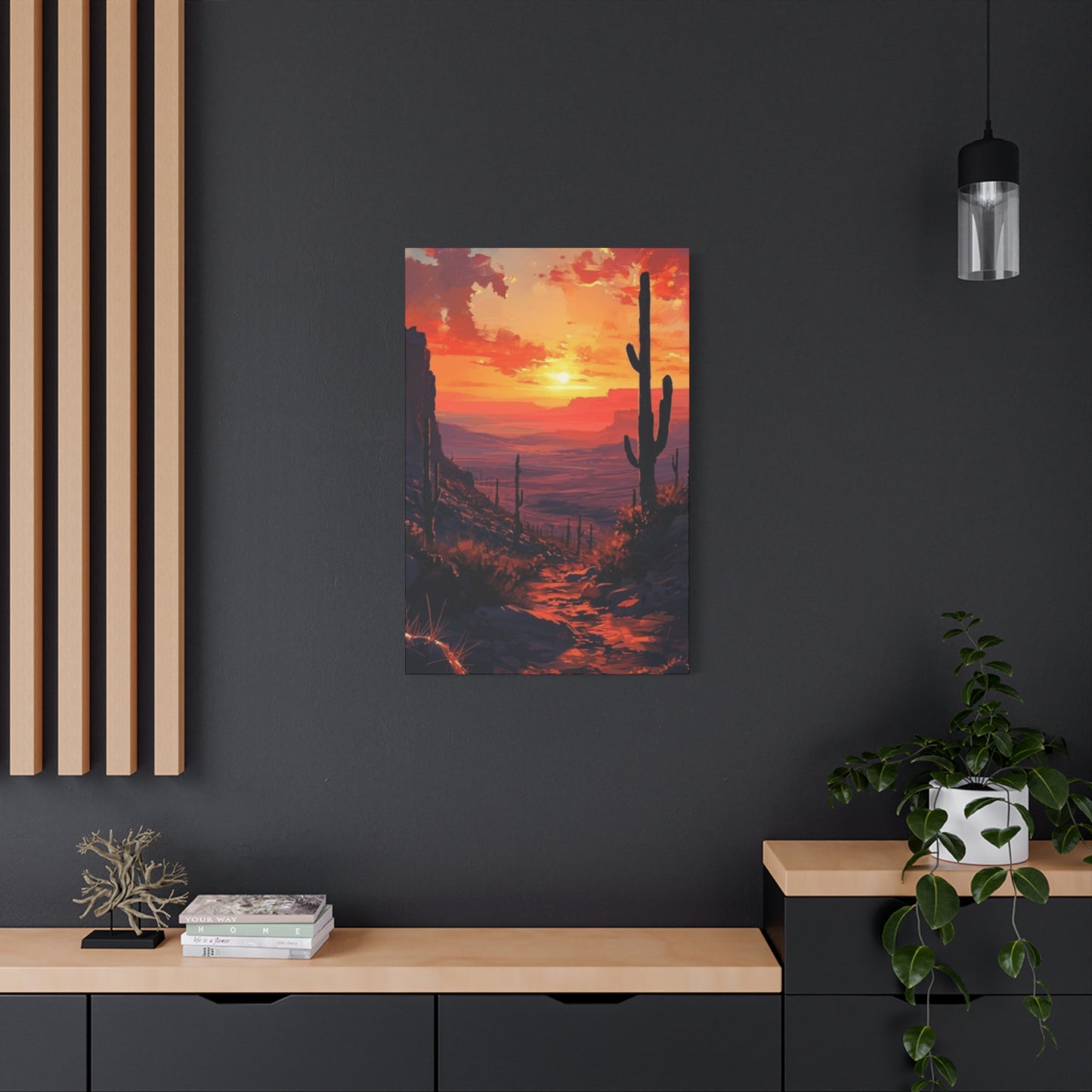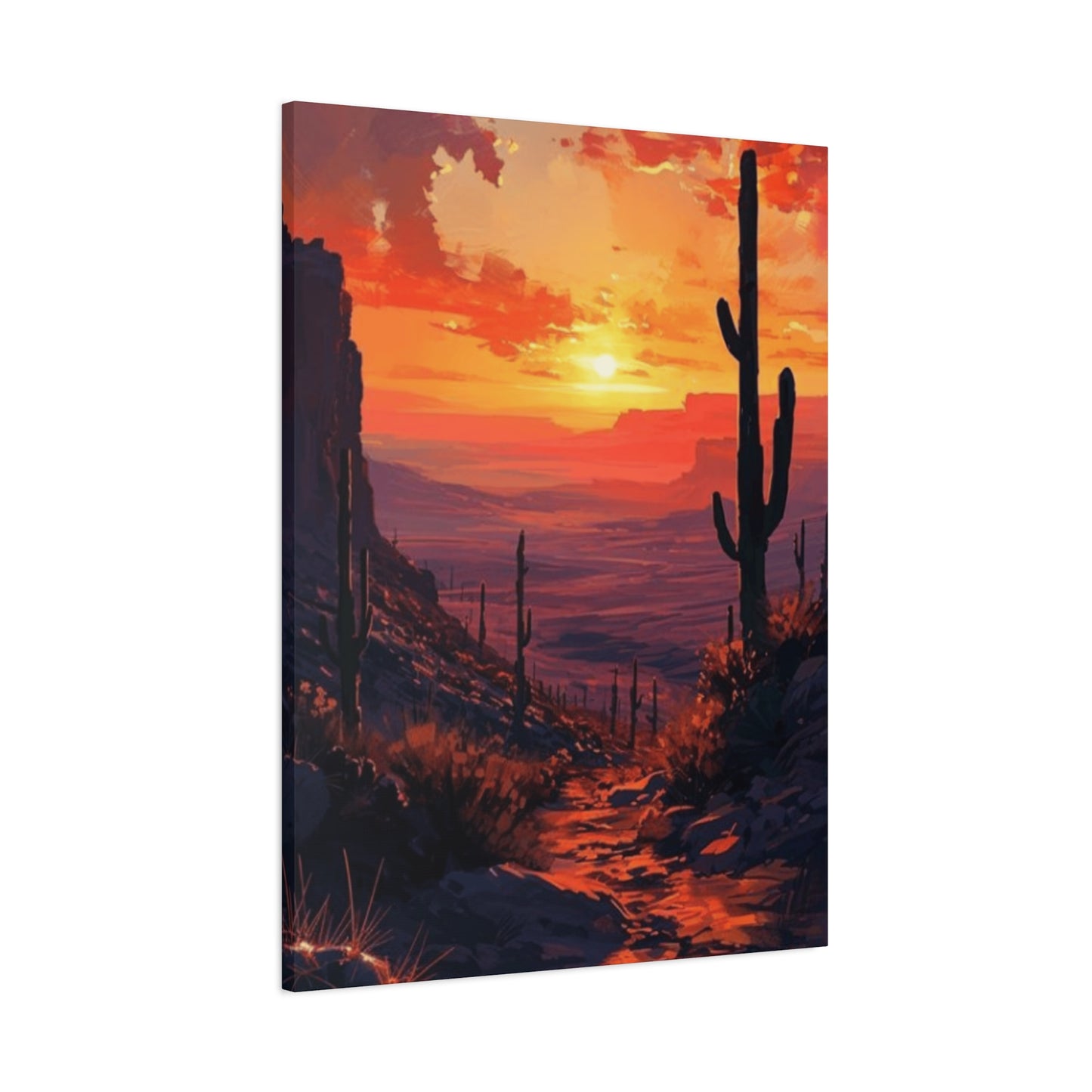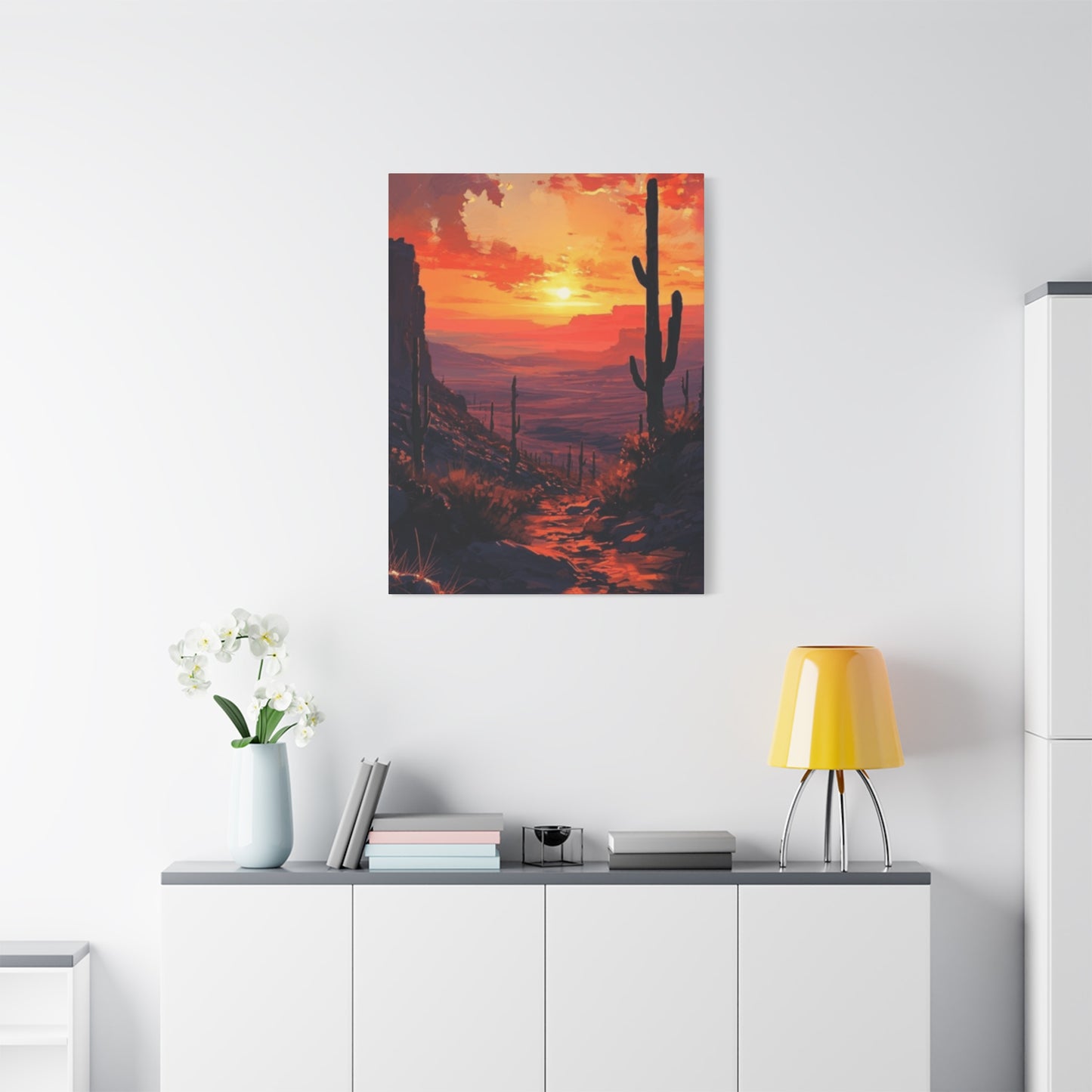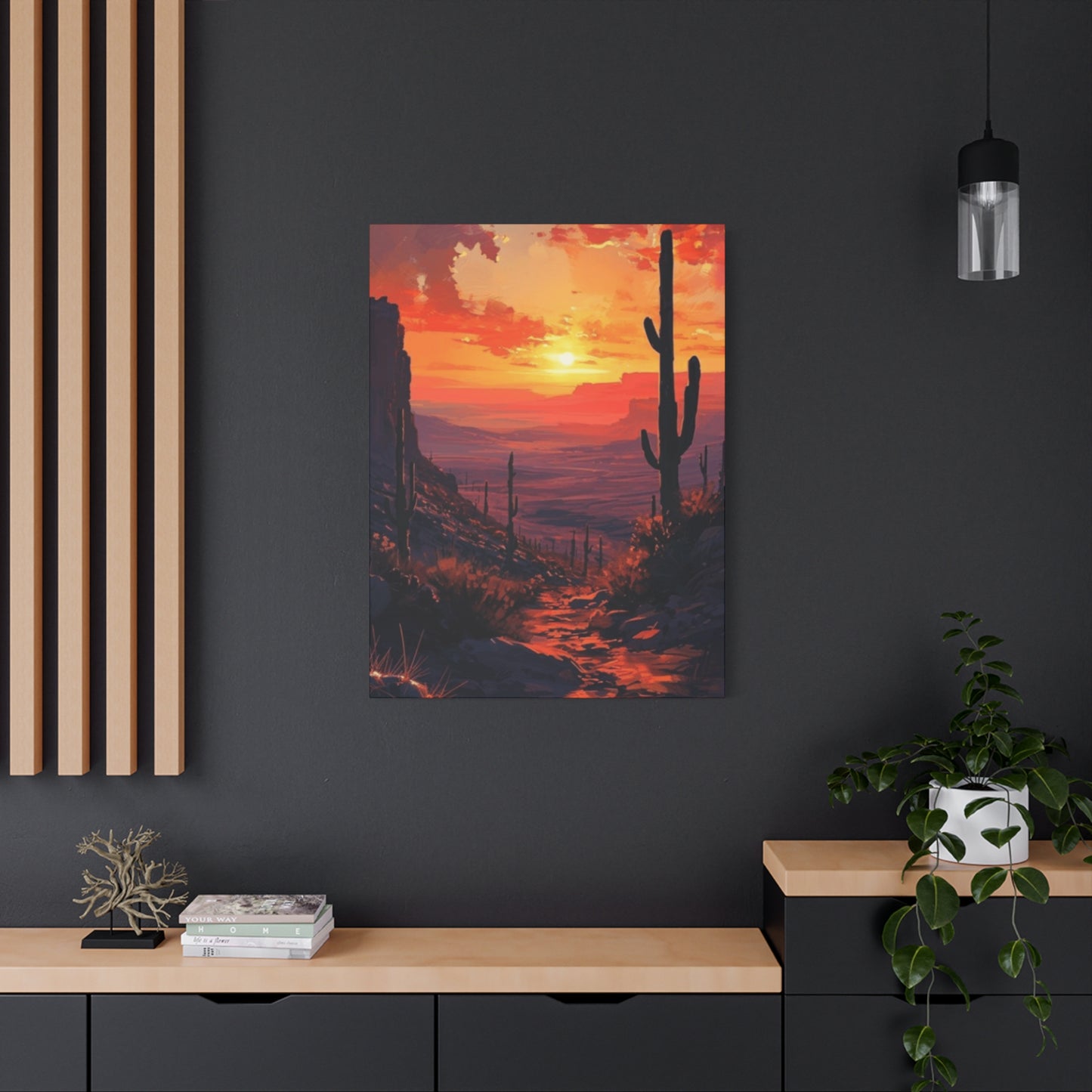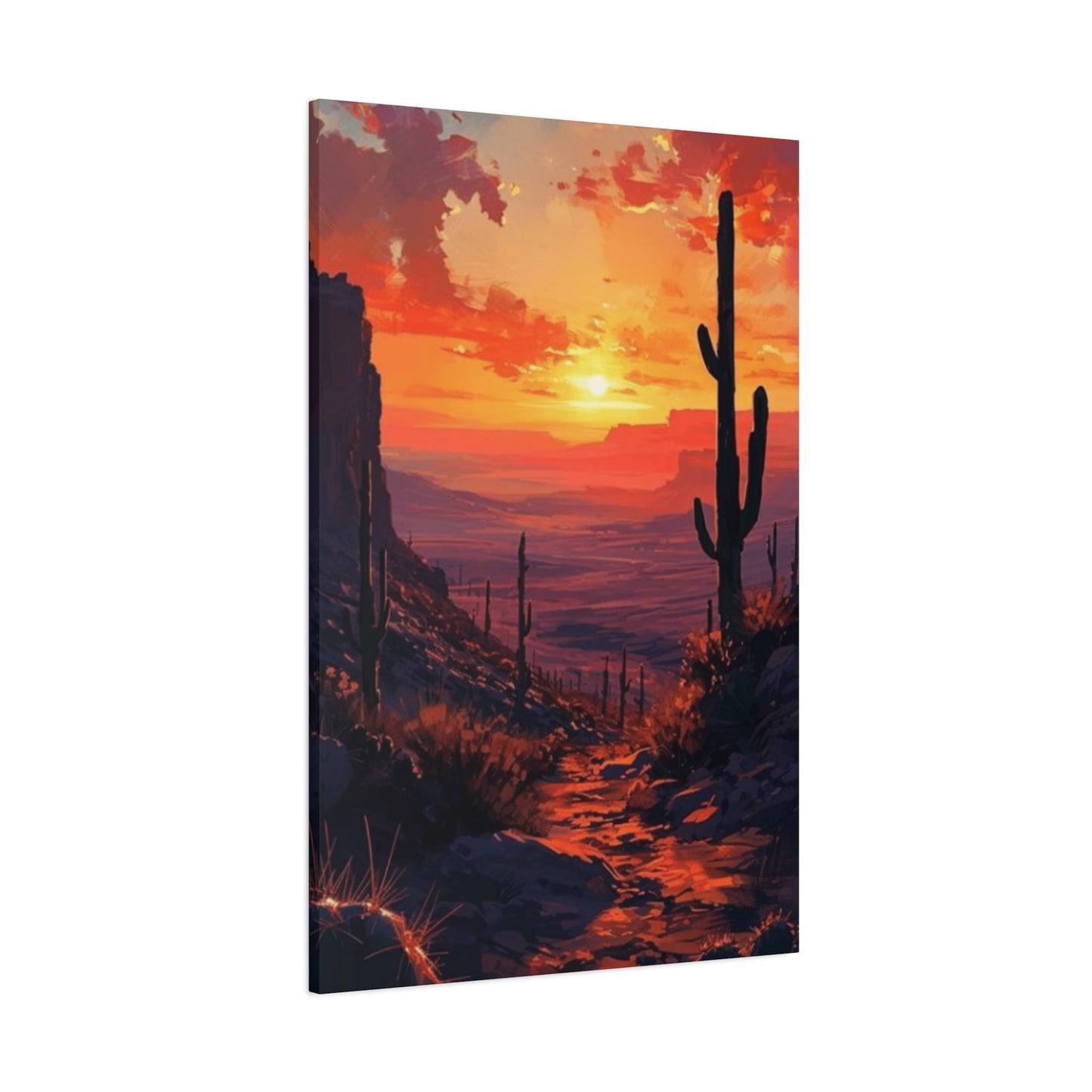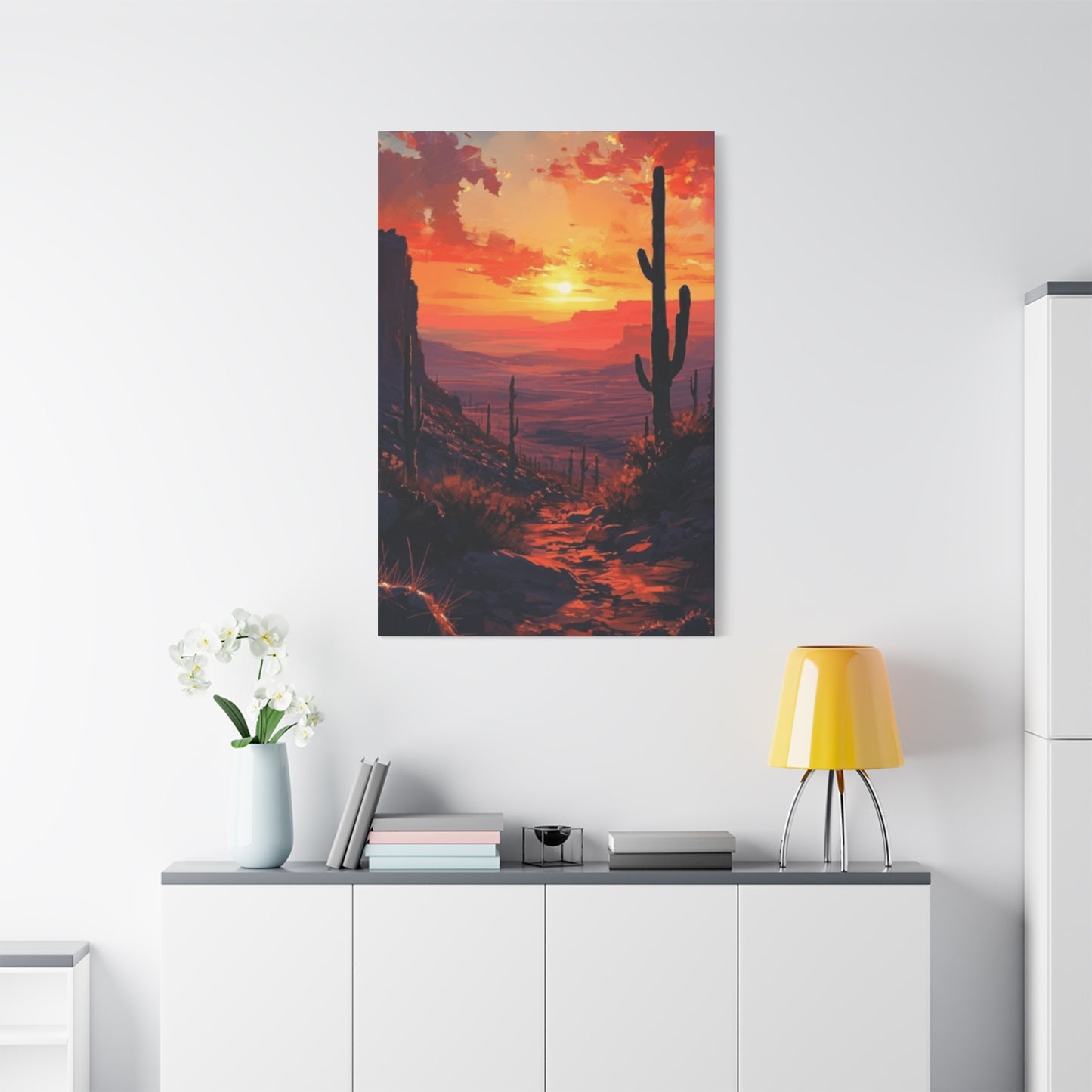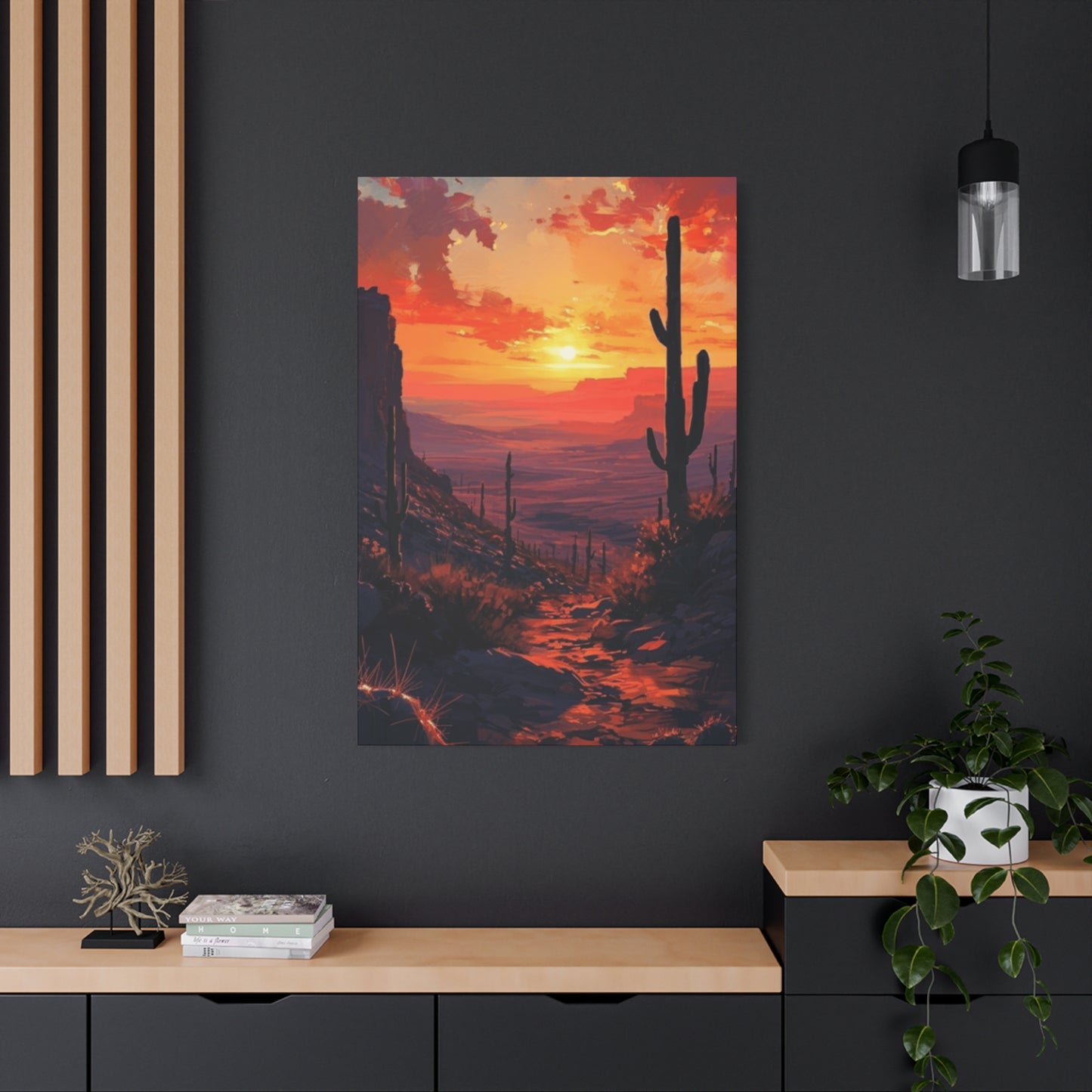


Arizona Desert Sky Sunset Wall Art & Canvas Prints
Arizona Desert Sky Sunset Wall Art & Canvas Prints
Couldn't load pickup availability
Elevate Your Interior with the Majestic Arizona Desert Sky Sunset Wall Art for Southwestern Charm
The breathtaking vistas of Arizona's arid landscapes have captivated observers for centuries, with their dramatic crimson and amber-hued twilight displays creating visual spectacles that seem almost otherworldly. When these spectacular natural phenomena are captured and transformed into decorative pieces for interior spaces, they offer homeowners and design enthusiasts an opportunity to infuse their environments with the raw, untamed beauty of the American Southwest. Arizona Desert Sky Sunset Wall Art represents more than mere decoration; it embodies the spirit of vast open spaces, the tranquility of dusk in wilderness areas, and the vibrant color palettes that only nature can produce with such stunning accuracy.
The allure of these artistic representations extends far beyond simple aesthetic appreciation. Each piece tells a story of geological wonder, atmospheric conditions, and the unique interplay between light and landscape that makes the Sonoran Desert region so visually distinctive. From the towering saguaro cacti silhouetted against blazing orange horizons to the jagged mountain ranges painted in shades of purple and pink, these artworks encapsulate moments of natural grandeur that resonate deeply with viewers who have experienced these vistas firsthand or who dream of visiting these legendary landscapes.
In contemporary interior design, the incorporation of nature-inspired artwork has become increasingly significant as urban dwellers seek connections to the natural world within their living and working environments. Arizona Desert Sky Sunset Wall Art serves this purpose exceptionally well, offering a window into wilderness areas for those residing in metropolitan centers or regions vastly different from the arid Southwest. The psychological benefits of viewing natural landscapes, even in photographic or painted form, have been documented extensively, with studies indicating reduced stress levels, improved mood states, and enhanced cognitive functioning among individuals who regularly engage with nature-themed visual content.
Exploring Various Artistic Mediums for Southwestern Twilight Representations
The realm of desert sunset artwork encompasses numerous creative approaches, each offering distinct visual characteristics and emotional impacts. Canvas prints remain among the most popular choices, providing rich color saturation and texture that mimics traditional painting techniques. These reproductions often feature gallery-wrapped edges, eliminating the need for framing and creating a contemporary, streamlined appearance suitable for modern interiors. The canvas medium particularly excels at capturing the atmospheric depth found in sunset scenes, with its slightly textured surface adding dimension to cloud formations and sky gradients.
Metal prints have emerged as an innovative option for displaying Arizona Desert Sky Sunset Wall Art, offering unparalleled vibrancy and durability. The process involves infusing dyes directly into specially coated aluminum sheets, resulting in images that seem to glow from within. This medium proves particularly effective for sunset imagery, as the metallic base enhances luminous qualities and creates stunning visual depth. The reflective properties of metal surfaces interact with ambient lighting in rooms, causing the artwork to shift subtly in appearance throughout the day, much like the actual desert sky transforms as the sun moves across the horizon.
Acrylic glass presentations provide yet another dimension to sunset artwork, creating a sleek, ultra-modern aesthetic that suits contemporary spaces exceptionally well. The multi-layered construction typical of acrylic prints generates remarkable color depth and clarity, making sky gradations appear almost three-dimensional. The glossy finish amplifies color intensity while the material's inherent depth creates a floating effect that draws viewers into the scene. For those seeking statement pieces that command attention in minimalist or sophisticated settings, acrylic representations of desert sunsets offer unmatched visual impact.
Framed photographic prints maintain their position as classic options, particularly for those who appreciate traditional presentation styles. High-quality photographic paper captures fine details and subtle tonal variations that other mediums might compress, making them ideal for close examination. The addition of complementary matting and carefully selected frames allows for customization that can bridge the gap between the artwork's subject matter and existing interior design schemes. Whether paired with rustic wooden frames that echo the organic nature of desert landscapes or sleek metal frames that emphasize modern sensibilities, framed prints offer versatility that appeals to diverse aesthetic preferences.
Wood-mounted prints represent a fusion of natural materials and photographic artistry, creating pieces that feel organic and grounded. The visible wood grain adds warmth and texture, complementing the earthy tones present in many desert sunset scenes. This presentation style particularly suits rustic, farmhouse, or bohemian interior designs, where the combination of natural materials creates cohesive, harmonious spaces. Some artisans even source reclaimed wood for mounting, adding layers of sustainability and storytelling to each piece.
Hand-painted canvases offer the ultimate in uniqueness, with each stroke reflecting the artist's interpretation of desert twilight conditions. Original paintings or commissioned works allow collectors to own one-of-a-kind pieces that can never be exactly replicated. Artists working in oils can achieve luminous qualities particularly suited to capturing the glow of sunset light, while acrylic painters might emphasize bold color contrasts and dramatic compositions. Watercolor interpretations often convey ethereal, dreamlike qualities that emphasize the transient nature of twilight moments in the desert.
Deciphering Color Psychology Within Desert Sunset Imagery
The color palettes present in Arizona Desert Sky Sunset Wall Art carry significant psychological weight, influencing mood, energy levels, and emotional states of those who view them regularly. The warm spectrum dominates these compositions, with oranges, reds, and yellows forming the foundation of most sunset scenes. These warm hues are associated with feelings of comfort, enthusiasm, and vitality. Orange tones specifically stimulate social interaction and creative thinking, making sunset artwork particularly suitable for communal spaces like living rooms or dining areas where family and friends gather.
Red components within sunset imagery evoke passion and energy, though the softer crimson and rose tones typical of twilight scenes temper these intense associations with qualities of romance and tranquility. Unlike the aggressive nature of pure red, the muted versions found in natural sunset displays promote warmth without overstimulation. This balance makes such artwork appropriate for bedrooms and relaxation spaces where calming influences are desired without sacrificing visual interest or emotional warmth.
The presence of purple and violet tones in desert sunset depictions introduces elements of sophistication and spirituality. These cooler tones, often appearing in shadowed mountain ranges or higher atmospheric layers, provide essential contrast to the warmer foreground elements. Purple's associations with contemplation and higher consciousness make it particularly fitting for spaces dedicated to meditation, reading, or creative work. The interplay between warm and cool tones within a single composition creates visual tension that keeps the eye engaged while maintaining overall harmony.
Blue elements, typically appearing in the uppermost portions of sunset skies as daylight lingers in higher atmospheric layers, contribute feelings of stability and calm. Even small amounts of blue provide psychological anchoring, preventing warm-dominated compositions from becoming visually overwhelming. This subtle blue presence reminds viewers of the vastness of the sky and the peaceful transition from day to night, reinforcing themes of natural cycles and temporal flow.
Earth tones representing the desert landscape itself—browns, tans, and olive greens—ground the composition both visually and psychologically. These colors connect viewers to concepts of stability, reliability, and natural order. The presence of familiar earth tones makes even the most dramatically colored sunsets feel accessible and relatable rather than alien or overwhelming. For individuals seeking to create nurturing, stable environments, the inclusion of these grounding elements proves essential.
The gradient transitions characteristic of sunset skies provide their own psychological benefits. The smooth flow from one hue to another without harsh boundaries creates visual harmony that the human brain finds inherently pleasing. This gentle progression mirrors natural phenomena that have surrounded humans throughout evolutionary history, triggering subconscious associations with safety, beauty, and the reliable cycles of nature. Gradient compositions also encourage contemplative viewing, as the eye travels smoothly across the image rather than jumping between sharply defined elements.
Selecting Appropriate Dimensions and Placement Strategies for Maximum Impact
The physical size of Arizona Desert Sky Sunset Wall Art dramatically affects its presence within a space and the viewing experience it provides. Large-scale pieces, ranging from 40 inches to several feet in width, create commanding focal points that can anchor entire room designs. These substantial artworks work exceptionally well above sofas, beds, or dining tables, where their horizontal orientation complements the furniture beneath while filling significant wall space. Oversized sunset scenes particularly benefit spaces with high ceilings or expansive wall areas that might otherwise feel empty or uninviting.
Medium-sized pieces, typically between 24 and 40 inches in width, offer versatility for various placement scenarios. These dimensions suit narrower walls, create balance in gallery wall arrangements, or provide accent points without overwhelming smaller rooms. A medium-sized desert sunset scene might perfectly complement a reading nook, home office, or entryway, offering visual interest proportionate to the space's scale. Multiple medium-sized pieces depicting different moments of the same sunset or various desert locations can create compelling series displays that tell broader visual stories.
Smaller artworks, under 24 inches, excel in intimate settings or as components of larger collections. These compact pieces work beautifully on narrow walls, in hallways, or clustered together to create dynamic multi-piece installations. Small-scale sunset imagery maintains its impact through careful placement at eye level where viewers can appreciate details and color subtleties. Collections of smaller pieces allow for frequent rearrangement and seasonal rotation, keeping interior spaces feeling fresh and responsive to changing moods or design inspirations.
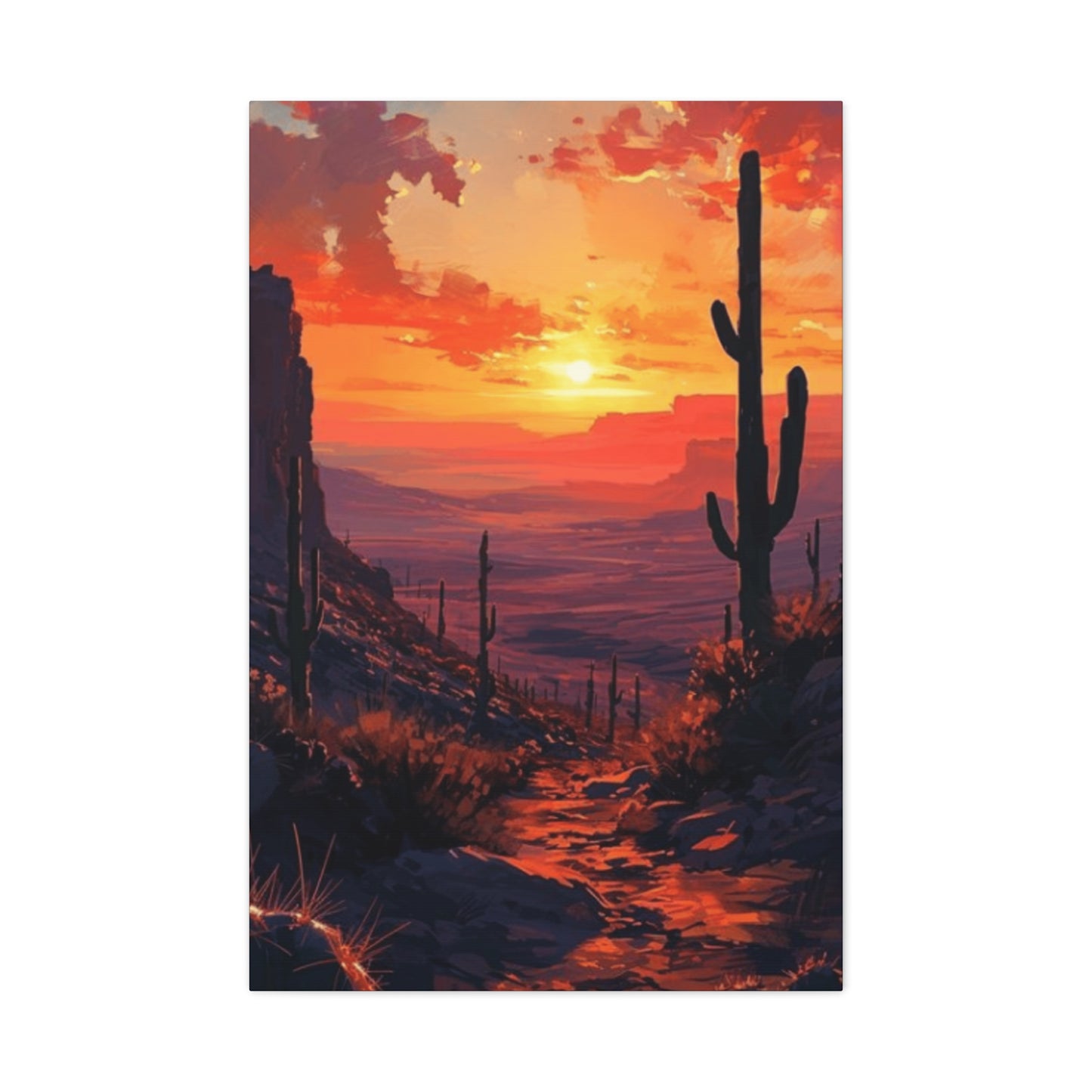
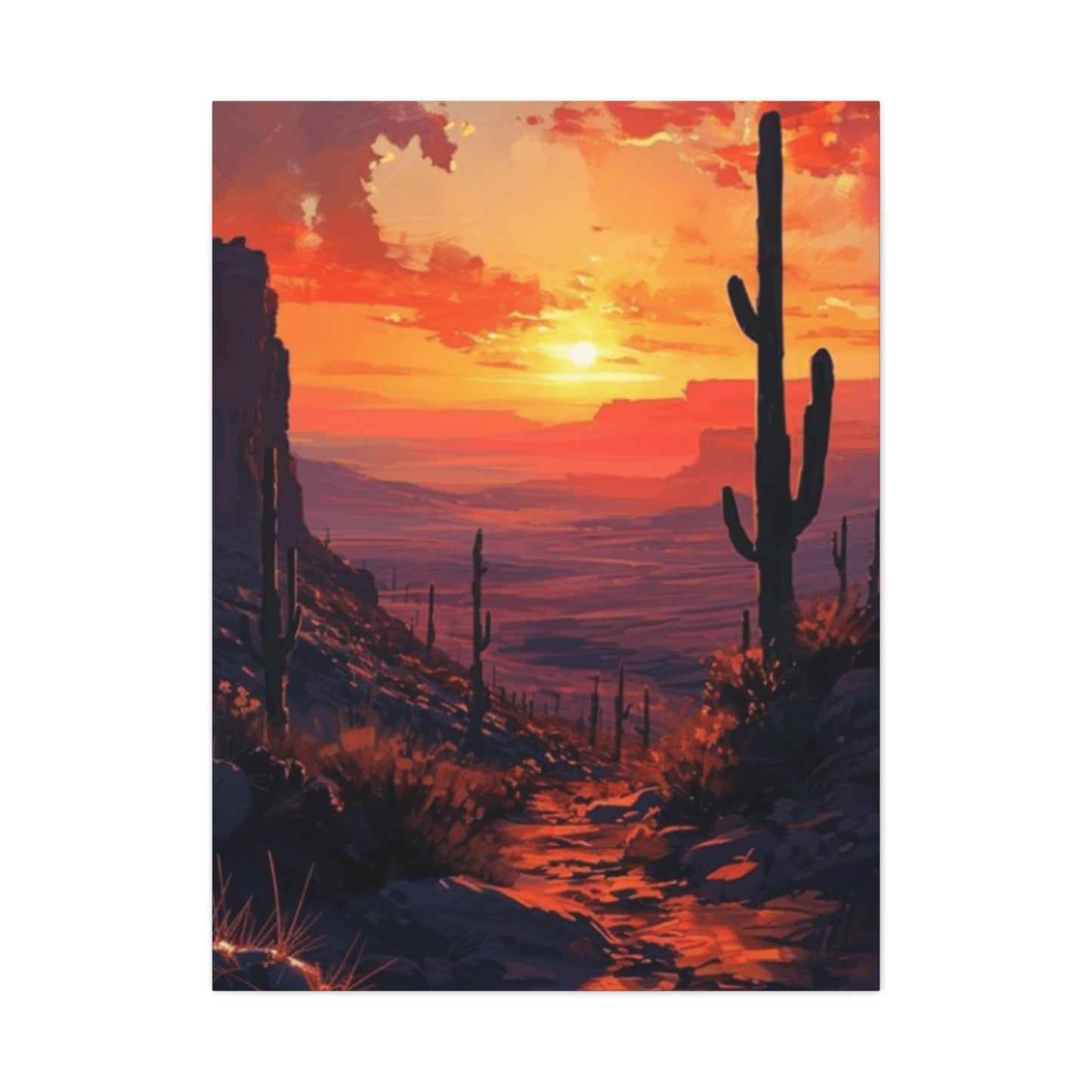
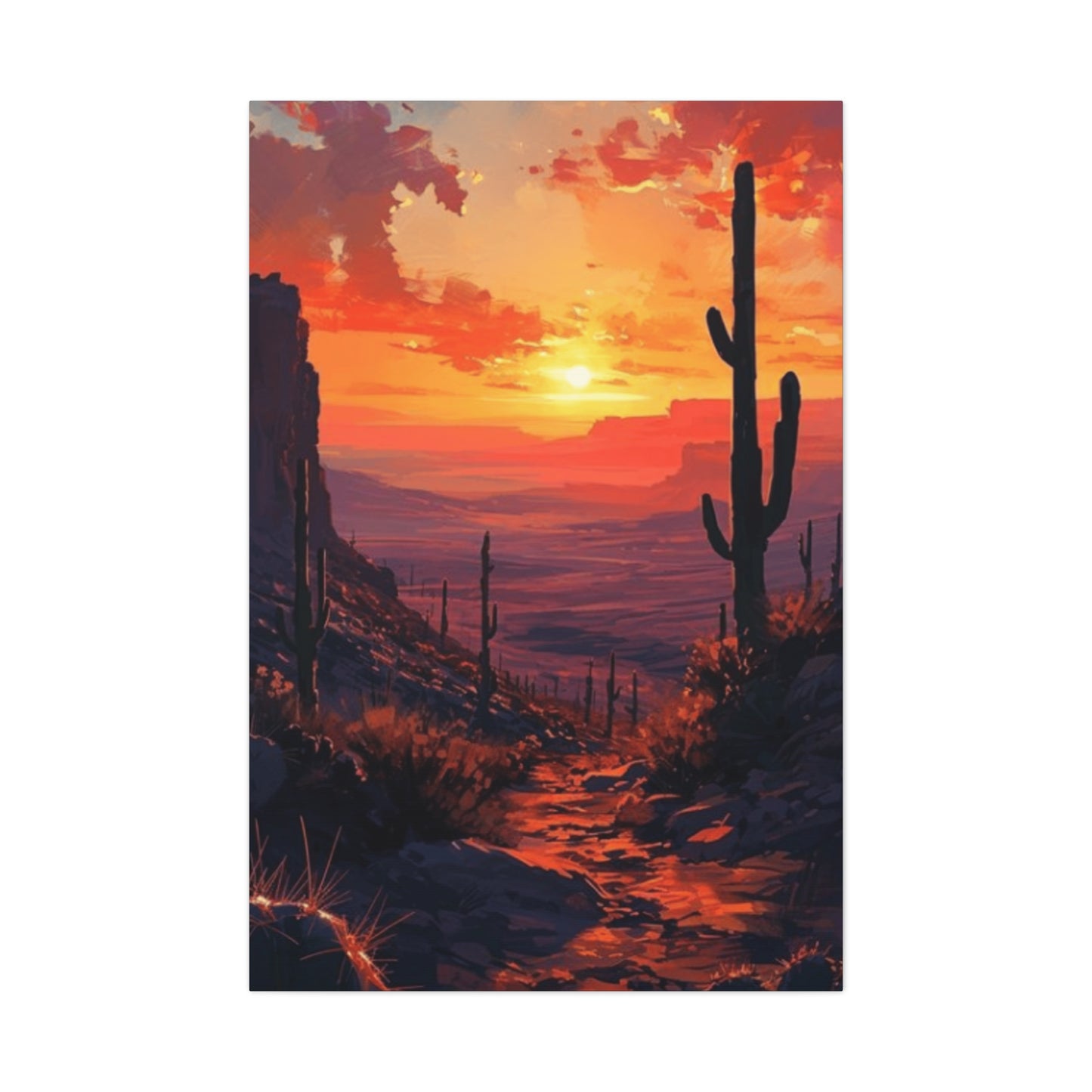
Vertical orientations of desert sunset scenes offer unique compositional opportunities, emphasizing dramatic cloud formations, towering cacti, or the vast height of the sky itself. Portrait-format pieces suit narrow wall spaces beside windows, in hallways, or flanking doorways where horizontal works would prove too wide. The vertical emphasis draws the eye upward, potentially making rooms feel taller and more spacious. This orientation particularly suits depictions that include prominent foreground elements like saguaros or rock formations that extend significantly skyward.
Panoramic formats capture the expansive nature of desert vistas exceptionally well, with extreme width-to-height ratios that emphasize the seemingly endless horizon. These ultra-wide pieces work magnificently in spaces where sweeping views are desirable, such as above entertainment centers, along stairwell walls, or in open-concept living areas where they can be appreciated from multiple vantage points. Panoramic sunset imagery reinforces feelings of openness and freedom, psychologically expanding the perceived boundaries of interior spaces.
Placement height significantly affects viewer engagement with artwork. The general principle of positioning the center of the artwork at approximately 57-60 inches from the floor—average human eye level—ensures comfortable viewing for most people. However, context matters tremendously. Artwork intended for viewing while seated, such as pieces above sofas or in dining rooms, may benefit from slightly lower placement. Conversely, pieces in entryways or hallways where viewers typically stand might warrant slightly higher positioning. The key lies in ensuring that the most compelling elements of the composition—often the horizon line in sunset imagery—align naturally with typical sight lines.
Lighting considerations prove crucial for maximizing the impact of Arizona Desert Sky Sunset Wall Art. Natural light from windows can dramatically enhance or detract from artwork depending on positioning. Direct sunlight should be avoided to prevent fading and glare, but positioning pieces where they receive indirect natural light throughout the day can create beautiful interactions between the artwork's depicted sunset and actual ambient lighting conditions. During evening hours when the desert sky outside might be darkening, strategically placed accent lighting can illuminate the artwork, creating a glowing focal point that mimics the luminous quality of actual sunsets.
Examining Geographic and Atmospheric Elements That Define Arizona Twilight Displays
The spectacular sunset displays captured in Arizona Desert Sky Sunset Wall Art result from specific geographic and atmospheric conditions unique to the region. The Sonoran Desert's high elevation, ranging from 1,000 to 5,000 feet above sea level throughout much of Arizona, positions observers closer to atmospheric phenomena that create vivid color displays. This elevation places viewers within or just below the atmospheric layer where light scattering occurs most dramatically during twilight hours, intensifying visual effects.
Arizona's characteristically dry air plays a crucial role in sunset brilliance. Low humidity levels mean fewer water molecules to absorb light, allowing a broader spectrum of wavelengths to reach observers' eyes. Simultaneously, the fine dust particles suspended in desert air—lifted by thermal currents and wind patterns unique to arid regions—scatter shorter wavelengths of light while allowing longer wavelengths (reds, oranges, and yellows) to pass through. This selective scattering, known as Mie scattering, amplifies warm tones and creates the intense coloration for which Southwestern sunsets are renowned.
The region's dramatic topography contributes essential compositional elements to sunset imagery. Mountain ranges such as the Superstitions, McDowell Mountains, and various sky island formations create jagged silhouettes against colorful skies, adding visual interest and scale. These elevated formations catch final rays of direct sunlight even after lower elevations have entered shadow, creating luminous highlights against darker foreground elements. Valleys and plains provide extensive unobstructed views of horizon-to-horizon sky, allowing full appreciation of atmospheric color gradients that might be obscured in more vegetated or developed regions.
Seasonal variations in atmospheric conditions produce distinct sunset characteristics that artists capture in diverse representations. Winter months often feature clearer air and more stratified atmospheric layers, resulting in crisp color bands and well-defined gradients. Summer monsoon seasons introduce dramatic cloud formations—towering cumulus and cumulonimbus structures that catch light in spectacular ways, creating complex interplays of illuminated edges, shadowed bases, and reflected colors. These storm-influenced sunsets offer more dynamic, dramatic compositions compared to the serene clarity of winter twilights.
The Rayleigh scattering phenomenon explains the fundamental physics behind sunset coloration. As sunlight travels through increasing amounts of atmosphere during low sun angles, shorter wavelengths (blues and violets) scatter out of the direct line of sight, leaving longer wavelengths to dominate. In Arizona's exceptionally clear air, this process occurs with remarkable purity, producing saturated colors unmuddied by atmospheric pollution or excessive moisture. The result is the clean, vivid palettes that make desert sunsets so photogenic and memorable.
Unique weather patterns contribute additional drama to Arizona sunset displays. Temperature inversions, common in desert regions, can trap dust and particles at specific atmospheric levels, creating distinct color bands. High-altitude cirrus clouds—composed of ice crystals—catch light long after lower clouds have darkened, painting delicate pink and orange wisps across the upper sky. Occasional dust storms, while challenging for residents, create some of the most intensely colored sunsets when suspended particles dramatically enhance light scattering effects.
The presence of iconic desert vegetation adds crucial foreground interest to sunset compositions. Saguaro cacti, unique to the Sonoran Desert, provide instantly recognizable silhouettes that anchor compositions and communicate geographic specificity. Ocotillo, palo verde, and cholla cacti contribute varied textures and forms. These botanical elements not only identify the setting as distinctly Arizonan but also create layering that adds depth to two-dimensional representations. The interplay between the organic forms of desert plants and the ephemeral beauty of colorful skies creates compelling visual narratives about life thriving in harsh environments.
Understanding Artistic Styles and Interpretative Approaches to Desert Sunset Scenes
Photorealistic representations of Arizona Desert Sky Sunset Wall Art aim to capture twilight moments with documentary precision, preserving every detail exactly as cameras recorded them. These works appeal to viewers who desire authentic representations of actual places and moments, serving as virtual windows to specific locations they may have visited or hope to someday experience. Photorealistic pieces often feature sharp focus throughout the composition, from foreground cacti to distant mountain ranges, allowing viewers to explore the image at length and discover new details with repeated viewing.
Impressionistic interpretations of desert sunsets emphasize emotional response over literal accuracy, using visible brushstrokes, simplified forms, and heightened colors to convey the feeling of witnessing a spectacular twilight display. These pieces capture the essence and mood of the moment rather than documentary detail, often resonating with viewers on a more visceral, emotional level. The loose, expressive quality of impressionistic work can feel more personally interpretive, as though the artist is sharing their unique emotional experience of the scene rather than simply recording its appearance.
Abstract representations distill desert sunset elements to their most essential forms—color, shape, and gesture. These works might retain recognizable elements like horizon lines or simplified cacti silhouettes while treating the sky as pure color field exploration. Abstract sunset pieces often feature bold color blocking, dynamic brushwork, or experimental techniques that push beyond representational boundaries. These interpretations appeal to viewers seeking artwork that complements contemporary or minimalist interiors where overtly realistic imagery might feel out of place, while still conveying the emotional resonance of desert twilight experiences.
Minimalist approaches to sunset imagery strip scenes to their barest components—perhaps just two or three color bands representing earth, sky, and the transition between them. These spare compositions create contemplative, meditative pieces that suggest rather than depict, inviting viewers to fill in details with their own memories and imaginations. Minimalist desert sunset artwork proves particularly effective in spaces designed around principles of simplicity and restraint, where it provides color and interest without visual clutter.
Hyperrealistic artwork surpasses even photographic accuracy, often enhancing colors, sharpening details, and perfecting compositions beyond what cameras might capture. These meticulously crafted pieces represent idealized versions of desert sunsets, combining the best elements of multiple scenes or intensifying natural effects to create almost surreal perfection. Hyperrealism appeals to viewers who appreciate technical virtuosity and desire artwork that feels more vivid and present than even direct observation might provide.
Surrealistic interpretations blend realistic desert sunset elements with imaginative or dreamlike components, creating fantastical scenes that transcend documentary representation. These works might feature impossibly large celestial bodies, floating cacti, or other reality-bending elements that transform familiar desert landscapes into realms of pure imagination. Surrealistic approaches allow artists to explore symbolic and metaphorical dimensions of desert sunset experiences, creating artwork that functions on multiple interpretive levels simultaneously.
Contemporary mixed-media approaches combine various materials and techniques to create textured, multi-dimensional sunset representations. Artists might incorporate actual sand from Arizona deserts, build up dimensional elements with modeling paste, or integrate fabric, metal, or found objects into compositions. These innovative pieces blur boundaries between painting, sculpture, and assemblage, creating unique artworks that offer tactile as well as visual interest. Mixed-media sunset pieces often command attention as conversation starters while providing rich, complex surfaces that reward close examination.
Investigating the Symbolic and Metaphorical Dimensions of Sunset Imagery
Throughout human history and across cultures, sunsets have carried profound symbolic weight, representing endings, transitions, and the cyclical nature of existence. Arizona Desert Sky Sunset Wall Art taps into these universal associations while adding region-specific cultural resonances. The daily sunset serves as a reminder of time's passage, of the natural rhythms that govern existence beyond human control. In domestic spaces, sunset imagery can function as a visual prompt for reflection, gratitude, or mindfulness practices—a daily reminder to pause and appreciate beauty amid life's demands.
The transitional nature of twilight carries particular metaphorical significance. Neither fully day nor completely night, sunset occupies liminal space between states, representing transformation, change, and the in-between moments that define much of human experience. For individuals navigating life transitions—career changes, relationship shifts, personal growth journeys—desert sunset artwork can serve as symbolic anchors, visual affirmations that change, while sometimes uncomfortable, leads to new perspectives and renewed beauty.
The fiery colors dominating many sunset scenes evoke themes of passion, vitality, and life force. These warm, energetic hues suggest that even endings can burn brightly, that conclusions need not be diminishments but can represent peaks of intensity and beauty. This symbolism proves particularly resonant for those approaching or navigating retirement years, career culminations, or other life chapter conclusions, reframing endings as potentially magnificent transitions rather than losses.
Conversely, the gradual dimming of light toward night introduces themes of rest, restoration, and the necessary balance between action and repose. Sunset marks the natural transition from productivity to relaxation, from external focus to internal reflection. In cultures increasingly characterized by constant connectivity and blurred boundaries between work and personal time, sunset imagery can serve as symbolic permission to disengage, to honor natural cycles of activity and rest.
Desert environments themselves carry rich symbolic associations—survival, resilience, self-sufficiency, and finding beauty in scarcity. The juxtaposition of harsh, demanding landscapes with spectacular beauty creates powerful metaphors for human experiences of thriving despite challenges, of finding grace within limitation. For individuals who resonate with these themes—whether through personal challenges overcome or philosophical orientation toward adversity—desert sunset artwork becomes more than decoration; it functions as meaningful visual affirmation of core values and life perspectives.
The vast, open spaces depicted in many Arizona sunset scenes symbolize freedom, possibility, and escape from constraint. For urban dwellers, these representations offer psychological breathing room, visual reminders of expansiveness that counterbalances the compression of city living. The unobstructed horizons suggest that beyond immediate surroundings lie infinite possibilities, that current circumstances don't define all potential futures. This expansive quality makes sunset artwork particularly valuable in spaces where individuals engage in planning, dreaming, or creative work.
Spiritual and mystical associations with sunset transcend specific religious traditions. The daily celestial display reminds observers of forces larger than individual human concerns, of natural grandeur that continues regardless of human affairs. For those seeking to maintain perspective amid personal challenges or to cultivate humility and wonder, desert sunset imagery serves as a consistent visual connection to these grounding principles. The artwork becomes a secular form of contemplative focus, a fixed point for meditation or reflective practice.
Coordinating Arizona Sunset Artwork with Various Interior Design Styles
Southwestern and Santa Fe design styles find natural alignment with Arizona Desert Sky Sunset Wall Art, as the artwork directly references the regional landscapes that inspire these aesthetic approaches. Paired with adobe textures, terracotta floor tiles, rustic wooden beams, and Native American textile patterns, sunset artwork reinforces thematic consistency while providing focal points of color and drama. In these contexts, the artwork doesn't simply decorate but actively participates in creating immersive environments that celebrate Southwestern cultural and natural heritage.
Contemporary minimalist interiors benefit dramatically from carefully selected desert sunset pieces. The organic warmth and color of sunset imagery provides necessary contrast to the cool, neutral palettes and clean lines typical of minimalist design. A single large-scale sunset piece might serve as the sole color accent in an otherwise monochromatic space, creating controlled visual drama without compromising minimalist principles. The natural subject matter prevents the space from feeling cold or sterile while maintaining the uncluttered aesthetic that defines the style.
Bohemian and eclectic interiors embrace the free-spirited, nature-connected ethos that desert sunset artwork embodies. In these richly layered spaces filled with global textiles, plants, vintage finds, and artistic expressions, sunset pieces contribute to the overall sense of collected, well-traveled worldliness. The warm tones of sunset imagery complement the rich colors typically found in bohemian spaces while the natural subject matter reinforces the style's connection to organic, earth-centered living.
Modern farmhouse design, with its blend of rustic elements and contemporary clean lines, provides an excellent backdrop for Arizona sunset artwork. The warm, natural tones bridge the style's dual nature—rustic enough to complement shiplap walls and reclaimed wood, yet substantial and dramatic enough to anchor modern, open-concept spaces. Sunset pieces in this context often work best with simpler presentation styles—wood mounting or minimal framing—that feel appropriate to the farmhouse aesthetic while showcasing the imagery effectively.
Industrial loft spaces, characterized by exposed brick, metal fixtures, and open floor plans, gain essential warmth and color from desert sunset artwork. The organic, natural subject matter provides crucial counterbalance to the hard materials and utilitarian elements typical of industrial design. Large-scale metal prints of sunset scenes prove particularly effective in these environments, as the medium's durability and contemporary aesthetic complement industrial elements while the imagery softens and humanizes the overall atmosphere.
Coastal and nautical interiors might initially seem incongruous with desert imagery, yet thoughtful selection creates surprising harmony. Sunset pieces emphasizing cooler tones—purples, pinks, and the blues of distant mountains—can complement coastal palettes beautifully. The universal appeal of sunset transcends specific geographic settings, and the shared theme of vast, open spaces creates conceptual connections between ocean and desert environments. Both settings evoke freedom, natural grandeur, and escape from mundane concerns, making the pairing more compatible than geography alone might suggest.
Scandinavian design, with its emphasis on natural materials, light, and connection to the outdoors, welcomes Arizona sunset artwork as a source of warmth and color within characteristically pale, neutral spaces. The Scandinavian principle of hygge—creating cozy, comfortable atmospheres—aligns perfectly with the emotional warmth that sunset imagery provides. Pieces presented in simple, light wood frames or minimal mountings respect Scandinavian design values while introducing vital visual warmth to spaces that might otherwise feel too cool or sparse.
Mid-century modern interiors share an aesthetic affinity with certain styles of desert sunset artwork, particularly more graphic, simplified interpretations. The clean lines, organic forms, and bold but controlled use of color characteristic of mid-century design find echoes in sunset pieces that emphasize strong compositions and saturated but harmonious palettes. Vintage or reproduction furniture from the 1950s-70s pairs beautifully with sunset imagery that captures the same sense of optimism, forward-thinking design, and celebration of the American landscape.
Exploring Practical Considerations for Acquiring and Displaying Desert Sunset Artwork
Budget constraints significantly influence artwork selection, yet compelling Arizona Desert Sky Sunset Wall Art exists across every price point. Mass-produced prints offer affordability and accessibility, allowing even modest budgets to incorporate quality imagery into living spaces. These reproductions employ sophisticated printing methods that achieve impressive color accuracy and detail, making them viable options for those prioritizing subject matter over uniqueness or investment value. Online retailers, big-box home stores, and various platforms provide extensive selections at entry-level price points.
Limited edition prints occupy a middle ground between mass production and original artwork, offering numbered, signed pieces with production caps that create scarcity value. Artists or publishers typically produce these in quantities ranging from a few dozen to several hundred, with lower edition numbers commanding higher prices. Limited editions appeal to collectors who desire something beyond mass-market offerings but who find original paintings financially inaccessible. The signed, numbered nature of these pieces also makes them suitable for gifting, as recipients can verify authenticity and understand the piece's position within the larger edition.
Original paintings represent the premium tier of desert sunset artwork, with prices reflecting the artist's reputation, the piece's size, and the time invested in creation. Commissioned works allow buyers to specify dimensions, color emphases, particular Arizona locations, or other preferences, resulting in truly unique pieces tailored to specific spaces and tastes. Purchasing original artwork supports artists directly and offers the satisfaction of owning something entirely unique. Original pieces also typically appreciate in value as artists' reputations grow, making them potential investments beyond their decorative function.
Online marketplaces have revolutionized artwork acquisition, providing access to global inventories searchable by size, color, style, and price. Platforms specializing in wall art employ sophisticated filters and visualization tools, allowing buyers to preview pieces within their own spaces through augmented reality features. Customer reviews and ratings provide quality assurance, while straightforward return policies reduce the risk inherent in purchasing artwork sight unseen. The convenience and selection of online shopping have made it the preferred method for many contemporary art buyers.
Galleries and art fairs offer the advantage of in-person viewing, allowing assessment of color accuracy, texture, and scale impossible through digital representations. Gallery staff often possess extensive knowledge about artists and pieces, providing valuable context that enhances appreciation and informs purchasing decisions. Art fairs specifically focused on Southwestern or nature-themed work gather multiple artists and styles in single locations, facilitating comparison and discovery. These in-person experiences, while requiring more time investment, often result in more satisfying purchases as buyers interact physically with artwork before committing.
Local Arizona artists and photographers selling directly through personal websites or studios provide opportunities to acquire authentic, locally-created work while supporting regional creative economies. These purchases often come with stories about where and when specific sunset scenes were captured or painted, adding narrative dimensions that enhance meaning. Direct relationships with artists also allow for commission requests tailored precisely to buyers' visions, from specific locations to particular color emphases to custom dimensions.
Framing and presentation considerations extend beyond the artwork itself, requiring decisions about materials, styles, and protective elements. UV-protective glazing prevents color fading from light exposure, essential for pieces displayed in bright rooms or near windows. Anti-reflective glass or acrylic reduces glare that might obscure artwork when viewed from certain angles. Frame materials and colors should complement both the artwork and the surrounding space—rustic wood frames enhance Southwestern themes while sleek metal frames emphasize contemporary aesthetics. Professional framing services provide expertise in selecting appropriate materials and ensuring proper mounting techniques that prevent damage over time.
Hanging hardware and methods vary based on artwork weight, wall composition, and desired positioning. Picture hanging systems using rails and adjustable cables offer flexibility for frequently rearranging artwork without creating additional wall holes. Traditional picture hooks suffice for lighter pieces on drywall, while heavy pieces on plaster or concrete walls require wall anchors or specialized fasteners. For very large or heavy pieces, locating wall studs for direct mounting ensures secure, long-term placement. Professional installation services eliminate guesswork and ensure proper, level positioning, particularly valuable for expensive or large-scale pieces where mistakes prove costly.
Recognizing How Desert Sunset Artwork Influences Mood and Wellbeing
Environmental psychology research demonstrates that visual elements within living spaces significantly affect occupants' emotional states, stress levels, and overall wellbeing. Nature imagery specifically provides documented psychological benefits, even when experienced indirectly through artistic representations. Arizona Desert Sky Sunset Wall Art functions as more than decoration; it serves as a daily point of contact with natural beauty that can moderate stress responses, enhance mood, and promote mental restoration.
The concept of attention restoration theory, developed by environmental psychologists, explains why nature-based imagery proves so psychologically beneficial. Modern life demands sustained directed attention—focusing on specific tasks while filtering out distractions. This cognitive function becomes depleted with extended use, leading to mental fatigue, decreased performance, and increased stress. Natural environments and their representations allow for effortless, involuntary attention—the mind can wander freely across a sunset scene without demanding cognitive effort. This shift allows directed attention mechanisms to rest and restore, resulting in improved mental clarity and reduced mental fatigue.
Color theory's psychological dimensions explain another mechanism through which sunset artwork influences wellbeing. The warm colors dominating desert sunset scenes—reds, oranges, yellows—stimulate physiological responses including slight increases in heart rate, respiration, and body temperature. These subtle activating effects can counter feelings of lethargy or low energy without producing the overstimulation associated with harsh, saturated reds in artificial contexts. The moderated, natural expression of warm tones in sunset scenes provides gentle invigoration while maintaining overall harmony.
Conversely, the cooler tones present in sunset imagery—purples in shadowed mountains, pinks in high clouds, blues in remaining daylight—contribute calming influences that prevent warm colors from becoming overwhelming. This balance between activation and calm creates a psychologically optimal viewing experience that can benefit various mood states. Individuals experiencing anxiety might focus on cooler elements, while those dealing with low motivation or mild depression might draw energy from warmer components. The inclusive range of tones allows sunset artwork to function beneficially across diverse psychological states.
The horizon line present in virtually all sunset imagery provides symbolic and psychological grounding. Horizons represent stability, the fixed point where earth and sky meet, the boundary between above and below. Psychologically, horizontal lines convey rest, stability, and calm—a visual counterpoint to the vertical lines of walls, doorways, and urban architecture that dominate built environments. The presence of a clear horizon in artwork can subtly contribute to feelings of balance and orientation, particularly valuable in the sometimes disorienting context of busy contemporary life.
Biophilic design principles—the concept that humans possess innate tendencies to seek connections with nature—provide another framework for understanding Arizona sunset artwork's psychological benefits. Evolutionary psychology suggests that preferences for certain natural scenes reflect environments where our ancestors thrived: vistas that provided safety (seeing great distances to spot threats or opportunities), resources (vegetation indicating water and food), and shelter (varied topography offering protection). Desert sunsets trigger these deep-seated preferences, creating subconscious associations with survival, safety, and wellbeing that manifest consciously as aesthetic pleasure and emotional comfort.
The representational quality of realistic sunset artwork provides specific psychological benefits distinct from abstract art. Recognizable scenes allow viewers to mentally place themselves within the depicted environment, engaging imagination and memory in ways that abstract forms cannot. Individuals who have visited Arizona deserts can recall personal experiences while viewing sunset artwork, triggering associated positive memories and emotions. Those who haven't visited these locations can engage in mental simulation, imagining themselves within the scene, which provides its own stress-reducing benefits through brief mental escape from immediate circumstances.
Establishing consistent viewing routines amplifies artwork's psychological benefits. Deliberately pausing each evening to spend a moment with a sunset piece can create a mindfulness ritual, a brief interruption of automatic, task-focused consciousness that allows for present-moment awareness and appreciation. This intentional engagement transforms artwork from passive decoration to active wellbeing tool, a visual cue to shift from doing mode to being mode, even if only momentarily.
Investigating the Relationship Between Arizona Geography and Cultural Identity
The landscapes depicted in Arizona Desert Sky Sunset Wall Art carry cultural significance beyond their visual appeal, representing an iconic American region that has shaped national identity, artistic movements, and cultural narratives. The American Southwest, and Arizona particularly, occupies a unique space in the cultural imagination—simultaneously harsh and beautiful, ancient and frontier, indigenous and colonized. Sunset imagery captures these complex identities in single frames, making them powerful cultural artifacts beyond their decorative functions.
Native American cultures have inhabited Arizonan lands for millennia, developing rich spiritual traditions deeply connected to the landscape. For Tohono O'odham, Hopi, Navajo, Apache, and other indigenous peoples, the desert is not merely scenery but sacred space imbued with meaning, home to creation stories and spiritual practices. Contemporary Native American artists who create desert sunset imagery often bring these cultural perspectives, infusing pieces with layers of meaning invisible to those unfamiliar with indigenous traditions. Purchasing artwork from Native artists supports cultural preservation while potentially offering deeper, more authentic connections to the land's spiritual dimensions.
The Western frontier mythology profoundly shapes how many Americans perceive Arizona's deserts. The region represents the "last frontier," the final spaces where individuals could escape societal constraints and reinvent themselves. This narrative, while historically complex and often problematic, nonetheless influences contemporary attraction to desert imagery. Sunset scenes evoke this frontier mythology—the lone individual facing vast wilderness, the romance of untamed spaces, the promise of freedom beyond civilization's boundaries. For those drawn to these narratives, desert sunset artwork functions as a visual connection to values of independence, self-determination, and adventure.
The cowboy culture associated with Arizona and the broader Southwest adds another layer of cultural significance to desert imagery. Though historical cowboy life bore little resemblance to its romanticized popular depictions, the cultural archetype remains powerful. Sunset scenes featuring cattle, horses, or even empty rangeland tap into these associations, evoking qualities of ruggedness, authenticity, and connection to land and animals. For individuals who identify with rural, agricultural, or outdoor-oriented lifestyles—or who simply admire these qualities—such imagery provides visual affirmation of valued traits and ways of life.
Arizona's role as a twentieth-century destination for health-seekers—particularly those with respiratory ailments—established the region as a place of healing and renewal. The dry climate attracted thousands seeking relief from illnesses, transforming cities like Phoenix and Tucson into significant population centers. This legacy contributes to contemporary associations between Arizona landscapes and wellbeing, rest, and restoration. Desert sunset artwork can thus carry connotations of healing spaces, reminders of times and places dedicated to health and recuperation.
The mid-twentieth-century explosion of Western films, many shot in Arizona's distinctive landscapes, cemented the region's visual vocabulary in global consciousness. Generations worldwide grew up with images of Monument Valley, Sonoran deserts, and Arizona sunsets as backdrops to cinematic narratives. These deeply embedded visual memories mean that Arizona sunset imagery arrives in viewers' minds already loaded with associations—adventure, conflict, resolution, justice—drawn from decades of storytelling. Artists working with these landscapes engage this pre-existing cultural context, whether consciously or not, and viewers respond partly to these accumulated cultural associations.
Final Thoughts
Captivating Arizona desert sky sunset wall art is an exquisite way to bring the ethereal beauty of the Southwest into your living space. The iconic desert sunsets of Arizona, where the sky bursts into vibrant shades of orange, pink, purple, and gold, offer a visual feast that has inspired countless artists over the years. These paintings transcend simple decoration—they embody the breathtaking drama and quiet majesty of the desert sky at dusk, allowing you to infuse your home with the natural splendor of the Southwest.
The Arizona desert sunset is unique in its ability to blend intense colors with a peaceful sense of stillness. The vast, open sky stretches endlessly, meeting the jagged mountain ranges and cacti below, creating a harmonious balance between nature’s fiery energy and the serene landscape. These sunset paintings capture that fleeting moment when day turns to night, when the horizon glows with warmth, and the world slows down. The scene may be expansive, but there’s a profound intimacy in the way the colors fill the canvas, enveloping the viewer in the quiet, awe-inspiring beauty of the desert.
By incorporating Arizona desert sky sunset wall art into your living space, you not only introduce an eye-catching visual element but also invite a sense of calm and wonder into your home. The warm tones of a desert sunset have a soothing effect, creating a welcoming atmosphere in any room. Whether placed in a cozy living room, a dining area, or above a fireplace, these vibrant pieces serve as a dynamic focal point, evoking the peace and serenity that comes with watching the sun dip below the horizon in one of the world’s most breathtaking landscapes.
Moreover, these sunset artworks offer versatility in their placement. Their rich colors and expansive skies can complement a range of interior styles—from minimalist modern homes to rustic Southwestern-inspired spaces. The energy of the desert sky, captured in a single piece, can serve as both an aesthetic centerpiece and a conversation starter, sparking curiosity about the vast beauty of the desert that stretches far beyond the canvas.
For those who appreciate the natural world and the ever-changing beauty of the sky, Arizona desert sunset wall art brings a sense of the wild outdoors into your home. It’s more than just a painting; it’s an invitation to experience the majesty of the desert sky, even from the comfort of your own living space. Arizona desert sky sunset wall art is a timeless addition to any room, offering a moment of reflection, a burst of color, and a reminder of the vast, untamed beauty that exists just beyond our doorstep.
Share