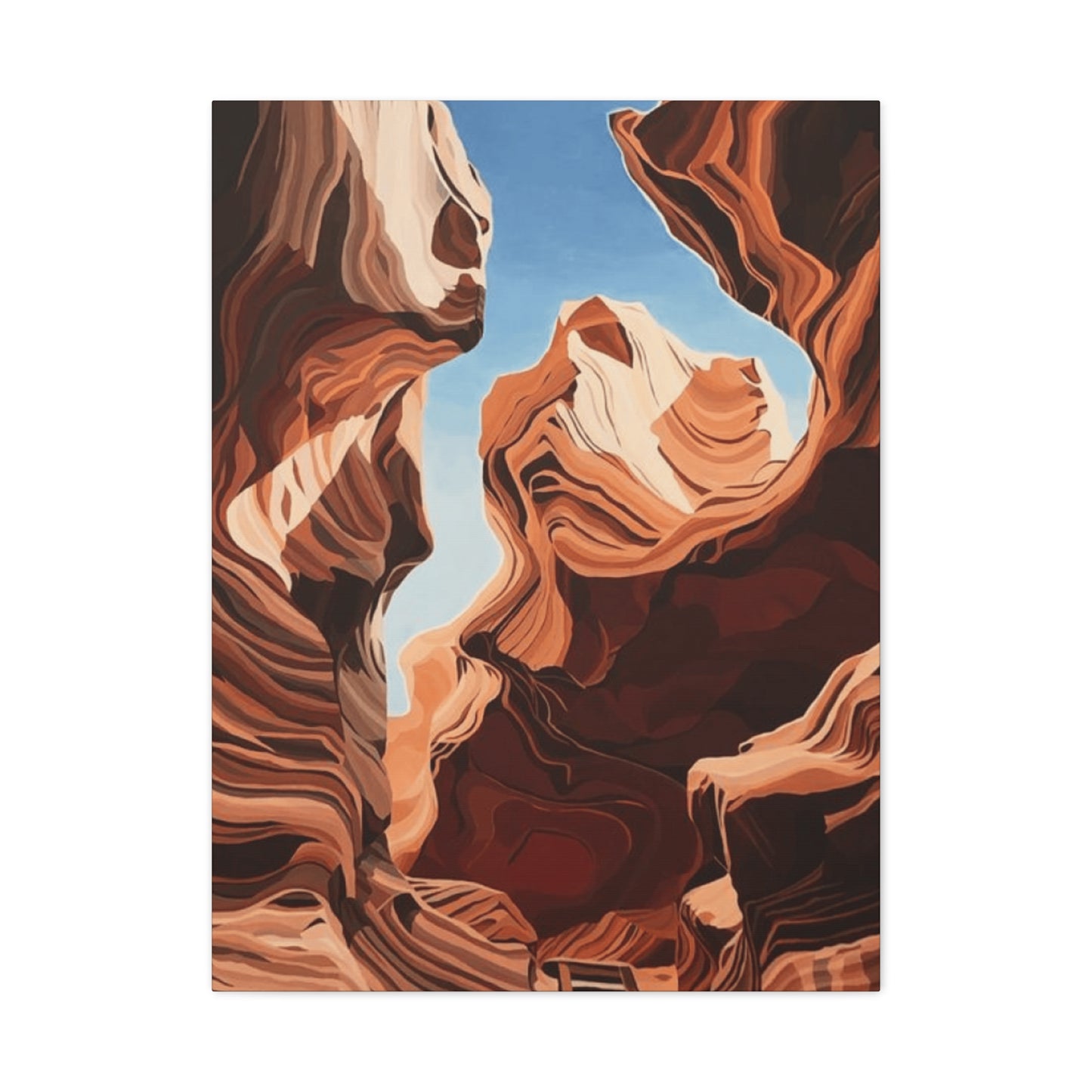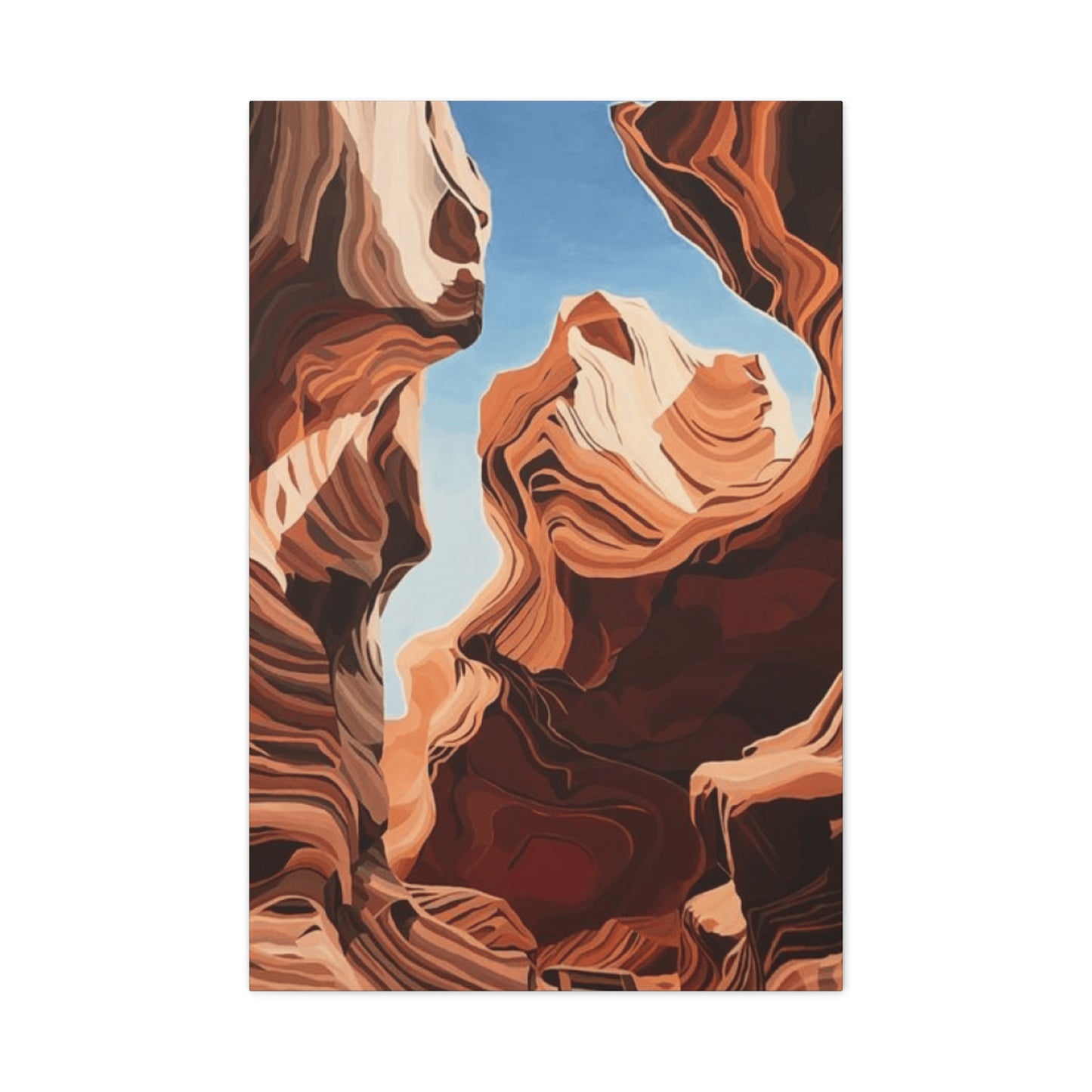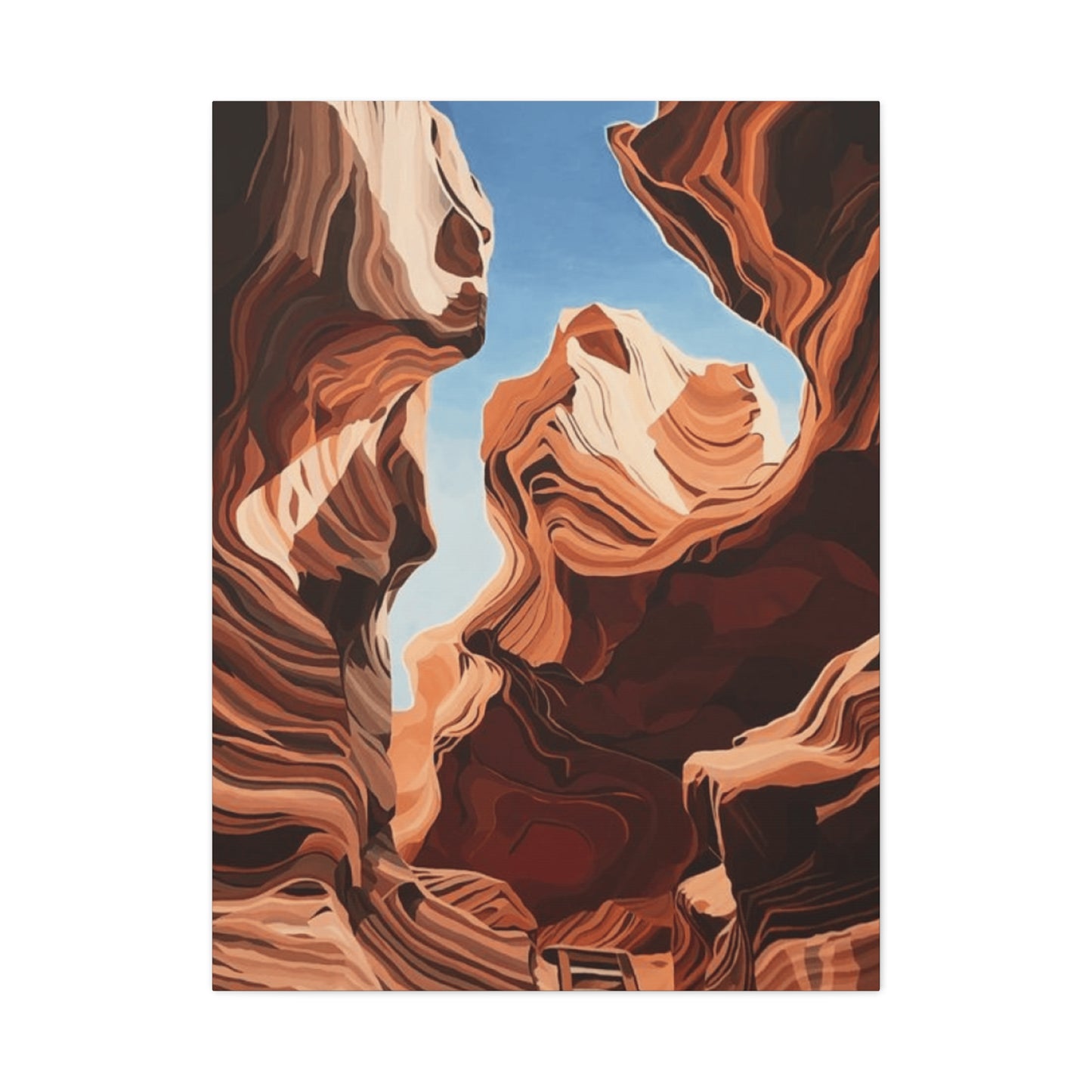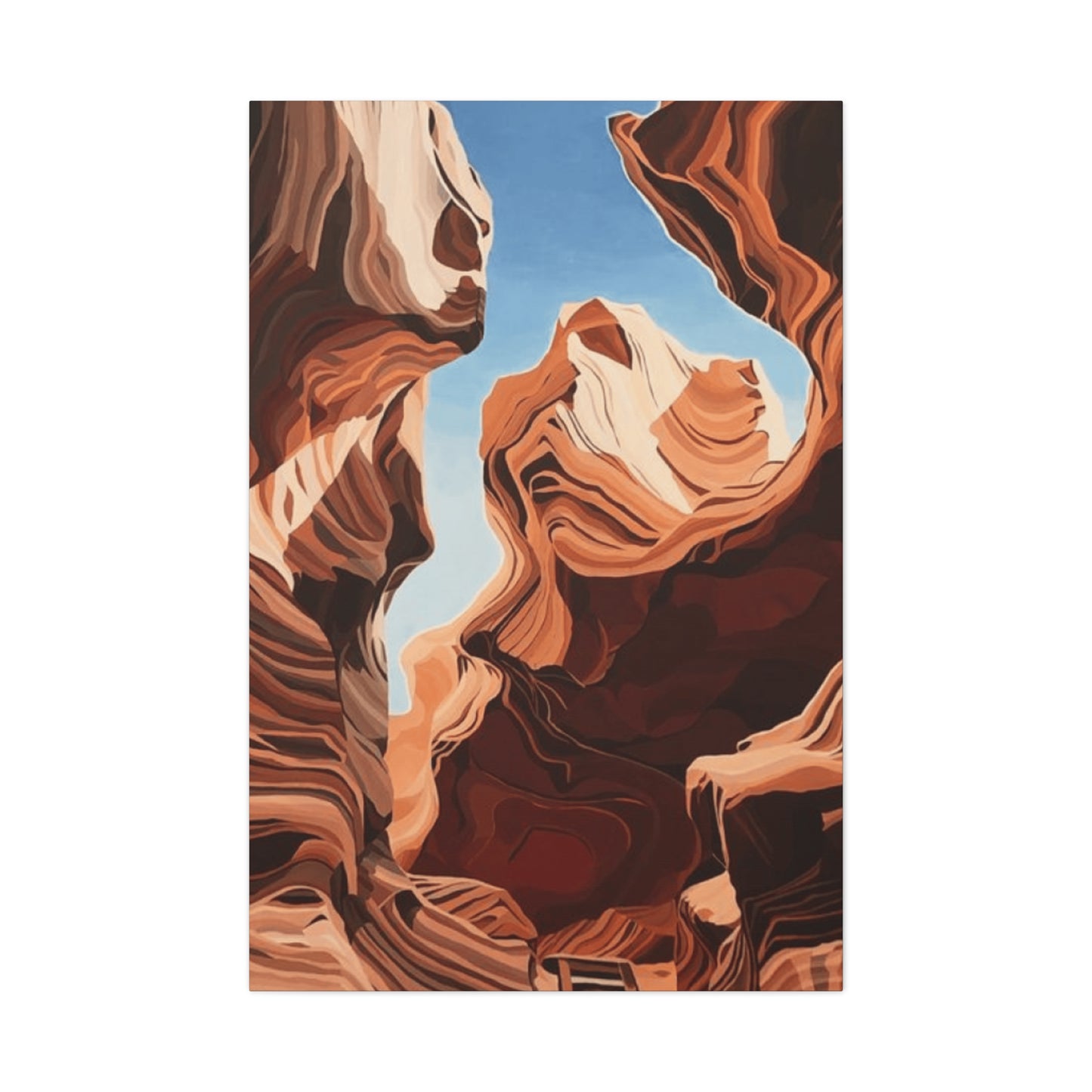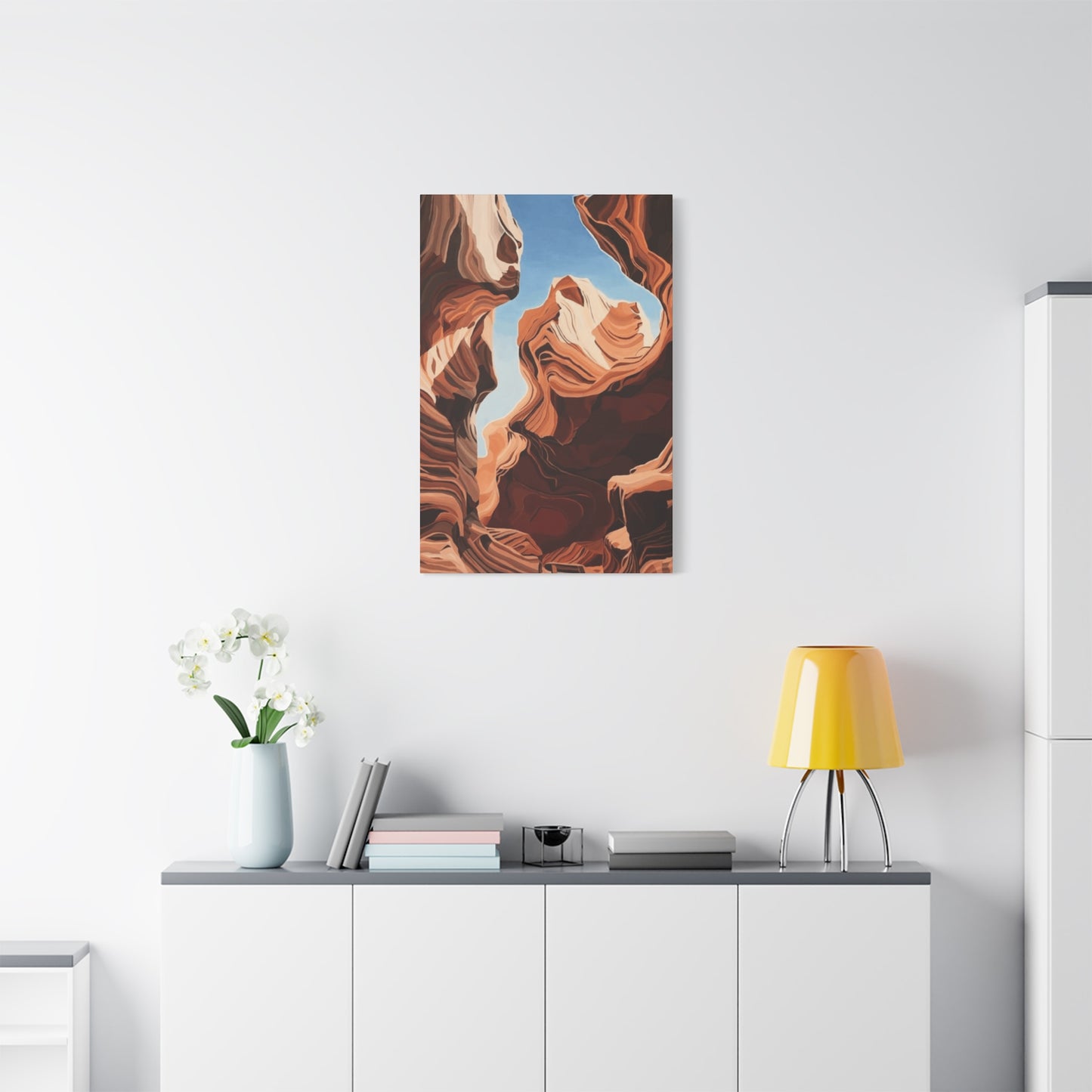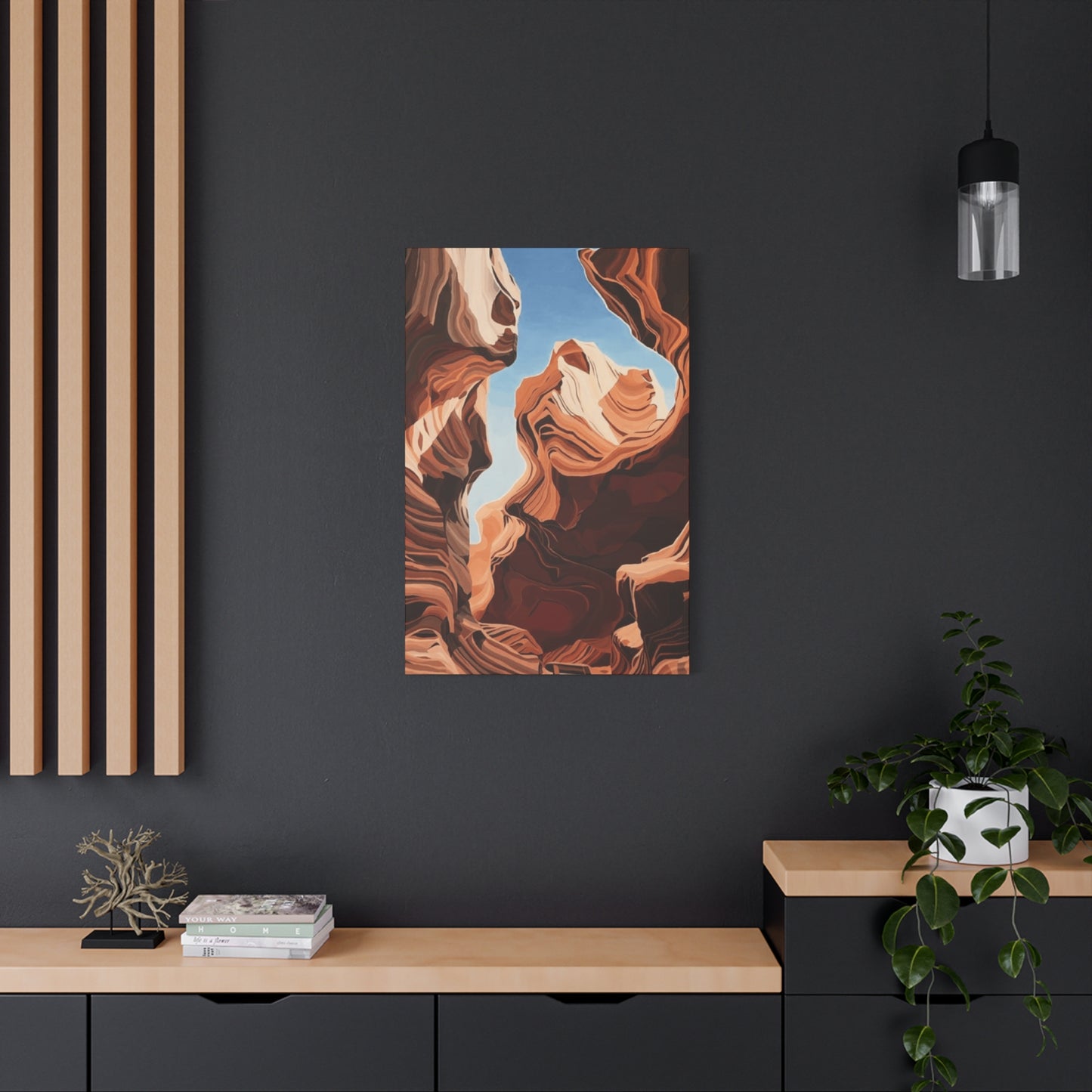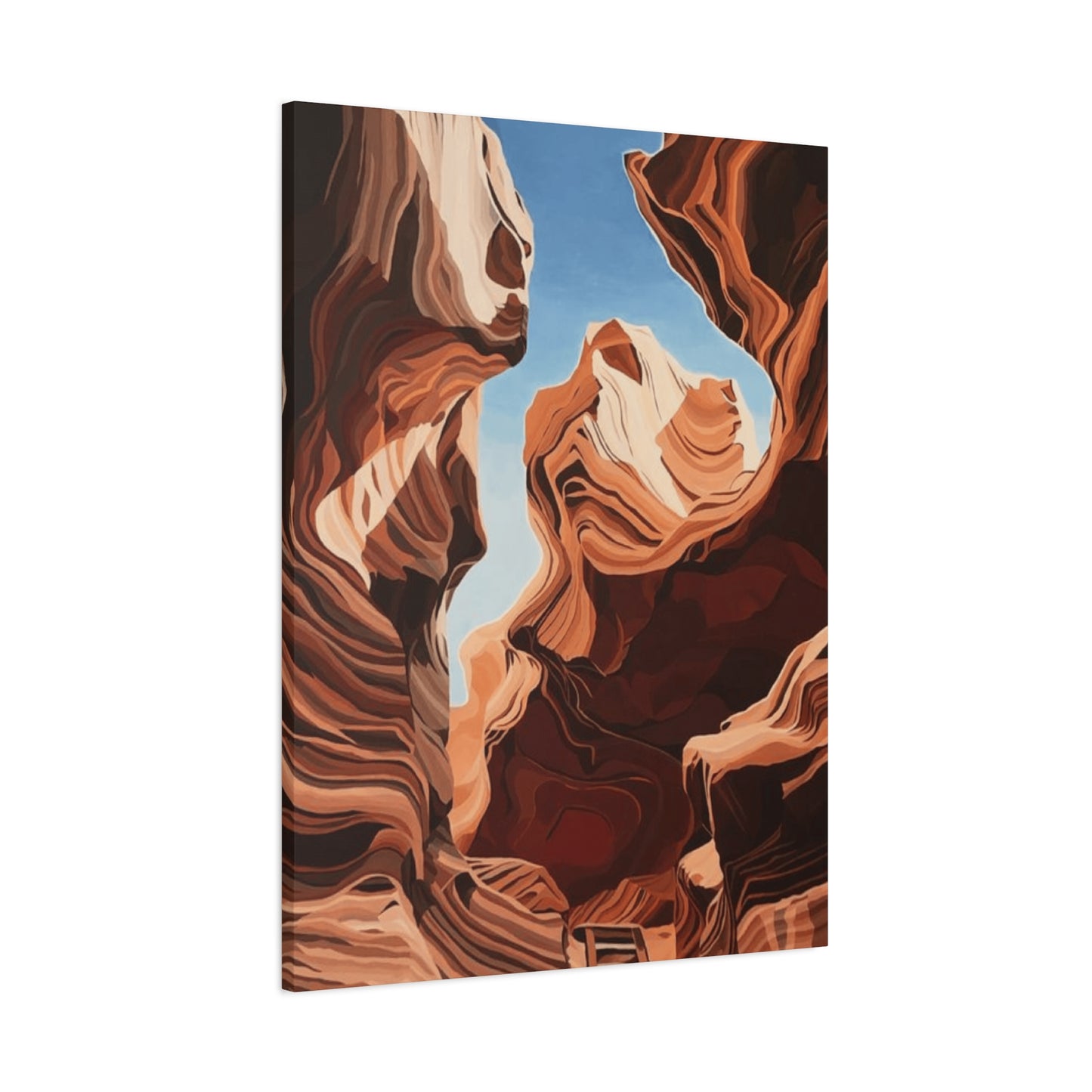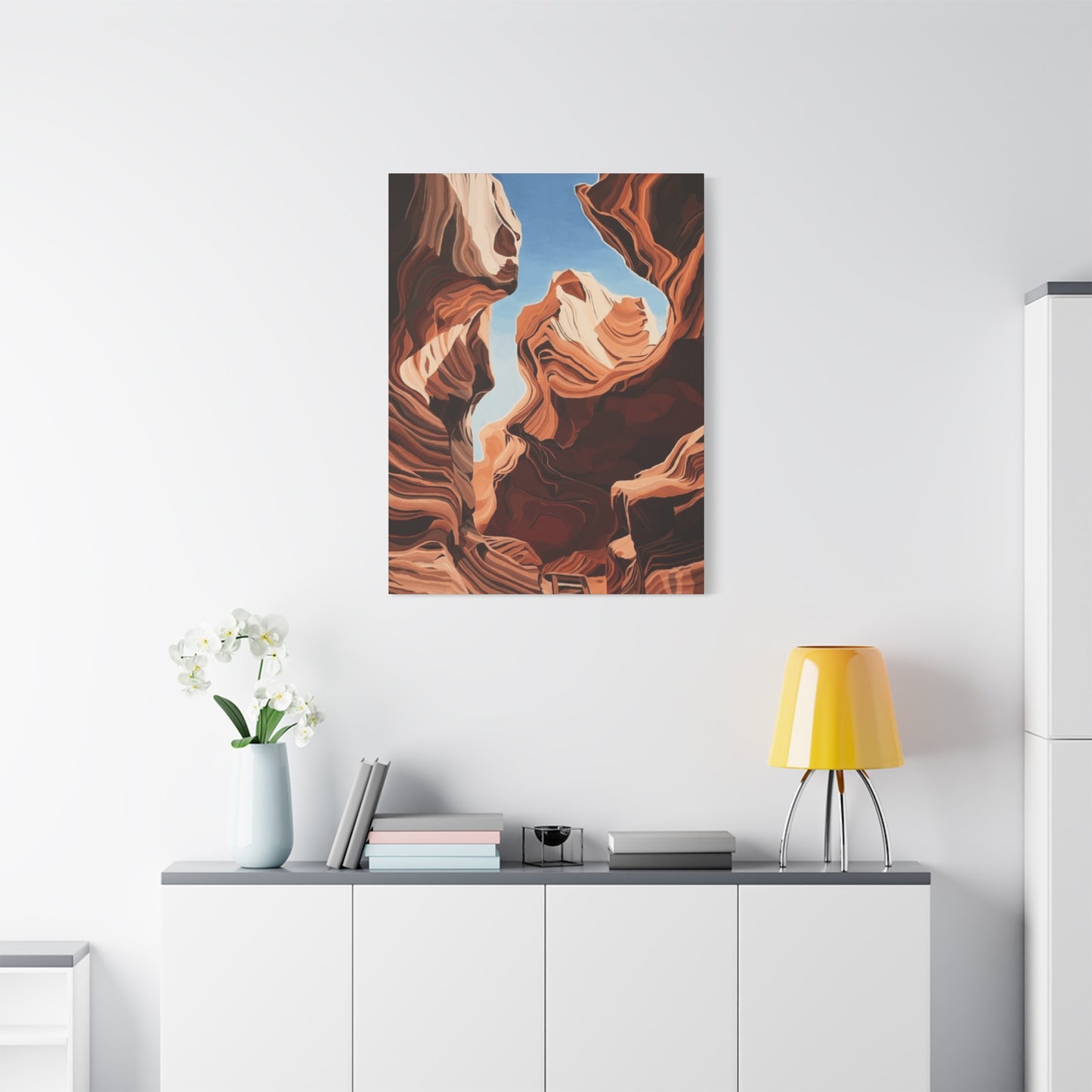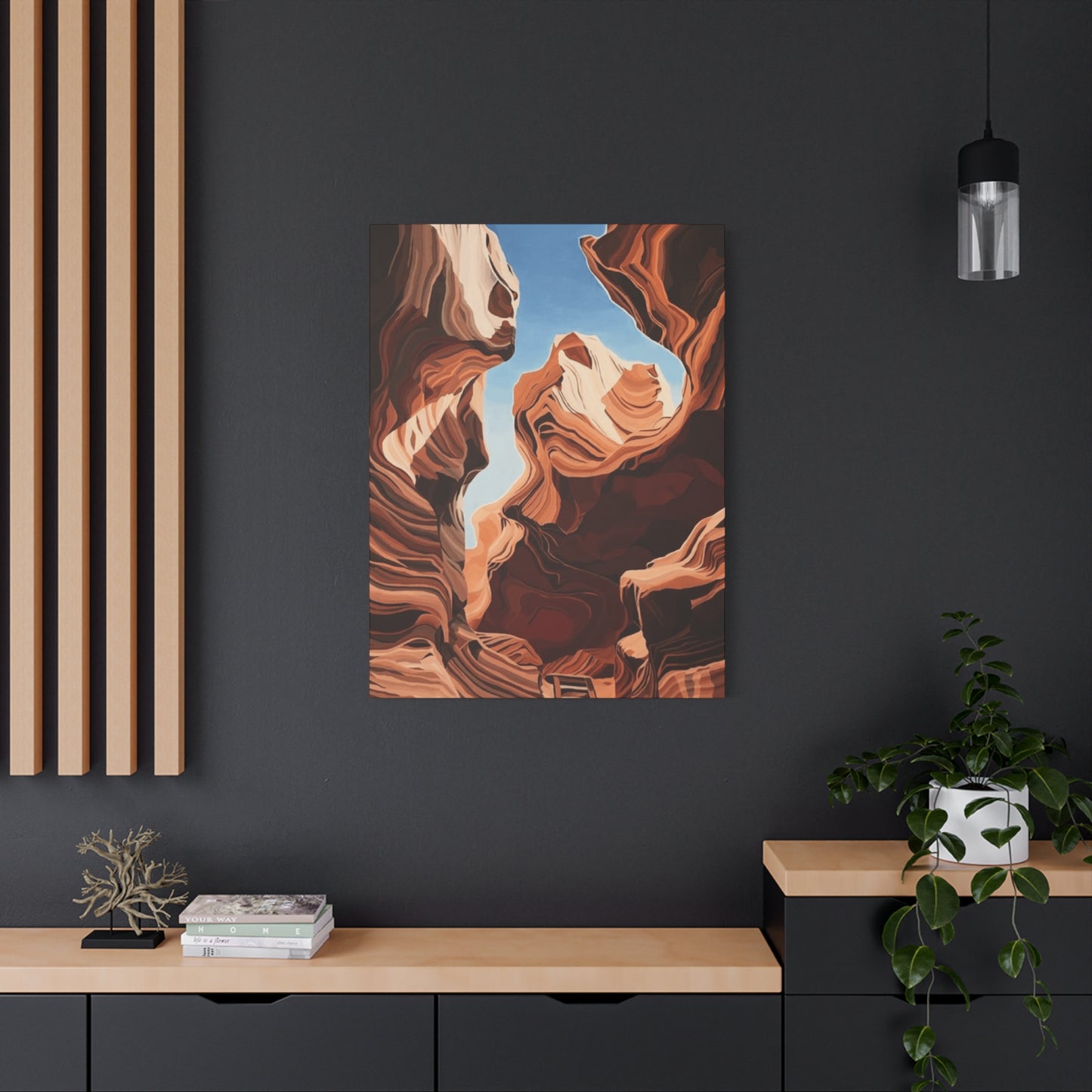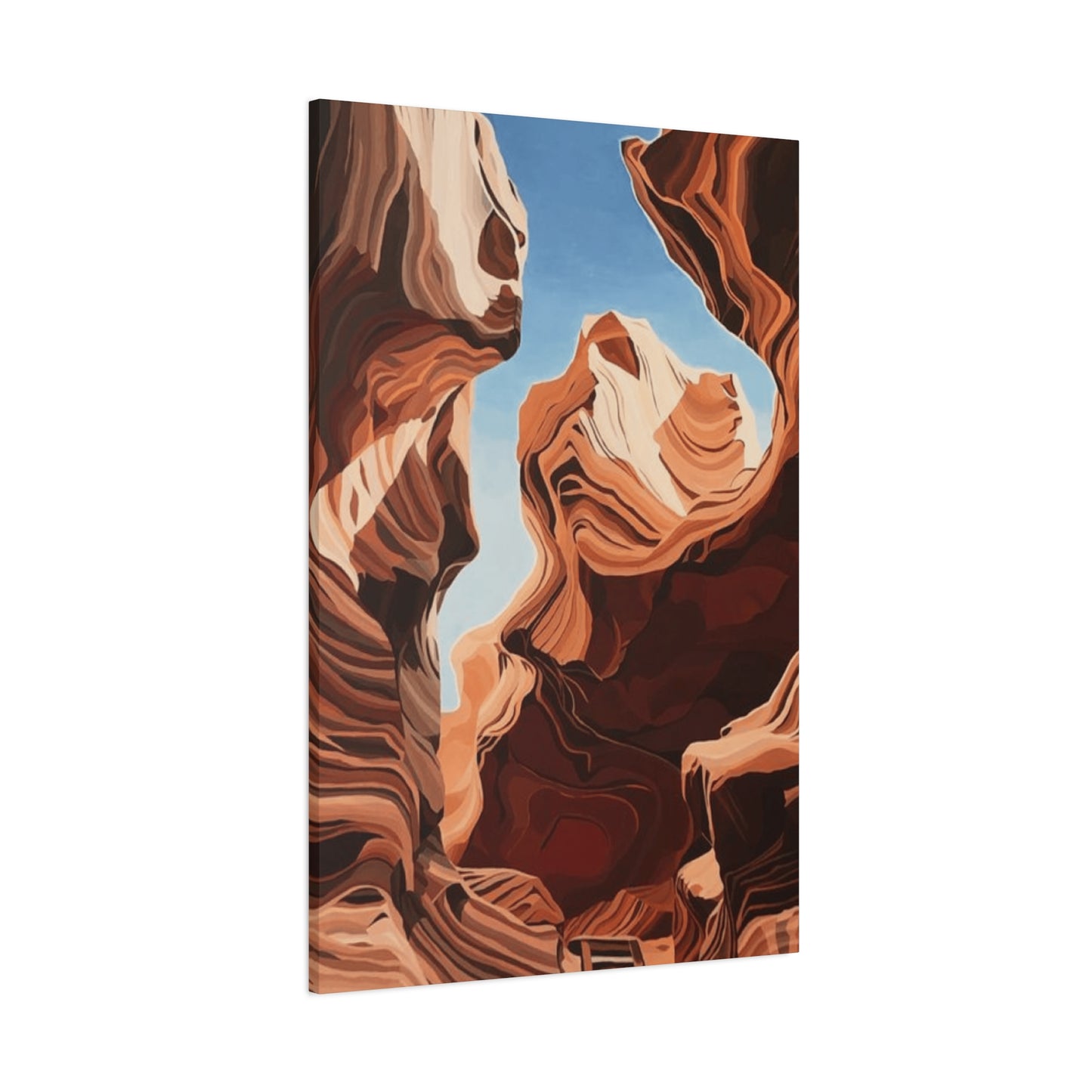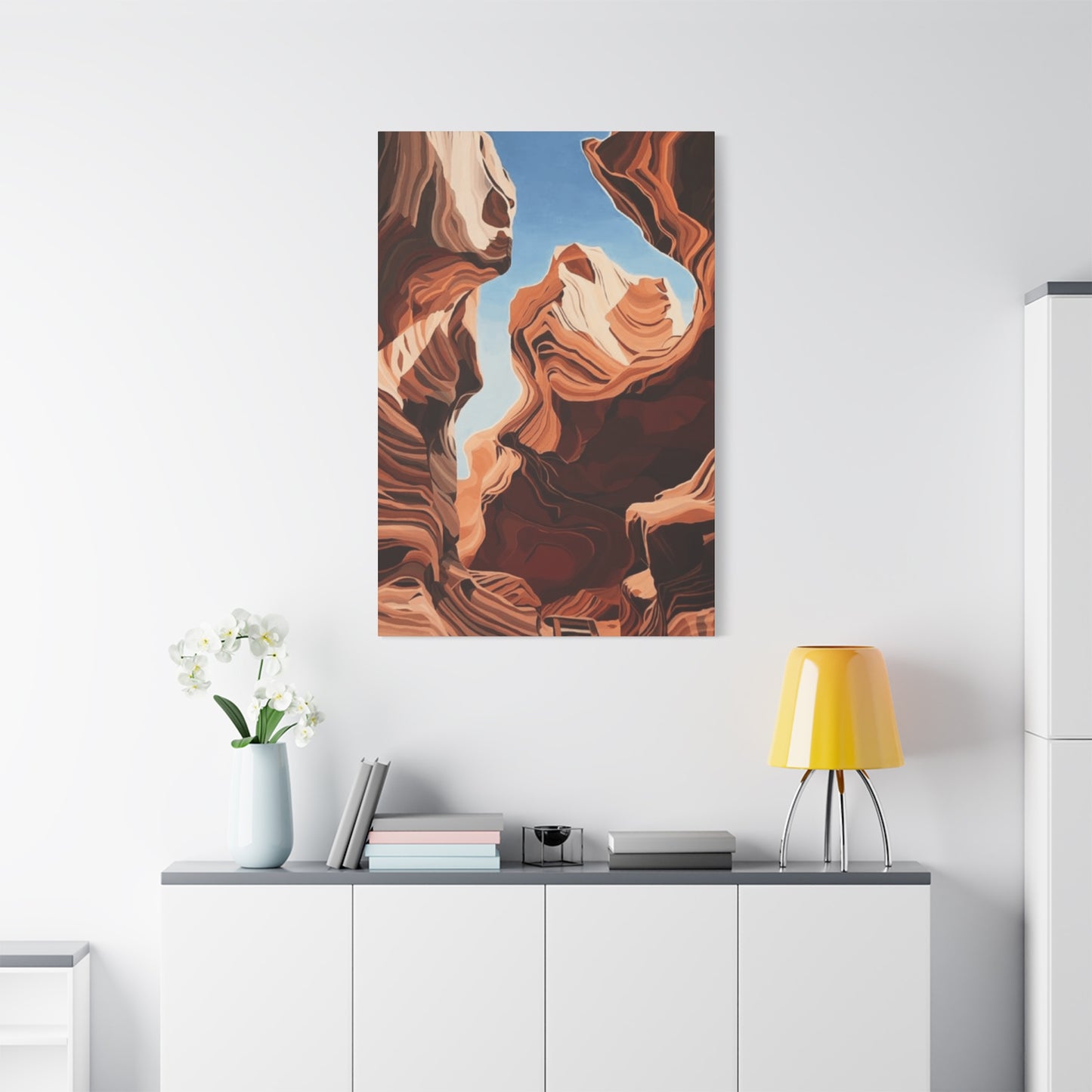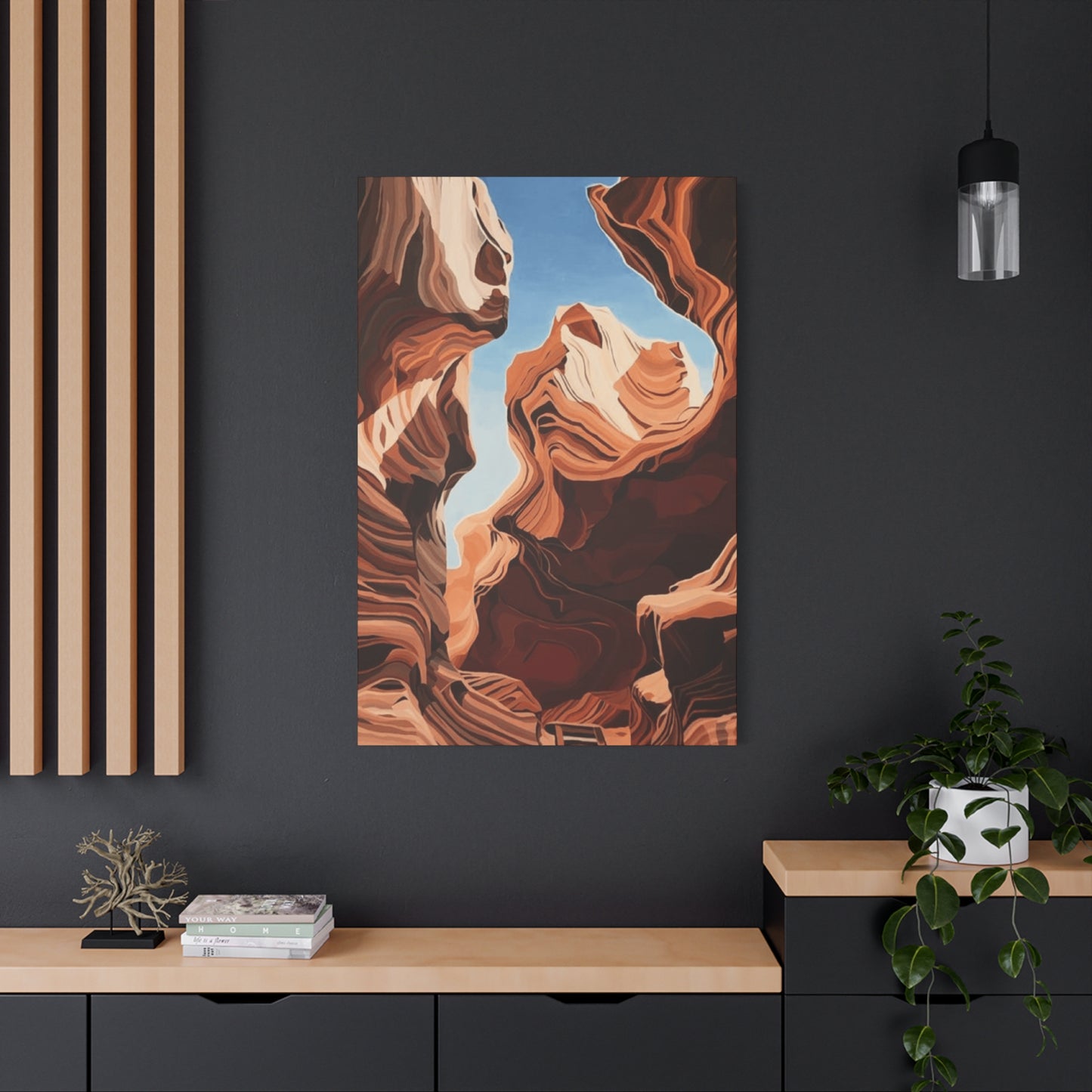


Arizona Canyon Painting Wall Art & Canvas Prints
Arizona Canyon Painting Wall Art & Canvas Prints
Couldn't load pickup availability
Bring Southwestern Elegance into Your Home with the Timeless Arizona Canyon Painting Wall Art
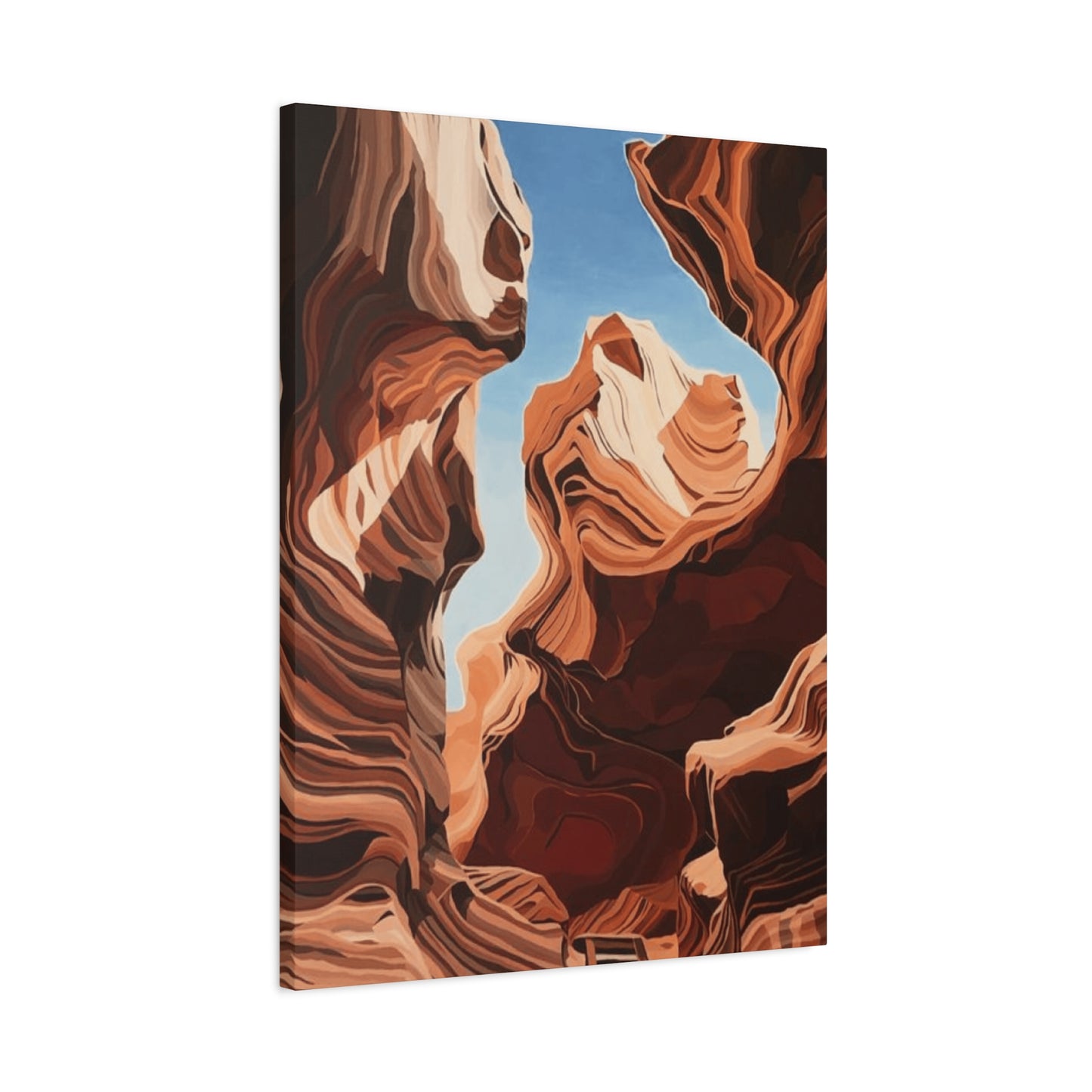
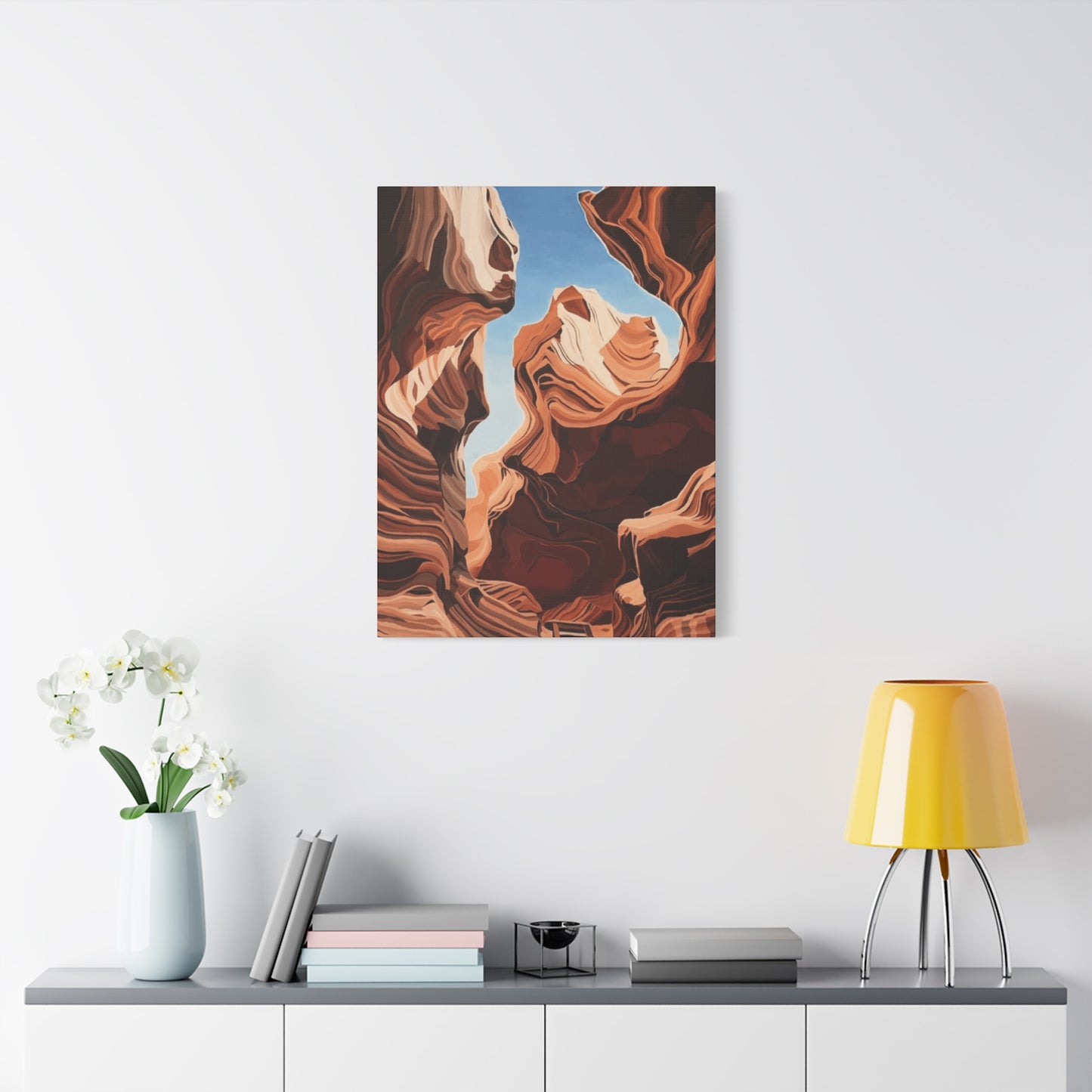
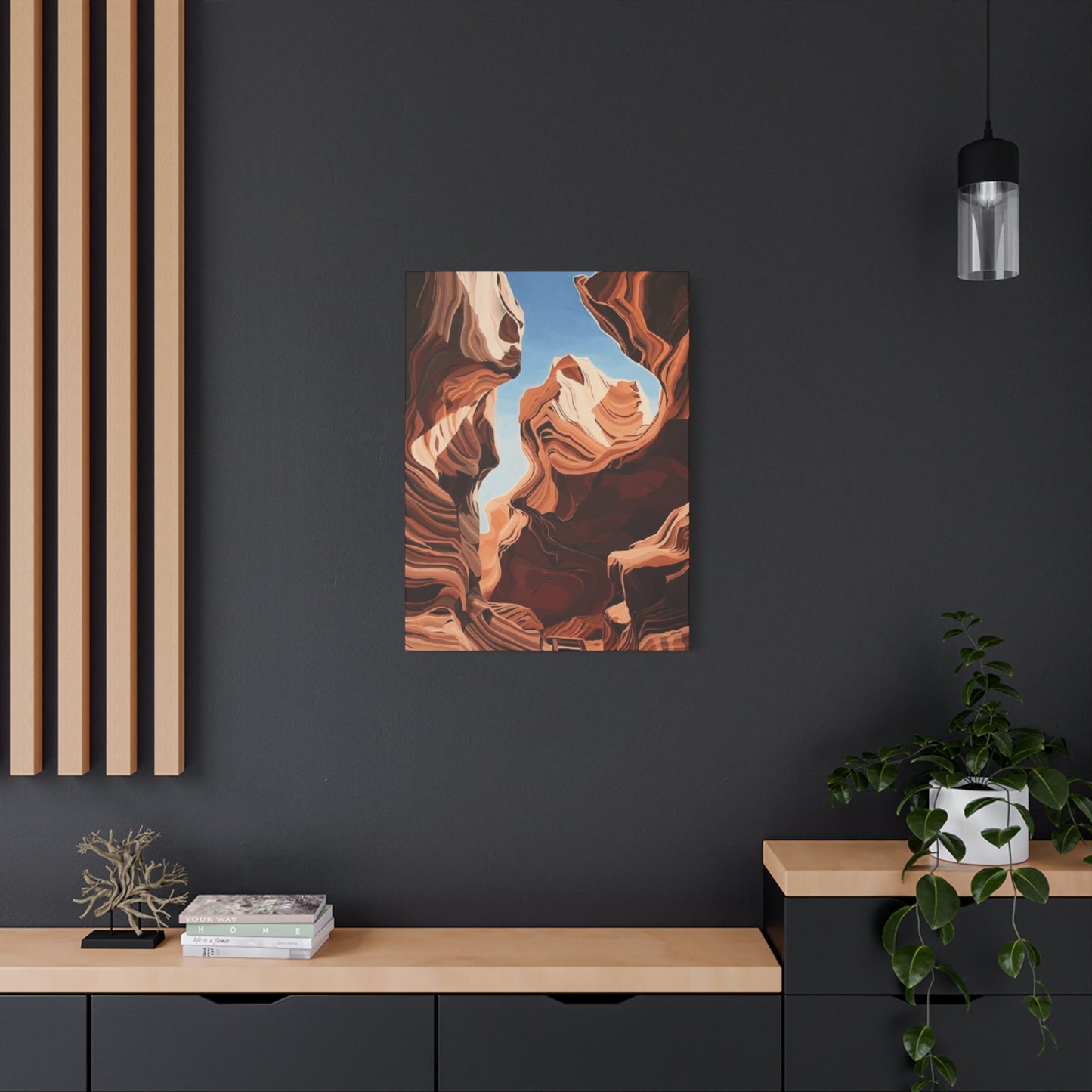
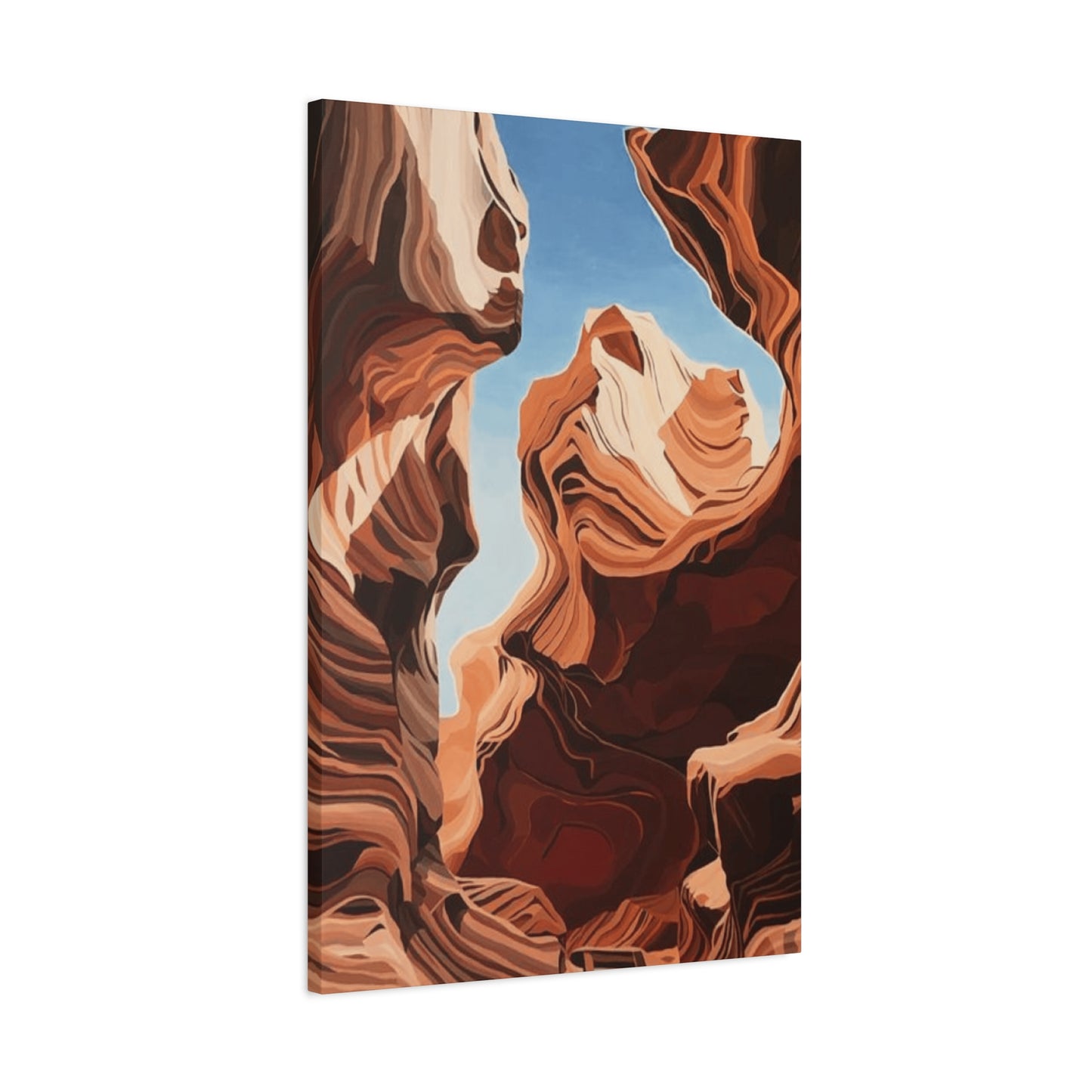
The magnificent landscapes of Arizona's canyons have captivated artists, photographers, and nature enthusiasts for centuries. These geological wonders, carved by millions of years of wind and water erosion, present a spectacular display of layered rock formations in hues ranging from deep crimson to burnt orange, golden amber to subtle rose. When transformed into Arizona canyon painting wall art, these breathtaking vistas bring the raw, untamed beauty of the American Southwest directly into living spaces, offices, and commercial establishments. The appeal of such artwork transcends mere decoration, offering viewers a connection to nature's grandeur and the timeless spirit of the desert landscape.
The Captivating Allure of Southwestern Landscapes Captured on Canvas
Arizona's canyon systems represent some of the most photographed and painted geological formations on Earth. The Grand Canyon alone attracts millions of visitors annually, each seeking to witness the awe-inspiring depths and vast expanse of this natural wonder. However, the state boasts numerous other spectacular canyon formations, including Antelope Canyon with its mesmerizing light beams, Canyon de Chelly with its ancient cliff dwellings, and Oak Creek Canyon with its verdant contrasts against red rock walls. These diverse landscapes provide endless inspiration for artists who attempt to capture their essence through various mediums.
When artists create Arizona canyon painting wall art, they engage in a complex process of translating three-dimensional grandeur into two-dimensional representation. This challenge requires not only technical skill but also an intimate understanding of how light interacts with rock surfaces throughout different times of day. The way morning sunlight illuminates canyon walls creates entirely different atmospheric conditions compared to the golden hour before sunset. Artists must comprehend these nuances to create works that resonate with viewers who have experienced these locations firsthand or who dream of visiting someday.
The color palette available within Arizona's canyon systems provides artists with an extraordinary range of pigments to work with. The iron oxide content in the rock creates those signature red and orange tones, while manganese deposits contribute purple and black streaks. Limestone layers introduce creamy whites and pale yellows, and ancient volcanic activity has left behind darker basaltic layers. This natural stratification creates horizontal bands of color that tell geological stories spanning hundreds of millions of years. Artists who specialize in Arizona canyon painting wall art must master the subtle gradations between these layers to create authentic representations.
Why Homeowners and Designers Choose Canyon Artwork for Interior Spaces
The decision to incorporate Arizona canyon painting wall art into interior design schemes stems from multiple motivations. For some, these pieces serve as cherished mementos of memorable vacations or spiritual journeys to the Southwest. Others appreciate the warm color schemes that canyon artwork introduces, which can transform sterile, neutral spaces into environments that feel inviting and energized. The earthy tones characteristic of canyon paintings complement a wide variety of interior design styles, from rustic and Southwestern to contemporary and minimalist approaches.
Interior designers frequently recommend canyon artwork for spaces that lack natural warmth or feel disconnected from the outdoor environment. A large-scale Arizona canyon painting wall art piece can serve as a focal point in living rooms, establishing the color palette for the entire space. The warm oranges, reds, and browns found in canyon paintings pair beautifully with natural materials like leather, wood, and stone, creating cohesive design schemes that feel organic and intentional. Additionally, these artworks can make rooms appear larger by introducing depth perception through their depiction of vast, open landscapes.
From a psychological perspective, images of natural landscapes have been shown to reduce stress and promote feelings of tranquility. Healthcare facilities, corporate offices, and hospitality venues increasingly incorporate nature-inspired artwork to create more pleasant environments for patients, employees, and guests. Arizona canyon painting wall art offers a particularly effective option for these settings because the imagery conveys both grandeur and stability. The ancient, unchanging nature of canyon formations can provide viewers with a sense of perspective and calm in our rapidly changing world.
Various Artistic Styles and Rendering Methods for Canyon Scenes
Artists approach the subject of Arizona's canyons through diverse stylistic lenses, each offering unique aesthetic qualities. Photorealistic paintings aim to capture every detail with meticulous precision, allowing viewers to examine individual rock textures, vegetation, and atmospheric effects. These works often require hundreds of hours to complete and demonstrate the artist's technical mastery. The result is Arizona canyon painting wall art that functions almost like a window, transporting viewers directly to the location depicted.
Impressionistic interpretations take a different approach, prioritizing the emotional essence and overall impression of a canyon scene over exact representation. These works employ looser brushwork and may emphasize particular color relationships or lighting conditions. An impressionistic Arizona canyon painting wall art piece might capture the shimmering heat waves rising from sun-baked rocks or the way distant canyon walls dissolve into atmospheric haze. This style often resonates with viewers who prefer artwork that suggests rather than dictates, leaving room for personal interpretation.
Abstract approaches to canyon imagery push even further from literal representation, using the colors, shapes, and forms found in canyon landscapes as starting points for more conceptual explorations. An abstract artist might deconstruct the horizontal stratification of canyon walls into geometric color bands, or explore the interplay of light and shadow through bold contrasts and unconventional compositions. These Arizona canyon painting wall art pieces appeal to collectors who appreciate conceptual art while still wanting some connection to the natural world.
Mixed media approaches combine painting with other materials and techniques, such as incorporating actual sand, stone fragments, or metallic leaf into the composition. These textured works add a tactile dimension to Arizona canyon painting wall art, creating surfaces that catch light in interesting ways and invite closer inspection. Some artists use palette knives to build up thick impasto layers that mimic the rugged texture of weathered rock faces, while others might add resin coatings that create glossy, reflective surfaces suggesting water in canyon streams.
Selecting the Ideal Dimensions and Placement for Maximum Visual Impact
The size of Arizona canyon painting wall art significantly influences its impact within a space. Large-scale pieces measuring six feet or more in width can transform entire rooms, creating immersive experiences that command attention. These statement pieces work particularly well in spaces with high ceilings and generous wall areas, such as great rooms, hotel lobbies, or corporate conference areas. The expansive canvas allows artists to depict canyon vistas with greater detail and creates a viewing experience that more closely mimics actually standing at a canyon's edge.
Medium-sized works, typically ranging from two to four feet in their longest dimension, offer versatility in placement and suit a wider variety of spaces. These pieces can anchor dining room walls, serve as focal points above bedroom headboards, or create visual interest in hallways and entryways. When selecting Arizona canyon painting wall art in this size range, consider the viewing distance. Artwork hung in spaces where people primarily stand should be positioned at eye level, typically with the center of the piece 57 to 60 inches from the floor. In rooms where people are usually seated, slightly lower placement often works better.
Smaller Arizona canyon painting wall art pieces, while more modest in scale, can be equally effective when thoughtfully arranged. Gallery walls featuring multiple canyon scenes in various sizes create dynamic visual displays that allow for storytelling across the collection. Some collectors arrange small to medium pieces depicting different Arizona canyons, creating a geographical tour of the region. Others might display works showing the same canyon at different times of day or seasons, illustrating the changing character of these landscapes. Small pieces also work well in intimate spaces like home offices, bathrooms, or reading nooks where larger artwork might feel overwhelming.
Horizontal versus vertical orientation also deserves consideration when choosing Arizona canyon painting wall art. The sweeping, panoramic nature of canyon vistas lends itself naturally to horizontal compositions, which emphasize the expansive character of these landscapes. However, vertical orientations can be equally compelling, drawing the eye from canyon rim to canyon floor and emphasizing the dramatic depth and layered geology. Some spaces demand specific orientations based on available wall dimensions, while others offer flexibility that allows the artwork's composition to drive the decision.
Understanding Different Canvas Types and Printing Methods for Reproductions
While original Arizona canyon painting wall art commands premium prices and offers unique value as one-of-a-kind creations, high-quality reproductions make this aesthetic accessible to broader audiences. Giclée printing represents the gold standard for art reproductions, utilizing specialized inkjet printers that spray microscopic droplets of archival-quality, pigment-based inks onto canvas or fine art paper. This process can reproduce colors with remarkable accuracy and creates prints that, when properly cared for, resist fading for decades. Many artists now offer limited-edition giclée reproductions of their original Arizona canyon paintings, often signed and numbered to maintain exclusivity.
The substrate chosen for printing significantly affects the final appearance and longevity of Arizona canyon painting wall art reproductions. Cotton canvas provides a traditional look and feel, with a texture that mimics hand-painted works. The slight tooth of the canvas surface catches light subtly, creating depth and dimension. Poly-cotton blend canvases offer enhanced durability and resistance to warping or sagging over time, making them practical choices for pieces that will hang in varying humidity conditions. Some printmakers use fine art papers instead of canvas, particularly for works that will be framed behind glass, which offers additional protection against environmental factors.
Stretching and mounting methods also impact the presentation of canvas-based Arizona canyon painting wall art. Gallery-wrapped canvases, where the image continues around the sides of the stretcher bars, create a finished look that eliminates the need for framing. This contemporary presentation style works particularly well for modern and minimalist interiors. The typical depth of gallery-wrapped canvases ranges from three-quarters of an inch to two inches, with deeper profiles creating more dramatic shadow effects on the wall. Alternatively, canvases can be mounted on backing boards and framed traditionally, which offers opportunities to introduce complementary or contrasting frame materials and colors.
Metal prints represent an alternative reproduction method gaining popularity for landscape artwork. These prints involve infusing dyes directly into specially coated aluminum sheets, creating luminous, durable pieces with exceptional color vibrancy and sharpness. The glossy or matte metal surface gives Arizona canyon painting wall art a contemporary edge that suits modern interiors particularly well. Metal prints are lightweight, easy to hang, and highly resistant to moisture and UV damage, making them practical for challenging locations like bathrooms or sun-exposed walls. However, the modern aesthetic of metal prints may not suit all decor styles or personal preferences.
Acrylic face-mounting offers yet another presentation option, where prints are sandwiched between acrylic sheets, creating a glossy, glass-like appearance with exceptional depth and color saturation. These pieces have a gallery-quality look that makes them suitable for upscale residential and commercial settings. The acrylic face protection also shields the image from UV rays, moisture, and physical damage. When selecting Arizona canyon painting wall art in this format, consider that the reflective surface may create glare in certain lighting conditions, and the pieces tend to be heavier and more expensive than other reproduction methods.
How Framing Choices Enhance or Complement Canyon Artwork
Even when dealing with gallery-wrapped Arizona canyon painting wall art that technically doesn't require framing, many collectors choose to add frames to create more finished presentations or better integrate pieces with existing decor. Wood frames in natural finishes provide organic accompaniments to canyon imagery, with the grain and tone of the wood echoing the earthy character of the subject matter. Rustic barn wood frames with weathered textures and varying tones create particularly harmonious pairings with canyon scenes, suggesting the weathered, timeless quality of the rock formations themselves.
Contemporary settings often call for cleaner, more streamlined framing approaches. Floating frames, which create a gap between the canvas edge and the frame, add depth and dimension while maintaining a modern aesthetic. These frames work especially well with gallery-wrapped Arizona canyon painting wall art, allowing the image-wrapped edges to remain visible while still defining the piece within a structured border. Metal frames in black, silver, or bronze finishes provide industrial-chic alternatives that suit urban lofts and contemporary spaces. The sleek profiles of metal frames keep visual focus on the artwork itself rather than the frame.
Ornate frames with decorative molding might seem incongruous with canyon subject matter at first consideration, but they can create interesting juxtapositions in eclectic or traditional interiors. A heavily ornamented gilt frame surrounding Arizona canyon painting wall art creates a fascinating contrast between the raw, natural subject and the refined, cultured presentation. This approach works particularly well in spaces that blend old and new elements, or in collections that include diverse artwork styles. The key is ensuring the frame's color palette relates to tones within the painting itself, creating visual coherence despite stylistic differences.
Custom framing allows for perfect integration of Arizona canyon painting wall art with specific interior design schemes. Mat boards, when used, should be selected carefully. While white and cream mats provide clean, neutral borders, consider warm tones like tan, terra cotta, or sage that pull colors from the artwork itself. Double or triple matting adds depth and luxury to the presentation, with inner mats in colors drawn from the painting creating subtle color echoes. Conservation-grade materials protect artwork from acidic damage over time, essential for preserving both original paintings and quality reproductions. Professional framers can advise on UV-protective glazing options that shield artwork from light damage while minimizing reflections.
The Role of Lighting in Showcasing Canyon Paintings Effectively
Proper illumination transforms Arizona canyon painting wall art from simply present to truly spectacular. Track lighting offers flexible, adjustable solutions for highlighting artwork, with fixtures that can be repositioned as needed when rearranging spaces. Adjustable gimbal heads allow precise aiming of light beams, ensuring even coverage across the artwork's surface while minimizing glare and hot spots. When installing track lighting for canyon paintings, position tracks approximately 24 to 30 inches from the wall, with lights aimed at 30-degree angles to the artwork surface. This arrangement provides optimal illumination while reducing reflections that might obscure viewing.
Picture lights mounted directly above frames provide dedicated illumination specifically designed for artwork. These fixtures come in various finishes to coordinate with frame materials and room decor. Brass picture lights complement traditional and transitional spaces, while sleek chrome or black fixtures suit contemporary settings. When selecting picture lights for Arizona canyon painting wall art, ensure the fixture's width matches or slightly exceeds the frame width for balanced illumination. LED picture lights offer energy efficiency and emit minimal heat, protecting artwork from damage while reducing electricity costs. Many newer models include dimming capabilities, allowing adjustment of light levels to suit different times of day and moods.
Recessed lighting can effectively illuminate Arizona canyon painting wall art when properly positioned and equipped with appropriate bulbs and trim. Wall-washer trims spread light evenly across wall surfaces, creating subtle, ambient illumination suitable for gallery-style displays. Adjustable trims allow focusing light on specific pieces, creating dramatic highlighting effects. When using recessed lighting for artwork, install fixtures at least 24 inches from the wall to allow proper light spread. Consider using multiple fixtures for large pieces, ensuring even illumination across the entire surface. Dimmer switches provide control over lighting intensity, enabling customization for different activities and times.
Natural daylight beautifully illuminates Arizona canyon painting wall art but requires careful management to prevent damage. Direct sunlight contains UV radiation that causes fading and deterioration over time, particularly problematic for original paintings and quality reproductions. Position artwork away from windows receiving direct sun exposure, or use UV-filtering window films and treatments to reduce harmful rays while maintaining natural light. Northern-facing walls receive the most consistent, indirect natural light in the Northern Hemisphere, making them ideal locations for displaying valuable artwork. When natural light is the primary illumination source, monitor artwork regularly for signs of fading, and consider rotating pieces periodically to distribute light exposure evenly across a collection.
Creating Harmonious Color Schemes Around Southwestern Wall Art
The warm, earthy palette characteristic of Arizona canyon painting wall art provides an excellent foundation for cohesive interior color schemes. The dominant rust, terracotta, and burnt orange tones work beautifully with neutral backgrounds, allowing the artwork to serve as the primary color accent in a space. Walls painted in warm whites, creams, or soft beige provide clean backdrops that make canyon colors pop while maintaining an open, airy feeling. This approach works particularly well in smaller rooms where darker walls might feel confining, or in spaces with limited natural light where brighter wall colors help reflect available illumination.
For bolder approaches, consider painting accent walls in colors pulled directly from the Arizona canyon painting wall art. Deep terracotta or rust walls create immersive, cocoon-like environments that amplify the warmth of canyon imagery. This works especially well in dining rooms, bedrooms, or libraries where intimate, enveloping atmospheres enhance the space's purpose. When choosing wall colors inspired by artwork, select tones that appear in the painting but aren't the dominant hue. If the artwork features primarily orange and red rock formations, consider painting walls in the subtle sage green or dusty purple that might appear in shadowed areas or vegetation within the scene.
Complementary color schemes offer opportunities to create vibrant, energetic spaces around Arizona canyon painting wall art. The warm oranges and reds dominating canyon paintings sit opposite cool blues and greens on the color wheel. Introducing turquoise accents through throw pillows, vases, or additional artwork creates dynamic visual tension that makes both the warm and cool elements more vibrant. This combination evokes the classic Southwestern palette of desert and sky, creating spaces that feel authentically connected to the region. Turquoise works particularly well because it references the semi-precious stones historically significant to Native American peoples of the Southwest.
Monochromatic schemes built around the earthy tones of Arizona canyon painting wall art create sophisticated, cohesive environments. Varying shades of rust, terracotta, sand, and burnt orange throughout a space's textiles, accessories, and furnishings produces a layered, nuanced look that feels intentional and harmonious. This approach works especially well in contemporary interiors where the focus is on form, texture, and subtle color variations rather than bold contrasts. Introduce different values of the core colors, from pale peachy tones to deep burnt umber, creating visual interest through gradation rather than contrast.
Incorporating Southwestern Decor Elements for Cohesive Styling
When displaying Arizona canyon painting wall art, thoughtfully selected accompanying decor elements can enhance the Southwestern aesthetic or create interesting contrasts, depending on desired outcomes. Natural materials like wood, stone, leather, and wrought iron naturally complement canyon imagery, establishing visual and conceptual connections to the rugged landscapes depicted. A reclaimed wood coffee table, leather sofa, or stone fireplace surround creates textural relationships with the artwork, building a cohesive environment that celebrates natural materials and organic forms. These elements need not be literal Southwestern pieces; a contemporary leather chair in cognac tones or a sleek marble-topped console can reference the color and material palette without overtly themed styling.
Textiles provide opportunities to echo or contrast with Arizona canyon painting wall art through pattern, texture, and color. Navajo-inspired geometric patterns in rugs or throw pillows create obvious thematic connections to the Southwest, while also introducing visual complexity and additional colors. However, more subtle approaches can be equally effective. A simple linen sofa in warm sand tones, accented with pillows in various rust and terracotta shades pulled from the artwork, creates a sophisticated, understated look. Layering different textures, such as smooth leather, nubby wool, rough linen, and soft mohair, adds depth and interest while maintaining a cohesive color story tied to the canyon painting.
Pottery and ceramics offer natural accompaniments to Arizona canyon painting wall art, with the earthy materials and forms resonating with the depicted landscapes. Authentic Native American pottery brings cultural authenticity and historical depth to displays, though collectors should ensure pieces are acquired ethically from reputable sources that compensate artists fairly and document provenance. Contemporary ceramicists working in Southwestern styles provide more accessible alternatives, creating pieces inspired by traditional forms and decorative techniques but without the cultural and monetary investment required for authentic historical pieces. Unglazed terracotta, burnished blackware, or painted pottery in earth tones create natural visual bridges to canyon artwork.
Living plants introduce organic elements that soften spaces while maintaining thematic connections to Arizona landscapes. Desert-adapted species like various cacti and succulents obviously reference Southwestern flora, but they require specific care conditions that don't suit all indoor environments. Consider alternatives that evoke similar aesthetic qualities without demanding specialized care. Sculptural indoor trees like fiddle leaf figs or palms create dramatic vertical elements that balance horizontal canyon paintings. Plants with silvery or blue-toned foliage, such as certain eucalyptus varieties or dusty miller, echo the atmospheric perspective and distant vegetation tones visible in many canyon paintings. Group plants in terracotta or unglazed ceramic containers that relate to the earth tones in the artwork.
Pairing Canyon Art with Other Wall Decorations for Gallery Walls
Creating gallery walls that incorporate Arizona canyon painting wall art alongside other pieces requires careful planning to achieve cohesive, balanced displays. When mixing canyon paintings with other landscape artwork, consider varying the scale, orientation, and style while maintaining some consistent elements. A large canyon piece might serve as the anchor, surrounded by smaller landscapes depicting different Arizona locations or other Southwestern landscapes. Varying between photographic prints, paintings, and possibly even three-dimensional elements like sculptural wall pieces or shadow boxes creates visual interest while maintaining the overarching landscape theme.
Mixing Arizona canyon painting wall art with abstract pieces creates dynamic contrasts between representational and non-representational approaches. Select abstract works that share the color palette of the canyon paintings, allowing the hues to create visual connections even as the styles diverge. An abstract piece featuring gestural marks in rust and terracotta tones creates an interesting dialogue with a realistic canyon painting, suggesting the emotional and aesthetic essence of the landscape through different visual languages. This approach works particularly well in contemporary spaces where mixing styles is embraced, and it prevents gallery walls from feeling too literal or themed.
Incorporating other artistic mediums beyond painting adds textural variety to gallery walls featuring Arizona canyon painting wall art. Black and white photography creates striking contrasts with colorful canyon paintings, with the neutrality of monochrome images providing visual breathing room between color pieces. Architectural or detail photography of canyon formations offers different perspectives than sweeping vistas, creating narrative layers within the display. Consider including works on paper, such as etchings, lithographs, or watercolors, which introduce different surface qualities and framing styles that add visual complexity to the overall arrangement.
Layout planning is crucial for successful gallery walls incorporating Arizona canyon painting wall art. The traditional approach involves arranging pieces on the floor in various configurations before committing to wall placement, or creating paper templates of each piece and temporarily taping them to the wall to test arrangements. Maintain consistent spacing between pieces, typically two to three inches, to create visual cohesion without overcrowding. Several organizational strategies can guide arrangements. Grid layouts create orderly, museum-like presentations with pieces aligned in rows and columns. Salon-style arrangements pack pieces more densely with varied spacing, creating energetic, collected-over-time appearances. Asymmetrical balance approaches use pieces of different sizes distributed to create visual equilibrium without formal symmetry.
Seasonal Rotation Strategies for Keeping Spaces Fresh
Although Arizona canyon painting wall art depicts timeless landscapes that transcend seasonal associations, implementing rotation strategies can keep living spaces feeling fresh and prevent habituation to beloved pieces. The act of consciously noticing and appreciating artwork diminishes over time as familiar pieces fade into background elements of our daily environments. Periodically rotating artwork from storage or between rooms reintroduces novelty that reawakens appreciation and attention. This practice also allows building larger collections than can be simultaneously displayed, with different pieces rotating through showcase positions while others rest in storage.
Some collectors organize rotations around seasonal color preferences, although this requires building collections with sufficient variety. While most Arizona canyon painting wall art features warm tones that might seem particularly suitable for autumn and winter, pieces emphasizing cooler shadow tones, distant atmospheric perspective, or canyon waterways can feel refreshing during warmer months. A painting depicting a slot canyon with dramatic light beams might feel particularly appropriate during winter months when low sun angles create similar lighting conditions, while a piece showing canyon rivers or pools might rotate into prominence during summer heat. These associations are personal and subtle rather than obvious seasonal matching.
Rotation provides opportunities to refresh entire room schemes without major redecorating investments. Swapping the Arizona canyon painting wall art in a living room might inspire moving accessories and textiles to different locations, or introducing accent pieces in new colors pulled from the newly displayed painting. This approach maintains overall furniture arrangements and major design elements while creating sufficient change to make spaces feel renewed. Document each configuration photographically to remember successful arrangements and avoid repetition when rotating pieces back into service after storage periods.
Proper storage is essential for protecting Arizona canyon painting wall art during rotation periods. Original paintings and quality reproductions should be stored in climate-controlled environments with stable temperature and humidity levels. Wrapping pieces in acid-free paper or cotton sheets protects surfaces from dust and scratches while allowing air circulation. Avoid plastic wrapping, which can trap moisture and promote mold growth. Store wrapped pieces upright rather than stacked flat, which can cause pressure damage over time. Never store artwork in attics, basements, or garages where temperature and humidity fluctuations can cause deterioration. If storage space is limited, consider using the area under beds or in closets, ensuring pieces are protected from accidental damage.
Caring for Canvas Paintings to Ensure Longevity and Vibrance
Preserving the beauty and integrity of Arizona canyon painting wall art requires understanding proper handling and environmental management. Original oil paintings are relatively durable once fully cured, but this process can take six months to a year after the artist's final brushstroke. During this curing period, handle works carefully and avoid touching painted surfaces, as oils from skin can leave permanent marks. Even after curing, minimize touching painted surfaces, instead handling works by their frames or stretcher bars. If moving unframed canvases, wear clean cotton gloves to prevent transferring oils and acids from skin to the canvas.
Environmental conditions significantly impact the longevity of Arizona canyon painting wall art. Maintain stable temperature and humidity levels in rooms where valuable artwork hangs. Ideal conditions involve temperatures between 65 and 75 degrees Fahrenheit and relative humidity between 45 and 55 percent. Dramatic fluctuations in either factor can cause canvas to expand and contract, potentially leading to paint cracking or canvas warping. In particularly dry or humid climates, consider using humidifiers or dehumidifiers to maintain stable conditions. Avoid hanging artwork near heating vents, air conditioning returns, or fireplaces where temperature and humidity swings are most dramatic.
Dust accumulation, while seemingly minor, can gradually dull the appearance of Arizona canyon painting wall art and attract moisture that promotes mold growth. Regular gentle cleaning prevents buildup from becoming problematic. For unvarnished paintings, use a clean, soft, natural-bristle brush to very gently dust surfaces, working from top to bottom to allow dust to fall away from the piece. Never use feather dusters, which can catch on textured paint surfaces, or compressed air, which can force dust particles into paint crevices or cause loose paint to detach. For varnished paintings, very lightly dampen a soft, lint-free cloth with distilled water and gently wipe surfaces, immediately following with a dry cloth to prevent water spots.
Occasionally, Arizona canyon painting wall art may require professional cleaning or restoration, particularly for original works or valuable reproductions. Signs that professional attention is needed include yellowed or darkened varnish, visible surface grime that doesn't respond to gentle dusting, cracking or flaking paint, loose or sagging canvas, or visible damage to the stretcher bars. Never attempt to clean valuable artwork beyond the gentle dusting described above. Professional conservators have specialized training and materials to safely clean and restore paintings without causing damage. Research conservators carefully, seeking professionals with relevant credentials and experience with the specific type of work requiring attention. Many museums and galleries can provide referrals to reputable conservators in local areas.
Investment Considerations for Original Canyon Paintings and Limited Editions
Collectors considering Arizona canyon painting wall art as financial investments, beyond aesthetic enjoyment, should approach acquisitions with informed strategies. The art market is notoriously unpredictable, with values fluctuating based on countless factors including artistic reputation, market trends, economic conditions, and changing tastes. Generally, original works by established artists with strong market presence and documented sales histories offer the most reliable investment potential. Research artists thoroughly, examining auction results, gallery representation, museum exhibitions, and critical reception. Artists with works in major museum collections or significant public installations typically command higher prices and demonstrate more stable market performance.
Limited edition prints offer more accessible entry points into collecting Arizona canyon painting wall art with some investment potential, though they generally appreciate more modestly than original works. Edition size significantly impacts value, with smaller editions typically commanding higher prices per print. Editions limited to 25 or 50 copies carry more exclusivity and potential for appreciation than editions of several hundred. Artist proofs, typically representing 10 percent of the edition, often carry premium prices due to their rarity. Verify that prints are genuinely limited editions with documentation including edition number, artist signature, and often a certificate of authenticity. Reputable artists destroy plates, screens, or digital files after completing editions to prevent unauthorized additional printing.
Provenance, the documented history of an artwork's ownership and exhibition, significantly impacts value and desirability. Arizona canyon painting wall art with interesting provenance, such as inclusion in notable exhibitions, publication in books or catalogs, or ownership by recognized collectors, often commands premium prices. Maintain thorough documentation for any acquired works, including purchase receipts, certificates of authenticity, correspondence with artists or galleries, exhibition catalogs showing the work, and professional appraisals. This documentation protects investments by proving authenticity and ownership while providing the historical context that enhances value.
Market timing influences both purchase and sale decisions for Arizona canyon painting wall art held as investments. Acquiring works directly from artists or small galleries during early career stages offers potential for significant appreciation if the artist's reputation grows, though it also carries greater risk. Established artists' works typically appreciate more steadily but offer less dramatic gains. When selling, consider market conditions and timing strategically. Works by artists who have recently received significant recognition, major exhibitions, or positive critical attention often achieve stronger prices. Consult with art advisors or appraisers familiar with the Western and Southwestern art market for guidance on optimal timing for acquisitions and sales.
Connecting with Artists Who Specialize in Canyon Landscapes
Building relationships with artists who create Arizona canyon painting wall art offers numerous benefits beyond simply acquiring artwork. Many artists enjoy discussing their work, creative processes, and the locations that inspire them. These conversations provide insights that deepen appreciation and understanding of acquired pieces. Artists can often share stories about specific paintings, describing the conditions under which they were created, challenges encountered, or meaningful experiences associated with the depicted locations. This narrative dimension adds personal connection and emotional resonance to artwork that purely transactional acquisitions lack.
Commissioning custom Arizona canyon painting wall art allows collectors to obtain pieces perfectly suited to their preferences and spaces. When commissioning work, clearly communicate desired elements including subject matter, size, color palette preferences, and any specific features of importance. Provide reference photographs of both the desired subject and the intended hanging location to help artists visualize the project. Discuss timeline expectations and understand that quality artwork requires time. Rushing artists rarely produces optimal results. Custom commissions typically require deposits, with the balance due upon completion. Establish clear communication channels and expectations about viewing work in progress if desired, though many artists prefer working without client oversight until completion.
Attending artists' studio sales, gallery openings, and art festivals provides opportunities to view Arizona canyon painting wall art in person before purchasing, which offers significant advantages over online acquisition. Viewing work in person allows accurate color assessment, texture examination, and size evaluation in ways digital images cannot replicate. Many artists offer special pricing at studio sales or during specific promotional periods, making these events strategic times for acquisitions. Art festivals dedicated to Western and Southwestern art attract numerous artists specializing in regional subjects, allowing comparison of different styles and approaches to similar subject matter within a single venue.
Supporting emerging and mid-career artists who create Arizona canyon painting wall art contributes to vital ecosystems that enable artistic careers. Original works from developing artists typically cost significantly less than those from established masters while still offering beauty, quality, and potential for appreciation. Many collectors find particular satisfaction in supporting artists whose work they discovered early in careers, watching as reputations and skill levels grow over years. Following artists on social media platforms provides windows into creative processes, upcoming exhibitions, and new work releases. Many artists announce special sales or offer exclusive opportunities to followers, making engagement mutually beneficial.
Exploring Different Geographic Regions Within Arizona's Canyon Systems
While the Grand Canyon dominates popular consciousness regarding Arizona's dramatic landscapes, the state contains numerous other spectacular canyon systems worthy of artistic interpretation. Antelope Canyon, located on Navajo Nation land near Page, has become an iconic photographic subject due to its narrow slot canyon formations and famous light beams. The smooth, flowing shapes carved by flash floods create sensuous, almost otherworldly forms. Artists creating Arizona canyon painting wall art depicting Antelope Canyon often emphasize the interplay of light and shadow within the confined spaces, with beams of sunlight creating spotlights that shift throughout the day. The warm orange and red tones of the sandstone glow luminously when illuminated, creating magical atmospheric effects.
Canyon de Chelly National Monument in northeastern Arizona offers subjects rich with cultural and historical significance alongside geological beauty. The canyon system contains numerous Ancestral Puebloan ruins, including the famous White House Ruin. Artists depicting Canyon de Chelly face the challenge of incorporating these cultural elements sensitively and respectfully. The cottonwood trees growing along the canyon floor create seasonal variations, with spring's bright green foliage and autumn's golden yellow leaves providing changing color palettes. The Navajo people continue living and farming within the canyon, and their contemporary presence adds living culture to the landscape. Arizona canyon painting wall art featuring Canyon de Chelly often emphasizes the relationship between human activity and landscape across centuries.
Oak Creek Canyon, located between Flagstaff and Sedona, presents a different character than Arizona's desert canyons. The creek running through the canyon supports lush riparian vegetation, creating verdant contrasts against red rock walls. Ponderosa pines, oaks, and sycamores line the waterway, introducing greens and seasonal color changes uncommon in more arid canyon environments. Artists depicting Oak Creek Canyon work with broader color palettes incorporating these vegetative elements alongside the characteristic red rocks. The canyon's accessibility via scenic highway has made it a popular subject for artists since the early 20th century, with numerous historical works providing interesting comparisons to contemporary interpretations.
The Salt River Canyon in eastern Arizona is sometimes called the "mini Grand Canyon" due to its depth and dramatic vistas. The canyon cuts through high desert terrain, with the Salt River visible thousands of feet below rim viewpoints. The geology includes diverse rock formations dating to different periods, creating varied colors and textures. This canyon system sees less artistic attention than more famous Arizona locations, making it a subject for artists seeking to interpret lesser-known landscapes. Arizona canyon painting wall art depicting the Salt River Canyon often emphasizes the dramatic depth and the twisting course of the river through the landscape, creating compositions with strong diagonal lines and dramatic perspective.
Conclusion
When acquiring and displaying Arizona canyon painting wall art, thoughtful collectors acknowledge that these landscapes hold profound cultural and spiritual significance to Indigenous peoples who have lived among and with these formations for countless generations. The Grand Canyon is sacred to numerous tribes, including the Havasupai, Hualapai, Navajo, Hopi, Zuni, and Southern Paiute peoples. Origin stories and spiritual beliefs of these nations are intimately connected to the canyon and its features. Some areas contain shrines, ceremonial locations, and burial sites. Artists depicting these landscapes carry responsibilities to approach subjects with respect and awareness of these deeper meanings beyond aesthetic beauty.
Canyon de Chelly holds particular importance to the Navajo Nation, as it has been continuously inhabited by Indigenous peoples for nearly 5,000 years. The canyon remains home to Navajo families who farm and graze sheep along the canyon floor, maintaining traditional lifeways. The ruins of Ancestral Puebloan structures represent earlier inhabitants and hold significance to their descendants, including Hopi people who consider these sites part of their heritage. Artists creating Arizona canyon painting wall art featuring Canyon de Chelly should ideally have permission from the Navajo Nation and should avoid depicting specific ceremonial locations or sensitive sites. Some artists collaborate with Navajo guides and consultants to ensure their work respects cultural boundaries.
Antelope Canyon exists on Navajo Nation land and can only be visited with authorized Navajo guides, reflecting tribal sovereignty and the sacred nature of the location. The Navajo people have traditional names and stories for the canyon and its features.
Share