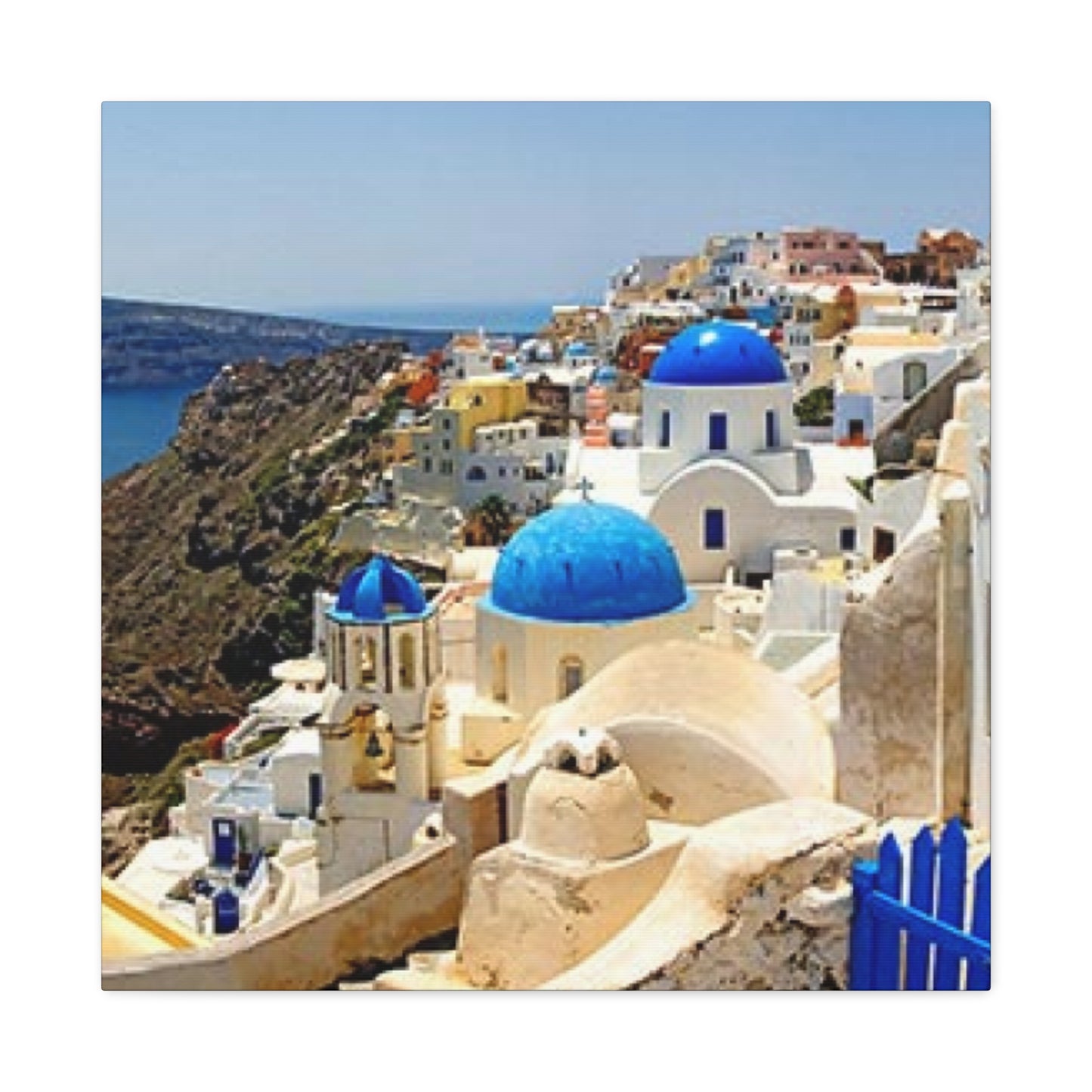
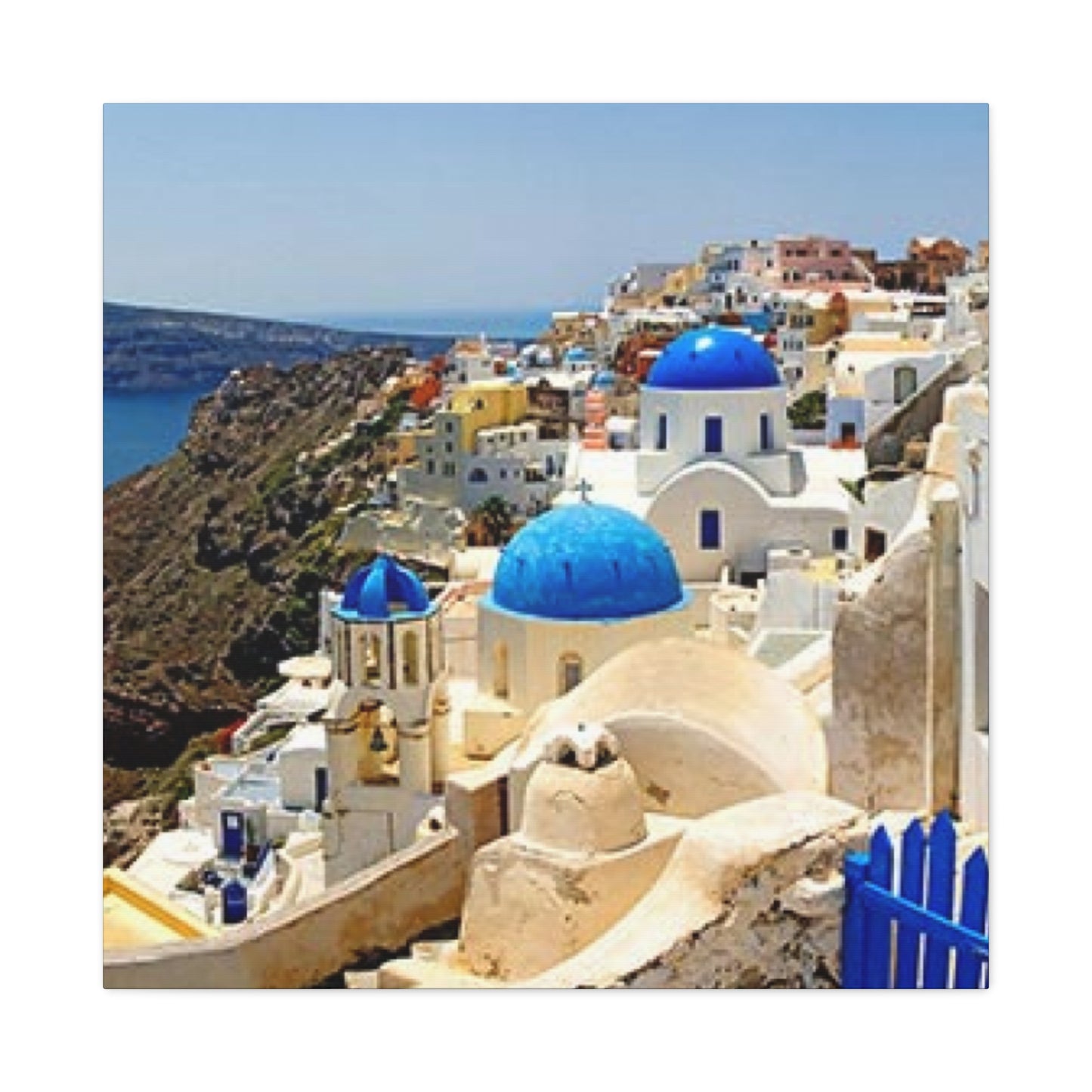
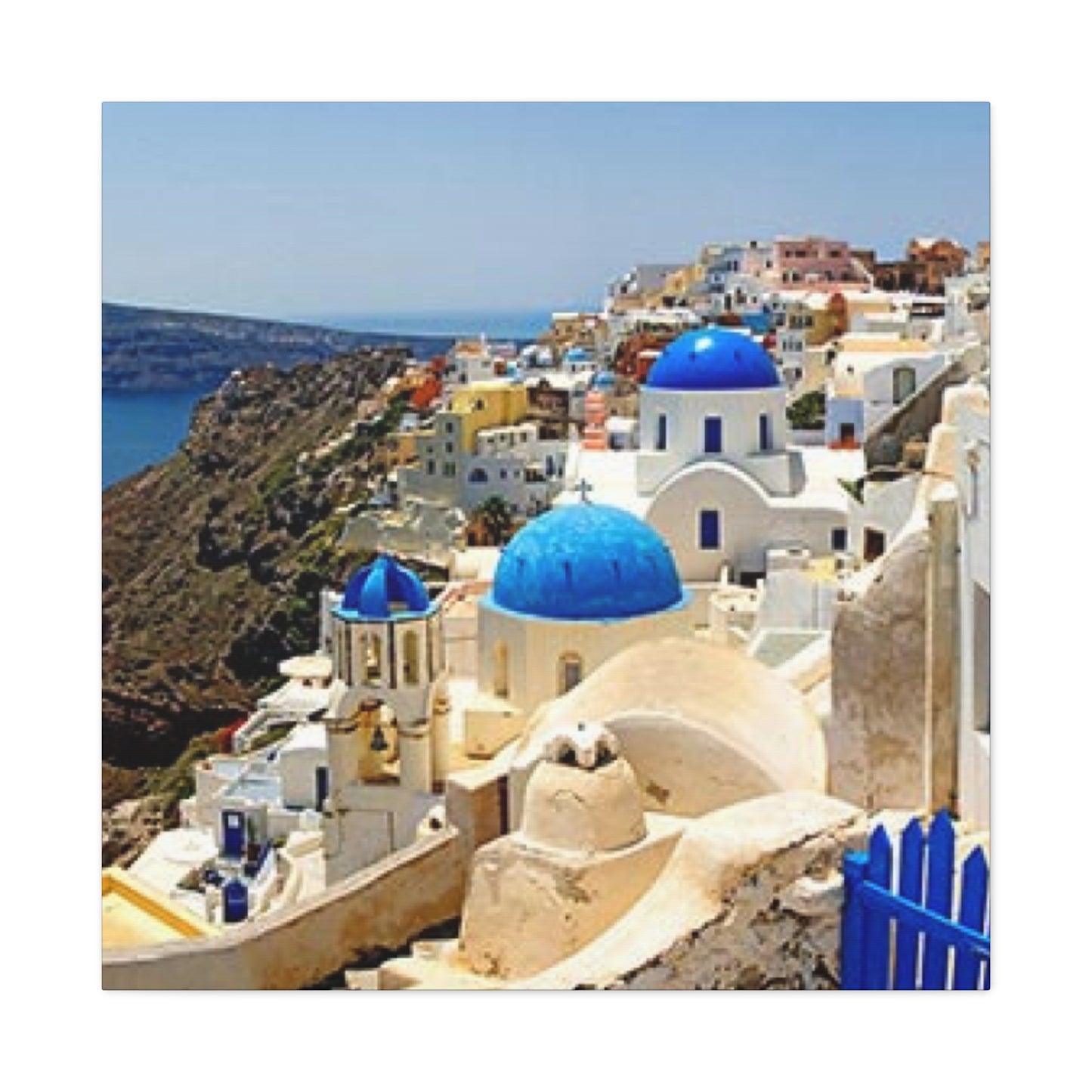
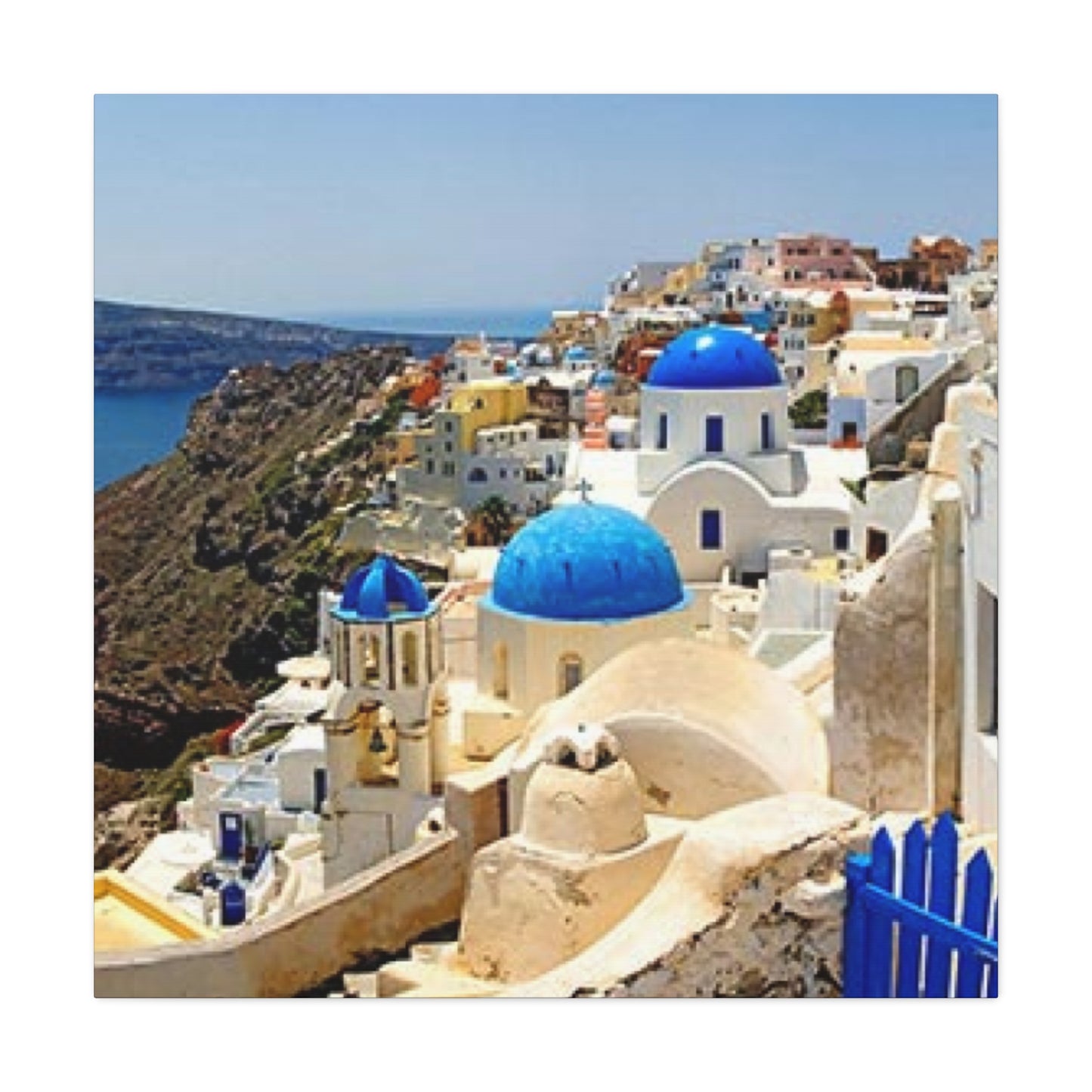
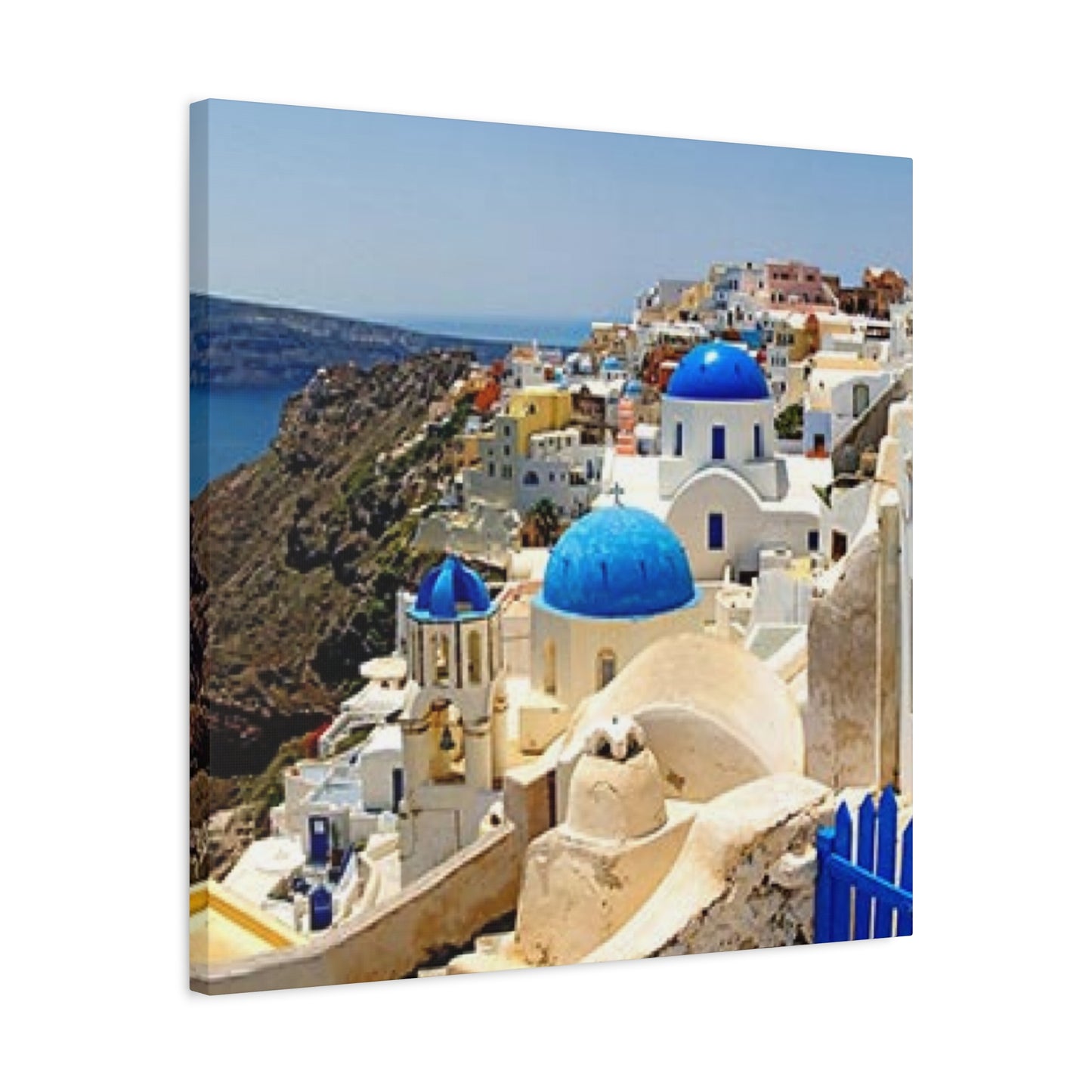
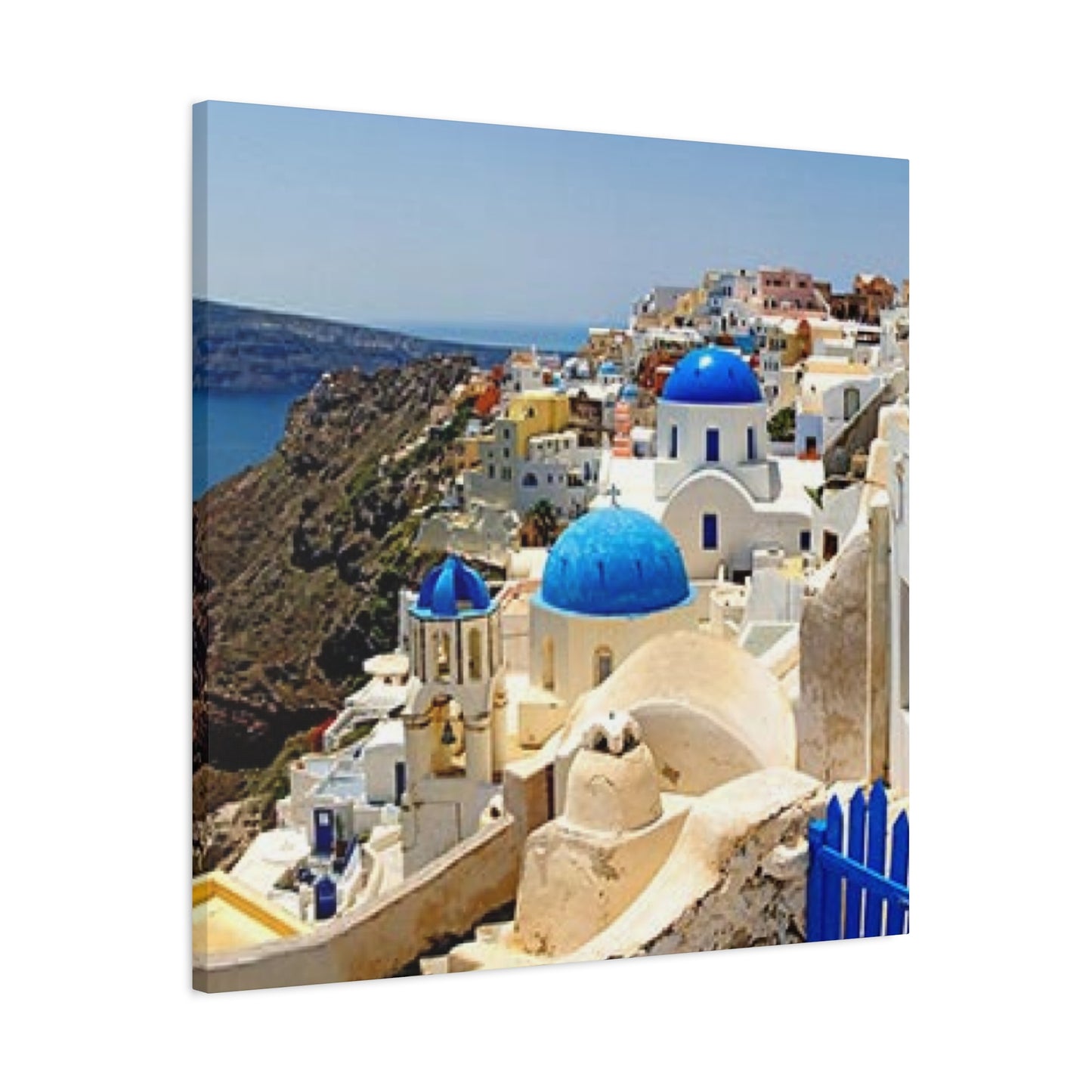
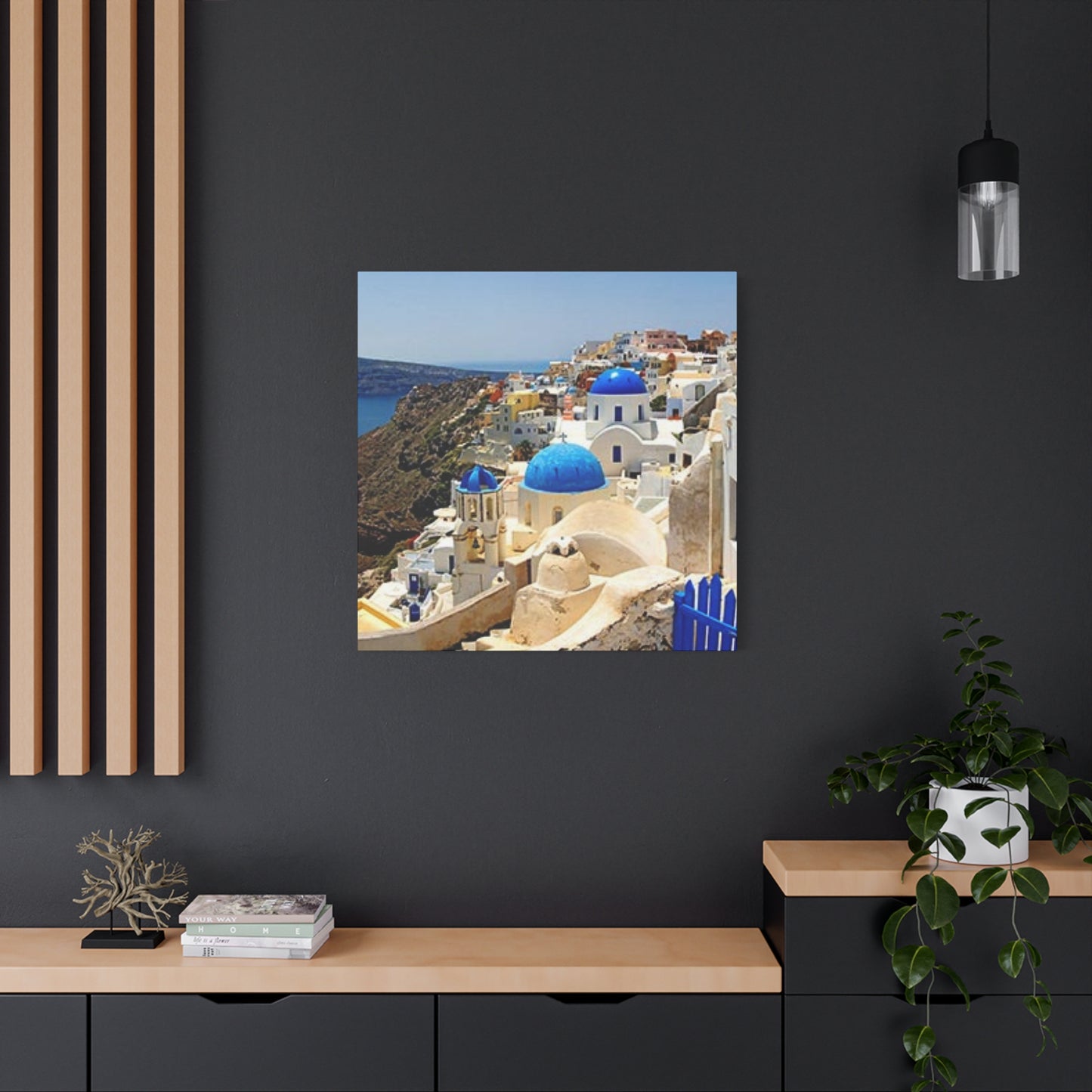
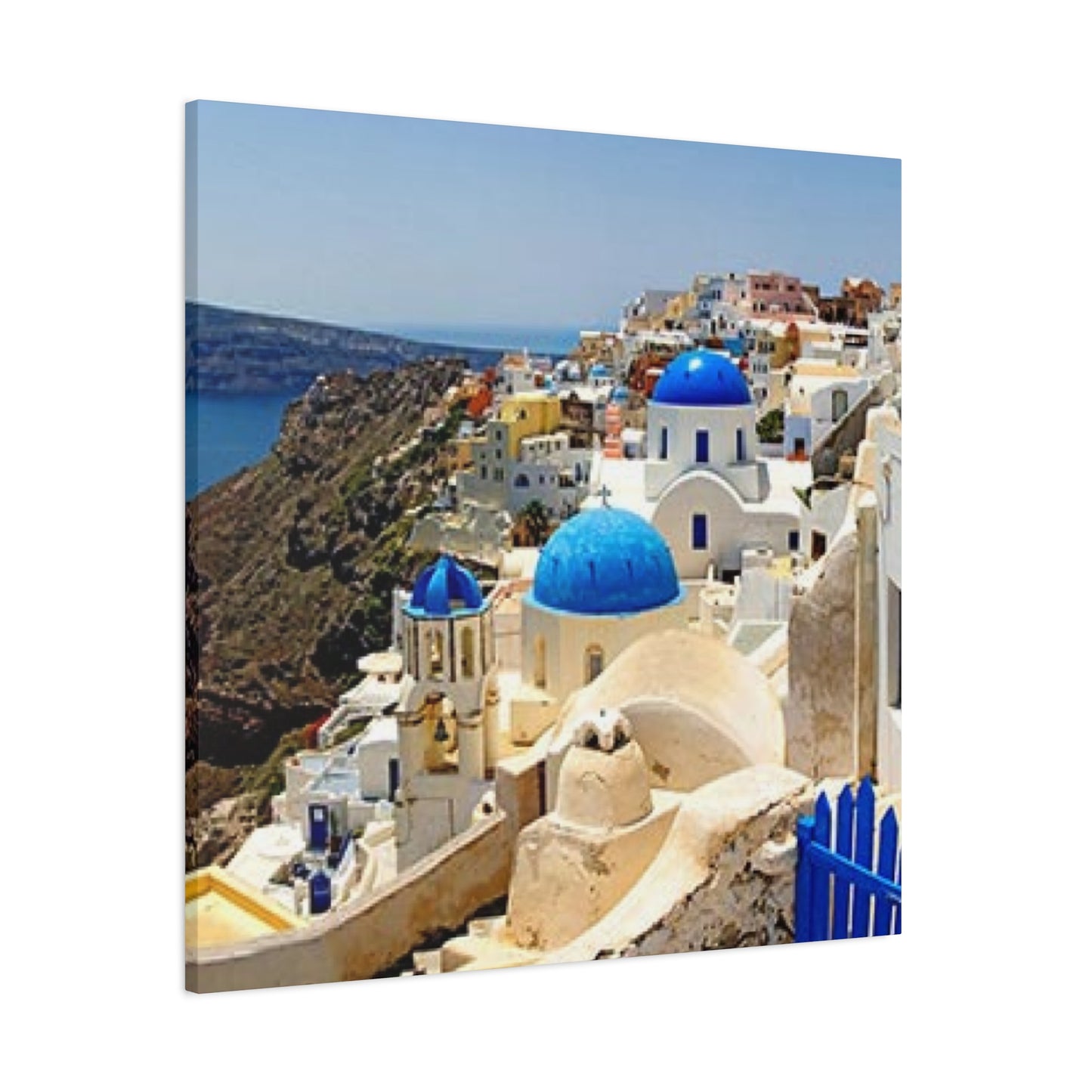
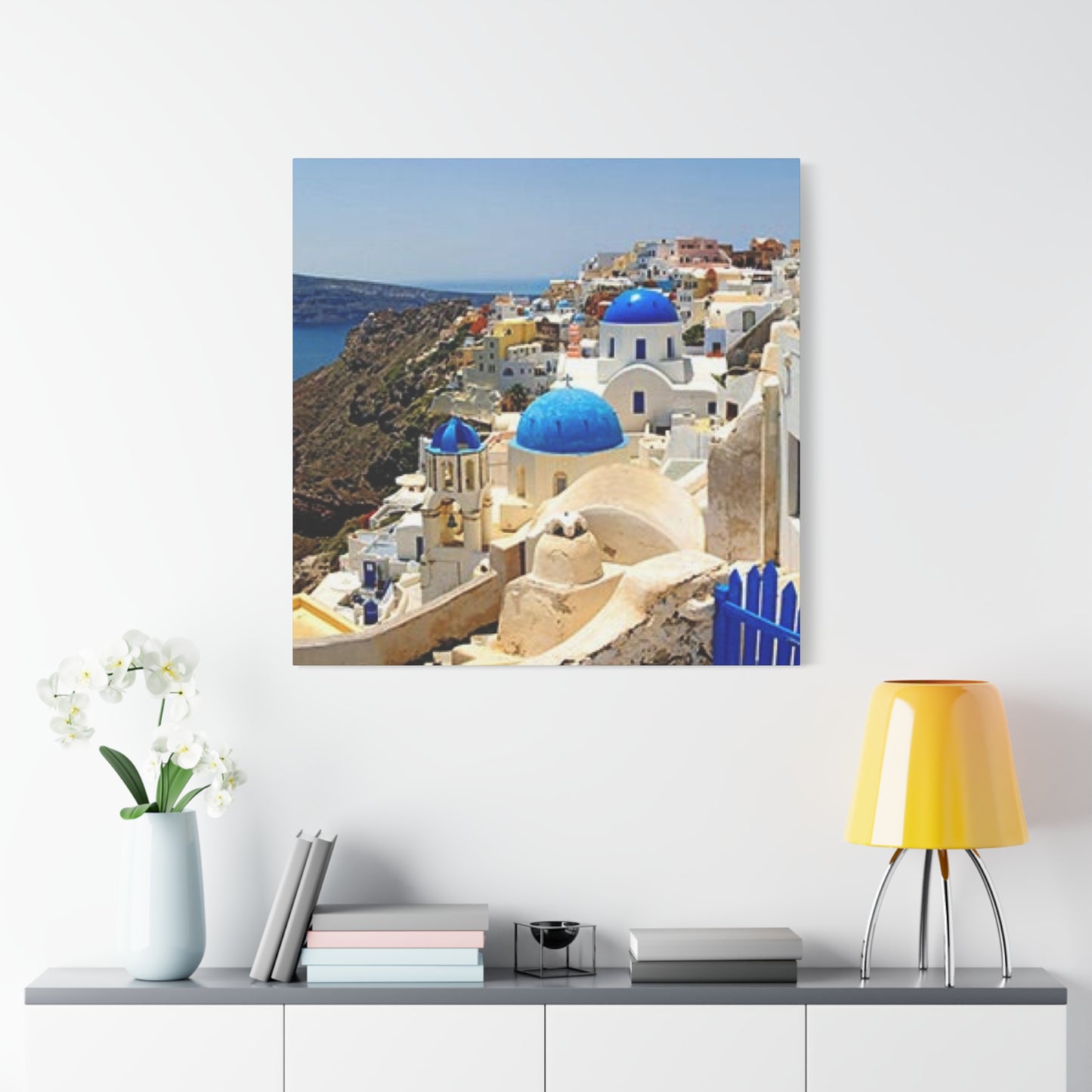
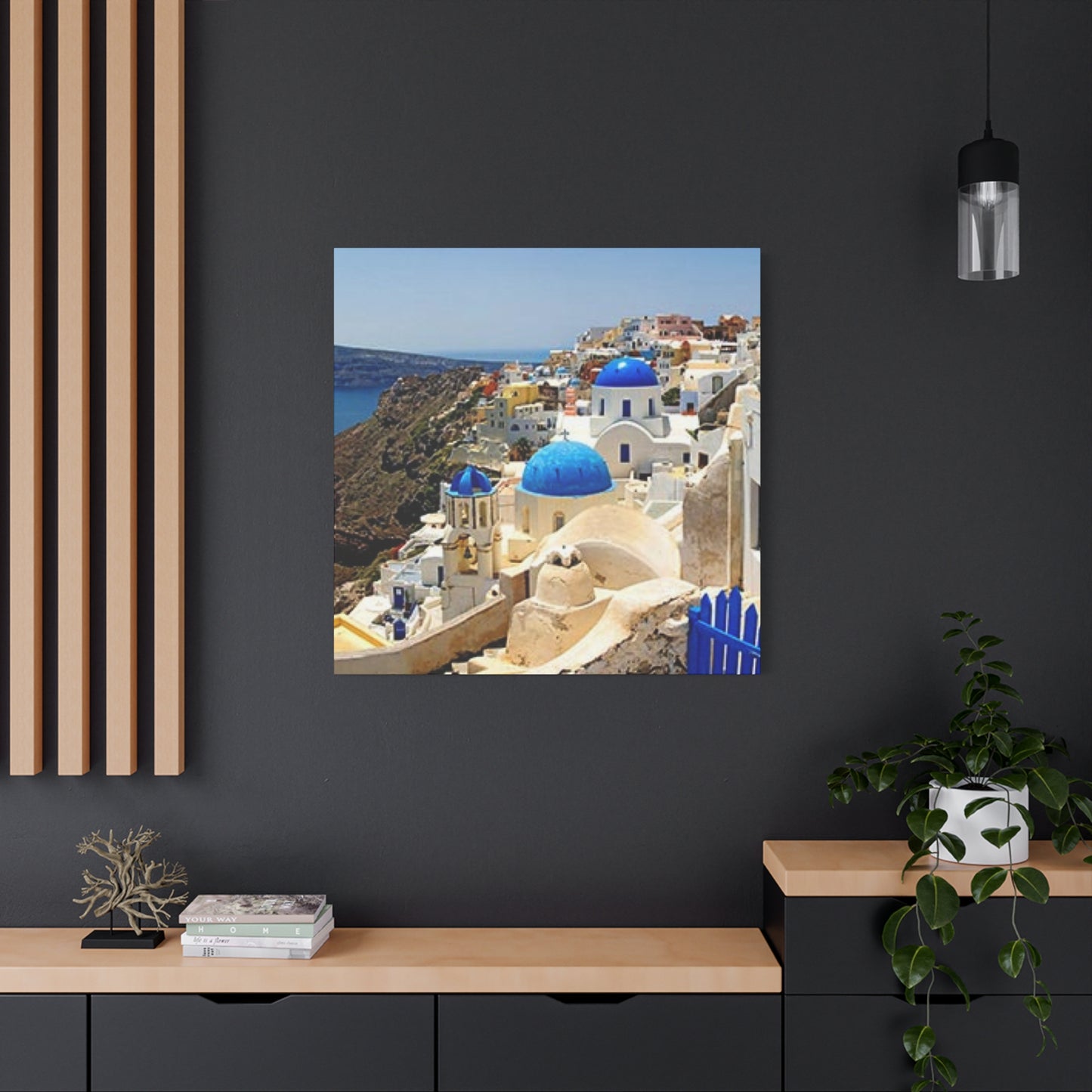
Architecture of Greece Wall Art & Canvas Prints
Architecture of Greece Wall Art & Canvas Prints
Couldn't load pickup availability
Exploring Ancient Hellenic Building Designs Through Decorative Architecture of Greece Wall Art Pieces
The timeless beauty of ancient Hellenic structures has captivated humanity for millennia, and today, this fascination continues through stunning decorative pieces that bring classical magnificence into modern living spaces. Architecture of Greece wall art serves as a bridge between contemporary interior design and the grandeur of civilization's most influential period, offering homeowners and art enthusiasts a tangible connection to the architectural marvels that shaped Western culture.
The enduring appeal of classical Hellenic structures in modern decorative schemes stems from multiple profound factors that resonate with today's design-conscious consumers. These magnificent columns, pediments, and temple facades represent more than mere aesthetic choices; they embody ideals of democracy, philosophy, and artistic excellence that remain relevant in our current era.
When individuals select architecture of Greece wall art for their homes or offices, they're making a statement about their appreciation for timeless beauty and intellectual sophistication. The clean lines, mathematical precision, and harmonious proportions found in Doric, Ionic, and Corinthian columns create visual balance that complements both minimalist contemporary spaces and richly decorated traditional rooms.
The symbolic weight carried by these structures cannot be understated. The Parthenon, for instance, represents not just architectural achievement but also the birth of democratic governance and philosophical inquiry. When reproduced as decorative pieces, these images carry forward their original meanings while adapting to modern contexts. A carefully selected piece depicting the Temple of Athena Nike or the Erechtheion can transform an ordinary room into a space that celebrates human achievement and artistic vision.
Furthermore, the versatility of Hellenic architectural motifs allows them to harmonize with diverse design philosophies. Whether incorporated into neoclassical revival schemes, eclectic bohemian arrangements, or sleek contemporary settings, these images maintain their visual impact while adapting to surrounding elements. The neutral stone tones typical of ancient structures—warm beiges, cool grays, weathered whites—function as sophisticated neutrals that anchor color schemes without overwhelming other design elements.
Diverse Styles and Artistic Interpretations Available in Hellenic Architectural Decorative Pieces
The marketplace for architecture of Greece wall art encompasses an extraordinary range of artistic interpretations, each offering unique perspectives on classical forms. Understanding these variations helps consumers select pieces that authentically reflect their personal taste while honoring the original structures' integrity.
Photographic reproductions capture these monuments with documentary precision, showcasing weathered marble surfaces, intricate relief sculptures, and the play of Mediterranean sunlight across ancient stone. High-resolution photography reveals details often invisible to casual observers—the subtle variations in column fluting, the delicate carving work on friezes, and the natural patina that centuries of exposure have created. These pieces appeal to purists who value historical accuracy and appreciate the authentic textures of aged limestone and marble.
Watercolor interpretations offer a softer, more romantic vision of classical structures. Artists working in this medium capture the ethereal quality of ruins bathed in golden hour light, with pigments bleeding into one another to suggest the passage of time and the gradual reclamation of human constructions by nature. These pieces work particularly well in spaces seeking a gentle, contemplative atmosphere, where the architectural subject matter provides structure while the execution maintains delicacy.
Charcoal and graphite drawings emphasize the architectural elements' geometric purity and structural logic. By stripping away color and focusing on line, shadow, and form, these renditions highlight the mathematical principles underlying Hellenic design. Such pieces appeal to viewers with interests in geometry, engineering, or abstract composition, as they reduce complex structures to their essential components while maintaining recognizable forms.
Contemporary artists have also reimagined classical structures through modern lenses, creating abstract interpretations that deconstruct and reconstruct familiar forms. These pieces might isolate a single column capital, magnify a section of entablature decoration, or overlay classical elements with contemporary graphic design techniques. Such interpretations allow architecture of Greece wall art to function in ultramodern spaces where traditional reproductions might feel incongruous.
Mixed media pieces combine multiple techniques—perhaps layering photography with painted elements, adding metallic leaf accents to printed images, or incorporating textured materials that mimic weathered stone surfaces. These hybrid works offer dimensional interest and tactile appeal, creating focal points that command attention while maintaining thematic coherence with classical subjects.
Digital art has opened new frontiers for representing ancient structures, with artists creating hyper-realistic renders, stylized vector illustrations, or surreal composite images that place classical elements in unexpected contexts. Some digital artists experiment with color palettes never seen in traditional representations—jewel tones, neon accents, or monochromatic schemes—pushing boundaries while maintaining recognizable architectural forms.
Understanding the Symbolic Significance Behind Major Hellenic Architectural Monuments Featured in Decorative Art
Each major structure from ancient Hellas carries distinct symbolic weight and historical significance that enriches its representation in decorative form. Knowledgeable selection of architecture of Greece wall art allows homeowners to surround themselves with images that resonate on multiple levels beyond mere aesthetic appeal.
The Parthenon stands as the most iconic structure from this civilization, its image instantly recognizable worldwide. Dedicated to Athena Parthenos, patron deity of Athens, this temple represented the city-state's wealth, power, and cultural supremacy during the Golden Age. Modern representations of the Parthenon in decorative art carry forward themes of wisdom, strategic thinking, and civic pride. The building's sophisticated optical refinements—subtle curves built into seemingly straight lines to correct visual distortions—demonstrate an understanding of human perception that seems remarkably prescient.
The Temple of Poseidon at Sounion, perched dramatically on cliff edges overlooking the Aegean Sea, evokes themes of maritime power, adventure, and the human relationship with natural forces. Its isolated location and dramatic setting make it a favorite subject for photographers and painters seeking to capture the romantic aspect of ruins. Representations of this temple work particularly well in spaces where owners wish to emphasize themes of exploration, navigation through life's challenges, or the eternal struggle between civilization and wild nature.
The Theatre of Epidaurus represents another crucial aspect of Hellenic culture—the importance placed on dramatic performance, communal gathering, and acoustic engineering. This structure's remarkable preservation and continued use for performances demonstrate the durability of well-executed design principles. Architecture of Greece wall art featuring this semicircular structure appeals to those with interests in performing arts, public speaking, or the power of shared cultural experiences.
The Erechtheion, with its famous Porch of the Caryatids where sculpted female figures serve as architectural supports, represents the intersection of sculpture and architecture. These maiden columns embody ideals of grace under pressure, beauty serving structural purpose, and the elevation of human form to architectural element. Representations of the Caryatids particularly appeal to those interested in feminist interpretations of classical culture or the broader question of how societies represent gender through public monuments.
The Temple of Hephaestus, one of the best-preserved structures from this period, honors the deity of craftsmanship, metalworking, and practical arts. Unlike temples dedicated to more prominent deities, this structure celebrates the skilled laborers and artisans whose work made civilization possible. Modern reproductions of this temple carry themes of honest craftsmanship, the dignity of manual labor, and the beauty found in functional design.
The Propylaea, the monumental gateway to the Acropolis, represents thresholds, transitions, and the passage between secular and sacred spaces. Its architectural form—a structure designed specifically to frame and control the visitor's experience—speaks to the Hellenic understanding of how built environments shape human psychology and behavior. These gateway structures in decorative form work particularly well in entrance halls, transitional spaces, or areas where one wishes to emphasize the importance of crossing from one realm into another.
Materials and Production Methods Used in Creating High-Quality Hellenic Architectural Decorative Pieces
The quality of architecture of Greece wall art varies dramatically based on materials used and production methods employed. Discerning consumers benefit from understanding these technical aspects when evaluating potential purchases.
Canvas prints remain among the most popular formats for architectural imagery. Museum-quality giclée printing on cotton or linen canvas produces archival results that resist fading for decades when properly displayed. The canvas texture adds subtle dimensionality to images, with the weave pattern creating a surface that catches light in ways that flat paper cannot. Stretched canvas pieces arrive ready to hang, with edges either wrapped with the image continuing around sides or finished with solid colors for a gallery-style presentation.
Metal prints represent a more contemporary approach, with images infused directly into aluminum sheets through dye-sublimation processes. The resulting pieces possess extraordinary depth and vibrancy, with colors appearing to float within the metal surface itself. The reflective quality of the aluminum adds luminosity to architectural subjects, particularly effective for images featuring Mediterranean sunlight on pale stone. These prints resist moisture, scratches, and UV degradation better than most other formats, making them suitable for spaces with challenging environmental conditions.
Acrylic mounting creates sophisticated, gallery-quality presentations by sandwiching prints between clear acrylic sheets or mounting them behind single acrylic panes. Light passes through the acrylic layers, illuminating images from within and creating remarkable depth. The smooth, glossy surface of acrylic enhances color saturation and provides a contemporary aesthetic that works particularly well in modern spaces. The weight and substantiality of mounted pieces convey permanence and value.
Wood panel mounting offers organic warmth that complements architectural subjects. Images transferred onto prepared wood surfaces or mounted on wood substrates bring natural texture and earthy character to classical subjects. Some artists intentionally allow wood grain to show through, creating dialogue between natural materials and constructed forms. These pieces work exceptionally well in spaces incorporating natural elements, rustic themes, or organic modern design philosophies.
Framed prints provide traditional presentation methods that never go out of style. Quality framing dramatically impacts the final appearance of architecture of Greece wall art. Substantial frames with classical profiles complement the subject matter, while sleek contemporary frames create interesting juxtaposition between ancient subjects and modern presentation. Matting choices—single or double mats, neutral tones or contrasting colors—further customize the presentation to match specific decor schemes.
Paper selection for framed prints significantly affects image quality and longevity. Museum-grade fine art papers with high cotton content and neutral pH provide archival stability and rich tonal ranges. Some papers feature subtle textures that enhance the perception of aged surfaces, while others offer smooth, bright substrates that maximize color vibrancy. Matte surfaces reduce glare in brightly lit spaces, while glossy papers enhance color depth and contrast.
Three-dimensional representations push beyond flat surfaces to create sculptural wall pieces. Relief sculptures cast in polyresin, plaster, or lightweight concrete reproduce architectural details at scale, allowing viewers to appreciate the dimensional complexity of carved entablatures, column capitals, or frieze sections. These pieces bridge the gap between flat decorative art and full sculpture, offering tactile interest and dramatic shadow play as lighting changes throughout the day.
Hand-painted reproductions on various substrates represent the most labor-intensive option. Skilled artists recreate photographic or original compositions using oil paints, acrylics, or watercolors, resulting in unique pieces with visible brushwork and artistic interpretation. While more expensive than printed alternatives, these one-of-a-kind creations offer authenticity and personal connection impossible to replicate through mechanical reproduction.
Selecting Appropriate Sizes and Scales for Different Living Spaces and Commercial Environments
Proper scaling of architecture of Greece wall art critically impacts its effectiveness within a space. Understanding proportional relationships between artwork and surrounding architectural elements guides successful selection decisions.
Large statement pieces measuring five feet or more in width command attention in spacious areas with high ceilings and generous wall expanses. Expansive rooms in open-concept homes, formal living rooms, or commercial lobbies benefit from oversized pieces that match the scale of the surrounding architecture. When selecting pieces for these applications, consider the viewing distance—artwork in large spaces often requires bolder compositions and simplified details that remain legible from across the room.
Grand foyers and entrance halls particularly suit monumental architectural subjects rendered at impressive scales. A sweeping panorama of the Acropolis or a dramatic detail of massive columns creates immediate impact, setting the tone for spaces beyond. These locations provide ideal opportunities for architecture of Greece wall art to make powerful first impressions, communicating the homeowner's aesthetic values before visitors penetrate deeper into the residence.
Medium-sized pieces ranging from two to four feet in width offer versatility for most residential applications. These dimensions work above sofas, beds, console tables, and fireplace mantels—the locations where most homeowners seek focal point artwork. At this scale, viewers can appreciate detail from normal conversation distances while the piece maintains sufficient presence to anchor furniture groupings and command its wall space effectively.
Dining rooms benefit particularly from medium-scaled architectural subjects. The formal character of classical structures complements the ceremonial nature of dining spaces, while the neutral tones typical of stone architecture coordinate easily with diverse table settings and decor styles. Positioning such pieces where they're visible from the dining table provides contemplative focal points during meals, encouraging conversation about art, history, and design.
Bedroom applications often work best with slightly smaller scales that maintain presence without overwhelming the restful character appropriate to sleeping spaces. Pieces measuring eighteen to thirty inches in key dimensions provide sufficient visual interest above dressers or on feature walls without creating the stimulation that might interfere with relaxation. The contemplative nature of ruins and ancient structures suits bedrooms' introspective character.
Small-scale pieces measuring under two feet in key dimensions excel in intimate spaces, hallway arrangements, or as components of gallery walls. These modest dimensions allow for closer viewing, making them ideal for showcasing pieces with exceptional detail—perhaps close-up studies of carved architectural ornament or intimate views of weathered columns. Small pieces also offer accessible price points for beginning collectors or those wishing to establish architectural themes without major investments.
Gallery wall arrangements allow for creative combinations of various sizes, creating dynamic compositions from multiple related pieces. A collection of architecture of Greece wall art in varied scales might trace different views of a single monument, compare various structural types, or present a visual essay on architectural elements like columns, capitals, or pediments. Careful planning of spacing, frame consistency, and compositional flow transforms individual pieces into cohesive installations greater than the sum of their parts.
Commercial spaces present unique scaling challenges based on viewing distances and the need to maintain brand identity while creating welcoming environments. Law offices, financial institutions, and consulting firms often select architectural imagery for its associations with stability, lasting value, and intellectual substance. In reception areas where visitors may wait for extended periods, multiple medium to large pieces create interest without requiring the intimacy that singular monumental works demand.
Restaurant and hospitality environments might embrace more dramatic scaling strategies, using architecture of Greece wall art as defining design elements that establish Mediterranean themes or classical elegance. A Greek restaurant might feature wall-sized murals of the Parthenon or Delphi, immersing diners in cultural context that enhances their culinary experience. Hotel lobbies serving as transitional spaces between exterior and interior worlds find natural alignment with gateway structures like the Propylaea.
Color Palette Considerations When Incorporating Ancient Hellenic Structures Into Modern Decor Schemes
The chromatic character of architecture of Greece wall art significantly influences its compatibility with existing interior design schemes. Understanding the color relationships between architectural subjects and surrounding environments guides successful integration.
The natural palette of weathered marble and limestone ranges from warm cream and honey tones through neutral grays to cool blue-grays, providing inherent versatility. These stonework colors function as sophisticated neutrals that anchor spaces without competing with bolder accent colors in furnishings, textiles, or accessories. This neutral character makes architectural subjects particularly valuable for homeowners who frequently update accent colors seasonally or according to changing tastes.
Mediterranean sky tones frequently appearing in architectural photography—azure blues, cerulean depths, and pale robin's egg shades—introduce cool notes that balance warmer interior palettes. These blue backgrounds complement coastal themes, nautical decor, and schemes emphasizing tranquility and openness. The combination of warm stone and cool sky creates inherent color balance within the artwork itself, requiring less careful coordination with surrounding elements.
Sunset and sunrise imagery featuring ancient ruins bathes classical forms in warm golden, orange, and pink tones that dramatically shift the emotional register. These warmer interpretations suit spaces with existing warm palettes, traditional decor featuring woods and earth tones, or rooms where owners seek to create cozy, inviting atmospheres. The romance of ruins in glowing light appeals to those who appreciate the passage of time and the beauty of impermanence.
Black and white representations strip away color entirely, focusing attention on form, light, shadow, and texture. These monochromatic interpretations offer maximum flexibility for coordination with any color scheme while introducing graphic punch and dramatic contrast. Black and white architecture of Greece wall art works particularly well in modern minimalist spaces, where the simplified palette reinforces clean design principles.
The absence of color in monochromatic pieces also allows architectural forms themselves to take precedence, emphasizing the mathematical precision and geometric beauty that made these structures revolutionary. For viewers particularly interested in design principles rather than decorative effects, removing color eliminates distraction and focuses attention on compositional elements.
Sepia and warm gray tones create nostalgic, vintage character that suits traditional decor schemes, libraries, studies, and spaces with historical character. These antiqued colorations reinforce the age and heritage of architectural subjects, creating visual consistency between ancient subject matter and aged presentation. The warm, faded quality of sepia tones introduces softness that prevents stark contrast from becoming jarring.
Some contemporary artists reimagine classical structures in unexpected color palettes—jewel tones, pastels, or bold primary colors—that dramatically transform familiar forms. These unconventional colorations allow architecture of Greece wall art to function in spaces with strong color themes that might be overwhelmed by traditional neutral stone imagery. A Parthenon rendered in emerald and sapphire tones, for instance, might coordinate beautifully with a room featuring similar jewel-tone accents in upholstery and accessories.
Metallic accents—gold leaf highlights, silver details, or bronze toning—add luxurious dimensions to architectural subjects. These reflective elements catch and play with light, creating dynamic viewing experiences that change as natural light shifts throughout the day or as artificial lighting illuminates spaces during evening hours. Metallic touches particularly suit formal spaces, dining rooms, or any environment where elegance and sophistication rank as design priorities.
When selecting pieces for specific rooms, consider how natural light affects color perception. South-facing rooms with abundant warm sunlight intensify warm tones while potentially washing out cooler colors. North-facing spaces with cooler, more consistent light enhance cool tones and create different moods. The same piece of architecture of Greece wall art may appear quite different in various lighting conditions, making it valuable to view options in conditions similar to intended display locations when possible.
Combining Classical Hellenic Architectural Imagery With Contemporary Furniture and Decor Elements
Successfully integrating architecture of Greece wall art into modern living spaces requires understanding how to create dialogue between ancient subjects and contemporary furnishings without creating dissonant clashes or period confusion.
Mid-century modern furniture with its clean lines, organic forms, and emphasis on function pairs surprisingly well with classical architectural imagery. Both design philosophies value honest expression of materials, proportional relationships, and human scale. A sleek Eames lounge chair positioned beneath a photograph of the Parthenon creates interesting temporal juxtaposition while maintaining coherent design logic. The neutral palette typical of both mid-century pieces and stone architecture facilitates natural coordination.
Minimalist contemporary spaces with their emphasis on uncluttered surfaces, negative space, and carefully curated elements find natural allies in architectural subjects. A single powerful image of ancient columns against empty wall expanses embodies minimalist principles while introducing historical depth. The restraint inherent in displaying one carefully chosen piece echoes ancient philosophical principles of moderation and thoughtful selection over accumulation.
Industrial loft spaces with exposed brick, concrete surfaces, and metal elements create interesting dialogues with classical stone structures. Both aesthetic approaches celebrate honest materials, structural expression, and the beauty of aging and weathering. The contrast between industrial-era factory architecture and classical temple design tells stories about human shelter and monument-building across millennia. Architecture of Greece wall art in such spaces provides refined counterpoint to raw industrial elements.
Scandinavian-inspired interiors with their light woods, white walls, and emphasis on natural light and simplicity accommodate classical architectural imagery naturally. The Scandinavian principle of hygge—creating cozy, comfortable, content environments—aligns with the contemplative nature of ancient ruins. The neutral palette typical of Scandinavian design harmonizes effortlessly with stone tones in architectural photography.
Bohemian eclectic spaces that layer patterns, textures, and cultural influences can incorporate architecture of Greece wall art as grounding classical elements within diverse collections. The historical weight of ancient structures provides visual anchors that prevent eclectic arrangements from feeling chaotic or directionless. Classical imagery introduces Western cultural lineage into collections that might also include textiles from various traditions, creating truly global interiors.
Transitional design—bridging traditional and contemporary aesthetics—finds ideal expression through classical architectural subjects. These ancient structures themselves represent transitions between even earlier construction methods and revolutionary new approaches. Displaying them in spaces that similarly negotiate between design eras creates thematic consistency. Transitional furniture with both classical proportions and contemporary simplicity particularly suits rooms featuring architecture of Greece wall art.
Glamorous Hollywood Regency style with its metallic accents, luxurious materials, and dramatic flair can incorporate classical architecture through more ornate interpretations. Gilded frames, prints on metallic substrates, or pieces emphasizing the golden-hour glow on ancient marble reinforce the luxurious character while maintaining classical references. The inherent grandeur of major temples aligns perfectly with Hollywood Regency's celebration of glamour and visual impact.
Coastal and nautical themes naturally pair with Mediterranean architectural subjects. Many famous Hellenic structures overlook seas or situate on coastal sites, making them thematically appropriate for beach houses, lake homes, or urban apartments seeking to evoke seaside serenity. The blues of Mediterranean waters and skies coordinate effortlessly with coastal color palettes, while weathered stone echoes the worn surfaces of driftwood and beach stones.
Regional Variations in Ancient Hellenic Architectural Styles and Their Representation in Decorative Art
The civilization that developed across the Mediterranean produced diverse architectural expressions based on regional resources, local traditions, and specific cultural contexts. Understanding these variations enriches appreciation of architecture of Greece wall art and guides selection toward pieces reflecting particular aesthetic preferences.
Athenian structures from the classical period represent the pinnacle of refined proportions, optical corrections, and sculptural decoration. The Parthenon and other Acropolis structures epitomize this Athenian perfection, with their sophisticated mathematical relationships and exquisite marble carving. Decorative pieces featuring these monuments appeal to those who value precision, intellectual rigor, and the heights of artistic achievement.
Doric order architecture, characterized by sturdy, simple columns with plain capitals and no bases, developed in the Peloponnesian regions and represents the earliest and most austere of the classical orders. The Temple of Hera at Olympia exemplifies early Doric character with its powerful, muscular proportions. Modern reproductions of Doric structures appeal to those preferring strength, simplicity, and masculine energy in their design choices.
Ionic order structures, featuring slender, more elegant columns with scroll-like volute capitals and continuous decorative friezes, originated in the eastern Aegean and Ionian coast. The Temple of Athena Nike and the Erechtheion on the Acropolis demonstrate Ionic refinement and decorative richness. Architecture of Greece wall art featuring Ionic structures suits those preferring grace, elaboration, and feminine elegance over austere simplicity.
Corinthian order capitals, the most elaborate of the three orders with their acanthus leaf decorations, represent later developments reflecting increasing decorative ambitions. The Temple of Olympian Zeus in Athens, completed in Roman times but begun centuries earlier, showcases Corinthian opulence. These ornate capitals appeal to maximalists and those who appreciate intricate detail and visual complexity.
Colonial structures built by settlers in Sicily, southern Italy, and other Mediterranean sites developed regional characteristics influenced by local materials and cultural mixing. Temples at Paestum and Agrigento demonstrate how classical forms adapted to new contexts. Imagery of these colonial sites appeals to those interested in cultural exchange, diaspora experiences, and architectural adaptation to new environments.
Hellenistic structures from the period following Alexander's conquests show increasing theatricality, emotional expressiveness, and scale. The Altar of Pergamon with its dramatic sculptural program exemplifies Hellenistic ambitions. These more emotionally charged monuments appeal to viewers who prefer drama and dynamic energy over classical restraint and balance.
Structures built for specific purposes—theaters, stadia, bouleuteria (council houses), stoas (covered walkways)—demonstrate the civilization's architectural versatility beyond temple construction. The Theater of Epidaurus, the Stadium at Olympia, and various surviving stoas show how design principles adapted to functional requirements. Decorative pieces featuring these structures appeal to those interested in how form serves function, the origins of building types still in use today, or specific aspects like performance venues or commercial architecture.
Funerary monuments and tombs, particularly the elaborate Macedonian tombs with painted interiors, represent another architectural category. These structures, designed to house the dead and facilitate ancestor veneration, demonstrate beliefs about afterlife and commemoration. Architecture of Greece wall art featuring these monuments suits those with interests in mortality, memorial practices, or the intersection of architecture and belief systems.
Fortification walls and defensive structures, though less commonly represented in decorative art, demonstrate another crucial building type. The walls of Mycenae with their famous Lion Gate show early defensive architecture that influenced later developments. These martial structures appeal to those interested in military history, the relationship between architecture and security, or the power dynamics underlying monumental construction.
Curatorial Strategies for Creating Gallery Wall Arrangements Featuring Multiple Architectural Subjects
Assembling multiple pieces of architecture of Greece wall art into coherent gallery wall arrangements allows for more complex storytelling and visual interest than single pieces can provide. Thoughtful curation transforms individual images into meaningful collections.
Chronological arrangements trace architectural evolution from Mycenaean citadels through Archaic, Classical, and Hellenistic periods, creating educational displays that illustrate stylistic development over centuries. This approach appeals to history enthusiasts and those who appreciate understanding how design evolves in response to changing cultural values, technical capabilities, and aesthetic preferences. Beginning with earlier, simpler structures and progressing toward more refined or elaborate later works creates a visual narrative about human development and increasing sophistication.
Typological groupings organize pieces by building type—temples in one cluster, theaters in another, civil structures in a third—allowing viewers to compare how design principles adapted to different functional requirements. This curatorial strategy emphasizes the versatility of classical design vocabulary and demonstrates how the same culture approached diverse architectural challenges. Such arrangements work particularly well in spaces where occupants have specialized interests in particular building types.
Elemental studies focus on specific architectural components across multiple structures. A collection might examine column capitals exclusively, comparing Doric, Ionic, and Corinthian examples, or might study how different structures handled entrance gateways. This analytical approach appeals to architects, designers, and others with technical interests in how design details contribute to overall architectural character. Close-up details revealing carving quality, weathering patterns, and constructional logic work particularly well in these focused collections.
Geographic groupings organize pieces by location, perhaps featuring multiple views of the Athenian Acropolis, structures from Delphi, or monuments scattered across the Peloponnese. This regional focus creates virtual visits to specific sites, appealing to travelers who've visited these locations and wish to preserve memories, or to those planning future journeys who want to familiarize themselves with destinations. Geographic arrangements naturally incorporate varied building types while maintaining locational coherence.
Seasonal or temporal variations show the same structures under different lighting conditions or at various times of day. Morning light, midday sun, golden hour glow, and moonlit night views of a single monument create dynamic sequences that emphasize how natural light transforms architectural perception. This poetic approach suits contemplative spaces and appeals to photographers, artists, and those particularly attuned to natural phenomena.
Detail and context pairings combine sweeping panoramic views with intimate close-up details of the same structures. A wide shot establishing the Parthenon's setting on the Acropolis might pair with detailed views of its sculptural friezes, column capitals, or individual caryatids. This strategy satisfies both those who appreciate overview perspectives and those who prefer examining fine details, creating complete visual documentation within a single gallery arrangement.
Color-coordinated collections might assemble pieces sharing similar tones—all golden hour images, all blue-sky summer views, or all muted gray overcast interpretations. This chromatic consistency creates visual harmony while allowing subject variety. Such arrangements work particularly well when matching specific color schemes within a room, ensuring the entire gallery wall functions as a unified design element supporting broader decorative goals.
Mixed media collections combine photographic reproductions with watercolors, drawings, prints, and perhaps three-dimensional relief sculptures, creating textural and stylistic variety while maintaining thematic coherence around architecture of Greece wall art. This approach prevents visual monotony that might occur with multiple pieces in identical media, instead offering diverse interpretive approaches to common subjects.
Symmetrical arrangements with central focal pieces flanked by balanced side elements create formal, classical compositions that echo the symmetry inherent in much Hellenic architecture. This traditional hanging approach suits formal spaces and reinforces the orderly, proportional character of the architectural subjects. Central pieces typically dominate in scale or visual impact, with surrounding elements supporting rather than competing.
Asymmetrical arrangements with varied sizes and off-center compositions create more dynamic, contemporary groupings. This approach allows for more flexibility and can make collections feel organic rather than forced. Asymmetry works particularly well in casual spaces and with mixed media collections where pieces have different physical characteristics requiring unique accommodation.
Lighting Strategies to Showcase Hellenic Architectural Artwork and Maximize Visual Impact
Proper illumination dramatically affects how architecture of Greece wall art appears and how effectively it functions within a space. Strategic lighting elevates presentation from adequate to exceptional.
Picture lights mounted directly above frames provide dedicated illumination specifically designed for artwork. These fixtures cast light downward across the image surface, highlighting details while minimizing glare. Adjustable picture lights allow for customization based on frame size and mounting height. The warm glow of brass or bronze picture lights particularly suits classical subjects, creating cohesive aesthetic relationships between fixture and content.
Track lighting systems offer flexibility for illuminating multiple pieces or adjusting focus as collections change. Directional track heads can spotlight individual pieces within gallery wall arrangements, creating hierarchy and guiding viewer attention. LED track systems provide energy efficiency and produce minimal heat, preventing damage to artwork from prolonged exposure to hot fixtures.
Recessed ceiling spotlights maintain clean, minimalist aesthetics while providing effective illumination. Adjustable recessed fixtures can angle light toward wall-mounted pieces from ceiling positions, creating dramatic highlighting without visible hardware. This approach works particularly well in contemporary spaces where visible fixtures might conflict with minimalist design philosophies.
Wall washers create even illumination across entire walls, providing ambient light that showcases artwork without harsh spotlighting. This gentler approach works well for collections of multiple pieces where individual highlighting might create chaotic lighting patterns. Wall washing maintains consistent visibility while allowing pieces to remain integrated within overall room design rather than jumping forward as isolated focal points.
Natural light presents both opportunities and challenges for architecture of Greece wall art. Rooms with abundant daylight showcase pieces in constantly changing illumination, creating dynamic viewing experiences as sun angles shift throughout the day. However, direct sunlight can cause fading over time, particularly with prints on paper or canvas. UV-filtering glazing on framed pieces or UV-filtering window films protect against degradation while allowing natural light to illuminate spaces.
Positioning pieces to catch morning or afternoon light without receiving direct midday sun provides optimal natural illumination. East-facing walls receive gentle morning light that can beautifully illuminate architectural subjects as spaces awaken. West-facing walls catch warm afternoon and evening light that bathes imagery in golden tones complementing the often golden-hour photography of Mediterranean monuments.
Accent lighting from table or floor lamps positioned near artwork can provide supplementary illumination during evening hours. Uplighting a piece from a console table below creates dramatic effects, casting light upward across architectural subjects in ways that emphasize their vertical elements and create interesting shadow patterns. This lighting direction differs from typical overhead sources, offering variety and emphasizing different aspects of the imagery.
Backlighting—placing LED strips behind canvas or acrylic prints—creates glowing effects that make pieces appear luminous rather than reflective. This contemporary approach works particularly well with translucent mounting materials and in spaces with low ambient light where such dramatic presentation suits the overall atmosphere. Backlit architecture of Greece wall art becomes sculptural, creating dimensional presence beyond typical flat artwork.
Dimmer controls allow for lighting adjustment based on time of day, activity, and mood preferences. Bright illumination during daytime hours ensures visibility and engagement with artwork, while dimmed evening lighting creates subtler, more atmospheric effects. The ability to customize lighting intensity prevents pieces from either disappearing in insufficient light or overwhelming spaces with excessive brightness.
Color temperature considerations affect how architecture of Greece wall art appears under artificial illumination. Warm white light (2700-3000K) enhances the golden tones in sunset imagery and creates cozy, inviting atmospheres but may muddy cooler blue tones. Cool white light (4000-5000K) provides clarity and crispness that suits detailed images and contemporary spaces but may feel harsh in traditional or intimate environments. Neutral white (3500K) offers compromise, rendering most colors accurately without strong warm or cool bias.
Protecting and Preserving Architectural Artwork From Environmental Damage and Deterioration
Proper care ensures that architecture of Greece wall art maintains its beauty and value for decades. Understanding preservation principles protects investments and prevents premature deterioration.
UV protection stands as the primary concern for preserving printed, painted, or photographic artwork. Ultraviolet radiation from sunlight and some artificial sources causes irreversible fading, color shifts, and material breakdown. UV-filtering glazing for framed pieces blocks harmful wavelengths while remaining transparent to visible light. This specialized glazing, available in both regular glass and lightweight acrylic, provides museum-level protection while maintaining clarity.
Conservation-grade framing materials prevent chemical damage to artwork. Acid-free mats, backing boards, and mounting materials maintain neutral pH that won't degrade paper or fabric over time. Acidic materials leach chemicals that discolor, weaken, and ultimately destroy organic artwork substrates. When investing in quality architecture of Greece wall art, equally investing in quality framing ensures the piece survives for future generations.
Climate control maintains stable temperature and humidity levels that prevent warping, mold growth, and material degradation. Extreme fluctuations stress artwork substrates, causing expansion and contraction that leads to cracking, buckling, or separation between layers. Maintaining relative humidity between 40-50% and avoiding temperature swings greater than 10 degrees protects most artwork effectively. Avoid hanging pieces near heating vents, air conditioning registers, fireplaces, or exterior doors where conditions fluctuate dramatically.
Distance from environmental hazards prevents damage from predictable sources. Hanging artwork away from cooking areas protects from grease and smoke deposits. Avoiding bathroom locations prevents moisture exposure that promotes mold and warps substrates. Keeping pieces away from high-traffic areas where they might suffer physical impacts preserves both artwork and frames.
Regular cleaning with appropriate methods maintains appearance without causing damage. Dusting glass or acrylic glazing with clean, soft, lint-free cloths removes accumulated particles. Avoiding cleaning products containing ammonia or other harsh chemicals prevents damage to both glazing and artwork. For unglazed canvas or other exposed artwork, gentle feather dusters remove surface dust without applying pressure that might damage delicate surfaces.
Professional conservation services address significant damage or deterioration beyond casual owner capabilities. Conservators trained in artwork preservation can repair tears, stabilize flaking media, remove stains, and address structural issues with appropriate materials and techniques. When architecture of Greece wall art represents significant financial or sentimental investment, professional intervention often proves more economical than replacement while preserving original integrity.
Rotation strategies for collectors with multiple pieces prevent continuous exposure of individual works to environmental stresses. Periodically rotating pieces between display and storage allows ongoing enjoyment of diverse collection elements while sharing exposure among multiple works. This practice particularly benefits collectors displaying pieces in challenging locations where some environmental compromise proves unavoidable.
Final Thoughts
Exploring Ancient Hellenic Building Designs Through Decorative Architecture of Greece Wall Art Pieces offers a profound glimpse into the grandeur and lasting influence of ancient Greek architecture. Known for its timeless beauty, symmetry, and classical proportions, Greek architectural design laid the foundation for much of Western architecture. The decorative architecture of Greece wall art showcases these monumental designs in a way that allows us to appreciate not only their visual appeal but also their deep historical significance. From the graceful columns of the Parthenon to the iconic temple facades, these art pieces are a tribute to the achievements of an ancient civilization that continues to inspire architects, artists, and designers around the world.
Greek architecture is celebrated for its emphasis on harmony, balance, and proportion. The use of columns—whether Doric, Ionic, or Corinthian—demonstrates the Greeks' dedication to beauty through mathematical precision. By incorporating elements of these architectural forms into wall art, artists capture the elegance and permanence of Greece’s most celebrated structures. Decorative architecture of Greece wall art pieces transport viewers to the temples, agoras, and grand buildings that once defined the Greek landscape, offering an opportunity to connect with history while enhancing the aesthetic appeal of any room.
One of the most captivating aspects of Greek architectural art is its ability to blend detailed craftsmanship with a sense of timelessness. The columns are perhaps the most recognizable element, and their depiction in art serves as a visual testament to the Greek pursuit of order and perfection. Whether it’s the sturdy, simplified Doric columns or the more ornate Ionic and Corinthian designs, these structures were created to inspire awe and reverence. Through wall art, these architectural forms are immortalized, bringing a sense of ancient grandeur into modern living spaces.
Greek temples, like the Parthenon on the Acropolis, are often highlighted in such wall art pieces. These structures were not merely functional buildings but were also representations of religious devotion, power, and cultural identity. When depicted in art, these temples evoke a sense of reverence and connection to the divine. The Parthenon, with its refined elegance, continues to be a symbol of Greek cultural achievement, and displaying this in your home is an elegant way to honor both its artistic and historical importance.
Incorporating Greek architectural designs into home décor through wall art adds a sophisticated, intellectual layer to the space. These artworks blend classical beauty with modern style, making them perfect for those who appreciate the marriage of history and design. Whether you prefer a realistic, detailed depiction of ancient structures or a more abstract, contemporary interpretation, decorative architecture of Greece wall art brings a sense of refinement and class to any room. The clean lines, symmetry, and architectural mastery of these pieces allow them to complement a variety of interior design styles, from traditional and classical to minimalist and modern.
Furthermore, ancient Greek architecture holds rich symbolic meaning. The temples, often dedicated to gods and goddesses like Athena, Zeus, and Apollo, represent not only physical structures but also the spiritual and cultural values of the ancient Greeks. These buildings were designed to reflect the divine order of the universe, and in doing so, they also emphasized the connection between humans and the gods. By displaying Greek architecture wall art, you're bringing that same sense of divine harmony and order into your home, turning your space into a sanctuary of beauty, balance, and reverence for ancient traditions.
Greek architecture was also deeply connected to the idea of public space. The agoras (public squares) and theatres were places where citizens gathered, not only for commerce but for cultural exchange, democratic debate, and celebration of the arts. The presence of these public spaces in art can imbue your home with a sense of connection, community, and intellectual engagement, encouraging thoughtful conversation and reflection. The lines of a beautifully painted Greek theatre or the sweeping views of an ancient agora create a sense of openness and communal harmony that can be felt throughout a room.
In terms of décor, Greek architectural wall art is incredibly versatile. It can be used to highlight a room’s classical elements, paired with vintage furnishings and textured fabrics, or incorporated into more contemporary settings where it serves as a striking contrast to sleek, minimalist furniture. The strong lines of the columns or the grand temple facades can act as focal points, drawing attention and adding depth to a room. These pieces also serve as conversation starters, offering an opportunity to explore the rich history of Greece while admiring the artistic beauty of its architectural masterpieces.
In conclusion, Exploring Ancient Hellenic Building Designs Through Decorative Architecture of Greece Wall Art Pieces offers a way to connect with the past while enhancing the aesthetic quality of your home. Greek architecture represents the pinnacle of classical design, combining beauty, function, and cultural significance in a way that continues to resonate today. These wall art pieces bring that same sense of timeless beauty into your living spaces, inviting you to appreciate not only the technical mastery behind these structures but also the deeper philosophical and cultural values they embody. Whether you're drawn to the grandeur of the temples, the precision of the columns, or the spirit of ancient Greece, this art allows you to celebrate one of the world’s most enduring architectural traditions in your own home, adding sophistication, history, and harmony to your living environment.
Share