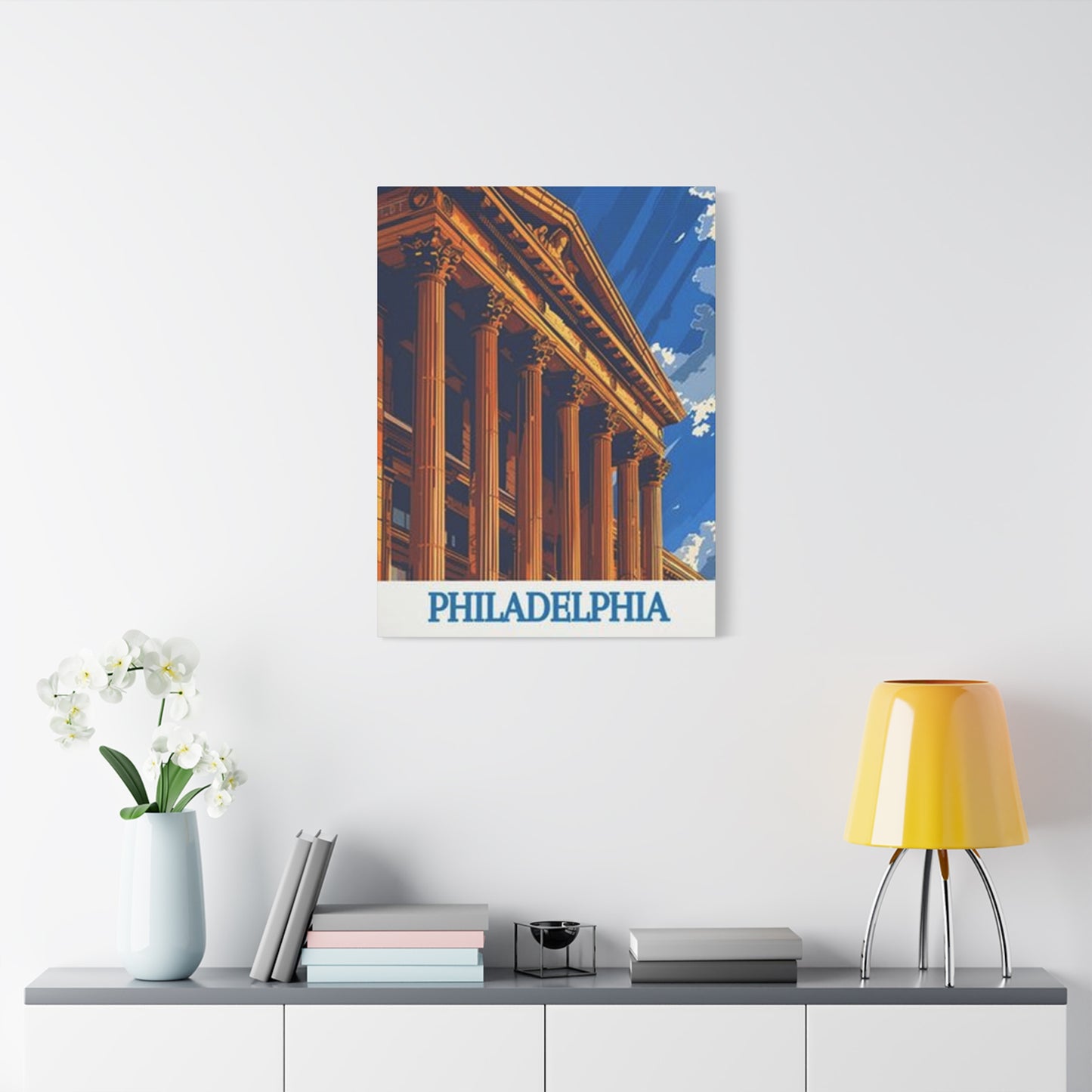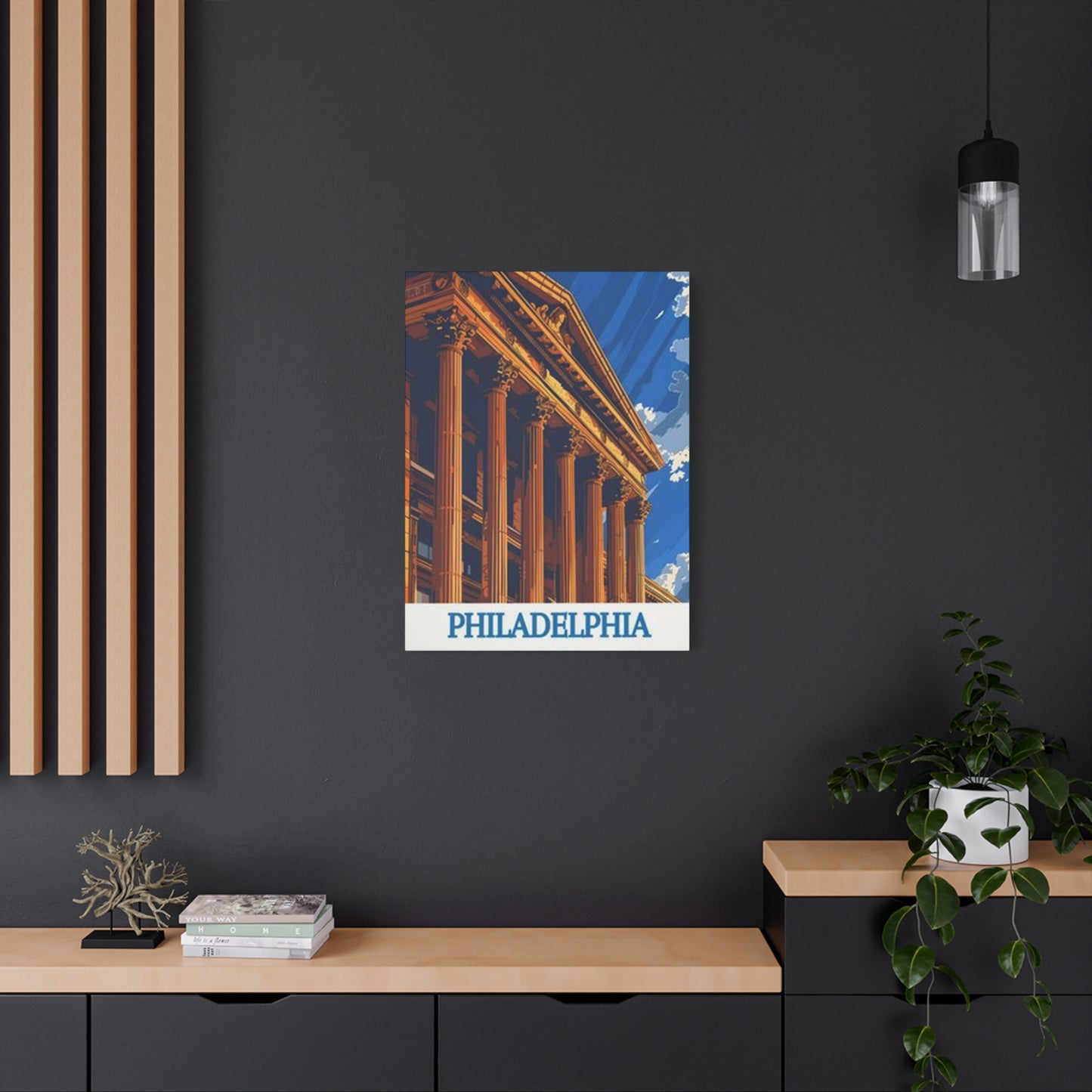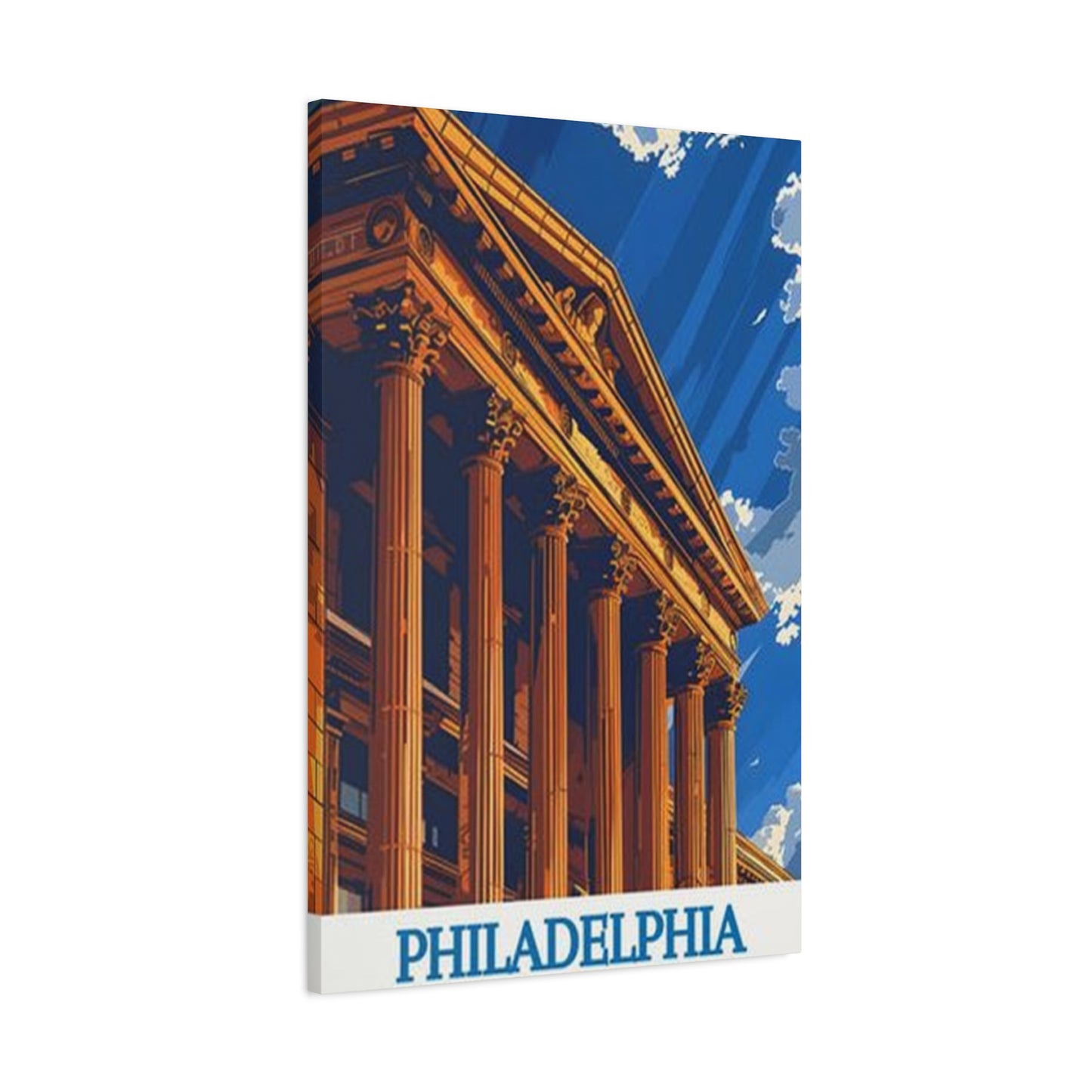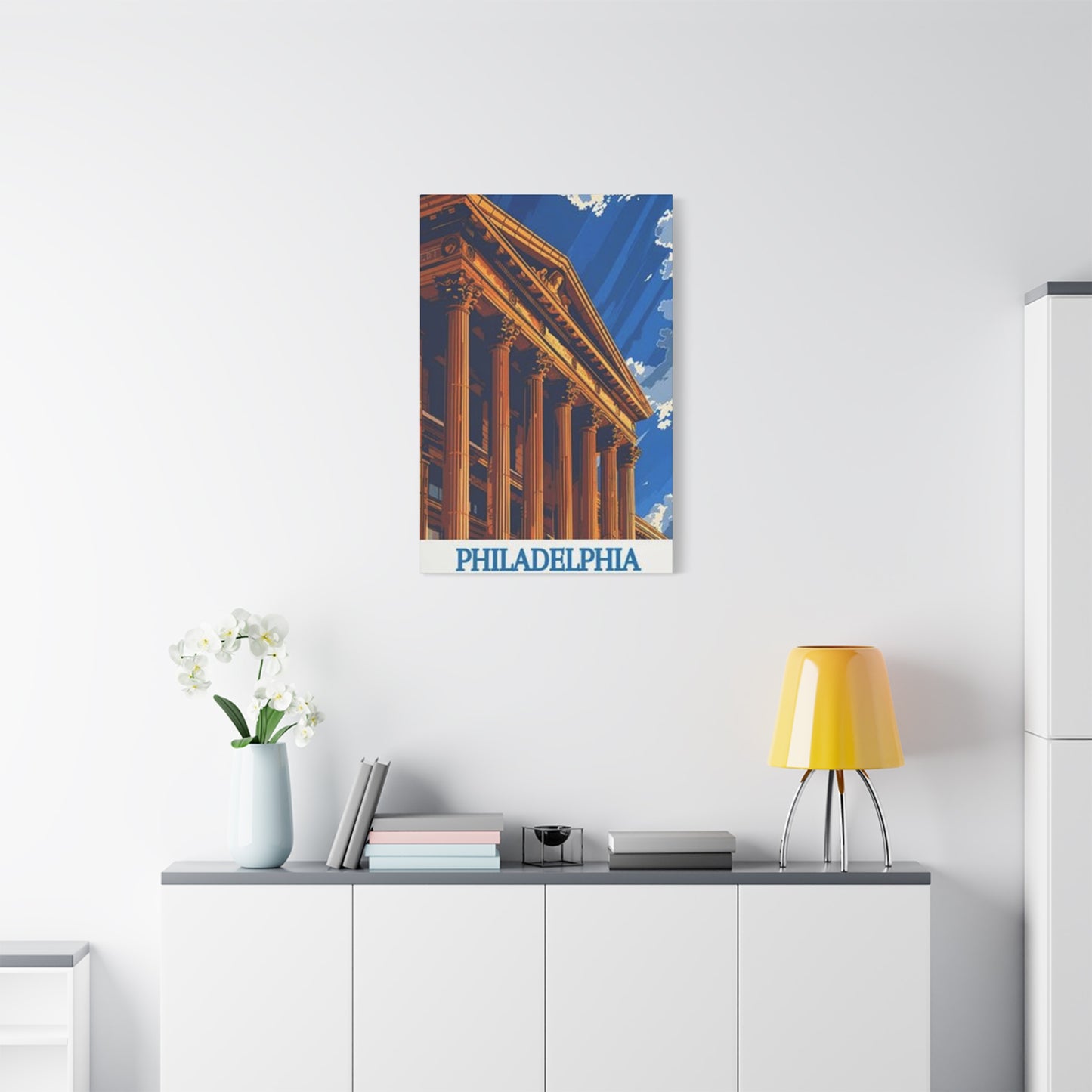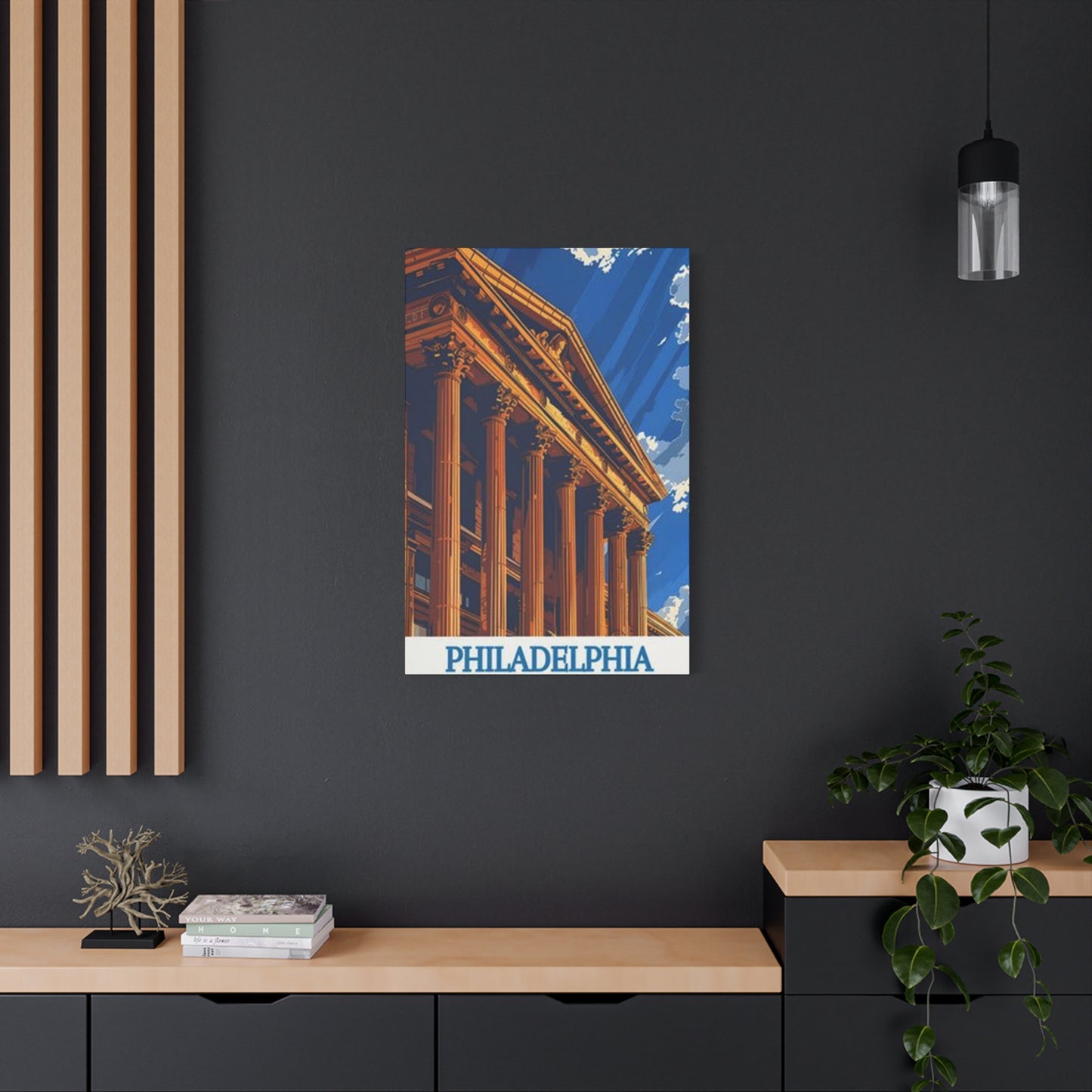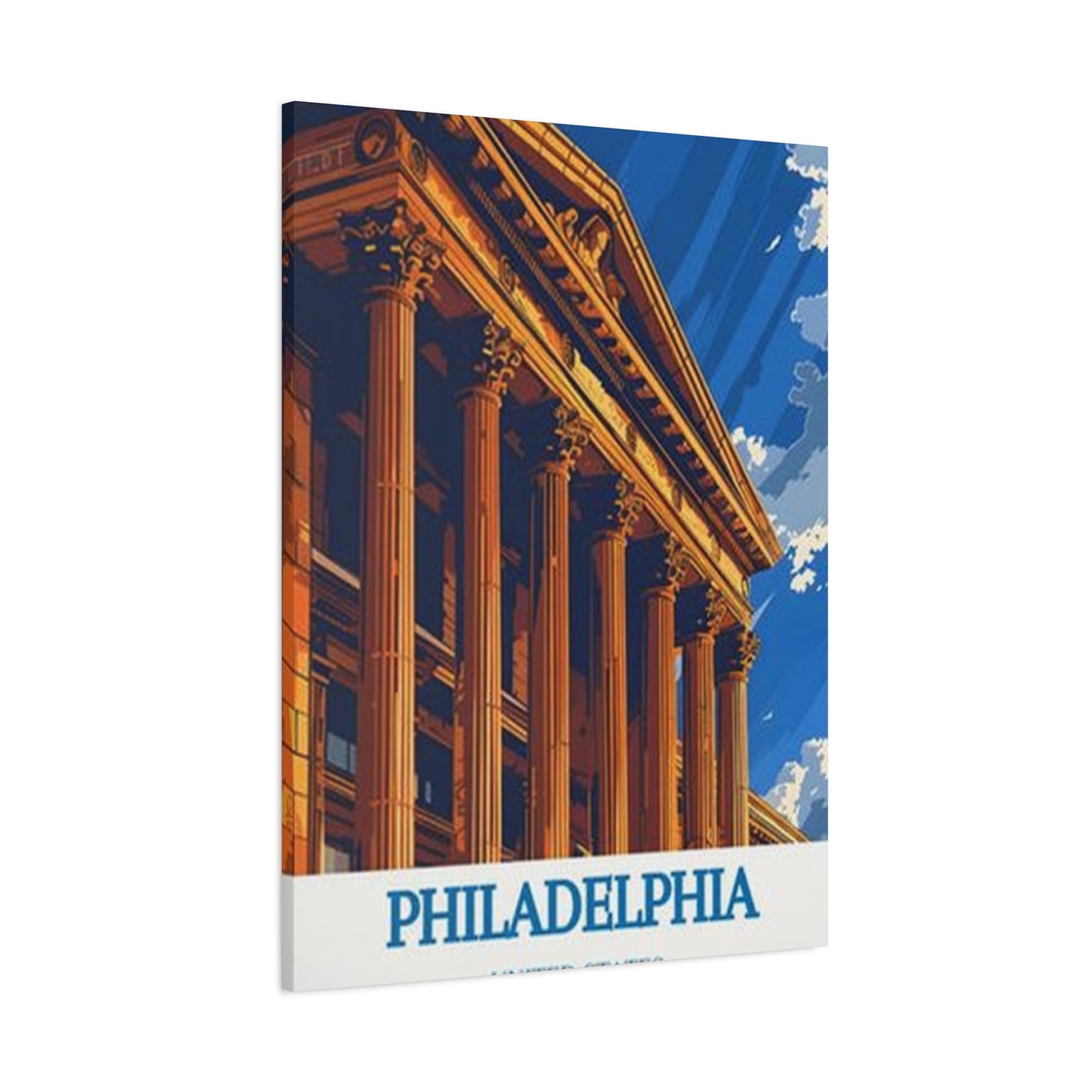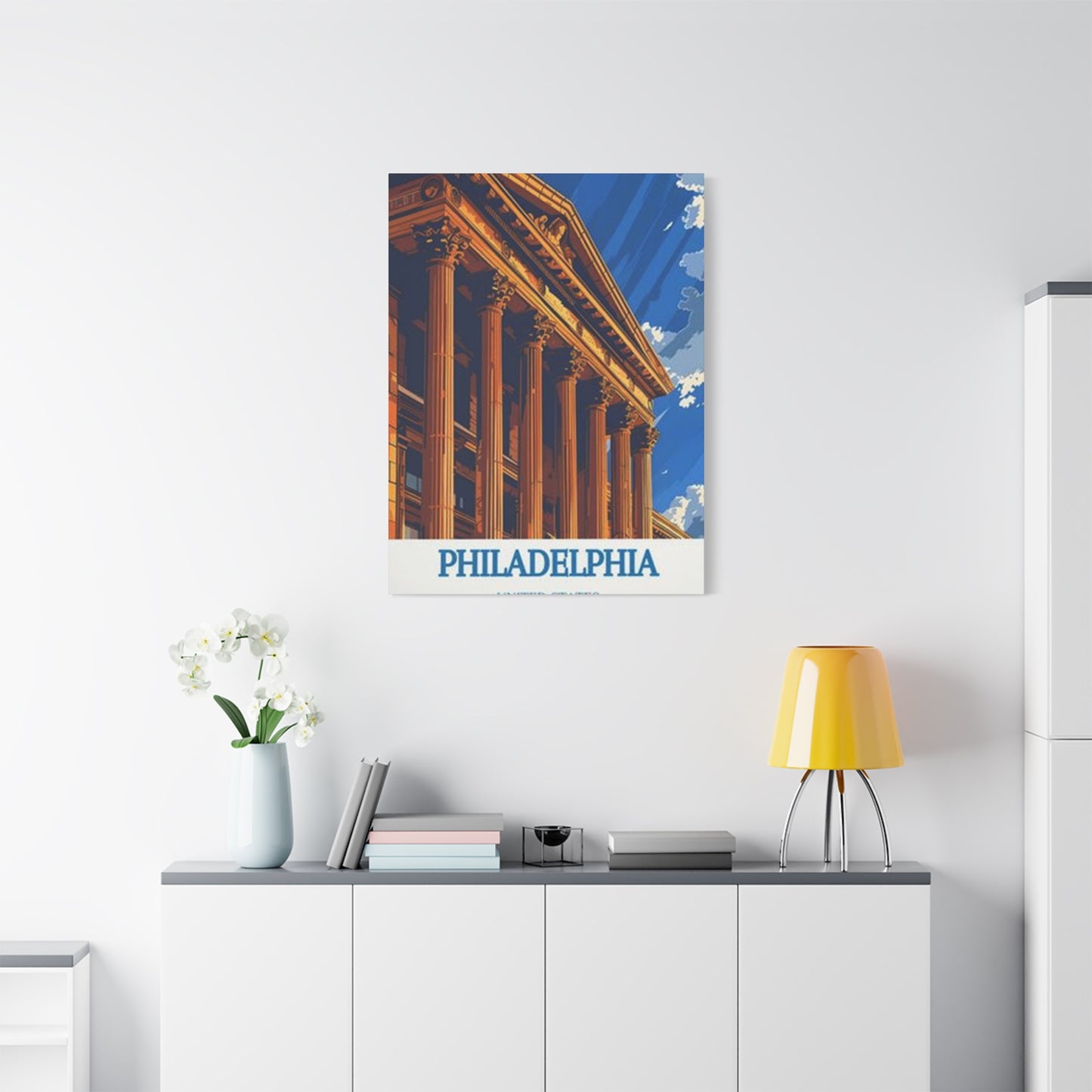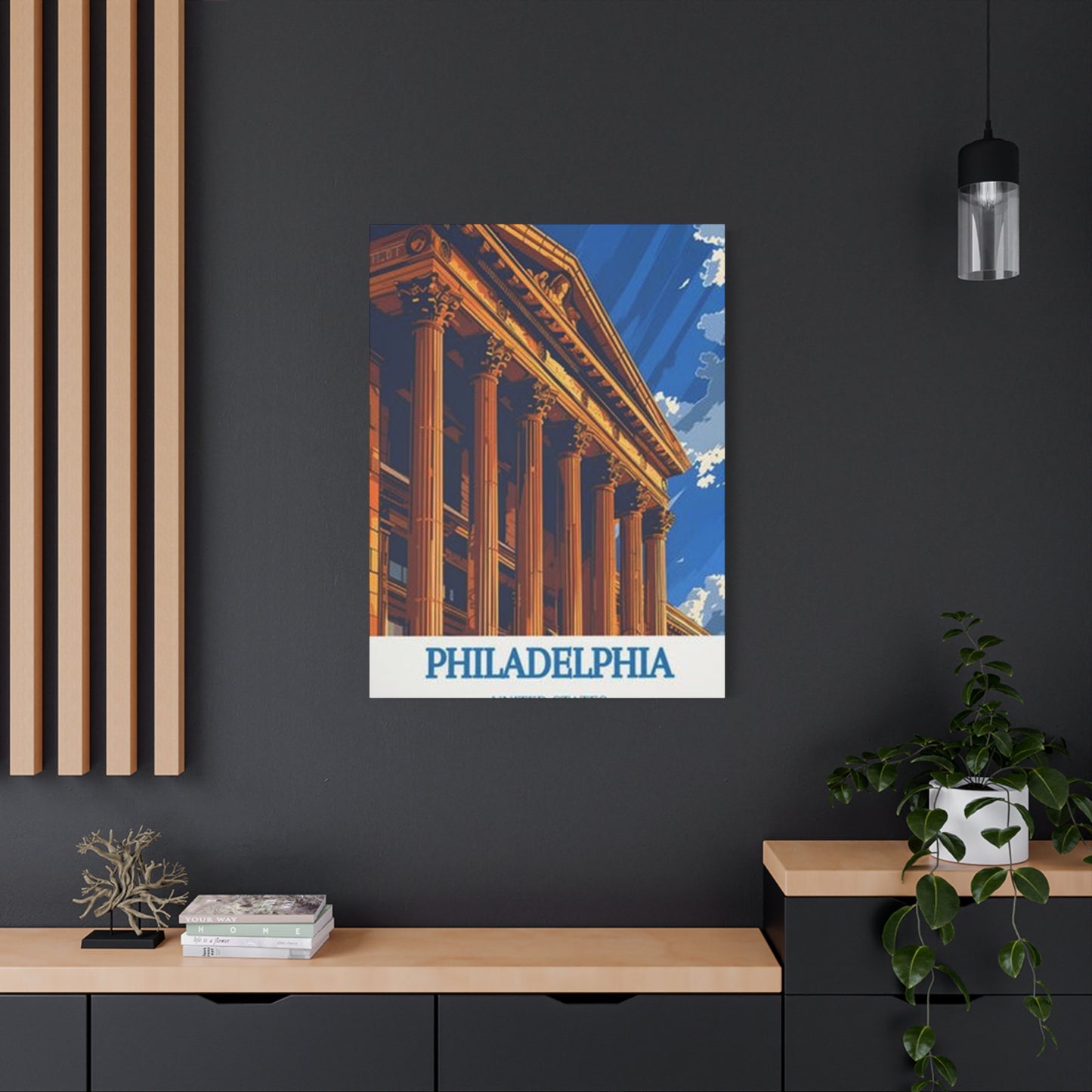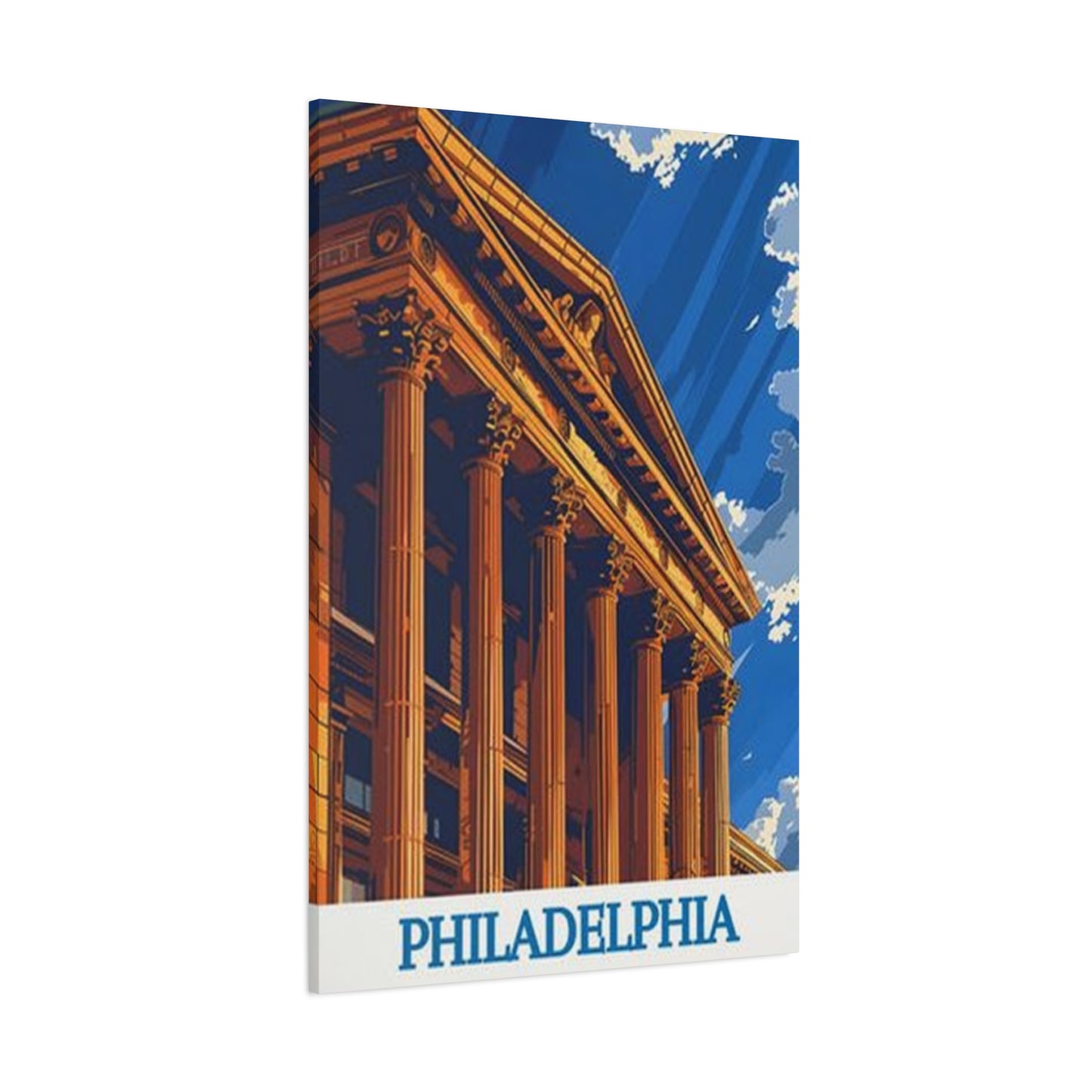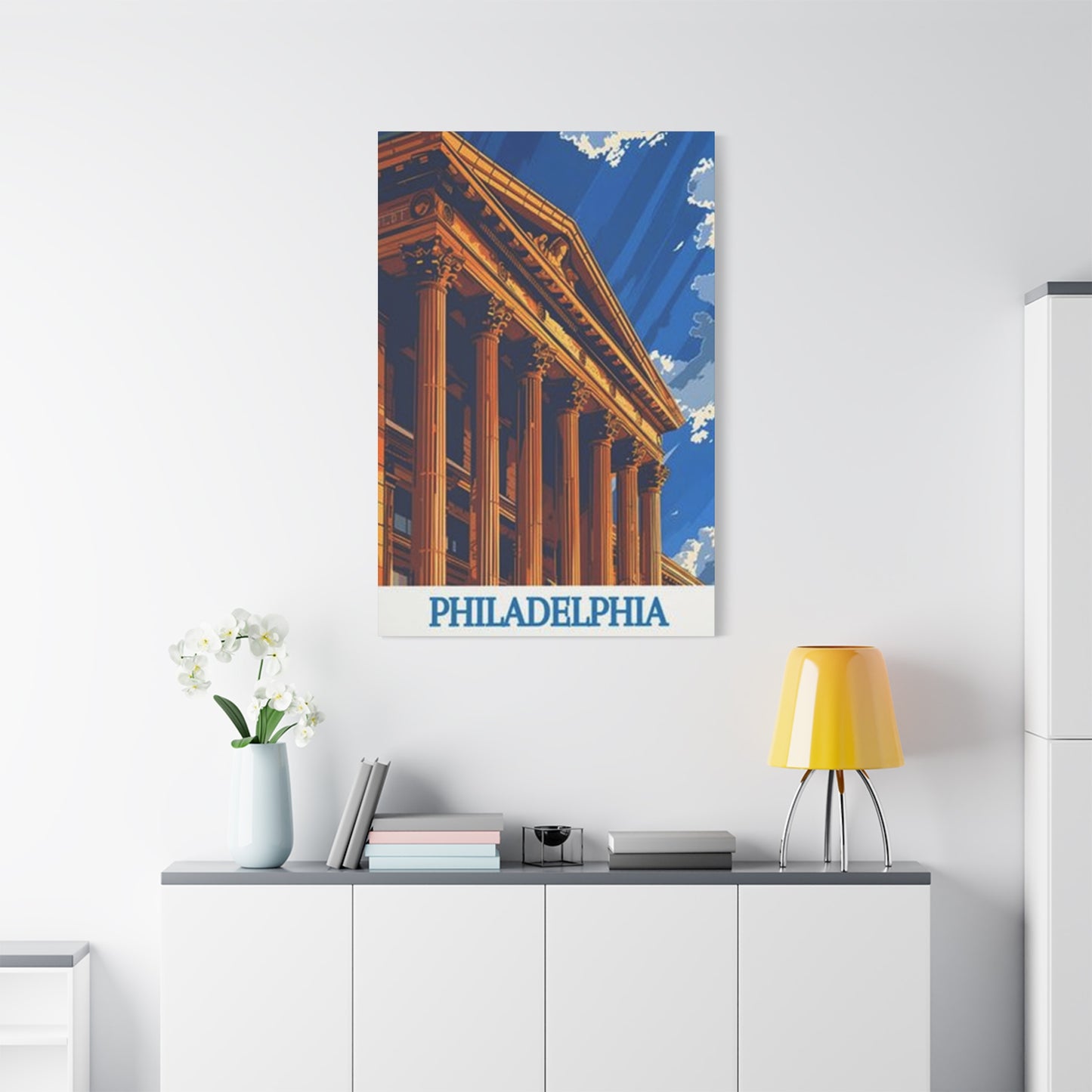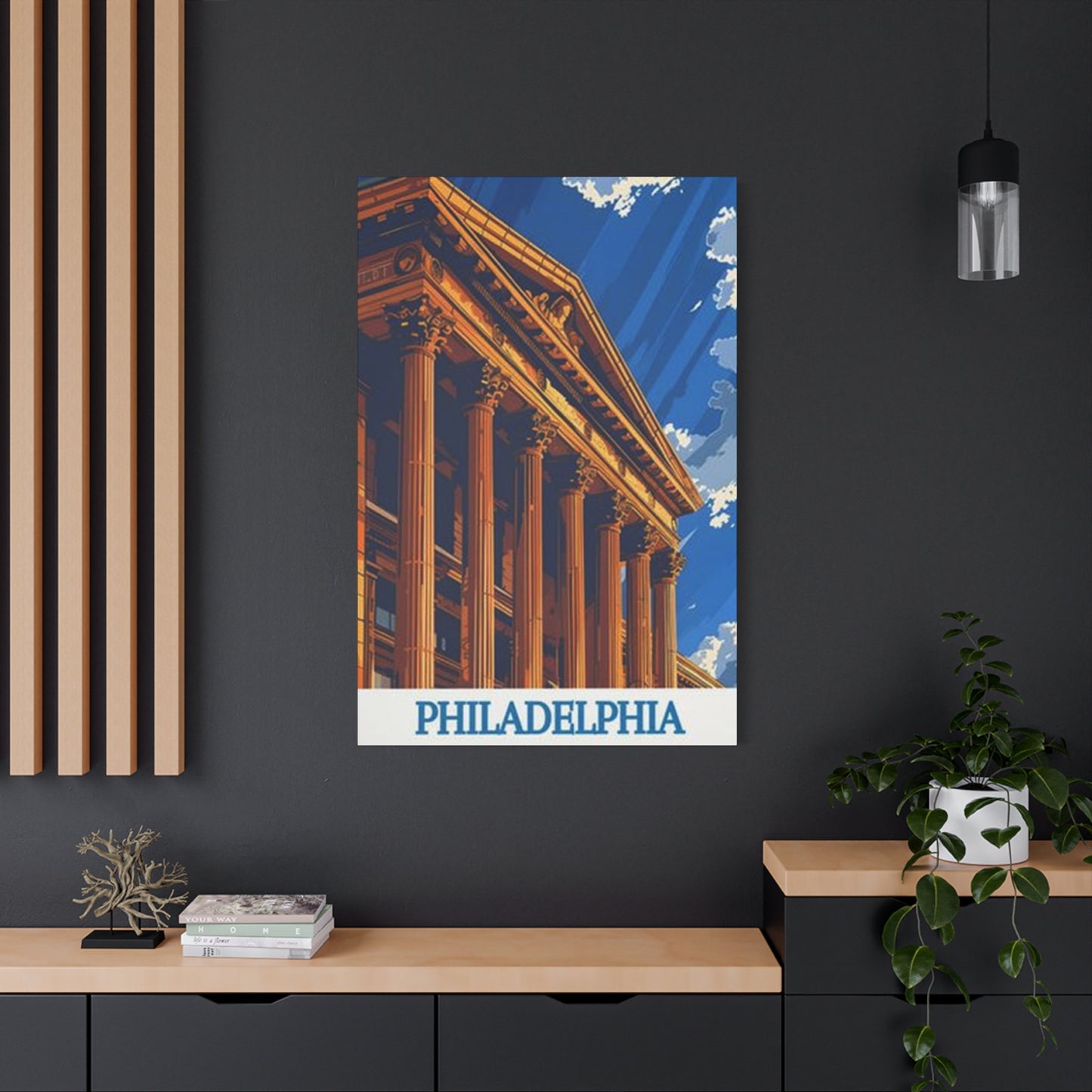


Architecture In Philadelphia Wall Art & Canvas Prints
Architecture In Philadelphia Wall Art & Canvas Prints
Couldn't load pickup availability
Architecture in Philadelphia Wall Art Bringing the Majesty and History of the City’s Cityscape to Your Home
The magnificent structures that define Philadelphia's skyline and historic districts have inspired countless artists, photographers, and designers to capture their essence through visual mediums. Architecture In Philadelphia Wall Art serves as a bridge between the city's storied past and its vibrant present, allowing admirers from around the globe to bring fragments of this remarkable urban landscape into their personal spaces. From the iconic Georgian symmetry of Independence Hall to the soaring contemporary glass facades of Center City, the architectural diversity found throughout Philadelphia offers endless creative possibilities for those seeking to celebrate this extraordinary metropolis through decorative imagery.
Philadelphia stands as one of North America's most architecturally significant cities, where centuries of building styles coexist in remarkable harmony. The cobblestone streets of Old City showcase colonial-era structures that witnessed the birth of a nation, while neighborhoods like Rittenhouse Square display Victorian elegance alongside sleek modern towers. This temporal layering creates visual richness that artists working in Architecture In Philadelphia Wall Art capture through careful composition, lighting choices, and perspective selection. Each piece becomes not merely decoration but a tangible connection to specific moments in urban evolution, architectural movements, and the human stories embedded within these structures.
The relationship between urban environments and human wellbeing has garnered increasing attention from researchers studying how built environments affect mood, productivity, and overall quality of life. Representations of architecture within residential and workspace interiors tap into these connections, bringing elements of urban vitality, human achievement, and structural beauty into controlled domestic environments. Architecture In Philadelphia Wall Art specifically carries additional layers of meaning through its association with democracy, freedom, and the foundational principles upon which American society was established, making it particularly resonant for those who value these ideals.
Discovering the Distinct Architectural Periods That Define Philadelphia's Urban Character
Philadelphia's built environment tells the story of American architectural evolution from colonial times through contemporary periods, with each era leaving distinctive marks upon the cityscape. The Georgian colonial structures that emerged during the eighteenth century established principles of symmetry, proportion, and classical reference that continue influencing design centuries later. Buildings like Carpenters' Hall and the Powel House exemplify this aesthetic, with their balanced facades, red brick construction, and white-trimmed windows creating instantly recognizable profiles. Architecture In Philadelphia Wall Art featuring these structures connects viewers to the revolutionary period, evoking the intellectual ferment and political courage that characterized those transformative years.
The Federal period that followed independence brought refined classical proportions and increased ornamentation to Philadelphia's architectural vocabulary. Buildings from this era display elongated windows, decorative cornices, and more sophisticated brickwork patterns that reflect the young nation's growing confidence and prosperity. Artists capturing these structures for Architecture In Philadelphia Wall Art often emphasize the delicate ironwork balconies, fanlight transoms, and other refined details that distinguish Federal architecture from its colonial predecessors.
Victorian eclecticism brought dramatic stylistic diversity to Philadelphia during the latter nineteenth century, with Gothic Revival, Italianate, Second Empire, and Queen Anne styles appearing sometimes within single city blocks. This period's architectural exuberance provides rich visual material for artists creating Architecture In Philadelphia Wall Art, as the ornate detailing, varied rooflines, and polychromatic materials create dynamic compositions full of visual interest. Structures like City Hall—an extraordinary Second Empire masterpiece crowned with William Penn's statue—represent Victorian ambition and craftsmanship at their zenith.
The early twentieth century brought Beaux-Arts grandeur and Art Deco streamlining to Philadelphia, with buildings like the Philadelphia Museum of Art and PSFS Building representing these distinct approaches. The former's Greek temple-inspired form and commanding hilltop position create iconic imagery frequently featured in Architecture In Philadelphia Wall Art, while the latter's pioneering modernist design represents Philadelphia's embrace of forward-looking architectural philosophy. These contrasting approaches reflect broader cultural tensions between tradition and innovation that characterized the interwar period.
Contemporary architecture continues adding new chapters to Philadelphia's architectural narrative, with structures like the Comcast Center and Comcast Technology Center demonstrating that the city remains vital and evolving. These glass and steel towers create striking visual contrasts with historic structures, offering artists working in Architecture In Philadelphia Wall Art opportunities to explore themes of continuity and change, preservation and progress. The juxtaposition of centuries-old buildings against ultra-modern skyscrapers creates compelling compositional possibilities that resonate with audiences appreciating both preservation and innovation.
Selecting Architectural Perspectives That Create Powerful Visual Compositions
The viewpoint from which Architecture In Philadelphia Wall Art is captured fundamentally shapes its aesthetic impact and emotional resonance. Street-level perspectives create intimate relationships between viewers and structures, emphasizing human-scale details like doorways, window treatments, and ground-floor ornamentation. These viewpoints invite viewers into scenes as though they're standing on actual Philadelphia streets, creating accessible, relatable imagery that evokes the experience of urban exploration. The inclusion of sidewalks, street furniture, and occasionally pedestrians within these compositions adds narrative context that pure architectural documentation lacks.
Elevated perspectives captured from neighboring buildings or aerial vantage points reveal relationships between individual structures and broader urban fabric. These views showcase how buildings relate to surrounding contexts, revealing patterns in setbacks, height variations, and architectural styles across neighborhoods. Architecture In Philadelphia Wall Art employing elevated perspectives often emphasizes roofscape complexity—the varied dormers, chimneys, and roof materials that remain invisible from ground level but contribute substantially to the city's three-dimensional character. These compositions appeal particularly to viewers interested in urban planning, spatial relationships, and the collective nature of cityscapes rather than individual buildings.
Looking upward from building bases creates dramatic foreshortening effects that emphasize verticality and structural power. These worm's-eye perspectives transform even moderate-height structures into towering presences that dominate compositions, conveying impressions of architectural monumentality and human engineering achievement. Architecture In Philadelphia Wall Art utilizing extreme upward angles works particularly well with tall structures like City Hall's tower or contemporary skyscrapers, where the convergence of vertical lines toward vanishing points high above creates dynamic tension and movement within otherwise static images.
Framed views through archways, doorways, or between structures create layered compositions with built-in depth and narrative intrigue. These approaches position viewers as privileged observers discovering hidden vistas or secret urban moments not visible to casual passersby. The architectural elements forming these frames become integral compositional components, adding foreground interest while directing attention toward featured subjects beyond. This technique in Architecture In Philadelphia Wall Art creates sophisticated spatial relationships that reward extended viewing and contemplation.
Detail-focused close-ups isolate specific architectural elements—ornamental ironwork, decorative cornices, intricate brickwork patterns, or carved stone details—elevating them from minor embellishments to primary subjects worthy of sustained attention. These intimate perspectives celebrate craftsmanship and artistry embedded within larger structures, revealing complexity and beauty often overlooked during routine encounters with buildings. Architecture In Philadelphia Wall Art featuring these micro-perspectives appeals to viewers who appreciate fine detail work and the human hands that created lasting beauty within functional structures.
Understanding How Seasonal Variations and Weather Conditions Transform Architectural Photography
Philadelphia experiences distinct seasonal changes that dramatically alter how the city's architecture appears photographically. Winter's bare trees reveal building forms often obscured during leafier months, while potential snow accumulation adds ethereal quality and visual drama to urban scenes. The low angle of winter sunlight creates long shadows and warm color temperatures during golden hours, bathing brick and stone facades in amber glows that enhance their inherent warmth. Architecture In Philadelphia Wall Art captured during winter months often possesses particular intimacy and quiet beauty, as reduced street activity and muted color palettes create contemplative atmospheres.
Spring's emergence brings fresh green foliage that softens hard architectural edges and introduces vibrant natural color into predominantly built environments. Cherry blossoms, dogwoods, and other flowering trees create temporary seasonal displays that frame structures beautifully, adding romantic qualities to urban scenes. The changeable weather typical of spring—with its mix of sunshine and rain showers—creates varied lighting conditions and dramatic cloud formations that add emotional depth to architectural imagery. Architecture In Philadelphia Wall Art featuring spring scenes carries connotations of renewal, growth, and the eternal cycle of seasons continuing despite human construction's apparent permanence.
Summer's full foliage and intense sunlight create high-contrast scenes with deep shadows and bright highlights that emphasize structural forms through stark tonal variations. The abundance of street life during warm months adds human animation to architectural settings, though this can also create challenges when seeking clean, uncluttered compositions. Early morning or late evening photography during summer months offers optimal lighting conditions, with golden hour illumination providing warmth without the harsh midday overhead sun that creates unflattering shadows. Architecture In Philadelphia Wall Art captured during summer often conveys energy, vitality, and the vibrant urban life that thrives within and around the city's historic and contemporary structures.
Autumn transforms Philadelphia into a tapestry of warm earth tones as deciduous trees cycle through their spectacular color changes. The reds, oranges, and golds of fall foliage create stunning contrasts against brick, stone, and glass facades, while the gradually thinning canopy reveals progressively more architectural detail as the season advances. The quality of autumn light—particularly during late afternoon hours—possesses special clarity and warmth that photographers prize for its flattering characteristics. Architecture In Philadelphia Wall Art featuring autumn scenes evokes nostalgia, natural beauty, and the bittersweet passage of time, themes that resonate deeply with many viewers.
Weather conditions beyond seasonal norms create distinctive photographic opportunities. Morning mist can shroud buildings mysteriously, creating atmospheric depth through graduated obscurement. Dramatic storm clouds add foreboding weight to compositions, while their breaking apart after storms passes allows shafts of sunlight to dramatically spotlight specific structures. Rain-slicked streets reflect buildings and sky, doubling visual complexity and adding luminous quality to night scenes. Architecture In Philadelphia Wall Art incorporating these special weather conditions captures ephemeral moments that distinguish the work from standard clear-day documentation.
Examining Color Versus Black and White Presentations for Architectural Subject Matter
The choice between color and monochromatic presentations fundamentally alters how Architecture In Philadelphia Wall Art communicates with viewers. Color photography captures buildings as we naturally perceive them, recording the warm red-browns of aged brick, the cool grays of limestone and concrete, the reflective blues and greens in glass facades. Color faithfully documents patina development on copper elements, the varied hues in stone coursing, and the way different materials respond to specific lighting conditions. For many viewers, color representations feel more immediate and accessible, requiring less interpretive effort to understand subject matter.
However, removing color focuses attention on fundamental design elements—form, texture, pattern, light, and shadow—that color's presence sometimes obscures. Black and white Architecture In Philadelphia Wall Art emphasizes structural composition, geometric relationships, and tonal contrasts in ways that color versions of identical scenes cannot match. The simplified palette forces designers to rely on shape and value relationships, often producing more graphic, immediate compositions. Architectural details like corbelling, dentil molding, and surface texture variations become more prominent when not competing with color information for viewer attention.
Monochromatic presentations also carry specific aesthetic and emotional associations that color images lack. Black and white imagery evokes documentary photography traditions, classic architectural photography masters like Berenice Abbott and Ezra Stoller, and film noir's atmospheric qualities. These associations lend gravitas and timelessness to subjects, removing them from specific temporal contexts in ways that color—which carries era-specific associations with particular color palettes and film stocks—cannot achieve. Architecture In Philadelphia Wall Art rendered in black and white often feels more historically grounded, connecting contemporary views to long photographic traditions of urban documentation.
Certain architectural subjects benefit particularly from monochromatic treatment. Buildings with strong geometric forms, dramatic shadow patterns, or interesting textural variations often read more powerfully without color's distraction. Contemporary glass and steel structures frequently translate beautifully to black and white, as their reflective surfaces create complex tonal variations and abstract patterns. Conversely, structures whose appeal relies heavily on material color—like the distinctive red brick that characterizes much of historic Philadelphia—may lose essential character in monochromatic translation.
Some artists working in Architecture In Philadelphia Wall Art offer both color and black and white versions of popular images, recognizing that viewers have different preferences and that the same structure can communicate differently depending on presentation approach. Split-toned or selectively colored images represent compromise positions, maintaining primarily monochromatic presentations while introducing color to specific elements for emphasis or atmospheric effect. These hybrid approaches allow photographers to direct viewer attention precisely while maintaining black and white's graphic impact.
Investigating Various Printing Substrates and How They Affect Architectural Imagery
The materials upon which Architecture In Philadelphia Wall Art is reproduced significantly influence both aesthetic presentation and practical considerations like durability and display environment compatibility. Traditional photographic paper remains popular for its fine detail rendering capability and wide availability in both glossy and matte finishes. Glossy surfaces maximize color saturation and perceived sharpness, creating vibrant presentations particularly effective for contemporary architectural subjects with glass, metal, and other reflective materials. Matte papers reduce glare and offer subdued presentations that many find more sophisticated, particularly for historic architectural subjects where excessive shine might feel incongruous with aged subject matter.
Canvas printing brings painterly qualities to photographic subjects, adding texture that softens crisp architectural lines while lending traditional fine art characteristics. The visible weave pattern creates organic counterpoint to architecture's geometric precision, producing aesthetically interesting tension. Canvas durability and flexibility enable frameless gallery-wrap presentations that eliminate barriers between image and viewer. Architecture In Philadelphia Wall Art on canvas particularly suits traditional and transitional interior styles, where artwork's tactile qualities complement other textured elements like upholstered furniture and woven rugs.
Metal substrates create extraordinary luminosity and color vibrancy through dye sublimation processes that infuse images directly into specially coated aluminum panels. The resulting prints possess exceptional depth and almost holographic quality, with highlights appearing particularly brilliant. Metal's reflective properties change image appearance based on viewing angle and ambient lighting, creating dynamic presentations that shift subtly throughout the day. Contemporary architectural subjects—particularly those featuring glass, steel, and other modern materials—translate spectacularly to metal, as the medium's characteristics align perfectly with subject matter. Architecture In Philadelphia Wall Art on metal suits modern interiors where cutting-edge presentation methods complement contemporary furnishings and design philosophy.
Acrylic mounting positions prints behind clear acrylic panels of varying thickness, creating remarkable depth perception. The transparent acrylic creates the impression that viewers are looking through glass at the subject beyond, adding dimensional qualities to two-dimensional images. The acrylic surface protects underlying prints while creating stunning luminosity as light passes through the transparent material. These presentations work beautifully with all architectural subjects but prove particularly effective for images featuring glass buildings or reflective surfaces, as the acrylic mounting conceptually echoes the subject matter's material qualities. Architecture In Philadelphia Wall Art mounted to acrylic represents premium presentation that signals serious commitment to display quality.
Wood substrates offer rustic warmth and organic character, with visible grain patterns adding textural interest beneath printed images. Various wood types provide different color tones and grain characteristics, from pale birch to rich walnut. The interaction between image and visible wood grain creates unique hybrid character—partially photograph, partially wood object. This substrate particularly suits Architecture In Philadelphia Wall Art featuring historic structures, as the natural wood material conceptually connects to traditional building methods and materials. The eco-conscious appreciate wood substrates as renewable resources with lower environmental impact than some synthetic alternatives.
Analyzing How Architectural Wall Art Influences Interior Atmosphere and Spatial Perception
The presence of Architecture In Philadelphia Wall Art within interior environments affects spaces psychologically and perceptually beyond purely decorative contribution. Large-scale architectural imagery can visually expand confined spaces by suggesting depth and distance, particularly when featuring perspective views down streets or between buildings. The eye naturally follows depicted spatial recession into illusionistic depth, creating the sensation that walls extend beyond their physical boundaries. This perceptual expansion proves especially valuable in smaller rooms where actual square footage limitations can create claustrophobic feelings.
The specific architectural styles depicted influence room atmosphere substantially. Georgian and Federal period structures convey formality, tradition, and classical order—qualities that transfer to spaces displaying such imagery. These associations make Architecture In Philadelphia Wall Art featuring historic colonial structures particularly appropriate for traditional interiors, home offices, libraries, and other spaces where seriousness and gravitas prove desirable. The symmetrical compositions and restrained ornamentation characteristic of these architectural styles create visual calm that complements contemplative activities.
Contemporary architectural imagery communicates entirely different atmospheric qualities, suggesting innovation, forward thinking, and urban sophistication. Sleek glass towers and modern structural designs appeal to those identifying with progressive values and contemporary aesthetics. Architecture In Philadelphia Wall Art featuring current skyline compositions works beautifully in modern interiors, creative workspaces, and urban loft environments where cutting-edge sensibilities predominate. The dynamic lines and reflective surfaces in contemporary architectural photography inject energy into spaces in ways that more static historic imagery cannot.
The urban subject matter inherent in architectural photography brings city energy into suburban and rural settings, offering psychological connection to metropolitan environments for those living outside such contexts. For former city dwellers now in less dense areas, Architecture In Philadelphia Wall Art can maintain important connections to places holding personal significance. The imagery serves as visual reminder of urban experiences, relationships formed in city settings, and aspects of identity tied to metropolitan life. This function transcends decoration, entering the realm of meaningful personal expression through environmental design.
Conversely, those living within Philadelphia itself might display Architecture In Philadelphia Wall Art to celebrate civic pride and connection to their community. Featuring imagery of one's own city demonstrates investment in place, appreciation for local character, and rootedness in specific geographic identity. This localized pride creates conversation opportunities with visitors, allows sharing of knowledge about featured structures, and reinforces residents' positive feelings about their chosen home community.
Exploring the Role of Light and Shadow in Creating Dramatic Architectural Compositions
The interplay between illumination and darkness represents one of photography's fundamental tools, particularly crucial when capturing three-dimensional structures in two-dimensional media. Architecture In Philadelphia Wall Art that successfully employs light and shadow creates sense of volume, texture, and spatial depth that elevates images beyond simple documentation. Early morning and late afternoon light—the "golden hours" prized by photographers—creates long shadows that dramatically articulate architectural forms, revealing surface modeling and structural details that disappear under flat overhead lighting.
Side lighting reveals surface texture with particular effectiveness, as the raking angle causes even slight variations in surface planes to cast tiny shadows that accumulate into visible texture. Brick coursing, stone jointing, decorative carving, and even painted surfaces gain apparent texture under properly angled illumination. Architecture In Philadelphia Wall Art captured during optimal lighting conditions shows building surfaces as richly tactile rather than flat and lifeless, helping viewers appreciate the materiality of structures even through photographic reproduction.
Backlighting creates silhouette effects and emphasizes building profiles against bright skies. While this approach sacrifices surface detail in favor of pure form, the resulting graphic simplicity creates powerful compositions. The technique proves particularly effective with buildings possessing distinctive rooflines or overall shapes that remain recognizable even when reduced to dark profiles. Architecture In Philadelphia Wall Art utilizing silhouette approaches often achieves iconic status, as the simplified presentation makes structures immediately identifiable and creates images that reproduce effectively across various sizes and contexts.
Night photography transforms architectural subjects entirely, as artificial lighting replaces natural illumination. Interior lights glowing through windows, dramatic flood lighting emphasizing facades, and street lighting creating pools of illumination all contribute to nocturnal urban atmospheres markedly different from daytime scenes. The long exposures required for night photography create their own aesthetic signatures—vehicle lights become streaming traces, artificial lights bloom attractively, and the sky takes on deep blue or black tones that isolate structures dramatically. Architecture In Philadelphia Wall Art featuring night scenes conveys urban energy, the romance of cities after dark, and the transformation that occurs when sunset fundamentally changes how we perceive built environments.
Overcast conditions create different opportunities, providing soft, even illumination that minimizes shadows and reduces contrast. While less dramatic than directional golden-hour light, this diffused illumination reveals color and surface qualities with accuracy and renders scenes with calm, contemplative character. The muted quality of overcast light often suits historic architectural subjects, where soft illumination feels more appropriate than harsh dramatic lighting. Architecture In Philadelphia Wall Art captured under these conditions possesses quiet dignity that resonates with viewers seeking peaceful rather than exciting imagery.
Recognizing Iconic Philadelphia Structures That Frequently Appear in Artistic Renditions
Certain buildings have achieved such cultural significance that they appear repeatedly in Architecture In Philadelphia Wall Art, becoming visual shorthand for the city itself. Independence Hall stands paramount among these, its Georgian symmetry and historical associations making it perhaps America's most symbolically important building. Artists approach this structure from countless angles, capturing its distinctive steeple, red brick facades, and relationship to surrounding Independence Square. Despite centuries of photographic documentation, fresh interpretations continue emerging as artists find new perspectives or capture the building under unique lighting and weather conditions.
City Hall's Second Empire magnificence makes it another perpetual favorite, with its ornate facade details and William Penn statue providing endless compositional possibilities. The building's central location at the intersection of Broad and Market Streets allows photographers to incorporate surrounding urban context, capturing how this Victorian masterpiece relates to contemporary structures that now surround it. Architecture In Philadelphia Wall Art featuring City Hall often emphasizes either the overall structure's imposing presence or focuses on specific decorative elements from its lavishly ornamented exterior.
The Philadelphia Museum of Art attracts attention both for its Greek Revival architecture and its commanding hilltop location. The iconic front steps—famously featured in cinema—provide foreground interest, while the building's colonnaded facades and sculptural pediment create classical grandeur. Artists capturing this structure often include the Benjamin Franklin Parkway stretching before it, placing the museum within its urban planning context and showing how its formal axis organizes significant portions of Center City. Architecture In Philadelphia Wall Art featuring this building connects to themes of cultural refinement, classical learning, and civic pride in major institutions.
Historic row houses in neighborhoods like Society Hill and Queen Village represent Philadelphia's residential architectural heritage, with their continuous facades creating rhythmic patterns of doors, windows, and dormer arrangements. These structures demonstrate how repetition with variation—each house slightly different while maintaining overall unity—creates visually compelling streetscapes. Architecture In Philadelphia Wall Art focusing on these row houses celebrates vernacular building traditions and the human-scale neighborhood character that distinguishes Philadelphia from cities dominated by towers and superblocks.
Contemporary additions like the Comcast towers demonstrate Philadelphia's continuing architectural evolution, providing dramatic visual contrast when juxtaposed with historic structures. These glass-clad skyscrapers introduce reflections, transparency, and vertical emphasis markedly different from traditional horizontal street walls. Architecture In Philadelphia Wall Art incorporating these modern structures addresses themes of change, progress, and the ongoing dialogue between preservation and growth that shapes all living cities.
Considering Frame Selection and Presentation Methods That Complement Architectural Subjects
The frameworks surrounding Architecture In Philadelphia Wall Art significantly influence overall aesthetic impact and integration with interior spaces. Simple frames in black, white, or metallic finishes typically serve architectural subjects best, as ornate frames risk competing with already complex imagery. Clean-lined profiles allow images to command full attention while providing essential boundaries that separate artwork from surrounding walls. Width considerations matter—substantial mat borders combined with appropriately sized frames create professional presentations that honor subjects without overwhelming them.
Floating frames that suspend artwork away from walls create dimensional shadows that add subtle drama to presentations. This approach works particularly well with Architecture In Philadelphia Wall Art, as the physical separation from walls metaphorically echoes the depth and dimensionality present within the depicted scenes. The gap between image and wall creates literal space that parallels the illusion of space within the photograph itself, reinforcing the spatial qualities inherent in architectural subjects.
Frameless presentations using standoff hardware offer ultra-contemporary alternatives, particularly effective with rigid substrates like metal or acrylic mounts. The industrial hardware becomes part of the aesthetic statement, creating gallery-quality installations with minimalist sensibility. This presentation approach suits modern interiors where clean lines and unadorned surfaces predominate. Architecture In Philadelphia Wall Art displayed this way gains sculptural qualities, existing as three-dimensional objects rather than purely pictorial images.
Gallery walls featuring multiple coordinated pieces allow broader storytelling than single images. Collections might trace particular neighborhoods, compare different architectural periods, or show single structures from various perspectives and seasons. The arrangement of multiple pieces creates compositional opportunities at macro scale, with the overall grouping functioning as unified artistic statement. Architecture In Philadelphia Wall Art displayed in gallery configurations provides more comprehensive representation of the city's architectural diversity while creating substantial visual impact.
Custom framing offers opportunities to incorporate materials and colors that reference subjects depicted. Frames constructed from reclaimed wood salvaged from Philadelphia demolitions create poignant connections between presentation and content. Mat colors selected to complement brick tones, stone hues, or other elements within images create color harmonies that feel intentional and sophisticated. These personalized touches transform standard framing into thoughtful curatorial decisions that demonstrate genuine engagement with the artwork.
Understanding How Historical Context Enriches Appreciation of Architectural Imagery
Philadelphia's buildings represent more than aesthetic objects—they are tangible connections to events, movements, and people that shaped American society. Architecture In Philadelphia Wall Art gains additional resonance when viewers understand the stories embedded within depicted structures. Independence Hall witnessed debates and decisions that established fundamental democratic principles, making images of this building carry weight far exceeding its physical materials. Understanding this context transforms simple building documentation into engagement with foundational national narratives.
Many Philadelphia structures housed important cultural institutions, businesses, or residences of significant individuals. The Betsy Ross House, Eastern State Penitentiary, Elfreth's Alley—each location carries specific stories that add meaning to visual representations. Architecture In Philadelphia Wall Art featuring these sites invites viewers to consider the countless human lives that unfolded within and around these walls, the conversations conducted in these rooms, and the ways architecture shapes human experience while human activity simultaneously shapes architectural meaning.
Architectural styles themselves reflect broader cultural movements and values of their construction periods. The Georgian emphasis on symmetry and classical reference expressed Enlightenment values of reason, order, and connection to Western civilization's intellectual heritage. Victorian eclecticism's stylistic diversity paralleled that era's confidence in progress, industrial prosperity, and cultural expansion. Understanding these contextual relationships enriches engagement with Architecture In Philadelphia Wall Art, transforming formal appreciation into cultural literacy.
Preservation efforts represent another dimension of architectural significance. Many structures featured in Architecture In Philadelphia Wall Art survived only through sustained advocacy and investment in maintaining aging buildings when economic logic favored demolition and replacement. The existence of these structures testifies to communities valuing continuity, memory, and aesthetic heritage over pure financial calculation. Displaying imagery of preserved buildings implicitly endorses these conservation values.
The evolution of specific neighborhoods tells broader stories about urban development patterns, demographic shifts, economic changes, and policy decisions. Areas like Society Hill underwent dramatic transformation from decayed slums to prestigious historic districts through intentional planning and investment. Architecture In Philadelphia Wall Art documenting these neighborhoods captures not just buildings but outcomes of complex social processes involving urban renewal, gentrification, and ongoing negotiations between change and preservation.
Examining How Digital Manipulation and Enhancement Affect Architectural Photography Ethics
The widespread availability of sophisticated image editing software has raised questions about authenticity, manipulation, and where acceptable enhancement ends and misrepresentation begins. Some Architecture In Philadelphia Wall Art remains true to capture conditions, while other pieces involve substantial post-processing that alters colors, removes distracting elements, or creates composites combining multiple exposures. Understanding these practices helps viewers make informed judgments about what they're seeing and what representation approaches align with their values.
Basic adjustments to exposure, contrast, and color balance represent standard photographic practices that hardly anyone questions. Film photographers made similar adjustments through paper selection, development timing, and darkroom printing techniques. Digital tools simply make these traditional processes more accessible and controllable. Architecture In Philadelphia Wall Art incorporating these fundamental corrections maintains essential truthfulness while presenting subjects in their best light—literally and figuratively.
More substantial interventions like removing power lines, vehicles, street signs, and other contemporary elements that distract from architectural subjects prove more controversial. Proponents argue these elements create visual clutter that prevents appreciation of architectural forms, and that their removal reveals underlying structures more clearly. Critics counter that such removal creates false impressions of how these buildings actually appear within their urban contexts. The debate ultimately reflects differing values—pure aesthetic presentation versus documentary accuracy.
High Dynamic Range imaging combines multiple exposures with different brightness levels, capturing detail in both bright highlights and dark shadows that single exposures cannot record. The technique produces images with tonal information throughout the entire range from brightest to darkest areas. When executed subtly, HDR creates natural-looking Architecture In Philadelphia Wall Art with exceptional detail. Excessive application produces unrealistic results with flattened perspective and surreal color saturation that sacrifices photographic believability for graphic impact.
Black and white conversion itself represents artistic interpretation, as the photographer chooses how different colors translate to gray tones. Various methods produce different results from identical color originals—decisions that significantly affect final appearance. Most viewers accept these choices as falling within legitimate artistic freedom, recognizing that even color photography involves subjective decisions about white balance, saturation, and exposure that shape how subjects appear.
Investigating Size and Scale Considerations for Maximum Spatial Impact
The physical dimensions of Architecture In Philadelphia Wall Art dramatically affect its presence and effectiveness within interior spaces. Massive pieces measuring four feet or larger create immersive experiences that can visually transport viewers to depicted locations. These statement works dominate walls and become primary focal points around which other design elements organize. The scale allows remarkable detail visibility, letting viewers examine architectural elements like individual bricks, window panes, and decorative carved details. However, large pieces require adequate viewing distance—typically one-and-a-half times the image diagonal—meaning they suit spacious rooms better than compact areas.
Medium-sized pieces ranging from 24 to 40 inches provide versatility, working effectively in various settings without overwhelming available space. These dimensions allow sufficient detail to engage viewers while remaining manageable regarding weight, cost, and installation requirements. Architecture In Philadelphia Wall Art in this size range fits comfortably above furniture, in hallway galleries, and as components within larger arrangements. The moderate scale makes these pieces accessible to broader audiences while still creating meaningful visual impact.
Smaller works measuring 16 inches or less function well as components in collections or in spaces where available wall area is limited. While individual small pieces might lack the presence of larger works, thoughtfully arranged groupings create substantial combined impact. Multiple small Architecture In Philadelphia Wall Art pieces depicting different buildings or showing varied perspectives of single structures tell richer stories than any single image. The affordability of smaller works enables collectors to acquire multiple pieces, building representative collections that explore subjects more comprehensively.
The relationship between artwork size and room proportions follows certain guidelines, though personal preference ultimately determines what feels appropriate. Artworks serving as focal points should typically occupy roughly two-thirds to three-quarters of available wall width, creating substantial presence without appearing crammed. In dining rooms, pieces positioned above sideboards or buffets should be narrower than the furniture below, ideally about two-thirds the furniture width. Architecture In Philadelphia Wall Art in bedrooms should be sized to visible from the bed without requiring excessive head movement to view completely.
Multi-panel works present single images across several separate panels, creating unified compositions with physical divisions. Triptychs and larger multi-panel arrangements allow truly massive presentations while dividing weight across multiple mounting points and creating subtle visual interest through gaps between panels. This format particularly suits panoramic Architecture In Philadelphia Wall Art showing extended streetscapes or skyline views, where the horizontal format naturally suits subject matter.
Exploring Color Grading Approaches That Establish Distinct Atmospheric Moods
The overall color treatment applied to Architecture In Philadelphia Wall Art profoundly influences emotional responses and thematic associations. Warm color grades emphasizing amber, gold, and reddish tones create nostalgic, romantic atmospheres that feel inviting and comfortable. These treatments particularly suit historic architectural subjects, as the warm cast evokes aged photographs and creates associations with memory and tradition. The golden tones also complement the red brick construction prevalent throughout Philadelphia's historic districts, creating harmonious color relationships that feel natural and intentional.
Cool color grades emphasizing blues, cyans, and muted tones create contemporary, clean aesthetics with sophisticated edge. These treatments work beautifully with modern architectural subjects featuring glass and steel, as cool tones conceptually align with these materials' inherent coolness. The subdued color palette creates calm, professional atmospheres appropriate for office environments and modern residential spaces embracing minimalist sensibilities. Architecture In Philadelphia Wall Art with cool grading feels current and urbane, appealing to viewers drawn to metropolitan sophistication.
High-contrast treatments with deep blacks and bright highlights create dramatic, graphic presentations with strong visual punch. This approach emphasizes form and geometry while reducing mid-tone subtlety, producing images that read clearly even from substantial distances. The dramatic quality suits architecture with strong geometric forms and creates masculine energy that appeals to certain aesthetic sensibilities. These treatments work particularly well when Architecture In Philadelphia Wall Art hangs in spaces with bold contemporary design where subtlety might disappear.
Desaturated treatments reducing color intensity while maintaining hue information create subtle, sophisticated presentations falling between full color and true black and white. This approach eliminates distracting color while preserving the information that color provides about materials, lighting conditions, and atmospheric qualities. The muted palette creates calm, refined atmospheres without the stark severity that full black and white sometimes conveys. Architecture In Philadelphia Wall Art with desaturated treatment integrates easily into various interior color schemes, as reduced saturation prevents clashing with existing palette decisions.
Split-toning adds color to monochromatic images, typically applying warmer tones to highlights and cooler tones to shadows, or vice versa. This subtle color introduction creates sophisticated, artistic presentations with vintage photographic aesthetics. The technique allows photographers to maintain black and white imagery's graphic impact while introducing emotional warmth or coolness through selective color application. Architecture In Philadelphia Wall Art employing split-toning achieves distinctive artistic character that distinguishes work from both straight color and pure monochrome presentations.
Analyzing Perspective Correction and Its Importance in Professional Architectural Imagery
Converging verticals—where buildings appear to lean backward because vertical lines converge toward a vanishing point above—represent perhaps the most common technical challenge in architectural photography. This distortion occurs when cameras tilt upward to include tall buildings' tops, causing parallel vertical lines to converge. While human vision experiences this same convergence, our brains compensate automatically, maintaining the perception of vertical structures. Photographs capture the actual optical reality without perceptual correction, making convergence obvious and often unpleasant. Architecture In Philadelphia Wall Art intended for serious presentation typically corrects this distortion, maintaining truly vertical lines that feel stable and properly structured.
Perspective correction can occur during capture using tilt-shift lenses that allow sensor-plane movement independent of lens orientation, or through post-processing software that digitally corrects distortion. Each method has advantages—in-camera correction preserves full image quality while software correction offers more flexibility and proves far more accessible to photographers working with standard equipment. Regardless of method, proper correction maintains authentic proportional relationships while eliminating distracting distortion.
Some photographers deliberately retain or even exaggerate perspective distortion for creative effect, using dramatic upward angles that emphasize height and create dynamic compositions. These stylistic choices sacrifice architectural accuracy for emotional impact and dramatic presentation. Whether such approaches suit Architecture In Philadelphia Wall Art depends on intended use and audience expectations—gallery art embraces creative interpretation more readily than documentation intended for architectural portfolios or real estate purposes.
Horizontal perspective correction addresses distortion visible when photographing building facades from oblique angles rather than straight-on. Walls appear compressed on one side and stretched on the other, with windows and other regular elements showing progressive size changes across the facade. Correcting this distortion restores regular rectangular windows, even spacing, and proportional accuracy. The process necessarily crops portions of the original image, requiring photographers to capture with extra border space knowing that correction will trim edges.
Understanding when perspective correction enhances images versus when it proves unnecessary or even undesirable represents sophisticated judgment. Distant or aerial views where buildings appear small within larger compositions often don't require correction, as distortion becomes minimal at distance and affects all structures uniformly. Conversely, close-range views where single buildings dominate frames almost always benefit from correction. Architecture In Philadelphia Wall Art balancing technical excellence with artistic expression demonstrates mastery of both photographic craft and aesthetic decision-making.
Final Thoughts
Stunning Architectural Wonders: Architecture in Philadelphia Wall Art captures the essence of one of America’s most iconic and historically rich cities. Philadelphia, often called the birthplace of American independence, boasts a remarkable cityscape that blends centuries-old structures with modern architectural marvels. From the stately presence of Independence Hall to the modern sleekness of the Liberty Place towers, Architecture in Philadelphia Wall Art brings these stunning landmarks to life, offering a timeless tribute to the city’s role in shaping American history and culture.
What makes Philadelphia architecture wall art so captivating is its ability to showcase the evolution of architectural styles across time. Philadelphia is a city that has embraced both its past and its future, and this is beautifully reflected in its diverse architecture. The art often features the classical grandeur of 18th-century buildings like the Pennsylvania State House, alongside the clean lines and sharp angles of modern skyscrapers. This juxtaposition tells the story of a city that honors its historic foundations while simultaneously embracing the innovations of contemporary design. The result is a visually dynamic portrayal that speaks to both the city’s rich past and its forward-looking present.
Architecture in Philadelphia Wall Art does more than just decorate a space—it transports you into the heart of a city steeped in history. Landmarks such as the iconic Liberty Bell, the soaring spires of the Philadelphia Museum of Art, and the intricately detailed colonial-era buildings serve as silent witnesses to the birth of a nation. These architectural wonders are more than just physical structures; they are symbols of American freedom, creativity, and resilience. By displaying Philadelphia architecture wall art in your home, you invite a piece of this history into your everyday life, turning your living space into a reminder of the ideals and struggles that shaped the United States.
In terms of aesthetic appeal, Philadelphia architecture wall art serves as a striking focal point in any room. The bold lines and geometric shapes of modern structures contrast beautifully with the ornate detailing of older buildings, creating a dynamic visual experience. Whether you’re drawn to the warm, historical tones of brick and stone or the sleek, reflective surfaces of glass and steel, these artworks offer a rich palette of colors and textures that can complement a variety of interior styles. From industrial lofts and minimalist spaces to traditional homes and eclectic interiors, Philadelphia architecture wall art adds sophistication, depth, and a sense of place to any décor.
One of the key features of Architecture in Philadelphia Wall Art is its ability to create a sense of pride and connection to a significant moment in American history. For Philadelphians, or anyone with a passion for history and design, these works provide a personal and meaningful connection to the city. They also offer a way to celebrate the triumphs of American architecture, from the early days of independence to the modern era of urban development. Whether you’re a local looking to commemorate your city’s heritage or an admirer of historical architecture, these pieces evoke a sense of admiration for the craftsmanship, vision, and cultural significance embedded in Philadelphia’s built environment.
Additionally, Philadelphia architecture wall art offers a unique opportunity to incorporate historical significance into your home décor. It serves as a conversation starter, sparking discussions about the history of the city, the architecture itself, and its impact on American culture. It’s the perfect choice for those who appreciate art with a story, as each structure immortalized in these works carries layers of history and meaning. Whether displayed in a home office, living room, or hallway, Philadelphia architecture wall art invites guests and family members alike to reflect on the city’s legacy and the incredible feats of design that have shaped its landscape.
In conclusion, Stunning Architectural Wonders: Architecture in Philadelphia Wall Art offers a beautiful, meaningful way to celebrate one of America’s most historically significant cities. From the colonial-era buildings that laid the foundation for the nation’s independence to the modern skyscrapers that symbolize Philadelphia’s vibrant present, these artworks capture the essence of the city’s architectural evolution. Whether you’re a history lover, an architecture enthusiast, or simply someone who appreciates beautiful design, Philadelphia architecture wall art brings a touch of sophistication, culture, and history into your home. It’s more than just décor—it’s a tribute to a city that continues to inspire and shape the future while honoring its past.
Share