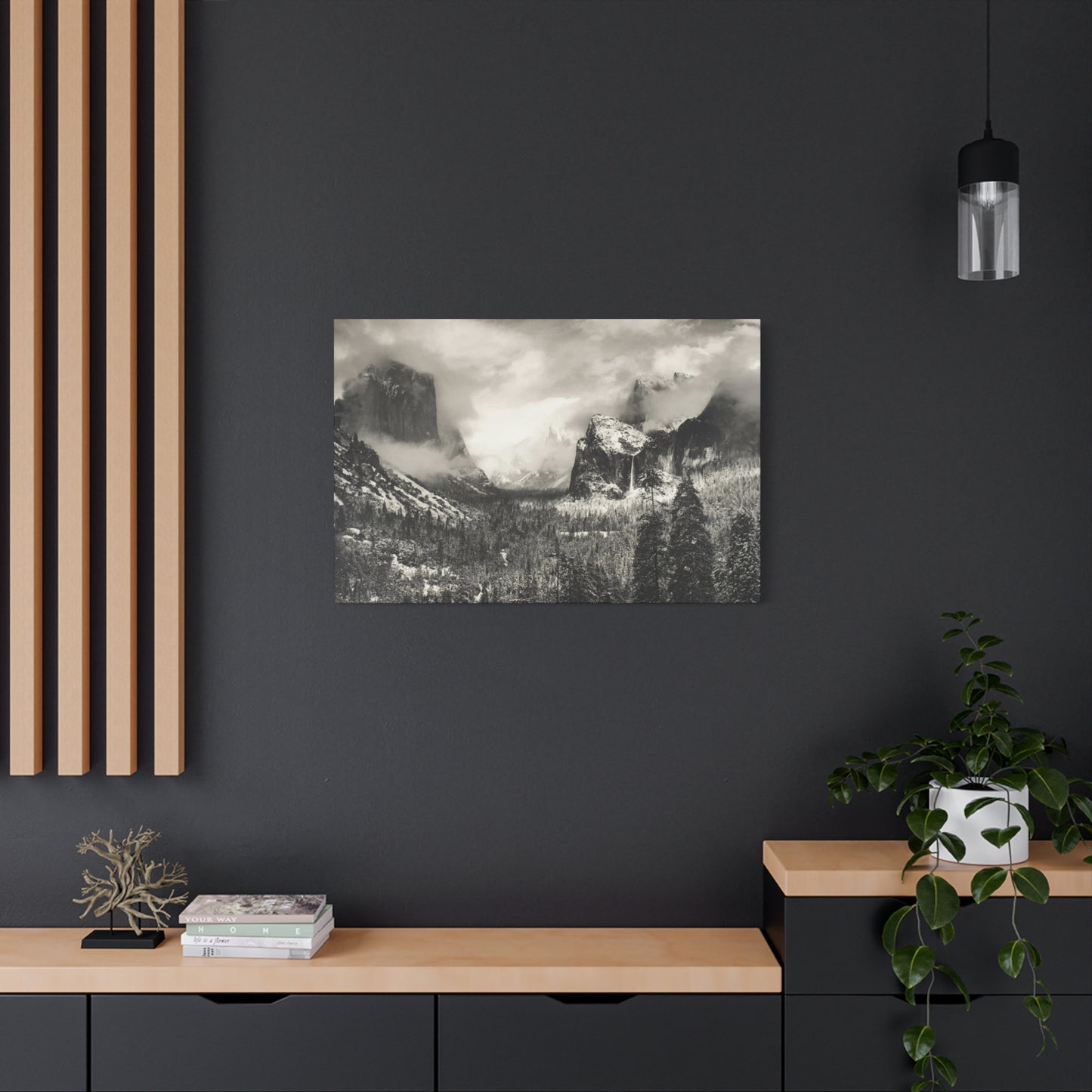


Ansel Wall Art & Canvas Prints
Ansel Wall Art & Canvas Prints
Couldn't load pickup availability
Timeless Photographic Masterpieces Ansel Wall Art Showcasing the Beauty and Skill of Iconic Imagery
The realm of fine art photography has been forever transformed by the monumental contributions of certain visionaries who captured nature's raw magnificence through their lenses. Among these legendary figures, one name resonates with unparalleled reverence across galleries, museums, and private collections worldwide. This comprehensive exploration delves into the captivating world of photographic prints that have adorned walls for generations, examining their enduring appeal, artistic significance, and the profound impact they continue to exert on contemporary interior design and cultural appreciation.
The emergence of dramatic monochromatic landscape imagery during the early twentieth century marked a pivotal moment in photographic artistry. This distinctive approach to capturing wilderness scenery eschewed color in favor of stark contrasts, intricate tonal gradations, and compositional precision that elevated photography from mere documentation to genuine fine art. The meticulous attention to detail, combined with an almost spiritual reverence for pristine natural environments, created a visual language that spoke directly to viewers' souls, transcending temporal and cultural boundaries.
The photographer's methodology involved hauling cumbersome large-format cameras into remote wilderness locations, often waiting hours or even days for optimal lighting conditions. This dedication to craft resulted in images of breathtaking clarity and emotional depth, where every texture, shadow, and highlight contributed to a harmonious whole. The technical mastery displayed in these works demonstrated that photography could rival painting in its expressive capabilities, establishing new standards for the medium that continue to influence practitioners today.
These magnificent prints showcased American wilderness in its most pristine and awe-inspiring states, from towering granite formations to serene alpine meadows, from ancient forests to dramatic cloudscapes. Each composition reflected not merely visual observation but a profound philosophical relationship with nature, embodying beliefs about conservation, beauty, and humanity's place within the natural order. The resulting body of work became instrumental in shaping environmental consciousness and inspiring preservation efforts that protected vast wilderness areas for future generations.
Exploring the Distinctive Characteristics That Make These Photographic Prints Eternally Captivating for Collectors and Enthusiasts
What distinguishes these particular photographic works from countless other landscape images lies in their unique combination of technical excellence, emotional resonance, and philosophical depth. The extraordinary tonal range achieved through masterful darkroom practices created prints with luminosity and dimensionality that continue to astound viewers decades after their creation. Each photograph manifests as a carefully orchestrated symphony of grays, blacks, and whites, where subtle gradations convey textures, atmospheric conditions, and spatial relationships with remarkable precision.
The compositional sophistication evident in these works reflects deep understanding of classical artistic principles adapted to the photographic medium. Golden ratio proportions, leading lines, strategic placement of focal points, and balanced distribution of visual weight all contribute to images that feel simultaneously natural and deliberately crafted. This marriage of spontaneous natural beauty and deliberate artistic arrangement produces photographs that reward repeated viewing, revealing new details and relationships with each examination.
Beyond technical and compositional merits, these photographs possess an intangible quality that transcends pure aesthetics. They emanate a sense of reverence, stillness, and connection to something greater than individual human experience. This spiritual dimension, achieved through the photographer's patient observation and deep immersion in wilderness environments, transforms each print into a meditation on nature's grandeur and permanence. Viewers often report experiencing profound emotional responses when encountering these works, feeling transported to the depicted locations and momentarily released from everyday concerns.
The archival quality of properly produced prints ensures these artworks maintain their visual impact across generations. When created using appropriate materials and techniques, photographic prints can resist fading, discoloration, and degradation for centuries. This longevity makes them not merely decorative objects but genuine heirlooms capable of conveying cultural and aesthetic values across familial lineages, preserving a particular vision of American wilderness for posterity.
How These Iconic Wilderness Photographs Revolutionized Conservation Efforts and Environmental Awareness Across Generations
The profound influence these photographic works exerted on environmental conservation movements cannot be overstated. During an era when wilderness areas faced increasing threats from industrial expansion and resource extraction, these powerful visual testimonies to nature's magnificence provided compelling arguments for preservation. Policymakers, business leaders, and ordinary citizens who might never visit remote wilderness locations could nevertheless experience their grandeur through these photographs, fostering emotional connections that translated into support for conservation legislation.
Specific campaigns to protect threatened landscapes gained momentum when these photographs were strategically deployed to illustrate what might be lost without protective measures. The images served as irrefutable evidence of aesthetic and spiritual values inherent in undeveloped wilderness, complementing scientific and economic arguments with visceral emotional appeals. This multifaceted approach to advocacy proved remarkably effective, contributing to the establishment of national parks, wilderness designations, and environmental protection statutes that continue safeguarding natural areas today.
The photographer's personal involvement in conservation organizations and advocacy efforts amplified the impact of the visual work. By combining artistic practice with activism, a model emerged for how creative professionals could leverage their talents toward social and environmental causes. This legacy inspired subsequent generations of photographers, filmmakers, writers, and artists to view their work as potential catalysts for positive change, transforming creative practice from purely aesthetic endeavors into vehicles for cultural transformation.
Contemporary environmental movements continue drawing inspiration from these pioneering efforts, recognizing that compelling visual narratives remain essential for building public support for conservation initiatives. In an increasingly digital age, these classic wilderness photographs persist in communication campaigns, educational materials, and advocacy platforms, demonstrating their enduring relevance and persuasive power. The foundational principle that beautiful, well-crafted images can shift public consciousness and influence policy remains as valid today as when these photographs first emerged.
Decoding the Masterful Darkroom Practices and Printing Methods That Created These Legendary Photographic Works
The creation of these extraordinary photographic prints involved intricate darkroom processes that demanded exceptional skill, patience, and artistic sensibility. Unlike contemporary digital workflows where adjustments happen instantaneously on computer screens, the analog approach required hours of meticulous work for each print, with practitioners exercising precise control over chemical compositions, exposure durations, and paper selections to achieve desired aesthetic effects.
The zone system, a revolutionary approach to exposure and processing, enabled photographers to previsualize final print tonalities while composing images in the field. This systematic method divided the tonal spectrum into eleven distinct zones, from pure black to pure white, allowing precise control over how various scene elements would render in the final photograph. By carefully metering different areas within a composition and adjusting exposure and development accordingly, photographers could ensure that critical details remained visible throughout the tonal range, from deepest shadows to brightest highlights.
Dodging and burning techniques allowed selective lightening or darkening of specific areas during the printing process, refining tonal relationships and directing viewer attention toward compositional focal points. These hands-on manipulations required remarkable coordination and timing, with practitioners moving their hands, cardboard cutouts, or specialized tools above photographic paper during exposures, subtly modifying how light reached different regions. Mastery of these techniques could transform competent photographs into transcendent works of art, imbuing images with dramatic emphasis and emotional intensity.
Paper selection profoundly influenced final aesthetic qualities, with different paper types offering varying tonal characteristics, surface textures, and archival properties. Fiber-based papers, prized for their durability and tonal richness, required lengthy processing sequences involving multiple chemical baths and extended washing periods. The resulting prints possessed a subtle luminosity and tactile quality impossible to replicate with modern materials, contributing to their desirability among collectors and connoisseurs who appreciate these distinctive characteristics.
Understanding the Cultural Significance and Artistic Legacy of Monochromatic Wilderness Photography in Modern Visual Arts
The influence of classic wilderness photography extends far beyond environmental advocacy, profoundly shaping contemporary visual culture and establishing aesthetic standards that persist across multiple creative disciplines. The emphasis on tonal mastery, compositional rigor, and emotional authenticity pioneered by these early practitioners continues informing how photographers, designers, and visual artists approach their crafts. Art schools worldwide teach principles derived from these works, ensuring their conceptual frameworks remain relevant for emerging creative professionals.
The deliberate choice to work exclusively in black and white, rejecting color photography even after it became technically viable, reflected philosophical commitments to timelessness, purity, and essential forms. By stripping away color information, these photographers directed attention toward fundamental elements of composition, light, texture, and form. This reductionist approach paradoxically enriched visual experience, compelling viewers to engage more deeply with subtleties they might otherwise overlook when distracted by chromatic information.
Museums and galleries continue mounting major exhibitions showcasing these works, introducing new generations to their power and relevance. These presentations often contextualize the photographs historically, exploring connections between artistic practice, environmental movements, and broader cultural currents of their creation period. Such exhibitions demonstrate how individual artistic visions can catalyze social change while simultaneously achieving timeless aesthetic significance, offering valuable lessons about art's potential roles within society.
Contemporary photographers working in landscape genres inevitably navigate relationships with this towering legacy, whether through homage, reinterpretation, or deliberate divergence. Some embrace similar approaches, seeking remote wilderness locations and employing large-format cameras to create works channeling the spirit of these classic images. Others deliberately subvert established conventions, introducing color, digital manipulation, or human elements into compositions, asserting new visions for what landscape photography might become. Regardless of approach, the foundational influence remains inescapable, testament to the profound and lasting impact of these pioneering works.
Examining the Various Wilderness Locations Immortalized Through These Remarkable Photographic Compositions
The diverse landscapes captured in these celebrated photographs span the full spectrum of American wilderness environments, each location presenting unique visual characteristics and photographic challenges. Dramatic mountain ranges with their imposing granite walls, cascading waterfalls, and alpine meadows provided endless compositional possibilities, their grandeur naturally lending itself to powerful imagery. The interplay between solid geological forms and ephemeral atmospheric effects like clouds, mist, and changing light created dynamic scenes that rewarded patient observation.
Desert environments offered entirely different aesthetic qualities, with stark rock formations, sand dunes, and expansive horizons producing compositions emphasizing space, isolation, and geological time scales. The intense contrasts and clean lines characteristic of arid landscapes translated beautifully into monochromatic imagery, where subtle tonal variations could distinguish sky from sand despite similar luminance values. These photographs challenged viewers' perceptions of beauty, demonstrating that sparse, seemingly barren environments possessed their own austere magnificence.
Coastal regions provided opportunities to explore relationships between earth, water, and atmosphere, with rocky shorelines, crashing waves, and dramatic skies generating compositions full of movement and energy. The technical challenge of capturing water in motion while maintaining crisp detail elsewhere in the frame demanded sophisticated understanding of exposure principles and timing. Successful images balanced frozen movement with blur, conveying both the power and fluidity of oceanic forces.
Ancient forests with their towering trees, dappled light, and rich textures offered intimate scenes contrasting with the grand vistas of mountains and deserts. These photographs revealed the photographer's ability to find compelling compositions at various scales, from sweeping panoramas to detailed studies of bark patterns or fern fronds. The diversity of landscapes represented in the overall body of work demonstrated remarkable versatility and deep appreciation for all manifestations of natural beauty, from the monumental to the minute.
Why Collectors and Art Enthusiasts Continue Seeking Original Prints and High-Quality Reproductions of These Masterful Photographs
The enduring market demand for these photographic works reflects their multifaceted value as artistic objects, cultural artifacts, and investment vehicles. Original prints produced during the photographer's lifetime command premium prices at auctions and through specialized dealers, with provenance, condition, and printing date significantly affecting valuations. Serious collectors prize these vintage prints for their direct connection to the creator's vision and the distinctive qualities imparted by period materials and processes.
For those unable to acquire original prints due to rarity or cost considerations, high-quality reproductions offer alternative pathways to ownership and enjoyment. Modern printing technologies can produce remarkably faithful reproductions that capture much of the visual impact of originals, though connoisseurs maintain that subtle qualities distinguishing vintage prints remain inimitable. Nevertheless, well-executed reproductions serve valuable roles in making these important works accessible to broader audiences, democratizing access to significant cultural artifacts.
The aesthetic versatility of these photographs contributes to their popularity in residential and commercial spaces. Their monochromatic palette ensures compatibility with diverse interior design schemes, from minimalist contemporary to traditional classic styles. The timeless subject matter avoids dating interiors as trendy decorative choices might, while the high artistic quality lends sophistication and cultural refinement to environments they inhabit. Collectors often report that living with these images brings daily pleasure and inspiration, their contemplative qualities providing respite from modern life's frenetic pace.
Investment considerations increasingly motivate acquisitions, as vintage photographic prints from recognized masters have demonstrated consistent value appreciation over decades. Art market analysts note that iconic works from this photographer consistently outperform broader art market indices, offering both aesthetic enjoyment and financial security. However, genuine enthusiasts emphasize that investment potential should remain secondary to authentic appreciation for the works' artistic and cultural significance, ensuring collecting practices prioritize preservation and accessibility over purely mercenary considerations.
Discovering the Perfect Placement Strategies for Displaying These Dramatic Photographic Artworks in Contemporary Living Spaces
Successful display of these powerful photographs requires thoughtful consideration of viewing distances, lighting conditions, and surrounding environmental factors. The large format and intricate detail characteristic of many prints demands adequate viewing space, allowing observers to appreciate both overall composition and minute details without crowding. Gallery-style hanging at appropriate eye levels ensures comfortable viewing experiences, while strategic placement relative to natural and artificial light sources prevents glare while highlighting tonal subtleties.
Living rooms and primary gathering spaces naturally accommodate these works, where their contemplative qualities can enrich daily life and provide conversation focal points for visitors. Positioning major pieces above substantial furniture items like sofas or console tables creates balanced visual arrangements that anchor spaces while directing attention upward. Alternatively, dedicating entire walls to single large prints makes bold statements celebrating the photographs' monumental qualities and allowing them to dominate environments as they deserve.
Private spaces like studies, libraries, or bedrooms benefit from these photographs' meditative qualities, their serene natural subjects promoting relaxation and contemplation. Smaller prints or more intimate compositions work particularly well in these contexts, where closer viewing distances enable appreciation of subtle details and tonal nuances. Pairing photographic works with comfortable seating arrangements encourages extended viewing sessions, transforming art appreciation from brief glances into meaningful encounters.
Commercial environments including offices, hospitality venues, and healthcare facilities increasingly incorporate these classic photographs, recognizing their ability to humanize institutional spaces while conveying values like stability, quality, and cultural sophistication. Corporate collections featuring these works signal organizational commitments to excellence and timeless values, while healthcare settings benefit from the calming, stress-reducing effects of nature imagery. Proper framing, lighting, and positioning remain critical in these contexts, ensuring artworks maintain visual impact despite potentially challenging environmental conditions.
Investigating the Various Print Formats and Sizes Available for These Celebrated Wilderness Photographs
The diverse range of formats and dimensions in which these photographs exist reflects both original printing practices and contemporary reproduction capabilities. The photographer's preference for contact printing from large-format negatives produced original prints ranging from modest dimensions suitable for intimate viewing to impressive large-scale works commanding wall space. Each size category offers distinct experiential qualities, with smaller prints inviting close inspection of details while larger versions immerse viewers in depicted scenes.
Portfolio collections assembling multiple related images provide opportunities to experience thematic progressions or geographic series, with standardized print sizes within portfolios ensuring visual consistency. These curated selections often represent the photographer's own editorial decisions about which images best conveyed particular aspects of wilderness experience or specific locations. Collectors value portfolios for their coherence and completeness, viewing them as definitive statements rather than random assemblages.
Modern reproductions expand size options beyond those available during the photographer's lifetime, with digital printing technologies enabling production of extremely large prints maintaining remarkable detail and tonal fidelity. These oversized versions suit contemporary architectural contexts featuring expansive wall surfaces and generous room proportions. However, purists sometimes question whether enlargements beyond original negative sizes respect the creator's intentions, debating whether dramatic scale increases alter fundamental relationships between viewer and image.
Limited edition reproductions maintain exclusivity and value by restricting production quantities, with edition sizes, numbering systems, and certificates of authenticity providing verifiable provenance. Serious collectors prefer working with established publishers known for quality and ethical practices, ensuring purchases represent genuine authorized reproductions rather than unauthorized copies lacking proper attribution or quality standards. Understanding distinctions between various edition types, printing methods, and authorization levels proves essential for making informed collecting decisions.
Analyzing the Compositional Principles and Visual Strategies Employed in These Groundbreaking Photographic Works
The sophisticated compositional structures underlying these seemingly natural scenes reveal deliberate artistic decisions informed by both classical art principles and unique photographic considerations. Strategic positioning of horizon lines, typically avoiding center placement in favor of upper or lower third positions, creates dynamic rather than static compositions. This approach derives from painting traditions but adapts naturally to photographic contexts, where frame edges and aspect ratios constrain compositional possibilities differently than unbounded canvases.
Foreground elements provide visual entry points and establish spatial depth, guiding viewer attention from immediate to distant subjects through carefully arranged visual pathways. Rocks, trees, streams, or other natural features positioned in lower frame regions serve as compositional anchors while demonstrating scale relationships between near and far objects. The careful selection and positioning of these elements distinguishes thoughtfully composed photographs from casual snapshots, transforming documentation into artistic statement.
Leading lines created by rivers, ridgelines, tree trunks, or geological features direct viewer attention through compositions toward predetermined focal points. These linear elements create visual momentum and narrative flow, encouraging eye movement that explores the entire image rather than fixing on single elements. The masterful manipulation of naturally occurring lines demonstrates how photographers can impose order and intention onto chaotic natural scenes through selective framing and perspective choices.
Tonal distribution throughout compositions ensures visual balance while creating emphasis through contrast relationships. Photographers carefully orchestrated placement of light and dark elements, ensuring that excessive concentration of similar tones didn't create visual dead zones or unbalanced weight distribution. The resulting images possess equilibrium where all regions contribute meaningfully to overall aesthetic impact, with no areas feeling neglected or visually inert despite monochromatic palette limitations.
Recognizing the Influence of Eastern Philosophy and Artistic Traditions on These Western Wilderness Photographs
Subtle but significant influences from Asian artistic and philosophical traditions permeate these quintessentially American photographs, reflecting the creator's broad cultural interests and intellectual curiosity. The emphasis on simplicity, essential forms, and spiritual connection with nature resonates strongly with Zen Buddhist aesthetics and Chinese landscape painting traditions. Compositional strategies like asymmetrical balance, generous negative space, and subjects emerging from mist echo visual approaches perfected by East Asian masters centuries earlier.
The meditative quality pervading these works suggests philosophical alignments with contemplative practices valuing patient observation, present-moment awareness, and dissolution of boundaries between observer and observed. Rather than asserting human dominance over nature through dramatic heroic framing, these photographs often position viewers as humble witnesses to scenes existing independently of human presence. This subtle shift in perspective reflects Eastern philosophical concepts about humanity's place within rather than above natural systems.
The restraint evident in these compositions, their deliberate avoidance of excessive detail or visual complexity, mirrors aesthetic principles articulated in various Asian artistic traditions. The concept of meaningful emptiness, where unoccupied space contributes as significantly to overall composition as occupied areas, finds perfect expression in photographs featuring expansive skies, smooth water surfaces, or featureless snowfields. Western audiences, less familiar with these principles, sometimes experience them intuitively without recognizing their philosophical origins.
This cross-cultural synthesis demonstrates how artistic excellence transcends geographic and cultural boundaries, creating visual languages accessible to diverse audiences despite different cultural backgrounds. The photographer's ability to absorb and synthesize influences from disparate traditions while maintaining a distinctive personal vision exemplifies artistic sophistication at its highest level. These works remind us that great art draws nourishment from multiple sources, transforming diverse influences into something entirely new and original.
Exploring the Scientific Precision and Meticulous Planning Behind Each Carefully Crafted Wilderness Photograph
Contrary to romantic notions of inspired artists spontaneously capturing fleeting moments, these photographs resulted from extensive preparation, scientific understanding, and systematic approach to image creation. The photographer maintained detailed notes recording location specifics, weather conditions, time of day, equipment settings, and processing variations for each negative. This empirical methodology enabled systematic refinement of techniques and consistent reproduction of desired aesthetic effects across varied circumstances.
The zone system mentioned earlier represented a fundamentally scientific approach to photographic practice, translating subjective visual experiences into objective measurements and reproducible procedures. By quantifying tonal relationships and establishing standardized processing protocols, practitioners could achieve predictable results despite photography's inherent variables. This systematic rigor elevated photography from craft dependent on intuition and luck to disciplined practice yielding consistent excellence through applied knowledge.
Astronomical calculations informed scheduling of photographic expeditions to coincide with optimal sun positions, moon phases, and seasonal conditions. Understanding how celestial mechanics affected terrestrial lighting enabled photographers to maximize chances of encountering desired atmospheric effects and dramatic illumination. This scientific planning didn't eliminate spontaneity but rather increased probabilities of being properly positioned when magical moments occurred, preparation meeting opportunity to generate extraordinary images.
Geological knowledge enhanced compositional decisions and location selection, with understanding of landscape formation processes guiding photographers toward visually compelling features. Recognizing how erosion, glaciation, volcanic activity, and tectonic forces shaped landforms enabled more informed artistic choices about which locations warranted extensive documentation. Scientific understanding thus served artistic ends, demonstrating how seemingly opposed knowledge domains can productively inform each other when approached with open and integrative mindset.
Understanding the Critical Role of Proper Framing and Matting in Preserving and Presenting These Valuable Photographic Prints
Appropriate framing practices extend far beyond aesthetic considerations, serving essential protective functions that determine whether photographic prints survive decades or deteriorate prematurely. Archival framing techniques prevent contact between prints and potentially harmful materials while controlling environmental factors that accelerate degradation. Museum-quality approaches employ acid-free materials, UV-filtering glazing, and proper ventilation to create stable microclimates within frames, shielding delicate prints from atmospheric pollutants, moisture fluctuations, and damaging light exposure.
Mat selection profoundly influences how viewers perceive and interact with framed photographs. Generous matting provides breathing room around images, preventing visual crowding while directing attention toward photographic content rather than framing materials. Color choices for mats require careful consideration, with neutral tones typically preferred to avoid competing with image tones or introducing unwanted color casts through reflected light. The width and proportions of mat borders affect perceived image scale and formality, with wider mats generally conveying greater significance and refinement.
Glazing options range from standard glass through anti-reflective coatings to acrylic alternatives, each offering distinct advantages and drawbacks. Museum glass incorporating anti-reflective technology and UV filtering represents the premium choice for valuable prints, virtually eliminating surface reflections while blocking harmful radiation. However, its cost and weight limit practicality for very large frames. Acrylic alternatives offer lighter weight and shatter resistance but require careful cleaning to avoid scratching and can develop static charges attracting dust.
Professional framing services specializing in photographic works bring expertise ensuring proper mounting techniques that avoid print damage while accommodating normal expansion and contraction with environmental changes. Inferior framing practices using acidic materials, improper mounting methods, or inadequate sealing can irreparably damage prints worth thousands of dollars, making professional consultation worthwhile for valuable pieces. The modest additional investment in proper framing pays dividends through extended print lifespan and maintained aesthetic quality.
Evaluating the Market Dynamics and Investment Considerations Surrounding These Iconic Photographic Artworks
The secondary market for vintage photographic prints operates through established channels including auction houses, specialized galleries, and private dealers, each offering distinct advantages for buyers and sellers. Major auction houses provide transparency through published results and cataloging expertise but extract substantial commissions and buyer's premiums. Galleries offer curatorial knowledge and opportunities for extended viewing before purchase but typically maintain higher margins than auction contexts. Private dealers can facilitate discreet transactions and provide personalized service but require greater buyer diligence regarding authenticity and pricing.
Authentication represents paramount concern when acquiring valuable vintage prints, as market incentives have unfortunately spawned forgeries and misrepresented reproductions. Reputable dealers provide thorough documentation including provenance histories, prior ownership records, and expert authentication when available. Physical examination by qualified experts can identify printing techniques, paper types, and signatures characteristic of genuine vintage prints versus later reproductions. Buyers should insist on return privileges pending independent authentication, protecting themselves against costly mistakes.
Condition assessment requires trained eye capable of distinguishing minor flaws from serious damage affecting value. Surface problems like scratches, stains, or fading dramatically reduce desirability, while archival defects including foxing, embrittlement, or mounting damage signal underlying preservation issues. Original signatures and edition information increase value significantly, as do gallery stamps or other provenance indicators. Buyers must balance desires for pristine examples against rarity considerations, recognizing that some images exist only in less-than-perfect condition.
Market valuations fluctuate based on broader economic conditions, art market trends, and specific factors affecting photographic collecting. Works by historically significant photographers generally maintain value better than contemporary practitioners lacking established reputations. Iconic images recognizable to broad audiences command premiums over lesser-known works, even from the same photographer. Size, printing date, edition status, and condition all influence pricing within nuanced formula requiring market knowledge to properly evaluate.
Discovering Contemporary Photographers Carrying Forward the Legacy of Classic Wilderness Documentation
Numerous talented practitioners working today acknowledge direct inspiration from these pioneering wilderness photographs, adapting established approaches to contemporary contexts while developing personal visions. Some embrace large-format film cameras and traditional darkroom processes, deliberately maintaining continuity with historical methods despite digital alternatives. These traditionalists argue that film's unique aesthetic qualities and contemplative working pace remain essential for creating meaningful landscape photographs, resisting pressures toward technological convenience.
Others synthesize historical influences with contemporary capabilities, employing digital capture while honoring compositional principles and tonal sensibilities established by earlier masters. These hybrid approaches acknowledge that tools matter less than vision and craft, with excellent photographs possible regardless of capture medium. By focusing on shared aesthetic values rather than specific technologies, these photographers demonstrate how artistic traditions evolve while maintaining core principles.
Some contemporary practitioners deliberately diverge from established conventions, introducing color, human elements, or evidence of environmental degradation into wilderness imagery. These revisionist approaches challenge romantic wilderness concepts, questioning whether uninhabited pristine nature actually exists in heavily impacted contemporary landscapes. While controversial among traditionalists, these alternative visions reflect legitimate artistic responses to changed environmental realities, expanding discourse around appropriate ways of representing nature photographically.
Regardless of stylistic approach, serious landscape photographers today operate within shadow cast by these towering historical achievements, navigating complex relationships with inherited traditions. The burden of influence challenges each practitioner to find authentic personal expression rather than merely imitating established formulas. Those succeeding in this difficult task honor predecessors not through imitation but by demonstrating that landscape photography remains vital living tradition capable of evolving while maintaining connections to foundational principles.
Investigating the Environmental Messages and Conservation Philosophies Embedded Within These Powerful Nature Photographs
Beyond their aesthetic achievements, these photographs function as powerful environmental statements advocating for preservation of wilderness and recognition of nature's intrinsic value. The very act of documenting remote locations in such exquisite detail asserts their worthiness of protection, countering utilitarian arguments viewing undeveloped land merely as unexploited resources. By revealing sublime beauty accessible through patient observation and artistic interpretation, these works construct compelling cases for conservation based on aesthetic and spiritual rather than purely economic criteria.
The absence of human figures in most compositions reflects specific philosophical stance about humanity's relationship with nature. Rather than depicting wilderness as backdrop for human recreation or conquest, these photographs present landscapes as self-sufficient systems possessing dignity and significance independent of human presence. This perspective challenges anthropocentric worldviews positioning humans as central reference points, suggesting instead that humans should approach nature with humility and respect.
The emphasis on pristine, seemingly untouched environments creates idealized wilderness concepts that some critics argue oversimplify complex ecological realities. These photographs rarely depict evidence of human impact, environmental degradation, or indigenous land management practices that shaped many supposedly virgin landscapes. This selective representation constructs particular wilderness mythology supporting preservation arguments but potentially obscuring historical and contemporary complexities of human-nature relationships.
Despite such critiques, the conservation impact of these photographs remains undeniable. They inspired millions to value wilderness, influenced policy decisions protecting critical habitats, and demonstrated how artistic practice could advance social causes. Modern environmental advocates continue leveraging compelling imagery to build support for conservation initiatives, validating the strategic deployment of beautiful photographs in service of protecting threatened ecosystems. The foundational principle that people protect what they love, and love what they find beautiful, remains cornerstone of image-based environmental advocacy.
Examining the Printing Papers and Chemical Processes That Created These Enduring Archival Photographic Masterpieces
The remarkable longevity and tonal beauty of vintage photographic prints stems partly from superior materials and processes available during earlier photographic eras. Premium fiber-based silver gelatin papers manufactured during the mid-twentieth century possessed exceptional tonal range, archival stability, and tactile qualities distinguishing them from contemporary alternatives. These papers featured thick, high-quality fiber substrates coated with gelatin emulsions containing silver halide crystals, creating responsive surfaces capable of capturing extraordinary detail and subtle tonal gradations.
The printing process itself involved precise chemical sequences beginning with exposure under enlargers projecting light through negatives onto photosensitive papers. Development chemicals transformed exposed silver halides into metallic silver forming visible images, with development duration and chemical strength affecting contrast and density. Stop bath solutions halted development at precise moments, followed by fixing baths dissolving unexposed silver halides and stabilizing images. Extended washing removed residual chemicals that could cause long-term degradation, with archival processing including additional toning steps enhancing stability and subtly modifying image color.
Selenium toning represented common archival treatment providing both protective benefits and aesthetic enhancements. This process converted some metallic silver into silver selenide, a more stable compound resistant to atmospheric pollutants that tarnish untreated prints. Additionally, selenium toning enriched shadow tones, adding depth and luminosity to darkest image regions. Properly executed selenium toning extended print lifespan dramatically while refining visual qualities, making it standard practice among quality-conscious photographers.
The subsequent decline of fiber-based papers in favor of resin-coated alternatives prioritizing processing convenience over archival quality concerned purists who recognized that inferior materials compromised photographic permanence. While modern archival papers exist, many photographers and collectors maintain that vintage materials possessed special qualities no longer available. This perspective drives demand for vintage prints produced using superior papers and careful processing, recognizing that material choices fundamentally affect both immediate visual impact and long-term survival.
Recognizing How These Photographs Shaped Public Perception of American Wilderness and National Identity
The widespread dissemination of these wilderness photographs through books, calendars, posters, and gallery exhibitions profoundly influenced how Americans understood their nation's landscapes and cultural character. Images depicting dramatic mountain ranges, vast deserts, and ancient forests became visual shorthand for American identity, representing frontier heritage, pioneering spirit, and exceptional natural endowment. This photographic construction of national landscape mythology contributed to collective self-understanding as people specially blessed with magnificent natural resources.
The emphasis on Western landscapes, particularly iconic locations in the Sierra Nevada, Yosemite, and Southwest deserts, concentrated attention on specific geographic regions while potentially marginalizing other equally significant but less photogenic areas. This selective representation shaped tourism patterns, conservation priorities, and public consciousness about which landscapes deserved protection and celebration. The resulting geographic hierarchy of landscape values reflects artistic choices becoming embedded in cultural consciousness through repeated exposure to particular images.
International audiences encountering these photographs developed specific impressions about American landscape character and national values. The photographs projected image of vast unspoiled wilderness suggesting limitless space and natural abundance, contributing to American exceptionalism narratives. Foreign viewers sometimes struggled to reconcile these pristine wilderness depictions with realities of industrial development, urbanization, and environmental degradation affecting much of the country, revealing tensions between idealized representations and complex realities.
Contemporary scholars examining these photographs critically recognize their role constructing particular wilderness ideologies serving specific cultural functions. While appreciating their artistic achievements and conservation contributions, critical perspectives note how selective representation naturalizes specific relationships with land while obscuring alternative approaches including indigenous land management traditions. This nuanced assessment doesn't diminish the photographs' significance but rather contextualizes them within broader cultural processes shaping environmental attitudes and landscape values.
Understanding the Relationship Between These Photographs and the Broader Pictorialist and Modernist Movements in Art
The artistic context within which these photographs emerged included vigorous debates about photography's status relative to established fine arts like painting and sculpture. Pictorialist movements attempted elevating photography's cultural standing by emulating painterly effects through soft focus, manipulated printing techniques, and romantic subject matter. However, the photographer associated with these wilderness images aligned more closely with modernist movements emphasizing photography's unique capabilities rather than imitating other media.
The straight photography aesthetic championed by various photographic movements rejected manipulations and artifice in favor of sharp focus, full tonal range, and honest representation of subject matter. This approach asserted that photography possessed intrinsic qualities warranting appreciation on its own terms rather than requiring validation through resemblance to painting. The resulting images celebrated photographic virtues including precise detail rendering, extended depth of field, and ability to capture specific moments with documentary accuracy.
However, describing these photographs as merely documentary oversimplifies their sophisticated artistry. While technically precise and factually accurate in rendering physical appearances, they simultaneously functioned as deeply personal artistic statements reflecting individual vision and aesthetic preferences. The careful selection of subject matter, timing, composition, and printing decisions all constituted artistic choices distinguishing these works from mechanical documentation. This synthesis of documentary accuracy and artistic expression represented mature photographic practice transcending simple binary oppositions between documentary and art photography.
The photographs' influence extended beyond photographic circles into broader modernist movements emphasizing essential forms, honest materials, and rejection of unnecessary ornamentation. The stripped-down aesthetic and emphasis on intrinsic subject beauty resonated with modernist principles operating across architecture, design, and various artistic disciplines. This cross-pollination demonstrated how photographic practice could contribute meaningfully to broader cultural conversations about appropriate aesthetic approaches for modern industrial society.
Exploring the Seasonal Variations and Atmospheric Conditions Captured in These Diverse Wilderness Photographs
The dramatic seasonal transformations occurring in wilderness environments provided endless subject matter for patient photographers willing to revisit locations under varying conditions. Winter photographs depicting snow-laden trees, frozen waterfalls, and pristine white landscapes conveyed hushed serenity and sculptural purity, with simplified forms emerging from white expanses. These winter compositions demonstrated how seasonal changes fundamentally altered familiar locations, revealing different aesthetic possibilities depending on annual cycles.
Spring imagery captured renewal and vitality through blooming wildflowers, rushing snowmelt-swollen streams, and fresh vegetation emerging from winter dormancy. The technical challenge of photographing flowers in black and white required careful attention to tonal separation, ensuring that different colored blooms remained distinguishable despite lacking chromatic information. Successful spring photographs conveyed season-specific energy and optimism through compositional dynamism and careful tonal orchestration.
Summer scenes showcased fully developed vegetation, dramatic thunderstorm buildups, and ideal conditions for accessing remote high-elevation locations. The extended daylight hours and generally favorable weather facilitated ambitious expeditions into wilderness areas inaccessible during other seasons. Summer photographs often captured peak landscape conditions, with maximum vegetation coverage and optimal opportunities for encountering dramatic cloud formations and atmospheric effects.
Autumn imagery celebrated seasonal transitions through changing foliage, dramatic lighting from lower sun angles, and clearing atmospheric conditions following summer storm patterns. Fall photographs frequently depicted meadows transitioning from green to gold, trees displaying seasonal color changes, and crisp air quality enhancing distant visibility. The technical rendering of autumn colors into monochromatic tones required sophisticated understanding of how different colors translated into specific gray values, ensuring autumn's characteristic vibrancy survived translation into black and white.
Final Thoughts
Ansel Wall Art is more than just décor—it's a celebration of nature's stunning landscapes, captured through the lens of one of the most iconic photographers in history. Ansel Adams, renowned for his breathtaking black-and-white images of the American West, brought to life the grandeur of mountains, forests, and deserts in a way that transcends time and place. His work continues to inspire generations of art lovers, photographers, and nature enthusiasts. When you incorporate Ansel Wall Art into your home, you’re not only bringing a masterpiece into your space—you’re connecting with the very essence of the natural world, its power, serenity, and beauty.
What makes Ansel Wall Art truly exceptional is its mastery in capturing the intricate details of nature, from the vastness of sweeping landscapes to the delicate textures of trees, rivers, and rock formations. Through the use of dramatic lighting, contrast, and composition, Ansel Adams was able to bring out the emotive qualities of nature, turning even the most quiet scenes into powerful visual statements. His works, like Moonrise, Hernandez, New Mexico or Clearing Winter Storm, go beyond mere representations of the natural world—they evoke a sense of awe and reverence, making viewers feel as though they are standing right there in the landscape, experiencing its magnificence firsthand.
Ansel Adams’s photography was not just about documenting nature, but about conveying emotion and telling a story through his lens. He was a master of visual storytelling, using light and shadow to create depth and dimension in his photographs, often resulting in stunningly dramatic compositions. This skill is one of the hallmarks of his work and makes Ansel Wall Art an ideal choice for those who appreciate fine art that captures both the visual and emotional essence of a scene. His use of deep contrasts, especially in his famous black-and-white prints, brings an intensity to the art that evokes a powerful emotional response, while also revealing the quiet, peaceful side of nature through softer tones and delicate textures.
When displayed in a living space, Ansel Wall Art becomes more than just a picture on a wall—it transforms the room into a reflection of nature's beauty and power. The high contrast of black-and-white photography adds sophistication to modern interiors, while the timeless subjects of mountains, lakes, and forests offer a grounding presence in more traditional or rustic settings. This versatility makes Ansel Adams’s photography a wonderful addition to a variety of home décor styles. Whether used to anchor a minimalist space or to add a touch of nature to a more eclectic room, his work has the power to bring both tranquility and grandeur into any setting.
Additionally, Ansel Adams’s work holds deep environmental significance. As an ardent conservationist, Adams used his photography to promote the protection of national parks and public lands, becoming a key figure in the environmental movement. His iconic images are not just beautiful—they are also a reminder of the importance of preserving the natural world for future generations. By displaying Ansel Wall Art in your home, you're not only bringing beauty into your space, but also supporting the ongoing dialogue about environmental preservation and the importance of our natural landscapes.
Whether you're drawn to the sweeping vistas of the American West or the close-up details of nature's smallest wonders, Ansel Wall Art brings timeless beauty and craftsmanship into your home. Each piece tells a story, offers a moment of reflection, and invites a deeper connection to the natural world. It’s not just art—it’s an invitation to step into a world of calm, awe, and appreciation for the grandeur of nature.
In conclusion, Ansel Wall Art is a perfect choice for anyone looking to elevate their interior décor with iconic, emotionally charged photography. Its timeless appeal, combined with the unparalleled craftsmanship behind each image, ensures that it will remain relevant and impactful for years to come. Whether you're an art collector, a nature lover, or someone seeking to add a touch of elegance and inspiration to your home, Ansel Adams's work offers a glimpse into the soul of the landscape—one that speaks to both the eye and the heart. Through these masterpieces, you not only transform your space but also bring the magnificence of the natural world right into your living room.
Share