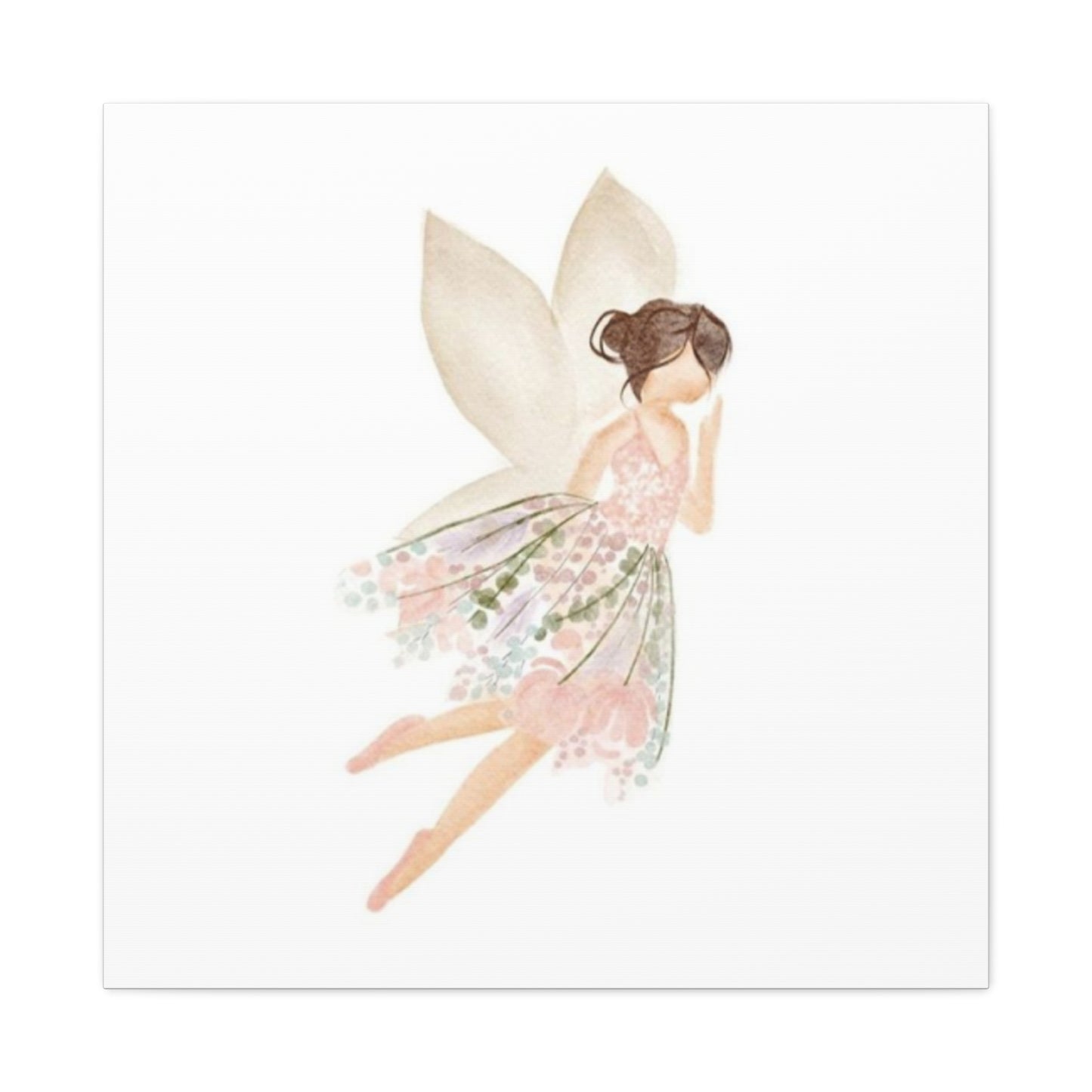
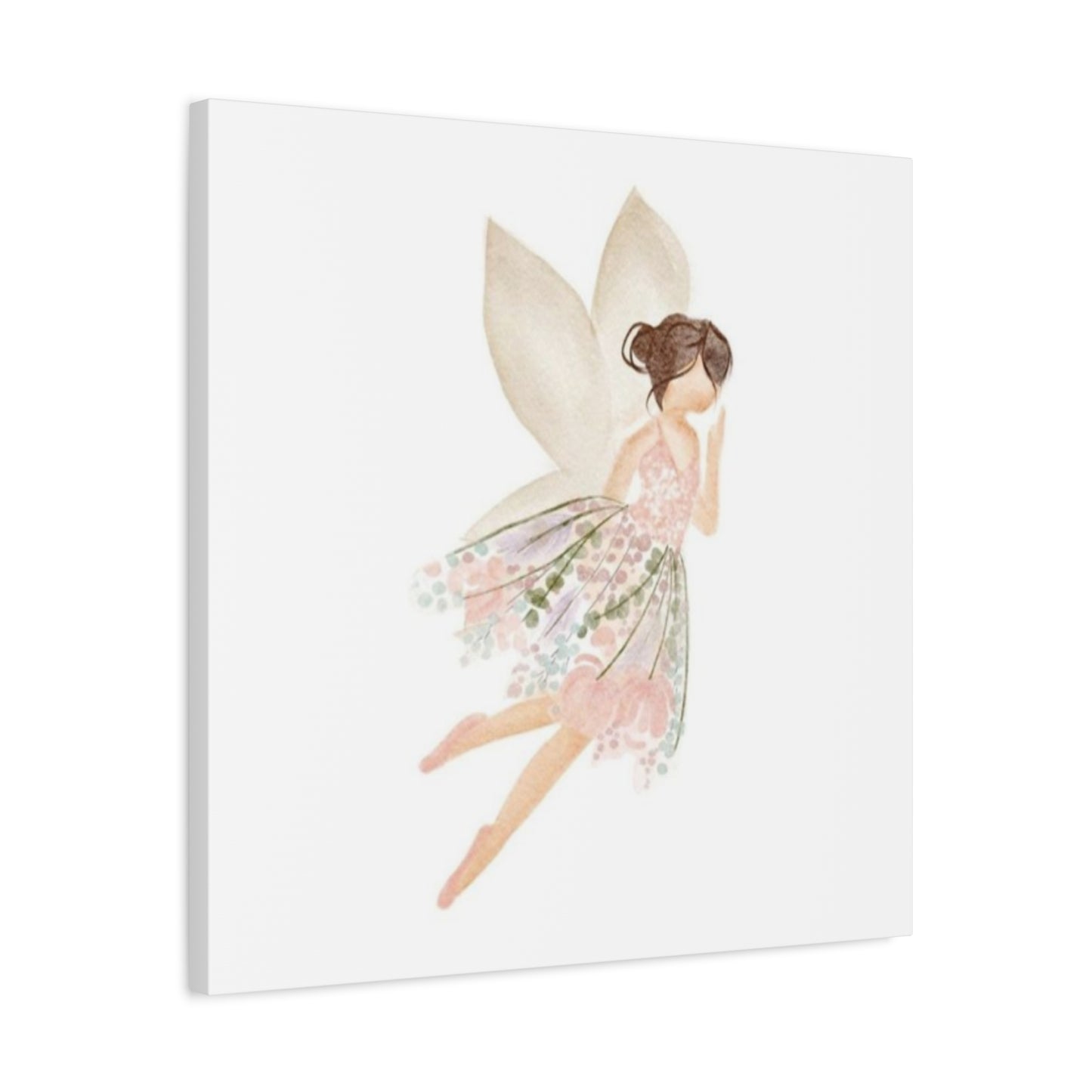
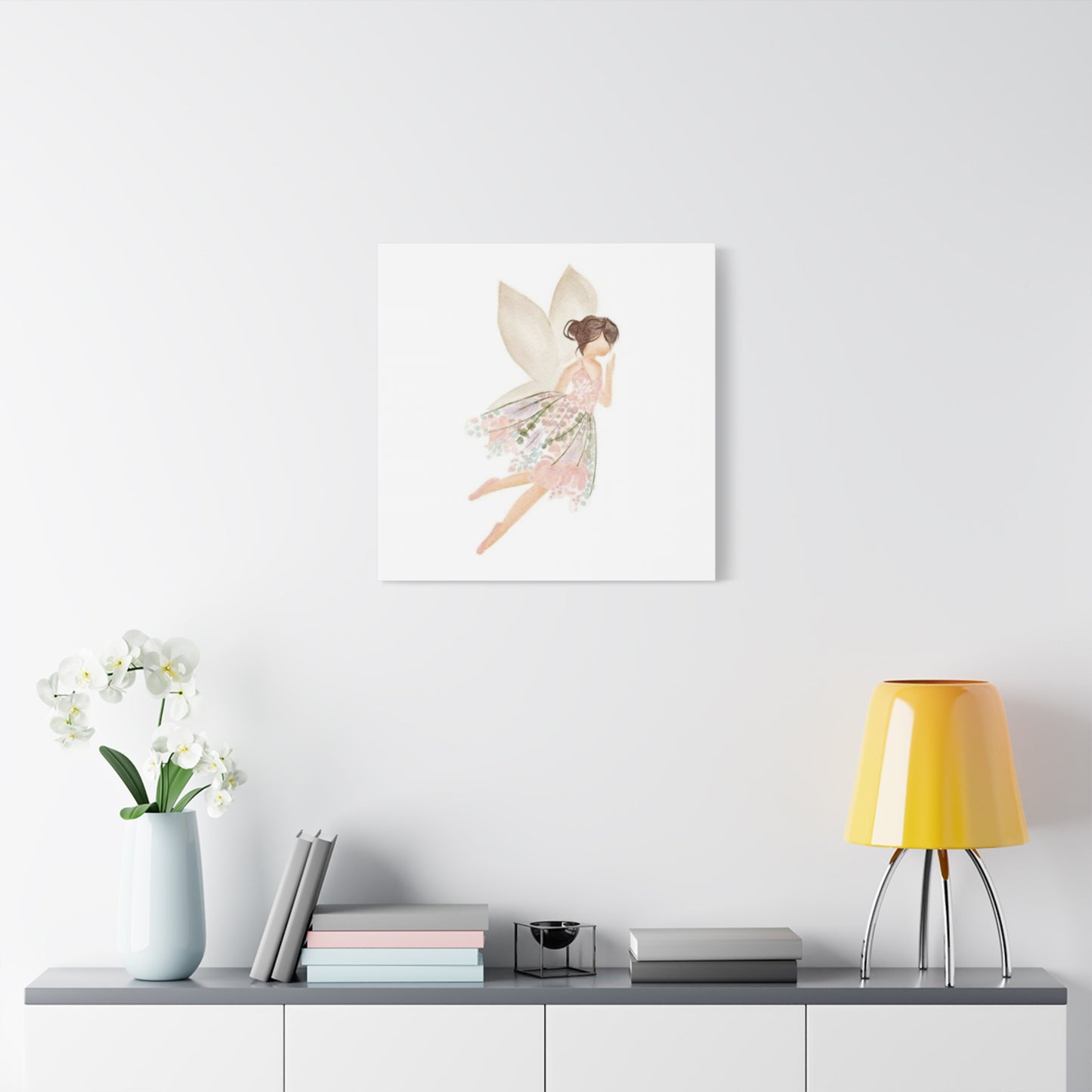
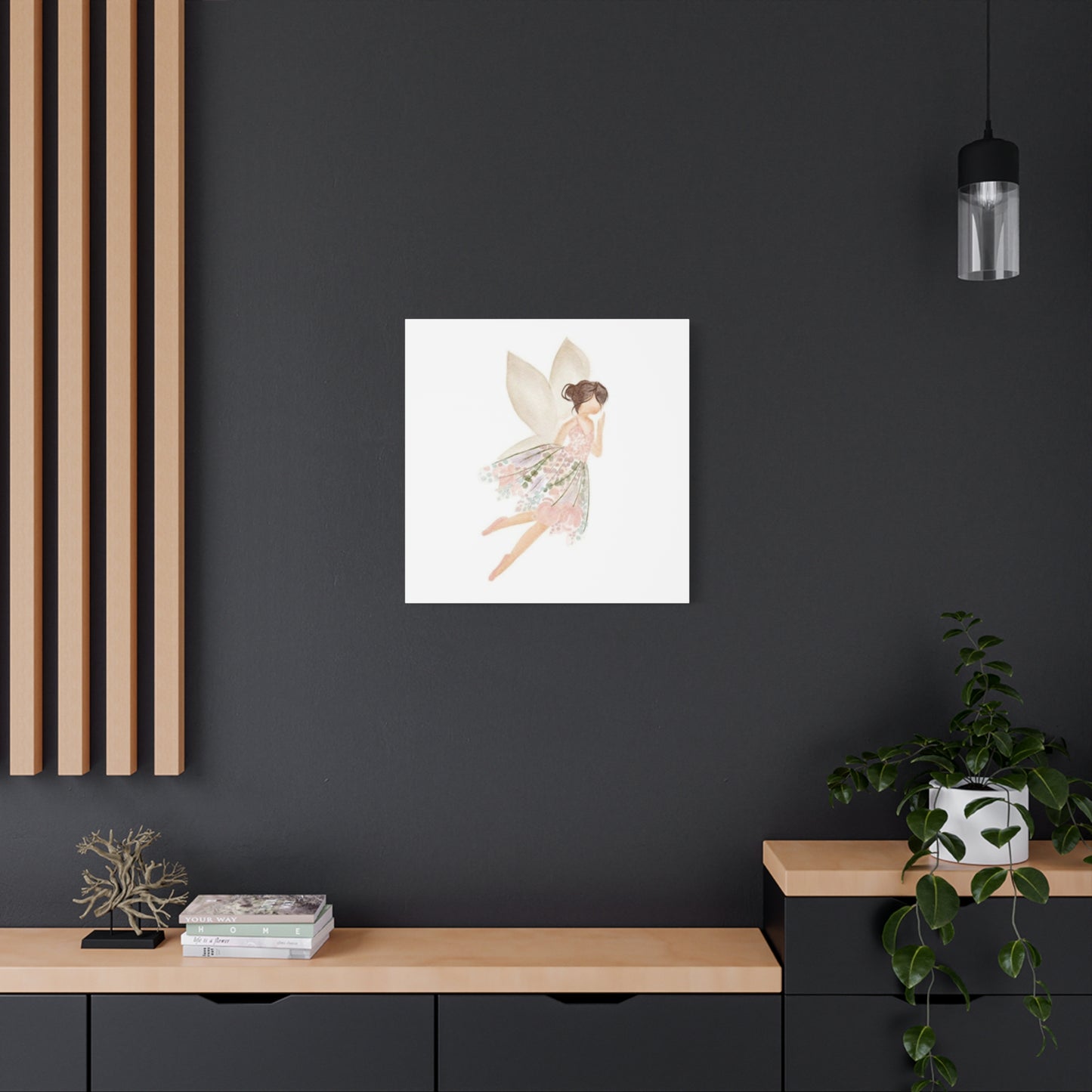
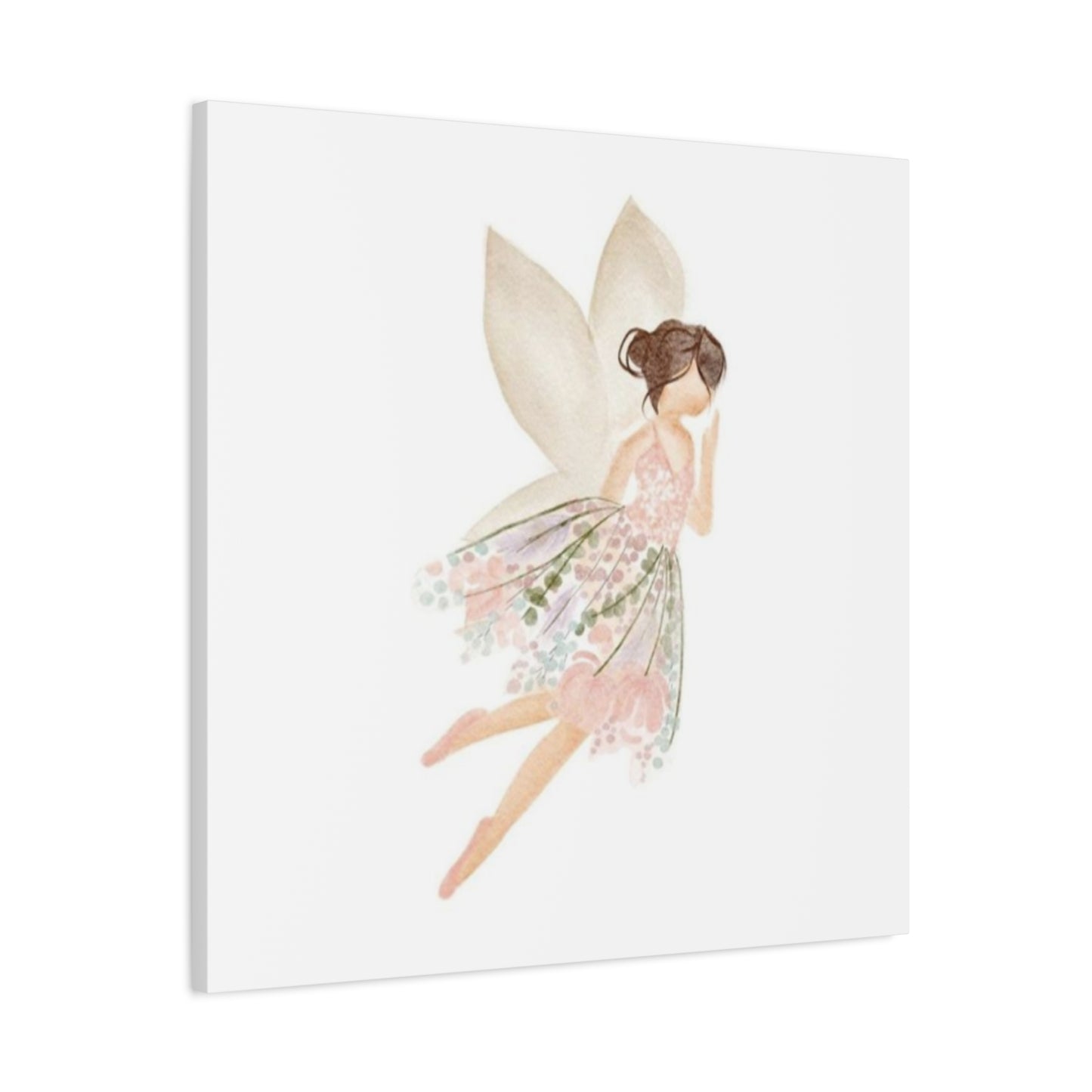
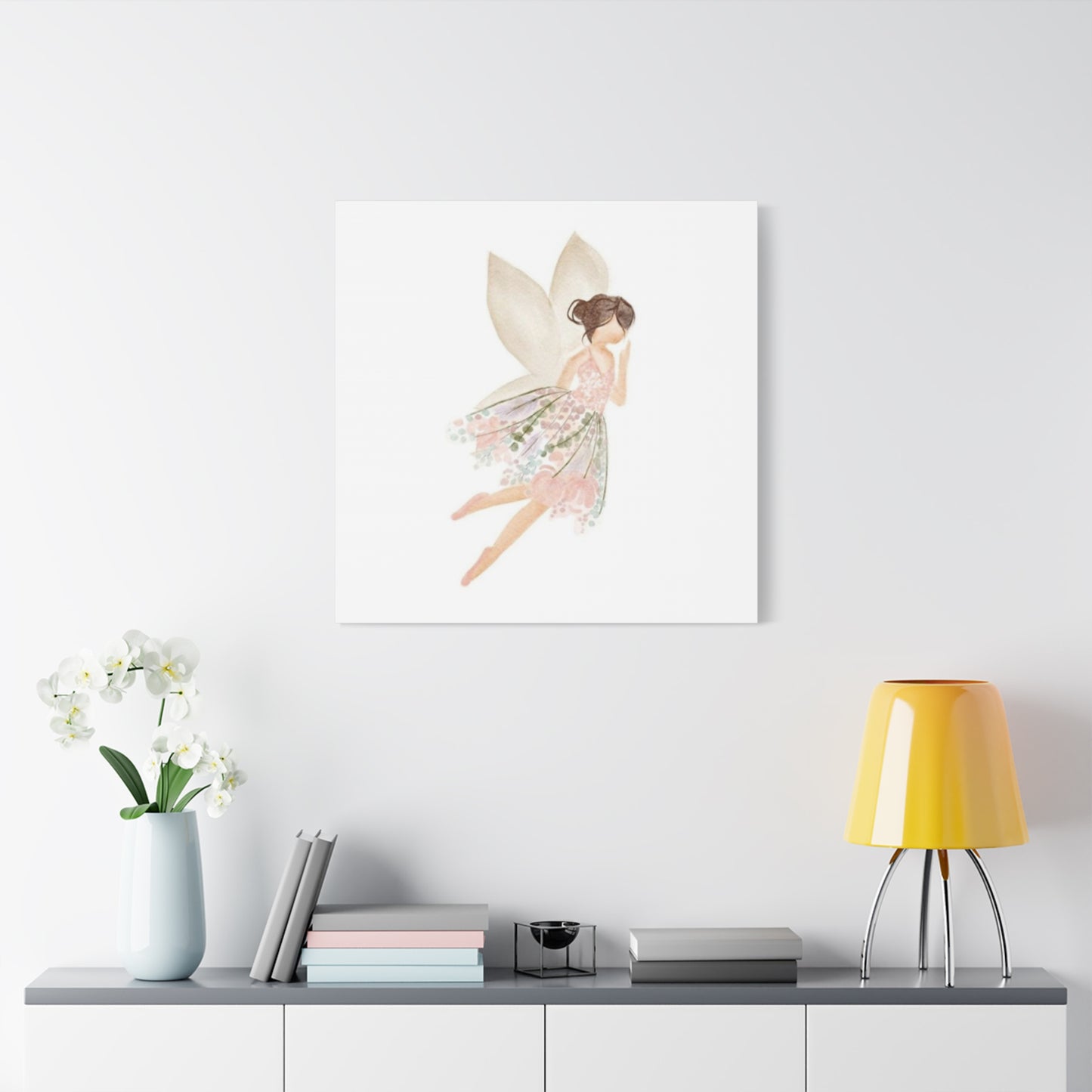
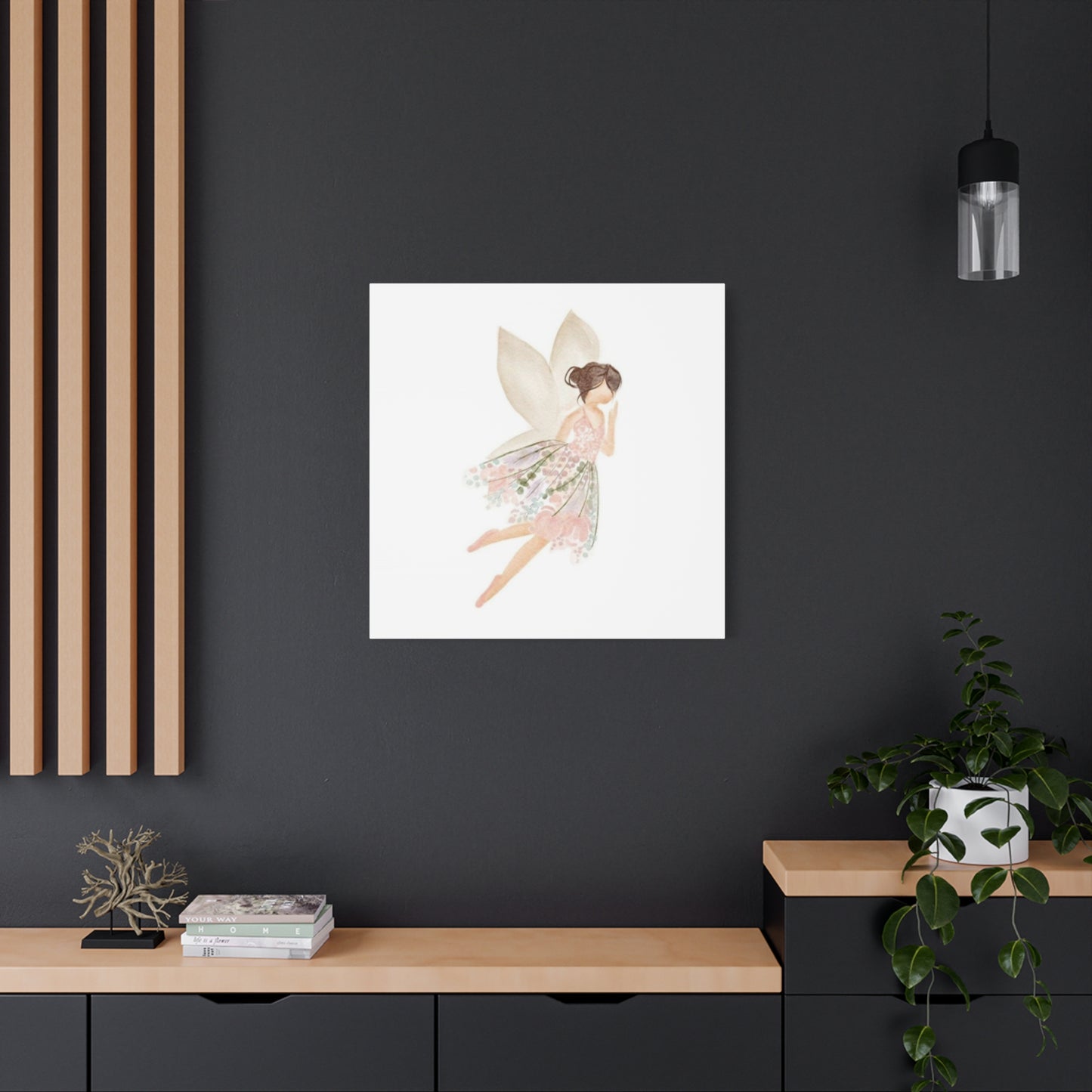
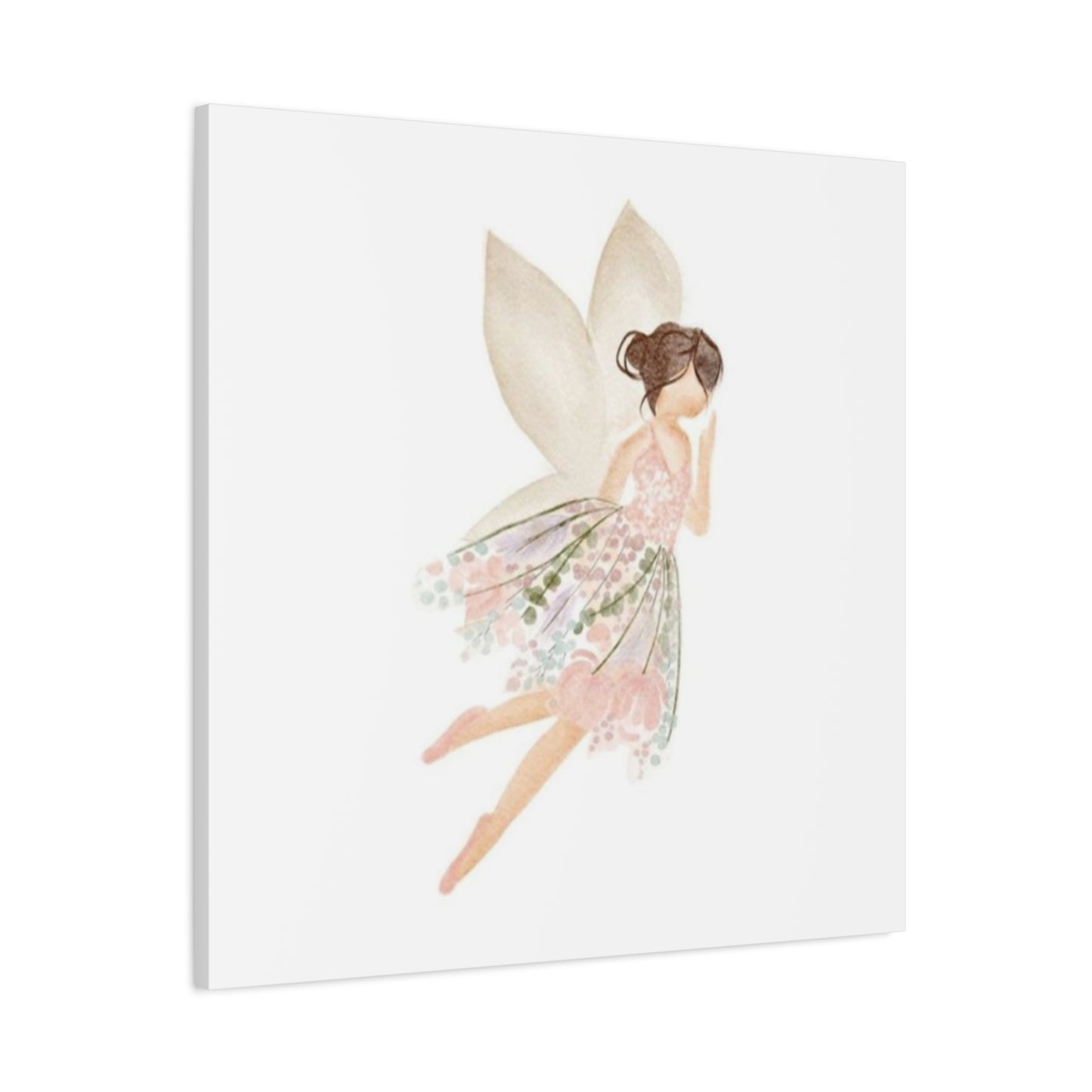
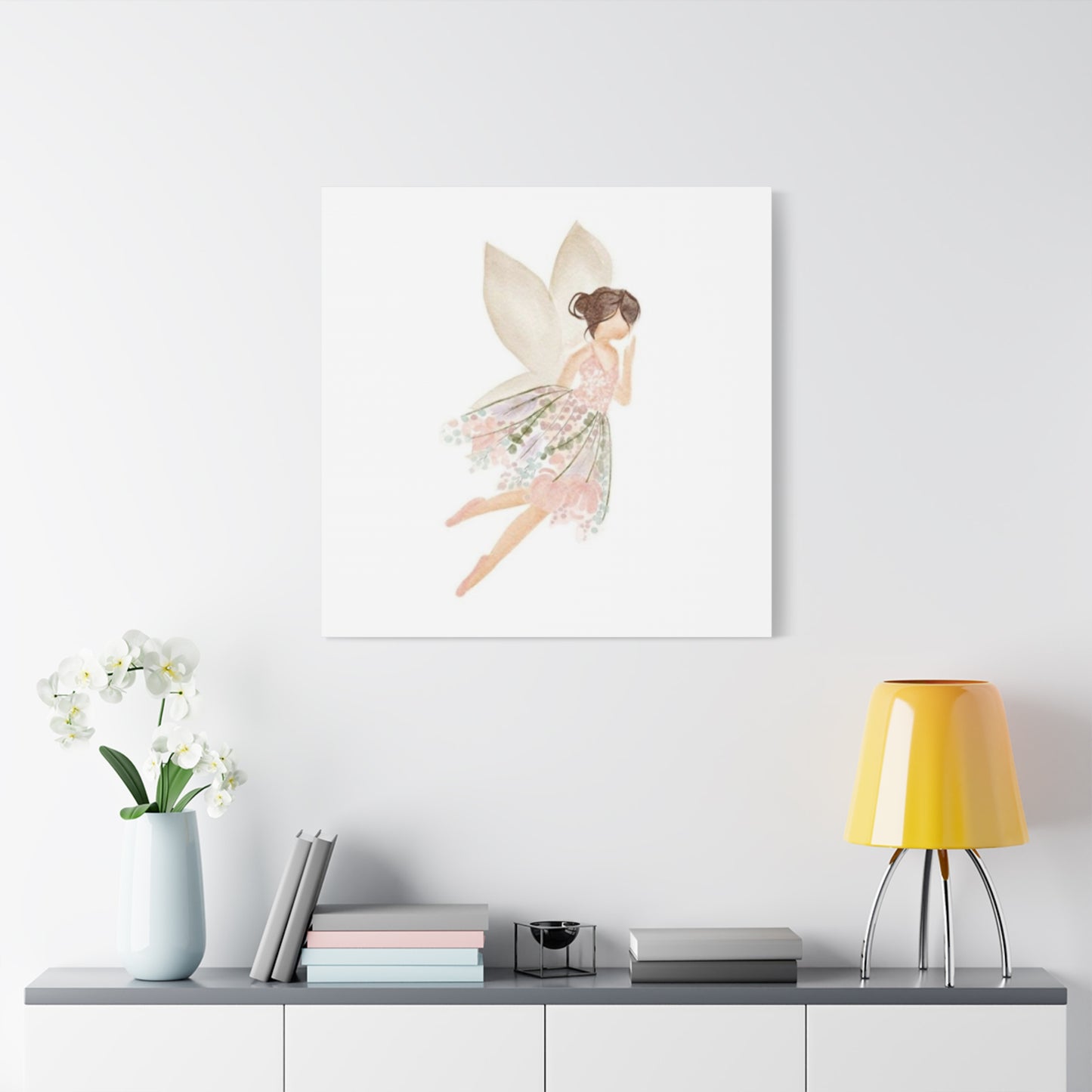
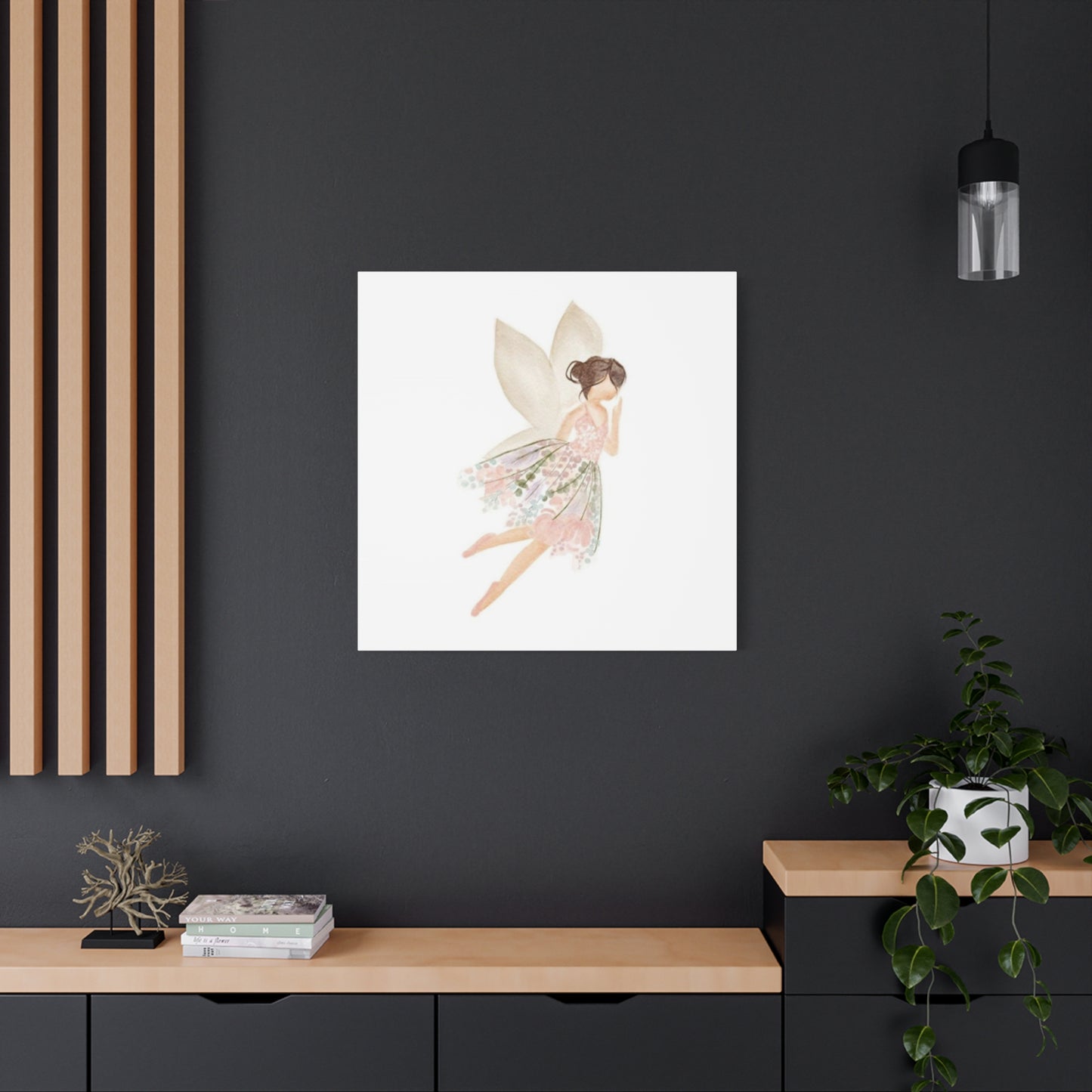
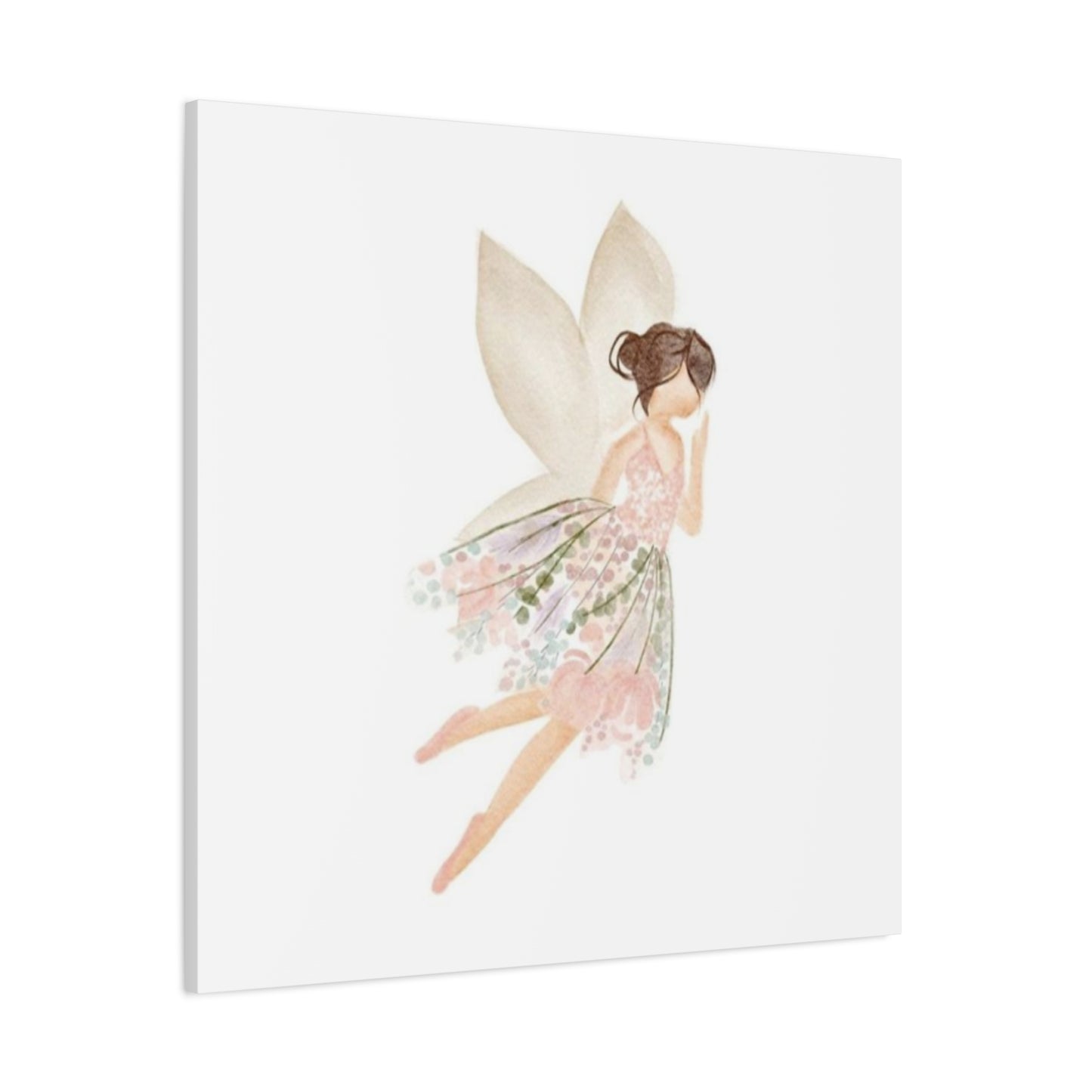
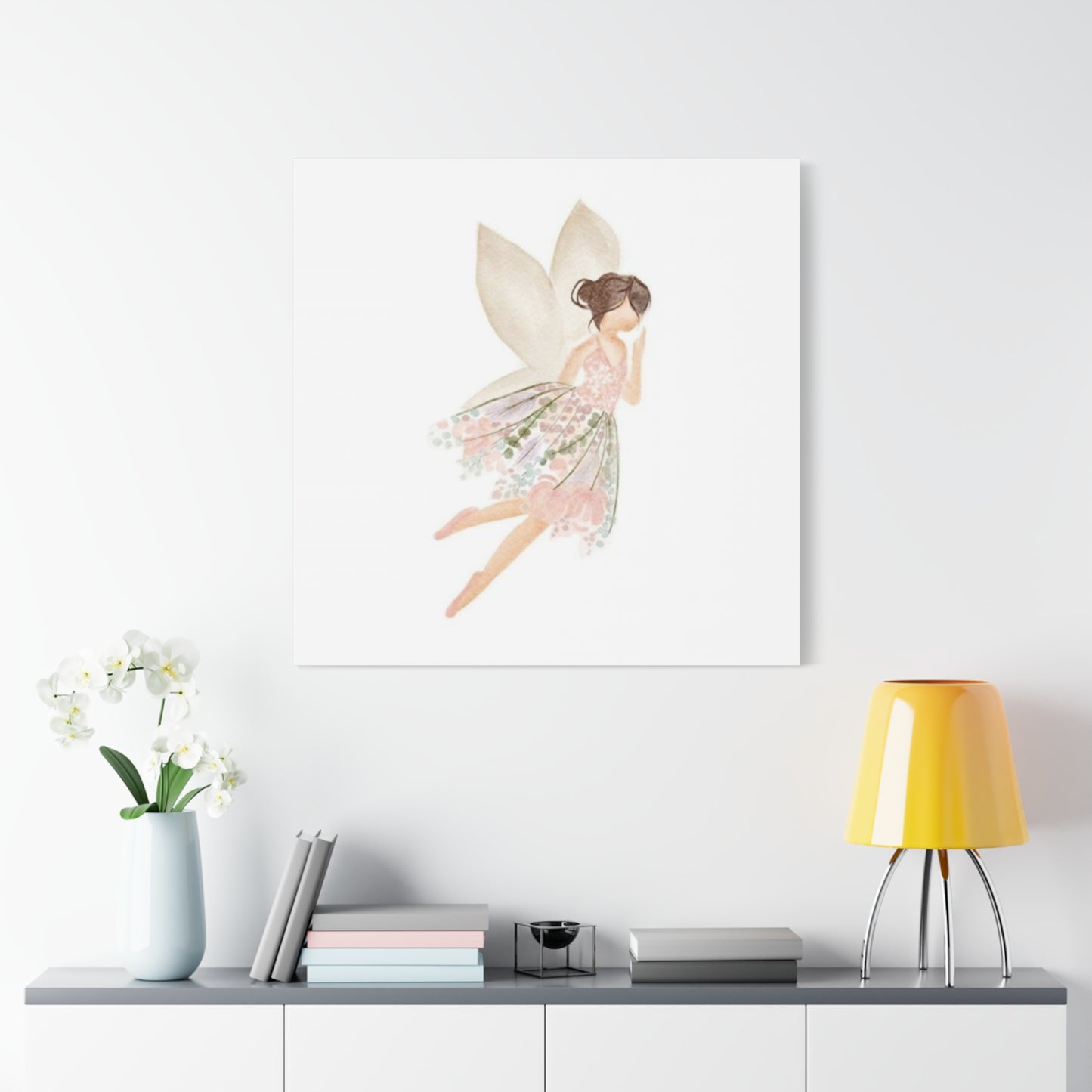
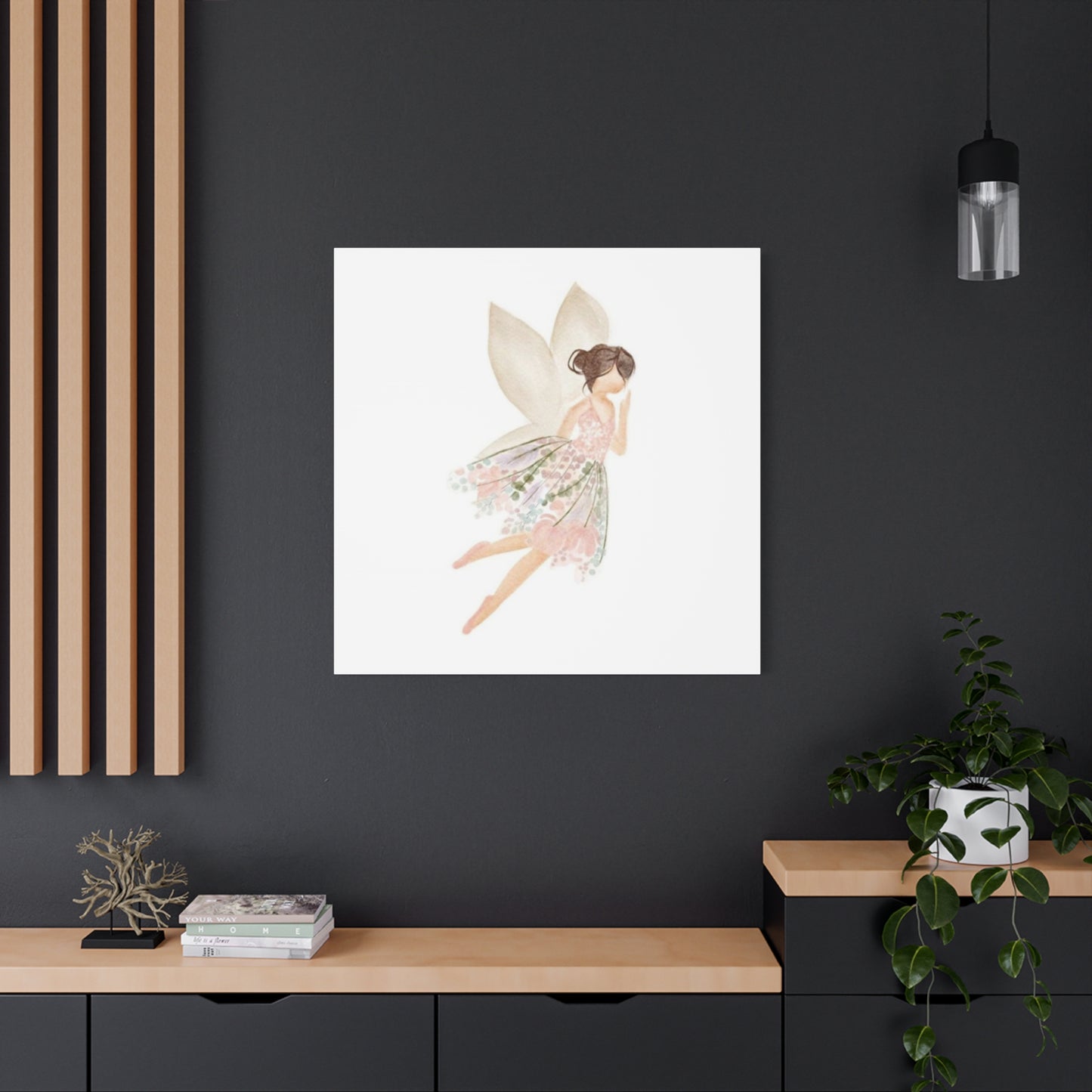
Angels Fairies Wall Art & Canvas Prints
Angels Fairies Wall Art & Canvas Prints
Couldn't load pickup availability
Angels Fairies Wall Art Unveil Mystical Realms That Inspire Wonder and Elevate Imagination
The realm of celestial decorative pieces featuring ethereal beings has captivated human imagination for centuries. When homeowners seek to infuse their living spaces with mystical charm and otherworldly beauty, they discover countless possibilities through carefully selected artwork depicting winged guardians and magical creatures. Angels fairies wall art represents more than mere decoration; it embodies spiritual resonance, childhood wonder, and timeless aesthetic appeal that transcends conventional interior design boundaries.
Throughout human civilization, representations of supernatural entities have adorned sacred spaces, private dwellings, and communal gathering areas. The enduring fascination with angelic figures and diminutive magical beings stems from deep-rooted cultural narratives that span diverse geographical regions and historical epochs. These ethereal creatures symbolize protection, innocence, transformation, and connection between earthly existence and transcendent realms.
Contemporary homeowners increasingly recognize how strategic placement of these mystical representations can fundamentally alter spatial atmosphere. Unlike generic decorative elements, celestial artwork carries inherent emotional weight and symbolic significance that resonates on subconscious levels. The gentle presence of guardian figures or playful forest sprites can transform sterile environments into sanctuaries of comfort and imagination.
Research into environmental psychology reveals that visual stimuli significantly impact mood regulation, stress reduction, and overall psychological wellbeing. Artwork featuring benevolent supernatural beings creates positive associations, triggering neurological responses connected to safety, wonder, and transcendence. Children particularly benefit from exposure to fantastical imagery that stimulates creative thinking and narrative construction.
The commercial market for such decorative pieces has expanded exponentially over recent decades, reflecting growing consumer desire for personalized spaces that reflect individual values and aesthetic sensibilities. Mass-produced options coexist alongside handcrafted artisan creations, providing accessibility across various price points while maintaining diverse stylistic interpretations.
Exploring Diverse Artistic Interpretations of Ethereal Beings
The artistic representation of celestial creatures encompasses remarkable stylistic diversity, ranging from classical Renaissance-inspired depictions to contemporary abstract interpretations. Traditional renderings often feature anatomically detailed figures with elaborate wings, flowing garments, and serene expressions that reflect centuries-old iconographic conventions. These classical approaches appeal to individuals seeking timeless elegance and cultural continuity.
Conversely, modern artists frequently deconstruct conventional imagery, presenting stylized interpretations that emphasize emotional essence over literal representation. Minimalist approaches might reduce figures to simple silhouettes or geometric abstractions, while maximalist versions incorporate vibrant color palettes, intricate patterning, and layered compositional elements that create visual complexity.
Watercolor renderings produce soft, dreamlike qualities particularly suitable for nurseries and meditation spaces. The translucent nature of watercolor pigments creates ethereal effects that mirror the intangible nature of the subjects themselves. Artists working in this medium often incorporate atmospheric blending techniques that suggest movement, transformation, and the liminal space between visible and invisible realms.
Oil paintings offer richness and depth impossible to achieve through other mediums. The layering capabilities of oil paint allow artists to build luminous flesh tones, capture light filtering through translucent wings, and create dramatic chiaroscuro effects that heighten emotional impact. Collectors particularly prize original oil paintings for their unique surface qualities and enduring value.
Digital artwork has revolutionized accessibility and customization possibilities. Contemporary illustrators utilize sophisticated software to create highly detailed compositions that can be reproduced without quality degradation. Digital methods also facilitate personalization, allowing consumers to request specific color schemes, compositional adjustments, or incorporation of meaningful symbols that enhance personal significance.
Mixed media approaches combine various materials and techniques to create textured, multidimensional pieces. Artists might incorporate fabric, metallic leaf, found objects, or three-dimensional elements that extend beyond flat surfaces. These experimental works appeal to collectors seeking distinctive statement pieces that challenge conventional categorization.
Selecting Appropriate Pieces for Various Residential Environments
Strategic artwork selection requires consideration of multiple factors including spatial dimensions, existing color schemes, lighting conditions, and intended atmospheric effects. Different rooms serve distinct purposes, necessitating thoughtful matching between artwork characteristics and functional requirements.
Nurseries and children's bedrooms benefit from whimsical, colorful representations that stimulate imagination without overwhelming delicate sensibilities. Softer color palettes featuring pastels, gentle greens, and warm neutrals create soothing environments conducive to rest. Imagery depicting playful interactions between ethereal beings and natural elements encourages positive associations with bedtime routines and independent play.
Master bedrooms require more sophisticated approaches that balance aesthetic appeal with restful atmospheres. Subdued color schemes, elegant compositions, and serene expressions contribute to spaces designed for relaxation and intimacy. Larger statement pieces positioned above headboards create focal points that anchor room design while maintaining tranquil ambiance.
Living areas offer opportunities for bolder artistic choices that reflect homeowner personality and serve as conversation starters. Groupings of complementary pieces can create gallery-wall effects that add visual interest to expansive blank spaces. Mixing various sizes and frame styles produces curated, collected-over-time aesthetics that feel authentic rather than overly coordinated.
Home offices and creative studios benefit from inspirational imagery that stimulates productivity and creative thinking. Positioning motivational representations within direct sightlines provides visual respite during concentrated work periods. The presence of guardian figures can psychologically reinforce feelings of support during challenging projects or stressful work demands.
Meditation rooms, prayer spaces, and wellness areas naturally accommodate spiritually-themed artwork. Representations emphasizing serenity, protection, and transcendence enhance contemplative practices and mindfulness routines. Careful placement ensuring artwork remains visible during seated meditation or yoga practice maximizes intended effects.
Hallways, staircases, and transitional spaces often receive insufficient decorative attention despite their frequent use. These areas provide excellent opportunities for creating sequential narratives through multiple related pieces. A series depicting various celestial beings or progressive seasonal changes can transform mundane passages into engaging visual journeys.
Examining Material Substrates and Reproduction Methods
The physical medium supporting artwork reproduction significantly impacts visual appearance, durability, and appropriate placement locations. Canvas prints remain perpetually popular due to their gallery-ready presentation, texture that mimics original paintings, and relative affordability. Stretched canvas eliminates framing requirements, offering clean, contemporary aesthetics suitable for modern interiors.
Metal prints present innovative alternatives that deliver exceptional color vibrancy and remarkable durability. The infusion process bonds ink directly into specially coated aluminum surfaces, creating water-resistant, fade-resistant pieces suitable for high-humidity environments like bathrooms. The smooth, reflective surface produces distinctive visual effects that differ markedly from traditional paper or canvas presentations.
Acrylic mounting suspends printed images within clear acrylic panels, creating depth and luminosity impossible through other methods. Light passes through multiple layers, illuminating the image from within and producing striking three-dimensional effects. These premium presentations command attention in contemporary spaces where cutting-edge aesthetics take precedence.
Traditional paper prints offer maximum versatility in framing options and presentation styles. Archival-quality papers ensure longevity when properly displayed away from direct sunlight and excessive moisture. The matte or glossy finish selection allows customization based on lighting conditions and personal preferences regarding surface reflection.
Wood-mounted prints provide rustic charm particularly suited to cottage, farmhouse, or nature-inspired decorative schemes. Direct printing onto prepared wood surfaces preserves natural grain patterns that become integrated design elements. These pieces work exceptionally well in casual spaces where organic materials and relaxed aesthetics predominate.
Tapestries and fabric hangings introduce textile elements that soften hard architectural surfaces while providing sound-dampening benefits. Woven or printed fabric pieces add warmth and can be easily changed seasonally or when decorative preferences evolve. Their lightweight nature simplifies hanging in situations where wall damage concerns exist.
Mastering Proper Display Arrangements for Maximum Visual Impact
Thoughtful artwork placement dramatically influences perceived room proportions, traffic flow patterns, and overall aesthetic cohesion. The standard guideline positioning artwork centers approximately 57-60 inches from floor level aligns with average eye height, ensuring comfortable viewing without neck strain. However, this recommendation requires adjustment based on ceiling height, furniture placement, and viewer demographics.
Above furniture pieces, maintaining proportional relationships prevents artwork from appearing disconnected or awkwardly sized. General recommendations suggest artwork spanning two-thirds to three-quarters of underlying furniture width creates balanced compositions. Leaving 6-8 inches between furniture tops and frame bottoms provides breathing room without excessive gaps.
Gallery wall arrangements permit creative expression through asymmetrical groupings that feel organic rather than rigidly structured. Beginning with the largest or most significant piece as an anchor point, surrounding it with complementary smaller works creates cohesive collections. Maintaining consistent spacing between frames—typically 2-3 inches—produces unified appearances despite varied sizes.
Vertical arrangements draw eyes upward, making spaces feel taller and more expansive. This approach works particularly well in rooms with low ceilings or narrow dimensions requiring vertical emphasis. Stacking multiple related pieces creates columnar effects that add architectural interest.
Horizontal arrangements expand perceived width, making narrow spaces feel broader and more open. Three to five pieces arranged linearly above sofas, consoles, or beds create strong horizontal lines that anchor room compositions while providing substantial visual weight.
Lighting considerations profoundly affect artwork visibility and atmospheric contribution. Natural daylight shifts throughout the day, altering color appearance and shadow patterns. Positioning artwork perpendicular to windows minimizes glare while maximizing illumination. Supplementary picture lights or directional spotlights can highlight pieces during evening hours while creating dramatic focal points.
Discovering Unique Sources Beyond Conventional Retail Channels
While mainstream retailers offer convenient access to mass-produced options, exploring alternative acquisition channels often yields more distinctive pieces that reflect individual taste and support independent creators. Local art fairs, craft markets, and gallery exhibitions provide direct artist interactions, allowing discussions about inspiration, techniques, and customization possibilities.
Online marketplaces connecting independent artists with consumers have democratized art acquisition, making handcrafted originals accessible regardless of geographical location. These platforms typically feature extensive artist portfolios, customer reviews, and direct messaging capabilities that facilitate personalized requests. Supporting independent creators ensures unique pieces unlikely to appear in neighboring homes.
Estate sales, antique shops, and vintage markets occasionally yield forgotten treasures from earlier decorative eras. Victorian-era prints, mid-century illustrations, and Art Nouveau representations offer historical perspectives on ethereal being depictions. These vintage pieces carry patina and character that new productions cannot replicate, appealing to collectors valuing authenticity and backstory.
Commission opportunities allow complete creative control over subject matter, composition, color palette, and scale. Working directly with artists to realize personal visions produces meaningful pieces with emotional significance beyond aesthetic appeal. Commissioned works become family heirlooms, carrying stories and memories that appreciate over generations.
Print-on-demand services enable consumers to select specific designs from vast digital libraries, choosing preferred sizes, materials, and framing options. This model combines customization flexibility with immediate availability, avoiding lengthy production timelines associated with traditional commissioning.
Museum gift shops and cultural institution retail spaces curate selections reflecting scholarly expertise and artistic merit. Purchasing through these channels often supports nonprofit missions while ensuring quality standards and accurate artist attribution.
Creating Harmonious Relationships Between Artwork and Surrounding Decor
Successful interior design requires careful consideration of how individual elements interact to create cohesive environments. Angels fairies wall art should complement rather than clash with existing color schemes, furniture styles, and architectural features. Extracting accent colors from artwork and repeating them through textiles, accessories, or painted surfaces creates intentional connections that unify spaces.
Contrasting artwork styles with surrounding decor can produce dynamic tension that adds visual interest. Positioning ornate, detailed celestial pieces against minimalist backgrounds creates striking focal points that command attention. Conversely, simple, understated artwork provides visual rest areas within maximalist, pattern-heavy environments.
Frame selection significantly impacts how artwork integrates with surrounding elements. Ornate gilded frames enhance traditional, formal settings while modern floating frames suit contemporary aesthetics. Matching frame finishes to existing wood tones, metal fixtures, or architectural details creates subtle harmonies that feel intentional rather than accidental.
Scale relationships between artwork and furniture prevent visual imbalance. Oversized pieces can overwhelm delicate furniture while diminutive artwork disappears against substantial furnishings. Proportional matching ensures balanced compositions where no single element dominates inappropriately.
Thematic consistency across multiple pieces creates narrative continuity that guides viewers through spaces. Selecting artwork depicting similar color palettes, artistic styles, or subject matter interpretations produces collected aesthetics that feel curated rather than randomly assembled.
Understanding Symbolism and Cultural Significance Embedded Within Imagery
Representations of celestial beings carry deep symbolic meanings that vary across cultural contexts and historical periods. Recognizing these embedded significances enhances appreciation and informs selection processes based on intended atmospheric effects and personal resonances.
Angelic figures traditionally symbolize divine protection, spiritual guidance, and intermediaries between mortal and transcendent realms. Different wing configurations, garment colors, and attribute objects communicate specific roles within celestial hierarchies. Guardians typically appear vigilant and protective, while messenger figures convey dynamic movement and urgent purpose.
Diminutive magical beings rooted in European folklore represent nature's hidden forces, seasonal transformations, and liminal spaces between civilization and wilderness. Their association with specific natural elements—flowers, water, forests, moonlight—connects human observers to environmental cycles and ecological awareness.
Cultural variations produce diverse interpretive traditions. Eastern representations often emphasize harmony, balance, and integration with natural forces. Western depictions frequently focus on individualized personalities, moral narratives, and human-like emotional expressions. Understanding these differences prevents inappropriate cultural appropriation while encouraging cross-cultural appreciation.
Color symbolism operates universally across many depictions. White typically represents purity, innocence, and divine light. Gold signifies celestial glory, illumination, and sacred significance. Blue conveys tranquility, heavenly realms, and spiritual depth. Green connects to nature, growth, and renewal. Purple indicates royalty, mystery, and spiritual transformation.
Compositional elements communicate subtle messages. Upward gazes suggest aspiration, prayer, and transcendence. Downward orientations indicate earthly concern, protection of mortal beings, and compassionate engagement. Outstretched hands offer blessing, welcome, or assistance. Crossed arms suggest contemplation, authority, or self-containment.
Addressing Preservation Concerns and Longevity Considerations
Proper care ensures artwork maintains visual appeal and structural integrity over extended periods. Environmental factors including light exposure, humidity levels, temperature fluctuations, and airborne contaminants gradually degrade materials unless preventative measures are implemented.
Direct sunlight represents the primary threat to artwork longevity, causing irreversible fading, discoloration, and material degradation. Ultraviolet radiation breaks down pigments, papers, and fabric substrates at molecular levels. Positioning artwork away from windows or installing UV-filtering window treatments significantly extends lifespan. Museums-quality glazing incorporating UV-blocking properties provides additional protection for particularly valuable pieces.
Humidity extremes cause dimensional changes in organic materials, leading to warping, mold growth, or brittleness. Maintaining indoor humidity between 40-50% prevents most moisture-related damage. Dehumidifiers in damp climates and humidifiers in arid regions stabilize environmental conditions. Avoiding placement near bathrooms, laundry areas, or exterior walls minimizes exposure to humidity fluctuations.
Temperature stability prevents thermal expansion and contraction cycles that stress materials over time. Dramatic temperature swings near heating vents, fireplaces, or poorly insulated walls accelerate deterioration. Maintaining consistent indoor temperatures between 65-75°F provides optimal conditions for long-term preservation.
Airborne pollutants including cooking oils, tobacco smoke, and household chemicals gradually deposit on surfaces, creating difficult-to-remove residues that discolor and damage artwork. Regular dusting with soft, lint-free cloths removes particulate matter before it becomes embedded. Avoiding harsh cleaning chemicals near artwork prevents accidental contact.
Professional cleaning and restoration services can address existing damage or accumulated grime that home methods cannot safely remedy. Conservation specialists possess expertise in material science, appropriate cleaning agents, and stabilization techniques that preserve rather than harm delicate surfaces.
Frame backs should be sealed with archival tape or backing paper that prevents dust infiltration while allowing slight air circulation. This protection maintains clean conditions within frames without creating moisture traps that encourage mold growth.
Crafting Personalized Pieces Through Do-It-Yourself Projects
Creative individuals seeking unique expressions can produce handcrafted artwork that reflects personal visions while providing satisfying creative outlets. Numerous accessible methods accommodate varying skill levels, from beginner-friendly approaches to challenging endeavors requiring developed artistic capabilities.
Stenciling techniques permit creation of precise, repeatable designs without advanced drawing skills. Pre-cut stencils in celestial being shapes apply easily to canvas, wood panels, or directly onto walls using acrylic paints. Layering multiple colors through sequential stencil applications produces depth and dimensional effects. Custom stencils can be created from original drawings or downloaded digital files using cutting machines.
Collage methods combine printed images, decorative papers, fabric scraps, and embellishments into layered compositions. This approach allows repurposing vintage illustrations, magazine cutouts, or personal photographs into meaningful arrangements. Decoupage mediums seal surfaces while adding protective layers that enhance durability.
Transfer techniques move printed images onto alternative surfaces including wood, canvas, or fabric. Gel medium transfers preserve fine details while creating vintage, slightly distressed appearances. Image transfer allows incorporation of personal photographs or downloaded artwork into handcrafted projects.
String art produces striking linear representations by wrapping colored threads around strategically placed nails or pins. The geometric nature of this technique creates modern, abstract interpretations of celestial figures that work well in contemporary settings. Varying thread colors and densities produces shading effects and dimensional illusions.
Resin casting embeds printed images, dried flowers, glitter, or small objects within clear resin layers, creating glossy, dimensional pieces with substantial visual depth. This method protects delicate materials while producing water-resistant, durable finished products suitable for unconventional placement locations.
Painting original compositions allows complete creative freedom for those with developed artistic skills. Acrylic paints offer forgiving, fast-drying properties suitable for beginners, while oils provide traditional richness and extended working time. Watercolors create ethereal, translucent effects particularly appropriate for representing otherworldly subjects.
Incorporating Ethereal Imagery Into Themed Room Concepts
Cohesive design schemes that extend beyond isolated decorative elements create immersive environments that transport occupants into carefully curated atmospheres. Angels fairies wall art serves as foundational components within broader thematic approaches that unify multiple design aspects.
Enchanted forest concepts combine woodland imagery, natural materials, and earthy color palettes with whimsical creature representations. Incorporating botanical prints, tree-branch accessories, mushroom motifs, and moss textures alongside ethereal being artwork creates immersive naturalistic environments. This approach works exceptionally well in children's spaces, reading nooks, or sunrooms with abundant natural light.
Celestial themes expand beyond terrestrial references to incorporate cosmic elements including stars, moons, constellations, and galaxies. Pairing angelic imagery with astronomical motifs creates transcendent atmospheres that encourage contemplation and wonder. Navy blues, deep purples, metallics, and luminescent accents reinforce the heavenly concept while maintaining sophisticated aesthetics suitable for adult spaces.
Vintage storybook concepts reference golden-age illustration styles, antique book pages, and nostalgic childhood memories. Sepia tones, distressed finishes, vintage frames, and typography elements combine with classic ethereal being representations to create sentimental, romantic environments. This approach appeals to individuals valuing traditional aesthetics and literary references.
Shabby chic designs incorporate distressed furniture, soft linens, floral patterns, and pastel color schemes. Ethereal artwork featuring soft, romantic interpretations complements the delicate, feminine aesthetics characteristic of this enduringly popular style. Ornate vintage frames, lace accents, and weathered wood surfaces enhance cohesive presentation.
Gothic romance themes embrace darker aesthetics while maintaining ethereal elements. Deep jewel tones, dramatic contrasts, ornate detailing, and mysterious atmospheres create sophisticated environments for adults drawn to unconventional aesthetics. Ethereal being representations emphasizing drama, movement, and emotional intensity suit this moody approach.
Minimalist interpretations prove that celestial imagery can function within restrained, simplified environments. Single statement pieces featuring clean lines, limited color palettes, and substantial negative space provide focal points without cluttering minimalist principles. This approach demonstrates that meaningful imagery need not conflict with simplified aesthetic philosophies.
Recognizing How Lighting Transforms Artwork Perception
Illumination profoundly affects how artwork appears, influences mood, and integrates within spaces. Natural daylight varies throughout the day, seasons, and weather conditions, creating ever-changing viewing experiences. Morning light typically appears cool and clear, while afternoon sun produces warmer, golden tones. Overcast conditions create diffused, shadowless illumination that reveals subtle details.
Artificial lighting permits controlled consistency regardless of external conditions. LED picture lights mounted above frames provide focused illumination without heat damage associated with incandescent bulbs. Adjustable spotlights allow precise directional control, creating dramatic highlighting effects or subtle ambient contributions.
Color temperature significantly impacts appearance. Warm-toned bulbs (2700-3000K) enhance reds, oranges, and yellows while potentially dulling blues and greens. Cool-toned lighting (5000-6500K) accurately renders blues and greens but may create harsh, clinical atmospheres. Neutral temperatures (3500-4100K) provide balanced rendering suitable for most artwork.
Dimmable lighting systems offer flexibility for various activities and times of day. Bright illumination facilitates detailed viewing and appreciation, while reduced levels create intimate, contemplative atmospheres. Smart lighting systems permit programming schedules that automatically adjust throughout the day.
Accent lighting transforms specific pieces into dramatic focal points that anchor room compositions. Wall-washing techniques illuminate entire surfaces, reducing individual piece emphasis while creating gallery-like presentations. Backlighting creates halo effects that separate artwork from walls, producing floating appearances.
Avoiding direct glare requires careful angle consideration. Light sources positioned at 30-degree angles from artwork surfaces minimize reflection while providing adequate illumination. Matte or anti-reflective glazing reduces glare issues when optimal positioning proves impossible.
Exploring Budget-Conscious Acquisition Strategies
Quality celestial artwork remains accessible across various price points through strategic shopping approaches and creative alternatives. Digital downloads permit purchasing high-resolution files for personal printing, dramatically reducing costs while maintaining design quality. Consumers assume printing responsibilities but gain flexibility regarding size, material, and framing selections.
Seasonal sales, promotional periods, and clearance events provide opportunities for significant savings on retail merchandise. End-of-season sales, holiday promotions, and retailer anniversary events often feature substantial discounts on inventory. Patience and strategic timing can yield premium pieces at fraction of regular pricing.
Thrift stores, consignment shops, and secondhand marketplaces occasionally feature overlooked treasures at minimal costs. Damaged frames containing quality artwork can be refurbished, while outdated presentations can be updated through rematting or reframing. Developing discerning eyes for quality beneath superficial imperfections reveals hidden value.
Poster prints offer affordable alternatives to canvas or framed presentations. While lacking textured surfaces and premium materials, quality posters provide attractive imagery suitable for temporary displays, rental properties, or spaces requiring frequent rotation. Proper framing elevates poster presentations beyond institutional appearances.
Student artists and emerging creators often offer reduced pricing compared to established professionals. Supporting developing talent provides affordable artwork while contributing to artist development. Many art schools host student exhibitions where works are available for purchase at accessible price points.
Print exchanges and artwork swaps within creative communities permit acquiring new pieces without monetary exchange. These collaborative approaches foster community connections while refreshing decorative collections. Online groups dedicated to swapping facilitate connections between geographically dispersed participants.
Creating personal artwork eliminates acquisition costs entirely while providing creative satisfaction. Even individuals without advanced skills can produce meaningful pieces using accessible methods. The personal significance of handcrafted creations often exceeds aesthetic perfection, making them treasured additions despite technical limitations.
Navigating Feng Shui Principles When Positioning Celestial Artwork
Ancient Chinese spatial arrangement philosophies offer insights into how object placement affects energy flow and environmental harmony. While rooted in specific cultural traditions, these principles provide thoughtful frameworks for considering artwork positioning beyond purely aesthetic concerns.
Commanding positions place significant artwork where occupants can view it from primary seating areas, beds, or workspace chairs without turning. This positioning creates psychological security and allows maximum appreciation during regular room use. Artwork positioned behind seating or outside natural sightlines receives insufficient attention.
Protective imagery including guardian figures appropriately positions near entrance points, creating symbolic thresholds between exterior and interior realms. These placements reinforce feelings of security and welcome while establishing clear spatial boundaries. Foyers, entryways, and hallway terminals benefit from such positioning.
Elemental associations suggest appropriate placement locations based on symbolic correspondences. Water-associated imagery including moon-connected beings suits northern areas, while fire-element representations work well in southern positions. Wood-element depictions fit eastern and southeastern locations, and metal-associated imagery suits western areas.
Avoiding clutter around artwork ensures clear energy circulation and proper visual emphasis. Crowded arrangements create stagnant feelings and prevent individual pieces from receiving appropriate attention. Maintaining clean, uncluttered surroundings allows artwork to breathe within spaces.
Balancing yin and yang energies through artwork selection creates harmonious environments. Soft, flowing, peaceful representations provide yin qualities that balance yang characteristics including bright colors, dynamic movement, or dramatic contrasts. Assessing overall room energy helps determine whether calming or energizing imagery better serves spatial needs.
Bedroom artwork particularly benefits from careful selection emphasizing peaceful, restful imagery rather than stimulating or active representations. Positioning artwork where it remains visible from the bed without dominating attention supports restful sleep while maintaining aesthetic appeal.
Addressing Common Challenges When Selecting and Displaying Artwork
Decision paralysis often afflicts individuals facing overwhelming options without clear selection criteria. Establishing priorities including preferred color schemes, stylistic preferences, and emotional responses desired helps narrow possibilities. Creating inspiration boards compiling appealing examples clarifies patterns in personal preferences.
Scale miscalculations result in artwork appearing either oversized or insignificant relative to surrounding elements. Before purchasing, creating paper templates matching artwork dimensions and temporarily hanging them provides accurate scale visualization. This simple step prevents expensive mistakes requiring returns or tolerating inappropriate proportions.
Commitment hesitation prevents some individuals from making final selections, fearing future regret or changing preferences. Recognizing that artwork can be relocated, reframed, or repurposed reduces pressure to make permanent, unchangeable decisions. Interior design evolves naturally, and rotating pieces maintains fresh, dynamic environments.
Hanging uncertainties regarding proper methods, appropriate hardware, or damage concerns discourage some from displaying artwork. Picture-hanging systems using adjustable rails eliminate wall damage while permitting effortless repositioning. Professional hanging services provide expertise for valuable pieces or challenging installations.
Cohesion difficulties arise when adding new pieces to existing collections without clear unifying elements. Identifying common threads including color families, stylistic periods, or thematic connections helps integrate diverse pieces into cohesive arrangements. Sometimes intentional eclecticism works better than forced matching.
Budget constraints need not eliminate possibilities entirely. Prioritizing quality over quantity builds collections gradually with meaningful pieces rather than filling spaces with forgettable placeholders. Investing in fewer premium pieces that genuinely resonate produces more satisfying results than accumulating numerous mediocre items.
Examining Seasonal Rotation Strategies for Dynamic Environments
Regularly refreshing decorative displays prevents visual stagnation while allowing expression of seasonal preferences and celebrations. Strategic artwork rotation creates dynamic, evolving environments that remain interesting throughout the year without requiring complete redecoration.
Seasonal themes align decorative choices with natural cycles and cultural celebrations. Spring imagery might emphasize renewal, flowers, and pastel palettes, while autumn selections incorporate warmer tones, harvest themes, and cozy atmospheres. Winter displays could feature ethereal beings amid snowy landscapes or starlit skies.
Storage solutions preserve off-season artwork in appropriate conditions preventing damage during periods of non-display. Flat storage in acid-free tissue prevents bending, while climate-controlled areas protect against humidity and temperature extremes. Proper labeling facilitates efficient retrieval when rotation time arrives.
Simplified hanging systems including picture rails with adjustable hooks permit effortless swapping without wall damage or extensive effort. This infrastructure investment pays dividends through hassle-free rotation capability. Gallery systems create professional presentations while maintaining maximum flexibility.
Smaller spaces benefit from subtle seasonal touches rather than complete overhauls. Swapping single statement pieces or incorporating seasonal accent items alongside permanent displays achieves freshness without overwhelming effort. This approach suits busy households where extensive decoration projects prove impractical.
Documenting arrangements through photographs preserves successful configurations for future recreation. These visual records eliminate guesswork when returning favorite seasonal displays after months of storage. Digital albums organized by season provide easily accessible references.
Understanding Print Quality Factors That Affect Visual Results
Reproduction quality varies dramatically based on equipment, materials, and processes employed. Recognizing factors that distinguish superior prints from mediocre results enables informed purchasing decisions and appropriate quality expectations.
Resolution refers to image detail density measured in dots per inch or pixels per inch. Higher resolutions produce sharper, more detailed prints without visible pixelation. Professional printing requires minimum 300 dpi resolution at final print dimensions. Lower resolutions result in blurry, jagged edges and poor quality.
Color management ensures accurate reproduction matching original artwork intentions. Calibrated monitors, color-managed workflows, and high-quality printers using expanded color gamuts produce faithful reproductions. Consumer-grade equipment often yields disappointing results due to uncalibrated systems and limited color ranges.
Ink quality significantly impacts longevity and color accuracy. Pigment-based inks resist fading substantially better than dye-based alternatives, particularly crucial for artwork displayed near windows. Archival-quality inks maintain color integrity for decades when properly displayed, while inferior inks fade within months.
Paper selection influences texture, color rendition, and longevity. Acid-free papers prevent yellowing and deterioration over time. Heavier weights (over 200gsm) feel substantial and resist warping. Finish options including matte, satin, or glossy affect light reflection and perceived sharpness.
Printer technology determines achievable quality levels. Professional giclée printing using high-end inkjet systems produces museum-quality results indistinguishable from original paintings. Consumer printers yield acceptable results for casual displays but lack the precision and color accuracy of professional equipment.
Color profiles matching printer capabilities with specific paper types optimize output quality. Using manufacturer-provided profiles or custom profiles created through calibration ensures maximum quality from any printing system. Ignoring color management produces unpredictable, often disappointing results.
Discovering Complementary Decorative Elements That Enhance Thematic Presentations
Cohesive environments extend beyond wall artwork to incorporate multiple complementary elements that reinforce intended atmospheres. Strategic accessory selection amplifies thematic concepts while creating layered, visually rich spaces.
Textile choices including curtains, throw pillows, blankets, and rugs provide opportunities for color coordination and pattern reinforcement. Extracting secondary colors from artwork and repeating them through fabrics creates intentional connections. Textural variety adds tactile interest while maintaining cohesive color stories.
Sculptural elements provide three-dimensional counterpoints to flat artwork. Small figurines, carved reliefs, or abstract forms depicting similar subjects extend themes beyond two-dimensional presentations. Varied heights and scales create dynamic vignettes on shelves, mantels, or side tables.
Lighting fixtures themselves can reinforce themes through design selection. Ornate chandeliers, lantern-style pendants, or fixtures incorporating natural materials like wood or crystals complement ethereal aesthetic approaches. Decorative elements need not be literal representations to support overall thematic directions.
Botanical additions including fresh flowers, potted plants, or preserved specimens connect interior spaces with natural world references common in ethereal being narratives. Selecting specific plant varieties associated with folklore traditions—such as bluebells, foxglove, or ferns—creates subtle thematic reinforcement.
Books and publications featuring relevant subjects displayed openly contribute to environmental storytelling. Antique fairy tale collections, mythology references, or art books focusing on illustrative traditions add intellectual depth while serving decorative purposes. Vintage book covers often feature beautiful artwork warranting prominent display.
Decorative boxes, jars, and containers styled appropriately provide functional storage while maintaining aesthetic consistency. Vintage tins, wooden boxes with carved details, or glass containers with natural elements visible inside combine utility with decorative contribution.
Analyzing Color Psychology Principles Applied to Artwork Selection
Color choices profoundly affect psychological responses, physiological reactions, and emotional states. Understanding these influences enables strategic selection aligned with intended room purposes and desired atmospheric effects.
Blue tones generally promote calmness, reduce blood pressure, and encourage relaxation. Artwork featuring predominantly blue palettes suits bedrooms, meditation spaces, or areas designated for stress reduction. However, excessive cool blues may feel cold or impersonal without warming balance.
Green connects observers with nature, promotes balance, and supports concentration. This versatile color works across various spaces including offices, living areas, and bedrooms. Green's association with growth and renewal creates optimistic, refreshing atmospheres.
Purple combines red's energy with blue's calm, producing mysterious, spiritual, and creative associations. Lighter lavenders feel romantic and delicate, while deeper purples convey luxury and drama. This color suits spaces dedicated to creativity, spirituality, or sophisticated entertaining.
Pink embodies gentleness, nurturing, and compassion. While often associated with children's spaces, sophisticated dusty roses and blush tones create elegant adult environments. Pink's calming effects make it suitable for spaces requiring emotional comfort.
Yellow stimulates mental activity, promotes cheerfulness, and energizes spaces. However, intense yellows can create anxiety or overstimulation in excessive amounts. Softer buttery or golden tones provide warmth without overwhelming intensity. Yellow suits kitchens, breakfast nooks, or creative studios.
White and neutral palettes create clean, spacious feelings while allowing other elements to command attention. These versatile choices suit minimalist aesthetics or serve as backgrounds for colorful accent pieces. Excessive white may feel sterile without sufficient warming elements.
Color combinations create visual harmony or intentional contrast based on relationships. Analogous schemes using adjacent colors produce cohesive, soothing effects. Complementary pairings create vibrant, energetic tension. Monochromatic approaches varying single-hue intensities feel sophisticated and unified.
Investigating Artistic Movements That Influenced Celestial Being Representations
Historical art movements shaped contemporary interpretations through evolving aesthetic philosophies and technical innovations. Recognizing these influences provides context for appreciating diverse stylistic approaches.
Renaissance masters established idealized human proportions, anatomical accuracy, and realistic spatial perspective that defined Western celestial being representations for centuries. These classical approaches emphasize beauty, harmony, and technical virtuosity. Contemporary artists referencing Renaissance traditions connect with five centuries of cultural continuity.
Romantic period artists emphasized emotion, individual experience, and sublime natural forces over classical rationality. Their dramatic, expressive approaches to celestial subjects emphasized spiritual longing and transcendent experiences. Sweeping compositions, dramatic lighting, and emotional intensity characterize Romantic interpretations.
Pre-Raphaelite movement artists rejected industrialization while reviving medieval aesthetics and literary subjects. Their detailed, jewel-toned paintings featuring ethereal women and fantastical narratives significantly influenced Victorian-era popular culture. Contemporary artists drawing on Pre-Raphaelite traditions create richly detailed, story-driven compositions.
Art Nouveau movement introduced organic, flowing lines inspired by natural forms. Stylized figures with elaborate linear patterns and decorative emphasis transformed commercial and fine art. The movement's influence persists in contemporary illustrations featuring elegant, elongated proportions and ornamental detailing.
Surrealist explorations of unconscious mind, dreams, and unexpected juxtapositions produced otherworldly imagery challenging rational interpretation. Contemporary artists employing surrealist approaches create fantastical scenes where conventional rules of physics and logic bend.
Illustrative traditions from golden-age children's books established enduring visual vocabularies for representing magical beings. Artists including Arthur Rackham, Edmund Dulac, and Kay Nielsen created iconic images that shaped collective cultural imagination. Modern illustrators reference these traditions while incorporating contemporary sensibilities.
Contemporary digital art movements leverage new tools while exploring themes relevant to current cultural moments. Digital natives create work impossible before sophisticated software and hardware, pushing boundaries of what constitutes art while making creation accessible to broader populations.
Final Thoughts
Angels and fairies have long been symbols of hope, beauty, and otherworldly grace. Angels Fairies Wall Art brings these celestial beings into your home, creating an atmosphere of enchantment and serenity that sparks the imagination. Whether you're drawn to their gentle, divine presence or their playful, ethereal qualities, this art form helps infuse your space with a magical energy that encourages creativity, reflection, and peace.
The beauty of angels and fairies in art is their ability to transcend the everyday and transport us into a world of fantasy. With their soft, flowing forms and delicate wings, these figures represent more than just mythical beings—they embody a sense of tranquility and wonder that is often missing from the fast-paced, modern world. By incorporating this type of artwork into your home, you create a space that feels serene, uplifting, and filled with possibility. Their presence in a room invites positive energy, allowing you to tap into your own imagination while promoting a sense of calm.
What makes angels and fairies particularly effective in home décor is their adaptability to a variety of design styles. Whether you’re going for a dreamy, ethereal look or a more contemporary interpretation, angel fairy wall art can fit seamlessly into different interiors. For example, a soft, pastel-colored angel fairy painting complements a minimalist, Scandinavian-inspired space, while a more vibrant, detailed representation might enhance the warmth and charm of a rustic or bohemian room. The use of light, airy tones and natural elements in these artworks allows them to blend effortlessly into spaces that emphasize simplicity and elegance.
Additionally, angel fairies often symbolize themes of protection, guidance, and purity—qualities that are deeply meaningful to many people. Whether depicted as serene, divine beings or playful, nature-bound fairies, they offer more than just visual appeal. They evoke feelings of security and hope, inviting viewers to reflect on the beauty and interconnectedness of the world around them. In spaces like bedrooms or meditation areas, this symbolism can help create an environment of peace and self-reflection, where you can reconnect with your own sense of inner calm and purpose.
Incorporating angels and fairies into your décor also allows for a more imaginative space. Their presence encourages you to dream, imagine, and embrace the fantastical, while also serving as a gentle reminder to find beauty in the unseen and the mysterious. Whether through the soft glow of light in a fairy’s wings or the serene expression on an angel’s face, these artworks can inspire wonder and a childlike sense of joy. This makes them an excellent choice for rooms where creativity flows, like a home office, art studio, or even a child’s room, adding an extra layer of magic to the environment.
Ultimately, Angels Fairies Wall Art has the power to transform your space into a sanctuary of imagination, peace, and positivity. It turns your walls into windows to a world filled with possibilities, where angels watch over you and fairies dance in the light. By adding these celestial beings to your décor, you’re not just decorating your home—you’re cultivating an atmosphere that encourages personal growth, spiritual connection, and a deeper appreciation for the beauty and wonder of life. Whether you’re creating a dreamy haven or simply adding a magical touch to your home, angel fairy art brings a timeless, enchanting quality that never fails to inspire.
Share