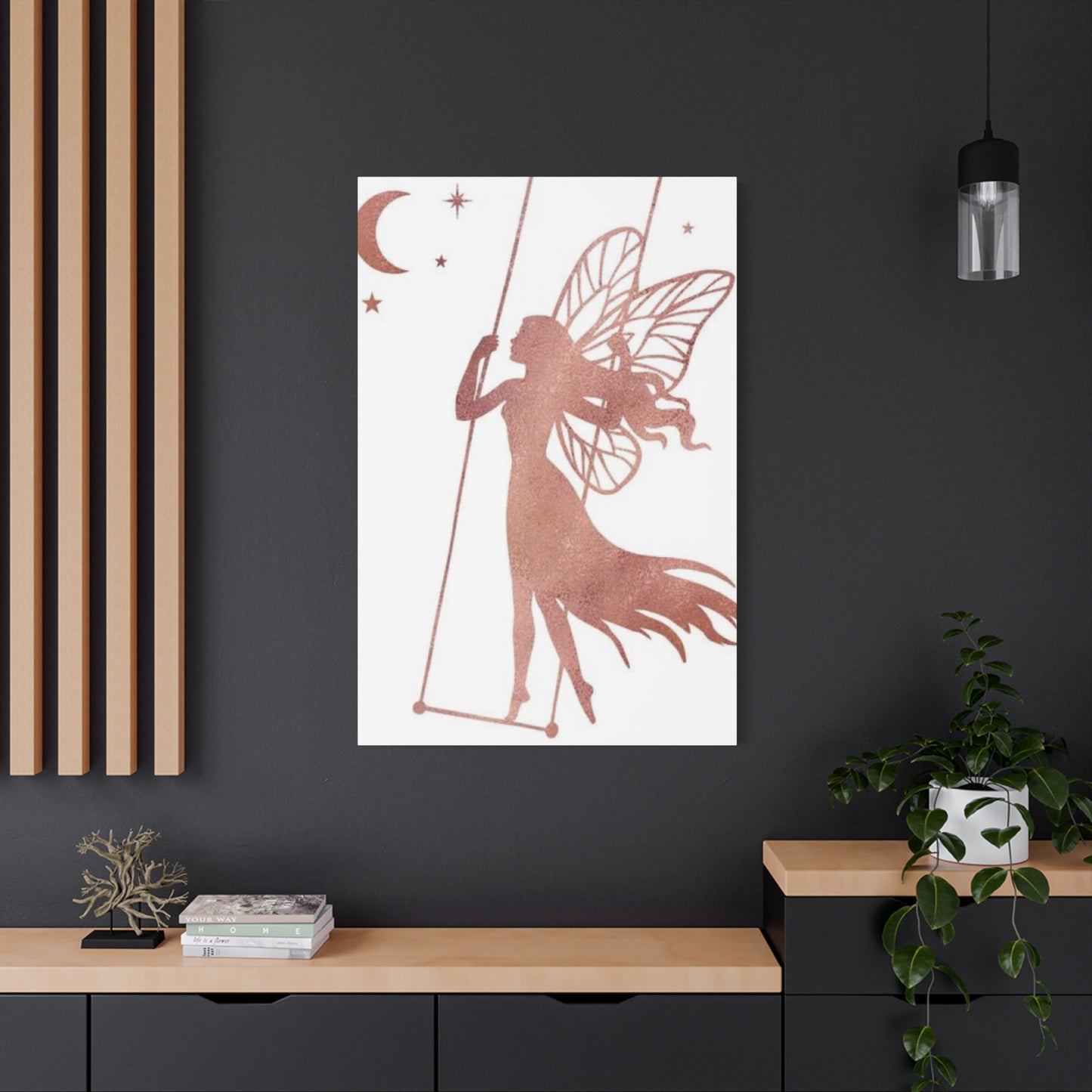


Angel Swinging Fairies Wall Art & Canvas Prints
Angel Swinging Fairies Wall Art & Canvas Prints
Couldn't load pickup availability
Celestial Serenity Unfolded Angel Swinging Fairies Wall Art to Enhance Your Modern Home Décor
The realm of interior decoration has witnessed a remarkable transformation in recent years, with homeowners and design enthusiasts increasingly gravitating toward whimsical and ethereal elements that infuse spaces with magic and wonder. Among the most captivating trends that have emerged in contemporary home styling is the incorporation of celestial-themed decorative pieces, particularly those featuring angelic figures and fairy-tale motifs. Angel swinging fairies wall art represents a unique intersection of artistic expression, spiritual symbolism, and aesthetic appeal that has captured the imagination of decorators worldwide.
These enchanting decorative elements transcend mere wall coverings, serving as portals to realms of fantasy and imagination. The delicate imagery of angelic beings suspended in mid-swing, often surrounded by mystical elements like twinkling stars, moonbeams, and flourishing flora, creates an atmosphere of serenity and wonder that few other decorative choices can replicate. This particular style of artwork has found its way into nurseries, children's bedrooms, meditation spaces, and even sophisticated living areas where homeowners seek to balance modern aesthetics with touches of whimsy.
The popularity of angel swinging fairies wall art stems from its versatility and universal appeal. Unlike many specialized decorative elements that cater to specific tastes or age groups, these pieces possess a timeless quality that resonates with viewers across generations. Young children delight in the magical storytelling aspect of the imagery, while adults appreciate the craftsmanship, symbolic depth, and the sense of tranquility these pieces bring to their living spaces. This multi-generational appeal makes such artwork an excellent investment for families looking to create cohesive yet personalized interiors.
The Artistic Heritage and Cultural Significance Behind Celestial Being Representations in Contemporary Interior Decoration
The tradition of depicting celestial beings and mythological creatures in visual art stretches back thousands of years, with roots firmly planted in diverse cultural traditions across the globe. Ancient civilizations from Mesopotamia to medieval Europe created elaborate representations of winged beings and supernatural entities, believing these images held protective and spiritual powers. Renaissance artists elevated the depiction of angels to unprecedented heights of technical mastery, creating works that continue to inspire contemporary creators.
In Victorian England, the fascination with fairy folklore reached fever pitch, with artists like Richard Dadd and John Anster Fitzgerald creating intricate paintings that portrayed elaborate fairy worlds in stunning detail. This period saw the emergence of fairy painting as a legitimate artistic genre, with wealthy patrons commissioning works that depicted elaborate supernatural scenes. The romanticized view of nature spirits and angelic guardians became deeply embedded in Western artistic consciousness, setting the stage for modern interpretations.
The twentieth century witnessed periodic revivals of interest in fairy and angel imagery, often coinciding with broader cultural movements toward spiritualism and alternative belief systems. The New Age movement of the 1970s and 1980s particularly embraced angelic symbolism, viewing these beings as spiritual guides and protectors. This perspective introduced a more personal and intimate relationship with angel imagery, moving beyond purely religious contexts to encompass broader spiritual and emotional connections.
Contemporary artists creating angel swinging fairies wall art draw upon this rich heritage while infusing their work with modern sensibilities and aesthetic preferences. Today's pieces often blend traditional symbolism with current design trends, incorporating elements like minimalist compositions, watercolor techniques, or digital illustration methods. This fusion of old and new creates artwork that feels both timeless and thoroughly contemporary, capable of complementing a wide range of interior design schemes.
The symbolic resonance of swinging figures in particular adds layers of meaning to these decorative pieces. Swings have long represented freedom, joy, and the transitional space between earth and sky, childhood and maturity, the mundane and the magical. When combined with angelic or fairy figures, this symbolism intensifies, suggesting beings that exist in liminal spaces, bridging the gap between the physical and spiritual realms. This rich symbolic vocabulary allows viewers to project personal meanings and emotional connections onto the artwork, creating deeply individual relationships with these decorative elements.
Exploring the Diverse Stylistic Approaches and Artistic Variations Found in Angelic Fairy Imagery for Home Spaces
The market for angel swinging fairies wall art encompasses an astonishing variety of stylistic approaches, each offering distinct aesthetic qualities and emotional resonances. Understanding these variations helps homeowners select pieces that align with their personal taste and complement their existing décor. From ultra-realistic renderings to abstract interpretations, the range of available options ensures that every decorating vision can find suitable expression.
Traditional realistic portrayals draw heavily from classical art traditions, featuring carefully rendered anatomical details, elaborate costumes, and naturalistic environments. These pieces often employ rich color palettes dominated by soft pastels, warm earth tones, or luminous whites and golds. The attention to detail in wings, facial features, and surrounding elements creates a sense of depth and presence that makes the figures seem almost tangible. Such artwork particularly appeals to those who appreciate classical beauty and time-honored artistic techniques.
Whimsical cartoon-style interpretations take a decidedly different approach, emphasizing playful proportions, exaggerated features, and vibrant color schemes. These pieces often feature round-faced cherubs or impish fairies with oversized eyes and simplified anatomical structures. The mood is typically lighthearted and joyful, making these interpretations especially popular for children's rooms and spaces designed to evoke happiness and laughter. Despite their simplified forms, skilled artists can imbue these characters with remarkable personality and charm.
Watercolor and mixed-media representations offer a more ethereal and dreamlike quality, with soft edges, translucent layers, and subtle color gradations creating an atmosphere of delicate mystery. These pieces often incorporate elements like gold leaf, texture paste, or embedded materials that add dimensionality and visual interest. The inherent unpredictability of watercolor techniques can produce unique effects that make each piece genuinely one-of-a-kind, appealing to collectors who value artistic individuality.
Minimalist and modern interpretations strip away elaborate details in favor of clean lines, simplified forms, and restrained color palettes. These pieces might reduce angelic figures to elegant silhouettes or geometric abstractions while maintaining recognizable symbolic elements. This approach works particularly well in contemporary interiors where busy patterns or overly ornate decorations would clash with the overall aesthetic. The sophistication of minimalist angel art demonstrates that whimsy and modern design sensibilities need not be mutually exclusive.
Vintage and shabby-chic styles deliberately evoke nostalgic aesthetics through distressed finishes, muted color schemes, and compositional elements reminiscent of early twentieth-century illustration. These pieces often feature aged paper textures, sepia tones, or deliberately faded pigments that create the impression of treasured heirlooms passed down through generations. This stylistic approach appeals to those who appreciate the romance of bygone eras and seek to create interiors with warmth and character.
Three-dimensional and sculptural variations move beyond traditional flat artwork to incorporate raised elements, layered materials, or fully sculptural components. These pieces might feature wings that project from the wall surface, fabric elements that add textural interest, or mixed-media constructions that blur the line between painting and sculpture. The added dimensionality creates fascinating shadow play and viewing experiences that change with lighting conditions and viewing angles.
Understanding Material Choices and Manufacturing Processes That Define Quality in Celestial Decorative Artwork
The materials and production methods used to create angel swinging fairies wall art significantly impact both the aesthetic qualities and longevity of the finished pieces. Discerning buyers benefit from understanding these factors when evaluating potential purchases, as material choices directly correlate with durability, visual impact, and price points.
Canvas prints represent one of the most popular formats for contemporary wall art, offering excellent color reproduction, textural appeal, and reasonable affordability. High-quality canvas pieces utilize archival-grade materials and pigment-based inks that resist fading even with prolonged exposure to indirect sunlight. The texture of canvas weave adds subtle depth to images, particularly benefiting pieces with painterly qualities. Gallery-wrapped canvases that extend imagery around the frame edges create a polished, museum-quality appearance without requiring additional framing.
Metal prints have emerged as a premium alternative, particularly for contemporary spaces seeking sleek, modern aesthetics. The dye-sublimation process used to transfer images onto aluminum surfaces creates stunning luminosity and color vibrancy that surpasses most other printing methods. The non-porous metal surface resists moisture, scratches, and fading, making these pieces ideal for high-humidity environments or spaces with bright lighting. The inherent reflectivity of metal adds a unique dimensional quality that changes subtly as lighting conditions shift throughout the day.
Wood panel prints offer warmth and organic appeal that synthetic materials cannot replicate. Artists may print directly onto specially prepared wood surfaces, allowing natural grain patterns to interact with the imagery in unexpected ways. Alternatively, some creators mount prints onto wood backing for stability while maintaining clean image presentation. Reclaimed wood panels add rustic character and environmental sustainability, appealing to eco-conscious consumers who value responsible material sourcing.
Paper prints remain the traditional choice for fine art reproductions, with quality varying dramatically based on paper type and printing methods. Museum-grade archival papers combined with giclée printing techniques produce reproductions that rival original artworks in color accuracy and detail retention. Rag papers, cotton-based stocks, and specialty textured varieties each impart distinct aesthetic qualities. The necessity of framing paper prints allows for customization but adds cost and complexity compared to ready-to-hang alternatives.
Acrylic prints create stunning visual impact through their high-gloss finish and exceptional depth of color. The image is mounted behind a thick acrylic panel that both protects and enhances it, creating a floating effect with remarkable three-dimensional presence. The reflective quality of acrylic surfaces amplifies colors while protecting artwork from environmental damage. These pieces work particularly well in contemporary and minimalist settings where clean lines and bold visual statements take precedence.
Hand-painted originals represent the pinnacle of uniqueness and artistic value, though they command premium prices. Artists working in oils, acrylics, or mixed media create genuine one-of-a-kind pieces that cannot be precisely replicated. The visible brushstrokes, textural variations, and subtle color mixing create depth and vitality impossible to achieve through mechanical reproduction. Collectors appreciate the direct connection to the artist's creative process and the investment potential of original artwork.
Identifying the Most Suitable Spaces Within Your Home for Celestial Being Imagery and Creating Harmonious Room Environments
Strategic placement of angel swinging fairies wall art maximizes its visual impact while creating cohesive, thoughtfully designed living spaces. Different rooms offer unique opportunities and challenges for incorporating these ethereal decorative elements, and understanding how to work with each space's characteristics ensures satisfying results.
Nurseries and infant rooms provide perhaps the most natural setting for angel and fairy imagery, where the protective and gentle associations of such figures align perfectly with the space's purpose. Positioning artwork where it catches a parent's eye during nighttime feedings or comforting sessions creates moments of calm reflection. The imagery can contribute to establishing bedtime routines, as children associate the serene figures with rest and peaceful sleep. Choosing pieces with soft color palettes and gentle, non-stimulating compositions prevents overstimulation while maintaining visual interest.
Children's bedrooms for toddlers and school-age youngsters can embrace more vibrant and playful interpretations of angelic fairy themes. These spaces allow for bolder colors, more dynamic compositions, and potentially multiple coordinated pieces that create immersive environments. Creating a focal wall behind the bed or positioning artwork to be visible from play areas keeps the magical imagery present in daily activities. As children grow, more sophisticated interpretations can replace earlier pieces, maintaining thematic continuity while maturing with the child's developing aesthetic preferences.
Living rooms and common areas present opportunities to incorporate angel swinging fairies wall art in ways that surprise and delight guests while reflecting the homeowner's personality. In these spaces, the challenge lies in balancing whimsical elements with the more sophisticated aesthetic typically expected in adult entertaining areas. Choosing pieces with subtle color palettes, refined artistic execution, or contemporary styling allows the magical subject matter to coexist harmoniously with more conventional furnishings and décor elements.
Bedrooms for adults benefit from the serene and contemplative qualities of well-chosen angelic imagery. Positioning such artwork where it's visible upon waking or before sleep can positively influence mood and mindset during these transitional moments. Pieces featuring calmer compositions, muted colors, and dreamlike qualities complement the bedroom's function as a retreat from daily stresses. The spiritual and protective associations of angel figures can enhance the sense of sanctuary that bedrooms should provide.
Meditation spaces, yoga rooms, and dedicated relaxation areas naturally accommodate celestial being imagery, where the spiritual and transcendent associations of angels and fairies align with the space's intended purpose. In these environments, artwork serves not merely as decoration but as a focal point for contemplation and a visual anchor for mindfulness practices. Selecting pieces that resonate personally and evoke desired emotional states transforms them from simple decorations into meaningful elements of spiritual practice.
Reading nooks and creative workspaces gain inspiration and atmosphere from thoughtfully chosen angel swinging fairies wall art. The imaginative quality of the imagery can stimulate creativity and provide mental breaks during intense focus periods. In these personal retreat spaces, following conventional decorating rules matters less than choosing pieces that genuinely speak to individual sensibilities and spark joy or inspiration.
Bathrooms, particularly spacious master baths designed as spa-like retreats, can surprisingly accommodate ethereal artwork when proper moisture protection is considered. Metal, acrylic, or specially sealed pieces resist humidity damage while contributing to the tranquil atmosphere these spaces increasingly provide. The unexpected presence of whimsical imagery in utilitarian spaces adds elements of surprise and delight to daily routines.
Examining Color Psychology and Its Profound Influence on Mood When Selecting Angelic Decorative Elements for Personal Spaces
The colors present in angel swinging fairies wall art profoundly affect the emotional atmosphere of spaces and the psychological responses of occupants. Understanding color psychology principles empowers homeowners to make selections that align with desired moods and spatial functions, transforming simple decorative choices into powerful environmental design tools.
Soft pastel palettes dominated by pale pinks, lavenders, mint greens, and powder blues create atmospheres of gentleness and calm. These delicate hues reduce visual stimulation, making them ideal for spaces dedicated to rest and relaxation. The association of pastels with innocence and youth makes them particularly appropriate for children's spaces, though sophisticated compositions can successfully incorporate these colors into adult environments. The gentle nature of pastels allows them to recede visually, making rooms feel more spacious and airy.
Warm earth tones including terracotta, golden yellows, soft browns, and peachy corals generate feelings of comfort, security, and groundedness. Angel imagery rendered in these hues feels more approachable and less ethereal than cooler alternatives, creating connections to nature and physical embodiment. These colors work particularly well in family gathering spaces where warmth and inclusivity take priority over formal elegance. The inherent coziness of warm palettes makes them excellent choices for spaces used during evening hours or in cooler climates.
Cool color schemes featuring various blues, purples, and blue-greens produce calming effects while maintaining more visual interest than neutral palettes. These hues slow heart rate and reduce feelings of stress, making them particularly valuable in bedrooms and meditation spaces. The association of blues and purples with spirituality and transcendence reinforces the celestial nature of angel and fairy subjects. Deeper, more saturated cool tones add sophistication and drama while maintaining the calming properties of cooler hues.
Metallic accents including gold, silver, copper, and iridescent finishes add luxury and mystical quality to angel swinging fairies wall art. These reflective elements catch and play with light, creating dynamic visual experiences that change throughout the day. Gold tones particularly complement the divine associations of angel imagery, while silver creates cooler, more moonlit atmospheres. The sparkle and shimmer of metallic elements add dimensionality to flat artwork, creating focal points that draw the eye.
Monochromatic and neutral schemes rendered in various shades of white, cream, gray, or sepia create sophisticated, timeless aesthetics that work in virtually any décor context. These restrained palettes allow compositional elements and subject matter to take precedence over color impact. The subtlety of neutral-toned artwork prevents visual fatigue while maintaining presence and interest. Such pieces serve as anchors in minimalist spaces or as calming influences in rooms with busy patterns and multiple competing visual elements.
Vibrant, saturated color palettes featuring bold pinks, vivid purples, bright teals, and sunny yellows create energetic, joyful atmospheres perfect for playrooms and creative spaces. These eye-catching combinations stimulate mental activity and evoke feelings of happiness and excitement. While potentially overwhelming in large doses or relaxation-focused spaces, strategic use of vibrant angel art can inject personality and verve into otherwise neutral environments.
Rainbow and multi-colored compositions that incorporate broad color spectrums appeal to those seeking maximum visual interest and symbolic completeness. These pieces can serve as unifying elements that tie together various colors present in furnishings and accessories throughout a room. The inclusive nature of rainbow imagery carries symbolic associations with diversity, promise, and hope that resonate with many viewers on emotional levels.
Discovering Various Size Formats and Scale Considerations That Maximize Visual Impact in Different Room Configurations
Selecting appropriately sized angel swinging fairies wall art ensures balanced compositions that enhance rather than overwhelm or underwhelm spaces. Understanding how artwork scale interacts with room dimensions, ceiling heights, and furniture arrangements allows for confident decision-making that yields professionally designed results.
Statement pieces spanning forty inches or more in any dimension serve as commanding focal points that anchor room designs. These large-scale artworks work best on expansive walls uninterrupted by windows, doors, or architectural features. The visual weight of oversized pieces requires balanced room layouts with substantial furniture pieces to avoid appearing top-heavy or disproportionate. Living rooms with tall ceilings, master bedrooms with king-sized beds, or dedicated gallery walls benefit most from these dramatic installations.
Medium-sized pieces ranging from twenty to thirty-six inches offer versatility suitable for most residential applications. These dimensions provide sufficient visual presence without dominating spaces or requiring elaborate supporting compositions. Medium pieces work beautifully above furniture like dressers, console tables, or headboards, filling wall space proportionately without extending beyond furniture edges. Their manageable size also makes them excellent candidates for creating gallery wall arrangements where multiple coordinated pieces create cohesive displays.
Small accent pieces measuring under twenty inches serve specific decorative functions, adding visual interest to tight spaces, filling gaps in larger arrangements, or creating intimate vignettes. These diminutive artworks excel in spaces like narrow hallways, small powder rooms, or clustered arrangements on shelves and mantels. Their modest scale allows for bold color choices or ornate styling that might overwhelm in larger formats. Collections of small coordinated pieces create impact through cumulative effect rather than individual presence.
Vertical orientations emphasizing height over width draw the eye upward, creating perceptions of increased ceiling height and elegant proportions. Portrait-oriented angel swinging fairies wall art works particularly well in narrow wall spaces, between windows, or flanking larger horizontal elements. The upward movement inherent in vertical compositions reinforces the ascending, celestial nature of angel imagery. These formats complement tall, narrow furniture pieces and work beautifully in spaces with limited horizontal wall area.
Horizontal or landscape orientations spanning greater width than height create calming, grounded compositions that emphasize stability and expansiveness. These formats naturally complement most furniture arrangements, particularly long sofas, beds, and console tables. The lateral visual movement of horizontal pieces encourages scanning and discovery of details across the composition. Wide formats work particularly well in contemporary spaces where clean lines and understated elegance take precedence.
Square formats provide balanced, centered compositions that feel stable and complete. The equal dimensions create inherently harmonious proportions that work with both modern and traditional aesthetics. Square angel artwork pairs beautifully with other square or geometric elements, creating rhythmic patterns when multiple pieces are displayed together. These formats offer flexibility in hanging orientation and work equally well in virtually any room configuration.
Panoramic and extra-wide formats create dramatic, immersive experiences that transform entire walls into artistic statements. These elongated pieces work best in spaces with significant uninterrupted wall length, such as above sectional sofas or in long hallways. The extreme proportions create cinematic effects that pull viewers into the scene, making them particularly effective for fantasy and fairy tale subjects. These formats demand careful consideration of viewing distances and room traffic patterns to ensure optimal appreciation.
Analyzing Frame Selection Strategies That Enhance Rather Than Detract From Celestial Artwork Presentations
Framing choices profoundly impact how angel swinging fairies wall art integrates with surrounding décor and how viewers perceive the artwork itself. Thoughtful frame selection elevates presentations while protecting valuable pieces, whereas poorly chosen frames diminish visual impact and create discordant relationships with both artwork and environment.
Traditional ornate frames featuring carved details, gilded finishes, and substantial profiles complement classical and romantic artistic interpretations. These elaborate surrounds add formal gravitas and visual weight, making them appropriate for sophisticated living spaces and traditional décor schemes. Gold leafing particularly enhances the divine and precious qualities of angel imagery, creating harmonious relationships between subject and presentation. However, ornate frames risk overwhelming delicate or minimalist artwork, requiring careful matching of frame intensity to image complexity.
Simple contemporary frames with clean lines, minimal profiles, and understated finishes suit modern and minimalist spaces where elaborate details would clash with overall aesthetics. Thin metal frames in finishes like brushed silver, matte black, or warm brass provide necessary containment and definition without competing for attention. The restraint of contemporary framing allows artwork to remain the clear focal point while providing crisp boundaries that enhance visual clarity. These frames work particularly well with graphic or simplified artistic styles.
Rustic wood frames featuring visible grain patterns, distressed finishes, or reclaimed materials add warmth and organic character to angel swinging fairies wall art. These natural surrounds create connections between ethereal subjects and earthly environments, grounding magical imagery in physical reality. The texture and color variations inherent in wood frames add visual interest without formal ornamentation. Weathered or vintage-inspired wood frames particularly complement shabby-chic and cottage-style interiors.
White or cream frames create fresh, airy presentations that maximize light reflection and prevent visual heaviness. These neutral surrounds work beautifully in children's rooms, beach-inspired interiors, and spaces with predominantly light color schemes. White framing allows colors within the artwork to appear more vibrant through contrast while maintaining cohesive, serene atmospheres. The classic simplicity of white frames transcends temporary trends, ensuring long-term satisfaction.
Floating or shadow-box frames create dramatic presentations where artwork appears suspended within the frame, surrounded by negative space. This mounting technique adds depth and importance to pieces while providing substantial protection. The three-dimensional quality of floating presentations emphasizes the preciousness of the artwork and creates fascinating shadow play as lighting conditions change. These sophisticated frames work best with high-quality pieces in formal or gallery-like settings.
Mat board additions provide transition zones between artwork and frames while offering opportunities for color coordination and visual emphasis. Generous mat borders create breathing room around compact images, preventing cramped appearances. Double matting with contrasting colors adds layers of sophistication and can pull specific hues from the artwork to create harmonious color relationships. However, matting adds cost and visual complexity, making it most appropriate for pieces displayed in prominent locations where detail appreciation matters.
Frameless presentations including canvas gallery wraps, standoff mounted prints, and direct-mount options create sleek, contemporary looks that eliminate visual barriers between artwork and environment. These presentations work particularly well with modern interpretations where formality would feel incongruous. The lack of frames makes pieces feel more immediate and integrated into living spaces. However, frameless options offer less protection and may appear too casual for formal settings or valuable original artwork.
Implementing Proper Hanging Methods and Spatial Arrangements That Showcase Artwork While Protecting Wall Surfaces
Correct installation ensures angel swinging fairies wall art remains securely mounted while preserving both the artwork and wall surfaces. Understanding proper hanging methods and spatial relationships prevents common mistakes while achieving professional-looking results that stand the test of time.
Precise height placement significantly impacts viewing comfort and aesthetic success. The general guideline of centering artwork at fifty-seven to sixty inches from the floor aligns with average eye height in standing positions, though adjustments based on furniture arrangements and personal preferences often improve results. Above furniture pieces, leaving six to twelve inches between the furniture top and artwork bottom creates visual connection without cramping. In spaces where viewers are predominantly seated, lowering artwork height enhances engagement and comfortable viewing angles.
Wall anchor selection must match both wall construction and artwork weight to ensure secure mounting. Hollow drywall requires specialized anchors like toggles or molly bolts that distribute weight across larger areas, whereas solid walls accept standard screws or nails. Heavy pieces exceeding twenty pounds benefit from hanging systems that utilize multiple anchor points or wire systems that distribute weight. Underestimating required anchor strength risks property damage and artwork loss, making it worth erring toward overbuilt solutions.
Leveling requires patience and proper tools to achieve professional results. Spirit levels ensure horizontal alignment, while laser levels assist with multi-piece arrangements requiring precise relationships. Taking time to measure, mark, and verify before committing to wall penetrations prevents frustrating do-overs and unnecessary wall damage. Even slight tilts are immediately apparent in finished installations, undermining otherwise successful presentations.
Gallery wall arrangements create dynamic displays that maximize impact through careful composition of multiple coordinated pieces. Successful layouts balance visual weights, maintain consistent spacing between elements, and create overall shapes that feel intentional rather than random. Planning gallery walls requires laying out arrangements on the floor or using paper templates on walls before committing to hanging. Maintaining consistent spacing of two to four inches between frames creates cohesion while allowing individual pieces to maintain identity.
Lighting considerations dramatically affect how angel swinging fairies wall art appears and how successfully it commands attention. Natural light presents double-edged opportunities, providing beautiful illumination that brings artwork to life while risking UV damage and glare problems. Positioning artwork perpendicular to windows minimizes direct sunlight exposure while maintaining ambient illumination. Artificial lighting through picture lights, track systems, or strategically aimed fixtures creates dramatic effects while providing control over intensity and direction.
Grouping strategies allow thematic collections to create greater impact than individual pieces could achieve alone. Symmetrical arrangements featuring identical or mirror-image pieces flanking central elements create formal, balanced compositions suited to traditional spaces. Asymmetrical groupings with varied sizes and frame styles feel more organic and contemporary, requiring careful attention to visual weight distribution. Thematic connections through color, style, or subject matter tie disparate pieces into cohesive collections.
Seasonal rotation systems keep displays fresh while protecting artwork from prolonged light exposure. Maintaining a collection of pieces that can swap positions based on seasons, holidays, or simply changing moods maximizes enjoyment of multiple artworks. This approach proves particularly practical for themes like angel swinging fairies wall art that adapt well to various contexts. Proper storage in climate-controlled spaces with protective wrapping preserves pieces during off-display periods.
Evaluating Price Points and Value Propositions Across Different Quality Tiers and Purchasing Channels for Celestial Decorative Art
Understanding the pricing landscape for angel swinging fairies wall art helps buyers make informed decisions that balance budget constraints with quality expectations and personal priorities. Price variations reflect genuine differences in materials, craftsmanship, and intrinsic value, though marketing factors also influence costs.
Mass-market reproductions available through big-box retailers and online marketplaces occupy the entry-level price tier, typically ranging from twenty to one hundred dollars. These pieces employ economical materials like poster-weight paper or standard canvas with basic inks. While affordable and immediately accessible, such items often lack longevity and visual impact. Appropriate for temporary decorating solutions, rental properties, or situations where frequent changes are anticipated, budget options serve specific needs despite limitations.
Mid-tier prints and reproductions priced between one hundred and four hundred dollars typically employ superior materials and production methods. Giclée printing on archival-grade substrates, metal prints, and gallery-wrapped canvases populate this category. These pieces offer significantly better color accuracy, detail retention, and longevity than budget alternatives. Most homeowners find this range provides excellent value, delivering professional quality at accessible prices. Numerous independent artists and small studios operate in this market segment, offering unique designs unavailable from mass-market sources.
Premium reproductions and limited editions spanning four hundred to fifteen hundred dollars feature exceptional production quality, exclusive designs, and often include artist authentication or numbering. Materials like museum-grade papers, premium aluminum, or specialty substrates justify elevated costs. Limited availability creates collectibility and potential value appreciation. Buyers in this tier prioritize uniqueness and quality over affordability, viewing purchases as lasting investments rather than temporary decorations.
Original hand-created artwork enters pricing territory from several hundred to several thousand dollars depending on artist recognition, piece size, and medium complexity. These one-of-a-kind creations carry intrinsic value as artistic works rather than mere decorations. The direct connection to creative processes and impossibility of precise replication appeals to serious collectors. Original pieces require careful consideration of artist reputation, style consistency, and personal connection to justify substantial investments.
Custom commissioned works allow buyers to specify exact subjects, sizes, color schemes, and stylistic preferences, creating perfectly tailored pieces. Pricing varies dramatically based on artist experience and time requirements but typically exceeds standard original artwork costs. Commissions require patience through creation periods and clear communication to ensure satisfaction. The resulting pieces carry special significance as collaborations between artist vision and buyer input.
Online marketplaces provide access to global artist networks and endless variety, often at competitive prices due to reduced overhead. However, inability to view pieces in person before purchase creates uncertainty about quality and color accuracy. Careful review of seller ratings, return policies, and production details mitigates risks. Many buyers prefer inspecting pieces personally for significant purchases while accepting remote buying for lower-priced items.
Physical galleries and art shows allow in-person evaluation and immediate gratification but typically carry higher prices reflecting overhead costs and curated selection processes. The ability to see exact colors, textures, and scales before purchasing provides confidence unavailable through remote shopping. Establishing relationships with gallery owners can yield access to new artists and insider knowledge about emerging talents.
Incorporating Complementary Decorative Elements That Create Cohesive Room Designs Featuring Celestial Themes
Angel swinging fairies wall art achieves maximum impact when supported by thoughtfully selected complementary elements that extend and reinforce thematic and aesthetic choices. Creating cohesive environments requires balancing repetition with variety, ensuring spaces feel intentionally designed rather than accidentally assembled.
Textile selections including curtains, bedding, throw pillows, and area rugs offer opportunities to echo colors and themes from featured artwork. Fabrics featuring subtle star patterns, delicate florals, or ethereal textures create visual connections without literal repetition. Color coordination through accent pillows that pull specific hues from artwork ties together disparate room elements. Texture variations through velvet, linen, or faux fur add dimensional interest while maintaining color harmony.
Lighting fixtures serve both functional and decorative purposes, with styles ranging from ornate chandeliers to simple pendant lights. Fixtures featuring crystalline elements, organic curves, or celestial motifs like stars and moons extend magical themes into three-dimensional space. Warm-toned bulbs create inviting atmospheres that complement most angel imagery, while adjustable dimming capabilities allow mood modification for different activities and times of day.
Sculptural elements including figurines, decorative objects, and three-dimensional art add physical presence to thematic designs. Small angel or fairy statues positioned on shelves, mantels, or side tables create thematic echoes without overwhelming spaces. Crystalline or glass objects catch light beautifully, adding sparkle that complements the ethereal nature of celestial subjects. Restraint prevents collections from appearing cluttered or overly themed.
Furniture selections in styles that complement artwork aesthetics ensure visual harmony throughout spaces. Delicate, curved furniture lines echo the graceful forms typical in angel imagery, while distressed or vintage pieces support shabby-chic interpretations. Contemporary furniture with clean lines provides neutral backdrops that allow ornate artwork to command attention. Furniture finish colors should harmonize with artwork frames and overall color schemes for cohesive results.
Plant selections introduce living elements that connect ethereal subjects with natural world. Cascading plants like pothos or string of pearls create gentle movement reminiscent of flowing gowns and wings. Flowering plants add color pops that can coordinate with artwork palettes. The organic, growing nature of plants provides pleasant contrast to static artwork while maintaining connections to fairy folklore's nature associations.
Mirror placements amplify light and create spatial expansion while offering opportunities for decorative frame selection that complements artwork frames. Positioning mirrors to reflect featured artwork doubles its visual presence, though care must be taken to avoid awkward partial reflections. Antique or ornate mirrors support traditional aesthetics, while frameless or minimalist options suit contemporary spaces.
Accent wall treatments including paint colors, wallpaper, or specialty finishes create backdrops that either highlight or complement angel swinging fairies wall art. Subtle, light colors allow artwork to command attention, while deeper, saturated hues create drama and intimacy. Wallpaper featuring delicate patterns or textures adds interest without competing with featured artwork. Accent walls work best when limited to single walls to avoid visual chaos.
Maintaining and Preserving Celestial Artwork to Ensure Long-lasting Beauty and Prevent Deterioration Over Time
Proper care ensures angel swinging fairies wall art maintains its beauty and integrity for years or even generations. Understanding factors that threaten artwork longevity and implementing protective measures preserves both aesthetic appeal and financial investment.
Sunlight exposure represents the primary threat to most artwork, with ultraviolet rays causing pigment fading, material degradation, and discoloration over time. Positioning artwork away from direct sunlight extends lifespan dramatically, though even indirect exposure gradually causes damage. UV-filtering glass or acrylic in framed pieces provides protection while maintaining visibility. Window treatments including sheer curtains or UV-filtering films reduce light damage throughout spaces. For irreplaceable pieces, consider rotating display locations to distribute exposure.
Dust accumulation dulls surfaces and can cause gradual abrasion damage when cleaned improperly. Regular gentle dusting using microfiber cloths or soft brushes prevents buildup without scratching. Avoid feather dusters that can catch on textures or frames. For glass or acrylic-covered pieces, slightly dampened cloths remove fingerprints and smudges without harsh chemicals. Canvas and unprotected surfaces require especially gentle approaches to avoid disturbing pigments or damaging textures.
Humidity fluctuations cause expansion and contraction in materials, potentially leading to warping, cracking, or delamination. Maintaining consistent humidity levels between forty and fifty-five percent protects most artwork types. Avoid hanging pieces near sources of moisture like bathrooms, kitchens, or exterior doors unless specifically protected for such environments. Metal and acrylic prints tolerate humidity better than paper or canvas alternatives, making them preferable for challenging locations.
Temperature extremes and rapid fluctuations stress materials similarly to humidity problems. Avoid positioning artwork near heating vents, fireplaces, or air conditioning units where temperature swings occur frequently. Consistent moderate temperatures between sixty-five and seventy-five degrees Fahrenheit provide ideal conditions for most materials. Attics, basements, and garages typically fail to meet these requirements, making them poor storage locations for valuable pieces.
Physical damage from impacts, scratches, or handling accidents can occur despite careful placement. Positioning artwork away from high-traffic areas and door swing paths reduces collision risks. In homes with young children or active pets, placing valuable pieces higher on walls or in less accessible rooms provides protection. Glass or acrylic covering offers surface protection for paper-based works, though it cannot prevent frame damage from impacts.
Smoke and airborne pollutants gradually deposit on artwork surfaces, causing discoloration and material degradation. Cooking fumes, fireplace smoke, and tobacco smoke prove particularly problematic. Adequate ventilation and air filtration systems reduce airborne contaminants. Avoid hanging valuable artwork in kitchens or directly above fireplaces where exposure intensity is highest. Regular professional cleaning services can restore pieces affected by environmental exposure.
Insect damage affects organic materials including paper, canvas, and wood frames. Regular inspection for signs of insect activity allows early intervention before serious damage occurs. Climate control and cleanliness discourage infestations, while treatment of surrounding areas prevents insect populations from establishing. Valuable pieces may warrant professional pest management consultation to prevent catastrophic losses.
Final Thoughts
The Angel Swinging Fairies Wall Art brings a sense of whimsy, serenity, and celestial beauty into modern living spaces, effortlessly blending fantasy with elegance. These enchanting artworks capture the joy, freedom, and lightness of spirit that fairies and angels symbolize, offering a playful yet peaceful energy that transforms any room into a magical retreat. Whether you’re drawn to the gentle movement of fairies on swings or the divine presence of angels, this type of artwork allows you to bring the wonder of the celestial world into your everyday life.
What sets angel swinging fairy art apart is its ability to invoke both a sense of childhood wonder and timeless elegance. The depiction of fairies gracefully swinging, often framed by soft clouds, shimmering stars, or delicate florals, conjures images of a carefree world where imagination reigns. The ethereal quality of these figures, caught in mid-motion, suggests a harmonious connection between nature and the divine, creating an atmosphere that is both playful and soothing. This juxtaposition makes the piece perfect for contemporary homes looking to add a touch of fantasy without overwhelming the space with overly whimsical or kitschy elements.
The dynamic motion of the swinging fairies brings life to the art piece, making it an ideal focal point in any room. The soft, flowing lines of the fairies’ hair and garments, combined with the subtle interaction of light and shadow, create a sense of movement that adds energy to your décor. Whether you place it in a living room, bedroom, or entryway, the Angel Swinging Fairies Wall Art introduces a unique, celestial vibe that sparks joy and intrigue. It’s not just a decorative piece—it’s a conversation starter, inviting guests to pause, admire, and reflect on the imaginative world it evokes.
In modern interiors, where clean lines and simplicity often dominate, angel swinging fairy art offers a fresh contrast that softens the space. Its subtle yet vibrant colors—often pastel hues like soft pinks, blues, and lavender—pair beautifully with neutral tones and minimalist furniture. The art’s calming colors and ethereal design can bring balance to more contemporary or industrial spaces, offering a sense of warmth and lightness while still maintaining a modern edge. It can also complement bohemian or nature-inspired décor, where celestial and natural elements harmonize effortlessly.
Beyond its aesthetic qualities, Angel Swinging Fairies Wall Art also carries deep symbolic meaning. Fairies, often seen as protectors of nature and guardians of childhood dreams, symbolize freedom, transformation, and a connection to the spiritual world. Angels, with their divine grace and presence, represent guidance, hope, and purity. Together, these figures can inspire feelings of joy, creativity, and tranquility, filling your home with a sense of peace and divine protection. Displaying this type of art in your home offers more than just visual pleasure—it fosters an environment where positivity, magic, and serenity are welcomed.
This art also allows for a creative and emotionally enriching addition to spaces like nurseries, playrooms, or even meditation spaces. The lightheartedness of the fairies’ swinging motion and the serene aura of the angels can help create a calm, joyful, and inspiring atmosphere, perfect for fostering creativity and emotional well-being. For those who cherish the whimsical, yet still desire a sophisticated touch, this artwork strikes the perfect balance between fantasy and refinement.
In conclusion, the Angel Swinging Fairies Wall Art is an enchanting and versatile addition to modern living spaces. It offers a unique way to blend celestial beauty with contemporary design, adding a touch of magic and whimsy while maintaining a refined elegance. Whether you're drawn to its playful energy or its serene, uplifting qualities, this artwork serves as both a focal point and an emotional touchstone in your home. It transforms any room into a peaceful haven where the imagination can soar, the spirit can relax, and the soul can connect with the beauty of the unseen world.
Share