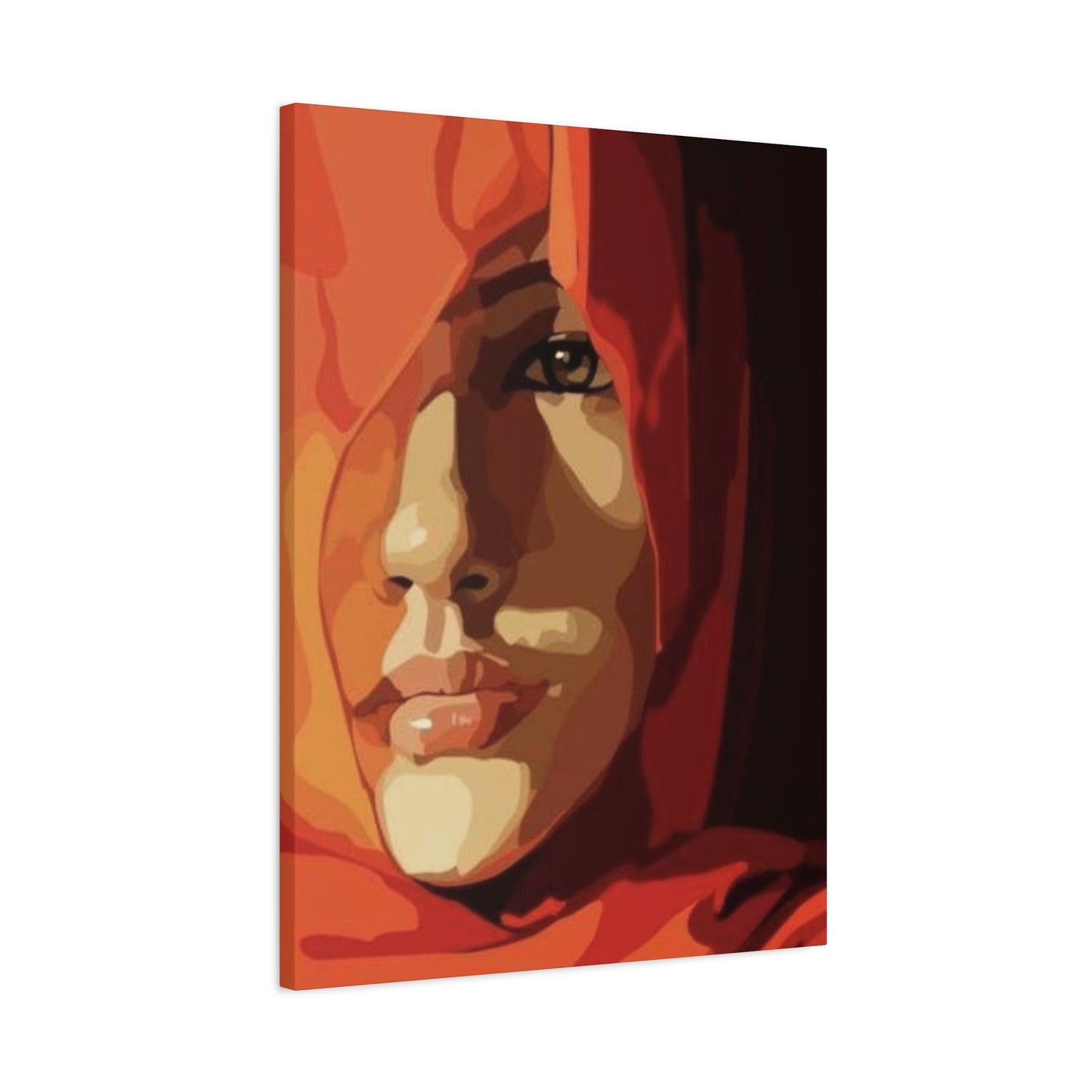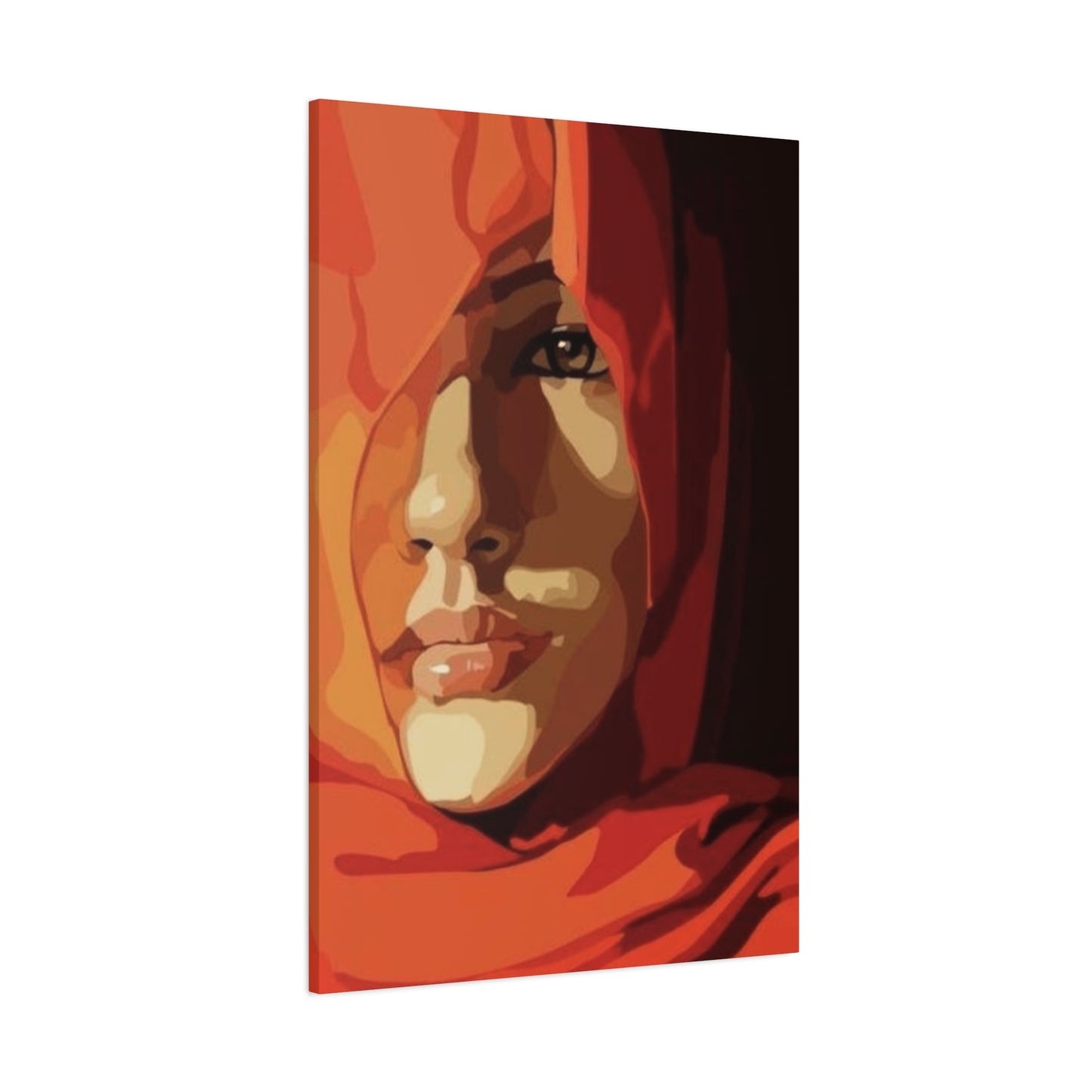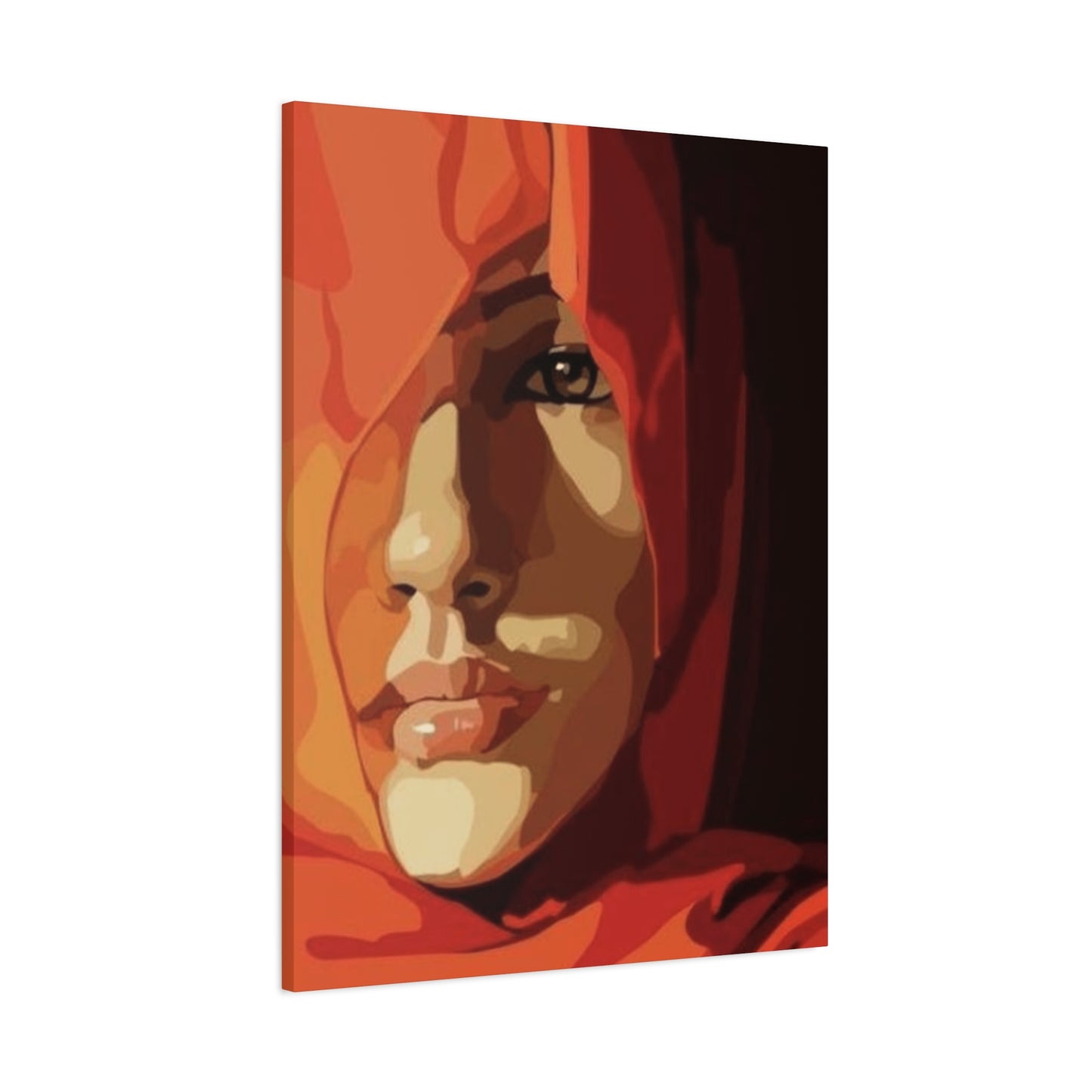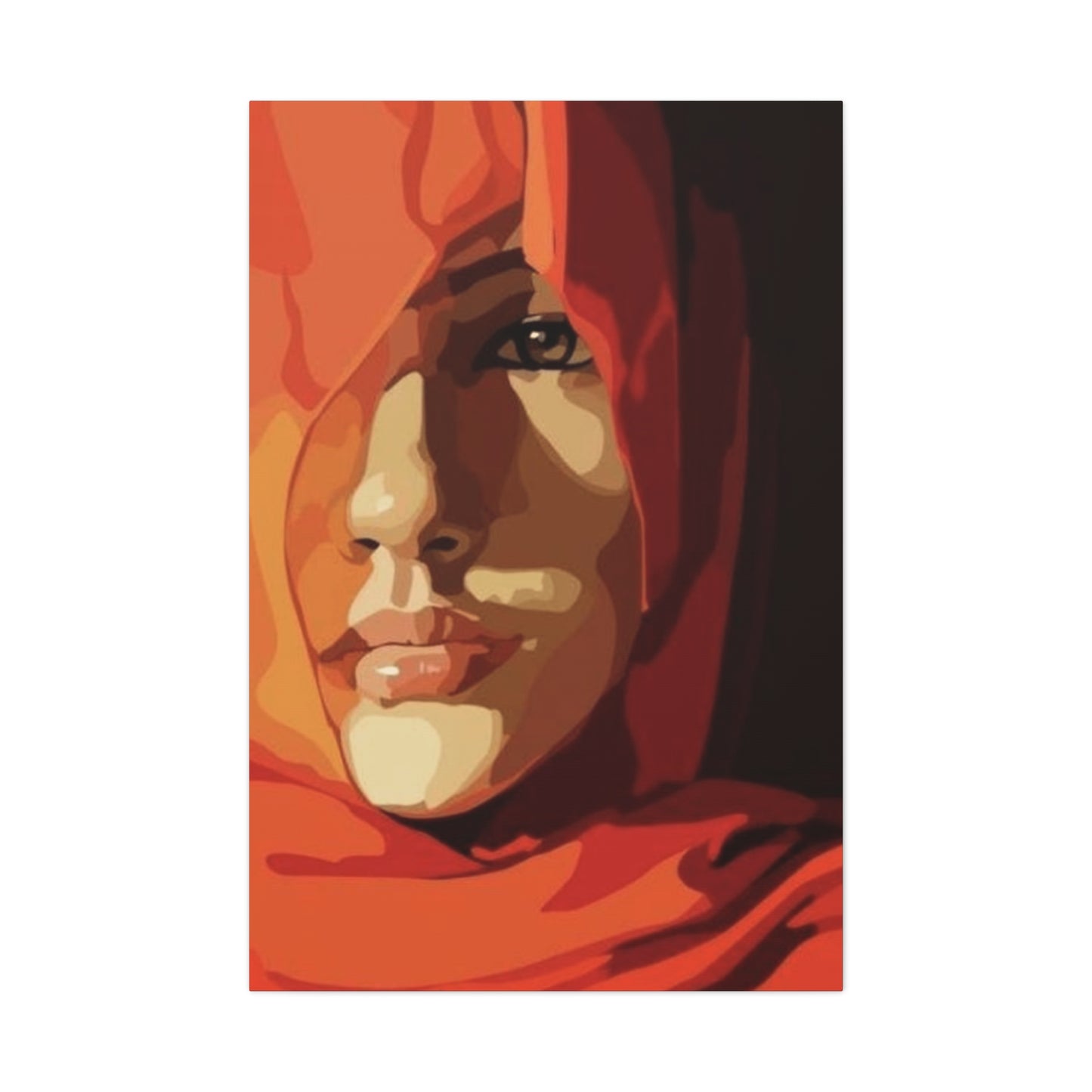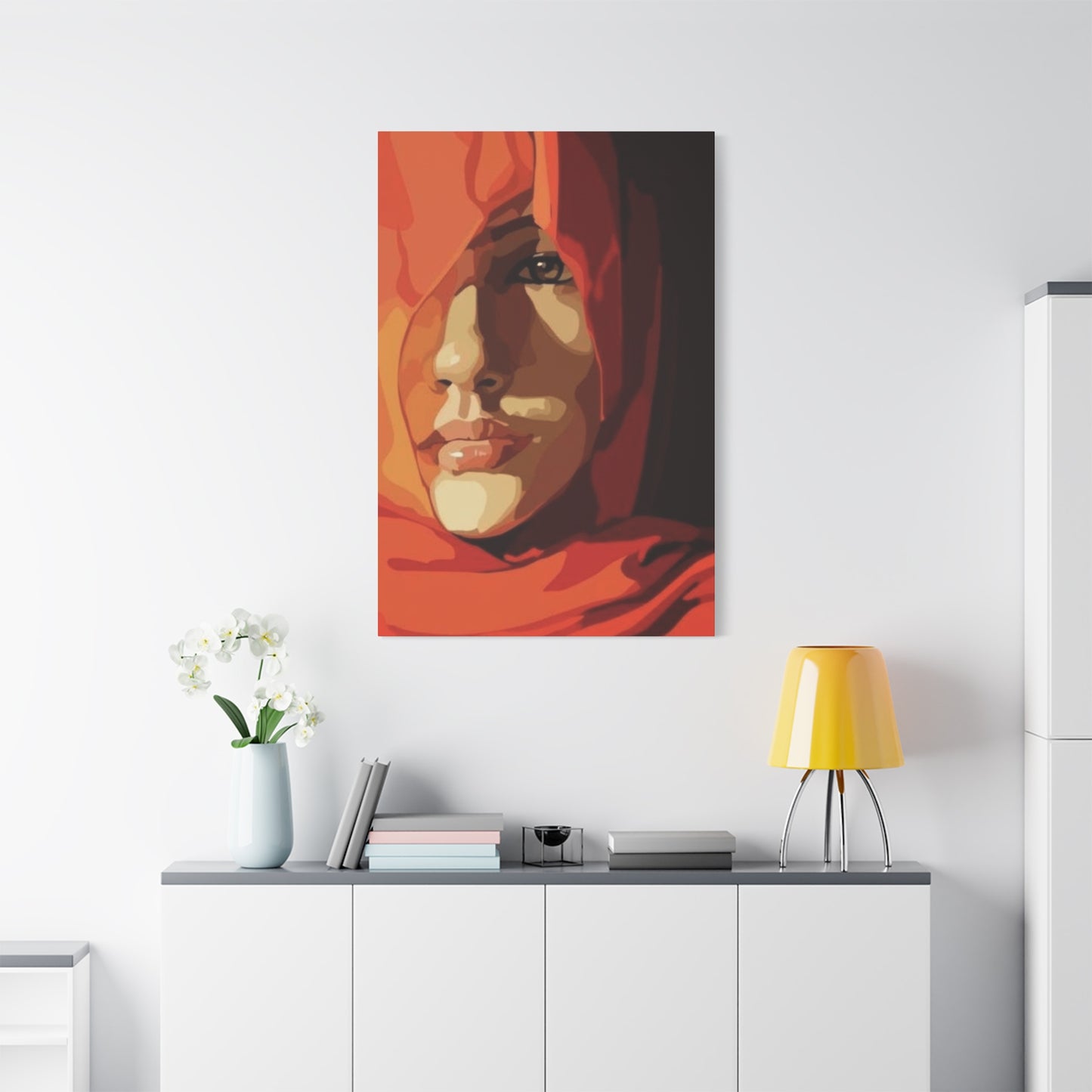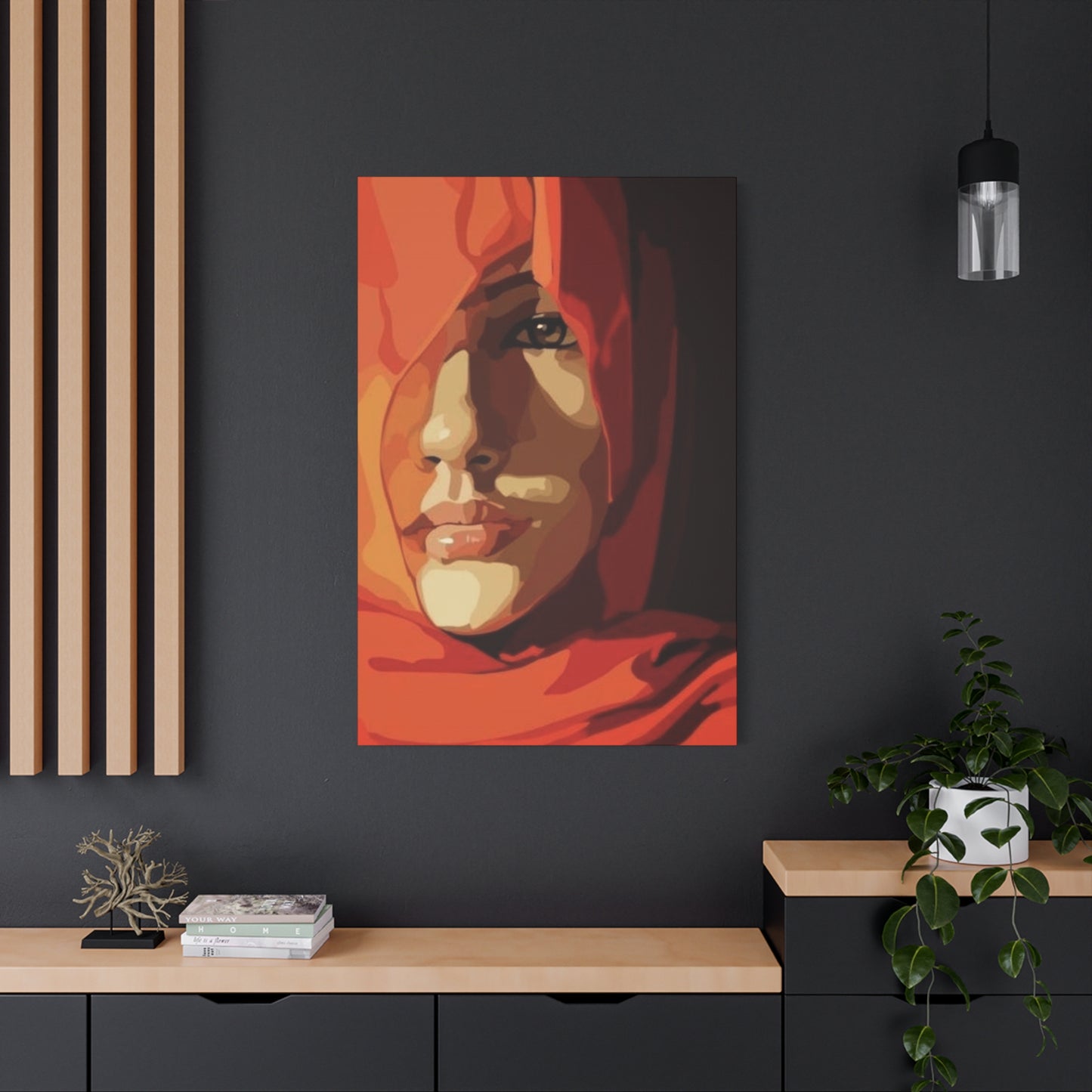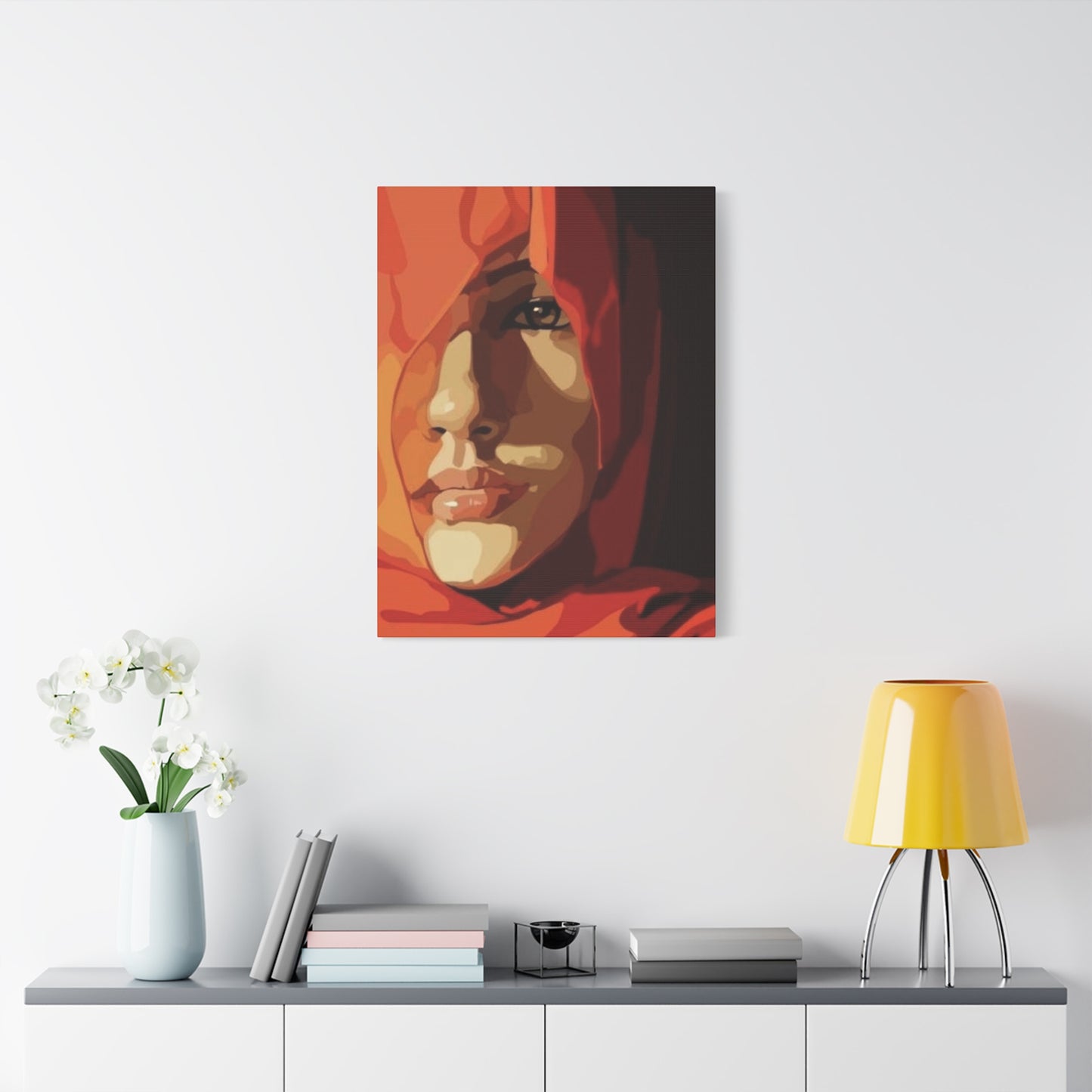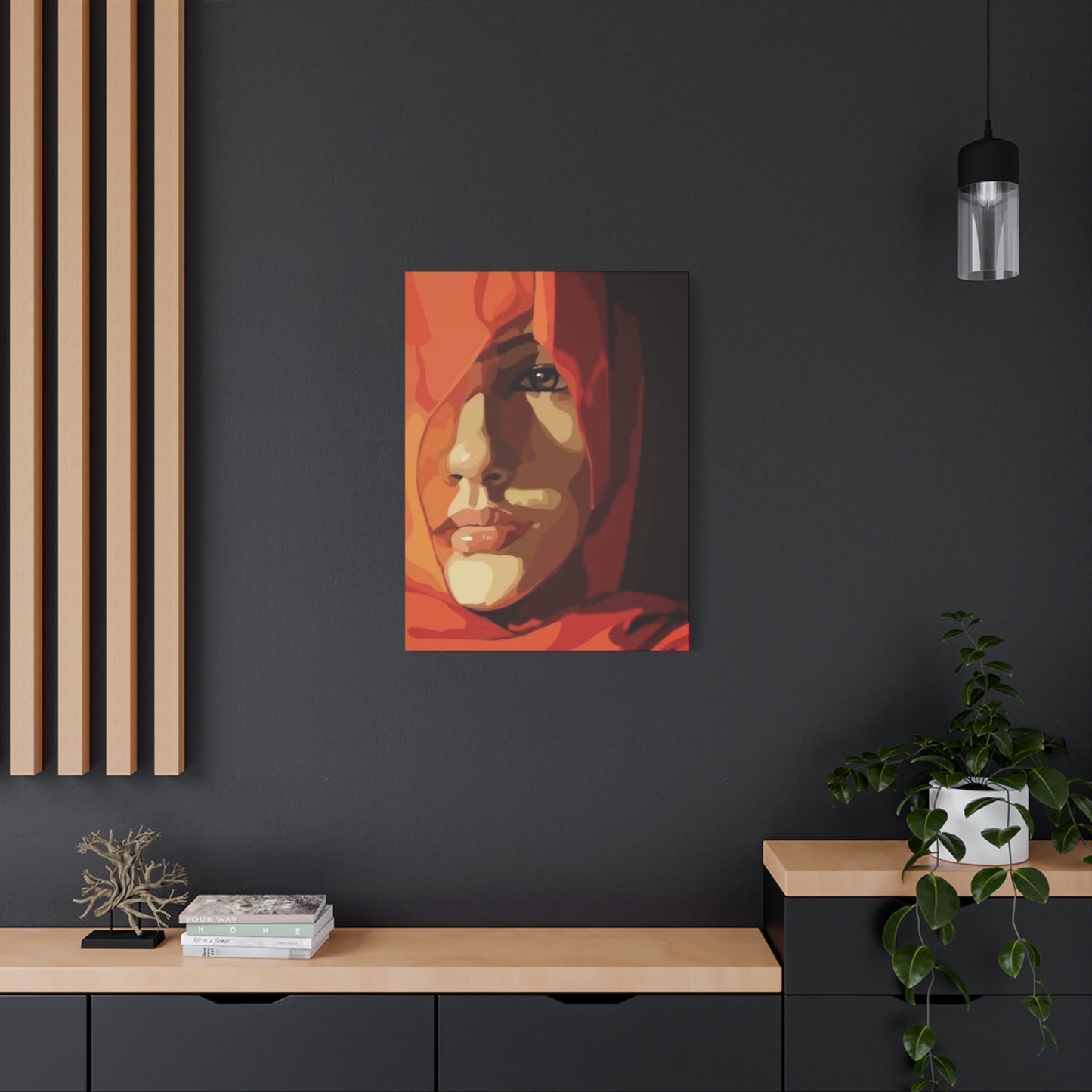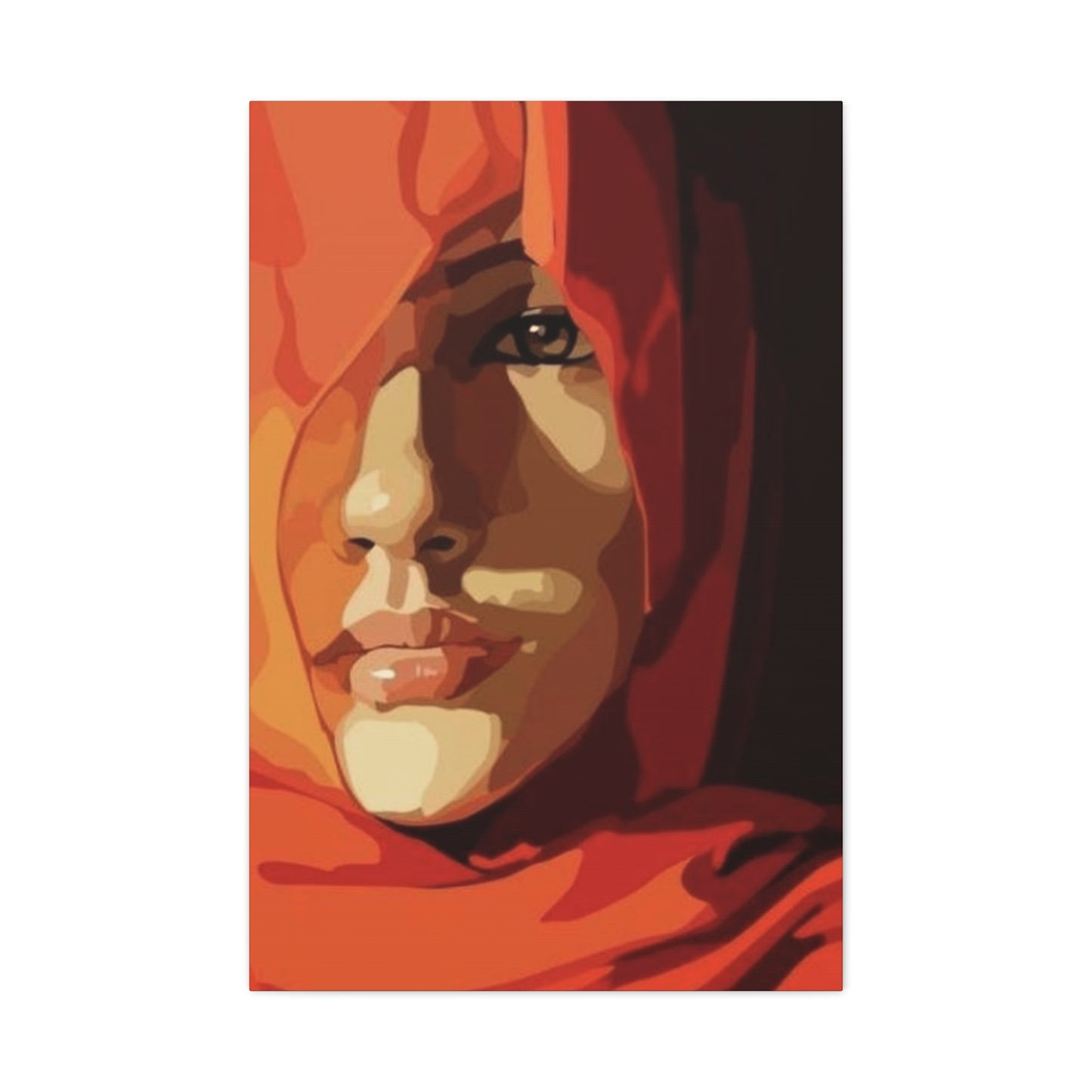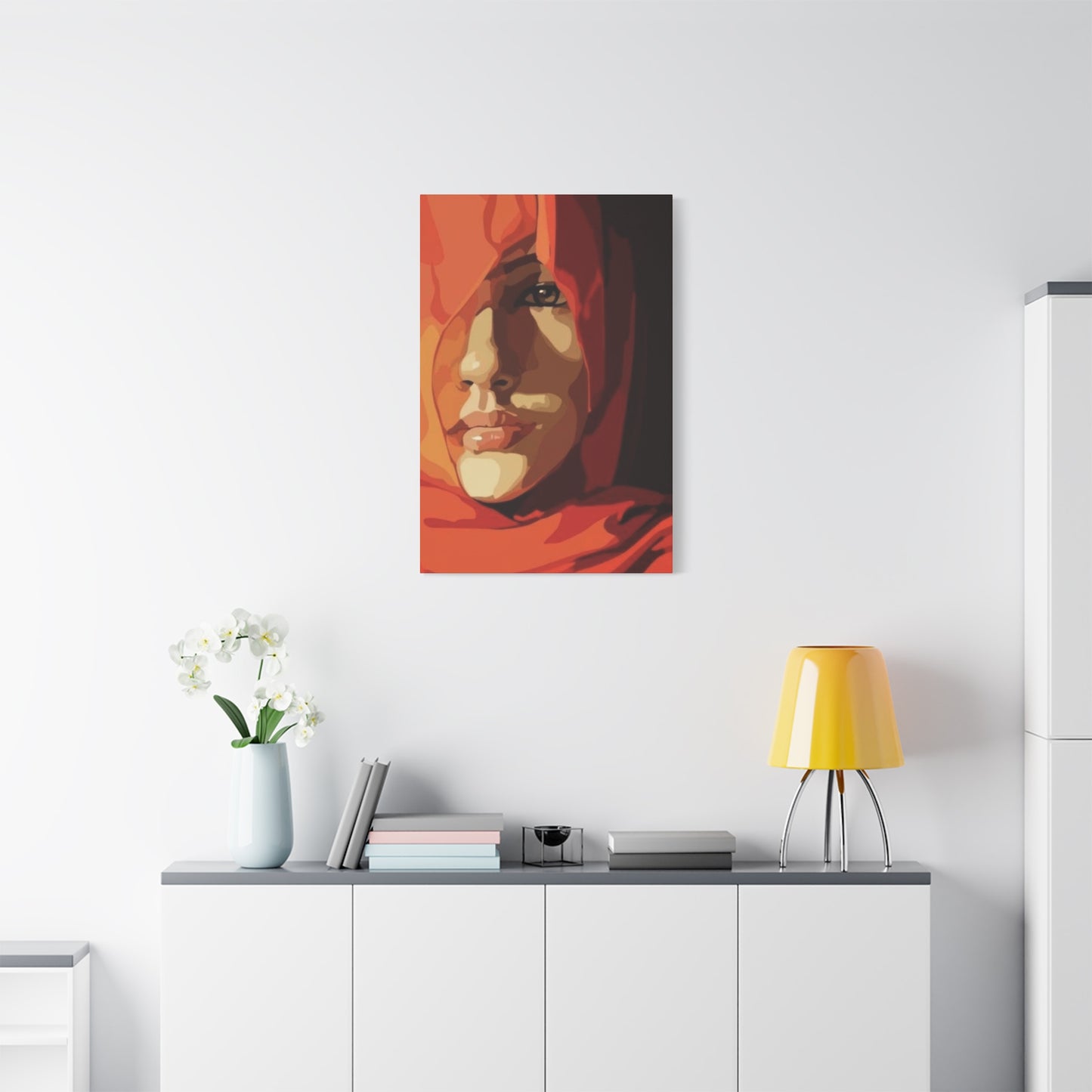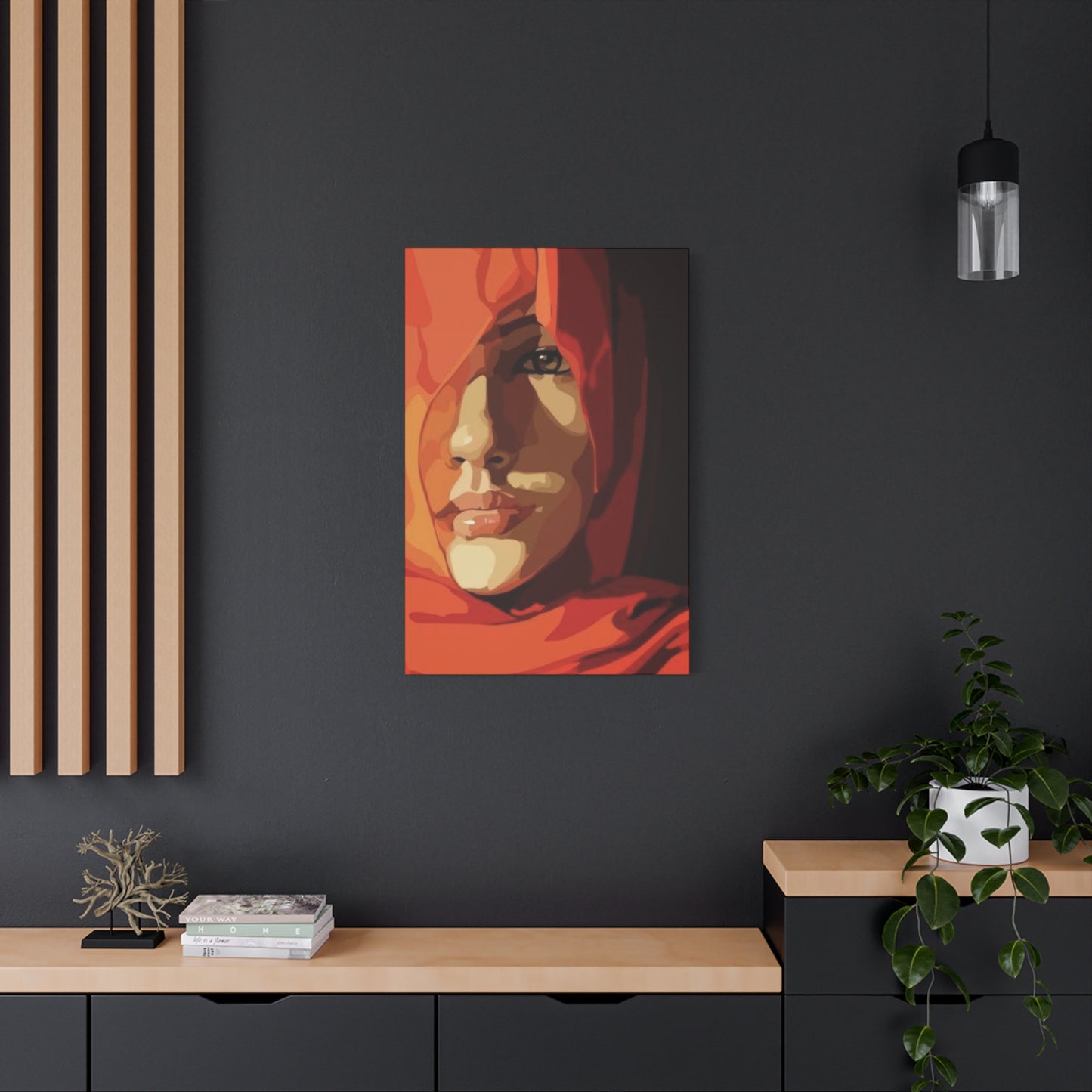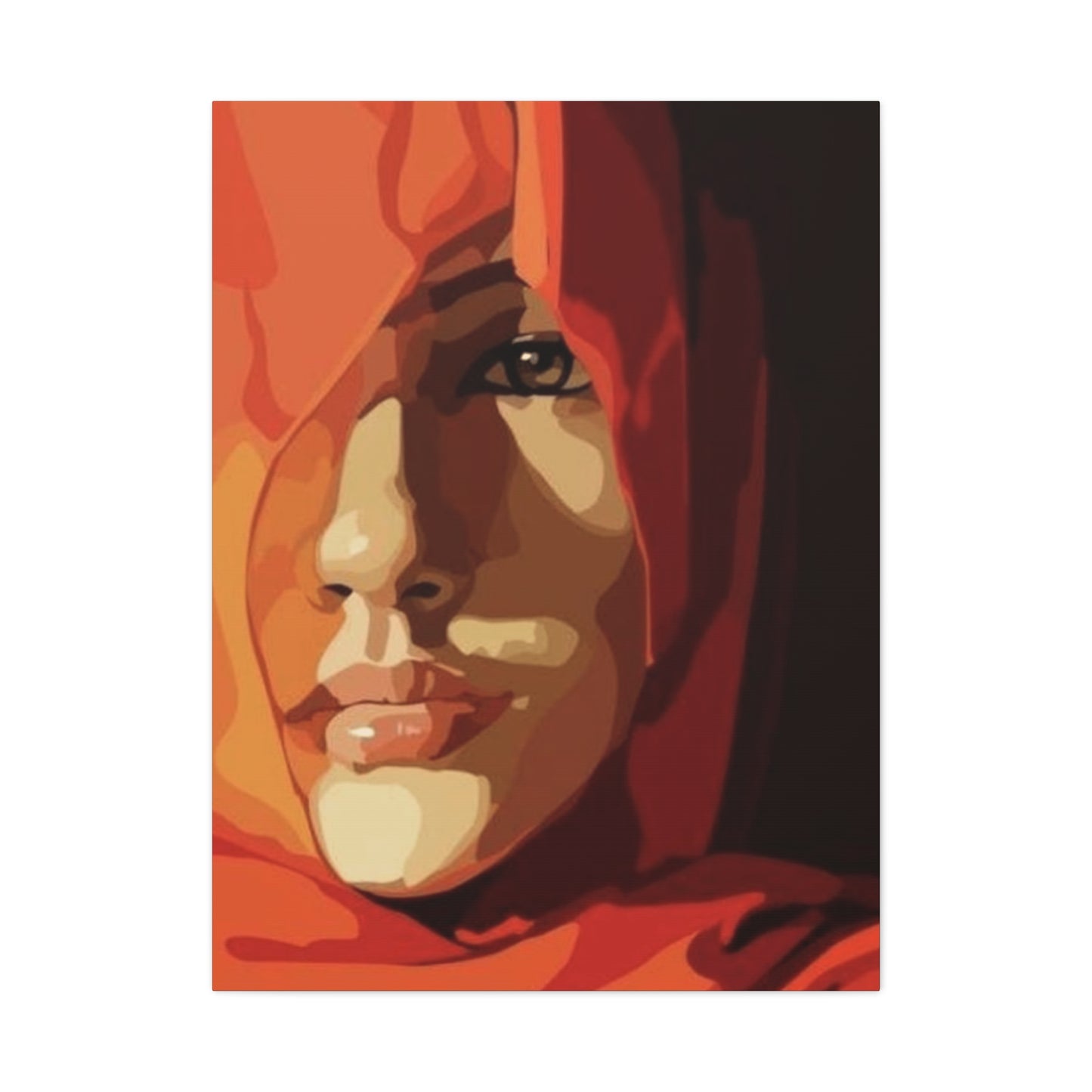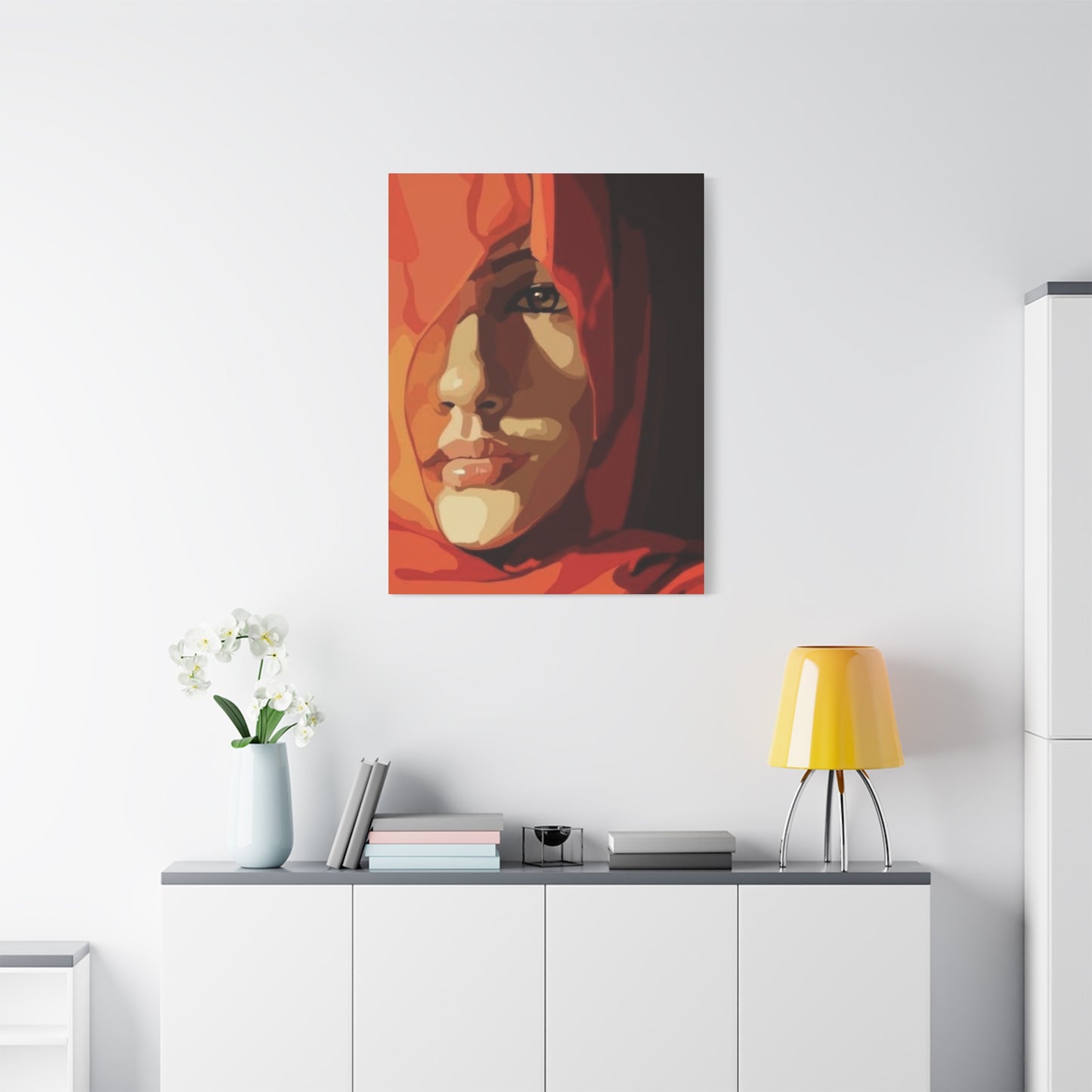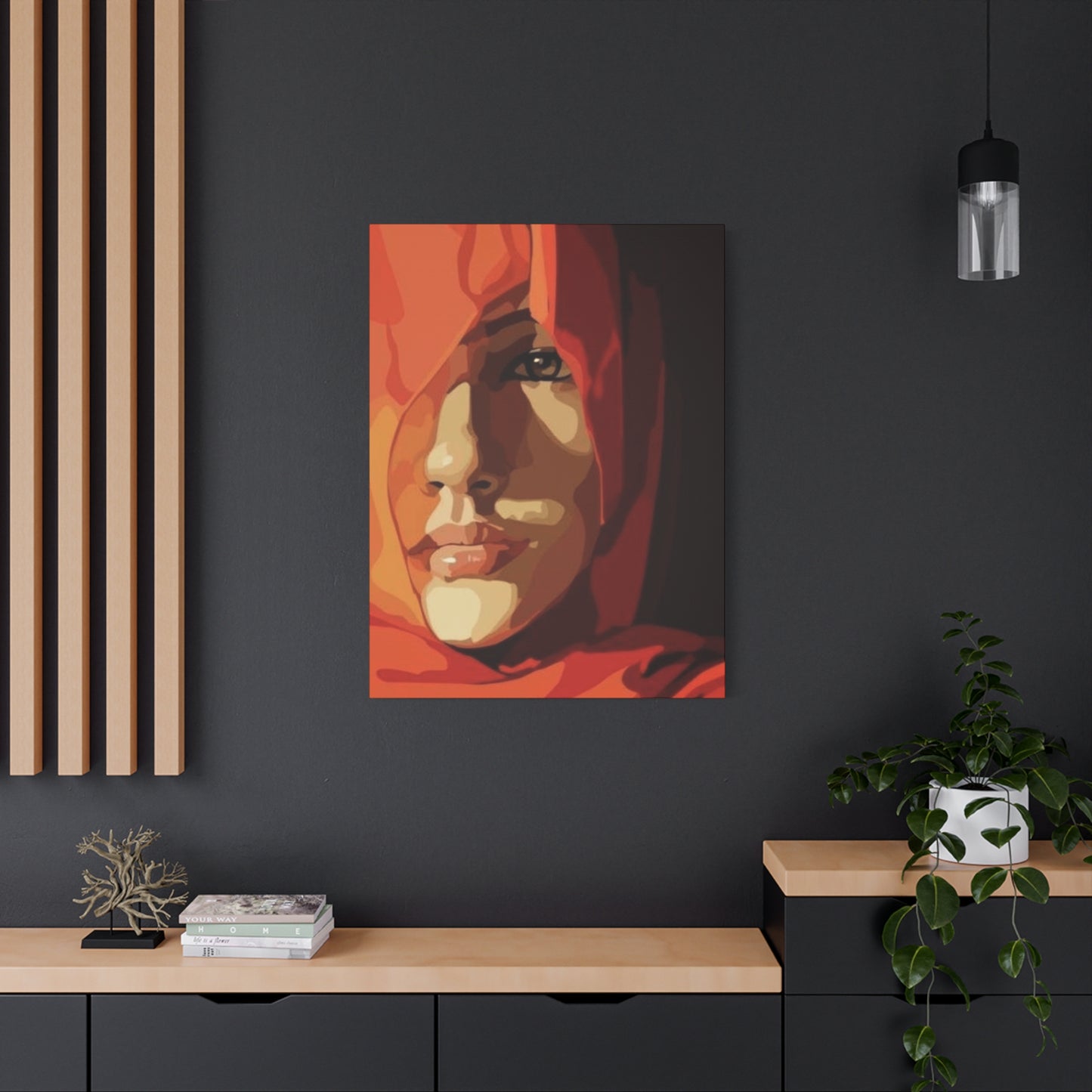


An Abstract Portrait Of A Girl Face Wall Art & Canvas Prints
An Abstract Portrait Of A Girl Face Wall Art & Canvas Prints
Couldn't load pickup availability
Discovering the Enchanting World of Contemporary Female Visage Decor With An Abstract Portrait Of A Girl Face Wall Art
The realm of contemporary interior design has witnessed a remarkable surge in the popularity of feminine facial artwork that transcends traditional representation. When individuals seek to infuse their living spaces with sophistication and emotional depth, they often turn to stylized renderings of female countenances that blend artistic interpretation with modern aesthetic sensibilities. These captivating pieces serve as focal points that transform ordinary walls into galleries of personal expression, offering viewers an opportunity to engage with art that speaks to the soul while complementing diverse design schemes.
The Captivating Allure Behind Stylized Female Visage Artwork in Modern Interior Spaces
Within the contemporary home decoration landscape, the magnetism of non-representational feminine facial compositions stems from their ability to evoke emotion while maintaining visual intrigue. These artistic creations possess an inherent duality that allows them to function simultaneously as conversation starters and meditative focal points. The human brain naturally gravitates toward facial features, making these pieces particularly engaging for observers who enter a room adorned with such artwork.
The psychological connection between viewers and stylized feminine portraits operates on multiple levels of consciousness. Research in cognitive science has demonstrated that humans possess an innate tendency to seek out and interpret facial features, even in non-representational contexts. This phenomenon, known as pareidolia, explains why individuals find themselves drawn to artwork featuring fragmented or reimagined human visages. When artists deconstruct and reassemble feminine features through creative interpretation, they tap into this fundamental aspect of human perception, creating pieces that resonate on an instinctual level.
Beyond mere recognition, these artistic expressions offer viewers an opportunity to project their own experiences and emotions onto the canvas. The ambiguity inherent in stylized representations allows for personal interpretation, transforming each piece into a mirror that reflects the observer's inner landscape. A single artwork can evoke serenity in one viewer while inspiring contemplation in another, demonstrating the multifaceted nature of contemporary female portraiture.
The aesthetic versatility of these compositions makes them particularly valuable for interior designers and homeowners alike. Unlike literal representations that might clash with certain design philosophies, non-representational feminine portraits possess a chameleon-like quality that enables them to harmonize with minimalist, maximalist, industrial, and traditional decorating styles. Their adaptability stems from the fundamental balance between recognizable elements and artistic liberty, creating a visual language that transcends specific design movements.
Exploring Various Artistic Expressions Within Female Face Portraiture for Residential Environments
The spectrum of creative approaches to feminine facial artwork encompasses an extraordinary range of styles, each offering distinct visual characteristics and emotional resonances. Understanding these variations empowers individuals to make informed decisions when selecting pieces that align with their personal aesthetic preferences and spatial requirements.
Geometric interpretations represent one of the most striking approaches to feminine portraiture, where artists deconstruct facial features into angular planes and sharp lines. This methodology draws inspiration from Cubist pioneers while incorporating contemporary sensibilities, resulting in compositions that challenge viewers to reassemble familiar features through mental reconstruction. The interplay between positive and negative space in geometric designs creates dynamic tension that energizes surrounding environments, making these pieces particularly effective in modern lofts and minimalist apartments.
Fluid and organic representations take an opposite approach, employing sweeping curves and natural forms to suggest rather than define feminine features. These compositions often incorporate elements reminiscent of water, wind, or botanical growth, creating a sense of movement and vitality that breathes life into static wall surfaces. The softness inherent in fluid designs makes them especially suitable for bedrooms, meditation spaces, and areas designated for relaxation, where their gentle visual rhythms promote tranquility.
Mixed media approaches combine various materials and techniques to create multi-dimensional feminine portraits that engage viewers through textural complexity. Artists working in this realm might incorporate actual fabric, metallic elements, found objects, or three-dimensional components that extend beyond the traditional picture plane. The tactile quality of mixed media pieces adds an additional sensory dimension to the viewing experience, inviting closer inspection and repeated engagement.
Minimalist line drawings strip feminine features down to their essential elements, using continuous or broken lines to suggest contours and expressions with remarkable economy. This reductive approach demonstrates the power of simplicity, proving that profound emotional impact need not require elaborate execution. Single-line portraits in particular have gained significant traction in contemporary design circles, offering a sophisticated alternative to more complex compositions while maintaining strong visual presence.
Color-field variations prioritize chromatic relationships over representational accuracy, using bold or subtle hues to convey mood and atmosphere while maintaining recognizable feminine features. These pieces might employ monochromatic schemes that create unity through tonal variation, or complementary palettes that generate visual excitement through color contrast. The emotional language of color becomes paramount in these compositions, allowing artists to communicate feelings that transcend verbal description.
Selecting the Perfect Dimensions and Placement for Maximum Visual Impact in Your Living Quarters
The relationship between artwork dimensions and spatial context plays a crucial role in determining whether a piece enhances or overwhelms its environment. Mastering the principles of proportional placement transforms ordinary wall decoration into purposeful design statements that elevate entire rooms.
For expansive wall surfaces in living rooms or open-concept spaces, oversized compositions measuring sixty inches or larger create commanding focal points that anchor the room's visual hierarchy. These substantial pieces possess the gravitas necessary to balance large furniture groupings and compete with architectural features like fireplaces or floor-to-ceiling windows. When selecting oversized artwork, consideration must be given to viewing distance, as pieces intended for appreciation from across a room can incorporate bolder elements and broader brushstrokes than those meant for intimate inspection.
Medium-sized pieces ranging from thirty to fifty inches offer versatility that makes them suitable for diverse applications throughout the home. These dimensions work exceptionally well above sofas, beds, console tables, and in dining areas where they provide visual interest without dominating the space. The moderate scale allows for appreciation of finer details while maintaining sufficient presence to justify their role as decorative anchors.
Smaller compositions measuring under thirty inches excel in creating gallery walls, flanking larger pieces, or adding personality to compact spaces like powder rooms, hallways, and reading nooks. Their modest footprint belies their potential impact when arranged thoughtfully in groupings or used to punctuate unexpected locations. The intimacy of small-scale artwork invites closer viewing, making these pieces ideal for spaces where occupants linger and engage with their surroundings on a personal level.
Vertical orientation traditionally suits spaces with high ceilings or narrow wall sections, drawing the eye upward and creating an impression of increased height. Feminine portraits in vertical formats often emphasize elongation and grace, qualities that reinforce the sense of lift and airiness in a room. These proportions work particularly well in entryways, beside doorframes, and in stairwell galleries where vertical movement already exists.
Horizontal compositions complement wide furniture pieces and expansive wall sections above headboards or lengthy sofas. The lateral emphasis creates a sense of stability and repose, making horizontally oriented feminine portraits particularly appropriate for bedrooms and lounging areas where relaxation constitutes the primary function. The panoramic quality of horizontal formats also allows artists to incorporate environmental elements or multiple figures within a single composition.
Square formats offer balanced symmetry that appeals to viewers seeking visual equilibrium. The equal dimensions create a sense of completeness and self-containment that makes square feminine portraits effective as standalone statement pieces. This format also facilitates the creation of grid-based gallery walls where uniformity of shape simplifies arrangement while allowing for diversity in content and style.
Color Palette Considerations When Choosing Feminine Facial Artwork for Cohesive Interior Design
The chromatic composition of artwork exerts profound influence on the emotional atmosphere and visual coherence of interior spaces. Strategic color selection ensures that feminine portraits enhance rather than conflict with existing design elements while contributing to the intended mood and character of each room.
Neutral palettes featuring blacks, whites, grays, and earth tones provide timeless elegance that transcends fleeting trends. Feminine portraits rendered in these subdued hues offer sophistication and restraint, allowing the composition and form to take precedence over chromatic stimulation. The versatility of neutral artwork makes it particularly valuable for individuals who frequently update their decor, as these pieces accommodate shifting color schemes without requiring replacement.
Monochromatic compositions exploring a single color family through variations in saturation and value create visual unity while avoiding monotony. A feminine portrait executed entirely in blues, for instance, might range from deep navy to pale sky, building depth and dimension through tonal gradation rather than hue diversity. This approach produces serene, meditative pieces that promote focus and contemplation in work spaces and personal retreats.
Complementary color schemes employing opposite hues on the color wheel generate dynamic visual tension that energizes environments. A feminine portrait combining warm oranges with cool blues or vibrant purples with golden yellows creates excitement and drama, making these pieces ideal for social spaces where stimulation and conversation are desired. The inherent contrast in complementary palettes ensures that artwork commands attention without requiring excessive size or elaborate composition.
Analogous harmonies utilizing adjacent colors create smooth transitions and natural flow that feels organic and restful. Feminine portraits incorporating blues, greens, and teals, or reds, oranges, and yellows, benefit from the inherent compatibility of neighboring hues. These gentle progressions work exceptionally well in spaces dedicated to wellness and restoration, where jarring contrasts might disrupt the peaceful atmosphere.
Warm palettes dominated by reds, oranges, and yellows infuse spaces with energy, passion, and optimism. Feminine portraits in warm tones naturally draw viewers closer, creating intimacy and approachability in dining rooms and gathering spaces. The psychological effects of warm colors stimulate appetite and conversation, making them particularly appropriate for areas designed to facilitate social interaction.
Cool palettes featuring blues, greens, and purples promote tranquility, focus, and introspection. Feminine facial artwork in cool tones creates a sense of expansiveness and calm, making these choices ideal for bedrooms, bathrooms, and studies where peaceful concentration serves the space's purpose. The receding quality of cool colors can also make small rooms feel more spacious, offering a visual solution to spatial constraints.
Understanding Various Material Substrates and Printing Methods for Long-Lasting Feminine Portrait Displays
The physical medium through which feminine facial artwork manifests significantly impacts its longevity, appearance, and suitability for different environments. Familiarity with available options empowers collectors to make informed decisions that align with their aesthetic preferences and practical requirements.
Canvas remains the most popular substrate for contemporary feminine portraits, offering texture and depth that evoke traditional painting while accommodating modern printing processes. Stretched canvas creates dimensionality as it wraps around wooden frames, eliminating the need for additional framing materials. The woven texture of canvas adds subtle surface interest that enhances the organic quality of feminine facial features, while its relative durability withstands the minor impacts and temperature fluctuations typical in residential settings.
Metal prints represent a contemporary alternative that delivers exceptional color vibrancy and remarkable longevity. The process of infusing dyes directly into specially coated aluminum panels creates artwork that resists fading, scratching, and moisture damage. The luminous quality of metal prints makes them particularly effective for feminine portraits emphasizing light and color, while their sleek, modern appearance complements industrial and minimalist interiors. The lightweight nature of metal prints simplifies installation, though their reflective surface requires careful lighting consideration to avoid unwanted glare.
Acrylic face-mounting involves adhering prints to the back of clear acrylic sheets, creating depth and saturation that amplifies color intensity. The protective acrylic layer shields the image from environmental damage while adding a glossy, gallery-quality finish that enhances perceived value. Feminine portraits rendered in this medium acquire a three-dimensional quality as light passes through the acrylic, creating subtle shadow effects that change throughout the day. The premium appearance of acrylic face-mounted artwork makes it particularly suitable for formal spaces and modern interiors where cutting-edge aesthetics are prioritized.
Wood panels offer organic warmth that complements feminine portraits incorporating natural themes or earthy color palettes. The visible grain of wood substrates adds character and uniqueness to each piece, as no two panels exhibit identical patterns. Some artists intentionally allow the wood grain to show through lighter areas of the composition, creating an interplay between natural material and artistic imagery. Wood prints work exceptionally well in rustic, farmhouse, and bohemian interiors where authenticity and natural materials are valued.
Paper prints provide accessibility and variety, though they require framing and glass protection to ensure longevity. The extensive range of paper types available allows for subtle customization of texture and finish, from smooth, glossy surfaces to heavily textured watercolor papers that add tactile dimension. Museum-quality archival papers resist yellowing and deterioration, offering a cost-effective option for collectors building extensive art collections or those who prefer to rotate artwork seasonally.
Fabric and textile prints introduce softness and flexibility that distinguish them from rigid substrates. These materials work particularly well for feminine portraits in bohemian or eclectic spaces where unconventional presentation enhances the overall aesthetic. Fabric prints can be stretched over frames, hung as tapestries, or even incorporated into room dividers, offering installation versatility that hard surfaces cannot match.
Framing Options and Presentation Styles That Enhance Stylized Female Visage Artwork
The manner in which feminine facial artwork is framed and presented dramatically influences its visual impact and relationship to surrounding decor. Thoughtful framing decisions elevate artwork from mere decoration to integral design elements that contribute to a room's overall character.
Floating frames create the illusion that artwork hovers within the frame structure, casting subtle shadows that add dimensionality. This contemporary presentation style works exceptionally well with canvas and panel-mounted feminine portraits, as the visible edges and depth of the substrate become part of the visual composition. The gap between artwork and frame introduces negative space that prevents visual crowding, allowing pieces to breathe within their presentation while maintaining a polished, gallery-ready appearance.
Traditional wooden frames offer timeless appeal and extensive customization through wood species, stain colors, and profile shapes. Narrow frames provide minimal intrusion, allowing the artwork to dominate visual attention, while wider frames create substantial borders that increase overall dimensions and visual weight. The grain and finish of wooden frames can either complement or contrast with the artwork, depending on desired aesthetic outcomes. Warm wood tones naturally harmonize with feminine portraits incorporating similar hues, while painted frames offer opportunities to pull specific colors from the composition.
Metal frames deliver sleek, modern aesthetics that suit contemporary and industrial interiors. The narrow profiles typical of metal framing maintain clean lines that don't compete with the artwork for attention. Finishes ranging from brushed nickel to matte black provide options for creating subtle harmony or striking contrast. The durability of metal frames makes them particularly suitable for high-traffic areas where impacts might damage more delicate framing materials.
Gallery-style presentation without frames creates a confident, modern statement that emphasizes the artwork itself without interference from bordering elements. Canvas wraps, where the image continues around the edges of the stretched canvas, eliminate the need for framing entirely. This approach works best with bold, contemporary feminine portraits that possess sufficient visual strength to stand alone. The absence of frames also simplifies the process of creating cohesive gallery walls, as the artwork becomes the sole focus without competing frame styles.
Shadow box frames create substantial depth that transforms two-dimensional artwork into dimensional displays. The recessed mounting creates dramatic play between light and shadow while providing physical separation between the protective glazing and the artwork surface. This presentation style particularly enhances feminine portraits with textural elements or mixed media components, as the added depth allows these dimensional qualities to remain visible and impactful.
Double matting introduces additional color layers between the artwork and frame, creating sophisticated borders that can pull specific hues from the composition or introduce complementary colors. The beveled edges of quality matting add subtle dimensionality while the inner mat creates a visual transition zone between the artwork and outer frame. This traditional presentation approach works well with paper-based feminine portraits, providing a buffer that prevents the print from contacting the glass while creating a polished, professional appearance.
Strategic Placement Locations Throughout Your Home for Feminine Facial Art Displays
Identifying ideal locations for feminine portraits requires consideration of viewing angles, lighting conditions, and the intended purpose of each space. Strategic placement maximizes the impact of artwork while ensuring that pieces contribute meaningfully to the function and atmosphere of their designated rooms.
Living rooms benefit from bold, commanding feminine portraits positioned above primary seating arrangements or on the wall opposite the main entrance. These prominent positions ensure that artwork receives immediate attention from arriving guests while providing a visual anchor for furniture groupings. In conversation areas, positioning artwork at eye level when seated facilitates comfortable viewing during extended gatherings. For rooms with multiple seating zones, consider creating visual balance through symmetrical placement of complementary pieces or asymmetrical arrangements that guide the eye through the space.
Bedrooms offer opportunities for more personal, intimate artistic expressions that reflect individual taste without concern for broad appeal. Positioning feminine portraits above headboards creates a focal point that draws the eye upward while balancing the visual weight of bed furniture. The artwork selected for sleeping quarters often features calmer compositions and soothing color palettes that promote relaxation rather than stimulation. Consider pieces that maintain aesthetic appeal even when viewed from reclining positions, as bedroom artwork is frequently appreciated from horizontal orientations.
Dining areas traditionally feature artwork on walls opposite or adjacent to the table, where diners can appreciate the display without craning their necks. Feminine portraits in these locations should complement the social atmosphere of shared meals, potentially incorporating warmer color palettes that stimulate appetite and conversation. The height of dining room artwork should account for both standing and seated viewing, finding a middle ground that works from both perspectives. Consider how lighting, both natural and artificial, will illuminate the piece during different times of day and evening gatherings.
Entryways and foyers establish the aesthetic tone of the entire home, making them crucial locations for statement pieces that reflect personal style. Feminine portraits in these transition spaces should create immediate visual impact while remaining accessible to viewers in passage. Consider scale carefully, as oversized pieces can overwhelm small entry areas while undersized artwork may appear insignificant in grand foyers. The durability of the substrate and any protective glazing becomes particularly important in entryways, where temperature fluctuations and humidity changes are more pronounced.
Bathrooms and powder rooms, often overlooked in artwork planning, provide opportunities for unexpected artistic moments that delight and surprise. The intimate scale of these spaces suits smaller feminine portraits that can be appreciated up close. Moisture resistance becomes a critical consideration, making metal prints and acrylic-mounted pieces particularly appropriate for these environments. Position artwork away from direct water exposure while ensuring adequate ventilation to prevent moisture accumulation behind the piece.
Home offices and studies benefit from feminine portraits that inspire focus and creativity without becoming sources of distraction. Positioning artwork within the peripheral vision of the primary work area allows for occasional contemplative breaks without dominating attention during concentration-intensive tasks. Consider pieces with balanced compositions and moderate color intensity that energize without overwhelming. The viewing angle from a seated work position should factor into height placement, ensuring comfortable appreciation without requiring awkward neck positions.
Stairwells and hallways present unique challenges due to their transitional nature and viewing from multiple angles and distances. Gallery walls featuring multiple feminine portraits at varying sizes create visual interest along these extended spaces, transforming utilitarian areas into exhibition corridors. Consider the progression of pieces along the path of travel, potentially creating a narrative flow or thematic development. Height placement should account for viewers both ascending and descending stairs, finding positions that work from both perspectives.
Lighting Strategies That Showcase Feminine Facial Artwork to Maximum Advantage
Proper illumination transforms feminine portraits from static wall decorations into dynamic focal points that command attention and reveal subtle details. Understanding lighting principles enables collectors to showcase their artwork optimally while protecting pieces from damaging exposure.
Natural daylight provides the most accurate color rendering, though it introduces challenges related to intensity variation and potential UV damage. Positioning feminine portraits perpendicular to windows rather than directly opposite prevents harsh glare while allowing soft, diffused natural light to illuminate the surface. Sheer window treatments filter intense sunlight during peak hours, protecting artwork from fading while maintaining the quality of natural illumination. Consider the path of sunlight through different seasons, as the sun's angle changes dramatically between summer and winter months, potentially creating unwanted reflections or shadows during certain times of year.
Picture lights mounted directly above or below artwork provide focused illumination that highlights specific pieces while creating dramatic shadow effects. These dedicated fixtures come in various lengths to accommodate different artwork dimensions, ensuring even coverage across the entire composition. LED picture lights offer energy efficiency and minimal heat generation, protecting sensitive materials from thermal damage while providing consistent color temperature that doesn't distort the artwork's intended palette. The directional nature of picture lights also prevents light pollution into the surrounding space, making them ideal for bedrooms where ambient darkness is desired.
Track lighting systems offer flexibility for illuminating multiple artworks or adjusting focus as collections evolve. Individual track heads can be aimed precisely at feminine portraits, creating customized lighting solutions that adapt to changing arrangements. The adjustability of track systems makes them particularly valuable in gallery walls where multiple pieces require independent illumination. Consider the beam angle of track heads, as narrow spots create dramatic highlighting while wider floods provide more even coverage across larger surfaces.
Recessed ceiling fixtures with adjustable trim rings allow for directional lighting without visible hardware extending into the room. These subtle installations maintain clean architectural lines while providing necessary illumination for feminine portraits. The distance between recessed lights and artwork affects both intensity and coverage, requiring careful planning during installation. Aim to position recessed lights approximately thirty inches from the wall to achieve optimal angles that minimize glare while maximizing surface illumination.
Wall washing techniques employ fixtures that graze the wall surface from top or bottom, creating even illumination across entire wall sections. This approach works particularly well in spaces featuring multiple artworks or where uniform lighting creates a cohesive gallery atmosphere. The gentle gradation from light to shadow adds dimensional quality to wall surfaces while reducing harsh contrasts that might distract from the artwork itself. Wall washing proves especially effective for textured feminine portraits where side-lighting reveals surface relief and dimensional elements.
Accent lighting through table and floor lamps provides supplementary illumination that can enhance artwork visibility during evening hours. Positioning lamps to cast indirect light toward feminine portraits creates ambient glow that showcases pieces without the harsh focus of directed spotlights. This softer approach suits intimate spaces where aggressive lighting might disturb the relaxed atmosphere. Consider lamp shade colors and materials, as these affect the color temperature and quality of light reaching the artwork.
Smart lighting systems with adjustable color temperature and intensity enable customization of artwork illumination for different times of day and activities. Cooler, bright lighting during daytime hours can energize spaces and provide accurate color rendering for detailed appreciation. Warmer, dimmer settings in evening hours create cozy atmospheres while maintaining sufficient illumination for comfortable viewing. Programming scenes that optimize lighting for artwork viewing versus general room use maximizes both the display and the functionality of living spaces.
Creating Harmonious Gallery Wall Arrangements Featuring Multiple Feminine Portrait Pieces
The assembly of multiple feminine portraits into cohesive gallery walls represents an art form unto itself, requiring consideration of scale, spacing, theme, and visual balance. Successful arrangements transform collections of individual pieces into unified compositions that exceed the sum of their parts.
Grid arrangements featuring uniform spacing and alignment create orderly, structured displays that suit modern and minimalist aesthetics. This approach works best when all pieces share similar dimensions and frame styles, creating visual rhythm through repetition. The mathematical precision of grid layouts appeals to viewers who appreciate order and predictability, while the variation in content prevents monotony. Consider maintaining consistent spacing of two to three inches between frames to create cohesive grouping while allowing each piece individual breathing room.
Salon-style arrangements embrace asymmetry and variety, combining different sizes, orientations, and frame styles into dynamic compositions. This traditional approach to gallery walls creates visual excitement through controlled chaos, requiring careful attention to overall balance and weight distribution. Begin salon arrangements by positioning the largest or most commanding piece first, then building outward with smaller complementary works. Maintain awareness of negative space, ensuring that gaps between pieces contribute to the overall composition rather than appearing as awkward voids.
Horizontal line arrangements stretch across wall surfaces at consistent heights, creating ribbon-like displays that emphasize lateral movement. This approach works particularly well above lengthy furniture pieces like sofas, console tables, or beds where the linear emphasis complements the furniture's horizontal orientation. Varying the sizes of individual pieces within the horizontal band prevents monotony while maintaining the overall linear structure. Consider placing the largest piece slightly off-center rather than in the mathematical middle to create more dynamic visual interest.
Vertical stacking arrangements build upward from a base piece, creating tower-like displays that draw the eye toward ceiling height. This approach suits narrow wall sections beside doorways, windows, or other architectural features where horizontal expansion isn't possible. The upward progression can follow either symmetrical or asymmetrical patterns, with pieces either centered on a vertical axis or offset to create more dynamic movement. Consider the viewing angle, as vertical arrangements require stepping back for appreciation of the entire composition.
Organic, flowing arrangements follow curving paths or irregular perimeters that create movement and energy within the gallery wall. These free-form layouts resist strict geometry, instead allowing the natural relationships between pieces to dictate placement. The resulting compositions often feel more spontaneous and artistic, particularly appropriate in creative spaces and bohemian interiors. Creating templates of each piece and arranging them on the floor before wall mounting helps visualize the final composition and allows for adjustment without damaging walls.
Thematic groupings unite feminine portraits through shared subjects, color palettes, or stylistic approaches, creating narrative cohesion within the collection. This approach allows viewers to perceive relationships between pieces, understanding them as chapters within a larger story rather than isolated artworks. Thematic arrangements might explore variations on a single face, progression through different moods or expressions, or journeys through diverse artistic interpretations of feminine beauty. The conceptual unity enables more diverse frame styles and dimensions, as the thematic connection provides cohesion that overcomes physical differences.
Symmetrical arrangements mirror pieces on either side of a central axis, creating formal balance that conveys stability and order. This classical approach suits traditional interiors and spaces where architectural symmetry already establishes visual expectations. Perfect symmetry requires identical or very similar pieces in corresponding positions, while approximate symmetry allows for variation in content while maintaining balance in size and visual weight. Consider the optical weight of colors and compositions, as darker or more complex pieces carry more visual weight than lighter, simpler counterparts.
Pairing Feminine Facial Artwork With Complementary Decorative Elements for Unified Interior Design
The relationship between feminine portraits and surrounding decor elements determines whether artwork integrates seamlessly into a room's design or appears as an afterthought. Strategic coordination creates harmonious environments where every element supports and enhances the others.
Furniture selection significantly impacts how feminine portraits interact with their environment. Pieces with clean lines and minimal ornamentation allow artwork to command visual attention without competition from elaborate furniture details. Consider the visual weight of furniture in relation to artwork scale, ensuring that substantial pieces balance rather than overwhelm each other. Color relationships between upholstery and artwork create opportunities for either harmony through similarity or excitement through contrast, depending on desired atmospheric outcomes.
Textile elements including throw pillows, curtains, and area rugs offer opportunities to pull colors and themes from feminine portraits throughout the room. Selecting pillows in hues that appear in the artwork creates visual cohesion while distributing color across multiple focal points. Patterns in textiles can echo compositional elements from the artwork, such as geometric designs that reference angular feminine portraits or flowing organic patterns that complement fluid artistic styles. Consider texture as well as color, as tactile variety adds depth to the sensory experience of the space.
Decorative accessories on shelves, mantels, and tables can reinforce themes present in feminine facial artwork without literal duplication. Sculptural elements might echo the curves and lines of portrait compositions, while the finish materials of decorative objects can pull metallic accents or material textures from mixed media pieces. Exercise restraint to avoid overwhelming the space with too many competing elements, instead selecting a few meaningful accessories that create subtle connections to the featured artwork.
Plant life introduces organic elements that soften the geometry of architecture and furniture while creating living accents that complement feminine portraits. The natural curves of foliage echo the organic qualities of fluid portrait styles, while the vertical growth of tall plants creates rhythmic repetition that reinforces vertical compositional elements. Consider plant placement in relation to artwork, ensuring that growing foliage doesn't eventually obscure portions of displayed pieces. Planters themselves become decorative elements that can either coordinate with or deliberately contrast against frame materials and colors.
Lighting fixtures serve dual purposes as functional elements and decorative sculptures that contribute to the overall aesthetic. Chandeliers, pendant lights, and statement floor lamps possess visual presence that interacts with displayed artwork, potentially complementing or competing for attention. Consider the style and finish of lighting fixtures in relation to feminine portraits, ensuring that these permanent installations harmonize with artistic choices. The light quality produced by fixtures directly affects how artwork appears, making the selection of bulb color temperature and intensity crucial considerations.
Architectural elements including moldings, wainscoting, and built-in shelving create frameworks within which artwork exists. Feminine portraits positioned within architectural features like alcoves or between pilasters gain emphasis through their placement, while pieces that interact with molding lines can create pleasing geometric relationships. Paint colors on walls directly impact how artwork appears, as background hues affect color perception and contrast. Consider testing paint samples near intended artwork locations to ensure harmonious relationships before committing to wall colors.
Mirrors strategically placed in relation to feminine portraits can expand spatial perception while creating intriguing visual dialogues. A mirror positioned to reflect artwork creates a secondary viewing opportunity from different angles, though care must be taken to avoid creating confusing spatial relationships. The reflective quality of mirrors introduces additional light into spaces, potentially enhancing illumination for nearby artwork. Frame styles and finishes of mirrors should coordinate with artwork framing to maintain visual cohesion.
Preserving and Protecting Your Feminine Portrait Collection for Lasting Beauty
Proper stewardship ensures that feminine facial artwork remains vibrant and structurally sound throughout years of display. Understanding preservation principles protects investments while maintaining aesthetic appeal.
Environmental control represents the foundation of artwork preservation, as temperature and humidity fluctuations accelerate deterioration of various substrates and mediums. Maintaining consistent temperatures between 65 and 75 degrees Fahrenheit prevents expansion and contraction cycles that stress materials and cause warping or cracking. Humidity levels between 40 and 50 percent provide optimal conditions for most materials, preventing the brittleness associated with excessive dryness and the mold growth encouraged by excessive moisture. Position feminine portraits away from heating vents, air conditioning registers, and exterior walls where temperature extremes are most pronounced.
Ultraviolet radiation from sunlight and certain artificial lighting sources causes irreversible fading and material degradation over time. UV-filtering glazing on framed pieces blocks harmful wavelengths while maintaining visual clarity, providing essential protection for paper-based prints and other light-sensitive materials. Window treatments that filter or block direct sunlight during peak intensity hours offer additional protection. LED lighting systems eliminate UV emissions while providing energy-efficient illumination, making them superior choices for artwork display compared to incandescent and fluorescent alternatives.
Regular cleaning maintains the appearance of feminine portraits while preventing accumulation of materials that could cause long-term damage. Dusting with soft, dry microfiber cloths removes surface particles without introducing moisture or scratching delicate surfaces. Glass or acrylic glazing can be cleaned with appropriate commercial cleaners or diluted distilled water, always applying solution to the cleaning cloth rather than directly to the surface to prevent liquid infiltration behind the glazing. Canvas and other unglazed surfaces require more delicate attention, typically limited to gentle dusting or consultation with professional conservators for more intensive cleaning.
Physical protection from impacts, scratches, and other mechanical damage requires awareness of the artwork's location relative to human activity patterns. Feminine portraits positioned in high-traffic areas face greater risk of accidental contact, particularly from swinging doors, moving furniture, or boisterous activities. Consider protective glazing even for media that might otherwise be displayed unglazed in lower-risk locations. Securing hanging hardware properly prevents catastrophic falls that could damage both artwork and surrounding furnishings, making quality mounting hardware a worthwhile investment.
Pest prevention protects against insects and rodents that might damage artwork or the walls on which pieces hang. Regular inspection for signs of pest activity enables early intervention before significant damage occurs. Maintaining general cleanliness in display areas removes potential food sources that attract pests, while sealing cracks and gaps in walls eliminates entry points and nesting sites. For valuable or particularly vulnerable pieces, periodic professional inspection provides expert assessment of potential risks and proactive protection strategies.
Storage of feminine portraits not currently displayed requires even more careful environmental control than active display. Wrapping pieces in acid-free tissue or glassine paper protects surfaces from scratching and environmental contaminants. Storing wrapped artwork vertically rather than stacked horizontally prevents pressure damage and simplifies access to individual pieces. Climate-controlled storage areas maintain consistent temperature and humidity while excluding light, creating ideal conditions for long-term preservation. Avoid attics, basements, and garages where environmental extremes accelerate deterioration.
Insurance documentation through detailed photographs and written descriptions protects collectors' financial investments in feminine portrait collections. Recording purchase information, dimensions, materials, and current conditions creates records that support insurance claims if loss or damage occurs. Regular appraisals for valuable pieces ensure that insurance coverage keeps pace with market value appreciation. Storing documentation separate from the artwork itself, preferably in both physical and digital formats, provides redundancy that protects against loss of records.
Conclusion
The process of acquiring feminine portraits involves navigating diverse marketplaces while distinguishing quality pieces from inferior reproductions. Informed purchasing decisions ensure satisfaction with both the aesthetic qualities and investment value of selected artwork.
Original artwork from individual artists represents the pinnacle of uniqueness and investment potential. Commissioning custom feminine portraits allows for complete creative control over subject matter, style, color palette, and dimensions, resulting in pieces perfectly suited to specific spaces and preferences. Direct relationships with artists provide insights into creative processes and intentions while supporting creators directly. Artist websites, social media profiles, and portfolio platforms showcase available works and enable communication about custom projects. Consider requesting references from previous clients and examining examples of completed commissions before committing to custom work.
Art galleries, both traditional brick-and-mortar establishments and virtual showrooms, curate collections that meet professional standards for quality and authenticity. Gallery representation provides assurance that artists have been vetted and that provenance documentation accompanies purchases. The expertise of gallery staff offers valuable guidance for collectors navigating aesthetic decisions and investment considerations. Relationships with gallery professionals can lead to advance notice of new acquisitions and invitations to exclusive previews and artist receptions. Price premiums at galleries reflect the value-added services of curation, expertise, and physical display spaces.
Art fairs and festivals bring together multiple artists and galleries in temporary exhibitions that facilitate comparison shopping and discovery of emerging talents. These events often feature a range of price points and styles, making them accessible to collectors with varying budgets and tastes. The condensed timeframe and concentrated offerings create energizing atmospheres that inspire enthusiasm and spontaneous acquisitions. Negotiation possibilities may exist, particularly as events near conclusion and exhibitors consider the logistics of transporting unsold inventory back to their home bases.
Online marketplaces democratize access to feminine facial artwork by connecting artists directly with global audiences. Digital platforms enable filtering by style, size, color, and price, streamlining the discovery process for collectors with specific criteria. Detailed photographs and artist statements provide information necessary for remote evaluation, though the inability to view pieces in person introduces uncertainty about color accuracy and material quality. Return policies and buyer protection programs mitigate purchasing risks, though return shipping costs can be substantial for larger pieces. Examining seller ratings and reviews provides insights into reliability and quality standards.
Limited edition prints offer accessibility to artistic styles and compositions that would be prohibitively expensive as unique originals. Understanding edition sizes, signing practices, and numbering conventions enables informed evaluation of print value and exclusivity. Lower edition numbers generally command higher prices due to their relative scarcity, though the artistic quality should always take precedence over numerical considerations. Certificates of authenticity documenting edition information and artist signatures protect against fraudulent reproductions while supporting resale value. Archival printing techniques and materials ensure longevity comparable to original works when properly cared for.
Interior design firms and art consultants provide professional services that simplify artwork acquisition for clients who lack time or confidence to navigate the market independently. These specialists maintain relationships with artists and galleries while developing expertise in matching artwork to specific spaces and design visions. The convenience of professional services includes proposal development, sourcing, and installation supervision, though fees or commissions add to overall costs. For large-scale projects or particularly discriminating collectors, professional guidance can prevent costly mistakes and lead to superior outcomes.
Share