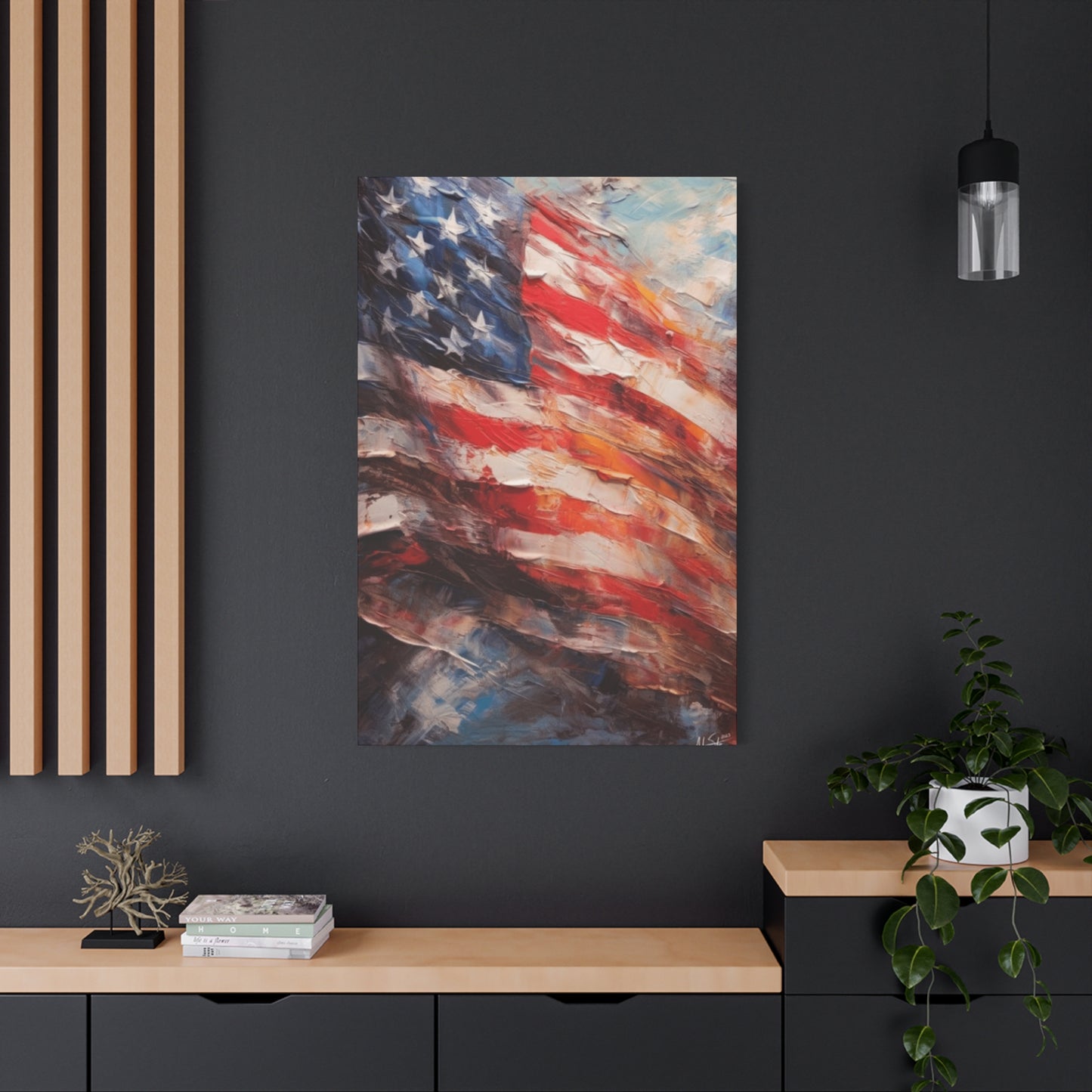
American Flag Painting Range Wall Art & Canvas Prints
American Flag Painting Range Wall Art & Canvas Prints
Couldn't load pickup availability
Stunning American Flag Painting Range Wall Art: Creating Patriotic Masterpieces for Your Home
The realm of American flag painting range wall art represents a captivating intersection of national pride, artistic expression, and interior design sophistication. This comprehensive exploration delves into the multifaceted world of patriotic artwork, examining how these powerful visual statements transform residential and commercial environments while honoring the emblematic symbols of freedom and democracy. Through careful consideration of artistic methods, color theory, placement strategies, and cultural significance, we uncover how these distinctive pieces serve as more than mere decoration—they become profound statements of identity and values.
The Cultural Resonance Behind Stars and Stripes Artwork in Contemporary Homes
American flag painting range wall art carries profound symbolic weight that transcends simple aesthetic appeal. These artistic interpretations of Old Glory evoke deep emotional responses rooted in collective memory, shared experiences, and national consciousness. When individuals choose to display such artwork in their personal or professional spaces, they're making deliberate statements about their values, heritage, and connection to the nation's narrative.
The visual language of stars and stripes speaks to something fundamental within the American psyche. Each element of the flag carries specific meaning: the thirteen stripes representing the original colonies, the fifty stars symbolizing the union of states, and the colors themselves holding significant symbolism—red for valor and bravery, white for purity and innocence, and blue for vigilance, perseverance, and justice. Artists who work with these elements understand they're not simply arranging colors and shapes, but engaging with centuries of meaning and emotion.
Throughout different periods in American history, the flag has taken on varying significance. During times of conflict, it becomes a rallying symbol of unity and determination. In peacetime, it represents the freedoms and opportunities that define the American experience. Contemporary artists who create American flag painting range wall art often explore these layered meanings, sometimes presenting traditional representations that honor classic imagery, while others deconstruct and reimagine the flag through modern lenses, creating conversation pieces that challenge viewers to reconsider their relationship with national symbols.
The placement of patriotic artwork within living spaces creates specific atmospheric qualities. A boldly rendered flag painting in an entryway immediately communicates something about the household's values to visitors. In office environments, such artwork can establish a tone of professional seriousness while demonstrating organizational principles. Veterans often find particular comfort and pride in displaying these images, as they serve as daily reminders of service and sacrifice. Families with military connections frequently incorporate these pieces into their decorating schemes as tributes to loved ones who have served.
Exploring Diverse Artistic Styles Within Patriotic Canvas Creations
The spectrum of artistic approaches to American flag painting range wall art is remarkably diverse, ranging from photorealistic renderings to abstract interpretations that deconstruct the familiar imagery into surprising new forms. Understanding these various styles helps collectors and enthusiasts make informed choices that align with their personal aesthetic preferences and the specific character of their spaces.
Traditional representational styles remain perpetually popular, offering faithful renditions of the flag that emphasize clarity, precision, and reverence. These pieces often feature meticulous attention to detail, with each star carefully positioned and every stripe perfectly proportioned. The appeal of such works lies in their straightforward celebration of the national symbol without artistic embellishment or interpretation. They satisfy viewers who appreciate classic imagery and want their patriotic artwork to make an unambiguous statement.
Conversely, abstract interpretations push boundaries by fragmenting, layering, or reimagining flag elements in unexpected ways. Some artists blend the stars and stripes with other imagery—landscapes, portraits, or symbolic objects—creating composite works that explore complex themes of identity, belonging, and national character. These pieces often incorporate unusual color palettes, perhaps rendering the flag in sepia tones for a vintage effect, or using unexpected hues that challenge conventional expectations while maintaining recognizable structural elements.
Distressed and weathered aesthetic approaches have gained considerable popularity in recent years. These pieces deliberately incorporate aging effects—fading, cracking, peeling paint, rust-like staining—that give the artwork a sense of history and authenticity. The weathered appearance suggests the passage of time, evoking nostalgia for earlier eras while simultaneously acknowledging that the nation's journey has been long and sometimes difficult. Such works resonate particularly with those who appreciate vintage aesthetics and the visual storytelling capacity of patina and wear.
Mixed media approaches expand creative possibilities even further. Artists might combine painting with collage elements, incorporating actual fabric, newsprint, sheet music, or other materials that add textural dimension and conceptual depth. Three-dimensional works featuring carved or assembled wooden elements create shadow play and physical presence that flat paintings cannot achieve. Metal works, often featuring rusted steel or burnished copper, bring industrial aesthetics into conversation with patriotic imagery, creating striking contrasts between material roughness and symbolic refinement.
Contemporary pop art interpretations draw inspiration from the bold graphics and cultural commentary pioneered by artists like Jasper Johns and others who elevated everyday symbols to fine art status. These pieces might feature vibrant, saturated colors, hard edges, and graphic simplification that makes the imagery immediate and visually powerful. Such works appeal to collectors who appreciate the dialogue between high art and popular culture, and who want their American flag painting range wall art to participate in broader artistic conversations.
Color Theory and Visual Impact in Patriotic Artistic Expressions
The chromatic vocabulary of American flag painting range wall art extends far beyond the traditional red, white, and blue palette, though these foundational colors remain central to most interpretations. Understanding how artists manipulate color to achieve specific emotional and visual effects illuminates the sophisticated craft behind seemingly straightforward patriotic imagery.
The psychological effects of color play crucial roles in how viewers experience these artworks. Red, as a warm and advancing color, naturally draws attention and evokes feelings of passion, energy, and intensity. Within the context of flag imagery, red carries associations with courage and sacrifice, particularly the blood shed in defense of freedom. Artists who emphasize red tones in their compositions create works that feel urgent, emotional, and viscerally powerful.
Blue, conversely, functions as a cool and receding color that typically evokes feelings of calm, stability, and contemplation. The specific blue used in the American flag—a deep, rich navy—suggests depth, seriousness, and permanence. When artists manipulate blue tones within their compositions, shifting toward lighter sky blues or deeper midnight hues, they alter the emotional temperature of the entire piece. Lighter blues might suggest optimism and openness, while darker blues can introduce notes of solemnity or even melancholy.
White serves multiple functions within flag-inspired artwork. As a neutral element, it provides visual rest between the intensity of red and blue, creating breathing space that prevents compositions from becoming overwhelming. White also carries symbolic weight as a representation of purity and peace. In abstract or deconstructed flag paintings, the relative prominence of white space can dramatically affect the work's overall character, with generous white areas creating feelings of spaciousness and possibility.
Many contemporary artists working with American flag painting range wall art deliberately depart from strict color fidelity, introducing unexpected hues that transform the familiar imagery. Some might render the flag in entirely monochromatic schemes—all blacks and grays, or sepia tones that suggest historical photography. Others introduce vivid secondary colors like orange, purple, or green, creating striking visual discord that prompts viewers to question their assumptions and see the familiar symbol through fresh eyes.
Color temperature and value contrast also significantly impact how these artworks function within interior spaces. Warm-toned flag paintings with emphasis on reds and golden yellows create different atmospheric effects than cool-toned pieces dominated by blues and blue-grays. High-contrast compositions with sharp differentiation between light and dark elements command attention and create dramatic focal points, while low-contrast pieces with subtle tonal variations offer quieter, more contemplative presences.
The interaction between artwork colors and surrounding interior design elements requires careful consideration. A boldly colored American flag painting range wall art piece will interact differently with various wall colors, furniture tones, and lighting conditions. Understanding these relationships helps ensure that patriotic artwork enhances rather than conflicts with its environment.
Material Selection and Surface Qualities in Flag-Themed Artwork
The physical materials used to create American flag painting range wall art profoundly influence both the aesthetic character and longevity of finished pieces. Different substrates, paint types, and finishing treatments each contribute unique qualities that affect how artwork appears and how it endures over time.
Canvas remains the most traditional and popular substrate for painted flag artwork. Stretched canvas offers a slight texture that adds visual interest and dimension to painted surfaces. The natural weave of canvas fabric is visible through thinner paint layers, contributing organic warmth to the overall appearance. Gallery-wrapped canvas, where the painted image continues around the sides of the stretcher bars, creates a polished, contemporary look that eliminates the need for framing and allows the artwork to float cleanly against walls.
Wood substrates provide alternative surfaces that artists increasingly favor for certain effects. Smooth, primed wood panels offer pristine surfaces ideal for detailed, photorealistic work or smooth color fields. Alternatively, raw or minimally treated wood with visible grain patterns adds rustic character that complements distressed or weathered aesthetic approaches. Reclaimed wood, with its history of use evident in nail holes, knots, and irregular surfaces, brings authentic patina and storytelling capacity to flag-themed artwork. Artists working with wood substrates often incorporate the material's natural characteristics into their compositions, allowing grain patterns to show through paint layers or deliberately emphasizing wood's aged appearance.
Metal surfaces open entirely different creative avenues. Aluminum panels provide smooth, non-porous surfaces that allow for precise detail and vibrant color saturation. Steel or iron can be treated to develop deliberate rust patterns that contribute to industrial or weathered aesthetics. Some artists create dimensional works by cutting flag silhouettes from sheet metal, then painting or allowing natural oxidation processes to create color and texture. The reflective qualities of metal surfaces interact with light in distinctive ways that shift appearance throughout the day as lighting conditions change.
Paint selection also critically impacts final results. Acrylics remain popular for their versatility, quick drying times, and durability. They can be applied in thin, watercolor-like washes or built up in thick, textural layers. Acrylics maintain their colors well over time and resist yellowing, important considerations for artwork intended to remain vibrant for decades. Oil paints offer rich color depth and blending capabilities that some artists prefer for achieving particular effects, though they require longer drying times and more careful handling. Some contemporary artists incorporate spray paints, enamels, or automotive finishes for their unique surface qualities and color intensities.
Finishing treatments protect artwork while also modifying appearance. Matte varnishes preserve colors without adding reflective sheen, maintaining the appearance of raw painted surfaces. Glossy varnishes create dramatic light reflection and color depth, making colors appear more vibrant and saturated. Satin finishes offer compromise between these extremes. Some artists deliberately leave works unvarnished to maintain absolutely authentic painted appearance, though this leaves surfaces more vulnerable to environmental factors.
Mixed media approaches combine multiple materials to create richly layered effects. Artists might incorporate fabric elements—actual flag material, burlap, or other textiles—into their compositions. Paper elements like vintage documents, sheet music, or newsprint can be collaged and then painted over or around. Three-dimensional elements like stars cut from wood or metal can be attached to create shadow and depth. These material combinations create tactile richness and conceptual complexity that purely painted works cannot achieve.
Sizing Considerations for Powerful Visual Statements
The physical dimensions of American flag painting range wall art dramatically affect its visual impact and suitability for different spaces. Understanding scale relationships helps ensure that patriotic artwork functions effectively within its intended environment, creating appropriate focal points without overwhelming or getting lost within their surroundings.
Large-scale pieces, ranging from four to eight feet or more in width, create commanding presence that naturally dominates visual attention. Such substantial works function best in spacious environments with adequate viewing distances—large living rooms, open-concept spaces, offices, or commercial environments. The generous dimensions allow artists to incorporate fine details that remain visible even from across rooms. Large flag paintings make bold statements about commitment to patriotic values and serve as natural conversation starters. However, they require careful placement consideration, as improper scaling can make spaces feel cramped or unbalanced.
Medium-sized works, typically measuring between two and four feet in their longest dimension, offer versatility for many residential and commercial applications. These pieces create significant visual interest without demanding excessive wall space or overwhelming modest rooms. They work well as focal points in bedrooms, studies, offices, or dining areas. Medium-scale American flag painting range wall art can be displayed individually or combined with other pieces to create gallery-style arrangements that build more complex visual narratives.
Smaller pieces, under two feet in any dimension, serve different purposes within decorating schemes. While they may not command attention from across rooms, intimate pieces reward close viewing with detail and craftsmanship that larger works might not accommodate. Small flag paintings work beautifully in groupings, where multiple pieces of varying sizes create dynamic compositions with visual rhythm and variety. They're ideal for spaces where wall area is limited or where subtler patriotic presence is preferred.
The relationship between artwork dimensions and wall space requires thoughtful consideration. Design guidelines typically suggest that artwork should occupy roughly two-thirds to three-quarters of the available wall width for balanced proportion. Pieces that are too small for their walls appear lost and insignificant, while oversized works can feel oppressive or make rooms appear smaller. Proper scaling creates harmonious relationships between artwork and architecture that feel naturally right even if viewers can't articulate why.
Vertical versus horizontal orientation also significantly impacts how American flag painting range wall art functions within spaces. Standard flag proportions are horizontal, with width considerably exceeding height. These landscape orientations work beautifully above sofas, beds, or other horizontal furniture elements, creating balanced compositions. However, some artists create vertical interpretations that suit different architectural situations—narrow wall sections, spaces flanking windows or doors, or areas where vertical emphasis better serves design goals.
Considering viewing distance helps determine appropriate sizing. Pieces intended for observation from across large rooms can feature bolder, more simplified compositions that read clearly from distance. Artwork meant for closer viewing in intimate spaces can incorporate finer details and subtler effects that reward careful examination. Understanding intended viewing contexts during selection ensures that chosen pieces function optimally within their specific environments.
Strategic Placement Within Residential Environments
The location where American flag painting range wall art is displayed within homes significantly influences both its visual effectiveness and the atmosphere it creates. Different rooms and architectural features present distinct opportunities and challenges that thoughtful placement addresses.
Entryways and foyers offer prime locations for patriotic artwork, as these spaces provide first impressions for visitors while setting tones for entire homes. A striking flag painting in an entrance area immediately communicates household values and creates welcoming atmosphere for those who share similar perspectives. The relatively brief viewing times in transitional spaces suit bolder, more graphic interpretations that make immediate impact without requiring extended contemplation.
Living rooms represent perhaps the most common placement choice for American flag painting range wall art. These gathering spaces naturally accommodate focal artwork that can become conversation centerpieces during social occasions. Above mantels, flag paintings create natural focal points that draw eyes upward and anchor room arrangements. On large wall expanses opposite seating areas, they provide visual interest that enriches the spatial experience. The relatively public character of living spaces makes them appropriate venues for making external-facing statements about values and identity.
Dining areas benefit from patriotic artwork that creates atmosphere without demanding constant attention during meals. Flag paintings in dining rooms often carry slightly more formal character, acknowledging the ceremonial aspects of shared meals while contributing to pleasant ambiance. The social nature of dining experiences makes these spaces suitable for artwork that might prompt discussion about history, values, or personal experiences related to national identity.
Home offices and studies represent particularly appropriate contexts for American flag painting range wall art, especially for veterans, active military members, or those whose professional lives connect to public service. In private workspaces, patriotic imagery can serve as personal inspiration and reminder of larger purposes beyond immediate tasks. The contemplative nature of study spaces allows for more complex or nuanced artistic interpretations that reward extended viewing.
Bedroom placement creates more intimate relationships between viewers and artwork. Flag paintings in private sleeping quarters often carry personal significance beyond general patriotic sentiment—perhaps commemorating specific service periods, honoring family military traditions, or expressing deeply held convictions about national identity. The private nature of bedrooms allows for artistic choices that might feel too revealing or vulnerable for more public spaces.
Recreational spaces like home theaters, game rooms, or workshops can accommodate American flag painting range wall art with more casual or playful character. These environments suit weathered, vintage-styled pieces or bold graphic interpretations that contribute to relaxed atmosphere without demanding serious contemplation. The less formal nature of recreational spaces permits experimentation with unconventional sizes, orientations, or groupings.
Consideration of architectural features enhances placement effectiveness. Flag artwork positioned to interact with natural light sources creates dynamic viewing experiences as illumination changes throughout days and seasons. Placement relative to furniture arrangements ensures that pieces remain visible and accessible rather than blocked or obscured. Attention to traffic patterns prevents artwork from being positioned where it might suffer damage from passing movement or where viewers cannot comfortably stand back for proper viewing perspective.
Creating Cohesive Interior Design with Patriotic Artwork
Successfully incorporating American flag painting range wall art into residential or commercial interiors requires thoughtful attention to how these pieces interact with surrounding design elements. When handled skillfully, patriotic artwork enhances and elevates overall aesthetic schemes rather than conflicting with them.
Color coordination represents the most obvious design consideration. The red, white, and blue palette of flag imagery must work harmoniously with existing wall colors, upholstery, window treatments, and accessories. Spaces decorated in neutral tones—whites, grays, beiges, or taupes—provide flexible backgrounds that allow flag colors to shine without competing visual noise. The red and blue in artwork can be echoed in smaller accent pieces like throw pillows, area rugs, or decorative objects to create cohesive color stories throughout spaces.
Conversely, rooms already featuring prominent reds or blues present both opportunities and challenges. A living room with blue upholstery, for example, can beautifully complement American flag painting range wall art, with the furniture and artwork reinforcing each other through shared hues. However, too much color repetition can become overwhelming or monotonous, suggesting the wisdom of introducing balancing neutrals or ensuring that different shades of blue create visual variety rather than flat uniformity.
Style compatibility ensures that patriotic artwork feels like natural components of design schemes rather than awkward additions. Traditional flag paintings with classic imagery suit formal, traditional interiors featuring dark woods, classic furniture styles, and conventional architectural details. Distressed or vintage-styled flag art complements farmhouse, rustic, or industrial design schemes that emphasize weathered materials and authentic patina. Contemporary abstract interpretations of flag imagery work beautifully in modern or transitional spaces characterized by clean lines, minimal ornamentation, and sophisticated simplicity.
Scale and proportion relative to furniture create balanced visual relationships. American flag painting range wall art above a sofa should generally span roughly two-thirds the furniture's width, creating pleasing proportion without dwarfing or being dwarfed by the piece below. Artwork paired with other furnishings should maintain similar scaling principles, ensuring that pieces feel related and intentional rather than randomly assembled.
Framing choices significantly impact how patriotic artwork functions within design schemes. Traditional framed pieces with substantial moldings create formal presentations that suit classic interiors. Gallery-wrapped canvas without frames offers contemporary cleanliness that works in modern contexts. Raw wood frames or distressed finishes complement rustic or farmhouse aesthetics. Metal frames might suit industrial or contemporary schemes. The framing should feel like natural extension of both the artwork and the surrounding design vocabulary.
Lighting dramatically affects how American flag painting range wall art appears and functions. Natural light creates ever-changing viewing experiences as sunlight shifts throughout days and seasons, though prolonged direct sun exposure can damage artwork over time. Artificial lighting offers more control and consistency. Track lighting, picture lights, or strategically placed lamps can highlight artwork while creating ambient illumination for entire spaces. The color temperature of light sources—warm yellows versus cool whites—affects how artwork colors appear, with warm lighting enhancing reds and cool lighting emphasizing blues.
Accessorizing around patriotic artwork requires restraint and intentionality. Too many competing patriotic elements can create cluttered, theme-park aesthetics rather than sophisticated design. A powerful American flag painting range wall art piece often functions best as the primary patriotic statement, with supporting elements kept minimal—perhaps a few carefully chosen accessories that echo colors or themes without overwhelming spaces with flag imagery. Balance between thematic consistency and aesthetic restraint creates environments that feel thoughtfully designed rather than obsessively decorated.
Commissioning Custom Patriotic Artwork for Personal Spaces
While ready-made American flag painting range wall art offers convenience and immediate availability, commissioned custom pieces provide opportunities for personalization that mass-produced works cannot match. Understanding the commissioning process helps collectors work effectively with artists to achieve desired results.
Identifying appropriate artists represents the crucial first step. Researching creators whose existing portfolios demonstrate styles, subjects, and skill levels aligned with envisioned pieces increases likelihood of satisfactory outcomes. Artists who regularly work with patriotic themes understand the symbolic weight of flag imagery and can bring informed perspectives to projects. Examining previous work reveals technical capabilities, aesthetic sensibilities, and whether artists' natural inclinations align with commissioners' visions.
Initial consultations establish project parameters and determine whether artists and commissioners can work together effectively. These conversations explore desired sizes, styles, color palettes, intended placement contexts, and any specific elements that must be incorporated. Clear communication about expectations, timelines, and budgets prevents later disappointments or conflicts. Commissioners should share reference images illustrating desired aesthetic directions while remaining open to artists' creative input and expertise.
Budget discussions require candor from all parties. Custom American flag painting range wall art pricing depends on numerous factors including piece dimensions, medium complexity, artist reputation and experience, and project timeline. Larger works requiring more materials and labor naturally cost more than smaller pieces. Complex mixed media approaches or unusual materials increase expenses beyond straightforward painting. Established artists with significant followings command higher prices than emerging creators. Rush projects requiring accelerated timelines may incur premium charges. Clear agreement on total costs, payment schedules, and what's included prevents later disputes.
Creative collaboration works best when commissioners communicate desires while trusting artists' expertise. Sharing inspiration images, describing emotional qualities the work should evoke, and explaining how pieces will be used helps artists understand goals. However, micromanaging every detail or demanding rigid adherence to preconceived notions stifles creativity and prevents artists from contributing their unique perspectives. The most successful commissioned pieces emerge from balanced collaboration where clients provide direction but allow artists creative freedom within established parameters.
Timeline expectations should account for the complexity of creating custom artwork. Simple pieces might be completed within weeks, while elaborate works could require months. Artists typically need time for initial concept development, possibly creating preliminary sketches for approval before proceeding to final execution. Painting itself requires time, often with drying periods between layers or stages. Final finishing, varnishing, and framing add additional time. Commissioners should communicate any date-critical needs early in planning but should generally allow artists adequate time to work without rushing, as hurried work rarely produces optimal results.
Contract agreements protect both commissioners and artists. Written documents should specify piece dimensions, general descriptive parameters, agreed costs, payment schedule, projected completion timeline, and what happens if either party needs to cancel or modify arrangements. Clarifying ownership of preliminary sketches or studies prevents later disputes. Addressing reproduction rights—whether artists can photograph completed works for portfolio use, whether commissioners may reproduce images—establishes clear understanding. Professional artists typically provide such agreements as standard practice, but commissioners should request written terms if not offered.
Progress updates maintain connection throughout creation processes. Many artists provide periodic photographs showing works in development, allowing commissioners to observe evolution and raise any concerns before completion. These check-ins offer opportunities to request minor adjustments while works remain in progress, when changes are relatively easy, rather than discovering dissatisfaction with finished pieces. However, constant checking or demanding excessive updates can disrupt creative flow, so commissioners should balance desire for involvement with respect for artists' processes.
Delivery and installation complete the commissioning process. Arrangements for artwork transfer—whether artists deliver personally, ship via carriers, or commissioners collect pieces—should be clarified in advance. Secure packaging protects American flag painting range wall art during transport. Discussion of hanging hardware and installation methods ensures proper mounting. Some artists offer installation services, while others provide detailed instructions for professional framers or hangers.
Preservation Strategies for Lasting Artistic Integrity
Proper care ensures that American flag painting range wall art maintains its visual impact and physical integrity for generations. Understanding preservation principles protects valuable artwork from preventable damage while extending enjoyment of these patriotic pieces.
Environmental conditions profoundly affect artwork longevity. Temperature fluctuations stress materials, causing expansion and contraction that can lead to cracking paint or separating layers. Maintaining relatively stable temperatures between 65-75 degrees Fahrenheit minimizes such stress. Extreme heat can soften paint or adhesives, while severe cold can make materials brittle. Avoiding placement near heating vents, fireplaces, or other heat sources protects artwork from temperature damage.
Humidity control prevents numerous deterioration problems. Excessive moisture promotes mold growth, causes wood substrates to warp or rot, and can soften or discolor paints. Very dry conditions make materials brittle and prone to cracking. Maintaining relative humidity between 40-60 percent creates favorable conditions for artwork preservation. Dehumidifiers, humidifiers, or climate control systems help regulate moisture levels in problematic environments. Avoiding hanging American flag painting range wall art in bathrooms, laundry rooms, or other moisture-heavy areas prevents exposure to humidity extremes.
Light exposure represents perhaps the most insidious threat to artwork. Ultraviolet radiation causes colors to fade, particularly organic pigments, and breaks down protective varnish layers. Direct sunlight presents the highest risk, but even indirect natural light and certain artificial sources emit damaging UV rays. Positioning artwork away from windows reduces exposure. UV-filtering glass or acrylic in frames provides additional protection. Window films or UV-filtering shades on windows minimize light damage throughout spaces. Using LED lighting rather than incandescent or fluorescent sources reduces UV emission. Even with protective measures, periodic rotation of which artworks occupy highest-exposure locations distributes accumulated light damage across collections rather than concentrating deterioration on specific pieces.
Physical damage from handling, accidents, or insects requires vigilant prevention. Always handling artwork by frames or edges rather than touching painted surfaces prevents oil, dirt, and moisture transfer from hands. Hanging pieces securely with appropriate hardware for their weight prevents falls. Maintaining adequate clearance from high-traffic areas reduces risk of bumps or scrapes. Regular inspection detects insect damage early, before extensive harm occurs. Professional pest control prevents infestations that could damage artwork. Keeping foods and organic materials away from art storage areas reduces pest attraction.
Cleaning American flag painting range wall art requires extreme gentleness. Most maintenance involves simply dusting with soft, clean, dry cloths or specialized microfiber dusters. Avoid household cleaners, sprays, or moist cloths on painted surfaces, as moisture and chemicals can damage paints or varnishes. For more substantial cleaning needs, professional art conservators possess specialized knowledge and materials for safely addressing specific problems without causing harm. Attempting amateur cleaning beyond basic dusting risks permanent damage that professionals might have prevented or remediated.
Varnish layers protect painted surfaces from atmospheric pollutants, dust, and moisture while enhancing color depth. However, varnishes eventually deteriorate, yellowing or becoming cloudy. Professional conservation treatment can remove degraded varnish and apply fresh protective layers, essentially renewing artwork. Such intervention should occur only when deterioration becomes problematic and should be performed exclusively by trained conservators who understand appropriate materials and methods for specific artworks.
Storage of American flag painting range wall art when not displayed requires thoughtful attention. Pieces should be stored in climate-controlled environments with stable temperature and humidity. Wrapping artwork in acid-free paper or cloth prevents dust accumulation while allowing materials to breathe—never wrap art in plastic, which can trap moisture. Store paintings upright rather than flat when possible, as stacking creates pressure that can damage surfaces. Adequate spacing between stored pieces prevents contact that could cause scratching or transfer. Dark storage environments minimize light exposure during storage periods.
Documentation creates valuable records supporting preservation, insurance, and eventual resale. Photographing artwork from multiple angles records its condition at specific points. Maintaining files with purchase information, artist details, dimensions, materials descriptions, and condition notes provides reference for insurance claims, authentications, or future sales. Recording any conservation treatments creates permanent record of interventions. Digital copies of physical documentation ensure information survival even if original papers are lost.
Investment Perspectives on Patriotic Artwork
While many people acquire American flag painting range wall art primarily for aesthetic and emotional reasons, understanding investment dimensions adds additional perspective on these purchases. Patriotic artwork can represent not just decorative choices but also stores of value that may appreciate over time.
Artist reputation significantly impacts artwork value. Pieces by established, recognized creators naturally command higher prices than works by unknown artists. However, emerging artists sometimes offer better value propositions, as their work may be currently affordable while potentially appreciating significantly if their careers develop successfully. Researching artists' exhibition histories, gallery representations, critical reception, and market trends provides insight into their positions within art markets. Artists whose work appears in museum collections, major galleries, or significant private collections typically enjoy more robust markets for their output.
Rarity affects value considerably. Unique, one-of-a-kind pieces generally hold value better than prints or reproductions, as scarcity creates natural demand pressure. Limited edition prints—where artists create small numbers of copies from original works—occupy middle ground, offering more affordability than originals while maintaining some scarcity value. Open edition prints, reproduced in unlimited quantities, function primarily as affordable decoration with minimal investment potential. When considering American flag painting range wall art as investment, original pieces or legitimately limited editions represent better choices than unlimited reproductions.
Condition critically impacts artwork value. Pristine pieces command premium prices compared to damaged or deteriorated works. Even minor condition issues—small tears, paint losses, fading, or discoloration—significantly reduce market values. This reality reinforces the importance of proper care and preservation, as maintaining excellent condition protects financial as well as aesthetic value. Professional conservation addressing damage can restore value, though costs of such work must be weighed against resulting value increases.
Provenance—documented ownership history—adds value and marketability. Artwork with clear chains of ownership, particularly if previous owners were notable collectors or institutions, often commands premium prices. Complete documentation including original purchase receipts, certificates of authenticity, exhibition records, and published references builds strong provenance that enhances value and eases future sales. Maintaining thorough records from acquisition onwards creates provenance documentation that benefits future disposition.
Market trends influence artwork values substantially. Periods of heightened patriotic sentiment—following national crises, during military conflicts, around significant anniversaries—often see increased demand for flag-themed artwork. Conversely, periods of national controversy or political division might depress such markets. Broader art market conditions affect all segments, including patriotic work. During economic expansions, discretionary purchases including artwork increase, supporting prices. Recessions typically depress art markets as buyers redirect resources toward necessities.
Authentication importance cannot be overstated for investment purposes. Fraudulent works occasionally appear in markets, particularly for pieces attributed to recognized artists. Certificates of authenticity from artists or their representatives provide important documentation. For works by deceased or famous artists, expert opinions or formal authentication from recognized authorities establish legitimacy. Purchasing American flag painting range wall art from reputable galleries, established dealers, or directly from known artists reduces forgery risks compared to unverified private transactions.
Insurance considerations protect artwork investments. Standard homeowners or renters insurance typically provides limited coverage for artwork, often with low per-item and aggregate limits. Valuable pieces warrant specific insurance riders or specialized fine art insurance policies that provide agreed-value coverage protecting full artwork values. Professional appraisals establish insurable values and satisfy insurer documentation requirements. Regular appraisal updates ensure coverage keeps pace with appreciation. Comprehensive documentation including photographs, receipts, and condition reports supports claims if losses occur.
Resale considerations affect investment returns. Gallery commissions, auction house fees, and marketing costs consume portions of sale proceeds, reducing net returns. Private sales eliminate intermediary costs but require more effort finding qualified buyers. Timing sales for favorable market conditions maximizes returns. Tax implications of artwork sales vary based on holding periods, gain amounts, and individual circumstances, warranting professional tax advice before significant transactions.
Crafting Personalized Flag-Themed Artwork
Creating original American flag painting range wall art offers deeply satisfying creative experiences while producing personalized pieces perfectly suited to individual tastes and spaces. Whether undertaken as serious artistic pursuits or enjoyable hobbies, painting patriotic artwork connects creators to national symbols in intimate ways.
Preparation begins with conceptual planning. Envisioning the desired final result guides all subsequent decisions about materials, dimensions, style, and execution methods. Sketching preliminary ideas on paper helps refine compositions before committing to final substrates. Considering where finished pieces will hang influences size, orientation, and stylistic choices. Deciding whether to attempt realistic flag renderings or more interpretive approaches shapes entire projects. Gathering inspiration from existing artwork, historical flags, or photographs builds visual vocabularies that inform creative choices.
Selecting appropriate substrates establishes foundations for successful outcomes. Stretched canvas offers traditional surfaces that most painters find comfortable. Canvas panels—canvas affixed to rigid backing—provide stable alternatives. Wood panels create smooth surfaces or can be left partially raw for rustic effects. Reclaimed wood adds character through existing weathering and markings. Each substrate requires different preparation, with some needing priming coats before painting while others can be painted directly.
Paint selection depends on desired effects and personal preferences. Acrylics offer versatility, quick drying, easy cleanup with water, and permanent results. Their fast drying allows rapid layering and completion, though it reduces blending time. Oils provide rich colors and extended working time for blending but require ventilants, specialized cleanup solvents, and long drying periods. Beginning painters often find acrylics more approachable, while experienced artists might prefer oil characteristics.
Color mixing achieves desired hues. While purchasing red, white, and blue paints seems obvious for American flag painting range wall art, successful pieces often require custom colors beyond basic primaries. Navy blue typically needs mixing from darker blues and perhaps black to achieve proper depth. Various red shades—from pure red to crimson or burgundy—create different emotional effects. Tinting colors slightly toward warmer or cooler temperatures affects overall harmony. Mixing small test batches allows color evaluation before committing to large quantities.
Compositional planning determines flag positioning, sizing, and any additional elements. Classic centered flags create straightforward, balanced compositions. Off-center placements add dynamic energy. Extreme close-ups focusing on specific flag sections create abstract qualities. Incorporating other imagery—landscapes, silhouettes, text—builds narrative complexity. Considering negative space and background treatments ensures complete compositions rather than isolated flag images floating on blank backgrounds.
Execution techniques vary based on desired aesthetics. Blocking in major color areas establishes basic compositions. Building gradual layers adds depth and richness. Allowing underlayers to show through creates visual complexity. Adding texture through varied brushwork, palette knife application, or unconventional tools creates surface interest. Precise masking with tape enables clean edges for crisp stripes and geometric elements. Freehand painting produces looser, more expressive results.
Weathering effects create aged appearances popular in American flag painting range wall art. Sanding painted surfaces selectively removes paint, suggesting wear. Applying and then partially removing paint layers mimics peeling. Adding tinted glazes creates discoloration resembling age. Incorporating crackle mediums produces realistic cracking patterns. Dry brushing lighter colors over darker bases suggests fading. Each technique requires experimentation to achieve believable results that enhance rather than simply damage artwork.
Finishing treatments protect completed work. Varnishing seals surfaces, unifies sheen levels, and makes paintings easier to clean. Choosing matte, satin, or gloss finishes affects final appearance significantly. Applying multiple thin varnish coats produces better results than single thick applications. Removable varnishes allow future conservation treatments. Some painters prefer leaving works unvarnished for absolutely natural paint appearance, accepting reduced protection. Signing and dating completed pieces documents creation and establishes provenance from inception.
Final Thoughts
The Stunning American Flag Painting Range Wall Art is a striking tribute to the ideals and history that the flag represents. This piece isn't just decor—it's a celebration of national pride, strength, and unity, beautifully captured through the timeless symbol of the American flag. Whether you’re looking to honor your heritage or simply add a bold, patriotic statement to your home, this artwork brings a dynamic, powerful presence to any room.
What sets this American Flag painting apart is its ability to blend tradition with artistry. While the flag itself is a symbol that’s instantly recognizable, the way it's presented in this range of wall art can vary from a classic, detailed depiction to a more abstract, modern take. The dynamic use of colors, textures, and strokes transforms the flag from a mere representation into a work of art that speaks to the emotions and ideals it holds dear. Each painting in this range brings its own unique spin, whether it's the bold, sweeping lines of the flag or the faded, vintage look that evokes nostalgia and reverence for the past.
The versatility of this art piece makes it a perfect fit for any living space. It complements a variety of interior styles, from traditional and contemporary to industrial and rustic. The rich reds, whites, and blues, along with the signature stars and stripes, create a powerful focal point, making this artwork ideal for living rooms, entryways, home offices, or even places of reflection like a library or reading nook. Its patriotic appeal also makes it an ideal addition to spaces that host gatherings during national holidays or celebrations, like the Fourth of July or Veterans Day.
Beyond its visual impact, the Stunning American Flag Painting Range Wall Art also serves as a reminder of the values that the American flag stands for: freedom, courage, unity, and sacrifice. It encourages reflection on the country’s history and the ongoing pursuit of liberty and justice. This piece resonates with anyone who feels a deep connection to the nation and the people who have fought to uphold these values. It’s not just about displaying a symbol—it's about embracing the stories, struggles, and triumphs that the flag represents.
In terms of emotional and psychological impact, the American flag has the power to evoke a sense of belonging and pride. It’s a symbol that transcends time and political boundaries, reminding us of the resilience and strength of the nation. Displaying this art piece in your home can foster a sense of unity within your family, while also providing a place of quiet reflection on what it means to be part of something larger than oneself.
Ultimately, the Stunning American Flag Painting Range Wall Art is more than just a decorative addition to your home—it's a tribute to the ideals that have shaped the United States. Its artistic interpretation of the American flag serves as a reminder of the pride, history, and shared values that make up the nation’s identity. No matter where you choose to display it, this piece will bring an unmistakable sense of patriotism and beauty into your living space, creating a lasting impression on everyone who enters.
Share