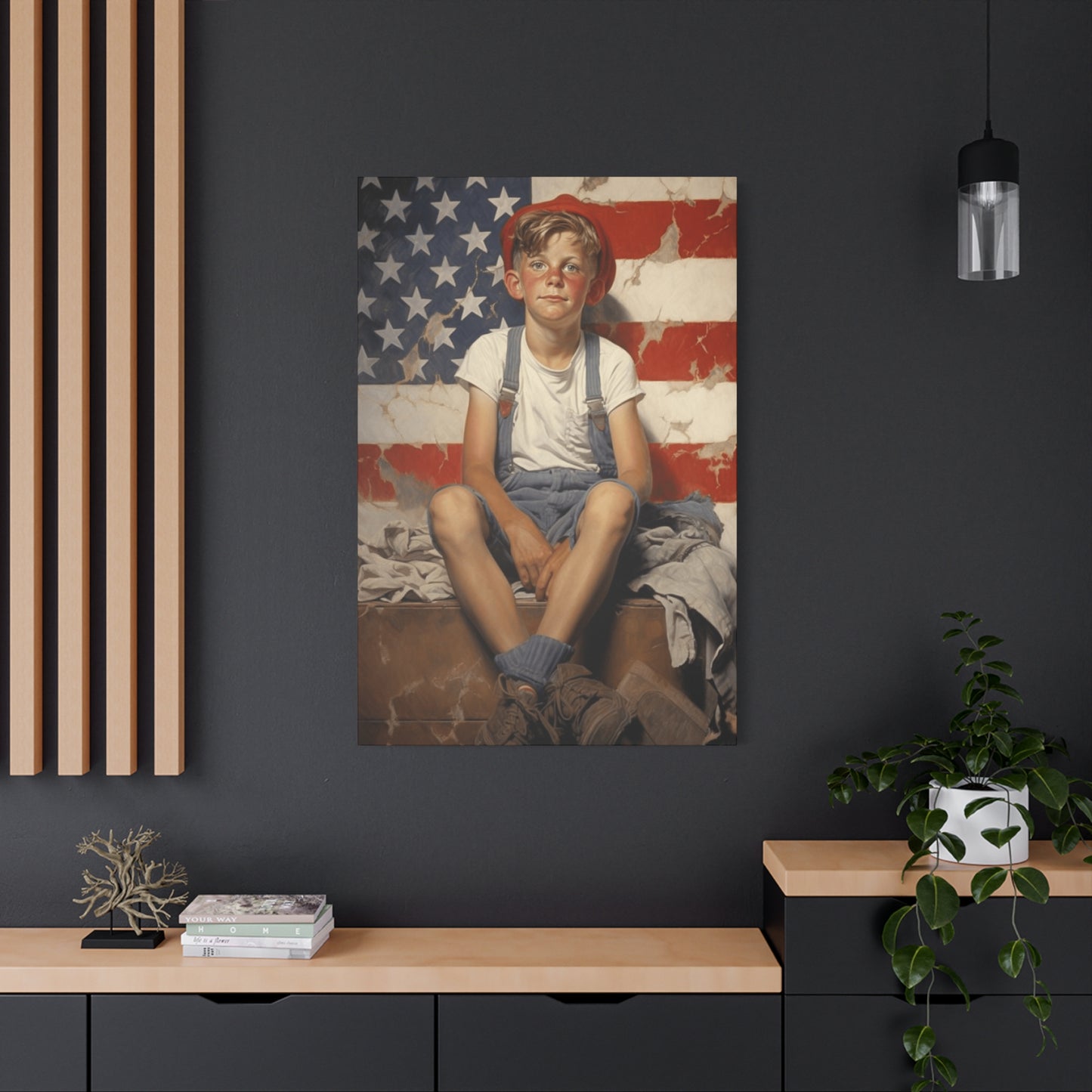


American Boy in front of American Flag Wall Art & Canvas Prints
American Boy in front of American Flag Wall Art & Canvas Prints
Couldn't load pickup availability
American Boy in Front of American Flag Wall Art: Patriotic Decor That Captures the Spirit of National Pride
The imagery of a young American boy standing proudly before the stars and stripes represents more than mere decoration—it embodies the essence of patriotism, heritage, and the enduring values that define a nation. This powerful visual statement has become increasingly popular in homes, offices, and public spaces across the country, serving as a constant reminder of the freedoms and opportunities that generations have fought to preserve. When seeking to incorporate such meaningful imagery into living spaces, understanding the profound impact of this artistic choice becomes essential for creating environments that resonate with personal values and national identity.
The representation of an American boy in front of American flag wall art carries layers of meaning that extend far beyond simple decoration. This imagery speaks to the continuity of American values across generations, symbolizing hope for the future while honoring the sacrifices of the past. The youthful figure represents innocence, potential, and the promise of tomorrow, while the flag behind him stands as a testament to enduring principles of liberty, justice, and unity. This juxtaposition creates a powerful narrative that resonates with viewers on multiple levels, evoking emotions ranging from pride and gratitude to reflection and determination.
The Profound Symbolism Behind a Young Patriot Standing Before the Stars and Stripes
The visual impact of such artwork stems from its ability to connect personal identity with collective heritage. When individuals choose to display this type of imagery in their homes or workplaces, they make a statement about their values and beliefs. The young boy in the composition often represents not just any child, but the embodiment of every American youth—past, present, and future. This universality makes the artwork relatable across different backgrounds and experiences, creating common ground in an increasingly diverse society. The flag itself serves as the unifying element, reminding viewers of shared citizenship and common purpose regardless of individual differences.
Color psychology plays a significant role in the emotional resonance of these pieces. The bold red, white, and blue palette immediately captures attention while triggering associations with courage, purity, and justice. The red stripes evoke feelings of valor and strength, representing the blood shed by patriots throughout history. White symbolizes innocence and virtue, reflecting the idealistic aspirations upon which the nation was founded. Blue conveys depth, stability, and wisdom, suggesting the enduring nature of constitutional principles. When these colors frame the figure of a young boy, they create a context that amplifies the emotional impact of the overall composition.
The positioning and posture of the boy within the artwork often carries additional symbolic weight. Whether he stands at attention in a salute, places his hand over his heart, or simply gazes forward with determination, each pose communicates different aspects of patriotic sentiment. A saluting figure emphasizes respect for military service and sacrifice, while a hand over the heart suggests personal commitment to national ideals. A forward gaze might represent optimism about the country's future or resolve in facing challenges. These subtle variations allow individuals to select pieces that align most closely with their personal interpretation of patriotism.
Diverse Artistic Interpretations and Visual Styles for Patriotic Wall Displays
The market for American boy in front of American flag wall art encompasses an remarkable range of artistic styles and interpretations, ensuring that individuals can find pieces that complement their aesthetic preferences while conveying their patriotic sentiments. From photorealistic representations to abstract interpretations, from vintage-inspired designs to contemporary minimalist approaches, the variety available allows for highly personalized expressions of national pride. Understanding these different stylistic options helps consumers make informed decisions that will enhance their spaces while communicating their values effectively.
Realistic and photographic styles remain among the most popular choices for this type of artwork. These pieces often feature high-resolution images or meticulously rendered paintings that capture every detail of the subject—from the texture of the flag's fabric to the expressions on the boy's face. The realism of these works creates an immediate emotional connection, as viewers can relate to the humanity of the subject. Some artists specialize in capturing golden-hour lighting, where warm sunlight bathes both the boy and flag in a nostalgic glow, while others prefer the stark clarity of midday light that emphasizes bold colors and sharp contrasts. Photographic pieces might incorporate actual vintage photographs that have been restored and enhanced, adding an element of historical authenticity.
Painted and illustrated versions offer different qualities than photographic works. Traditional oil paintings bring richness and depth through layered brushstrokes and subtle color variations that photographs cannot replicate. Watercolor interpretations provide softer, more ethereal qualities that can evoke gentler patriotic sentiments. Acrylic paintings often feature bolder colors and more dramatic contrasts, creating eye-catching focal points in any room. Some artists employ mixed-media approaches, combining painting with digital elements or incorporating actual fabric pieces from flags to add tactile dimensions. These handcrafted qualities make each piece unique, appealing to collectors who value originality and artistic craftsmanship.
Vintage and retro-style artwork has experienced a resurgence in popularity, particularly among those who appreciate nostalgic aesthetics. These pieces often feature intentionally aged appearances, with muted colors, grain effects, and weathered textures that suggest historical significance. Some designs incorporate typography elements reminiscent of World War II posters or mid-century advertising, blending patriotic imagery with period-appropriate graphic design. The aged appearance of these works can create the impression of family heirlooms passed down through generations, adding perceived history and emotional weight to spaces. This style particularly appeals to those decorating traditional, farmhouse, or rustic-themed interiors.
Modern and contemporary interpretations push boundaries by reimagining traditional patriotic imagery through new lenses. Some artists employ geometric abstraction, breaking down the flag and figure into angular shapes and patterns while maintaining recognizable elements. Others use minimalist approaches with clean lines and limited color palettes that emphasize form over detail. Pop art influences might appear in bold, high-contrast designs with saturated colors and repeated elements. These contemporary takes appeal to younger demographics and those with modern interior design sensibilities who still wish to express patriotic pride in ways that feel fresh and current rather than dated or conventional.
Silhouette and outline styles offer another distinctive approach. These designs reduce the boy and flag to essential shapes, often rendered in solid black against contrasting backgrounds. The simplicity of silhouettes creates powerful, iconic images that work particularly well in minimalist spaces or as statement pieces against plain walls. Some artists create negative space versions where the boy's outline is formed by the absence of color rather than its presence, resulting in striking visual effects. These simplified approaches can actually enhance the symbolic power of the imagery by stripping away distracting details and emphasizing fundamental forms.
Material Considerations and Production Methods for Long-Lasting Patriotic Displays
The physical materials and production methods used to create American boy in front of American flag wall art significantly impact both the visual quality and longevity of these pieces. Consumers face numerous options, from traditional canvas prints to metal panels, from framed photographs to acrylic sheets, each offering distinct advantages and aesthetic qualities. Making informed choices about materials ensures that purchased artwork will maintain its appearance and emotional impact for years or even decades, potentially becoming treasured items passed to future generations.
Canvas remains one of the most popular materials for this type of artwork, valued for its traditional appearance and versatility. Gallery-wrapped canvas, where the printed or painted image extends around the frame edges, creates a finished look without requiring additional framing. The textured surface of canvas adds depth to images, making colors appear richer and more dimensional than flat prints. High-quality canvas products use archival-grade inks that resist fading even when exposed to indirect sunlight, ensuring that the vibrant reds, whites, and blues retain their intensity over time. The canvas medium works particularly well for painted or illustrated styles, as the surface texture complements brushstroke effects and artistic techniques.
Metal prints have gained considerable popularity for their modern appearance and exceptional durability. These pieces involve infusing dyes directly into specially coated aluminum sheets, creating images that are scratch-resistant, waterproof, and incredibly vibrant. The glossy finish of metal prints makes colors appear more saturated and luminous than other mediums, with the flag's colors taking on almost jewel-like qualities. The sleek, frameless appearance of metal prints suits contemporary interiors particularly well. Additionally, metal prints are lightweight despite their durability, making them easier to hang than comparably sized framed pieces. The medium excels at rendering photographic and high-contrast images with exceptional clarity.
Wood panels and planks offer rustic charm that complements farmhouse, country, and traditional decor styles. Some artists print directly onto smooth wood surfaces, while others use rough-hewn barnwood or reclaimed lumber for added character. The natural grain of the wood becomes part of the artwork itself, creating unique variations in each piece. Wood prints often feature intentional distressing or weathering effects that enhance their vintage appearance. For those seeking authenticity in rustic spaces, few materials can match the warmth and character that wooden panels provide. However, wood requires more careful placement to avoid warping from humidity or direct sunlight exposure.
Acrylic and plexiglass mounting creates striking, contemporary presentations with remarkable depth and clarity. These pieces typically involve printing on high-quality paper or directly onto the back of clear acrylic sheets, which then float slightly away from walls when mounted. Light passes through the acrylic, illuminating the image from within and creating a luminous quality that traditional prints cannot achieve. The glossy surface and three-dimensional quality of acrylic pieces make them eye-catching focal points. This mounting style particularly suits modern and upscale interiors where artwork serves as a significant design element. The material resists fading and damage while being relatively easy to clean and maintain.
Framed prints offer the most traditional presentation and allow for extensive customization through frame selection. The choice of frame profoundly affects the overall appearance—ornate gilded frames create formal, classical presentations, while simple black frames provide clean, modern looks. Matting options add another layer of customization, with white or cream mats creating traditional presentations, while colored mats can either complement or contrast with the artwork. Glass or acrylic glazing protects the print from environmental damage while allowing clear viewing. Museum-quality framing includes UV-protective glass that significantly extends the life of prints by blocking harmful light rays that cause fading over time.
Fabric and textile-based wall hangings provide yet another option, particularly for those seeking softer, more casual presentations. Tapestries, quilted pieces, and embroidered works bring tactile qualities that rigid materials cannot match. These pieces often work well in bedrooms, family rooms, and informal spaces where comfort and warmth take priority over formal presentation. Fabric pieces require different care considerations than other materials but can last for generations when properly maintained. Some artisans create truly unique pieces by hand-stitching or embroidering patriotic imagery, making each work a one-of-a-kind creation with substantial artistic value.
Strategic Placement Throughout Living Spaces for Maximum Visual and Emotional Impact
The location where American boy in front of American flag wall art is displayed significantly influences both its visual effectiveness and the emotional responses it generates. Strategic placement considers factors including lighting conditions, surrounding decor, viewing angles, and the psychological associations of different spaces. Thoughtful positioning ensures that these meaningful pieces receive appropriate prominence while contributing to cohesive overall design schemes that enhance rather than clash with existing elements.
Living rooms and family gathering spaces represent ideal locations for patriotic artwork, as these areas serve as the heart of homes where families congregate and guests are entertained. Positioning such artwork above sofas or mantels creates natural focal points that draw attention immediately upon entering the room. The centrality of these locations reflects the importance of the values the artwork represents, placing patriotic imagery at the literal and figurative center of home life. In these communal spaces, the artwork becomes a conversation starter and a statement about family values. Proper lighting in living rooms, whether natural daylight or well-placed fixtures, ensures the piece remains visible and impactful throughout the day and evening hours.
Home offices and personal workspaces benefit from patriotic artwork that provides inspirational focus during work hours. Positioning such pieces within the direct line of sight when seated at desks creates opportunities for brief moments of reflection that can provide motivation during challenging tasks. For individuals who conduct video calls or record content, carefully positioned artwork can appear in backgrounds, subtly communicating values to professional contacts. The presence of meaningful imagery in workspaces has been shown to enhance sense of purpose and connection to broader communities, potentially improving productivity and satisfaction. When selecting pieces for offices, consider sizes that command attention without overwhelming limited space.
Children's rooms and play areas offer meaningful contexts for American boy in front of American flag wall art, particularly versions featuring young subjects with whom children can identify. Displaying such imagery in children's spaces helps instill patriotic values and national identity from early ages. The artwork can spark conversations about citizenship, history, and the privileges and responsibilities that come with being Americans. For maximum effectiveness in children's rooms, select pieces with appropriate content and positioning that children can view from their beds or play areas. As children grow, these pieces can serve as constants amid changing decor, maintaining connections to values even as tastes evolve.
Entryways and foyers create powerful first impressions for both residents returning home and guests entering for the first time. Positioning patriotic artwork in these transitional spaces immediately communicates household values and sets tonal expectations for the rest of the home. The psychological impact of encountering such imagery upon entering can trigger feelings of safety, belonging, and pride. Entryway artwork should be sized appropriately for the space—large enough to make a statement without overwhelming narrow hallways or small foyers. Proper lighting is essential in these often-dimmer spaces to ensure the artwork remains visible and impactful.
Dining rooms provide gathering spaces where families and friends come together, making them appropriate locations for artwork that celebrates shared values. Positioned where diners can view them during meals, patriotic pieces can serve as subtle reminders of gratitude for the abundance and freedoms enjoyed. Some families incorporate moments of reflection or gratitude into mealtime routines, and having meaningful imagery present can facilitate these practices. The formal nature of many dining rooms suits more refined presentations, perhaps with ornate framing or elegant mounting styles that complement the room's purpose.
Bedrooms offer more private contexts where patriotic artwork takes on personal rather than public significance. Master bedrooms and guest rooms can feature pieces that resonate with residents' deepest values, providing daily reminders of principles and ideals. The personal nature of bedrooms allows for more emotionally vulnerable or contemplative pieces that might feel too intimate for public spaces. Positioning artwork where it's visible from the bed creates opportunities for reflection during quiet moments before sleep or upon waking. These private viewings can foster deeper connections to the imagery than brief glances in more public spaces.
Outdoor and covered patio spaces increasingly feature weather-resistant artwork that extends patriotic decor beyond interior walls. Specially treated or manufactured pieces designed for outdoor use can withstand exposure to elements while maintaining visual quality. Positioning such artwork in outdoor entertaining areas ensures that patriotic themes extend to all family gathering spaces. However, even weather-resistant pieces benefit from some protection from direct rain and intense sunlight, making covered porches and protected patio walls ideal locations. Outdoor placement requires particularly careful attention to mounting security to withstand wind and weather conditions.
Size Selection and Scaling Principles for Harmonious Visual Balance
Determining the appropriate size for American boy in front of American flag wall art requires careful consideration of room dimensions, wall space, surrounding elements, and viewing distances. Properly scaled artwork integrates seamlessly into spaces, commanding appropriate attention without overwhelming or disappearing into surroundings. Understanding basic principles of proportion and scale empowers individuals to make selections that will enhance rather than detract from their carefully designed spaces.
Large-scale pieces, typically measuring 40 inches or more in width, create dramatic focal points that anchor entire rooms. These statement pieces work best on substantial wall expanses with minimal competing elements. The general guideline suggests that artwork should occupy roughly two-thirds to three-quarters of the available wall space width, though this can vary based on ceiling height and other factors. Large pieces particularly suit spacious living rooms, open-concept areas, and rooms with high ceilings where smaller artwork might appear lost or insignificant. The grandeur of oversized patriotic imagery can create almost shrine-like presentations that emphasize the importance of displayed values.
Medium-sized pieces ranging from 24 to 40 inches in width offer versatility that suits most residential spaces. These dimensions work well above sofas, beds, and consoles without requiring excessive wall space. Medium pieces can stand alone as focal points in smaller rooms or be incorporated into gallery wall arrangements in larger spaces. This size range accommodates most standard doorways and hallways during installation, eliminating logistical concerns that sometimes arise with very large pieces. Medium-sized artwork strikes a balance between presence and proportion that many find ideal for conveying patriotic sentiments without dominating entire rooms.
Small accent pieces measuring under 24 inches work best as components of larger arrangements or in confined spaces like hallways, bathrooms, or small offices. While individually modest, multiple small pieces arranged thoughtfully can create compelling gallery walls with visual impact comparable to single large pieces. Small patriotic pieces often serve well as personal touches in spaces where full walls of artwork would be inappropriate, such as next to doorways, in alcoves, or on narrow wall sections between windows. Despite their size, quality small pieces can carry significant emotional weight, particularly in intimate viewing contexts.
Multi-panel arrangements, also called triptychs or polyptychs, involve dividing single images across multiple separate panels hung in specific arrangements. These configurations create dynamic, contemporary presentations while allowing flexibility in fitting artwork to available wall spaces. Three-panel sets might measure 60 inches or more in combined width while breaking that expanse into more manageable units. The gaps between panels add modern styling while making pieces appear lighter and less solid than equivalent single-panel works. Multi-panel patriotic pieces can create sweeping, panoramic effects that single panels cannot achieve, with the American boy and flag elements strategically distributed across the composition.
Vertical versus horizontal orientation significantly affects how pieces interact with spaces. Vertical or portrait-oriented pieces draw eyes upward, creating impressions of height that can make rooms feel more spacious. These orientations work particularly well in narrow spaces, flanking doorways or windows, and in rooms with low ceilings that benefit from vertical emphasis. Horizontal or landscape-oriented pieces emphasize width, creating grounding effects that can make tall rooms feel more balanced. Wide pieces work especially well above horizontal furniture like sofas and beds, creating visual connections between artwork and furnishings below.
The relationship between artwork size and viewing distance requires consideration for optimal impact. Pieces viewed primarily from across rooms can be larger and bolder than those viewed from immediately adjacent positions. The guideline of viewing distance equaling 1.5 to 2 times the artwork's diagonal measurement provides a useful starting point. Artwork hung in hallways or narrow rooms where viewing happens from closer range should be sized accordingly to allow viewers to take in the entire composition comfortably. Conversely, pieces visible primarily from distant positions across large rooms should be sized large enough to maintain presence and legibility from those distances.
Color Coordination Strategies for Cohesive Interior Design Schemes
While American boy in front of American flag wall art inherently features the red, white, and blue color scheme of the flag, successfully incorporating these bold colors into existing interior design requires thoughtful color coordination strategies. The intensity and prominence of patriotic colors can either enhance or clash with surrounding palettes, making color planning essential for creating harmonious spaces. Understanding how to work with these strong colors while maintaining overall design cohesion allows individuals to display meaningful artwork without compromising aesthetic goals.
Neutral backgrounds provide the most versatile foundation for incorporating red, white, and blue artwork. Walls painted in shades of white, cream, beige, gray, or taupe create clean canvases that allow patriotic colors to stand out without competition. Light neutral walls particularly enhance the vibrancy of flag colors, making them appear more saturated and eye-catching. Gray tones offer especially sophisticated backdrops that prevent patriotic pieces from appearing too casual or kitschy, lending refinement to the presentation. Neutral furniture and flooring similarly allow artwork to serve as the primary color focal point, creating intentional emphasis that reflects the importance of displayed values.
Monochromatic schemes using various shades of single colors can incorporate patriotic artwork through strategic connections. Blue-toned rooms naturally complement the blue field of the flag, creating harmonious relationships between artwork and surroundings. Gray-blue walls paired with navy furniture establish sophisticated contexts where patriotic pieces feel integrated rather than added as afterthoughts. Rooms decorated primarily in whites and creams highlight the purity symbolism of the flag's white elements while providing contrast for red and blue components. Even red-toned rooms can work, though this approach requires careful balancing to avoid overwhelming color saturation.
Complementary color schemes that incorporate colors opposite to red and blue on the color wheel—namely greens and oranges—create vibrant, energetic spaces with dynamic visual tension. While less common for patriotic displays, these combinations can work in eclectic or contemporary settings where bold color mixing is intentional. Sage green walls with red and blue artwork create unexpected harmonies that feel fresh and current. The key to successful complementary schemes involves balancing color intensities and proportions to prevent visual chaos. Generally, one color should dominate while others serve as accents, with patriotic artwork providing the red and blue elements in a predominantly green or orange space.
Analogous color schemes using colors adjacent on the color wheel offer another harmonious approach. Rooms featuring blue-violet or red-orange hues create natural transitions to patriotic artwork's red and blue components. Purple-toned spaces can incorporate patriotic pieces without jarring color shifts, as purple bridges between red and blue. Similarly, orange-hued rooms connect to the red in flags through color family relationships. These analogous approaches create sophisticated color progressions that feel intentional and designed rather than coincidental.
Accent color strategies involve using flag colors throughout rooms in additional elements beyond the artwork itself. Red throw pillows, blue area rugs, or white curtains create visual connections between patriotic wall art and surrounding decor. This repetition of colors unifies spaces and makes artwork feel like intentional components of overall design schemes rather than isolated additions. However, restraint is important—overly matching everything to flag colors can create theme-park effects rather than refined interiors. Strategic placement of accent colors in key pieces creates cohesion without overwhelming spaces.
Seasonal adjustments offer opportunities to temporarily enhance or modify contexts around patriotic artwork. During summer months and around Independence Day, adding red, white, and blue accents through easily changed elements like pillows, throws, and flowers creates festive atmospheres. These temporary additions can be removed afterward, returning rooms to year-round schemes while the permanent artwork remains. This approach allows individuals to celebrate patriotic holidays more exuberantly without committing to permanent decorating decisions they might later regret. Seasonal flexibility maintains freshness while accommodating both celebratory and everyday contexts.
Wood tones and natural materials provide grounding elements that prevent patriotic color schemes from feeling too saturated or artificial. Warm wood furniture and floors add organic qualities that soften the boldness of red and blue, creating more livable and comfortable spaces. Natural textures like jute, linen, and cotton similarly temper the intensity of patriotic colors through their organic, understated qualities. This mixing of natural materials with bold colors creates balanced spaces that feel both patriotic and homey, suitable for everyday living rather than just special occasions.
Illumination Strategies for Enhancing Visual Appeal and Preventing Deterioration
Proper lighting serves dual purposes when displaying American boy in front of American flag wall art—enhancing visual impact while protecting against deterioration caused by harmful light exposure. Strategic illumination emphasizes colors, creates focal points, and sets moods, while careful management of light sources prevents fading and damage that can diminish artwork over time. Understanding both the aesthetic and preservation aspects of lighting empowers individuals to showcase their patriotic pieces optimally while ensuring longevity.
Natural daylight offers beautiful illumination that changes throughout the day, creating dynamic viewing experiences as light angles and intensities shift. Morning light might cast warm glows on artwork, while afternoon light creates sharper, more defined appearances. However, natural sunlight also poses the greatest risk to artwork longevity, as ultraviolet rays cause irreversible fading of colors and deterioration of materials. Direct sunlight should always be avoided, as even brief daily exposure can noticeably fade artwork within months. Indirect natural light from windows not facing the artwork can provide pleasant illumination without harmful direct exposure. UV-filtering window films and curtains offer additional protection while maintaining natural lighting benefits.
Picture lights mounted directly above or below artwork provide focused illumination that highlights pieces while creating gallery-like presentations. These fixtures typically extend from walls on adjustable arms that direct light precisely onto artwork surfaces. LED picture lights have largely replaced older incandescent and halogen versions due to their cool operation, energy efficiency, and lack of UV emissions. The adjustable nature of picture lights allows fine-tuning of angles to eliminate glare while ensuring even illumination across entire surfaces. Warm white LED bulbs (2700-3000K color temperature) typically provide the most flattering light for artwork, enhancing the warmth of red tones while maintaining true color representation.
Track lighting systems offer flexible solutions that can illuminate multiple artworks or adjust as pieces are moved or changed. Individual track heads can be aimed precisely at artwork locations, with beam angles selected based on piece sizes and distances. Narrow spot beams work well for smaller pieces or distant mounting positions, while wider flood beams suit larger artwork or closer distances. The flexibility of track systems makes them ideal for serious collectors or those who frequently rearrange spaces. As with picture lights, LED track heads provide optimal illumination without heat or UV concerns that could damage artwork.
Recessed ceiling cans create clean, architectural lighting solutions that illuminate artwork without visible fixtures. Adjustable recessed lights can be aimed at wall art positions, providing spotlighting effects from ceiling-mounted sources. This approach works particularly well in modern or minimalist interiors where visible fixtures might compete with clean design lines. However, recessed lighting requires planning during construction or renovation, as retrofitting can be challenging and expensive. Proper angling is essential to avoid glare from glossy artwork surfaces and to ensure adequate illumination without creating harsh shadows.
Ambient room lighting contributes to overall visibility of artwork without providing focused illumination. General overhead lighting, whether from ceiling fixtures or floor and table lamps, creates baseline illumination that makes artwork visible as part of the broader room. While ambient lighting alone rarely provides optimal artwork illumination, it creates comfortable environments for everyday viewing. Balancing ambient and accent lighting ensures artwork remains visible during normal room use while featured lighting enhances it during times when appreciation is the primary focus. Dimmer switches on ambient lighting allow adjustment based on desired moods and activities.
Wall washing techniques use indirect lighting to illuminate entire walls rather than individual pieces, creating even, shadowless illumination. Wall washers might be installed at floor level directing light upward, from ceilings directing light downward, or at wall tops directing light across surfaces. This approach creates sophisticated, gallery-like presentations while avoiding the focused spotlight appearance that some find too dramatic for residential spaces. Wall washing works particularly well in rooms featuring multiple artworks or where pieces are changed regularly, as the lighting need not be adjusted to accommodate new arrangements.
Light intensity levels should be carefully controlled to balance visibility with preservation. The general guideline for valuable artwork suggests maintaining illumination levels of 150-200 lux (approximately 15-20 foot-candles), bright enough for comfortable viewing without exposure to excessive light. Lux meters can measure precise light levels, though most individuals will achieve satisfactory results through visual assessment and basic guidelines. Artwork should be clearly visible with good color representation without appearing washed out by overly bright lighting. Remember that cumulative light exposure causes damage over time, so minimizing lighting duration through sensors or timers can significantly extend artwork lifespan.
Glare elimination requires attention to lighting angles and artwork surface properties. Matte and canvas surfaces generally create fewer glare problems than glossy prints or glass-covered pieces. When glare occurs, adjusting light source positions—typically raising or lowering them or angling more acutely—usually resolves issues. Viewing the artwork from primary viewing positions while lights are on reveals glare problems and allows adjustments before finalizing installations. In some cases, changing bulb types or beam spreads provides better results than repositioning fixtures. Anti-reflective glass or acrylic glazing can minimize glare on framed pieces, though these specialty materials increase costs.
Authenticity Verification and Quality Assessment for Confident Purchasing Decisions
The growing popularity of American boy in front of American flag wall art has attracted both reputable artists and manufacturers as well as less scrupulous sellers offering inferior products. Distinguishing high-quality, authentic pieces from mass-produced, low-quality alternatives requires knowledge of what to look for and questions to ask. Informed consumers can avoid disappointment and wasted money by applying verification and assessment criteria before making purchasing commitments.
Artist information and provenance establish the origins and authenticity of artwork. Legitimate artists and manufacturers provide clear information about creators, production methods, and materials. Limited edition pieces should include edition numbers and artist signatures, either on the artwork itself or on accompanying certificates. Signed pieces command higher values and provide assurance of authenticity. Research artist backgrounds when considering investment pieces, looking for established reputations, exhibition histories, and recognition within relevant communities. Be wary of sellers who cannot or will not provide basic information about artwork origins, as this often indicates mass-produced items with minimal artistic merit.
Print quality assessment begins with examining image resolution and sharpness. High-quality prints display crisp, clear details without pixelation or blurriness, even when viewed closely. Colors should appear vibrant and true without banding—visible lines or strips of slightly different shades that indicate low-quality printing. The flag's stars should be sharply defined, and any text elements should have clean edges. Poor-quality prints often show obvious quality deficiencies like visible dots, muddy colors, or soft focus. When purchasing online, request high-resolution detail images that allow assessment of actual print quality rather than relying solely on product photos that may not represent actual items.
Material quality varies dramatically across price points and manufacturers. Canvas should feel substantial with tight, even weaving rather than thin or loosely woven. Stretcher bars that canvas is wrapped around should be sturdy wood rather than flimsy composite materials, with properly constructed corner joints. Metal prints should use substantial aluminum sheets rather than thin materials that dent easily. Wood pieces should show quality lumber without excessive knots or defects unless rustic character is intentional. Frame construction should feature solid joinery with properly mitered corners that fit tightly. Lower-quality materials may appear acceptable initially but often deteriorate relatively quickly, making them poor long-term investments.
Ink and coating quality determines longevity and resistance to fading. Archival-grade inks, also called pigment-based or archival inks, resist fading for decades or even centuries when properly cared for. Dye-based inks, while sometimes producing slightly more vibrant colors initially, fade much more quickly—often noticeably within just a few years. Reputable sellers specify ink types used, with archival or pigment-based inks commanding higher prices but offering far superior longevity. Protective coatings applied to prints provide additional resistance to environmental factors like moisture, UV exposure, and physical contact. These coatings should be specifically mentioned in product descriptions for quality pieces.
Construction and mounting quality affects both appearance and longevity. Canvas wrapping should be even and tight without wrinkles or loose areas. Gallery-wrapped edges should show the image continuing seamlessly around corners rather than white canvas or misaligned continuation. Mounting hardware should be appropriate for piece weights, with properly secured hanging wires or brackets. Cheaper pieces often use inadequate hanging systems that can fail, potentially damaging artwork and walls. Frame joints should fit together precisely without gaps, and backing materials should be substantial rather than thin cardboard. These construction details may not be immediately visible but significantly impact long-term satisfaction.
Seller reputation provides important context for purchasing decisions. Established galleries, recognized online marketplaces, and known manufacturers generally offer greater reliability than unknown sellers or auction sites where anyone can list items. Customer reviews reveal actual purchaser experiences with product quality, shipping practices, and seller responsiveness. Look for patterns in reviews rather than focusing on individual extremely positive or negative comments. Sellers with extensive positive feedback and established presences generally pose lower risks than new sellers with minimal track records. However, even reputable platforms host some questionable sellers, making individual assessment still necessary.
Return and satisfaction policies indicate seller confidence in their products. Generous return windows with minimal restocking fees suggest sellers stand behind quality. Highly restrictive policies or no returns on non-defective items may indicate quality concerns or high return rates that sellers wish to avoid. Satisfaction guarantees and warranties provide additional assurance, though terms should be carefully reviewed. Be particularly cautious of sellers requiring buyers to pay return shipping on large, heavy items, as this can make returns financially impractical even when policies technically allow them.
Price evaluation requires balancing affordability with realistic quality expectations. Extremely low prices relative to similar items often indicate inferior materials, rushed production, or misleading descriptions. However, high prices alone don't guarantee quality, as some sellers simply charge premium prices for mediocre products. Comparing prices across multiple sellers for similar items reveals typical market ranges. Handcrafted, signed, or limited edition pieces justifiably command higher prices than mass-produced prints. The reputation and established value of specific artists also influences appropriate pricing. Significant discounts from claimed regular prices may indicate either inflated original pricing or genuine sales, requiring assessment of seller credibility.
Preservation Practices for Maintaining Appearance and Condition Over Decades
American boy in front of American flag wall art represents meaningful investments that deserve proper care to maintain appearance and condition for generations. While different materials require specific care approaches, general preservation principles apply across most types. Implementing protective measures and appropriate maintenance routines ensures these patriotic pieces continue conveying their powerful messages with undiminished visual impact for decades or even centuries.
Environmental control represents the most important factor in artwork preservation. Stable temperature and humidity levels prevent damage from expansion, contraction, and moisture-related issues. The ideal environment maintains temperatures between 65-75°F with relative humidity between 40-50%. Extreme fluctuations in either temperature or humidity cause materials to expand and contract at different rates, leading to warping, cracking, and separation. Avoid hanging artwork on exterior walls in climates with extreme outdoor temperatures, as these walls experience greater temperature fluctuations than interior walls. Humidity control is particularly important for canvas and wood pieces that absorb and release moisture, causing dimension changes that stress materials.
Light exposure management prevents the irreversible fading that represents one of the most common forms of artwork deterioration. As previously discussed, avoid direct sunlight entirely and minimize exposure to bright artificial light. When pieces aren't actively being viewed, turning off accent lighting extends their lifespan. Ultraviolet filtering protections—whether through window films, UV-filtering glazing, or lamp filters—significantly reduce harmful light exposure. Remember that light damage is cumulative; even minimal daily exposure adds up over months and years. Rotating valuable pieces between display and storage can reduce cumulative exposure while allowing enjoyment of multiple works.
Regular dusting prevents accumulation that can attract moisture and become embedded in textured surfaces. Use clean, soft, dry cloths or special art dusting tools rather than standard furniture dusters that may contain chemicals. Microfiber cloths work particularly well for smooth surfaces, while soft natural-bristle brushes gently remove dust from textured canvas or wood surfaces. Always dust in gentle, sweeping motions rather than aggressive rubbing that could damage surfaces. For framed pieces behind glass or acrylic, dust only the glazing rather than removing artwork for direct dusting. Frequency of dusting depends on environmental conditions, but monthly attention typically suffices in clean indoor environments.
Cleaning beyond basic dusting requires caution to avoid damage from inappropriate methods or products. Glass and acrylic glazing can be cleaned with appropriate glass cleaners applied to cloths rather than sprayed directly on frames, which could cause liquid to seep behind glazing. Canvas surfaces should never be cleaned with water or solvents unless specifically recommended by manufacturers, as these can cause irreversible damage. Metal prints typically tolerate damp cloth cleaning with mild soap if necessary, though simple dusting suffices for most situations. Wood pieces may benefit from occasional application of appropriate wood conditioning products, following manufacturer recommendations. When uncertain about appropriate cleaning methods, consult professional conservators rather than experimenting with potentially harmful approaches.
Handling practices prevent physical damage when moving or adjusting artwork. Always lift pieces by frames or structural supports rather than pulling on hanging hardware that could separate from artwork. When removing pieces from walls, have assistance with larger items to prevent dropping or striking against walls or furniture. Store removed artwork in protective coverings away from potential impacts. Never lean multiple unframed canvas pieces against each other face-to-face, as this can cause impressions and surface damage. Proper handling during installation prevents accidents that can cause irreparable harm to treasured pieces.
Conclusion
The American Boy in Front of American Flag Wall Art is a powerful expression of national pride, blending the innocence of youth with the enduring strength and symbolism of the American flag. This artwork serves not only as a vibrant piece of decor but also as a visual reminder of the ideals and values that form the foundation of the United States. It brings to life the spirit of patriotism and embodies a sense of unity, pride, and hope that resonates with individuals of all ages.
One of the standout features of this wall art is the emotional depth it conveys. The image of a young boy standing in front of the American flag captures a moment of quiet reverence and pride. It speaks to the innocence and future of the nation, representing the next generation of Americans who will carry forward the country’s legacy. The flag, with its bold colors and unmistakable stars and stripes, provides a backdrop that evokes a sense of freedom, justice, and resilience. Whether the boy is depicted with a sense of wonder or strength, the image invites viewers to reflect on the enduring significance of the American dream.
This wall art is versatile enough to complement a variety of interior spaces, especially those that embrace Americana, traditional, or rustic styles. The combination of the flag’s vibrant reds, whites, and blues alongside the softer tones of the boy’s clothing creates a striking yet harmonious visual balance. Whether placed in a living room, hallway, or even a child’s bedroom, this art piece can serve as a constant reminder of the values of hard work, freedom, and the collective spirit that makes America unique.
Beyond its visual appeal, the American Boy in Front of American Flag Wall Art also carries deep personal meaning for many people. It can evoke feelings of gratitude for the sacrifices made by past generations, as well as a sense of responsibility toward future generations. It is a symbol of unity and hope, especially in times of challenge or division, reminding us that there is strength in togetherness and pride in our shared history.
In addition to being a patriotic decor piece, this art serves as a statement of love for the country. It invites individuals to celebrate their heritage, honor those who have served and sacrificed, and reflect on the values that continue to shape the American identity. It can also spark conversations about freedom, equality, and the pursuit of happiness—core ideals that remain as relevant today as they were when the country was founded.
Ultimately, the American Boy in Front of American Flag Wall Art is more than just decoration—it's a tribute to the spirit of the nation and a way to keep patriotism alive in your home. Whether displayed in honor of national holidays like Independence Day or as an everyday reminder of the pride and ideals that define America, this art piece adds both beauty and meaning to any space.
Share