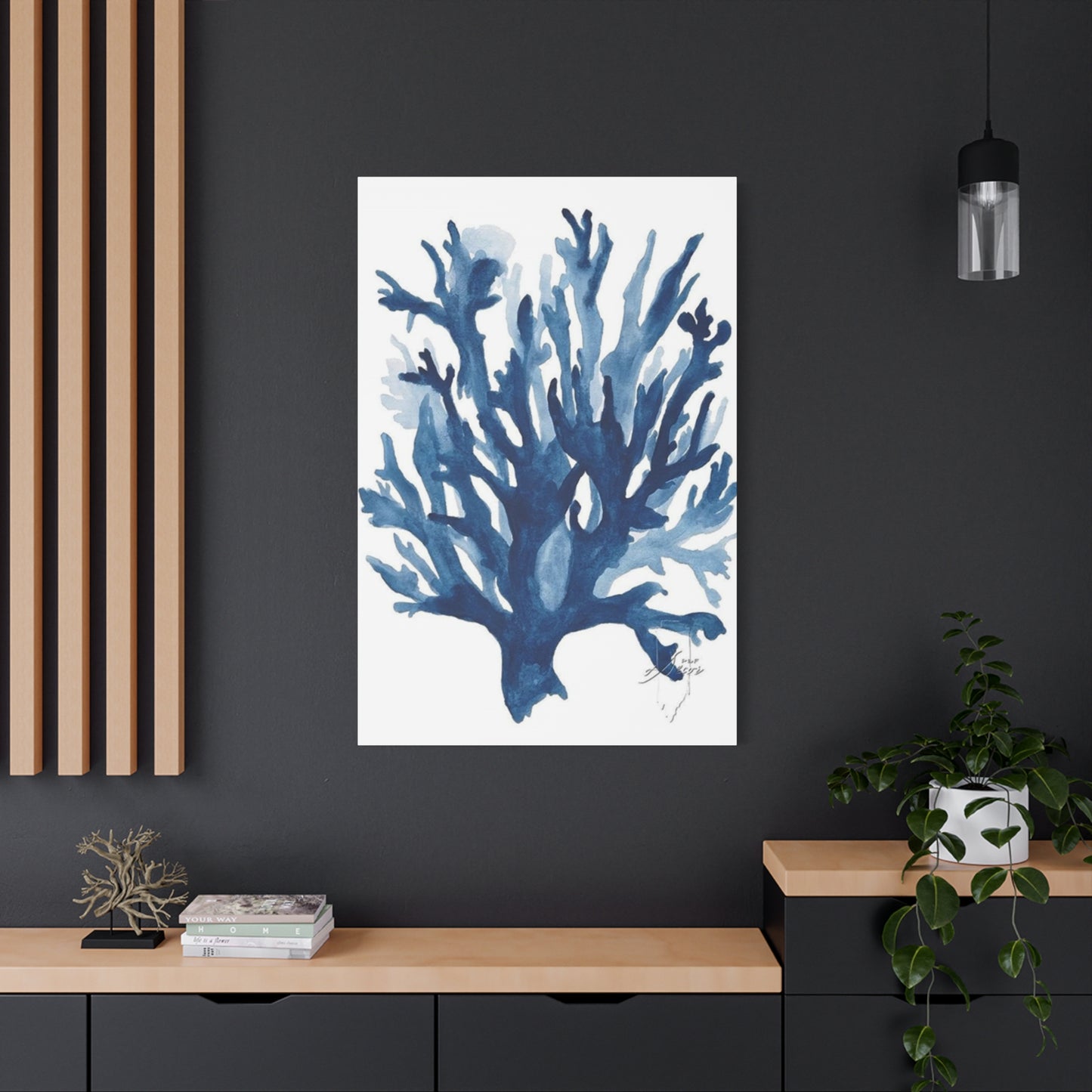
Amazing Sea Shells Stems Poster Wall Art & Canvas Prints
Amazing Sea Shells Stems Poster Wall Art & Canvas Prints
Couldn't load pickup availability
Decorative Coastal Beauty: Amazing Sea Shells Stems Poster Wall Art for Your Living Spaces
The allure of ocean-inspired decor has captivated interior design enthusiasts for generations, bringing the tranquil essence of coastal environments into residential and commercial spaces. Among the most captivating elements of marine-themed ornamentation, seashell arrangements presented through artistic mediums have emerged as timeless favorites. The Amazing Sea Shells Stems Poster Wall Art represents a sophisticated approach to incorporating nautical elements into contemporary interior aesthetics, offering versatility, elegance, and a connection to nature's most beautiful creations.
The Timeless Appeal of Marine-Inspired Decorative Elements in Modern Interior Spaces
Marine motifs have consistently maintained their prominence in interior design circles, transcending fleeting trends and seasonal preferences. The enduring fascination with oceanic themes stems from humanity's intrinsic connection to water and the natural world. Coastal imagery evokes memories of peaceful shoreline walks, vacation retreats, and the soothing rhythm of waves against sandy beaches. This psychological resonance makes seashell artwork particularly effective in creating calming, inviting atmospheres within various environments.
The visual impact of seashell compositions extends beyond mere aesthetic pleasure. These natural formations showcase intricate patterns, diverse textures, and subtle color variations that have evolved over millions of years. When captured through photographic or illustrative mediums and transformed into poster format, these details become accessible focal points that command attention without overwhelming surrounding decor elements. The organic shapes and earthy tones of seashells provide visual interest while maintaining a neutral palette that complements numerous design schemes.
Contemporary interpretations of marine imagery have evolved significantly from traditional nautical themes. Modern presentations of seashell compositions frequently incorporate minimalist principles, emphasizing clean lines and uncluttered arrangements that appeal to current sensibilities. The Amazing Sea Shells Stems Poster Wall Art exemplifies this refined approach, presenting marine specimens in arrangements that feel both natural and deliberately composed, striking a balance between wild beauty and artistic intention.
Exploring the Visual Characteristics and Artistic Composition of Seashell Poster Designs
The artistic merit of seashell poster presentations lies in their ability to transform humble coastal findings into compelling visual narratives. Skilled photographers and designers approach these subjects with careful consideration of lighting, composition, and arrangement. The resulting images capture the dimensional qualities of shells—their ridges, curves, and iridescent surfaces—in ways that two-dimensional mediums rarely achieve. This attention to detail creates artwork that rewards close examination while maintaining impact from a distance.
Color palettes in seashell artwork typically draw from the natural hues found in marine environments. Soft creams, warm beiges, subtle pinks, and occasional hints of pearlescent blues create harmonious color schemes that integrate seamlessly into various interior contexts. These understated tones allow the artwork to serve as either statement pieces or supporting elements, depending on surrounding decor choices. The versatility of this color range makes seashell posters particularly valuable for designers seeking flexible decorative solutions.
Compositional approaches in seashell poster art vary considerably, offering options for different aesthetic preferences. Some designs feature solitary specimens photographed against minimal backgrounds, emphasizing the shell's individual characteristics and creating a museum-quality presentation. Others showcase collections of diverse shells arranged in patterns that highlight their variety and complementary qualities. Still others incorporate botanical elements, such as the stem arrangements referenced in the Amazing Sea Shells Stems Poster Wall Art concept, creating hybrid compositions that bridge marine and terrestrial natural worlds.
The inclusion of stem elements in seashell compositions introduces vertical lines and additional organic textures that enhance visual complexity. This combination creates dynamic tension between the rigid, calcified structures of shells and the more fluid, growth-oriented forms of plant materials. Such juxtapositions engage viewers' eyes, encouraging them to explore the relationships between different natural elements and consider the broader ecosystems these organisms inhabit.
Versatile Placement Strategies for Marine-Themed Poster Art Throughout Residential Environments
Strategic placement of seashell poster art significantly influences its impact within interior spaces. Living rooms, as primary gathering areas, benefit from larger-scale seashell compositions that serve as conversation starters and focal points. Positioning such artwork above seating arrangements or on prominent walls creates immediate visual interest upon entering the space. The calming nature of marine imagery contributes to the relaxed atmosphere typically desired in these communal areas.
Bedroom environments particularly suit the tranquil qualities of seashell artwork. The soothing associations with coastal settings promote restful states conducive to sleep and relaxation. Placing the Amazing Sea Shells Stems Poster Wall Art above headboards or on walls opposite sleeping areas allows the imagery to be the last thing seen before sleep and the first upon waking, bookending each day with peaceful natural beauty. The neutral tones common in seashell art avoid the stimulating effects of brighter, more aggressive color schemes that might interfere with rest.
Bathroom spaces naturally complement marine-themed decor, creating thematic coherence that enhances the room's purpose. The connection between water and ocean imagery feels intuitive and appropriate in these functional spaces. Seashell posters in bathrooms transform utilitarian environments into spa-like retreats, elevating daily routines into moments of self-care and mindfulness. Moisture-resistant framing and appropriate placement away from direct water exposure ensure longevity in these humid environments.
Dining areas offer surprising opportunities for seashell artwork placement. The neutral elegance of such pieces creates sophisticated backdrops for meal gatherings without competing with food presentations or table settings. The organic forms and natural color palettes provide visual interest without the distraction that busier artwork might introduce. This subtle enhancement of dining spaces contributes to pleasant atmospheres that encourage lingering conversations and memorable gatherings.
Home offices and study spaces benefit from the contemplative qualities of marine imagery. The balanced, symmetrical patterns often found in seashell structures can promote focused thinking and creative problem-solving. Unlike more energetic or complex artwork that might prove distracting during concentration-intensive tasks, the gentle presence of seashell compositions provides visual relief during mental breaks without overwhelming the workspace's productive atmosphere.
Entryways and hallways, often overlooked in decorative planning, gain character and warmth from seashell poster placements. These transitional spaces set tonal expectations for the entire home, and marine imagery immediately establishes a calm, welcoming environment. Gallery wall arrangements featuring multiple seashell compositions in various sizes create dynamic visual interest in narrow corridors that might otherwise feel utilitarian or neglected.
Understanding the Psychological Impact of Coastal Imagery on Human Wellbeing and Mood
The human response to coastal imagery extends beyond aesthetic appreciation into realms of psychological wellness and emotional regulation. Research in environmental psychology has consistently demonstrated that exposure to natural scenes reduces stress markers and promotes mental restoration. Marine environments, with their expansive horizons and rhythmic movements, prove particularly effective in inducing relaxed states. Bringing representations of these environments into indoor spaces through artwork allows individuals to access these benefits regardless of geographical location or season.
The color psychology underlying seashell artwork contributes significantly to its calming effects. Blues and greens associated with marine environments activate parasympathetic nervous system responses, lowering heart rates and blood pressure. Even when seashell compositions emphasize neutral tones rather than vivid oceanic colors, the associations with coastal settings trigger similar physiological responses. This phenomenon, known as associative conditioning, demonstrates how symbolic representations can influence our physical and emotional states.
Biophilic design principles recognize humanity's innate need for connections with natural elements. Urban and suburban living often creates separation from natural environments, potentially contributing to stress, anxiety, and decreased wellbeing. Incorporating nature-inspired artwork like the Amazing Sea Shells Stems Poster Wall Art partially addresses this disconnect, satisfying our psychological needs for natural contact within built environments. This principle explains why even abstract or stylized natural imagery can produce measurable improvements in mood and cognitive function.
The contemplative qualities of seashell structures invite mindful observation and present-moment awareness. The intricate patterns, spirals, and textures visible in detailed seashell photography provide focal points for meditative practices or simply offer mental respites from daily concerns. This quality makes seashell artwork particularly valuable in spaces dedicated to relaxation, reflection, or rejuvenation, supporting intentional creation of sanctuary-like environments within homes.
Comprehensive Examination of Various Seashell Species Featured in Decorative Artwork
The diversity of seashell species available for artistic representation ensures abundant variety in poster designs. Conch shells, with their distinctive spiral forms and substantial size, create dramatic focal points in compositions. Their smooth, often pink-tinted interiors contrast beautifully with textured exteriors, providing visual interest through natural variation. The iconic shape of conch shells carries cultural significance across many coastal societies, adding layers of meaning beyond pure aesthetics.
Scallop shells feature symmetrical, fan-like structures with radiating ridges that create natural patterns pleasing to the human eye. The geometric precision of these formations appeals to viewers who appreciate order and balance in visual compositions. Their relatively flat profile makes them excellent subjects for overhead or straight-on photography, resulting in images that emphasize pattern and form. Color variations from pure white to deep orange provide options for different palette preferences.
Nautilus shells represent mathematical precision found in nature, their chambered spirals following logarithmic curves that have fascinated scientists and artists alike. Cross-sections revealing internal chamber arrangements create particularly striking images that blend scientific illustration with artistic beauty. The pearlescent interiors of nautilus shells catch and refract light in ways that photographers skillfully capture, creating luminous effects that add dimension to poster presentations.
Cowrie shells, small but distinctive, often appear in cluster arrangements within seashell artwork. Their glossy, porcelain-like surfaces and varied patterns—from spotted to striped—create visual texture when grouped together. Historically valued as currency and adornment in many cultures, cowrie shells carry symbolic weight that enriches their decorative presence. Their compact size makes them ideal for detailed close-up photography that reveals surface intricacies invisible to casual observation.
Murex shells, with their elaborate spines and protrusions, add dramatic elements to seashell compositions. These architectural marvels of natural engineering create bold silhouettes and interesting shadows in well-lit photography. The variety within the murex family ensures that each specimen appears unique, preventing repetitive or monotonous visual effects even in collections featuring multiple examples.
Abalone shells contribute iridescent qualities that introduce color dynamics into otherwise neutral compositions. The rainbow-like shimmer of abalone interiors responds to viewing angles and lighting conditions, creating artwork that subtly changes appearance throughout the day. This living quality adds engagement value, as viewers discover new aspects of the artwork depending on time and perspective.
Detailed Analysis of Material Quality and Printing Methods for Premium Poster Productions
Print quality fundamentally determines the visual impact and longevity of poster artwork. High-resolution photography capturing shell details at microscopic levels requires equally sophisticated reproduction methods to preserve that clarity. Giclée printing, utilizing archival-quality inks and museum-grade papers, represents the premium standard for poster production. This method produces color accuracy and detail resolution that faithfully reproduce original photographs or illustrations, ensuring that the Amazing Sea Shells Stems Poster Wall Art displays the full richness of its subject matter.
Paper selection significantly influences both appearance and durability. Fine art papers with cotton content provide superior texture and depth compared to standard poster stocks. The slight tooth of quality papers catches light in ways that enhance dimensional perception, making flat prints appear more substantial. Weight considerations also matter—heavier papers resist warping, rippling, and general handling damage, maintaining pristine appearance over years of display.
Ink formulations determine color vibrancy and fade resistance. Pigment-based inks offer superior longevity compared to dye-based alternatives, maintaining color integrity even with extended exposure to ambient light. UV-resistant ink technologies further protect against solar degradation, particularly important for posters displayed in naturally lit spaces. The investment in quality inks ensures that seashell artwork retains its subtle color nuances rather than shifting toward unintended tones over time.
Coating options provide additional protection and aesthetic effects. Matte finishes eliminate glare, allowing comfortable viewing from any angle and preventing reflections that might obscure details. Gloss coatings enhance color saturation and create glass-like surfaces that amplify the luminous qualities of seashell photography. Semi-gloss or satin finishes strike middle ground, offering some protection and enhancement without the extremes of either option. Selection depends on display environment and personal preference regarding surface reflectivity.
Color calibration during the printing process ensures consistency between digital designs and physical prints. Professional print services employ color management systems that account for differences between screen displays and print mediums. This precision prevents the disappointment of receiving prints that don't match expected appearances, maintaining the intended mood and aesthetic impact of seashell compositions.
Exploring Complementary Framing Options That Enhance Marine-Themed Poster Presentations
Frame selection dramatically influences how seashell artwork integrates with surrounding decor. Natural wood frames, particularly in weathered or driftwood finishes, create organic cohesion with marine subjects. Light woods like oak, ash, or bamboo maintain airy feelings appropriate for coastal themes, while darker woods add weight and formality. The grain patterns and color variations in wood frames echo the natural imperfections and variations found in shells themselves, strengthening thematic connections.
White and cream-colored frames offer clean, gallery-style presentations that allow artwork to command full attention. These neutral choices work particularly well in contemporary or minimalist spaces where the goal is unobtrusive elegance. The simplicity of light frames prevents visual competition between artwork and its housing, directing focus entirely to the seashell imagery. This approach suits the Amazing Sea Shells Stems Poster Wall Art particularly well when displayed in spaces with multiple competing visual elements.
Metal frames in brushed silver, gold, or bronze finishes introduce subtle luxury and modern sophistication. Thin profile metal frames maintain contemporary aesthetics while providing structural support. The slight reflectivity of metal surfaces can complement the iridescent qualities of certain shells, creating subtle visual dialogues between subject and presentation. These frames work especially well in urban or industrial-style spaces where their sleek lines match broader design vocabularies.
Matting considerations affect both protection and presentation. Acid-free mats prevent chemical interactions that could damage prints over time, serving preservation functions beyond aesthetics. Mat colors traditionally lean toward neutral whites, creams, or soft grays that don't compete with artwork. However, strategic mat color selection can enhance specific tones within seashell photographs, drawing attention to particular color notes or creating chromatic harmonies that enrich viewing experiences.
Depth considerations in frame selection influence dimensional perception. Shadow box frames create separation between artwork and glazing, introducing actual three-dimensional space that complements the dimensional subjects depicted in seashell photography. This added depth casts subtle shadows and creates viewing complexity that flat-mounted prints cannot achieve. For particularly detailed or textured seashell images, this presentation style amplifies the sense of tangible presence.
Glass versus acrylic glazing presents practical trade-offs. Glass offers superior clarity and scratch resistance but adds weight and fragility. Acrylic provides lighter weight and shatter resistance, important considerations for large-format posters or displays in high-traffic areas. UV-filtering glazing options exist in both materials, providing protection against light damage regardless of which substrate is chosen. The decision often balances aesthetic preferences against practical requirements of specific display contexts.
Strategic Color Coordination Methods for Integrating Seashell Artwork Into Existing Design Schemes
Successful incorporation of seashell posters requires thoughtful consideration of existing color palettes. The neutral base tones common in seashell imagery—beiges, tans, ivories—function as universal coordinators that harmonize with virtually any color scheme. This inherent versatility makes the Amazing Sea Shells Stems Poster Wall Art adaptable to spaces ranging from bold and colorful to strictly monochromatic. Understanding how to leverage or contrast these neutral elements maximizes decorative impact.
Analogous color schemes that draw from adjacent positions on the color wheel create harmonious, cohesive environments. Pairing seashell artwork with soft blues, greens, and aquas reinforces coastal themes while maintaining visual unity. This approach works particularly well in spaces intentionally designed around beach or nautical concepts, where thematic consistency strengthens overall design coherence. Textiles, accessories, and accent walls in complementary marine tones complete the coastal atmosphere.
Contrasting color approaches use seashell artwork's neutrality as balancing elements against bolder color choices elsewhere in rooms. Vibrant jewel tones, rich earth colors, or dramatic dark hues gain sophistication when paired with subtle seashell imagery. The artwork provides visual rest areas that prevent color-saturated spaces from becoming overwhelming. This strategy allows homeowners to enjoy dramatic color preferences while maintaining balanced, livable environments.
Monochromatic schemes benefit from the textural interest that seashell photography provides. In spaces dominated by single color families, the varied tones and surface qualities visible in detailed shell images introduce visual complexity without chromatic diversity. The dimensional aspects of seashell structures create shadow play and highlight variations that animate monochromatic spaces, preventing them from feeling flat or monotonous.
Seasonal rotation strategies allow seashell artwork to serve different roles throughout the year. Summer displays might emphasize the coastal connections, surrounded by light fabrics and airy accessories that enhance vacation-like atmospheres. Winter presentations could focus on the sculptural, enduring qualities of shells, pairing them with richer textures and warmer accent colors that create cozy refuge aesthetics. This flexibility extends the value and interest of quality seashell posters.
Accent color extraction involves identifying minor color notes within seashell photography and amplifying them through surrounding decor. A hint of pink in shell interiors might inspire blush accent pillows; traces of gray in shell exteriors could guide selection of throw blankets or area rugs. This sophisticated approach creates subtle visual threads that connect artwork to its environment without obvious matchy-matchy coordination that can feel contrived or overly staged.
Comprehensive Size Selection Guidelines for Maximum Visual Impact Across Different Spaces
Poster dimensions significantly influence visual presence and appropriateness for various spaces. Oversized formats, typically ranging from 24x36 inches to 40x60 inches or larger, create commanding focal points suitable for spacious living areas, master bedrooms, or above substantial furniture pieces. These large-scale presentations allow viewers to appreciate fine details in seashell photography from normal viewing distances while maintaining impressive impact when seen from across rooms. The Amazing Sea Shells Stems Poster Wall Art in oversized format becomes architectural element rather than mere accessory.
Medium dimensions, approximately 16x20 to 20x30 inches, offer versatility for most residential applications. These sizes provide sufficient presence without overwhelming moderate spaces or competing with other decorative elements. Medium posters work well in gallery wall arrangements, where multiple pieces create collective impact while individual works maintain distinct identities. This size range suits guest bedrooms, home offices, hallways, and smaller living spaces where appropriate scaling ensures comfortable visual relationships.
Smaller formats, ranging from 8x10 to 11x14 inches, excel in intimate spaces or as components of larger arrangements. Bathroom displays, reading nooks, closet areas, and shelving presentations benefit from these compact dimensions. Small-scale seashell posters also serve well in collections, where groupings of related images create thematic exhibitions within homes. The affordability of smaller formats encourages experimentation and seasonal rotation without significant expense.
Proportion considerations extend beyond absolute dimensions to aspect ratios. Square formats create balanced, symmetrical presentations that work well with certain compositional styles. Vertical orientations suit narrow wall spaces and draw eyes upward, potentially making rooms feel taller. Horizontal presentations complement furniture arrangements and architectural features like mantels or console tables. Matching artwork proportions to display context ensures harmonious integration rather than awkward spatial relationships.
Multi-panel presentations, such as diptychs or triptychs, create expansive visual narratives from multiple coordinated pieces. This approach allows for very large overall dimensions while maintaining manageable individual panel sizes. The negative space between panels introduces rhythm and prevents monolithic appearances that single large-format pieces might create. Multi-panel seashell compositions can trace narrative arcs—from close detail to broader context—or explore variations on common themes through coordinated but distinct images.
Scaling to furniture dimensions ensures balanced relationships between artwork and surrounding elements. General guidelines suggest artwork should span approximately two-thirds to three-quarters of furniture width when hung above sofas, beds, or tables. However, these rules allow flexibility based on overall room proportions and personal preferences. Testing with paper templates before committing to specific sizes helps visualize final appearances and prevents costly mistakes.
In-Depth Exploration of Diverse Artistic Styles Available in Seashell Poster Designs
Photorealistic presentations capture seashells with documentary precision, emphasizing their natural beauty without artistic interpretation or enhancement. These straightforward approaches appeal to purists who appreciate nature's inherent aesthetics and prefer unmanipulated representations. High-resolution macro photography reveals details invisible to naked eyes—growth patterns, micro-textures, and subtle color gradations that showcase the complexity of these natural structures. Photorealistic seashell posters suit scientific or educational contexts as well as minimalist modern interiors where clean honesty prevails.
Watercolor-style renderings introduce artistic interpretation while maintaining recognizable subject matter. Soft edges, translucent color applications, and visible brush strokes create romantic, dreamy qualities that differ markedly from photographic precision. These gentler presentations suit cottage-style, shabby-chic, or traditionally feminine spaces where softer aesthetics predominate. The Amazing Sea Shells Stems Poster Wall Art rendered in watercolor style might emphasize flowing stem lines and delicate shell contours, creating poetic rather than literal representations.
Vintage-inspired designs incorporate aged effects, sepia tones, and antiqued appearances that suggest scientific illustrations from earlier centuries. These nostalgic presentations evoke curiosity cabinets and naturalist studies, appealing to history enthusiasts and collectors of vintage aesthetics. Distressed textures and period-appropriate typography enhance authenticity, creating artwork that feels discovered rather than newly created. Such pieces work beautifully in traditionally furnished spaces, libraries, or studies where intellectual sophistication and historical awareness inform design choices.
Minimalist line drawings reduce seashells to essential contours and defining characteristics. These spare, economical representations emphasize form through elegant simplicity, removing all extraneous detail. Black line work on white backgrounds or inverted presentations create graphic impact suitable for contemporary, Scandinavian, or minimalist interior schemes. The reduction to fundamental shapes highlights the mathematical precision underlying natural forms, creating bridges between art and geometry.
Abstract interpretations use seashells as inspiration rather than subject, transforming recognizable forms into color studies, pattern explorations, or compositional experiments. These artistic departures appeal to viewers seeking decorative elements that suggest rather than depict coastal themes. Abstract seashell art introduces marine sensibilities into spaces where literal representations might feel too themey or obvious, offering sophistication through suggestion and metaphor.
Botanical hybrid styles, exemplified by concepts like the Amazing Sea Shells Stems Poster Wall Art, merge marine and terrestrial natural elements into unified compositions. These creative combinations create visual interest through unexpected pairings while maintaining naturalistic foundations. The juxtaposition of rigid calcium structures with organic plant forms produces dynamic tension that engages viewers and encourages closer examination. Such hybrid approaches expand decorative possibilities beyond strict categorical boundaries.
Detailed Examination of Sustainable and Eco-Conscious Considerations in Poster Production
Environmental consciousness increasingly influences purchasing decisions across all consumer categories, including home decor. Sustainable poster production addresses multiple ecological considerations, from material sourcing through manufacturing processes to end-of-life disposal. Paper derived from responsibly managed forests certified by organizations ensures that raw materials don't contribute to deforestation or habitat destruction. These certifications verify sustainable harvesting practices that maintain forest health and biodiversity.
Recycled content in paper stocks reduces demand for virgin materials while diverting waste from landfills. Post-consumer recycled papers, manufactured from previously used paper products, close material loops and demonstrate circular economy principles. The quality of recycled papers has improved dramatically, with many options now matching virgin paper performance in printing clarity and longevity. Choosing posters printed on recycled stocks makes environmental statements aligned with broader sustainability values.
Vegetable-based and soy-derived inks offer less toxic alternatives to petroleum-based conventional printing inks. These bio-based formulations reduce volatile organic compound emissions during printing and facilitate easier paper recycling at the end of product life. The performance characteristics of plant-based inks have evolved to match traditional inks in vibrancy and durability, eliminating previous trade-offs between environmental responsibility and quality.
Local production reduces transportation impacts associated with long-distance shipping. Sourcing posters from domestic producers, particularly those within regional proximity, minimizes carbon footprints from freight. This consideration grows increasingly important as consumers recognize that environmental costs extend beyond manufacturing to distribution and delivery. Supporting local producers also strengthens regional economies and often ensures better quality control through closer oversight.
Packaging choices influence overall environmental impact significantly. Minimal packaging using recycled cardboard tubes or envelopes reduces material waste. Avoiding plastic components in packaging eliminates materials that persist in environments for centuries. Some producers have pioneered compostable packaging options that biodegrade completely, representing aspirational standards for the industry. Consumers can inquire about packaging practices when selecting vendors, encouraging improvement through marketplace pressure.
Longevity represents perhaps the most significant sustainability factor. High-quality posters that remain visually appealing for decades prevent the repeated replacement cycles that characterize lower-quality products. Durable materials, fade-resistant inks, and timeless designs combine to create artwork that transcends temporary trends, reducing overall consumption. The Amazing Sea Shells Stems Poster Wall Art, produced to archival standards, becomes a purchase once rather than repeatedly, ultimately reducing environmental impact despite potentially higher initial costs.
Comprehensive Lighting Strategies That Showcase Seashell Artwork to Maximum Effect
Lighting profoundly affects how artwork appears and the moods spaces convey. Natural illumination provides ideal conditions for viewing seashell posters, revealing subtle color variations and textural details that artificial sources might flatten. Positioning artwork on walls receiving indirect natural light prevents harsh shadows and glare while providing sufficient illumination for comfortable viewing. North-facing walls in the Northern Hemisphere receive consistent, even light throughout days, making them preferred locations for displaying art requiring faithful color rendition.
Direct sunlight presents preservation challenges despite its attractive qualities. Prolonged exposure to intense solar radiation degrades inks and papers, causing fading and discoloration that permanently damages artwork. When natural light provides primary illumination, UV-filtering window treatments or glazing protect against damaging wavelengths while allowing visible light to pass. Strategic placement away from direct sun paths provides additional protection, ensuring that the Amazing Sea Shells Stems Poster Wall Art maintains its visual integrity across years.
Picture lights mounted directly above or below artwork provide focused illumination that highlights posters while creating dramatic effects through shadows and contrast. LED picture lights offer energy efficiency and minimal heat output, protecting artwork from thermal damage while reducing electrical costs. Adjustable fixtures allow fine-tuning of beam angles and intensity, accommodating different viewing preferences and changing ambient conditions. The warm color temperatures available in quality LED fixtures can enhance the natural tones common in seashell photography.
Track lighting systems provide flexibility in directing light to multiple artwork locations or adjusting as displays change. Adjustable heads allow precise aiming, ensuring even illumination across poster surfaces without hotspots or shadowed corners. Dimming capabilities enable mood adjustments, shifting between bright viewing conditions and subtle ambient lighting depending on time and activity. Track systems work particularly well in galleries or rooms featuring multiple artworks requiring individual attention.
Recessed ceiling fixtures create clean, architectural lighting solutions that avoid visual clutter from exposed fixtures. When properly positioned and aimed, recessed lights wash walls with even illumination suitable for artwork display. Adjustable recessed fixtures combine the unobtrusive appearance of fixed installations with the flexibility of track systems, offering optimal solutions for finished spaces where exposed lighting feels inappropriate or disruptive to design aesthetics.
Ambient room lighting affects how artwork appears within broader spatial contexts. Layers of light from multiple sources at varying heights create depth and visual interest while ensuring that artwork remains visible across all lighting scenarios. Table lamps, floor lamps, and overhead fixtures contribute to overall illumination that prevents artwork from appearing isolated or disconnected from its environment. Balanced lighting schemes ensure that seashell posters integrate naturally into living spaces rather than existing as spotlit objects.
Exploring Historical Connections Between Human Cultures and Seashell Symbolism
Human relationships with seashells extend millennia into prehistory, with archaeological evidence documenting their significance across diverse civilizations. Ancient peoples valued shells as currency, ornament, tools, and religious symbols, establishing associations that persist in collective consciousness. These deep cultural connections add layers of meaning to contemporary seashell artwork, enriching their decorative presence with symbolic resonance that transcends surface aesthetics.
Monetary functions of shells in pre-coinage societies established early valuations of these natural objects. Cowrie shells served as standardized currency across vast regions of Africa, Asia, and Oceania, facilitating trade networks spanning continents. This economic role elevated shells from mere natural curiosities to items of recognized worth, a perception that subtly influences their continued appeal. Displaying the Amazing Sea Shells Stems Poster Wall Art unconsciously taps into these ancient associations between shells and value.
Religious and spiritual symbolism frequently incorporated shells across many belief systems. Conch shells served as sacred instruments in Hindu and Buddhist practices, their resonant tones believed to carry prayers and purify environments. Mediterranean cultures associated scallop shells with pilgrimage, particularly the journey to Santiago de Compostela, where the shell became an enduring symbol of spiritual seeking. These sacred associations imbue shell imagery with contemplative qualities that enhance their appropriateness for meditative spaces.
Fertility symbolism attached to shells in numerous cultures, likely derived from their association with water and life-giving ocean environments. The organic curves and womb-like interiors of certain shells invited metaphorical connections to reproduction and creation. Classical art frequently depicted Venus, goddess of love and beauty, emerging from scallop shells, cementing associations between shells and feminine energy that persist in cultural consciousness.
Decorative traditions across Pacific Island cultures elevated shell work to high art forms. Elaborate necklaces, headdresses, and ceremonial objects incorporated shells in intricate patterns and combinations. The skilled craftsmanship required for these creations demonstrated status and artistic achievement, further elevating shells beyond simple natural objects to cultural treasures. Contemporary shell artwork continues this tradition of transforming natural materials into artistic statements worthy of display and appreciation.
Coastal communities worldwide developed practical relationships with shells, using them as construction materials, agricultural amendments, and everyday tools. This utilitarian value coexisted with aesthetic appreciation, demonstrating shells' multifaceted significance. Understanding these varied roles enriches appreciation for shell-themed artwork, revealing how these objects have touched virtually every aspect of human experience across time and geography.
Detailed Investigation of Seashell Formation Processes and Biological Marvels
The scientific reality underlying seashell beauty adds intellectual dimensions to aesthetic appreciation. Shells represent remarkable biological engineering, produced by mollusks through complex biochemical processes that convert dissolved minerals into solid structures. Understanding these formation mechanisms enhances wonder when viewing detailed shell photography, revealing the sophisticated biological machinery responsible for creating these natural masterpieces.
Mantle tissue, the living organ responsible for shell secretion, continuously deposits calcium carbonate in crystalline forms along growing edges. This incremental growth process creates the characteristic growth lines visible in many shells, recording the organism's life history like tree rings. Environmental conditions during formation influence color patterns, with diet and water chemistry affecting pigment deposition. The resulting variations ensure that no two shells appear identical, each representing unique combinations of genetic programming and environmental influences.
Shell architecture serves multiple survival functions beyond simple protection. The spiral geometries common in many species optimize strength while minimizing material investment, representing evolutionary solutions to engineering challenges. Surface textures and protrusions that appear purely decorative often serve defensive functions, making shells difficult for predators to grasp or crush. The aesthetic qualities humans admire in shells frequently represent solutions to life-or-death survival challenges, adding poignancy to their beauty.
Nacre, commonly known as mother-of-pearl, forms the iridescent inner layers of certain shells through microscopic crystalline structures that diffract light. This optical phenomenon produces the characteristic rainbow shimmer that has captivated humans across cultures. The Amazing Sea Shells Stems Poster Wall Art capturing nacre-lined shells presents this natural optical effect, frozen in photographic form but still capable of suggesting the living luminosity of fresh specimens.
Shell diversity reflects the adaptive radiation of mollusks across marine environments over hundreds of millions of years. Different shell forms represent evolutionary responses to specific ecological niches—burrowing species develop streamlined shapes, while reef dwellers might exhibit elaborate protrusions and thick walls. This morphological diversity provides endless subject matter for artistic interpretation, ensuring that shell-themed artwork never becomes repetitive or predictable.
Fossil shells preserved in ancient rock formations demonstrate the enduring nature of these structures, capable of surviving millions of years when circumstances favor preservation. This geological longevity metaphorically connects shell imagery to concepts of permanence and endurance, qualities that resonate in domestic spaces where people seek stability and continuity. Displaying shell artwork unconsciously aligns living spaces with these ancient, enduring natural forms.
Practical Methods for Creating Cohesive Gallery Wall Arrangements Featuring Marine Themes
Gallery walls transform collections of individual artworks into unified installations greater than the sum of their parts. Planning cohesive arrangements requires consideration of size relationships, spacing patterns, and thematic connections. Seashell posters naturally group together, but successful gallery walls often incorporate complementary elements—coastal landscapes, maritime equipment, or abstract pieces in related color palettes—that expand visual narratives beyond single subject matters.
Layout planning before installation prevents wall damage and disappointing results. Creating full-scale templates from paper allows experimental arrangement on floors or large tables where configurations can be perfected before committing to wall mounting. Photographing successful layouts provides references during installation, ensuring faithful execution of planned designs. This preparatory work, though time-consuming, prevents frustration and produces professional-quality results.
Symmetrical arrangements create formal, balanced presentations suitable for traditional spaces or settings where order and stability are valued. Centered compositions radiating outward from focal pieces establish clear hierarchies that guide viewing sequences. Symmetry particularly suits pairs or multiples of identically sized pieces, creating mirror-image or grid-based installations that appeal to viewers who appreciate geometric precision and predictability.
Asymmetrical organic arrangements feel more casual and contemporary, mimicking natural growth patterns rather than imposed order. These layouts require careful attention to visual weight distribution, ensuring that compositions feel balanced despite lacking formal symmetry. Larger pieces typically anchor arrangements, with smaller works filling surrounding spaces in patterns that feel intuitive rather than calculated. Asymmetrical galleries suit eclectic or bohemian design schemes where spontaneity and individuality are prized.
Spacing consistency affects overall cohesion significantly. Regular intervals between frames create rhythm and unity, while varied spacing can feel chaotic or unintentional. Professional installers typically maintain two to three inch gaps between adjacent frames, providing sufficient separation without excessive emptiness. Consistent spacing allows individual artworks to maintain distinct identities while clearly belonging to unified installations.
Color coordination across gallery walls creates visual harmony even when subject matters vary. The neutral tones common in seashell artwork provide excellent foundations for additions incorporating other coastal elements or complementary subjects. Maintaining consistent frame colors or styles further unifies diverse content, creating cohesive presentations from potentially disparate elements. The Amazing Sea Shells Stems Poster Wall Art works beautifully as anchor piece within larger galleries, its neutral palette accommodating various surrounding works.
Comprehensive Exploration of Complementary Decor Elements That Enhance Coastal Aesthetics
Seashell artwork achieves maximum impact when supported by complementary decor choices that reinforce coastal themes without creating overwhelming literalness. Natural fiber textiles—linen, cotton, jute—contribute organic textures that echo the natural origins of shell subjects. Light, airy fabrics in neutral or soft blue-green tones enhance breezy, relaxed feelings associated with beach environments. These textile choices create cohesive sensory experiences where visual and tactile elements work in concert.
Weathered wood furnishings and accessories strengthen connections to coastal settings where salt air and sun naturally age materials. Driftwood sculptures, reclaimed wood tables, or distressed wood frames all contribute authentic beach cottage feelings. The imperfections and irregularities in aged wood complement the organic variations visible in shell formations, creating visual dialogues between different natural materials that enrich overall design schemes.
Living plants introduce additional natural elements that balance marine themes with terrestrial vitality. Species like succulents, air plants, or palms suggest coastal climates without literally reproducing beach vegetation. The living quality of plants provides dynamic contrast to the permanent stillness of shell artwork, creating environments that feel alive and evolving rather than static museum displays. Plant containers in natural materials like terracotta or ceramic further develop organic aesthetic vocabularies.
Final Thoughts
The Decorative Coastal Beauty: Amazing Sea Shells Stems Poster Wall Art is not just a piece of art; it's an invitation to bring the calm and beauty of the ocean into your home. Whether you live by the coast or somewhere far from the sea, this art piece can create an atmosphere of serenity and relaxation in any space. The stunning display of sea shells, paired with the soft hues of the ocean, evokes a sense of tranquility that can transform the energy of a room. It's a visual escape that can remind us of lazy beach days, the rhythmic sound of crashing waves, and the refreshing feel of ocean breezes.
One of the most remarkable qualities of this wall art is its versatility. It can effortlessly complement a variety of interior design styles. Whether you’re going for a nautical, beachy theme, or simply adding a touch of coastal elegance to a more modern or minimalist space, this art will fit seamlessly. The subtle colors and intricate details of the sea shells and stems lend themselves well to a range of color schemes—from soft blues and whites to earthy neutrals and metallic accents. It also pairs wonderfully with natural textures like wood, stone, and woven materials, helping to create an atmosphere of peaceful harmony.
Beyond aesthetics, there is something deeply emotional about coastal imagery. The ocean, with its vastness and constant ebb and flow, is a powerful symbol of change, resilience, and timeless beauty. When you incorporate this type of art into your home, you’re not just decorating a wall—you’re connecting to the enduring spirit of nature. The sea shells in the design might represent the treasures of the shore, each one unique and with its own story, offering an invitation for contemplation and reflection. The flowing lines of the stems evoke movement, mirroring the fluid nature of the ocean itself.
This art piece also has the ability to elevate the overall ambiance of a room. Whether it's placed in a living room, bedroom, or even a bathroom, the combination of delicate sea shells and organic, natural forms offers an element of visual calm that can reduce stress and help promote a sense of peace. This can be especially beneficial in today’s fast-paced world, where creating a peaceful retreat in your home has never been more important.
Ultimately, the Amazing Sea Shells Stems Poster Wall Art is more than just a decoration—it's a reminder of nature's beauty, a way to bring a bit of the coast into your living space, and a tool to create a more relaxing, inviting atmosphere. No matter where you live, this piece of art can transport you to a place of calm and quiet, making it an essential addition to any coastal-inspired or nature-loving home.
Share