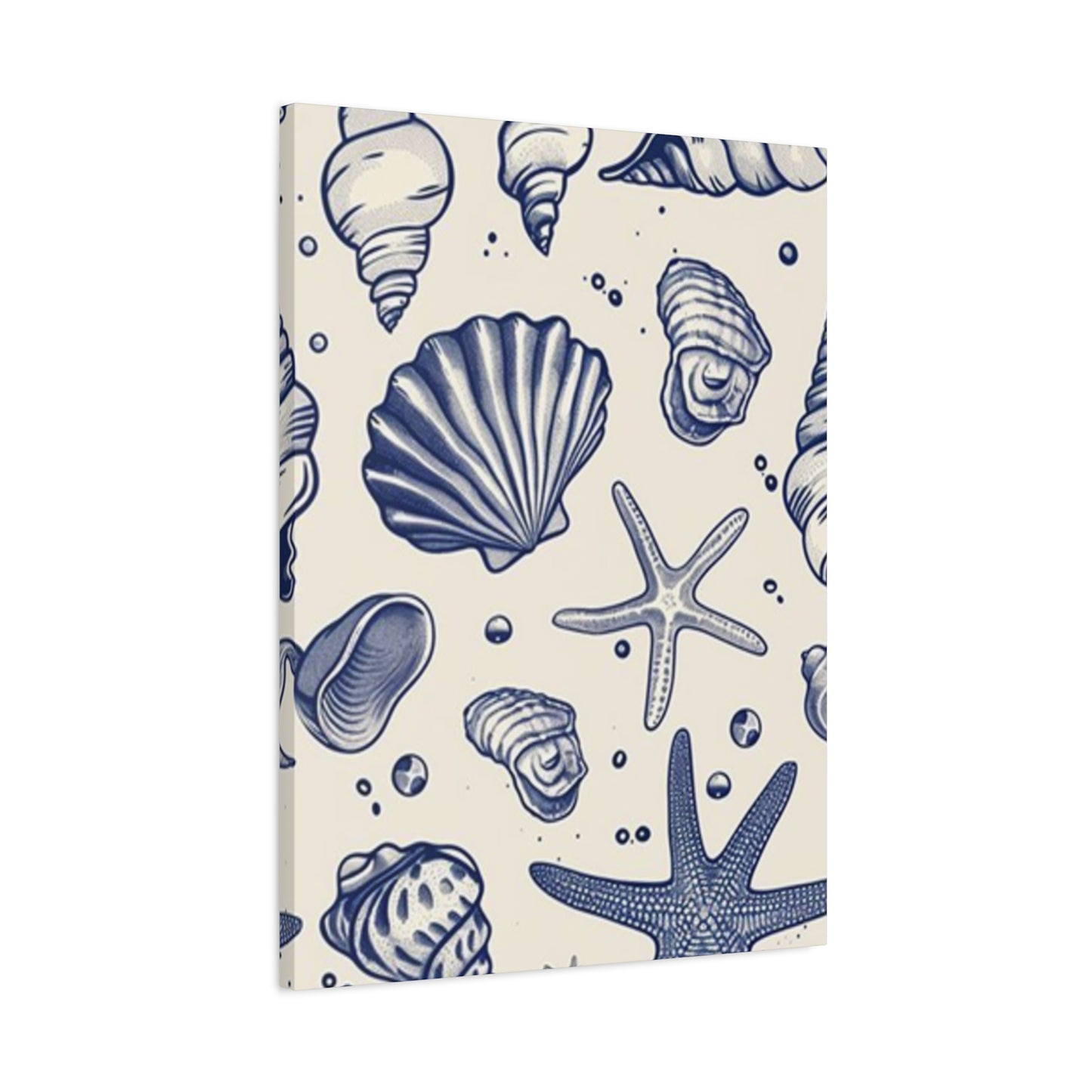
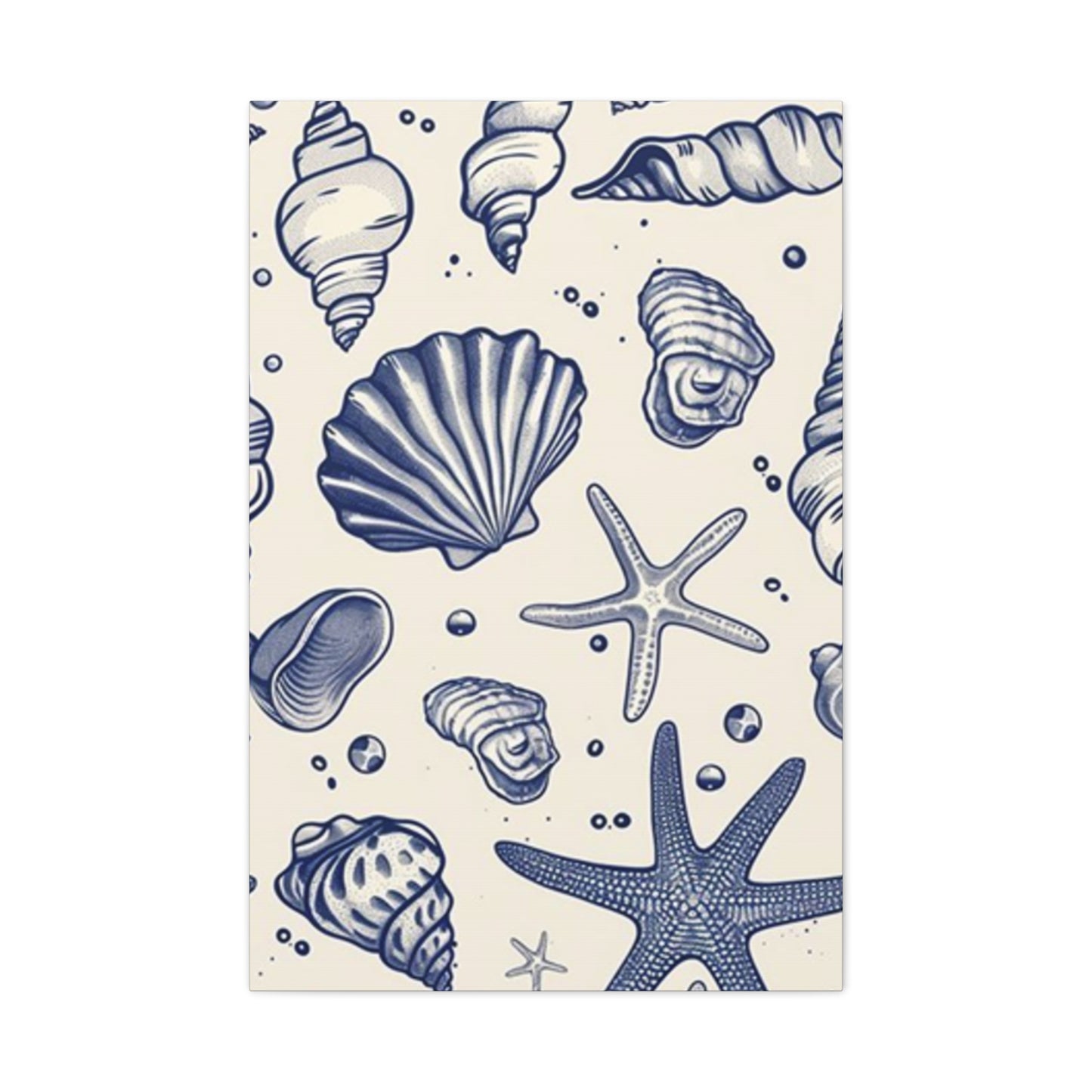
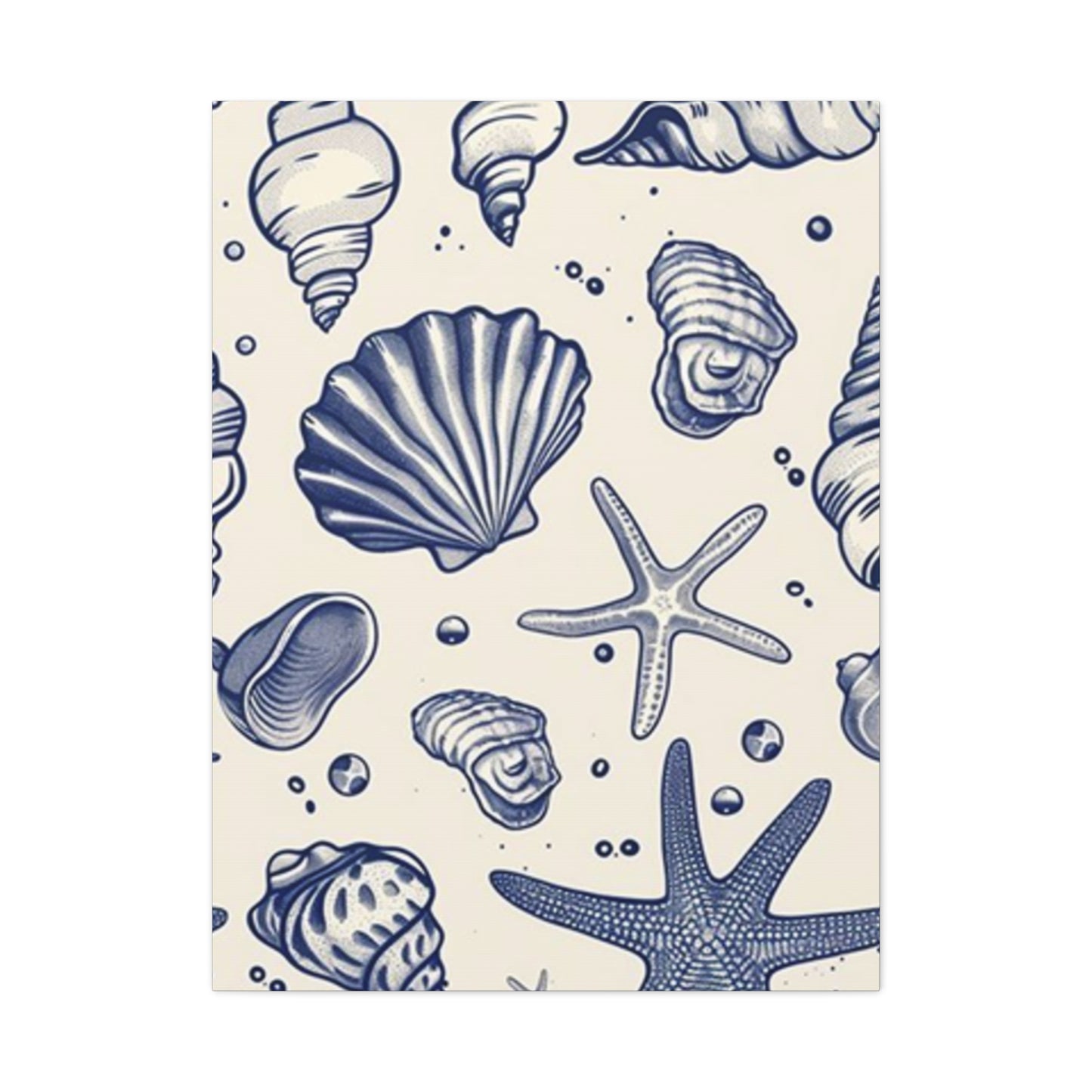
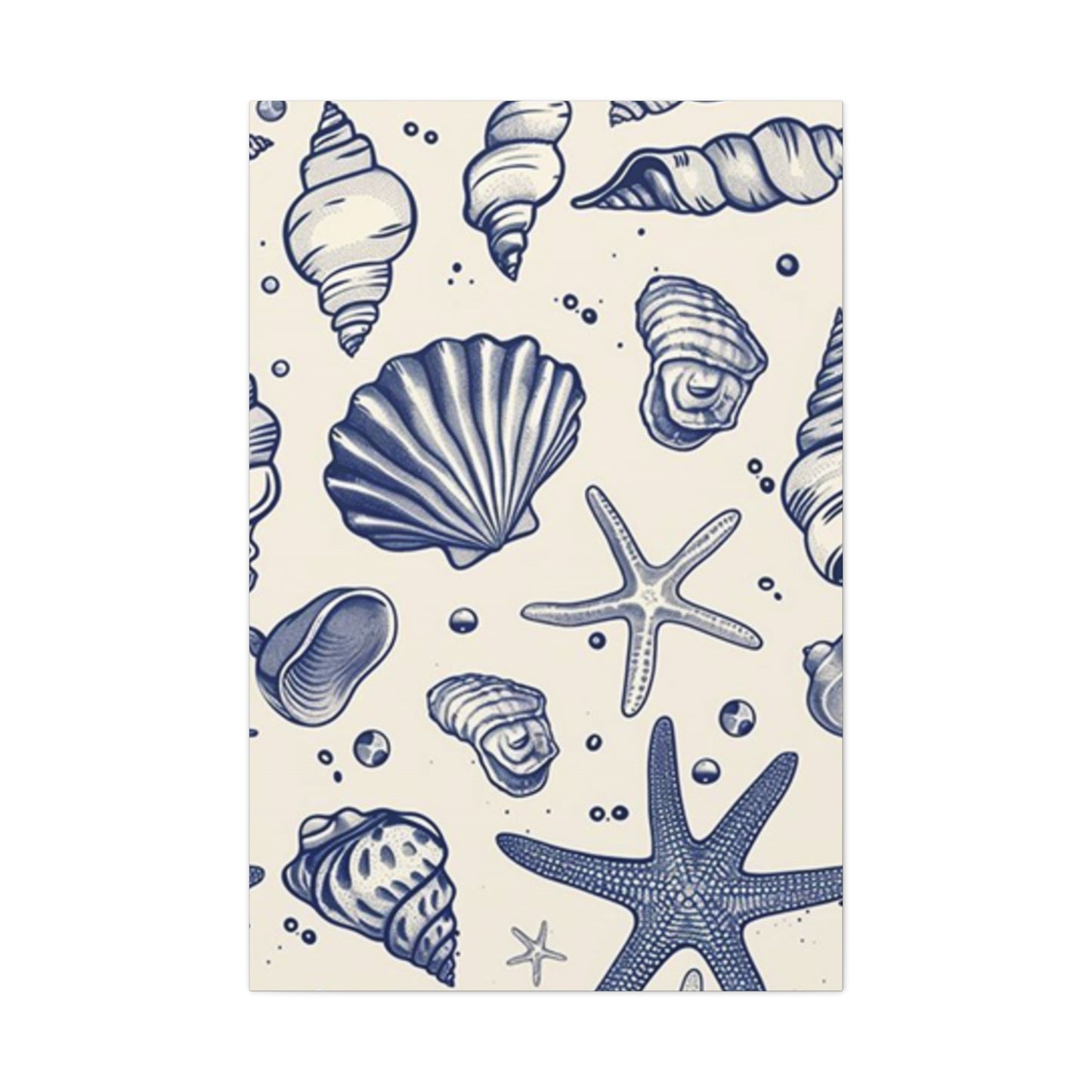
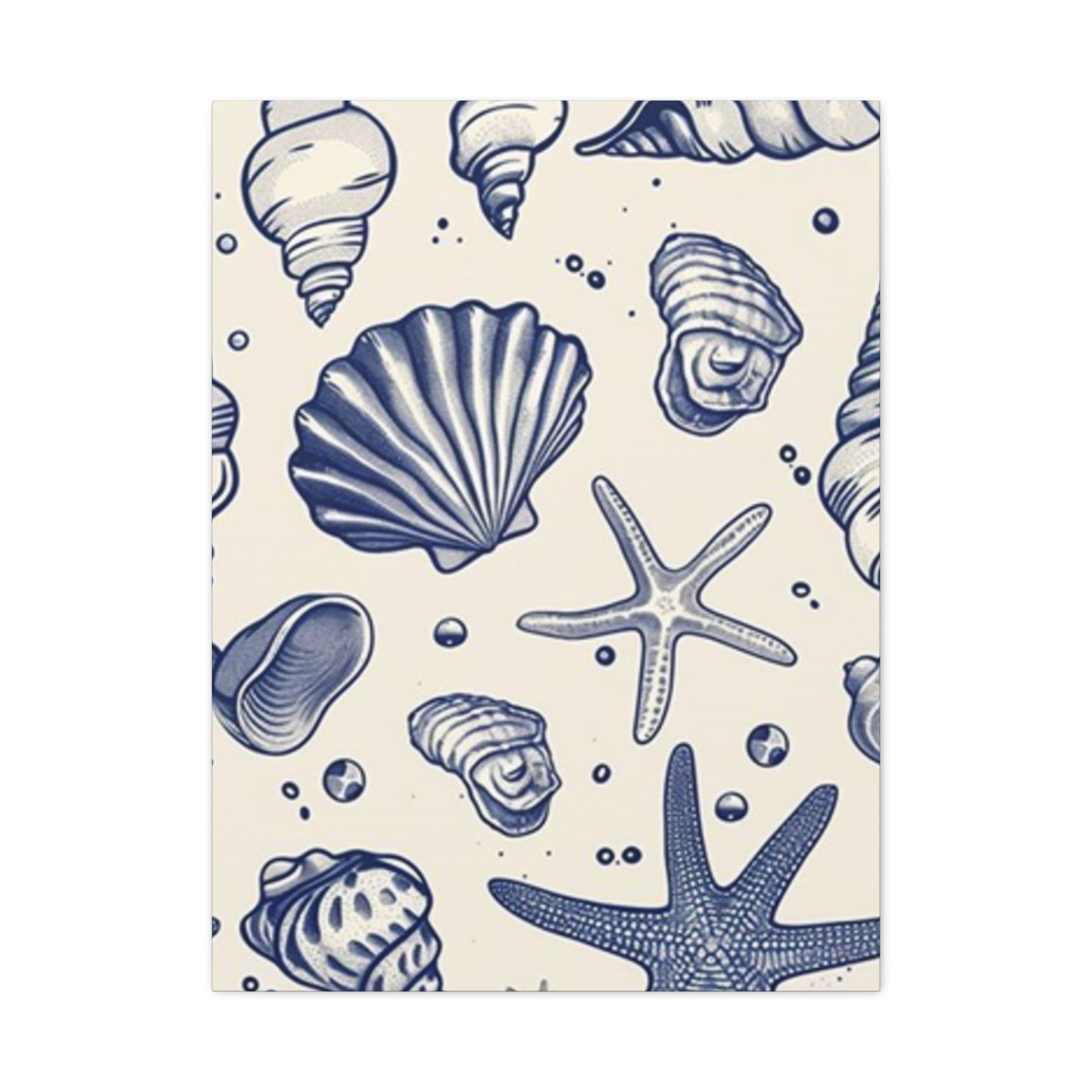
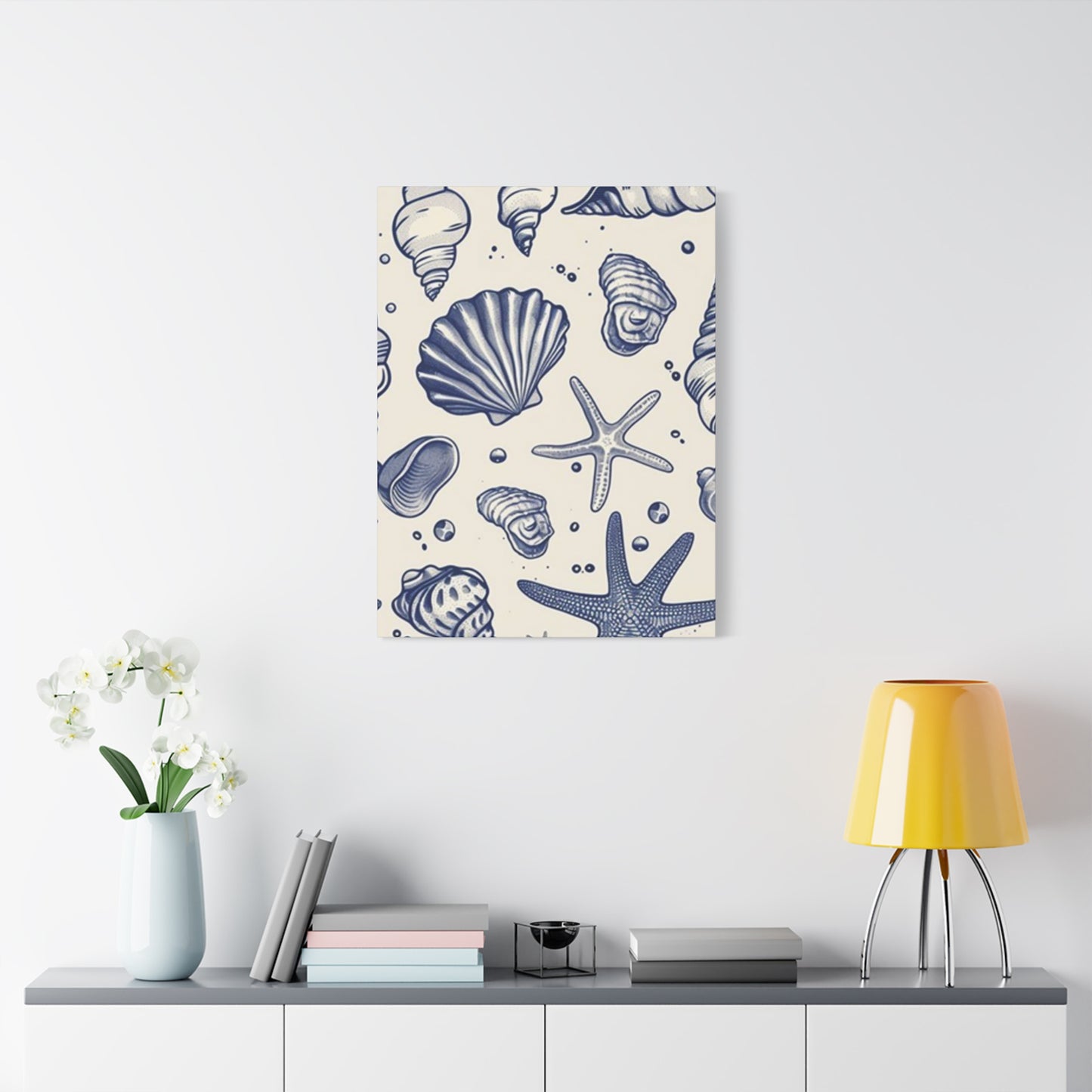
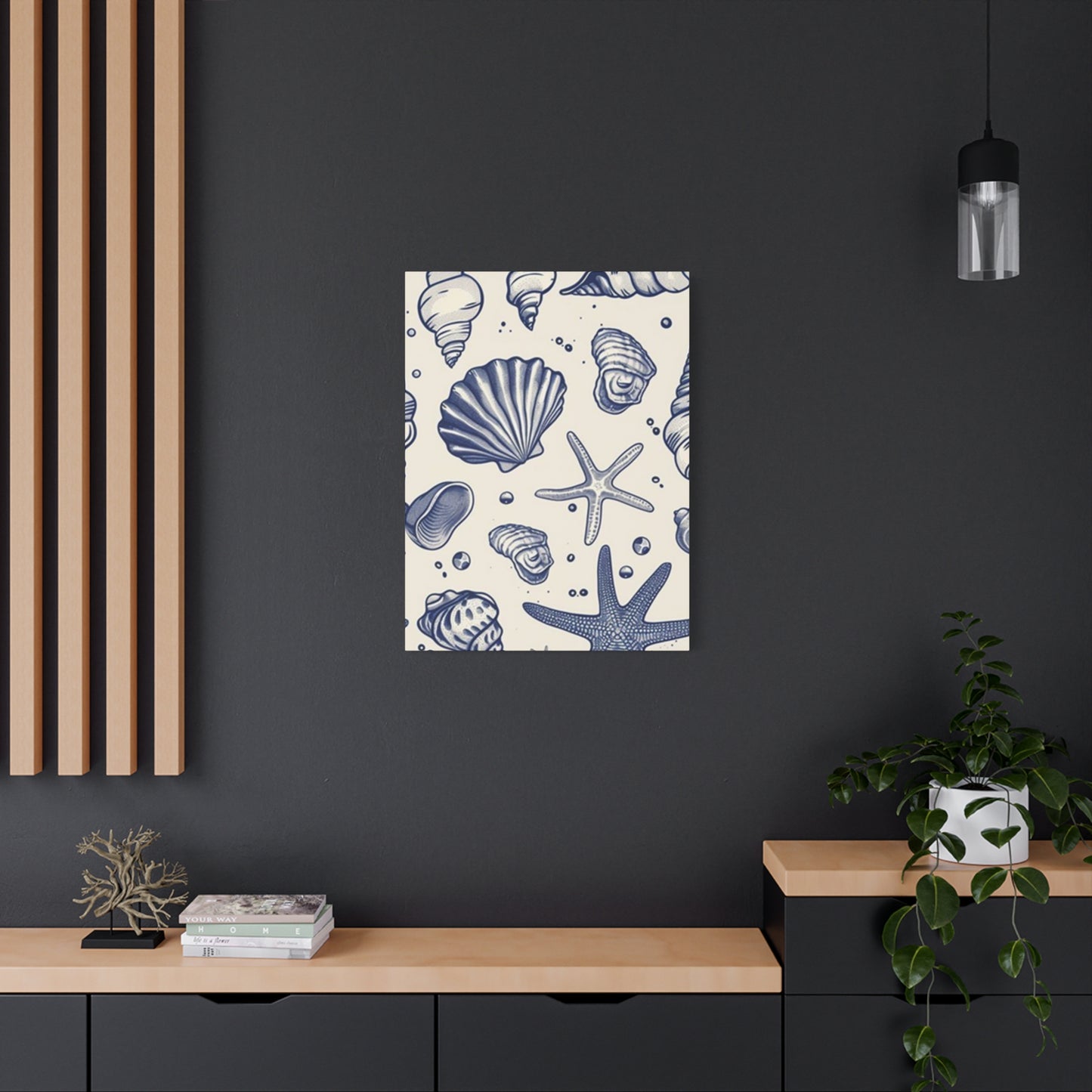
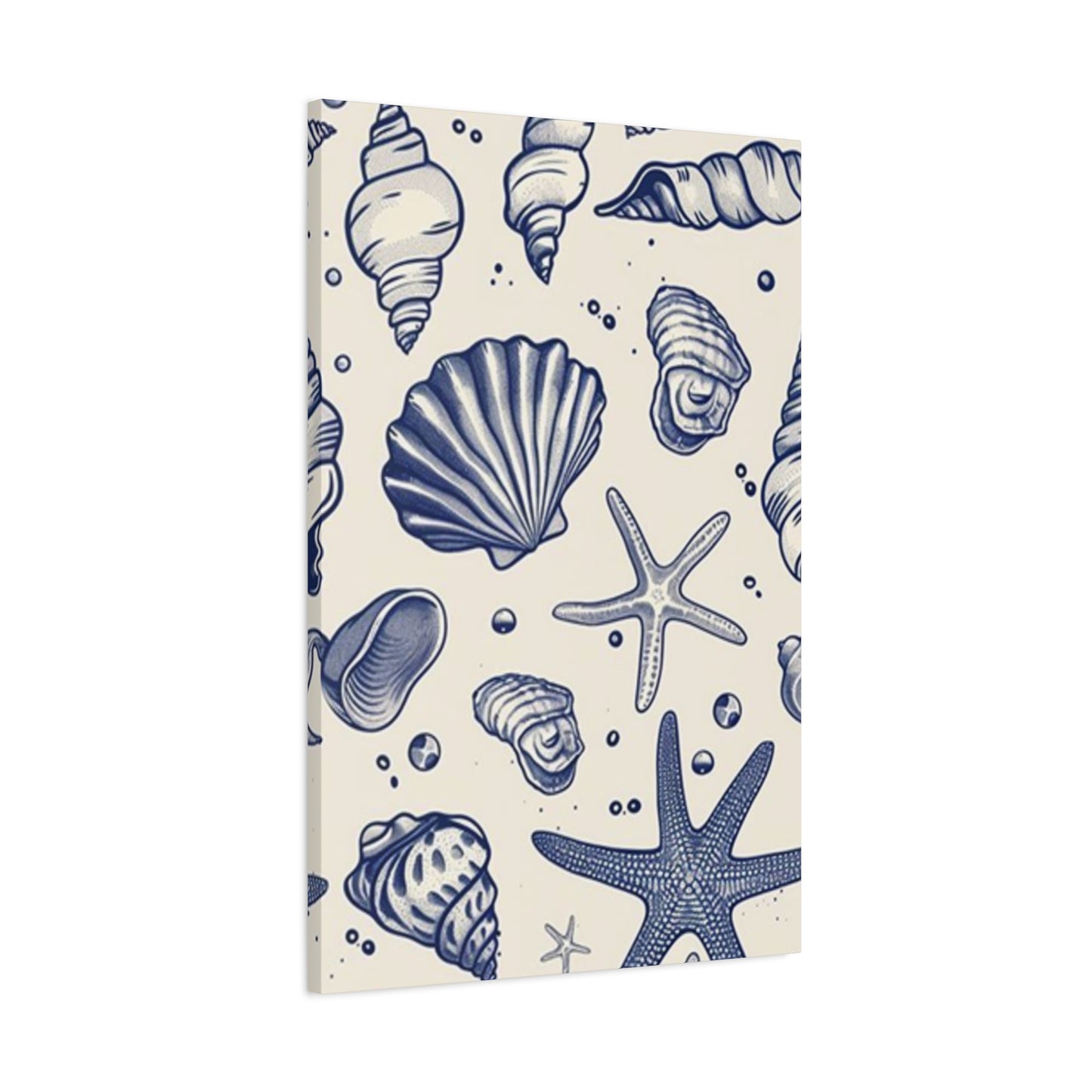
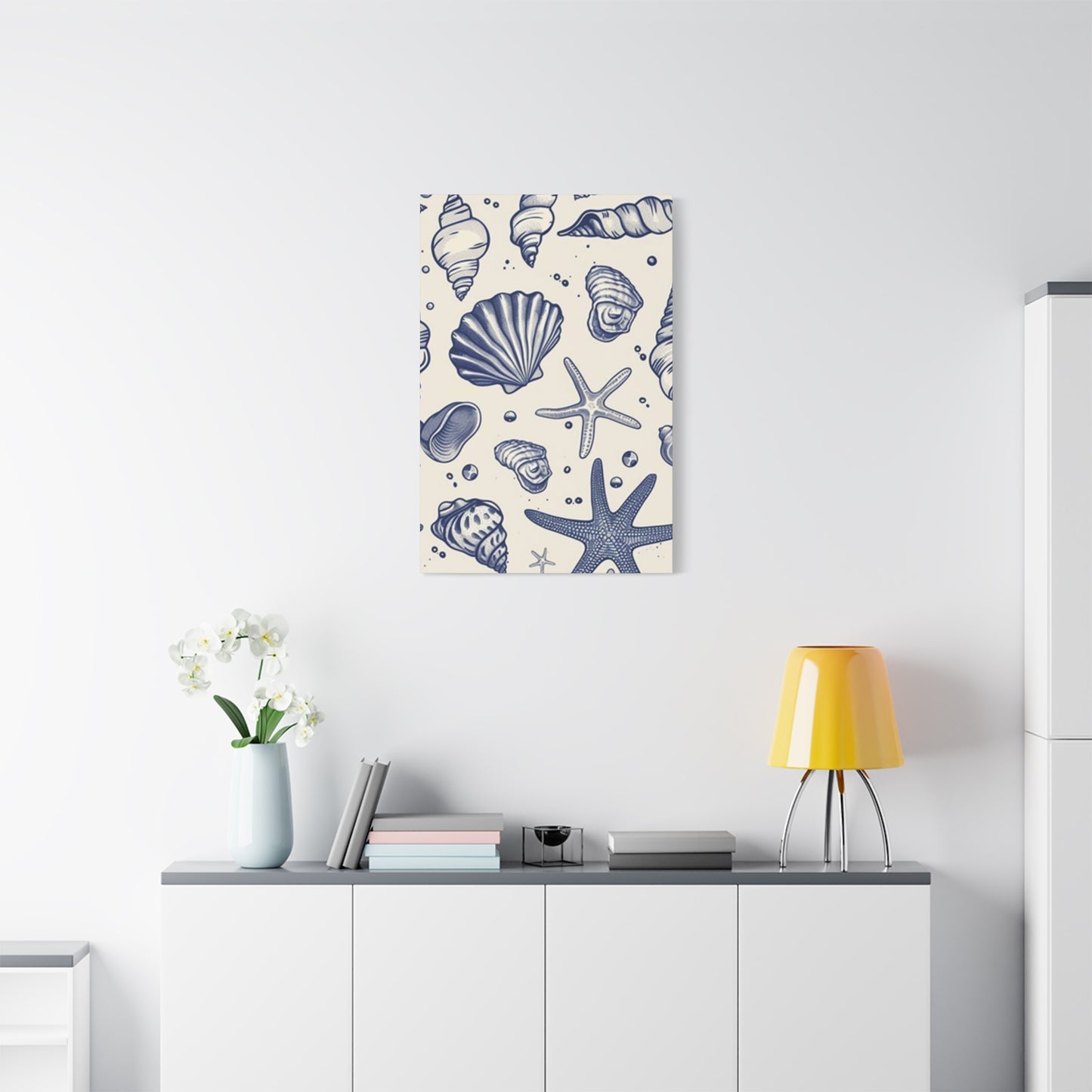
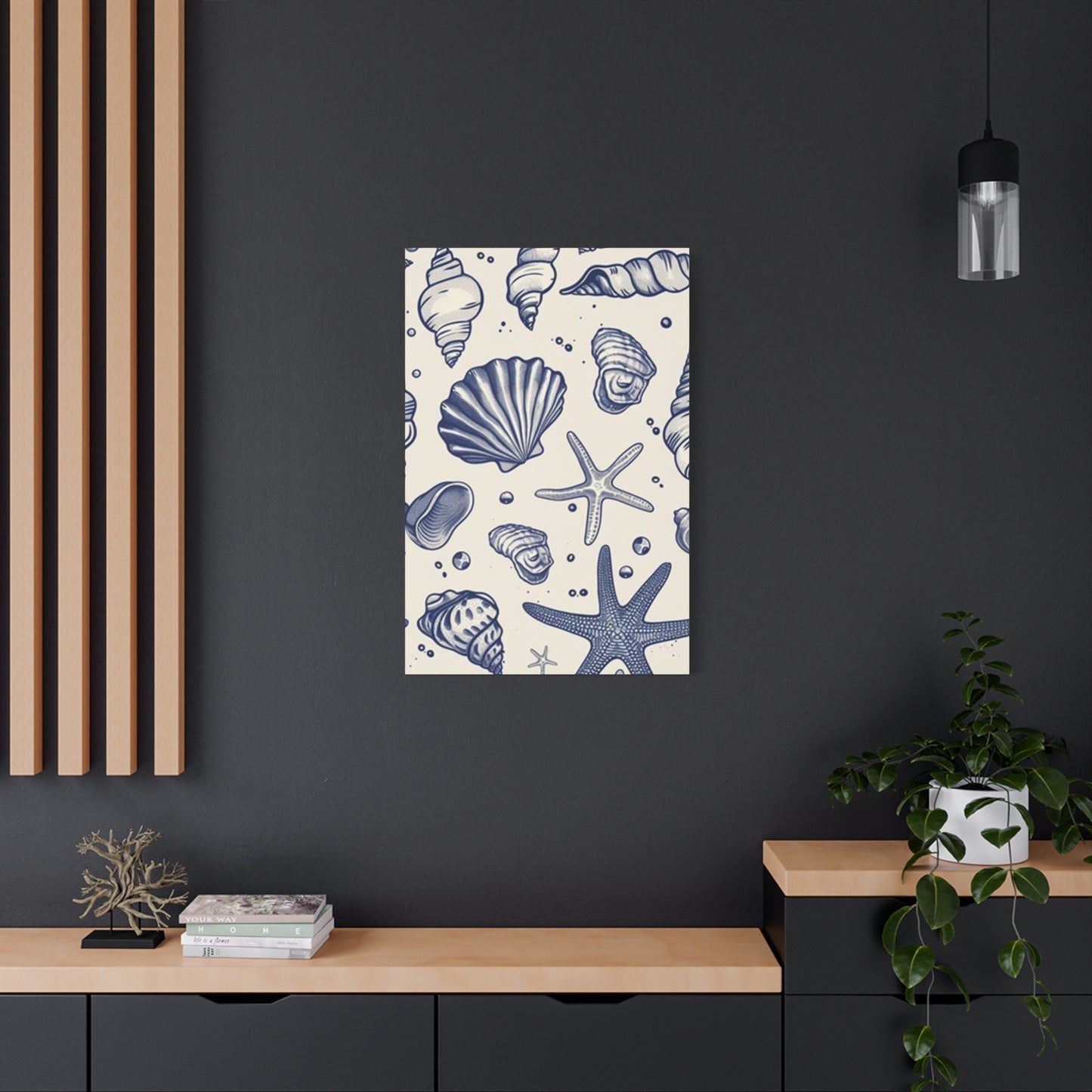
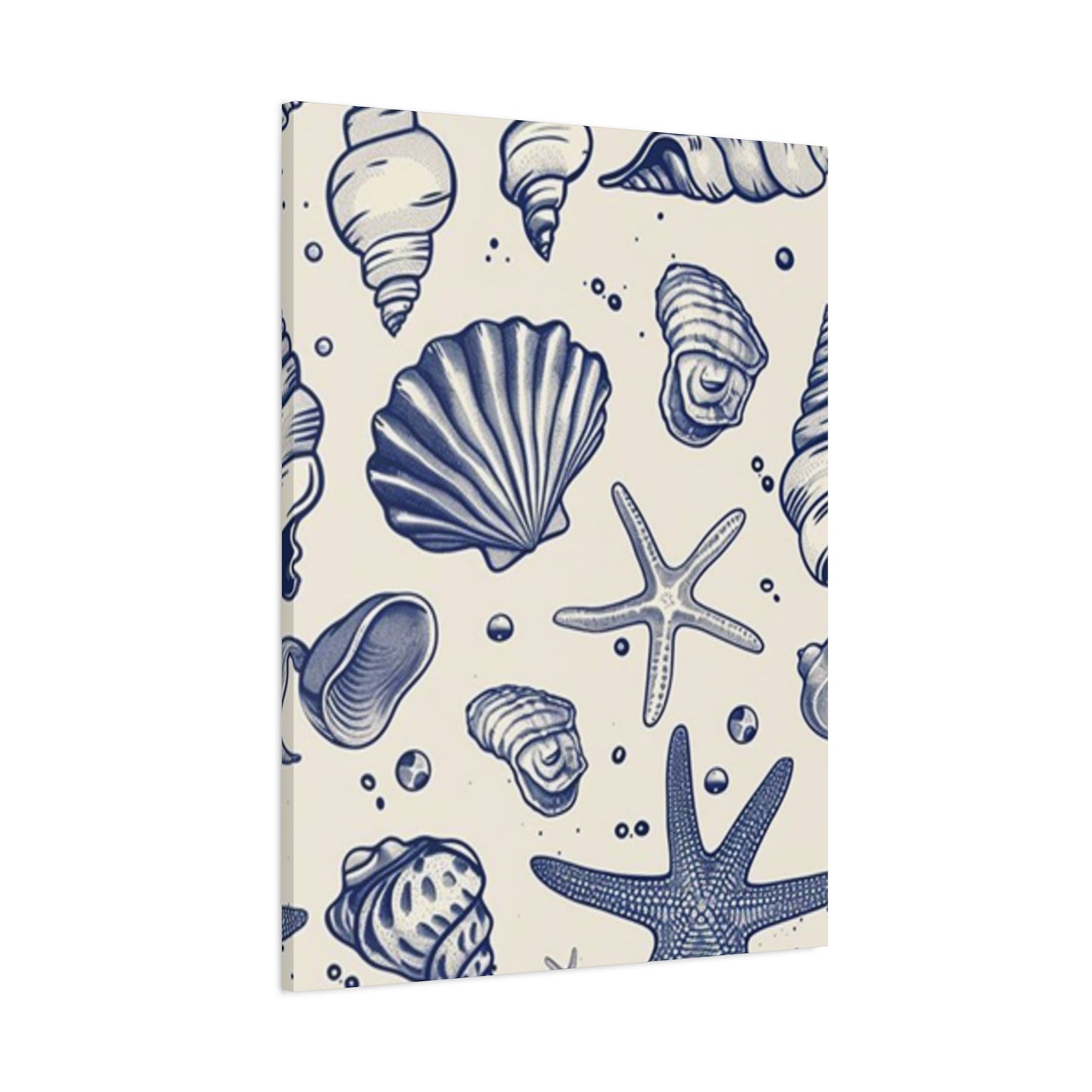
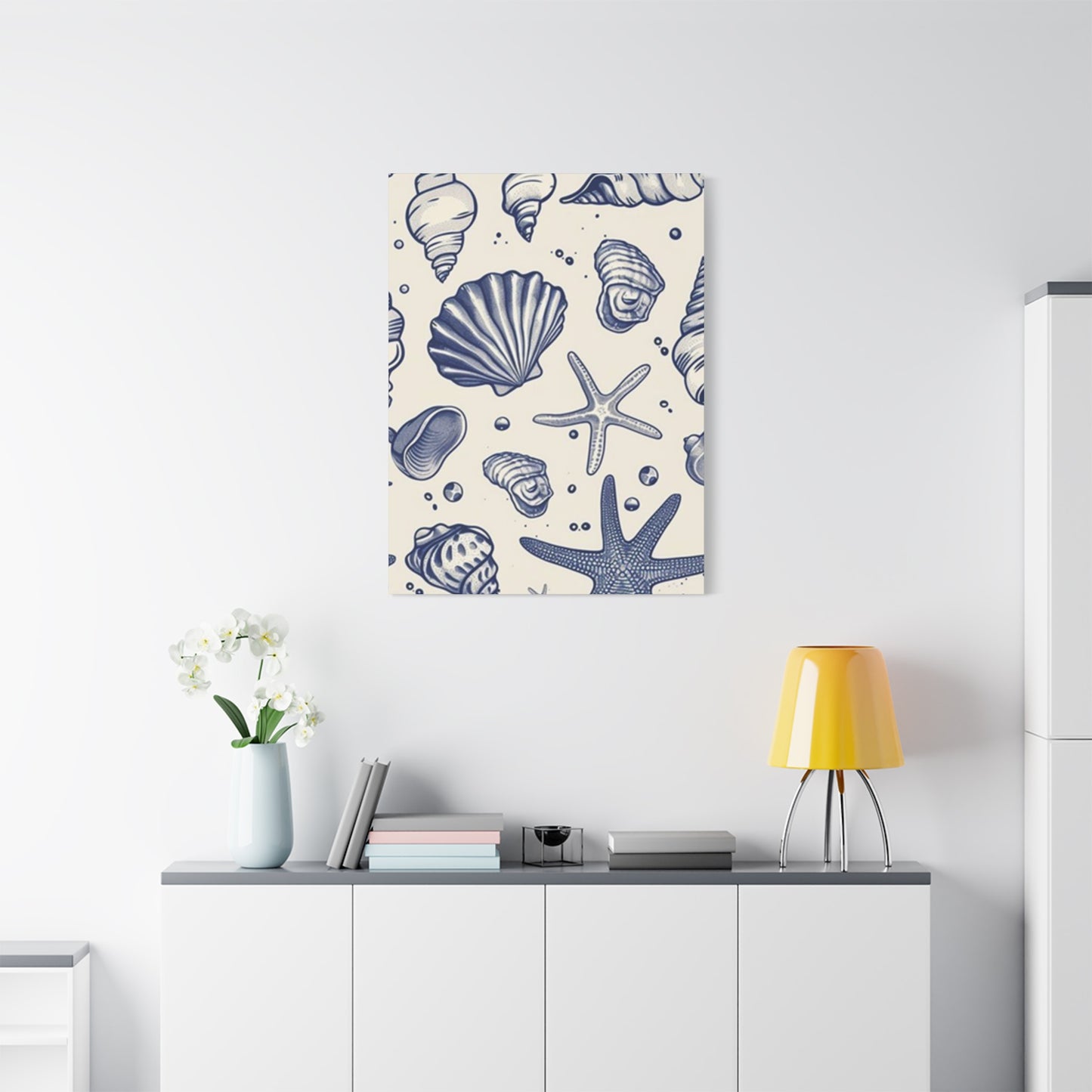
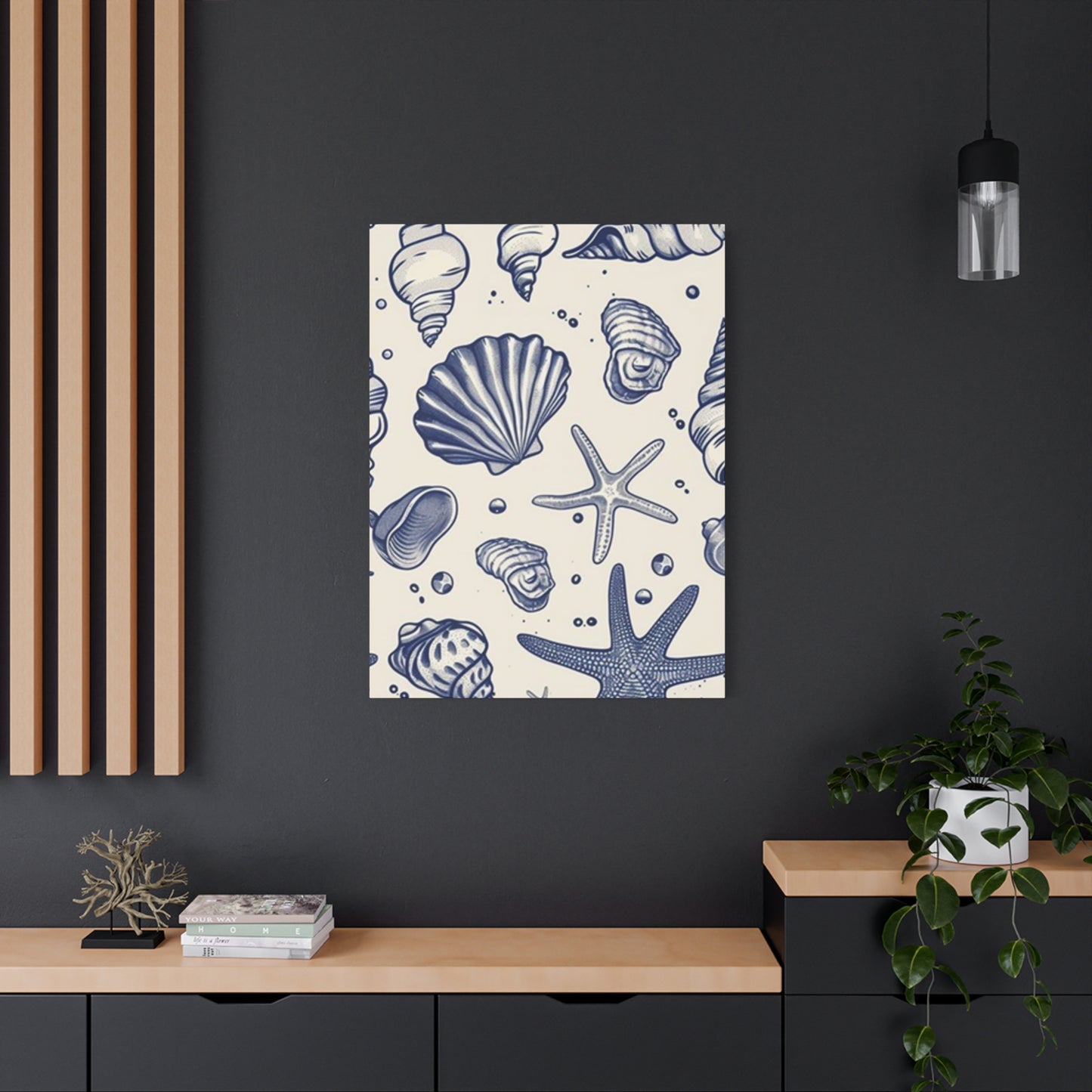
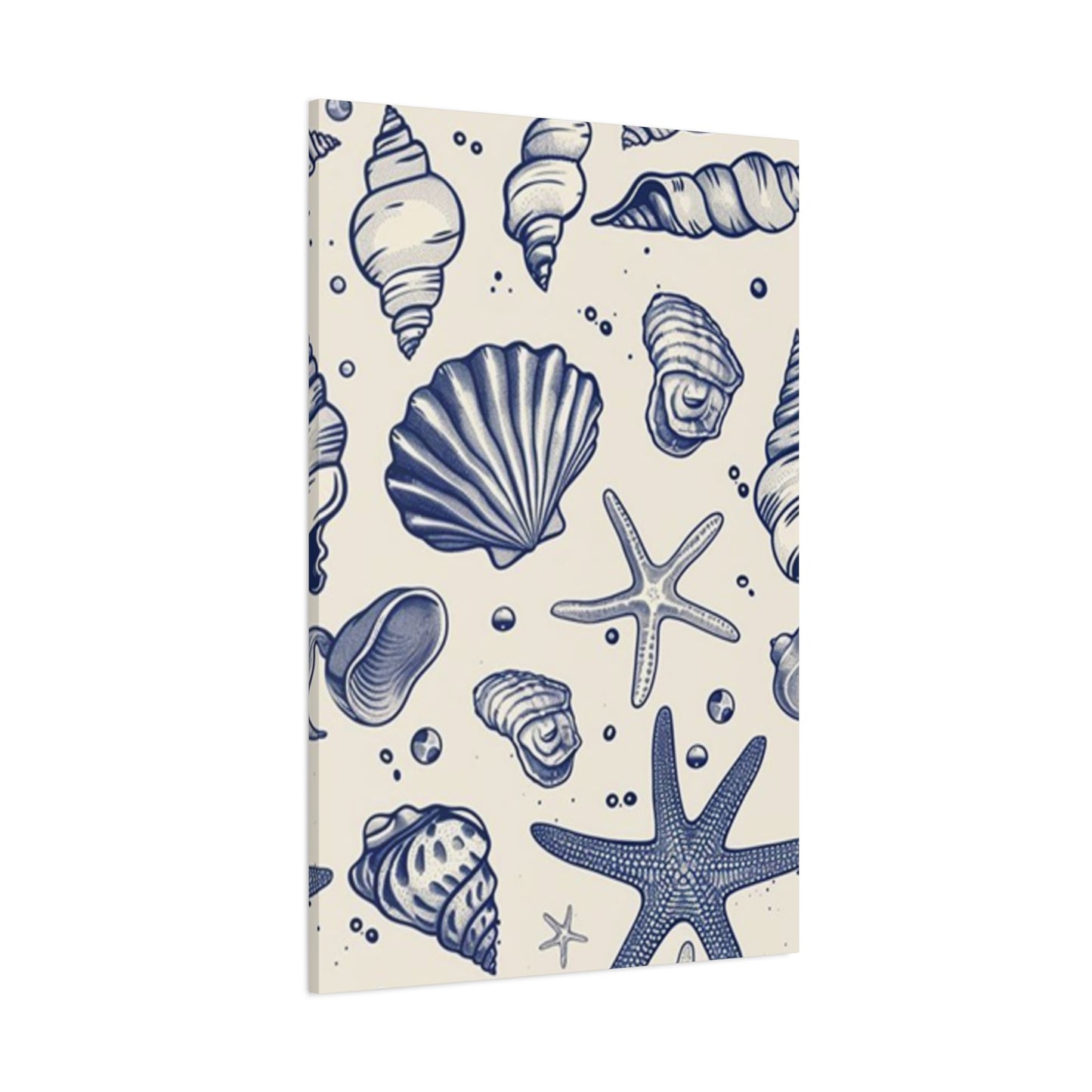
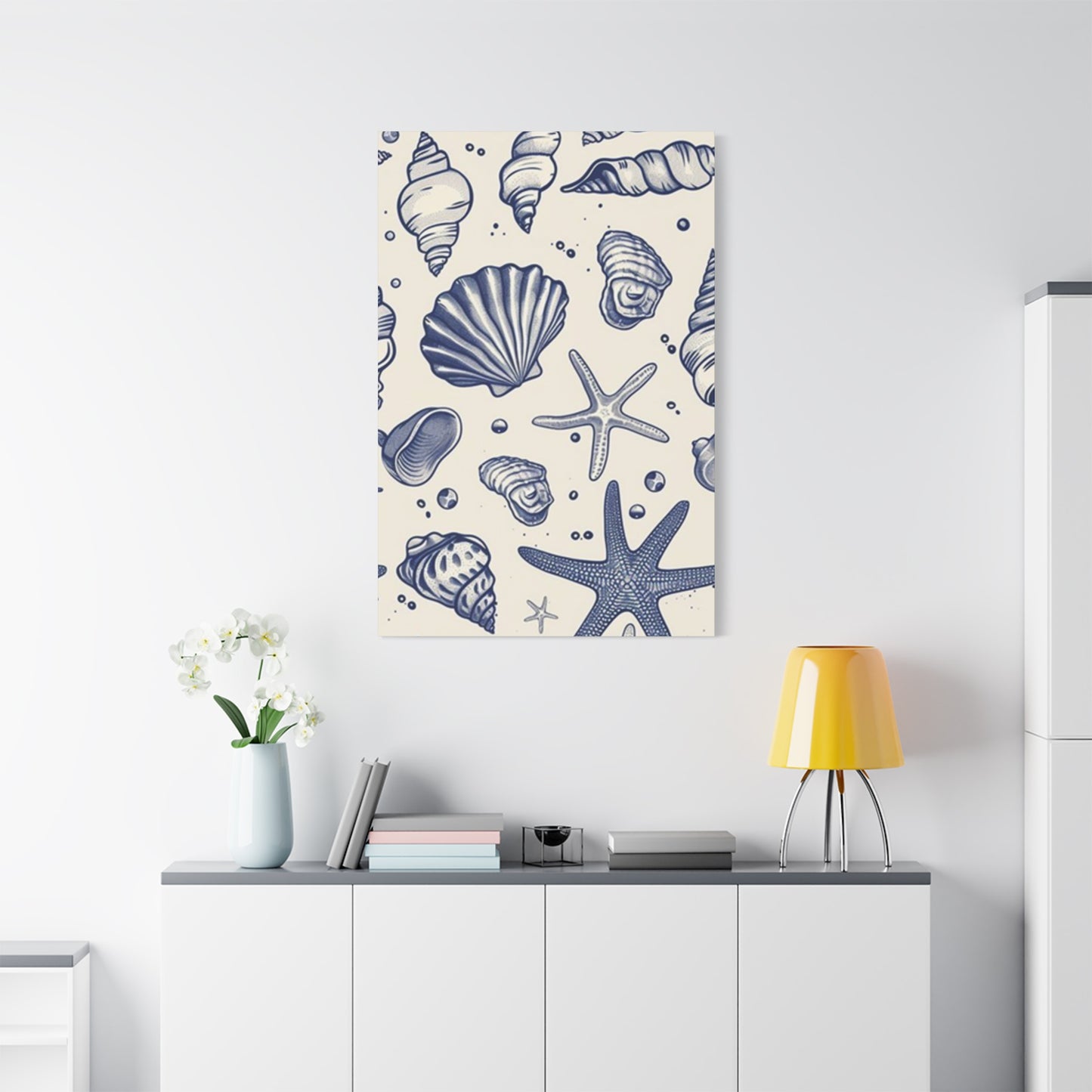
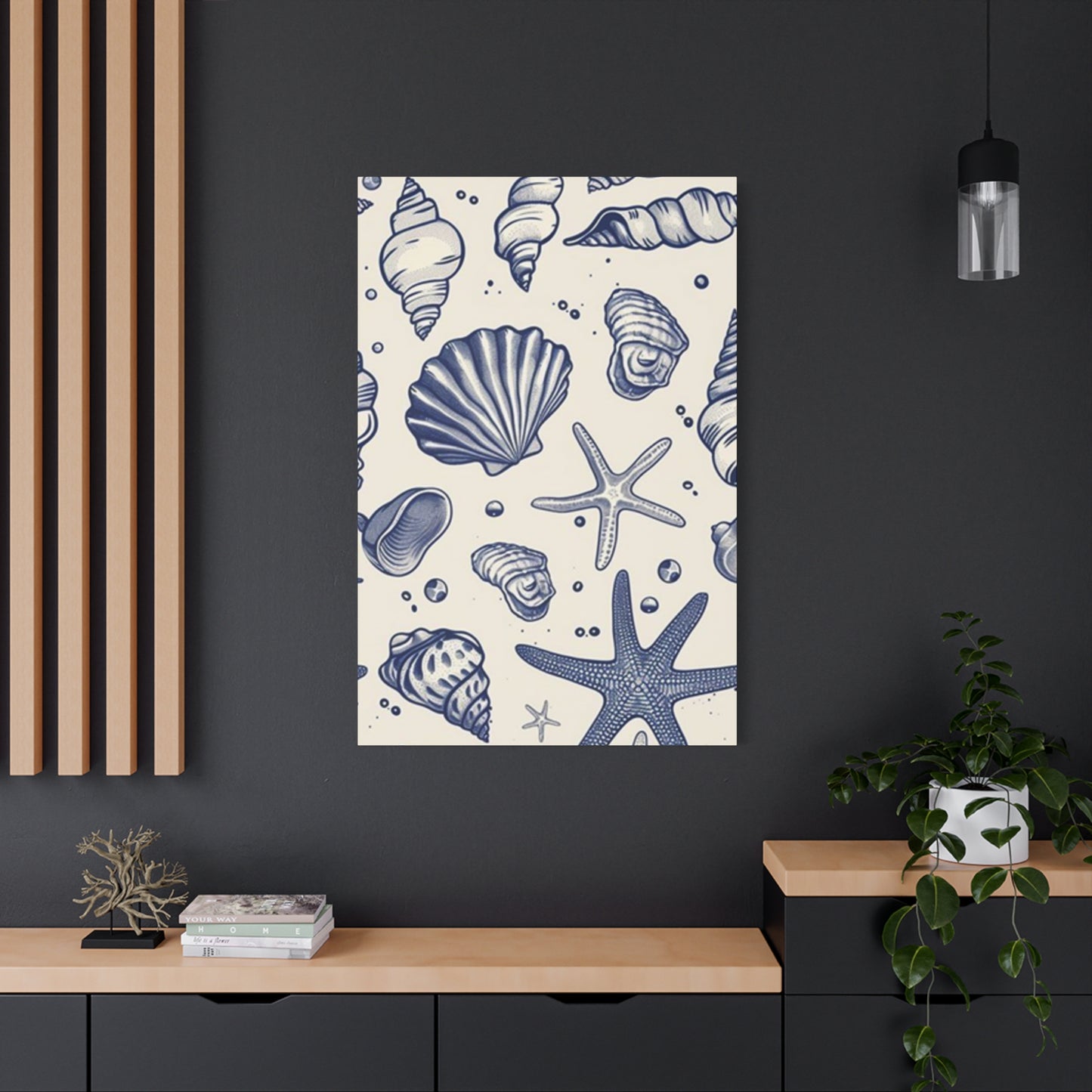
Amazing Sea Shells Poster Wall Art & Canvas Prints
Amazing Sea Shells Poster Wall Art & Canvas Prints
Couldn't load pickup availability
Discover the Captivating World of Amazing Sea Shells Poster Wall Art: Your Gateway to Oceanic Beauty in Home Décor
The allure of marine-inspired interior decoration has captivated homeowners, designers, and art enthusiasts for generations. Among the most enchanting ways to bring coastal elegance into living spaces is through carefully curated visual representations of nature's aquatic treasures. When we examine the profound impact that oceanic imagery can have on our surroundings, few subjects rival the timeless appeal of mollusk exoskeletons displayed in stunning visual formats. These decorative pieces serve as windows into underwater realms, transforming ordinary walls into galleries celebrating the extraordinary biodiversity found beneath ocean waves.
The phenomenon of adorning residential and commercial spaces with marine-themed artwork has evolved significantly over recent decades. What once consisted primarily of simple photographic prints has blossomed into a sophisticated art form encompassing various styles, from hyperrealistic depictions to abstract interpretations. The unique textures, spiraling patterns, and iridescent qualities found in these calcium carbonate structures provide endless inspiration for artists and photographers who seek to capture their inherent magnificence. When translated into wall-mounted displays, these elements create focal points that simultaneously soothe and invigorate the viewer's aesthetic sensibilities.
Understanding what makes these particular decorative elements so compelling requires examining both their natural origins and their representation in artistic media. Each specimen tells a story spanning years or even decades of growth, environmental adaptation, and survival in diverse aquatic ecosystems. The intricate geometries exhibited by these protective coverings reflect mathematical principles observed throughout nature, including the famous Fibonacci sequence and logarithmic spirals. When photographers and illustrators capture these wonders through their lenses or brushes, they immortalize not just physical objects but entire narratives of biological engineering and natural artistry.
The Mesmerizing Variety of Mollusk Exoskeleton Imagery in Contemporary Wall Decoration
The sheer diversity found within the realm of marine calcium structures presents virtually limitless possibilities for decorative applications. From the delicate spirals of Nautilus chambers to the robust ridges of Conch varieties, each classification offers distinctive visual characteristics that appeal to different aesthetic preferences. Collectors and interior design enthusiasts often find themselves drawn to specific categories based on color palettes, structural complexity, or cultural associations. The smooth, porcelain-like surfaces of Cowrie specimens contrast dramatically with the spiny protrusions of Murex varieties, while the fan-shaped elegance of Scallop forms provides yet another visual language entirely.
When translating these natural wonders into printable art formats, photographers and illustrators employ various approaches to highlight different aspects of their subjects. Some creators prefer stark white backgrounds that emphasize the sculptural qualities and intricate details of individual specimens. Others situate their subjects within contextual environments, perhaps scattered across sand, nestled among driftwood, or arranged with complementary marine elements like starfish or coral fragments. The choice of presentation style dramatically influences the emotional resonance of the final product, with minimalist compositions conveying modern sophistication while more elaborate arrangements evoke romantic nostalgia for seaside explorations.
The color spectrum represented in these visual works spans from subtle creams and beiges to vibrant oranges, pinks, purples, and even deep browns. Some species display iridescent interiors that shimmer with pearl-like lustrous qualities, creating visual interest through their changing appearance under different lighting conditions. Artists often enhance these natural colorations through strategic lighting during photography sessions or through careful color grading in post-production processes. The resulting images can range from faithful documentary-style representations to more stylized interpretations that amplify certain hues or contrasts to achieve specific aesthetic effects.
Arrangement patterns within multi-specimen compositions also contribute significantly to the overall impact of these decorative pieces. Symmetrical layouts create formal, balanced impressions suitable for traditional or classical interior schemes. Asymmetrical arrangements, conversely, introduce dynamic tension and visual movement that complements contemporary or eclectic design philosophies. Some artists organize their subjects according to size gradients, creating rhythmic progressions across the composition. Others group specimens by species, color families, or structural similarities, allowing viewers to appreciate both individual specimens and collective patterns simultaneously.
Exploring the Profound Psychological Impact of Marine-Inspired Interior Embellishments on Human Wellbeing
Scientific research increasingly validates what many have intuitively understood for centuries: exposure to natural imagery, particularly elements associated with water and coastal environments, produces measurable positive effects on human mood, stress levels, and cognitive function. The concept of biophilic design—the intentional incorporation of natural elements into built environments—has gained substantial traction among architects, interior designers, and wellness professionals. Within this framework, marine-themed decorative elements serve as powerful tools for creating spaces that promote relaxation, creativity, and emotional balance.
The specific mechanisms through which these visual elements influence our psychological states involve multiple sensory and cognitive pathways. Colors commonly associated with aquatic environments—various shades of blue, turquoise, sand tones, and coral hues—have been repeatedly shown to reduce blood pressure, lower cortisation levels, and induce states of calm contemplation. The organic, non-linear forms characteristic of natural calcium structures provide visual respite from the rigid geometries that dominate modern constructed environments. Our brains appear particularly responsive to these flowing curves and spirals, processing them in ways that require less cognitive effort than angular, artificial forms.
Beyond these immediate physiological responses, marine imagery also engages our emotional and associative faculties in profound ways. For many individuals, depictions of coastal elements trigger memories of vacation experiences, childhood beach explorations, or peaceful moments spent near water. These associative connections imbue the decorative pieces with personal significance that transcends their purely aesthetic qualities. Even for those without extensive personal experience with oceanic environments, these images tap into deeper archetypal associations between water and emotional states, drawing on symbolic relationships that span cultures and historical periods.
The meditative qualities inherent in contemplating these natural forms should not be underestimated. The repetitive patterns found in spiral structures, the gradual variations in color and texture across a specimen's surface, and the subtle asymmetries that characterize organic growth all provide rich material for sustained visual attention. In our increasingly distracted, screen-dominated culture, having wall-mounted imagery that rewards extended observation offers genuine therapeutic value. Unlike digital displays that constantly refresh and demand active engagement, these static images provide stable anchors for wandering attention, supporting mindfulness practices and offering gentle counterpoints to information overload.
Workspace environments particularly benefit from the calming presence of marine-inspired visual elements. Studies examining productivity and job satisfaction in various office settings have documented correlations between access to natural imagery and improved task performance, enhanced creative problem-solving, and reduced absenteeism. The specific choice of marine subjects appears especially beneficial for roles requiring sustained concentration or frequent interpersonal interactions, as the associated calming effects help moderate stress responses without inducing drowsiness or disengagement.
Examining the Rich Cultural Significance and Symbolic Meanings Attached to Marine Calcium Structures Throughout Human Civilization
Throughout recorded human civilization, these protective biological structures have occupied prominent positions in cultural practices, symbolic systems, and economic exchanges. Archaeological evidence documents their use as currency, ornamental objects, ceremonial items, and status markers across diverse societies spanning all inhabited continents. The symbolic associations attached to various species reflect complex relationships between coastal communities and their marine environments, encoding practical knowledge, spiritual beliefs, and social hierarchies within material culture.
In numerous Pacific Island cultures, specific varieties held sacred status, featuring prominently in creation narratives, leadership traditions, and marriage ceremonies. The rarity and visual distinctiveness of certain specimens elevated them to symbols of power and legitimacy, with elaborate examples serving as regalia for chiefs and spiritual leaders. The intricate patterns visible on their surfaces were often interpreted as manifestations of divine artistry or messages from ancestral spirits, imbuing them with significance far exceeding their material value.
European maritime traditions similarly invested these objects with symbolic meaning, though often through different conceptual frameworks. Sailors collected exotic specimens during voyages, bringing them back as tangible evidence of distant travels and exotic encounters. These collections served both as personal mementos and as objects for trade or gift-giving, participating in broader networks of cultural exchange and knowledge circulation. The Victorian era witnessed explosive growth in amateur conchology, with middle-class collectors assembling impressive cabinets displaying hundreds or thousands of carefully catalogued specimens. This collecting fervor reflected broader scientific and imperial projects, as the classification and possession of natural specimens became intertwined with colonial expansion and emerging scientific disciplines.
Indigenous communities along various coastlines developed sophisticated practical and spiritual relationships with marine mollusks and their protective coverings. Many groups utilized them as tools, implements, decorative elements, and currency long before European contact. The specific ways different cultures incorporated these materials into daily life, ceremonial contexts, and artistic expressions reveal distinctive ecological knowledge systems and philosophical orientations toward natural resources. Contemporary artists from these communities often draw upon these traditions, creating works that honor ancestral practices while addressing modern themes of environmental stewardship, cultural continuity, and identity.
The symbolic resonance of these objects extends into contemporary contexts through various metaphorical frameworks. Their role as protective housing for vulnerable organisms makes them natural symbols for themes of shelter, security, and personal boundaries. The growth patterns visible in spiral forms evoke concepts of expansion, evolution, and temporal progression. Their origins in aquatic environments link them symbolically to emotional depths, unconscious processes, and feminine principles in various interpretive traditions. Artists and designers working with these themes draw upon these rich associative fields, creating works that operate on multiple levels of meaning simultaneously.
Navigating the Diverse Stylistic Approaches Available in Contemporary Marine-Themed Visual Artwork for Residential Spaces
The contemporary marketplace for marine-inspired wall decorations presents an overwhelming array of stylistic options, each suited to different aesthetic preferences and interior design schemes. Understanding the distinctive characteristics of major stylistic categories helps consumers make informed selections that harmonize with existing décor while achieving desired atmospheric effects. The interplay between subject matter, artistic treatment, and presentation format creates nearly infinite permutations, ensuring that suitable options exist for virtually any taste or design challenge.
Photographic realism represents perhaps the most straightforward approach, emphasizing accurate documentation of natural specimens in ways that showcase their inherent beauty without significant artistic interpretation. This style particularly appeals to viewers who appreciate scientific accuracy and wish to maintain close connections to the natural forms being represented. High-resolution photography captures minute details—growth lines, surface textures, color gradations—that might escape casual observation. The technical demands of this approach are substantial, requiring specialized equipment, lighting expertise, and careful post-production work to achieve optimal clarity and color fidelity.
Vintage and antique-inspired treatments offer contrasting aesthetic sensibilities, deliberately evoking earlier periods of scientific illustration and natural documentation. These works often feature aged paper backgrounds, hand-drawn quality linework, and muted color palettes reminiscent of centuries-old botanical and zoological plates. The nostalgic appeal of this style connects viewers to the rich heritage of natural observation and scientific discovery, suggesting cabinet curiosities and learned societies. Contemporary artists working in this vein balance historical accuracy with modern production values, creating pieces that feel authentically aged while meeting contemporary standards for print quality and archival stability.
Minimalist and modern interpretations strip away contextual elements, presenting specimens against stark backgrounds—typically pure white or black—that emphasize form and structure. This reductive approach aligns with contemporary design trends favoring clean lines, uncluttered spaces, and focused visual statements. By eliminating environmental context and focusing exclusively on the objects themselves, these compositions transform natural specimens into abstract sculptural forms. The resulting images possess a graphic quality that works particularly well in modern and Scandinavian-inspired interiors, where simplicity and negative space play crucial roles in overall aesthetic strategies.
Abstract and artistic reimaginings take significant liberties with realistic representation, using natural forms as starting points for creative explorations that prioritize emotional impact, conceptual content, or formal experimentation over documentary accuracy. Artists might exaggerate colors, fragment and recombine elements, or incorporate mixed media approaches that layer photographic elements with painted, drawn, or digitally generated components. These works appeal to viewers seeking more interpretive, emotionally charged imagery that functions as conversation pieces while maintaining thematic connections to marine subjects.
Watercolor and painted treatments introduce handcrafted qualities that photography cannot replicate, emphasizing gestural mark-making, translucent layering, and the happy accidents inherent in fluid media. The soft edges and flowing color transitions characteristic of watercolor painting lend themselves particularly well to marine subjects, echoing the flowing qualities of water itself. Contemporary illustrators working in this medium range from those pursuing botanical illustration traditions emphasizing scientific accuracy to those embracing looser, more expressive approaches that capture essence and atmosphere over precise detail.
Understanding the Critical Importance of Material Quality and Production Standards in Selecting Premium Wall-Mounted Oceanic Artwork
The longevity, visual impact, and ultimate satisfaction derived from marine-themed wall decorations depend heavily on production quality factors that extend far beyond the artistic content itself. Discerning consumers recognize that identical imagery printed through different processes onto varying substrates yields dramatically different results in terms of color accuracy, detail resolution, surface finish, and durability. Developing basic literacy regarding production specifications empowers buyers to make investments that will maintain their aesthetic appeal and structural integrity for years or decades rather than deteriorating within months.
Print resolution stands as perhaps the most fundamental quality indicator, determining the level of detail and clarity achievable in the final product. Professional-grade fine art printing typically employs resolutions of 300 dots per inch or higher, ensuring that even close inspection reveals smooth tonal gradations and sharp details rather than visible pixelation or banding. Lower-resolution printing, while adequate for viewing from distance, fails to withstand scrutiny at typical viewing distances for wall-mounted artwork. The difference becomes particularly noticeable in subjects featuring intricate details like growth lines, surface textures, or subtle color variations—precisely the qualities that make these natural structures visually compelling.
Substrate selection profoundly influences both the visual characteristics and longevity of printed works. Museum-quality archival papers designed for fine art reproduction employ acid-free compositions that resist yellowing and degradation over extended periods. These substrates come in various finishes—matte, glossy, semi-gloss, textured—each imparting distinctive visual qualities to the printed image. Matte finishes minimize reflections and glare, making them suitable for areas with strong lighting or multiple light sources. Glossy surfaces enhance color saturation and apparent sharpness but require more careful consideration of placement to avoid problematic reflections. Canvas substrates provide textured surfaces that add tactile interest and traditional fine art associations, though they require different printing approaches than paper substrates.
Ink chemistry and printer specifications determine color accuracy, fade resistance, and tonal range in the final print. Pigment-based archival inks offer superior longevity compared to dye-based alternatives, maintaining color fidelity for decades when properly displayed and maintained. Professional printing systems employ expanded color gamuts—often using eight, ten, or twelve distinct ink colors rather than standard four-color processes—enabling more accurate reproduction of subtle hues and smoother gradations. This becomes particularly important when reproducing the delicate pastels, iridescent effects, and complex color combinations found in natural specimens.
Framing and mounting considerations extend beyond purely aesthetic choices to encompass preservation concerns that affect long-term outcomes. Conservation-grade mounting materials prevent chemical interactions that can discolor or damage prints over time. UV-protective glazing shields artwork from harmful light exposure that gradually fades colors and degrades substrates. Proper frame depth and backing systems prevent warping, cockling, or other distortions that can develop when prints are subjected to humidity fluctuations and temperature variations. While these specifications may seem technical or excessive, they represent the difference between artwork that remains vibrant for generations versus pieces requiring replacement within a few years.
The production approach itself—whether digital printing, traditional photography, hand-painting, or mixed media—carries implications for uniqueness, value retention, and aesthetic character. Limited edition prints, where production is deliberately constrained to specified numbers, often carry greater perceived value and collectibility than open edition reproductions available in unlimited quantities. Artist-signed works similarly command premium pricing while offering authentication and direct connection to the creator. Original paintings or unique mixed media pieces naturally occupy the highest tier in terms of both financial investment and artistic significance, representing truly one-of-a-kind creations rather than reproductions.
Mastering the Art of Selecting and Positioning Marine-Inspired Wall Decorations to Maximize Visual Impact and Environmental Harmony
The successful incorporation of oceanic imagery into interior spaces requires thoughtful consideration of multiple factors including scale, placement, lighting, and relationships to surrounding design elements. Even the most exquisite artwork can fail to achieve its potential impact if poorly situated or improperly scaled for its intended location. Conversely, strategic placement decisions can elevate moderately priced pieces into showstopping focal points that anchor entire rooms. Understanding basic principles of visual composition and interior design empowers homeowners to make confident decisions that enhance both the artwork itself and the spaces it inhabits.
Scale relationships represent perhaps the most critical consideration when selecting artwork for specific locations. A common error involves choosing pieces that are too small for the wall spaces they occupy, resulting in visually insignificant installations that fail to command appropriate attention. Professional designers typically recommend that artwork span two-thirds to three-quarters of the furniture width below it—for instance, a piece hanging above a sofa should extend across most of that sofa's length rather than appearing as a small accent in vast empty space. For focal wall situations without furniture anchoring, larger pieces or thoughtfully arranged groupings create more commanding presence than isolated small works.
Vertical versus horizontal orientation choices should respond to both the dimensional characteristics of available wall spaces and the desired perceptual effects. Horizontal orientations emphasize width, making spaces feel more expansive and grounded. Vertical formats draw the eye upward, creating impressions of height and elegance particularly valuable in rooms with lower ceilings. The internal composition of the artwork itself—how subjects are arranged within the frame—should harmonize with the chosen orientation, avoiding awkward cropping or unbalanced compositions that feel forced into inappropriate formats.
Gallery wall arrangements offer sophisticated alternatives to single large pieces, allowing for greater flexibility, personalization, and visual complexity. Successful groupings balance variety with cohesion, incorporating multiple pieces that share thematic connections, complementary color palettes, or compatible stylistic treatments while avoiding monotonous repetition. Layout planning proves crucial, with most designers recommending physical mockups using craft paper templates before committing to nail holes. Various organizational strategies—grid layouts, salon-style arrangements, horizontal lines, vertical stacks—each produce distinctive visual effects suited to different aesthetic goals and space characteristics.
Lighting profoundly affects how artwork appears and performs within spaces. Natural light, while generally desirable, presents challenges including glare on glazed surfaces, inconsistent illumination across different times of day, and potential damage from UV exposure. Artificial lighting solutions—picture lights, track systems, recessed fixtures—provide controlled illumination that can be optimized for specific pieces. The angle, intensity, and color temperature of lighting all influence how colors appear, which details receive emphasis, and what mood the artwork conveys. Warm lighting tends to enhance earth tones and create cozy atmospheres, while cooler temperatures better serve contemporary spaces and favor blues and greens.
Color coordination between artwork and surrounding décor represents another crucial consideration, though approaches vary based on design philosophies. Some prefer artworks that echo dominant room colors, creating harmonious, unified schemes. Others deliberately choose pieces introducing contrasting or accent colors that energize spaces and prevent monotony. The complexity of color relationships in marine subjects—often featuring numerous subtle hues within single specimens—provides flexibility for various coordination strategies. The neutrals commonly present in natural forms also serve as visual bridges between disparate color schemes, making these subjects particularly versatile across different decorating contexts.
Discovering Unexpected Locations Throughout the Home Where Oceanic Visual Elements Create Dramatic Atmospheric Transformations
While living rooms and bedrooms represent obvious locations for decorative artwork, numerous other spaces throughout residential environments offer compelling opportunities for marine-inspired visual elements. Expanding consideration beyond conventional locations allows homeowners to create cohesive thematic threads throughout their dwellings while addressing specific functional and atmospheric needs particular to different areas. The calming, contemplative qualities associated with aquatic imagery make these subjects particularly suitable for spaces dedicated to relaxation, self-care, and rejuvenation.
Bathroom environments naturally complement marine themes, creating logical thematic connections between water-related activities and oceanic imagery. The moisture-rich atmosphere of these spaces does require additional consideration regarding materials and protection, with sealed frames and moisture-resistant substrates preventing damage from humidity exposure. The generally smaller dimensions of bathroom walls often work well with more intimate-scale pieces or carefully curated small groupings. Powder rooms, in particular, offer opportunities for more adventurous or dramatic installations, as guests experience these spaces briefly without the sustained exposure that might prove overwhelming in primary living areas.
Home office and workspace environments benefit tremendously from the stress-reducing, focus-enhancing properties associated with natural imagery. The specific demands of knowledge work—sustained concentration, creative problem-solving, frequent decision-making—create particular vulnerability to environmental stressors and distractions. Thoughtfully selected visual elements that promote calm without inducing drowsiness help maintain productive mental states throughout extended work sessions. The detailed, structurally complex nature of certain specimens also provides valuable material for productive mental breaks, offering alternative focal points during moments when direct task focus proves counterproductive.
Entryways and hallways, despite their transitional nature, deserve thoughtful decorative consideration as they establish first impressions and set tonal expectations for interior spaces beyond. These areas typically feature challenging dimensional characteristics—narrow widths, limited natural light, odd architectural features—that restrict decorating options. Marine subjects work particularly well in these contexts, as their generally light color palettes and organic forms help open up compressed spaces while avoiding the visual weight of darker, more intense imagery. Hallway gallery arrangements can transform these often-neglected passages into genuine destinations rather than mere connectors.
Kitchen and dining environments increasingly incorporate artistic elements as these spaces evolve beyond purely functional zones into settings for social interaction and family connection. While food-preparation areas require practical considerations regarding cleanability and durability, dining spaces accommodate artwork as readily as any other room. The social, convivial nature of dining situations makes this context suitable for more conversational, narrative-rich pieces that stimulate discussion and shared appreciation. The symbolic associations between bounty, nourishment, and marine environments can create thematically appropriate connections when thoughtfully developed.
Children's rooms present unique opportunities to introduce marine subjects in ways that combine aesthetic appeal with educational value and age-appropriate wonder. Younger children particularly respond to the fantastical qualities of these natural forms, perceiving them as treasures from mysterious underwater realms populated by fascinating creatures. As children mature, these same subjects can support developing interests in biology, environmental science, or artistic pursuits. The longstanding appeal of these subjects across age ranges means that installations in children's spaces needn't be replaced as tastes mature, unlike more explicitly juvenile decorative themes.
Examining How Various Interior Design Styles Accommodate and Benefit From Marine-Inspired Decorative Elements
The remarkable versatility of oceanic imagery allows successful incorporation across virtually the entire spectrum of interior design styles, from traditional to cutting-edge contemporary. This adaptability stems partly from the timeless appeal of natural forms, which transcend temporary fashion trends, and partly from the diverse artistic treatments available that align with different aesthetic philosophies. Understanding how marine subjects function within various design contexts helps consumers select specific pieces and treatments that will harmonize with existing décor while potentially inspiring broader design evolutions.
Coastal and nautical styles represent the most obvious contexts for marine-themed artwork, where such elements serve as foundational rather than accent components. These design approaches explicitly celebrate oceanic environments through color palettes dominated by blues, whites, sandy neutrals, and occasional coral or aqua accents. Within these schemes, specimen imagery reinforces thematic consistency while providing sophisticated alternatives to more literal nautical symbols like anchors or sailboats. The key to avoiding clichéd or overly literal interpretations involves balancing marine references with other elements and ensuring that individual pieces possess genuine artistic merit beyond their thematic appropriateness.
Traditional and classic interior schemes, characterized by formal furniture arrangements, rich wood tones, and heritage-inspired textiles, might seem incompatible with marine subjects, yet thoughtful selections create compelling juxtapositions. Vintage scientific illustration styles particularly suit these contexts, echoing the natural history collecting traditions of earlier centuries. Formal framing treatments using substantial wood moldings and conservation matting elevate these subjects to fit within refined environments. The symmetrical arrangements and careful color coordination typical of traditional design philosophies provide frameworks within which marine imagery contributes to overall elegance rather than disrupting it.
Modern and contemporary interiors, with their emphasis on clean lines, uncluttered surfaces, and carefully curated visual elements, embrace marine subjects when presented through appropriate stylistic filters. Minimalist photographic treatments against stark backgrounds align perfectly with contemporary aesthetic principles, functioning as sculptural elements that happen to be two-dimensional. The organic curves and flowing forms of natural specimens provide essential contrast to the angular geometries dominating modern furniture and architecture, preventing spaces from feeling cold or sterile. Large-scale installations or carefully composed groupings create sufficient visual weight to hold their own against the bold gestures characteristic of contemporary design.
Scandinavian and Nordic-inspired interiors, celebrating natural materials, restrained color palettes, and hygge coziness, find natural affinity with marine subjects presented in soft, naturalistic styles. Pale backgrounds, gentle lighting, and emphasis on natural textures align with the broader design philosophy while introducing specific thematic content. The Nordic tradition of bringing natural elements indoors—through plants, natural materials, and nature-inspired imagery—positions marine subjects as culturally appropriate choices that reinforce rather than contradict core design principles. The generally light, airy character of these subjects complements the bright, open feeling sought in Nordic interiors, especially important given the limited natural light available in northern latitudes during winter months.
Bohemian and eclectic styles, characterized by layered, collected-over-time aesthetics and bold embrace of pattern, color, and global influences, accommodate marine subjects within their naturally inclusive frameworks. The sculptural complexity and exotic origins of various specimens align with bohemian values of worldliness and appreciation for handcrafted, natural objects. Mixed-media treatments, vintage scientific plates, and artistic interpretations that emphasize color and pattern over strict realism all function successfully within these freewheeling design contexts. The permission to mix styles, periods, and cultural references inherent in eclectic approaches means marine subjects can coexist with diverse other elements without requiring strict coordination.
Transitional style, bridging traditional and contemporary sensibilities, perhaps most readily accommodates diverse marine imagery interpretations. This inclusive approach combines classical architectural elements and furniture silhouettes with updated color palettes, simplified ornamentation, and contemporary accessories. Marine subjects executed in styles that avoid extreme traditional or modern characteristics—perhaps realistic photography with refined but not overly ornate framing—fit naturally within these balanced schemes. The neutral colors and timeless appeal of well-executed marine imagery support transitional design's goal of creating spaces that feel current without being trendy, comfortable without being dated.
Investigating the Practical Considerations Involved in Acquiring, Transporting, and Installing Oceanic Wall Decorations
The process of transforming artistic vision into installed reality involves numerous practical steps requiring varying degrees of expertise, physical capability, and specialized knowledge. While straightforward installations present minimal challenge for most homeowners, larger pieces, complex groupings, or valuable works merit more careful approaches that ensure both personal safety and preservation of the artwork itself. Understanding what's involved in these processes helps consumers make realistic assessments of total project requirements beyond the purchase price of the artwork itself.
Acquisition channels significantly impact both cost and quality assurance. Direct purchase from artists or galleries typically commands premium pricing but offers authenticity guarantees, artist interaction opportunities, and often superior production values compared to mass-market alternatives. Online marketplaces provide vast selection and competitive pricing but require careful attention to seller reputation, return policies, and shipping protections. Print-on-demand services offer customization and affordable pricing though quality can vary substantially across providers. Home décor retailers present curated selections at various price points, often featuring exclusive artist collaborations unavailable elsewhere. Each channel presents distinctive advantages and limitations requiring evaluation based on individual priorities regarding budget, quality standards, and desired uniqueness.
Sizing decisions prove more complex than simply measuring available wall space, as the dimensional relationship between artwork and viewing distance affects both visibility and impact. Detailed works requiring close examination need positioning within intimate viewing ranges where fine details remain discernible. Larger, bolder compositions can succeed at greater distances where smaller pieces would lose impact. The height at which artwork hangs—generally centering at approximately 57-60 inches from floor level to match average human eye height—affects both aesthetic success and practical convenience. Architectural features including windows, doors, electrical outlets, and heating vents constrain positioning options while furniture placement establishes logical relationships that anchor artwork within broader spatial compositions.
Shipping and handling of artwork, particularly larger or more delicate pieces, requires protective packaging that prevents damage during transport while avoiding contamination from packaging materials themselves. Professional art shippers employ specialized materials including acid-free papers, foam corners, reinforced boxes, and climate protections that far exceed standard shipping practices. Insurance coverage during transit protects against financial loss from damage or loss, with declared values and appropriate premium payments ensuring adequate compensation should problems occur. Unpacking procedures matter nearly as much as initial packaging, with careful documentation of any damage essential for insurance claims while avoiding additional harm during the unwrapping process itself.
Wall preparation creates foundations for successful installations, with specific requirements depending on wall construction, surface conditions, and artwork weight. Drywall installations typically require locating studs for heavier pieces or using appropriate anchors rated for the load when studs aren't conveniently positioned. Plaster walls, common in older construction, present different challenges requiring specialized fasteners designed for their harder, more brittle composition. Masonry surfaces need proper drill bits and anchors designed specifically for concrete or brick. Surface repairs, priming, and painting may be necessary when previous installations leave visible damage or when existing wall colors poorly complement new artwork.
Hanging hardware selection ranges from simple picture hooks adequate for lightweight pieces to heavy-duty systems necessary for substantial works. Wire hanging systems offer adjustment flexibility but require proper installation to prevent failures. D-rings or saw-tooth hangers provide secure mounting for moderate-weight pieces. French cleats create robust connections ideal for heavy or valuable works while allowing easy removal and repositioning. Professional picture rails or gallery-style track systems enable flexible arrangement and rearrangement without repeated wall penetrations. The choice among these options depends on weight, value, desired permanence, and whether future rearrangement is anticipated.
Professional installation services, while representing additional expense, offer expertise, proper tools, and insurance protection that DIY approaches cannot match. Installers bring experience with diverse wall types, challenging architectural situations, and complex grouping layouts that would challenge amateur hangers. Their services typically include consultation on positioning, wall preparation when necessary, precise measurement and leveling, secure mounting, and final adjustments. For valuable pieces, complex gallery walls, or situations involving difficult access or special requirements, professional involvement often proves worthwhile despite the additional cost.
Exploring the Artistic Processes Through Which Natural Specimens Become Compelling Visual Narratives
The journey from physical specimen to finished wall-mounted artwork involves artistic decisions and production processes that profoundly influence the final product's character, impact, and meaning. Understanding these creative and production dimensions deepens appreciation for the works themselves while informing more discerning consumption decisions. The intersection of artistic vision, technical capability, and subject matter expertise produces outcomes ranging from straightforward documentation to profound artistic statements that transcend their nominal subject matter.
Specimen selection represents the crucial first step, determining available colors, forms, textures, and compositional possibilities. Artists working directly with physical specimens might accumulate extensive personal collections, carefully curating examples that offer particular visual qualities or represent specific species of interest. Others source specimens through dealers, collectors, or beachcombing expeditions, seeking particular characteristics necessary for envisioned projects. The condition, completeness, and quality of source specimens directly impact photographic or illustrative possibilities, with pristine examples enabling certain approaches while damaged or weathered specimens might inspire alternative artistic directions emphasizing texture, aging, or imperfection.
Photographic approaches vary tremendously in complexity, equipment requirements, and technical demands. Product photography techniques—controlled studio lighting, neutral backgrounds, precise focus—emphasize accurate documentation and maximum detail capture. Environmental photography situates specimens within contexts suggesting their natural habitats or evoking particular moods. Macro photography reveals minutiae invisible to unaided vision, transforming familiar objects into alien landscapes of texture and geometry. Each approach requires specific technical skills, equipment investments, and post-production workflows that substantially affect production costs and final aesthetic character.
Lighting choices during photography profoundly influence mood, dimensionality, and color rendering in captured images. Soft, diffused illumination minimizes harsh shadows while revealing subtle surface variations. Directional lighting creates dramatic contrasts that emphasize three-dimensional form and surface texture. Backlighting can reveal translucent qualities and create ethereal glowing effects. Multiple light sources enable fine control over highlight and shadow placement while potentially introducing challenges regarding color consistency. Professional food and product photographers develop sophisticated lighting strategies over years of practice, understanding how subtle adjustments produce dramatically different results.
Illustration and painting processes introduce handmade qualities and artistic interpretation unavailable through photography. Traditional watercolor techniques, particularly suited to marine subjects, require considerable skill in managing water flow, pigment concentration, and timing to achieve desired effects. Colored pencil or pen-and-ink approaches enable meticulous detail rendering through patient mark-making. Digital illustration combines traditional artistic sensibilities with software capabilities, enabling experimentation, easy revision, and hybrid approaches blending photographic and hand-drawn elements. Each medium carries distinctive aesthetic signatures that signal different artistic traditions and align with different interior design sensibilities.
Post-production processing, whether digital editing of photographs or refinement of scanned traditional artwork, substantially affects final appearance. Color correction ensures accurate representation or creates stylistic color shifts that enhance mood or coordinate with décor requirements. Contrast and brightness adjustments optimize tonal range for specific printing processes and viewing conditions. Background removal or replacement transforms contextual character while drawing focus to specimen details. Sharpening and noise reduction optimize apparent detail while managing technical artifacts. These processes require both technical proficiency with editing software and aesthetic judgment regarding when interventions enhance versus compromise artistic intent.
Composition and arrangement decisions—how multiple specimens relate to each other and to the frame boundaries—fundamentally structure viewer experience and meaning. Centered, isolated specimens command focused attention while conveying formal, almost scientific presentations. Asymmetrical arrangements introduce dynamic tension and visual movement. Overlapping elements create depth and spatial complexity. Negative space distribution affects whether compositions feel crowded or spacious, energetic or serene. Rule-of-thirds principles derived from centuries of Western artistic practice provide guidelines while artistic innovation deliberately violates these conventions to achieve distinctive effects. The accumulated weight of thousands of compositional decisions across an artist's career develops recognizable stylistic signatures that collectors learn to identify and value.
Conclusion
Growing environmental consciousness among consumers increasingly influences purchasing decisions across all product categories, including decorative artwork. Understanding the environmental implications of marine-themed decorative products enables more responsible consumption while supporting industries and practices that prioritize ecological stewardship. The complex interconnections between artistic practice, commercial production, natural resource extraction, and conservation present ethical considerations worthy of serious attention from both creators and consumers.
Specimen sourcing represents perhaps the most obvious environmental concern, as historical collecting practices contributed to population declines of certain species and habitat degradation in productive areas. Contemporary ethical standards increasingly favor several approaches that minimize environmental impact. Purchasing only from dealers who source exclusively from sustainable operations that harvest specimens from already-deceased animals rather than killing specifically for the collection trade represents one approach. Some artists work exclusively with found specimens discovered during beach explorations, ensuring zero impact from their artistic practice. Others create entirely from photographic references or imagination, producing marine-inspired work without handling physical specimens at all.
The legal framework surrounding specimen collection and trade, particularly the Convention on International Trade in Endangered Species, restricts commerce in certain protected species while requiring documentation and permits for others. Consumers should verify that any physical specimens or artwork derived from them complies with applicable regulations, avoiding products that may have entered commerce through illegal harvesting or smuggling. Reputable sellers provide documentation regarding species identification and sourcing, enabling informed purchasing decisions that avoid contributing to destructive practices.
In conclusion, Print production processes carry environmental footprints related to energy consumption, chemical usage, and material waste. Traditional photographic printing employs chemical developers and fixers that require proper disposal to prevent environmental contamination. Digital printing technologies generally reduce chemical usage though energy consumption and ink cartridge disposal present alternative concerns. Professional printers increasingly adopt environmentally preferable practices including water-based inks, solvent-free processes, renewable energy sources, and comprehensive recycling programs. Consumers can investigate the environmental policies of printing companies and factor these considerations into purchasing decisions, supporting businesses demonstrating genuine commitment to minimizing ecological impact.
Share