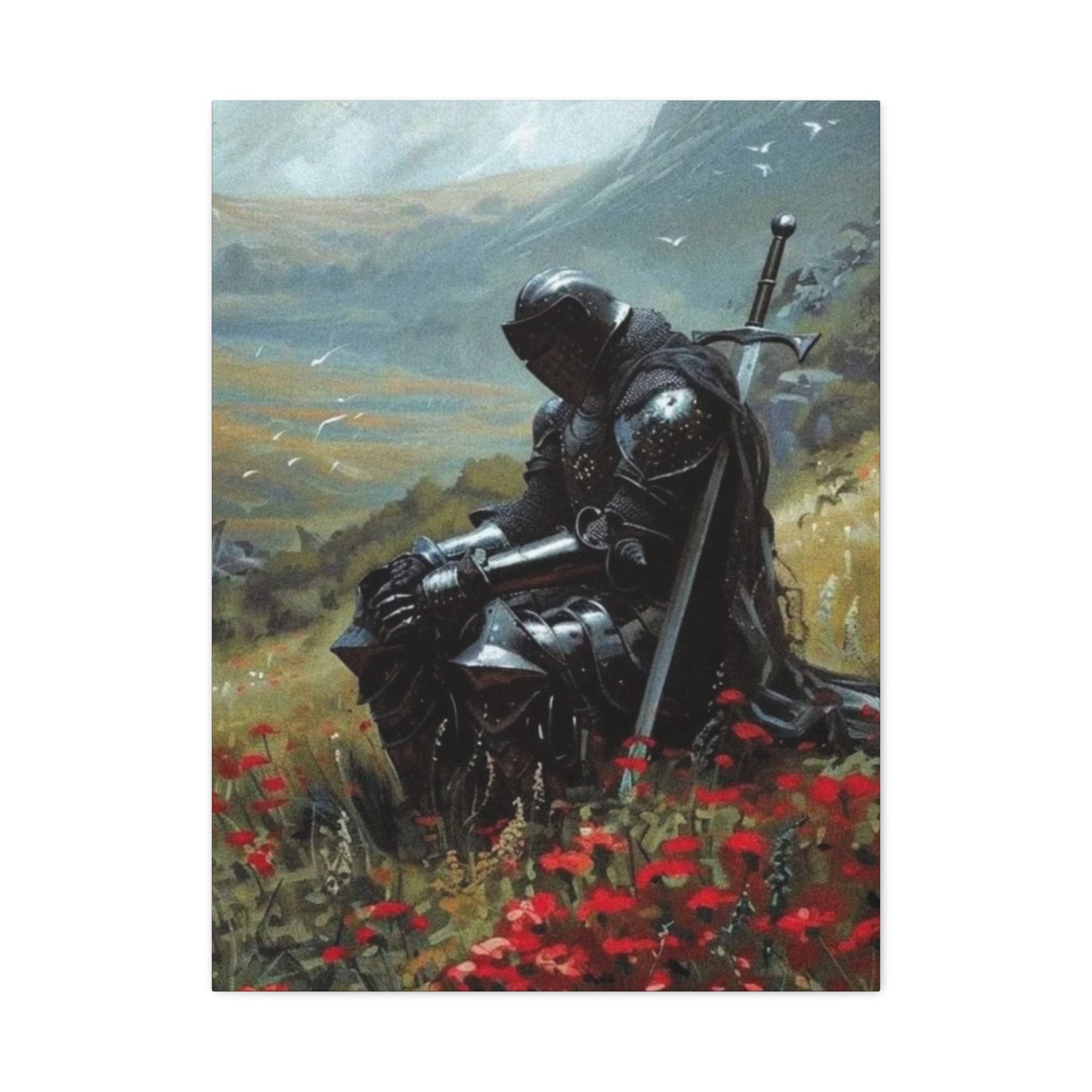
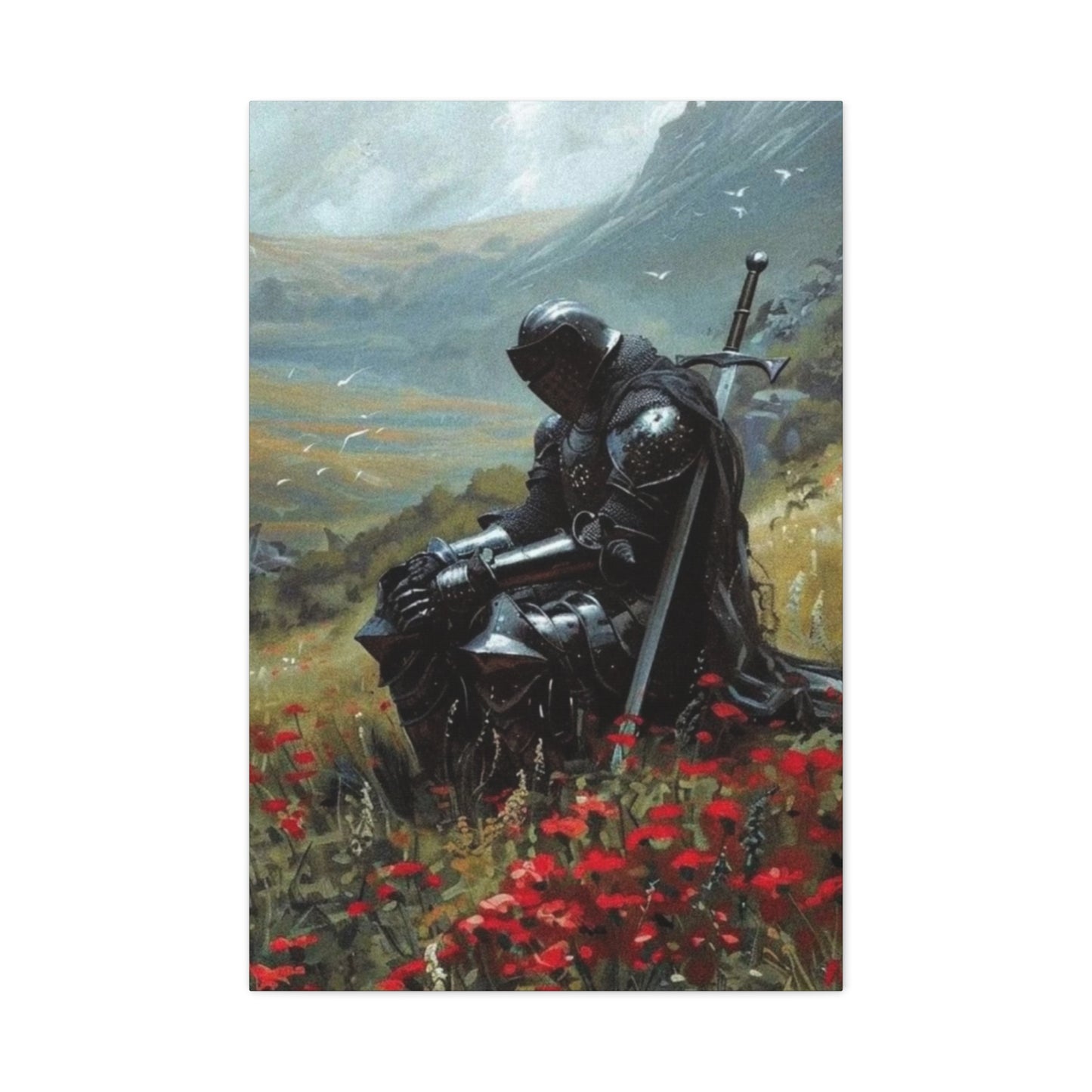
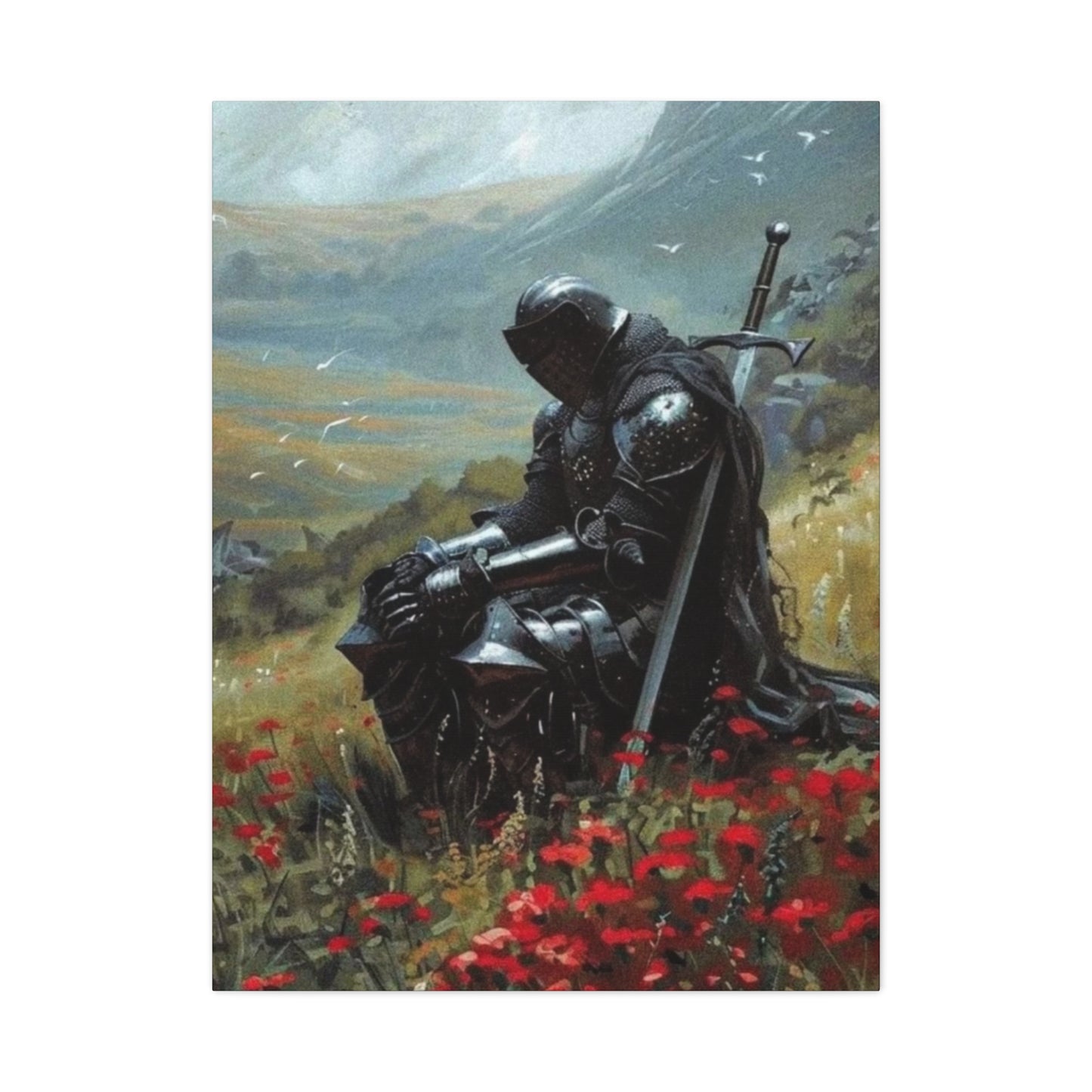
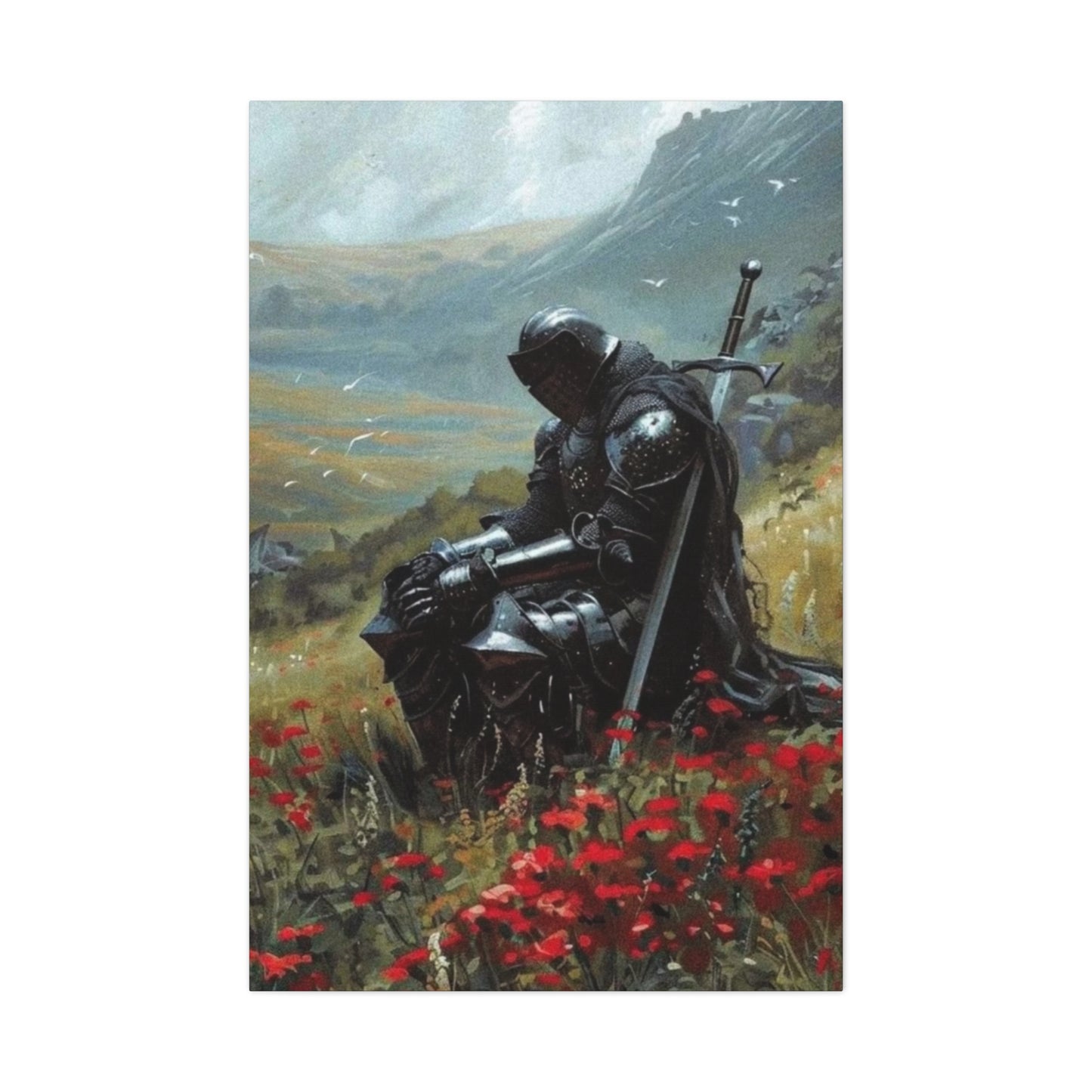
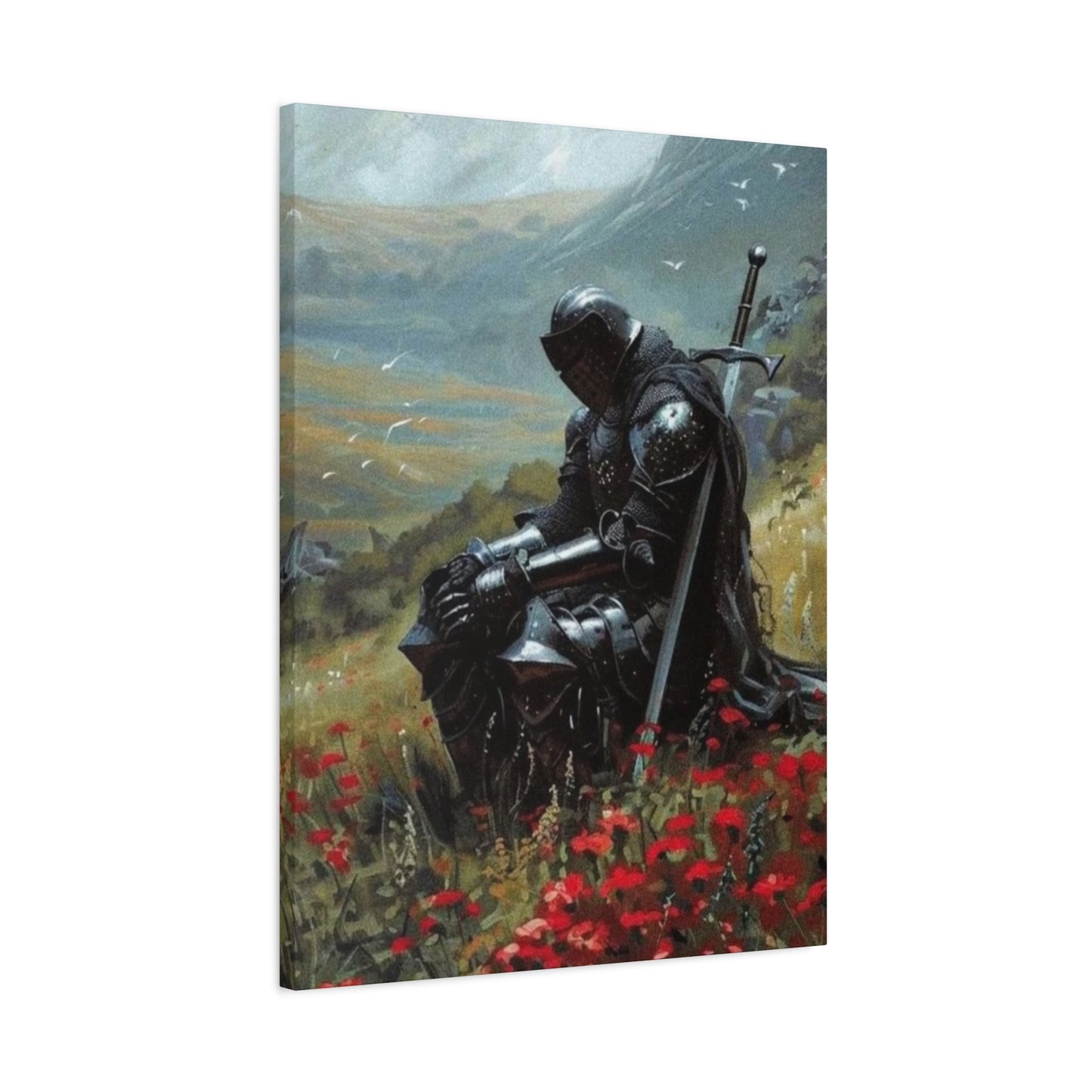
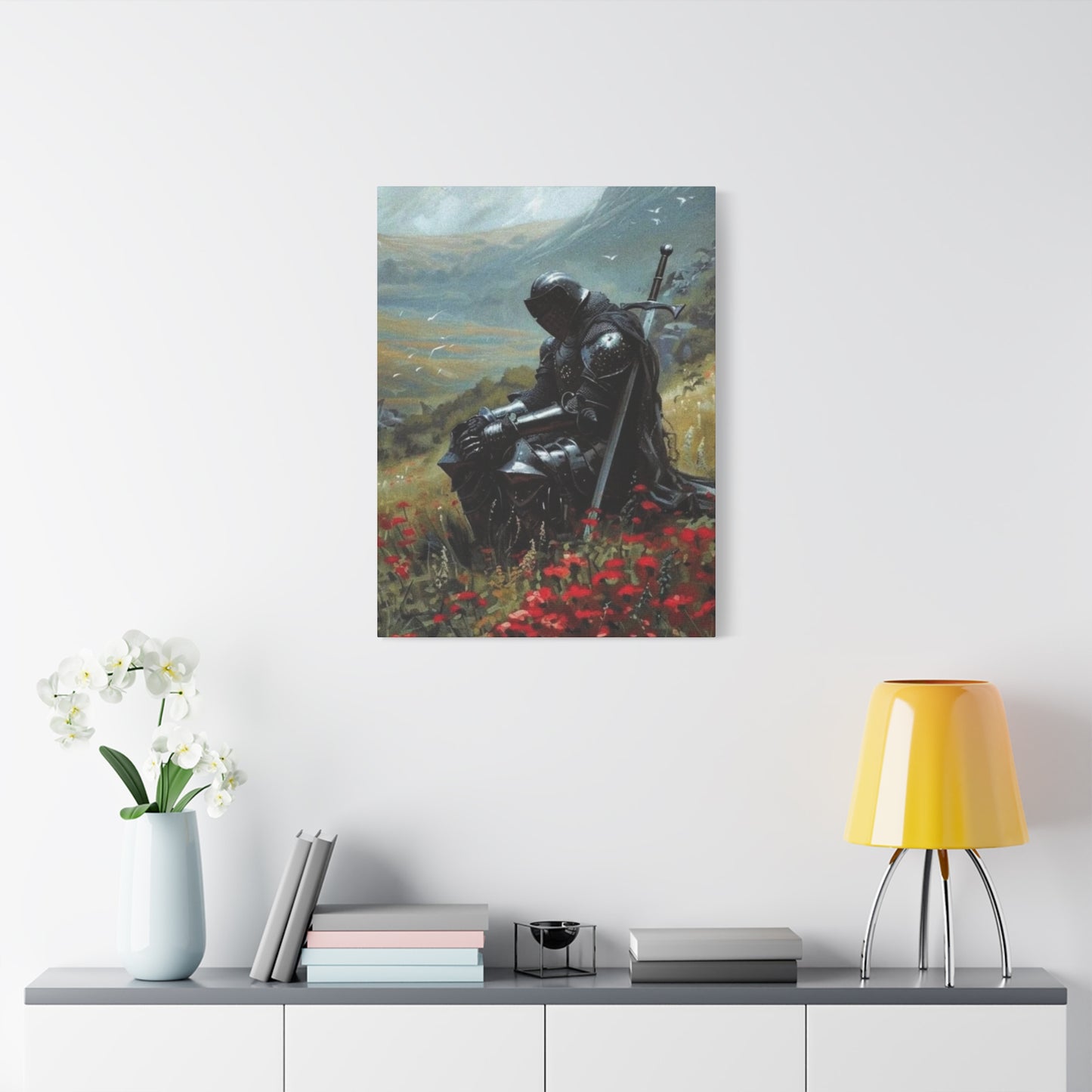
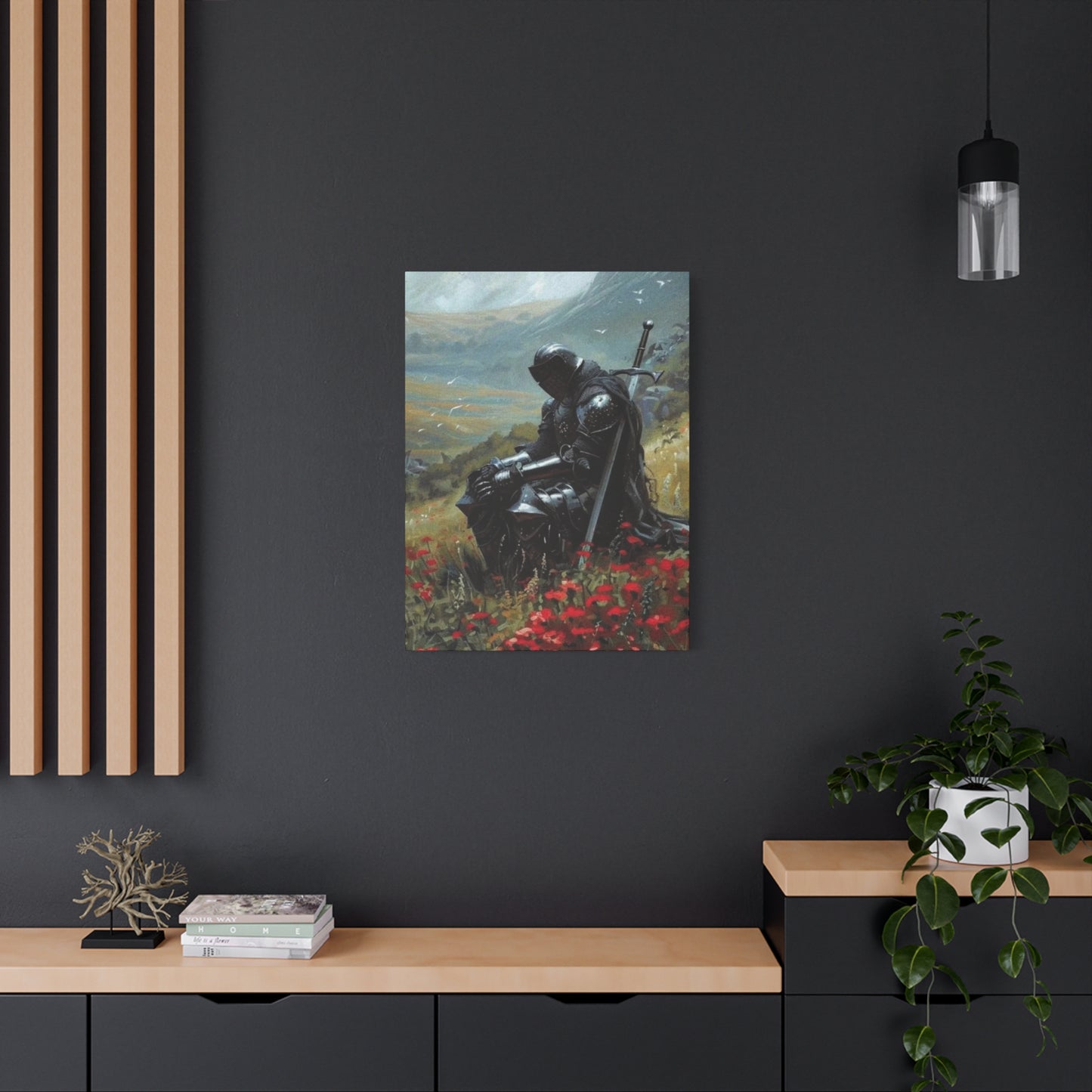
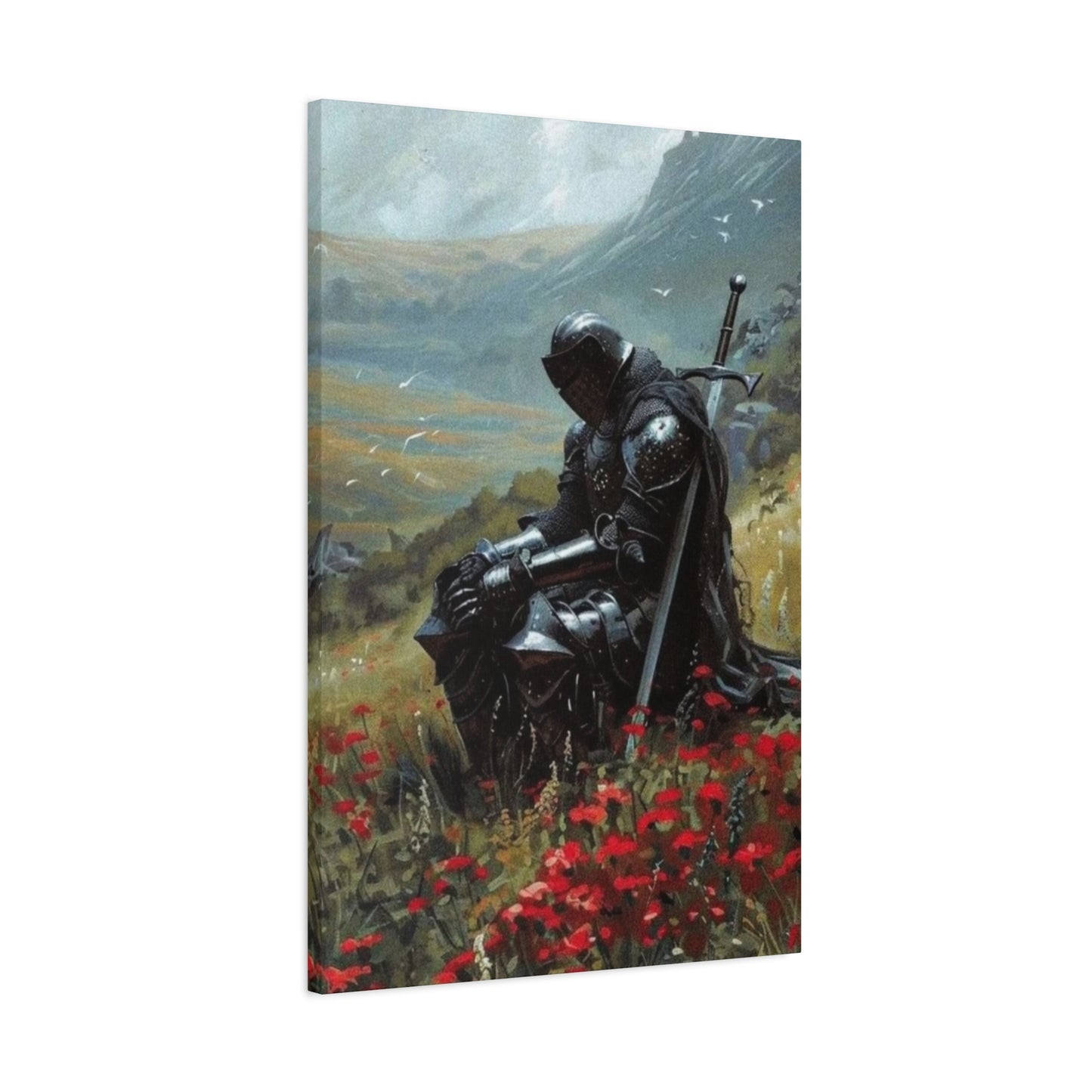
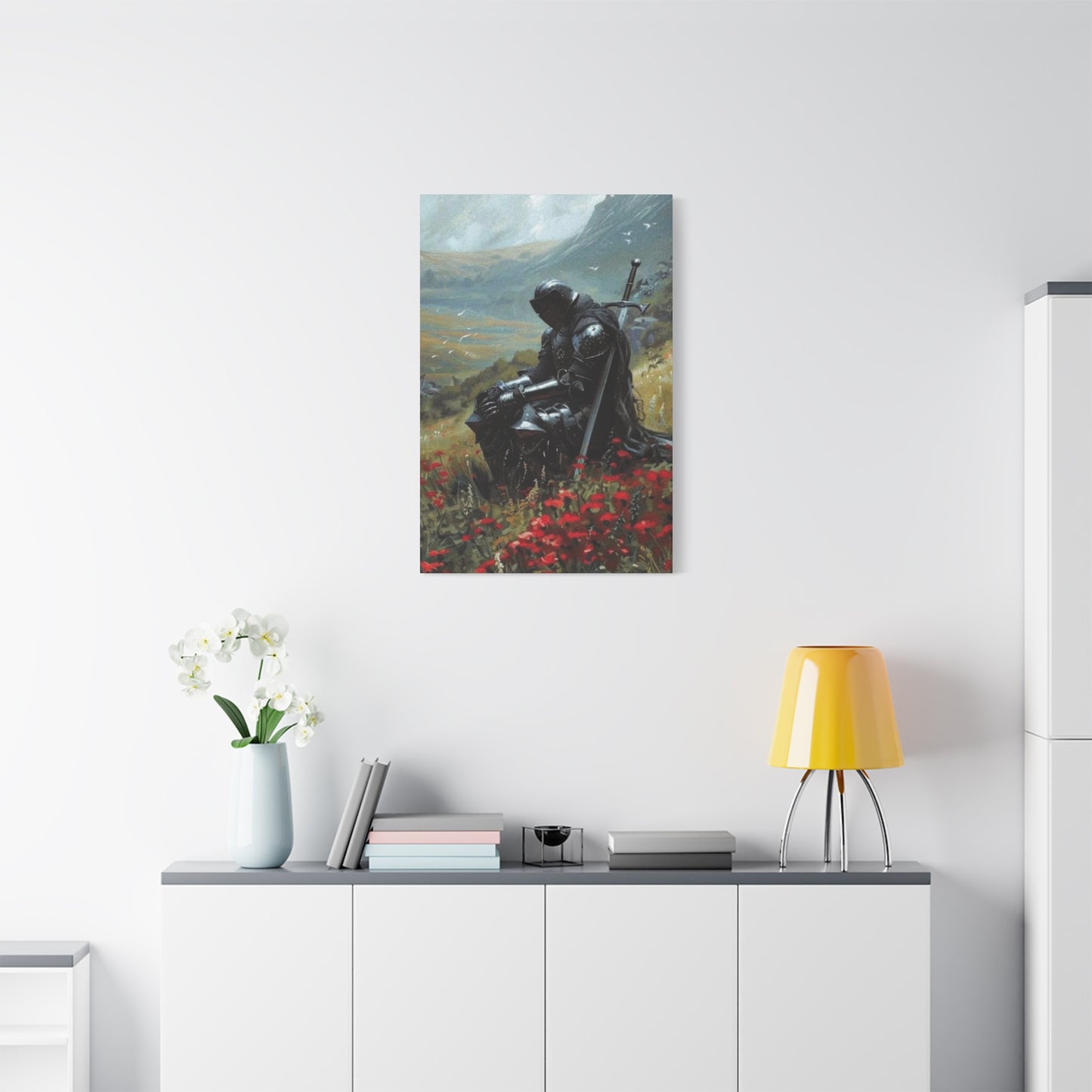
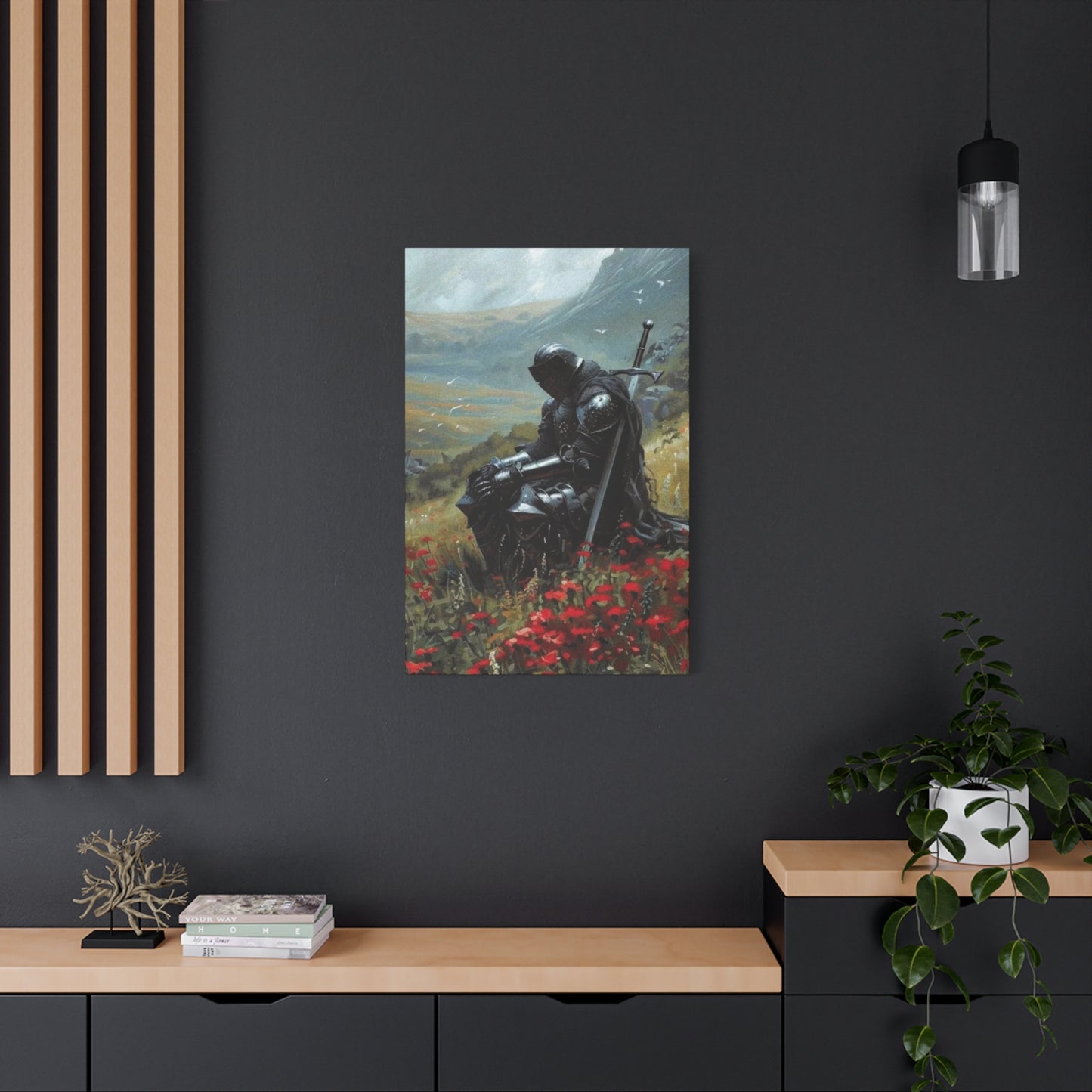
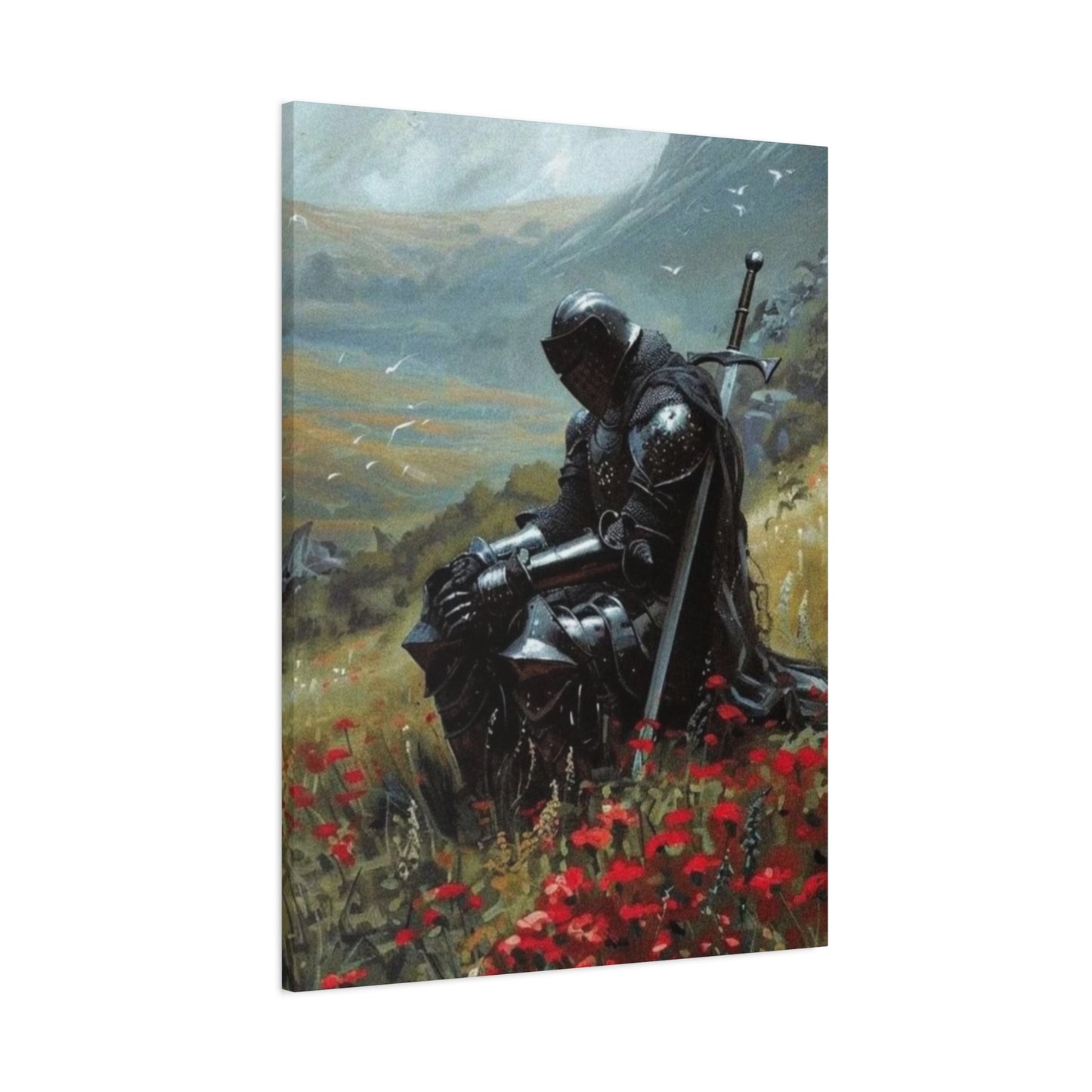
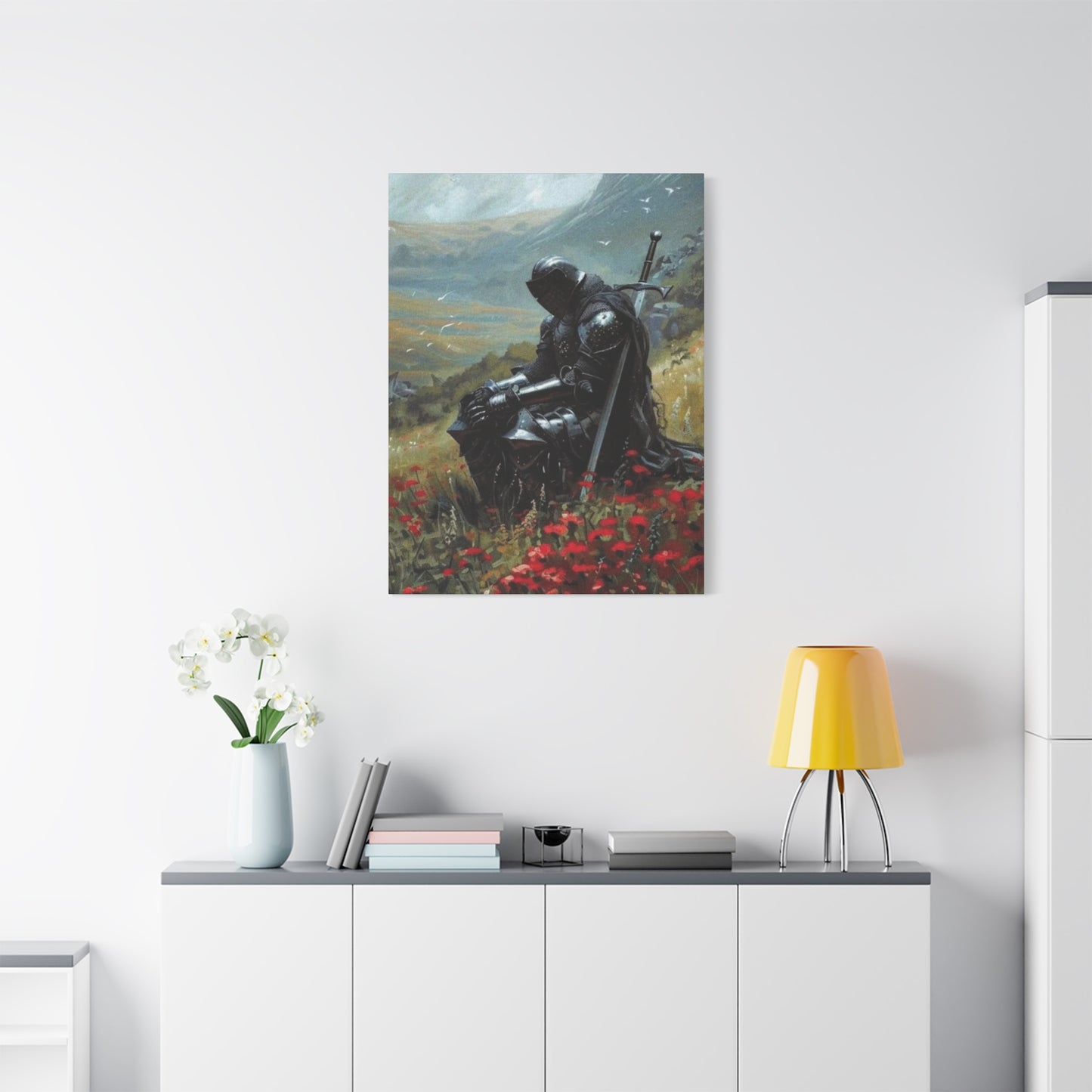
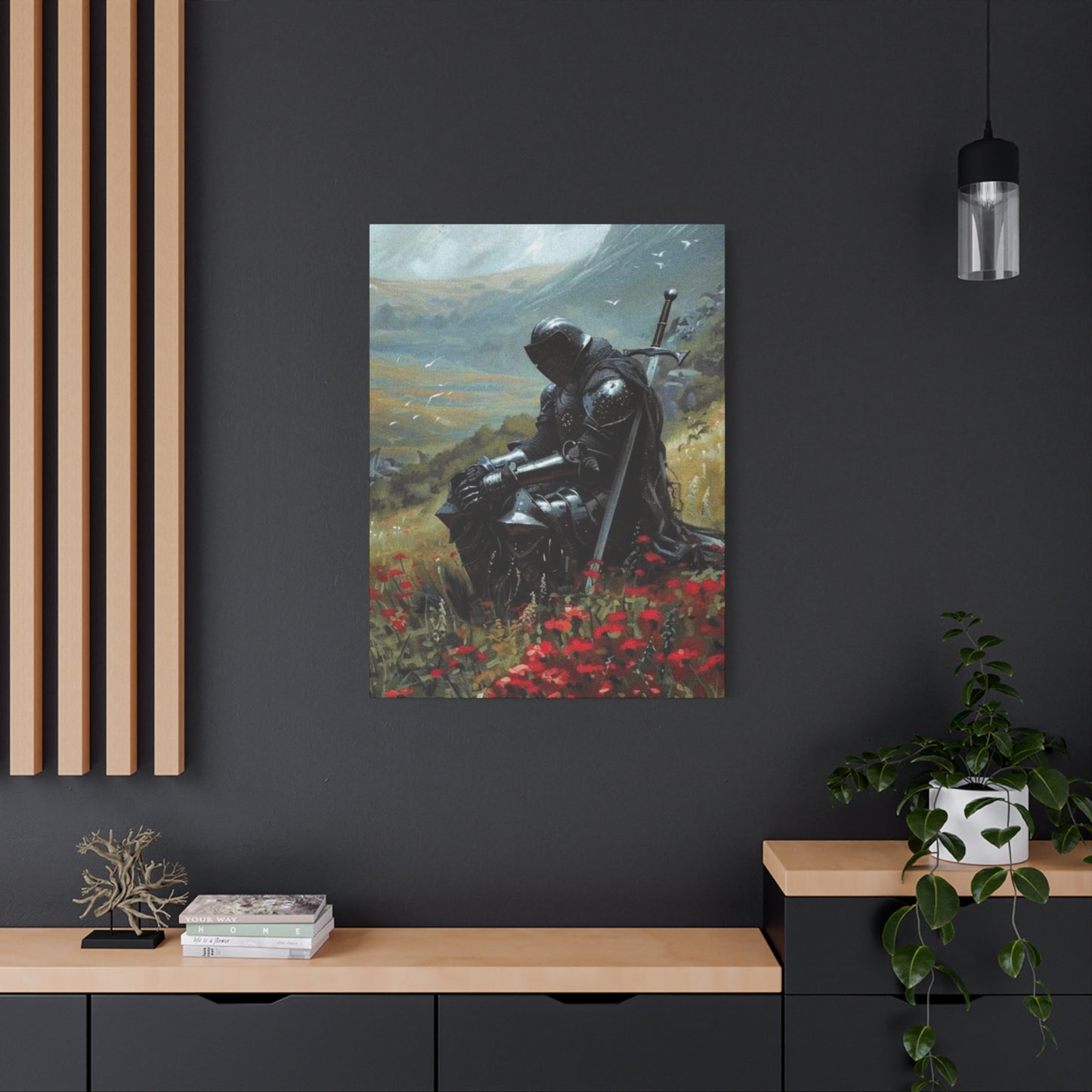
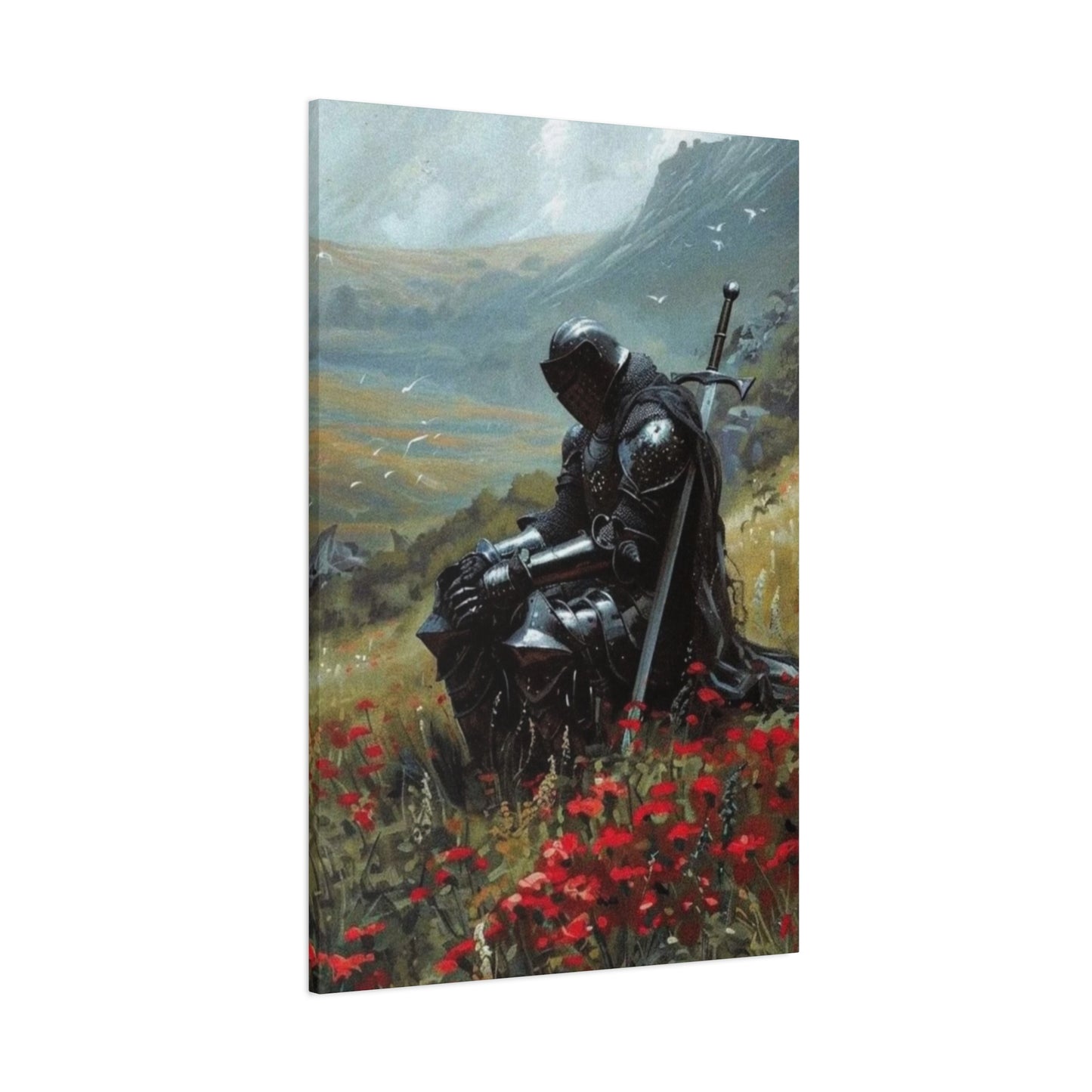
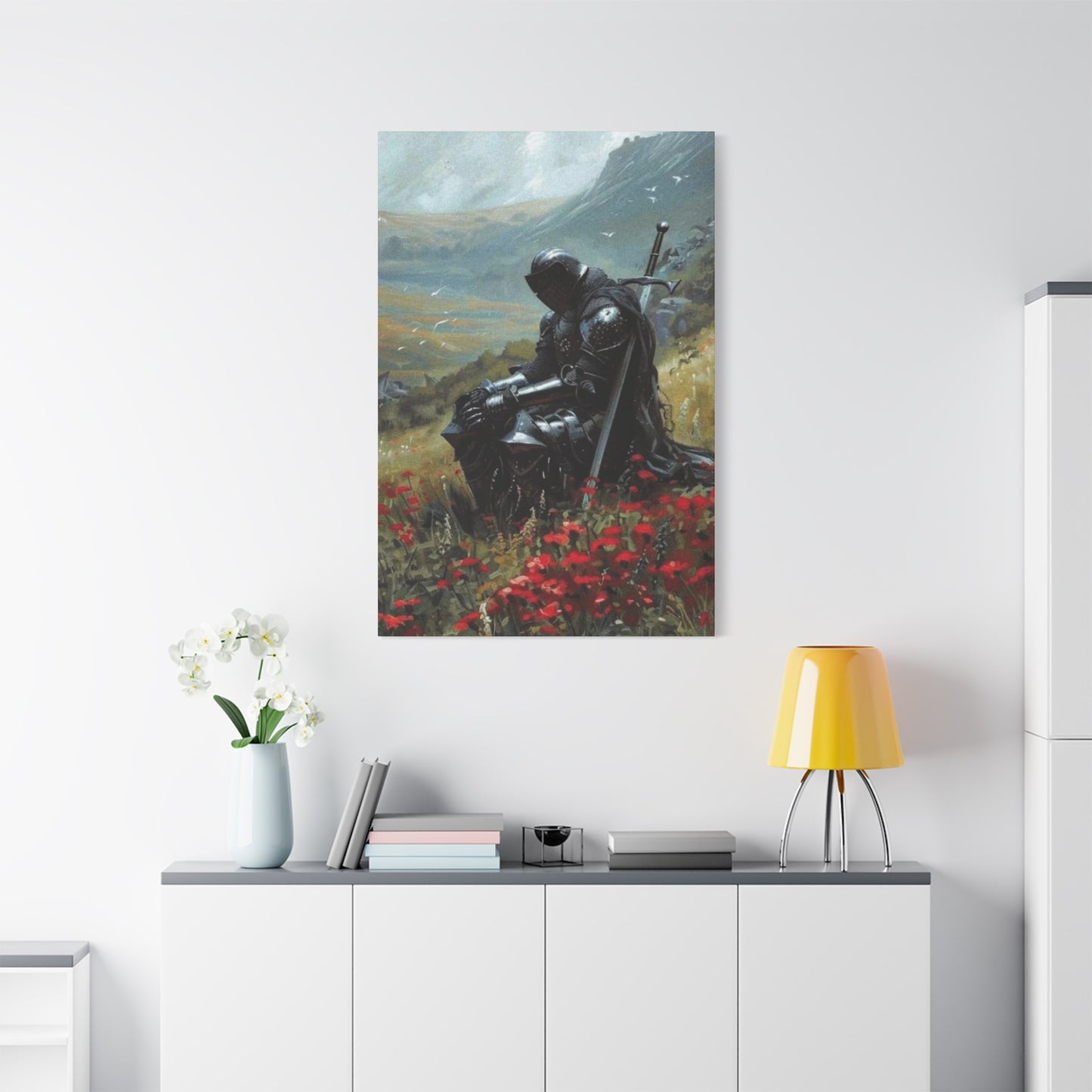
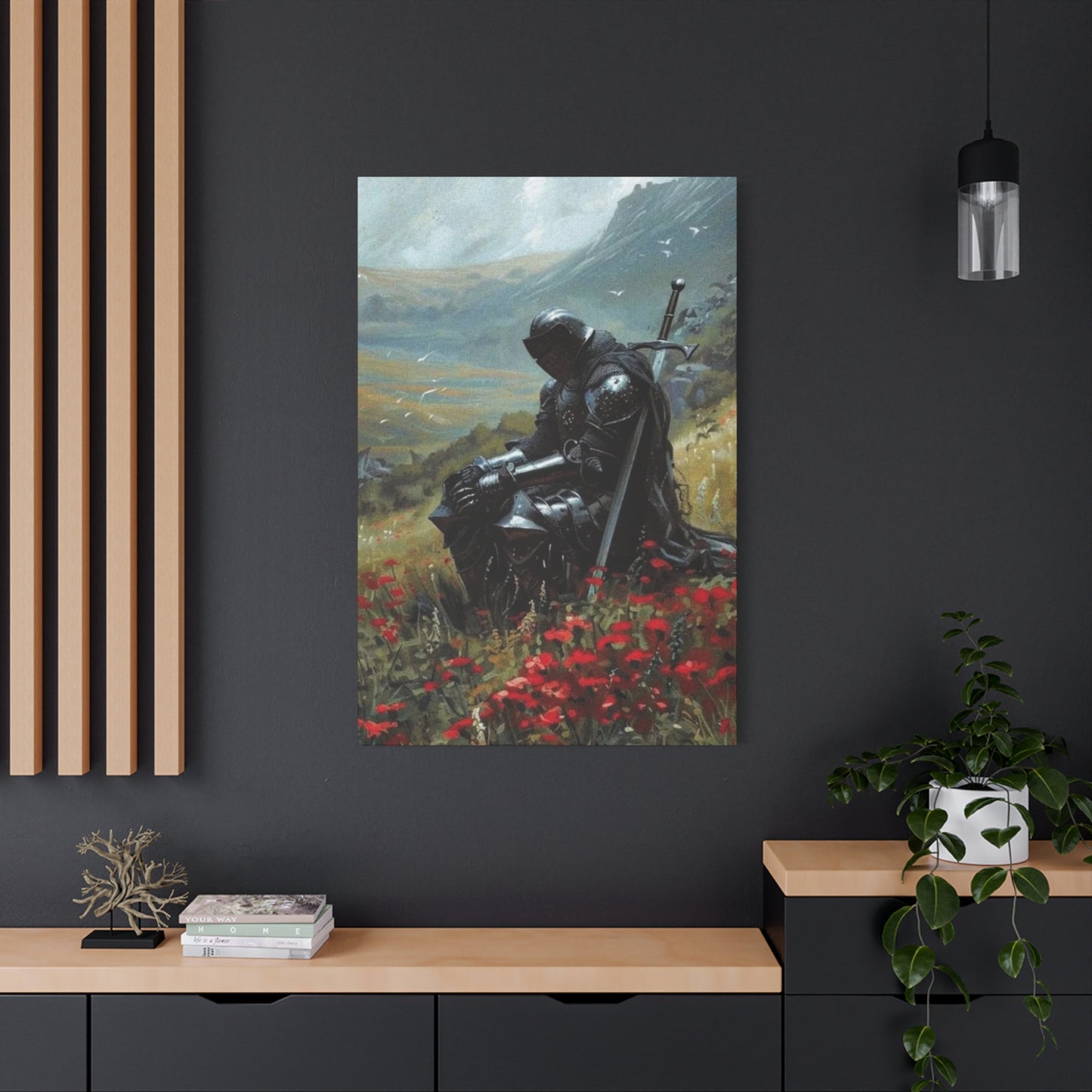
Alone Warrior Wall Art & Canvas Prints
Alone Warrior Wall Art & Canvas Prints
Couldn't load pickup availability
Unleash the Power of Solitary Fighter Canvas Prints - Transform Your Home with Alone Warrior Wall Art
The realm of masculine interior design has witnessed a remarkable surge in the popularity of solitary fighter canvas prints, representing strength, determination, and the unwavering spirit of those who stand alone against adversity. These striking visual elements have become essential components in modern living spaces, offices, and personal sanctuaries where individuals seek to cultivate an atmosphere of resilience and personal power. The alone warrior wall art phenomenon transcends mere decoration, serving as daily reminders of inner strength and the capacity to overcome life's most challenging obstacles.
Contemporary interior design enthusiasts have discovered that incorporating solitary fighter imagery into their living environments creates an immediate psychological impact, establishing spaces that resonate with themes of courage, independence, and unwavering determination. These artistic representations capture the essence of human perseverance, depicting figures who embody the qualities many aspire to develop within themselves. The visual narrative conveyed through such artwork speaks to fundamental aspects of the human experience, particularly the journey of self-discovery and personal empowerment that defines individual growth.
The market for masculine-themed artwork has expanded exponentially over recent years, with solitary fighter motifs leading this transformation. Consumers increasingly recognize the value of surrounding themselves with imagery that reflects their personal values and aspirations. The alone warrior wall art category has emerged as a particularly resonant choice for those seeking to create environments that inspire action, foster determination, and celebrate the strength found in self-reliance. This shift represents a broader cultural movement toward intentional living space design, where every element serves a purpose beyond mere aesthetics.
Discovering the Profound Symbolism Behind Solitary Fighter Imagery in Modern Living Spaces
The symbolism embedded within solitary fighter imagery reaches deep into human consciousness, tapping into archetypal representations that have existed across cultures and civilizations throughout recorded history. These figures represent more than simple combatants; they embody the eternal struggle between individual will and overwhelming circumstances. The lone warrior standing against impossible odds speaks to something fundamental in the human psyche, the recognition that true strength often emerges when one faces challenges without external support or validation.
Ancient civilizations revered warrior figures who demonstrated exceptional courage and skill, creating artistic tributes that celebrated their achievements and immortalized their spirits. From the samurai of feudal Japan to the knights of medieval Europe, from the Spartan warriors of ancient Greece to the Viking berserkers of Scandinavia, cultures worldwide have recognized and honored those who embody martial excellence and unwavering resolve. Modern interpretations of solitary fighter imagery draw upon this rich heritage, creating contemporary visual statements that connect present-day viewers with timeless themes of human potential and achievement.
The psychological impact of surrounding oneself with alone warrior wall art extends beyond surface-level appreciation. Research into environmental psychology demonstrates that the imagery we choose for our living spaces significantly influences our mental states, emotional responses, and behavioral patterns. Solitary fighter representations serve as constant visual anchors, subtly reinforcing messages of personal capability, resilience, and the power of individual agency. When positioned strategically within living or working environments, these images create psychological touchstones that viewers can reference during moments of doubt, difficulty, or decision-making.
The masculine energy channeled through solitary fighter imagery provides a counterbalance to the softening influences prevalent in many modern interior design schemes. While contemporary aesthetics often emphasize comfort, relaxation, and tranquility, incorporating elements of strength and determination creates a more dynamic, energized atmosphere. This balance proves particularly valuable in spaces dedicated to productivity, physical conditioning, or personal development, where the visual environment should encourage action rather than passive consumption.
Contemporary artists working within this genre demonstrate remarkable versatility, creating interpretations that range from historically accurate representations to highly stylized, abstract compositions. Some pieces emphasize photorealistic detail, capturing every nuance of armor, weaponry, and facial expression, while others embrace minimalist approaches that distill the essence of warrior spirit into simple, powerful forms. This diversity ensures that individuals with varying aesthetic preferences can find alone warrior wall art that resonates with their personal taste while maintaining the core thematic elements that make such imagery psychologically impactful.
Selecting the Perfect Dimensions and Placement Strategies for Maximum Visual Impact
The effectiveness of solitary fighter canvas prints depends significantly upon proper sizing and strategic placement within your living environment. Artwork dimensions must correspond appropriately to wall space, furniture arrangements, and room proportions to achieve optimal visual balance. Oversized pieces can overwhelm smaller rooms, creating claustrophobic sensations rather than inspiring feelings of strength, while undersized artwork may appear insignificant, failing to command the attention necessary for meaningful psychological impact.
Professional interior designers recommend measuring wall space carefully before selecting artwork dimensions, considering not only the physical dimensions of available surfaces but also the visual weight of surrounding furniture and architectural features. A solitary fighter canvas measuring thirty-six inches by forty-eight inches might serve perfectly as a focal point above a living room sofa, while a larger sixty-inch by eighty-inch piece could dominate an entire wall in a dedicated home gymnasium or personal office space. The scale relationship between artwork and surrounding elements determines whether the piece enhances or disrupts the overall spatial harmony.
Placement height significantly influences how viewers perceive and interact with alone warrior wall art. The center point of artwork should generally align with average eye level, approximately fifty-seven to sixty inches from the floor, though this guideline requires adjustment based on ceiling height, viewing distance, and whether viewers will typically observe the piece while standing or seated. In spaces where people primarily sit, such as living rooms or dining areas, lowering artwork by several inches ensures comfortable viewing angles that don't require upward neck strain.
The relationship between solitary fighter imagery and surrounding design elements requires careful consideration. These powerful visual statements typically benefit from relatively clean, uncluttered surroundings that allow the artwork to command attention without competing against busy patterns or conflicting visual themes. Neutral wall colors provide excellent backgrounds for dramatic warrior imagery, though carefully selected accent colors can enhance specific elements within the artwork itself. Dark charcoal, deep navy, or rich burgundy walls can create particularly striking backdrops for pieces featuring metallic armor or weapon details.
Lighting considerations prove crucial when displaying canvas prints, as improper illumination can diminish visual impact or cause damaging glare that obscures important details. Natural light should be controlled to prevent direct sunlight from fading pigments over time, while artificial lighting should be positioned to eliminate reflections and hotspots that distract from the image itself. Track lighting, picture lights, or strategically placed accent lamps can dramatically enhance the three-dimensional quality of textured canvas surfaces, creating depth and presence that flat lighting cannot achieve.
Multiple piece arrangements offer opportunities to create more complex visual narratives or expand thematic elements across larger wall surfaces. Triptych configurations, where three related images span horizontally across a wall, can depict progressive stages of warrior preparation, battle engagement, or victorious aftermath. Vertical arrangements emphasize ascension and achievement, while asymmetric groupings create dynamic tension that mirrors the conflict inherent in warrior imagery. When arranging multiple pieces, maintaining consistent spacing between canvases ensures visual cohesion while allowing each element to maintain its individual impact.
Exploring Diverse Artistic Styles and Visual Interpretations Available in Contemporary Markets
The contemporary marketplace offers an extraordinary diversity of artistic styles within the solitary fighter genre, providing options that range from classical realism to cutting-edge digital illustration. Photorealistic representations appeal to those who appreciate technical mastery and historically accurate depictions, featuring warriors rendered with meticulous attention to period-appropriate armor, weaponry, and environmental details. These pieces often draw inspiration from specific historical periods or cultures, creating connections to actual martial traditions and the individuals who practiced them.
Impressionistic interpretations sacrifice precise detail in favor of emotional resonance and atmospheric mood. These pieces employ loose brushwork, dynamic color palettes, and suggestive forms that capture the essence of warrior spirit without slavish adherence to literal representation. The resulting images often convey movement, energy, and psychological intensity more effectively than highly detailed alternatives, creating visceral responses that bypass intellectual analysis and speak directly to emotional centers.
Abstract approaches to solitary fighter imagery push boundaries further, distilling warrior themes into geometric forms, color relationships, and compositional structures that suggest rather than depict martial subjects. These pieces require more interpretive engagement from viewers, rewarding contemplation with layered meanings and personal revelations. Abstract alone warrior wall art pairs particularly well with contemporary minimalist interiors, where representational imagery might feel incongruous with overall design philosophy.
Digital illustration techniques have revolutionized the creation of warrior-themed artwork, enabling artists to achieve effects impossible through traditional media. Digital artists can seamlessly blend photographic elements with painted components, incorporate three-dimensional rendering techniques, and manipulate colors and textures with unprecedented precision. The resulting images often possess a hyperreal quality that enhances dramatic impact while maintaining painterly characteristics that distinguish them from mere photographs.
Mixed media approaches combine multiple artistic techniques within single compositions, creating rich textural variations and visual complexity. These pieces might incorporate acrylic painting with metal leaf application, combine photographic transfers with hand-painted details, or layer digital printing with physical embellishments. The dimensional quality of mixed media work adds physical depth that enhances the illusion of three-dimensionality, making warriors appear to emerge from the canvas surface itself.
Cultural variations in solitary fighter representation reflect different martial traditions and aesthetic sensibilities from around the world. Eastern warrior depictions, particularly those drawing from Japanese samurai culture, often emphasize discipline, honor, and spiritual cultivation alongside physical prowess. Western knight imagery tends to highlight chivalric ideals, protective instincts, and the struggle between civilization and chaos. Viking-inspired pieces celebrate raw power, fearlessness, and the warrior's acceptance of fate. Norse mythology-based artwork incorporates supernatural elements alongside martial themes, connecting earthly combat with cosmic struggles.
Contemporary street art influences have infiltrated the warrior imagery genre, bringing urban aesthetics, graffiti-inspired typography, and counter-culture attitudes to traditional martial themes. These pieces often feature bold outlines, limited color palettes dominated by black and white with strategic color accents, and incorporation of text elements that reinforce thematic messages. The resulting hybrid style appeals particularly to younger demographics seeking artwork that reflects both timeless warrior values and contemporary cultural relevance.
Understanding the Manufacturing Process and Material Considerations for Long-Lasting Quality
The creation of high-quality solitary fighter canvas prints involves sophisticated manufacturing processes that transform digital or photographic artwork into durable, visually striking physical objects. Understanding these processes helps consumers make informed purchasing decisions and appreciate the craftsmanship behind finished pieces. The journey from concept to completed canvas involves multiple stages, each contributing to the final product's quality, longevity, and visual impact.
Canvas material selection forms the foundation of quality artwork reproduction. Premium canvases utilize tightly woven cotton or polyester fabrics that provide smooth, consistent printing surfaces while maintaining structural integrity over decades of display. Cotton canvases offer traditional feel and superior color absorption, creating depth and richness that synthetic alternatives sometimes struggle to match. Polyester canvases provide enhanced durability and resistance to environmental factors like humidity and temperature fluctuations, making them preferable for challenging display environments.
The printing process itself employs sophisticated inkjet systems capable of reproducing millions of distinct colors with microscopic precision. Professional-grade printers use pigment-based inks rather than dye-based alternatives, ensuring color fastness and resistance to fading from ultraviolet exposure. These archival-quality inks penetrate canvas fibers rather than simply coating the surface, creating permanent bonds that withstand cleaning, handling, and environmental exposure without degradation. The resulting prints maintain their visual integrity for generations when properly cared for and displayed away from direct sunlight.
Stretching printed canvas over wooden frames requires considerable skill and specialized equipment to achieve proper tension and alignment. Premium manufacturers use kiln-dried pine or fir stretcher bars cut to precise dimensions and joined with reinforced corners that prevent warping or sagging over time. The canvas wrapping process must maintain even tension across the entire surface, eliminating ripples, waves, or loose areas that would distort the image. Gallery wrap techniques, where the image continues around the edges of the frame, create finished appearances that require no additional framing, though some consumers prefer traditional framing for added protection and formal presentation.
Protective coating application represents the final manufacturing stage for most canvas prints, providing defense against dust, moisture, fingerprints, and minor physical contact. These clear, semi-gloss or matte coatings enhance color vibrancy while creating subtle texture that mimics traditional oil or acrylic painting surfaces. Quality coatings remain flexible as canvas naturally expands and contracts with environmental changes, preventing cracking or flaking that would compromise both protection and appearance. Some premium manufacturers offer additional UV-protective coatings that significantly extend the lifespan of displayed artwork, particularly valuable for pieces positioned near windows or in brightly lit spaces.
Backing materials and hardware systems ensure secure mounting and proper canvas support throughout the artwork's lifetime. Sturdy backing boards prevent canvas from being pushed inward by accidental contact while maintaining proper spacing between the canvas back and wall surface. Heavy-duty hanging systems, typically consisting of sawtooth hangers, D-rings, or wire systems, must support artwork weight reliably while allowing for easy repositioning and leveling. Premium manufacturers include protective corner bumpers that prevent wall contact and maintain air circulation behind the canvas, reducing moisture accumulation that could promote mold growth or structural damage.
Custom printing services allow consumers to transform personally meaningful images into professional-quality canvas displays, expanding possibilities beyond commercially available designs. These services accommodate various source material types, from high-resolution digital photographs to hand-drawn artwork that requires scanning and digital enhancement. Professional custom printers can optimize color balance, adjust contrast and saturation, remove imperfections, and even extend backgrounds or modify compositions to achieve desired final appearances. This customization capability enables creation of truly unique alone warrior wall art pieces that reflect personal vision rather than mass-market aesthetics.
Identifying Authentic Quality Markers That Distinguish Premium Products from Inferior Alternatives
The canvas print marketplace contains enormous quality variation, with premium products commanding significantly higher prices than budget alternatives. Understanding quality markers helps consumers identify genuine value and avoid disappointing purchases that fail to deliver expected visual impact or acceptable longevity. Several key characteristics distinguish superior solitary fighter canvas prints from inferior mass-produced items designed to maximize profit margins while minimizing manufacturing costs.
Image resolution represents the most fundamental quality indicator, determining how sharply details render when viewed at normal distances. Premium prints utilize source images with sufficient pixel density to maintain clarity when enlarged to final display dimensions, typically requiring at least three hundred dots per inch at the intended print size. Lower resolution images may appear acceptable in online previews but reveal pixelation, blur, or jagged edges when examined in person. Particularly problematic are prints that attempt to enlarge low-resolution source material beyond its native capacity, resulting in soft, indistinct images that lack the crisp definition necessary for truly impactful warrior imagery.
Color accuracy and vibrancy separate professional-grade prints from amateur productions. Quality manufacturers employ color management systems that ensure printed output closely matches digital source files, maintaining the artist's intended palette and tonal relationships. Cheap printing processes often produce muddy colors, incorrect hues, or excessive contrast that destroys subtle gradations and dimensional modeling. Premium prints display rich, saturated colors that remain true to source material while exhibiting proper balance between highlights, midtones, and shadows that create convincing three-dimensional form.
Canvas weave density affects both visual quality and structural durability. Tightly woven fabrics with minimal visible texture provide superior surfaces for detailed imagery, allowing fine lines, subtle color transitions, and intricate patterns to reproduce accurately. Loose, coarse weaves create pronounced texture that interferes with image clarity, making fine details appear fuzzy or indistinct. While some artistic styles benefit from visible canvas texture, photorealistic warrior portraits and detailed battle scenes require smooth, fine-weave surfaces to achieve their intended impact.
Frame construction quality determines how well canvas maintains its shape and tension over years of display. Solid wood frames cut from quality lumber provide stable foundations that resist warping, while inferior products use cheap composite materials, thin wood strips, or even cardboard that quickly deforms under normal environmental conditions. Corner joints should feature proper joinery techniques such as mortise and tenon or reinforced miter joints rather than simple butt joints held together with staples or weak adhesive. Frame thickness matters too, with substantial depth creating impressive three-dimensional presence while shallow frames appear flimsy and insubstantial.
Edge finishing and wrapping techniques reveal manufacturing quality and attention to detail. Gallery wrap presentations should show image elements extending cleanly around frame edges without distortion, misalignment, or unsightly staple placement visible from side viewing angles. The canvas should wrap completely around frame sides and fold neatly onto the back, secured with sufficient staples or tacks to prevent future loosening. Sloppy edge work with visible staples, uneven folds, or insufficient material coverage indicates rushed manufacturing and probable quality shortcuts throughout the production process.
Protective coating quality affects both immediate appearance and long-term preservation. Premium coatings apply evenly without runs, drips, pooling, or uncovered areas, creating consistent sheen and protection across the entire image surface. Inferior coatings may leave streaks, create uneven gloss levels, or fail to cover edges and margins adequately. Quality coatings enhance colors without creating excessive glare or reflections that make viewing difficult under typical lighting conditions. The coating should flex naturally with canvas movement rather than creating rigid, brittle surfaces prone to cracking.
Packaging and shipping methods employed by manufacturers indicate their commitment to delivering products in pristine condition. Quality producers use substantial protective materials including corner guards, multiple layers of bubble wrap or foam, and rigid cardboard boxes that prevent crushing or puncturing during transit. Cheap packaging allows artwork to shift, bend, or impact box sides during shipping, frequently resulting in frame damage, canvas dents, or punctures that render pieces unsaleable. Companies confident in their product quality invest in protective packaging that ensures safe arrival, while budget operations minimize shipping costs at the expense of product integrity.
Creating Cohesive Interior Design Schemes That Maximize Warrior Artwork Impact
Integrating solitary fighter canvas prints into existing interior design schemes requires thoughtful consideration of color relationships, stylistic consistency, and thematic coherence. Successful incorporation creates environments where warrior imagery enhances rather than conflicts with surrounding elements, establishing unified aesthetic statements that reflect personal values and design sensibilities. The process involves analyzing existing design components, identifying opportunities for harmonious integration, and making strategic adjustments that allow artwork to achieve maximum impact while maintaining overall spatial balance.
Color palette coordination forms the foundation of successful artwork integration. Extracting dominant colors from warrior imagery and echoing them throughout the space through furniture upholstery, accent pillows, area rugs, or wall paint creates visual connections that unify disparate elements into cohesive wholes. A canvas featuring armored warriors with prominent silver metallic elements might be enhanced by incorporating brushed nickel hardware, stainless steel furniture legs, or mercury glass accessories. Pieces dominated by warm earth tones benefit from complementary leather furnishings, wooden accents, and natural fiber textiles that reinforce organic, grounded qualities.
Stylistic consistency ensures that alone warrior wall art feels integrated rather than arbitrarily placed. Contemporary warrior interpretations with clean lines, bold graphics, and minimalist compositions pair naturally with modern furniture featuring geometric forms, metal and glass construction, and monochromatic color schemes. Traditional warrior portraits depicting historical figures in period-appropriate settings complement classic furniture styles, rich wood tones, and ornate architectural details. Industrial-themed spaces with exposed brick, metal ductwork, and utilitarian furnishings provide excellent contexts for gritty, weathered warrior imagery that emphasizes raw power and battle-hardened resilience.
Thematic reinforcement through complementary decorative elements strengthens the psychological impact of warrior imagery. Spaces featuring solitary fighter artwork benefit from additional masculine accessories that support themes of strength, achievement, and personal discipline. Vintage weaponry displays, martial arts training equipment, trophy collections, or leather-bound book sets create layered narratives that position warrior artwork as central elements within broader stories about personal values and aspirations. However, restraint prevents spaces from becoming heavy-handed or thematically overwhelming; subtle reinforcement proves more sophisticated than obvious redundancy.
Furniture arrangement should direct attention toward featured artwork rather than competing for visual dominance. Seating orientations that naturally encourage viewing of displayed pieces enhance their psychological influence while creating focal points for rooms that might otherwise lack clear centers of interest. Coffee tables, console tables, or mantels positioned below artwork provide staging areas for complementary decorative objects that reinforce thematic elements without obscuring views. Maintaining clear sight lines prevents furniture placement from creating awkward viewing angles that diminish appreciation of carefully selected pieces.
Lighting design dramatically influences how warrior artwork appears and functions within spaces. Ambient lighting sets overall mood while task and accent lighting highlight specific features or create dramatic effects. Warrior imagery often benefits from directional lighting that creates shadows and highlights emphasizing three-dimensional form and dramatic tension. Adjustable track lighting systems offer flexibility to experiment with different lighting angles and intensities until achieving desired effects. Dimmer controls allow mood adjustment based on time of day or activity, creating energizing brightness for morning routines or subdued intensity for evening relaxation.
Textural variety prevents spaces from feeling flat or monotonous while creating sensory interest that extends beyond visual perception alone. Combining smooth canvas surfaces with rough-hewn wood, soft textiles, polished metals, and matte finishes creates dynamic interplay that engages multiple senses. Warrior artwork's smooth painted surfaces contrast beautifully against textured wallcoverings, stone or brick accent walls, and tactile upholstery fabrics. These contrasts create depth and complexity that make spaces feel thoughtfully composed rather than hastily assembled.
Scale relationships between artwork, furniture, and architectural elements require careful balancing to achieve harmonious proportions. Large-scale warrior pieces demand substantial furniture that can visually support their presence without appearing dwarfed or insignificant. Conversely, modestly sized artwork overwhelms spaces when surrounded by delicate, lightweight furniture that lacks adequate visual mass. Achieving proper scale relationships sometimes requires adjusting furniture selections, artwork dimensions, or both to create comfortable equilibrium where all elements feel appropriately sized relative to one another.
Protecting Your Investment Through Proper Environmental Controls and Handling Practices
Solitary fighter canvas prints represent significant financial and emotional investments deserving proper care to ensure decades of enjoyment and maintained visual quality. Environmental factors pose the greatest threats to canvas artwork longevity, with light exposure, humidity fluctuations, temperature extremes, and atmospheric contaminants all capable of causing gradual or catastrophic damage. Understanding these threats and implementing protective measures preserves both monetary value and aesthetic integrity throughout ownership.
Ultraviolet radiation from sunlight and certain artificial light sources represents the primary enemy of canvas print longevity. UV exposure causes chemical degradation of both canvas fibers and printed inks, resulting in fading, yellowing, and structural weakening that accumulates over time. Direct sunlight exposure accelerates this process dramatically, potentially causing noticeable fading within months rather than decades. Protective measures include positioning artwork away from windows receiving direct sun, installing UV-filtering window films or solar shades, and using UV-protective glass or acrylic glazing when framing. Even indirect natural light contains sufficient UV radiation to cause gradual damage, making supplemental protection valuable for pieces displayed in brightly lit spaces.
Humidity control prevents multiple forms of damage that threaten canvas integrity. Excessive moisture promotes mold and mildew growth on canvas surfaces and wooden stretcher frames, creating unsightly staining and potentially irreversible damage. High humidity also causes canvas fibers to expand and contract repeatedly, eventually leading to sagging, warping, or separation from stretcher frames. Conversely, extremely low humidity causes canvas to become brittle and prone to cracking, while wooden frames may shrink and split. Maintaining relative humidity between forty and sixty percent through humidification or dehumidification systems provides optimal conditions for canvas preservation.
Temperature stability prevents expansion and contraction cycles that stress both canvas and frame materials. Dramatic temperature swings cause materials with different expansion coefficients to move at different rates, creating mechanical stresses at joints and attachment points. Over time, this cycling loosens canvas tension, separates glued joints, and creates other structural problems requiring professional restoration. Maintaining consistent temperatures between sixty and seventy-five degrees Fahrenheit minimizes these stresses while creating comfortable living conditions for occupants. Artwork should never hang above heat sources such as fireplaces, radiators, or heating vents that create localized temperature extremes.
Air quality considerations protect canvas from atmospheric contaminants that accelerate deterioration. Airborne particles including dust, smoke, cooking oils, and industrial pollutants settle on canvas surfaces, creating grimy accumulations that dull colors and create permanent staining. Chemical pollutants from cleaning products, air fresheners, or outdoor sources can react with canvas materials and inks, causing discoloration or material breakdown. Regular air filtration through HVAC systems or standalone air purifiers reduces contaminant levels, while avoiding smoking or burning candles near artwork prevents direct exposure to particularly harmful substances.
Physical handling practices prevent accidental damage during cleaning, repositioning, or storage. Canvas surfaces should never be touched directly, as skin oils transfer to fibers and attract dirt while potentially causing chemical reactions with inks. When moving artwork, grasp frame edges rather than touching printed surfaces, and always support larger pieces from underneath rather than relying solely on hanging hardware. Never stack unprotected canvases against one another, as surface contact can cause sticking, transfer of pigments, or physical abrasion. When storage becomes necessary, wrap pieces in acid-free tissue paper, place cardboard sheets between multiple pieces, and store vertically or flat rather than leaning against walls where they might slip and sustain edge damage.
Cleaning procedures require gentle approaches that remove surface contaminants without damaging delicate canvas surfaces or protective coatings. Regular dusting using soft, clean, dry microfiber cloths or feather dusters prevents accumulation that might require more aggressive cleaning methods. For stubborn dirt or staining, lightly dampened cloths with distilled water can spot-clean specific areas, though excessive moisture must be avoided to prevent water staining or damage to inks and coatings. Commercial canvas cleaners formulated specifically for artwork provide safer alternatives to household cleaning products that might contain harmful chemicals. When dirt accumulation exceeds safe DIY cleaning capabilities, professional art conservators possess specialized knowledge and tools for safely cleaning valuable pieces without causing damage.
Examining Price Points and Value Propositions Across Different Market Segments
The solitary fighter canvas print marketplace spans enormous price ranges, from budget offerings under fifty dollars to premium limited editions commanding thousands. Understanding factors that drive pricing helps consumers make informed purchasing decisions aligned with their budgets, quality expectations, and intended uses. Price variations reflect differences in production quality, artistic value, exclusivity, and seller positioning rather than arbitrary markup practices, though some price inflation certainly occurs at both budget and premium market segments.
Mass-produced prints from discount retailers offer entry-level pricing that makes decorative artwork accessible to budget-conscious consumers. These pieces typically utilize lower-resolution source images, cheaper canvas materials, basic printing processes, and minimal quality control. The resulting products provide acceptable visual impact when viewed from normal distances but reveal quality limitations upon closer inspection. For temporary spaces, rental properties, or situations where artwork serves purely decorative rather than inspirational purposes, budget options deliver reasonable value despite their limitations. However, consumers should maintain realistic expectations about longevity, with budget prints often showing visible deterioration within several years of normal display.
Mid-market offerings balance quality and affordability, providing significantly better materials and construction than budget alternatives without reaching premium pricing levels. These pieces typically feature higher-resolution printing, better canvas materials, more durable frame construction, and improved quality control processes. Mid-market alone warrior wall art delivers solid performance for most residential applications, maintaining acceptable appearance throughout normal ownership periods. Pricing typically ranges from one hundred to three hundred dollars depending on size, with larger pieces commanding proportionally higher prices reflecting increased material costs and shipping expenses. This segment offers optimal value for most consumers seeking quality artwork without premium expenditures.
Premium manufacturers justify higher pricing through superior materials, advanced printing techniques, exclusive artwork licensing, limited production runs, and comprehensive quality assurance processes. These pieces often feature artist-signed certificates of authenticity, archival materials guaranteed for specific lifespans, and construction quality ensuring decades of display without significant deterioration. Premium pricing typically begins around four hundred dollars and extends upward based on size, exclusivity, and artistic reputation. For consumers prioritizing maximum quality, long-term value retention, or acquisition of collectible pieces with potential appreciation, premium segment offerings justify their elevated costs through demonstrable superiority across all quality metrics.
Custom commissioned artwork represents the highest price tier, with costs determined by artist reputation, piece complexity, size requirements, and production timeframes. Original paintings from established artists can command tens of thousands of dollars, while emerging artists might create commissioned pieces for several thousand. Even high-quality photographic prints or digital illustrations created specifically for individual clients typically cost minimally one thousand dollars after accounting for artist time, creative consultation, revisions, and production. Custom work provides the ultimate expression of personal vision, creating truly unique pieces impossible to replicate through commercial channels.
Value assessment requires considering multiple factors beyond simple acquisition cost. Durability projections help calculate effective cost-per-year-of-display, revealing that seemingly expensive premium pieces may deliver better long-term value than cheaper alternatives requiring replacement after short periods. Psychological impact and personal satisfaction also factor into value equations, as artwork that genuinely inspires and motivates provides intangible benefits beyond monetary measurement. Resale potential matters for collectors treating artwork as investments, though most canvas prints depreciate rather than appreciate unless they feature work by artists who subsequently achieve greater recognition.
Sales events, discount codes, and promotional offers periodically reduce effective prices across all market segments. Many online retailers offer percentage discounts for email subscribers, substantial savings during holiday shopping periods, or reduced pricing when purchasing multiple pieces simultaneously. These promotional strategies allow consumers to access higher-quality products at mid-market prices or acquire mid-market pieces at budget-level costs. However, perpetual sales and inflated list prices used by some retailers create artificial savings claims that mislead consumers about actual value. Researching typical market pricing for comparable items helps identify genuine bargains versus manipulative pricing strategies.
Discovering Niche Subcategories Within the Broader Warrior Artwork Genre
The solitary fighter canvas print category encompasses numerous specialized subcategories reflecting different warrior archetypes, cultural traditions, and aesthetic approaches. Exploring these niches helps consumers identify specific themes that resonate most powerfully with their personal values, cultural heritage, or aesthetic preferences. Each subcategory carries distinct symbolic associations and visual characteristics that create unique psychological impacts and design possibilities.
Samurai warrior imagery draws from Japanese martial traditions emphasizing discipline, honor, and spiritual cultivation alongside combat prowess. These pieces often feature warriors in elaborate armor, wielding katanas or other traditional weapons, frequently positioned against minimalist backgrounds that emphasize focus and intentionality. Cherry blossoms, rising suns, and calligraphic elements commonly appear as complementary design components. The aesthetic typically emphasizes clean lines, limited color palettes dominated by blacks, reds, and metallic tones, and composition strategies derived from traditional Japanese art principles. Samurai-themed alone warrior wall art particularly appeals to martial arts practitioners, those with Japanese cultural connections, or individuals drawn to philosophies emphasizing mastery through disciplined practice.
Medieval knight representations celebrate European chivalric traditions, depicting armored warriors embodying honor, duty, and protective instincts. These pieces frequently feature full plate armor, heraldic shields, longswords or lances, and sometimes mounted on warhorses charging into battle. Castle backgrounds, battlefield settings, or tournament grounds provide contextual environments. The visual style often incorporates rich, saturated colors particularly reds, blues, golds, and deep greens alongside metallic armor tones. Knight imagery resonates with those valuing protective instincts, traditional masculine ideals, or connections to European ancestral heritage.
Viking warrior artwork channels Norse martial traditions, emphasizing raw power, fearlessness, and acceptance of fate. These fierce representations often show bearded warriors wielding axes, hammers, or swords, wearing horned helmets despite historical inaccuracy, and displaying aggressive, intimidating postures. Nordic symbols including runes, Thor's hammer, or Viking ships frequently supplement central warrior figures. The aesthetic typically embraces dramatic lighting, stormy atmospheric conditions, and gritty textures suggesting harsh northern climates and brutal combat. Viking-themed pieces appeal particularly to those with Scandinavian heritage or individuals drawn to mythology and pagan spiritual traditions.
Gladiator depictions reference ancient Roman combat entertainment, showing warriors in arena settings facing deadly opponents or wild beasts. These muscular figures typically wear minimal armor, emphasizing physical conditioning and combat skill over protective equipment. Colosseum backgrounds, cheering crowds, or defeated opponents provide contextual storytelling. The visual approach often incorporates dramatic lighting, dynamic action poses, and cinematic composition strategies. Gladiator imagery connects with themes of survival against overwhelming odds, performance under pressure, and refusing to surrender despite desperate circumstances.
Spartan warrior representations celebrate ancient Greek martial excellence, depicting the legendary warriors of Sparta renowned for their discipline and battlefield effectiveness. These pieces typically show warriors with distinctive Corinthian helmets, round shields, and spears, often arranged in phalanx formations suggesting collective strength through individual excellence. The visual style frequently incorporates ancient Greek architectural elements, olive branches, or lambda symbols. Spartan imagery resonates with those valuing discipline, physical conditioning, and subordination of individual comfort to greater purposes.
Modern military operator artwork depicts contemporary soldiers, particularly special forces personnel, engaged in missions requiring exceptional skill and courage. These tactical warriors wear modern combat equipment including body armor, night vision devices, and assault rifles, operating in urban or wilderness environments. The aesthetic emphasizes realism, tactical accuracy, and contemporary relevance. This subcategory appeals particularly to military veterans, law enforcement personnel, or those who admire modern warrior professions.
Mythological warrior representations draw from various cultural mythologies, depicting legendary figures like Achilles, Hercules, or Beowulf. These pieces blend historical martial elements with supernatural components, creating larger-than-life imagery that transcends realistic representation. Gods, monsters, and magical elements frequently appear alongside warrior protagonists. The visual approach often embraces dramatic, fantastical aesthetics with impossible lighting, exaggerated proportions, and supernatural effects. Mythological warrior artwork appeals to those drawn to epic narratives and archetypal hero journeys.
Fantasy warrior creations inhabit purely imaginative realms, unrestricted by historical accuracy or cultural tradition. These pieces might feature warriors in elaborate armor designs impossible to construct, wielding magical weapons, or displaying supernatural abilities. Dragons, demons, or other fantastical creatures often appear as adversaries or allies. The aesthetic typically emphasizes creativity, dramatic color palettes, and spectacular visual effects. Fantasy warrior imagery resonates particularly with gaming enthusiasts, fantasy literature fans, or those seeking purely imaginative rather than historically-grounded representations.
Understanding Psychological Mechanisms That Make Warrior Imagery Psychologically Powerful
The profound psychological impact generated by solitary fighter canvas prints stems from deep-rooted cognitive and emotional mechanisms that operate largely below conscious awareness. These images tap into fundamental aspects of human psychology including archetypal symbolism, aspirational identification, environmental priming effects, and narrative comprehension systems. Understanding these mechanisms reveals why warrior imagery proves so consistently effective at influencing mood, motivation, and self-concept.
Archetypal psychology, pioneered by Carl Jung and expanded by subsequent researchers, identifies recurring symbolic figures that appear across cultures and throughout human history. The warrior archetype represents one of the most powerful and universal of these patterns, embodying qualities including courage, strength, discipline, and the willingness to face danger in pursuit of important goals. When individuals encounter warrior imagery, unconscious recognition of this archetype activates associated psychological patterns and emotional responses. This activation occurs automatically and powerfully, creating psychological resonance that transcends intellectual analysis.
Aspirational identification describes the process through which individuals psychologically connect with figures embodying desired qualities or achievements. When viewing alone warrior wall art, observers unconsciously imagine themselves possessing the strength, courage, and capability displayed by depicted warriors. This identification process activates motivational systems, making individuals more likely to pursue challenging goals, persist through difficulties, and demonstrate courage when facing intimidating circumstances. The visual presence of warrior imagery serves as a constant reminder of these aspirational qualities, repeatedly reinforcing the psychological connection between current self and idealized capable self.
Environmental priming refers to subtle influences that surrounding stimuli exert on thoughts, emotions, and behaviors. Research demonstrates that environmental cues significantly shape psychological states even when individuals remain consciously unaware of these influences. Warrior imagery primes concepts related to strength, courage, determination, and resilience, making these qualities more mentally accessible and increasing the likelihood that individuals will draw upon them when facing challenges. Over time, repeated exposure to these priming influences can actually strengthen associated psychological qualities, creating measurable personality changes aligned with warrior virtues.
Mirror neuron systems in the brain activate when observing others performing actions, creating neural patterns similar to those generated when actually performing those actions personally. When viewing dynamic warrior imagery depicting combat stances, weapon handling, or powerful physical expressions, these neural systems partially recreate the experience of performing such actions. This neurological mirroring creates embodied understanding and emotional resonance that purely intellectual processing cannot achieve. The resulting psychological engagement proves far more powerful than passive observation, creating genuine emotional and motivational responses.
Final Thoughts
Solitary fighter canvas prints serve as powerful symbols of strength, resilience, and the indomitable human spirit. For those seeking to create bold, masculine interior statements, these artworks offer the perfect balance of aesthetic appeal and emotional depth. Whether you are looking to decorate a personal space like a home office or a more shared area such as a living room or man cave, the inclusion of fighter-themed art introduces a layer of intensity and purpose that resonates with the idea of overcoming obstacles, fighting for one’s beliefs, and standing tall in the face of adversity.
At its core, the solitary fighter canvas captures a moment of determination, often highlighting a lone figure engaged in battle or the solitary nature of training and preparation. The choice of a single fighter, alone in their pursuit, conveys the universal themes of individual strength and personal growth. It's not just about physical combat, but about the emotional, mental, and spiritual battles that everyone faces. The figure can represent someone overcoming personal struggles, pushing past their limits, or achieving a sense of self-mastery. In this way, the artwork becomes more than just a decorative piece—it becomes a visual reminder of perseverance and the relentless pursuit of one’s goals.
The powerful imagery found in fighter canvas prints also taps into the raw, visceral energy that is often associated with masculinity. From the chiseled physiques of martial artists to the fierce concentration of a boxer preparing for the ring, these images speak to the physical strength, discipline, and determination often admired in masculine culture. Yet, they also evoke deeper emotional and philosophical layers. The fighter is often depicted not just in moments of action but in moments of solitude, reflecting their personal journey. This duality—of physical power and internal struggle—creates a rich narrative that can speak to any viewer, especially those who value the complex layers of masculinity.
In terms of interior design, solitary fighter canvas prints add an undeniable statement to any space. Their dramatic composition and bold visuals create a striking contrast against more subdued elements, elevating the entire room. Whether you're incorporating these pieces into an industrial-inspired loft, a modern minimalist home, or a rustic man cave, these artworks work seamlessly to infuse the space with character, intensity, and confidence. The dynamic imagery typically featured in fighter art captures the viewer’s attention immediately, becoming the focal point of the room. Its presence in the space can instigate a sense of empowerment, encouraging those who enter the room to embody the same strength and resolve represented in the artwork.
Additionally, fighter-themed art offers a unique blend of traditional masculinity with a contemporary artistic approach. The stark, often gritty portrayal of the fighter, combined with modern design elements such as abstract backgrounds, striking color palettes, or textured finishes, makes these prints highly versatile. Whether you choose a high-energy action shot of a fighter in motion or a more abstract, thought-provoking piece that represents the fighter’s mental preparation, these prints can be tailored to suit a variety of masculine tastes and styles.
One of the key aspects of solitary fighter art is its ability to inspire. The fighter is often depicted as unyielding and focused, a visual manifestation of the struggle required to achieve greatness. This not only serves as a source of inspiration for the individual who resonates with the image but also motivates others who encounter the piece. For someone pursuing personal or professional growth, having a solitary fighter print in their space serves as a reminder to keep pushing forward, whether the challenge is physical, emotional, or intellectual. It’s a visual affirmation that strength comes from perseverance and that even the toughest battles are fought one step at a time.
Moreover, the timeless appeal of solitary fighter artwork makes it a piece that can evolve with you over the years. The messages of resilience, independence, and tenacity hold relevance across different stages of life, from a young man seeking to prove himself to an older man who has already encountered and conquered his own challenges. As such, fighter canvas prints can remain a constant in your home, evolving in meaning as your own journey unfolds. This type of art provides not just a passing decorative trend, but an enduring statement that can be appreciated for its symbolism and emotional resonance over time.
The fighter as a solitary figure also highlights themes of personal empowerment and self-reliance, qualities often associated with modern masculinity. In a world that increasingly values collaboration and community, the solitary fighter represents the importance of carving your own path, staying true to one’s convictions, and relying on one’s own abilities to navigate life’s challenges. This makes it a fitting addition to spaces where you want to cultivate independence and strength of character, such as a home gym, study, or office.
Fighter-themed artwork is particularly effective in spaces where focus and motivation are key, such as a home gym or workout room. The art encourages individuals to push through their physical limitations and adopt a mindset of discipline and persistence. The lone fighter, caught mid-action, can serve as a source of drive and inspiration during moments of exertion or fatigue, reminding those in the room of the grit required to achieve success. It transforms an ordinary workout space into a personal arena of self-improvement, making each exercise session feel purposeful and goal-oriented.
The aesthetics of the artwork also play an important role in the overall tone of the room. The often bold, dark, and dramatic color schemes used in fighter art—think blacks, reds, and golds—help create a sense of intensity and focus. These deep tones contrast beautifully with lighter elements in the room, such as neutral walls or furniture, creating a high-impact visual that commands attention. Alternatively, a more muted or monochromatic version of the fighter print can seamlessly blend into a more minimalist or industrial aesthetic, maintaining its bold statement while complementing a more understated design.
Finally, solitary fighter canvas prints transcend the physical attributes of strength, extending to the emotional and mental qualities that resonate with masculinity. The figure in the artwork embodies not just power but also emotional control, concentration, and determination. Whether the fighter is depicted as stoic, focused, or victorious, there’s a quiet dignity in their solitary stance. This makes fighter canvas prints not only visually striking but emotionally enriching, offering a timeless tribute to both the physical and mental fortitude required to face challenges head-on.
In conclusion, solitary fighter canvas prints serve as more than just artistic decoration—they are potent symbols of masculinity, power, and personal growth. By incorporating this type of art into your living spaces, you create a space that encourages strength, resilience, and the drive to overcome challenges. Whether displayed in a personal study, home gym, or living room, these prints make a bold and inspiring statement, elevating your space with both aesthetic appeal and profound meaning. They serve as constant reminders of the warrior spirit within each of us—the drive to face adversity, rise above it, and emerge stronger.
Share