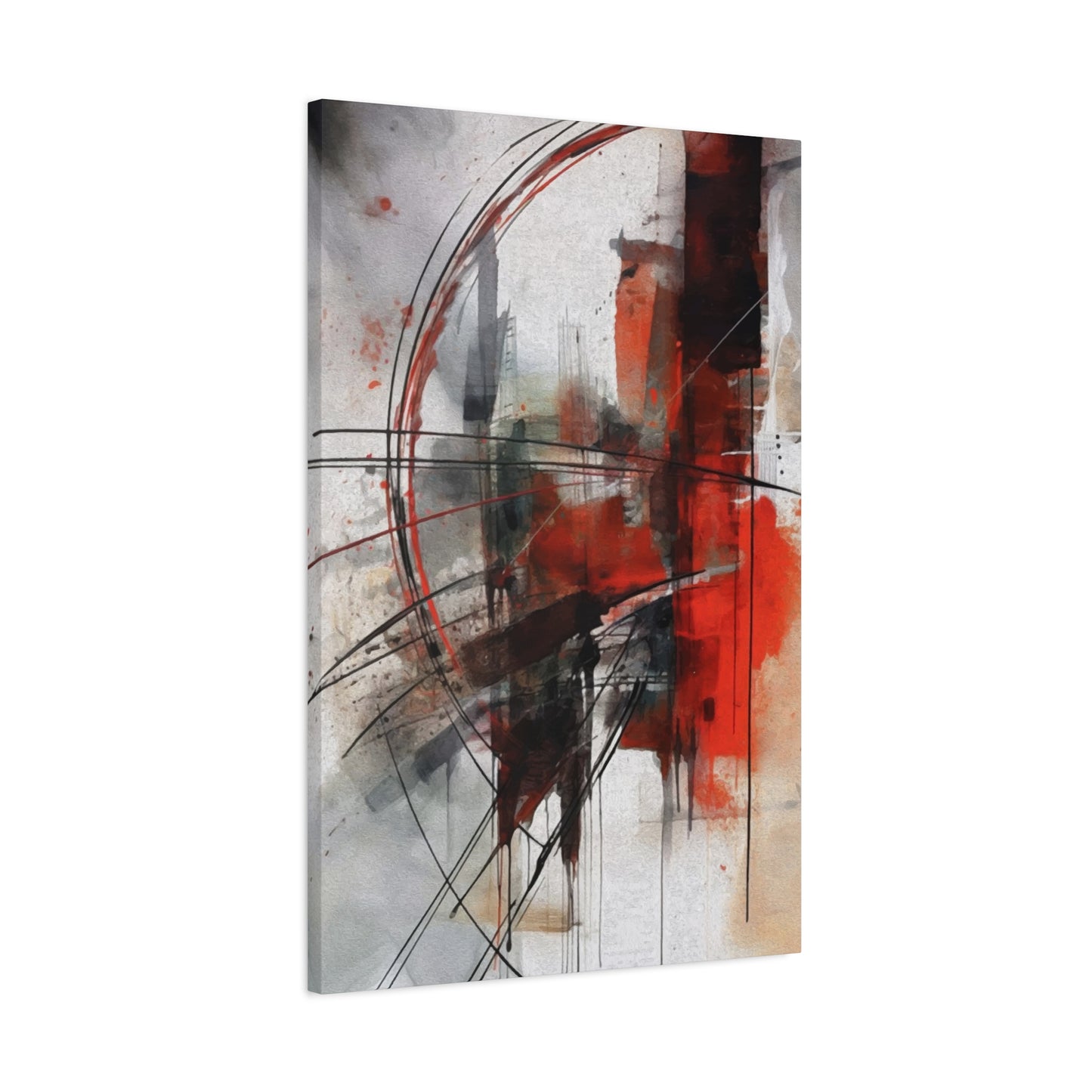
Alone Abstract Wall Art & Canvas Prints
Couldn't load pickup availability
Solitary Visual Expression: The Profound Impact of Alone Abstract Wall Art in Contemporary Living Spaces
The realm of visual aesthetics within residential and commercial environments has witnessed a remarkable transformation over recent decades. Among the myriad forms of decorative elements available to interior designers and homeowners alike, alone abstract wall art has emerged as a particularly compelling choice for those seeking to infuse their surroundings with depth, contemplation, and emotional resonance. This form of artistic expression transcends mere decoration, serving as a powerful medium through which individuals can communicate their innermost feelings, philosophical perspectives, and aesthetic sensibilities without uttering a single word.
The phenomenon of alone abstract wall art represents far more than a simple trend in interior decoration. It embodies a fundamental human need for introspection, solitude, and the acknowledgment of our individual existence within an increasingly crowded and interconnected world. When strategically positioned within a living space, these artistic creations become silent companions that speak volumes about the occupant's character, values, and emotional landscape. The abstract nature of such artwork allows for infinite interpretation, ensuring that each viewer's experience remains uniquely personal and profoundly meaningful.
The Distinctive Characteristics That Define Solitary Abstract Visual Compositions
When examining alone abstract wall art through a critical lens, several defining characteristics emerge that distinguish this particular genre from other forms of decorative artwork. The primary attribute lies in the artwork's capacity to evoke feelings of introspection, isolation, and contemplative solitude without necessarily depicting recognizable figures or scenarios. Instead, these pieces rely upon carefully orchestrated combinations of color, form, texture, and spatial relationships to communicate their thematic essence.
The compositional elements within such artwork typically feature a singular focal point or a conspicuously isolated element that dominates the visual field. This deliberate design choice creates an immediate psychological impact on the observer, drawing the eye toward a specific area while simultaneously emphasizing the surrounding emptiness or negative space. The interplay between presence and absence becomes a visual metaphor for the human experience of being alone, whether that solitude is chosen or circumstantially imposed.
Color palettes employed in alone abstract wall art frequently lean toward cooler tones such as deep blues, contemplative grays, subdued purples, and earthy neutrals. These chromatic selections naturally evoke feelings of quietude, reflection, and emotional depth. However, skilled artists occasionally juxtapose these cooler hues with unexpected bursts of warmer colors, creating dynamic tension that mirrors the complex emotional landscape of solitude itself. The contrast between isolation and vitality, between stillness and energy, becomes a visual representation of the multifaceted nature of being alone.
Textural variation plays an equally crucial role in establishing the emotional resonance of these artistic pieces. Smooth, flowing brushstrokes might convey peaceful acceptance of solitude, while aggressive, angular applications of paint or mixed media elements could suggest the struggle and discomfort that sometimes accompanies isolation. The tactile quality of the artwork invites not just visual engagement but also an imagined physical interaction, deepening the viewer's connection to the piece and its thematic content.
Psychological Dimensions of Experiencing Solitary Abstract Imagery in Personal Environments
The presence of alone abstract wall art within personal living spaces creates a unique dynamic that influences the inhabitant's mental and emotional well-being in subtle yet significant ways. Research into environmental consciousness has consistently demonstrated that the visual stimuli surrounding individuals profoundly affect mood, cognitive function, and overall sense of well-being. When artwork depicting or evoking themes of solitude occupies prominent positions within a space, it essentially grants permission for inhabitants to embrace their own need for introspection and private reflection.
In an era characterized by constant connectivity, relentless social demands, and the pervasive presence of electronic communication, the validation of solitude becomes increasingly important for maintaining mental equilibrium. Alone abstract wall art serves as a visual affirmation that being by oneself holds inherent value and should not be conflated with loneliness or social failure. This distinction proves particularly significant for individuals who identify as introverted or who require regular periods of solitude to recharge their emotional batteries.
The abstract nature of such artwork provides an additional benefit by allowing the viewer's subconscious mind to project personal meanings, memories, and associations onto the piece. Unlike representational art that dictates specific interpretations, abstract compositions offer psychological flexibility. One might perceive a sense of peaceful contentment in the isolation depicted, while another viewer might project feelings of melancholy or existential contemplation onto the same artwork. This interpretive freedom ensures that the piece remains dynamically relevant as the viewer's own emotional state and life circumstances evolve over time.
Furthermore, the contemplation of alone abstract wall art can facilitate a meditative state of consciousness. The non-representational forms invite extended viewing without the distraction of attempting to identify specific objects or narratives. This quality makes such artwork particularly valuable in spaces designated for relaxation, meditation, or creative work, where the goal involves quieting the analytical mind and accessing deeper levels of awareness and intuition.
Stylistic Variations Within the Realm of Solitary Abstract Visual Representation
The category of alone abstract wall art encompasses an impressive diversity of stylistic approaches, each offering distinct aesthetic qualities and emotional resonances. Understanding these variations enables collectors and decorators to select pieces that align precisely with their intended atmospheric effects and personal aesthetic preferences.
Minimalist interpretations of solitary abstract imagery strip away all non-essential elements, leaving only the most fundamental forms, colors, and compositional structures. These sparse compositions might feature a single geometric shape positioned against an expansive monochromatic background, or perhaps a solitary line traversing an otherwise empty canvas. The extreme restraint exercised in minimalist alone abstract wall art creates a sense of visual breathing room that can feel profoundly calming in cluttered modern environments. The simplicity becomes a form of luxury, offering respite from visual overstimulation.
Expressionist approaches to solitary abstract themes embrace emotional intensity and gestural spontaneity. These pieces might feature bold, sweeping brushstrokes, dramatic color contrasts, and dynamic compositional movement that conveys the psychological experience of being alone rather than simply depicting isolation visually. The emotional authenticity embedded in expressionist works resonates with viewers on a visceral level, bypassing intellectual analysis to create immediate affective responses.
Geometric abstraction offers yet another avenue for exploring themes of solitude within non-representational visual language. Precise shapes, carefully calculated spatial relationships, and mathematically derived compositional structures create a sense of order and reason that can be deeply comforting. A singular geometric form positioned deliberately within a field of contrasting elements becomes a metaphor for the individual navigating the structured yet sometimes isolating environment of modern society.
Atmospheric or color field variations of alone abstract wall art prioritize vast expanses of subtly modulated color that envelop the viewer in immersive chromatic experiences. These pieces often feature barely perceptible gradations of hue, creating the visual equivalent of liminal spaces where boundaries dissolve and the sense of isolated self becomes simultaneously more pronounced and less defined. The paradoxical quality of feeling both intensely present and somewhat dissolved within the larger visual field mirrors profound experiences of solitary contemplation.
The Strategic Positioning of Solitary Abstract Artwork Within Residential Architecture
The placement of alone abstract wall art within a home significantly influences both the artwork's impact and the overall atmosphere of the space. Strategic positioning considers multiple factors including lighting conditions, surrounding architectural elements, furniture arrangement, and the intended function of the room.
In bedroom environments, alone abstract wall art positioned above the headboard or on the primary visual focal wall creates an immediate association between the artwork and the most private, intimate aspects of daily life. The bedroom serves as a sanctuary from external demands, and artwork celebrating themes of solitude reinforces this protective quality. The visual presence of such pieces during the transitional moments between waking and sleeping can profoundly influence dream content and subconscious processing.
Living rooms present different considerations for displaying solitary abstract compositions. These more public spaces benefit from artwork that initiates conversation while simultaneously respecting the occupant's depth and complexity. A large-scale alone abstract wall art piece positioned above a sofa or fireplace becomes a statement about the household's values, suggesting that introspection and individual depth are honored alongside social connection. The size and positioning should command attention without overwhelming the space, creating balance between assertion and invitation.
Home office environments particularly benefit from the presence of alone abstract wall art that celebrates focused, independent thought. Positioning such pieces within the direct sightline of the work area provides visual anchors during moments when concentration wavers or creative blocks emerge. The artwork serves as a reminder that solitary intellectual pursuit holds inherent value and that the isolation sometimes experienced during deep work represents not loneliness but rather productive engagement.
Hallways and transitional spaces within homes offer intriguing opportunities for displaying solitary abstract pieces. These liminal zones naturally evoke feelings of passage, movement, and temporary isolation as one moves between more defined spaces. Artwork positioned in hallways becomes part of the daily rhythm of the home, encountered repeatedly yet often below the threshold of conscious awareness. This repeated exposure allows the piece's themes and emotional qualities to permeate the household's overall atmospheric character.
Material Considerations and Physical Substrates for Solitary Abstract Compositions
The physical materials employed in creating alone abstract wall art significantly impact both the visual qualities and the longevity of the piece. Contemporary artists and manufacturers utilize an impressive array of substrates, media, and surface treatments to achieve specific aesthetic effects and ensure appropriate durability.
Canvas remains the most traditional and widely utilized substrate for abstract artwork. The woven texture of canvas provides an ideal surface for oil and acrylic paints, allowing for rich color saturation and varied application methods. Stretched canvas offers the advantage of lightweight construction, making large-scale pieces practical for residential installation. The slight give inherent in stretched canvas creates a unique interaction with paint layers, particularly when impasto or heavily textured approaches are employed. Gallery-wrapped canvas, where the painted surface continues around the edges of the stretcher bars, provides a finished appearance that eliminates the need for traditional framing.
Wood panels offer an alternative substrate with distinctly different qualities. The rigid, smooth surface of prepared wood panels allows for extremely precise detail work and creates a different relationship between paint and surface. The inherent warmth and organic quality of wood influences the overall character of the artwork, even when completely covered with paint or other media. Birch plywood, maple panels, and even reclaimed wood boards each contribute their own aesthetic subtleties to the finished piece.
Metal substrates represent a more contemporary choice for alone abstract wall art, particularly when seeking industrial aesthetic qualities or extraordinary durability. Aluminum panels accept specialized paints and print processes that create striking visual effects impossible on porous surfaces. The reflective qualities of metal introduce dynamic interactions with ambient lighting, causing the artwork's appearance to shift throughout the day as natural and artificial light sources change. Brushed or textured metal surfaces add additional dimensional interest that enhances the contemplative qualities associated with solitary abstract themes.
Paper-based substrates, while less common for permanent installations, offer unique possibilities for delicate, nuanced work. High-quality watercolor papers, handmade papers with visible fibers and inclusions, and archival printmaking papers each contribute distinctive textural and visual characteristics. Paper's inherent fragility creates an interesting conceptual parallel with the vulnerability often associated with solitude. When properly framed behind UV-protective glazing, paper-based alone abstract wall art can maintain its integrity for decades.
Mixed media approaches combine multiple substrates and materials within a single composition, creating complex surface qualities and dimensional variations. Artists might incorporate fabric elements, found objects, metallic leafing, encaustic wax, resin coatings, and countless other materials to achieve specific textural and visual effects. The resulting pieces possess a physical presence that transcends two-dimensional representation, inviting closer inspection and repeated viewing as new details reveal themselves over time.
Color Theory Principles in Crafting Emotionally Resonant Solitary Abstract Pieces
The strategic deployment of color constitutes one of the most powerful tools available to artists creating alone abstract wall art intended to evoke specific emotional responses. Understanding how different hues, saturations, and value relationships affect human perception and mood allows for intentional manipulation of the viewer's experience.
Cool color dominance characterizes many pieces exploring themes of solitude and introspection. Blues spanning from pale, ethereal tints to deep, midnight navy naturally evoke feelings of distance, contemplation, and emotional depth. The vast expanse of sky and ocean, both environments where one can feel simultaneously part of something infinite and completely isolated, find their chromatic equivalent in various blue tones. Grays, from warm charcoal to cool silver, contribute sophisticated neutrality that suggests the quiet, undefined spaces of thought and memory.
Purple hues occupy an interesting position within the color spectrum, bridging the contemplative qualities of blue with the passionate intensity of red. Lavender and violet tones introduce a spiritual or mystical dimension to solitary abstract compositions, suggesting that isolation can serve as a gateway to transcendent experiences. The relative rarity of purple in natural environments outside specific flowers and twilight skies contributes to its somewhat otherworldly quality, making it particularly effective for artwork exploring the liminal aspects of being alone.
Earth tones including various browns, taupes, and ochres ground solitary abstract compositions in organic warmth. These colors reference the natural world and human connection to fundamental elements of existence. Unlike the ethereal qualities of cool colors, earth tones suggest that solitude represents not escape from physical reality but rather deeper engagement with it. The incorporation of earth colors can prevent alone abstract wall art from feeling cold or psychologically distant, instead creating a sense of grounded, comfortable introspection.
The strategic inclusion of accent colors creates focal points and introduces dynamic tension within predominantly monochromatic or limited palette compositions. A small area of vibrant red within an otherwise cool-toned piece instantly captures attention and suggests the persistence of vital energy even within states of isolation. Similarly, touches of bright yellow or gold can reference hope, enlightenment, or the valuable insights gained through solitary contemplation. The proportion and positioning of these accent colors determines whether they feel like welcome intrusions or jarring disruptions to the overall harmony.
Monochromatic color schemes, utilizing multiple values and saturations of a single hue, create cohesive compositions with inherent unity. The subtle variations within a monochrome palette require attentive viewing to fully appreciate, rewarding sustained contemplation. This quality aligns perfectly with the themes of solitude and introspection central to alone abstract wall art, as the artwork itself demands the same focused, undistracted attention that solitary experiences provide.
The Manufacturing Processes Behind Contemporary Solitary Abstract Visual Works
Understanding how alone abstract wall art transitions from artistic concept to physical object provides valuable insight into quality differences, pricing structures, and longevity expectations. Contemporary production methods range from entirely handcrafted originals to sophisticated reproduction techniques that make abstract artwork accessible to broader audiences.
Original paintings represent the pinnacle of authenticity and artistic value. Each brushstroke, color mixing decision, and compositional adjustment occurs through direct human agency, making every piece genuinely unique. Artists working in oil paints benefit from centuries of established techniques and the medium's exceptional color depth and blending capabilities. The slow drying time of oil paint allows for extended manipulation and subtle gradations impossible with faster-drying media. Acrylic paints offer different advantages including rapid drying, easy cleanup, and excellent adhesion to various surfaces. Many contemporary abstract artists appreciate acrylics for their versatility and the ability to build layers quickly.
Limited edition prints created through various reproduction methods offer a middle ground between mass production and singular originality. Giclée printing, utilizing archival inks and high-resolution digital imaging, can reproduce original artwork with remarkable fidelity. When limited to specific edition sizes and signed by the artist, these prints carry some of the cachet associated with original works while remaining more financially accessible. The quality of giclée prints depends heavily on substrate selection, ink quality, and the expertise of the print technician. Museum-quality giclée prints on cotton rag paper or canvas can maintain their color integrity for generations when properly displayed and protected from direct sunlight.
Screen printing offers another avenue for creating limited edition alone abstract wall art with distinctive aesthetic qualities. The process involves pushing ink through prepared screens, building up layers of color to create the final image. Screen prints possess a particular graphic quality and slightly elevated surface texture that differs from both original paintings and digital reproductions. The manual nature of screen printing means variations inevitably occur between individual prints within an edition, lending each piece subtle uniqueness.
Direct-to-substrate printing technologies allow for abstract imagery to be printed directly onto various surfaces including canvas, metal, acrylic, and wood. These processes create finished pieces ready for hanging without requiring traditional framing. The seamless nature of direct printing eliminates visible edges or boundaries between print and substrate, creating a unified object. Quality varies dramatically depending on equipment sophistication, ink systems, and operator expertise. Premium direct-to-substrate prints can achieve exceptional detail resolution and color accuracy that approaches or even exceeds traditional printing methods.
Hand-embellished reproductions represent a hybrid approach where printed reproductions receive additional hand-painted elements, texture, or refinements from the original artist or skilled artisans. These enhancements add uniqueness and textural interest while maintaining the basic composition of the reproduced image. The additional hand work increases both the value and the visual appeal of the piece, creating an object that occupies a conceptual space between reproduction and original artwork.
Dimensional Proportions and Scale Considerations for Maximum Visual Impact
Selecting appropriate dimensions for alone abstract wall art requires careful consideration of multiple factors including wall size, ceiling height, furniture proportions, viewing distance, and desired visual impact. Improper sizing represents one of the most common mistakes in displaying artwork, potentially undermining even exceptional pieces.
Large-scale installations spanning six feet or more in either dimension create immediate visual drama and can serve as the defining element within a room. These substantial pieces demand adequate space and cannot be easily overlooked. When displaying large alone abstract wall art, the surrounding wall should provide sufficient breathing room, typically at least six to twelve inches of clear space on all sides. The artwork should neither appear cramped nor lost on an excessively vast wall. Large-scale pieces work particularly well in spaces with high ceilings and open floor plans where their presence can be appreciated from various distances and angles.
Medium-sized artworks measuring approximately two to four feet in their longest dimension offer versatility and work well in diverse residential settings. These proportions suit spaces above sofas, beds, console tables, and mantels without requiring excessively large wall expanses. Medium scale allows for comfortable viewing from typical furniture-seated positions within living rooms and bedrooms. Multiple medium-sized pieces can also be arranged in groupings to create larger compositional statements while maintaining flexibility for future rearrangement.
Smaller works measuring less than two feet in any dimension serve different purposes within interior schemes. These intimate pieces invite close viewing and work particularly well in spaces where extended contemplation occurs, such as beside a reading chair, in a meditation corner, or flanking a bed. Small alone abstract wall art pieces also function effectively as components within gallery wall arrangements that combine multiple artworks of various sizes. The intimate scale creates a personal, almost secretive quality that aligns well with themes of solitude and private introspection.
Vertical versus horizontal orientation significantly influences how alone abstract wall art interacts with a space. Vertical compositions naturally draw the eye upward, making ceilings appear higher and creating a sense of aspiration or upward movement. This orientation works particularly well in rooms with low ceilings or in narrow spaces where horizontal emphasis would feel awkward. Horizontal orientations spread visual weight laterally, creating a sense of stability, grounding, and expansiveness. Wide horizontal pieces complement long walls, work beautifully above sofas and beds, and can visually widen narrow rooms.
Unconventional proportions including extremely elongated rectangles, squares, or even irregular shapes offer opportunities for unique visual statements. Square formats possess inherent stability and self-containment that reinforces themes of solitary completeness. Extremely wide panoramic formats can create immersive experiences that envelope viewers in the artwork's atmosphere. Irregular or shaped canvases break from traditional rectangular expectations, immediately signaling that the artwork exists outside conventional boundaries.
Curatorial Principles for Building Collections of Solitary Abstract Visual Works
Developing a thoughtful collection of alone abstract wall art requires strategic thinking beyond individual pieces to consider how works relate to one another and evolve over time. Successful collecting balances personal emotional response with practical considerations including budget, space limitations, and long-term satisfaction.
Establishing a coherent aesthetic direction provides focus for collection building while allowing sufficient flexibility for unexpected discoveries. This direction might center on a particular color palette, a specific emotion or mood, certain compositional approaches, or preferred media and substrates. Having clarity about what resonates personally prevents impulsive acquisitions that ultimately feel disconnected from the collection's core identity. However, the guiding principles should remain sufficiently broad to accommodate growth and evolution in taste.
Diversifying across different price points makes regular acquisition sustainable over time. A collection might include a few significant investment pieces from established or emerging artists with strong market presence, supplemented by more affordable prints, works by lesser-known creators, and perhaps even personal explorations into creating abstract art. This mixed approach keeps the collection financially viable while ensuring continued growth and fresh perspectives.
Balancing established voices with emerging artists creates collections with both stability and discovery potential. Established artists bring proven track records, market liquidity, and the security of recognized quality. Emerging artists offer affordability, fresh perspectives, and the possibility that their market value will appreciate as their careers develop. Supporting emerging artists also contributes to the broader artistic ecosystem and often allows for more direct relationships between collector and creator.
Considering medium and stylistic variety prevents collections from becoming visually monotonous despite centering on the common theme of solitary abstract expression. Mixing paintings with prints, large scale with intimate dimensions, minimal with expressionist approaches, and cool palettes with warm tones creates dynamic relationships between pieces. When displayed together or rotated through the same space, this variety maintains visual interest and allows different moods and needs to be honored.
Documentation and preservation of collection information ensures that context and value are maintained over time. Recording artist names, creation dates, acquisition information, dimensions, media, edition numbers for prints, and provenance creates a valuable archive. Photographing pieces in good lighting preserves visual records useful for insurance, potential sale, or simply remembering pieces that might be in storage. Maintaining proper environmental conditions including appropriate lighting, temperature, and humidity extends the lifespan of artworks and protects the investment they represent.
Lighting Strategies That Enhance the Impact of Solitary Abstract Artworks
Proper illumination represents one of the most crucial yet frequently overlooked aspects of displaying alone abstract wall art effectively. Light quality, intensity, direction, and color temperature dramatically affect how artwork is perceived and whether its subtle qualities are revealed or obscured.
Natural lighting offers the most nuanced and constantly changing illumination but requires careful management. Direct sunlight should never fall upon artwork for extended periods as ultraviolet radiation causes irreversible fading and degradation of pigments and substrates. However, indirect natural light filtered through sheer window treatments creates beautiful, soft illumination that reveals colors and textures authentically. Positioning artwork on walls perpendicular to windows rather than directly opposite maximizes natural light benefits while minimizing direct exposure. The changing quality of natural light throughout the day causes artwork to appear different at various times, revealing new aspects and maintaining visual interest.
Dedicated picture lighting utilizes specialized fixtures designed specifically for artwork illumination. Track-mounted or ceiling-recessed adjustable fixtures allow precise positioning of light beams to evenly illuminate artwork without glare or hot spots. Modern LED picture lights offer exceptional color rendering capabilities that reveal artwork as it would appear under ideal daylight conditions. The adjustable nature of these systems accommodates artworks of different sizes and allows for changes in collection displays. Battery-operated wireless picture lights have improved dramatically in recent years, offering museum-quality illumination without requiring electrical modifications to walls.
Ambient room lighting contributes to how artwork is perceived within the broader space. Recessed ceiling lights, table lamps, floor lamps, and architectural lighting create the overall luminous environment against which artwork is viewed. Ensuring that ambient lighting doesn't create competing focal points or cast disruptive shadows on artwork requires thoughtful placement and selection of fixtures. Dimming capabilities allow ambient lighting to be adjusted for different times of day and activities, ensuring artwork remains appropriately visible without overwhelming the space.
Color temperature of lighting sources profoundly influences how artwork appears. Traditional incandescent bulbs emit warm, yellowish light around 2700 Kelvin that can make cool-toned alone abstract wall art appear muddier and less vibrant. Neutral white LEDs at 3500-4000 Kelvin provide balanced illumination that accurately renders both warm and cool colors. Daylight-temperature bulbs at 5000-6500 Kelvin create crisp, bright light that enhances cool tones but may make warm colors appear less rich. Selecting color temperature should consider both the artwork's palette and the desired atmosphere of the space.
Avoiding glare and reflections requires attention to surface finishes and lighting angles. Artwork protected by glass or plexiglass is particularly susceptible to reflections that obscure the image. Positioning lighting at approximately thirty-degree angles from the wall surface minimizes direct reflections back toward viewing positions. Anti-reflective glazing, though more expensive than standard glass, dramatically reduces reflections and allows artwork to be displayed in locations where lighting control is challenging. Matte or satin finish varnishes on unglazed paintings minimize surface glare while protecting the paint layer.
The Relationship Between Solitary Abstract Artwork and Architectural Character
The architectural style and character of a space significantly influences which alone abstract wall art will feel harmonious versus jarring. Understanding these relationships allows for selections that enhance rather than conflict with a building's intrinsic qualities.
Contemporary architectural spaces characterized by clean lines, minimal ornamentation, and open floor plans provide ideal environments for bold abstract artwork. The simplicity of modern architecture creates neutral backdrops that allow art to take center stage without competing with busy architectural details. Large-scale minimalist or geometric abstract pieces complement the refined restraint of contemporary design while adding essential warmth and human expression to potentially austere spaces. The marriage between contemporary architecture and abstract art feels natural as both prioritize essential forms over decorative elaboration.
Traditional architectural settings including period homes with detailed moldings, wainscoting, and ornamental features present different considerations. Alone abstract wall art in traditional spaces creates interesting juxtapositions between historical architectural language and contemporary artistic expression. This contrast can feel exciting and dynamic when handled thoughtfully, preventing traditional spaces from appearing static or overly reverent toward the past. Selecting abstract pieces with somewhat traditional color palettes or incorporating gold or silver leaf elements creates bridges between old and new. Conversely, dramatically modern abstract works in traditional settings can create striking focal points that energize the entire space.
Industrial architectural elements including exposed brick, visible ductwork, concrete floors, and steel structural components pair naturally with certain styles of abstract artwork. Large-scale expressionist pieces with bold gestures and intense color capture the raw energy of industrial spaces. Metal substrate artwork echoes the material quality of industrial architecture while abstract compositions that emphasize texture and material physicality complement the honest, unfinished quality of industrial design.
Minimalist architectural environments require particularly careful artwork selection to avoid visual emptiness or coldness. While minimalism in architecture and art share philosophical underpinnings, spaces that are too sparse risk feeling unwelcoming. Alone abstract wall art with rich texture, subtle color variations, or compelling compositional tension adds necessary visual interest without violating minimalist principles. The key involves selecting pieces that reward extended contemplation rather than demanding immediate attention through bold contrasts or busy compositions.
Eclectic interiors mixing various style periods and influences offer maximum flexibility for abstract art placement. These environments already embrace visual diversity and unexpected combinations, making them welcoming to wide-ranging artistic approaches. However, even eclectic spaces benefit from some organizing principles to prevent visual chaos. Alone abstract wall art in eclectic settings might serve as a unifying element through consistent color relationships or as a deliberately contrasting element that adds another layer of visual intrigue.
Preservation Practices Ensuring Longevity of Solitary Abstract Visual Collections
Protecting alone abstract wall art from deterioration requires understanding the various factors that threaten artwork integrity and implementing appropriate preventive measures. Proper care extends the lifespan of pieces indefinitely, preserving both their aesthetic qualities and financial value.
Environmental control represents the foundation of artwork preservation. Temperature fluctuations cause expansion and contraction cycles that stress paint layers, adhesives, and substrates, potentially leading to cracking, flaking, or delamination. Maintaining consistent temperatures between 65-75 degrees Fahrenheit minimizes these damaging cycles. Relative humidity similarly affects artwork with levels below forty percent causing brittleness and levels above sixty percent promoting mold growth and paper degradation. Using humidifiers or dehumidifiers to maintain fifty percent relative humidity provides optimal conditions for most artwork types.
Ultraviolet radiation from both sunlight and fluorescent lighting represents one of the most destructive forces affecting artwork. UV exposure causes pigments to fade, papers to yellow and become brittle, and protective varnishes to deteriorate. Positioning artwork away from direct sunlight provides basic protection, but UV-filtering window films, UV-protective glazing for framed works, and LED lighting without UV emissions provide more comprehensive protection. For particularly valuable or light-sensitive pieces, limiting exposure to visible light through thoughtful rotation of displayed works offers additional protection.
Physical damage prevention includes protection from impact, abrasion, and handling injuries. Artwork hung on exterior walls in homes within cold climates may experience condensation issues during winter months. Maintaining adequate space between the artwork and the wall using proper hanging systems ensures air circulation and prevents moisture accumulation. Protective backing boards on framed works prevent dust infiltration and provide rigid support. Corner guards on frames prevent damage from accidental impacts.
Regular maintenance cleaning removes accumulated dust and airborne contaminants that can bond with artwork surfaces over time. For unglazed paintings, extremely gentle dusting with soft, clean brushes prevents particle buildup without abrading surfaces. Glazed works can be cleaned with slightly dampened microfiber cloths, avoiding excessive moisture near frame edges where water could seep behind glass. Professional conservation cleaning should be considered for valuable pieces with significant soil buildup or when surface contamination involves substances beyond simple dust.
Insurance coverage provides financial protection against loss, damage, or theft of valuable artwork. Standard homeowners or renters insurance policies typically include limited coverage for artwork but may prove insufficient for significant collections. Specialized fine art insurance policies offer agreed-value coverage, protection during transit, coverage for newly acquired pieces, and other provisions specifically relevant to art collectors. Maintaining current documentation including photographs, appraisals, and provenance records facilitates insurance claims should loss occur.
Storage of artwork not currently displayed requires particular care to prevent damage during dormant periods. Paintings should be stored vertically or at slight angles rather than stacked horizontally which places damaging pressure on paint surfaces. Acid-free wrapping materials protect surfaces while allowing minor air circulation. Climate-controlled storage spaces maintain appropriate temperature and humidity levels. Paper-based works require complete darkness and should be stored flat in acid-free boxes or archival folders. Regular inspection of stored works allows early detection of any developing problems including pest infestation, mold growth, or structural issues.
The Influence of Cultural Movements on Solitary Abstract Visual Expression
Understanding alone abstract wall art within broader cultural and artistic movements provides deeper appreciation for how contemporary pieces connect to historical developments and why certain aesthetic approaches resonate with current audiences.
The Abstract Expressionist movement of the mid-twentieth century established many of the foundational principles that continue influencing solitary abstract artwork today. Artists including Mark Rothko, whose meditative color field paintings evoke profound introspective experiences, demonstrated that non-representational art could communicate complex emotional and spiritual content. The gestural spontaneity of Jackson Pollock's action paintings, while typically dynamic rather than solitary in character, established that the physical act of creating abstract art carries meaning equivalent to the finished visual result. These historical precedents legitimized abstract art as a serious vehicle for expressing the full spectrum of human experience, including the quieter, more contemplative emotions associated with solitude.
Minimalism's emphasis on essential forms, limited palettes, and the elimination of personal expression created an aesthetic vocabulary particularly suited to exploring themes of isolation and introspection. The work of artists like Agnes Martin, whose subtle grid paintings invite extended contemplation, demonstrates how restrained means can produce profound effects. Minimalism's philosophical underpinnings suggest that by removing extraneous elements, we access more fundamental truths about perception, space, and existence. This reductive approach aligns naturally with the clarifying, essential quality that solitude can bring to our understanding of ourselves and our relationship to the world.
Contemporary movements embracing slow living, mindfulness, and intentional simplicity create cultural context that makes alone abstract wall art particularly relevant to current audiences. As people increasingly recognize the psychological costs of constant connectivity and perpetual busyness, artwork celebrating introspection and solitude serves as both reflection of and catalyst for lifestyle changes. The visual language of solitary abstract art speaks directly to those seeking to carve out mental and physical space for reflection within demanding modern lives.
The resurgence of interest in craft, materiality, and the handmade influences how contemporary artists approach creating abstract work. Even when employing digital tools or working with unconventional materials, many artists emphasize the tactile, physical qualities of their creations. This material consciousness adds another dimension to alone abstract wall art by grounding ethereal themes in tangible, physical reality. The viewer's awareness that a human hand created the brushstrokes, applied the texture, or made the compositional decisions creates a connection between creator and viewer that reinforces rather than contradicts themes of individual experience and isolated consciousness.
Globalization of artistic discourse has introduced Western audiences to aesthetic traditions from diverse cultures that handle concepts of space, emptiness, and solitude differently than European artistic traditions. The Japanese concept of ma, emphasizing negative space and intervals as positive design elements rather than merely absent areas, influences how contemporary artists conceptualize compositions. Similarly, Chinese painting traditions that leave large portions of composition unpainted to represent mist, sky, or water demonstrate sophisticated uses of emptiness as communicative rather than merely decorative. These cross-cultural influences enrich the visual vocabulary available for creating alone abstract wall art that resonates with international audiences.
Final Thoughts
Solitary abstract wall art holds a unique place in contemporary interior design, offering a profound visual and emotional experience that speaks to themes of solitude, introspection, and individual expression. In a world often filled with noise, constant interaction, and external influences, the quiet, contemplative nature of "alone" abstract art allows for moments of pause, reflection, and personal connection. This type of art doesn’t just fill a blank wall—it creates a space for introspection, where the viewer can find solace in their own thoughts and engage deeply with the work on a personal level.
One of the most striking features of solitary abstract art is its ability to convey complex emotions and ideas through non-literal, non-representational forms. Unlike figurative art that presents recognizable subjects, abstract art leaves room for interpretation. The absence of clear subjects, combined with bold colors, fluid shapes, and dynamic patterns, invites the viewer to form their own narrative or emotional connection. Whether through the solitude conveyed by a single brushstroke, a minimalist color palette, or a seemingly chaotic composition, this style of art evokes feelings of isolation, strength, serenity, or even contemplation, depending on the viewer's perspective and state of mind.
The power of alone abstract art lies in its ambiguity and openness. It doesn't impose a specific meaning but instead offers space for personal interpretation. For some, the abstract shapes may reflect the feeling of being alone, the calmness of solitude, or the meditative state of being with one’s thoughts. For others, it could evoke a sense of mystery or even loneliness. The versatility of this kind of art allows it to resonate in different ways with different people, making it highly adaptable to a range of emotional and psychological states.
In contemporary living spaces, solitary abstract wall art serves as a striking contrast to the fast-paced, often overstimulating world outside. It encourages a quieter, more reflective atmosphere that can transform a room into a sanctuary of personal space. For those who value mindfulness, meditation, or personal growth, the right piece of abstract art can enhance these practices. The fluidity and freedom of abstract art, especially when focusing on the theme of solitude, help to create an environment that fosters inner peace and self-reflection. It provides a sense of space to breathe, to think, and to just "be," promoting a calmer, more serene living environment.
Moreover, alone abstract wall art has a special way of enhancing minimalist and modern décor. In a space where less is more, this type of art makes a bold statement without overwhelming the room. The beauty of abstract art lies in its ability to occupy space in a subtle yet impactful way. With its simple forms and reduced color palette, it fits seamlessly into minimalist interiors, adding texture and depth to a room without cluttering it. For a contemporary living room, bedroom, or even office space, abstract pieces can serve as focal points, drawing the viewer’s attention without being overly flashy or demanding.
In contrast to more conventional art forms, solitary abstract art invites a deeper engagement from the viewer. Its simplicity often leads to a more contemplative experience. As one gazes at the piece, the mind begins to wander, pondering the emotions, thoughts, or connections that the artwork brings to the surface. This makes it an ideal choice for spaces intended for relaxation or personal retreat. For instance, placing this type of art in a bedroom or meditation room can transform these areas into more than just functional spaces; they become immersive environments where emotional and spiritual renewal can take place.
Furthermore, the impact of solitary abstract art extends beyond aesthetics. Its minimalist approach often mirrors the psychological benefits of solitude. Many people find value in quiet, reflective moments spent alone, and art that captures this experience can provide a daily reminder of the importance of these moments in our lives. In our fast-paced, always-connected world, alone abstract art offers a form of visual therapy, helping to restore balance by creating a space for contemplation, stillness, and personal insight.
The solitary nature of this art also makes it an ideal conversation piece. Its simplicity might appear straightforward at first, but its deeper emotional resonance invites discussion, whether among family members, friends, or guests. What does the art evoke? Does it symbolize isolation or introspection? Does it represent strength or vulnerability? These are the kinds of questions it prompts, encouraging a richer, more thoughtful dialogue about the human experience and the different ways we relate to solitude.
One of the most intriguing aspects of solitary abstract art is how it functions in different contexts and rooms of the home. It works well in spaces where personal reflection and deep thought are encouraged. A study or library, for instance, becomes an even more contemplative space with the addition of an abstract piece that speaks to the quiet moments of personal discovery. Similarly, placing this artwork in a hallway or entryway allows visitors to experience a moment of pause and reflection upon entering the home, setting the tone for a space that values thoughtfulness and introspection.
For those who appreciate a personal connection with their décor, many artists create abstract works specifically exploring solitude, identity, and personal journeys. Commissioning or selecting a piece that aligns with your own experiences or emotional journey can enhance the intimate relationship you have with the art. For example, you might choose a piece that represents a specific period in your life, capturing the feelings of self-discovery or transformation you’ve undergone. This personal connection deepens the impact of the art and creates a story within your living space.
The use of color in solitary abstract art also plays a significant role in its emotional impact. Light, muted tones might evoke a sense of calmness or peaceful solitude, while darker hues could suggest a more contemplative or even melancholic experience of being alone. The interplay of color, form, and texture provides layers of meaning and emotion, allowing you to curate the mood of your space in a way that speaks to your inner state. In addition, combining this art with soft lighting or minimal furnishings amplifies its impact, creating a space that feels balanced and introspective.
In conclusion, solitary abstract wall art has a profound impact on contemporary living spaces by infusing them with meaning, depth, and a reflective atmosphere. Its ability to convey solitude, introspection, and personal growth creates a unique environment that encourages thoughtfulness, mindfulness, and emotional engagement. This type of art doesn’t just serve as decoration—it serves as a window into the self, a reminder of the importance of quiet moments, and a reflection of the power of solitude in a bustling world. Whether you place it in a bedroom, living room, office, or personal sanctuary, the addition of alone abstract art elevates the space, making it a place where you can engage with both the artwork and yourself in meaningful ways.
Share