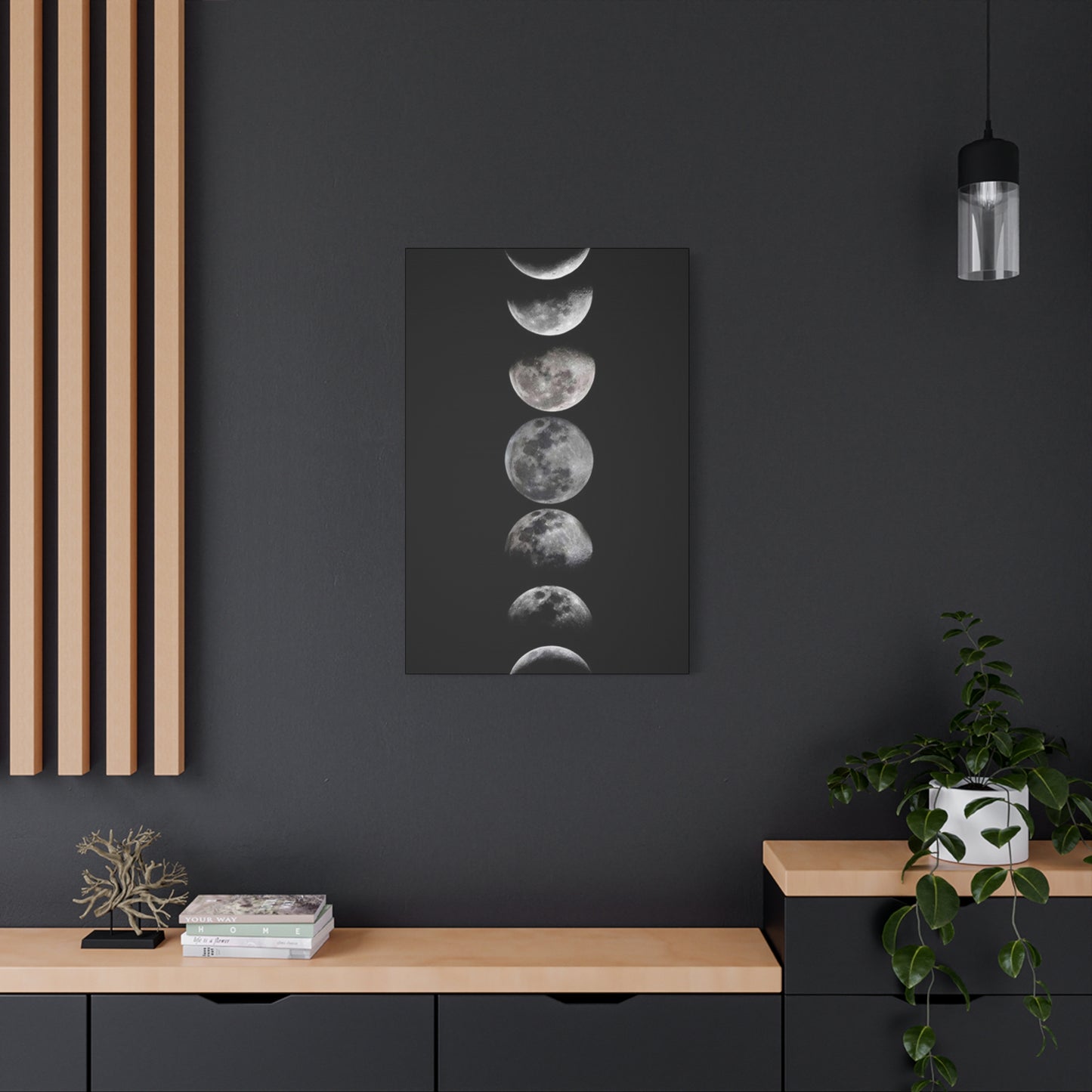


All Stage Of Moon Wall Art & Canvas Prints
All Stage Of Moon Wall Art & Canvas Prints
Couldn't load pickup availability
Transform Your Home with the Phases of the Moon - Discover How All Stage Of Moon Wall Art Can Add a Touch of Mysticism to Any Room
The celestial beauty of Earth's natural satellite has captivated humanity since the dawn of civilization, inspiring countless artistic expressions and decorative endeavors. When we gaze upward on clear evenings, the luminous orb suspended in the darkness above us tells a story that changes nightly, presenting different faces as it journeys through its perpetual cycle. This fascination with lunar transformations has given birth to a remarkable trend in interior decoration that brings the cosmos directly into our personal sanctuaries through carefully crafted visual representations.
Lunar phase decorations have emerged as a powerful way to connect our indoor environments with the rhythmic patterns of nature that govern so much of life on our planet. These artistic pieces capture every stage of the satellite's appearance, from the slimmest crescent barely visible against twilight skies to the magnificent full circle that illuminates nocturnal landscapes with silvery radiance. By incorporating All Stage Of Moon Wall Art into residential or commercial settings, individuals create a tangible link between their daily routines and the ancient celestial mechanisms that have guided navigators, farmers, and dreamers throughout millennia.
The popularity of these decorative elements stems from their unique ability to serve multiple purposes simultaneously. They function as conversation starters that immediately draw attention and spark curiosity among visitors. They operate as educational tools that subtly remind observers of astronomical phenomena occurring beyond their immediate perception. Most importantly, they establish atmospheric qualities within rooms that can shift moods, inspire contemplation, and create environments conducive to relaxation or creative thinking.
Exploring the Complete Lunar Cycle Through Visual Representation
Understanding the full spectrum of lunar phases requires appreciation for the intricate dance between three celestial bodies: our planet, its satellite, and the star that illuminates both. As the moon orbits Earth approximately every 29.5 days, the portion visible to surface observers changes dramatically based on the relative positions of these astronomical objects. This creates the familiar progression that has marked the passage of time for countless generations before the invention of modern calendars and timekeeping devices.
The cycle begins with the new moon, a phase where the satellite positions itself between Earth and the sun, rendering its illuminated hemisphere invisible from our vantage point. During these nights, the sky appears darker, revealing more distant stars that would otherwise be washed out by reflected lunar light. This phase has traditionally been associated with new beginnings, fresh starts, and the planting of seeds both literal and metaphorical in various cultural traditions around the globe.
Following this initial stage, the waxing crescent emerges as a delicate sliver of reflected sunlight becomes visible along the satellite's western edge. This thin arc gradually expands over subsequent evenings, creating an elegant curve that has inspired poets and artists across civilizations. The waxing crescent represents growth, expansion, and the gradual accumulation of light that mirrors processes of development in nature and human endeavors.
As the cycle progresses, the first quarter arrives when precisely half of the visible hemisphere displays illumination. This geometric division creates a striking visual contrast between light and shadow, revealing the satellite's spherical nature and the dramatic topography of its surface. Craters, mountains, and vast plains become visible along the terminator line separating day from night on the lunar surface, offering observers a chance to appreciate the satellite's rugged landscape.
The waxing gibbous phase follows, presenting more than half but less than full illumination. This stage showcases increasing brightness that gradually builds toward the cycle's climactic moment. The word gibbous derives from Latin roots meaning humped or rounded, accurately describing the bulging appearance as illumination spreads across the visible surface area.
The full moon represents the zenith of lunar visibility, occurring when Earth positions itself between the sun and its satellite, allowing sunlight to fully illuminate the hemisphere facing our planet. This phase produces the brightest natural nighttime illumination, creating shadows and enabling activities that would otherwise require artificial lighting. Cultures worldwide have assigned special names to each year's full moons, recognizing their significance for agriculture, hunting, and seasonal transitions.
Following this peak, the cycle reverses through waning gibbous, last quarter, and waning crescent phases as darkness gradually reclaims the visible surface. These decreasing stages have been traditionally associated with release, letting go, and the completion of cycles before new beginnings emerge. The entire progression creates a perfect circle of transformation that repeats endlessly, providing a reliable natural rhythm that transcends human timekeeping constructs.
When artists create All Stage Of Moon Wall Art, they capture this complete sequence in visual form, allowing observers to comprehend the entire cycle at a single glance. This comprehensive representation serves as both decoration and diagram, beautifying spaces while simultaneously educating viewers about astronomical phenomena occurring beyond their immediate perception.
Materials and Craftsmanship Behind Lunar Phase Decorations
The creation of quality lunar phase artwork requires careful selection of materials that can accurately capture the subtle variations in tone, texture, and luminosity that characterize different stages of the satellite's appearance. Artists and manufacturers employ diverse approaches, each offering distinct aesthetic qualities and practical characteristics that influence the final product's appearance and durability.
Metal compositions have gained considerable popularity for crafting dimensional lunar representations. Craftspeople shape aluminum, steel, brass, or copper into circular forms, then treat surfaces with patinas, paints, or specialized finishes that mimic the satellite's cratered landscape. The natural reflective properties of metallic materials create subtle plays of light that change throughout the day as ambient lighting shifts, adding dynamic qualities to static decorative pieces. Metal constructions offer exceptional durability, maintaining their appearance for decades without deterioration when properly protected from corrosive elements.
Wood presents another favored medium for lunar phase artwork, appealing to those who prefer organic materials with natural warmth. Artisans carve or burn lunar images into various wood species, selecting grains and tones that complement the celestial theme. Maple provides clean, light backgrounds that allow darker phase representations to stand in sharp contrast. Walnut and mahogany offer rich, deep tones that create sophisticated presentations suitable for formal environments. Reclaimed wood adds rustic charm and environmental consciousness to decorative pieces, repurposing materials that might otherwise occupy landfill space.
Canvas and fabric-based artwork represents the traditional approach to lunar phase representation, employing painting and printing methods to capture the satellite's appearance across its cycle. Modern printing capabilities enable reproduction of highly detailed lunar surface photography, creating scientifically accurate representations that double as artistic statements. Hand-painted versions offer unique character, with each piece bearing the individual marks of its creator's brush strokes and stylistic interpretations.
Resin has emerged as an innovative material for creating three-dimensional lunar representations with remarkable depth and luminosity. Artists can embed pigments, metallic flakes, and even phosphorescent materials within transparent or translucent resin, creating pieces that capture light during daytime hours and release gentle glows after darkness falls. Layering techniques allow creators to build dimensional representations that mimic the satellite's spherical form and cratered surface with surprising realism.
Glass work offers another avenue for lunar phase decoration, with skilled artisans creating everything from simple etched panels to complex fused glass compositions incorporating multiple layers and colors. Stained glass techniques adapted for celestial themes create stunning pieces that transform when backlit, projecting colored patterns throughout rooms while maintaining the lunar phase imagery central to their design.
Ceramic and pottery approaches provide yet another creative direction, with sculptors forming clay into relief representations of lunar phases or creating individual three-dimensional spheres that collectively illustrate the complete cycle. Glazing techniques can replicate the satellite's coloration and surface characteristics, while the inherent texture of fired clay adds tactile interest to visual appeal.
The finest All Stage Of Moon Wall Art combines these materials thoughtfully, sometimes incorporating multiple media within single compositions to maximize visual impact and textural variety. A skilled craftsperson might pair metal phase representations with wooden mounting boards, or combine painted canvas backgrounds with dimensional resin lunar spheres that extend outward from flat surfaces. These hybrid approaches create depth and complexity that elevate decorative pieces beyond simple illustrations into sophisticated artistic statements.
Placement Strategies for Maximum Visual Impact
The location where lunar phase artwork hangs within a space dramatically influences both its visibility and the atmospheric effects it creates. Thoughtful placement considers multiple factors including room function, lighting conditions, viewing angles, and the relationship between the artwork and surrounding architectural features or furnishings.
Living rooms represent prime locations for lunar phase displays, serving as gathering spaces where family members and guests naturally congregate. Positioning artwork above seating arrangements ensures visibility from multiple angles while creating focal points that anchor furniture arrangements. A lengthy horizontal arrangement displaying the complete lunar cycle works particularly well above sofas or sectionals, drawing the eye along the wall and creating visual movement that enlivens otherwise static spaces.
The wall opposite entry points receives immediate attention from anyone entering a room, making it ideal for statement pieces that establish atmospheric tone immediately upon arrival. Placing lunar phase artwork in this commanding position announces the homeowner's interests and aesthetic preferences before visitors venture further into the space. This strategic positioning transforms the artwork into a welcoming element that sets expectations for the environment's character.
Bedroom environments benefit tremendously from lunar phase decorations, which reinforce the restful, nocturnal nature of these private retreats. Positioning artwork above headboards creates immersive experiences, surrounding sleepers with celestial imagery that enhances the transition from waking consciousness to dream states. The moon's traditional associations with sleep, dreams, and unconscious processes make this placement particularly meaningful, creating subliminal connections between the artwork and the room's primary function.
Meditation spaces, reading nooks, and other contemplative areas gain enhanced ambiance from carefully positioned lunar imagery. The satellite's cyclical nature and long association with introspection and spiritual practices make it especially appropriate for spaces dedicated to reflection and personal growth. Positioning artwork at eye level for seated observers ensures comfortable viewing during extended contemplation sessions without requiring uncomfortable neck positions.
Stairwell walls present unique opportunities for displaying lunar phase progressions, with the vertical space accommodating arrangements that climb or descend alongside the steps. This placement creates dynamic experiences as individuals move through the space, with different phases coming into view sequentially rather than simultaneously. The relationship between physical movement through the stairwell and visual progression through the lunar cycle creates metaphorical resonance that adds conceptual depth to decorative choices.
Home offices and creative workspaces benefit from lunar phase artwork that provides visual interest without overwhelming work activities. Positioning pieces within peripheral vision rather than directly ahead of primary work surfaces allows them to serve as contemplative focal points during breaks without becoming distractions during concentrated effort. The cyclical nature of lunar phases can serve as subtle reminders of natural rhythms and the importance of balancing focused productivity with necessary rest periods.
Dining areas offer social contexts where lunar phase artwork sparks conversations and creates memorable atmospheres for shared meals. Positioning pieces to be visible from the table without dominating the space ensures they contribute to ambiance without competing with social interactions or culinary presentations for attention. The moon's long association with gathering, celebration, and communal activities makes it particularly appropriate for spaces dedicated to coming together over food.
Bathrooms and personal care spaces might seem unusual locations for decorative artwork, yet they provide intimate settings where individuals spend contemplative moments during daily routines. Lunar phase imagery positioned opposite mirrors or above bathtubs transforms routine self-care activities into opportunities for brief meditation or cosmic connection. The water element present in bathrooms creates natural thematic harmony with lunar imagery, given the satellite's gravitational influence on tidal patterns.
Commercial environments including restaurants, boutiques, wellness centers, and office lobbies utilize lunar phase artwork to establish distinctive atmospheric qualities that differentiate their spaces from competitors. Reception areas benefit particularly from these installations, creating immediate impressions that communicate brand values related to nature, cycles, transformation, or cosmic awareness. The universal recognition and appeal of lunar imagery transcends cultural boundaries, making it suitable for diverse clientele.
Color Palettes and Visual Styles for Different Environments
The chromatic choices within lunar phase artwork significantly influence how pieces interact with surrounding environments and the emotional responses they evoke. While the satellite itself appears in shades of gray, white, and subtle brown when viewed from Earth, artistic representations often incorporate expanded color ranges that enhance aesthetic appeal and allow coordination with diverse interior design schemes.
Classic monochromatic approaches emphasize the stark beauty of black and white contrasts, creating bold graphic statements that work effectively in modern, minimalist, or contemporary settings. These high-contrast presentations focus attention on form and composition rather than color, allowing the elegant shapes of lunar phases to command visual attention through their pure silhouettes. Monochromatic pieces coordinate effortlessly with any color scheme, making them versatile choices for spaces that undergo periodic redecorating.
Metallic finishes including silver, gold, copper, and bronze introduce warmth and reflective qualities while maintaining connections to celestial themes. Silver tones most closely approximate the satellite's actual appearance while providing sophisticated shimmer that catches available light throughout the day. Gold accents add luxury and warmth, creating connections to ancient civilizations that worshipped lunar deities and associated the satellite with precious metals. Copper and bronze finishes offer earthier alternatives that suit rustic, industrial, or bohemian design aesthetics.
Blue-toned presentations evoke nighttime skies and create calming, contemplative atmospheres appropriate for bedrooms, meditation spaces, or wellness environments. Deep navy backgrounds allow lunar phases to emerge with dramatic clarity, while lighter sky blues create softer, more ethereal presentations. Incorporating gradient transitions from deep indigo to pale azure can suggest the progression from dusk to dawn, adding temporal dimensions to static imagery.
Purple and violet hues introduce mystical, spiritual qualities that resonate with the moon's associations with intuition, feminine energy, and unconscious realms. These colors work particularly well in spaces dedicated to creative pursuits, spiritual practices, or personal reflection. Amethyst tones specifically carry connotations of clarity and higher consciousness that complement lunar symbolism effectively.
Warm earth tones including terracotta, ochre, and burnt sienna create unexpected but effective backdrops for lunar phase imagery, establishing connections between celestial and terrestrial realms. These colors suit southwestern, Mediterranean, or earthy bohemian design schemes, bringing cosmic elements into grounded, nature-focused environments. The contrast between warm backgrounds and cool lunar tones creates visual tension that energizes compositions.
Incorporating subtle color gradations within lunar representations themselves adds realism and visual interest beyond simple silhouettes. The satellite's surface actually displays variations from bright highlands to darker maria plains, with subtle browns, grays, and blue-grays creating the familiar "face" patterns visible to naked-eye observers. Artwork that captures these subtle variations appeals to astronomy enthusiasts while maintaining aesthetic appeal for general audiences.
Contemporary approaches sometimes introduce unexpected color palettes that prioritize aesthetic impact over astronomical accuracy. Vibrant sunset oranges, electric blues, neon pinks, or multicolored rainbow progressions create bold, modern statements that suit eclectic or maximalist design sensibilities. These creative interpretations sacrifice literal representation for emotional impact and visual excitement, demonstrating how lunar imagery can be adapted to virtually any stylistic preference.
The background treatment surrounding lunar phase representations significantly influences overall aesthetic impact. Solid colors create clean, focused presentations that emphasize the phases themselves. Starfield backgrounds place the satellite within its celestial context, creating more immersive astronomical scenes. Watercolor or abstract backgrounds introduce artistic elements that blur boundaries between scientific illustration and fine art. Textured backgrounds including distressed finishes, metallic patinas, or fabric weaves add tactile interest and visual complexity.
When selecting All Stage Of Moon Wall Art, considering how color choices will interact with existing room palettes ensures harmonious results. Pieces that either coordinate with dominant colors or provide deliberate contrast both work effectively, depending on whether the goal involves blending artwork into existing schemes or creating bold focal points that command attention.
Size Considerations and Spatial Relationships
The physical dimensions of lunar phase artwork dramatically affect its presence within spaces and the viewing experiences it creates. Selecting appropriately scaled pieces requires consideration of wall dimensions, viewing distances, and the relationship between artwork and surrounding architectural features or furnishings.
Small-scale presentations measuring twelve to eighteen inches in total length work effectively in intimate spaces including powder rooms, entryways, or above desks and vanities. These compact pieces provide celestial touches without overwhelming limited wall real estate, making them ideal for apartments, dormitories, or rooms with multiple competing visual elements. Individual phase representations at this scale typically measure two to three inches in diameter, providing sufficient detail for recognition while maintaining delicate proportions that suggest refinement rather than boldness.
Medium-sized installations ranging from two to four feet accommodate most residential applications effectively. These proportions suit standard living rooms, bedrooms, and dining areas, providing substantial presence without dominating environments. Phase representations at this scale typically measure four to six inches in diameter, allowing appreciation of surface details and subtle variations between stages. These dimensions work particularly well above furniture pieces including sofas, beds, and buffets, creating visual relationships that anchor both artwork and furnishings within cohesive compositional arrangements.
Large-scale presentations exceeding five feet in length make dramatic statements suitable for spacious rooms with high ceilings or extended wall expanses. These commanding installations become primary focal points that organize surrounding elements and establish clear design hierarchies. Individual phase representations in these oversize pieces may reach eight to twelve inches in diameter, allowing detailed appreciation of surface features and creating impressive visual impact from across rooms. Commercial spaces, grand entry halls, and open-concept living areas benefit most from these substantial installations.
Vertical arrangements offering alternative configurations to traditional horizontal progressions suit narrow wall spaces including those flanking doorways or windows, stairwell walls, or tall narrow sections between architectural features. Stacking lunar phases vertically can represent temporal progression differently, suggesting ascension, transformation, or spiritual journeys in addition to astronomical cycles. These alternative orientations create unexpected presentations that distinguish spaces from more conventional horizontal displays.
Multiple small pieces distributed across walls rather than consolidated into single linear arrangements offer flexible design solutions that adapt to architectural features and avoid overcrowding. Scattering individual phase representations creates constellation-like patterns that invite visual exploration and discovery. This approach works particularly well in children's rooms, creative spaces, or eclectic environments where playful asymmetry suits overall design philosophies.
Proportional relationships between artwork and furniture dimensions influence compositional balance and visual harmony. General guidelines suggest that artwork spanning two-thirds to three-quarters the width of furniture below it creates pleasing proportions, though these rules bend according to specific circumstances and aesthetic preferences. Artwork significantly narrower than supporting furniture appears lost and disconnected, while pieces substantially wider create top-heavy compositions that feel unbalanced.
Ceiling height influences optimal artwork placement, with standard eight-foot ceilings typically accommodating center points approximately 58 to 62 inches from floor level, matching average eye height for standing viewers. Taller ceilings allow higher placement without making artwork inaccessible, while maintaining connections to ground-level elements prevents pieces from floating uncomfortably in upper wall regions. Vaulted or cathedral ceilings present unique opportunities for dramatic high placements that draw gazes upward, though ensuring visibility from multiple room locations becomes more challenging as height increases.
The space surrounding artwork significantly impacts its visual effectiveness. Overly crowded walls diminish individual pieces through competition for attention, while excessive empty space can make artwork appear lonely or poorly integrated. Achieving balance requires considering negative space as carefully as the artwork itself, using emptiness strategically to create breathing room that allows pieces to command attention without strain.
When selecting All Stage Of Moon Wall Art, measuring available wall space accurately and considering viewing distances prevents disappointing discoveries that pieces appear too small for their intended locations or overwhelm spaces with unexpected scale. Many sellers provide dimensional information and room mockup tools that help visualize how different sizes will appear within specific contexts before committing to purchases.
Cultural Significance and Symbolic Meanings Across Civilizations
The satellite circling our planet has captured human imagination across every civilization throughout recorded history, accumulating layers of symbolic meaning that enrich contemporary decorative uses. Understanding these cultural associations adds depth to simple aesthetic appreciation, transforming decorative pieces into meaningful objects that connect observers with humanity's collective relationship with the cosmos.
Ancient Mesopotamian cultures observed lunar cycles meticulously, developing some of history's earliest calendars based on the satellite's predictable phases. The Babylonians associated the moon with Sin, a deity governing wisdom, time, and the secrets of cosmos. This early connection between lunar observation and knowledge acquisition established patterns that persisted through subsequent civilizations, positioning the satellite as a source of hidden wisdom accessible to those who studied its movements carefully.
Egyptian civilization revered the moon through deities including Thoth, god of writing, mathematics, and sacred knowledge, and Khonsu, whose name literally meant traveler, referencing the satellite's nightly journey across the sky. The lunar cycle's reliable periodicity made it essential for agricultural planning along the Nile, where flood patterns dictated planting and harvest schedules. This practical dependence elevated the moon beyond religious symbolism into daily necessity that governed survival itself.
Greek and Roman traditions personified the satellite through multiple deities including Selene, Luna, Artemis, and Diana, associating it primarily with feminine energy, hunting, childbirth, and the protection of women. The connection between lunar cycles and human menstrual cycles established enduring associations between the satellite and feminine power, fertility, and the creative force of bringing forth new life. These gendered associations persist in many contemporary contexts, though modern interpretations often expand beyond binary frameworks.
Chinese cultural traditions associate the moon with yin energy, representing receptive, introspective, feminine qualities that complement the sun's active, outward, masculine yang force. The Mid-Autumn Festival celebrates the full moon as a symbol of harmony, abundance, and family reunion, with moon cakes and lanterns honoring the satellite's beauty and cultural significance. This celebration demonstrates how lunar appreciation transcends mere astronomical observation to become occasions for reinforcing social bonds and cultural identity.
Japanese culture embraces moon viewing, or tsukimi, as aesthetic practice celebrating the beauty of autumn full moons. This tradition emphasizes direct contemplation of natural phenomena as pathway to spiritual insight and artistic inspiration. The wabi-sabi aesthetic philosophy finds perfect expression in lunar imagery, appreciating the satellite's changing faces as embodiment of impermanence and the beauty inherent in natural cycles of transformation.
Islamic calendar systems rely entirely on lunar phases, with each month beginning upon sighting of the new crescent following the new moon. This creates calendar years approximately eleven days shorter than solar years, causing Islamic observances including Ramadan to migrate backward through seasons over multi-year cycles. This intimate connection between religious practice and lunar observation maintains cultural relationships with the satellite that govern the rhythm of spiritual life for over a billion people worldwide.
Indigenous American traditions developed sophisticated lunar observation systems, naming full moons according to seasonal activities and natural phenomena occurring during specific times. The Harvest Moon appearing nearest the autumn equinox provided extended evening light for gathering crops, demonstrating practical benefits alongside symbolic significance. Different tribal groups developed unique naming systems reflecting their particular environments and lifestyles, creating diverse lunar calendars adapted to local conditions.
Hindu traditions associate the moon with the deity Chandra, whose waxing and waning reflected the god's consumption of soma, the nectar of immortality, followed by gradual diminishment until renewal. This mythological framework interprets the lunar cycle as divine drama played out in the heavens, making the satellite's phases visible manifestations of cosmic forces governing existence itself. Many Hindu rituals and observances coordinate with specific lunar phases, maintaining living connections between religious practice and celestial observation.
Celtic traditions viewed the moon as symbol of the divine feminine, with triple goddess imagery representing maiden, mother, and crone reflected in waxing, full, and waning phases. This tripartite symbolism connected lunar cycles with human life stages and the perpetual turning of nature's wheel through seasons of birth, growth, decline, and renewal. Modern pagan and neopagan movements have revived and adapted these associations, creating contemporary spiritual practices centered on lunar observation and ritual aligned with phases.
These diverse cultural associations enrich contemporary use of All Stage Of Moon Wall Art, allowing decorative pieces to carry meanings extending far beyond simple aesthetic appeal. Individuals drawn to specific cultural traditions can select representations reflecting particular symbolic frameworks, while those appreciating the universal human fascination with lunar phenomena can embrace the satellite's transcendent significance as object of wonder shared across civilizations.
Scientific Accuracy Versus Artistic Interpretation
Creating lunar phase artwork requires navigation between competing priorities: maintaining astronomical accuracy for educational value and scientific integrity versus exercising artistic license that prioritizes aesthetic impact and emotional resonance. Different creators and consumers prioritize these values differently, resulting in diverse approaches that serve various purposes and appeal to different audiences.
Scientifically accurate representations maintain fidelity to the satellite's actual appearance as observed from Earth's surface throughout its 29.5-day orbital cycle. These pieces display correct phase sequences with accurate proportions reflecting how much of the visible hemisphere receives illumination during each stage. Detailed surface features including major maria, crater formations, and ray systems appear in their correct locations, allowing viewers to identify specific regions and appreciate the satellite's actual topography.
Purists seeking educational value alongside decorative function prefer these accurate representations, which serve as reference materials for learning lunar geography and understanding orbital mechanics. Astronomy enthusiasts particularly appreciate attention to details including the satellite's slight libration, which causes visible surface areas to shift slightly across cycles, revealing regions sometimes hidden beyond the visible edge. Pieces incorporating these subtle variations demonstrate creator knowledge and appeal to knowledgeable audiences who recognize and value such refinements.
Photographically-based artwork utilizing actual lunar surface imagery captured by telescopes or spacecraft achieves maximum realism, presenting the satellite exactly as it appears through observational equipment. These pieces appeal strongly to those who view scientific accuracy as paramount and prefer documentation over interpretation. NASA imagery and photographs from dedicated lunar observation programs provide source material for these faithful reproductions, ensuring absolute precision in surface feature representation.
Simplified representations sacrifice surface detail for graphic clarity, presenting lunar phases as clean silhouettes against contrasting backgrounds. These minimalist approaches emphasize shape and form over surface complexity, creating bold visual statements that work effectively from distance and complement modern, streamlined design aesthetics. While losing educational specificity regarding surface features, these simplified versions maintain phase accuracy and orbital progression correctness.
Artistic interpretations may deliberately distort scales, proportions, or colors to achieve desired aesthetic effects. Exaggerated crescents, stylized surface patterns, or fantastical color treatments prioritize visual impact over documentary accuracy. These creative approaches appeal to audiences valuing emotional resonance and decorative beauty over scientific precision, demonstrating how lunar imagery can inspire diverse artistic responses beyond literal representation.
Abstract treatments reduce lunar imagery to essential geometric forms, perhaps presenting phases as simple circles with varied shading patterns or even pure geometric divisions that suggest phase progression symbolically rather than representationally. These conceptual approaches require viewers to engage intellectually with the relationship between forms and lunar phenomena they symbolize, creating interactive viewing experiences that invite interpretation.
Stylized surface textures may introduce decorative patterns that suggest cratered landscapes without accurately mapping specific features. Swirling textures, stamped patterns, or hand-drawn details create visual interest and artisanal character while maintaining recognizable lunar imagery. These semi-realistic approaches balance accuracy and artistry, providing enough detail for satellite identification while allowing creative expression that distinguishes individual pieces.
Some creators deliberately introduce fantastical elements including faces, figures, or decorative embellishments drawn from cultural mythology and folklore. These narrative approaches transform lunar representations into storytelling vehicles that reference traditions of seeing faces or figures in the satellite's surface features. While departing from scientific accuracy, these interpretations honor long cultural traditions of projecting meaning and narrative onto celestial objects.
The choice between accuracy and interpretation often depends on intended context and audience. Educational settings including classrooms, planetariums, or science centers benefit from precise representations that serve pedagogical functions. Residential spaces allow greater freedom for artistic interpretation since decorative and emotional considerations often outweigh educational priorities in personal environments. Commercial spaces might select approaches based on brand identity and the atmospheres they wish to establish.
Quality All Stage Of Moon Wall Art exists across this entire spectrum, from rigorously accurate to wildly interpretive, with excellence measured by execution rather than approach. Regardless of where specific pieces fall along this continuum, clear craftsmanship, thoughtful composition, and intentional design choices separate superior works from mediocre attempts regardless of whether they prioritize science or art.
Lighting Considerations for Enhancing Lunar Displays
The interplay between artwork and illumination dramatically affects how lunar phase displays appear and the atmospheres they create. Thoughtful lighting design enhances visual impact while respecting the nocturnal nature of lunar imagery, creating presentations that honor the satellite's role as nighttime luminary.
Natural daylight creates constantly changing illumination conditions that reveal different aspects of lunar artwork throughout daily cycles. Morning light streaming through eastern windows bathes pieces in warm, gentle illumination that emphasizes textures and creates soft shadows around dimensional elements. Afternoon sunlight from western exposures provides stronger, more direct illumination that can create dramatic effects but may also cause glare on glossy surfaces or behind protective glazing. Positioning artwork perpendicular to primary window orientations minimizes problematic direct sunlight while maintaining natural illumination benefits.
Artificial lighting systems offer control over illumination conditions impossible with natural light alone. Picture lights mounted directly above artwork provide focused illumination that highlights pieces while creating dramatic contrast with surrounding walls. These dedicated fixtures typically employ adjustable arms allowing precise positioning for optimal effect. LED picture lights offer energy efficiency and cool operation that prevents heat damage to artwork while providing crisp, clear illumination that reveals surface details.
Track lighting systems provide flexibility for illuminating multiple artworks or adjusting focus as pieces move to different locations. Individual fixture heads direct light precisely where desired while adjustable angles accommodate various mounting heights and surface orientations. Using narrow beam angles creates dramatic spotlighting effects, while wider beams provide gentler, more even illumination across larger surfaces.
Recessed ceiling fixtures, when properly positioned, can illuminate wall-mounted artwork effectively without visible hardware cluttering clean ceiling planes. Positioning recessed lights approximately 30 to 40 inches from walls and aiming them toward artwork at angles between 25 and 35 degrees from vertical typically provides good illumination while minimizing glare. Multiple fixtures spaced appropriately can create even illumination across extended horizontal lunar phase progressions.
Wall-mounted sconces flanking artwork provide balanced illumination from both sides, eliminating shadows that single-source lighting creates. This symmetrical approach works particularly well for formal settings where balanced compositions appeal. Selecting sconces with adjustable heads allows fine-tuning direction and focus even after installation, accommodating different artwork sizes and positions.
Ambient room lighting affects artwork visibility and atmospheric impact significantly. Dimmer controls allow adjusting overall light levels to suit different activities and times of day, with lower evening settings creating contemplative atmospheres appropriate for lunar themes. Layered lighting schemes combining ambient, task, and accent sources provide flexibility for creating varied moods while maintaining practical functionality.
Color temperature considerations influence how artwork appears under artificial illumination. Cool white light ranging from 4000 to 5000 Kelvin creates crisp, clear illumination resembling natural daylight, revealing colors and details accurately. Warm white light between 2700 and 3000 Kelvin creates cozy, intimate atmospheres but may shift color perception slightly toward yellow-orange ranges. For lunar artwork typically featuring cool gray and blue tones, cool white illumination often enhances intended appearance, though warm lighting can create interesting effects in pieces incorporating metallics or warm backgrounds.
Avoiding glare and reflections requires careful consideration of light source positions relative to viewing angles and artwork surface finishes. Glossy protective glass or high-gloss painted surfaces reflect light sources directly, creating hot spots that obscure imagery and strain eyes. Positioning light sources outside the angle of reflection prevents these problems, while selecting matte or non-glare glazing minimizes reflection issues on protected pieces.
Some creators incorporate illumination directly into All Stage Of Moon Wall Art, embedding LED strips, backlighting elements, or phosphorescent materials that glow after light exposure. These self-illuminating approaches create dramatic effects that intensify after ambient lighting dims, making pieces command attention through their own light emission. Backlit panels create halos around lunar silhouettes, while embedded LEDs can illuminate phases individually or in sequence, adding dynamic qualities to static imagery.
Smart lighting systems offering programmable scenes allow coordinating illumination with times of day or activities. Evening scenes might dim ambient lighting while accenting lunar artwork, creating contemplative atmospheres suitable for relaxation. Daytime scenes might reduce accent lighting to prevent competition with natural daylight while maintaining gentle illumination that prevents artwork from disappearing into shadowed walls.
Creating Cohesive Gallery Walls and Clustered Arrangements
While individual lunar phase progressions create complete compositions displaying all stages in linear arrangements, some design approaches distribute separate pieces across walls in clustered groupings that invite exploration and create dynamic visual experiences. These gallery-style presentations offer flexibility and visual interest distinct from single unified pieces.
Symmetrical arrangements provide formal balance that suits traditional or classical design sensibilities. Positioning individual phase representations in grid patterns with equal spacing creates orderly presentations that emphasize pattern and rhythm. A nine-piece arrangement displaying new moon through full moon and back to new in three rows of three creates compact square compositions that work effectively in spaces where horizontal wall expanse is limited.
Asymmetrical clusters offer more contemporary, dynamic alternatives that create visual tension and movement. Varying sizes among individual pieces adds interest, perhaps featuring larger full and new moon representations with smaller intermediate phases. Offsetting vertical positions creates stepped or flowing arrangements that guide eyes across walls in diagonal or curved paths rather than rigid straight lines.
Arched arrangements that follow curved paths rather than straight lines create organic, flowing presentations that soften architectural geometries and introduce natural curves into predominantly rectilinear spaces. Following gentle arcs that rise toward centers and descend toward edges can mimic the satellite's path across night skies, adding conceptual resonance to decorative choices.
Radial arrangements position individual phase representations in circular patterns around central points, perhaps featuring a large full moon at the center surrounded by other phases arranged in orbital patterns. This composition type creates strong focal points while depicting phase cycles spatially rather than temporally, suggesting the satellite's orbit around Earth rather than its progression through time.
Combining lunar phase imagery with complementary celestial elements creates expanded astronomical themes. Adding star maps, constellation charts, planetary representations, or zodiac symbols alongside lunar phases develops comprehensive cosmic collections that appeal to astronomy enthusiasts and create immersive space-themed environments. Maintaining cohesive styling across diverse astronomical elements ensures unified appearances despite varied subject matter.
Integrating lunar artwork with other decorative objects including mirrors, shelving, living plants, or unrelated artwork requires careful attention to scale, spacing, and thematic relationships. Too many competing elements create visual chaos, while thoughtful curation produces collected, curated appearances that reflect sophisticated design sensibilities. Maintaining some empty wall space prevents overcrowding and allows individual elements breathing room to command attention.
Salon-style arrangements filling walls nearly completely with closely-spaced diverse pieces suit maximalist design approaches and eclectic sensibilities. Incorporating lunar phases among varied artwork, mirrors, decorative objects, and wall-mounted planters creates rich, layered presentations that reward extended viewing and discovery of details. This approach works particularly well for creative individuals comfortable with visual abundance and sensory richness.
Themed gallery walls coordinate lunar phase artwork with related elements that reinforce celestial themes. Combining lunar imagery with night sky photography, constellation maps, vintage astronomy prints, or space exploration memorabilia creates cohesive collections that thoroughly explore cosmic fascinations. Maintaining consistent framing styles, color palettes, or mounting methods helps unify diverse elements into coherent presentations.
When creating gallery arrangements featuring All Stage Of Moon Wall Art alongside other elements, planning layouts before hanging prevents damage from multiple nail holes and experimental repositioning. Creating full-scale paper templates or using digital planning tools allows testing arrangements without commitment, enabling refinement until compositions achieve desired effects. Photographing proposed layouts provides perspectives impossible when viewing pieces individually in hands.
Seasonal Rotation and Temporary Display Options
While most wall-mounted artwork remains fixed in place for extended periods, some design approaches embrace changeability, rotating pieces seasonally or in response to shifting moods and preferences. This flexible approach keeps interiors dynamic and responsive rather than static and fixed.
Removable mounting systems including picture rails, gallery systems, or command strips enable changing displays without wall damage or extensive hardware installation. Picture rail moldings mounted near ceiling height support hanging cables from which artwork suspends at adjustable heights. This traditional system popular in galleries and historic homes allows unlimited repositioning while preserving wall surfaces. Modern gallery hanging systems with adjustable cables and hooks provide similar flexibility with more contemporary aesthetics.
Command strips and similar adhesive mounting products allow temporary attachment of lightweight pieces without nails or screws. These products suit rental situations where permanent holes violate lease agreements, or for individuals preferring flexibility to frequently refresh displays. Weight capacity limitations restrict these solutions to lighter pieces, and careful surface preparation ensures proper adhesion and clean removal.
Freestanding easels provide ultimate flexibility, supporting artwork without any wall attachment. Desktop easels accommodate small pieces while floor-standing versions display larger works. This approach allows moving lunar phase artwork between rooms effortlessly, testing different locations before committing to permanent placement, or storing pieces entirely when desires shift.
Final Thoughts
Lunar phase decorations, particularly wall art depicting all stages of the moon, bring an air of mystical charm and celestial beauty into your living spaces. The moon, with its ever-changing phases, symbolizes transformation, cycles, and the passage of time—concepts that resonate deeply with those looking to create a space that reflects both introspection and the wonder of the cosmos. Whether you’re a lover of astronomy, someone who finds peace in nature's rhythms, or simply someone seeking to add a calming and artistic element to your décor, moon phase wall art offers a compelling way to enhance your home.
One of the most powerful aspects of lunar phase art is its timeless and universal appeal. The moon has fascinated humans for millennia, and its phases are integral to a variety of cultures, myths, and spiritual practices. From the waxing crescent to the full moon and the waning gibbous, each stage of the moon carries its own meaning. It represents cycles of growth, reflection, and renewal—an enduring symbol of nature’s rhythms. By incorporating lunar phase wall art into your space, you’re not only adding beauty but also infusing your home with deeper meaning and a sense of connection to the natural world.
Moon phase wall art offers a captivating way to celebrate the natural progression of time. The transition from a new moon to a full moon and back again mirrors the cycles we experience in our own lives—moments of growth, culmination, and release. This cyclical nature invites reflection on personal development, spiritual growth, and the idea of beginning anew. Whether you’re drawn to the subtle elegance of the moon’s phases or the metaphysical symbolism, this artwork creates a calming environment that encourages introspection and mindfulness. The ever-changing nature of the moon serves as a reminder that nothing in life is static, and just as the moon transforms night after night, we too can embrace transformation in our own lives.
In terms of design, moon phase wall art is incredibly versatile, seamlessly fitting into a variety of home décor styles. For those who appreciate minimalist design, a simple black-and-white depiction of the moon’s phases can be a striking focal point in a clean, modern space. The crisp, geometric shapes and monochromatic tones offer a sharp, refined aesthetic that complements contemporary interiors. For a more eclectic or bohemian vibe, lunar phase art can be paired with other nature-inspired elements—like plants, crystals, or textured fabrics—to create a grounded, serene atmosphere. The moon itself, in all its phases, naturally fits with earthy tones, flowing fabrics, and handcrafted décor, making it an excellent addition to spaces that celebrate organic beauty and free-spirited design.
In more industrial or urban interiors, where metal finishes, concrete surfaces, and dark tones dominate, moon phase wall art provides an element of contrast and balance. The smooth, celestial nature of the moon can soften the harsh edges of industrial elements, adding an organic, almost ethereal quality to the space. Whether depicted in rich gold leaf against a matte black background or in a striking array of textured prints, lunar phase art offers a stunning juxtaposition to the raw, utilitarian nature of industrial design, while still maintaining a sophisticated edge.
For those who appreciate the spiritual significance of the moon, lunar phase wall art can hold a deeper, more personal meaning. Many spiritual practices, from astrology to Wicca and beyond, align their rituals with the moon’s phases. The full moon represents abundance and release, while the new moon signifies new beginnings and introspection. In this context, lunar phase art doesn’t just serve as decoration—it can act as a constant reminder of the cycles of life and the importance of timing, intuition, and personal alignment with nature’s rhythms. Displaying these phases in your home can serve as a gentle reminder to reflect on your intentions, acknowledge your progress, and release what no longer serves you as you move forward.
Beyond its spiritual significance, lunar phase art has a calming, almost hypnotic effect on the atmosphere of your space. The moon has long been associated with peace, tranquility, and serenity, and its presence in your home can create a sense of balance and stillness. Whether displayed in a bedroom to create a soothing, restful environment or in a living room to inspire contemplation, the soft glow of moonlit phases evokes a sense of calm. The gradual transition from one phase to the next can have a grounding effect, allowing you to center your thoughts and emotions as you interact with the artwork.
Moreover, the elegance and beauty of moon phase art make it a perfect addition to spaces that celebrate creativity and self-expression. Artists often depict the phases of the moon with intricate detail or in abstract forms, blending modern design with classic motifs. From minimalist line drawings to vivid, watercolor interpretations, the diversity in artistic expression makes this theme adaptable to any room’s aesthetic. Whether you prefer a simple, linear depiction of the phases or a more dramatic rendering featuring the moon in a burst of color, the artwork can take on a unique personality that speaks to your individual tastes and the ambiance you want to create.
In family spaces or children's rooms, lunar phase wall art can serve as both an educational and decorative tool. It provides an opportunity to teach younger generations about the natural world, the science of the moon, and its place in human culture. As children are fascinated by celestial bodies, these pieces can spark curiosity and a sense of wonder about the universe, promoting a love for learning and exploration. The moon’s phases can also be woven into bedtime rituals, offering a soothing and familiar presence that helps children settle into sleep.
For those who love personalized or custom home décor, there are endless options for creating a unique piece of lunar phase art. You can find artwork that represents specific moons in the calendar year, such as a full moon on your birthday or a lunar phase that marks a significant moment in your life. These personalized pieces can act as a beautiful tribute to milestones, anniversaries, or special events, infusing your space with both visual interest and personal meaning.
In conclusion, lunar phase decorations offer an enchanting and meaningful way to transform your living space. Whether you’re drawn to the calming beauty of the moon, its symbolism in spiritual practices, or its role in marking the passage of time, moon phase wall art serves as a stunning focal point that reflects your personal values and aesthetic preferences. Its versatile design and symbolic depth make it an ideal addition to a variety of interior styles, from minimalist to bohemian, industrial to modern. As a timeless motif, the phases of the moon invite contemplation, reflection, and a deeper connection to the natural world. By incorporating lunar phase art into your home, you not only enhance the visual appeal of your space but also bring a piece of the cosmos into your everyday life, inspiring peace, wonder, and transformation.
Share