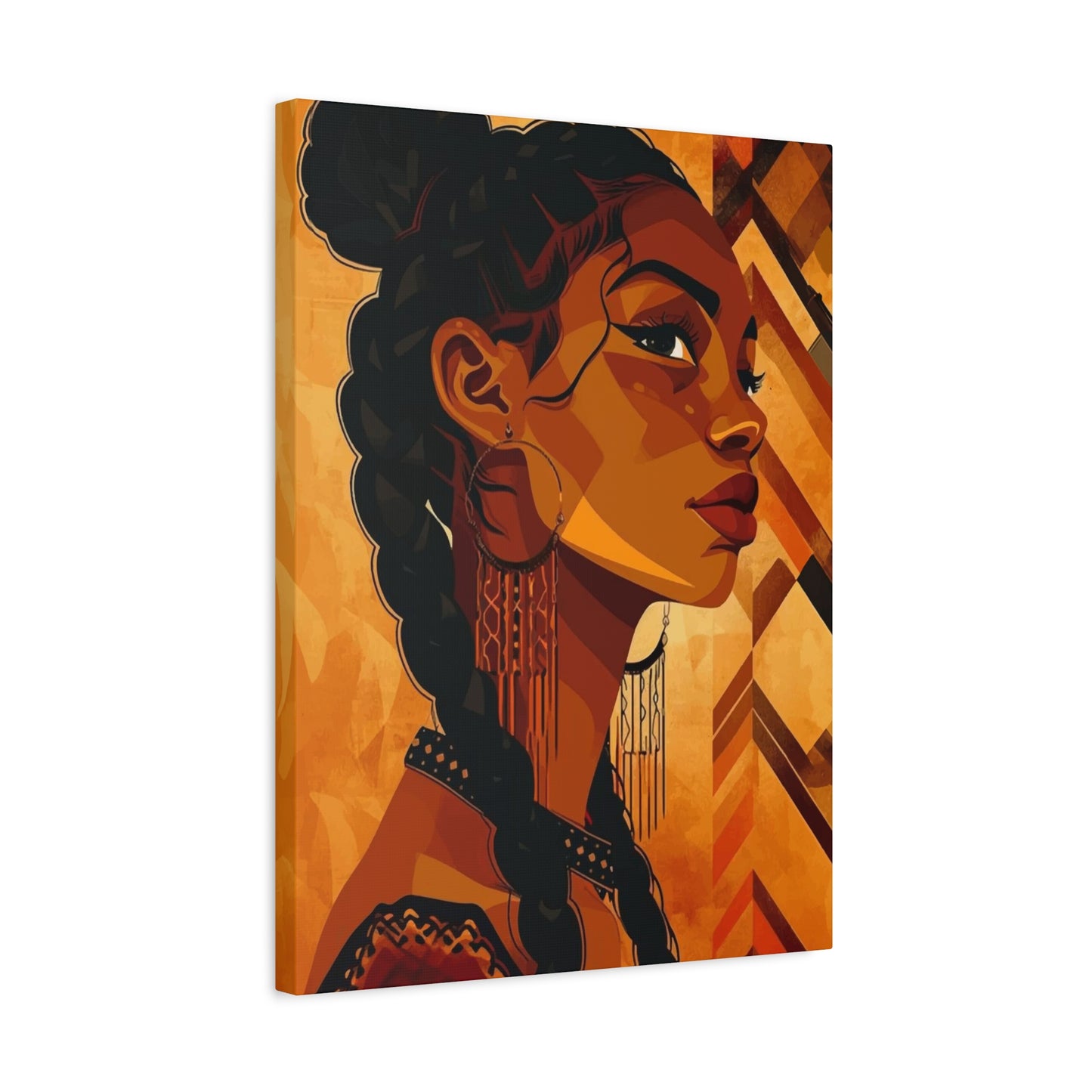
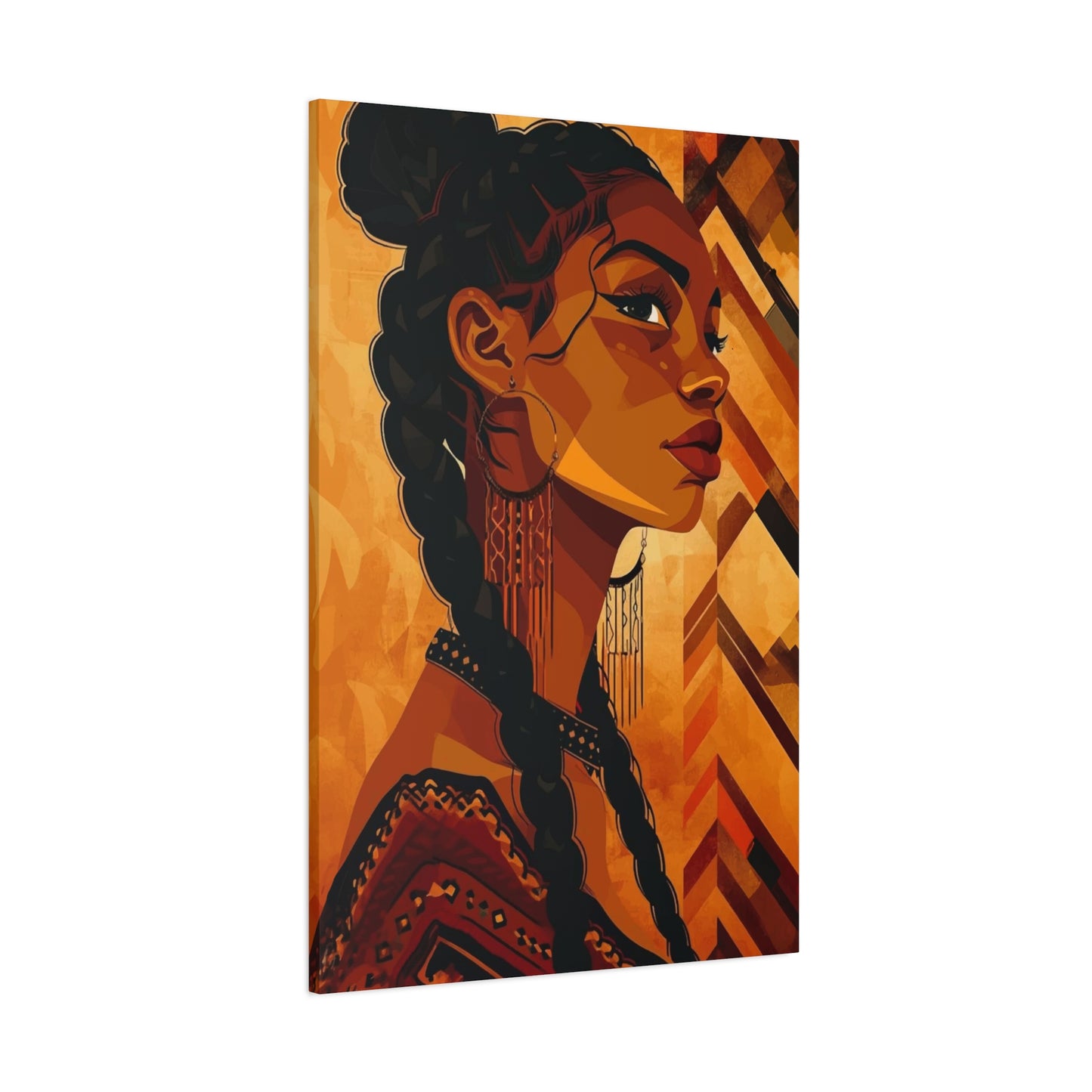
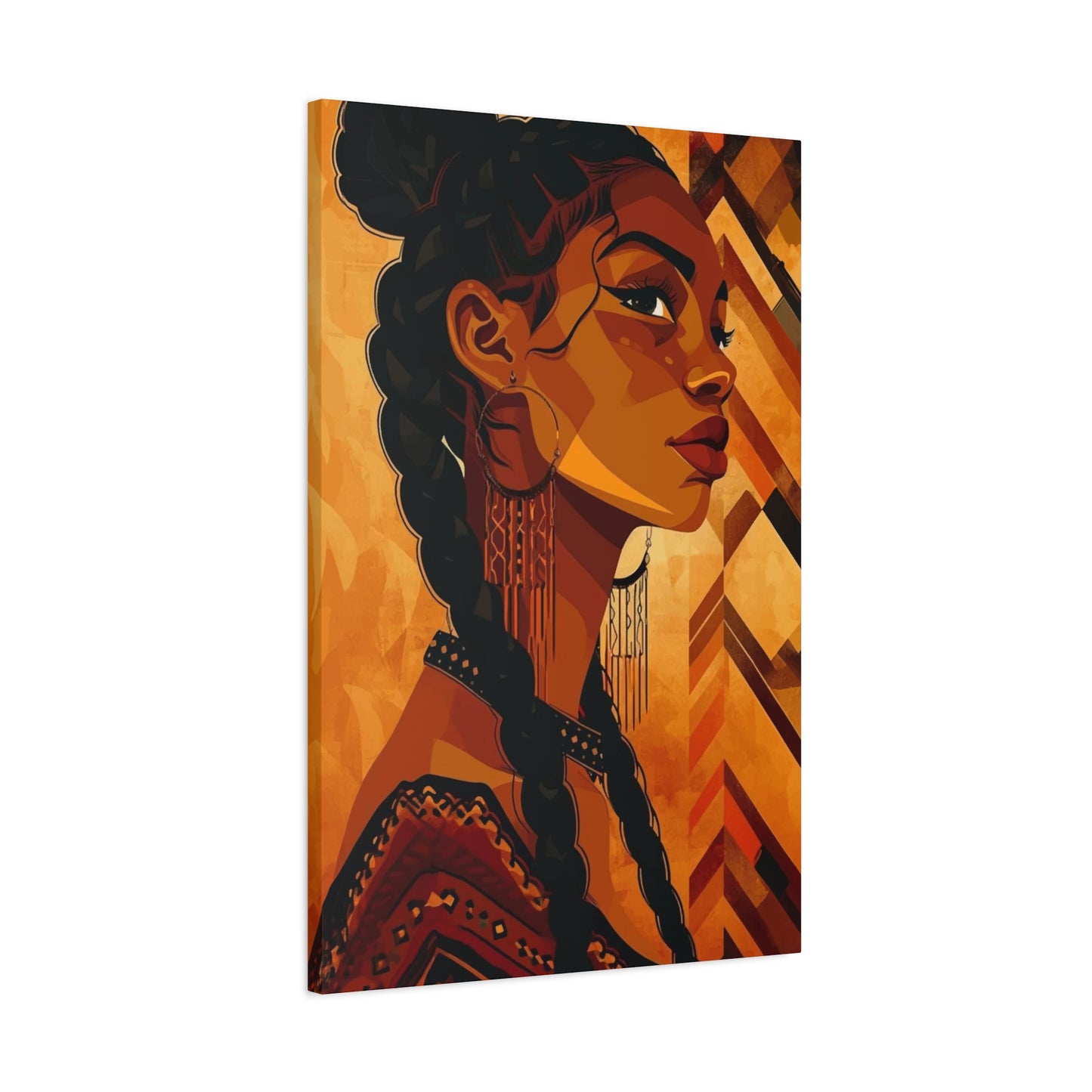
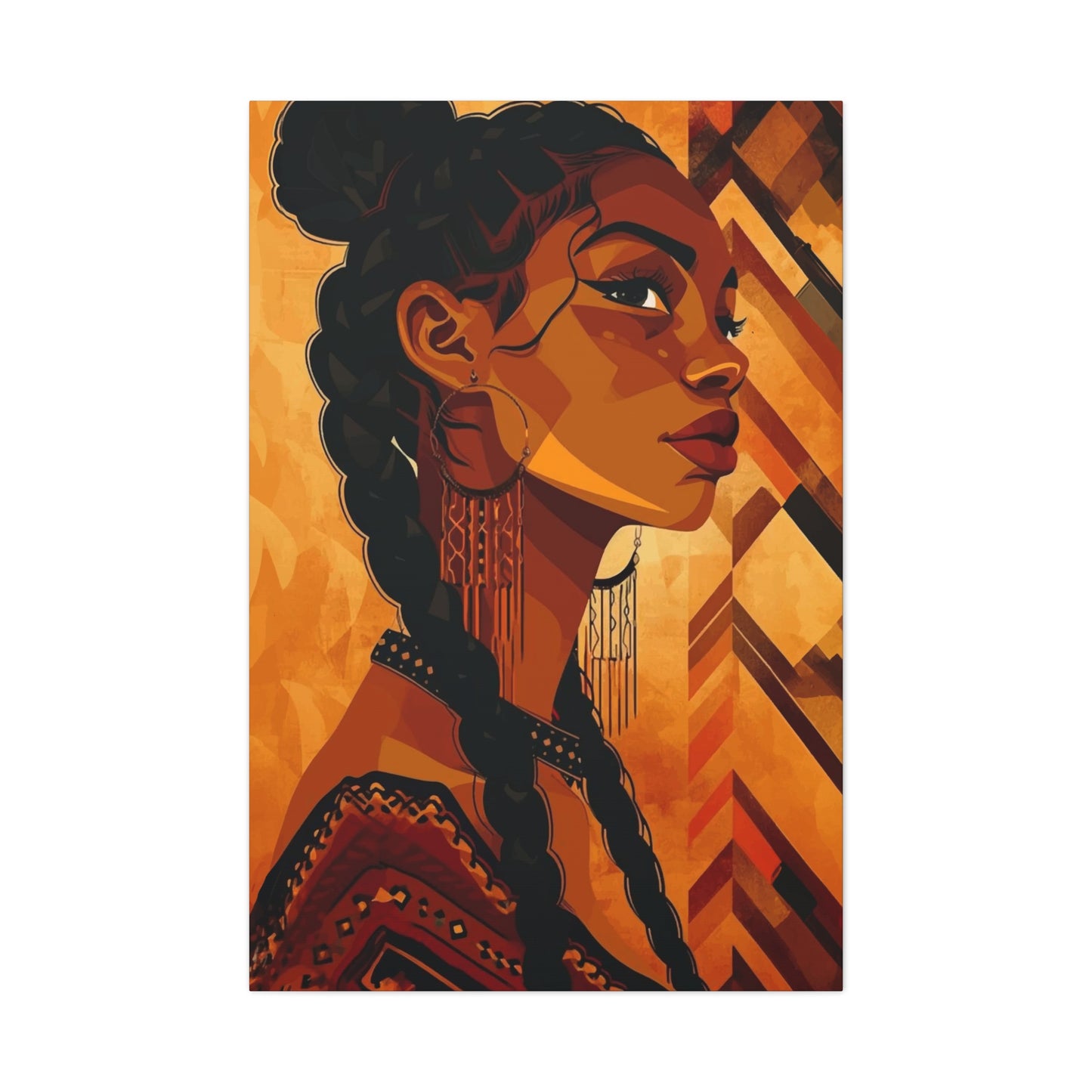
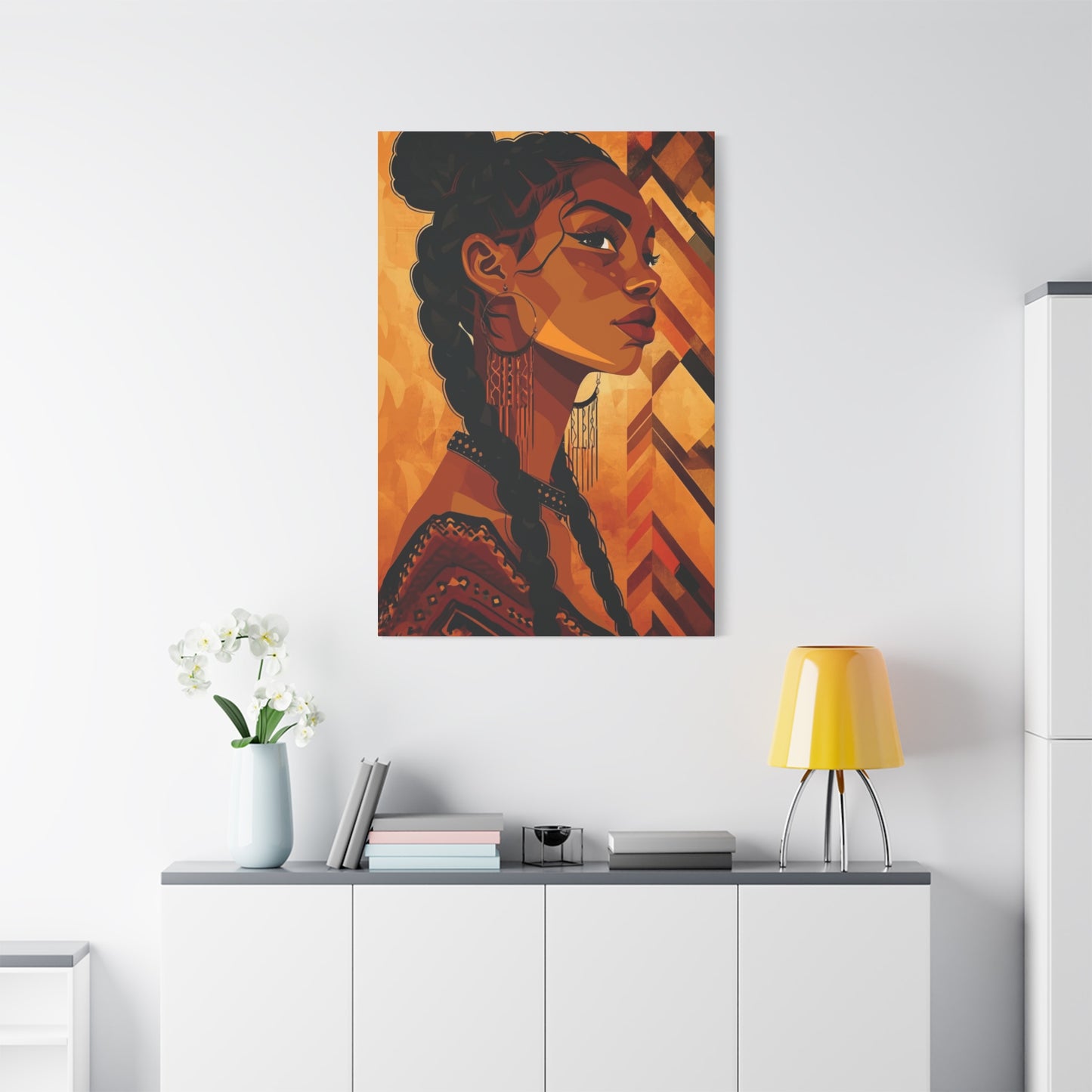
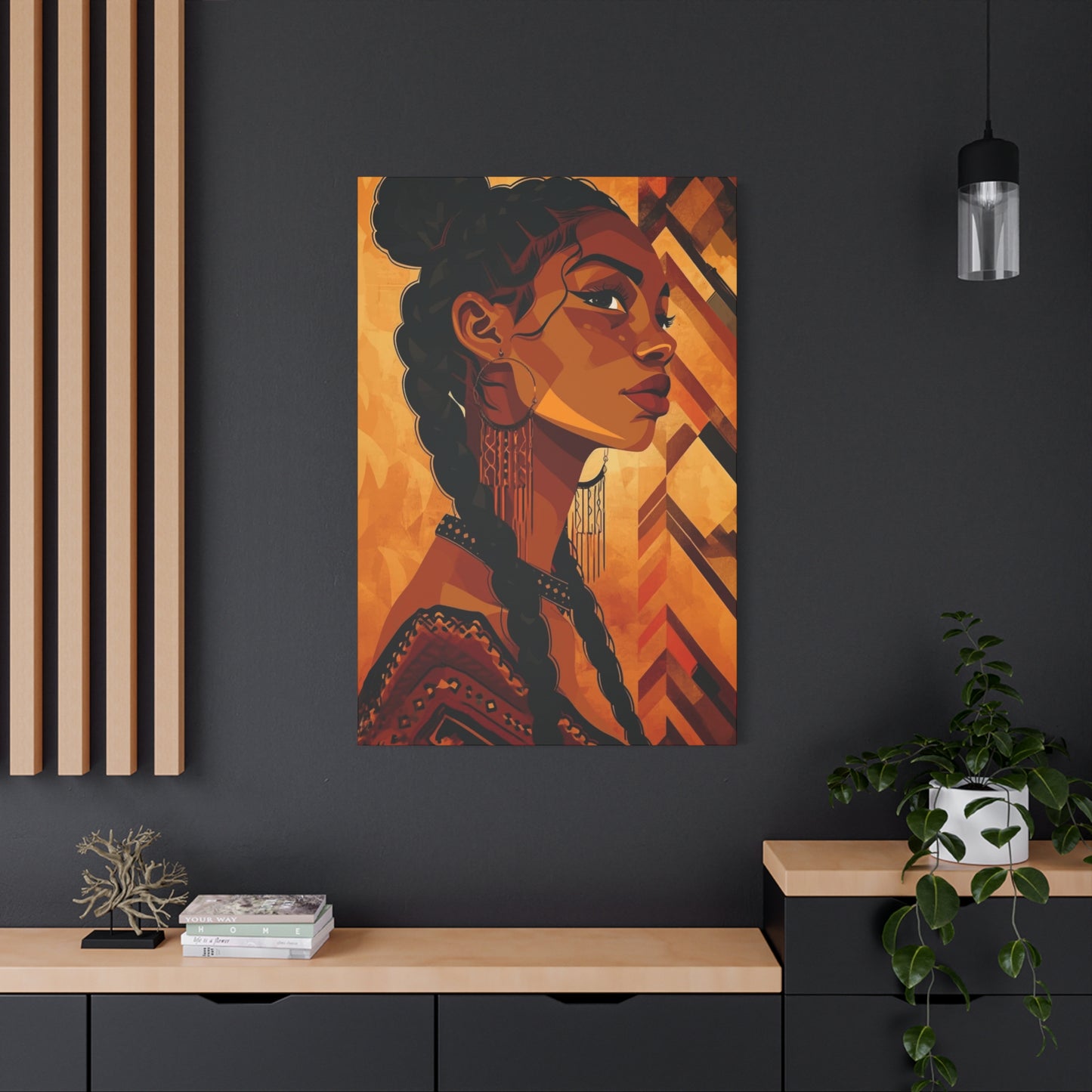
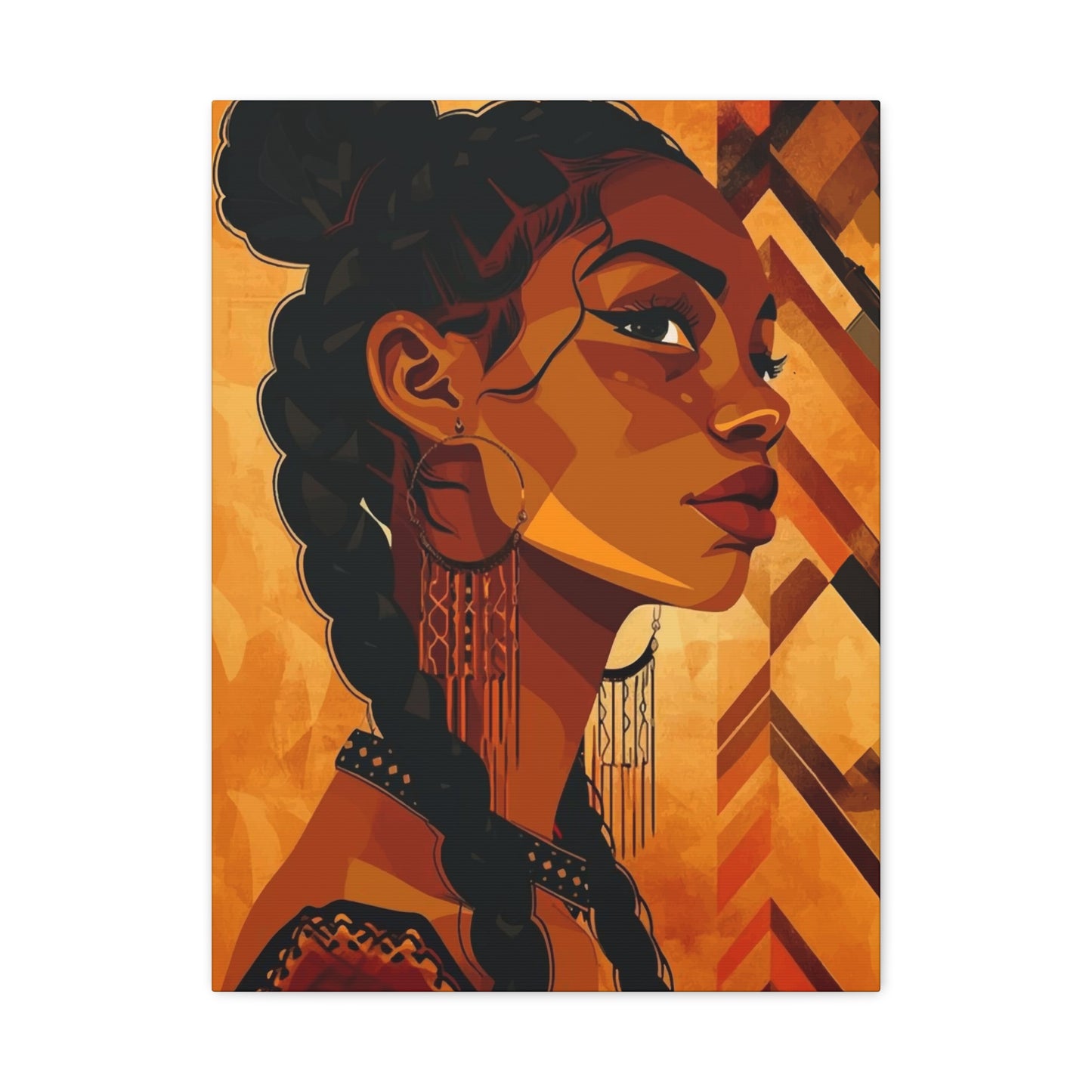
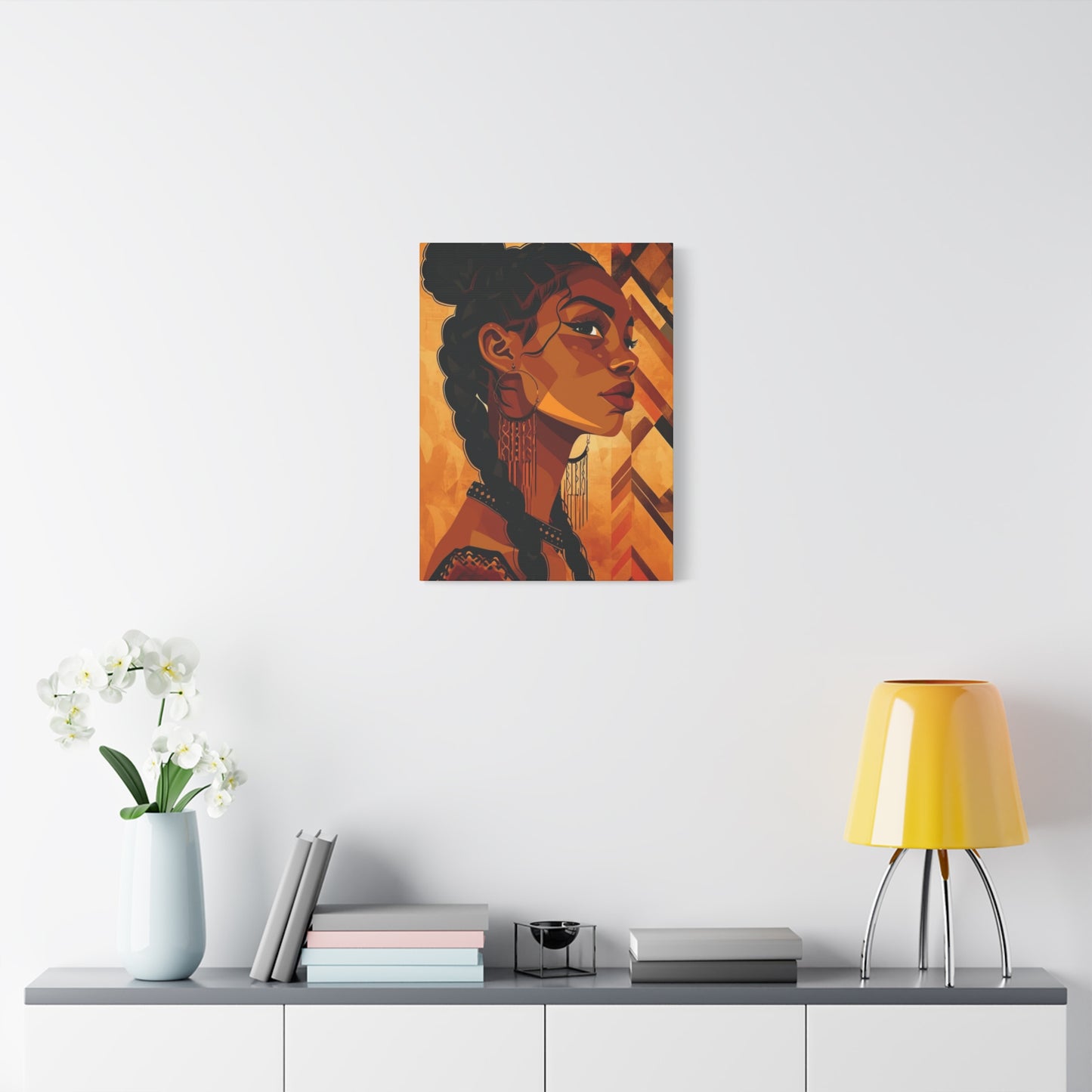
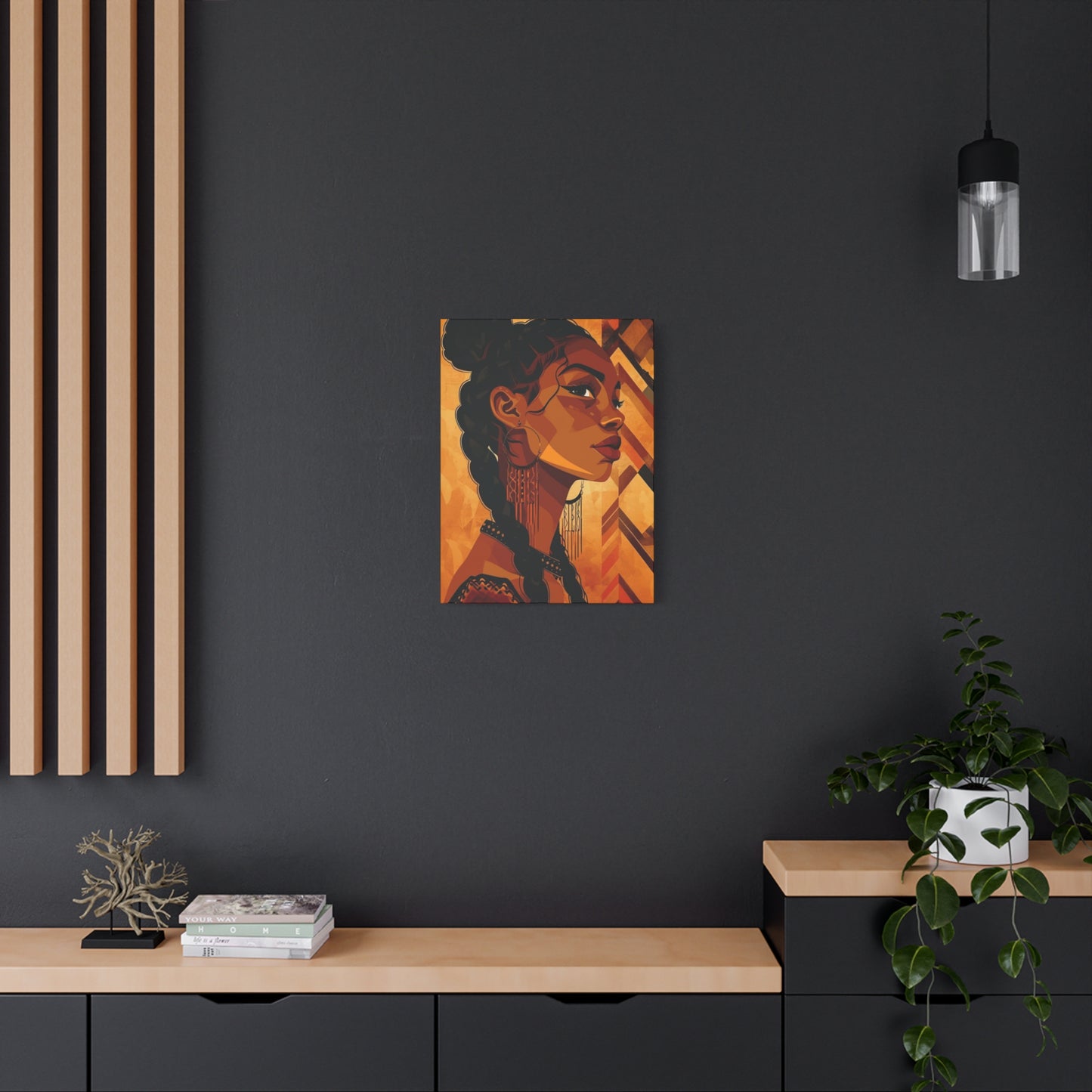
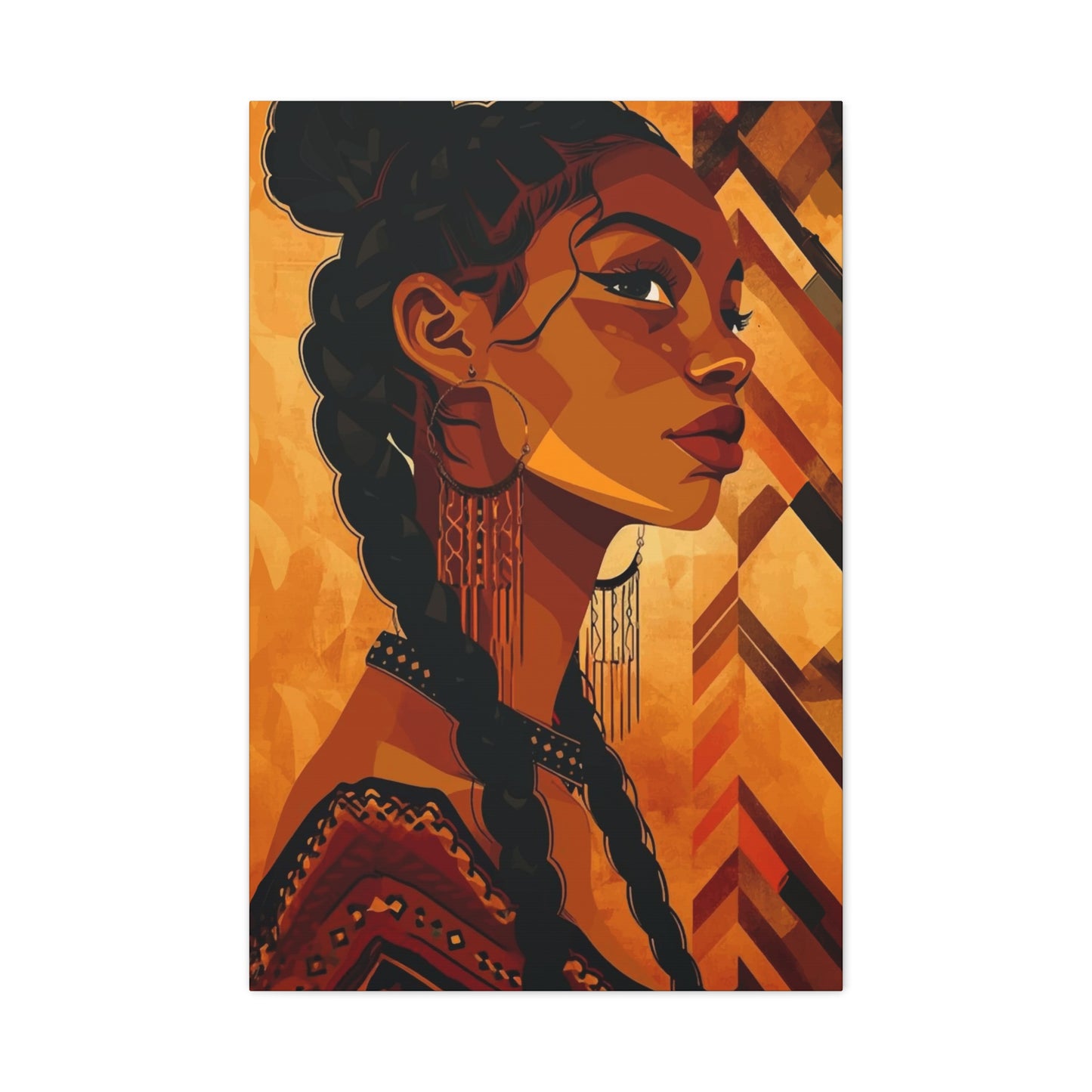
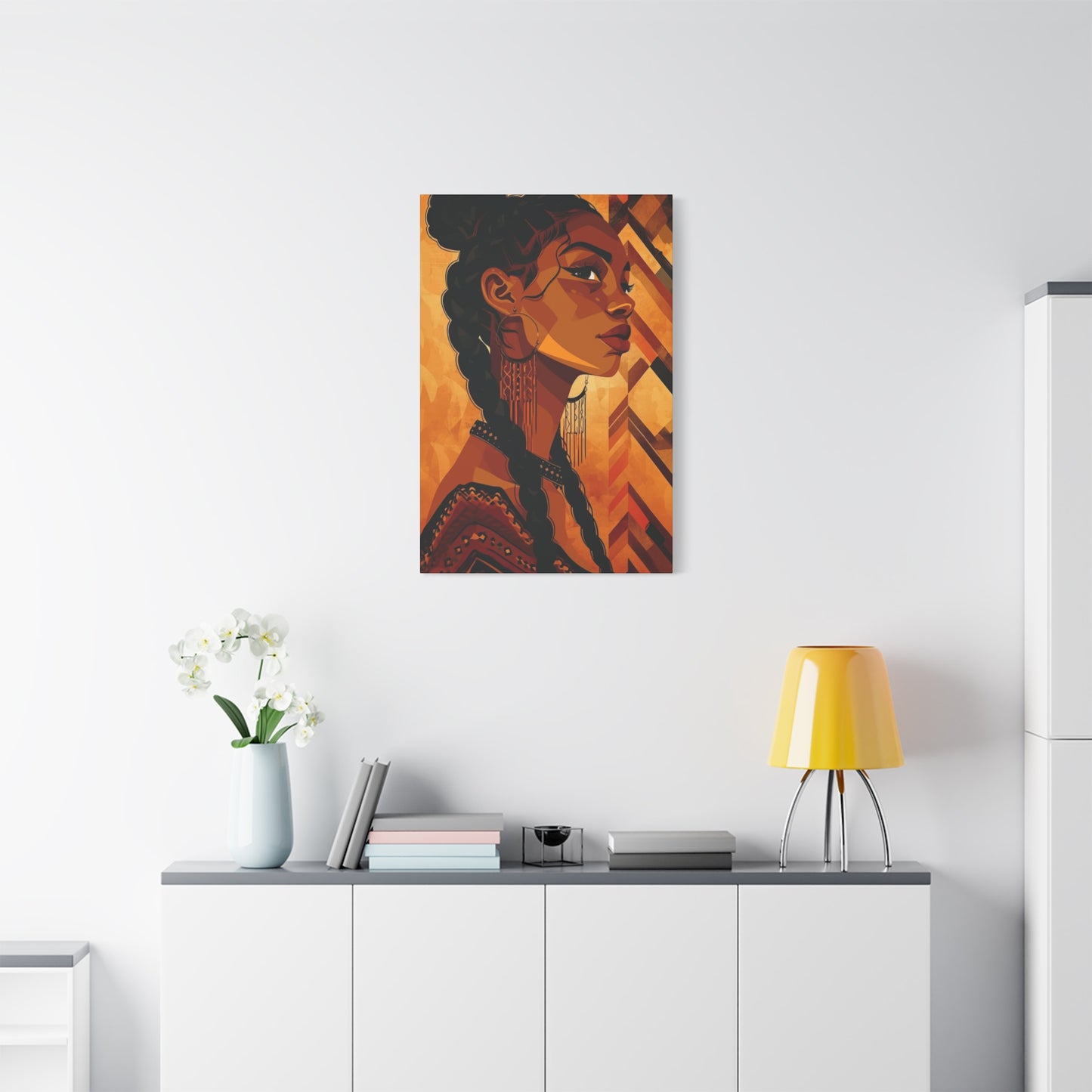
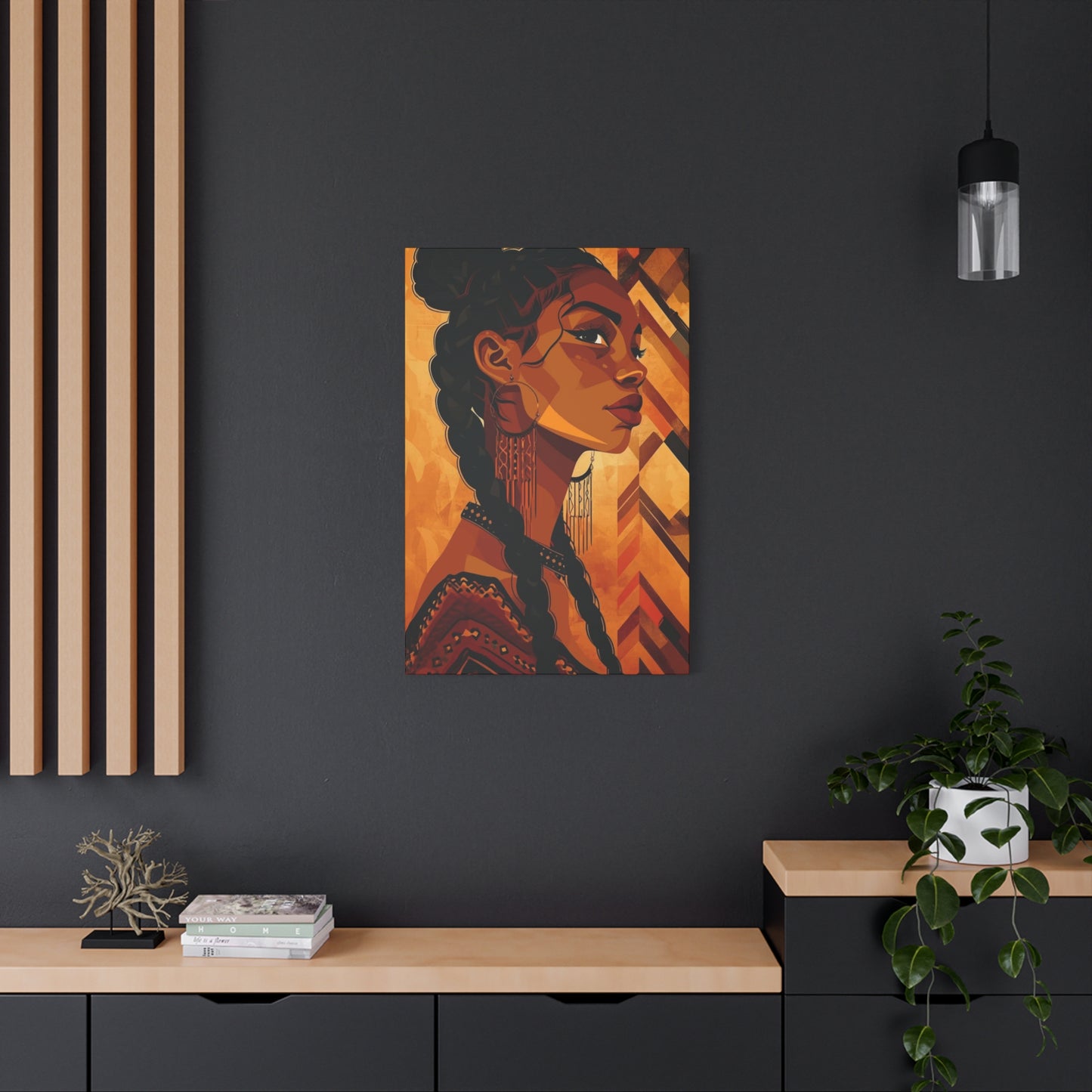
African Woman Wall Art & Canvas Prints
African Woman Wall Art & Canvas Prints
Couldn't load pickup availability
Elevating Interior Spaces With Authentic African Woman Wall Art: A Comprehensive Exploration of Cultural Expression and Aesthetic Enhancement
The manifestation of African woman wall art represents far more than mere decorative embellishment for residential or commercial environments. This burgeoning form of visual representation encapsulates centuries of cultural heritage, artistic sagacity, and the multifaceted narratives of women across the diverse continent of Africa. When homeowners and designers contemplate adorning their spaces with such artwork, they engage in a profoundly meaningful endeavor that transcends conventional interior embellishment, instead facilitating a direct connection to ancestral wisdom, contemporary artistic movements, and the resilient spirit of African femininity.
The proliferation of African woman wall art within global interior design circles has catalyzed unprecedented conversations regarding cultural appreciation, artistic authenticity, and the imperative necessity of equitable representation within aesthetic spaces. Contemporary collectors, interior enthusiasts, and cultural advocates increasingly recognize that incorporating such pieces constitutes both a stylistic choice and a deliberate affirmation of cultural significance. The transformative potential inherent in these artworks extends beyond superficial ornamentation, fundamentally reshaping how individuals perceive their living environments and their relationship with broader cultural narratives.
The Profound Historical Foundations Underpinning African Feminine Artistic Representation
The artistic representation of African women possesses roots extending through millennia of cultural, spiritual, and social significance. Ancient African civilizations cultivated sophisticated aesthetic traditions wherein women occupied positions of considerable cultural reverence. From the majestic kingdoms of Kush and Punt to the thriving societies of Nok and Great Zimbabwe, women featured prominently in sculptural traditions, mural compositions, and ornamental expressions. These historical manifestations established foundational precedents for contemporary artistic practices, establishing paradigms wherein feminine iconography conveyed spiritual potency, maternal abundance, and societal fortitude.
Throughout subsequent centuries, the artistic representation of African women evolved in response to shifting sociopolitical circumstances, colonial incursions, and the necessity for cultural preservation amid external pressures. Traditional sculptural practices, particularly evident in West African communities, developed increasingly sophisticated approaches to capturing the essence of feminine grace, dignified bearing, and spiritual resonance. The meticulous attention devoted to facial features, coiffure arrangements, and ornamental embellishment reflected deeply ingrained cultural values regarding beauty standards, social standing, and spiritual significance. These artistic conventions transcended mere aesthetic considerations, functioning instead as repositories of cultural knowledge, genealogical information, and spiritual protective mechanisms.
The continuity of these traditions through subsequent generations, despite formidable historical adversities and cultural suppression, demonstrates the extraordinary resilience inherent within African artistic communities. Artisans maintained their practices through oral transmission of technical knowledge, familial apprenticeship systems, and the unwavering commitment to preserving ancestral methodologies. This dedication ensured that contemporary practitioners possess access to authentic techniques, culturally grounded iconographic systems, and spiritual frameworks that imbue their creations with profound significance transcending mere visual appeal.
Understanding the Distinctive Aesthetic Characteristics of African Woman Wall Compositions
African woman wall art manifests through remarkably diverse aesthetic approaches, each reflecting specific regional traditions, individual artistic sensibilities, and contemporary innovations. The visual vocabulary encompassing these works encompasses bold geometric formations, intricate patterning systems, chromatic strategies ranging from earth-toned palettes to vibrant jewel-like hues, and compositional structures that frequently challenge conventional Western representational paradigms. The deliberate stylization evident throughout these pieces reflects philosophical perspectives regarding the relationship between form and substance, abstraction and representation, and the fundamental nature of aesthetic truth.
The incorporation of traditional motifs, symbolic imagery, and cultural iconography distinguishes African woman wall art from conventional portraiture or generic decorative compositions. Artists frequently integrate adornment elements including elaborate hairstyles, ceremonial jewelry, textile patterns, and sartorial choices that possess specific cultural significance within their originating communities. These details function as visual narratives conveying information regarding status, spiritual affiliation, ethnic heritage, and cultural identity. The inclusion of such elements transforms individual artworks into repositories of cultural knowledge, enabling viewers to access layers of meaning that extend far beyond surface-level visual engagement.
The materiality of these artworks presents equally fascinating considerations regarding artistic intention and aesthetic impact. Contemporary practitioners employ diversified materials ranging from traditional pigments and natural substances to contemporary mediums including acrylics, mixed media assemblages, and innovative composite materials. This eclecticism reflects the dynamic nature of African artistic practice, wherein respect for ancestral methodologies coexists harmoniously with contemporary experimental approaches. The resulting heterogeneity creates unprecedented opportunities for artistic expression while simultaneously acknowledging the profound importance of maintaining connections to established cultural practices.
The compositional strategies employed throughout African woman wall art frequently emphasize symmetry, rhythm, and the deliberate arrangement of forms to generate visual resonance within spatial environments. Artists demonstrate sophisticated understanding regarding how artworks interact with architectural features, ambient illumination, and surrounding furnishings. The proportional relationships between figure and ground, the strategic placement of focal points, and the orchestration of visual pathways guiding viewer perception all reflect considerable artistic deliberation. These compositional considerations extend the significance of these works beyond individual objects, transforming them into integral architectural elements that fundamentally reshape spatial experience.
Regional Variations and Distinctive Artistic Traditions Across the African Continent
The African continent encompasses extraordinary artistic diversity, with distinct regions cultivating unique aesthetic traditions reflecting localized environmental conditions, historical circumstances, and cultural philosophical frameworks. West African artistic practices, particularly those emerging from contemporary Nigeria, Ghana, and Senegal, frequently emphasize bold figural representation, vivacious chromatic choices, and the incorporation of indigenous pattern systems derived from textile traditions. These works often radiate exuberant energy, celebrating the magnificence of African feminine beauty through uncompromising artistic conviction and vibrant visual proclamations.
Contemporary artistic movements originating from Southern African regions, encompassing South Africa, Zimbabwe, and Botswana, frequently demonstrate compelling engagement with postcolonial considerations, sociopolitical commentary, and the negotiation of identity within complex historical circumstances. Artists from these regions frequently employ African woman wall art as vehicles for expressing resistance narratives, celebrating cultural reclamation, and articulating nuanced perspectives regarding gender dynamics, social transformation, and cultural persistence. The intellectual rigor accompanying these artistic expressions elevates them beyond decorative considerations, positioning them instead as profound cultural commentary and historical documentation.
East African artistic traditions, emanating from regions encompassing Ethiopia, Kenya, and Tanzania, frequently emphasize spiritual dimensionality, cosmological understanding, and the integration of natural elements including animal imagery and landscape formations. The artistic representations of women within these traditions frequently incorporate sacred symbolism, ancestral veneration, and spiritual protective mechanisms reflecting deeply held metaphysical convictions. These works frequently demonstrate distinctive stylistic approaches emphasizing elongation, abstraction, and the suggestion of spiritual presence that permeates material existence.
Central African artistic practices, particularly those emerging from Congolese, Cameroon, and Burundian communities, frequently showcase remarkable sculptural sensibilities adapted to two-dimensional wall compositions. The artistic traditions of these regions emphasize expressive distortion, emotional intensity, and the creation of visceral encounters between viewer and artwork. The resulting compositions frequently possess considerable psychological intensity, generating profound emotional responses and encouraging viewers toward contemplative engagement with the represented feminine presence.
North African artistic traditions, encompassing regions including Egypt, Morocco, and Algeria, frequently synthesize African aesthetic principles with Mediterranean and Islamic artistic influences, generating distinctive hybrid aesthetic languages. These artistic expressions frequently emphasize geometric abstraction, intricate patterning, and the integration of calligraphic elements derived from Islamic artistic practice. The representation of women within these traditions frequently incorporates modesty conventions while simultaneously celebrating feminine strength, resilience, and cultural significance within complex social matrices.
The Multifaceted Symbolic Dimensions Embedded Within African Woman Wall Art
African woman wall art functions as a sophisticated symbolic language wherein visual elements communicate multilayered meanings transcending straightforward representational content. The adornment elements frequently incorporated throughout these compositions, including elaborate coiffure arrangements, facial scarification patterns, and ceremonial jewelry, function as signification systems communicating information regarding cultural identity, spiritual affiliation, social standing, and familial heritage. For knowledgeable viewers possessing cultural fluency regarding these symbolic vocabularies, such visual elements transform artworks into complex narratives conveying genealogical information, spiritual protection symbolism, and cultural pride.
The chromatic selections evident throughout African woman wall art frequently possess symbolic significance extending beyond aesthetic preference. Particular hues including indigo, ochre, crimson, and gold carry deep cultural resonances within African philosophical frameworks, frequently connecting to spiritual forces, natural phenomena, and fundamental metaphysical principles. The deliberate deployment of such chromatic vocabularies enables artists to communicate complex spiritual and philosophical concepts through color symbolism, engaging viewers on conscious and subconscious registers simultaneously.
The gestural dimensions present throughout these artworks frequently convey emotional and psychological states transcending literal representation. The positioning of hands, the orientation of bodily form, the directional focus of facial regard, and the overall postural configurations all function as communicative devices expressing resilience, confidence, introspection, defiance, or spiritual transcendence. The sophisticated articulation of such gestural languages enables artists to communicate profound psychological and emotional narratives, transforming static visual compositions into vehicles for conveying dynamic human experiences and interior states.
The incorporation of natural elements including vegetation, geological formations, celestial imagery, and animal symbolism frequently connects individual representations to broader cosmological frameworks and environmental consciousness. These elements function as anchoring points situating individual human figures within expansive ecological and spiritual matrices, emphasizing the interconnectedness between human beings and the natural world. Such compositional strategies reflect fundamental African philosophical perspectives regarding the inseparability of human existence from environmental and spiritual dimensions of reality.
Aesthetic Principles Governing the Creation and Appreciation of African Woman Wall Compositions
The creation of authentic African woman wall art necessitates comprehensive understanding regarding aesthetic principles deeply embedded within African artistic philosophies and practical conventions. The principle of emphasis regarding human figuration, with particular focus on facial features and upper torsal configurations, reflects cultural valorization of communication capacities, cognitive sophistication, and spiritual presence. The proportional exaggeration frequently evident throughout these artworks intentionally deviates from naturalistic representation, instead prioritizing spiritual truthfulness and psychological intensity over mere verisimilitude.
The compositional principle of centralization, wherein individual figures occupy dominant positions within pictorial space, reflects cultural understandings regarding the significance of individual human presence and the capacity of persons to function as spiritual and social focal points. This compositional strategy, rather than representing egoistic self-aggrandizement, instead reflects philosophical convictions regarding the essential importance of human consciousness, spiritual agency, and cultural participation. The resulting artworks emphasize the profound significance of individual women as bearers of culture, spiritual vessels, and repositories of ancestral wisdom.
The aesthetic principle emphasizing pattern integration and rhythmic repetition throughout compositional configurations reflects mathematical sensibilities and spiritual understandings regarding the harmonic nature of existence. The deliberate incorporation of geometric formations, textile-inspired motifs, and rhythmic patterning systems creates visual environments characterized by dynamic equilibrium and contemplative resonance. The resulting compositions frequently generate meditative states within viewers, facilitating introspective engagement and spiritual attunement through visual means.
The principle of monumental presence, wherein relatively modest wall compositions evoke sensations of considerable scale and spiritual significance, reflects sophisticated artistic understanding regarding the psychological capacities of visual representation. Through strategic manipulation of compositional elements, chromatic intensity, and formal gestures, artists generate perceptions of monumentality that extend considerably beyond objective physical dimensions. This artistic sleight of hand transforms humble wall artworks into profound cultural declarations and spiritual manifestations.
Contemporary Artistic Practitioners and Their Innovative Contributions to the Medium
The contemporary landscape of African woman wall art encompasses diverse artistic practitioners representing varied backgrounds, philosophical orientations, and creative methodologies. Contemporary artists frequently merge ancestral techniques with experimental approaches, creating eclectic visual vocabularies that simultaneously honor traditional practices and embrace innovative possibilities. This synthesis reflects the dynamic nature of living cultural traditions, wherein respect for ancestral wisdom coexists harmoniously with the imperative necessity of artistic evolution and contemporary relevance.
Numerous contemporary practitioners from throughout Africa have achieved international recognition through their distinctive contributions to the medium. These artists frequently ground their practices within specific regional traditions while simultaneously engaging with global artistic conversations and contemporary sociopolitical circumstances. Their works frequently function as potent declarations of cultural pride, articulations of feminist consciousness, and explorations of postcolonial identity negotiations. The intellectual rigor and artistic sophistication characterizing their productions have fundamentally transformed perceptions regarding African artistic practice, positioning it as equivalent in philosophical depth and aesthetic complexity to established Western artistic traditions.
The emergence of diaspora artists, encompassing individuals of African descent residing throughout global communities, has generated fascinating cross-cultural exchanges and hybrid aesthetic languages. These practitioners frequently synthesize African ancestral traditions with exposure to diversified artistic movements and contemporary social circumstances, generating unprecedented visual vocabularies. Their artistic contributions frequently emphasize themes of cultural memory, identity negotiation, and the complexities of transnational existence, generating artworks that resonate with diaspora communities while simultaneously communicating meaningful content to broader audiences.
The role of female artists within this domain merits particular consideration, as women practitioners frequently utilize African woman wall art as vehicles for articulating feminist perspectives, celebrating feminine resilience, and challenging patriarchal conventions within both artistic and broader social contexts. The proliferation of female-identified artists creating such compositions reflects transformations in artistic gatekeeping, economic accessibility, and the growing recognition of women's artistic agency. These practitioners frequently emphasize self-representation, corporeal autonomy, and the celebration of feminine strength and beauty according to African-derived aesthetic standards rather than externally imposed conventions.
The Profound Influence of African Woman Wall Art Upon Interior Design and Spatial Configuration
The integration of African woman wall art within contemporary interior design contexts has catalyzed significant transformations in aesthetic preferences, design methodologies, and spatial conceptualization. Interior designers increasingly recognize the capacity of such artworks to fundamentally reshape spatial atmospherics, generate psychological effects, and communicate sophisticated cultural literacy. The incorporation of such pieces frequently functions as establishing focal points around which additional design elements organize themselves, generating coherent compositional narratives throughout entire rooms or architectural configurations.
The chromatic dimensions of African woman wall art provide exceptional opportunities for generating sophisticated color palettes within interior environments. The characteristic earth tones, jewel-like hues, and vibrant accent colors evident throughout many such artworks serve as inspiration for determining wall colorations, furnishing selections, and textile choices throughout designed spaces. The resulting environments frequently demonstrate remarkable visual coherence and psychological resonance, with the incorporated artworks functioning as unifying elements orchestrating aesthetic harmony across diverse spatial dimensions.
The dimensionality of wall artworks incorporating textural elements, mixed media components, and sculptural projections creates dynamic visual experiences that transform monotonous wall surfaces into compelling focal points. The interaction between ambient illumination and textured compositional surfaces generates shifting visual effects that evolve throughout diurnal cycles, creating animated spatial environments that maintain viewer engagement across temporal progressions. Such considerations demonstrate how thoughtful artistic integration extends beyond mere decoration, fundamentally transforming the quality of spatial experience.
The placement of African woman wall art within interior configurations necessitates careful consideration regarding sight lines, spatial proportions, and the compositional relationships between artworks and surrounding architectural features. Optimal placement frequently emphasizes positions where artworks command primary visual attention upon room entry, where ambient illumination enhances visual legibility and chromatic vibrancy, and where surrounding furnishings facilitate rather than compete with artistic prominence. The strategic positioning of such artworks elevates their significance beyond individual objects, transforming them into integral architectural elements fundamentally defining spatial character and psychological atmosphere.
Navigating Questions of Cultural Authenticity and Ethical Engagement With African Artistic Traditions
The burgeoning global demand for African woman wall art has generated complex considerations regarding cultural authenticity, ethical engagement practices, and equitable representation within international art markets. The proliferation of mass-manufactured reproductions, exploitative production practices, and inauthentic artistic expressions purporting to represent African aesthetic traditions has necessitated increased critical awareness among conscientious consumers and cultural advocates. The distinction between genuine artistic expressions emerging from culturally grounded practitioners and commercially expedient reproductions designed for mass consumption requires considerable discernment and commitment toward ethical engagement.
Authentic African woman wall art typically originates from artists possessing direct cultural connections to the represented traditions, comprehensive understanding of symbolic vocabularies and aesthetic principles, and genuine commitment toward preserving and evolving ancestral practices. Such practitioners frequently invest considerable temporal and intellectual resources toward mastering technical competencies, acquiring cultural knowledge, and developing distinctive artistic voices that simultaneously honor tradition and articulate contemporary perspectives. The resulting artworks possess qualitative characteristics including nuanced execution, conceptual sophistication, and authentic symbolic resonance that distinguish them from superficial imitations.
The economic dimensions of ethical engagement with African artistic traditions necessitate examination regarding fair compensation for artists, equitable market access, and the prevention of exploitative labor practices. Conscientious consumers increasingly seek assurances that artists receive appropriate remuneration for their creative labor and that production circumstances adhere to humanitarian standards. The emergence of direct artist-to-consumer marketplaces, cooperative structures, and ethical trading platforms has facilitated more equitable economic relationships while simultaneously enabling consumers to establish direct connections with artistic practitioners and comprehend the narratives underlying individual artworks.
The epistemological dimensions of cultural engagement merit consideration, as the incorporation of African woman wall art within predominantly non-African spaces necessitates respectful approaches toward cultural interpretation and acknowledgment of interpretive limitations among viewers lacking cultural fluency. The recognition of artworks as carriers of profound cultural significance rather than merely decorative objects facilitates more substantive engagement wherein viewers approach incorporated pieces with appropriate reverence and contemplative orientation. Educational initiatives promoting cultural literacy regarding symbolic vocabularies, historical contexts, and artistic methodologies enhance viewer comprehension and facilitate deeper appreciation for the intellectual and spiritual dimensions characterizing authentic artistic expressions.
The Psychological and Emotional Dimensions of Residing Within Spaces Featuring African Woman Wall Art
The presence of African woman wall art within residential environments generates multifaceted psychological effects extending considerably beyond superficial aesthetic appeal. The representations of confident, dignified, and magnificently adorned feminine figures frequently generate affirmative psychological states, enhance personal self-regard, and provide positive role models particularly for individuals of African descent navigating sociocultural contexts wherein mainstream aesthetic representations frequently marginalize or misrepresent African beauty standards. The daily exposure to such affirming visual representations cultivates internalized positive self-perceptions and reinforces connections to ancestral heritage and cultural pride.
The contemplative qualities inherent within many African woman wall compositions facilitate meditative engagement and psychological restoration within domestic environments increasingly characterized by overstimulation and perpetual acceleration. The sophisticated visual complexity, layered symbolism, and spiritual dimensionality characterizing authentic artworks encourage sustained attentional focus and introspective mental states. The resulting psychological benefits, encompassing stress reduction, cognitive restoration, and enhanced emotional equilibrium, contribute meaningfully to overall wellness within residential contexts.
The narrative dimensions present throughout many African woman wall artworks stimulate imaginative engagement, curiosity regarding cultural contexts, and expanded consciousness regarding human diversity and artistic possibility. The incorporation of such artworks frequently catalyzes conversations regarding cultural history, artistic traditions, and personal connections to ancestral heritage. These dialogical exchanges generate opportunities for interpersonal connection, cultural education, and the cultivation of mutual understanding across cultural boundaries.
The embodied dimensions of residing within spaces featuring African woman wall art merit consideration, as the visual presence of confident, physically powerful, and spiritually resonant feminine representations frequently influences bodily self-perception, posture, and movement patterns. The daily exposure to artistic depictions celebrating corporeal magnificence, physical strength, and embodied feminine grace facilitates corporeal rehabilitation and the cultivation of positive somatic awareness. Such effects, though frequently underestimated, contribute meaningfully to overall wellness and self-actualization within domestic environments.
Strategic Considerations Regarding the Selection and Acquisition of Authentic African Woman Wall Art
The process of selecting appropriate African woman wall art for specific interior contexts and personal preferences necessitates careful deliberation regarding aesthetic compatibility, authentic cultural grounding, ethical sourcing practices, and investment considerations. Prospective collectors benefit considerably from developing foundational knowledge regarding regional artistic traditions, distinguishing characteristics of authentic versus inauthentic expressions, and the philosophical and practical implications of various artistic choices. Such preparatory investigation facilitates informed decision-making and enhances satisfaction with selected acquisitions.
The evaluation of artistic authenticity requires examination of multiple indicators including technical execution quality, symbolic consistency with established cultural conventions, materials utilization reflecting cultural grounding, and the demonstrated commitment of practitioners toward preserving and evolving ancestral methodologies. Familiarity with characteristics distinguishing authentic works from mass-manufactured reproductions, including distinctive compositional approaches, idiosyncratic stylistic elements, and the evident investment of creative intelligence, facilitates more discerning selection processes. The consultation with knowledgeable advisors, including cultural specialists, curators, and established practitioners, frequently proves invaluable during acquisition processes.
The consideration of spatial compatibility involves examination of how selected artworks interact with existing interior configurations, architectural features, chromatic palettes, and stylistic vocabularies. The evaluation of appropriate scale, considering both the physical dimensions of available wall space and the psychological impact of compositional configurations, ensures optimal visual integration. The consideration of lighting conditions, sightline configurations, and the proximity of furnishings facilitates strategic placement decisions enhancing both artistic prominence and overall spatial aesthetics.
The financial dimensions of artistic acquisition merit thoughtful consideration, as authentic African woman wall art produced by established practitioners frequently commands considerable monetary investment. The evaluation of works as potential investment assets, appreciating in value as artistic reputation and market recognition increase, encourages selection of pieces demonstrating exceptional artistic quality and authentic cultural grounding. The documentation of acquisition circumstances, including artist information, creation narratives, and provenance details, enhances both personal satisfaction and potential future investment value. The establishment of ongoing relationships with reputable artistic practitioners and dealers facilitates access to emerging works and ensures continued availability of authentic acquisitions.
The Transformative Potential of African Woman Wall Art in Commercial and Institutional Contexts
Beyond residential applications, African woman wall art possesses remarkable capacity to transform commercial and institutional environments through the introduction of cultural richness, aesthetic sophistication, and affirming visual narratives. The incorporation of such artworks within professional workplaces, hospitality environments, and educational institutions communicates organizational commitment toward cultural inclusivity, artistic appreciation, and the celebration of diverse human experiences. These environmental choices frequently generate measurable improvements in employee satisfaction, visitor perceptions, and the overall psychological atmosphere characterizing such spaces.
The strategic deployment of African woman wall art within corporate environments demonstrates organizational recognition of cultural diversity and commitment toward the creation of inclusive professional cultures. The presence of affirming visual representations of women from African backgrounds frequently enhances workplace satisfaction particularly for employees of African descent and demonstrates concrete commitment toward equity and inclusion transcending mere rhetorical declarations. The resulting environmental modifications frequently correlate with measurable improvements in employee retention, productivity, and overall organizational morale.
Within hospitality and leisure contexts, the incorporation of African woman wall art establishes distinctive atmospheric qualities, communicates cultural sophistication, and generates memorable visual experiences distinguishing such venues within competitive commercial landscapes. The strategic deployment of such artworks frequently attracts clientele appreciating cultural authenticity and aesthetic refinement, while simultaneously facilitating emotional connection and repeat patronage. The resulting commercial advantages, encompassing enhanced reputation, customer loyalty, and competitive differentiation, demonstrate the practical business value inherent within culturally grounded artistic choices.
The integration of African woman wall art within educational institutions, encompassing primary, secondary, and higher educational contexts, facilitates the normalization of African cultural presence within academic environments and provides visual representations supporting curricula emphasizing cultural diversity and historical sophistication. The presence of such artworks frequently enhances student engagement, facilitates discussions regarding cultural history and artistic traditions, and contributes toward the cultivation of culturally informed perspectives among emerging generations. The resulting educational benefits extend considerably beyond mere aesthetic considerations, encompassing cognitive development and the cultivation of multicultural competency.
The Evolving Relationship Between Digital Technologies and Contemporary African Woman Wall Art Practices
The proliferation of digital technologies has generated unprecedented transformations within artistic production, distribution, and consumption practices affecting African woman wall art alongside broader artistic landscapes. Digital design tools, three-dimensional visualization software, and digital reproduction methodologies have expanded artistic possibilities while simultaneously introducing complex considerations regarding authenticity, artistic legitimacy, and the preservation of traditional technical practices. The navigation of these technological dimensions requires sophisticated understanding regarding the interplay between ancestral methodologies and contemporary innovations.
The emergence of digital artistic creation practices, wherein artists utilize computational technologies to generate imagery subsequently transferred to physical surfaces through various printing and reproduction processes, has expanded the accessibility of African woman wall art creation to broader artistic communities. These technological approaches democratize artistic production while simultaneously generating concerns regarding the preservation of traditional hand-executed methodologies and the authenticity of digitally-mediated expressions. The ongoing negotiation between technological convenience and traditional aesthetic integrity characterizes contemporary artistic practice within this domain.
The utilization of social media platforms, virtual galleries, and e-commerce environments has fundamentally transformed the distribution and commercialization of African woman wall art, enabling direct artist-to-consumer connections that circumvent traditional gatekeeping mechanisms and geographic limitations. These technological platforms have democratized market access, facilitating the emergence of previously marginalized artistic practitioners and enabling global audiences to access authentic works. The resulting market transformations have generated increased opportunities for artists while simultaneously introducing new challenges regarding market saturation, price competition, and the proliferation of inauthentic expressions.
The emergence of virtual reality technologies, immersive digital environments, and augmented reality applications has introduced novel possibilities regarding artistic experience and spatial integration. These technological approaches enable prospective buyers to visualize artworks within specific spatial contexts prior to purchase, facilitate virtual gallery experiences transcending geographical limitations, and generate unprecedented forms of artistic engagement. The potential of such technologies to enhance artistic appreciation must be balanced against concerns regarding the potential diminishment of direct engagement with physical artworks and the loss of experiential dimensions inherent within embodied encounters with material cultural expressions.
The Interconnections Between African Woman Wall Art and Broader Feminist Artistic Movements
The emergence of feminist artistic consciousness throughout global contexts has generated profound interconnections with African woman wall art, as both movement streams emphasize the centering of female experiences, the celebration of feminine strength and resilience, and the challenge to patriarchal representational conventions. The participation of African women artists within international feminist artistic movements has catalyzed the articulation of intersectional perspectives emphasizing the simultaneous significance of gender, racial, and cultural dimensions within artistic expression and social experience. The resulting artistic contributions have fundamentally enriched feminist artistic discourse while simultaneously ensuring the centering of African women's voices and perspectives.
The explicitly feminist orientation characterizing numerous contemporary African woman wall artworks reflects deliberate artistic commitment toward celebrating feminine resilience, articulating the complexities of women's lived experiences, and challenging conventional representations of African femininity. These artworks frequently function as powerful declarations of female agency, autonomy, and the refusal of externally imposed limitations regarding feminine possibility and expression. The confrontational aesthetic strategies, emotionally intense visual vocabularies, and explicit political commentary characterizing many such works position them as potent instruments for feminist consciousness-raising and social transformation.
The emphasis within feminist artistic discourse upon the representation of diverse female experiences, embodied knowledge, and the centering of previously marginalized perspectives aligns harmoniously with the fundamental orientations of authentic African woman wall art. The celebration of particular feminine bodies, facial features, and aesthetic preferences according to African-derived standards rather than externally imposed Eurocentric conventions constitutes a fundamental feminist intervention challenging the universalization of beauty standards and the associated psychological harms perpetuated through such universalization. The resulting artworks function as sites of resistance wherein alternative beauty paradigms achieve visual manifestation and cultural validation.
The collaborative dimensions of feminist artistic practice have facilitated the emergence of international networks supporting African women artists, facilitating cross-cultural exchange, and promoting equitable representation within global artistic institutions. These collaborative frameworks have enhanced opportunities for African women practitioners to achieve international recognition, access expanded markets, and participate meaningfully within international artistic conversations. The resulting cultural productions reflect the intellectual sophistication, artistic excellence, and distinctive perspectives characterizing African women's artistic contributions to global artistic culture.
The Spiritual and Metaphysical Dimensions Embedded Within African Woman Wall Art Compositions
The spiritual and metaphysical dimensions characterizing authentic African woman wall art extend far beyond superficial aesthetic appeal, functioning instead as vehicles for expressing spiritual truths, facilitating connection to ancestral presences, and manifesting metaphysical principles through visual form. The deep engagement of African artistic traditions with spiritual dimensions of existence, encompassing cosmological understandings, ancestral veneration, and the recognition of non-visible spiritual forces, imbues authentic artworks with profound metaphysical significance transcending the limitations of materialist ontologies.
The representation of women within African artistic traditions frequently emphasizes their roles as spiritual vessels, repositories of ancestral wisdom, and conduits facilitating communication between visible and non-visible realms. The artistic emphasis upon facial features, particularly the eyes, reflects the conception of the face as a window permitting access to spiritual dimensions and the visible manifestation of interior spiritual presence. The resulting compositions frequently generate sensations of spiritual presence and facilitate contemplative encounters wherein viewers experience direct engagement with metaphysical dimensions transcending rational comprehension.
The incorporation of protective symbolism, spiritual imagery, and ritual elements throughout many African woman wall compositions reflects the understanding of artworks as functioning simultaneously as aesthetic objects and metaphysical instruments. The deliberate inclusion of specific symbolic vocabularies, geometric formations possessing spiritual significance, and representational elements possessing protective or spiritually elevating functions enables these artworks to function as spiritual guardians and energetic facilitators within domestic environments. The resulting spiritual functions frequently operate beneath conscious awareness, generating subtle yet measurable effects upon the psychological, emotional, and spiritual atmospherics characterizing inhabited spaces.
The recognition of African woman wall art as manifestations of spiritual principle rather than mere aesthetic decoration facilitates enhanced appreciation for the profound significance characterizing these compositions. The understanding that authentic artworks function as spiritual instruments, ancestral tributes, and metaphysical declarations enables viewers to approach such pieces with appropriate reverence and contemplative orientation. This recognition transforms encounters with such artworks from superficial aesthetic appreciation into profound spiritual experiences facilitating connection to broader metaphysical realities and ancestral presences.
Practical Guidance Regarding the Maintenance and Preservation of African Woman Wall Art
The preservation of African woman wall art necessitates comprehensive understanding regarding the physical characteristics of various materials, environmental factors influencing deterioration processes, and appropriate conservation methodologies ensuring sustained visual appeal and structural integrity across extended temporal horizons. The durability of wall artworks depends substantially upon material composition, environmental circumstances, installation methodologies, and the implementation of appropriate protective measures. The commitment toward thoughtful preservation practices ensures that acquired artworks maintain their aesthetic qualities and cultural significance across generations.
The environmental factors influencing the preservation of wall artworks encompass ambient humidity levels, temperature fluctuations, exposure to direct sunlight, and exposure to atmospheric pollutants. The maintenance of stable environmental conditions, including relative humidity levels within the range of forty to fifty-five percent and temperature maintenance approximating seventy degrees Fahrenheit, significantly enhances material longevity and prevents deterioration processes including paint deterioration, color fading, and material warping. The positioning of artworks in locations protected from direct sunlight exposure, particularly intense afternoon solar radiation, substantially reduces photochemical degradation processes and maintains chromatic vibrancy across extended temporal horizons.
The periodic cleaning of wall artworks necessitates considerable care, as inappropriate methodologies may inadvertently damage vulnerable surfaces or remove protective coatings essential for material longevity. The utilization of soft-bristled implements, gentle dry-cleaning approaches employing minimal contact, and the avoidance of water-based solutions or harsh chemical substances generally represent optimal preservation practices. The consultation with professional conservators regarding specific cleaning methodologies appropriate for particular material compositions and artistic techniques ensures that well-intentioned preservation efforts do not inadvertently damage valuable artworks.
The installation of appropriate protective barriers, encompassing glass or acrylic coverings, represents an important consideration particularly for artworks incorporating vulnerable materials or positioned in high-traffic environments subject to potential physical contact. The selection of protective materials permitting optimal visual clarity while simultaneously providing effective protection against dust accumulation, physical contact, and environmental contaminants enhances preservation outcomes. The consultation with professional installation specialists regarding appropriate mounting methodologies, including the utilization of archival-quality materials and techniques minimizing potential damage to original artworks, contributes meaningfully toward long-term preservation.
Understanding the Global Market Dynamics and Investment Considerations Regarding African Woman Wall Art
The international market for African woman wall art has experienced remarkable expansion over recent decades, reflecting increased cultural awareness, shifting aesthetic preferences, and enhanced recognition of artistic excellence characterizing African artistic traditions. The market dynamics influencing pricing, availability, and collector demand encompass complex factors including artist reputation, artistic authenticity, material composition, scale considerations, and the broader economic circumstances affecting art market activity. The comprehension of market dynamics facilitates informed acquisition decisions and enables collectors to evaluate artistic selections according to potential investment value alongside immediate aesthetic considerations.
The appreciation of African woman wall art as investment assets reflects the recognition of artistic excellence, cultural significance, and the finite availability of authentic works produced by established practitioners. The market prices for works by recognized artists frequently appreciate substantially across extended temporal horizons, particularly as artists achieve expanded international recognition and museum acquisition enhances artistic legitimacy. The acquisition of artworks by emerging practitioners demonstrating exceptional talent, distinctive artistic voices, and authentic cultural grounding frequently represents financially advantageous investments while simultaneously providing direct financial support to creative practitioners.
The documentation of acquisition circumstances, including artist information, creation dates, artistic methodologies, and provenance details, significantly enhances the investment value and insurance considerations associated with acquired artworks. The establishment of acquisition records encompassing purchase dates, prices, condition assessments, and conservation treatments facilitates the tracking of artistic appreciation and supports insurance claims should losses occur. The consultation with art appraisers specializing in African artistic traditions ensures accurate valuation reflecting authentic market conditions and supporting insurance coverage adequate for protecting against potential losses.
The economic considerations affecting the sustainability of artistic practice, encompassing fair artist compensation, appropriate market access, and prevention of exploitative labor practices, merit conscientious collector attention. The recognition that equitable economic relationships between collectors and artists enhance the likelihood of continued artistic production and the emergence of subsequent generations of practitioners encourages collectors toward ethical engagement practices. The direct support of established artists through acquisition purchases and the patronage of emerging practitioners demonstrating exceptional promise contribute meaningfully toward the long-term sustainability of African artistic traditions.
The Role of Educational Initiatives in Cultivating Informed Appreciation for African Woman Wall Art
The cultivation of informed appreciation for African woman wall art necessitates comprehensive educational initiatives encompassing cultural history, artistic methodologies, symbolic vocabularies, and the historical circumstances influencing artistic production and representation. The absence of such educational engagement frequently results in superficial appreciation, misinterpretation of symbolic content, and inadvertent perpetuation of stereotypes or reductive understandings regarding African artistic traditions. The implementation of educational programs within institutional contexts, community settings, and personal contexts significantly enhances viewer comprehension and facilitates more substantive engagement with authentic artworks.
The provision of contextual information regarding artistic practitioners, including biographical narratives, artistic philosophies, and the specific cultural traditions informing individual artistic expressions, substantially enhances viewer understanding and appreciation. The accessibility of such information through artist statements, gallery documentation, curatorial essays, and academic scholarship facilitates the development of nuanced comprehension regarding the intellectual and cultural dimensions informing authentic artistic expressions. The consultation of primary sources, including artist interviews and first-person narratives, provides direct access to artistic perspectives and enhances understanding of the intentions and meanings characterizing individual compositions.
The educational examination of symbolic vocabularies, iconographic systems, and the cultural significances associated with specific representational elements enables viewers to access layers of meaning extending far beyond surface-level visual content. The study of traditional adornment practices, ceremonial contexts, and cultural significance associated with specific hairstyles, jewelry configurations, and sartorial choices transforms viewers into culturally informed interpreters capable of comprehending complex visual narratives embedded within artistic compositions. The resulting enhanced comprehension generates deeper satisfaction and more substantive engagement with acquired artworks.
The implementation of educational initiatives within community contexts, encompassing public exhibitions with curatorial programming, artist talks and demonstrations, and community workshops facilitating hands-on engagement with artistic practices, generates broader cultural awareness and enhanced appreciation for African artistic traditions. The creation of accessible educational materials, encompassing digital resources, documentary presentations, and printed guides, extends educational opportunities beyond institutional contexts and facilitates lifelong engagement with artistic traditions. The resulting cultural literacy regarding African woman wall art contributes meaningfully toward broader cultural appreciation and the normalization of African aesthetic traditions within mainstream cultural consciousness.
Final Thoughts
Authentic African woman wall art offers a powerful and meaningful way to elevate your interior spaces, infusing them with cultural richness, artistic expression, and a sense of identity. These artworks, often depicting African women in a variety of settings—from traditional village scenes to modern-day urban landscapes—capture the strength, beauty, and resilience of women across the continent. When displayed in your home, African woman wall art doesn’t just enhance your décor—it becomes a celebration of womanhood, culture, and the diverse traditions that define African life. Whether you're drawn to the bold, graphic representations or the softer, more intricate portrayals, these works of art bring a deep sense of history and soul into your living spaces.
One of the most significant elements of African woman wall art is its ability to convey cultural and spiritual depth. The representation of African women in art is deeply tied to Africa’s rich traditions, beliefs, and social structures. In many African cultures, women are the bearers of life, wisdom, and cultural continuity. They are often depicted in traditional attire, with symbolic body paint, jewelry, and hair styles that are unique to each region or tribe. These artistic depictions are not merely aesthetic—they are often imbued with profound meaning, celebrating the role of women in family, community, and society. By incorporating African woman wall art into your home, you honor these values and pay tribute to the women who play such vital roles in the African cultural fabric.
The aesthetic appeal of African woman art is undeniable. The bold use of color, striking geometric patterns, and intricate details often found in these artworks create a dynamic visual impact. Whether it's the warm earthy tones of the desert, the vibrant greens of the savannah, or the bright yellows and oranges of tribal fashion, the color palette used in African woman art is always rich and evocative. These colors are not just decorative; they hold symbolic meaning and help communicate the story of the woman depicted. For instance, red may symbolize vitality, while blue might represent wisdom and tranquility. The abstract patterns and flowing lines also contribute to the overall emotional depth, evoking feelings of strength, elegance, and grace.
African woman wall art seamlessly fits into various design styles, making it a versatile choice for any home. Whether you have a minimalist, modern interior, or an eclectic, boho-chic space, the right piece of African woman art can transform your environment. In a contemporary or industrial space, a large, bold piece featuring an African woman can add a dramatic focal point to the room, bringing warmth and personality to otherwise neutral or sparse surroundings. On the other hand, smaller, more intricate pieces can work well in more intimate spaces like bedrooms or reading nooks, where the artwork can create a calming and reflective atmosphere.
In homes with a global or eclectic design aesthetic, African woman art blends beautifully with other cultural artifacts, textiles, and décor. Whether paired with African sculptures, woven baskets, or hand-painted pottery, these artworks add layers of meaning and texture to the space. The global influences on interior design have made ethnic and cultural art forms more popular than ever, and African woman wall art is an essential part of this trend. It provides a connection to the larger world while celebrating the diversity of human experience.
Beyond the aesthetic and cultural elements, African woman wall art also brings an emotional depth to your space. The portrayal of African women—often depicted with dignity, grace, and strength—instantly inspires empowerment and admiration. In a world where women’s voices are constantly being shaped and reshaped, African woman art serves as a powerful reminder of the timeless importance of womanhood and the role women play in shaping the future. These artworks convey not just the beauty of African women, but also their courage, resilience, and determination in the face of adversity. The image of a woman balancing her child on her back, carrying a basket of produce, or participating in a cultural ceremony reflects the multifaceted roles women play within their communities and in society at large.
Displaying African woman wall art in your home can also serve as a conversation starter, inviting deeper discussions about African history, culture, and the role of women in shaping society. It offers an opportunity to explore the complex stories and experiences of African women, many of whom have been historically marginalized or misrepresented in mainstream media. Through art, these women can be seen and celebrated in their full complexity, their strength, beauty, and significance coming to life in a way that is both visually captivating and deeply meaningful.
In terms of placement, African woman wall art can be showcased in a variety of spaces within your home. In a living room, a large, colorful piece featuring an African woman can create an impressive focal point, setting the tone for the rest of the décor. In a bedroom, a more intimate or serene depiction of a woman could evoke a sense of peace and tranquility, making it the perfect complement to your restful space. The unique nature of African woman art also makes it a great choice for entryways, hallways, or corridors, where it can welcome guests with its beauty and warmth. Wherever you place it, this artwork will invite admiration and thought, leaving a lasting impression on anyone who sees it.
Furthermore, African woman wall art can inspire a deeper connection with the African diaspora. For many people of African descent, these artworks reflect their cultural heritage and create a sense of pride and belonging. It serves as a visual reminder of ancestral roots, strengthening connections to the past while celebrating the present. For others, it provides an opportunity to explore African culture and identity in a respectful and meaningful way, fostering a greater understanding of the continent’s history and traditions.
In conclusion, authentic African woman wall art is much more than just a decorative piece—it is a celebration of culture, heritage, and the timeless beauty of womanhood. It brings cultural richness and emotional depth to any living space, offering a powerful reflection of the strength, resilience, and grace of African women. By incorporating African woman art into your home, you invite a piece of history, identity, and empowerment into your life. Whether you are inspired by the artistic craftsmanship, the cultural significance, or the emotional resonance, African woman wall art will not only enhance your home but also deepen your connection to a world of rich traditions, stories, and unyielding beauty.
Share