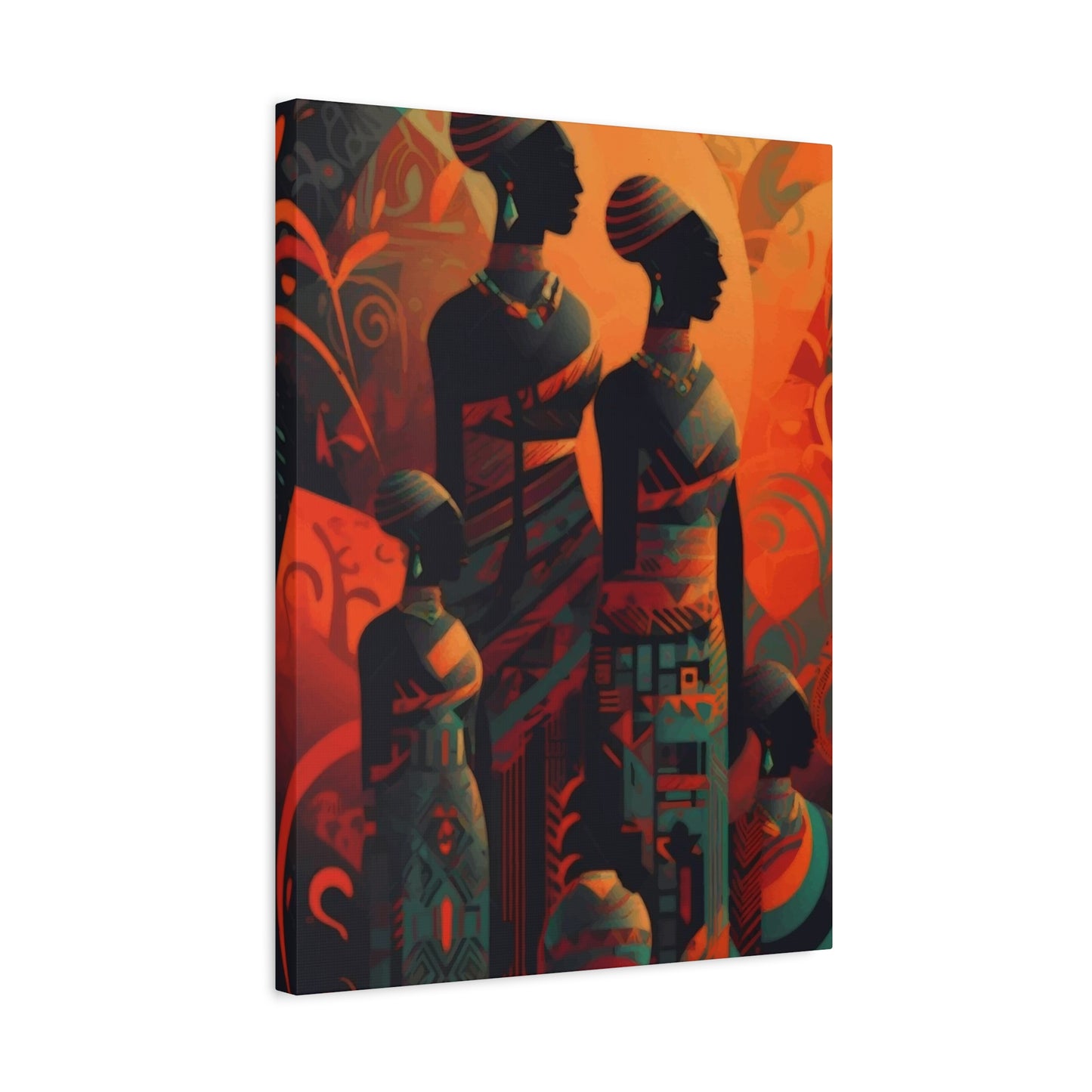
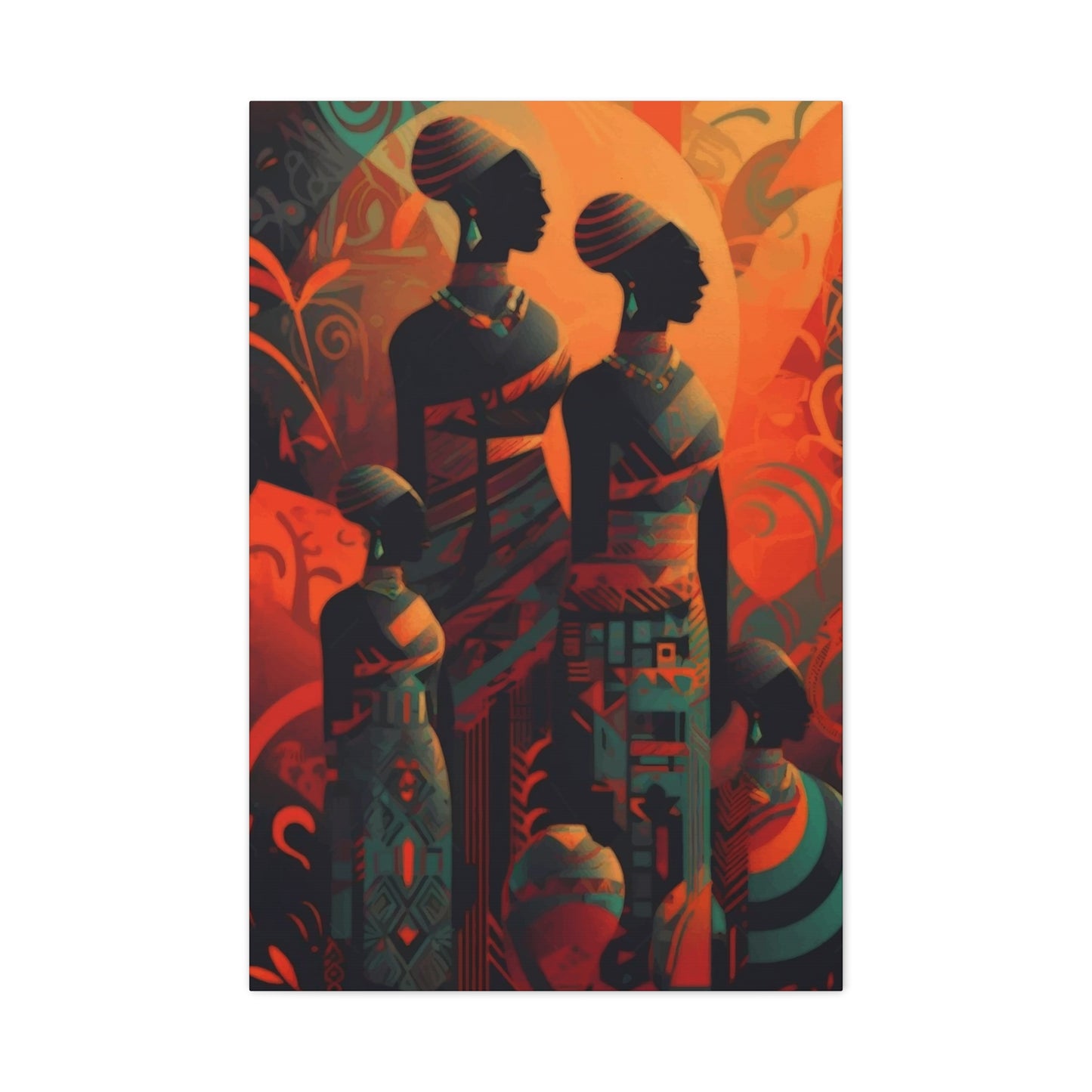
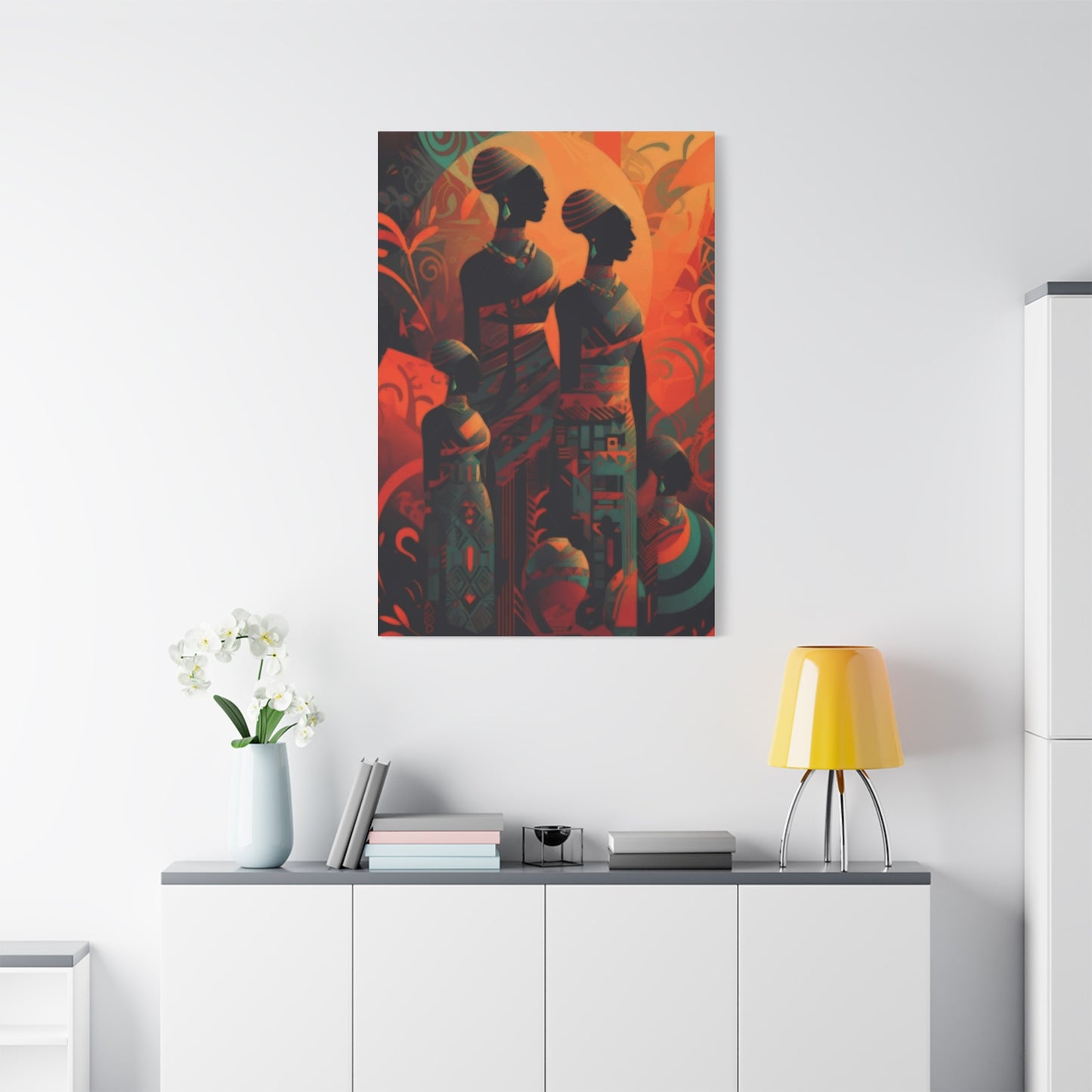
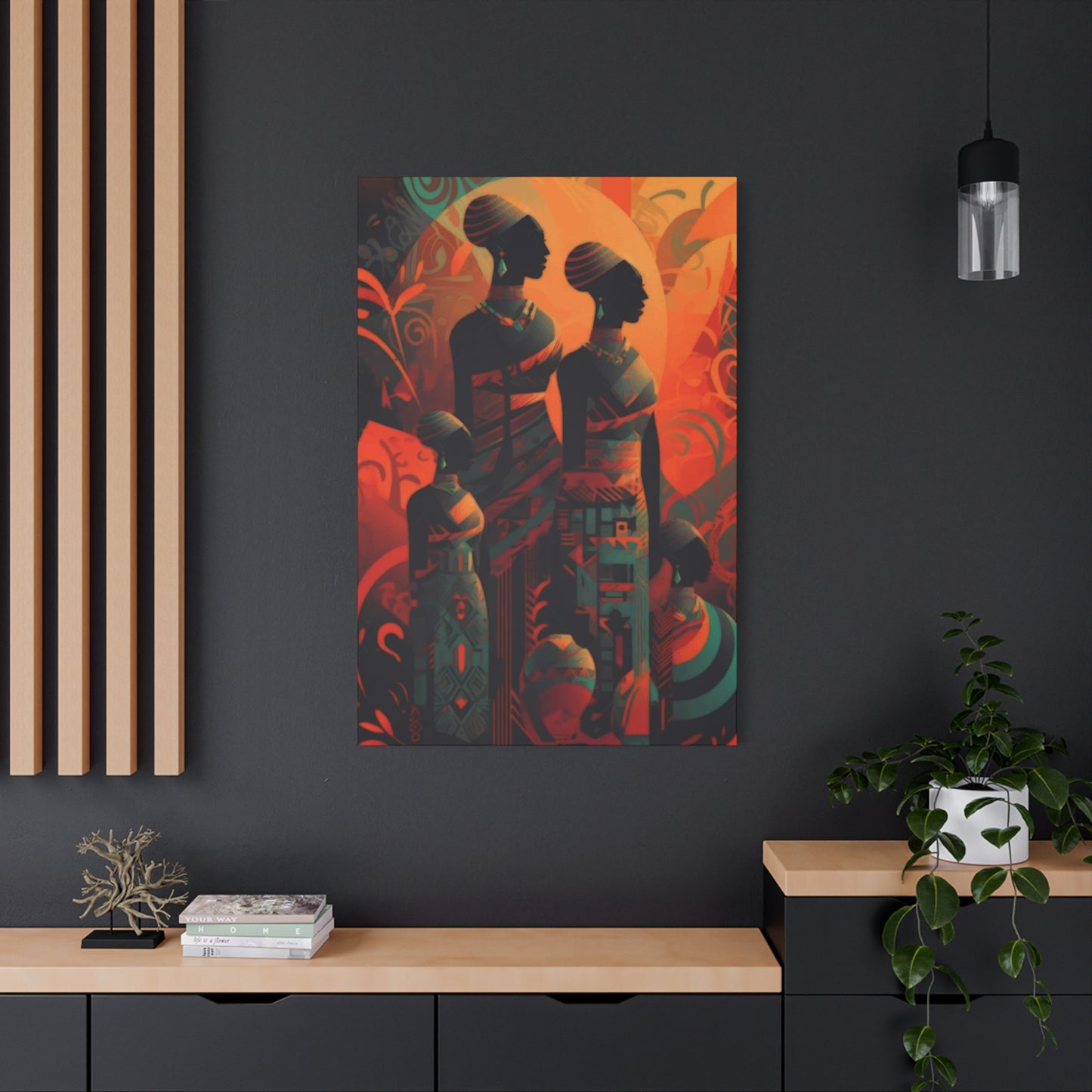
African Tribe Wall Art & Canvas Prints
African Tribe Wall Art & Canvas Prints
Couldn't load pickup availability
Discover the Vibrant World of African Tribe Wall Art: A Journey Through Cultural Expression and Modern Design
The artistic traditions of indigenous communities across the African continent represent some of humanity's most profound visual storytelling. These creative expressions have been passed down through countless generations, serving as vital conduits for preserving ancestral wisdom, spiritual beliefs, and communal identities. When we examine African tribe wall art, we're not merely observing decorative pieces; we're witnessing the living embodiment of cultures that have flourished for millennia.
The origins of these artistic forms stretch back tens of thousands of years, with some of the earliest known human art discovered in caves throughout the continent. From the Saharan rock paintings dating back over 12,000 years to the intricate patterns developed by various ethnic groups, each piece tells stories of hunting expeditions, spiritual ceremonies, communal celebrations, and daily life. These visual narratives were never intended as mere decoration; they served essential functions within their societies, marking important events, teaching moral lessons, and connecting the living with their ancestors.
Different regions developed distinct artistic vocabularies. The geometric precision found in Ndebele house paintings contrasts dramatically with the fluid, organic forms common in West African textiles. The symbolic representations used by Maasai artists differ substantially from those employed by Berber craftspeople. Yet all share a common thread: they represent deeply meaningful systems of communication that transcend spoken language.
Symbolic Representations and Their Profound Meanings Within Communal Contexts
Every line, color, shape, and pattern in authentic pieces carries significance that extends far beyond aesthetic appeal. These symbols function as a complex language, communicating concepts that words alone cannot adequately express. The uninitiated observer might see attractive patterns, but community members recognize intricate messages about identity, status, beliefs, and values.
Circular motifs frequently represent the cyclical nature of existence, the eternal return of seasons, and the continuous journey from birth through death and rebirth. Triangular shapes might symbolize mountains, representing stability and permanence, or they could indicate the relationship between earth, sky, and water. Zigzag lines often represent water, lightning, or the serpent, each carrying distinct connotations depending on the specific cultural context.
Color choices are never arbitrary. White frequently symbolizes purity, spiritual enlightenment, or connection with ancestral spirits. Red might represent life force, courage, or the earth itself. Black could signify maturity, spiritual energy, or the mysterious unknown. Yellow often connects to wealth, fertility, or the sun's life-giving power. Blue, though less common in traditional pieces due to pigment availability, represents the heavens or water when present.
Animal representations carry particularly complex meanings. The leopard might symbolize royalty, cunning, or warrior status. Birds often represent messengers between earthly and spiritual realms. The crocodile could signify adaptability, patience, or primordial power. These aren't simplistic one-to-one correlations; their meanings shift depending on context, placement, and accompanying symbols.
Human figures in these artistic expressions rarely attempt realistic portrayal. Instead, they're stylized to emphasize particular attributes or roles. Elongated forms might suggest spiritual transcendence, while compact figures could represent earthly groundedness. The absence of facial features in some traditions reflects the belief that individual identity matters less than communal belonging.
Diverse Styles Across the Continental Landscape and Their Distinctive Characteristics
The African continent encompasses over fifty nations and thousands of distinct ethnic groups, each contributing unique perspectives to the artistic landscape. This diversity manifests in dramatically different visual approaches, techniques, materials, and thematic emphases.
Eastern regions often feature bold geometric patterns with strong vertical and horizontal elements. The distinctive house decorations created by Ndebele women showcase brilliant colors arranged in precise mathematical relationships. These designs aren't random compositions but follow strict rules governing proportion, symmetry, and color placement, often taking weeks or months to complete.
Western zones display remarkable variety, from the elaborate brass works of Benin to the famous indigo-dyed textiles of Mali. The adinkra symbols of the Akan people represent a sophisticated system of visual philosophy, with each symbol encapsulating complex ethical or spiritual concepts. These symbols appear on fabrics, walls, and ceremonial objects, creating a rich visual environment saturated with meaning.
Northern territories show strong influences from Arab and Mediterranean cultures while maintaining distinctive indigenous characteristics. Berber artistic traditions feature intricate geometric patterns that create mesmerizing optical effects. These designs often incorporate protective symbols meant to ward off negative forces while inviting beneficial energies.
Southern communities developed their own remarkable traditions. The rock art of the San people records thousands of years of spiritual experiences, hunting activities, and shamanic visions. The beadwork traditions of Zulu and Xhosa groups transform tiny glass beads into elaborate narrative tapestries, with color combinations and patterns conveying specific messages about the wearer's age, marital status, and clan affiliation.
Central regions contribute their own distinctive voices. The raffia cloth productions of Kuba artists feature complex interlocking patterns that require extraordinary skill and patience. The sculptural traditions of various groups emphasize powerful, simplified forms that influenced modernist artists throughout the twentieth century.
Materials and Creation Methods Employed by Skilled Artisans
The creation of authentic pieces requires extensive knowledge of materials, techniques, and cultural protocols. Artisans don't simply produce decorative items; they engage in practices laden with spiritual significance, often involving rituals, prayers, and careful timing.
Natural pigments derived from minerals, plants, and earth provide the palette for many works. Ochres produce reds, yellows, and oranges in varying intensities. Charcoal and certain stones yield blacks and grays. Clay provides whites and lighter tones. Extracting and preparing these pigments represents specialized knowledge passed through apprenticeship systems spanning years or decades.
The surfaces receiving these pigments vary tremendously. Mud walls provide the canvas for many painted works, requiring specific preparation techniques to ensure proper adhesion and longevity. Animal hides undergo elaborate processing to create suitable painting surfaces. Bark cloth, produced by beating specific tree barks until they form flexible sheets, serves as another traditional medium.
Textile arts employ numerous techniques beyond simple painting. Resist-dying methods create patterns by blocking certain areas from accepting dye. Batik processes use wax applications, while tie-dye methods employ strategic binding. Each approach requires precise control and deep understanding of how fabrics and dyes interact.
Weaving traditions incorporate symbolic patterns directly into fabric structure. Narrow-strip weaving techniques create long bands that are subsequently sewn together into larger textiles. The kente cloth traditions exemplify this approach, with each strip featuring carefully planned pattern sequences that create larger compositions when assembled.
Beadwork represents another significant tradition. Beyond simple stringing, artists employ numerous techniques including loom beading, brick stitch, and peyote stitch. Each method produces different textures and pattern possibilities. The smallest works might contain thousands of individual beads, each placed according to precise plans that exist primarily in the artist's memory.
Carving and sculpting traditions produce three-dimensional works ranging from small personal objects to monumental pieces. Artists work with various woods, each species offering different properties regarding hardness, grain, and color. Stone carving traditions in certain regions produce equally impressive works, requiring different tools and approaches.
Contemporary Interpretations and Their Place in Modern Living Spaces
The global recognition of these artistic traditions has sparked renewed interest in incorporating them into contemporary environments. However, this popularity raises important questions about authenticity, appropriateness, and respect for cultural origins.
Modern reproductions range from faithful recreations to loose inspirations. Some artists from the originating communities adapt traditional forms to contemporary contexts, maintaining cultural integrity while addressing current realities. Others outside these communities draw inspiration from these traditions, creating works that reference but don't replicate specific cultural forms.
Interior designers increasingly recognize the powerful visual impact these pieces provide. A single substantial work can transform an entire room, serving as a focal point that grounds the space while adding warmth, character, and visual interest. The organic quality of many pieces provides welcome contrast to the smooth, manufactured surfaces dominating contemporary environments.
Placement considerations extend beyond mere aesthetics. These pieces deserve positions where they can be properly appreciated without competing with too many other visual elements. Adequate lighting becomes crucial, as many works feature subtle textural variations that only reveal themselves under appropriate illumination. Natural light often brings out depths and nuances artificial lighting cannot match.
Scale matters significantly when selecting pieces for specific spaces. Oversized works create dramatic statements in expansive areas but overwhelm smaller rooms. Conversely, modest pieces might disappear in large environments unless grouped strategically or positioned where viewers naturally focus attention.
Color coordination requires thoughtful consideration. While these pieces often feature bold, saturated hues, they needn't match existing color schemes exactly. Sometimes contrast creates more dynamic results than perfect coordination. The earthy tones common in many pieces provide grounding elements that stabilize brighter accent colors elsewhere.
Mixing these pieces with diverse artistic traditions can produce exciting results when done thoughtfully. The key lies in finding connections through form, color, or thematic content rather than forcing incompatible elements together. A carefully curated collection demonstrates appreciation for multiple cultural expressions without creating visual chaos.
Ethical Considerations Surrounding Acquisition and Display of Cultural Artifacts
The growing market for these artistic expressions raises significant ethical questions that conscientious buyers must address. The line between cultural appreciation and cultural appropriation remains contested, requiring ongoing dialogue and sensitivity.
Authenticity represents a primary concern. Many mass-produced items marketed as authentic represent superficial imitations created without cultural knowledge or connection. These pieces often reduce complex symbolic systems to mere decorative patterns, stripping them of their original meanings and significance. Supporting authentic artisans helps preserve traditional knowledge while providing economic benefits to originating communities.
The question of who has the right to create and profit from these artistic forms generates ongoing debate. Some argue that cultural expressions belong to the communities that developed them, and outsiders creating similar works engage in exploitative appropriation. Others contend that artistic inspiration flows freely across cultural boundaries, and respectful reinterpretation represents legitimate creative practice.
Sacred or ceremonial items present particular ethical challenges. Objects created for specific spiritual purposes weren't intended for commercial display in secular contexts. Purchasing such items, even from willing sellers, may inadvertently support the depletion of cultural heritage. Many communities struggle with younger generations selling inherited ceremonial objects without fully understanding their significance.
Provenance matters immensely. Items acquired through questionable means during colonial periods continue circulating through auction houses and dealers. Museums worldwide grapple with repatriation demands for objects obtained under circumstances that would be considered theft by contemporary standards. Private buyers should investigate an item's history before purchasing, avoiding pieces with unclear or suspicious origins.
Compensation fairness remains another crucial issue. Artisans in economically disadvantaged regions often receive tiny fractions of the prices their works ultimately command. Middlemen, exporters, importers, galleries, and retailers all take their cuts, leaving creators with minimal returns for months of skilled labor. Buying directly from artisans or through verified fair-trade organizations helps address this imbalance.
Preservation Principles for Long-Term Enjoyment of Artistic Pieces
These artistic expressions require specific care to maintain their condition and beauty across decades or generations. Understanding their particular vulnerabilities helps owners protect their investments while respecting the cultural heritage these pieces represent.
Light exposure poses one of the most significant threats. Ultraviolet radiation causes organic dyes and pigments to fade, sometimes irreversibly. Direct sunlight presents the greatest danger, but artificial light sources also emit damaging wavelengths. Positioning pieces away from windows or using UV-filtering glass provides protection. For artificial lighting, LED sources generally produce less damaging radiation than incandescent or fluorescent options.
Humidity fluctuations threaten works on organic materials. Wood expands and contracts with moisture changes, potentially causing cracks or warping. Textiles become brittle in excessively dry conditions but develop mold in damp environments. Maintaining relatively stable humidity levels between forty and fifty percent protects most pieces. Dehumidifiers or humidifiers help maintain appropriate conditions depending on local climate.
Temperature extremes and rapid changes cause similar problems. Most pieces fare best in temperatures comfortable for human occupancy, roughly between sixty-five and seventy-five degrees. Avoiding placement near heating vents, fireplaces, or air conditioning units prevents localized temperature fluctuations.
Dust accumulation seems minor but causes gradual deterioration. Airborne particles are often slightly acidic or may contain pollutants that chemically interact with pigments and materials. Regular gentle cleaning using soft brushes or low-suction vacuuming removes dust without damaging surfaces. Textiles benefit from occasional professional cleaning by conservators familiar with natural dyes and fibers.
Physical damage from handling, bumping, or inappropriate storage causes many preventable losses. Wall-mounted pieces need secure hanging systems appropriate to their weight and construction. Freestanding items require stable surfaces where they won't be knocked over. During moves or storage, proper padding and support prevent stress damage.
Insect pests pose serious threats to organic materials. Moths, beetles, and other insects consume natural fibers, creating irreparable damage. Regular inspection catches infestations early when intervention remains possible. Museum-quality storage materials resist pest access while allowing necessary air circulation.
The Influence of These Artistic Traditions on Contemporary Creative Movements
The impact of these visual traditions extends far beyond their geographic origins, profoundly influencing artistic movements throughout the twentieth century and continuing into the present. Understanding these connections enriches appreciation for both the source traditions and the works they inspired.
Early modernist painters and sculptors found revolutionary inspiration in these forms. Artists weary of European academic traditions discovered fresh approaches to representing reality through stylization, abstraction, and symbolic content. The radical simplification of forms, bold pattern use, and expressive distortion they encountered challenged fundamental assumptions about artistic representation.
Cubist explorations of multiple perspectives and geometric deconstruction drew explicit inspiration from masks and sculptural traditions. These African creations demonstrated that realistic imitation needn't be art's primary goal, that objects could be broken down and reconstituted according to conceptual rather than optical logic. This realization fundamentally altered the trajectory of Western visual arts.
Abstract expressionists found kinship in the emotional directness and gestural freedom they perceived in these works. The apparent spontaneity and visceral power resonated with their own desires to bypass intellectual analysis and communicate directly through visual means. While their interpretations sometimes misunderstood the highly codified nature of many traditions, the inspiration remained genuine.
Contemporary artists continue drawing from these wells. Some create overt homages, directly referencing specific forms or patterns. Others absorb influences more subtly, allowing these visual languages to inform their work without explicit quotation. Artists from diaspora communities often negotiate complex relationships with ancestral traditions, seeking authentic connections while acknowledging their own hybrid identities.
Fashion designers regularly reference these aesthetic traditions, sometimes respectfully and sometimes controversially. When designers from originating communities bring traditional patterns into contemporary fashion, they assert cultural continuity while adapting to present realities. When outsiders borrow these elements, questions arise about exploitation versus inspiration.
Graphic design and branding increasingly incorporate these visual vocabularies. The bold geometric patterns translate effectively to logos, packaging, and digital interfaces. However, this commercial appropriation troubles many observers who see sacred symbols reduced to marketing tools. The conversation around respectful engagement versus exploitative extraction continues evolving.
Regional Variations and Their Specific Cultural Contexts
To truly appreciate the depth and diversity of these traditions, we must examine specific regional expressions and the cultures that produced them. Each area developed distinctive approaches reflecting particular environmental conditions, historical experiences, and philosophical orientations.
The geometric precision of Ndebele house painting represents one of the most immediately recognizable styles. Ndebele women developed this tradition relatively recently in historical terms, primarily during the nineteenth and twentieth centuries. The bold colors and mathematical patterns emerged partly as expressions of cultural pride and resistance during periods of political oppression. Each woman develops her own distinctive style within traditional parameters, making her home a unique artistic statement while maintaining communal aesthetic values.
These paintings aren't permanent installations but require regular renewal. Women replaster and repaint their homes' exteriors annually or more frequently, treating this as an opportunity for creative evolution rather than mere preservation. Young girls learn by observing and assisting older women, gradually developing the skills and confidence to create their own compositions.
The patterns employ limited vocabulary of shapes: rectangles, triangles, chevrons, and stepped forms arranged in symmetrical compositions. Despite this restricted palette of elements, artists achieve remarkable variety through scale variations, color choices, and proportional relationships. The work demands meticulous planning and steady execution, as the smooth mud surfaces show every irregularity.
West African textile traditions encompass extraordinary diversity. The bogolan or mud cloth of Mali involves elaborate processes where iron-rich mud applied to hand-woven cotton creates deep black designs against naturally bleached backgrounds. Women gather mud from specially selected ponds, fermenting it for months to develop proper consistency and color intensity. The patterns carry specific meanings, with certain designs reserved for particular occasions or individuals of specific status.
Kente cloth from Ghana represents another highly developed tradition. Weavers create narrow strips on specialized looms, each strip featuring complex pattern sequences. These strips are then sewn together to form larger cloths, with the arrangement of strips creating additional layers of meaning. Historically, certain patterns and color combinations were reserved for royalty, though contemporary practice allows broader use while maintaining respect for traditional hierarchies.
Adinkra symbols from Akan cultures of Ghana and Côte d'Ivoire constitute a philosophical system expressed visually. Each symbol encapsulates a proverb, historical event, or ethical principle. For instance, the Sankofa symbol, depicting a bird retrieving an egg from its back, means "return and get it," emphasizing the importance of learning from the past. These symbols appear on stamped cloth, carved objects, and increasingly in contemporary contexts worldwide.
The rock art of the San people in southern Africa spans thousands of years and hundreds of sites. These paintings record shamanic visions, hunting scenes, and spiritual experiences with remarkable delicacy and dynamism. Shamans entered trance states and documented their otherworldly journeys, believing their paintings had spiritual potency beyond mere representation. Many sites remain sacred to contemporary San communities, who continue traditional spiritual practices connected to these ancient works.
East African traditions include the intricate beadwork of Maasai communities. What appears to casual observers as purely decorative serves complex communicative functions. Color combinations and pattern arrangements convey messages about the wearer's age group, marital status, social position, and clan affiliation. Young warriors wear different bead patterns than elders; married women display distinct designs from unmarried girls. This visual language allows community members to immediately understand social relationships and appropriate behavior toward each individual.
Northern regions show distinctive aesthetic sensibilities shaped by Saharan and Mediterranean influences. Berber carpets and textiles feature bold geometric patterns that create dynamic visual effects. Many designs incorporate protective symbols meant to safeguard households from malevolent forces. Women weave these pieces for their own homes' use, creating dowries, or producing items for market. Each piece requires weeks or months to complete, with patterns planned in the weaver's mind rather than drawn on paper.
Central African traditions include the elaborate geometric patterns of Kuba raffia cloths. Kuba artists create these textiles through complex layering of techniques: weaving, embroidery, appliqué, and patchwork. The resulting pieces feature densely patterned surfaces where figures and grounds merge in optical complexity. Historically, these cloths served as currency, gifts, and prestige items. The most elaborate pieces took months to complete and represented significant wealth.
Spiritual Dimensions and Ceremonial Significance Within Originating Communities
Understanding these artistic expressions requires recognizing their deep spiritual dimensions. Many pieces weren't created primarily as aesthetic objects but as tools for connecting with spiritual forces, marking important life transitions, or protecting communities from harm.
Mask traditions across numerous cultures exemplify this sacred function. These aren't costumes in the entertainment sense but vessels for spiritual entities. When a properly initiated person dons a sacred mask during appropriate ceremonies, community members believe the ancestral spirit or other spiritual force actually manifests. The mask wearer's human identity temporarily recedes as the spirit takes control.
Creating such masks involves elaborate protocols. Artists must often undergo spiritual preparation, including fasting, prayers, and purification rituals. The carving itself may require completing specific actions at particular times. Improper procedures could render the mask spiritually inert or even dangerous. Once completed, masks require ongoing care including offerings, prayers, and proper storage away from contaminating influences.
Body painting traditions similarly carry spiritual weight. Decorating bodies for initiation ceremonies, weddings, funerals, or other significant events involves more than beautification. The patterns may offer spiritual protection, mark changed status, or facilitate transitions between life stages. The substances used, the symbols chosen, and the application process all follow traditional protocols with spiritual significance.
Architectural decoration serves protective and welcoming functions. Painting house exteriors with appropriate symbols protects residents from spiritual threats while inviting beneficial forces. These aren't superstitious gestures but serious spiritual practices integrated into daily life. Neglecting proper decoration could leave households vulnerable to misfortune.
Burial practices across numerous cultures incorporate visual elements believed to aid the deceased's journey into the afterlife. Grave markers, funerary cloths, and burial chamber decorations guide spirits, provide companionship, or demonstrate the community's respect and love for the departed. These items often follow strict traditional forms, as deviation could hinder rather than help the deceased.
Divination practices employ visual symbols in various forms. Diviners might cast carved pieces and interpret their patterns, read meanings from arrangements of natural objects, or create temporary drawings in sand or ash. These practices assume connections between visible and invisible realms, with properly trained specialists able to perceive spiritual truths through material signs.
Healing practices sometimes incorporate visual elements. A healer might prescribe creating specific symbols on paper or cloth that the patient wears or displays. The symbols themselves supposedly carry healing energies or attract beneficial spiritual forces. While Western medicine might dismiss such practices, they remain vital components of healthcare in many communities, often employed alongside modern medical treatments.
Contemporary Artists Bridging Traditional Forms and Modern Expressions
Numerous contemporary creators work at the intersection of traditional forms and present-day realities. These individuals navigate complex terrain, seeking to honor ancestral practices while speaking to contemporary audiences and addressing current concerns.
Some artists from originating communities adapt traditional symbols and techniques to address modern issues. They might create pieces dealing with environmental destruction, political corruption, gender equality, or other contemporary concerns using visual vocabularies inherited from ancestors. This work asserts cultural continuity while demonstrating that traditions remain vital and relevant rather than museum artifacts.
Others experiment more radically, deconstructing traditional forms and recombining them in unexpected ways. They might juxtapose sacred symbols with modern materials, creating tensions that force viewers to question assumptions about tradition and modernity, sacred and profane, authentic and hybrid. Such work sometimes generates controversy within originating communities, with elders criticizing what they see as disrespectful violations of tradition.
Artists from diaspora communities face particular challenges and opportunities. Removed from daily immersion in ancestral cultures, they often research traditions their parents or grandparents took for granted. Their works frequently explore themes of displacement, identity, belonging, and cultural memory. The African tribe wall art they create may incorporate traditional elements while reflecting experiences of migration, racism, adaptation, and cultural mixing.
Collaboration between traditional artisans and contemporary artists sometimes produces interesting results. Master weavers, carvers, or potters might work with designers to create pieces merging traditional techniques with contemporary aesthetics. Such collaborations can provide economic opportunities for artisans while introducing traditional skills to new audiences. However, power imbalances and differing expectations sometimes create friction.
Women artists increasingly assert their voices within traditionally male-dominated forms while advancing female-dominated traditions beyond their previous constraints. Women sculptors challenge assumptions that carving belongs primarily to men. Female painters explore themes of women's experiences using visual languages traditionally controlled by male practitioners. Simultaneously, textile and ceramic artists, fields often dominated by women, demand recognition as fine artists rather than mere craftspeople.
Street artists and muralists draw inspiration from these traditions in creating public artworks. Large-scale murals incorporating traditional patterns, symbols, or stylistic approaches appear in cities worldwide. These works make these visual languages accessible to broad audiences while raising questions about context and appropriateness. A sacred symbol painted on a commercial building means something quite different from the same symbol in its original ceremonial context.
Digital artists explore how these traditions translate into virtual environments. They create animated versions of traditional patterns, develop interactive experiences where viewers manipulate symbols, or design virtual reality environments immersing participants in recreated traditional settings. Such work extends these traditions into realms their originators never imagined while raising questions about materiality, authenticity, and cultural ownership.
Collecting Practices and Building Meaningful Personal Collections
For those drawn to these artistic expressions, building a collection offers opportunities for ongoing learning and aesthetic pleasure. However, responsible collecting requires knowledge, discernment, and ethical consideration.
Beginning collectors should invest time in education before making significant purchases. Books, museum exhibitions, cultural centers, and reputable websites provide crucial background information. Understanding the cultural contexts producing these works, recognizing quality indicators, and learning to distinguish authentic pieces from imitations requires study and exposure to numerous examples.
Developing relationships with knowledgeable dealers, galleries, and auction houses specializing in these materials proves invaluable. Reputable professionals can authenticate pieces, explain their cultural contexts, and help collectors avoid common pitfalls. However, collectors should maintain healthy skepticism, as even respected dealers occasionally make mistakes or, rarely, engage in questionable practices.
Condition assessment requires careful attention. Unlike Western oil paintings, which collectors expect to remain unchanged for centuries, many of these pieces were created for contexts assuming relatively short lifespans. Natural materials deteriorate; organic dyes fade; wooden objects crack. Collectors must decide whether to prize pristine condition or accept honorable wear as evidence of authentic use.
Restoration decisions demand careful consideration. Heavy-handed restoration can destroy precisely those qualities making pieces valuable: patinas of age, evidence of use, and natural material properties. Conservation professionals experienced with these specific material types can advise on appropriate interventions versus destructive overrestoration.
Documentation practices help preserve provenance information and personal knowledge. Photographing pieces, recording purchase information, documenting condition, and noting any information about origins, age, or cultural context creates valuable records. Such documentation proves crucial for insurance purposes, future sales, or eventual donation to institutions.
Display considerations affect both preservation and aesthetic impact. Rotating pieces on display reduces cumulative light exposure while keeping collections dynamic. Grouping related items can create powerful visual statements and illuminate cultural connections. Mixing pieces from different traditions requires sensitivity to avoid creating visual chaos or suggesting inappropriate equivalencies between unrelated cultural expressions.
Insurance needs increase as collections grow valuable. Standard homeowner's policies often provide inadequate coverage for art collections. Specialized fine art insurance offers broader protection but requires professional appraisals documenting each piece's current market value. Regular reappraisals account for market fluctuations and collection additions.
Estate planning matters for serious collectors. Without clear instructions, heirs may not understand collections' cultural or monetary value, potentially leading to pieces being sold inappropriately or donated to unsuitable institutions. Documenting wishes regarding collection disposition ensures pieces receive appropriate care after collectors pass.
Market Dynamics and Value Determination in the Contemporary Art World
The market for these artistic expressions has grown dramatically in recent decades, driven by increased global interest, changing aesthetic preferences, and growing wealth in emerging economies. Understanding market dynamics helps collectors make informed decisions while recognizing how market forces affect producing communities.
Authentication challenges plague this market segment. Unlike Western paintings with documented provenance chains and artist signatures, many traditional pieces lack such clear attribution. Age determination requires expertise with material analysis, stylistic knowledge, and sometimes scientific dating methods. Unscrupulous sellers exploit buyer ignorance, passing recent pieces as antique or machine-made items as handcrafted.
Rarity significantly impacts value, but rarity assessment requires specialized knowledge. Some pieces come from traditions with thousands of surviving examples, while others represent rare survivals from cultures facing near-extinction. However, rarity alone doesn't determine value; aesthetic quality, condition, cultural significance, and collecting trends all influence prices.
Provenance documentation adds substantial value. Pieces with clear histories, especially those from notable collections or documented in publications, command premium prices. This documentation provides authenticity assurance while connecting pieces to broader scholarly and collecting narratives. However, provenance gaps characterize many pieces, reflecting collecting patterns during periods when documentation seemed unnecessary.
Market fashions shift unpredictably. Certain styles or regions enjoy popularity surges, driving prices upward before falling back as collector attention moves elsewhere. Savvy collectors recognize these cycles, potentially acquiring quality pieces at depressed prices during unfashionable periods. However, predicting which traditions will gain favor proves nearly impossible.
Auction results provide price benchmarks, but interpreting them requires sophistication. Auction estimates represent specialists' educated guesses rather than guaranteed values. Actual sale prices reflect numerous factors: room enthusiasm, bidder competition, timing, and luck. Failed sales at auction don't necessarily indicate lack of value but perhaps poor timing, overly optimistic estimates, or insufficient marketing.
Retail galleries typically price pieces higher than auction results, compensating for overhead, expertise, and the immediate availability of authenticated, guaranteed pieces. Collectors pay for convenience, knowledge, and security rather than simply acquiring objects. Negotiation possibilities vary by establishment and circumstances, with some dealers maintaining firm prices while others expect bargaining.
Direct purchases from artisans offer the lowest prices and maximum certainty regarding authenticity and origin. However, this approach requires traveling to source locations, navigating language barriers, and developing sufficient knowledge to assess quality independently. The best outcomes combine adventure, cultural exchange, and collecting, though practical challenges limit this approach for many collectors.
Online marketplaces democratize access but increase risks. While reputable platforms implement authentication procedures and buyer protections, determining quality from photographs remains difficult. Condition issues invisible in pictures become apparent upon physical inspection. Unscrupulous sellers exploit online anonymity, disappearing after selling questionable items.
Export restrictions in source countries aim to prevent cultural heritage depletion. Many nations prohibit or restrict exporting antique artifacts, particularly ceremonial objects. Collectors must research and respect these regulations, as purchasing illegally exported items contributes to cultural heritage destruction regardless of the buyer's intent. Smuggled items may be seized by customs without compensation.
The Role of Museums and Cultural Institutions in Preservation and Education
Museums worldwide hold significant collections of these artistic expressions, playing crucial roles in preservation, scholarship, and public engagement. However, museums increasingly face questions about their right to possess objects acquired through colonial exploitation, raising complex repatriation debates.
Major museums in Europe and North America hold thousands of pieces acquired during colonial periods under circumstances ranging from legitimate purchases to outright theft. Collecting practices during the nineteenth and early twentieth centuries rarely considered source communities' wishes. Military expeditions, colonial administrators, missionaries, and travelers removed objects without permission or compensation, shipping them to Western institutions.
Contemporary ethical standards demand different approaches. Museums now recognize responsibilities to originating communities, consulting with them regarding appropriate display, storage, and use of culturally sensitive materials. Some institutions have returned objects, particularly sacred items or those with unclear acquisition histories. Others resist repatriation demands, arguing their ability to preserve and provide access justifies retention.
These debates raise fundamental questions without easy answers. Do museum holdings constitute stolen property requiring return, or do they represent legitimate historical collections benefiting humanity? Should decisions prioritize origin communities' wishes or broader public access? Can Western institutions care for these objects better than source countries lacking museum infrastructure? The arguments grow heated, reflecting broader conversations about colonialism's ongoing legacies.
Beyond possession questions, museums grapple with presentation challenges. Earlier exhibitions often displayed these pieces as "primitive art," implicitly suggesting cultural inferiority compared to Western artistic traditions. Contemporary approaches emphasize cultural contexts, explaining symbolic meanings, creation processes, and original functions. Museums invite community members to advise on appropriate presentation, though resource constraints and institutional inertia slow such collaborations.
Educational programming helps visitors understand these traditions' depth and complexity. Workshops with visiting artists, lecture series, guided tours, and interpretive materials transform museum visits from passive viewing to active learning. Children's programs introduce young people to diverse cultural expressions, potentially fostering lifelong appreciation and respect.
Digital initiatives expand museum reach beyond physical visitors. Online collections databases allow worldwide research access. Virtual exhibitions serve audiences unable to travel. Educational resources support classroom teaching. Social media engagement creates conversations between institutions and diverse publics. However, digital representations can never fully replace encountering actual objects, with their material presence, scale, and tactile qualities.
Conservation departments work to stabilize and preserve collection pieces, employing scientific analysis to understand materials and deterioration processes. Conservators develop treatment protocols respecting original materials and construction methods while ensuring long-term survival. This work requires balancing competing values: preserving current condition versus allowing natural aging, maintaining integrity versus necessary interventions.
Research activities advance scholarly understanding. Curators and independent scholars study collections, publishing findings in academic journals and exhibition catalogs. This scholarship documents cultural traditions, traces historical developments, and reveals connections between apparently disparate traditions. However, Western academic study sometimes fails to adequately consult or credit community knowledge holders, perpetuating colonial knowledge extraction patterns.
Loan programs circulate collection highlights to smaller institutions, bringing these works to broader audiences. Blockbuster exhibitions traveling between major venues attract massive attendance and generate significant revenue. Such exhibitions raise public awareness and appreciation but involve substantial risks to fragile objects from transportation, handling, and environmental changes.
Storage facilities house the vast majority of museum collections, with only small percentages displayed at any time. Modern storage emphasizes preservation through climate control, pest management, and proper support systems. However, objects in storage remain largely inaccessible to public view, raising questions about museums' public service missions versus collections care responsibilities.
Incorporating These Artistic Expressions Into Various Interior Design Styles
These powerful visual statements adapt surprisingly well to diverse interior aesthetics when integrated thoughtfully. Rather than requiring wholesale design overhauls, they often enhance existing schemes through textural richness, cultural depth, and visual interest.
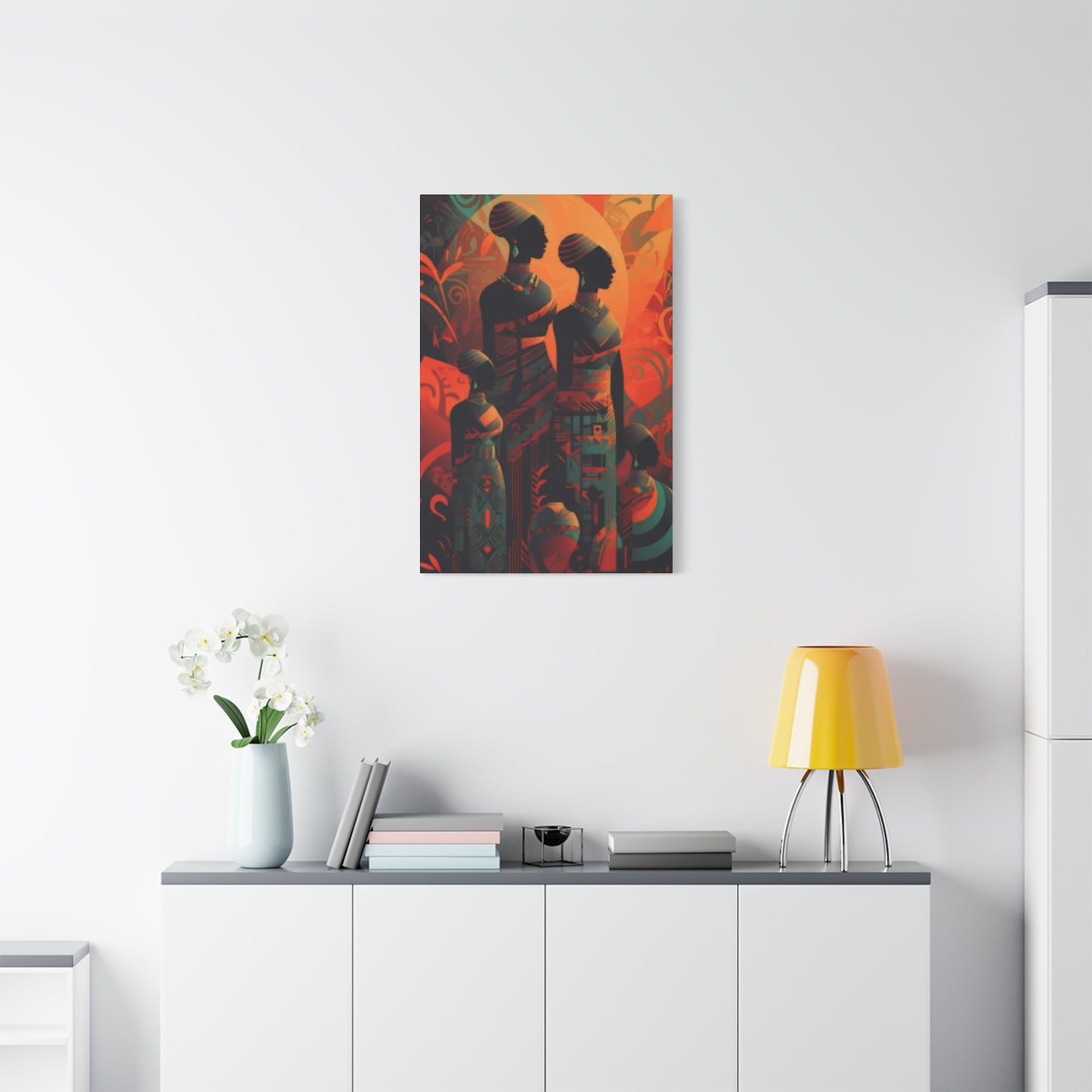
Minimalist spaces benefit dramatically from these additions. A single substantial piece against white walls creates striking contrast while adding warmth to potentially sterile environments. The organic qualities and handcrafted nature of many pieces provide welcome counterpoints to minimalism's manufactured precision. The key lies in allowing the piece sufficient breathing room, resisting the temptation to fill every surface.
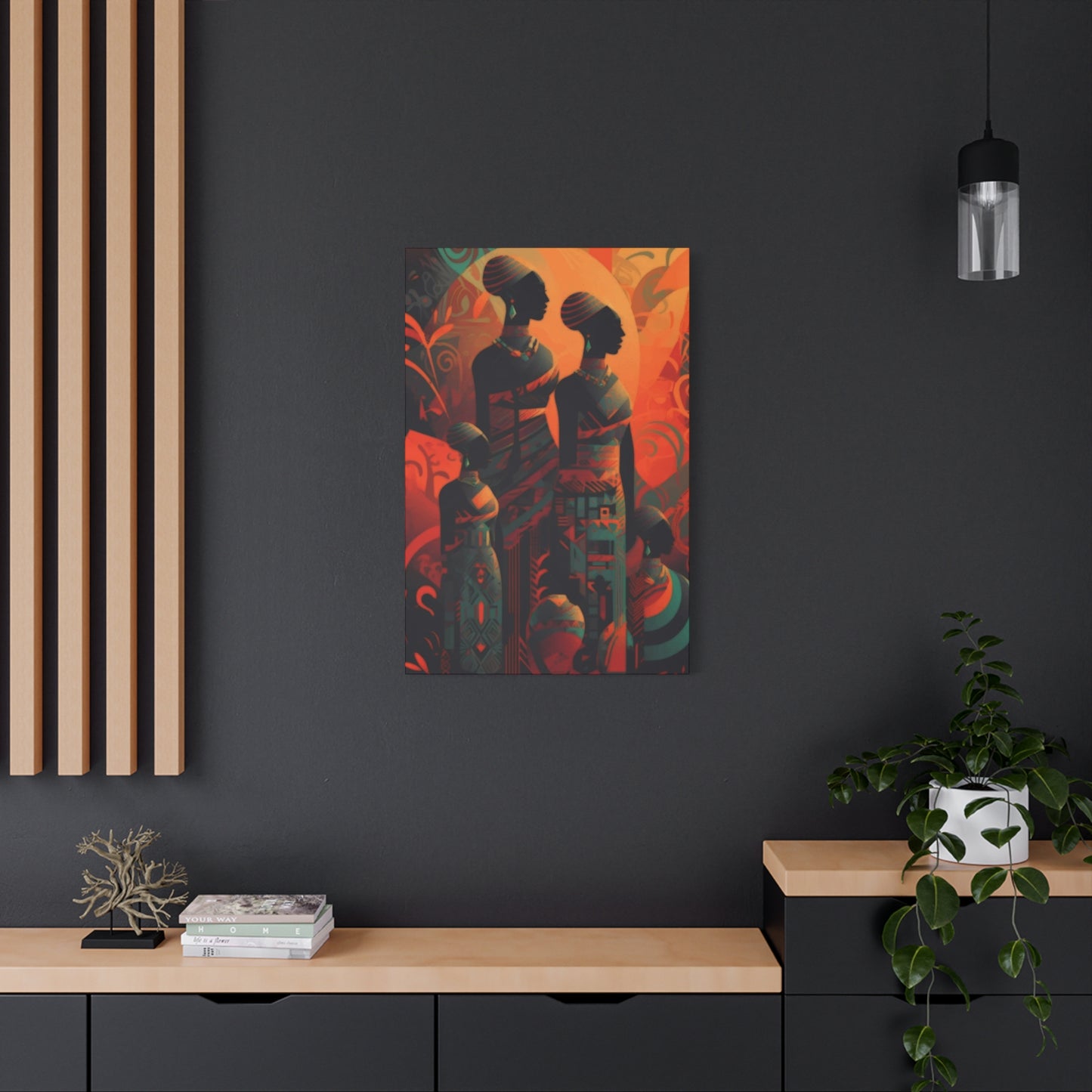
Industrial-style lofts find natural partnerships with these works. The rough textures of brick, exposed ductwork, and concrete provide sympathetic backdrops that don't compete visually. The cultural depth these pieces provide balances industrial aesthetics' potential coldness. Substantial wooden sculptures or large textile hangings particularly suit these spacious, high-ceilinged environments.
Bohemian or eclectic interiors embrace these pieces enthusiastically, as such styles celebrate cultural mixing and layered visual interest. The challenge becomes avoiding visual chaos through some organizing principle: restricted color palettes, repeated motifs, or balanced asymmetry. Successfully eclectic spaces appear collected over time rather than frantically assembled.
Scandinavian design's current popularity creates opportunities for interesting juxtapositions. The light woods, muted colors, and clean lines characteristic of Nordic styles contrast dramatically with many of these works' bold patterns and darker tones. This contrast can produce dynamic results when handled sensitively, with each tradition enhancing rather than overwhelming the other.
Traditional interiors accommodate these pieces differently depending on specific traditions involved. English country houses might incorporate them as exotic accent pieces, continuing long-standing patterns of colonial collecting. American colonial interiors find less natural affinity, as the formal symmetry and decorative restraint clash with many pieces' exuberant qualities. However, creative designers find ways to bridge such gaps.
Contemporary styles offer perhaps the most flexible contexts. The deliberate mixing of old and new, handmade and manufactured, cultural traditions and cutting-edge design that characterizes much contemporary interior work naturally accommodates these pieces. They provide historical depth and human warmth balancing contemporary furniture's often-cool aesthetics.
Commercial spaces increasingly incorporate these visual elements. Restaurants seeking distinctive identities use them to create memorable atmospheres. Hotels deploy them to suggest exotic luxury or cultural sophistication. Corporate offices employ them to signal global awareness or creative thinking. Retail environments use them to enhance brand narratives around authenticity, craftsmanship, or social responsibility.
Scale considerations prove crucial across all contexts. Oversized pieces demand substantial wall space and high ceilings to avoid overwhelming rooms. Modest pieces group effectively to create impact without requiring individual monumentality. Vertical pieces emphasize room height while horizontal works can visually widen narrow spaces.
Lighting design significantly affects how these pieces present. Harsh overhead lighting flattens textures and washes out colors. Directed accent lighting creates drama through highlighting and shadowing. Natural light reveals subtleties artificial sources miss but requires managing to prevent UV damage. Dimmers allow adjusting lighting levels for different times and moods.
Final Thoughts
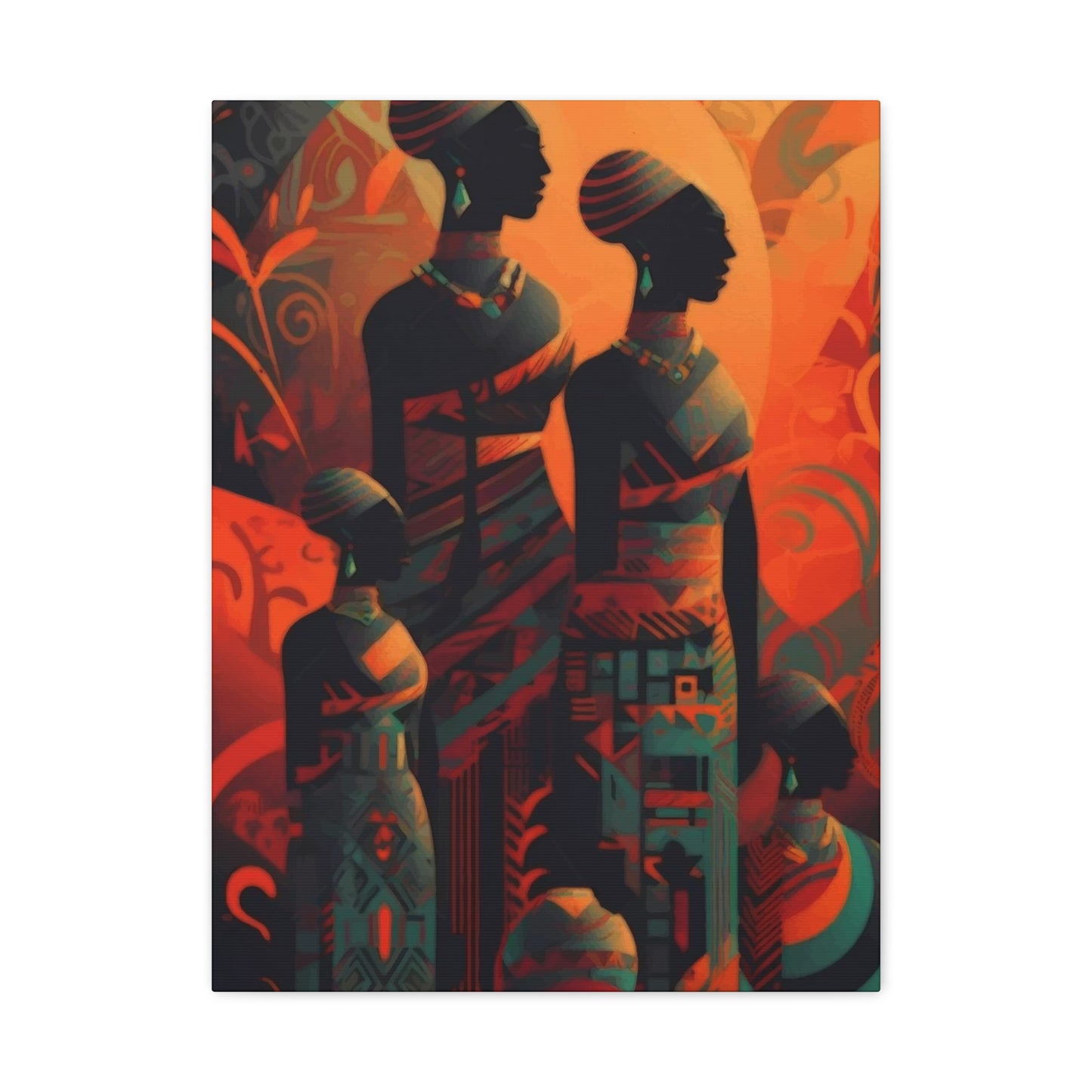
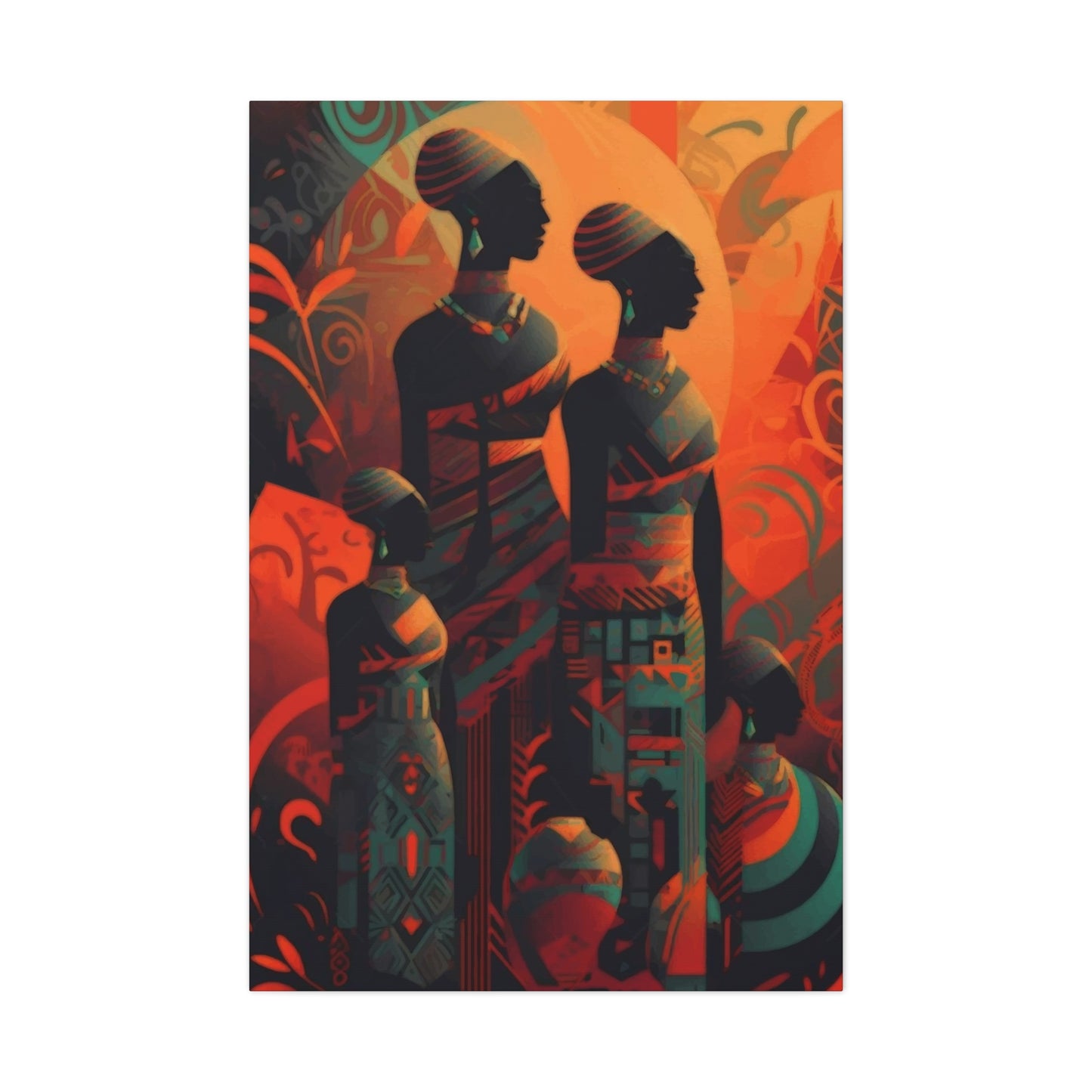
African tribe wall art offers a compelling fusion of cultural expression, rich history, and contemporary design, making it a standout choice for anyone looking to add depth, meaning, and visual impact to their living spaces. These artworks, often inspired by the traditional dress, rituals, and symbols of various African tribes, celebrate the continent's diverse cultures and offer a striking visual narrative that can transform any room. Whether rendered in bold colors, intricate patterns, or abstract forms, African tribe art has a way of bringing both warmth and sophistication to modern interiors, all while honoring the rich heritage and traditions of African communities.
One of the most exciting aspects of African tribe wall art is its ability to encapsulate a wealth of history, tradition, and symbolism. Africa is home to hundreds of distinct tribes, each with its own unique customs, art forms, and stories. These pieces of art often reflect the tribal clothing, masks, body paint, jewelry, and other significant cultural symbols that define African identity. Whether you choose a piece that showcases a proud tribal warrior adorned in ceremonial attire or one that represents the everyday life of indigenous people, the artwork allows you to connect with these cultures in a deep and meaningful way. The intricate details—often filled with geometric patterns, symbols of spirituality, and bold colors—bring each tribe’s story to life, giving them a place of honor in your home.
Beyond the celebration of culture, African tribe wall art also speaks to universal themes of community, strength, and identity. Many of these artworks highlight the profound connection between individuals and their tribes, emphasizing collective strength, resilience, and shared experience. The portrayal of figures in these pieces often conveys a sense of unity, pride, and belonging, which are central to African tribal life. The colors, from warm earth tones to vivid reds, yellows, and oranges, evoke the energy, vibrancy, and richness of African landscapes and traditions, making these pieces visually striking and emotionally powerful.
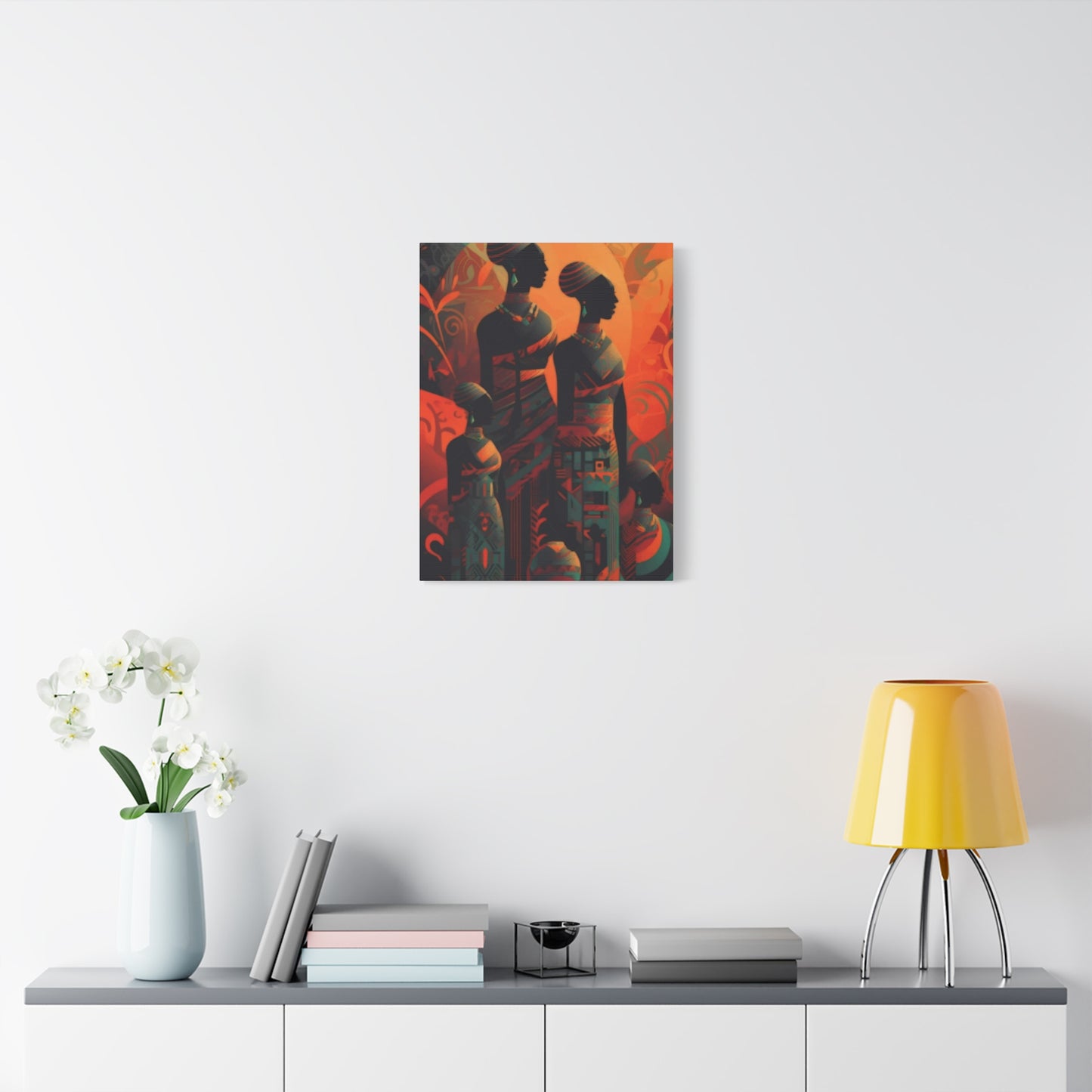
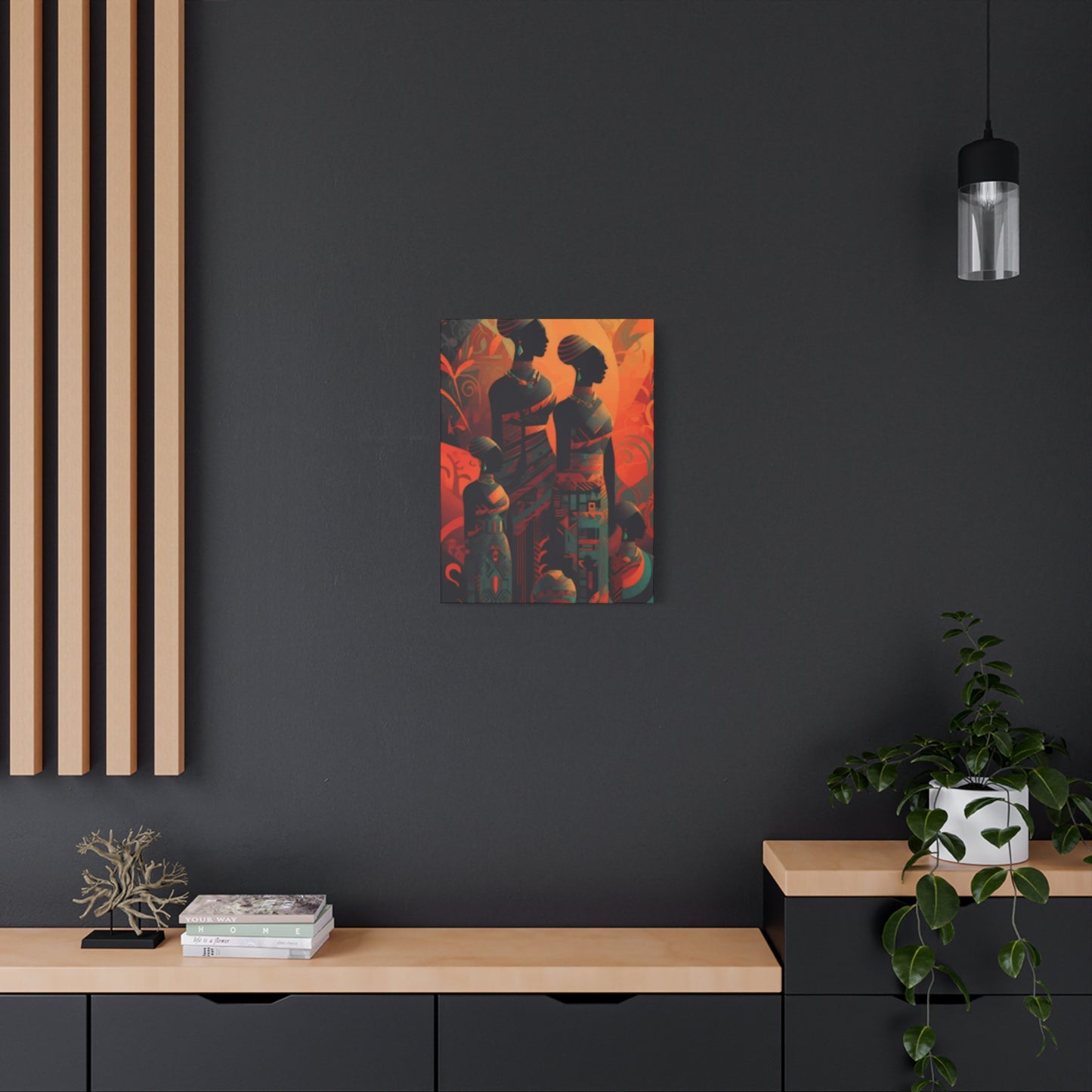
In modern interior design, African tribe wall art is incredibly versatile. It can serve as a bold focal point or as a subtle complement to more neutral or minimalist décor. The graphic, abstract nature of some African tribal art allows it to fit effortlessly into contemporary spaces, adding a sense of boldness and energy. In a living room or dining room, a large, expressive piece can immediately capture attention, sparking conversation and adding a sense of narrative to the space. Alternatively, smaller, more subdued pieces can be used in bedrooms, hallways, or study areas to create a more intimate, reflective atmosphere, inviting quiet admiration and contemplation.
For those drawn to eclectic or bohemian styles, African tribe wall art seamlessly blends into spaces that celebrate global influences and an eclectic mix of cultures. These artworks bring a sense of earthiness and warmth to a room, acting as both a decorative piece and a cultural artifact. The organic, hand-painted feel of many African tribal artworks also adds a touch of authenticity, making it an ideal choice for those who appreciate art that tells a story or carries a deeper meaning. Whether displayed on a single, bold wall or integrated into a gallery of global-inspired pieces, African tribe wall art can help create an environment that feels rich in history and alive with culture.
In addition to their visual impact, these artworks also carry significant symbolism. Tribal art is deeply rooted in African spiritual practices and beliefs, and many of the symbols featured in these pieces hold powerful meanings. For example, symbols of fertility, protection, wisdom, and strength are often represented through geometric patterns or stylized animal figures. The colors themselves can carry specific meanings—reds for strength and vitality, blues for peace and tranquility, and blacks for spiritual power and mystery. By displaying African tribe wall art, you not only add beauty to your home but also invite the deeper wisdom and energy that these symbols embody. The artworks serve as a constant reminder of the values of community, spirituality, and resilience that have been passed down through generations of African people.
The ability to integrate African tribe wall art into your home décor is part of what makes it such a powerful and lasting choice. The universal themes of love, family, and unity that are central to these artworks resonate with people from all walks of life, making them meaningful additions to any space. Whether you are of African descent, someone who appreciates diverse cultures, or simply someone who values powerful and meaningful art, African tribe wall art can help you connect with the beauty and strength of African heritage. It transcends regional boundaries and speaks to the shared human experience, inviting everyone to explore the richness of African culture through the lens of artistic expression.
In terms of placement, African tribe art can elevate any room in your home. In a living room, a large tribal portrait or mask painting can dominate the wall, drawing attention and serving as the room’s centerpiece. In a bedroom, smaller tribal patterns or stylized faces can create a peaceful and grounding environment, adding warmth and texture to the space. The beauty of African tribe wall art lies in its ability to adapt to different spaces, creating a harmonious balance between artistry and home décor. The pieces can stand on their own as focal points or be integrated into a larger gallery of artwork, complementing your existing décor and style.
In conclusion, African tribe wall art offers a visually stunning and culturally rich way to enhance your living spaces. These artworks celebrate the diversity, strength, and beauty of African culture, while also bringing bold, vibrant energy to your home décor. With their intricate patterns, expressive colors, and powerful symbolism, they transform a simple wall into a canvas of cultural storytelling. Whether you’re drawn to the deep meaning behind these pieces or simply appreciate their aesthetic appeal, African tribe wall art brings a unique and lasting touch of artistic excellence into your home, making it a space that is as rich in heritage as it is in style.
Share