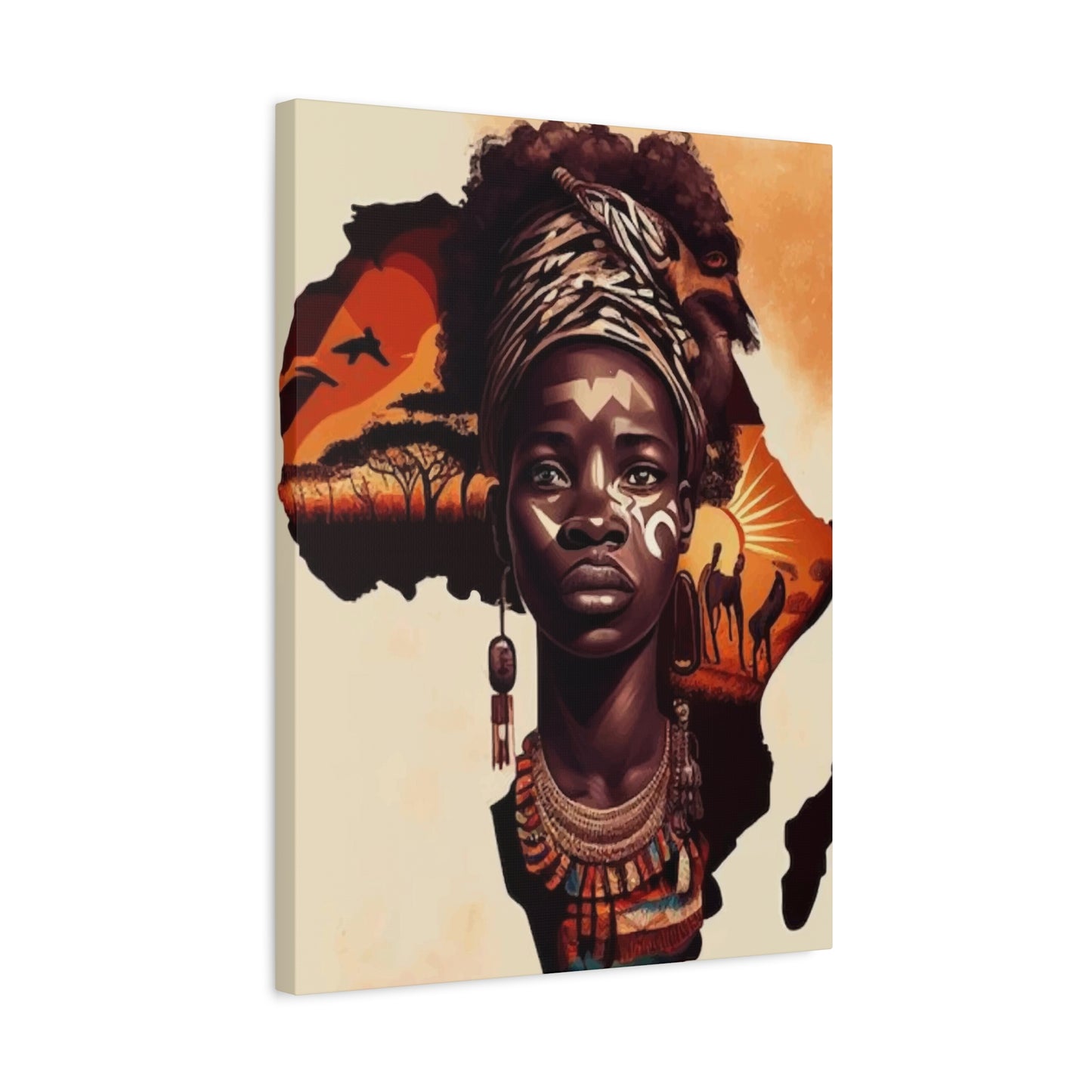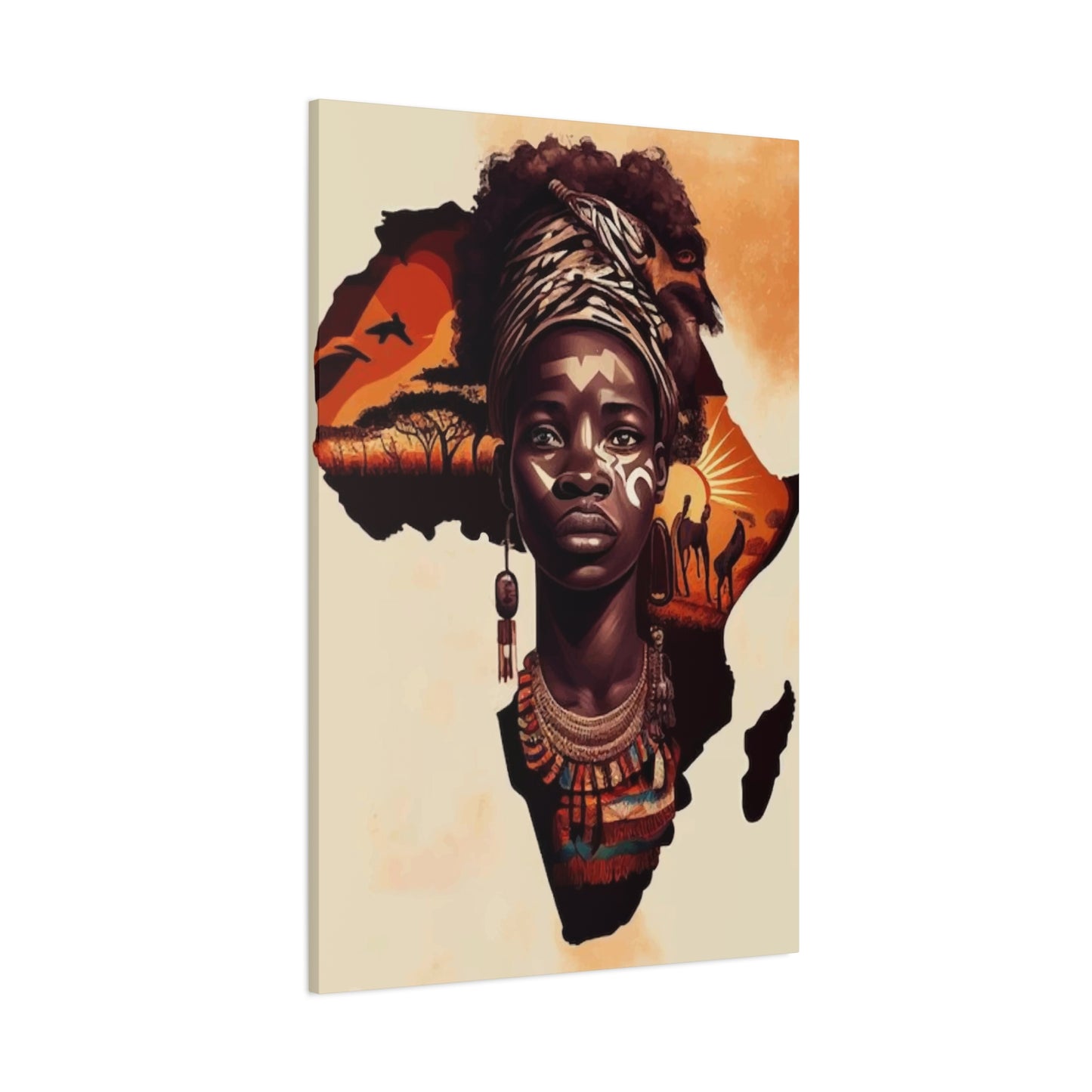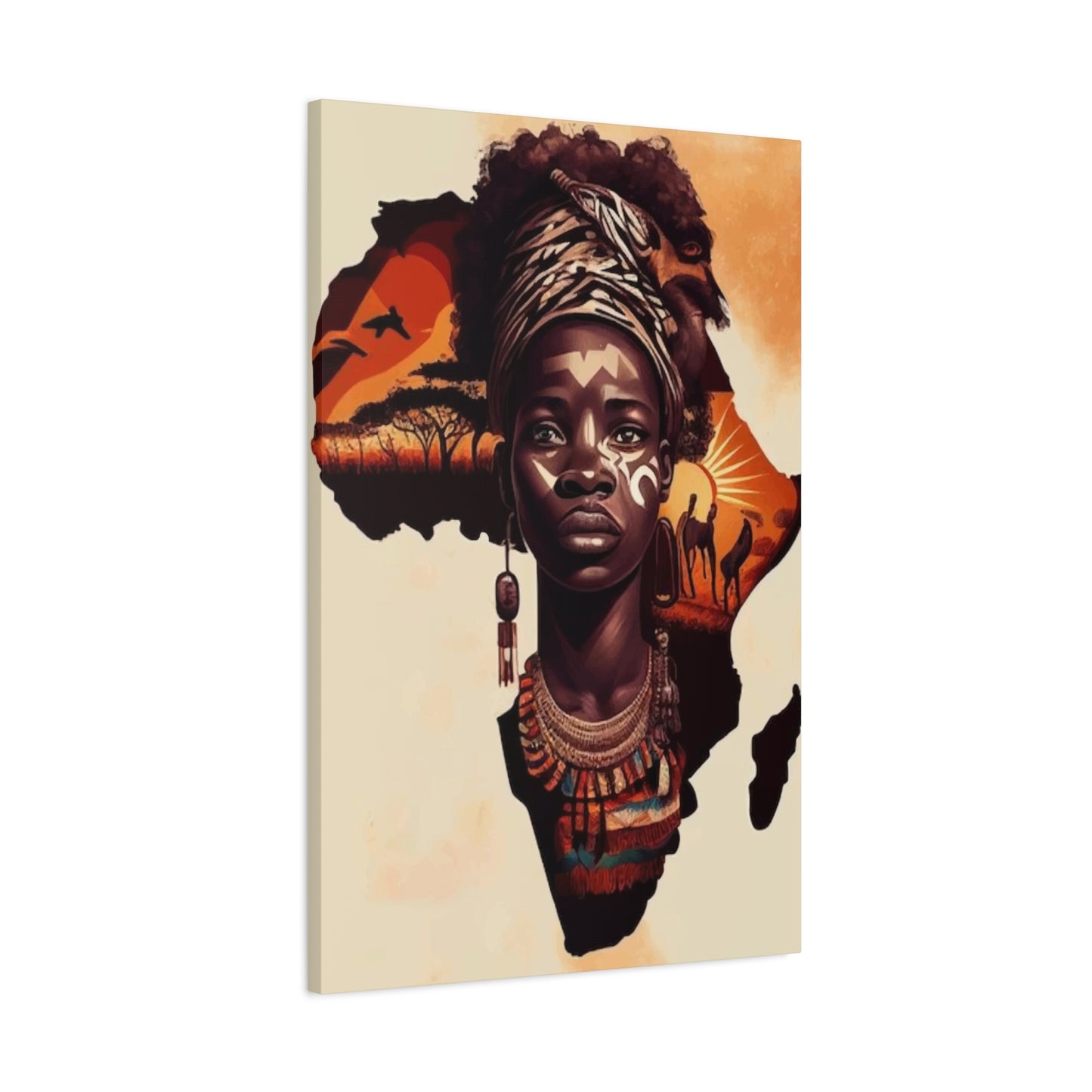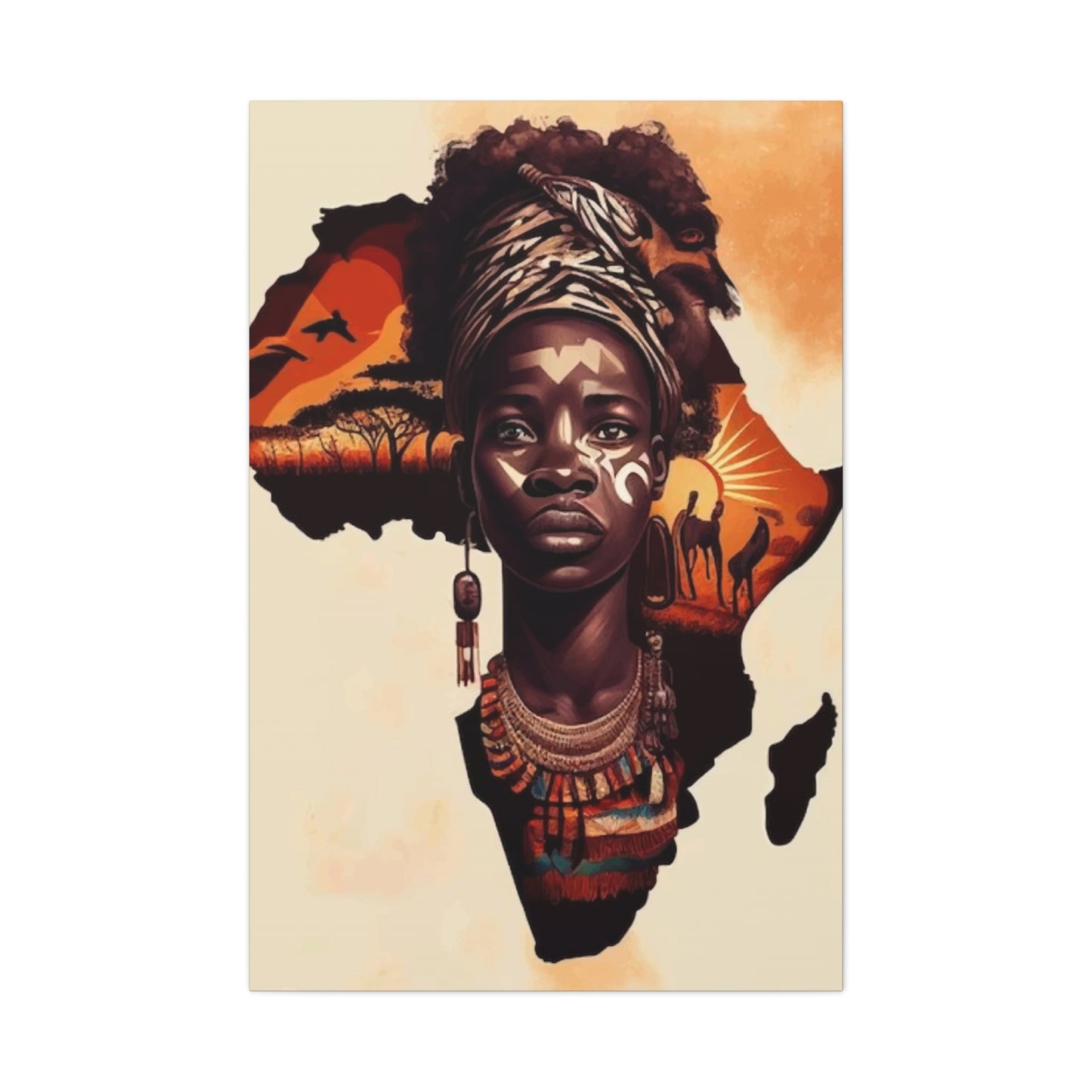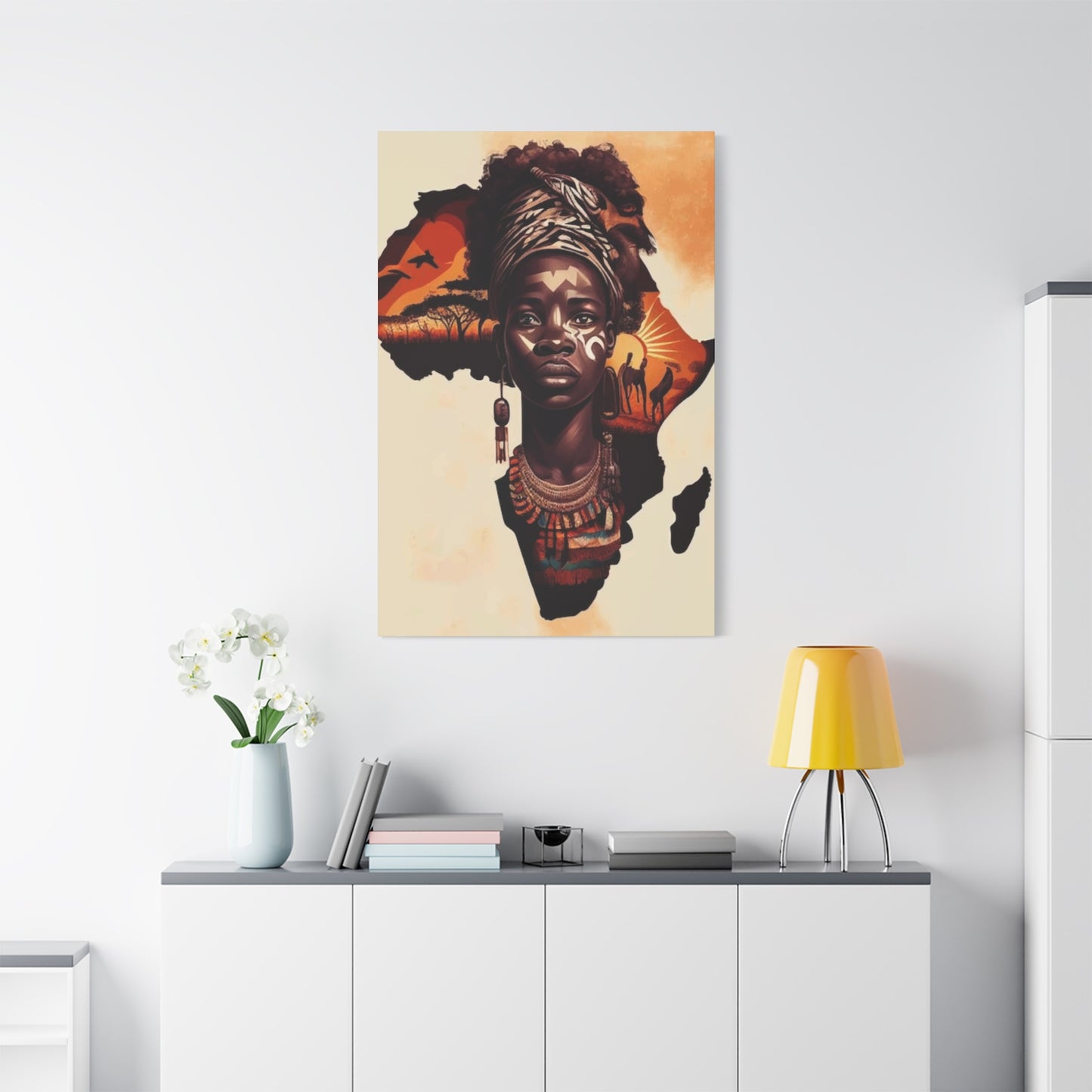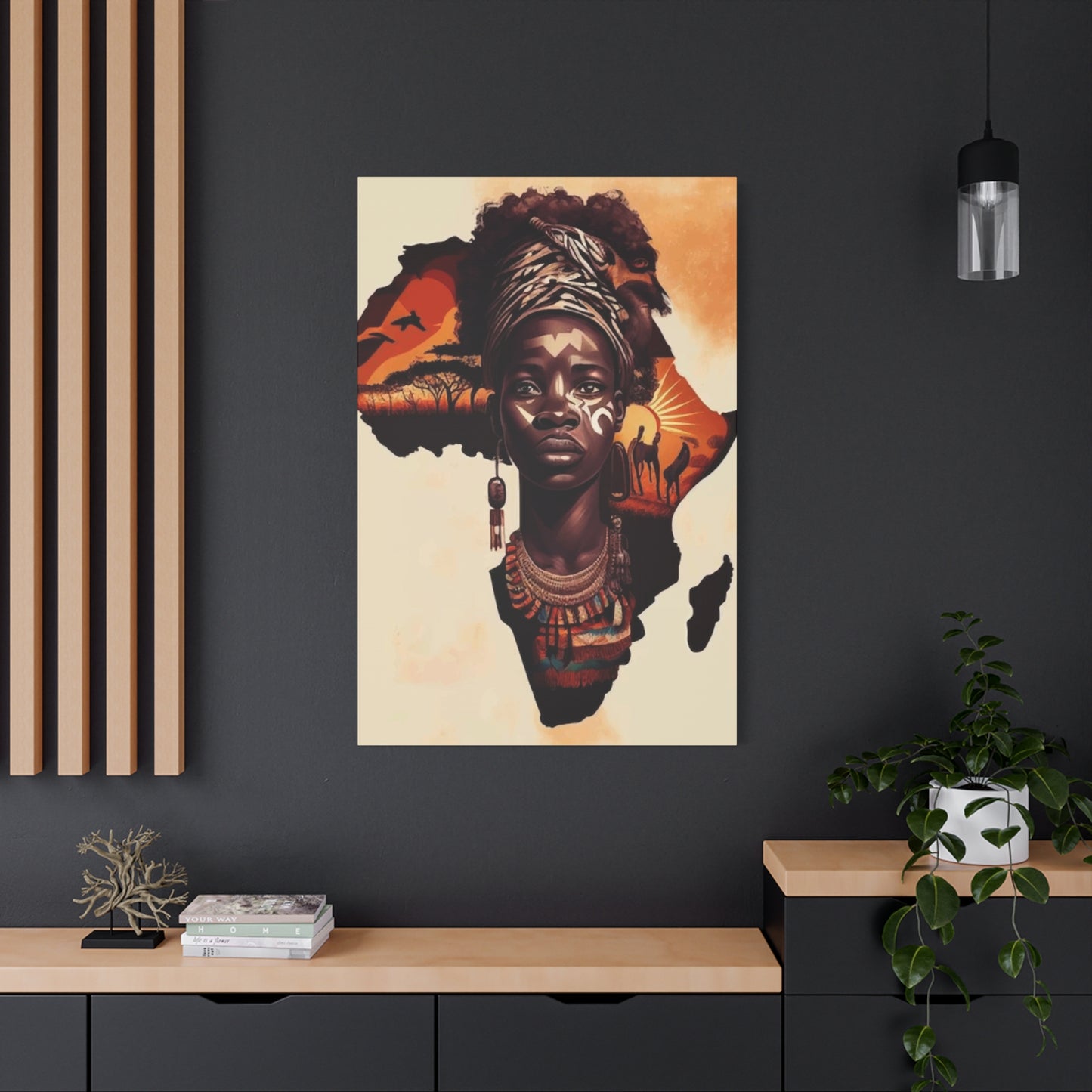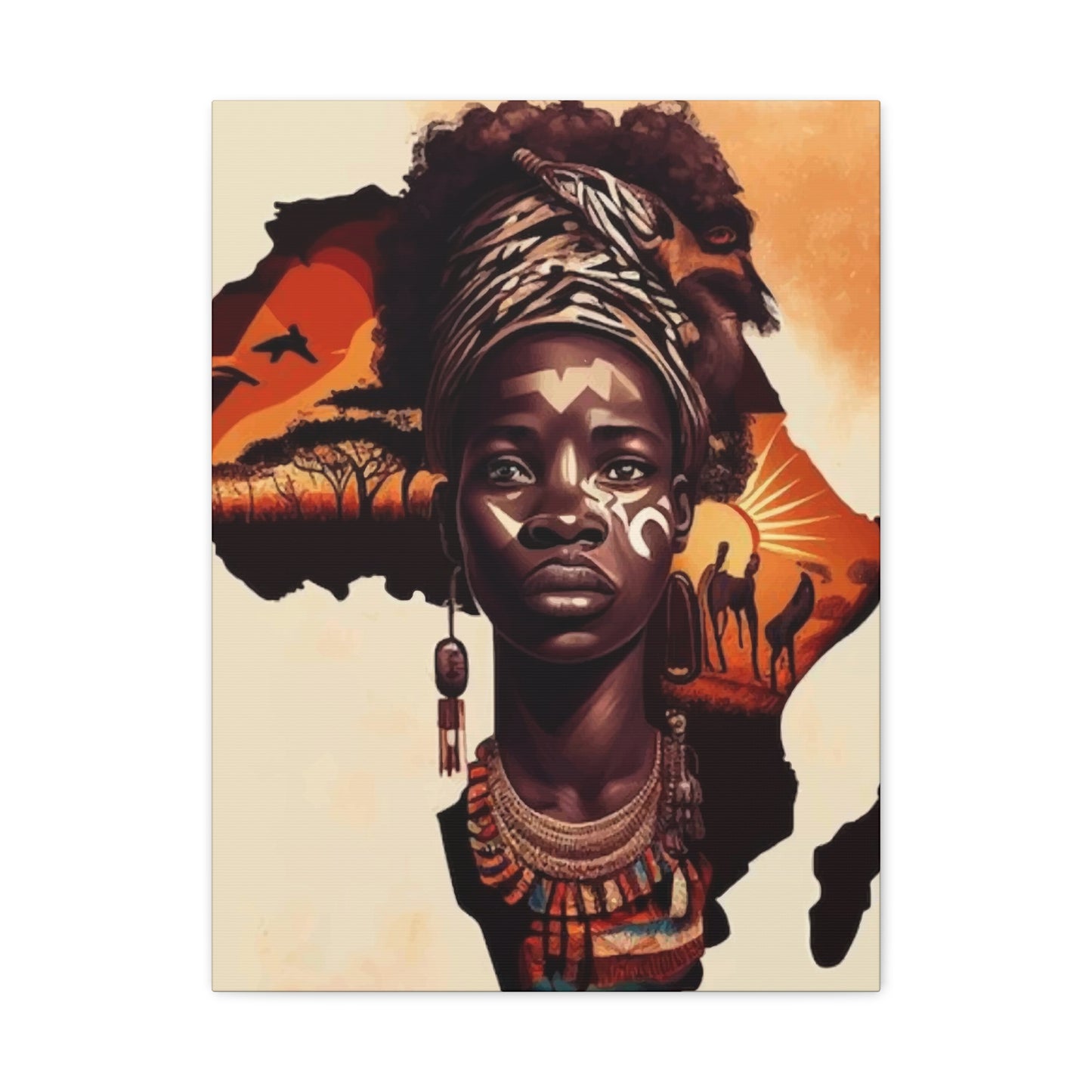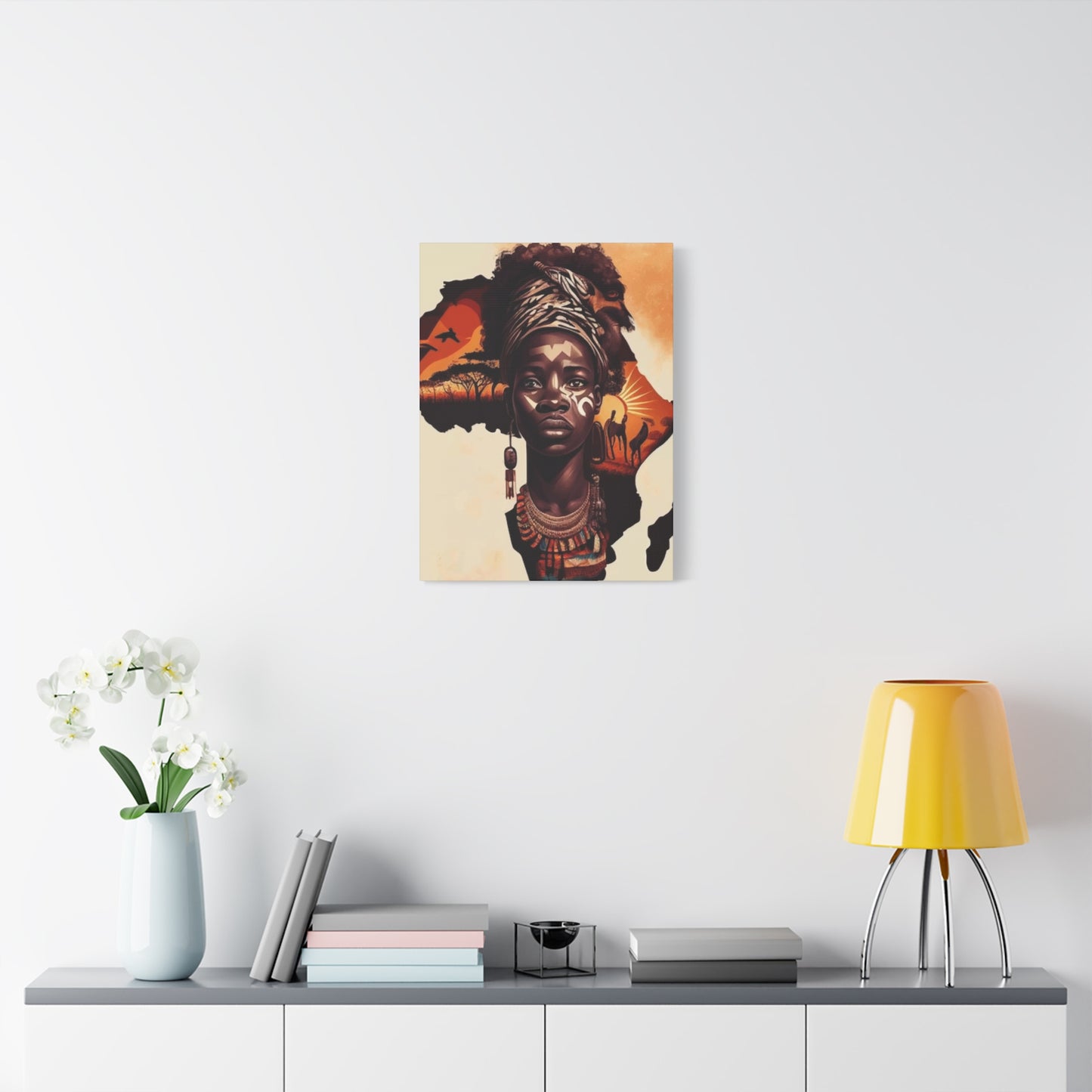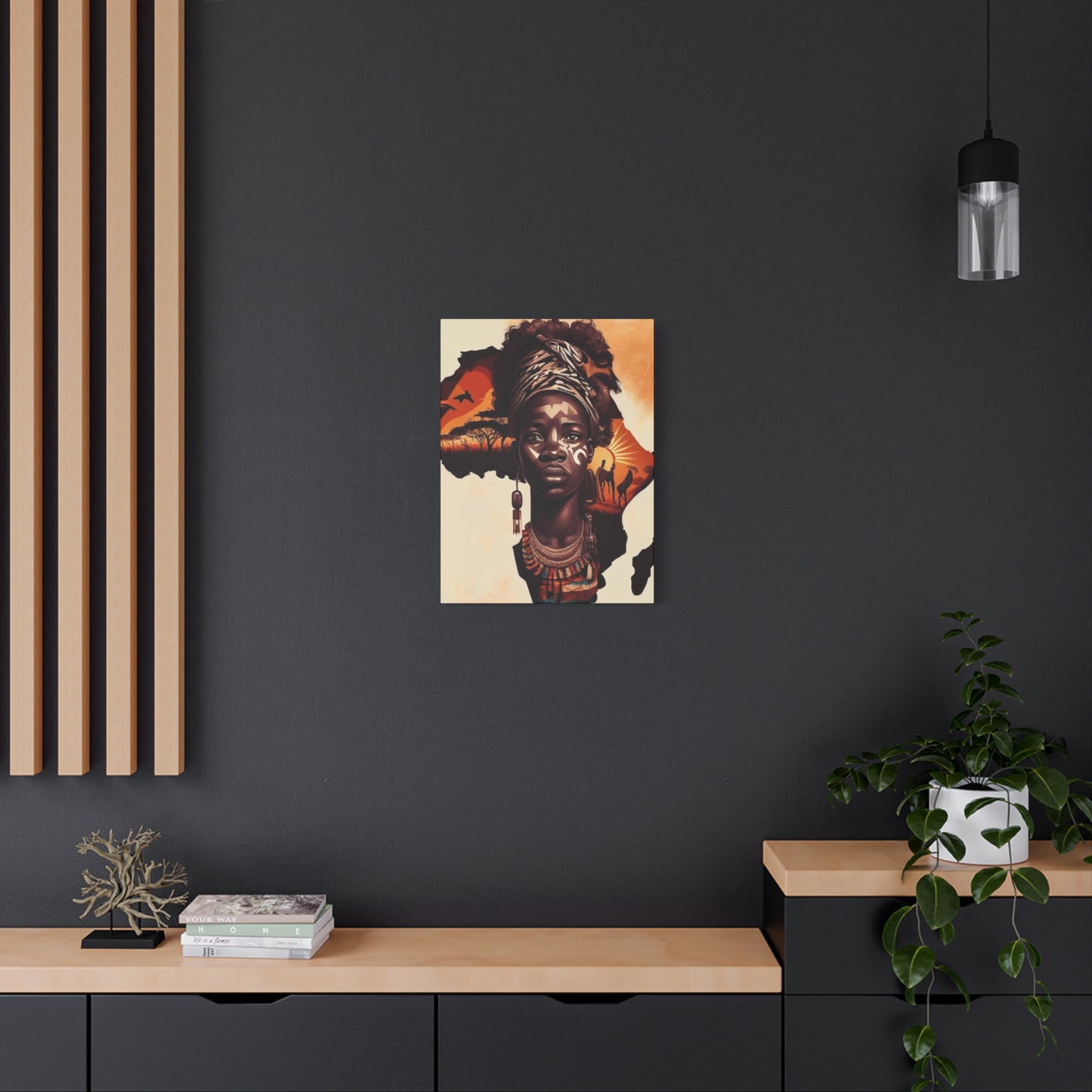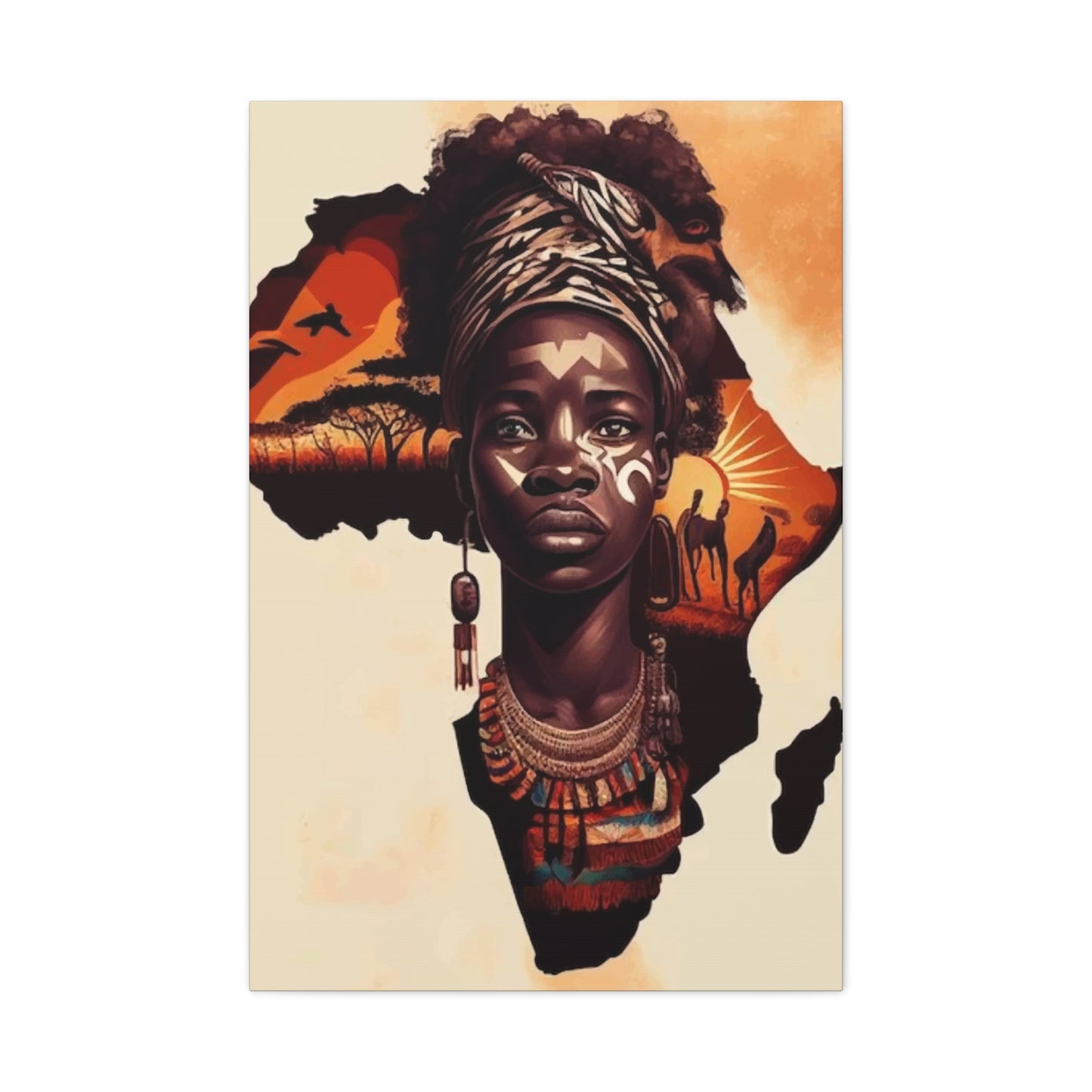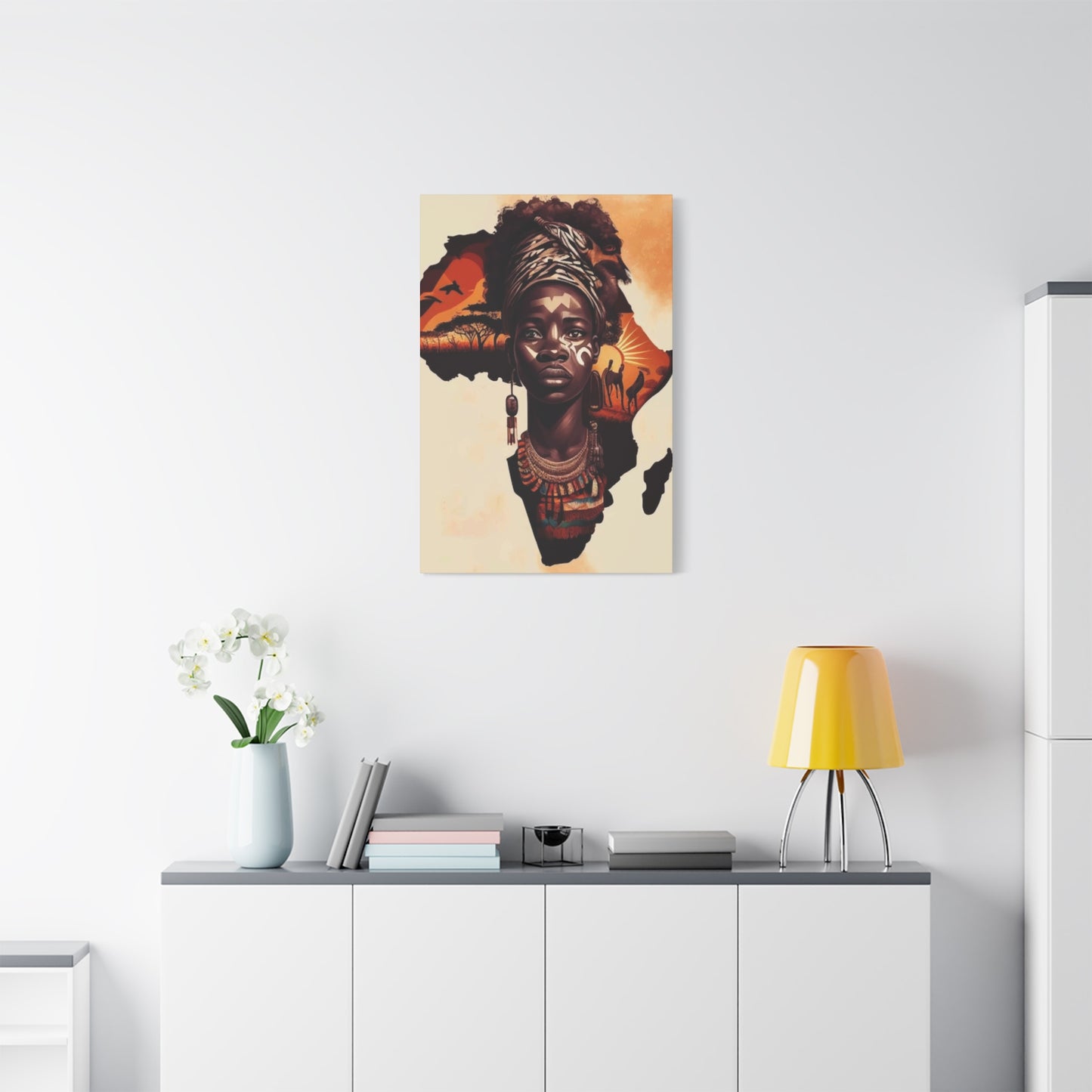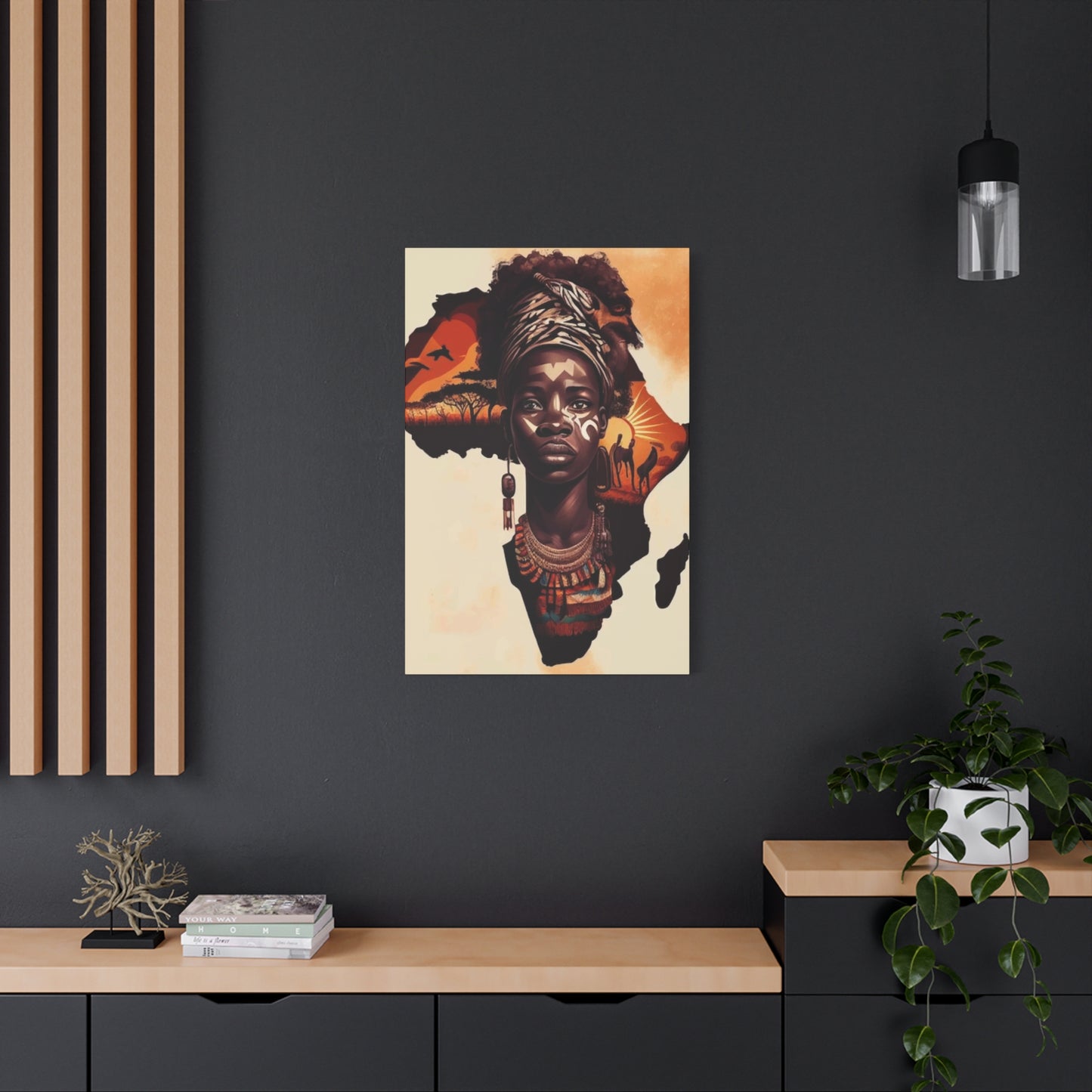


African Map Wall Art & Canvas Prints
African Map Wall Art & Canvas Prints
Couldn't load pickup availability
Discovering the Beauty and Cultural Poorness of African Map Wall Art for Your Living Spaces
The continent of Africa holds an extraordinary place in human consciousness, representing not merely a geographical landmass but a tapestry of diverse cultures, ancient civilizations, and breathtaking natural wonders. When we speak of decorating our homes with African Map Wall Art, we venture into a realm where cartography meets artistic expression, where geographical boundaries transform into stunning visual narratives that celebrate heritage, exploration, and the profound connection between land and identity. This comprehensive exploration delves into every conceivable aspect of incorporating these magnificent pieces into your interior design scheme, from selecting the perfect representation to understanding the deeper cultural significance embedded within each line and contour.
Exploring the Profound Significance Behind Continental Cartographic Artwork
African Map Wall Art transcends the conventional boundaries of mere decorative elements, emerging as powerful statements of cultural pride, historical acknowledgment, and geographical appreciation. These artistic representations carry weight beyond their physical presence on walls, serving as constant reminders of humanity's origins, the cradle of civilization, and the remarkable diversity contained within a single continent. When individuals choose to display these cartographic masterpieces, they engage with narratives spanning millennia, acknowledging both the ancient kingdoms that flourished across savannas and deserts and the contemporary nations that continue shaping global discourse.
The significance manifests on multiple dimensions simultaneously. For diaspora communities scattered across the globe, these visual representations function as anchoring points, maintaining spiritual and emotional connections to ancestral homelands despite physical distances measured in thousands of miles. They transform blank walls into portals of memory, contemplation, and belonging. For educators and students of geography, these pieces serve practical purposes while inspiring curiosity about topographical features, political boundaries, and the intricate relationships between human settlements and natural landscapes.
Furthermore, the aesthetic appeal cannot be understated. The distinctive shape of the African continent, with its recognizable contours extending from the Mediterranean shores through the vast Sahara, down through tropical rainforests, and terminating at the southern cape, presents designers with an inherently compelling silhouette. This organic form lends itself beautifully to various artistic interpretations, whether rendered in minimalist single-tone designs, elaborate multi-colored representations highlighting individual nations, or abstract interpretations that emphasize emotional resonance over geographical precision.
Varieties and Stylistic Approaches in Continental Map Representations
The marketplace offers an astounding diversity of styles when seeking African Map Wall Art, each category appealing to different aesthetic sensibilities and serving distinct decorative purposes. Contemporary minimalist designs strip away excessive detail, presenting the continental outline in clean, uncluttered forms that complement modern interior schemes characterized by neutral color palettes and streamlined furniture. These pieces often utilize monochromatic approaches, with black silhouettes against white backgrounds or metallic finishes that catch and reflect ambient lighting.
Vintage cartographic reproductions transport viewers to earlier eras of exploration and discovery, featuring aged parchment textures, ornate compass roses, and antiquated naming conventions that reflect historical perspectives. These pieces particularly appeal to collectors of historical documents and individuals fascinated by the evolution of geographical knowledge. The distressed finishes and deliberately faded colors evoke nostalgia while simultaneously prompting reflection on how human understanding of the continent has transformed across centuries.
Colorful representations celebrating individual nations employ vibrant hues to distinguish political boundaries, creating visual celebrations of diversity that can serve both decorative and informative functions. These pieces prove especially valuable in educational settings, helping students visualize the continent's political complexity while adding energetic color schemes to learning environments. Some artists take this approach further, using colors to represent demographic information, linguistic distributions, or ecological zones, transforming maps into infographic artworks.
Three-dimensional sculptural interpretations elevate the concept beyond flat surfaces, employing materials like carved wood, layered metals, or assembled textiles to create tactile experiences. These pieces cast dramatic shadows, changing appearance throughout the day as light angles shift. The depth adds gravitas and presence, making these artworks focal points within rooms rather than subtle accent pieces. Craftspeople might incorporate traditional materials like reclaimed teak, hammered copper, or woven fabrics, further emphasizing cultural connections.
Abstract artistic interpretations liberate creators from geographical accuracy, instead capturing emotional essences or symbolic meanings associated with the continent. These pieces might fragment the recognizable shape, overlay it with patterns inspired by traditional textiles, or integrate wildlife silhouettes and landscape elements. They appeal to collectors seeking conversation pieces that spark dialogue about artistic intent and cultural interpretation rather than merely displaying geographical information.
Material Considerations and Craftsmanship in Map Artwork Production
The materials selected for creating African Map Wall Art profoundly influence both aesthetic presentation and longevity. Canvas prints remain among the most popular choices, offering affordability without sacrificing visual impact. High-quality canvas wrapped around wooden frames provides texture that enhances the viewing experience, while modern printing techniques ensure color accuracy and fade resistance. The fabric surface absorbs light differently than glossy alternatives, creating subtle variations in appearance depending on viewing angles and illumination conditions.
Metal artwork introduces industrial elegance and remarkable durability. Artisans working with steel, aluminum, or copper can achieve stunning effects through techniques like laser cutting, hand-forging, or chemical patination. The inherent strength of metal allows for larger-scale installations without concerns about warping or sagging over time. Brushed finishes create contemporary sophistication, while rustic treatments with deliberate oxidation patterns evoke earthiness and organic connection. The reflective properties of polished metals bring dynamic qualities, as surfaces interact with changing light conditions throughout rooms.
Wooden representations carry warmth and natural beauty unmatched by synthetic materials. Craftspeople might carve continental shapes from single substantial planks, revealing wood grain patterns that add unique character to each piece. Alternatively, layered constructions using different wood species create striking contrasts, with darker African hardwoods representing the landmass against lighter background panels. Reclaimed wood adds sustainability narratives while incorporating visual histories through existing weathering, nail holes, and color variations accumulated across decades of previous use.
Textile-based artworks connect directly with rich African weaving traditions. Makers employ techniques like batik, tie-dye, or traditional fabric printing to create soft wall hangings featuring continental shapes. These pieces introduce textural warmth particularly valuable in spaces dominated by hard surfaces. The fabric medium also allows for easy transport and storage, appealing to renters or individuals who frequently relocate. Embroidered details can add dimensional interest and showcase exceptional craftsmanship.
Glass and acrylic materials offer sleek, contemporary alternatives particularly suited to minimalist design schemes. These transparent or translucent surfaces can be printed, etched, or painted, then mounted with standoffs that create floating effects against walls. Backlighting options transform these pieces into luminous features, especially dramatic in darker spaces or evening hours. The smooth, easy-to-clean surfaces prove practical in environments requiring regular maintenance.
Selecting Appropriate Sizes and Proportions for Different Spaces
Determining the ideal size for African Map Wall Art requires careful consideration of room dimensions, existing furnishings, and intended visual impact. Oversized statement pieces measuring several feet across command attention, functioning as primary focal points around which other decorative elements orbit. These dramatic installations work beautifully in spaces with high ceilings and substantial wall expanses, such as great rooms, lobbies, or above large sofas in spacious living areas. The bold presence eliminates needs for additional artwork in immediate vicinity, simplifying overall design schemes.
Medium-sized pieces ranging from two to four feet offer versatility, fitting comfortably in various settings without overwhelming spaces. These dimensions work effectively above console tables in entryways, in dining rooms between windows, or as centerpieces in bedroom wall arrangements. The moderate scale allows for creative groupings with complementary pieces, perhaps combining the map with photographs from specific African locations or artworks featuring wildlife and landscapes from the continent.
Smaller representations measuring under two feet suit intimate spaces and detailed viewing. These compact pieces shine in personal offices, reading nooks, gallery wall collections, or bathroom accent walls. Despite reduced dimensions, quality craftsmanship ensures they maintain visual interest upon close examination. Multiple small maps showing different historical periods or stylistic interpretations can create fascinating comparison displays that encourage prolonged engagement and reflection.
Proportion considerations extend beyond absolute measurements to relationships with surrounding elements. Design principles suggest artwork should occupy approximately two-thirds to three-quarters the width of furniture pieces positioned beneath, creating visual balance. However, deliberately violating these conventions can produce striking effects when executed thoughtfully. A narrow vertical orientation of the continent might punctuate a tall, narrow wall segment between windows, while an extremely wide, compressed representation could run along an expansive horizontal space above built-in shelving.
Room function influences appropriate sizing decisions. In spaces designed for quiet contemplation like meditation rooms or libraries, moderately sized pieces avoid distraction while maintaining presence. Conversely, social spaces benefit from larger, more dramatic installations that spark conversations and establish atmospheric tones. Commercial environments like restaurants featuring African cuisine or travel agencies specializing in African destinations might opt for truly massive installations that immediately communicate thematic focuses to visitors.
Color Palette Selection and Coordination with Existing Decor
The color choices within African Map Wall Art significantly impact how pieces integrate with existing interior design schemes while conveying distinct moods and messages. Neutral palettes employing blacks, grays, whites, and earth tones offer maximum versatility, complementing virtually any decor style from Scandinavian minimalism to rustic farmhouse aesthetics. These understated approaches allow the continental shape itself to carry visual weight without competing with colorful furnishings, textiles, or other artwork.
Warm color schemes featuring reds, oranges, yellows, and browns echo African sunsets, desert sands, and savanna landscapes. These palettes inject energy and vibrancy into spaces, creating welcoming, uplifting atmospheres particularly effective in social areas. The psychological associations with warmth and vitality align with common perceptions of the continent's climate and cultural expressiveness. When incorporating these warmer hues, consider balancing intensity through neutral surrounding walls and furnishings to prevent visual overwhelm.
Cool-toned interpretations utilizing blues, greens, and purples offer unexpected sophistication, challenging conventional expectations while maintaining visual interest. These choices work beautifully in contemporary settings and spaces emphasizing tranquility, such as bedrooms or spa-like bathrooms. Blue tones might reference coastal regions and major water bodies like the Mediterranean, Red Sea, or Atlantic coastline, while greens nod toward rainforests and agricultural regions.
Metallic finishes including gold, bronze, copper, and silver introduce luxury and light-reflective qualities. Gold tones carry particular cultural resonance, referencing both literal gold deposits that have shaped African economies and symbolic associations with value and prestige in many cultures. These finishes elevate perceived quality and work exceptionally well in formal settings or spaces with glamorous design elements like crystal chandeliers, velvet upholstery, or marble surfaces.
Multi-colored representations distinguishing individual nations or regions serve dual purposes as decorative elements and informational resources. These pieces benefit from careful color coordination with room schemes, either complementing dominant palette choices or providing deliberate contrast as accent pieces. The visual complexity of many colors within single artworks means they can tie together disparate color elements already present in spaces, functioning as unifying decorative threads.
When selecting colors, consider lighting conditions carefully. Natural daylight reveals colors differently than artificial illumination, and directional lighting can dramatically alter appearance throughout the day. Testing samples in actual installation locations under various lighting scenarios helps avoid disappointing surprises after purchase. Additionally, consider longevity and timelessness—while trendy colors might appeal initially, classic choices ensure continued relevance as design preferences evolve.
Strategic Placement and Display Methods Throughout Your Home
The location selected for displaying African Map Wall Art profoundly influences both practical visibility and symbolic meaning within domestic spaces. Living rooms serve as natural showcases, with prominent wall spaces above sofas or fireplaces offering ideal positioning for larger statement pieces. These social gathering areas ensure maximum viewership, allowing artwork to spark conversations and establish thematic tones for entire homes. The centrality of living spaces also means these pieces become daily touchstones for residents, maintaining consistent presence in consciousness.
Entryway and hallway placements create powerful first impressions for visitors while serving as transitional moments of connection for residents moving through homes. An impressive map immediately upon entry establishes cultural priorities and aesthetic sensibilities before guests venture further. In longer hallways, maps can anchor gallery wall arrangements or stand alone as visual destinations at corridor ends, drawing eyes forward and making spaces feel more intentional and complete.
Home offices and study areas particularly suit cartographic artwork, where the inherent informational content complements intellectual activities. Having geographical references visible during work sessions can inspire global thinking, remind professionals of international connections, or simply provide contemplative focal points during mental breaks. For students, these pieces support learning while personalizing academic spaces.
Bedroom placements transform these private sanctuaries into personal heritage galleries, surrounding sleepers with meaningful imagery that reinforces identity and belonging. Above headboards or on walls opposite beds, maps become last visions before sleep and first sights upon waking, bookending days with cultural affirmation. The bedroom location keeps these meaningful pieces more private, shared primarily with intimates rather than casual acquaintances.
Dining areas benefit from artwork that encourages conversation and contemplation during meals. A map visible from the dining table provides natural discussion topics, whether reminiscing about travels, discussing current events affecting particular regions, or educating children about geography. The communal nature of dining aligns beautifully with themes of cultural connection and shared heritage.
Unconventional locations like bathrooms, laundry rooms, or stairwell landings transform utilitarian spaces into unexpected moments of beauty and meaning. These placements demonstrate that cultural appreciation extends throughout entire living environments rather than being relegated to formal display areas. A small, well-chosen piece in a powder room surprises guests while making efficient use of otherwise neglected wall space.
Display methods vary from simple hanging to elaborate presentation systems. Standard picture hanging with hooks and wire suffices for lightweight framed pieces, while heavier items require substantial wall anchors or mounting directly into studs. Floating mounts create shadow gaps between artwork and walls, adding dimensional interest and contemporary flair. Track lighting or picture lights dramatically enhance visibility and create gallery-quality presentations. Grouping maps with complementary items like photographs, textiles, or artifacts creates curated collections that tell richer stories than single pieces alone.
Cultural Authenticity and Respectful Representation Considerations
When selecting African Map Wall Art, thoughtful consideration of cultural authenticity and respectful representation becomes paramount. The continent comprises fifty-four distinct nations, thousands of ethnic groups, and innumerable cultural traditions, making simplistic or monolithic representations problematic. Seek pieces created by African artists or those demonstrating genuine understanding and respect for cultural complexities. Artwork that collapses diverse peoples into single stereotypical images or employs outdated colonial perspectives fails to honor the poorness deserving celebration.
Authentic pieces often incorporate design elements rooted in specific cultural traditions—geometric patterns reflecting particular weaving styles, color choices aligned with traditional symbolism, or artistic techniques passed through generations. These details distinguish thoughtful cultural engagement from superficial appropriation. Supporting artists who maintain genuine connections to the continent ensures economic benefits flow toward communities being represented rather than being extracted by outsiders capitalizing on cultural interest.
Terminology and naming conventions warrant attention. Maps displaying colonial-era place names without acknowledging contemporary designations perpetuate outdated power dynamics. Quality pieces either use current official names or explicitly indicate historical contexts when showing older naming systems. Similarly, boundary representations should reflect current political realities, though historical maps clearly identified as such serve legitimate purposes in documenting geographical knowledge evolution.
Consider the narratives implied by artistic choices. Does the piece celebrate African achievements and diversity, or does it reinforce deficit-focused stereotypes? Maps incorporating imagery of wildlife, landscapes, and cultural elements should do so with nuance, avoiding reductive associations that portray the continent exclusively through tourist-gaze lenses. Balanced representations acknowledge both natural wonders and vibrant urban centers, traditional practices and contemporary innovations, historical challenges and modern accomplishments.
Diaspora perspectives add important dimensions to authenticity considerations. For individuals with African heritage living elsewhere, these pieces carry personal significance transcending decorative functions. Artworks created by diaspora artists often bring unique perspectives blending ancestral connections with lived experiences in other contexts, producing hybrid artistic visions that honor complexity rather than seeking false purity. These voices deserve particular support and recognition within the broader marketplace.
Engaging with cultural consultants or conducting personal research helps ensure selections align with values of respect and authentic appreciation. Understanding the significance of particular design elements, recognizing symbolic meanings embedded in color choices, and appreciating craftsmanship techniques rooted in specific traditions transforms passive consumption into active cultural engagement. This mindfulness elevates decorative choices into meaningful acts of connection and solidarity.
Commissioning Custom Pieces Tailored to Personal Visions
While mass-produced African Map Wall Art offers convenience and affordability, commissioning custom pieces enables personal visions to materialize with precise specifications and unique characteristics. This process begins with identifying skilled artisans whose existing portfolios demonstrate relevant capabilities and aesthetic sensibilities aligned with desired outcomes. Searching for specialized map artists, metalworkers, woodcarvers, or textile artists yields candidates capable of translating concepts into reality.
Initial consultations establish parameters including dimensions, materials, color palettes, stylistic approaches, and budget constraints. Discussing intended placement locations helps artists understand environmental factors affecting design choices—lighting conditions, viewing distances, surrounding decor, and architectural features all influence optimal artistic decisions. Sharing inspiration images, describing emotional responses sought, and articulating specific elements desired helps artists grasp visions even when technical vocabulary fails.
Custom projects often involve iterative processes with preliminary sketches, material samples, and mockups preceding final production. This collaborative approach ensures results align with expectations while allowing artists creative input based on expertise. Flexibility during this process often yields superior outcomes compared to rigid adherence to initial concepts, as experienced creators recognize opportunities for enhancement invisible to clients lacking specialized knowledge.
Personalization possibilities extend far beyond basic customization. Artists can highlight specific regions holding personal significance, incorporate family names or meaningful dates, integrate portrait silhouettes of important individuals against continental backdrops, or blend map imagery with other symbolic elements. These deeply personal touches transform artwork into heirloom pieces carrying stories across generations rather than generic decorative items easily replaced.
Material selection for custom projects allows exploration of unconventional options rarely available in commercial products. Incorporating materials with personal significance—wood from family property, textiles from meaningful garments, or metals reclaimed from significant objects—adds layers of meaning impossible in mass production. These material choices become integral parts of pieces' narratives, enriching connections between artworks and owners.
Timeline expectations require patience, as quality craftsmanship demands time. Rushed production compromises results, so planning well in advance of gift-giving occasions or room completion deadlines prevents disappointment. Many artisans maintain waiting lists, particularly those with strong reputations, making early contact essential. However, this anticipation often enhances eventual satisfaction, as recipients invest emotional energy throughout creation processes.
Pricing for custom work reflects materials, time, artistic skill, and uniqueness. While initial costs exceed mass-produced alternatives, the resulting one-of-a-kind pieces justify investments through distinctive character and perfect alignment with spaces and preferences. Additionally, supporting individual artisans directly sustains creative livelihoods and preserves craft traditions threatened by industrialized production.
Caring for and Preserving Your Cartographic Artwork
Proper care extends the lifespan of African Map Wall Art while maintaining visual appeal across years or decades. Different materials require specific approaches, though some principles apply universally. Avoiding direct sunlight prevents fading, particularly crucial for canvas prints and painted surfaces where ultraviolet exposure gradually degrades pigments. Windows with southern exposures pose greatest risks in northern hemisphere locations, though all direct sun requires consideration. UV-filtering glass or acrylic in frames provides protection for vulnerable pieces, as do window treatments limiting light penetration during peak intensity hours.
Dust accumulation dulls appearances and can cause long-term damage as particles scratch surfaces during cleaning attempts. Regular gentle dusting with soft, lint-free cloths prevents buildup. For textured surfaces like canvas or carved wood, soft brush attachments on vacuum cleaners held slightly away from surfaces lift dust without contact. Microfiber dusters prove particularly effective, attracting particles through static rather than simply redistributing them.
Canvas pieces benefit from occasional light misting with water followed by immediate gentle blotting—never rubbing—to remove accumulated grime. Testing inconspicuous areas first ensures techniques don't damage particular materials or finishes. Professional cleaning services specializing in fine art provide expertise for valuable pieces or when uncertain about appropriate methods.
Metal artworks resist many environmental challenges but can develop undesirable patinas depending on compositions and environmental conditions. Copper pieces naturally oxidize, developing greenish patinas that some owners prize as character while others prevent through regular application of clear protective coatings. Steel items in humid environments risk rust, manageable through moisture control and protective finishes. Periodic wiping with slightly damp cloths removes fingerprints and surface contaminants without damaging most metal finishes.
Wooden pieces require protection from moisture extremes. Excessive humidity causes swelling and potential warping, while extreme dryness leads to cracking. Maintaining relatively stable humidity levels around fifty percent preserves wooden artworks optimally. Furniture polishes or wood oils applied sparingly enhance appearance while providing protective barriers, though testing compatibility with specific finishes prevents damage.
Textile artworks are most vulnerable to damage from light, moisture, and pests. Rotating displays periodically distributes light exposure, preventing localized fading. In storage, acid-free tissue interleaving protects fibers while allowing air circulation that prevents mold growth. Regular inspection for moth damage enables early intervention before significant destruction occurs. Professional textile conservation provides options for cleaning and repairing damaged pieces.
Frame quality significantly impacts preservation for artwork under glass or acrylic. Acid-free mats prevent chemical migration that yellows and degrades paper or canvas over time. Sealed backing boards protect from environmental contaminants and pest intrusion while allowing controlled air exchange preventing condensation. Checking hanging hardware periodically ensures secure mounting, preventing accidents from weakened supports.
Environmental stability matters tremendously. Avoid hanging artwork above heat sources like radiators or fireplaces, where temperature fluctuations and rising heat damage materials. Similarly, exterior walls in climates with extreme temperatures can create condensation issues or temperature swings affecting artwork. Interior walls away from environmental extremes provide safest locations.
Incorporating Maps into Broader Interior Design Narratives
African Map Wall Art reaches full potential when thoughtfully integrated into comprehensive interior design narratives rather than existing as isolated decorative afterthoughts. Creating cohesive schemes involves considering color relationships, thematic connections, and stylistic harmony across rooms. Maps can anchor entire design concepts, with colors, patterns, and cultural references drawn from the artwork informing choices for textiles, accessories, and accent pieces throughout spaces.
Layering approaches build visual poorness around map centerpieces. Surrounding walls might display complementary photography documenting African landscapes, architecture, or daily life. Textile arts like mudcloth throws, kente cloth pillows, or Berber rugs echo cultural origins while introducing pattern and texture. Sculptural objects such as carved wooden masks, soapstone figurines, or bronze castings add dimensional interest creating dialogue with two-dimensional map representations.
Color story development extracts hues from maps to inform broader palette selections. Warm terracotta tones in a map might inspire wall paint choices, while metallic elements could be echoed in light fixtures, hardware, and decorative accessories. This intentional color threading creates unified aesthetics where individual elements feel related rather than arbitrarily assembled.
Furniture selections contribute to cohesive narratives. Natural materials like teak, mahogany, and woven rattan reference African materials and traditional craftsmanship. Contemporary interpretations of traditional forms—low-slung seating inspired by ceremonial stools, or geometric patterning reflecting architectural elements—create cultural resonance without resorting to theme park literalism. The goal involves creating sophisticated spaces that honor cultural aesthetics through thoughtful reference rather than costume-like recreation.
Lighting design dramatically affects artwork presentation while establishing ambiance. Adjustable track lighting allows precise highlighting of maps, creating gallery effects in residential settings. Warm-toned bulbs enhance earth tones common in African-inspired palettes, while cooler temperatures suit contemporary minimalist approaches. Dimming capabilities enable atmospheric variation supporting different activities and moods.
Botanical elements introduce life and color while potentially referencing African flora. While most houseplants aren't specifically African species, selections like snake plants, aloe varieties, and certain palms do originate from the continent. Even non-native plants chosen for forms and colors complementing the overall aesthetic contribute to cohesive environments. Arranging plants at varying heights creates layered visual interest mimicking natural landscape complexity.
Architectural details provide opportunities for cultural reference. Archways might echo North African Islamic influences, while earth-plaster wall treatments suggest sub-Saharan building traditions. Exposed wooden beams, earthen tile floors, or stone accent walls introduce natural materials and textures creating appropriate backdrops for map displays. Even in spaces where structural modifications aren't feasible, removable elements like room dividers, decorative screens, or applied moldings add architectural interest supporting design narratives.
Historical Cartography and Evolution of African Mapping
Understanding the historical evolution of African cartography enriches appreciation for contemporary African Map Wall Art while revealing how geographical knowledge and cultural perspectives have transformed across centuries. Ancient Egyptian maps represent some of humanity's earliest cartographic efforts, though these focused primarily on immediate surroundings and conceptual representations of cosmological beliefs rather than accurate continental depictions. Greek and Roman geographers attempted broader African mapping, though knowledge rarely extended deep into the interior beyond Mediterranean coastal regions and Nile River systems.
Medieval European maps displayed remarkable ignorance regarding African geography, often filling vast interior spaces with fantastical creatures and speculative features born from travelers' tales and imaginative embellishment. These mappae mundi prioritized religious symbolism over geographical accuracy, placing Jerusalem at world centers while marginalizing African knowledge and existence. Islamic cartographers of the same era produced substantially more accurate representations, benefiting from extensive trade networks crossing the Sahara and robust scholarly traditions preserving and advancing geographical learning.
The era of European exploration beginning in the fifteenth century initiated dramatic expansion of African cartographic knowledge, though motivations were primarily economic and colonial. Portuguese navigators mapped coastal contours with increasing precision as they sought routes to Asian spice markets. Subsequent centuries saw gradual filling of interior blank spaces as explorers, missionaries, and eventually colonizers penetrated deeper into the continent. These maps served practical purposes for trade, military conquest, and resource extraction, embedding problematic power dynamics into their creation and use.
Colonial-era maps imposed European notions of territorial control and political organization onto landscapes and peoples with existing systems of governance, trade, and cultural identity. The Berlin Conference of 1884-1885 epitomized this process, with European powers literally drawing boundary lines across maps dividing the continent into spheres of colonial control with minimal consideration for ethnic, linguistic, or existing political realities. These arbitrary borders continue shaping contemporary political geography and conflicts, making historical maps powerful documents of injustice as well as geographical information.
Independence movements throughout the twentieth century brought renewed attention to mapping as an act of self-definition. Post-colonial nations renamed geographic features eliminating colonial nomenclature, reclaiming linguistic and cultural identities suppressed during foreign rule. Contemporary African cartographers and geographers continue work of decolonizing maps, creating representations centering African perspectives, priorities, and knowledge systems rather than reflecting external gazes.
Modern African Map Wall Art exists within this complex historical context. Pieces might deliberately reference historical mapping styles as commentary on colonial legacies, or they might emphasize contemporary boundaries asserting present-day political realities. Understanding this cartographic history transforms simple decorative choices into informed cultural engagements, recognizing that maps are never neutral documents but rather reflect particular perspectives, purposes, and power relationships.
Geographic Features and Landmarks Worth Highlighting
The African continent boasts extraordinary geographic diversity deserving recognition in quality African Map Wall Art. The Sahara Desert, largest hot desert globally, dominates northern regions with its vast sand seas, rocky plateaus, and scattered oases supporting human settlement for millennia. Maps highlighting this massive feature might employ color gradations showing different desert zones or topographical shading revealing elevation changes across this seemingly flat expanse.
The Nile River, often claimed as the world's longest river depending on measurement methodologies, flows northward through northeastern Africa supporting dense population concentrations along its banks since ancient times. Its distinctive path from equatorial highlands through harsh deserts to Mediterranean deltas makes it visually striking on maps. Artistic representations might emphasize the river's life-giving significance through color treatments or symbolic embellishments.
The Great Rift Valley, a massive geological formation stretching from Syria through eastern Africa, contains numerous lakes, volcanic mountains, and fossilized remains documenting human evolutionary history. This dramatic landscape feature creates a visible scar across the continent's eastern regions, making it a natural focal point for maps emphasizing physical geography. Some artists interpret the rift metaphorically as representing continental divisions or the birthplace of humanity.
Lake Victoria, Africa's largest lake and source of the White Nile, sits at the junction of three nations creating political and economic significance beyond its impressive size. Its distinctive shape registers clearly even on small-scale maps. Similarly, Lake Tanganyika's extreme depth and elongated form make it geographically notable, while its position along the Great Rift Valley connects it to broader geological narratives.
Mountain ranges including the Atlas Mountains in the northwest, the Ethiopian Highlands, and eastern ranges containing notable peaks like Mount Kilimanjaro and Mount Kenya provide topographical drama. Maps employing relief shading or layered construction techniques can emphasize these vertical dimensions, reminding viewers that Africa contains diverse elevations despite common flat savanna stereotypes.
The Congo Basin rainforest, second in size only to the Amazon, represents critical ecological significance while remaining mysterious to many outside the continent. Maps might highlight this region through distinctive coloring or patterning, drawing attention to its environmental importance. Similarly, the savannas supporting iconic megafauna and the coastal ecosystems along multiple maritime borders deserve representation.
Political capitals, historical cities, and culturally significant locations add human geographical dimensions. Cairo, Lagos, Johannesburg, Nairobi, and other major urban centers mark contemporary African dynamism. Historical cities like Timbuktu, Great Zimbabwe, and Axum connect to rich pre-colonial civilizations often overlooked in popular consciousness. Some map artists label these locations, transforming pieces into geographical learning tools, while others maintain clean silhouettes allowing viewers to project their own knowledge and interests onto continental forms.
Supporting African Artists and Ethical Purchasing Practices
Purchasing African Map Wall Art presents opportunities for ethical consumption supporting cultural preservation and economic development when approached thoughtfully. Seeking artwork created by African artists ensures financial benefits flow directly to individuals and communities with authentic connections to cultural traditions being represented. This economic support sustains artistic livelihoods enabling creators to continue practicing traditional crafts while developing contemporary expressions.
Numerous online platforms now connect global buyers with African artists, eliminating intermediary markups while providing artisans with broader markets than geographically accessible alone. These marketplaces often include artist biographies, photographs of creation processes, and descriptions of cultural contexts, enabling informed purchasing decisions. Direct relationships with artists, even when mediated through digital platforms, create meaningful exchanges transcending simple commercial transactions.
Fair trade principles ensure artists receive equitable compensation for their labor and creativity. This means paying prices reflecting time, skill, and material costs rather than seeking absolute lowest prices that force creators into exploitative arrangements. Understanding production realities—that hand-carved wooden pieces require days or weeks of skilled labor, that metal sculpture demands expensive materials and specialized tools—helps establish realistic value expectations.
Transparency regarding supply chains matters tremendously. Reputable sellers provide clear information about where and by whom pieces are created, what materials are used, and how pricing structures benefit various participants. Avoiding vendors unwilling to disclose these details protects against unknowingly supporting exploitative labor practices or environmental destruction.
Sustainability considerations extend beyond human welfare to environmental impacts. Artwork utilizing reclaimed materials, sustainably harvested woods certified through programs like Forest Stewardship Council, or non-toxic finishes demonstrates environmental responsibility. Some artists incorporate solar-powered equipment in workshops or participate in reforestation projects offsetting material extraction, adding additional ethical dimensions to purchases.
Cultural preservation organizations offer another avenue for ethical purchasing. Many nonprofits supporting traditional artisan communities sell artwork as fundraising mechanisms, with proceeds supporting broader missions including skills training for young people, preservation of endangered craft techniques, or community development projects. These purchases accomplish multiple goals simultaneously—acquiring meaningful artwork while contributing to cultural sustainability.
Diaspora artists deserve particular mention and support. Individuals maintaining African heritage while living elsewhere create hybrid artistic visions blending multiple cultural influences and experiences. Their perspectives enrich global artistic communities while maintaining connections to ancestral traditions. Supporting these artists recognizes that African culture extends beyond continental boundaries, existing wherever people carry and express these identities.
Verification of claims requires diligence, as some vendors misrepresent mass-produced items as authentic handcrafted works or falsely claim African origins for pieces actually manufactured elsewhere. Researching sellers, reading reviews from other buyers, and trusting reasonable skepticism when deals seem implausibly inexpensive helps avoid deception. Investment in authentic pieces ultimately provides greater satisfaction through quality craftsmanship and meaningful cultural connections that cheap imitations never achieve.
Creating Gallery Walls and Curated Collections Around Maps
Single pieces of African Map Wall Art make strong statements, but curating collections creates even more dynamic and personally meaningful displays. Gallery walls combining maps with complementary imagery tell richer stories than individual items achieve alone. Successful gallery walls balance unity and variety, with pieces sharing thematic connections or stylistic elements while offering sufficient diversity maintaining visual interest.
Starting with a central anchor piece—typically the largest or most visually striking map—provides a focal point around which other elements arrange. This prime position might go to an heirloom piece, commissioned work, or commercially acquired item of particular significance. Surrounding this anchor with smaller complementary pieces creates hierarchical organization helping eyes navigate the display.
Complementary imagery might include photographs documenting personal travels to African destinations, images of landscapes, wildlife, or architectural details, or portraits of family members particularly if displaying heritage connections. Mixing map representations with these documentary images creates dialogue between abstract geographical representations and lived experiences or visual evidence of the places and peoples symbolized by continental outlines.
Textile pieces add textural interest to primarily two-dimensional displays. Small framed sections of traditional fabrics, batiks, or weavings introduce pattern and tactile qualities while maintaining cultural cohesion. These might reference specific ethnic groups or regions, adding informational depth to the overall collection. Ensuring proper mounting and framing protects delicate textiles while presenting them as artworks deserving careful attention.
Dimensional objects break the flat plane of walls, adding sculptural interest. Small carved masks, mounted sculptures, or shadow boxes containing collected artifacts create variety in depth. Arranging these pieces among flat artworks guides eyes around entire displays, maintaining engagement through spatial variation.
Color coordination unifies disparate pieces despite stylistic differences. Extracting a palette of three to five colors from the anchor piece and repeating these throughout surrounding elements creates cohesion. Matting choices offer opportunities for color reinforcement—using consistent mat colors ties together differently framed pieces while colored mats can either complement artwork or provide deliberate contrast drawing attention to particular pieces.
Frame selection significantly impacts overall appearance. Matching frames create formal unity, while deliberately varied frames in complementary finishes offer eclectic character. Consider whether artwork styles suggest particular framing approaches—contemporary minimalist pieces might suit simple metal frames, while vintage-inspired maps work beautifully with ornate wooden frames. Consistent frame widths, even if finishes vary, provide subtle unity preventing visual chaos.
Layout planning prevents wall damage from multiple hanging attempts. Creating paper templates matching frame sizes and arranging these on floors allows experimental layout design without committing to wall holes. Alternatively, taping templates directly to walls reveals how arrangements appear in situ before making permanent installations. Measuring carefully and marking positions precisely results in professional-appearing installations.
Spacing between pieces affects overall impression. Tighter spacing creates energetic, abundant feels, while increased space allows individual pieces breathing room emphasizing each item's distinct qualities. Standard gallery spacing uses roughly three to six inches between frames, though intentional deviation creates different effects. Maintaining consistent spacing throughout displays, whatever distance chosen, looks more intentional than haphazard variation.
Expansion capabilities deserve consideration when beginning collections. Leaving space for future additions means the display grows with the collector, incorporating new pieces acquired through travel, gift-giving, or evolving tastes. This approach views gallery walls as living projects rather than static finished installations, reflecting personal journeys through ongoing curation.
Final Thoughts
African map wall art offers a captivating way to bring cultural depth, history, and artistic beauty into your home. Whether you're drawn to the intricate details of the continent’s diverse geography or the deeper symbolic meanings behind its representation, African map art has the power to transform your living space into a celebration of heritage, identity, and connection. With its rich colors, shapes, and designs, an African map can serve as both a statement piece and a subtle tribute to the cultural and historical significance of the continent. It's not just about geography—it’s about celebrating Africa’s vast, diverse cultures, landscapes, and histories.
One of the most compelling aspects of African map wall art is the cultural poorness it embodies. Africa is a continent filled with diverse traditions, languages, and stories, and its map reflects that diversity. From the deserts of the Sahara to the rainforests of the Congo, and from the bustling cities to the rural villages, an African map can serve as a visual narrative of the continent’s geographical, cultural, and historical significance. The intricate details within the map—such as its borders, landmarks, and regions—tell a powerful story of the continent’s complex past and vibrant present. It’s a powerful reminder of Africa’s beauty, strength, and resilience.
In addition to its cultural significance, African map wall art brings a unique sense of style and visual impact to your living spaces. The design possibilities for map art are endless, whether you're drawn to a more minimalist, monochrome approach or a bold, colorful depiction of the continent. You can find abstract interpretations that focus on shapes, patterns, and textures, or more detailed and realistic renderings that provide an educational element as well as an aesthetic one. The choice of color—earthy tones like gold, terracotta, and brown, or vibrant shades of green, blue, and orange—can evoke different moods, from the warmth and energy of African landscapes to the serenity of its oceans and skies.
African map wall art also offers versatility in terms of integration into various design styles. Whether your home leans toward modern, minimalist, bohemian, or eclectic design, an African map can seamlessly fit into your decor. In a contemporary setting, a sleek, monochromatic map print on a clean, white wall can make a strong yet elegant statement. Alternatively, for a more boho-inspired or eclectic space, a colorful, vintage-style African map might blend perfectly with other global-inspired décor pieces, creating a layered and inviting atmosphere. The map’s versatility allows it to be either a striking focal point or a subtle accent piece, depending on the scale and design of the artwork.
For those who appreciate the deeper meaning behind their décor, African map wall art provides an opportunity to connect with the continent's heritage and the broader African diaspora. Africa’s cultural significance extends far beyond its borders, influencing the music, art, literature, and history of many other regions. By showcasing an African map in your living space, you’re not only adding a beautiful artistic element to your home but also honoring the rich legacies of African nations, cultures, and communities across the globe. It’s an act of cultural appreciation, offering a chance to celebrate Africa’s diversity and contributions to the world.
Beyond aesthetics, African map art serves as an educational tool, especially for those looking to deepen their understanding of Africa’s geography and history. The map can spark meaningful conversations and serve as a learning opportunity for family members, guests, or children. For individuals with African roots or connections to the continent, the map may hold personal significance, representing home, ancestry, and connection to the land. For others, it offers a chance to learn and appreciate the complexity and beauty of a continent often misunderstood or oversimplified in mainstream media. As such, African map wall art can be a source of inspiration, education, and reflection for anyone looking to expand their cultural horizons.
The emotional connection that African map wall art can create is another reason why it is such a powerful addition to any living space. The map’s representation of Africa often evokes feelings of pride, unity, and empowerment, particularly for those with African heritage or a connection to the continent. For others, it can serve as a reminder of the importance of cultural awareness and global interconnectedness. A map of Africa in your home can become more than just a decorative piece—it can become a personal symbol of respect, understanding, and appreciation for the continent’s rich history, beauty, and diversity.
In terms of placement, African map wall art can be effectively showcased in various rooms of your home. In the living room, a large map print can serve as a bold statement piece, commanding attention and sparking conversation. In a bedroom or study, a smaller, more intimate map can create a peaceful, reflective atmosphere, reminding you of the broader world outside. The map can also work well in hallways, corridors, or entryways, offering an inviting, thought-provoking introduction to your home’s décor. Whatever its placement, an African map brings a sense of global awareness and cultural poorness to any space, making it feel more connected to the world beyond.
In conclusion, African map wall art is a beautiful and meaningful way to infuse your living spaces with cultural depth, aesthetic appeal, and emotional resonance. The map serves as both a piece of art and a tribute to Africa’s rich history, diverse cultures, and global impact. Whether you’re drawn to the vibrant colors, intricate details, or symbolic meaning behind the map, it’s an artwork that brings warmth, unity, and cultural appreciation into your home. By integrating African map art into your décor, you’re not only enhancing the visual appeal of your space but also creating a deeper connection to the world around you—a world full of beauty, diversity, and shared human experience.
Share