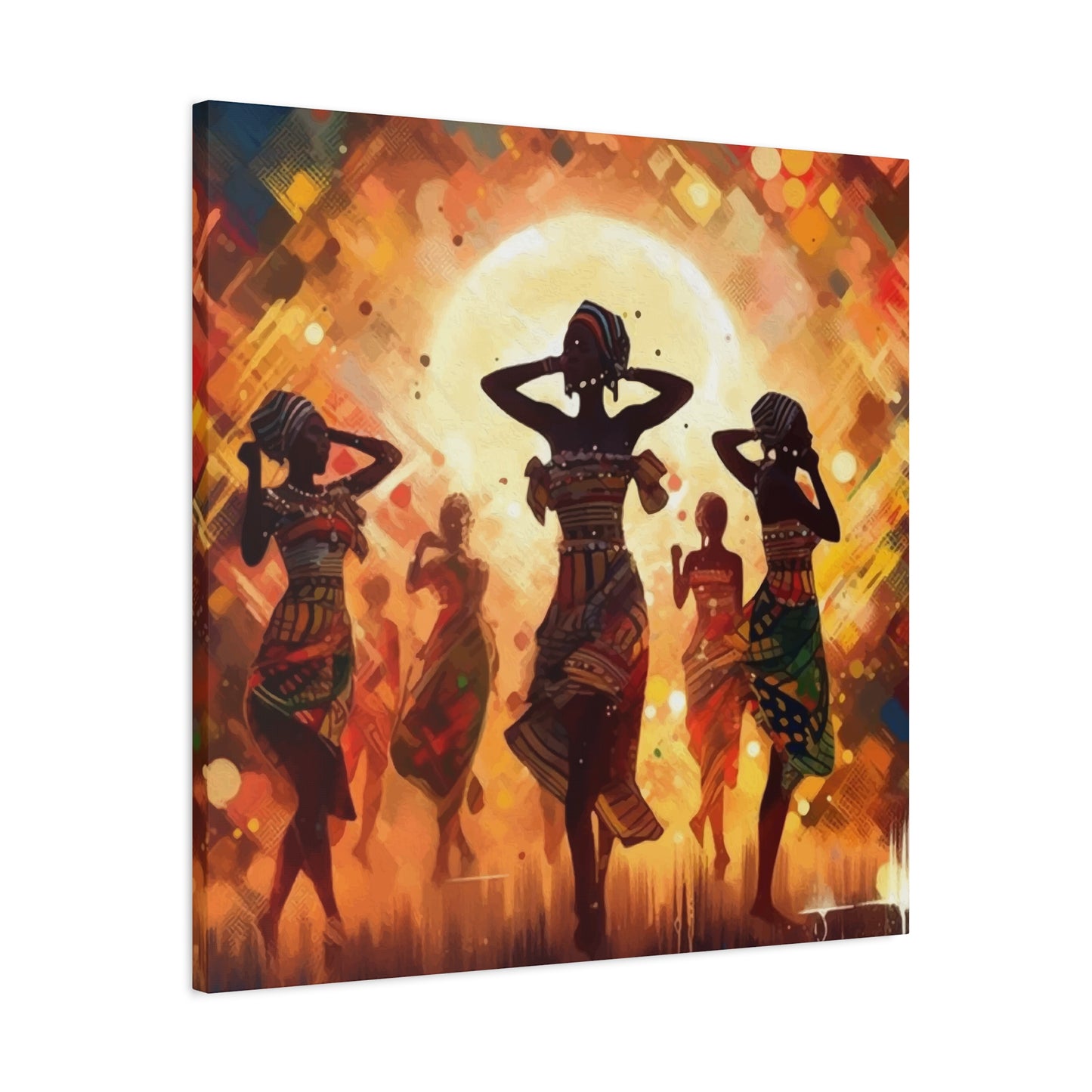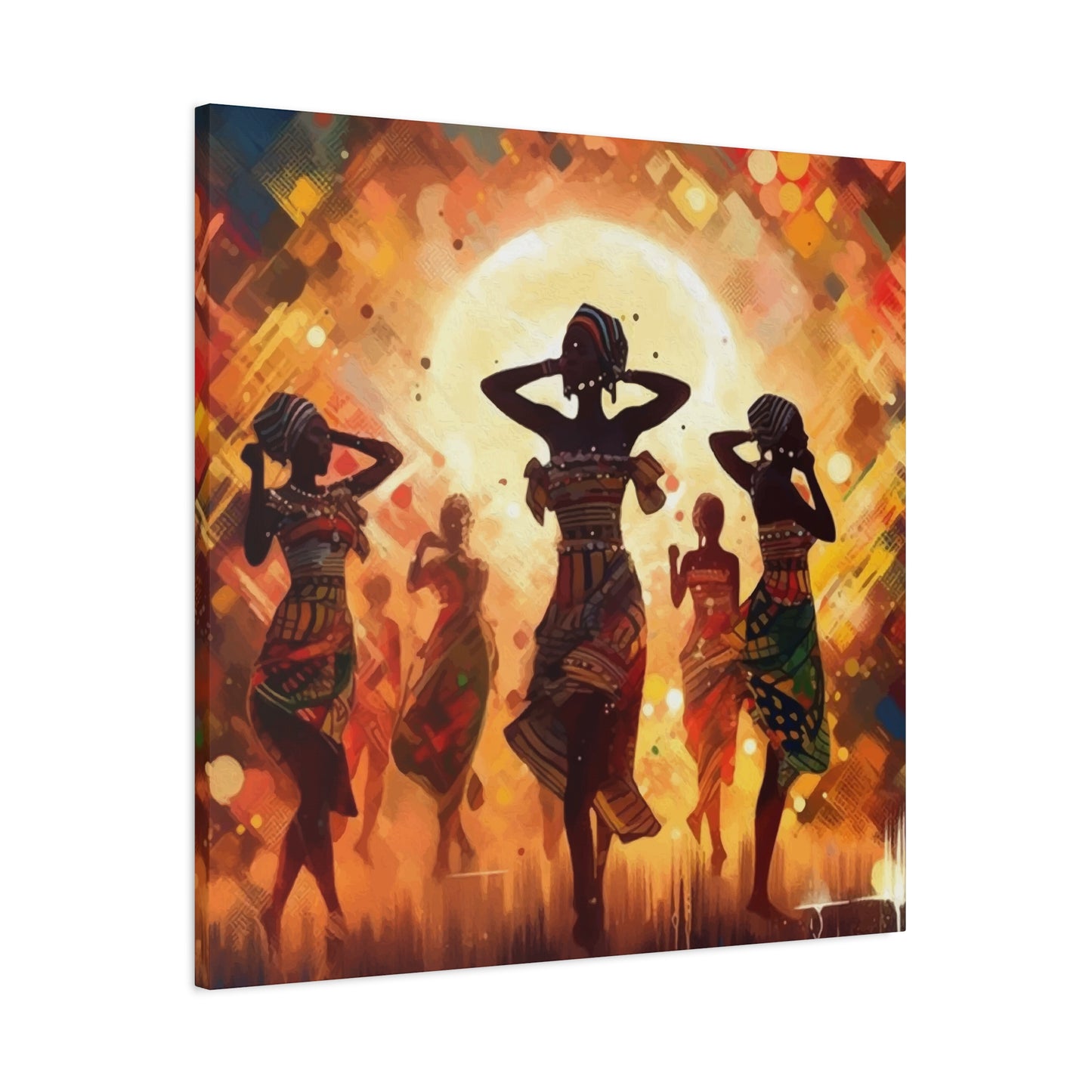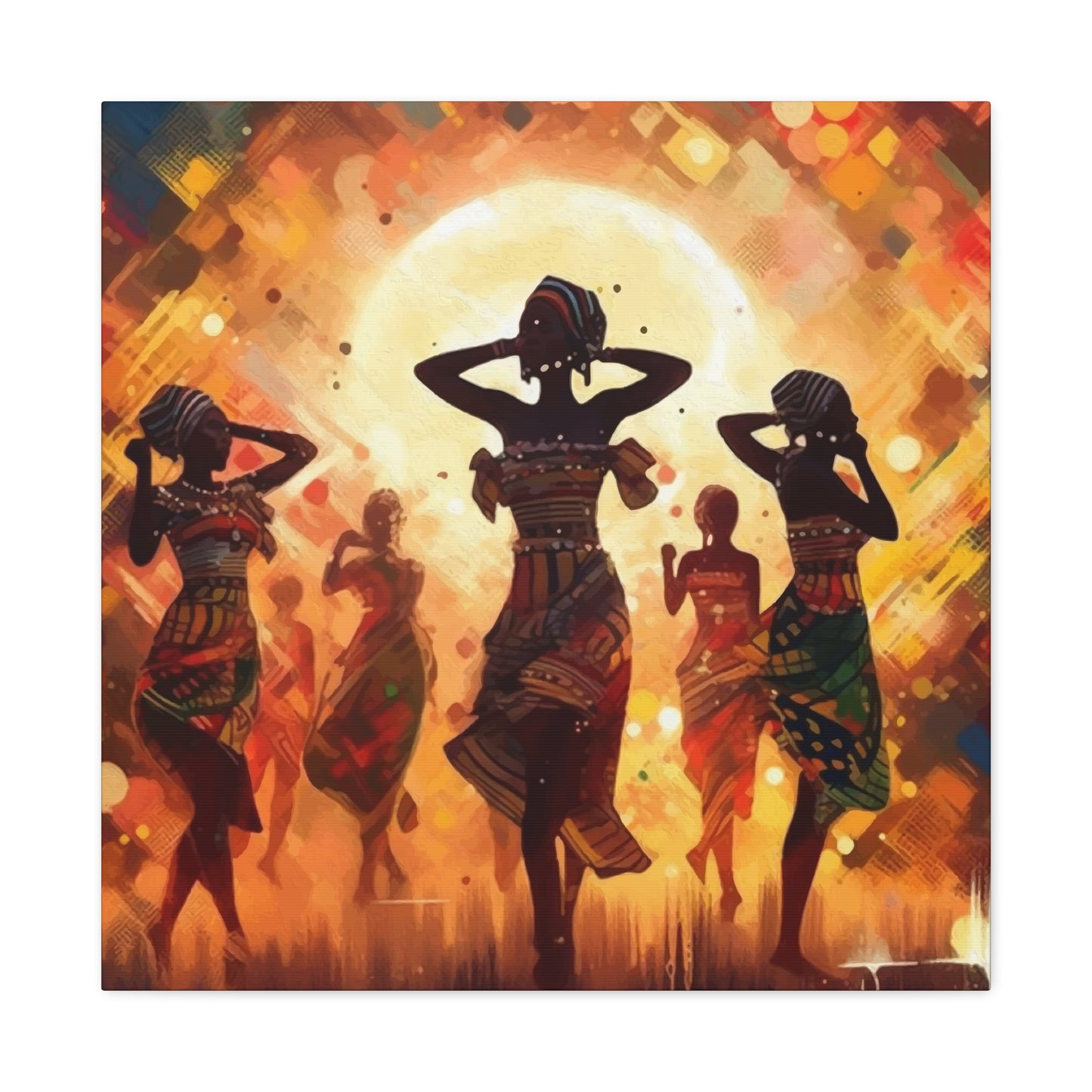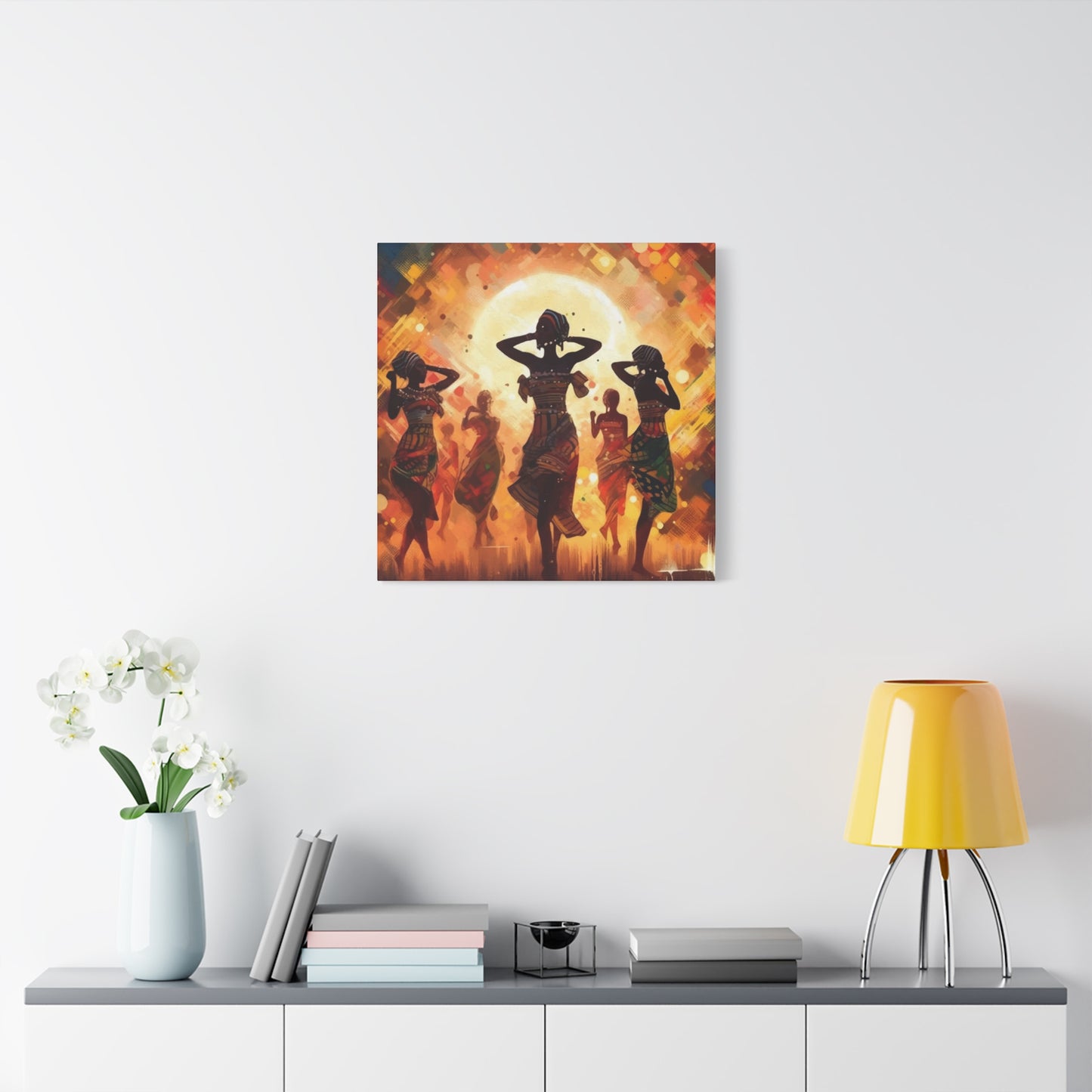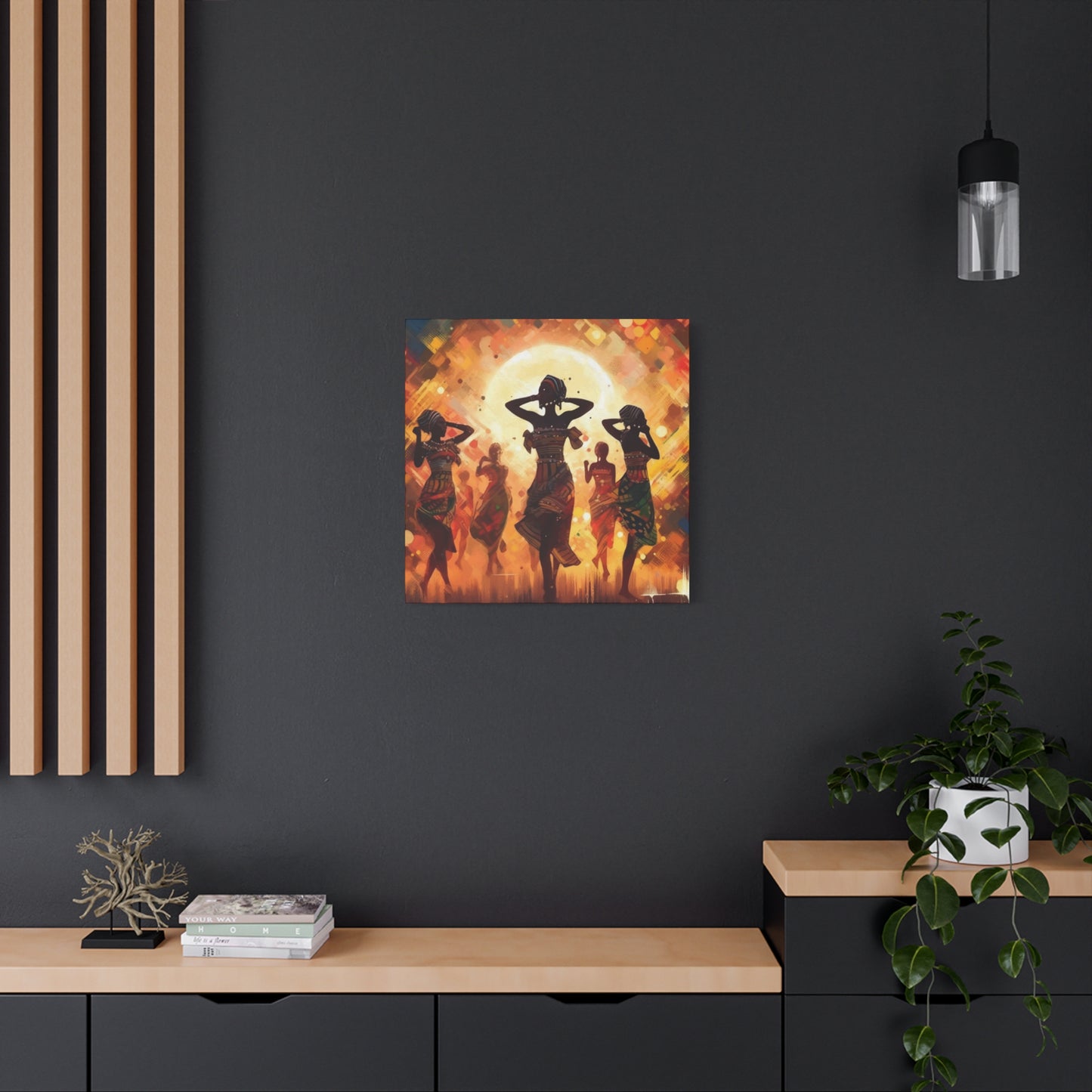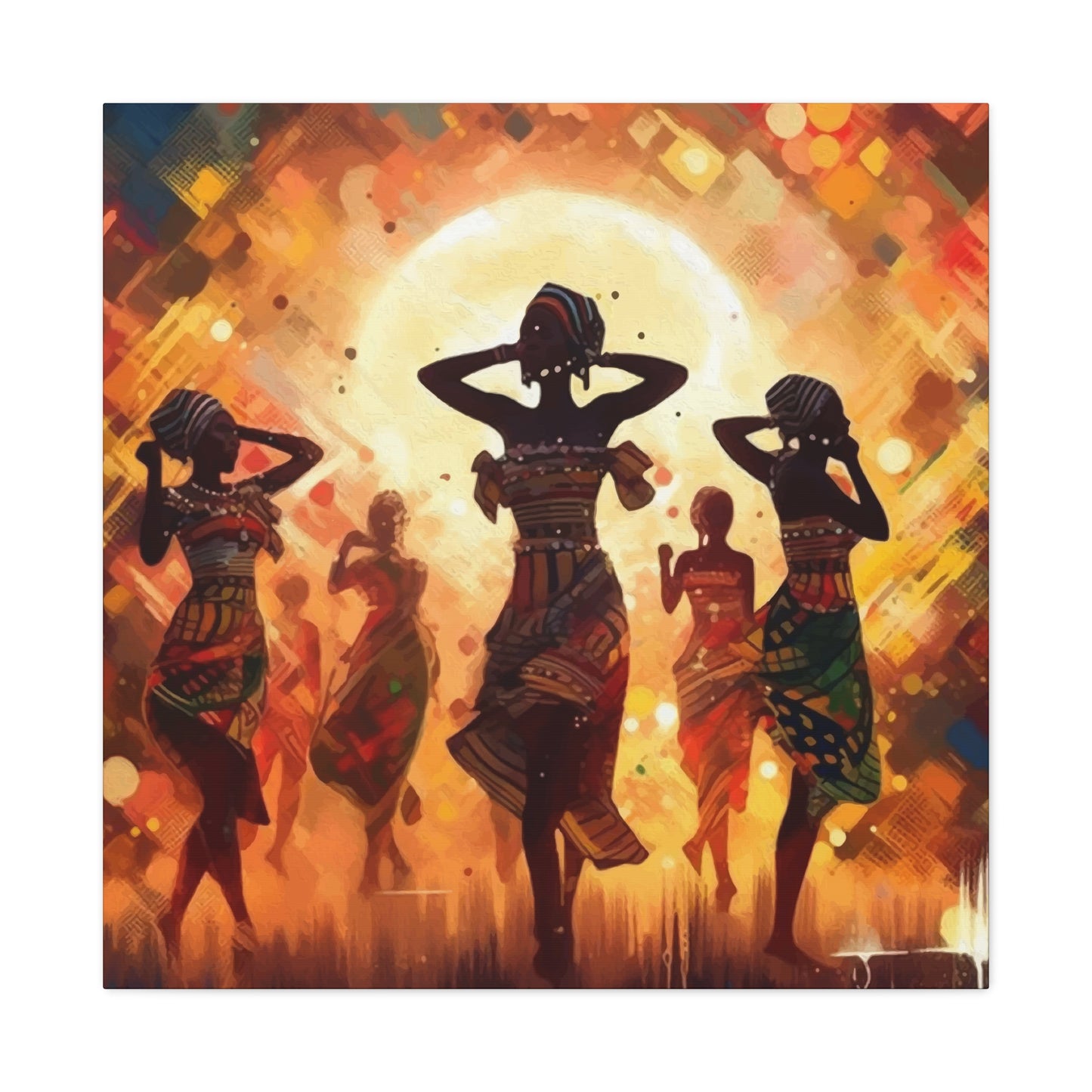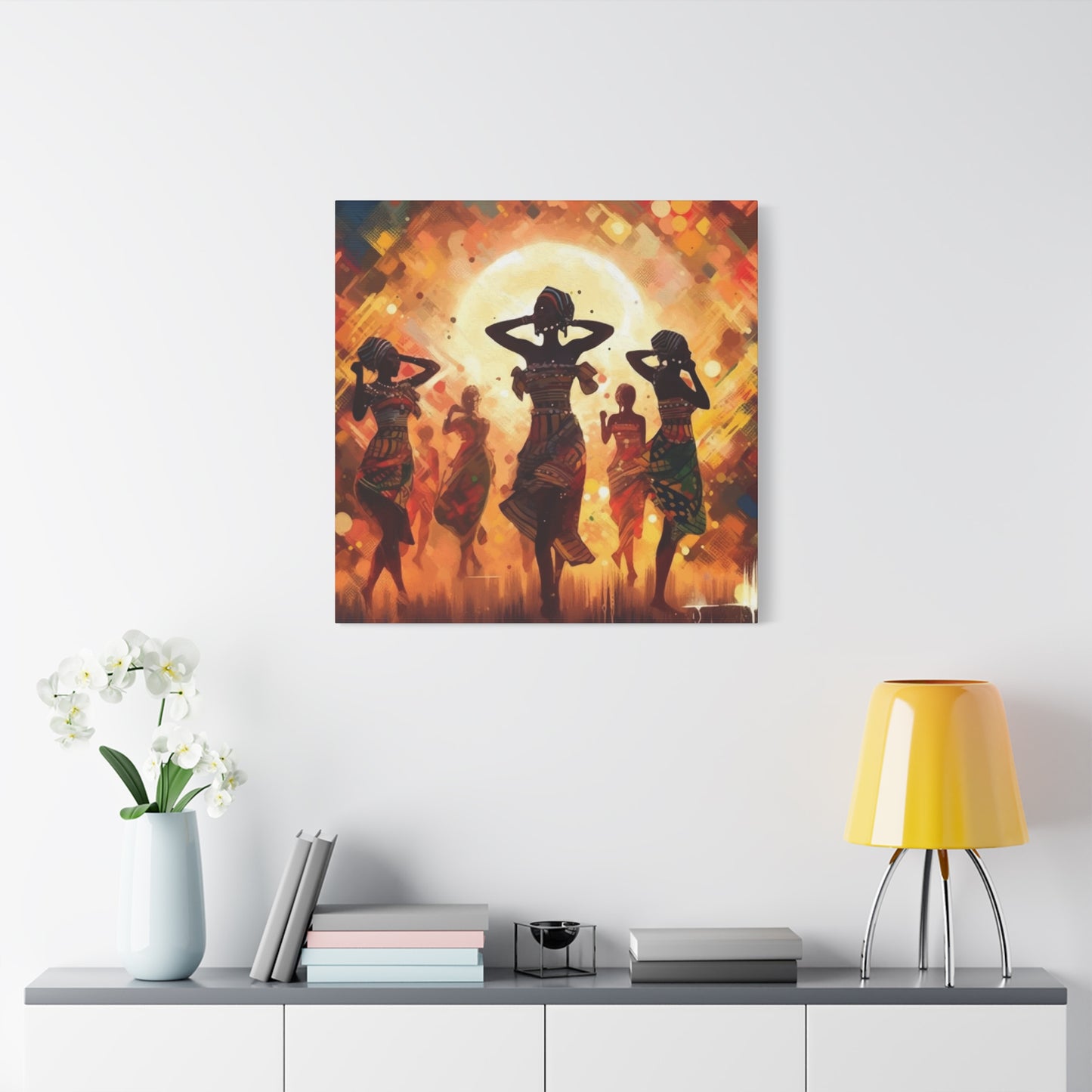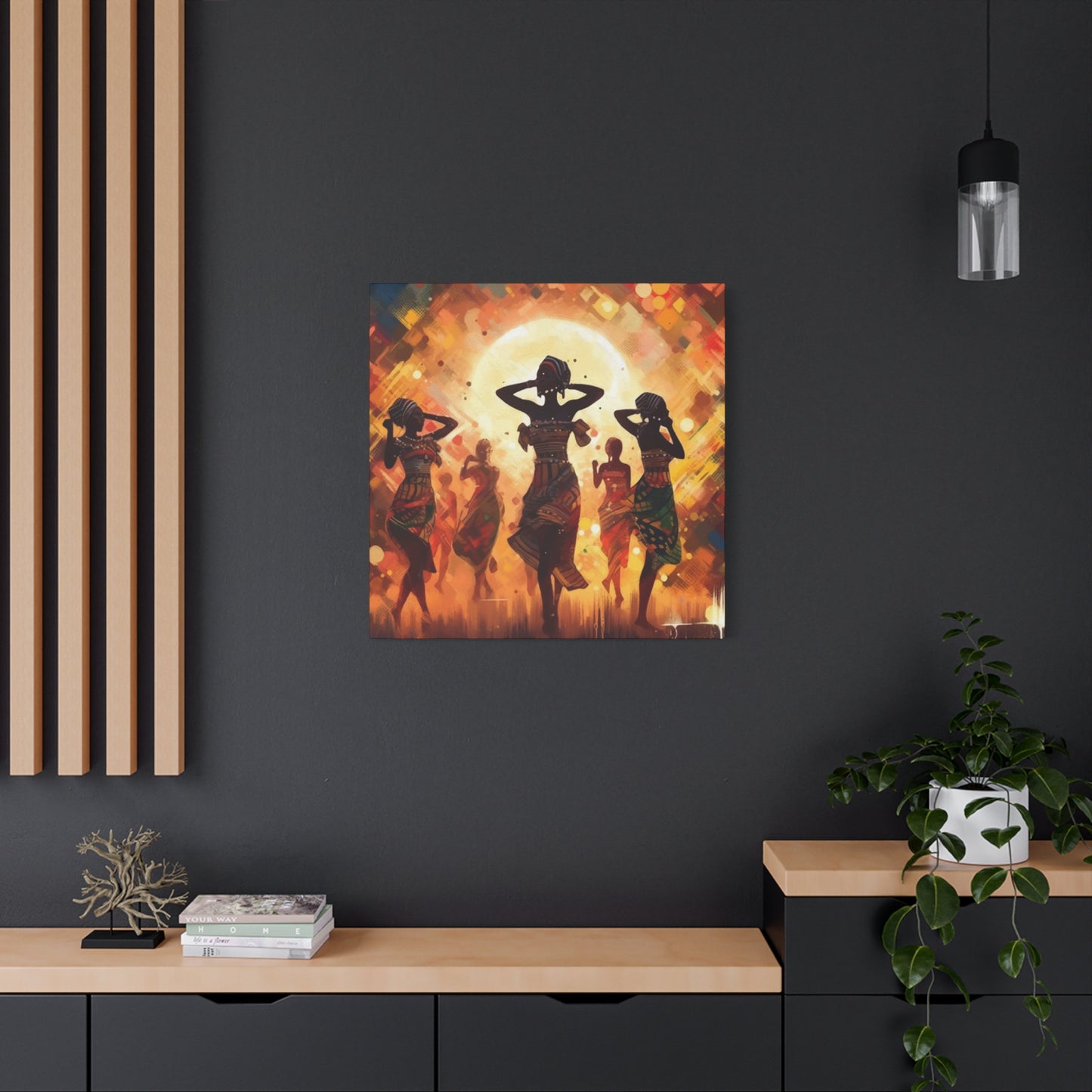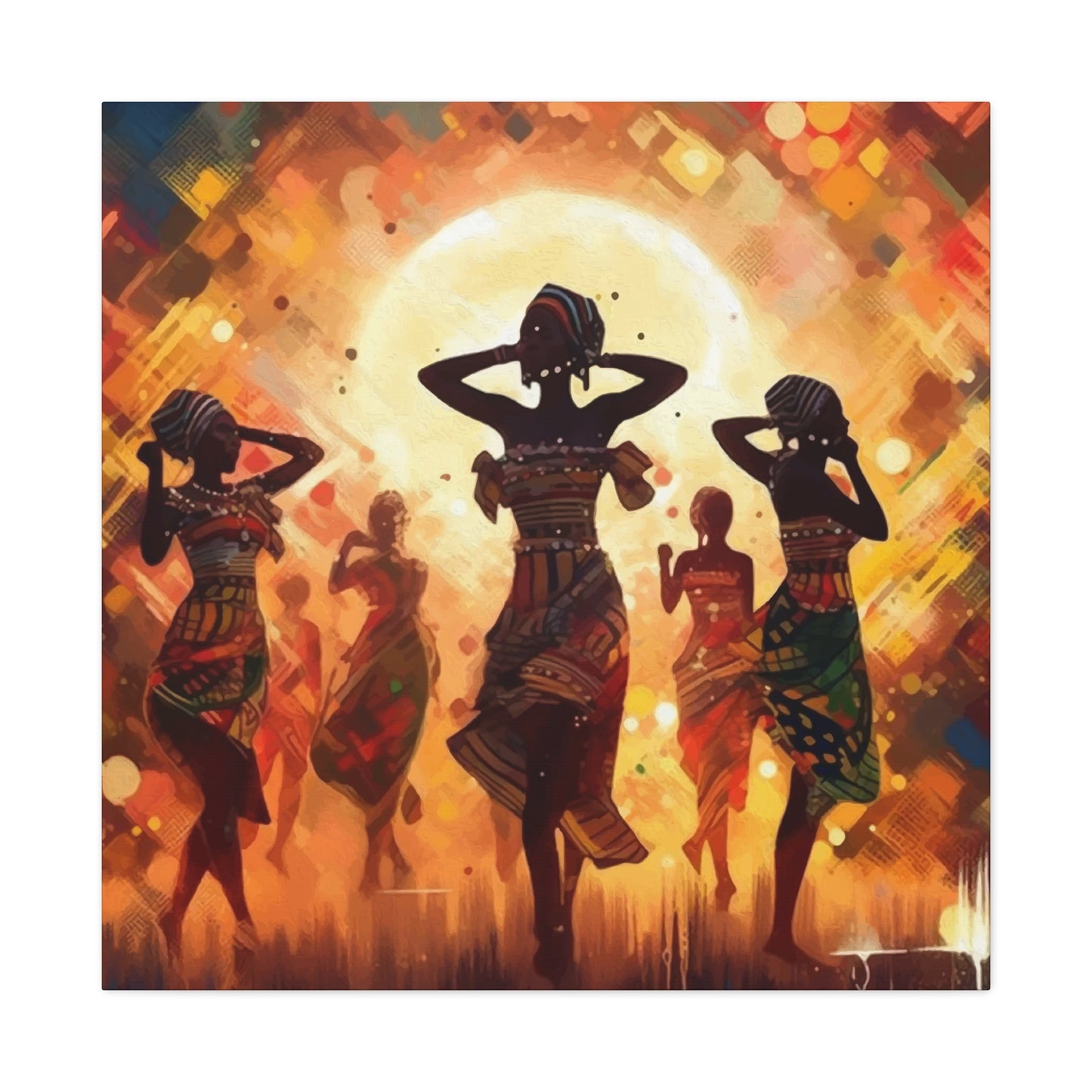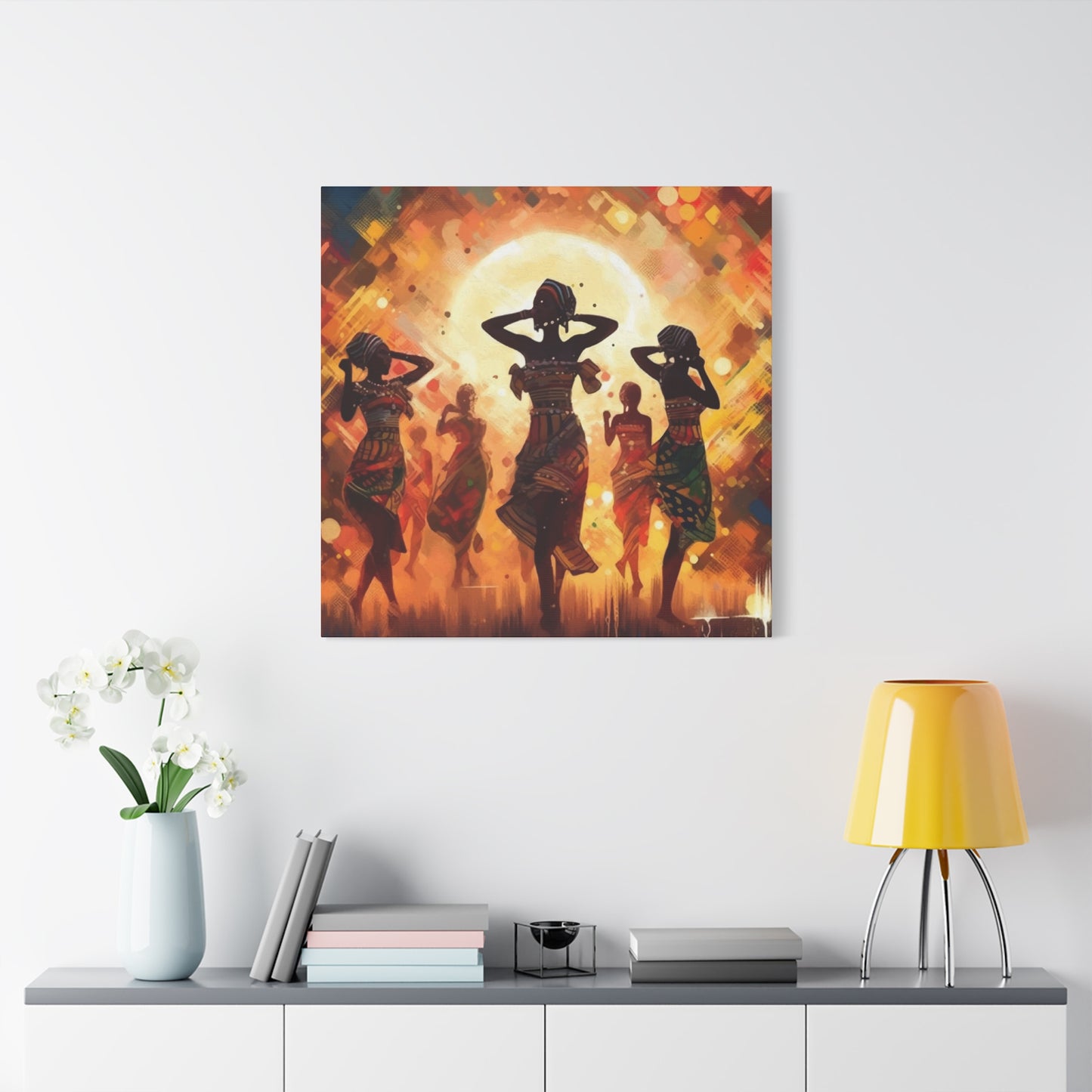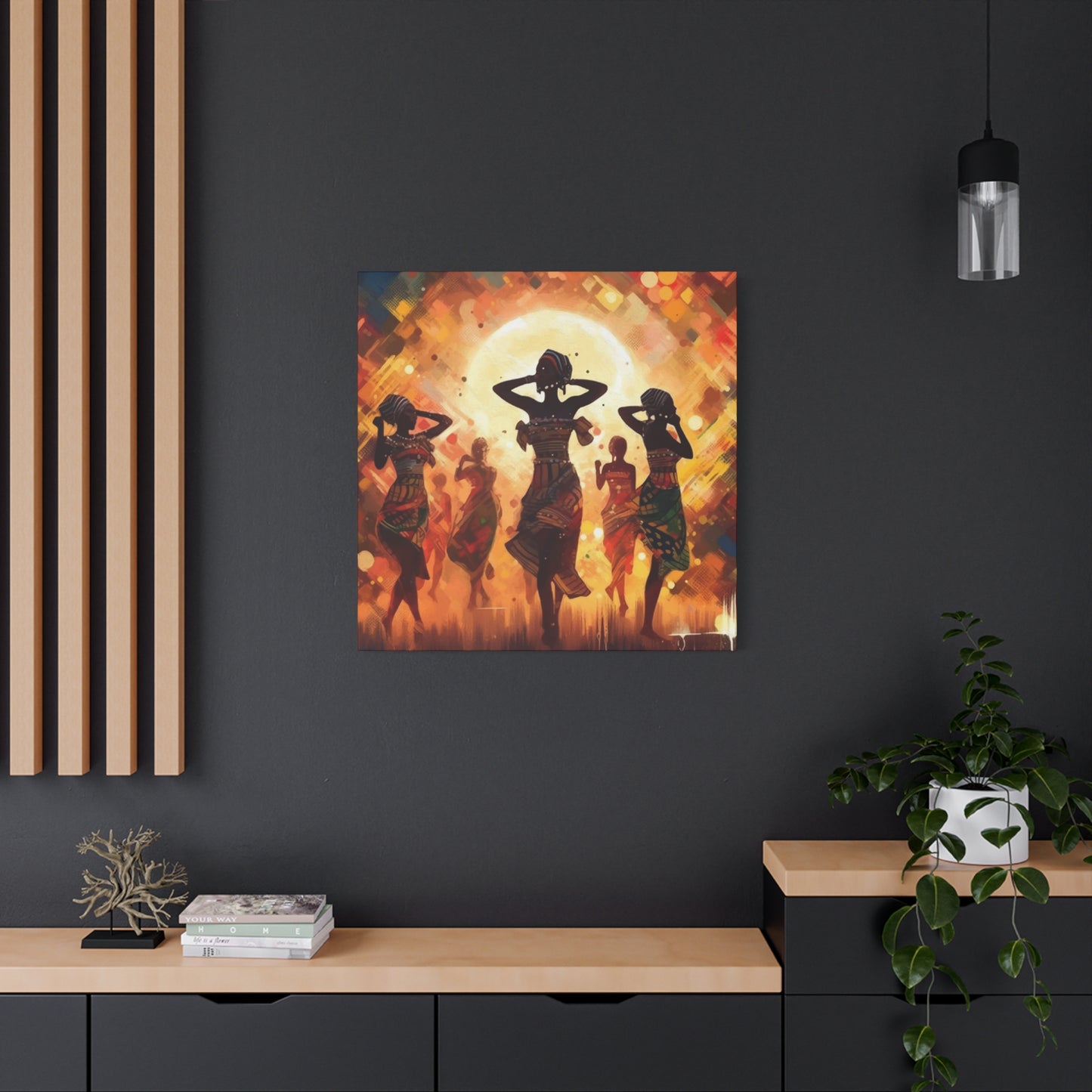


African Dance Wall Art & Canvas Prints
African Dance Wall Art & Canvas Prints
Couldn't load pickup availability
A Comprehensive Exploration of Cultural Expression, Aesthetic Magnificence, and Contemporary Interior Design Integration With African Dance Wall Art
African dance wall art represents far more than mere decorative elements adorning residential or commercial establishments. These magnificent visual representations embody centuries of ancestral wisdom, cultural heritage, and the unbridled spirit of human expression that flourishes across the vast African continent. The significance of incorporating such artistic pieces into contemporary living spaces extends beyond superficial aesthetics, reaching into the profound realms of cultural preservation, historical acknowledgment, and the celebration of artistic traditions that have shaped civilizations and influenced global artistic movements throughout history.
The origins of African dance wall art can be traced back to ancient times when communities across the African continent used visual representations to communicate stories, spirituality, and social narratives. Dance, as an integral component of African cultures, served purposes far beyond entertainment or recreational pursuits. It functioned as a conduit for spiritual connection, a mechanism for social cohesion, and a powerful medium through which communities transmitted knowledge, values, and historical events across generations. When these dynamic, energetic expressions of dance became translated into wall art forms, they preserved the essence of these movements while creating permanent testimonies to their cultural importance.
The aesthetic appeal of African dance wall art lies in its capacity to capture motion, emotion, and the raw vitality of human expression within static visual mediums. Contemporary artists working within this genre employ various methodologies, from traditional hand-painted murals to digitally created prints and mixed media installations, to convey the dynamism inherent in African dance forms. The resulting artworks transmit an undeniable sense of movement, even though the figures themselves remain motionless. This paradoxical quality renders African dance wall art particularly compelling to viewers who seek to infuse their living spaces with energy, vitality, and cultural authenticity.
Diverse Regional Styles and Their Distinctive Characteristics Within the Realm of African Dance Wall Art
The African continent encompasses numerous distinct cultures, each possessing unique dance forms, musical traditions, and aesthetic sensibilities. This remarkable diversity manifests itself prominently in African dance wall art, where regional variations create a rich tapestry of artistic expressions reflecting the specific characteristics and values of particular communities. Understanding these regional distinctions provides valuable insights into the broader cultural landscape and the particular qualities that distinguish one artistic tradition from another.
West African dance wall art frequently features rhythmic, percussive qualities that translate visually into dynamic, angular compositions. The depictions often emphasize strong, deliberate movements characteristic of dances such as the Adumu, the Agbadza, or the Kpanlogo. These artworks typically incorporate vibrant earth tones, bold geometric patterns, and figures captured mid-motion with pronounced musculature and expressive gestures. The visual language employed communicates strength, vitality, and spiritual connection, reflecting the ceremonial significance these dances hold within West African communities. Artists working with West African themes often incorporate textile patterns reminiscent of traditional kente cloth or adire fabrics, creating layered compositions that reference multiple facets of cultural heritage simultaneously.
East African dance wall art presents markedly different characteristics, often featuring more fluid, graceful movements that reflect the pastoral heritage and martial traditions of cultures such as the Maasai, Samburu, and other pastoralist communities. The artistic representations frequently depict elongated figures executing high jumps, spins, and flowing movements that showcase flexibility and athleticism. These compositions typically employ warm color palettes dominated by ochres, burnt sienna, and deep browns, accented with the vibrant reds and blues characteristic of traditional beadwork and garments. The visual narrative presented through East African dance wall art often emphasizes the connection between human movement and natural landscapes, frequently incorporating depictions of wildlife and environmental elements that contextualize the dances within their ecological settings.
Southern African dance wall art encompasses influences from multiple cultural traditions, including Zulu, Xhosa, Sotho, and other indigenous communities. These artworks frequently feature intricate beadwork patterns, shield designs, and warrior iconography interspersed with dynamic human figures executing traditional movements. The color schemes employed in Southern African dance wall art often reflect the minerals and natural pigments traditionally available in the region, resulting in compositions dominated by blacks, whites, terracottas, and deep earth tones. Many works incorporate symbolism related to initiation ceremonies, warrior traditions, and the historical experiences of Southern African peoples, creating layers of meaning that reward careful observation and cultural understanding.
Central African dance wall art frequently draws inspiration from the continent's most complex spiritual and ceremonial traditions. These compositions often feature masks, totemic symbols, and abstractly rendered human figures engaged in ritualistic movements. The artistic approach in Central African dance wall art tends toward greater abstraction and symbolism compared to the more representational styles prevalent in other regions. Artists working within this tradition often employ contrasting color schemes with deep purples, forest greens, and rich golds, creating compositions that evoke the mysterious, spiritually potent qualities attributed to Central African ceremonial practices. Many of these artworks incorporate three-dimensional elements or mixed media components, enhancing their visual impact and creating immersive aesthetic experiences for viewers.
The Multifaceted Spiritual and Ceremonial Dimensions of African Dance and Their Artistic Manifestations
Within African cultures, dance functions as far more than a performative practice or entertainment pursuit. Dance serves as a spiritual gateway, a ritualistic practice through which individuals and communities establish connections with ancestral forces, divine entities, and the metaphysical dimensions of existence. African dance wall art, when created with cultural sensitivity and authentic understanding, captures and perpetuates these profound spiritual dimensions, transforming wall surfaces into spaces of contemplation and spiritual resonance.
Initiation ceremonies across the African continent frequently incorporate specific dance forms that serve as transitional rites facilitating individuals' movement from one social status to another. Young men and women prepare for adulthood through learning elaborate dance sequences that encode cultural wisdom, social expectations, and spiritual knowledge. The visual representation of these ceremonial dances in wall art format preserves the sacred dimensions of these practices for descendants and creates visual statements honoring ancestral traditions. Viewers encountering such artwork, whether they possess direct cultural connections or approach from positions of curiosity and respect, engage with artistic expressions imbued with genuine spiritual significance rather than superficial aesthetic considerations.
Ancestral veneration constitutes another crucial dimension of African spiritual practice extensively reflected in African dance wall art. Many African communities believe that deceased ancestors maintain active presences within the lives of their descendants, offering guidance, protection, and wisdom. Specific dance forms serve as mechanisms through which communities honor, invoke, and maintain relationships with ancestral presences. When artists incorporate these ancestral-honoring dances into wall art compositions, they create visual spaces where the boundaries between the living and ancestral realms become permeable, facilitating spiritual connection and cultural continuity. Such artwork serves commemorative functions, maintaining the memory and significance of ancestral lineages and the wisdom traditions they represent.
Healing ceremonies frequently incorporate specific dance forms believed to possess therapeutic and restorative properties. Traditional healers and spiritual practitioners utilize rhythmic movement, percussive accompaniment, and collective participation to address physical ailments, psychological disturbances, and spiritual imbalances. African dance wall art depicting these healing practices preserves knowledge of alternative wellness approaches while honoring the practitioners who maintain these traditions. Contemporary individuals seeking to create wellness-oriented living spaces increasingly incorporate such artwork, recognizing the potential for visual representations of healing practices to contribute to atmospheres conducive to physical restoration and emotional equilibrium.
Celebrations of harvest abundance, successful hunts, or other communal triumphs incorporate exuberant, energetic dance forms expressing collective joy and gratitude. These celebratory dances represent moments of communal harmony and abundance, qualities that resonate with contemporary desires to create living spaces infused with positive energy and celebratory atmospheres. African dance wall art capturing these joyful movements provides visual representations of human happiness and communal connection, qualities increasingly valued by individuals seeking to counterbalance the stress and fragmentation characteristic of modern existence.
Contemporary Artistic Methodologies and Creative Approaches to Producing African Dance Wall Art
Modern artists creating African dance wall art employ diverse techniques, materials, and conceptual frameworks, resulting in a rich contemporary artistic landscape reflecting both deep cultural roots and innovative contemporary perspectives. Understanding these varied approaches illuminates the breadth and vitality of contemporary African artistic expression and demonstrates the genre's capacity to evolve while maintaining cultural authenticity and significance.
Traditional hand-painting techniques continue to represent a significant approach within African dance wall art production. Artists employing this methodology typically utilize acrylic or oil-based paints applied directly to wall surfaces, canvas, or other substrates. The hand-painting process allows for immediate, intuitive responses to artistic subjects, enabling artists to capture the spontaneity and vitality inherent in dance movements. Many contemporary African dance wall artists deliberately incorporate visible brushstrokes and gestural marks, creating compositions that celebrate the artistic process itself. This approach requires substantial skill, physical stamina, and often involves multiple artists working collaboratively on large-scale murals. The resulting works possess an undeniable authenticity and presence that mechanically produced images frequently lack.
Stencil-based approaches represent another prevalent contemporary methodology, particularly in street art contexts and mural projects. Artists employing stencil techniques typically cut elaborate templates from cardboard or plastic, then spray paint through these templates to create precise, reproducible images. This approach allows for rapid production of large-scale compositions and facilitates the creation of consistent imagery across multiple iterations. Stencil-based African dance wall art frequently features bold color contrasts, clean lines, and graphically striking compositions that command attention in urban environments. Many contemporary street artists utilize stencil-based approaches to create politically engaged or socially conscious artwork addressing issues of cultural representation, historical injustice, and the politics of visibility within contemporary societies.
Digital creation methodologies represent an increasingly significant approach, with artists utilizing graphic design software, digital painting applications, and three-dimensional modeling programs to generate designs subsequently translated into physical wall art through various printing and installation processes. Digital approaches enable artists to experiment extensively with composition, color, and imagery before committing designs to physical substrates. Digitally created designs can be scaled to any desired dimensions, transferred to various materials, and reproduced consistently. This methodology democratizes the creation process, enabling artists without access to traditional artistic training or materials to participate in African dance wall art production. However, some critics argue that digital approaches distance artistic creation from the immediate sensory engagement characteristic of traditional hand-applied methods.
Mixed media approaches represent a highly innovative contemporary strategy, wherein artists combine multiple materials and methodologies to create layered, multisensory artistic experiences. An artist might combine hand-painted elements with collaged textile fragments, three-dimensional sculptural components, and digital projections, resulting in compositions that transcend traditional two-dimensional wall art conventions. These multidimensional approaches frequently incorporate recycled or repurposed materials, connecting the artwork to broader environmental concerns and emphasizing sustainable creative practices. Mixed media African dance wall art often invites viewer participation or interaction, transforming spectators from passive observers into active participants within artistic experiences.
Photographic approaches have emerged as a significant contemporary methodology, with photographers documenting live African dance performances and subsequently manipulating, layering, or abstractly treating photographic images to create visually striking compositions suitable for wall display. This approach captures the authentic movement and energy of actual dancers while enabling extensive artistic interpretation and recontextualization through photographic manipulation. Photographic-based African dance wall art frequently achieves a heightened sense of realism compared to more abstract or stylized approaches, creating compositions that convey the genuine athleticism and emotional intensity of African dance forms.
Symbolic Elements, Iconographic Components, and Their Significance in African Dance Wall Art Composition
African dance wall art rarely exists as purely decorative or entertainment-oriented content. Instead, these compositions typically incorporate multiple layers of symbolic meaning, iconographic references, and encoded cultural messages that reward careful observation and cultural knowledge. Understanding the symbolic language employed within African dance wall art enriches appreciation and deepens recognition of the artwork's cultural significance beyond superficial aesthetic appeal.
Geometric patterns pervade African dance wall art, functioning as both aesthetic elements and meaningful symbolic markers. Triangles frequently represent the three-fold divisions prevalent in African cosmology—the living, the ancestors, and the divine; the earth, the sky, and the sea; or other culturally specific triadic frameworks. Circles symbolize wholeness, completeness, cyclical renewal, and the integration of all elements within unified systems. Concentric circles often represent expanding consciousness or spiritual elevation. Chevrons and zigzag patterns symbolize lightning, water, movement, or spiritual energy. Spirals represent growth, transformation, and the cyclical nature of existence. Artists incorporating these geometric patterns into African dance wall art simultaneously create visually appealing compositions while embedding layers of cultural meaning and spiritual significance comprehensible to culturally informed viewers while remaining accessible to broader audiences seeking visually engaging artwork.
Masks constitute another significant iconographic element frequently appearing in African dance wall art. Masks historically functioned as vehicles for spiritual possession, enabling dancers to embody ancestral spirits, animal essences, or divine forces. When masks appear in African dance wall art compositions, they reference these spiritual dimensions while simultaneously functioning as visually striking compositional elements. The distorted or exaggerated facial features characteristic of many African masks create powerful visual impact while evoking feelings of mystery and spiritual otherness. Contemporary artists frequently incorporate mask imagery alongside dynamic human figures, creating visual narratives that articulate relationships between human performers and the spiritual entities they invoke through dance.
Color symbolism holds profound significance throughout African cultures, with specific hues carrying particular meanings and associations. Red typically represents vitality, passion, danger, or lifeblood. White symbolizes purity, spirituality, peace, or the ancestral realm. Black represents fertility, the earth, mystery, or the forces of night and the underworld. Gold and yellow convey sunlight, wealth, success, or spiritual illumination. Blue and indigo reference water, sky, and the divine realms. Green symbolizes growth, fertility, regeneration, and the natural world. When artists employ specific color schemes within African dance wall art compositions, they communicate particular meanings and emotional tonalities alongside the visual spectacle of the represented dances themselves. Sophisticated viewers attuned to color symbolism recognize additional layers of meaning encoded within the artwork's chromatic composition.
Beadwork patterns frequently appear within African dance wall art, both as decorative elements adorning represented human figures and as compositional elements structuring the overall artwork's visual organization. Beadwork traditionally served both decorative and communicative functions, with specific patterns, color combinations, and geometric arrangements conveying information about social status, marital relationships, age cohorts, and cultural affiliations. When beadwork patterns appear in African dance wall art, they function as visual records of cultural identity markers and as aesthetic elements connecting the represented dancers to their specific cultural and historical contexts. The intricate geometric precision required for traditional beadwork translates into visually compelling compositions characterized by balance, symmetry, and meticulous detail.
Weaponry and hunting implements frequently appear in African dance wall art, particularly in compositions depicting warrior traditions, hunting ceremonies, or martial dances. Spears, shields, bows, arrows, and other implements reference both the practical realities of traditional African societies and the symbolic associations these objects carry. Weapons symbolize masculine power, warrior identity, protection, and the capacity to navigate dangerous circumstances. Their incorporation into African dance wall art often creates visual tension, evoking the complex relationships between violence, masculinity, spiritual power, and cultural identity. Contemporary artists employing such imagery frequently engage with historical narratives of colonial conquest, warfare, and resistance, creating artworks that assert cultural pride while acknowledging the complex, often traumatic historical experiences of African peoples.
The Intersection of African Dance Wall Art with Interior Design Philosophy and Residential Aesthetic Considerations
Contemporary interior design increasingly recognizes African dance wall art as a significant aesthetic resource capable of fundamentally transforming spatial environments and establishing particular atmospheric qualities. Designers and homeowners incorporate such artwork for diverse reasons, from purely aesthetic preferences to conscious desires for cultural representation and historical acknowledgment. Understanding how African dance wall art functions within interior design contexts illuminates both its practical applications and its deeper significance as a means of asserting cultural values and personal identity within private living spaces.
Accent wall applications represent the most straightforward integration methodology, wherein a single wall surface receives African dance wall art while surrounding walls maintain neutral coloration. This approach focuses visual attention and establishes strong focal points within spaces, commanding viewer attention upon entry while creating opportunities for spatial definition and visual interest. Accent walls featuring African dance wall art work particularly effectively in living rooms, bedrooms, or dining areas where concentrated visual impact creates powerful atmospheric effects. The energetic qualities characteristic of many African dance wall art compositions transform neutral spaces into dynamic, visually engaging environments that stimulate conversation and aesthetic appreciation.
Full wall mural approaches involve covering expansive wall surfaces with intricate, detailed African dance wall art compositions, transforming spaces into immersive artistic environments. This methodology requires substantial wall space and careful color coordination with adjacent design elements, but the resulting visual impact justifies these considerations. Full wall murals create sense of transportation, as viewers entering such spaces encounter environments distinctly different from everyday surroundings. Full wall African dance wall art frequently establishes powerful emotional atmospheres, whether celebratory, contemplative, energetic, or spiritually evocative, depending on the artwork's specific characteristics. Such installations often serve as conversation starters and sources of aesthetic inspiration for residents and visitors alike.
Canvas-based artwork mounted within frames represents a less permanent, more portable approach to incorporating African dance wall art into interior spaces. This methodology enables individuals to experiment with artwork placement without permanent wall modifications, facilitates artwork relocation during residential moves, and accommodates changing aesthetic preferences over time. Framed African dance wall art works particularly effectively in gallery wall arrangements, wherein multiple artworks in varying sizes create complex visual compositions spanning wall surfaces. The flexibility of canvas-based approaches has popularized African dance wall art among renters and temporary residents who lack authority for permanent wall modifications.
Sculptural approaches, wherein three-dimensional African dance wall art installations project from wall surfaces, create pronounced visual drama and enhanced tactile dimensions. These installations frequently incorporate materials such as wood, metal, stone, or composite materials shaped and assembled to represent dancing figures. Sculptural African dance wall art engages multiple sensory modalities simultaneously, attracting attention through both visual impact and spatial presence. Such installations function particularly effectively in foyer spaces, entryways, or prominent interior locations where their three-dimensional presence commands attention and establishes the aesthetic character of entire residential or commercial environments.
Layered composition approaches employ multiple artworks, materials, and methodologies to create complex visual environments that reward sustained observation and contemplation. An interior space might incorporate a large-scale painted mural as a foundational element, with smaller canvas-based artworks arranged in purposeful arrangements, perhaps combined with sculptural elements, textile works, or decorative objects referencing African aesthetic traditions. This sophisticated compositional approach transforms walls into carefully curated galleries, creating environments that communicate personal aesthetic values, cultural commitments, and historical consciousness. Layered composition approaches work particularly effectively in living rooms, studies, or galleries where sustained viewership and contemplative observation occurs naturally.
Commercial Applications and the Role of African Dance Wall Art in Retail, Hospitality, and Institutional Contexts
Beyond residential applications, African dance wall art functions significantly within commercial and institutional settings, contributing to brand identity, atmospheric creation, and cultural representation across diverse business contexts. Understanding the commercial applications of African dance wall art illuminates its expanding role within contemporary visual culture and its increasing recognition as a valuable resource for businesses seeking to establish particular brand identities or create distinctive customer experiences.
Hospitality establishments such as hotels, restaurants, bars, and entertainment venues frequently incorporate African dance wall art as a means of establishing particular atmospheric qualities and brand identities. African-themed restaurants or establishments marketing themselves as purveyors of African cultural experiences extensively utilize authentic African dance wall art as a fundamental design element. Such artwork establishes immediate visual communication regarding the establishment's cultural focus and creates environments wherein patrons encounter African aesthetic traditions, contributing to the authenticity of the overall customer experience. Contemporary hospitality designers recognize African dance wall art as far more effective for atmosphere creation than generic tropical or exotic imagery lacking cultural specificity or authentic grounding.
Retail establishments, particularly those specializing in African artwork, textiles, crafts, or cultural products, incorporate African dance wall art as both atmospheric elements and as product displays showcasing available merchandise. The visual impact of museum-quality African dance wall art serves to elevate surrounding products, positioning them within contexts of cultural significance and artistic merit rather than mere commercial commodities. Customers encountering well-designed retail environments featuring substantial African dance wall art frequently experience enhanced receptivity to products and greater willingness to engage in sustained browsing and purchasing activities compared to individuals encountering less thoughtfully designed retail spaces.
Educational institutions, from elementary schools through university-level establishments, increasingly incorporate African dance wall art as means of fostering cultural understanding, promoting diversity awareness, and establishing inclusive institutional environments. Schools serving student populations with substantial African diaspora representation frequently utilize African dance wall art as visual affirmations of cultural identity, creating spaces where students encounter affirmative representations of their cultural heritage. Beyond representation and affirmation functions, educational uses of African dance wall art serve pedagogical purposes, facilitating student learning regarding African history, culture, and artistic traditions. Educational institutions increasingly recognize that environmental aesthetics significantly influence learning outcomes and student psychological well-being, making thoughtful incorporation of culturally affirming artwork a valuable educational investment.
Corporate offices, particularly those emphasizing diversity, cultural awareness, and inclusive workplace environments, frequently incorporate African dance wall art as elements of office design and environmental aesthetics. Such artwork establishes visual communication regarding corporate commitment to diversity and inclusion while creating workspaces that celebrate human cultural richness and artistic diversity. Corporations operating within international markets or maintaining significant global supply chains frequently utilize African dance wall art as subtle affirmations of commitment to African communities and recognition of African contributions to global culture. The presence of African dance wall art within corporate environments often correlates with enhanced employee satisfaction, improved creative problem-solving, and stronger corporate cultures characterized by recognition of cultural diversity and mutual respect.
Museums and cultural institutions specializing in African art, history, or culture frequently commission large-scale African dance wall art for permanent installations or temporary exhibitions. Museum settings enable presentation of African dance wall art within explicitly cultural and historical contexts, facilitating viewer engagement with artwork's deeper meanings and cultural significance. Museum exhibitions of African dance wall art frequently incorporate contextual information regarding the cultural origins of represented dance forms, the historical circumstances of their development, and their ongoing significance within contemporary African and diaspora communities. This contextual approach transforms artworks from isolated aesthetic objects into educational resources facilitating understanding of African cultural complexity and contemporary cultural vitality.
The Psychological and Emotional Impact of African Dance Wall Art on Viewers and Inhabitants of Spaces Containing Such Artwork
Psychological research demonstrates that environmental aesthetics significantly influence human emotional states, cognitive function, and psychological well-being. The energetic, dynamic qualities characteristic of African dance wall art produce particular psychological and emotional effects on individuals inhabiting or visiting spaces featuring such artwork. Understanding these effects illuminates the deeper dimensions of African dance wall art beyond superficial aesthetic appreciation, revealing how such artwork functions as a psychological and emotional resource contributing to human flourishing and well-being.
Energetic stimulation represents perhaps the most immediately apparent psychological effect of African dance wall art. The dynamic movement, vibrant coloration, and exuberant qualities characteristic of such artwork stimulate visual cortex activity and activate psychological states characterized by heightened alertness and attentiveness. Individuals occupying spaces featuring African dance wall art frequently report feeling more energized, motivated, and capable of engaging in effortful activities compared to their experiences in environments lacking such stimulation. This effect makes African dance wall art particularly valuable for spaces intended to facilitate creativity, productivity, and sustained mental effort. Home offices, studios, creative workspaces, and gymnasiums frequently benefit from African dance wall art incorporation, as the artwork's energy stimulates psychological states conducive to achievement and active engagement.
Emotional uplift and mood enhancement constitute significant psychological benefits associated with African dance wall art. The celebratory, joyful qualities embedded within many representations of African dance elevate emotional states of viewers, creating psychological shifts toward greater positivity and hopefulness. Research in color psychology and environmental aesthetics demonstrates that exposure to vibrant colors and dynamic compositions reduces depressive symptoms, alleviates anxiety, and enhances overall emotional resilience. Individuals struggling with depression, anxiety, or low mood frequently benefit from environments incorporating African dance wall art, as the artwork's inherent positivity contributes to sustained mood elevation and emotional stabilization.
Cultural connection and identity affirmation represent profound psychological benefits particularly significant for individuals with African heritage, whether as continental Africans or diaspora members. Encountering visual affirmations of one's cultural heritage within built environments produces measurable psychological benefits including enhanced self-esteem, strengthened cultural identity, and reduced experiences of marginalization or cultural erasure. For diaspora communities often encountering limited cultural representation within mainstream visual environments, African dance wall art constitutes a powerful affirmation of cultural significance and beauty. The presence of such artwork within residential, educational, or commercial spaces communicates that African cultures are valued, celebrated, and recognized as integral components of contemporary multiculturalism and global heritage. These affirmative psychological effects contribute to improved mental health outcomes, enhanced psychological resilience, and stronger overall well-being among individuals encountering culturally affirming visual environments.
Contemplative inspiration and intellectual stimulation represent additional psychological dimensions of African dance wall art. The artwork's complex symbolism, cultural depth, and artistic sophistication invite sustained contemplation and intellectual engagement. Viewers encountering African dance wall art frequently engage in reflective thought processes regarding culture, history, human expression, and personal identity. These contemplative engagements produce cognitive benefits including enhanced perspective-taking capacity, increased historical consciousness, and expanded understanding of human cultural diversity. Over time, repeated exposure to African dance wall art encourages development of more nuanced, sophisticated perspectives regarding cultural complexity and human artistic expression.
Spiritual resonance and transcendent experience constitute final psychological dimensions worthy of recognition. For many viewers, particularly those with personal or ancestral connections to African cultures, African dance wall art facilitates profound spiritual experiences characterized by feelings of connection to ancestral lineages, spiritual dimensions of existence, and transcendent aspects of human experience. These spiritual dimensions of African dance wall art engagement produce psychological benefits including enhanced existential meaning, greater sense of purpose, and profound feelings of interconnection with broader human communities across time and geographical space. The artwork's capacity to evoke spiritual dimensions of experience renders it a valuable resource not merely for aesthetic enrichment but for profound psychological and spiritual well-being.
Procurement Considerations and Methodologies for Acquiring Authentic, Ethically-Sourced African Dance Wall Art
Acquiring African dance wall art requires careful consideration of multiple factors extending beyond superficial aesthetic preferences. Conscientious consumers increasingly prioritize ethical sourcing, authentic cultural representation, fair artist compensation, and genuine cultural sensitivity when selecting African dance wall art for their spaces. Understanding these procurement considerations enables consumers to make informed purchasing decisions that support ethical practices, honor artistic talent, and contribute to equitable compensation for creative workers.
Direct artist collaboration represents the most ethically sound procurement methodology, wherein consumers commission artworks directly from individual artists or artist collectives. This approach ensures that financial compensation flows directly to creative workers, eliminating intermediaries who frequently capture substantial portions of artwork's commercial value while providing minimal compensation to actual creators. Direct collaboration further enables consumers to articulate specific aesthetic preferences, cultural requirements, and contextual considerations influencing the artwork's creation. Artists working through direct commissions frequently demonstrate heightened investment in project quality and greater attention to cultural authenticity compared to artists creating standardized products for mass market distribution. Direct artist collaboration often requires longer production timelines and higher financial expenditures compared to alternative procurement methodologies, but the resulting artworks' superior quality, authentic cultural representation, and direct artist support frequently justify these investments.
Artisan collectives and artist-owned cooperative enterprises represent another ethical procurement avenue. These organizational structures aggregate multiple artists, enabling economies of scale and broader product offerings while maintaining artist autonomy and ensuring equitable profit distribution among member artists. Purchasing African dance wall art through established cooperative enterprises supports sustainable artist livelihoods, contributes to community economic development, and facilitates preservation of traditional artistic practices. Cooperative enterprises frequently prioritize ethical labor practices, sustainable resource utilization, and community reinvestment, creating business models that extend benefits beyond individual artists to broader communities.
Certified fair trade programs represent increasingly accessible mechanisms for consumers seeking to verify that African dance wall art was produced under equitable labor conditions with appropriate artist compensation. Fair trade certification organizations establish rigorous standards regarding labor practices, environmental sustainability, and producer compensation, conducting regular audits to verify compliance with established standards. Consumers purchasing certified fair trade African dance wall art gain confidence that artists received fair compensation, worked under safe conditions, and that production processes respected environmental sustainability principles. Fair trade certification increasingly extends beyond coffee and agricultural products into artisan-produced goods, including African dance wall art.
Individual African artists working through personal websites, social media platforms, and online marketplaces increasingly offer opportunities for direct consumer engagement and artwork procurement. Digital technologies have democratized artist access to global markets, enabling individual creators to market directly to consumers without intermediary representations. Consumers researching individual African artists frequently discover compelling artistic narratives regarding cultural background, artistic inspiration, and personal motivations guiding creative practice. Establishing relationships with individual artists through social media or email communication frequently produces experiences of authentic cultural connection alongside artwork acquisition.
Reputable galleries specializing in African art represent another reliable procurement avenue, provided consumers conduct due diligence regarding gallery practices and artist relationships. Established galleries frequently develop relationships with multiple artists, maintain expertise regarding cultural authenticity and artistic merit, and provide consultation services assisting consumers in artwork selection and placement. Galleries employing ethical business practices prioritize artist compensation, maintain transparent pricing structures, and educate consumers regarding artworks' cultural significance. Consumer patronage of ethical galleries contributes to ecosystem supporting professional artist development and sustainable artistic careers.
Auction houses and secondary markets offer alternative procurement opportunities, particularly for consumers seeking rare or historically significant African dance wall art. Secondary markets frequently provide access to vintage or antique pieces unavailable through contemporary producers, enabling acquisition of artworks carrying historical significance and authentic aging. However, secondary market participants should exercise caution regarding authenticity verification and provenance documentation, as counterfeit and misrepresented artworks occasionally circulate through secondary markets. Consumers purchasing through auction houses should request comprehensive documentation regarding artwork origins, previous ownership, condition history, and any restoration or conservation efforts undertaken.
Placement Strategy and Spatial Considerations for Optimizing African Dance Wall Art's Visual and Atmospheric Impact
Thoughtful placement of African dance wall art significantly influences its visual impact, aesthetic integration with surrounding spaces, and psychological effects on inhabitants and visitors. Understanding spatial considerations, light dynamics, scale relationships, and color coordination principles enables optimal integration of African dance wall art into interior environments. Strategic placement transforms artwork from isolated aesthetic objects into integral components of cohesive interior design schemes producing compelling visual experiences and desired atmospheric qualities.
Scale considerations represent fundamental placement considerations determining whether artwork appropriately fits within available spatial contexts. Monumental African dance wall art compositions require substantial wall surfaces to achieve maximum visual impact. Placing oversized artwork in cramped spaces produces visual discord, as the composition dominates the environment excessively, creating psychological discomfort and aesthetic imbalance. Conversely, diminutive artwork within expansive wall spaces appears inconsequential and fails to command adequate attention. Optimal scale relationships typically position artwork as a significant but not overwhelming visual element commanding attention without diminishing other aesthetic components or functional elements within spaces. Design professionals frequently employ rule-of-thumb principles, such as sizing artwork to occupy approximately one-half to two-thirds of available wall surface, ensuring appropriate scale relationships and visual balance.
Height placement significantly influences artwork accessibility and visual impact. Artwork positioned at eye level creates immediate, unmediated viewing experiences, inviting spontaneous engagement. Artwork positioned above eye level, such as artwork adorning walls adjacent to high ceilings, requires viewer neck extension and sustained focus, potentially creating visual fatigue with extended observation. Conversely, artwork positioned below eye level facilitates easier viewing and invites more intimate, personal engagement. Strategic height positioning typically places artwork's center point at approximately sixty to sixty-six inches from floor level, positioning the artwork within optimal human visual fields and facilitating comfortable, sustained observation.
Light dynamics profoundly influence artwork visibility and aesthetic appreciation. Artwork positioned in shadowed areas lacking adequate illumination becomes functionally invisible, as viewers cannot perceive the compositional details, color nuances, and symbolic elements essential to meaningful engagement. Conversely, artwork exposed to direct sunlight or intense artificial lighting may experience glare, as light reflects off glossy surfaces, obscuring visual details and creating viewing discomfort. Optimal placement positions artwork where ambient or directed lighting illuminates the composition evenly without glare or shadowing. Artwork featuring particularly vibrant coloration or reflective surfaces may require specialized directional lighting systems positioning light sources to eliminate glare while providing adequate illumination for complete visual appreciation.
Spatial context and environmental characteristics significantly influence artwork selection and placement. Artwork featuring exuberant energy and celebratory qualities works most effectively in active spaces such as living rooms, entertainment areas, or exercise facilities where dynamic environments already exist. Conversely, artwork depicting more contemplative, spiritual dimensions functions optimally in quiet spaces such as bedrooms, meditation areas, or personal retreats where sustained reflection occurs. Color coordination ensures that artwork integrates harmoniously with existing wall colors and furnishing elements rather than creating visual discord. Artwork featuring warm earth tones complements neutral wall colors, while artwork incorporating jewel tones, vibrant primaries, or deep saturations works effectively with white, cream, or pale neutral backgrounds providing visual contrast without color collision.
Psychological impact considerations influence placement decisions regarding spaces where emotional or psychological effects are particularly valued. Artwork positioned in bedroom environments contributes to sleep quality and emotional tranquility, requiring compositions conveying calm, contemplation, or spiritual serenity rather than frenzied energy. Artwork positioned in home offices or creative workspaces benefits from energetic, dynamic compositions stimulating creativity and productivity. Artwork positioned in social spaces such as living rooms or dining areas invites conversation and engagement, working effectively whether compositions stimulate energy or evoke philosophical contemplation. Thoughtful placement ensures that artwork's psychological effects align with the intended emotional tone and functional purpose of the spaces they occupy.
Viewing distance considerations influence artwork selection and detail complexity. Artwork viewed from substantial distances benefits from bold, simplified compositions with pronounced visual impact perceptible from afar. Artwork positioned for intimate viewing can incorporate intricate details, subtle color transitions, and complex symbolism rewarding close inspection. Viewing distance considerations prove particularly significant in commercial contexts such as hospitality establishments or corporate offices where patrons and employees frequently view artwork from various distances during regular activities. Strategic placement ensures that artwork communicates effectively regardless of viewing distance, maintaining visual impact and compositional coherence across varied spatial relationships.
Conclusion
Proper maintenance and conservation practices preserve African dance wall art's aesthetic qualities, material integrity, and longevity, ensuring that artworks sustain their visual impact and cultural significance across extended temporal horizons. Understanding maintenance protocols, conservation methodologies, and risk mitigation strategies enables artwork owners to protect their investments while demonstrating respect for the artistic labor and cultural traditions the artwork represents.
Environmental control represents a fundamental conservation principle applicable to all African dance wall art regardless of medium or materials. Extreme temperature fluctuations promote material degradation through expansion and contraction cycles that stress physical structures and compromise adhesive bonds. Excessive humidity promotes mold growth, encourages material swelling, and accelerates paper and fabric deterioration. Conversely, insufficient humidity promotes material embrittlement, encouraging cracking and fragmentation. Optimal conservation environments maintain relatively stable temperatures ranging from sixty to seventy-five degrees Fahrenheit and relative humidity levels between forty and fifty-five percent. Residential and commercial environments can achieve optimal conservation conditions through appropriate climate control systems, strategic window coverings, and judicious placement of dehumidification or humidification equipment as required by particular spatial characteristics and climate conditions.
Light exposure management constitutes another critical conservation consideration. Ultraviolet radiation and high-intensity visible light promote photodegradation processes that fade pigments, bleach colors, and degrade organic materials. Artwork exposed to direct sunlight through windows or intense artificial lighting experiences accelerated aging compared to artwork in shaded environments. Conservation professionals recommend minimizing artwork exposure to direct sunlight, positioning artwork in areas receiving only ambient or indirect lighting. Where direct lighting cannot be avoided, conservation-grade window treatments featuring UV filtering properties or specialized lighting systems employing ultraviolet-filtered bulbs mitigate photodegradation processes. Museums frequently maintain artwork in conditions receiving no more than fifty lux of illumination, a standard attainable in residential settings through strategic window coverings and controlled artificial lighting.
Share