

African Couple Wall Art & Canvas Prints
African Couple Wall Art & Canvas Prints
Couldn't load pickup availability
African Couple Wall Art: Celebrating Love, Heritage, and Artistic Expression in Modern Interior Spaces
African couple wall art represents a magnificent fusion of cultural heritage, romantic expression, and artistic brilliance that has captivated homeowners and interior designers worldwide. This distinctive artistic genre showcases the profound connection between partners through vibrant colors, traditional patterns, and symbolic representations that tell stories of love, unity, and shared cultural identity. The imagery typically features couples adorned in traditional attire, engaged in intimate moments, or celebrating ceremonial occasions that hold deep meaning within various African communities.
The popularity of this art form has surged dramatically over recent years as people increasingly seek to incorporate diverse cultural elements into their living spaces. These pieces serve multiple purposes: they beautify walls, spark meaningful conversations, and honor the rich traditions of the African continent. From bold, contemporary interpretations to classical representations, African couple wall art offers endless possibilities for personalizing residential and commercial spaces while paying homage to ancestral wisdom and timeless romantic ideals.
What makes this artistic expression particularly compelling is its ability to transcend geographical boundaries and cultural barriers. Whether displayed in a minimalist apartment in New York, a cozy cottage in London, or a spacious villa in Lagos, these artworks carry universal themes of love, commitment, and partnership that resonate with viewers from all backgrounds. The emotional depth conveyed through carefully chosen color palettes, body language, and symbolic elements creates an immediate connection between the artwork and those who view it.
Why Romantic African Imagery Resonates Deeply With Modern Audiences Across the Globe
The appeal of African couple wall art extends far beyond mere aesthetic pleasure. These pieces tap into fundamental human desires for connection, belonging, and cultural appreciation. In an increasingly globalized world where many people feel disconnected from their roots, these artworks provide a tangible link to heritage and tradition. For individuals of African descent, displaying such art becomes an act of cultural affirmation and pride, a way to keep ancestral memories alive and pass them down to future generations.
For those without direct African heritage, these pieces offer a window into rich cultural traditions and artistic expressions that differ from Western-centric perspectives. They challenge conventional notions of beauty, romance, and artistic representation while inviting viewers to expand their cultural horizons. The authenticity and emotional honesty conveyed in these works create powerful connections that transcend racial and ethnic boundaries.
Moreover, the romantic element adds a universal dimension that everyone can relate to regardless of background. Love stories depicted through African artistic lenses provide fresh perspectives on partnership, intimacy, and commitment. The way couples are portrayed—often in harmonious unity, adorned with elaborate jewelry and clothing, set against meaningful backdrops—speaks to shared human experiences while honoring specific cultural contexts.
How Various African Regions Influence Distinct Artistic Styles in Couple Portraiture
The African continent encompasses fifty-four countries, thousands of ethnic groups, and countless artistic traditions, each contributing unique elements to couple wall art. West African styles often feature bold geometric patterns, vibrant textiles, and symbolic motifs drawn from Akan, Yoruba, and Ashanti cultures. These pieces frequently showcase couples wearing elaborate head wraps, kente cloth, and intricate beadwork that signifies social status and marital commitment.
East African influences bring different aesthetic qualities, incorporating Maasai beadwork patterns, Swahili coastal elements, and Ethiopian religious iconography. The color palettes in these regions tend toward earth tones mixed with striking reds, blacks, and whites that carry specific cultural meanings. Couples might be depicted in traditional marriage ceremonies or everyday moments that highlight the rhythm of communal life.
Southern African artistic traditions contribute their own distinctive characteristics, drawing from Zulu, Xhosa, and San peoples' artistic legacies. These styles often emphasize strong silhouettes, flowing lines, and connections to the land. Northern African regions, influenced by Arab and Mediterranean cultures, bring altogether different aesthetic sensibilities featuring intricate patterns, calligraphic elements, and sophisticated compositional structures.
Central African artistic expressions add layers of spiritual symbolism, ancestral connections, and forest imagery that reflect the deep relationship between people and their natural environment. Understanding these regional variations helps collectors and enthusiasts appreciate the nuances within African couple wall art and make informed choices about which pieces resonate most strongly with their personal aesthetic preferences and cultural interests.
Examining the Symbolic Meanings Embedded in Colors, Patterns, and Compositional Elements
Every element within African couple wall art carries potential symbolic significance that deepens its meaning beyond surface-level beauty. Color choices are rarely arbitrary; they communicate specific messages rooted in cultural traditions. Red frequently symbolizes passion, vitality, and life force energy, making it a popular choice for romantic couple imagery. Gold and yellow tones represent wealth, prosperity, and the sun's life-giving power, often appearing in artwork depicting marital unions and celebrations.
Blue and green shades connect to water, fertility, and growth, carrying connotations of abundant blessings and flourishing partnerships. White signifies purity, spiritual connection, and new beginnings, while black represents maturity, strength, and the richness of African soil. When artists combine these colors in specific ways, they create visual languages that communicate complex ideas about relationships, social roles, and spiritual beliefs.
Patterns serve similarly communicative functions. Geometric designs might reference specific proverbs, historical events, or philosophical concepts. Circular motifs often symbolize unity, wholeness, and the cyclical nature of life. Triangular patterns can represent family structures, with the man and woman forming the base and their children creating the apex. Zigzag patterns might signify life's journey with its inevitable ups and downs, while spiral designs connect to ancestral wisdom and spiritual growth.
Compositional choices also carry meaning. Couples facing each other directly suggest equality and mutual respect, while overlapping figures emphasize unity and interdependence. The inclusion of specific objects—calabashes, walking sticks, musical instruments, or agricultural tools—adds layers of meaning related to gender roles, economic activities, and cultural practices. Understanding these symbolic dimensions transforms the viewing experience from passive observation to active interpretation and engagement.
Discovering Different Material Substrates and Printing Methods for Contemporary Wall Pieces
Modern African couple wall art comes in numerous physical formats, each offering distinct advantages and aesthetic qualities. Canvas prints remain the most popular choice, providing excellent color reproduction, texture that mimics original paintings, and durability that ensures longevity. The fabric surface accepts ink beautifully, creating rich, saturated colors that bring romantic African imagery to life. Canvas pieces can be stretched over wooden frames or displayed frameless with gallery-wrapped edges that continue the image around the sides.
Metal prints have gained significant traction for their contemporary appeal and exceptional vibrancy. The printing process infuses dyes directly into specially coated aluminum sheets, resulting in artwork with remarkable depth, luminosity, and scratch resistance. These pieces work particularly well for modern interiors where sleek, glossy finishes complement minimalist aesthetics. The reflective qualities of metal substrates make colors appear more vivid and create interesting interactions with ambient lighting.
Acrylic prints offer another modern option, featuring images printed on paper or directly onto acrylic sheets that create a floating, three-dimensional effect. The transparent or translucent qualities of acrylic add depth and luminosity that traditional prints cannot match. These pieces catch and reflect light in beautiful ways, making them excellent focal points in well-lit spaces. The smooth, glossy surface also makes cleaning and maintenance straightforward.
Wood prints provide organic warmth and rustic charm that many find appealing. The natural grain of the wood substrate shows through the printed image, creating a unique blend of natural and artistic elements. Each piece becomes truly one-of-a-kind since wood grain patterns vary. These prints work exceptionally well in spaces with earthy, natural, or bohemian design schemes.
Paper prints, when produced with archival-quality inks and materials, offer affordability without sacrificing artistic integrity. Premium papers provide excellent color accuracy and detail reproduction, making them suitable for smaller pieces, gallery walls, or spaces where budget constraints exist. Framing options for paper prints are virtually limitless, allowing for extensive customization.
Navigating Size Considerations and Spatial Relationships in Room Design Planning
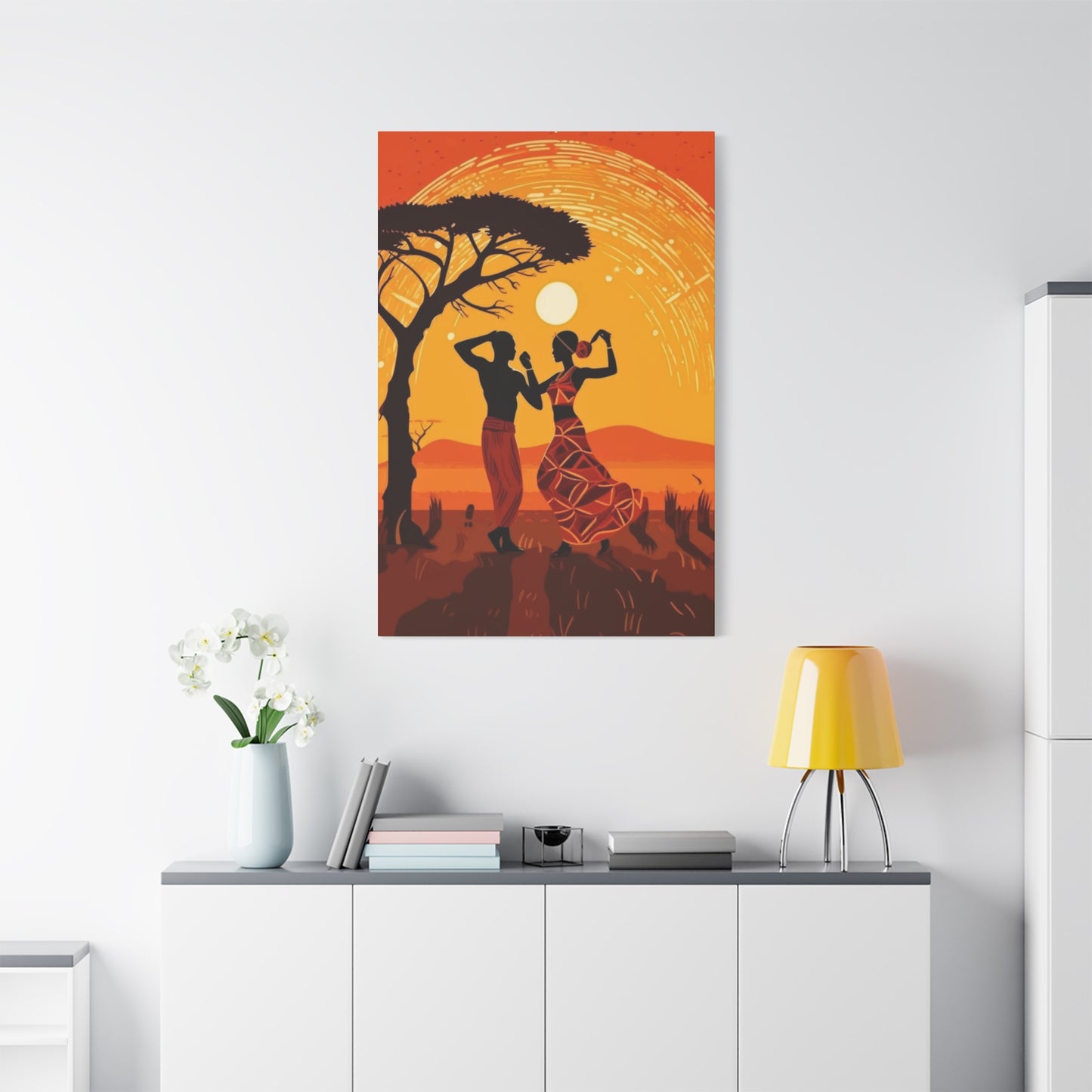
Selecting appropriate dimensions for African couple wall art requires careful consideration of available wall space, room proportions, and intended visual impact. Large-scale pieces measuring 40x60 inches or larger create dramatic focal points that command attention and anchor entire rooms. These substantial artworks work best on prominent walls with minimal competing visual elements—think above sofas, behind beds, or on expansive empty walls in entryways or dining areas.
Medium-sized pieces ranging from 24x36 to 30x40 inches offer versatility and balance. They provide sufficient visual weight to hold their own without overwhelming spaces. These dimensions work well in most residential settings, fitting comfortably above console tables, within gallery wall arrangements, or as paired pieces flanking architectural elements like windows or fireplaces.
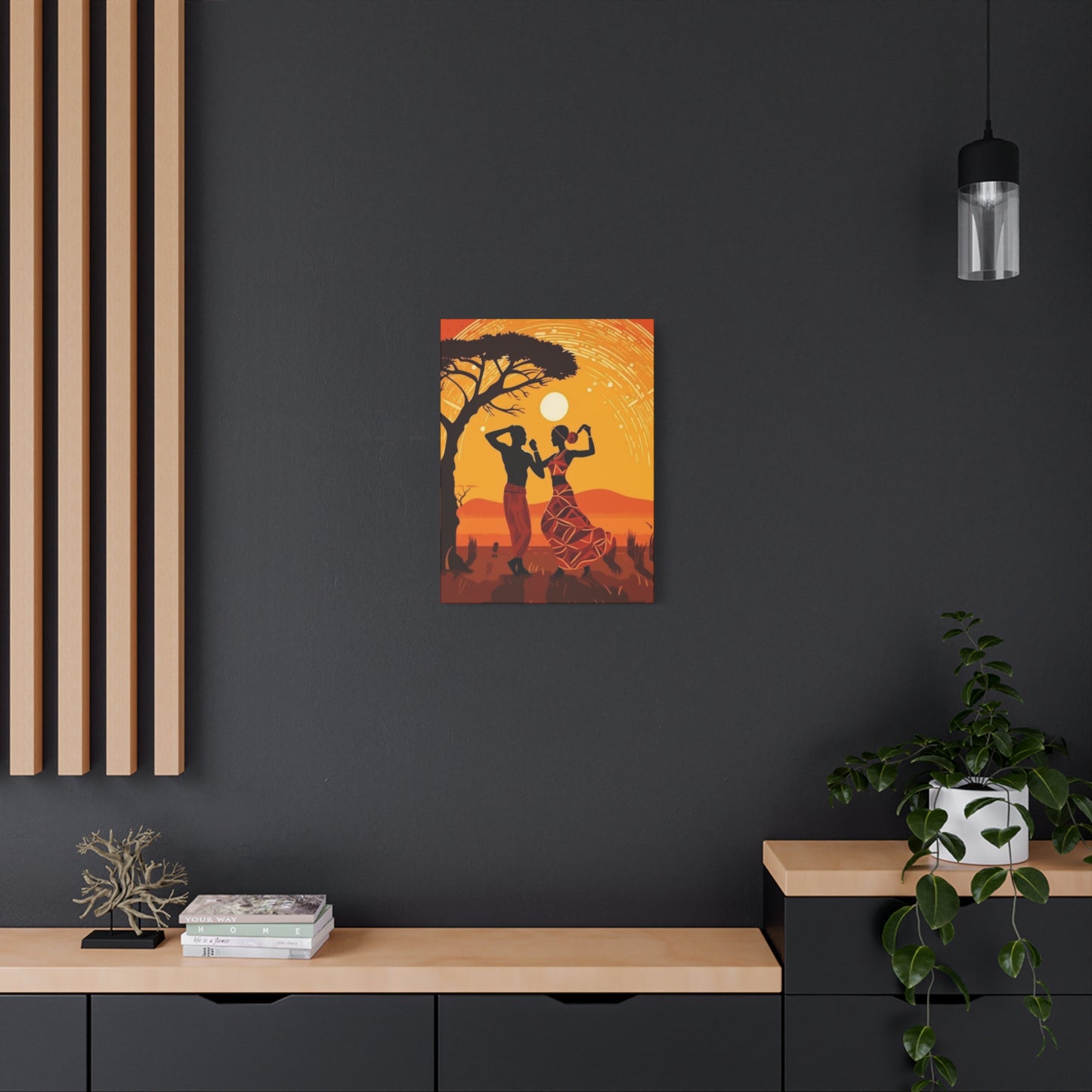
Smaller works measuring 16x20 to 20x24 inches excel in intimate spaces, clustered arrangements, or as accent pieces that complement rather than dominate. These sizes suit hallways, bathrooms, home offices, and smaller bedrooms where space limitations require thoughtful scaling. Multiple small pieces arranged in creative configurations can create visual impact comparable to single large artworks while offering more compositional flexibility.
When determining appropriate sizing, the classic design rule suggests artwork should occupy roughly two-thirds to three-quarters of the furniture width it hangs above. However, this guideline offers a starting point rather than absolute law. Room ceiling height influences perceived scale—taller ceilings accommodate larger pieces better, while standard eight-foot ceilings might make oversized art feel oppressive.
Viewing distance also matters significantly. Pieces in spaces where people stand or pass through can be larger since viewers maintain greater distance. Artwork in intimate settings where people sit close should be scaled appropriately to avoid overwhelming proximity. Consider how the room functions and where people typically position themselves when experiencing the space.
Creating Harmonious Color Coordination Between Artwork and Existing Interior Palettes
Successfully incorporating African couple wall art into existing spaces requires thoughtful consideration of color relationships. The vibrant, saturated hues typical of this artistic genre can either complement or clash with established color schemes depending on selection and placement strategies. One effective approach involves identifying dominant colors within the artwork and echoing them throughout the space through pillows, throws, rugs, or decorative accessories. This repetition creates visual cohesion and helps integrate the piece naturally.
Alternatively, the complementary contrast method uses the color wheel to identify hues opposite the artwork's primary colors. This creates dynamic tension and visual excitement that energizes spaces. For instance, if your African couple wall art features predominantly warm oranges and reds, introducing cool blues and greens in furnishings creates appealing balance.
Neutral backgrounds provide safe havens for vibrant artwork, allowing pieces to shine without competing colors. White, gray, beige, and cream walls let bold African couple imagery take center stage. This approach works particularly well when artwork features multiple colors or complex patterns that might clash with colored walls.
The monochromatic strategy involves selecting artwork that aligns with your existing color scheme's tonal range. If your space features warm earth tones, choosing African couple wall art with similar palettes ensures seamless visual flow. This conservative approach minimizes risk but may sacrifice some of the dramatic impact that comes from bold color contrasts.
For adventurous decorators, the unexpected combination method deliberately juxtaposes seemingly incompatible colors to create memorable, distinctive spaces. African couple wall art with its rich color traditions can anchor such bold schemes, providing cultural depth and artistic legitimacy to unconventional choices.
Understanding Various Artistic Movements and Stylistic Approaches in African Romantic Imagery
African couple wall art encompasses diverse artistic movements and stylistic approaches, each offering unique aesthetic experiences. Contemporary realistic styles render couples with photographic accuracy, capturing fine details of facial features, textile textures, and environmental elements. These pieces appeal to viewers who appreciate representational art and want images that feel authentic and relatable. The skilled use of light, shadow, and perspective creates depth and dimension that draws viewers into intimate moments.
Abstract interpretations deconstruct romantic imagery into essential forms, colors, and gestures. These pieces emphasize emotional essence over literal representation, using simplified shapes, bold color blocks, and expressive brushwork or digital manipulation to convey feelings of love, connection, and unity. Abstract African couple wall art works beautifully in modern and contemporary spaces where conceptual art complements clean lines and minimalist aesthetics.
Semi-abstract or stylized approaches occupy middle ground, maintaining recognizable figurative elements while introducing artistic liberties that elevate pieces beyond mere representation. Elongated proportions, flattened perspectives, and decorative pattern integration characterize this popular style. The resulting artworks feel simultaneously familiar and imaginative, traditional yet contemporary.
Afrofuturist styles merge African cultural elements with speculative fiction, science fiction, and fantasy themes. These pieces might depict couples in futuristic settings, adorned with technological elements alongside traditional ornaments, or situated in imagined worlds that honor African heritage while exploring possible futures. This emerging movement attracts collectors interested in progressive artistic expressions that challenge conventional narratives.
Folkloric and mythological styles draw inspiration from traditional stories, legends, and spiritual beliefs. Couples might be portrayed as ancestral figures, legendary lovers, or divine partnerships that embody cultural values and cosmological principles. These pieces carry deep symbolic weight and resonate particularly strongly with viewers interested in spiritual dimensions of art.
Examining the Role of Traditional Ceremonial Attire in Depicting Romantic Partnerships
Clothing and adornment play crucial roles in African couple wall art, communicating information about identity, status, occasion, and cultural affiliation. Traditional ceremonial attire transforms simple couple imagery into rich cultural documents that preserve and celebrate heritage. Wedding garments across African cultures feature elaborate designs with specific meanings—the Zulu bride's isicholo (hat), the Yoruba bride's iro and buba, the Maasai couple's beaded jewelry all carry significance beyond mere decoration.
Artists carefully research and render these garments to ensure cultural authenticity and respect. The drape of fabrics, the patterns of textiles, the arrangement of jewelry—each detail matters. Kente cloth from Ghana, with its intricate geometric patterns and vibrant colors, appears frequently in West African couple imagery. Each pattern has a name and meaning, turning the clothing into visual language. Similarly, mudcloth from Mali with its symbolic motifs adds layers of meaning to couple portraits.
Headwear constitutes another critical element. The elaborate gele (head wrap) worn by Nigerian women comes in countless styles, each requiring specific folding and tying methods. The size, shape, and ornamentation of head wraps can indicate marital status, social standing, and regional origin. Male counterparts often wear complementary headwear—fila, kufi, or other traditional caps that complete the visual harmony between partners.
Jewelry and body ornamentation deserve equal attention. Beadwork in particular carries profound significance across many African cultures. The colors, patterns, and arrangement of beads communicate messages about age, marital status, social position, and even personal achievements. Neck rings, arm bands, anklets, and ear ornaments all contribute to the overall narrative told through couple imagery.
Contemporary artists sometimes blend traditional and modern elements, depicting couples in fusion attire that honors heritage while acknowledging present-day realities. These hybrid representations appeal to diaspora audiences navigating multiple cultural identities and seeking artwork that reflects their complex lived experiences.
Analyzing How Setting and Background Elements Enhance Narrative Depth in Romantic Scenes
The environments surrounding couples in African wall art significantly impact narrative interpretation and emotional resonance. Urban settings with architectural elements, busy markets, or contemporary cityscapes place relationships within modern African contexts. These backgrounds acknowledge the continent's rapid urbanization and the ways traditional values persist amid changing social landscapes. Street scenes, apartment buildings, and commercial districts provide recognizable contexts for viewers familiar with African cities.
Rural and village settings offer different narrative possibilities, connecting couples to land, agricultural traditions, and communal ways of life. Scenes set in countryside locations often emphasize harmony with nature, ancestral connections, and the rhythms of seasonal cycles. Thatched-roof dwellings, cultivated fields, and natural landscapes create nostalgic atmospheres that appeal to viewers valuing traditional lifestyles and environmental consciousness.
Abstract or minimal backgrounds direct complete focus to the couple themselves, removing environmental distractions. Solid colors, subtle gradients, or simple patterns allow the figures, their interaction, and their adornments to dominate visual attention. This approach works particularly well when the couple's gestures, expressions, or clothing carry sufficient narrative weight without additional contextual clues.
Symbolic and spiritual backgrounds incorporate cosmological elements—stars, moons, ancestral figures, sacred symbols—that situate relationships within larger metaphysical frameworks. These settings suggest love transcends physical reality, connecting to eternal truths and spiritual dimensions. Such imagery resonates with viewers seeking art that addresses existential and spiritual themes.
Ceremonial settings place couples within specific cultural practices—weddings, coming-of-age rituals, harvest celebrations, or religious observances. These backgrounds provide educational value, preserving knowledge about cultural traditions while celebrating romantic partnerships. The inclusion of community members, ritual objects, and ceremonial spaces enriches the storytelling and cultural documentation.
Exploring Digital versus Hand-Created Artwork and Their Respective Aesthetic Qualities
The creation method significantly influences the character and appeal of African couple wall art. Hand-painted originals carry unique authenticity, with visible brushstrokes, texture variations, and slight imperfections that testify to human creation. Each piece is genuinely one-of-a-kind, impossible to exactly replicate. The tactile qualities of paint on canvas create visual interest that photographs and scans, no matter how high quality, cannot fully capture. Original paintings command premium prices reflecting the artist's time, skill, and the artwork's singular nature.
Limited edition prints from original paintings offer middle ground between affordability and exclusivity. Artists produce small runs—perhaps 50 to 250 numbered copies—from photographed or scanned originals. Each print is typically signed and numbered, creating collectible value. The reproduction quality of modern printing methods can be extraordinary, capturing subtle color variations and textural details with impressive fidelity.
Digital art created entirely on computers or tablets has gained legitimacy and popularity as artistic tools have advanced. Talented digital artists can produce stunning African couple wall art using painting programs, drawing tablets, and sophisticated software. The precision of digital tools allows for perfect symmetry, flawless gradients, and effects difficult or impossible to achieve with traditional media. Digital artwork can be reproduced infinitely without quality degradation, making it more accessible price-wise while maintaining visual excellence.
Mixed-media approaches combine traditional and digital methods. An artist might begin with hand-drawn sketches or painted elements, then scan these components and manipulate them digitally, adding colors, patterns, or effects before final output. This hybrid process merges the organic qualities of hand-created art with digital precision and flexibility.
Photography-based artwork uses actual photographs of models as starting points, then applies various artistic filters, painting effects, or digital enhancements. This approach can create stunning photo-realistic couple imagery or transform photographs into pieces resembling paintings or illustrations. The relationship to actual people and moments adds authenticity appreciated by some viewers.
Discovering Emerging Artists and Established Masters Within the African Romantic Art Scene
The world of African couple wall art includes both celebrated established artists and exciting emerging talents. Veteran artists have spent decades refining their craft, developing signature styles, and building international reputations. Their works often appear in galleries, museums, and prestigious private collections. The depth of experience shows in compositional sophistication, technical mastery, and confident artistic vision. Collectors value these established names for investment potential alongside aesthetic pleasure.
Mid-career artists occupy an interesting space, having moved beyond emerging status while still evolving their styles and building broader recognition. These artists often offer excellent value, with prices more accessible than top-tier established names but work quality that rivals or exceeds more famous peers. Many collectors find this tier particularly rewarding, discovering artists on upward trajectories whose work resonates personally.
Emerging artists bring fresh perspectives, innovative techniques, and contemporary sensibilities. Often educated in formal art programs or self-taught through dedication and experimentation, these creators push boundaries and challenge conventions. Their work reflects current social conversations, employs cutting-edge tools and methods, and appeals particularly to younger collectors building initial collections. Prices for emerging artists remain accessible, offering entry points for budget-conscious art lovers.
The diaspora dimension adds another layer of richness to this artistic landscape. African-descended artists living in the Americas, Europe, and elsewhere bring hybrid perspectives informed by multiple cultural contexts. Their African couple wall art often explores themes of identity, displacement, memory, and cultural negotiation that resonate with globally mobile audiences.
Self-taught or folk artists offer yet another category worth exploring. Without formal training, these creators channel raw talent, cultural knowledge, and personal vision into distinctive works. Their pieces often exhibit boldness and authenticity that academically trained artists sometimes struggle to achieve, unencumbered by conventional rules and expectations.
Learning How to Properly Mount and Display Wall Art for Maximum Visual Impact
Proper hanging methods ensure African couple wall art displays beautifully and securely. For lighter canvas or framed pieces under 20 pounds, simple picture hooks rated for appropriate weight work adequately. Position hooks so the artwork's center sits at approximately 57 to 60 inches from the floor—the standard eye level used in galleries and museums. This ensures comfortable viewing for most people.
Heavier pieces require more substantial hanging hardware. Wall anchors, toggle bolts, or mounting directly into wall studs provide necessary support. Canvas pieces stretched on wooden frames typically include D-rings, sawtooth hangers, or wire attached to the rear. Wire offers leveling flexibility but can leave artwork slightly tilted if not carefully measured. D-rings provide more stable, level hanging but require precise placement of two wall hooks.
Metal and acrylic prints often include specialized mounting hardware attached during manufacturing. Standoffs create floating effects, positioning artwork slightly away from walls for dimensional interest. French cleat systems offer exceptional security for valuable or heavy pieces, with interlocking components mounted to both wall and artwork that virtually eliminate falling risk while allowing easy removal for cleaning or relocating.
Gallery walls featuring multiple pieces demand careful planning. Lay the arrangement on the floor first, working out spacing and relationships before committing to wall penetrations. Most designers recommend 2 to 3 inches of space between pieces, though this can vary based on frame styles and aesthetic preferences. Mark positions on paper templates taped to the wall before hanging to visualize the final result.
Lighting dramatically affects how African couple wall art appears. Natural light reveals true colors but varies throughout the day and can cause fading over time. Picture lights mounted above frames provide direct illumination that highlights details and creates gallery ambiance. Track lighting or adjustable spotlights offer flexibility for illuminating multiple pieces or large artworks. LED bulbs prevent heat damage while providing excellent color rendering.
Recognizing Quality Indicators When Selecting African Couple Wall Art for Purchase
Distinguishing quality artwork from mediocre offerings requires attention to multiple factors. Print resolution constitutes the foundation of quality for reproduced artwork. High-quality pieces use files of at least 300 dots per inch at the printed size. Lower resolution results in visible pixelation, blurriness, or loss of fine detail, particularly in larger sizes. Examine sample images closely, zooming in to check for sharpness and clarity.
Color accuracy and vibrancy separate excellent prints from poor ones. Premium printing processes using archival pigment inks produce rich, true-to-life colors that will retain their appearance for decades. Inferior dye-based inks may look acceptable initially but fade noticeably within months, particularly if exposed to sunlight. Vendors offering fade-resistant guarantees demonstrate confidence in their printing quality.
Material quality matters tremendously. Canvas should be substantial weight—typically 350 to 400 GSM (grams per square meter)—with tight, even weave. Cheap thin canvas appears flimsy, may show wrinkles or warping, and lacks the professional appearance of quality materials. For framed pieces, frames should be solidly constructed with clean joints, quality finishes, and appropriately sized glazing if glass or acrylic is included.
Stretcher bars for canvas prints should be solid wood—not composite or plastic—measuring at least 0.75 inches thick for smaller pieces and 1.5 inches or more for larger works. This provides adequate support preventing sagging or warping. Gallery-wrapped edges where the image continues around the sides indicate attention to presentation details.
For original or limited edition pieces, authenticity documentation matters. Certificates of authenticity should include the artist's signature, edition number, title, dimensions, and creation year. Reputable sellers provide this documentation automatically; its absence raises red flags about legitimacy.
Artist background research helps assess quality. Look for information about the creator's training, exhibition history, and artistic philosophy. Established artists with gallery representation, critical recognition, or museum placements offer greater assurance of quality and potential investment value compared to completely unknown sources.
Understanding Pricing Structures and Value Propositions in the African Art Marketplace
African couple wall art pricing varies enormously based on multiple factors. Original paintings by recognized artists command premium prices often reaching thousands or tens of thousands of dollars. These works represent significant time investment, artistic skill, and uniqueness. Limited availability increases value, as does the artist's reputation, exhibition history, and critical acclaim. Original paintings appreciate over time when artists' careers progress, making them potential investments alongside decorative purchases.
Limited edition prints from original works offer mid-range pricing, typically from hundreds to low thousands of dollars depending on edition size, artwork dimensions, and artist recognition. Smaller editions (fewer copies) generally command higher prices per piece than large editions. Early edition numbers sometimes carry premium value among collectors who prioritize low numbers.
Open edition prints and commercial reproductions represent the most affordable category, often priced from tens to few hundreds of dollars. These pieces use high-quality printing methods but lack scarcity value since unlimited copies can be produced. For budget-conscious buyers seeking beautiful African couple wall art without investment concerns, this category offers excellent options.
Size predictably affects pricing, with larger pieces requiring more materials, longer production time, and higher shipping costs. The relationship isn't always linear—doubling dimensions more than doubles price since material needs increase exponentially while production complexity rises.
Framing substantially impacts total cost. Custom framing can easily equal or exceed the artwork's price, particularly for larger pieces or premium materials. Pre-framed options offer convenience and savings but limit personalization. Frameless canvas wraps provide middle ground—professional presentation at moderate cost.
Vendor type influences pricing structures. Gallery sales include overhead costs reflected in prices but offer expertise, authentication, and often artist relationships. Online marketplaces reduce overhead, potentially lowering prices, but may sacrifice personal service and authentication assurance. Directly purchasing from artists eliminates middlemen, benefiting both creator and buyer, though finding artists requires more research effort.
Commission work where artists create custom pieces to specific requirements typically commands premium pricing reflecting the personalized service and artistic labor involved. However, the resulting truly unique artwork tailored exactly to preferences justifies higher costs for many buyers.
Protecting and Preserving Your African Couple Wall Art for Generational Enjoyment
Proper care ensures African couple wall art maintains its beauty and value for decades. Placement decisions significantly impact longevity. Avoid hanging artwork where direct sunlight strikes the surface for extended periods daily. UV radiation causes inks and pigments to fade, particularly affecting reds, blues, and purples. Windows with southern exposure (northern hemisphere) or northern exposure (southern hemisphere) pose greatest risk. If sunny wall space is unavoidable, UV-filtering glazing for framed pieces or window treatments to control light exposure help protect artwork.
Humidity and temperature extremes damage artwork through multiple mechanisms. High humidity encourages mold growth, particularly on canvas and paper. Damp conditions can also cause adhesive failures where canvas separates from stretcher bars or prints delaminate from substrates. Excessive dryness makes materials brittle and prone to cracking. Maintain humidity levels between 40 and 60 percent, using dehumidifiers or humidifiers as needed.
Temperature fluctuations cause expansion and contraction that stresses materials and mounting hardware. Avoid hanging African couple wall art near heating vents, air conditioning registers, fireplaces, or exterior walls that experience significant temperature variation. Stable, moderate temperatures around 65 to 75 degrees Fahrenheit provide ideal conditions.
Regular dusting prevents dirt accumulation that can embed in materials over time. Use soft, clean microfiber cloths or feather dusters, working gently to avoid surface scratches. For canvas without varnish, extremely gentle approaches prevent pushing dirt into fabric fibers. Never use water or cleaning solutions on unprotected canvas or paper unless specifically designed for artwork.
For more thorough cleaning, methods vary by substrate. Metal and acrylic prints tolerate gentle cleaning with appropriate solutions—slightly damp microfiber cloths for fingerprints or smudges. Canvas prints benefit from occasional vacuuming using soft brush attachments at low suction to remove dust. Always test cleaning methods on inconspicuous areas first.
Professional restoration may become necessary if damage occurs. Tears, water stains, or significant fading require expert intervention. Research qualified art conservators or restorers with appropriate credentials and experience with similar materials. While professional restoration costs money, it preserves valuable pieces and extends their lifespan substantially.
Incorporating African Couple Wall Art Into Various Interior Design Schemes Successfully
African couple wall art adapts surprisingly well to diverse decorating styles when thoughtfully integrated. Modern and contemporary spaces benefit from clean-lined metal or acrylic prints featuring abstract or minimalist couple imagery. The sleek presentation methods and simplified forms complement sparse furnishings and neutral color palettes. Choosing artwork with limited color ranges or monochromatic schemes ensures cohesion with modern aesthetics.
Bohemian and eclectic interiors naturally embrace African couple wall art with its vibrant colors, cultural richness, and artistic diversity. These relaxed, personality-filled spaces welcome bold patterns, mixed textures, and globally inspired elements. Layering multiple pieces, combining different sizes, and mixing frame styles creates the collected-over-time appearance characteristic of boho style.
Traditional and classic interiors might seem incompatible with African couple wall art, but thoughtful selection bridges style gaps. Choosing pieces with more subdued color palettes, formal compositions, and traditional framing brings sophistication that complements classical furnishings. The rich cultural heritage and artisanal quality of African art actually aligns well with traditional decorating's appreciation for craftsmanship and timelessness.
Industrial spaces with exposed brick, metal, and concrete surfaces gain warmth and humanity through African couple wall art. The organic subject matter and vibrant colors soften hard surfaces and mechanical elements while the cultural authenticity adds depth to spaces that might otherwise feel cold. Large-scale pieces make particularly strong statements against raw industrial backdrops.
Scandinavian-inspired interiors prioritize simplicity, natural materials, and restrained color palettes. Introducing African couple wall art requires balancing the style's minimalist tendencies with the artwork's often exuberant nature. Selecting pieces with cleaner compositions, limited colors, and simple framing maintains Scandi sensibilities while adding warmth and cultural interest that prevents spaces from feeling sterile.
Transitional style blends traditional and contemporary elements, making it particularly receptive to African couple wall art. The bridging nature of transitional design accommodates cultural artworks that might struggle in purely traditional or strictly modern contexts. Medium-scale pieces with balanced compositions work beautifully in these versatile spaces.
Creating Meaningful Gallery Walls That Tell Cohesive Visual Stories About Love and Partnership
Gallery walls offer wonderful opportunities to showcase multiple pieces of African couple wall art alongside complementary elements. Successful gallery walls balance unity and variety—enough consistency to feel intentional but sufficient diversity to maintain visual interest. Starting with a central anchor piece, typically the largest or most striking artwork, provides a focal point around which other elements orbit.
Theme-based gallery walls devoted entirely to African couple imagery create powerful, focused statements. Varying sizes, orientations (horizontal, vertical, square), and styles prevents monotony while maintaining thematic coherence. Including both close-up intimate portraits and wider contextual scenes provides scale variation and narrative progression.
Mixed-media gallery walls combine African couple wall art with photographs, mirrors, sculptural elements, or text-based pieces. This approach requires more careful curation to avoid visual chaos. Repeating certain elements—frame finishes, color palettes, or subject matter—throughout the arrangement creates unifying threads. The inclusion of personal photographs alongside artistic representations of couples can create powerful connections between universal themes and individual stories.
Symmetrical arrangements appeal to those preferring order and formality. Mirror-image layouts with matching pieces flanking a central element create balanced, calm compositions. This approach works particularly well in traditional or transitional interiors where symmetry reinforces classical design principles.
Asymmetrical organic arrangements offer more contemporary, casual appeal. These seemingly random but actually carefully planned layouts feel collected and personal. Varying spacing between pieces—sometimes tight, sometimes generous—creates rhythm and prevents predictability. Many designers sketch arrangements on paper or use online planning tools before committing to wall penetrations.
Color-coordinated gallery walls pull specific hues from African couple wall art and echo them throughout the arrangement. This might mean grouping pieces dominated by similar colors or creating rainbow progressions across the wall. The deliberate color strategy creates visual harmony that allows individual pieces to shine while contributing to cohesive wholes.
Examining the Psychological Impact of Romantic Imagery in Personal Living Spaces
The artwork surrounding us in daily life affects mood, mindset, and emotional wellbeing more than many realize. African couple wall art depicting loving partnerships can positively influence relationship attitudes and romantic satisfaction. Viewing images of affection, partnership, and commitment regularly reinforces these values and keeps them prominent in consciousness. For individuals in relationships, such artwork serves as daily reminders of love's importance and partnership's rewards.
Single individuals seeking partnership may find inspirational value in romantic African couple wall art, keeping relationship goals visible and reinforcing positive attitudes toward love and commitment. The cultural authenticity and artistic beauty elevate these pieces beyond simple motivational imagery, providing aesthetic pleasure alongside aspirational content.
The vibrant colors typical of African couple art contribute to emotional uplift and energy enhancement. Color psychology research suggests warm tones like reds, oranges, and yellows stimulate energy, passion, and optimism, while cooler blues and greens promote calm and tranquility. Most African couple wall art emphasizes warm palettes that energize spaces and elevate moods.
Cultural representation matters significantly for identity formation and self-concept, particularly for African-descended individuals. Seeing positive, beautiful representations of African people and cultural traditions validates identity and counters the negative stereotypes and limited representation prevalent in mainstream media. For children growing up in homes featuring African couple wall art, these images contribute to healthy identity development and pride in heritage.
The mere presence of art in living spaces, regardless of specific content, correlates with increased life satisfaction and perceived quality of life. Artwork makes environments feel more personal, sophisticated, and intentionally crafted rather than merely functional. African couple wall art specifically brings additional layers of cultural depth, storytelling, and emotional resonance beyond generic decorative items.
Navigating Cultural Appropriation Concerns and Supporting Authentic African Artists Directly
The popularity of African aesthetics in Western markets raises important questions about cultural appropriation, authentic representation, and economic justice. Well-intentioned consumers sometimes struggle to distinguish between appreciation and appropriation. Generally, appreciating African couple wall art becomes problematic when divorced from cultural context, used superficially as trendy decoration, or purchased from sources that exploit African cultural patrimony without benefiting African communities.
Supporting African artists directly or through ethical vendors that ensure artists receive fair compensation represents the most respectful approach. Researching artists' backgrounds, understanding their cultural connections to depicted themes, and learning about the cultural significance of imagery transforms purchases from mere transactions to meaningful cultural exchanges.
Avoiding culturally insensitive reproductions matters greatly. Mass-produced pieces that oversimplify, stereotype, or misrepresent African cultures cause harm even when unintentional. Purchasing from knowledgeable sources with commitments to authenticity and cultural respect helps prevent these problems. Gallery descriptions and artist statements should provide cultural context and demonstrate understanding of depicted traditions.
Final Thoughts
African couple wall art is a beautiful and meaningful way to celebrate love, culture, and artistic expression in modern interior spaces. Rooted in the vibrant traditions of African art, these pieces often embody deep symbolism, strong familial ties, and a rich sense of heritage. The depictions of love between couples in African-inspired art serve not only as a celebration of romantic relationships but also as a reflection of broader themes of community, unity, and cultural pride. By integrating African couple art into your home décor, you create a space that honors the powerful bond between individuals while celebrating the beauty of African art and culture.
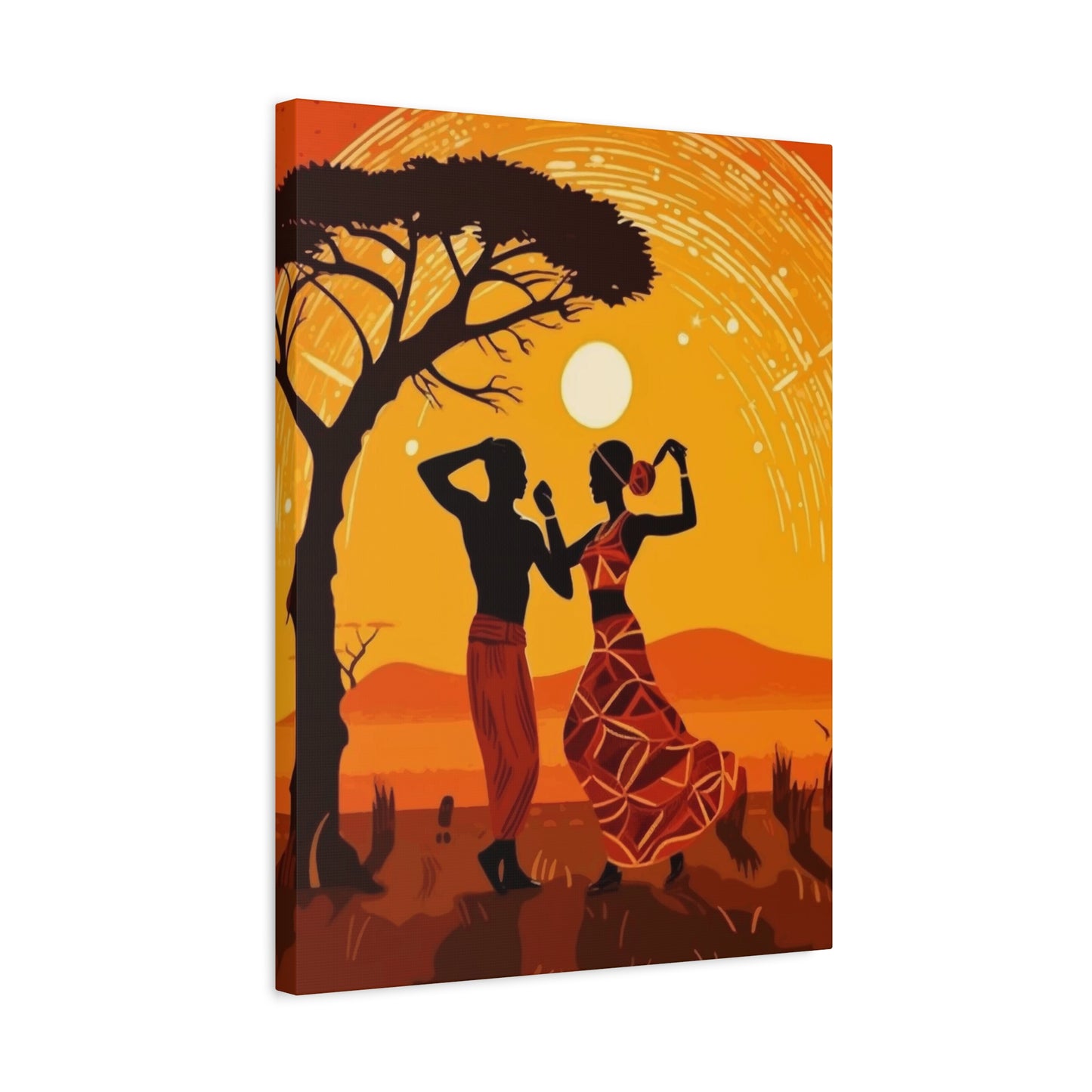
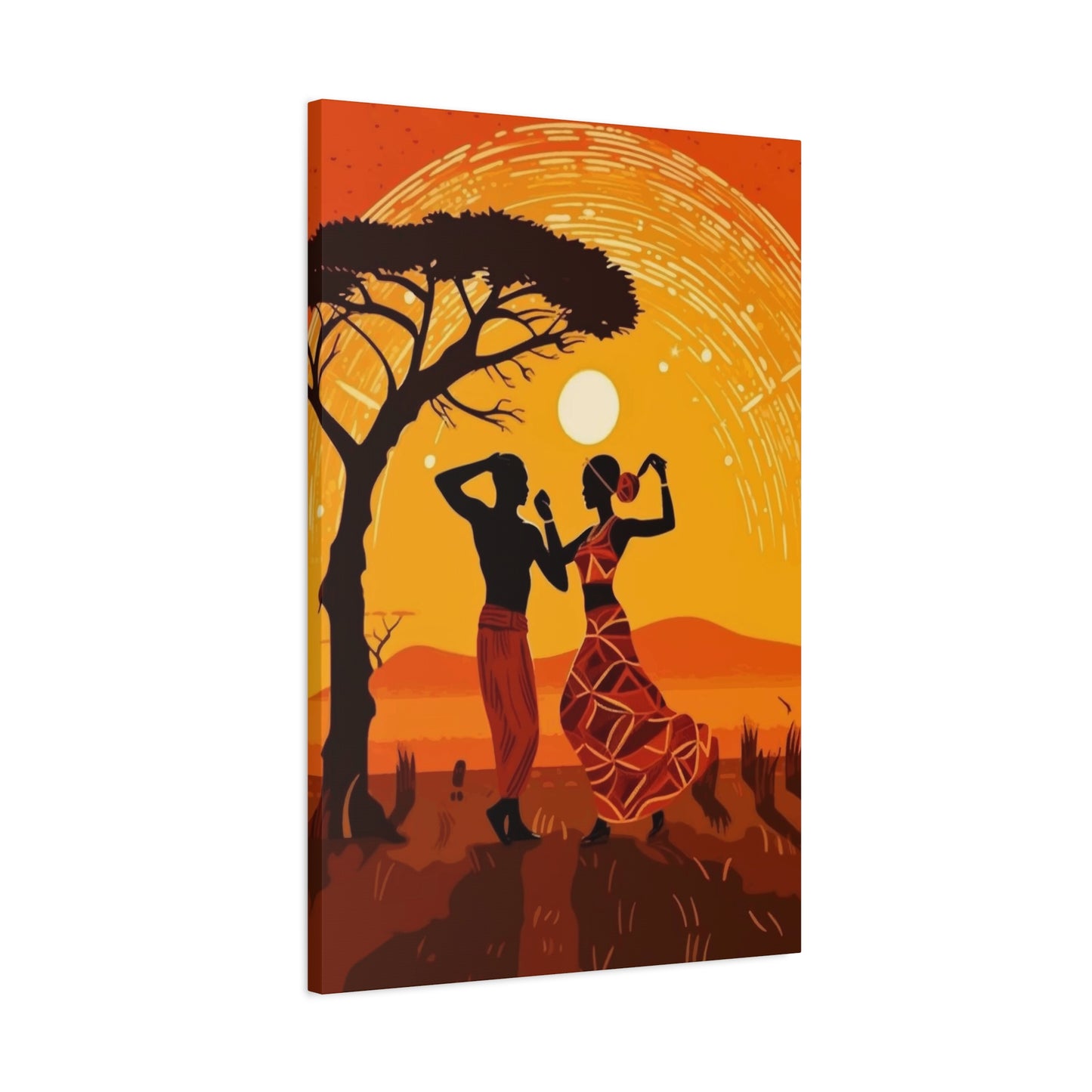
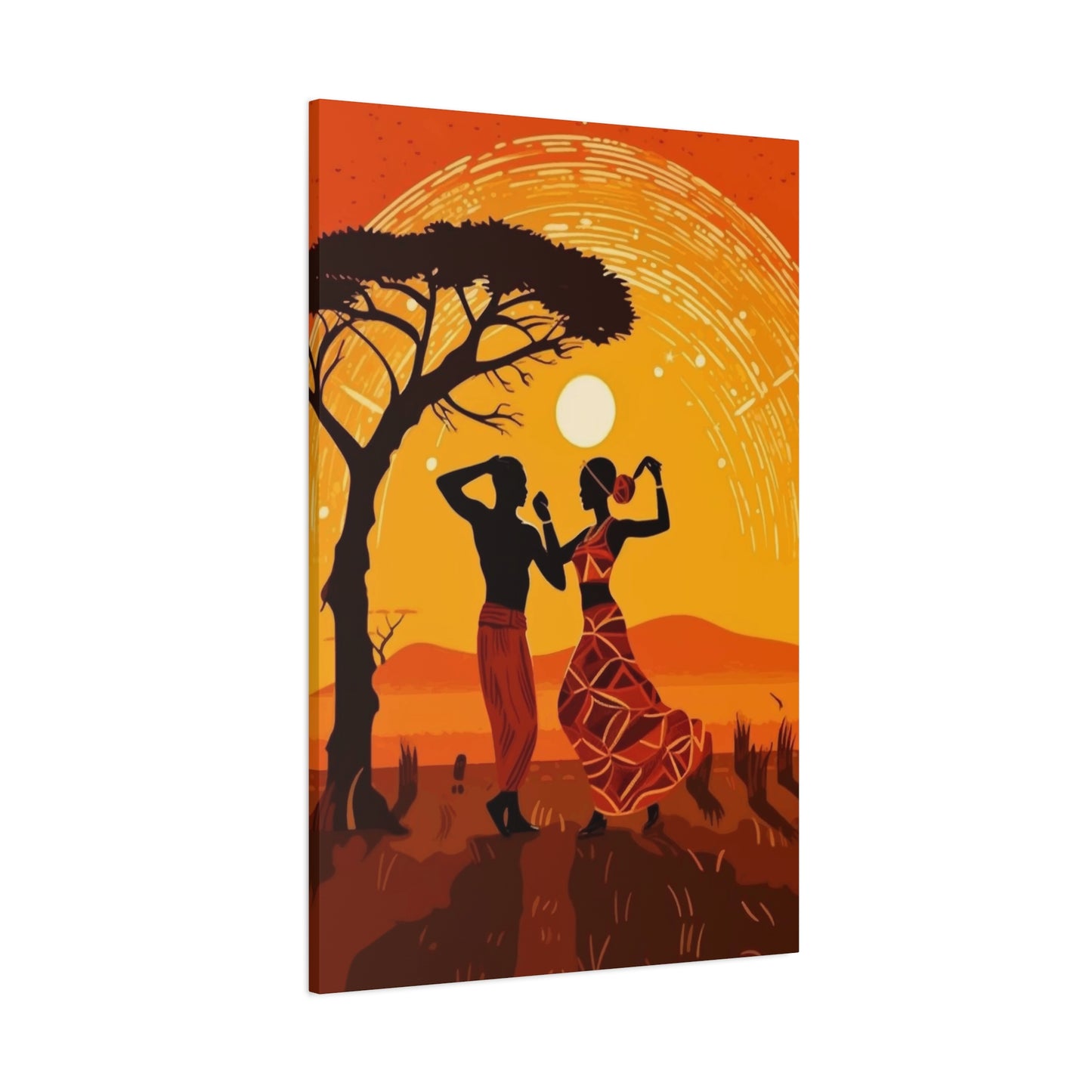
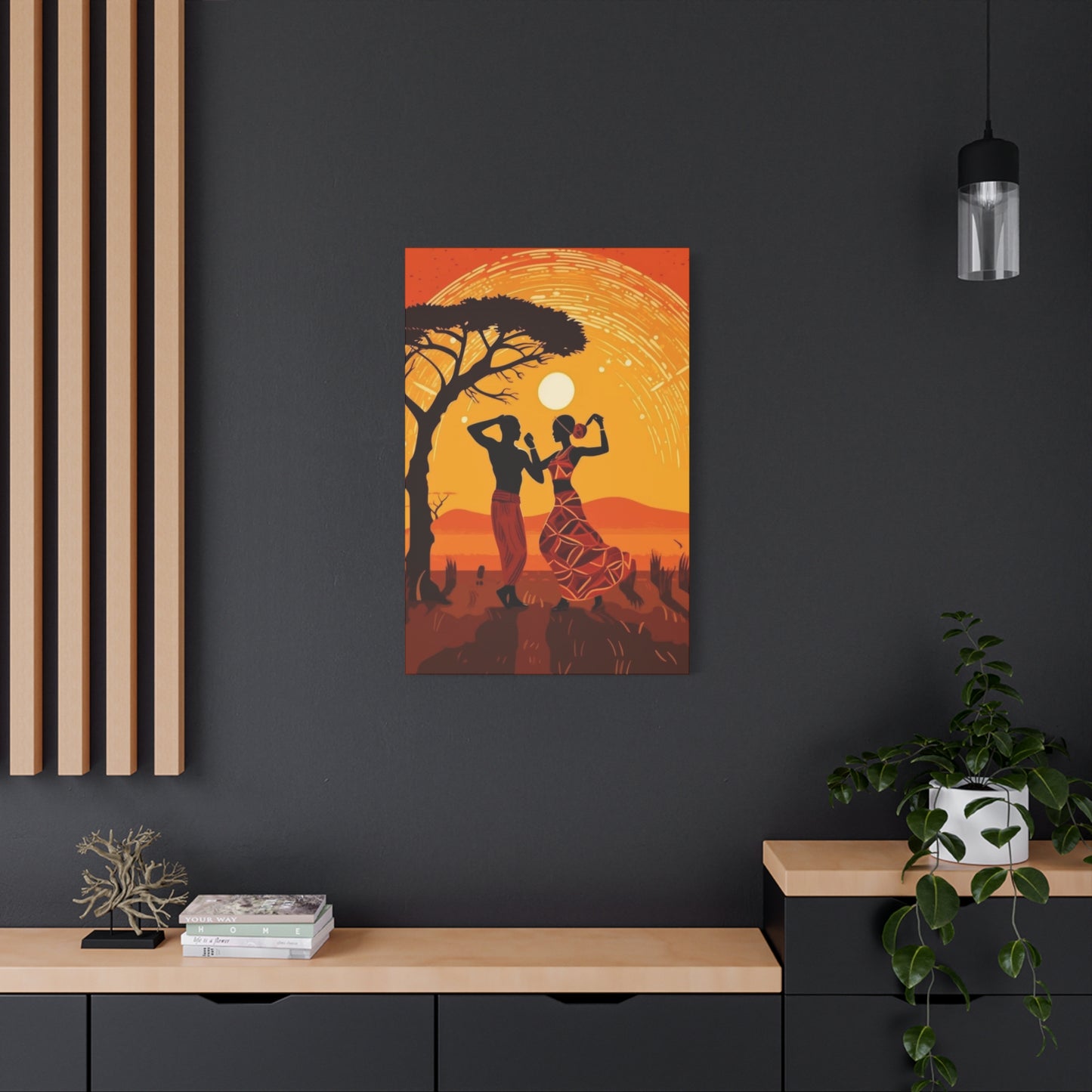
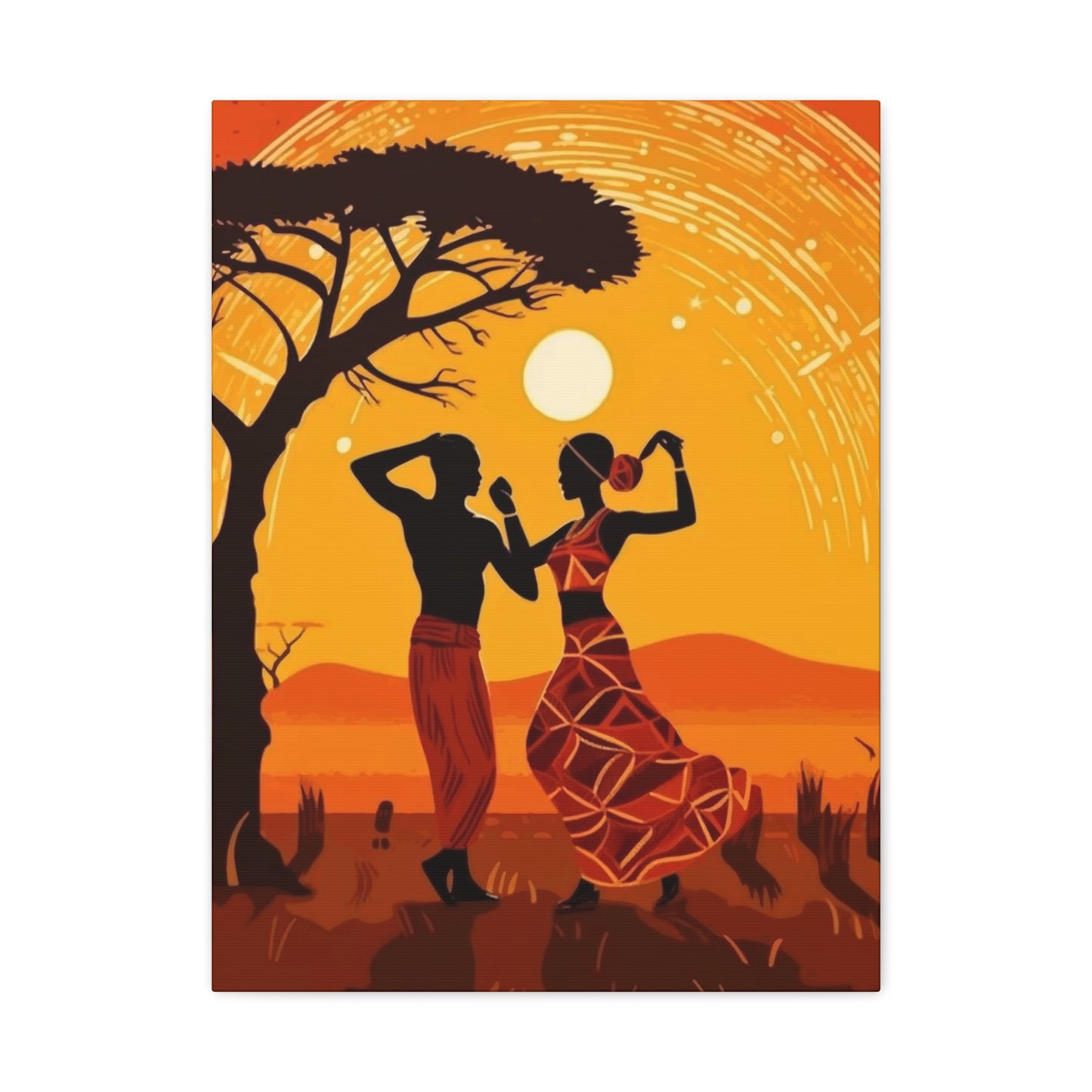
One of the most striking features of African couple wall art is the celebration of love and partnership. Often depicted in bold, vibrant colors, intricate patterns, and stylized forms, these artworks convey the intimacy, strength, and connection between two people. The figures, sometimes abstract and other times more detailed, are often shown engaged in traditional dances, shared moments of joy, or symbolically entwined in unity. These portrayals go beyond romantic love, reflecting the larger themes of solidarity and support that are integral to African cultural values. Whether it's the portrayal of a couple in a serene embrace or engaged in a vibrant dance, the artwork serves as a powerful reminder of the importance of love and partnership in both personal and communal life.
The unique fusion of love and heritage is another reason why African couple wall art makes such an impactful statement in modern interiors. African art is known for its use of vivid colors, geometric shapes, and intricate patterns, each carrying its own cultural meaning and symbolism. These artworks often draw on African traditions and folklore, weaving together stories of history, spirituality, and community. By incorporating such pieces into your home, you are not only celebrating the love between individuals but also paying homage to the rich cultural tapestry that African art represents. These pieces can evoke feelings of connection to a larger heritage, fostering a sense of pride and respect for the beauty and depth of African culture.
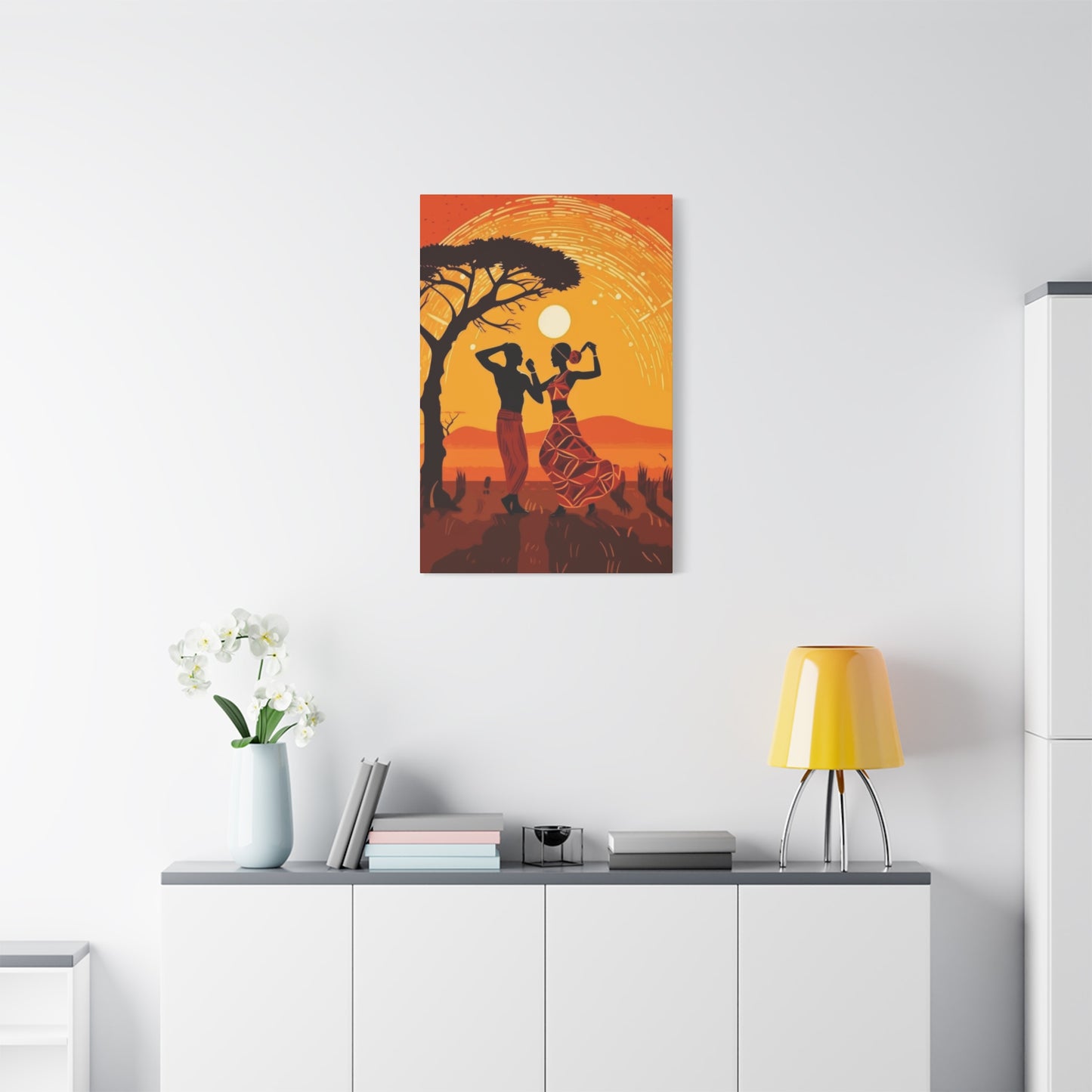
In modern interior design, African couple wall art offers an opportunity to incorporate cultural richness into contemporary spaces. The bold, expressive nature of African art makes it a striking addition to a variety of interior styles, from minimalist and industrial to bohemian and eclectic. In a modern living room, for example, an African couple portrait with bright, earthy tones can stand out against neutral walls and furniture, adding a powerful focal point to the room. For more eclectic interiors, an African-inspired piece with intricate detailing and dynamic color schemes can seamlessly blend with other diverse art styles, creating a space that feels both vibrant and cohesive.
What’s particularly appealing about African couple art is its ability to bring warmth, depth, and meaning into a room. The themes of unity, family, and heritage that these pieces often convey are universal and resonate with people from all walks of life. Whether you are African or not, these artworks serve as a powerful reminder of the bonds that tie us all together as human beings. They invite reflection on the importance of love, respect, and support in relationships, not only between romantic partners but also between family, friends, and communities.
In terms of placement, African couple wall art can work beautifully in a variety of spaces. In a bedroom, these pieces can create a romantic and intimate atmosphere, celebrating love in a way that feels both artistic and meaningful. In a living room or dining area, an African couple artwork can serve as a focal point, drawing the eye and sparking conversation among guests. The use of vibrant colors and expressive patterns can also add energy and personality to otherwise neutral or minimalist spaces, creating a balanced yet dynamic aesthetic. Whether large and statement-making or small and subtle, the right African couple wall art can make any room feel more personalized and full of character.
Another aspect of African couple art is its ability to foster inclusivity and promote cultural appreciation. In today’s globalized world, embracing diverse forms of artistic expression helps create more inclusive and respectful spaces. African art, in particular, provides an opportunity to appreciate the complexities of African culture and recognize the importance of preserving traditional practices while also celebrating modern interpretations. By displaying African couple art in your home, you are participating in a wider cultural dialogue and demonstrating an appreciation for both the artistry and the stories behind these beautiful works.
The beauty of African couple wall art also lies in its timelessness. While trends in home décor may come and go, the themes of love, unity, and cultural pride will always resonate. These pieces serve as lasting reminders of the enduring human spirit and the importance of connection. The vibrant, soulful imagery found in African couple art will continue to add warmth, character, and emotional depth to your home for years to come, making it an investment in both style and meaning.
In conclusion, African couple wall art is a powerful way to celebrate love, heritage, and the beauty of artistic expression in your home. These artworks not only bring cultural richness and depth to modern interior spaces but also evoke powerful emotions tied to the universal themes of unity, family, and love. With their vibrant colors, symbolic patterns, and evocative imagery, African couple art pieces make stunning focal points in any room, transforming your space into one that reflects both artistic sophistication and cultural appreciation. Whether you’re looking to celebrate romance, honor heritage, or simply bring a piece of African artistry into your home, African couple wall art is a meaningful and beautiful choice that adds lasting value to your décor.
Share