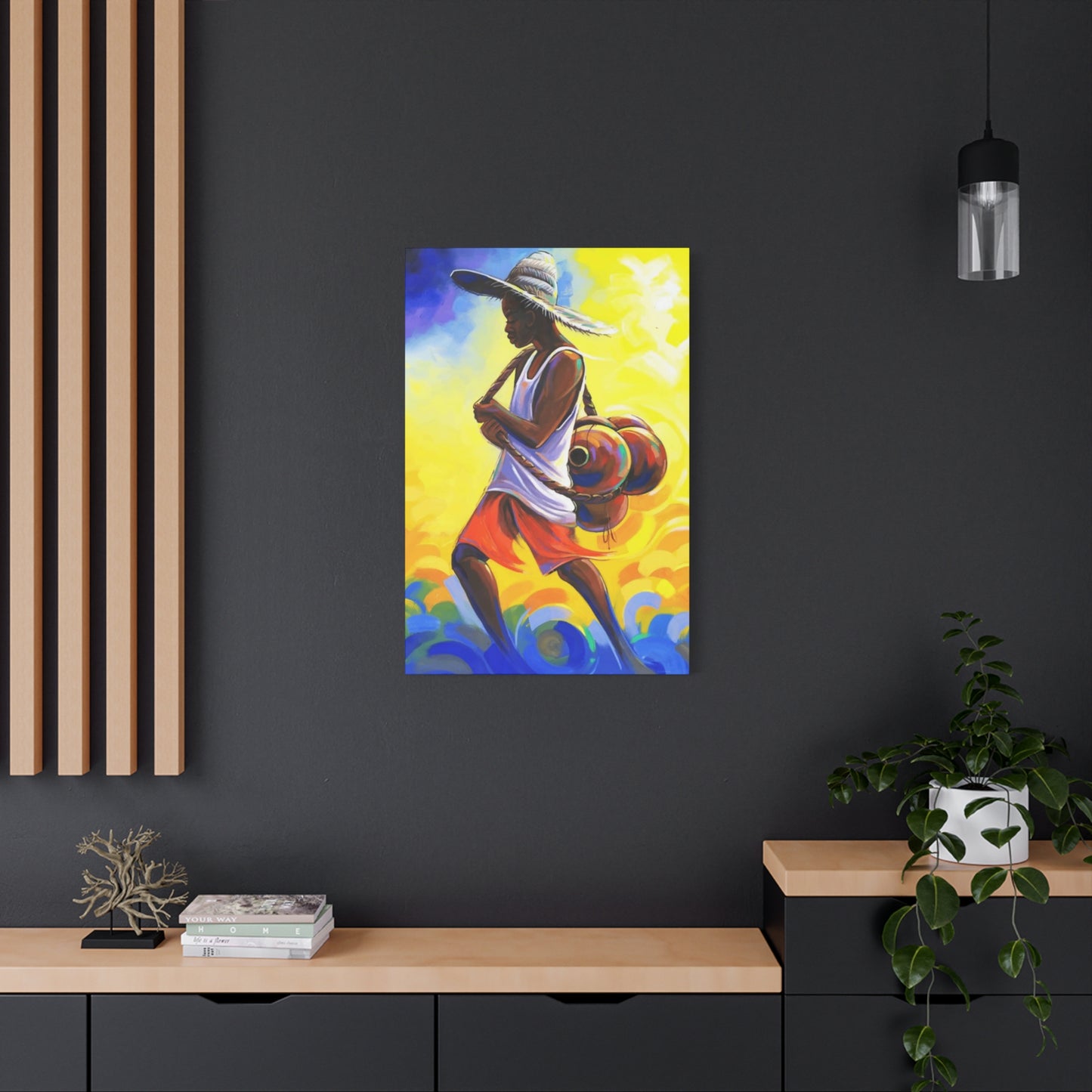


African Boy Wall Art & Canvas Prints
African Boy Wall Art & Canvas Prints
Couldn't load pickup availability
A Pathway Into Authentic Home Décor and Artistic Heritage With African Boy Wall Art
The realm of interior design has witnessed a remarkable surge in the appreciation for culturally resonant pieces that bring warmth, character, and meaningful narratives into living spaces. Among these treasures, African Boy Wall Art stands as a powerful testament to the continent's vibrant artistic traditions, offering homeowners and collectors an opportunity to infuse their environments with genuine cultural depth and visual storytelling that transcends mere decoration.
When examining the captivating world of artwork featuring young African subjects, we encounter a multifaceted tapestry of meanings that extend far beyond surface aesthetics. These representations carry within them centuries of cultural wisdom, community values, and the celebration of youth as the embodiment of hope and continuity. The depiction of children in African artistic traditions has always held special reverence, symbolizing the perpetuation of ancestral knowledge and the promise of generations yet to come.
Throughout countless communities across the African continent, children have been portrayed in various artistic mediums as carriers of cultural identity and innocence. The visual language employed in these artworks often incorporates symbolic elements drawn from traditional practices, ceremonial contexts, and everyday life observations. When translated into contemporary wall décor, these representations maintain their spiritual essence while adapting to modern aesthetic sensibilities.
The emotional resonance of African Boy Wall Art stems from its ability to capture universal themes of childhood wonder, curiosity, and resilience through a distinctly cultural lens. Artists who create these pieces often draw upon their own experiences, community narratives, and ancestral artistic conventions to produce works that speak authentically to both African and global audiences. The subjects portrayed may be engaged in activities ranging from ceremonial participation to playful moments, each telling a story about the richness of daily life and cultural practices.
What makes these artistic representations particularly compelling is their capacity to challenge monolithic narratives and present African childhood in its full complexity and dignity. Rather than perpetuating reductive stereotypes, quality African Boy Wall Art celebrates the individuality, strength, and beauty of its subjects while maintaining cultural authenticity. This approach creates artwork that resonates emotionally while educating viewers about the diversity of experiences across the continent.
Exploring Diverse Artistic Styles That Bring African Childhood to Canvas and Wall Spaces
The world of African Boy Wall Art encompasses an extraordinary range of artistic approaches, each offering unique aesthetic qualities and cultural perspectives. From bold contemporary abstractions to meticulously detailed realistic portraits, the stylistic diversity available ensures that collectors can find pieces that align perfectly with their personal taste and interior design vision while maintaining cultural authenticity.
Traditional representational styles draw heavily upon the rich heritage of African portraiture, incorporating techniques that have been refined over generations. These works often feature careful attention to facial features, traditional attire, and contextual elements that ground the subject within specific cultural frameworks. The color palettes employed in these pieces frequently reflect the natural landscapes of various African regions, from the ochres and earth tones of savanna regions to the vibrant hues associated with coastal communities.
Contemporary interpretations of African Boy Wall Art have expanded the artistic vocabulary to include mixed media approaches, digital art techniques, and experimental compositions that blend traditional motifs with modern sensibilities. These innovative works might incorporate textural elements, collage components, or abstract backgrounds that frame the subject in unexpected ways. Such pieces appeal to collectors seeking artwork that bridges cultural heritage with cutting-edge artistic expression.
Impressionistic renderings of young African subjects offer another compelling stylistic avenue, capturing the essence and emotional truth of childhood through loose brushwork and evocative color relationships. These works prioritize mood and atmosphere over precise detail, creating pieces that feel both intimate and universally relatable. The spontaneity inherent in impressionistic techniques lends these artworks a sense of immediacy and vitality.
Graphic and illustrative styles have gained considerable traction in recent years, particularly among younger collectors and those furnishing contemporary spaces. These approaches often employ bold outlines, simplified forms, and striking color contrasts to create visually impactful pieces that work exceptionally well in minimalist or modern interiors. Despite their stylistic simplification, these works maintain cultural authenticity through careful attention to clothing details, hairstyles, and symbolic elements.
Selecting the Perfect Pieces to Complement Your Living Environment and Personal Aesthetic
The process of choosing African Boy Wall Art for your home involves considerations that extend beyond simple visual appeal, encompassing factors such as spatial dynamics, existing décor elements, and the emotional atmosphere you wish to cultivate in different rooms. A thoughtful selection process ensures that your artwork enhances your living environment while honoring the cultural significance of the pieces you display.
Begin by assessing the physical characteristics of the spaces where you intend to display artwork. Wall dimensions, ceiling heights, natural light exposure, and existing color schemes all influence which pieces will create the most harmonious visual impact. Large-scale works featuring bold compositions command attention and work beautifully as focal points in spacious rooms, while smaller, more intimate pieces suit cozier spaces or gallery wall arrangements.
Consider the mood and function of each room when selecting artwork. African Boy Wall Art depicting contemplative subjects or serene scenes might enhance the peaceful atmosphere of bedrooms or personal retreats, while more energetic compositions featuring playful activities or vibrant colors could enliven common areas and social spaces. The emotional tenor of the artwork should align with the intended use of the space.
Color coordination represents another crucial consideration, though this should not be interpreted as requiring exact matching. The most sophisticated interiors often feature artwork that introduces complementary or contrasting colors that enhance existing palettes without slavishly replicating them. African Boy Wall Art frequently incorporates rich, saturated hues that can either harmonize with neutral backgrounds or provide dramatic contrast against them.
The cultural context and storytelling elements embedded in different pieces should also inform your selection. Some collectors prefer artwork that depicts specific tribal traditions or regional practices, allowing them to celebrate particular aspects of African cultural heritage. Others seek pieces that capture more universal childhood experiences through a cultural lens, creating connections that transcend geographical boundaries.
Frame selection and presentation style significantly impact how artwork integrates into your space. Traditional wooden frames can emphasize classical aspects of the artwork, while contemporary floating frames or canvas wraps suit modern interiors. The framing should protect and enhance the artwork without overwhelming it or conflicting with its aesthetic character.
Understanding the Various Mediums and Materials Used in Creating Authentic African-Inspired Artwork
The creation of African Boy Wall Art involves diverse mediums and materials, each bringing distinct aesthetic qualities and practical considerations to the finished pieces. Familiarity with these different approaches helps collectors make informed decisions and properly appreciate the craftsmanship involved in producing quality artwork.
Oil paintings represent one of the most traditional and valued mediums for creating African-inspired portraiture. The luminous quality of oil paints allows artists to achieve remarkable depth in skin tones and subtle gradations that bring subjects to life with extraordinary realism. The slow drying time of oils enables artists to blend colors directly on the canvas, creating smooth transitions and rich tonal complexity. Well-executed oil paintings of African subjects often become treasured heirlooms, their value appreciating over time.
Acrylic paints have gained tremendous popularity among contemporary artists creating African Boy Wall Art due to their versatility, quick drying time, and vibrant color possibilities. Acrylics can be applied in thin washes mimicking watercolor effects or built up in thick impasto layers creating textural richness. Many artists appreciate the flexibility of acrylics, which allow for both detailed work and spontaneous gestural expression within the same piece.
Watercolor paintings offer a delicate, luminous quality particularly suited to capturing the gentle innocence of childhood subjects. The transparency of watercolors creates ethereal effects with light seeming to emanate from within the paper itself. African Boy Wall Art executed in watercolor often possesses a dreamlike quality that emphasizes emotional resonance over photographic accuracy. The medium's unpredictability can yield beautiful spontaneous effects that add to the artwork's charm.
Digital art has emerged as a legitimate and increasingly popular medium for creating African-inspired wall décor. Contemporary digital artists utilize sophisticated software to create pieces ranging from photorealistic portraits to stylized illustrations. High-quality giclée printing techniques ensure that digital artwork maintains color accuracy and detail when reproduced, making such pieces accessible to broader audiences while preserving artistic integrity.
Mixed media approaches combine multiple materials and techniques to create richly layered artworks incorporating painting, collage, fabric elements, and found objects. These pieces often include culturally significant materials such as traditional textiles, beads, or natural fibers, creating three-dimensional works that engage viewers tactilely as well as visually. Mixed media African Boy Wall Art often carries additional cultural authenticity through its incorporation of authentic materials.
Photography has become an increasingly important medium for capturing authentic representations of African childhood. Documentary-style photographs transformed into wall art preserve genuine moments and cultural contexts with immediacy and truthfulness. When produced as limited edition prints on archival materials, photographic African Boy Wall Art offers collectors opportunities to own pieces that balance artistic merit with documentary value.
Creating Harmonious Gallery Walls That Celebrate African Artistic Heritage
The gallery wall concept provides an excellent framework for displaying multiple pieces of African Boy Wall Art in arrangements that create visual interest while telling cohesive cultural stories. Mastering the principles of gallery wall design allows you to transform blank walls into compelling narrative spaces that celebrate African artistic traditions.
Successful gallery walls balance consistency with variety, creating visual unity through connecting elements while maintaining enough diversity to keep the arrangement interesting. When working with African Boy Wall Art, this might mean selecting pieces that share similar color palettes or stylistic approaches while varying in size, composition, or specific subject matter. The goal is creating a collection that feels curated rather than random.
Layout planning represents the most critical phase of gallery wall creation. Before driving a single nail, arrange your artwork on the floor or use paper templates on the wall to experiment with different configurations. Consider starting with your largest or most impactful piece as an anchor, then building the arrangement around it. Many successful gallery walls employ geometric grids for a structured appearance, while others embrace organic, asymmetrical layouts that feel more spontaneous.
Spacing between pieces significantly affects the overall impression of your gallery wall. Tighter spacing creates a more cohesive, unified appearance, making the collection read as a single installation. Wider spacing emphasizes each individual piece while maintaining the relationship between works. Standard spacing ranges from two to six inches between frames, with consistent spacing generally creating the most polished appearance.
Height placement follows general guidelines suggesting that artwork should be positioned with its center at approximately eye level, typically around 57 to 60 inches from the floor. However, gallery walls often benefit from slight adjustments to this rule, with the collective center of the entire arrangement positioned at eye level rather than each individual piece. Consider the viewing perspective from which the gallery wall will most frequently be seen when determining optimal height.
Color and frame coordination contribute substantially to gallery wall cohesion. Some collectors prefer uniform framing throughout the arrangement for maximum visual unity, while others embrace varied frames that share similar tones or finishes. When displaying African Boy Wall Art, consider whether consistent framing emphasizes the cultural connections between pieces or whether varied framing better reflects the diversity of African artistic expression.
Lighting plays an essential role in showcasing gallery wall arrangements effectively. Track lighting, picture lights, or strategically placed wall sconces can illuminate your collection while creating dramatic shadows and highlights that enhance the artwork's visual impact. Avoid positioning gallery walls in locations receiving harsh direct sunlight, which can cause colors to fade over time despite protective glass or varnish.
The Cultural Symbols and Meanings Embedded in African Artistic Representations
African Boy Wall Art frequently incorporates symbolic elements that carry specific cultural meanings, transforming decorative pieces into repositories of ancestral wisdom and community values. Understanding these symbolic dimensions enriches the viewing experience and deepens appreciation for the cultural contexts from which these artworks emerge.
Clothing and adornment choices depicted in African Boy Wall Art often carry significant cultural information. Traditional garments may indicate tribal affiliation, ceremonial contexts, or social status within community hierarchies. The colors, patterns, and fabrics shown in artwork can reference specific cultural practices, with certain textiles holding sacred significance or being reserved for particular occasions. Even in contemporary interpretations, these clothing elements maintain their symbolic weight.
Hairstyles represented in African Boy Wall Art constitute another layer of cultural communication. Across African communities, hair styling practices carry meanings related to age, social status, spiritual state, and community belonging. The intricate braiding patterns, decorative elements, and styling choices depicted in artwork provide visual cues about the subject's cultural identity and social context. Contemporary artists sometimes blend traditional and modern hairstyles to comment on cultural continuity and change.
Background elements and environmental contexts within African Boy Wall Art frequently include symbolically significant details. Animals, plants, architectural features, and landscape elements may reference specific myths, proverbs, or cultural values. A baobab tree, for instance, might symbolize ancestral connection and longevity, while certain animals carry specific character associations within different cultural traditions.
Color symbolism varies across African cultures but generally carries meanings beyond mere aesthetic preference. Certain hues may be associated with spiritual concepts, natural forces, or emotional states. Red might signify vitality and life force, white could represent purity or spiritual connection, and black often relates to maturity and ancestral wisdom. Understanding these color associations adds depth to interpretation of African Boy Wall Art.
Gestures and poses depicted in artwork often reference cultural practices or convey specific meanings. Hand positions, body orientations, and facial expressions can indicate respectful greeting customs, spiritual practices, or emotional states recognized within specific cultural contexts. Even seemingly casual poses may carry subtle cultural significance that enriches the artwork's narrative depth.
Numerical symbolism sometimes appears in artwork composition, with certain numbers holding special significance in various African cosmologies. The repetition of specific numbers of figures, objects, or decorative elements may reference cultural beliefs about cosmic order, spiritual forces, or community structure. Recognizing these patterns enhances appreciation for the artist's cultural literacy and intentional compositional choices.
Practical Considerations for Displaying and Preserving Your African-Inspired Artwork Collection
Proper display and preservation practices ensure that your African Boy Wall Art maintains its beauty and value over time while remaining safely secured in your living spaces. Implementing appropriate care strategies protects your investment and honors the artistic and cultural significance of the pieces in your collection.
Environmental factors represent the primary threat to artwork longevity. Temperature fluctuations, excessive humidity or dryness, and direct sunlight exposure can all damage artwork over time. Ideally, display African Boy Wall Art in climate-controlled environments maintaining relatively stable conditions. Avoid positioning pieces near heating vents, air conditioning units, fireplaces, or windows receiving intense direct sunlight for extended periods.
UV protection deserves special attention when displaying valuable artwork. Ultraviolet radiation causes pigments to fade and materials to degrade over time. Museum-quality glazing with UV filtering properties provides excellent protection for framed pieces, blocking harmful radiation while maintaining visual clarity. Alternatively, UV-filtering window treatments can protect entire rooms from excessive UV exposure.
Humidity control particularly matters for artwork on paper or canvas, materials that expand and contract with moisture changes. Excessive humidity promotes mold growth and material degradation, while extreme dryness causes brittleness and cracking. Maintaining relative humidity between 40 and 60 percent creates optimal conditions for artwork preservation. Dehumidifiers or humidifiers may be necessary in particularly problematic climates.
Secure hanging methods prevent accidents and damage while ensuring artwork remains properly positioned over time. Use appropriate hardware rated for the weight of your pieces, anchoring into wall studs whenever possible or using proper wall anchors for drywall installations. For valuable pieces, consider professional installation services that guarantee proper mounting. Regular inspection of hanging hardware prevents failures before they occur.
Cleaning practices for African Boy Wall Art must be approached carefully to avoid damage. Framed pieces behind glass require only periodic dusting of the frame and gentle cleaning of the glass with appropriate glass cleaner, taking care to prevent moisture from seeping behind the glazing. Unframed canvas or painted surfaces should only be dusted with soft, dry brushes, never touched with damp cloths or cleaning solutions without professional guidance.
Documentation of your collection serves both practical and sentimental purposes. Photograph each piece from multiple angles, maintain records of purchase information, artist details, and any certificates of authenticity provided. Document the cultural context and symbolism of pieces when known. This information proves invaluable for insurance purposes, estate planning, and passing cultural knowledge to future generations.
Insurance considerations become increasingly important as collection value grows. Standard homeowner's or renter's insurance may not adequately cover valuable artwork, particularly against all potential risks. Specialized fine art insurance policies provide comprehensive coverage specifically designed for collectors, often including protection against a broader range of perils and offering agreed-value coverage that eliminates depreciation concerns.
Discovering Authentic Sources for Culturally Genuine African-Inspired Artwork
Acquiring authentic African Boy Wall Art requires knowledge of reputable sources and the ability to distinguish genuine cultural expressions from mass-produced imitations. Building relationships with trustworthy sources ensures your collection reflects true artistic merit and cultural authenticity while supporting artists and communities.
Direct relationships with African artists represent the most authentic acquisition path, providing opportunities to commission custom pieces while ensuring artists receive fair compensation for their work. Many contemporary African artists maintain online portfolios and accept international commissions, facilitated by digital payment platforms and global shipping services. These direct relationships often yield deeper understanding of the cultural contexts informing the artwork.
Art galleries specializing in African or global indigenous artwork curate collections with expertise and cultural knowledge. These establishments typically vet artists and artworks for authenticity and quality, providing collectors with reliable sources and expert guidance. Gallery relationships offer advantages including authentication certificates, provenance documentation, and often flexible payment arrangements for significant purchases.
Juried art fairs and cultural festivals provide excellent opportunities to view diverse artwork while meeting artists personally. Many cities host events celebrating African culture featuring visual arts alongside performance, music, and culinary traditions. These gatherings allow collectors to examine artwork in person, ask artists about their creative processes, and make purchases directly supporting artists and cultural organizations.
Online marketplaces dedicated to handcrafted and artisan goods have made African Boy Wall Art more accessible to global audiences. However, these platforms vary significantly in quality control and cultural authenticity. Seek marketplaces with clear artist attribution, detailed descriptions of cultural contexts and materials, and transparent policies regarding artist compensation. Customer reviews often provide valuable insights into artwork quality and seller reliability.
Museum shops and cultural institution retailers typically offer carefully curated selections of African-inspired artwork, often including pieces created by artists with cultural connections to the traditions represented. While selections may be limited compared to commercial galleries, the quality and authenticity are generally assured. Purchases often support the institution's cultural preservation and community outreach missions.
Auction houses occasionally feature African artwork, particularly contemporary pieces by established artists. Auctions can yield exceptional acquisitions for knowledgeable collectors but require understanding of bidding processes, authentication practices, and market values. Preview opportunities allow examination of pieces before bidding, and auction house specialists can provide background information and condition reports.
Cultural authenticity verification requires developing knowledge about artistic traditions, symbolic conventions, and regional styles. Research artists' backgrounds, examine portfolio consistency, and seek pieces including information about cultural contexts and meanings. Authentic African Boy Wall Art typically reflects specific cultural knowledge that mass-produced imitations lack, evident in accurate representation of traditional elements and symbolic details.
The Contemporary Movement Celebrating African Youth Through Visual Arts
Contemporary artists across the African continent and its diaspora are creating vibrant, innovative works celebrating African childhood that challenge historical representations and assert positive, empowering narratives. This artistic movement represents both cultural reclamation and forward-looking creative expression that positions African Boy Wall Art at the intersection of tradition and modernity.
Postcolonial artistic consciousness drives much contemporary African art, including representations of childhood. Artists intentionally subvert colonial-era depictions that often portrayed African children through problematic lenses emphasizing poverty, neediness, or exoticism. Contemporary African Boy Wall Art frequently presents subjects in contexts emphasizing dignity, agency, joy, and cultural pride, reclaiming visual narratives from historical distortions.
Urban African experiences increasingly feature in contemporary artwork, reflecting the reality that most Africans now live in urban environments. These pieces depict children navigating modern cities, engaging with contemporary culture, and embodying hybrid identities blending traditional heritage with global influences. This urban-focused African Boy Wall Art resonates particularly with younger collectors and those with connections to Africa's rapidly evolving cities.
Pan-African consciousness influences many contemporary artists who create works speaking to shared experiences across the continent rather than exclusively representing specific ethnic groups or nations. These pieces emphasize common themes of childhood joy, family bonds, and cultural continuity while incorporating visual elements drawn from multiple African traditions. This approach reflects contemporary African identity's complexity and interconnectedness.
Diaspora artists contribute significantly to contemporary African Boy Wall Art, bringing perspectives shaped by multicultural experiences and transnational identities. These artists often explore themes of cultural memory, identity formation, and belonging through representations of African childhood. Their work bridges African and Western artistic traditions, creating pieces that resonate across cultural boundaries while maintaining authentic connection to African heritage.
Social commentary increasingly appears in contemporary African Boy Wall Art, with artists addressing issues affecting African children including environmental concerns, social justice, and cultural preservation. These works maintain aesthetic appeal while carrying deeper messages about the challenges and hopes surrounding African childhood. Such pieces invite viewers to engage not only visually but intellectually and emotionally with important contemporary issues.
Digital art and new media explorations have expanded the possibilities for creating and distributing African Boy Wall Art. Contemporary artists utilize digital painting, photography manipulation, and even augmented reality elements to create innovative pieces that speak to technology-fluent audiences. These approaches make African artistic expression accessible to global audiences while maintaining cultural authenticity and artistic integrity.
Incorporating African Boy Wall Art into Various Interior Design Styles
African Boy Wall Art possesses remarkable versatility, complementing diverse interior design approaches from traditional to ultramodern. Understanding how to integrate these culturally significant pieces into different aesthetic frameworks ensures they enhance your space while receiving the visual prominence they deserve.
Eclectic interiors naturally accommodate African Boy Wall Art, as this design approach celebrates diverse influences and unexpected combinations. In eclectic spaces, African-inspired artwork provides cultural depth and visual interest alongside pieces from other traditions. The key to success lies in identifying connecting elements such as color relationships, textural qualities, or thematic resonances that create coherence despite stylistic diversity.
Bohemian design sensibilities align particularly well with African Boy Wall Art, as both emphasize cultural authenticity, artistic expression, and personal meaning over adherence to rigid design rules. Bohemian spaces often feature layered textiles, natural materials, and globally inspired decorative elements that create harmonious contexts for African artwork. The relaxed, artistic atmosphere of bohemian interiors allows African Boy Wall Art to shine without competing with overly formal surroundings.
Modern interiors benefit from the bold visual impact and cultural depth that African Boy Wall Art provides. Against the clean lines and neutral palettes typical of modern design, culturally rich artwork creates compelling focal points and introduces warmth that prevents spaces from feeling sterile. The contrast between minimalist modern furnishings and artistically detailed African-inspired pieces creates dynamic visual tension that elevates both elements.
Contemporary design's emphasis on current trends and artistic expression creates natural affinity with African Boy Wall Art, particularly pieces by living artists working in contemporary styles. Contemporary interiors often feature statement artwork as central design elements around which other choices revolve. Large-scale African Boy Wall Art works exceptionally well in this role, anchoring spaces with cultural gravitas and visual drama.
Traditional interiors might seem unlikely contexts for African Boy Wall Art, yet carefully selected pieces can bridge cultural traditions beautifully. The formal elegance of traditional design finds unexpected resonance with African artistic traditions that also emphasize craftsmanship, narrative depth, and cultural continuity. Classical framing treatments and careful positioning help African Boy Wall Art integrate seamlessly into traditional environments.
Scandinavian design's appreciation for craftsmanship, natural materials, and meaningful objects creates surprising compatibility with African Boy Wall Art. The Scandinavian preference for quality over quantity aligns with the African principle of investing in culturally significant pieces that carry stories and meanings. Against Scandinavian design's characteristically light, neutral backgrounds, African artwork provides welcome warmth and visual interest.
Industrial interiors featuring exposed architectural elements, metal finishes, and raw materials benefit from the humanizing influence of African Boy Wall Art. The cultural warmth and human connection inherent in representations of childhood soften industrial spaces' potentially harsh qualities. The contrast between industrial materials and artwork's organic, human-centered subject matter creates compelling visual dialogue.
Commissioning Custom African Boy Wall Art for Personalized Spaces
Commissioning custom African Boy Wall Art offers collectors unique opportunities to create pieces perfectly suited to their spaces, aesthetic preferences, and personal connections to African cultural heritage. Understanding the commissioning process ensures successful collaborations that yield meaningful, high-quality artwork.
Identifying the right artist represents the crucial first step in successful commissioning. Research artists whose existing portfolios demonstrate styles, subjects, and cultural perspectives aligning with your vision. Examine multiple works to assess consistency, artistic skill, and cultural authenticity. Many artists maintain social media presences or websites showcasing their work and providing contact information for commission inquiries.
Initial communication establishes the foundation for successful collaborations. Clearly articulate your vision including preferred dimensions, color preferences, stylistic approaches, and any specific cultural elements you wish incorporated. Share images of the space where the artwork will hang, including photos showing existing décor, lighting conditions, and surrounding elements. This contextual information helps artists create pieces that integrate harmoniously into your environment.
Cultural authenticity discussions ensure commissioned pieces respectfully and accurately represent African traditions. If requesting specific tribal elements, ceremonial references, or symbolic meanings, verify that the artist possesses appropriate cultural knowledge and permission to portray these elements. Many artists appreciate when commissioners express genuine interest in cultural accuracy rather than simply seeking generic "African" aesthetics.
Budget considerations should be addressed transparently early in discussions. Custom artwork pricing reflects factors including size, complexity, materials, artist experience, and timeline. Quality African Boy Wall Art represents significant investment, with prices varying widely based on these factors. Request detailed quotes outlining all costs including materials, artist fees, framing if included, and shipping. Understand payment structures, which often involve deposits upon agreement and final payment upon completion.
Timeline negotiations establish realistic expectations for project completion. Custom artwork requires substantial time for conceptualization, creation, drying or curing periods for certain media, and potentially framing before shipping. Rushing artists typically compromises quality, so allow adequate time for thoughtful work. Discuss any deadline constraints early, particularly if commissioning artwork for specific events or gift-giving occasions.
Preliminary sketches or digital mockups provide opportunities to review and refine concepts before the artist begins final execution. Many artists provide these previews as standard practice, allowing commissioners to request adjustments to composition, colors, or specific elements. This collaborative phase ensures the final piece aligns with expectations while respecting the artist's creative vision and expertise.
Progress updates maintain communication throughout the creation process, particularly for lengthy projects. Some artists provide periodic photos documenting work in progress, allowing commissioners to observe the artwork's evolution. However, respect artists' creative processes and avoid excessive check-ins that may feel intrusive or disruptive to their work flow.
Final approval and delivery mark the project's culmination. Carefully examine completed artwork upon receipt, verifying it matches agreed specifications and arrives undamaged. Reputable artists guarantee their work and address any legitimate concerns. Once satisfied, provide feedback and testimonials helping the artist build their reputation and attract future commissioners.
The Emotional and Psychological Impact of Culturally Meaningful Artwork in Living Spaces
African Boy Wall Art influences living environments beyond mere visual appeal, affecting emotional wellbeing, identity expression, and psychological comfort in subtle but significant ways. Understanding these deeper impacts enhances appreciation for the value of thoughtfully selected artwork in creating nurturing home environments.
Identity affirmation represents a primary benefit for individuals with African heritage who display African Boy Wall Art in their homes. Seeing positive, dignified representations of African childhood reinforces cultural pride and provides visible connections to heritage that may feel distant due to geographical separation or generational assimilation. For families raising children in diaspora contexts, such artwork serves as constant reminder of cultural roots and ancestral strength.
Representation matters profoundly for children's psychological development. Young people who see themselves reflected in artwork, media, and cultural materials develop stronger self-esteem and more positive identity formation. African and African-descent children benefit from seeing representations of African childhood that celebrate rather than diminish cultural identity. African Boy Wall Art contributes to home environments affirming children's worth and beauty.
Educational value emerges naturally from living with culturally rich artwork. African Boy Wall Art sparking conversations about cultural traditions, historical contexts, and contemporary African realities provides informal learning opportunities for all household members. Children particularly benefit from exposure to diverse cultural representations, developing broader worldviews and appreciation for human diversity from early ages.
Aesthetic pleasure generated by beautiful artwork contributes measurably to quality of life and daily happiness. Returning home to spaces featuring artwork you find genuinely beautiful and meaningful provides consistent positive emotional reinforcement. African Boy Wall Art offering both visual beauty and cultural depth delivers layered satisfaction beyond purely decorative objects.
Conversation catalysts emerge when distinctive artwork prompts questions and discussions among visitors. African Boy Wall Art often generates interest and inquiry, creating opportunities to share cultural knowledge and personal connections to the pieces displayed. These interactions deepen social bonds and educate others about African cultural richness, potentially challenging misconceptions or stereotypes.
Mindfulness and presence can be enhanced through contemplative engagement with meaningful artwork. Taking moments to truly observe African Boy Wall Art, considering the stories it tells and skills it demonstrates, provides meditative pauses in busy daily routines. The cultural depth of such pieces rewards sustained attention, revealing new details and meanings upon repeated viewing.
Cultural bridge-building occurs when African Boy Wall Art in multicultural households visually represents and honors all family members' heritages. For families formed through adoption, interracial partnerships, or blended backgrounds, displaying artwork celebrating African heritage demonstrates commitment to honoring all cultural identities within the family unit.
Exploring Regional Variations in African Artistic Representations of Youth
African Boy Wall Art encompasses enormous diversity reflecting the continent's extraordinary cultural, linguistic, and artistic variety. Understanding regional characteristics enriches appreciation for specific pieces and highlights the inadequacy of treating "African art" as monolithic category.
West African artistic traditions featuring childhood subjects often incorporate the region's renowned textile heritage, with artwork depicting or incorporating elements from kente cloth, adire, and other distinctive fabrics. The bold geometric patterns and symbolic color combinations characteristic of West African design frequently appear in background elements or clothing depicted in artwork. West African cultural emphasis on community and intergenerational relationships often manifests in compositions showing children within larger social contexts.
East African artistic representations frequently reflect the region's pastoral traditions and spectacular natural landscapes. African Boy Wall Art from East African contexts might feature subjects associated with livestock keeping, the iconic wildlife of the East African savanna, or the distinctive architecture of coastal Swahili culture. The Maasai people's internationally recognized aesthetic influence appears in some East African artwork through distinctive beadwork patterns and the bold red, blue, and white color palette.
Southern African artwork often carries influences from the region's complex colonial history and the ongoing process of cultural reclamation and redefinition. Contemporary Southern African artists creating African Boy Wall Art frequently engage with themes of identity, belonging, and the negotiation between traditional and modern life. The region's strong tradition of resistance art continues influencing contemporary works that celebrate African childhood while acknowledging historical and ongoing struggles.
Central African artistic traditions bring different sensibilities to representations of childhood, often incorporating elements from the region's dense forest environments and rich ceremonial traditions. Masks and sculptural traditions particularly strong in Central Africa sometimes influence two-dimensional artwork, with stylistic elements from three-dimensional art forms appearing in paintings and prints.
North African artistic sensibilities, shaped by Arab, Berber, and other influences in addition to sub-Saharan African traditions, create distinctive aesthetic approaches. North African Boy Wall Art might incorporate Islamic geometric patterns, calligraphic elements, or architectural features reflecting the region's unique cultural synthesis. The color palettes sometimes reflect the desert and Mediterranean environments characteristic of North African landscapes.
Horn of Africa artwork reflects the region's position at cultural crossroads between Africa, the Middle East, and the Indian Ocean world. Artistic representations from Ethiopia, Eritrea, Somalia, and Djibouti often carry influences from the region's ancient Christian and Islamic traditions alongside indigenous practices. The distinctive Ethiopian Orthodox iconographic tradition influences some contemporary artwork from that country.
The Market Landscape for African Boy Wall Art and Collecting Considerations
Understanding the market for African Boy Wall Art helps collectors make informed acquisition decisions, recognize value, and build collections with both personal meaning and potential investment worth. The market encompasses various segments from emerging artists to established names commanding premium prices.
Emerging artist acquisitions offer opportunities to obtain quality African Boy Wall Art at accessible price points while supporting artists early in their careers. Many talented artists have yet to achieve broad recognition, meaning their work remains relatively affordable despite high quality and cultural authenticity. Collectors willing to research and engage with emerging artists can build significant collections without enormous financial outlays while potentially acquiring pieces that appreciate considerably as artists' reputations grow.
Mid-career artists command higher prices reflecting their established reputations, exhibition histories, and proven artistic consistency. African Boy Wall Art by mid-career artists represents the market's substantial middle ground, offering balance between accessibility and investment potential. These artists typically maintain professional practices including representation by galleries, participation in significant exhibitions, and presence in public and private collections.
Established masters of African and African diaspora art have achieved international recognition, with their works appearing in major museums and commanding significant prices at auction. African Boy Wall Art by such artists represents serious investment requiring substantial financial commitment but offering relative security as the artists' places in art history are largely assured. Acquiring works by established artists typically occurs through major galleries, auction houses, or direct estate dealings.
Limited edition prints and reproductions make African Boy Wall Art by recognized artists accessible to broader audiences at price points far below original works. Quality giclée prints on archival materials faithfully reproduce original artwork, allowing collectors to own legitimate pieces by respected artists without original artwork investments. However, understand the distinction between limited editions signed and numbered by artists versus mass-produced commercial reproductions lacking artistic validation or investment potential.
Provenance documentation establishes artwork's history and authenticity, significantly impacting value. Well-documented pieces with clear chains of ownership from artist to current owner command premium prices and offer greater confidence for collectors. Certificates of authenticity, exhibition records, and publication history all contribute to provenance. When acquiring African Boy Wall Art, always request available documentation and maintain records for future reference.
Condition assessment critically affects artwork value, with pristine pieces commanding higher prices than damaged or deteriorated examples. When evaluating African Boy Wall Art, examine surfaces for fading, staining, or damage, check frames for stability and appropriate conservation materials, and verify that any restoration work was performed professionally. For significant purchases, consider engaging professional art appraisers or conservators to assess condition before committing.
Market trends influence African Boy Wall Art pricing, with increased global interest in African contemporary art driving upward price movement across the market. Growing recognition of African artists by international galleries, museums, and collectors has elevated the market overall, though regional variations and individual artist trajectories create diverse outcomes. Staying informed about market developments helps collectors time purchases strategically.
Conclusion
Creating cohesive interiors featuring African Boy Wall Art involves thoughtfully selecting complementary decorative elements that enhance the artwork while maintaining overall design harmony. Strategic pairing creates spaces where individual elements elevate each other rather than competing for attention.
Textile selections offer natural opportunities to reinforce African cultural themes while adding textural richness. Authentic African textiles such as mudcloth, kente, or batik fabrics incorporated as throw pillows, wall hangings, or upholstery create visual connections to African Boy Wall Art without overwhelming spaces. Even subtle textile choices in colors or patterns echoing artwork hues establish cohesion without heavy-handed theme enforcement.
Sculptural elements provide three-dimensional counterparts to two-dimensional African Boy Wall Art, adding physical depth to cultural presentations. African sculptures, carved figures, or contemporary three-dimensional works create dialogue with wall-mounted artwork. Position sculptural elements on shelves, tables, or pedestals where they complement rather than obscure wall artwork, considering sightlines and spatial relationships.
Natural materials prevalent in African decorative traditions bring authentic aesthetic qualities to spaces featuring African Boy Wall Art. Wood furnishings, woven baskets, stone elements, and natural fiber rugs echo the organic materials appearing in traditional African crafts. These natural elements create grounding visual weight that balances the cultural impact of figurative artwork.
Plant selections enhance spaces both aesthetically and symbolically. Many plants associated with African environments including bird of paradise, African violets, or snake plants reinforce environmental connections while providing living elements that soften interiors. Large-scale plants create architectural impact complementing substantial African Boy Wall Art installations.
Lighting choices dramatically affect how African Boy Wall Art presents in spaces. Warm-toned lighting enhances the rich earth tones and warm skin tones frequently featured in African-inspired artwork. Consider layered lighting approaches including ambient, task, and accent lighting, with particular attention to artwork illumination through picture lights or directed spotlights.
Share