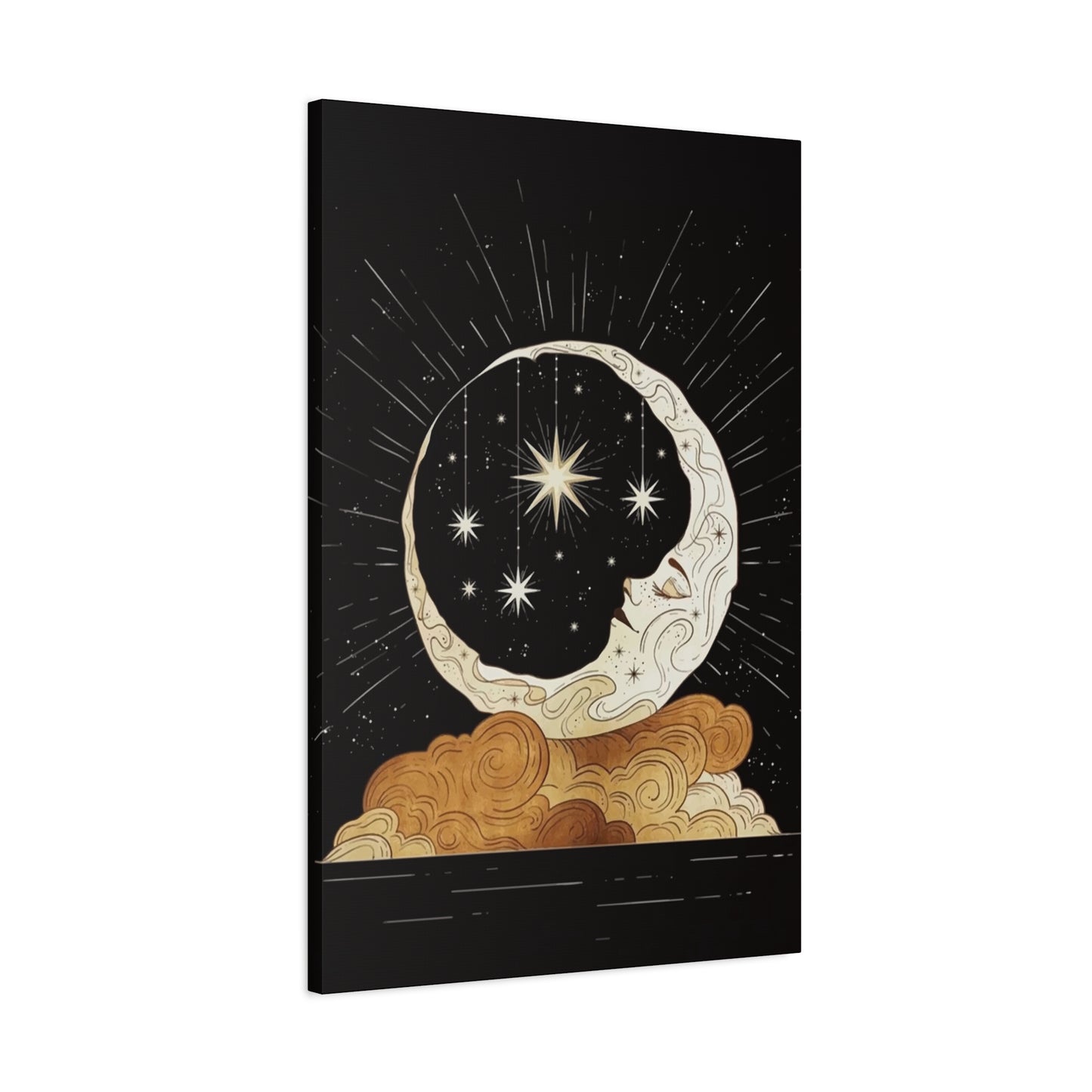
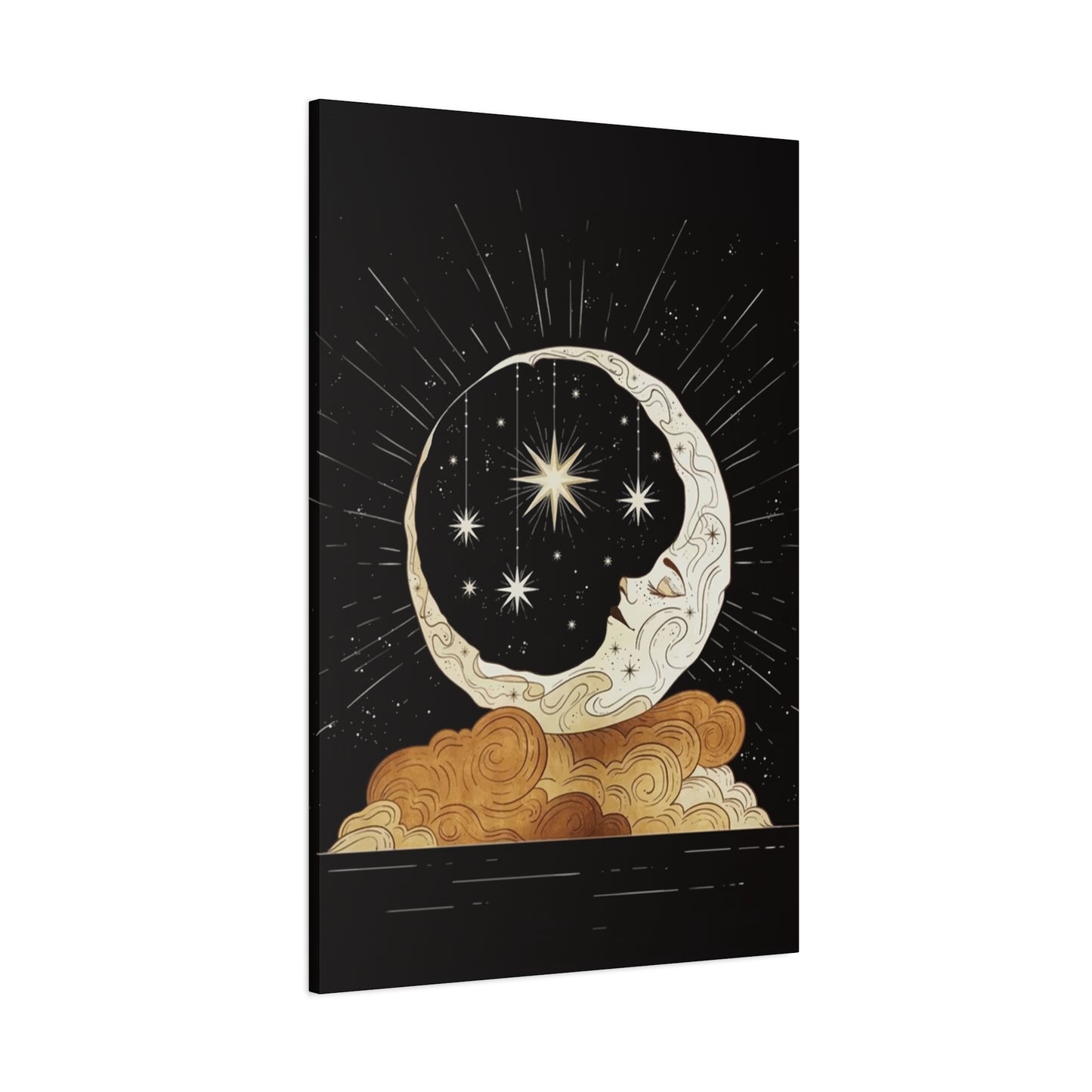
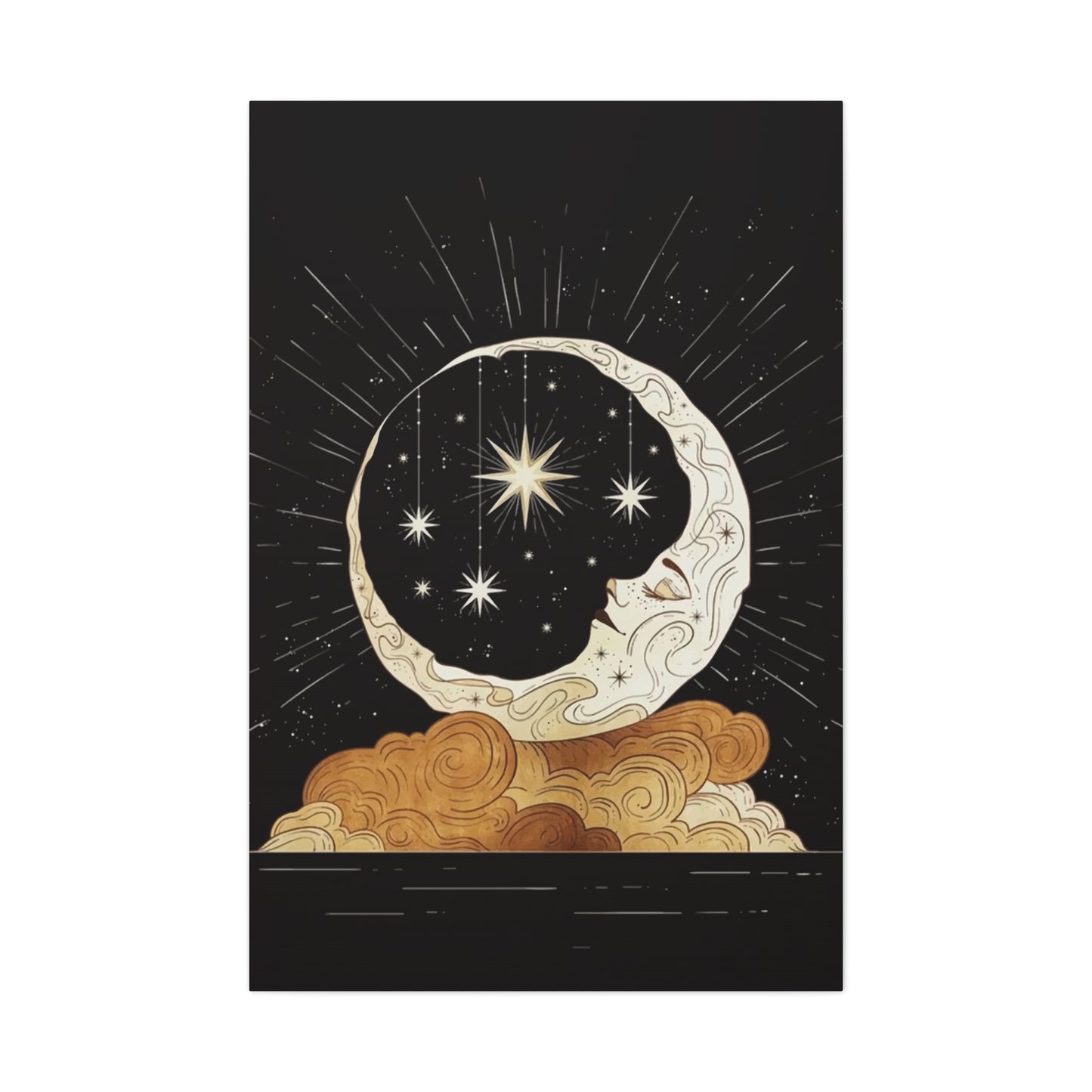
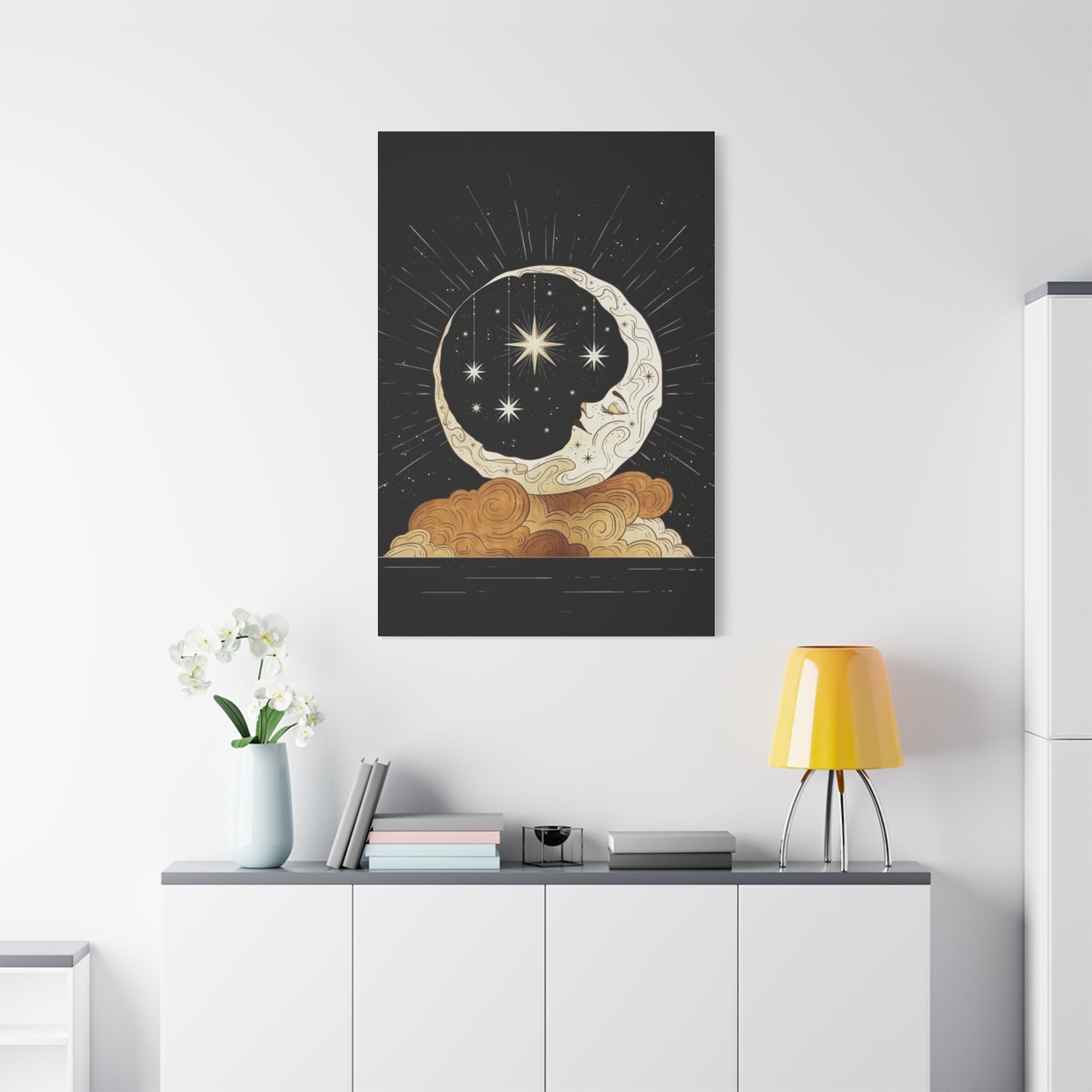
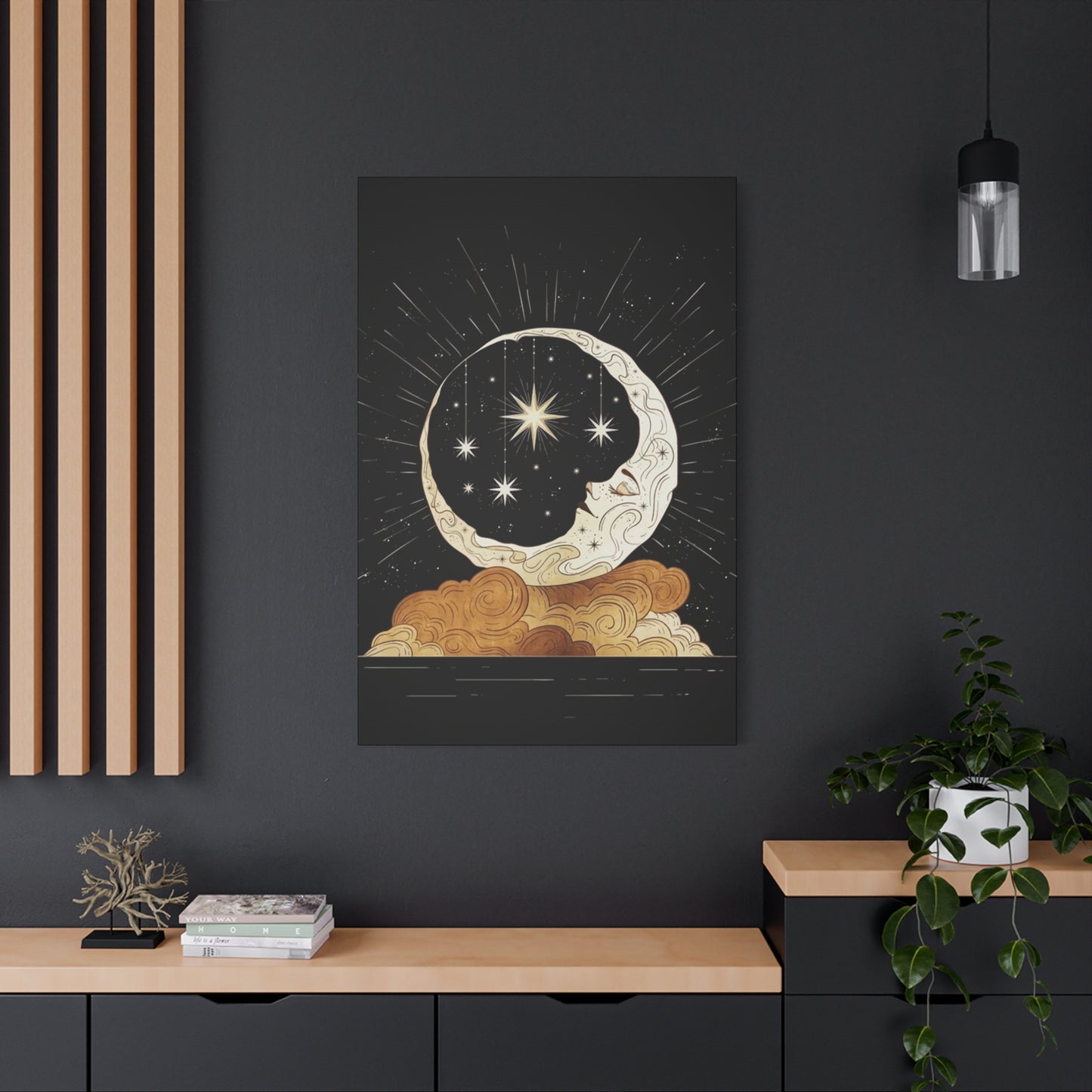
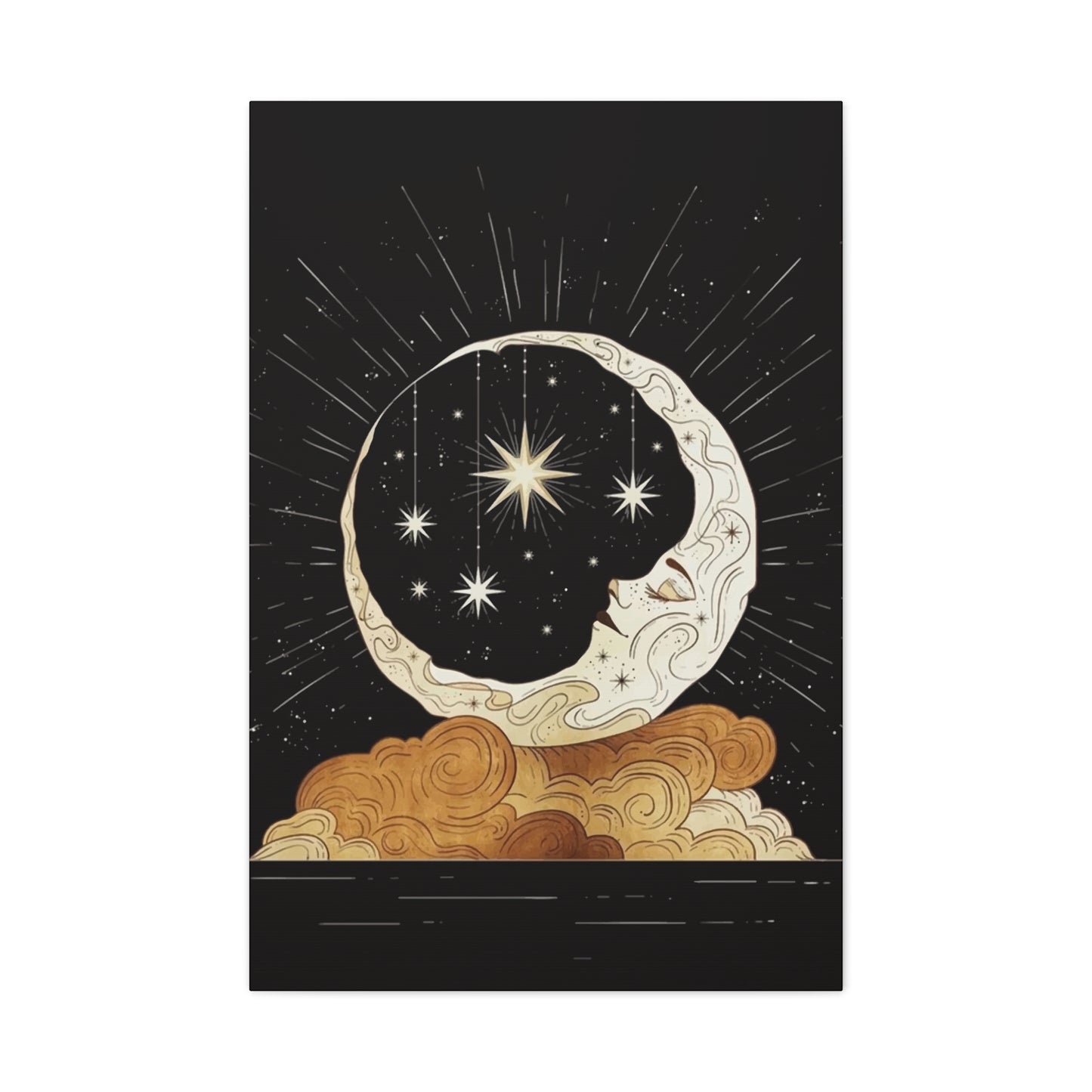
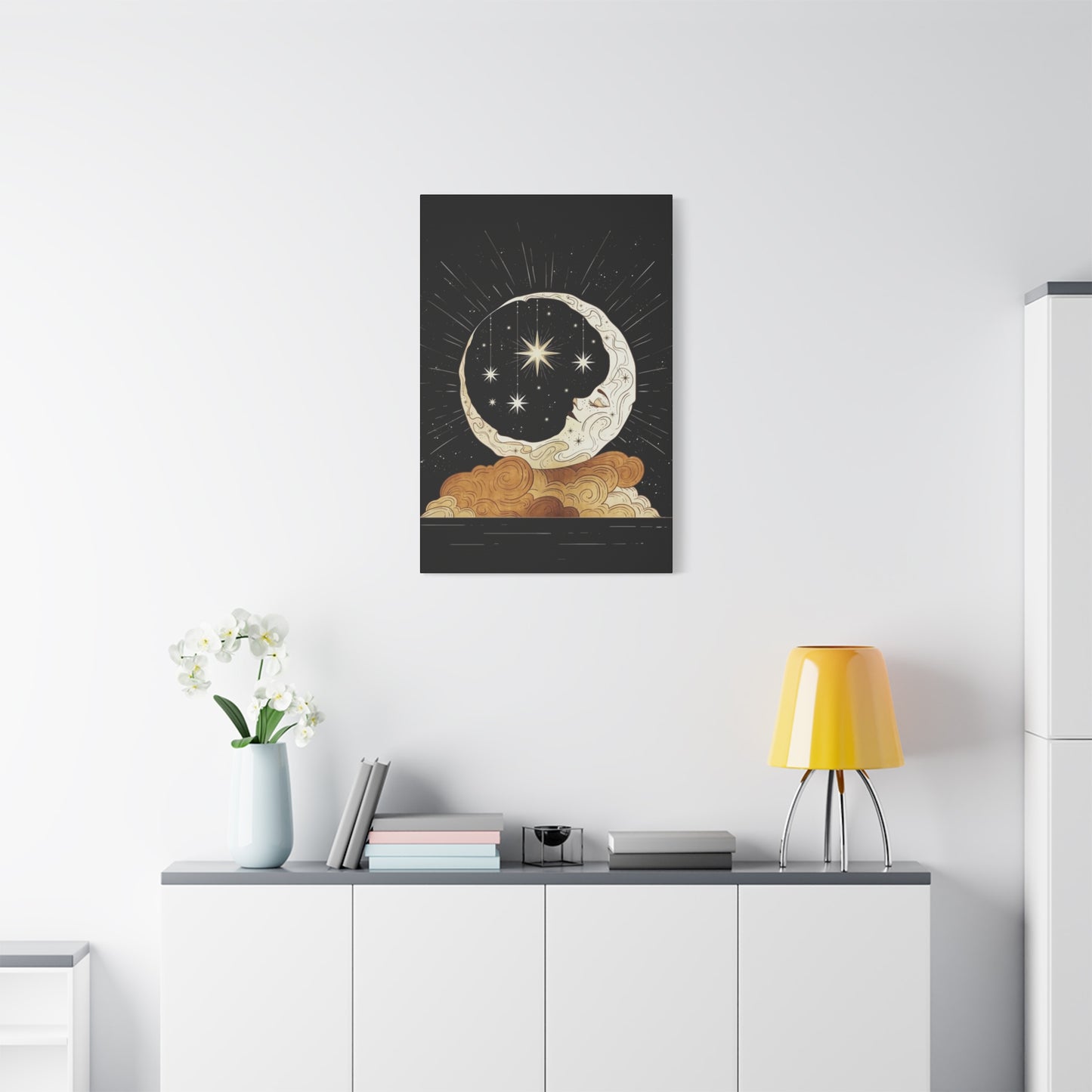
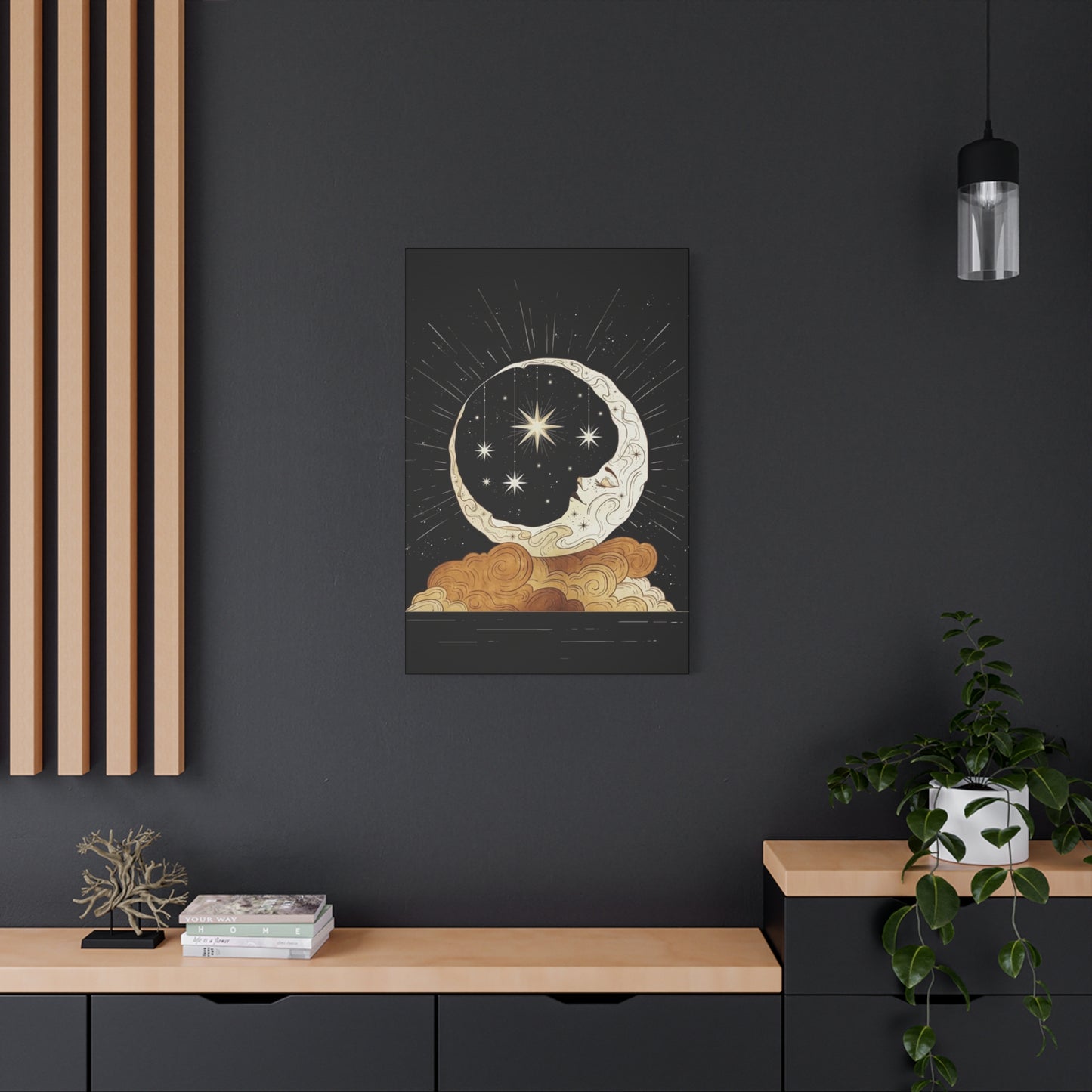
Aesthetic Moon Wall Art & Canvas Prints
Aesthetic Moon Wall Art & Canvas Prints
Couldn't load pickup availability
Discover the Enchanting World of Aesthetic Moon Wall Art: Your Journey to Celestial Home Décor Excellence
The celestial beauty of lunar imagery has captivated humanity for millennia, and today, this fascination manifests beautifully through aesthetic moon wall art. These stunning pieces bring the mystique and elegance of Earth's natural satellite directly into your living spaces, creating atmospheres that range from serene and contemplative to bold and energizing. Whether you're drawn to minimalist crescent designs, detailed photographic prints of lunar surfaces, or abstract interpretations that blend moonscapes with watercolor effects, the world of lunar-themed décor offers endless possibilities for personalizing your environment.
The allure of aesthetic moon wall art extends far beyond simple decoration. These pieces serve as conversation starters, meditation focal points, and expressions of our deep connection to the cosmos. In recent years, the popularity of celestial-themed interior design has skyrocketed, with homeowners, renters, and designers alike recognizing the unique ambiance that lunar artwork can create. From bohemian bedrooms adorned with phases of the moon to contemporary living rooms featuring oversized lunar photography, these artistic expressions have become integral to modern interior aesthetics.
Why Lunar-Themed Artwork Captures Hearts and Transforms Living Spaces
The magnetic appeal of moon-themed décor stems from multiple layers of meaning and visual impact. On the most fundamental level, the moon represents mystery, transformation, and the passage of time—concepts that resonate deeply within the human psyche. When you incorporate aesthetic moon wall art into your home, you're not merely hanging a picture; you're inviting these powerful symbolic elements into your daily experience.
From a design perspective, lunar imagery possesses remarkable versatility. The natural palette of moonscapes—ranging from silvery whites to deep charcoal grays, with occasional hints of blue or gold—complements virtually any color scheme. This inherent neutrality makes moon art an exceptionally practical choice for those who enjoy refreshing their décor periodically without needing to replace major art pieces.
Furthermore, the circular form of the full moon creates a natural focal point that draws the eye without overwhelming a space. This geometric perfection provides balance and harmony to room layouts, particularly in areas that might otherwise feel asymmetrical or chaotic. Interior designers have long understood that circular elements soften the hard lines prevalent in modern architecture, and moon art fulfills this function while simultaneously adding thematic depth.
The emotional resonance of lunar imagery cannot be overstated. For many individuals, the moon evokes feelings of calm, wonder, and connection to something greater than themselves. In our increasingly hectic world, creating sanctuary spaces within our homes has become essential for mental wellbeing. Aesthetic moon wall art contributes to this sanctuary-building by providing a visual reminder of nature's rhythms and the vast universe beyond our immediate concerns.
Exploring the Diverse Styles and Formats of Lunar Artwork Available Today
The contemporary market for aesthetic moon wall art encompasses an extraordinary range of styles, mediums, and presentations. Understanding these categories helps you identify which approaches align best with your personal taste and existing décor scheme.
Photographic prints represent one of the most popular categories, offering stunning detail and scientific accuracy. These pieces range from crisp, high-resolution images captured by professional astrophotographers to artistic interpretations that emphasize mood over strict realism. Some photographic prints showcase the moon in its various phases, while others zoom in on specific crater regions or feature the moon rising over earthly landscapes. The level of detail in quality lunar photography can be absolutely breathtaking, revealing textures and topographical variations invisible to the naked eye.
Watercolor and painted interpretations provide a softer, more dreamlike alternative to photography. These artworks often incorporate imaginative color palettes that extend beyond the moon's natural appearance, including lavender, rose gold, teal, and midnight blue. Artists might paint the moon surrounded by wispy clouds, starfields, or abstract elements that suggest movement and energy. Watercolor moon art tends to work particularly well in spaces designed for relaxation, such as bedrooms, reading nooks, and meditation areas.
Minimalist line art has gained tremendous traction in recent years, appealing to those who favor clean, uncluttered aesthetics. These pieces typically feature simple black lines on white backgrounds (or vice versa) depicting crescent moons, moon phases, or stylized lunar profiles. The simplicity of line art makes it exceptionally versatile—it can stand alone as a statement piece or be incorporated into gallery walls with complementary works. This style pairs beautifully with Scandinavian, modern, and minimalist interior design philosophies.
Abstract lunar compositions push creative boundaries by reimagining the moon through non-representational forms. These pieces might fracture the lunar sphere into geometric segments, blend moon imagery with other celestial bodies, or use the moon as a starting point for explorations of texture and form. Abstract moon art appeals to collectors who appreciate conceptual depth and desire pieces that invite contemplation and interpretation.
Three-dimensional representations include sculptural elements, layered shadow boxes, and mixed-media constructions that extend beyond the wall plane. These pieces add literal depth to your space and create fascinating shadow play when properly lit. Some artists craft moon art from unexpected materials like metal, wood, or recycled objects, resulting in unique pieces with substantial visual impact.
Digital art and LED-illuminated pieces represent the cutting edge of lunar décor. These contemporary works might feature backlit moon images, LED installations that mimic lunar cycles, or digital displays that can transition between different moon phases or color temperatures. Such pieces particularly appeal to those with modern or eclectic design sensibilities who appreciate the intersection of art and innovation.
Selecting the Perfect Lunar Artwork That Resonates With Your Personal Style and Space Requirements
Choosing aesthetic moon wall art involves careful consideration of multiple factors beyond simple visual appeal. The right piece should harmonize with your existing décor while also bringing something new and enlivening to the space.
Begin by assessing the room's current color palette. While moon art's inherent neutrality provides flexibility, you'll achieve the most cohesive results by considering how the artwork's tones interact with wall colors, furniture, and accessories. In rooms dominated by cool tones, silvery or blue-tinted moon art reinforces the existing temperature. Conversely, in warmer spaces, consider lunar pieces with golden, amber, or sepia undertones that echo rather than clash with the surrounding palette.
Scale matters enormously when selecting wall art. A common mistake involves choosing pieces too small for the available wall space, resulting in artwork that appears lost or insignificant. As a general guideline, artwork should occupy roughly two-thirds to three-quarters the width of the furniture piece below it, such as a sofa or console table. For standalone walls without furniture, consider how the piece relates to the overall wall dimensions. Oversized statement pieces can be absolutely stunning, while collections of smaller pieces arranged in deliberate patterns create visual interest through repetition and variation.
The room's function should influence your artistic choices. Bedrooms, designed for rest and rejuvenation, benefit from calming lunar imagery—perhaps phases of the moon rendered in soft colors or photographic prints with a serene quality. Living spaces accommodate bolder choices, including abstract interpretations or vibrant color palettes. Home offices and creative studios might feature inspiring lunar landscapes that encourage contemplation and imagination.
Lighting conditions dramatically affect how moon art appears. Natural light reveals subtle details and color variations that might disappear in dimmer settings. If you're placing lunar artwork in a naturally bright space, you have maximum flexibility in choosing detailed pieces with nuanced coloring. In areas with limited natural light, consider art with stronger contrasts or pieces that incorporate metallic elements, which catch and reflect available light.
Your personal connection to the piece matters most of all. The artwork you choose should resonate with you on an emotional level, not merely check decorative boxes. Spend time considering how a piece makes you feel. Does it inspire calm? Excitement? Wonder? The most successful art selections are those that continue to engage and satisfy over time, so prioritize pieces that genuinely speak to you.
Where to Discover Exceptional Moon-Themed Artwork From Independent Artists and Curated Collections
The search for perfect aesthetic moon wall art leads through various channels, each offering distinct advantages and shopping experiences. Independent online marketplaces provide access to thousands of artists worldwide, offering pieces ranging from affordable prints to original paintings. These platforms allow you to support individual creators directly while exploring diverse artistic voices and styles. Many artists offer customization options, adjusting sizes, colors, or compositional elements to better suit your specific needs.
Gallery-quality print services specialize in museum-grade reproductions of both famous lunar photography and contemporary artworks. These sources prioritize printing methods that ensure longevity and color accuracy, using archival inks and premium papers or canvases. While potentially more expensive than mass-market alternatives, the superior quality justifies the investment for those serious about building lasting art collections.
Local art fairs, craft markets, and gallery exhibitions provide opportunities to view moon art in person before purchasing. This direct experience allows you to assess quality, scale, and color accuracy firsthand—considerations difficult to evaluate from screen images alone. Additionally, purchasing at such venues often includes the pleasure of meeting artists and hearing about their creative processes and inspirations.
Interior design boutiques frequently curate selections of celestial artwork that align with current design trends. These businesses have often pre-screened pieces for quality and style relevance, potentially streamlining your selection process. The trade-off typically involves higher price points and less extensive selections compared to broader marketplaces.
Commissioned pieces represent the ultimate in personalization. Working directly with an artist allows you to specify dimensions, color schemes, stylistic approaches, and compositional elements. This collaborative process results in truly unique artwork perfectly tailored to your space and vision. While requiring more time and financial investment, commissioned pieces become irreplaceable focal points that reflect your individual aesthetic sensibility.
Strategic Placement Approaches That Maximize Visual Impact and Create Harmonious Room Flow
Once you've selected your aesthetic moon wall art, thoughtful placement becomes crucial for achieving maximum impact. The positioning of artwork affects not only the piece itself but the entire room's visual dynamics and energy flow.
Height placement follows a fundamental rule in the art world: the center of the artwork should sit at approximately eye level, typically between fifty-seven and sixty inches from the floor. This guideline ensures comfortable viewing without neck strain. However, context sometimes demands flexibility. In rooms where people primarily sit, such as dining areas or home theaters, slightly lower placement accommodates the typical viewing angle.
Creating gallery walls with moon art involves balancing repetition and variety. Multiple lunar pieces in different sizes or formats can be arranged to create cohesive collections that tell visual stories. Some successful approaches include arranging phases of the moon in linear sequences, creating asymmetrical clusters of various lunar interpretations, or mixing moon art with complementary celestial elements like stars or constellations. When planning gallery walls, lay out the arrangement on the floor before hammering any nails, photographing the layout to guide your hanging process.
Focal wall strategies involve designating one wall as the room's visual anchor, often the wall most visible upon entering or the surface behind major furniture pieces. Placing a substantial lunar artwork on this focal wall establishes clear visual hierarchy and helps organize the room's overall design narrative. Ensure adequate breathing room around the piece—overcrowding with nearby elements dilutes impact.
Unexpected placements can create delightful surprises. Consider moon art in entryways, where it sets a welcoming tone; above bathtubs, where it reinforces relaxation; in stairway galleries, where it maintains visual interest along transitional spaces; or even in closets and unexpected nooks, creating moments of discovery.
Proper spacing matters when hanging multiple pieces. Art positioned too close together feels crowded and chaotic, while excessive spacing creates disconnect. Generally, maintain two to three inches between frames in grouped arrangements. For pieces hung in vertical or horizontal lines, consistent spacing creates pleasing rhythm and order.
Complementary Design Elements That Enhance Your Lunar Artwork's Presence and Thematic Cohesion
Aesthetic moon wall art achieves maximum impact when thoughtfully integrated with surrounding design elements. Creating thematic cohesion throughout a space amplifies the artwork's presence while establishing sophisticated, intentional atmospheres.
Lighting design profoundly influences how moon art appears and feels. Picture lights mounted directly above or below artwork provide focused illumination that highlights details and creates dramatic shadows. Track lighting offers adjustable positioning, allowing you to experiment with lighting angles that might emphasize textures or reveal previously unnoticed elements. For contemporary spaces, consider LED strip lighting installed behind artwork panels, creating subtle halos that make pieces appear to float.
Color coordination extends the moon theme throughout your space without overwhelming it. Incorporate lunar-inspired tones in throw pillows, blankets, curtains, or area rugs. Silvery grays, deep charcoals, soft creams, and midnight blues echo lunar palettes while maintaining sophistication. Metallic accents in silver or brushed nickel continue the celestial theme through lamp bases, picture frames, drawer pulls, and decorative objects.
Furniture selection and arrangement should support rather than compete with your moon art. In rooms where lunar artwork serves as the primary focal point, choose furniture with simple lines and restrained ornamentation. Rich textures in upholstery and materials add interest without introducing visual chaos. Position seating arrangements to naturally direct attention toward the artwork, creating conversational groupings that face or frame the piece.
Complementary artwork and decorative objects strengthen thematic consistency. Star charts, constellation prints, planetary photography, or night sky landscapes create natural partnerships with moon art. However, avoid overwhelming spaces with exclusively celestial imagery—balance themed elements with neutral pieces, natural materials, and empty space that allows eyes to rest.
Textural variety prevents spaces from feeling flat or one-dimensional. Pair smooth, printed moon art with rough-hewn wooden furniture, plush textiles, or organic materials like stone and ceramic. These textural contrasts create sensory richness that elevates overall design sophistication.
Plant life introduces organic elements that ground celestial themes in earthly beauty. Consider plants with silvery foliage like dusty miller or lamb's ear, which echo lunar coloring. Trailing plants like pothos or string-of-pearls soften hard edges and introduce gentle movement into static spaces.
Framing Choices That Protect Your Investment While Enhancing Aesthetic Appeal
Framing decisions significantly impact how aesthetic moon wall art appears and how well it withstands time. Thoughtful framing protects your investment while contributing to the piece's overall aesthetic presence.
Frame materials each bring distinct character. Wood frames offer warmth and traditional appeal, with options ranging from natural oak to painted finishes. Dark woods like walnut complement dramatic lunar photography, while lighter woods suit softer, watercolor interpretations. Metal frames deliver contemporary sophistication, with thin profiles maintaining modern minimalism and chunkier options adding industrial edge. Acrylic and lucite frames create floating effects that particularly suit contemporary and eclectic spaces.
Frame colors should harmonize with both the artwork and surrounding environment. Black frames provide bold contrast that works universally well, particularly with monochromatic moon images. White frames brighten spaces and suit lighter, airier interpretations. Natural wood tones bring warmth, while metallic finishes add luxurious shimmer. For maximum versatility, choose frame colors present elsewhere in the room—in furniture, fixtures, or accessories.
Matting adds visual breathing room between artwork and frame, preventing the image from feeling cramped. White or cream mats create clean, gallery-quality presentations. Colored mats can pull specific tones from the artwork, though this approach requires careful color matching to avoid clashing. Wider mats lend importance and gravitas to pieces, while narrower borders suit casual, approachable presentations.
Glass or acrylic covers protect artwork from environmental damage including dust, moisture, and UV exposure. Standard glass provides clarity and protection at accessible price points. UV-protective glass prevents fading and discoloration, essential for preserving valuable pieces in sunny locations. Museum glass eliminates glare and reflections while providing superior UV protection, though at premium cost. Acrylic glazing weighs less than glass and resists shattering, making it practical for large pieces or homes with children.
Frameless presentations suit certain contemporary pieces, particularly when artwork extends to canvas edges or includes integral mounting systems. Floating frames, which suspend artwork between front and back panels, create dramatic shadow effects while maintaining protective benefits.
Proper Care Practices That Preserve Your Moon Artwork's Beauty Across Decades
Protecting your aesthetic moon wall art ensures it remains vibrant and pristine throughout years of enjoyment. Different mediums require specific care approaches, though general principles apply universally.
Environmental control prevents the most common forms of artwork degradation. Maintain stable temperature and humidity levels, avoiding areas near heating vents, air conditioners, or drafty windows where fluctuations occur. Excessive humidity encourages mold growth on organic materials, while extreme dryness can cause papers and canvases to become brittle. Ideal conditions maintain relative humidity between forty and fifty-five percent with temperatures around seventy degrees.
Light exposure, particularly direct sunlight, causes irreversible fading and discoloration. Position moon art away from windows receiving direct sun, or use UV-filtering window films and blackout curtains during peak sunlight hours. Even artificial lighting can cause gradual damage over extended periods, so consider rotating displayed pieces periodically if you maintain a larger collection.
Dust accumulation dulls artwork and can embed particles into surfaces over time. Gently dust frames and glass surfaces regularly using soft, lint-free cloths or specialty art dusters. For glass-covered pieces, spray cleaning solution onto the cloth rather than directly onto glass to prevent moisture from seeping behind the frame. Never spray or apply liquids directly to unprotected artwork surfaces.
Canvas pieces without glass protection require extra vigilance. Use soft brushes designed for artwork to gently remove dust buildup. Never use household dusters or cleaning products, which may contain chemicals harmful to paint and canvas. If canvas pieces require deeper cleaning, consult professional art conservators rather than attempting treatments yourself.
Inspect artwork periodically for signs of damage including frame loosening, backing deterioration, foxing (brown spots on paper), mold growth, or insect activity. Early detection allows for prompt remediation before minor issues become major problems requiring extensive restoration.
Storage of artwork not currently displayed requires climate-controlled environments and protective wrapping. Store pieces vertically when possible, never leaning multiple pieces directly against each other. Interleave acid-free tissue paper between pieces and wrap the entire collection in breathable materials. Avoid plastic wrap, which traps moisture.
Incorporating Moon Phases Into Your Décor for Deeper Symbolic Resonance
The moon's cyclical phases carry rich symbolic meanings that can add conceptual depth to your decorative choices. Understanding these associations allows you to select aesthetic moon wall art that resonates with your intentions and aspirations.
The new moon, invisible in the night sky, symbolizes beginnings, fresh starts, and potential. Artwork representing this phase often features negative space or minimal markings, emphasizing absence and possibility. Placing new moon imagery in spaces dedicated to planning, goal-setting, or creative brainstorming aligns visual symbolism with functional purpose.
The waxing crescent, that first visible sliver of returning light, represents intention-setting and initial momentum. This phase embodies hope and the courage to pursue new directions. Artwork capturing this delicate crescent shape brings graceful, elegant lines to spaces while suggesting forward movement and growth.
First quarter moons, showing exactly half illumination, symbolize decision points and overcoming obstacles. The balanced composition of these images—half light, half shadow—creates natural visual interest while representing the challenges we navigate during periods of growth and change.
Waxing gibbous moons, more than half but not yet full, embody refinement and adjustment. These nearly-complete forms suggest progress toward goals and the patience required during final preparation stages. Such imagery works well in spaces where detailed work occurs or where persistence and determination deserve reinforcement.
Full moons command attention with their complete, radiant presence. Symbolizing fruition, culmination, and celebration, full moon artwork brings powerful energy to spaces. These pieces work beautifully as focal points in gathering areas where you celebrate achievements or connect with loved ones. The full moon also represents heightened emotions and clarity, making such artwork appropriate for meditation spaces or anywhere you seek insight.
Waning gibbous moons, just past fullness, symbolize gratitude and sharing. This phase encourages reflection on recent accomplishments and the generous distribution of our abundance. Artwork depicting this phase can remind us to appreciate what we've achieved while remaining open to continued evolution.
Last quarter moons, again half-illuminated but decreasing, represent release and forgiveness. These images work well in spaces dedicated to letting go of what no longer serves—perhaps in bathrooms, closets, or areas associated with decluttering and simplification.
Waning crescent moons, that final sliver before darkness returns, embody rest, recuperation, and surrender. Artwork featuring this phase encourages us to honor necessary dormancy and trust in cycles of renewal. Such pieces particularly suit bedrooms and quiet corners designed for restoration.
Sequential displays showing complete lunar cycles create dynamic visual narratives while representing life's cyclical nature. Arranging phase imagery in linear sequences across walls creates movement and tells stories of continuous transformation.
Budget-Conscious Strategies for Building Impressive Lunar Art Collections Over Time
Creating visually stunning spaces with aesthetic moon wall art doesn't require unlimited resources. Strategic approaches allow you to develop impressive collections while respecting financial constraints.
Prioritize quality over quantity when beginning your collection. A single well-crafted, properly framed piece creates greater impact than multiple lesser-quality items. This foundation piece establishes your aesthetic direction and serves as the benchmark for future acquisitions.
Prints and reproductions offer accessibility to beautiful lunar imagery at fractions of original artwork costs. Many talented photographers and digital artists sell high-quality prints affordably, some offering various sizes to accommodate different budgets and spaces. The key lies in ensuring prints use quality papers and inks that won't quickly fade or discolor.
DIY framing substantially reduces costs compared to custom framing services. Ready-made frames in standard sizes—especially those purchased during seasonal sales—provide professional-looking presentations at accessible price points. Online tutorials guide beginners through proper mounting and assembly techniques.
Seasonal shopping events, including holiday sales, store clearances, and anniversary promotions, offer significant discounts on both artwork and framing supplies. Signing up for email lists from preferred retailers alerts you to upcoming sales, allowing you to time major purchases strategically.
Trading and swapping artwork with friends builds collections while fostering community connections. If particular pieces no longer suit your evolving aesthetic, offering them to others whose styles have changed differently creates mutually beneficial exchanges.
Creating your own moon art represents the ultimate budget-friendly approach. Amateur astronomers can photograph the moon using telephoto lenses or telescope adapters, while artists can explore painting, drawing, or digital creation. The personal connection to self-made artwork often exceeds even professional pieces' emotional resonance.
Mixing price points within collections prevents spaces from feeling uniformly "budget" or "luxury." Pairing affordable prints with splurge-worthy original pieces or expensive frames creates visual interest through variety while allowing strategic allocation of resources.
Seasonal Rotation Strategies That Keep Your Living Spaces Fresh and Engaging
Rotating aesthetic moon wall art seasonally prevents decorative stagnation while allowing you to showcase diverse pieces from your collection. This practice maintains visual freshness without requiring constant new purchases.
Spring rotations might emphasize lighter, brighter lunar interpretations that echo the season's renewal themes. Consider pieces with warmer undertones or those incorporating floral elements alongside moon imagery. This season also welcomes experimental or abstract interpretations that reflect spring's creative energy.
Summer's vibrant energy accommodates bolder, more saturated moon artwork. Deep blue night skies studded with stars complement the season's long evenings. Beach and water themes pair naturally with lunar imagery, given the moon's influence on tides and its romantic association with seaside nights.
Autumn invites warmer, more contemplative lunar pieces. Harvest moons in rich golden or amber tones align with fall's color palette. As daylight diminishes and introspection deepens, artwork emphasizing the moon's mysterious qualities feels particularly resonant.
Winter naturally accommodates dramatic, high-contrast moon photography. Crisp lunar details against deep black skies mirror winter's clarity and stillness. Silver-toned pieces complement winter's crystalline aesthetic, while blue undertones echo winter's cool temperature.
Rotation practicality requires careful planning. Maintain storage systems that protect pieces not currently displayed. Document which artworks hang in which locations, including hanging hardware specifics, to streamline future rotations. Photograph each arrangement for reference, helping you remember successful combinations or avoid repeating less effective ones.
Rotation frequency depends on your collection size and personal preferences. Quarterly changes align with seasons, while semi-annual rotations reduce the labor involved. Some collectors rotate specific pieces monthly, treating certain walls as evolving galleries while maintaining stable anchor pieces elsewhere.
Combining Lunar Artwork With Other Celestial Elements for Comprehensive Cosmic Themes
While aesthetic moon wall art powerfully stands alone, integrating other celestial elements creates rich, layered environments that celebrate our connection to the cosmos without becoming thematically overwhelming.
Star charts and constellation maps provide natural companions to lunar imagery. Vintage star maps bring historical depth and scholarly elegance, while contemporary constellation prints offer clean, modern alternatives. Consider pairing moon phase sequences with corresponding zodiac constellation images, creating relationships between lunar cycles and astrological systems.
Planetary photography introduces color and variety to celestial galleries. Jupiter's swirling storms, Saturn's majestic rings, Mars' rusty surfaces, and Earth's blue marble presence each bring unique visual qualities. Mix planetary images with moon art in gallery wall arrangements, maintaining cohesion through consistent framing choices.
Galaxy and nebula imagery provides spectacular color and scale contrast to moon art's often restrained palette. The vibrant purples, pinks, and blues of nebula photography energize spaces while maintaining celestial thematic consistency. Use such colorful pieces as accent elements that punctuate moon-focused displays.
Astrophotography of the Milky Way introduces scope and grandeur, reminding viewers of our place within incomprehensible cosmic scales. Long-exposure shots revealing our galaxy's cloudy band across night skies pair beautifully with lunar close-ups, creating dialogue between intimate and vast perspectives.
Astronomical instruments—antique telescopes, brass orreries, vintage sextants, or armillary spheres—bridge decorative and functional realms while reinforcing celestial themes. These sculptural elements add three-dimensional interest and scholarly character to spaces featuring moon art.
Meteorite fragments and tektites, if accessible, bring literal cosmic presence into homes. Displaying these space rocks on shelves or in shadow boxes near moon artwork creates tangible connections to the extraterrestrial subject matter adorning your walls.
Space mission memorabilia, including vintage mission patches, commemorative prints, or replica equipment, adds historical and exploratory dimensions to celestial themes. Such elements particularly suit home offices or libraries where intellectual curiosity already predominates.
Balance remains crucial when incorporating multiple celestial elements. Allow adequate negative space between themed items, intersperse with non-celestial elements, and maintain restraint to prevent thematic oversaturation. The goal involves creating sophisticated environments that suggest cosmic interest without resembling observatory gift shops.
Pairing Moon Art With Specific Interior Design Styles for Cohesive Aesthetics
Aesthetic moon wall art's versatility allows integration across virtually all design styles, though specific approaches maximize cohesion within particular aesthetic frameworks.
Bohemian spaces thrive with eclectic lunar imagery that emphasizes color, pattern, and artistic interpretation. Layered gallery walls mixing moon phases with mandalas, ethnic textiles, and nature photography create the bohemian aesthetic's characteristic rich visual complexity. Favor handmade, artisanal pieces with visible brushstrokes or imperfect edges that reinforce the style's rejection of mass-produced uniformity.
Minimalist environments require careful curation, emphasizing simplicity and intentionality. Single statement pieces with clean compositions work better than collections. Black and white photography or simple line drawings maintain the style's restrained palette. Frameless presentations or ultra-thin metal frames preserve visual lightness.
Industrial spaces benefit from lunar photography printed on unconventional materials like metal, concrete, or reclaimed wood. Large-scale pieces suit the style's embrace of bold proportions. Raw, unpolished frames or exposed hanging mechanisms align with industrial aesthetic principles celebrating functional hardware.
Scandinavian design pairs beautifully with gentle lunar imagery featuring soft colors and organic forms. Light woods, white matting, and artwork emphasizing the moon's natural beauty rather than dramatic contrast maintain the style's characteristic serenity. Functionality and simplicity guide all choices.
Mid-century modern spaces accommodate lunar art with graphic qualities and bold simplicity. Clean lines, geometric treatments of moon imagery, and limited color palettes align with the period's design values. Teak or walnut frames echo mid-century furniture materials.
Coastal aesthetics naturally incorporate moon imagery given the moon's relationship with tides. Artwork featuring moons rising over oceans, in soft blue-gray palettes, or rendered in watercolors suggesting fluidity maintains coastal themes. Whitewashed or driftwood-style frames reinforce the beachy connection.
Traditional and classic interiors accommodate lunar art through sophisticated presentations. Ornate gilded frames, classical compositions, and historically-inspired astronomical illustrations respect traditional aesthetic values while introducing celestial themes. Museum-quality framing and formal symmetrical arrangements maintain appropriate gravitas.
Eclectic styles embrace unexpected combinations and personal curation. Mix vintage lunar prints with contemporary interpretations, combine diverse frame styles, and create unexpected juxtapositions that reflect your unique sensibility. Eclectic design celebrates rule-breaking, so trust your instincts even when conventional wisdom suggests otherwise.
Exploring Cultural Perspectives on Lunar Imagery and Symbolism Across Global Traditions
The moon's significance transcends borders and eras, with cultures worldwide developing rich symbolic associations that can inform and deepen your relationship with aesthetic moon wall art.
In Chinese tradition, the moon represents feminine yin energy, standing in balance with the sun's masculine yang force. Moon worship and appreciation culminate in the Mid-Autumn Festival, celebrating harvest, family reunion, and lunar beauty. Chinese lunar art often incorporates jade rabbits, Chang'e the moon goddess, or mooncakes, adding narrative and cultural specificity to celestial imagery.
Japanese culture reveres moon-viewing, or tsukimi, as contemplative practice connecting observers with seasonal rhythms and natural beauty. Traditional Japanese moon art frequently includes autumn grasses, rabbits, or the moon reflected in water, emphasizing the poetic interplay between celestial and earthly realms. Haiku and calligraphy might accompany lunar imagery in Japanese artistic traditions.
Islamic cultures follow lunar calendars and use crescent moon symbols prominently, associating the moon with guidance, illumination, and divine presence. Geometric patterns reflecting Islamic artistic traditions might incorporate lunar forms, while crescent and star combinations carry deep cultural and religious significance.
Hindu traditions associate the moon with the deity Chandra and connect lunar phases with emotional states, fertility, and mental clarity. Indian lunar art might incorporate Sanskrit inscriptions, lotus flowers, or representations of Chandra himself, blending celestial observation with spiritual narrative.
Native American traditions encompass diverse lunar associations across numerous tribal nations. Many tribes named moons according to seasonal characteristics—Harvest Moon, Strawberry Moon, Wolf Moon—connecting lunar cycles with earthly events. Incorporating these traditional names into lunar art arrangements adds layers of meaning connecting celestial observation with ecological awareness.
Ancient Greek and Roman mythologies personified the moon through deities including Selene, Artemis, Luna, and Diana. Classical lunar art might depict these figures or incorporate mythological narratives explaining lunar phases and behaviors. Such imagery connects modern viewers with ancient attempts to understand celestial phenomena through storytelling.
Mesoamerican cultures developed sophisticated lunar observations, incorporating moon phases into calendrical systems and architectural alignments. Mayan and Aztec lunar symbolism often connects the moon with water, fertility, and death-rebirth cycles. Art drawing on these traditions brings pre-Columbian perspectives to contemporary spaces.
Understanding these diverse cultural associations allows you to select aesthetic moon wall art that resonates with your heritage, spiritual beliefs, or intellectual interests. Incorporating pieces reflecting various traditions creates cross-cultural dialogues that enrich your environment while acknowledging humanity's universal fascination with our celestial neighbor.
Using Moon Artwork as Anchors for Meditation and Contemplative Practices
Aesthetic moon wall art serves purposes beyond visual pleasure, functioning as focal points for meditation, reflection, and mindfulness practices. Deliberately positioning and engaging with lunar imagery can deepen contemplative routines.
Creating dedicated meditation spaces around moon artwork establishes clear intentions for particular areas. Position comfortable seating facing the artwork, arrange cushions or benches at appropriate distances for comfortable viewing, and ensure lighting can be dimmed for ambiance without completely obscuring the image.
Moon gazing meditation translates traditional outdoor practice indoors through aesthetic moon wall art. Sit comfortably facing the artwork and allow your gaze to rest softly on the lunar image without forcing focus. Notice details gradually emerging—textural variations, tonal shifts, compositional rhythms. When thoughts arise, gently redirect attention to visual observation. This practice cultivates sustained attention while the moon's associations with calm and mystery naturally ease mental chatter.
Lunar phase meditation aligns internal reflection with the moon's cyclical nature. If your moon art depicts a specific phase, contemplate that phase's symbolic associations during meditation. Sit with new moon imagery while setting intentions, use full moon art when celebrating or releasing, and engage waning moon pieces during periods of necessary rest. This practice connects personal rhythms with cosmic cycles.
Visualization practices can incorporate moon artwork as departure points for inner journeys. After establishing calm focus on the physical artwork, close your eyes and reconstruct the image mentally. Then allow the visualization to evolve—perhaps imagining yourself standing on that lunar surface, or visualizing the moon's light bathing you in healing energy. The physical artwork provides a concrete reference point that grounds otherwise abstract visualization.
Breath awareness practices benefit from visual anchors. Coordinate breathing rhythms with moon imagery—imagining light filling your body on inhalations, darkness or release on exhalations. The moon's circular form naturally suggests cyclical breathing patterns.
Journaling practices gain depth when conducted in view of moon artwork. Allow the image to inspire reflections on themes of change, cycles, mystery, or illumination. Notice what emotions, memories, or insights arise when contemplating the piece during reflective writing.
The consistency of returning repeatedly to the same lunar image for contemplative practice builds meaningful relationship with the artwork. Over time, the piece becomes associated with meditative states, eventually triggering calm and focus simply through viewing.
Gifting Moon Art: Thoughtful Occasions and Presentation Ideas That Create Lasting Impressions
Aesthetic moon wall art makes exceptional gifts for various occasions, carrying symbolic weight alongside aesthetic appeal. Thoughtful selection and presentation transform already meaningful gifts into cherished memories.
Housewarming gifts of moon art welcome new homeowners with wishes for peaceful, beautiful spaces. Choose versatile pieces in neutral palettes that work across décor styles, or select thoughtfully if you know the recipient's aesthetic preferences. Include brief notes about the moon's symbolic associations with home, protection, and new beginnings.
Wedding gifts featuring moon art celebrate the couple's beginning journey together. Consider pieces depicting two moons or emphasizing union and partnership. Some artists create custom pieces incorporating couple's names, wedding dates, or meaningful coordinates. The moon's cyclical nature symbolizes enduring commitment through changing seasons.
Anniversary gifts might commemorate years together through lunar symbolism. Traditional milestone anniversaries could be honored with moon art incorporating relevant materials—silver for twenty-fifth anniversaries, gold for fiftieth. Art depicting the moon's phase on the couple's wedding night adds personal specificity.
Birth and adoption celebrations find perfect expression in moon art. The new moon's symbolism of fresh starts and potential perfectly captures the arrival of new family members. Some artists create custom pieces showing the moon's phase on birth dates, creating permanent records of these significant moments.
Graduation gifts of moon art acknowledge achievement while suggesting continued growth and exploration. Full moon imagery represents culmination, while crescents suggest forward momentum into new chapters. Pair artwork with quotes about pursuing dreams or reaching for metaphorical stars.
Sympathy gifts require sensitivity, but carefully selected moon art offers comfort. The moon's cyclical phases remind grieving individuals that darkness precedes returning light, suggesting hope without diminishing loss. Choose gentle, serene pieces with comforting color palettes and include heartfelt notes acknowledging the difficulty while offering support.
Retirement celebrations honor life transitions where moon art symbolizes new freedom and exploration. Consider pieces suggesting peace, reflection, and time for pursuits previously delayed. Lunar landscapes might inspire travel plans or simply symbolize entering life phases governed by personal choice rather than obligation.
Final Thoughts
Aesthetic moon wall art offers a captivating way to bring the magic of the night sky into your living spaces. The moon, with its ethereal glow and timeless symbolism, has inspired artists, poets, and dreamers for centuries. Incorporating moon-inspired artwork into your home not only elevates the aesthetic appeal of your space but also invites a sense of wonder, serenity, and connection to the universe. Whether you're drawn to the moon's mysterious allure, its symbolic meanings, or its calming presence, moon-themed art is the perfect way to infuse your space with celestial beauty and create a sanctuary that reflects your unique taste and personality.
One of the most striking qualities of moon wall art is its versatility. The moon, as an iconic celestial body, can be represented in a myriad of artistic styles, from minimalist line drawings to intricate, surreal depictions. Whether you prefer a bold and modern interpretation of the moon's phases or a soft, watercolor portrayal of a full moon glowing over a quiet landscape, there's a design to suit every home and every mood. The subtle gradients of color, the balance of light and shadow, and the organic shapes found in moon art make it a beautiful addition to both contemporary and traditional interiors.
The symbolism behind the moon further enhances its appeal as a central theme in home décor. Throughout history, the moon has been associated with a range of meanings, from femininity and intuition to cycles of renewal and transformation. In many cultures, the moon represents change, reflection, and the passage of time, making it a powerful symbol to incorporate into your home. Whether you're looking for inspiration, a reminder of personal growth, or simply a sense of calm, moon art brings these deeper layers of meaning into your living space, making it a personal and thoughtful addition to your décor.
The tranquil and soothing qualities of the moon also play a significant role in why moon wall art is a popular choice for creating peaceful atmospheres in the home. The moon's cool hues—silvery blues, soft whites, and gentle purples—instantly evoke a sense of serenity and relaxation. This makes moon art an ideal choice for spaces where you want to unwind and feel at peace, such as a bedroom, meditation room, or reading nook. By incorporating moon art into these areas, you can create a calming environment that encourages rest and reflection, transforming your home into a sanctuary that promotes well-being.
In living rooms and common areas, aesthetic moon wall art can also serve as a stunning focal point that draws attention and sparks conversation. The unique, celestial beauty of the moon naturally captivates the eye, making it a striking addition to walls with a neutral or minimalist color palette. Whether framed in a modern geometric design or surrounded by other celestial motifs like stars and constellations, moon art can elevate the style of any room, creating a sophisticated, yet otherworldly vibe that captures the imagination. It can act as a conversation starter, inviting guests to explore the layers of meaning and artistry behind the piece, or simply serve as a breathtaking visual centerpiece that adds depth and dimension to the room.
Moreover, the calming, yet mesmerizing presence of moon art makes it a wonderful choice for creating a serene mood in your space. The moon's association with the night and its ability to light up the darkness has long been a symbol of hope, guidance, and inner peace. By incorporating moon art into your décor, you invite those feelings into your home, turning it into a place of warmth, comfort, and tranquility. Whether through the subtle glow of a full moon or the phases of the moon gradually unfolding across a canvas, these works of art can serve as reminders of life's natural cycles and the quiet beauty found in moments of stillness.
Moon art also allows you to tap into the celestial theme in your home, which can be seamlessly incorporated into various interior design trends. For those who enjoy modern, minimalist spaces, a clean-lined, monochrome moon print will perfectly complement sleek, contemporary furnishings. On the other hand, for a more bohemian or eclectic style, you might opt for a more detailed or textured piece, perhaps incorporating elements like stars, galaxies, or abstract cosmic patterns. The versatile nature of moon-themed art allows it to work effortlessly with various décor styles, from industrial and rustic to romantic and whimsical.
Another unique aspect of aesthetic moon wall art is its ability to evoke a sense of connection to the larger universe. The moon has always served as a unifying symbol across different cultures, representing the shared experience of humanity. Whether gazing up at the moon from a bustling city or a quiet country home, it remains a constant in our lives, connecting us to the vastness of the cosmos. By incorporating moon art into your home, you can feel this same sense of connection, grounding yourself in something larger than your immediate surroundings while still celebrating the beauty and uniqueness of the moment.
In conclusion, aesthetic moon wall art offers a truly enchanting way to enhance your living space, bringing beauty, meaning, and serenity into your home. With its wide range of artistic styles, symbolic significance, and calming presence, moon-themed art is the perfect addition for anyone looking to create a celestial-inspired sanctuary. Whether you choose a minimalist depiction of a crescent moon or an expansive painting capturing the full glory of the night sky, these pieces of art will infuse your home with a sense of wonder, tranquility, and timeless elegance. As a focal point or subtle accent, aesthetic moon art will become a beloved part of your home décor, turning any room into a space that celebrates both the majesty of the cosmos and the peaceful comfort of your own sanctuary.
Share