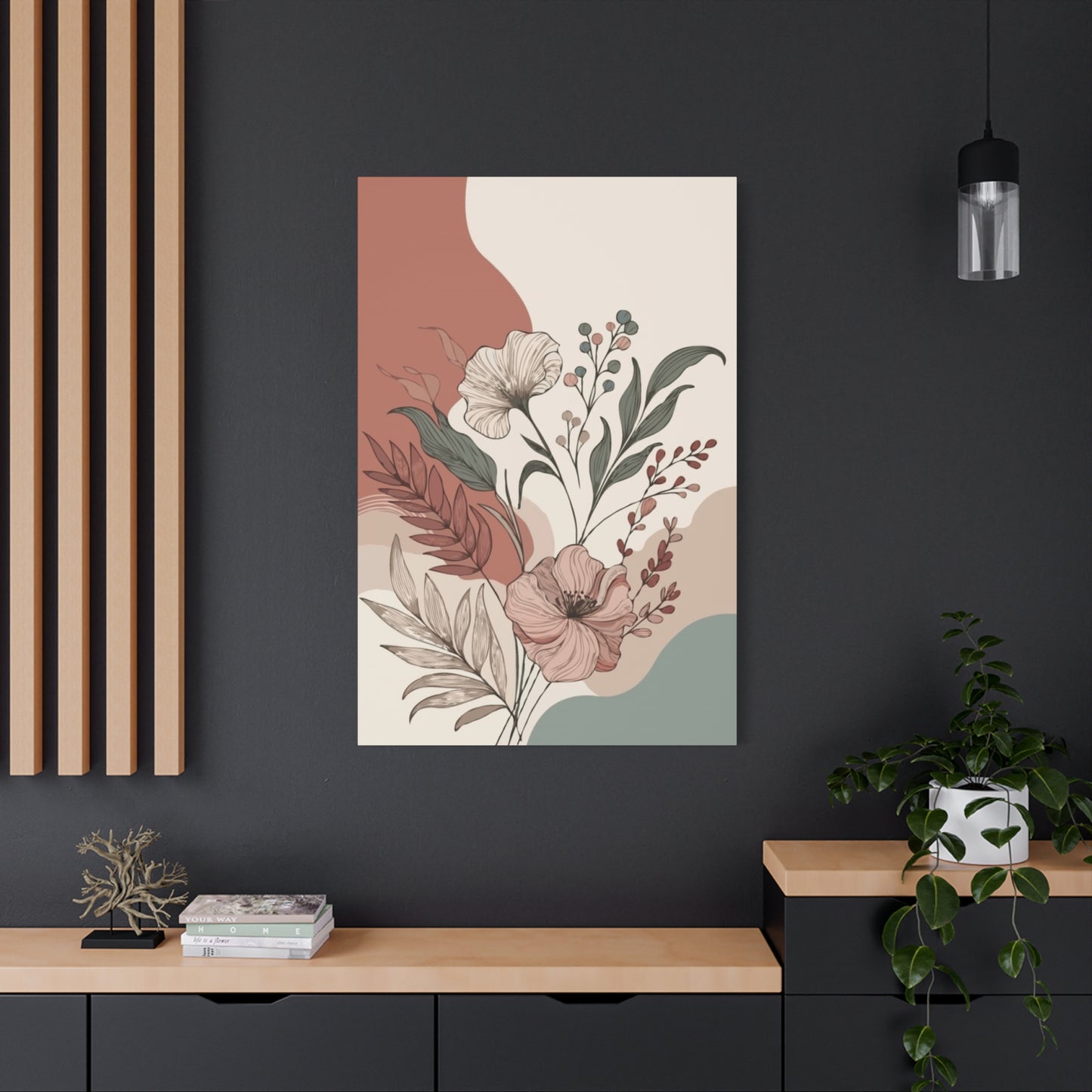


Aesthetic Flowers and Leaves Painting Wall Art & Canvas Prints
Aesthetic Flowers and Leaves Painting Wall Art & Canvas Prints
Couldn't load pickup availability
Beautiful Floral and Foliage Artwork: Creating Stunning Visual Masterpieces for Your Living Spaces with Aesthetic Flowers and Leaves Painting Wall Art
The world of interior decoration has witnessed a remarkable surge in the popularity of botanical-themed artwork, particularly aesthetic flowers and leaves painting wall art that transforms ordinary rooms into extraordinary sanctuaries of natural beauty. This comprehensive exploration delves deep into every aspect of creating, selecting, displaying, and appreciating these magnificent pieces that bring the serenity of gardens and forests into our homes.
Throughout centuries, humans have maintained an intrinsic connection with nature, seeking ways to incorporate its beauty into their living environments. Aesthetic flowers and leaves painting wall art represents more than mere decoration; it embodies our fundamental desire to remain connected with the natural world even within urban settings. This form of artistic expression has evolved from simple sketches to sophisticated masterpieces that capture the intricate details of petals, stems, and foliage with breathtaking accuracy.
The resurgence of botanical art in modern interiors reflects a collective yearning for tranquility and organic elements in increasingly digitized lives. When we observe a carefully crafted painting featuring delicate rose petals or the intricate veining of a monstera leaf, we experience a momentary escape from the concrete and steel that typically surrounds us. These artworks serve as windows to meadows, conservatories, and wild gardens, offering visual respite that soothes the mind and elevates the spirit.
Contemporary artists have mastered the art of capturing not just the physical appearance of flora but also their essence—the way morning dew clings to a petal, how sunlight filters through translucent leaves, or the graceful curve of a stem reaching toward light. This attention to detail transforms aesthetic flowers and leaves painting wall art from simple decoration into meaningful artistic statements that resonate with viewers on multiple levels.
Discovering Various Artistic Styles in Floral and Foliage Representations
The realm of botanical artwork encompasses an astonishing variety of styles, each offering unique aesthetic qualities and emotional resonances. Realistic portrayals strive for photographic accuracy, meticulously rendering every detail of stamens, pistils, and the subtle gradations of color found in living specimens. Artists working in this tradition often spend countless hours studying their subjects, ensuring that their paintings could serve as botanical references while simultaneously functioning as captivating art pieces.
Impressionistic approaches to aesthetic flowers and leaves painting wall art prioritize capturing the feeling and atmosphere of a garden scene rather than precise botanical accuracy. These works often feature loose brushstrokes, vibrant color palettes, and a dreamy quality that evokes the sensory experience of walking through a blooming garden on a summer afternoon. The slightly blurred edges and interplay of light and shadow create movement and life within the static medium of paint on canvas.
Abstract interpretations push boundaries further, using floral and foliate forms as starting points for explorations of color, shape, and composition. These pieces might reduce a flower to its essential geometric components or explode its structure into cascading patterns that fill the entire canvas. Such works appeal to those seeking bold, conversation-starting pieces that maintain a connection to nature while embracing contemporary artistic sensibilities.
Minimalist botanical art strips away excess, focusing on clean lines, limited color palettes, and negative space to create serene, contemplative pieces. A single stem bearing a few leaves rendered in black ink against pristine white paper can convey as much emotional impact as a densely detailed garden scene. This style particularly suits modern, uncluttered interiors where aesthetic flowers and leaves painting wall art serves as a focal point rather than competing with other decorative elements.
Watercolor botanical illustrations occupy a special place in the tradition, combining scientific precision with the soft, flowing qualities of the medium. The translucency of watercolor perfectly captures the delicate nature of petals and leaves, while allowing for subtle layering that builds depth and dimension. These pieces often possess an heirloom quality, evoking vintage botanical prints from museum archives while remaining thoroughly contemporary in execution.
Selecting Perfect Color Schemes for Botanical Artwork in Different Rooms
Color selection plays a crucial role in determining how aesthetic flowers and leaves painting wall art interacts with its surrounding environment. The psychology of color influences our emotional responses to spaces, making thoughtful palette selection essential for achieving desired atmospheric effects. Warm tones like reds, oranges, and yellows energize spaces, making them ideal for social areas such as dining rooms or kitchens where you want to stimulate conversation and appetite.
Cool tones—blues, greens, and purples—promote relaxation and contemplation, perfect for bedrooms, bathrooms, or meditation spaces. A painting featuring lavender fields or eucalyptus branches in these hues can transform a bedroom into a peaceful retreat that facilitates restful sleep. The calming effect of these colors has been documented in numerous studies, making them popular choices for spaces designated for unwinding after stressful days.
Neutral palettes featuring whites, creams, taupes, and soft grays offer remarkable versatility, allowing aesthetic flowers and leaves painting wall art to complement virtually any existing color scheme. These understated pieces work particularly well in minimalist or Scandinavian-inspired interiors where simplicity and functionality reign supreme. A monochromatic painting of pampas grass or white peonies can add visual interest without overwhelming a carefully curated neutral space.
Complementary color schemes, which pair colors opposite each other on the color wheel, create vibrant, dynamic visual experiences. A painting featuring orange marigolds against blue backgrounds or purple irises with yellow accents commands attention and becomes an immediate focal point. These bold combinations work best in spaces where you want to make strong design statements.
Analogous color schemes use colors adjacent on the color wheel, creating harmonious, cohesive looks. Aesthetic flowers and leaves painting wall art featuring various shades of green, from lime to forest to sage, creates a soothing, nature-immersed feeling. Similarly, a piece transitioning from pink through red to orange evokes sunset gardens and warm, welcoming atmospheres.
Understanding Canvas Materials and Their Impact on Artistic Quality
The foundation upon which artists create aesthetic flowers and leaves painting wall art significantly influences the final result's appearance, longevity, and value. Cotton canvas, the most common choice, offers excellent absorbency and accepts paint beautifully, allowing for smooth application and vibrant color retention. Its natural texture adds depth to brushstrokes, creating visual interest that flat surfaces cannot achieve. However, cotton canvas requires proper priming to prevent deterioration over time, as untreated fibers may eventually weaken or discolor.
Linen canvas represents the premium choice for serious collectors and artists alike. Its superior durability stems from flax fibers that resist stretching, warping, and degradation far better than cotton alternatives. The slightly irregular weave of linen creates a distinctive texture that many artists prize for its character and the unique way it holds paint. Pieces created on linen canvas often command higher prices due to both the material cost and the superior archival qualities that ensure artwork remains vibrant for generations.
Synthetic canvases, typically made from polyester, offer modern alternatives that resist moisture, mildew, and UV damage better than natural fibers. These materials work particularly well for aesthetic flowers and leaves painting wall art destined for bathrooms, kitchens, or other high-humidity environments where traditional canvases might deteriorate. The consistent weave of synthetic materials provides an extremely smooth painting surface, though some artists and collectors feel this lacks the character of natural fibers.
Canvas panels, which mount canvas fabric onto rigid backing boards, provide stable surfaces that don't require stretching or framing. These panels work exceptionally well for smaller pieces and offer convenience for both artists and collectors. The rigid support prevents warping and makes hanging straightforward, though the lack of depth compared to stretched canvas creates a different visual presentation.
The weight and weave of canvas significantly impact how paint behaves and how the finished piece appears. Heavy-weight canvases with tight weaves provide smooth surfaces ideal for detailed botanical illustrations, while lighter-weight canvases with more open weaves suit looser, more expressive painting styles. Understanding these nuances helps collectors make informed decisions when selecting aesthetic flowers and leaves painting wall art that meets both aesthetic preferences and practical requirements.
Exploring Different Painting Mediums for Botanical Subjects
Oil paints have dominated the world of fine art for centuries, and their use in aesthetic flowers and leaves painting wall art continues to produce stunning results. The slow drying time of oils allows artists to blend colors seamlessly, creating subtle gradations that perfectly capture the soft transitions found in flower petals and leaves. The rich, luminous quality of oil paint brings unparalleled depth and vibrancy to botanical subjects, making them appear almost three-dimensional.
The extended working time that oil paints provide enables artists to refine details, adjust compositions, and achieve levels of realism that faster-drying mediums struggle to match. However, this same characteristic means oil paintings require patience—both in creation and in curing. Newly completed oil paintings may take weeks or even months to dry completely, and they continue to cure for years afterward, gradually hardening to their final state.
Acrylic paints offer faster-drying alternatives that have gained tremendous popularity among contemporary artists creating aesthetic flowers and leaves painting wall art. The water-based nature of acrylics makes them more forgiving for beginners while still offering professional results in skilled hands. Acrylics can mimic the appearance of oils when applied thickly or create watercolor-like effects when thinned, providing remarkable versatility.
The rapid drying time of acrylics allows artists to work quickly and build up layers without extended waiting periods between sessions. This characteristic proves particularly valuable for large-scale pieces or commissions with tight deadlines. Once dry, acrylic paint becomes water-resistant, making artworks more durable and easier to clean than their watercolor counterparts.
Watercolor remains the traditional medium for botanical illustration, prized for its transparency and luminosity. The way watercolor pigments interact with paper creates unique effects impossible to replicate with other mediums. Layers of transparent color build depth while allowing underlying washes to show through, creating the delicate, ethereal quality perfectly suited to aesthetic flowers and leaves painting wall art featuring subjects like cherry blossoms, wildflowers, or ferns.
The unpredictability of watercolor—the way pigments flow, blend, and separate on wet paper—adds an element of spontaneity that many artists embrace. While this characteristic can challenge beginners, experienced watercolorists harness these properties to create effects that bring botanical subjects to life with remarkable freshness and vitality.
Gouache, sometimes called opaque watercolor, combines characteristics of both watercolor and acrylic, offering the reactivatable properties of watercolor with the opacity of acrylic. This medium works beautifully for creating flat, even color areas or for adding opaque highlights to transparent watercolor paintings. Many botanical illustrators favor gouache for its ability to render both delicate details and bold, solid areas of color within the same piece.
Mixed media approaches combine multiple painting mediums, sometimes incorporating collage, drawing materials, or even metallic foils. These experimental pieces push the boundaries of traditional botanical art, creating aesthetic flowers and leaves painting wall art that feels contemporary and innovative while still celebrating natural subjects. The textural variety achieved through mixed media adds dimensionality and visual interest that single-medium works cannot provide.
Mastering Composition Principles for Balanced Botanical Artwork
Successful aesthetic flowers and leaves painting wall art relies heavily on thoughtful composition—the arrangement of elements within the picture plane. The rule of thirds, borrowed from photography, divides the canvas into a grid of nine equal sections and places key elements along these lines or at their intersections. This creates more dynamic, visually interesting compositions than centering subjects, though centered compositions can work effectively for formal, symmetrical arrangements.
Leading lines guide viewers' eyes through the composition, creating visual journeys that hold attention and reveal different aspects of the artwork upon repeated viewings. In botanical paintings, stems, branches, and vines naturally serve as leading lines, directing focus from one flower cluster to another or from foreground details into deeper compositional space. Skilled artists use these natural elements deliberately, crafting paths that control how viewers experience the piece.
Negative space—the empty areas surrounding subjects—plays an equally important role in composition. Rather than cramming every inch of canvas with painted elements, effective aesthetic flowers and leaves painting wall art often incorporates generous negative space that allows subjects to breathe and prevents visual overwhelm. This emptiness itself becomes a compositional element, its shape and size carefully considered to balance painted areas.
Focal points serve as compositional anchors, the areas where artists want viewers to look first and longest. In floral paintings, the focal point might be a fully opened bloom rendered in sharp detail, while surrounding buds and leaves receive softer treatment. This hierarchy of detail creates depth and guides viewer attention without the use of literal perspective.
Balance within compositions can be symmetrical, with equal visual weight on both sides of a central axis, or asymmetrical, using different elements of varying sizes and visual weights to create equilibrium. Symmetrical compositions feel formal, stable, and classical, while asymmetrical arrangements appear more dynamic, modern, and naturalistic. Most aesthetic flowers and leaves painting wall art employs asymmetrical balance, as it better reflects the organic, irregular growth patterns found in nature.
Rhythm and repetition create visual harmony through recurring elements—perhaps similar leaf shapes scattered throughout the composition or a color that appears in multiple locations. These repetitions unify the piece, creating connections between disparate elements and preventing compositions from feeling fragmented or chaotic. However, too much repetition creates monotony, so successful artists introduce variations that maintain interest while establishing cohesive rhythms.
Examining Size and Scale Considerations for Wall Artwork
The dimensions of aesthetic flowers and leaves painting wall art dramatically impact both its visual presence and its appropriateness for particular spaces. Oversized statement pieces measuring six feet or more across command immediate attention, transforming entire walls into dramatic focal points. These massive works suit spacious living rooms, dining areas, or commercial spaces where they can be viewed from sufficient distance to appreciate their full impact without overwhelming viewers.
Large-scale botanical paintings allow artists to render subjects at or above life size, revealing details invisible in smaller works. Viewers can examine individual pollen grains, the texture of leaf surfaces, or water droplets clinging to petals. This immersive quality creates powerful connections between viewers and depicted subjects, fostering appreciation for botanical complexity often overlooked in nature itself.
Medium-sized pieces, typically ranging from two to four feet in their longest dimension, offer versatility that makes them perennially popular. These dimensions work well above sofas, beds, or dining tables, providing visual interest without dominating rooms. Multiple medium-sized pieces can be arranged in gallery walls, creating custom configurations that fill large spaces while maintaining flexibility for future rearrangement.
Small-scale aesthetic flowers and leaves painting wall art, measuring two feet or less in each dimension, serves multiple roles within interior design. These intimate pieces work beautifully in compact spaces like bathrooms, hallways, or home offices where larger works would feel cramped. They also function as supporting elements in larger gallery walls, adding variety and visual texture when mixed with medium and large pieces.
The relationship between artwork size and wall size significantly affects visual balance. General design principles suggest leaving approximately six to twelve inches of wall space on each side of artwork hanging above furniture, with the piece measuring roughly two-thirds to three-quarters the width of the furniture below it. However, these guidelines are not absolute rules, and deliberate violation of these ratios can create intentional design statements.
Ceiling height influences appropriate artwork scale—rooms with soaring ceilings can accommodate taller pieces that would overwhelm standard eight-foot ceilings. Conversely, horizontal orientation suits rooms with lower ceilings, emphasizing width rather than height and preventing spaces from feeling vertically cramped. Understanding these spatial relationships ensures aesthetic flowers and leaves painting wall art enhances rather than fights against architectural features.
Investigating Framing Options That Enhance Botanical Artwork
Framing transforms aesthetic flowers and leaves painting wall art from raw canvas into finished, gallery-worthy pieces ready for display. Frame selection influences how viewers perceive artwork, with different styles conveying distinct aesthetic messages. Traditional ornate frames featuring carved wood and metallic finishes suit classical botanical illustrations or oil paintings with formal compositions, echoing the frames found in museum collections and historic homes.
Simple, streamlined frames crafted from plain wood or metal complement contemporary paintings and modern interiors. These understated borders provide visual boundaries without competing with artwork for attention. Black frames offer crisp, sophisticated looks that work particularly well with monochromatic or high-contrast pieces, while natural wood frames in warm tones create cohesive, organic presentations that emphasize botanical subjects' natural origins.
Floating frames create the illusion that canvas hovers within the frame, leaving narrow gaps between artwork edges and frame sides. This contemporary framing style works exceptionally well with gallery-wrapped canvases, where painting extends around canvas edges, as it allows these wrapped edges to remain visible and appreciated. The dimensional quality of floating frames adds physical depth that enhances the illusion of depth within paintings themselves.
Gallery wrapping eliminates the need for frames entirely by extending painted images around canvas edges and stapling canvas to stretcher bars' backs rather than sides. This frameless presentation creates clean, modern looks that suit minimalist interiors and allows painted surfaces to become sculptural objects rather than merely two-dimensional images. Multiple gallery-wrapped canvases can be hung close together, creating the appearance of a single, segmented artwork.
Matting adds another layer of visual separation between aesthetic flowers and leaves painting wall art and its frame, particularly important for works on paper. Wide mats in neutral colors create breathing room around botanical illustrations, preventing frames from crowding delicate details. Museum-quality acid-free matting protects artwork from deterioration, ensuring preservation for future generations while enhancing presentation quality.
Frame width affects visual impact—wider frames create more substantial borders that can make small pieces feel more substantial, while narrow frames minimize separation between artwork and surrounding walls. The interplay between frame width, mat size (if used), and artwork dimensions requires careful consideration to achieve balanced, harmonious results. Many framers offer virtual visualization tools that help clients preview different combinations before committing to particular framing choices.
Creating Harmonious Gallery Wall Arrangements with Botanical Themes
Gallery walls combine multiple pieces of aesthetic flowers and leaves painting wall art into cohesive displays that transform blank walls into curated collections. Planning these arrangements requires balancing unity and variety—pieces should relate to each other through shared themes, colors, or styles, yet offer sufficient diversity to maintain visual interest. All-botanical gallery walls create strong thematic coherence, while mixing botanical works with other subjects adds eclecticism and personality.
Layout planning determines gallery wall success. Before driving any nails, arrange pieces on the floor in your desired configuration, adjusting positions until achieving satisfying balance. Alternatively, create paper templates matching each piece's dimensions and tape these to walls, allowing experimentation without creating multiple nail holes. This planning stage proves crucial, as strong gallery walls appear deliberately arranged rather than randomly assembled.
Grid layouts arrange pieces in strict horizontal and vertical alignment, creating formal, orderly presentations. This approach works particularly well when using identically sized pieces or when mixing different sizes into a regular pattern. The predictability of grid arrangements feels calm and controlled, suiting traditional interiors or spaces where you want art to provide visual order.
Salon-style arrangements, inspired by crowded gallery walls of nineteenth-century salons, pack pieces closely together in seemingly irregular patterns. Despite appearing casual, successful salon walls require careful planning to ensure visual balance and appropriate spacing. This denser hanging style maximizes wall coverage and creates dramatic, immersive effects that make rooms feel gallery-like and sophisticated.
Asymmetrical arrangements offer more organic, contemporary aesthetics. These layouts might cluster smaller pieces around a large central work or create flowing compositions that follow natural curves rather than rigid grids. The irregularity feels more relaxed and personal than formal grid arrangements, though achieving balanced asymmetry requires skilled spatial judgment.
Spacing between pieces influences gallery wall character—wider gaps create breathing room and emphasize individual works, while narrow spacing unifies separate pieces into cohesive wholes. Standard spacing ranges from two to six inches between frames, though these guidelines can be adjusted based on frame styles, artwork characteristics, and personal preferences. Consistent spacing throughout gallery walls typically produces more professional, intentional appearances than random intervals.
Hanging height affects comfort and visual impact. The conventional guideline positions artwork centers at eye level, approximately fifty-seven to sixty inches from the floor. For gallery walls, calculate the center point of the entire arrangement rather than centering individual pieces at this height. Adjust positioning based on room function—dining room art might hang slightly higher than living room pieces to accommodate different viewing positions.
Exploring Seasonal Themes in Floral and Foliate Artwork
Aesthetic flowers and leaves painting wall art celebrating different seasons allows interior spaces to reflect nature's annual cycles. Spring-themed pieces burst with renewal, featuring bulb flowers like tulips, daffodils, and hyacinths in fresh pastels—soft pinks, buttery yellows, and delicate lavenders. Cherry blossoms and dogwood branches capture spring's fleeting beauty, their brief blooms preserved permanently in painted form. These cheerful works inject optimism and energy into spaces, making them particularly welcome after long, dark winters.
Summer botanical paintings embrace abundance and lush growth, depicting full gardens at peak bloom. Roses, peonies, dahlias, and sunflowers rendered in saturated, confident colors celebrate warm weather's generosity. Verdant foliage in countless shades of green provides rich backgrounds for vibrant blooms. These pieces evoke memories of long, leisurely days and outdoor living, bringing vacation mindsets into everyday spaces.
Autumn-themed aesthetic flowers and leaves painting wall art shifts palettes toward warm, earthy tones—burnt oranges, deep reds, golden yellows, and rich browns. Falling leaves become subjects themselves, their transformation from green to spectacular color celebrated in paintings that capture this dramatic seasonal transition. Chrysanthemums, autumn crocuses, and late-blooming roses provide floral interest, while ornamental grasses and seed heads add textural variety. These pieces create cozy, contemplative atmospheres perfect for cooler months.
Winter botanical art often features dormant branches, evergreen foliage, and subtle beauty found in barren landscapes. Bare twigs covered in ice crystals, holly branches with bright red berries, or pine boughs dusted with snow demonstrate that botanical interest continues year-round. Monochromatic or near-monochromatic palettes emphasizing grays, browns, and muted greens reflect winter's subdued character, creating serene, meditative pieces suited to quiet reflection.
Rotating seasonal artwork throughout the year keeps interiors feeling fresh and connected to broader natural rhythms. This practice requires storage space for off-season pieces but offers the advantage of preventing visual fatigue—artwork that delights in October may feel stale by March. Alternatively, selecting pieces that transcend specific seasons through abstract approaches or unusual subjects ensures year-round appropriateness while still celebrating botanical themes.
Selecting Appropriate Subjects from the Plant Kingdom
The incredible diversity of plant life provides endless subject possibilities for aesthetic flowers and leaves painting wall art. Popular flowering subjects include roses, arguably the most depicted flower in art history, whose complex petal arrangements and symbolic associations make them perpetually appealing. From tight, formal blooms to wild, loose rambling roses, the variety within this single genus offers extensive creative possibilities.
Tropical flowers like orchids, birds of paradise, and proteas bring exotic drama to botanical artwork. Their unusual forms and vivid colors create striking focal points that conversation and command attention. The architectural quality of these flowers—bold shapes, strong contrasts, and sculptural presences—translates particularly well to contemporary interiors with modern, minimalist aesthetics.
Wildflowers offer charm and informality absent from cultivated garden flowers. Daisies, poppies, lupines, and Queen Anne's lace possess approachable beauty that feels friendly and unpretentious. Aesthetic flowers and leaves painting wall art featuring meadow flowers evokes countryside rambles and simpler pleasures, creating relaxed, welcoming atmospheres in casual living spaces.
Foliage-focused pieces shift attention from flowers to leaves themselves, celebrating the remarkable variety of shapes, sizes, textures, and colors found in plant foliage. Monstera leaves with their distinctive splits, fern fronds with intricate patterns, or palm fronds with bold, structural silhouettes create striking compositions without any flowers present. These pieces often feel more sophisticated and restrained than floral-focused works, suiting refined, understated interior styles.
Botanical specimens—detailed, scientifically accurate depictions of complete plants showing roots, stems, leaves, flowers, and sometimes seeds—connect contemporary art with centuries-old traditions of botanical illustration. These informative yet beautiful pieces appeal to those who appreciate both aesthetic and intellectual qualities in art. Their precision and detail reward close examination, revealing new aspects upon each viewing.
Herbs and vegetables represent unexpected but increasingly popular subjects for aesthetic flowers and leaves painting wall art, particularly in kitchens and dining areas. Basil, rosemary, tomatoes, or artichokes rendered artistically celebrate culinary pleasures and the garden-to-table movement. These pieces feel fresh, slightly whimsical, and perfectly appropriate for spaces dedicated to food preparation and consumption.
Understanding Color Theory and Its Practical Use in Botanical Art
Color theory principles guide artists in creating harmonious, effective aesthetic flowers and leaves painting wall art that achieves desired emotional and visual effects. Understanding color relationships helps both artists create impactful works and collectors select pieces that complement their spaces. The color wheel organizes hues in a circular arrangement, making color relationships visual and intuitive.
Primary colors—red, yellow, and blue—cannot be created by mixing other colors and form the foundation from which all other hues derive. Secondary colors—orange, green, and purple—result from mixing equal parts of two primaries. Tertiary colors emerge from mixing primary and secondary colors, creating red-orange, yellow-orange, yellow-green, blue-green, blue-purple, and red-purple. This spectrum provides the full range of hues available to artists.
Color temperature describes colors as warm or cool, with warm colors (reds, oranges, yellows) advancing toward viewers and cool colors (blues, greens, purples) receding. Understanding this principle helps artists create depth within botanical paintings—warm flowers in sharp focus appear closer, while cool, softly painted foliage recedes into backgrounds. This technique creates three-dimensional illusions on flat surfaces.
Color value refers to lightness or darkness regardless of hue. High-value colors (tints) contain more white, appearing light and airy, while low-value colors (shades) contain more black, appearing dark and heavy. Contrast between values creates drama and visual interest—pale pink roses against deep green leaves pop visually through value contrast even if both colors have relatively low saturation.
Saturation measures color intensity or purity. Highly saturated colors appear vivid and bold, while desaturated colors appear grayed and subtle. Most aesthetic flowers and leaves painting wall art employs varying saturation levels to create focal points and supporting elements—the most saturated colors draw immediate attention, while desaturated areas provide visual rest.
Harmonious color schemes create pleasing, unified palettes. Monochromatic schemes use various values and saturations of a single hue, creating sophisticated, cohesive looks. Analogous schemes employ colors adjacent on the color wheel, producing harmonious palettes with slight variety. Complementary schemes pair opposite colors, creating maximum contrast and vibrant tension. Split-complementary schemes use one color plus the two colors adjacent to its complement, offering contrast while remaining more harmonious than true complementary pairs.
Triadic color schemes use three colors equally spaced around the color wheel, creating balanced yet vibrant palettes. These schemes work well for playful, energetic pieces that celebrate color itself. Tetradic schemes incorporate two complementary pairs, offering maximum variety while maintaining balance. Understanding these relationships helps viewers appreciate why certain aesthetic flowers and leaves painting wall art feels particularly harmonious or dynamic.
Caring for and Preserving Botanical Wall Artwork
Proper care ensures aesthetic flowers and leaves painting wall art remains beautiful for decades or generations. Location significantly impacts artwork longevity—avoid hanging pieces in direct sunlight, which fades pigments over time, particularly watercolors and prints. South-facing walls receive the most intense sun exposure, making them risky locations for valuable artwork. If sunlight exposure is unavoidable, UV-protective glazing on framed works or UV-filtering window films can mitigate damage.
Temperature and humidity fluctuations threaten artwork integrity, potentially causing canvas expansion and contraction, paint cracking, or mold growth. Maintain stable environmental conditions, ideally between sixty-five and seventy-five degrees Fahrenheit with relative humidity around fifty percent. Avoid hanging artwork above radiators, fireplaces, or air conditioning vents where temperature swings are most extreme. Bathrooms and kitchens, with their moisture and temperature variations, pose particular challenges—reserve these spaces for more durable pieces or protect artwork with appropriate glazing.
Dust accumulation dulls artwork appearance and can attract moisture that promotes mold growth. Dust frames and glazing regularly using soft, dry cloths or gentle feather dusters. For unglazed canvases, use soft brushes specifically designed for art cleaning, brushing gently from top to bottom to avoid grinding dust into textured surfaces. Never use water, cleaning solutions, or compressed air on unprotected canvases without professional guidance.
Smoke from cigarettes, fireplaces, or candles deposits residues that yellow and damage artwork over time. Minimize exposure by avoiding smoking near art, ensuring adequate fireplace ventilation, and using candles sparingly in rooms housing valuable pieces. Kitchen grease presents similar challenges—range hood exhaust helps protect nearby aesthetic flowers and leaves painting wall art from airborne cooking residues.
Professional cleaning becomes necessary when dust accumulation exceeds safe DIY removal or when artworks require surface cleaning beyond simple dusting. Conservation professionals possess specialized training, equipment, and materials for safely cleaning various media without causing damage. For valuable pieces, professional conservation every decade or so maintains optimal condition and can address minor damage before it worsens.
Protective glazing shields framed works from environmental threats. Regular glass provides basic protection against dust and physical damage but offers no UV protection. UV-filtering glass blocks harmful ultraviolet rays while remaining virtually indistinguishable from regular glass. Museum glass takes protection further, combining UV filtering with anti-reflective coatings that eliminate glare and maximize clarity. Though expensive, museum glass dramatically enhances viewing experience while providing superior protection.
Acrylic glazing offers lightweight, shatter-resistant alternatives to glass, making it ideal for large pieces or households with children. Quality acrylic provides UV protection and resists yellowing, though it scratches more easily than glass. Anti-static treatments minimize dust attraction, reducing cleaning frequency. Choose between clear acrylic for standard applications and non-glare versions that reduce reflections.
Discovering Where to Acquire Quality Botanical Wall Artwork
Finding exceptional aesthetic flowers and leaves painting wall art requires exploring various sources, each offering distinct advantages. Original artwork from living artists represents the pinnacle of collecting, offering unique pieces that no one else owns. Galleries specializing in botanical or nature-themed art curate selections, vetting artists for quality and providing expertise that helps buyers make informed decisions. Gallery relationships often include certificates of authenticity, documentation of provenance, and sometimes access to artists themselves.
Art fairs and festivals bring together numerous artists in single locations, allowing comparison shopping and direct interaction with creators. These events often feature more affordable options than established galleries, and purchasing directly from artists at fairs ensures they receive full payment rather than splitting proceeds with gallery intermediaries. The festival atmosphere makes art acquisition feel celebratory rather than intimidating, welcoming newcomers to collecting.
Online marketplaces have democratized art purchasing, connecting buyers with artists worldwide. These platforms range from curated sites where expert committees select represented artists to open marketplaces where anyone can sell. Virtual galleries showcase artwork through high-quality photographs, detailed descriptions, and often artist interviews or studio tours. The convenience of browsing thousands of pieces from home appeals to busy collectors, though the inability to see works in person before purchasing requires trust in photography and return policies.
Artist studios offer intimate purchasing experiences, allowing buyers to see works in creation spaces and discuss pieces directly with makers. Studio visits provide insights into artistic processes and often reveal works not yet available through galleries or online. Many artists welcome studio visitors by appointment, particularly when contacted through their websites or social media profiles.
Print sources offer more affordable entry points into botanical art collecting. High-quality giclée prints reproduce original paintings with remarkable accuracy, creating editions that retain artistic character while remaining accessible to broader audiences. Limited edition prints signed and numbered by artists hold more value than open edition prints produced indefinitely. Understanding printing processes and edition sizes helps buyers assess print value and quality.
Commissioning custom aesthetic flowers and leaves painting wall art ensures perfect alignment with personal preferences and spaces. Commissioned pieces allow input on subjects, colors, sizes, and styles, resulting in artwork specifically created for particular locations. This process requires clear communication about expectations, timelines, and pricing, but results in unique pieces with personal significance beyond what ready-made artwork offers.
Final Thoughts
Lighting profoundly influences how aesthetic flowers and leaves painting wall art appears, making thoughtful illumination crucial for maximizing visual impact. Natural light changes throughout days and seasons, creating ever-shifting appearances. Morning light differs from afternoon light in color temperature and angle, while summer sun casts different qualities than winter sun. These variations can enhance artwork appeal, revealing new aspects at different times, though direct sunlight still poses fading risks despite these aesthetic benefits.
Ambient room lighting provides general illumination that affects artwork visibility and appearance. Warm-toned bulbs (lower Kelvin temperatures around 2700-3000K) cast yellowish light that enhances warm colors in paintings but can muddy cool colors. Cool-toned bulbs (higher Kelvin temperatures around 4000-5000K and above) provide neutral to bluish light that renders colors more accurately but may feel harsh in relaxing spaces. Selecting bulb temperatures that complement both artwork and room functions optimizes overall environments.
Dedicated picture lights mounted directly on frames or walls above them provide focused illumination that makes artwork glow even in dimly lit rooms. These specialized fixtures direct light precisely onto artworks while minimizing spill onto surrounding walls. LED picture lights have largely replaced halogen versions, offering cool operation that prevents heat damage, longer lifespans, and lower energy consumption while providing excellent color rendering.
Track lighting offers flexible solutions for illuminating multiple pieces or entire gallery walls. Adjustable fixtures allow precise aiming, and adding or removing lights accommodates collection changes. Quality track systems accept various lamp types, letting users customize lighting for different artworks within single rooms. Dimming capabilities allow adjustment for different times of day or activities, maintaining optimal viewing conditions while conserving energy.
Recessed ceiling spotlights provide clean, architecturally integrated illumination without visible fixtures cluttering walls or ceilings. These lights work particularly well in modern, minimalist spaces where visible fixtures might conflict with aesthetic goals. Positioning requires careful planning during construction or renovation, as moving recessed lights after installation is costly. Proper aiming is crucial—light hitting artwork at too-steep angles creates hotspots and shadows that distract from viewing.
Wall washing techniques use multiple light sources to evenly illuminate entire walls, creating uniform brightness that shows all displayed artwork equally. This approach works well for gallery walls or rooms where art covers most wall surfaces. Though individual pieces receive less dramatic illumination than spotlighting provides, the overall effect feels more relaxed and less museum-like.
Avoiding glare requires attention to light angles and glazing choices. Light striking glazing at the same angle viewers observe from creates reflections that obscure artwork. Picture lights should aim downward at approximately thirty-degree angles, and overhead lights should avoid positioning that creates viewer-eye-height reflections. Non-glare glazing eliminates this issue but costs more than standard glass or acrylic.
Color rendering index (CRI) measures how accurately light sources render colors compared to natural sunlight. High CRI values (90 and above) ensure aesthetic flowers and leaves painting wall art appears as artists intended, with accurate hue rendering and proper color relationships. Low CRI sources distort colors, making reds appear orange or blues appear green. LED technology has advanced to provide high CRI options, though many budget LEDs still render colors poorly.
Share