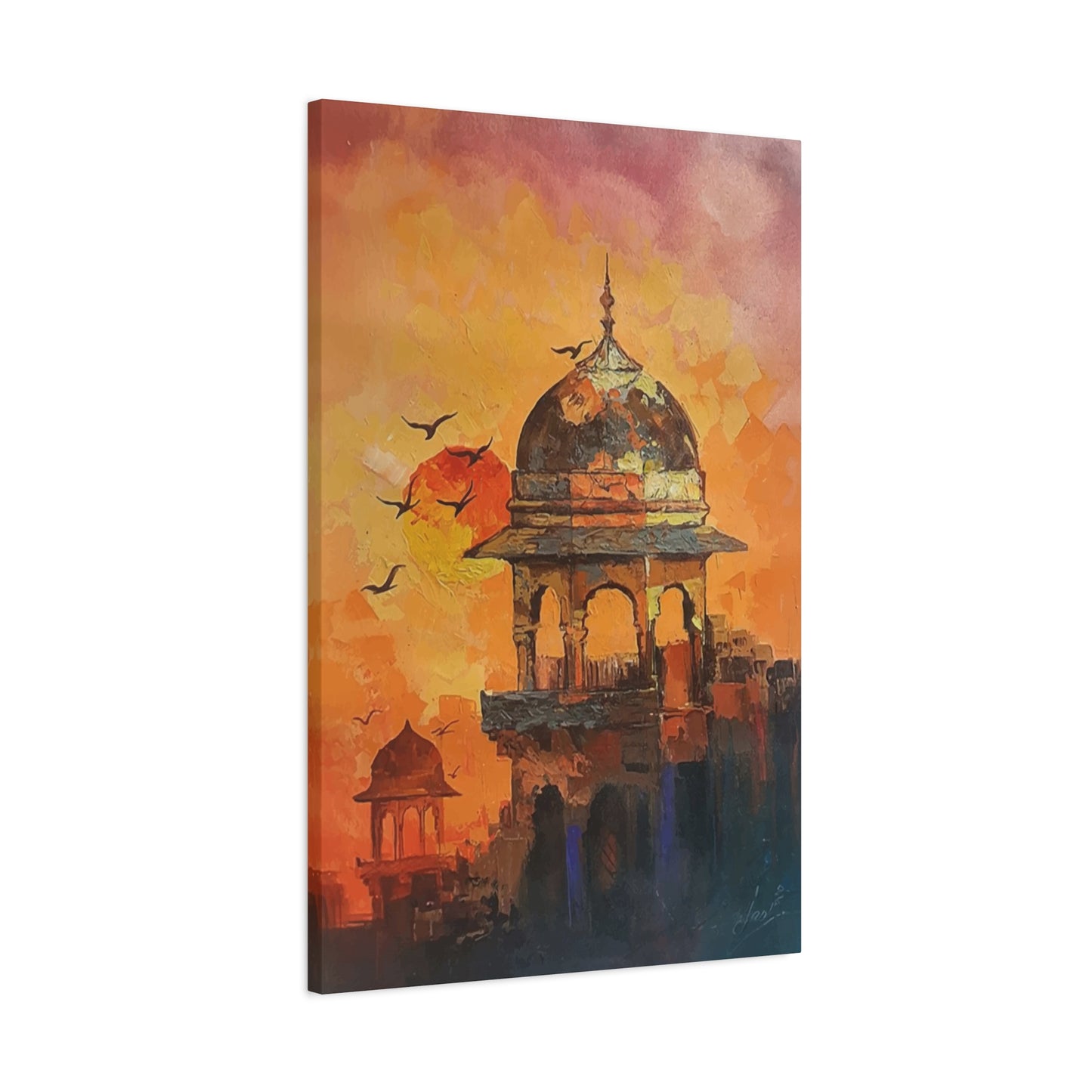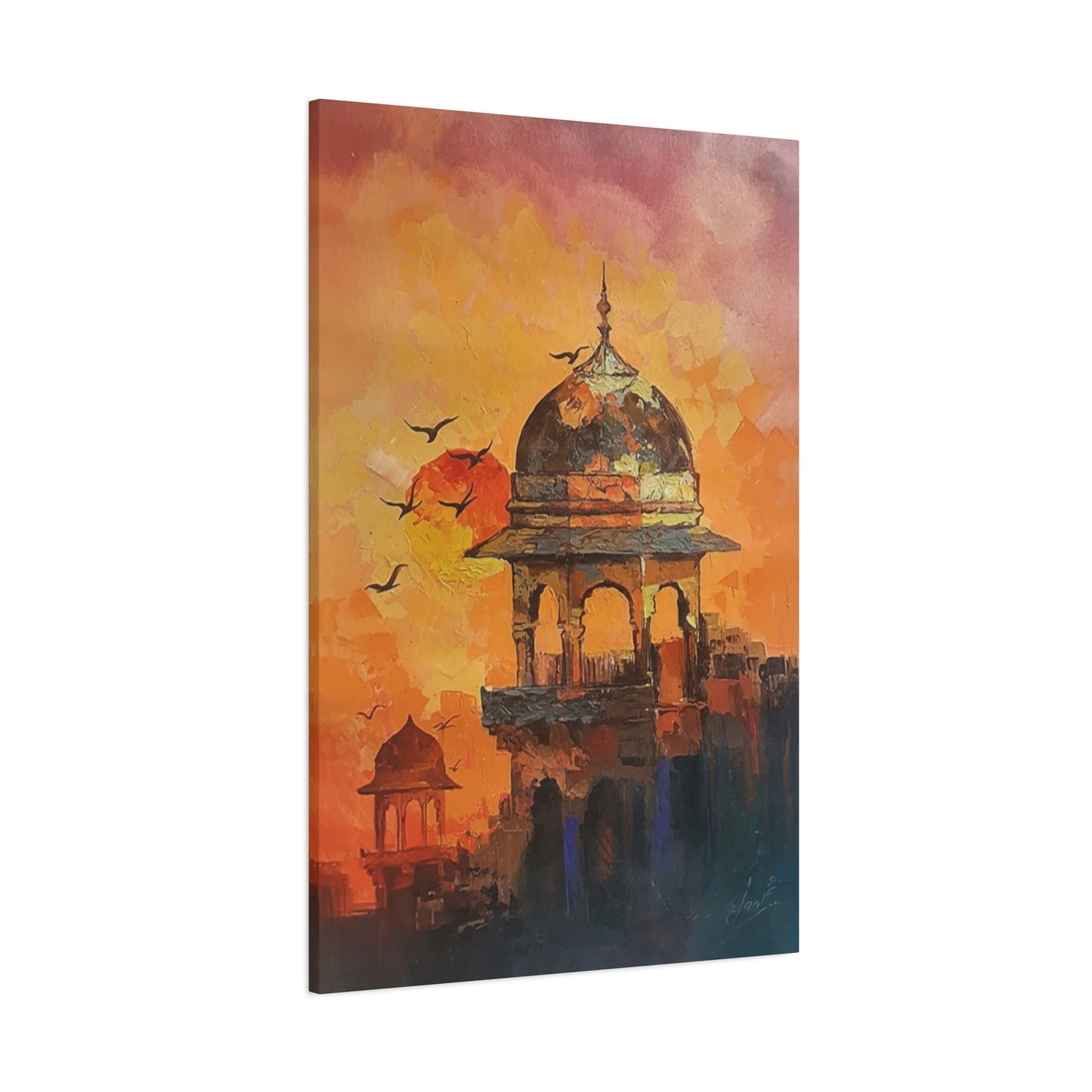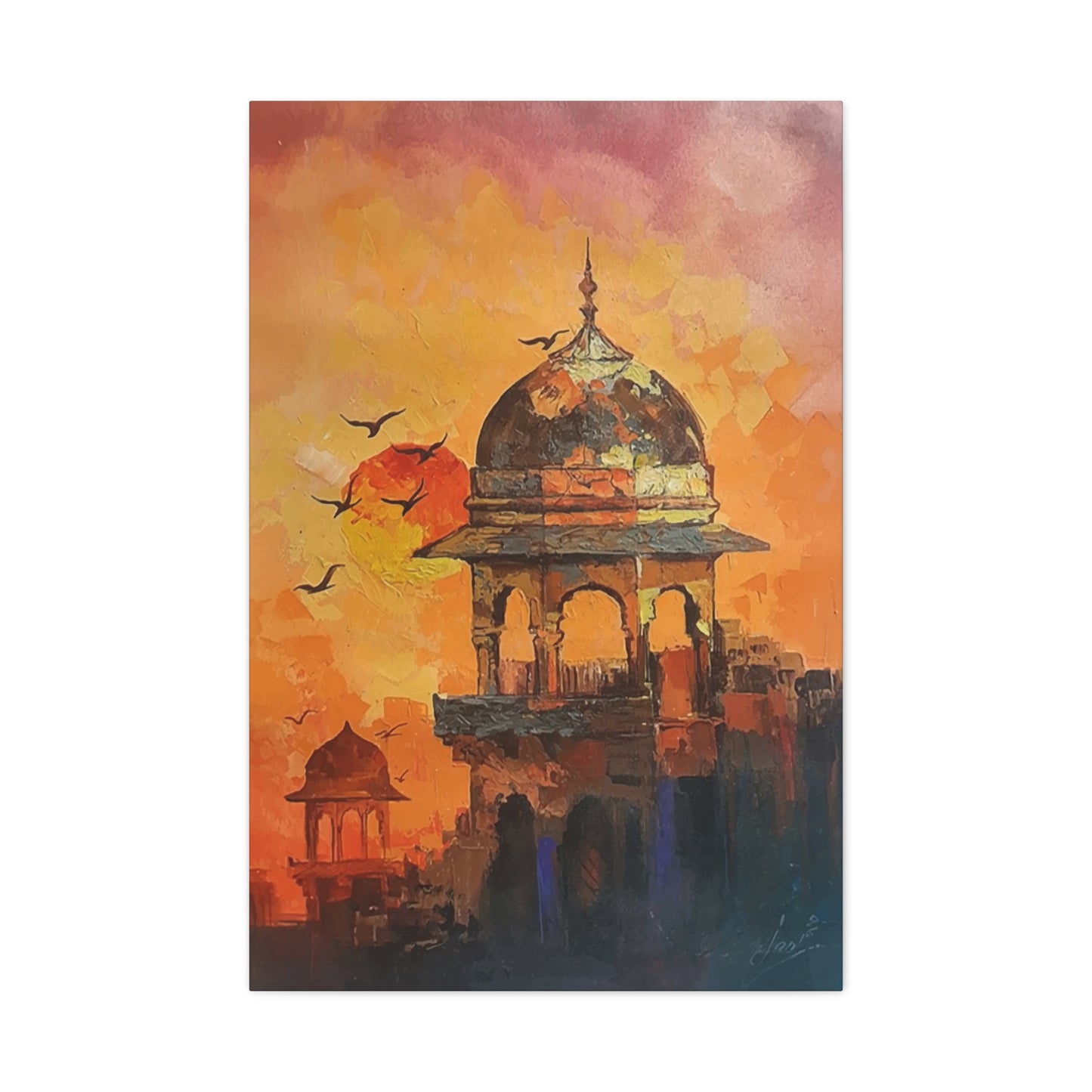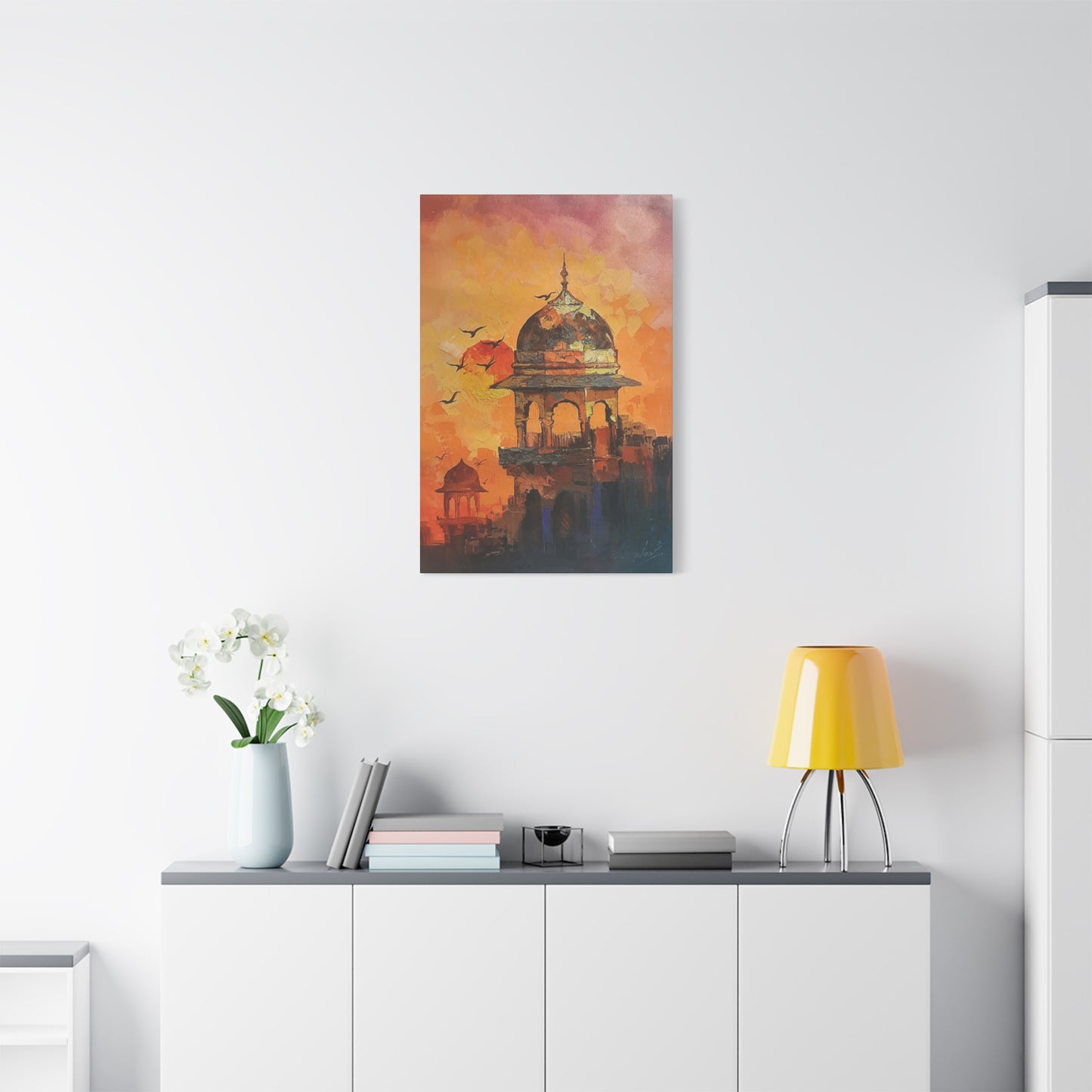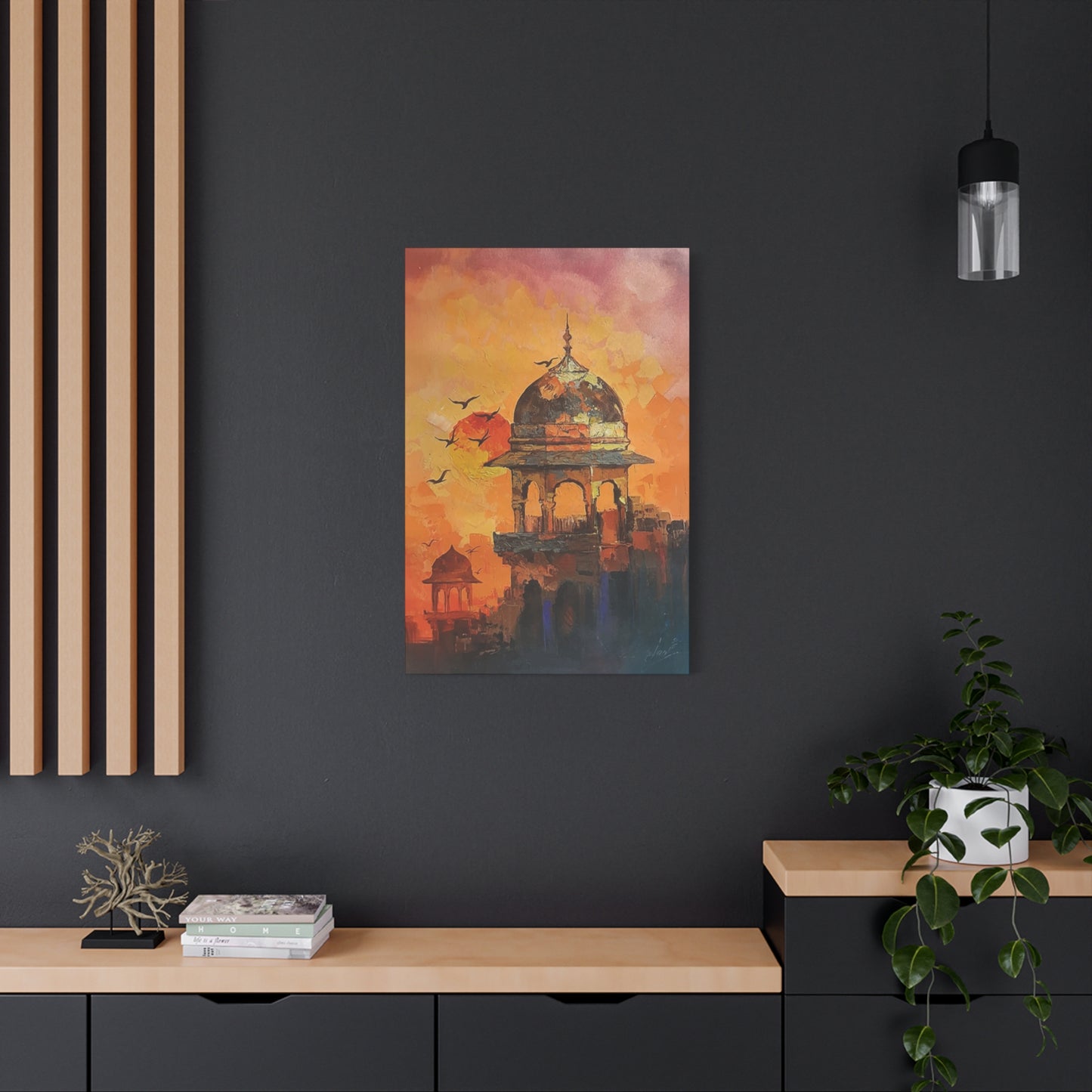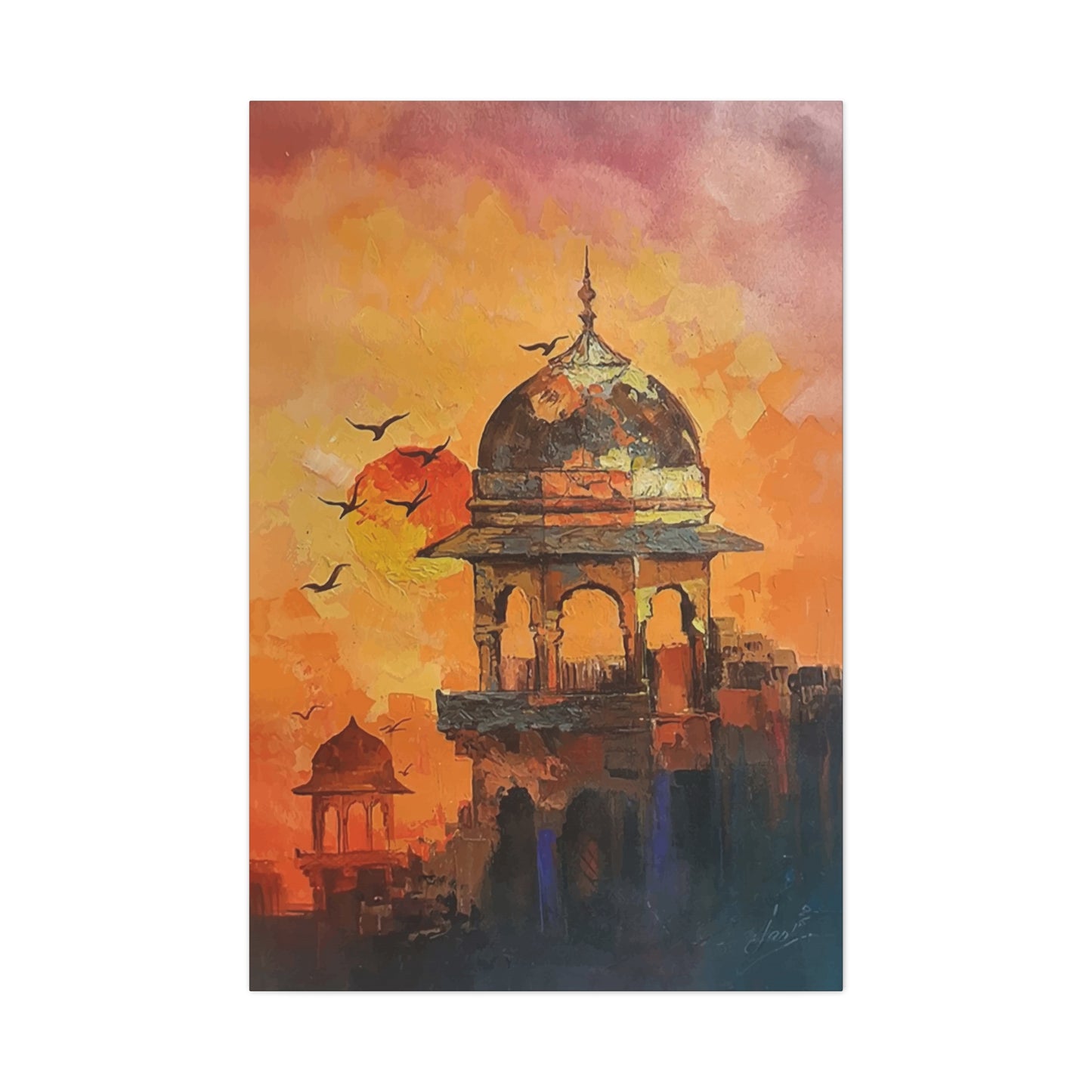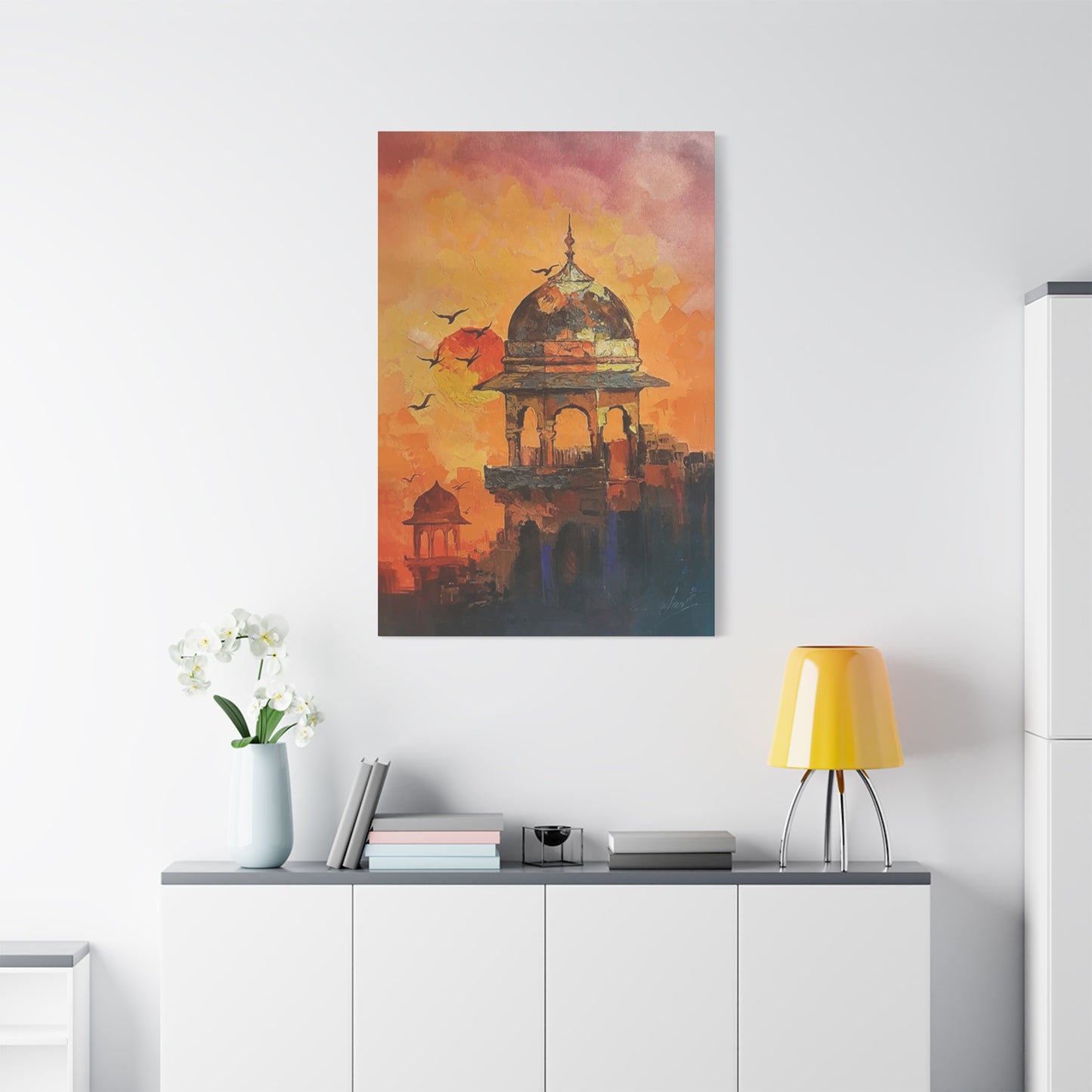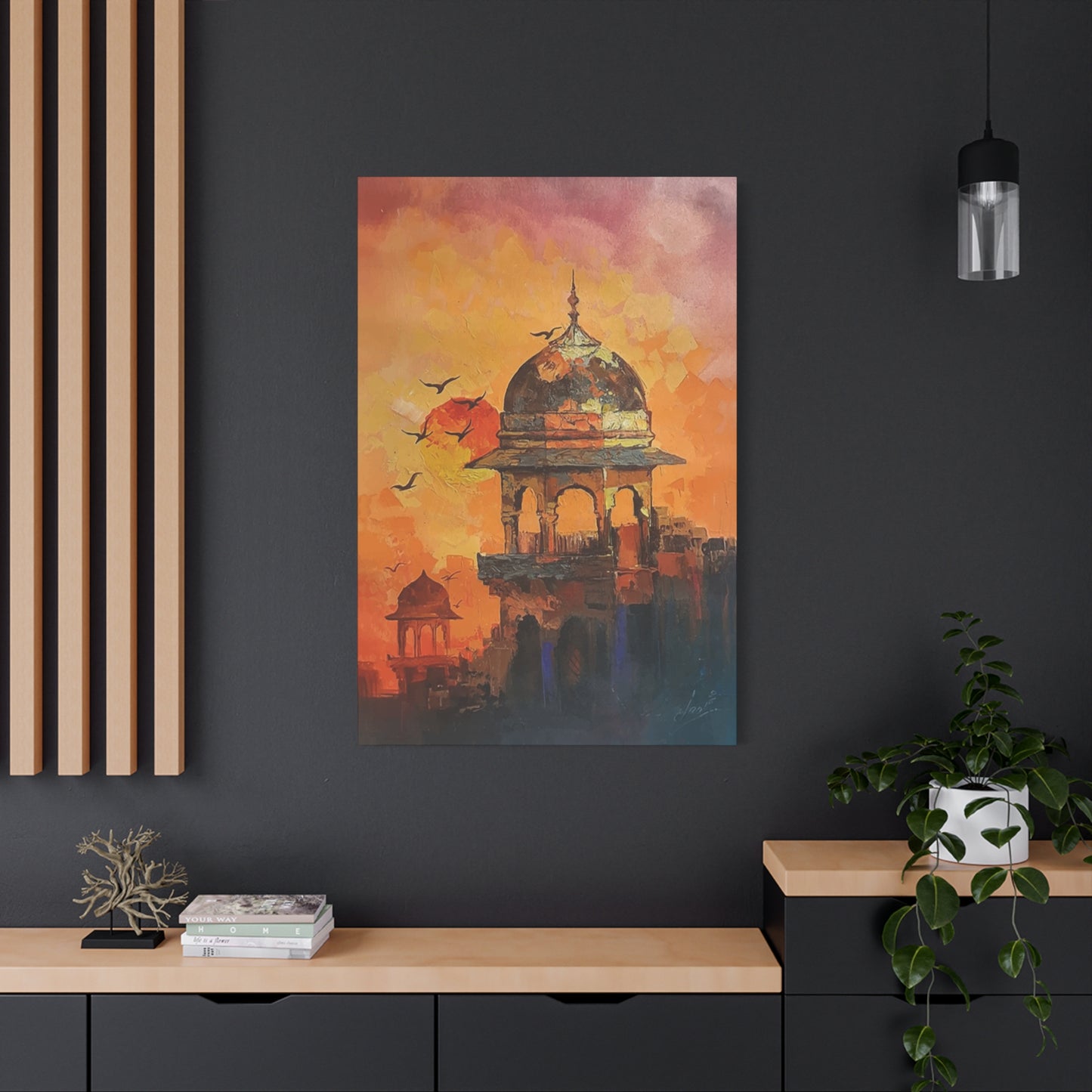


Aesthetic Building Abstract Wall Art & Canvas Prints
Aesthetic Building Abstract Wall Art & Canvas Prints
Couldn't load pickup availability
Revolutionary Approaches to Contemporary Architectural Imagery in Modern Interior Spaces With Aesthetic Building Abstract Wall Art
The realm of architectural photography has undergone a remarkable transformation in recent years, evolving from simple documentary imagery into a sophisticated art form that celebrates the inherent beauty of constructed environments. When we examine aesthetic building abstract wall art, we discover a fascinating intersection where structural engineering meets creative expression, producing visual masterpieces that challenge our perceptions of space, form, and dimension. This genre of artistic representation captures the essence of human-made structures through unconventional angles, unexpected perspectives, and innovative compositional strategies that transform ordinary buildings into extraordinary visual statements.
Contemporary photographers and visual artists have developed an acute awareness of how architectural elements can be manipulated through the lens to create stunning abstract compositions. The interplay between light and shadow across concrete surfaces, the rhythmic repetition of windows stretching toward infinity, and the geometric precision of modern construction all contribute to the creation of mesmerizing visual narratives. These images serve not merely as representations of buildings but as profound meditations on humanity's relationship with the constructed environment. Each photograph becomes a dialogue between the organic chaos of natural light and the deliberate order imposed by architectural design.
The aesthetic building abstract wall art movement has gained tremendous momentum among collectors, interior designers, and art enthusiasts who appreciate the sophisticated minimalism and bold visual impact these pieces bring to residential and commercial spaces. Unlike traditional landscape photography or figurative artwork, architectural abstractions offer a unique combination of familiarity and mystery. Viewers recognize the fundamental elements—walls, windows, facades—yet these components are presented in ways that defy conventional expectations, creating a sense of discovery and wonder that sustains interest over prolonged viewing periods.
Deconstructing Architectural Elements Through Creative Lens Manipulation and Compositional Innovation
The creation of compelling aesthetic building abstract wall art requires an extraordinary understanding of photographic principles combined with an intuitive sense of spatial relationships and visual harmony. Photographers specializing in this genre must possess the ability to see beyond the functional purpose of structures, identifying hidden patterns, unexpected symmetries, and captivating textural variations that exist within the built environment. This process involves careful observation, patience, and a willingness to experiment with unconventional vantage points that reveal the underlying beauty of architectural design.
One particularly effective approach involves isolating specific sections of larger structures, removing contextual information that would normally identify the building's purpose or location. By cropping tightly on repetitive window patterns, focusing on the intersection of multiple geometric planes, or capturing the subtle gradations of color and texture across weathered surfaces, artists create compositions that function primarily as abstract visual experiences. These images invite viewers to engage with fundamental design principles—balance, rhythm, contrast, harmony—without the distraction of narrative content or recognizable subjects.
The manipulation of perspective plays a crucial role in transforming straightforward architectural photography into sophisticated abstract artwork. Extreme upward angles that compress multiple stories into dizzying vertical compositions create a sense of monumentality and power. Conversely, oblique viewing angles that emphasize diagonal lines and dynamic spatial relationships generate visual tension and energy. Some photographers employ specialized tilt-shift lenses to control depth of field in unexpected ways, selectively blurring portions of the image while maintaining razor-sharp focus on specific architectural details, thereby directing viewer attention and creating dreamlike atmospheric effects.
Color treatment represents another vital consideration in the creation of aesthetic building abstract wall art. While some artists prefer to work in monochromatic palettes that emphasize form and tonal relationships, others exploit the rich color variations found in modern architectural materials. The warm terracotta hues of brick facades, the cool steel grays of contemporary glass towers, the weathered patinas of aged copper roofing—each material offers distinctive chromatic possibilities that can be enhanced through careful post-processing to achieve desired emotional resonances and aesthetic effects.
Capturing the Interplay Between Natural Illumination and Structural Surfaces in Urban Environments
Light functions as the primary sculptural tool in architectural photography, defining forms, revealing textures, and creating the dramatic contrasts that give aesthetic building abstract wall art its visual power. The quality of illumination varies dramatically throughout the day and across seasons, offering infinite possibilities for creative interpretation. Dawn light bathes buildings in warm, soft tones that emphasize gentler contours and create subtle gradations across surfaces. Midday sun produces stark shadows and brilliant highlights that accentuate geometric precision and angular relationships. Late afternoon golden hour illumination adds richness and depth, while the blue hour after sunset introduces mysterious, atmospheric qualities.
Photographers dedicated to this craft often return to specific locations repeatedly, documenting how changing light conditions transform the appearance of familiar structures. A building that appears harsh and uninviting under the flat illumination of an overcast sky might reveal unexpected warmth and complexity when bathed in the directional light of early morning. This commitment to observing and capturing these transformations demonstrates the patience and dedication required to produce truly exceptional aesthetic building abstract wall art that transcends mere documentation.
Reflections and transparency add additional layers of complexity to architectural compositions. Modern buildings frequently incorporate extensive glazing that creates fascinating secondary images, mirroring neighboring structures, sky, and clouds in ways that blur boundaries between solid and void, interior and exterior. These reflective surfaces become canvases for ever-changing natural light shows, with shifting atmospheric conditions constantly reconfiguring the visual relationships within the frame. Skilled photographers exploit these phenomena, creating images where multiple planes of reality coexist simultaneously, challenging viewers to distinguish between actual structure and reflected image.
Shadow patterns cast by architectural elements themselves constitute another powerful compositional resource. The geometric precision of building components produces equally precise shadows that extend across adjacent surfaces, creating temporary drawings that evolve throughout the day. These shadow plays introduce additional layers of abstract pattern and visual interest, particularly when captured against clean, uniform backgrounds that allow the shadow forms to read clearly. Some of the most compelling aesthetic building abstract wall art emerges from this careful attention to ephemeral phenomena that exist only during specific moments when light, structure, and viewing angle align perfectly.
Selecting Architectural Subjects That Yield Exceptional Abstract Visual Potential and Artistic Merit
Not all buildings prove equally suitable for transformation into compelling aesthetic building abstract wall art. Certain architectural styles and construction approaches naturally lend themselves to abstraction more readily than others. Modernist and contemporary structures, with their emphasis on clean lines, geometric forms, and innovative materials, typically offer abundant opportunities for abstract interpretation. The repetitive elements common in commercial architecture—identical window units arranged in grid patterns, standardized balconies marching across high-rise facades, modular construction components—provide strong visual rhythms that translate effectively into abstract compositions.
Brutalist architecture, characterized by raw concrete surfaces, bold geometric masses, and uncompromising structural honesty, has experienced renewed appreciation among photographers and artists working in the architectural abstract genre. The textural richness of board-formed concrete, the dramatic cantilevers and overhangs, the interplay of massive volumes and void spaces all contribute to powerful, sculptural imagery. These structures often appear stark and uninviting in person, yet when isolated through careful framing and captured under favorable lighting conditions, they reveal extraordinary beauty and visual strength.
Historical buildings also offer possibilities for abstract interpretation, particularly when photographers focus on specific architectural details rather than overall forms. Ornamental elements, decorative patterns, textural variations in traditional building materials, and the subtle irregularities that develop over time through weathering and aging all provide rich source material. Victorian iron work, Art Deco geometric motifs, Gothic tracery, and Renaissance decorative elements can be extracted from their historical contexts and presented as contemporary abstract designs through selective framing and thoughtful post-processing.
Industrial structures and utilitarian infrastructure frequently yield unexpected aesthetic rewards when approached with creative vision. Water towers, grain silos, warehouses, factories, and other purely functional buildings often exhibit powerful forms and interesting surface qualities precisely because their design prioritized efficiency over appearance. The accidental beauty of these structures—the rust patterns on corrugated metal siding, the geometric simplicity of cylindrical storage tanks, the bold typography of faded industrial signage—provides material for distinctive aesthetic building abstract wall art that celebrates the vernacular architecture often overlooked in favor of more prestigious subjects.
Mastering Photographic Equipment Selection and Camera Settings for Optimal Architectural Capture
Creating exceptional aesthetic building abstract wall art demands careful consideration of photographic equipment and technical settings. While modern smartphones have democratized photography and can produce impressive results in skilled hands, serious architectural photographers typically rely on dedicated camera systems that offer superior image quality, greater creative control, and specialized features suited to the unique challenges of architectural photography. Full-frame digital cameras with high-resolution sensors capture the fine details and tonal subtleties that distinguish professional-quality imagery from casual snapshots.
Lens selection profoundly impacts the character and quality of architectural photographs. Wide-angle lenses allow photographers to capture expansive building facades and emphasize dramatic perspectives, though they must be used carefully to avoid excessive distortion that can undermine compositional strength. Telephoto lenses compress spatial relationships and allow selective isolation of distant architectural details, creating layered compositions that stack multiple planes of structure into unified abstract patterns. Tilt-shift lenses, specifically designed for architectural photography, provide the ability to control perspective and depth of field in ways impossible with conventional optics, maintaining vertical lines and creating surreal focus effects.
Image stabilization becomes increasingly important when working with longer focal lengths or in lower light conditions that necessitate slower shutter speeds. Many contemporary camera systems incorporate sophisticated in-body stabilization that allows handheld shooting in situations that would previously have required tripod support. However, when ultimate image sharpness is required—particularly for large-format printing of aesthetic building abstract wall art—tripod use remains essential. A sturdy support eliminates camera shake, enables precise composition refinement, and facilitates bracketed exposures for subsequent blending or HDR processing.
Exposure considerations in architectural photography often prove challenging due to the extreme contrast ranges frequently encountered. Bright sky visible through dark building canyons, sunlit facades adjacent to deep shadows, and highly reflective surfaces alongside matte materials all create situations that exceed the dynamic range of even the best camera sensors. Photographers address these challenges through various strategies including graduated neutral density filters, exposure bracketing with subsequent digital blending, and careful post-processing techniques that preserve highlight and shadow detail while maintaining natural-looking tonal relationships.
Cultivating a Distinctive Artistic Voice Through Personal Vision and Consistent Stylistic Choices
The field of aesthetic building abstract wall art has become increasingly crowded as more photographers discover the creative possibilities inherent in architectural subjects. Standing out in this competitive landscape requires the development of a recognizable personal style that distinguishes one's work from countless similar images. This artistic voice emerges through consistent choices regarding subject matter, compositional approaches, color treatment, and the overall mood or atmosphere conveyed by the imagery. Rather than merely documenting buildings attractively, successful artists in this genre present a coherent vision that reflects their unique perspective on the constructed environment.
Some photographers develop signature styles through specific technical approaches. Consistently shooting with particular focal lengths, maintaining characteristic color palettes, employing distinctive cropping ratios, or applying recognizable post-processing treatments all contribute to visual consistency that helps viewers identify work without seeing attribution. Others define their artistic identity through thematic focus, concentrating on particular architectural periods, building types, or specific visual phenomena such as reflections, shadows, or textural studies. This specialization allows artists to develop deep expertise in their chosen areas while building recognition among collectors interested in specific aesthetic directions.
The emotional quality of imagery represents another dimension through which photographers can establish distinctive voices. Some aesthetic building abstract wall art conveys cool minimalism, emphasizing clean geometry and restrained color palettes that evoke calm contemplation. Others embrace warmth and richness, celebrating the sensual qualities of materials and the humanizing effects of natural light. Still others pursue more dramatic or unsettling visions, using harsh contrasts, disorienting perspectives, and moody atmospheric effects to create tension and psychological complexity. Each approach attracts different audiences and serves different decorative contexts.
Consistency in presentation and finishing also contributes to professional identity. Decisions about image proportions, framing preferences, mounting options, and edition sizes all communicate information about how the artist conceptualizes their work and positions themselves within the art market. Some photographers present their aesthetic building abstract wall art as limited editions signed and numbered like traditional prints, emphasizing collectability and investment value. Others adopt more accessible approaches, offering unlimited reproductions at various sizes to reach broader audiences. Neither strategy is inherently superior; each reflects different priorities and serves different market segments.
Exploring Post-Processing Workflows That Enhance Visual Impact While Maintaining Authentic Representation
The boundary between photography and digital manipulation has become increasingly blurred in contemporary image making. While some purists insist that minimal post-processing preserves photographic integrity, most professionals recognize that thoughtful digital enhancement serves the same purpose as traditional darkroom techniques—realizing the full potential inherent in captured imagery. When creating aesthetic building abstract wall art, post-processing workflows typically balance the goals of correcting technical deficiencies, enhancing visual impact, and maintaining believable representation of actual architectural subjects.
Initial raw processing focuses on fundamental adjustments to exposure, white balance, and tonal distribution. Architectural subjects often benefit from precise white balance correction that neutralizes color casts introduced by artificial lighting or atmospheric conditions. Exposure adjustments recover detail in highlights and shadows that might otherwise be lost, while careful manipulation of curves and levels establishes the tonal relationships that define the image's overall character. These foundational corrections create a neutral starting point for subsequent creative enhancements.
Color grading represents one of the most powerful tools for establishing mood and visual coherence in aesthetic building abstract wall art. Subtle shifts in hue relationships, selective saturation adjustments, and the introduction of color casts can transform the emotional resonance of architectural imagery. Cool color treatments emphasizing blues and greens convey modernist sophistication and technological precision. Warm palettes dominated by golden tones and rich earth colors suggest timelessness and organic connection. Muted, desaturated treatments approach monochromatic neutrality while retaining just enough chromatic information to avoid the starkness of pure black-and-white conversion.
Selective adjustments allow photographers to direct viewer attention and emphasize compositional structure. Graduated filters darken or lighten specific portions of the frame, creating visual flow and balance. Localized clarity adjustments enhance textural definition in key areas while maintaining smoothness elsewhere. Luminosity masks enable precise toning based on brightness values, allowing sophisticated control over how different tonal ranges are rendered. These targeted modifications help clarify compositional intent and strengthen the abstract qualities that distinguish artistic architectural imagery from straightforward documentation.
Geometric corrections prove essential when working with architectural subjects, particularly when wide-angle lenses introduce perspective distortion. Vertical and horizontal alignment tools straighten converging lines that would otherwise undermine the geometric precision that gives aesthetic building abstract wall art much of its visual appeal. However, these corrections must be applied judiciously, as some degree of perspective convergence contributes to the dynamic quality of certain compositions. The decision to maintain or correct perspective distortion represents a creative choice rather than a technical requirement, with the optimal approach varying according to the specific image and intended effect.
Understanding Print Production Considerations for Gallery-Quality Architectural Fine Art Displays
Transitioning from digital files to physical prints involves numerous technical and aesthetic decisions that significantly impact the final presentation of aesthetic building abstract wall art. Print quality depends on multiple factors including resolution, file preparation, printer technology, substrate selection, and color management. Professional photographers typically maintain mastery over these production aspects or collaborate closely with specialized print labs to ensure their artistic vision is accurately realized in physical form.
Image resolution requirements vary according to intended viewing distance and print dimensions. Large-format pieces designed for viewing from several feet away require lower pixel densities than smaller prints examined at close range. However, architectural imagery often contains fine details—window patterns, texture variations, edge definition—that benefit from higher resolutions. Most professional photographers work with minimum file sizes of 300 pixels per inch at final print dimensions, though many maintain even higher resolution files to accommodate future reprinting at larger scales or to allow significant cropping during the editing process.
Printer technology options span a wide spectrum from consumer inkjet devices to high-end large-format machines capable of producing museum-quality output. Giclée printing, utilizing archival pigment inks on fine art papers or canvas, has become the standard for limited edition aesthetic building abstract wall art due to its exceptional color accuracy, tonal range, and longevity. Some photographers prefer dye-sublimation processes for prints on metal or acrylic substrates, which yield dramatically different aesthetic qualities characterized by luminous depth and contemporary appearance. Direct printing on aluminum creates particularly striking presentations for architectural imagery, with the metallic substrate enhancing the industrial character of urban subjects.
Substrate selection dramatically affects the visual character and physical presence of printed architectural artwork. Traditional fine art papers offer subtle surface textures that soften the sometimes harsh precision of architectural subjects, introducing tactile qualities that humanize geometric compositions. Matte surfaces minimize reflections and glare, making them ideal for brightly lit environments, while glossy or metallic papers maximize color saturation and contrast for more dramatic presentation. Canvas printing remains popular for larger format aesthetic building abstract wall art due to its gallery-wrapped presentation options that eliminate the need for framing. Rigid substrates including acrylic, metal, and foam board provide contemporary mounting alternatives that emphasize the graphic qualities of architectural imagery.
Color management throughout the production workflow ensures that printed output accurately reflects the photographer's creative intentions as displayed on calibrated monitors. This process involves maintaining consistent color spaces from capture through editing and output, utilizing ICC profiles specific to chosen printers and substrates, and conducting test prints to verify results before committing to final production runs. Soft proofing capabilities in professional image editing software allow photographers to preview how images will render on specific printer-paper combinations, facilitating adjustments before physical printing.
Discovering Ideal Display Environments and Hanging Strategies for Maximal Visual Impact
The effectiveness of aesthetic building abstract wall art depends significantly on display context and installation approach. These images interact with their surrounding environments in complex ways, with factors including ambient lighting, wall color, adjacent furnishings, and architectural context all influencing viewer perception and aesthetic impact. Thoughtful consideration of these variables ensures that architectural artwork achieves its full visual potential rather than being diminished by unsuitable presentation circumstances.
Lighting design represents perhaps the most critical factor in successful artwork display. Architectural photography particularly benefits from even, neutral illumination that reveals tonal subtleties and textural details without introducing glare or color casts. Track-mounted spotlights with narrow beam spreads allow precise targeting that highlights artwork while minimizing spill onto surrounding walls. LED fixtures have largely replaced halogen alternatives due to their superior color rendering, reduced heat output, and extended operational lifespans. Adjustable color temperature capabilities enable fine-tuning to complement the specific tonal character of individual pieces.
Wall color and texture significantly affect how aesthetic building abstract wall art is perceived. Neutral backgrounds—whites, grays, beiges—allow imagery to read clearly without chromatic interference, making them safe choices for most situations. However, darker wall treatments can enhance dramatic, high-contrast architectural images by eliminating visual competition and directing attention forcefully toward the illuminated artwork. Textured wall surfaces must be considered carefully, as pronounced patterns or irregularities can visually compete with detailed photographic imagery, particularly at smaller print sizes.
Grouping and arrangement strategies offer opportunities to enhance narrative connections and visual interest. Series presentations showing variations on a single structure, related architectural elements, or formal progressions create coherent visual statements stronger than individual images displayed in isolation. Grid arrangements emphasize systematic documentation and serial exploration. Asymmetric groupings introduce dynamic spatial relationships that activate larger wall areas. Careful attention to spacing, alignment, and scale relationships ensures that multiple pieces function as unified installations rather than disconnected collections.
Scale considerations affect both visual impact and practical suitability for specific spaces. Large-format aesthetic building abstract wall art commands attention and functions as focal points in spacious environments, while smaller pieces integrate more subtly into intimate settings or function effectively as components of larger groupings. Architectural imagery often benefits from generous sizing that allows viewers to appreciate fine details and immerse themselves in complex compositional relationships. However, dramatic compositions featuring strong geometric forms and bold contrasts can maintain effectiveness even at more modest dimensions.
Examining How Architectural Imagery Functions Within Contemporary Interior Design Schemes
Aesthetic building abstract wall art has become increasingly prominent in contemporary interior design, valued for its ability to introduce sophisticated visual interest without the narrative complexity or specific cultural associations that accompany other artistic genres. These images complement modern design aesthetics particularly effectively due to their emphasis on geometry, clean lines, and material authenticity—qualities that resonate with current trends in furniture, fixtures, and spatial planning.
Minimalist interiors benefit from architectural artwork that reinforces the reductive aesthetic while preventing spaces from feeling sterile or unwelcoming. Carefully selected abstract building imagery introduces just enough visual complexity to engage attention without overwhelming the deliberate simplicity that defines minimalist design philosophy. Monochromatic pieces work especially effectively in these contexts, maintaining tonal restraint while providing textural interest through their representation of material surfaces and play of light and shadow.
Industrial-style spaces featuring exposed structural elements, raw materials, and utilitarian fixtures find natural companions in aesthetic building abstract wall art depicting similar construction aesthetics. Photographs of concrete surfaces, steel frameworks, brick patterns, and weathered industrial structures echo the honest materiality celebrated in industrial design. These images create thematic coherence while introducing refined artistic perspective that elevates spaces beyond merely trendy styling into thoughtfully curated environments.
Scandinavian and Nordic interior approaches emphasizing natural light, organic materials, and connection to nature might seem incompatible with urban architectural imagery. However, carefully selected pieces that emphasize warmth, natural illumination, and humanizing qualities can integrate successfully. Images capturing buildings in soft dawn light, architectural details in natural materials like wood or stone, or compositions emphasizing the interaction between structures and natural surroundings bridge the apparent gap between built environment focus and biophilic design principles.
Corporate and commercial environments increasingly incorporate aesthetic building abstract wall art to project professionalism, creativity, and cultural sophistication. Law firms, financial institutions, technology companies, and creative agencies all utilize architectural imagery to signal values including precision, innovation, stability, and forward-thinking vision. Large-scale installations in lobbies and conference rooms make powerful statements about organizational identity while creating memorable visual experiences for visitors and employees.
Navigating the Art Market for Architectural Photography and Understanding Valuation Factors
The market for aesthetic building abstract wall art encompasses diverse segments including individual collectors, interior designers purchasing for clients, corporate art consultants, and hospitality industry buyers. Understanding how different market participants evaluate architectural photography helps artists price work appropriately and identify optimal distribution channels. Factors influencing value include artist reputation, print quality, edition structure, provenance, and current market trends favoring particular aesthetic directions.
Limited editions command premium pricing compared to open editions or unlimited reproductions, reflecting the economic principle of scarcity driving collectibility. Photographers typically limit editions to specific quantities—common numbers include 10, 25, 50, or 100 prints—with pricing often structured to increase as editions sell out. Some artists create tiered edition structures offering different sizes at various price points, allowing collectors with different budgets to acquire work while preserving value hierarchy. Clear documentation including certificates of authenticity, edition numbers, and artist signatures provides essential provenance information supporting secondary market value.
Pricing strategies must balance multiple considerations including production costs, target market positioning, competitive landscape, and personal financial requirements. Emerging artists typically begin with accessible pricing to build collector bases and establish market presence, gradually increasing prices as demand and reputation grow. Established photographers with significant followings can command substantial prices reflecting their market positions and proven track records. Some artists maintain consistent pricing structures across all work, while others tier pricing based on perceived desirability of specific images, sizes, or presentation options.
Gallery representation provides access to established collector networks, professional curatorial context, and higher-end market segments typically beyond reach of artists working independently. However, gallery relationships involve commission structures typically ranging from 40-60% of sale prices, requiring careful consideration of whether the exposure and sales support justify reduced net proceeds. Alternative distribution approaches including direct sales through artist websites, online marketplaces specializing in photography, and participation in art fairs offer greater control and higher margins while requiring significant investment in marketing and relationship building.
Print-on-demand services have democratized access to professional printing and fulfillment, allowing photographers to offer aesthetic building abstract wall art without maintaining inventory or managing complex logistics. These platforms handle order processing, production, shipping, and customer service, though typically at the cost of reduced profit margins and limited control over quality parameters. Balancing convenience against financial and quality considerations remains an ongoing challenge for artists navigating contemporary art market structures.
Analyzing Current Stylistic Movements and Emerging Directions Within Architectural Photography
The aesthetic building abstract wall art genre continues evolving as photographers explore new creative directions and respond to changing visual culture. Several distinct stylistic movements have emerged in recent years, each reflecting different priorities and appealing to particular collector sensibilities. Understanding these currents helps both artists position their work strategically and collectors identify imagery aligned with their aesthetic preferences.
Hyper-minimal approaches strip architectural imagery to essential geometric forms and tonal relationships, often employing extreme cropping, near-monochromatic color palettes, and austere compositions that border on pure abstraction. These images appeal to collectors favoring contemplative minimalism and spaces designed around reduction and restraint. The aesthetic builds on modernist photography traditions while pushing toward even greater formal purity and elimination of contextual information.
Dramatic, high-contrast treatments emphasizing bold tonal opposition and graphic simplicity create visually punchy imagery that commands immediate attention. Often converted to pure black-and-white or processed with limited color palettes, these pieces sacrifice subtle gradation in favor of powerful visual impact. They function effectively in spaces requiring strong focal points and suit contemporary environments featuring bold design gestures rather than subtle sophistication.
Atmospheric approaches emphasizing mood and ambiance over structural clarity represent a counterpoint to geometric severity. Soft focus, muted tones, incorporation of weather phenomena, and emphasis on transient lighting effects create dreamlike imagery that humanizes architectural subjects. These pieces appeal to collectors seeking gentle, contemplative qualities rather than dramatic visual statements, and integrate successfully into residential settings valuing comfort over conceptual rigor.
Color-forward treatments celebrating chromatic richness and material variety contrast sharply with monochromatic minimalism. These images embrace the diverse colors found in contemporary architecture—vibrant painted surfaces, colored glass, weathered patinas—creating joyful, energetic compositions that introduce warmth and personality. They suit eclectic interiors and collectors comfortable with bold color statements in their environments.
Experimental approaches incorporating multiple exposures, intentional motion blur, extreme perspective distortions, and digital manipulations push boundaries of straight architectural photography. These images often straddle lines between photography and digital art, appealing to adventurous collectors and functioning in progressive design contexts open to conceptual complexity. While potentially more limited in market appeal than traditional approaches, they offer opportunities for artistic distinction in increasingly crowded fields.
Investigating Geographic and Cultural Considerations in Architectural Subject Selection
The built environment varies dramatically across geographic regions and cultural contexts, offering diverse source material for aesthetic building abstract wall art. Photographers working in different locations encounter distinctive architectural vocabularies reflecting local building traditions, material availability, climate requirements, and cultural values. Understanding these regional characteristics helps artists develop unique perspectives while providing collectors with imagery connected to specific places or cultural narratives.
Dense urban centers including New York, Hong Kong, Tokyo, London, and Dubai provide endless opportunities for architectural photography featuring soaring towers, compressed perspectives, and complex spatial layering. The vertical emphasis and geometric density of these environments naturally generate abstract compositions characterized by rhythmic repetition, dramatic scale contrasts, and intricate pattern relationships. Photographers working in major cities often develop specializations focusing on specific districts, building types, or temporal patterns that distinguish their perspectives within competitive markets.
Mid-century modern architecture concentrated in locations including Palm Springs, Phoenix, Miami, and various California communities offers distinctive aesthetic qualities including horizontal emphasis, indoor-outdoor integration, and characteristic material palettes. The clean lines, geometric simplicity, and optimistic modernism of these structures provide excellent foundations for abstract interpretation. Growing collector interest in mid-century design has created strong demand for architectural imagery celebrating this period.
Historic European architecture featuring centuries-old construction represents a different aesthetic entirely, with its organic irregularities, traditional materials, and ornamental richness. While seemingly less suited to abstract minimalism, thoughtful photographers discover compelling compositions in decorative details, texture studies, and unusual perspectives on familiar landmarks. These images appeal to collectors valuing historical continuity and classical aesthetic traditions.
Industrial landscapes and post-industrial urban areas feature distinctive architectural vernaculars often overlooked in favor of prestigious contemporary structures. Warehouses, factories, grain elevators, bridges, and infrastructure elements possess powerful forms and interesting material qualities that translate effectively into aesthetic building abstract wall art. This subject matter has gained traction among collectors appreciating authentic, unpolished aesthetics reflecting working-class histories and industrial heritage.
Emerging markets featuring rapid urban development provide opportunities to document dramatic transformations of built environments. Cities throughout Asia, the Middle East, Latin America, and Africa showcase ambitious contemporary architecture often pushing boundaries of engineering and design. Photographers documenting these evolving landscapes create valuable records while producing compelling imagery reflecting global interconnection and cultural exchange.
Balancing Commercial Viability with Artistic Integrity in Creative Practice
Professional photographers producing aesthetic building abstract wall art must navigate ongoing tension between commercial considerations and artistic vision. Financial sustainability requires work that appeals to collectors and design professionals making purchasing decisions, yet artistic fulfillment demands creative exploration that may diverge from established commercial preferences. Successful practitioners develop strategies for balancing these competing priorities while maintaining coherent artistic identities.
Portfolio diversification allows artists to pursue personal creative interests while maintaining commercially viable product lines. Core collections featuring accessible, broadly appealing imagery provide consistent income supporting financial stability. Simultaneously, experimental work exploring new directions, testing conceptual boundaries, or investigating niche subjects satisfies creative curiosity and potential future market development. This two-track approach requires discipline to prevent commercial imperatives from completely overwhelming artistic exploration.
Client work including commissioned projects for interior designers, corporate consultants, and private collectors provides important income streams while potentially constraining creative freedom. Successfully managing these relationships requires clear communication about expectations, deliverables, and creative latitude. Some photographers prefer to clearly separate commercial commissions from personal artistic projects, maintaining distinct bodies of work serving different purposes. Others seek opportunities to integrate commercial requirements with personal aesthetic interests, finding creative challenges stimulating rather than limiting.
Exhibition opportunities through galleries, art fairs, and juried shows provide important visibility and credibility enhancement while rarely generating significant income directly. However, the prestige associated with competitive exhibition acceptance, published reviews, and curator recognition contributes to long-term career development and market positioning. Strategic participation in selected opportunities balances time investment against potential professional advancement benefits.
Online presence including websites, social media platforms, and digital portfolios functions as primary marketing infrastructure for contemporary photographers. Consistent content production, strategic hashtag deployment, engagement with online communities, and demonstration of behind-the-scenes creative process all contribute to audience building and potential collector discovery. However, the significant time requirements of effective social media management must be weighed against other priorities including actual shooting and portfolio development.
Examining Ethical Considerations in Architectural Photography and Image Distribution
Creating and distributing aesthetic building abstract wall art involves various ethical considerations regarding subject matter, property rights, representation accuracy, and cultural sensitivity. While architectural photography generally encounters fewer ethical complications than genres involving human subjects, thoughtful practitioners remain aware of potential issues and navigate gray areas consciously.
Property access and photography permissions vary significantly across jurisdictions and specific locations. Photographing building exteriors from public spaces generally remains legally protected activity in most countries, falling under freedom of expression principles. However, some properties explicitly prohibit photography, particularly in commercial contexts, security-sensitive locations, or where building designs are protected intellectual property. Respecting these restrictions, even when legal challenges seem unlikely, demonstrates professional courtesy and ethical responsibility.
Interior architectural photography raises additional considerations around trespass, privacy invasion, and unauthorized commercial use. Photographing publicly accessible interiors like lobbies, shopping centers, and transit stations typically remains permissible, though security personnel increasingly challenge photographers regardless of actual rights. Private residences require explicit owner permission for any photography intended for commercial distribution. Balancing documentary impulses against respect for privacy expectations guides responsible practice.
Cultural sensitivity becomes relevant when photographing religious structures, monuments with deep historical significance, or buildings central to marginalized community identities. While technical rights to photograph may exist, thoughtful consideration of how communities affected by such photography might perceive commercial exploitation of their cultural heritage informs ethical decision-making. Engaging respectfully with communities, understanding historical contexts, and avoiding representations that perpetuate stereotypes or trivialize serious cultural meanings demonstrates social responsibility.
Digital manipulation capabilities raise questions about authenticity and truthful representation. While creative post-processing remains widely accepted in artistic photography, substantial alterations that misrepresent actual architectural conditions cross into ethically questionable territory. Adding elements not present in original scenes, combining multiple locations into composite images, or drastically altering colors and forms beyond recognition potentially misleads collectors about what they're purchasing. Transparency about the extent of digital manipulation helps maintain trust between artists and audiences.
Environmental considerations increasingly influence ethical photography practice. Unnecessary travel purely for image acquisition, particularly involving air travel, contributes to carbon emissions and environmental degradation. Some photographers prioritize working within their local regions or consolidating distant shooting into efficient trips. Others offset environmental impacts through carbon credit purchases or supporting environmental organizations. These concerns reflect growing awareness that all commercial activities, including artistic production, carry environmental costs requiring conscious mitigation.
Exploring Collaborative Possibilities Between Photographers and Other Creative Professionals
Aesthetic building abstract wall art creation increasingly involves collaboration between photographers and various other creative professionals. These partnerships can enhance creative outcomes, expand market reach, and develop innovative presentation formats that distinguish work in competitive markets. Understanding potential collaboration models helps photographers identify mutually beneficial relationships that advance their careers while respecting contributions of all participants.
Partnerships with graphic designers and digital artists open possibilities for hybrid works combining photographic foundations with illustration, typography, or abstract design elements. These collaborations blur boundaries between pure photography and mixed media artwork, potentially appealing to collectors seeking unique pieces that transcend traditional medium categories. Clear agreements about creative contribution, attribution, and revenue sharing prevent conflicts while ensuring all participants receive appropriate recognition.
Relationships with interior designers and decorators provide crucial market access while offering valuable insights into how architectural imagery functions within designed spaces. Designers understand client preferences, spatial requirements, and aesthetic contexts in ways photographers working in isolation cannot match. Collaborative relationships might involve photographers creating custom work for specific projects, maintaining preferred vendor status for design practices, or simply benefiting from referrals and recommendations. Mutual respect for professional expertise strengthens these valuable alliances.
Collaborations with architects and design firms create interesting opportunities for documentation projects that serve both professional portfolio needs and artistic purposes. Architects require high-quality imagery of completed projects for marketing and awards submissions, while photographers gain access to significant buildings and potential for ongoing relationships. These partnerships work best when both parties understand respective priorities and commit to producing imagery satisfying multiple objectives simultaneously.
Working with art consultants and corporate collections managers opens doors to institutional markets typically challenging for individual artists to access independently. These professionals possess expertise in matching artwork to specific environments and clients, understanding budgetary parameters, and navigating corporate procurement processes. Building relationships with consultants requires patience and consistent quality demonstration but can yield significant commissioned project opportunities.
Partnerships with print producers and framing specialists ensure technical quality and presentation standards meet professional expectations. Rather than viewing these vendors merely as service providers, treating them as collaborative partners whose expertise enhances final products creates stronger working relationships and better outcomes. Technical experts often possess valuable insights about materials, processes, and presentation options that photographers might not discover independently.
Conclusion
Navigating legal aspects of aesthetic building abstract wall art production and distribution requires understanding copyright principles, licensing structures, and various rights issues. While photographers need not become legal experts, basic comprehension of relevant frameworks protects both their interests and those of clients, collaborators, and subjects.
Copyright protection automatically vests in photographers upon image creation, granting exclusive rights to reproduce, distribute, display, and create derivative works. Registration with copyright offices strengthens protection and enables statutory damages in infringement cases but isn't required for basic protection to exist. Understanding these automatic rights helps photographers confidently negotiate licensing agreements and challenge unauthorized usage.
Licensing agreements specify terms under which others may use photographic imagery. Common structures include exclusive versus non-exclusive rights, geographic limitations, time periods, specific usage media, and whether licensees may modify images. Print licenses for aesthetic building abstract wall art typically grant buyers rights to display purchased prints while reserving reproduction rights to photographers. Commercial licensing for editorial, advertising, or design usage typically generates higher fees than art print sales due to different value propositions.
Model and property releases, while less commonly required in architectural photography than in other genres, merit consideration in certain situations. While buildings photographed from public spaces generally require no releases, some properties and architects assert rights over building images, particularly for commercial usage. Interior photography more commonly necessitates property releases. Understanding when releases may be advisable protects against potential future legal challenges.
Moral rights, particularly relevant in European jurisdictions, protect artists' personal and reputational interests beyond economic considerations. These rights prevent modifications that distort or misrepresent work in ways damaging to creator reputations, and protect attribution rights ensuring proper credit accompanies imagery. While moral rights receive less recognition in American law, awareness of these principles guides ethical practice even absent legal mandates.
Share