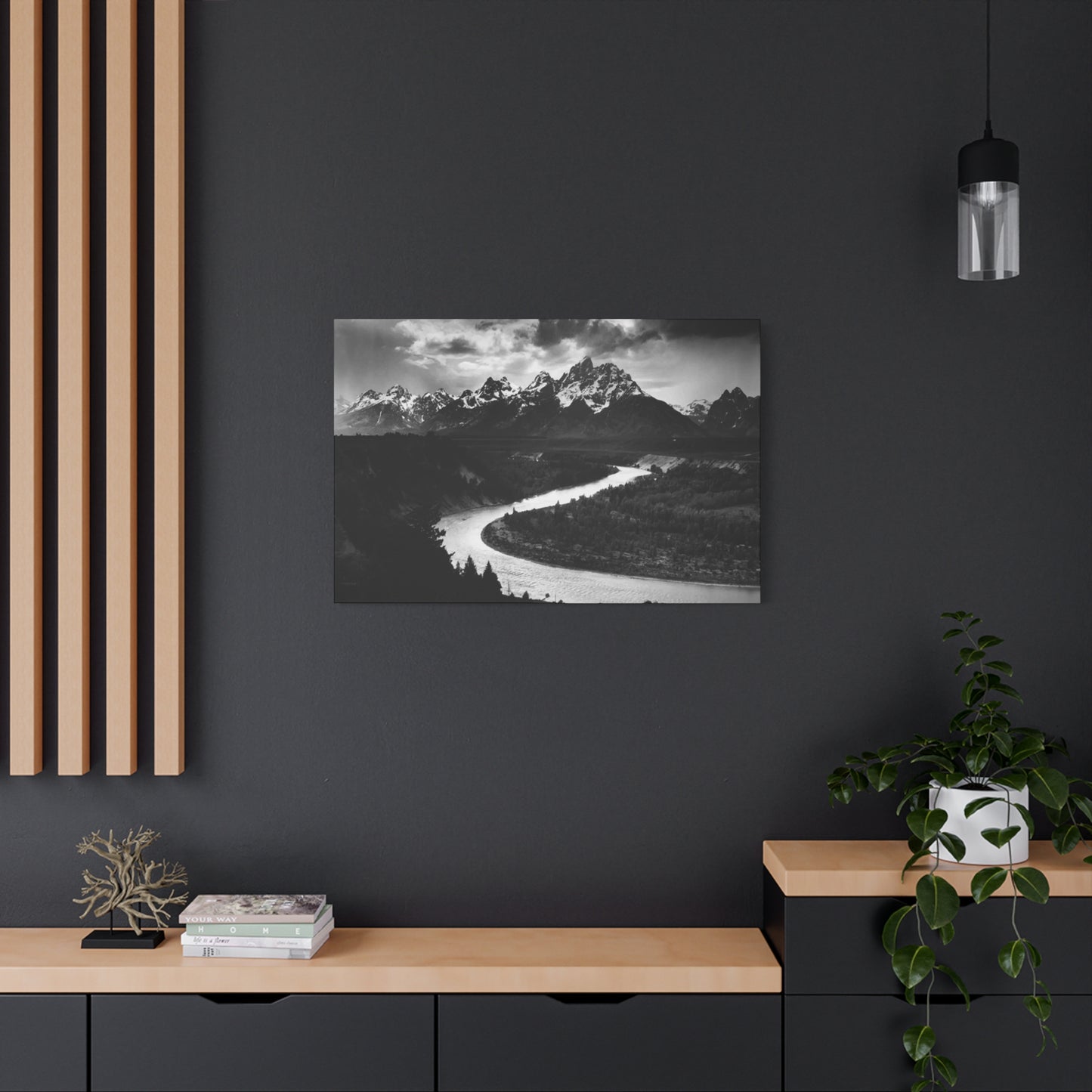


Adams Wall Art & Canvas Prints
Adams Wall Art & Canvas Prints
Couldn't load pickup availability
Adams Wall Art: Discovering the Timeless Beauty and Creative Expression That Transforms Living Spaces
The world of decorative pieces has witnessed remarkable evolution throughout centuries, yet few names resonate with the profound impact and aesthetic excellence that Adams wall art brings to contemporary interiors. This distinguished collection represents more than mere decoration; it embodies a philosophy of bringing museum-quality artistry into everyday living environments. The craftsmanship behind each piece reflects generations of artistic refinement, blending classical sensibilities with modern design principles that appeal to diverse tastes and preferences.
When examining the roots of this artistic tradition, one discovers a fascinating journey through various art movements and cultural influences. The foundation was laid by artisans who believed that every household deserved access to exceptional visual expressions that could elevate the mundane into the extraordinary. This democratization of fine art has made it possible for countless individuals to surround themselves with beauty that once graced only the walls of galleries and estates of the wealthy.
The distinctive characteristics that define these creations include meticulous attention to color harmony, compositional balance, and emotional resonance. Each piece undergoes rigorous quality assessment to ensure that it meets exacting standards before reaching collectors and enthusiasts. The materials selected for production reflect a commitment to longevity and environmental responsibility, with many pieces crafted using sustainable resources that minimize ecological impact while maximizing visual appeal.
Contemporary collectors appreciate the versatility that Adams wall art offers across different decorating schemes. Whether adorning minimalist apartments, traditional family homes, or cutting-edge commercial spaces, these works demonstrate remarkable adaptability. The thematic range spans from abstract expressions that challenge perception to representational works that celebrate natural beauty, architectural marvels, and human experiences. This breadth ensures that every individual can find pieces that speak to their personal aesthetic sensibilities and complement their existing decor.
The cultural significance extends beyond mere aesthetics, as these pieces often serve as conversation starters and focal points that define the character of a room. They possess the power to influence mood, inspire creativity, and provide daily moments of contemplation and joy. Many collectors describe the experience of acquiring a new piece as transformative, fundamentally altering how they perceive and interact with their living spaces.
Market analysts have noted the steadily increasing appreciation values of certain collections, making them not only sources of visual pleasure but also potentially sound investments. However, most enthusiasts emphasize that the true value lies in the intangible benefits—the daily enrichment that comes from living with artistry that reflects personal values and aspirations. The emotional connection forged between viewer and artwork creates lasting bonds that transcend monetary considerations.
Unveiling the Distinctive Characteristics That Set Adams Wall Art Apart From Conventional Decorative Pieces
What distinguishes superior decorative works from ordinary alternatives involves multiple factors that work in concert to create exceptional results. Adams wall art exemplifies this excellence through its unwavering commitment to originality and craftsmanship. Each creation begins with conceptual development that considers not merely visual impact but also the deeper narrative and emotional currents that the piece will convey to its audience.
The production process involves multiple stages of refinement, with quality checkpoints ensuring that every detail meets stringent standards. Color fidelity receives particular attention, as the hues must remain vibrant and true across different lighting conditions and throughout years of display. This requires sophisticated understanding of pigment chemistry and material science, knowledge that has been accumulated through decades of practical experience and continuous experimentation.
Texture plays an equally crucial role in the overall sensory experience. While many decorative pieces present flat, uniform surfaces, these works often incorporate dimensional elements that create visual interest and tactile appeal. The interplay between smooth and textured areas adds depth and complexity, inviting closer inspection and revealing new details with each viewing. This layered approach to composition ensures that the artwork continues to engage viewers over extended periods, rather than becoming background elements that fade into invisibility.
The frame selection and presentation methods receive careful consideration as integral components of the overall aesthetic statement. Rather than viewing frames as mere functional necessities, designers treat them as extensions of the artistic vision, selecting profiles, finishes, and materials that enhance rather than distract from the central image. This holistic approach ensures visual coherence from edge to edge, creating polished presentations that demonstrate professional-grade attention to detail.
Scale considerations reflect sophisticated understanding of spatial relationships and visual weight. Pieces are available in diverse dimensions to accommodate various architectural contexts, from intimate powder rooms to expansive great rooms with soaring ceilings. Guidance regarding appropriate sizing helps collectors make informed decisions that optimize visual impact within their specific environments. Properly proportioned artwork creates harmony and balance, while incorrectly sized pieces can feel awkward or disconnected from their surroundings.
Innovation remains central to the ongoing evolution of these collections. While respecting traditional aesthetics and proven techniques, designers continually explore new possibilities through experimental approaches to composition, color theory, and materials. This forward-thinking mindset ensures that offerings remain fresh and relevant, appealing to both traditional collectors and younger generations seeking contemporary expressions.
The authentication and provenance documentation provided with each piece offers collectors peace of mind and facilitates future transactions should they choose to sell or donate their acquisitions. Detailed records trace the creation history, materials used, and chain of custody, creating transparency that builds trust and confidence in the marketplace.
Identifying the Perfect Adams Wall Art Pieces That Complement Your Personal Style and Spatial Requirements
Selecting artwork that truly resonates requires introspection and careful consideration of multiple factors. The process begins with honest assessment of personal preferences—which colors evoke positive emotional responses, which subjects inspire contemplation or joy, and which styles align with inherent aesthetic sensibilities. Adams wall art collections offer sufficient variety to satisfy diverse tastes, yet the abundance of choices can feel overwhelming without a systematic approach to narrowing options.
Room functionality plays a significant role in determining appropriate selections. Spaces dedicated to rest and relaxation benefit from calming compositions featuring soft colors and gentle subjects, while areas designated for socializing and entertainment can accommodate bolder statements with dynamic energy and vibrant palettes. Workspaces require careful balance—pieces should inspire and motivate without creating visual chaos that impedes concentration and productivity.
Existing color schemes provide valuable guidance in the selection process. Artwork can either harmonize with current palettes through complementary hues or create deliberate contrast that adds visual excitement and prevents monotony. Many designers recommend the 60-30-10 rule, where dominant colors occupy roughly sixty percent of the visual field, secondary colors thirty percent, and accent colors the remaining ten percent. Strategic placement of Adams wall art can fulfill the accent role, injecting personality and vibrancy into otherwise neutral environments.
Architectural features deserve consideration when planning placement and selecting sizes. High ceilings accommodate large-scale statements that command attention and define the character of expansive volumes. Narrow hallways benefit from series or gallery walls that guide movement through transitional spaces while maintaining visual interest. Challenging features like awkward niches or sloped walls can be transformed into assets through creative hanging solutions that celebrate rather than camouflage architectural quirks.
Lighting conditions dramatically affect how artwork appears throughout different times of day and seasons. Natural illumination changes constantly, with morning light offering different qualities than afternoon or evening exposures. Artificial lighting systems require careful planning to properly illuminate pieces without creating glare or distortion. Many collectors invest in adjustable picture lights or track systems that allow precise control over illumination angles and intensities, ensuring optimal presentation regardless of ambient conditions.
Personal narrative and emotional connection often prove more valuable than strict adherence to design principles. Pieces that evoke memories, represent aspirations, or simply bring inexplicable joy deserve consideration even if they challenge conventional wisdom about color coordination or stylistic consistency. The most successful interiors reflect the genuine personalities and experiences of their inhabitants rather than looking like catalog pages or showroom displays.
Budget considerations need not limit possibilities, as Adams wall art collections span diverse price points that accommodate various financial circumstances. Starting with a few carefully selected foundational pieces allows for gradual collection building over time, with each addition representing a milestone or meaningful moment. This measured approach often yields more satisfying results than hasty purchases driven by desire to complete a space quickly without proper consideration.
Examining the Various Formats and Mediums Available Within Adams Wall Art Product Lines
The diversity of formats available ensures that collectors can find perfect solutions regardless of spatial constraints or aesthetic preferences. Canvas prints remain perennially popular, offering rich texture and depth that mimics original paintings at accessible price points. The fabric surface absorbs light differently than glossy alternatives, creating subtle variations in appearance that add character and warmth. Gallery-wrapped canvases eliminate the need for frames, presenting clean edges that suit contemporary minimalist sensibilities.
Framed prints provide traditional elegance with protective glass or acrylic glazing that shields artwork from environmental hazards while allowing clear viewing. Frame materials range from simple wood profiles to ornate gilded options, each creating distinct visual effects that complement different decorating schemes. Mat borders add breathing room around images, preventing cramped appearances while drawing attention toward central compositions. Custom matting allows precise color matching and dimension adjustments for truly personalized presentations.
Metal prints represent cutting-edge display options that infuse imagery with luminous quality and contemporary edge. The dye sublimation process permanently bonds inks to specially coated aluminum panels, creating waterproof, scratch-resistant surfaces that maintain brilliance for decades. The slight metallic sheen adds dimension and vibrancy particularly suited to modern subjects and abstract compositions. These pieces require minimal maintenance while making bold statements in high-traffic areas where durability matters.
Acrylic prints offer similar durability benefits with different aesthetic characteristics. Images appear to float within clear acrylic panels, creating depth and three-dimensional qualities that captivate viewers. The glossy surface enhances color saturation and contrast, making them ideal for vibrant subjects and photographic works. Edge-lit options incorporate LED illumination that transforms pieces into glowing focal points after dark, adding functional lighting alongside decorative appeal.
Wood panel prints bring organic warmth through natural grain patterns visible beneath imagery. This format particularly suits rustic, farmhouse, and nature-themed subjects where the wood texture enhances rather than conflicts with content. Each piece displays unique grain characteristics, ensuring genuine one-of-a-kind results even when reproducing the same image. Sealed finishes protect surfaces while highlighting natural beauty of the substrate materials.
Multi-panel configurations—diptychs, triptychs, and larger sets—create dynamic installations that span expansive wall areas while maintaining visual cohesion. These arrangements allow for creative compositions impossible with single-piece formats, with images flowing across panels or presenting related subjects in conversation with each other. Installation requires careful planning to maintain proper spacing and alignment, but the dramatic results justify the additional effort required.
Dimensional pieces incorporating sculptural elements blur boundaries between flat wall hangings and three-dimensional objects. Relief surfaces, layered components, and incorporated materials like metal or fabric add tactile interest alongside visual appeal. These works particularly suit contemporary and eclectic interiors where unexpected combinations create distinctive character.
Limited edition offerings provide collectors with exclusivity and potential appreciation value. Numbered and signed pieces carry certificates of authenticity documenting edition sizes and artist details. The scarcity inherent in limited runs creates desirability among serious collectors while ensuring that investments maintain value over time. These premium options represent the pinnacle of quality and prestige within Adams wall art collections.
Decoding the Color Psychology and Emotional Impact of Different Adams Wall Art Selections
Color wields tremendous power over human psychology and physiology, influencing everything from heart rate and blood pressure to cognitive function and emotional states. Understanding these effects enables informed selection of Adams wall art pieces that create desired atmospheres and support specific room functions. The science behind color perception reveals fascinating connections between wavelengths of light and neurological responses that occur largely below conscious awareness.
Blue hues promote calmness and reduce stress, making them excellent choices for bedrooms, bathrooms, and other retreat spaces where relaxation takes priority. Studies demonstrate that blue environments lower heart rate and blood pressure, creating physiological conditions conducive to rest and recovery. Deeper navy tones convey sophistication and confidence, while lighter sky blues evoke openness and tranquility. Adams wall art featuring aquatic scenes, celestial subjects, or abstract blue compositions harness these qualities to create sanctuaries within busy households.
Green connects viewers with nature's restorative qualities, promoting balance and renewal. As the color most prevalent in natural environments, green requires minimal physiological adjustment from the human visual system, making it inherently comfortable for extended viewing. It occupies the center of the visible spectrum, neither warm nor cool, creating versatile neutrality that works with diverse palettes. Forest scenes, botanical subjects, and verdant landscapes bring outdoor serenity indoors, satisfying biophilic design principles that recognize human needs for natural connection.
Red stimulates energy and passion, raising alertness and encouraging activity. Its powerful presence commands attention and creates focal points that dominate visual fields. However, excessive red can feel overwhelming or aggressive, suggesting judicious use as accent rather than dominant color. Dining areas benefit from red's appetite-stimulating properties, while creative studios and exercise spaces harness its energizing qualities. Adams wall art incorporating red elements adds vibrancy and dynamism to spaces requiring animated atmosphere.
Yellow radiates optimism and cheerfulness, evoking sunshine and warmth. It stimulates mental activity and conversation, making it suitable for social spaces and work environments. However, overly bright or extensive yellow can cause eye fatigue and anxiety, requiring careful modulation. Soft buttery tones create welcoming warmth without overwhelming, while golden hues add richness and sophistication. Artwork featuring sunny landscapes, floral subjects, or abstract yellow compositions brightens spaces and elevates moods.
Purple blends red's energy with blue's calmness, creating complex associations with creativity, spirituality, and luxury. Lighter lavenders offer gentleness appropriate for bedrooms and meditation spaces, while deeper eggplant and plum tones convey drama and opulence. Purple appears rarely in nature, giving it exotic appeal that adds distinctive character. Adams wall art in purple tones makes sophisticated statements in spaces seeking to avoid conventional color choices.
Orange combines yellow's cheerfulness with red's energy in balanced proportions. It encourages enthusiasm and social interaction without red's potential aggression. Warm and inviting, orange suits gathering spaces and creative environments. Terracotta and rust tones reference earthiness and stability, while bright tangerine shades deliver playful vitality. Sunset scenes, autumn landscapes, and abstract orange compositions bring warmth to spaces needing emotional temperature elevation.
Neutral palettes—blacks, whites, grays, beiges, and browns—provide versatility and timelessness that transcend temporary trends. They create sophisticated foundations that accommodate changing accents and accessories without requiring replacement. Black and white compositions offer graphic impact and classical elegance, while sepia and grayscale pieces evoke nostalgia and artistic sensibility. Earth tones ground spaces with natural stability and warmth.
Color combinations within individual pieces create complex emotional landscapes that engage viewers on multiple levels. Complementary pairings—colors opposite on the color wheel—generate visual excitement through maximum contrast. Analogous schemes using adjacent colors create harmony and fluidity. Triadic combinations employing three equally-spaced colors provide balanced complexity. Understanding these relationships helps collectors select Adams wall art pieces that achieve desired effects within their specific contexts.
Strategizing Proper Placement and Arrangement Methods for Maximum Visual Impact
The physical positioning of artwork dramatically affects its effectiveness and the overall success of interior compositions. Even exceptional pieces fail to achieve their potential when hung incorrectly or positioned thoughtlessly. Adams wall art deserves careful consideration regarding height, spacing, and relationship to surrounding elements to maximize its contribution to living environments.
Eye-level placement remains the fundamental guideline, typically positioning the center of artwork fifty-seven to sixty inches from the floor—the average height of the human eye. This standard works well in most circumstances but requires adjustment for specific situations. In dining rooms where artwork will be viewed primarily while seated, lowering pieces by several inches improves sightlines. Conversely, in foyers or staircases where vertical proportions differ, raising pieces maintains appropriate relationships with architectural elements.
The relationship between artwork and furniture requires thoughtful consideration. Pieces hung above sofas, consoles, or headboards should maintain proportional relationships, with artwork measuring roughly two-thirds to three-quarters the width of the furniture below. This creates visual connection without awkward gaps or excessive overhang. Maintaining six to eight inches between furniture top and artwork bottom prevents cramped appearance while establishing clear association between elements.
Gallery walls demand careful planning to achieve professional results. Rather than random arrangements, successful groupings follow organizational principles that create cohesive statements. Grid layouts provide structured formality suited to contemporary spaces, while salon-style arrangements with varied sizes and positions offer dynamic energy appropriate for eclectic interiors. Planning on paper or using digital tools before committing holes to walls prevents costly mistakes and ensures satisfying outcomes.
Horizontal arrangements suit wide walls and create calming, stable impressions. They work particularly well above sofas, beds, and other horizontal furniture pieces, echoing and reinforcing linear qualities. Vertical stacks draw eyes upward, making rooms feel taller while working well in narrow spaces like hallways and between windows. Symmetrical arrangements convey formality and traditional elegance, while asymmetrical compositions feel more casual and contemporary.
Lighting considerations prove crucial for proper presentation. Natural light positions should avoid direct sunlight that causes fading and damage over time. South and west-facing walls receive intense exposure requiring UV-filtering window treatments or alternate placement options. Artificial lighting should illuminate artwork evenly without creating glare or hot spots. Picture lights, track lighting, and recessed fixtures offer different advantages depending on specific circumstances and desired effects.
Creating balance throughout rooms requires considering artwork as part of larger compositions. Visual weight—the perceived heaviness of design elements—affects how spaces feel. Large, dark pieces carry more weight than small, light ones, requiring thoughtful distribution to prevent lopsided appearances. Achieving equilibrium doesn't mandate perfect symmetry; asymmetrical balance using different elements of equal visual weight creates dynamic interest while maintaining stability.
Negative space—empty wall areas surrounding artwork—provides essential breathing room that prevents cluttered, overwhelming impressions. Asian design philosophy recognizes negative space as equally important as positive elements, creating contemplative pauses that enhance appreciation of featured pieces. Resisting temptation to fill every inch of wall space results in more sophisticated, successful interiors.
Grouping pieces thematically, chromatically, or stylistically creates intentional narratives rather than appearing as random accumulations. Adams wall art collections facilitate cohesive groupings through coordinated series and complementary pieces designed to work in concert. Whether united by color palette, subject matter, or aesthetic approach, grouped works create greater impact than isolated pieces scattered without clear organizational logic.
Rotation schedules keep interiors fresh and allow seasonal adjustments without major expenditure. Swapping pieces between rooms or storing some while displaying others creates variety and renewed appreciation for works that might otherwise fade into background awareness. This practice also protects pieces from continuous light exposure, extending their lifespan and maintaining condition.
Investigating the Materials and Craftsmanship Behind Quality Adams Wall Art Production
Superior results begin with exceptional materials sourced from responsible suppliers committed to quality and sustainability. Adams wall art production prioritizes archival-grade components that resist degradation and maintain appearance throughout decades of display. Understanding material properties and manufacturing processes helps collectors appreciate the value embedded in each piece and make informed purchasing decisions.
Canvas materials vary significantly in quality, with tightly-woven cotton and linen blends offering superior durability and texture compared to synthetic alternatives. Thread count affects surface smoothness and image detail retention—higher counts provide finer detail reproduction while lower counts create more pronounced texture. Pre-treatment processes prepare surfaces for ink reception, ensuring optimal adhesion and color accuracy. Proper stretching over wooden frames requires skill and precision to maintain tension without distortion, with corner construction particularly critical for long-term stability.
Inks formulated specifically for fine art reproduction incorporate lightfast pigments that resist fading when properly displayed. Unlike dye-based inks that can deteriorate rapidly, pigment-based formulations maintain color integrity for generations. Archival certifications guarantee longevity under standard display conditions, providing peace of mind regarding investment protection. The chemical composition of inks affects not only permanence but also color gamut—the range of achievable colors—with premium formulations offering broader, more accurate reproduction capabilities.
Paper selection for framed prints demands similar attention to archival qualities. Acid-free papers prevent yellowing and embrittlement that plague lower-quality alternatives. Weight and thickness affect perceived quality and handling characteristics, with heavier stocks conveying substance and permanence. Surface finishes range from matte to glossy, each creating different visual effects and suiting different subject types. Textured papers add dimensional interest, while smooth surfaces showcase fine details with maximum clarity.
Frame construction methods separate quality pieces from inferior alternatives. Solid wood frames joined with traditional mortise-and-tenon or corner block techniques offer superior strength and durability compared to mitered corners secured only with glue or staples. Finish quality affects both appearance and longevity, with hand-rubbed options showcasing wood grain beauty while providing protective barriers against moisture and handling damage. Metal frames require proper welding or mechanical fastening to withstand years of support duty without loosening or failing.
Glazing materials protect artwork while allowing clear viewing. Standard glass provides basic protection at economical cost but adds weight and fragility concerns. Acrylic alternatives offer impact resistance and lighter weight, making them suitable for large pieces or environments with safety concerns. Museum-grade options incorporate UV-filtering properties that block harmful wavelengths while maintaining optical clarity, significantly extending artwork lifespan by preventing light-induced degradation.
Mounting and matting materials must meet archival standards to avoid contaminating artwork through contact. Acid-free mat boards and backing papers prevent chemical migration that causes staining and deterioration. Hinging methods using reversible adhesives allow future conservation work without damaging original pieces. These technical details invisible in finished products prove crucial for preservation over time.
Quality control processes ensure consistency across production runs. Color calibration equipment verifies that printed pieces match digital standards and maintain accuracy across batches. Dimensional checks confirm proper sizing and squareness. Surface inspections identify defects requiring correction before pieces reach customers. These procedural safeguards separate professional operations from casual producers lacking commitment to excellence.
Environmental considerations increasingly influence material selection and production methods. Sustainable forestry practices ensure wood components derive from responsibly managed sources. Water-based inks and finishes reduce volatile organic compound emissions. Recyclable packaging materials minimize waste streams. These practices align with growing consumer preferences for environmentally conscious products while maintaining performance standards.
Analyzing Current Market Trends Shaping the Adams Wall Art Industry and Consumer Preferences
The decorative arts marketplace undergoes constant evolution driven by shifting aesthetic sensibilities, demographic changes, and broader cultural currents. Adams wall art remains responsive to these trends while maintaining core values that transcend temporary fashions. Understanding current directions helps collectors make selections that feel contemporary yet possess enduring appeal that survives style cycles.
Biophilic design principles emphasizing connections with natural elements continue gaining momentum. Botanical subjects, landscape imagery, and organic abstractions satisfy this desire to bring outdoor elements indoors. Research demonstrating measurable health and wellness benefits from nature exposure—even indirect through imagery—reinforces this trend's staying power. Pieces featuring lush foliage, serene waterscapes, and natural textures align with this pervasive movement affecting all aspects of interior design.
Minimalist aesthetics dominating contemporary architecture influence artwork selection toward clean compositions with ample negative space. Simple subjects rendered with restraint rather than decorative abundance suit spaces where visual calm takes priority. Monochromatic and limited palettes create sophistication through subtlety. This approach represents reaction against the visual chaos of digital environments, offering respite and mental clarity through edited, intentional design choices.
Conversely, maximalist counter-movements celebrate exuberance and personal expression through bold colors, pattern mixing, and eclectic combinations. For adherents of this philosophy, more remains truly more, with layered collections reflecting individual histories and diverse interests. Adams wall art pieces featuring rich detail, vibrant palettes, and complex compositions suit collectors embracing this ebullient approach to interior design.
Nostalgic influences referencing mid-century modern, art deco, and other historical periods appear throughout current offerings. Rather than strict reproduction, contemporary interpretations blend period characteristics with modern sensibilities, creating fresh expressions informed by design heritage. This dialogue between past and present satisfies desires for connection with design history while maintaining relevance for current lifestyles.
Large-scale statement pieces dominating focal walls reflect contemporary preferences for dramatic impact over numerous smaller works. The "more is more" approach to sizing creates undeniable presence that commands attention and defines spatial character. These pieces suit open-concept floor plans where generous wall expanses benefit from substantial artwork that maintains visual weight proportional to architectural volume.
Mixed media approaches combining photography, painting, digital manipulation, and graphic design create hybrid works defying traditional categorization. These contemporary expressions reflect cross-pollination among artistic disciplines and technologies, producing innovative results impossible through single-medium approaches. Collectors seeking cutting-edge pieces appreciate these experimental works pushing boundaries and challenging conventional definitions.
Customization options allowing personal input into final products appeal to consumers seeking unique pieces rather than mass-produced reproductions. Whether through size modifications, color adjustments, or complete custom commissions, the ability to influence outcomes creates emotional investment and ensures perfect fit with specific requirements. This trend toward personalization extends across consumer markets, reflecting desires for individual expression in an increasingly homogenized commercial landscape.
Affordability concerns influence purchasing patterns, with many consumers seeking accessible price points that deliver style without financial strain. Democratization of design makes quality artwork available beyond elite collectors, with reproduction techniques and efficient production methods bringing costs within reach of mainstream markets. This accessibility expands audiences while maintaining standards that satisfy discriminating tastes.
Online shopping convenience reshapes purchasing behaviors, with virtual galleries and digital visualization tools allowing browsing and selection from home. Room preview features showing how pieces appear in different contexts reduce uncertainty and support confident decision-making. However, tactile experience remains valuable, with many consumers preferring to view physical samples before committing to purchases, creating hybrid shopping experiences combining digital convenience with traditional verification.
Sustainability concerns influence purchasing decisions across demographic segments, with environmentally conscious consumers favoring companies demonstrating responsible practices. Transparency regarding material sources, production methods, and environmental impacts builds trust and loyalty among values-driven buyers. Adams wall art commitments to sustainable operations resonate with this growing market segment prioritizing ecological responsibility alongside aesthetic considerations.
Discovering Regional and Cultural Variations Within Adams Wall Art Design Philosophies
Artistic expressions inevitably reflect the cultural contexts from which they emerge, with regional influences shaping aesthetic preferences and design approaches. Adams wall art draws inspiration from global sources while maintaining coherent identity across diverse offerings. Understanding these cultural currents enriches appreciation and helps collectors identify pieces resonating with personal heritage or aspirations.
Mediterranean influences emphasizing warm palettes, architectural subjects, and sun-drenched landscapes evoke relaxed sophistication and timeless elegance. Earth tones, azure blues, and weathered textures reference coastal villages and ancient cultures surrounding the sea that cradled Western civilization. These pieces transport viewers to distant shores, offering mental vacations and injecting wanderlust into everyday environments.
Asian aesthetics prioritizing simplicity, natural harmony, and contemplative calm inform minimalist compositions and nature subjects. Cherry blossoms, bamboo groves, misty mountains, and tranquil water gardens reference philosophical traditions valuing balance and mindfulness. The concept of ma—negative space as essential design element—creates breathing room and visual repose. These influences suit contemporary interiors seeking zen-like serenity amidst modern chaos.
Scandinavian design principles celebrating functionality, natural materials, and light colors create approachable warmth despite northern climates. Pale woods, muted textiles, and uncluttered compositions reflect cultural values of equality, modesty, and environmental harmony. Winter landscapes, abstract nature patterns, and geometric designs in restrained palettes embody hygge—the Danish concept of cozy contentment—translating Nordic sensibilities to diverse contexts.
African influences bringing bold patterns, vibrant colors, and dynamic energy inject vitality and cultural richness. Tribal motifs, savanna wildlife, and sunset palettes celebrate the continent's diverse artistic traditions and natural splendor. These pieces make powerful statements while connecting viewers with humanity's ancestral homeland and its continuing creative vitality.
Latin American expressions featuring passionate colors, folk art influences, and lively compositions reflect cultures celebrating life, community, and artistic tradition. Day of the Dead imagery, tropical flora and fauna, and abstract interpretations of traditional crafts bring warmth and exuberance. These pieces suit personalities embracing emotional expressiveness and cultural celebration.
Western American themes referencing landscapes, frontier heritage, and indigenous cultures appeal to collectors drawn to rugged individualism and natural grandeur. Desert vistas, mountain ranges, and wildlife subjects capture the region's distinctive character. Contemporary interpretations avoid clichéd cowboy imagery, instead offering sophisticated expressions of place and heritage.
Urban influences from global cities incorporate architectural subjects, street art aesthetics, and cosmopolitan sophistication. Skyline views, industrial elements, and graphic compositions reflect metropolitan energy and cultural diversity. These pieces suit loft conversions, modern apartments, and spaces celebrating city living's dynamic character.
Coastal themes transcending specific regions appeal to universal human attraction to water and shorelines. Beach scenes, nautical subjects, and marine life imagery create relaxation and vacation associations. Whether representing tropical paradises, rugged northern coasts, or temperate beaches, these pieces transport viewers to water's edge with its timeless appeal.
Rural and agrarian influences celebrating pastoral life, farmland beauty, and agricultural heritage connect viewers with simpler lifestyles and seasonal rhythms. Barn scenes, crop fields, and countryside vistas evoke nostalgia and groundedness. These subjects particularly resonate with those seeking counterbalance to urban intensity or maintaining connections with rural roots.
Fusion approaches blending influences from multiple sources create eclectic expressions defying geographic categorization. These contemporary pieces reflect increasingly globalized culture where artistic cross-pollination generates innovative hybrid forms. Collectors drawn to cosmopolitan sensibilities appreciate works synthesizing diverse traditions into fresh statements.
Evaluating Authentication and Quality Assurance Measures Protecting Consumer Investments
The decorative arts marketplace includes varying quality levels and occasional unscrupulous operators, making informed evaluation essential for protecting investments. Adams wall art maintains rigorous standards and transparent practices that distinguish legitimate offerings from inferior alternatives. Understanding authentication markers and quality indicators helps collectors navigate the marketplace confidently.
Certificates of authenticity provide documentation verifying provenance and production details. These documents include unique identification numbers corresponding to specific pieces, production dates, edition information for limited runs, and material specifications. Proper certification includes company information, contact details, and terms governing warranties or guarantees. Absence of documentation should raise concerns about legitimacy and resale potential.
Edition numbering for limited releases follows standard conventions, with individual pieces marked as fractions showing their position within total production runs. For example, 47/250 indicates the forty-seventh piece in a two hundred fifty-piece edition. Lower numbers sometimes carry premium value among collectors, though all pieces within editions maintain equivalent quality. Artist signatures—whether original or authorized reproductions—add value and collectibility.
Quality inspection reveals manufacturing standards through multiple observable characteristics. Canvas tension should be uniform without sags or waves indicating improper stretching. Frame corners must join precisely without gaps or misalignments. Print quality shows consistent color saturation and sharp details free from banding, pixelation, or color shifts. Surface examination under raking light reveals texture quality and identifies defects like scratches or printing artifacts.
Material verification ensures archival standards that protect long-term investments. Reputable producers provide specifications documenting paper weights, ink formulations, and component sources. pH-neutral materials prevent chemical degradation, while UV-resistant inks maintain color stability. Frame materials should be identified with finish types documented. Glazing specifications note whether standard, conservation, or museum-grade materials protect artwork.
Warranty coverage demonstrates producer confidence in product quality while protecting consumer investments. Comprehensive warranties address manufacturing defects, material failures, and color fading beyond normal aging. Clear terms specify coverage periods, claim procedures, and remedy options. Limited warranties excluding normal wear provide less protection but remain preferable to no coverage.
Return policies allowing examination periods before final commitment reduce purchasing risk. Reputable vendors permit returns within specified timeframes if pieces fail to meet expectations, though policies typically exclude custom or personalized items. Understanding terms before purchasing prevents disputes and ensures satisfactory outcomes.
Vendor reputation research provides valuable insights into reliability and customer satisfaction. Online reviews, industry ratings, and consumer protection records reveal patterns regarding quality, service, and ethical conduct. Established producers with long track records demonstrate stability and accountability lacking in fly-by-night operations. Industry affiliations and certifications indicate commitment to professional standards.
Pricing appropriate to quality and market positioning helps identify unrealistic offerings. Exceptionally low prices relative to comparable pieces may indicate inferior materials, questionable provenance, or unauthorized reproductions. Conversely, inflated pricing unsupported by genuine quality or exclusivity exploits uninformed consumers. Researching comparable offerings establishes reasonable price ranges for informed evaluation.
Physical retailer access allows direct examination before purchasing, though online convenience drives increasing proportions of transactions. Hybrid approaches visiting showrooms while completing transactions online combine verification benefits with efficiency. Some producers offer sample programs allowing customers to preview pieces before committing to full purchases.
Professional appraisals provide expert opinions regarding authenticity, quality, and value. For significant investments or estate planning purposes, independent assessments from qualified appraisers offer documentation and verification beyond vendor-supplied information. Appraisal costs represent reasonable investments protecting larger expenditures.
Conclusion
Proper care extends artwork lifespan while maintaining appearance and protecting financial investments. Adams wall art quality justifies preservation efforts that prevent premature degradation and ensure enjoyment for generations. Understanding environmental threats and implementing protective measures requires minimal effort while yielding significant benefits.
Light exposure represents the primary degradation threat, with ultraviolet radiation causing irreversible damage to pigments, papers, and fabrics. Fading progresses gradually, often unnoticed until comparing affected pieces to originals or protected samples. Direct sunlight presents acute danger requiring avoidance through positioning or window treatments. Even indirect natural light and artificial sources cause cumulative damage over time. Museum-grade glazing filters harmful wavelengths while maintaining visual clarity, offering worthwhile protection for valued pieces.
Humidity fluctuations stress materials through expansion and contraction cycles that eventually cause physical damage. High humidity promotes mold growth, paper buckling, and adhesive failure, while excessive dryness leads to embrittlement and cracking. Maintaining stable conditions between forty and fifty percent relative humidity protects most materials. Dehumidifiers and humidifiers regulate moisture levels in climates with extreme or variable conditions. Bathrooms and kitchens present particular challenges due to steam and cooking moisture requiring strategic placement or protective measures.
Temperature extremes and fluctuations create similar stress through thermal expansion and contraction. Consistent moderate temperatures between sixty-five and seventy-five degrees Fahrenheit suit most artwork. Avoiding placement near heating vents, radiators, fireplaces, or air conditioning registers prevents localized exposure to temperature extremes. Attic and basement storage often experiences temperature swings unsuitable for long-term artwork storage without climate control.
Dust accumulation dulls appearance and potentially causes abrasive damage during cleaning attempts. Regular gentle dusting using soft cloths or brushes removes surface particles before buildup occurs. Framed pieces benefit from glass or acrylic protection that simplifies cleaning compared to exposed canvas or paper surfaces. Professional cleaning services address heavy soiling or delicate pieces requiring expert handling.
Handling practices prevent physical damage from fingerprints, tears, or impact. Always grasp frames rather than touching artwork surfaces. Canvas edges prove particularly vulnerable to oil transfer from skin contact. When moving pieces, protect corners and edges with padding materials. Never carry large pieces single-handedly; secure assistance for safe transport. Proper packing using acid-free materials and sturdy containers protects pieces during moves or storage.
Mounting hardware requires periodic inspection to ensure secure attachment. Loose screws, failing wall anchors, or deteriorating wire and D-rings create risks of falls causing serious damage. Weight-appropriate hardware rated for specific loads provides security margins accommodating artwork weight plus dynamic forces from earthquakes, door slams, or accidental impacts. Professional installation ensures proper techniques and appropriate materials for different wall types.
Preventive conservation addresses potential problems before they develop into serious damage. Annual inspections identify emerging issues like corner separation, mounting failures, or environmental damage in early stages when remedies remain simple and inexpensive. Professional conservators offer assessment services for valuable pieces, providing expert opinions regarding condition and needed interventions.
Share