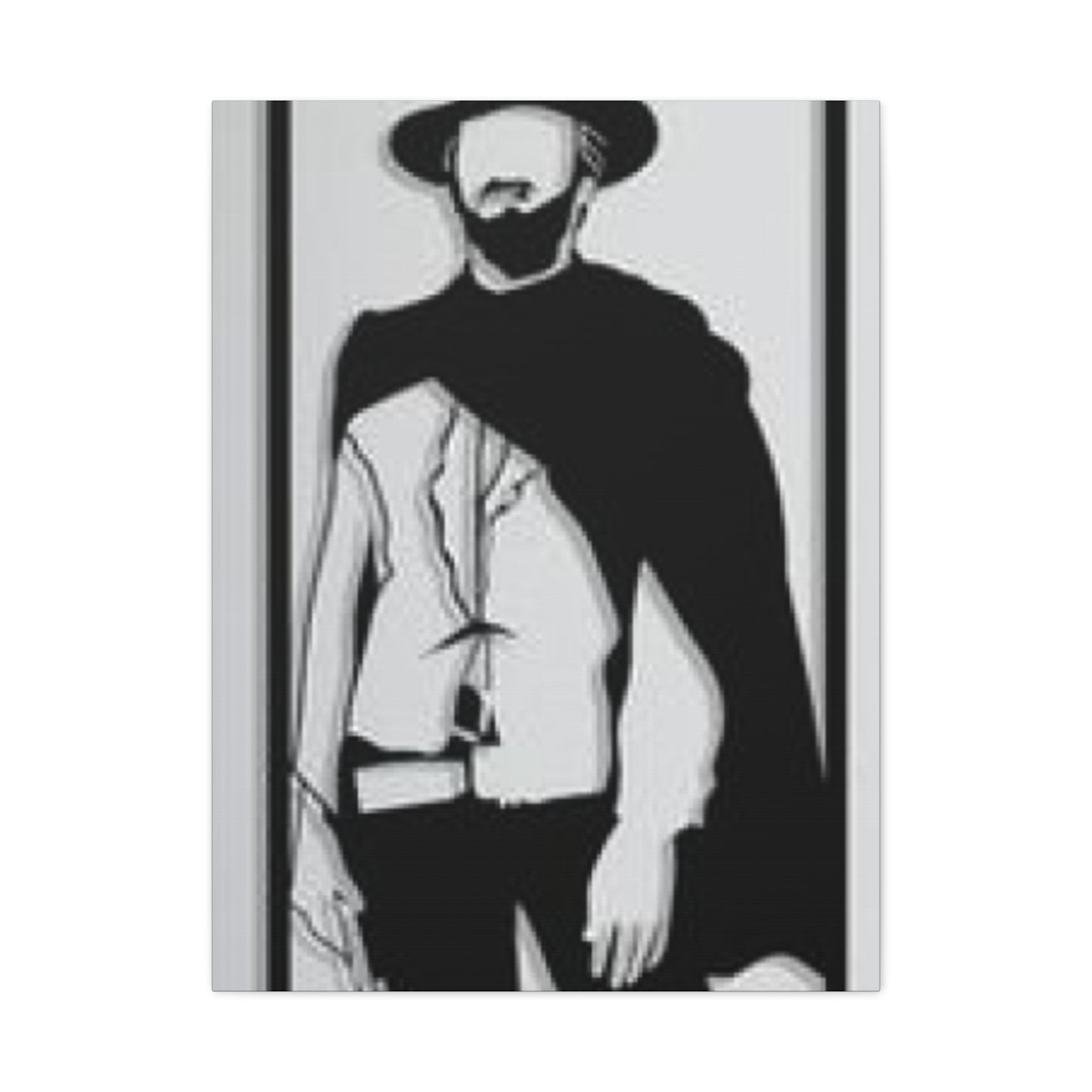
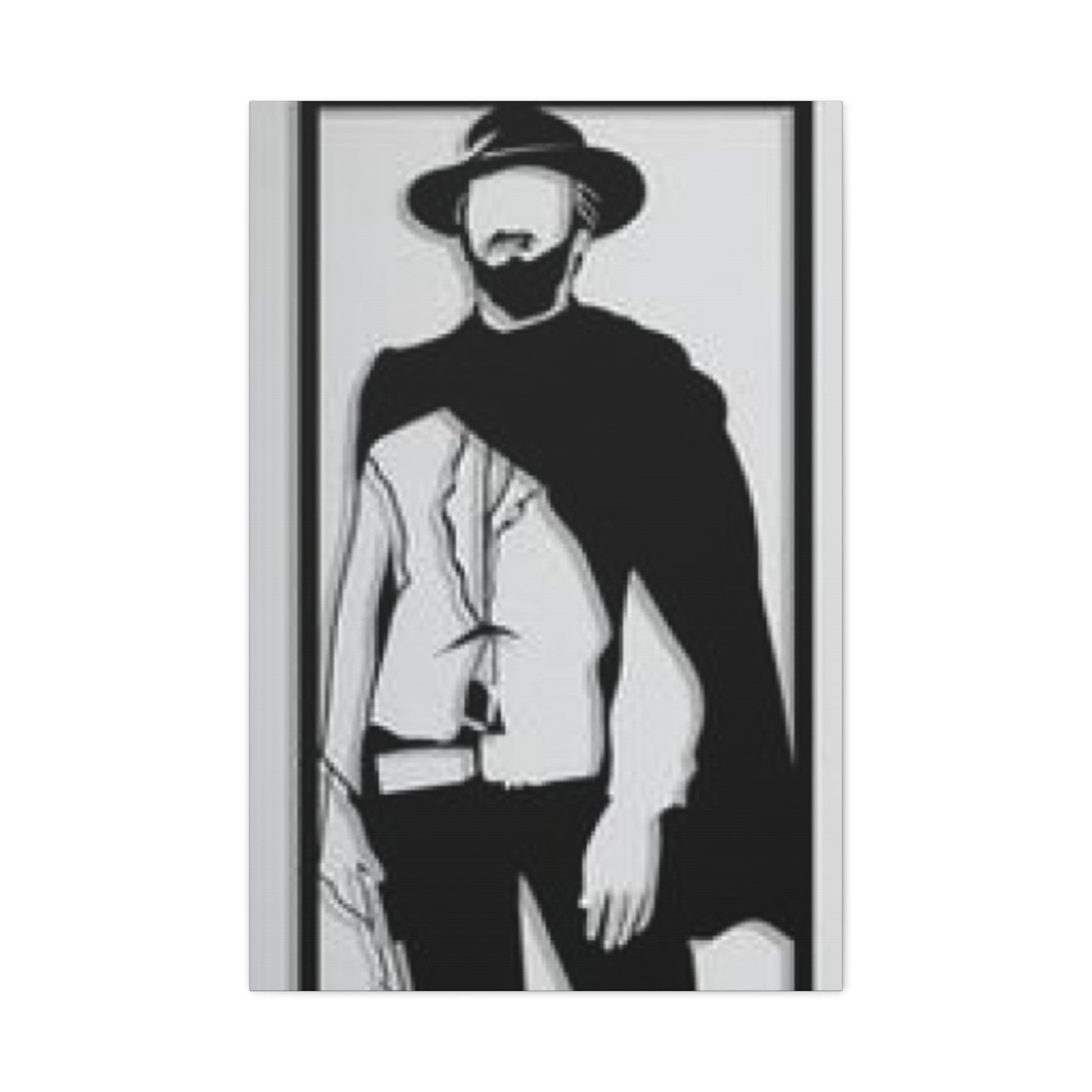
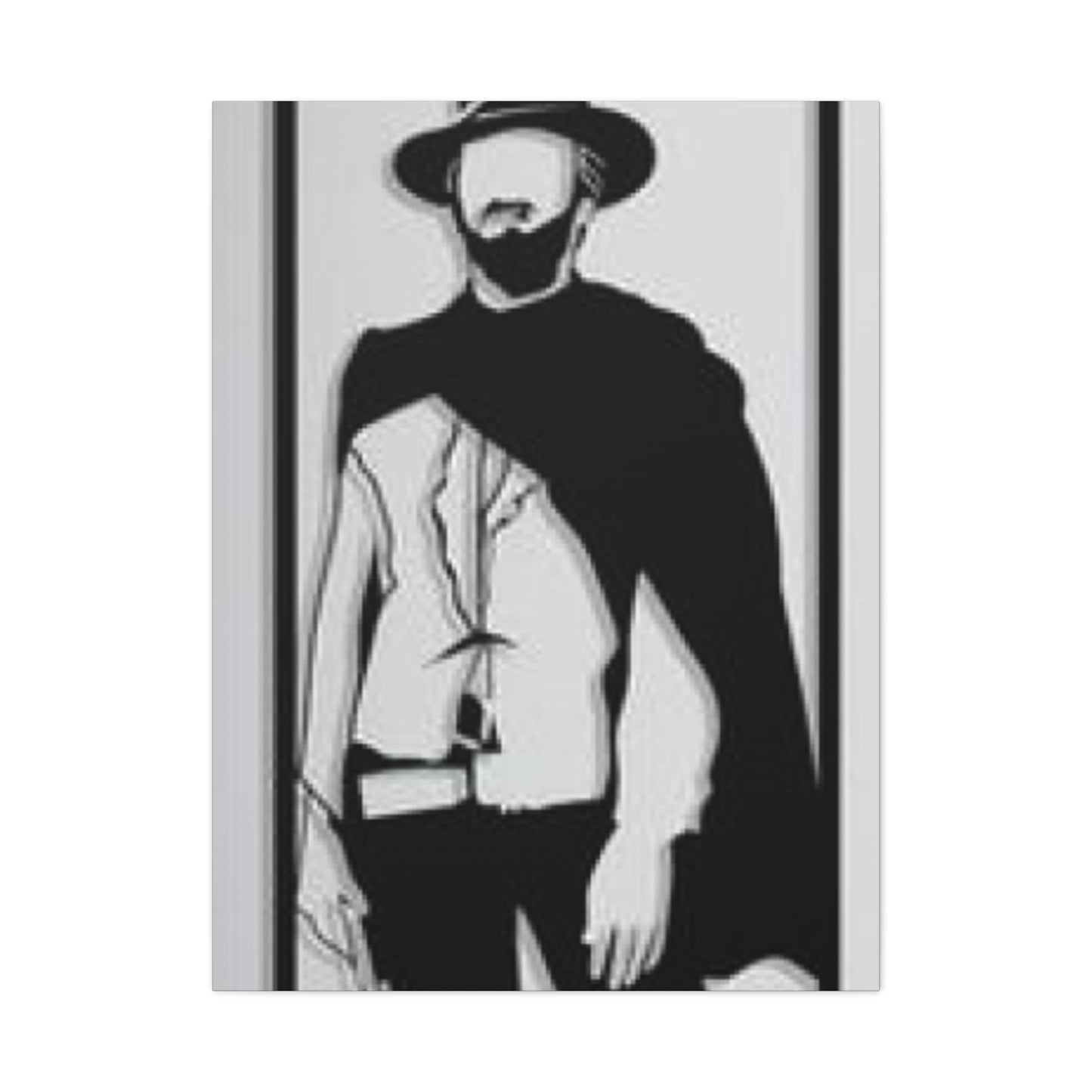
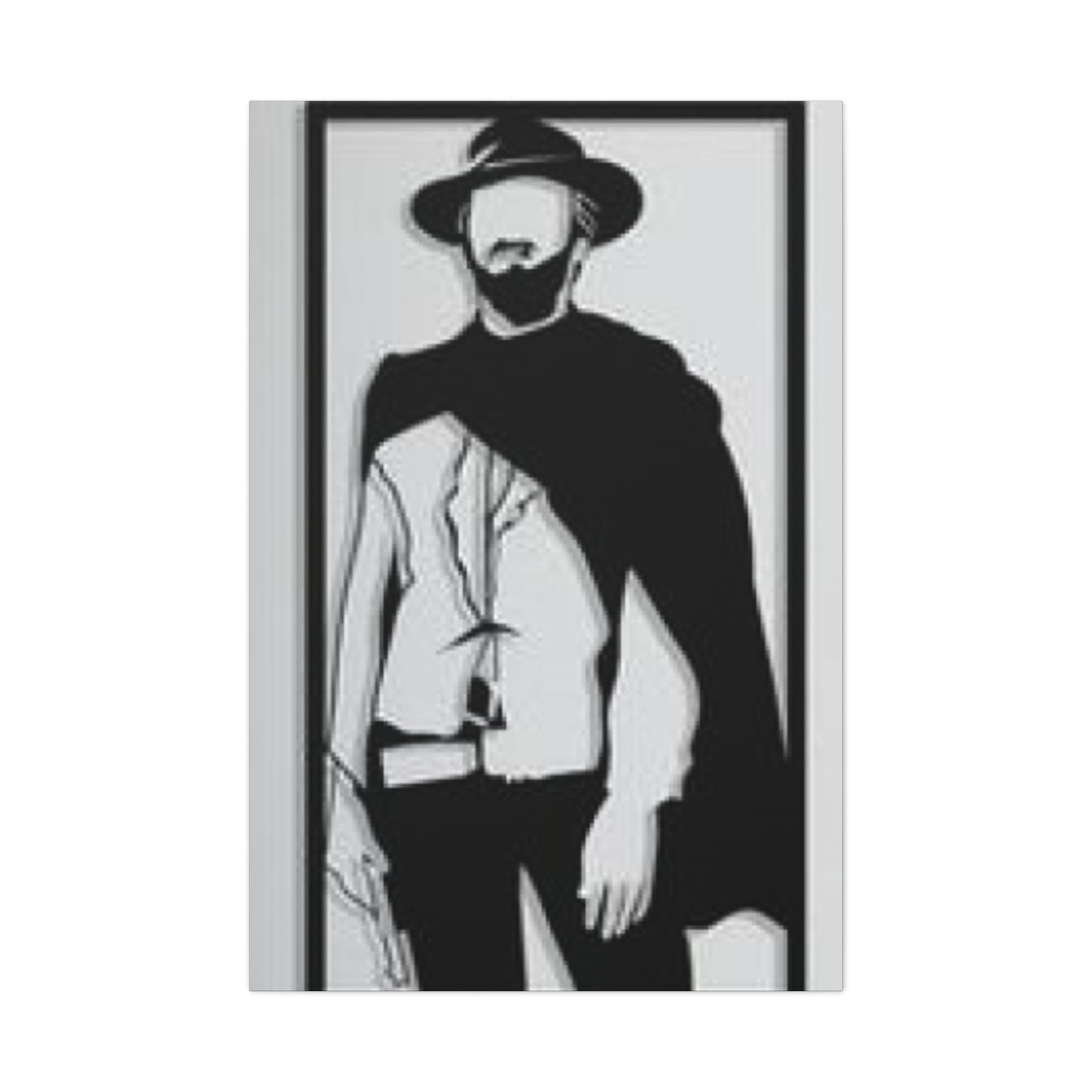
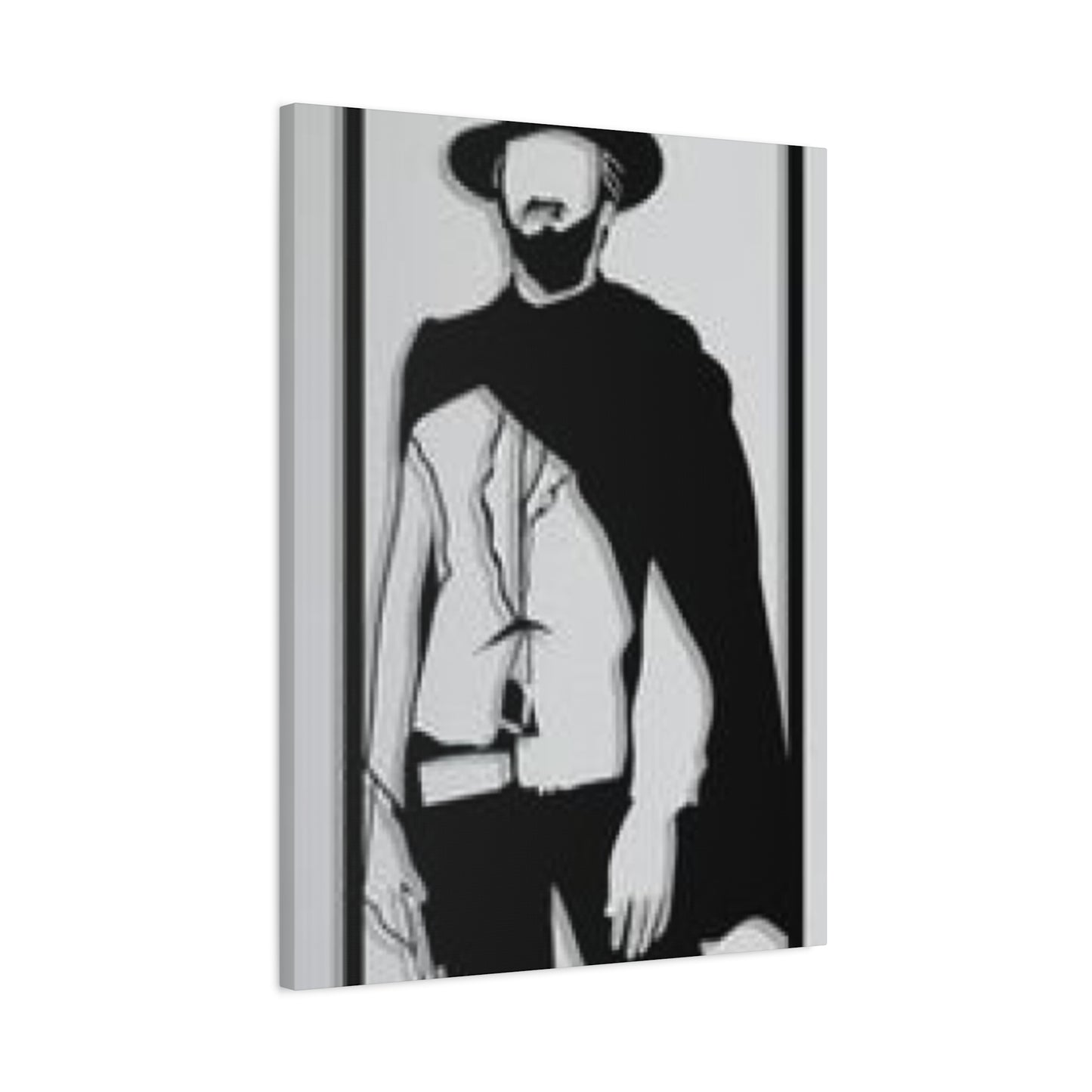
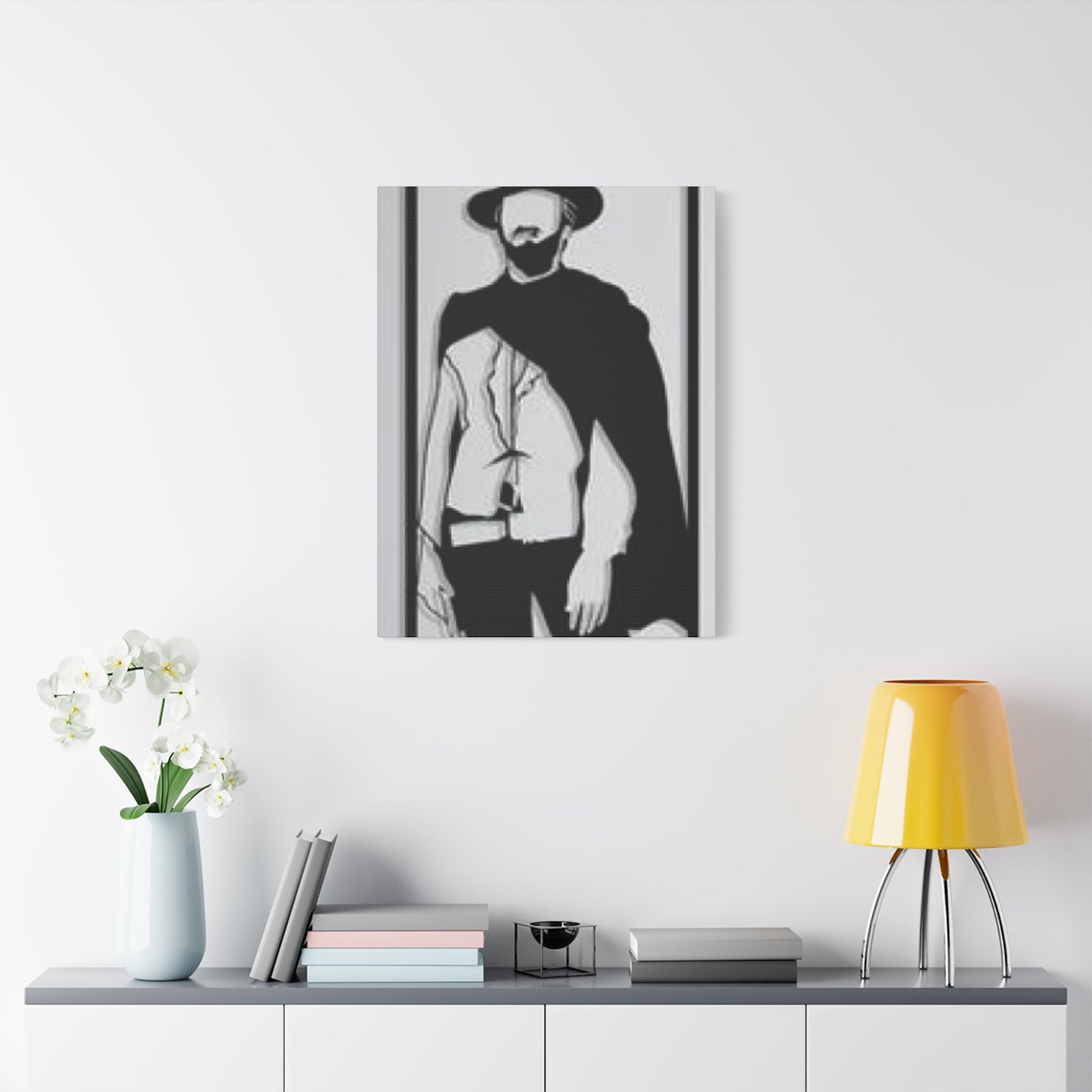
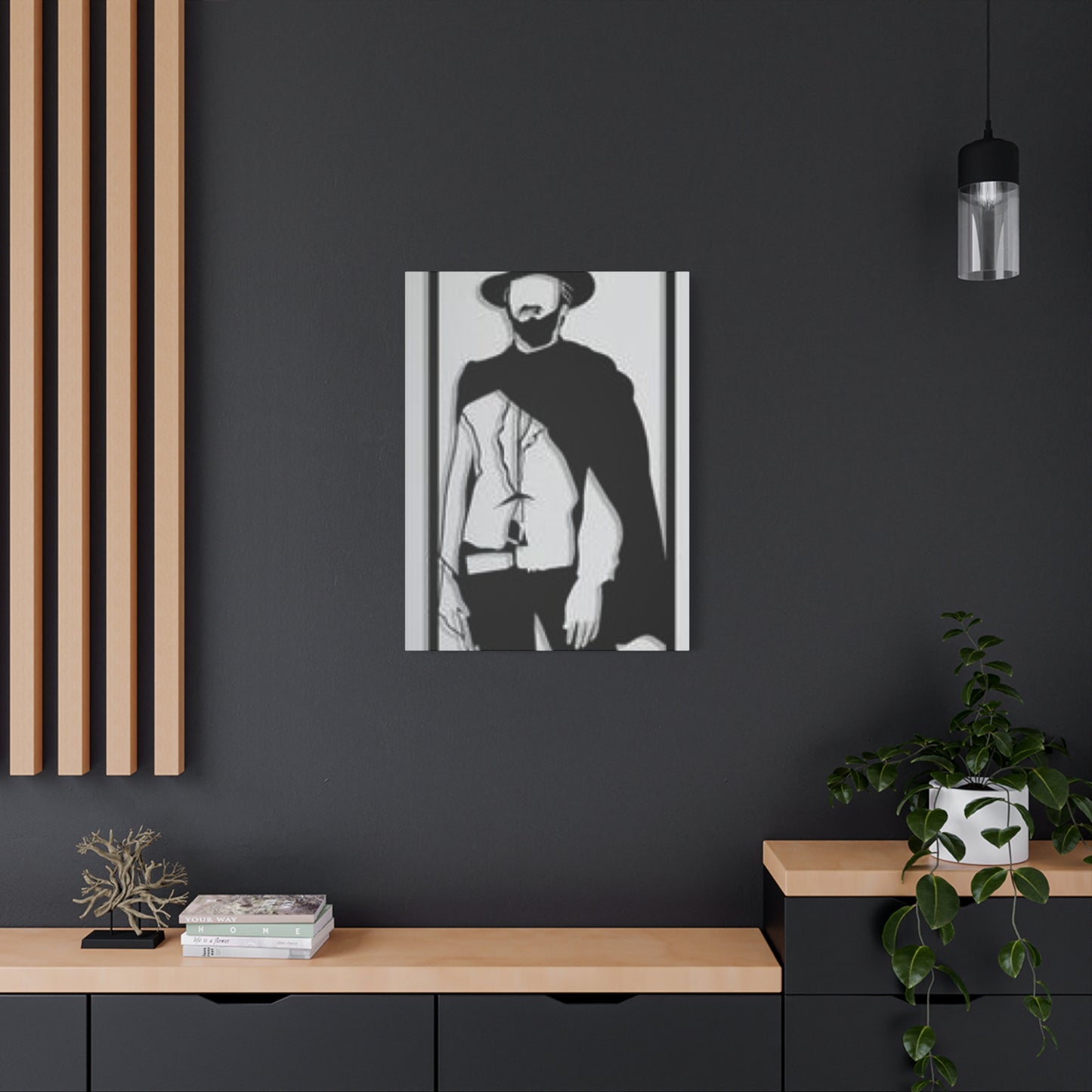
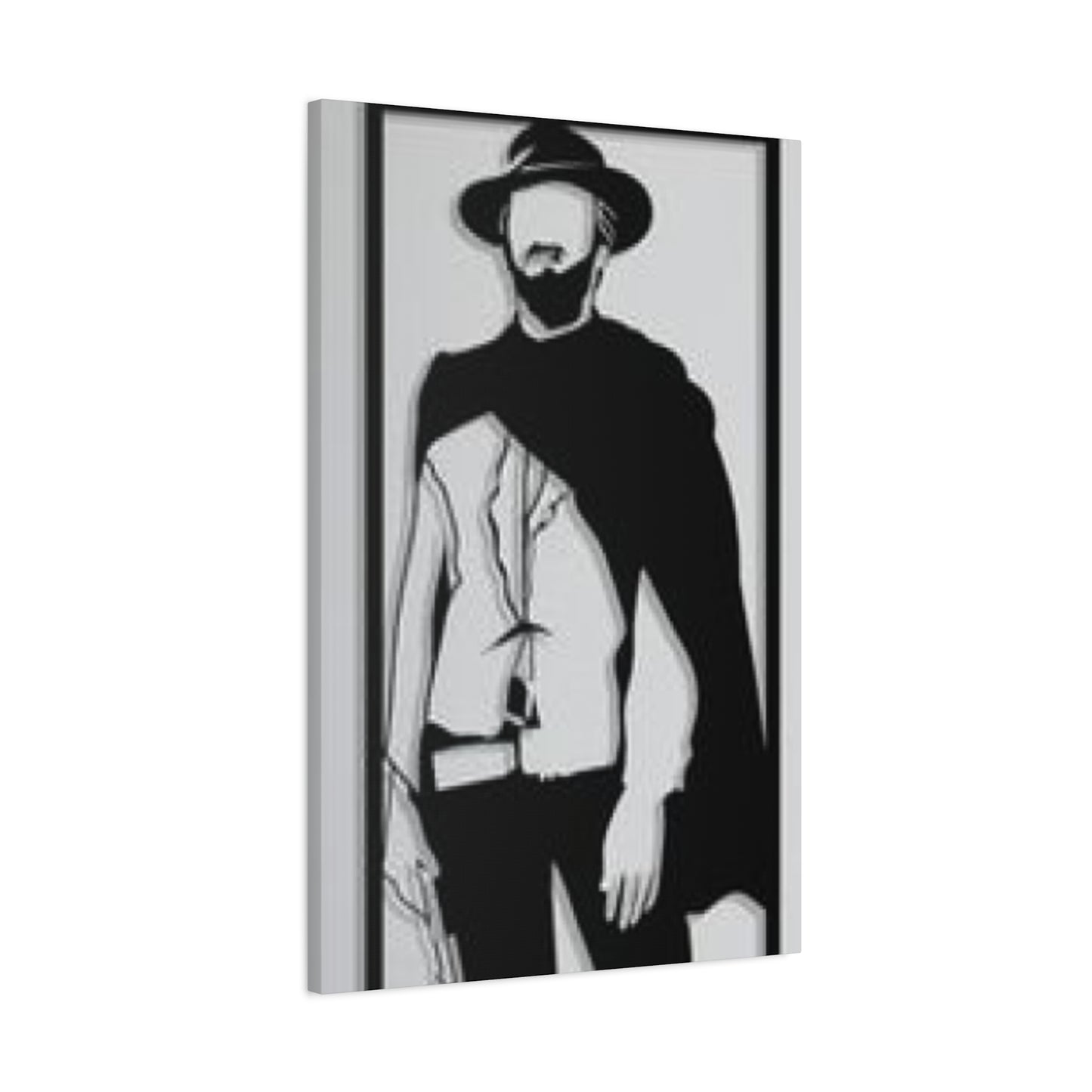
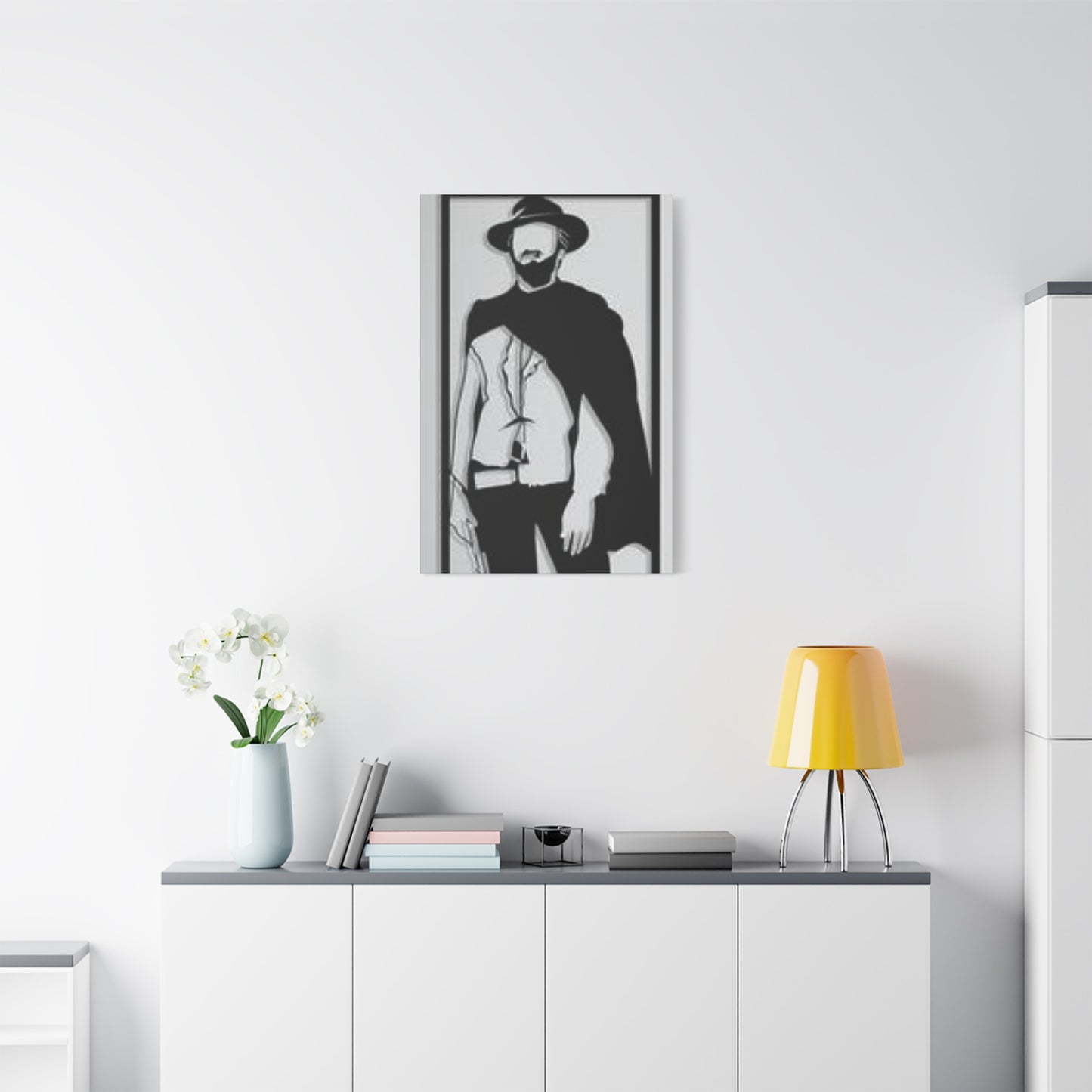
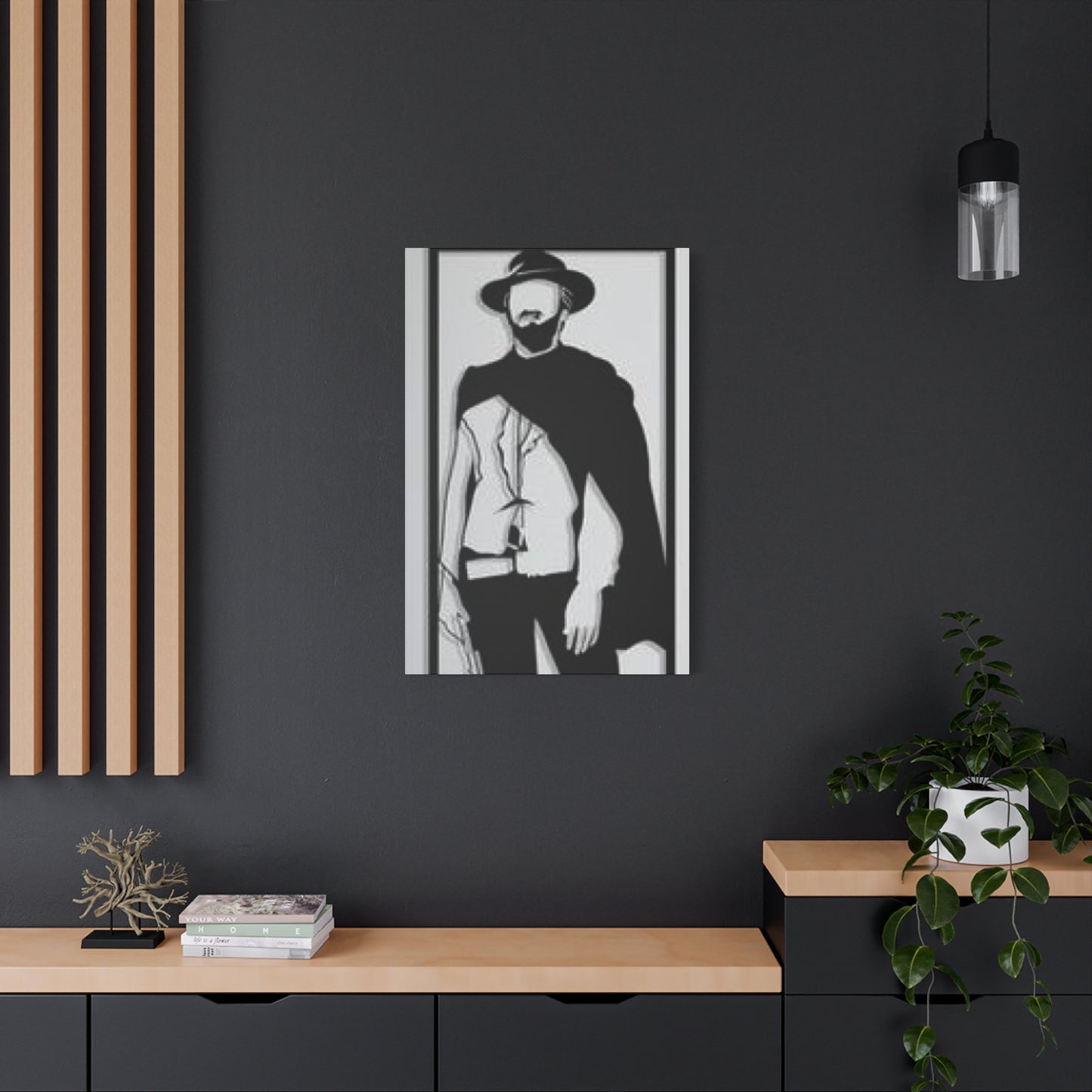
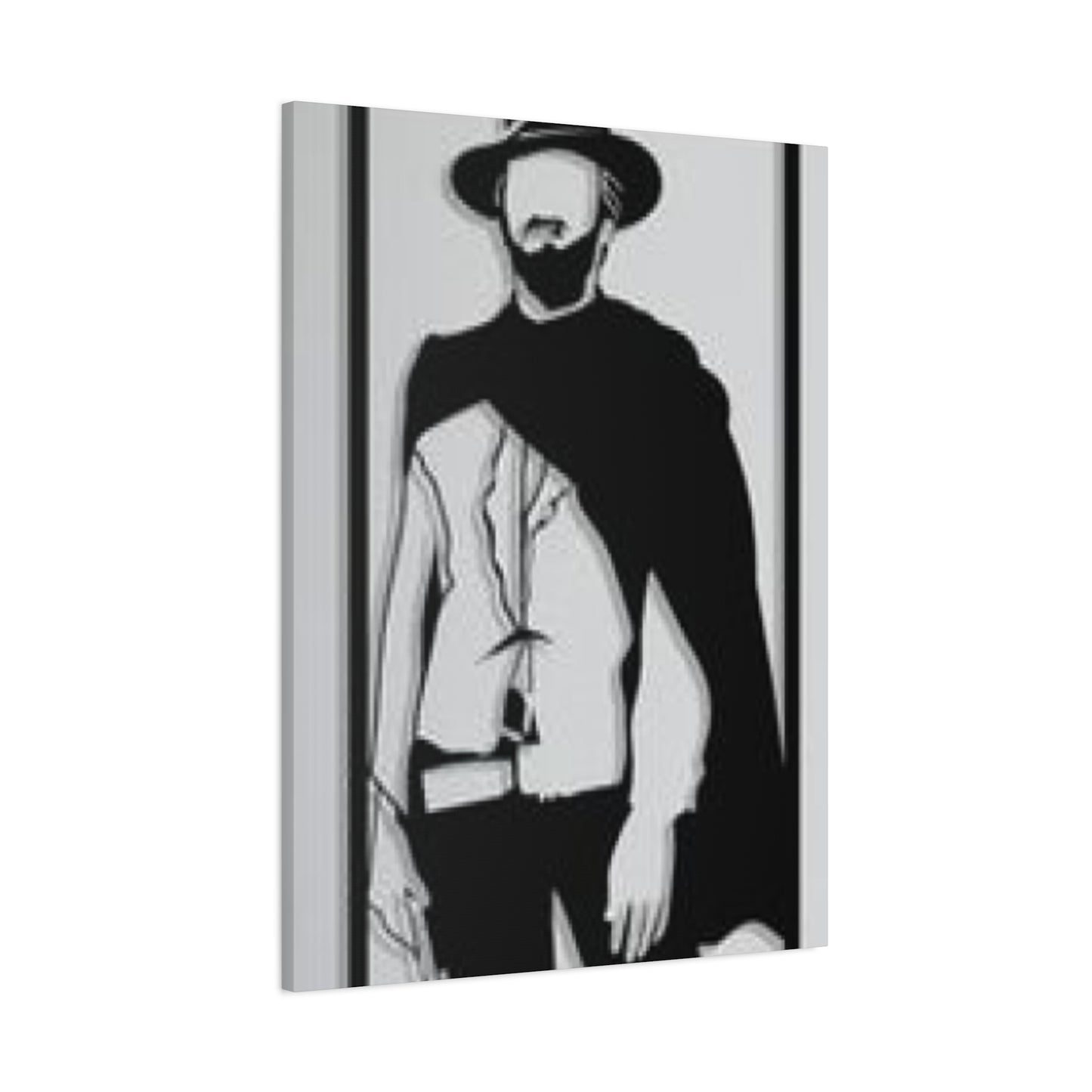
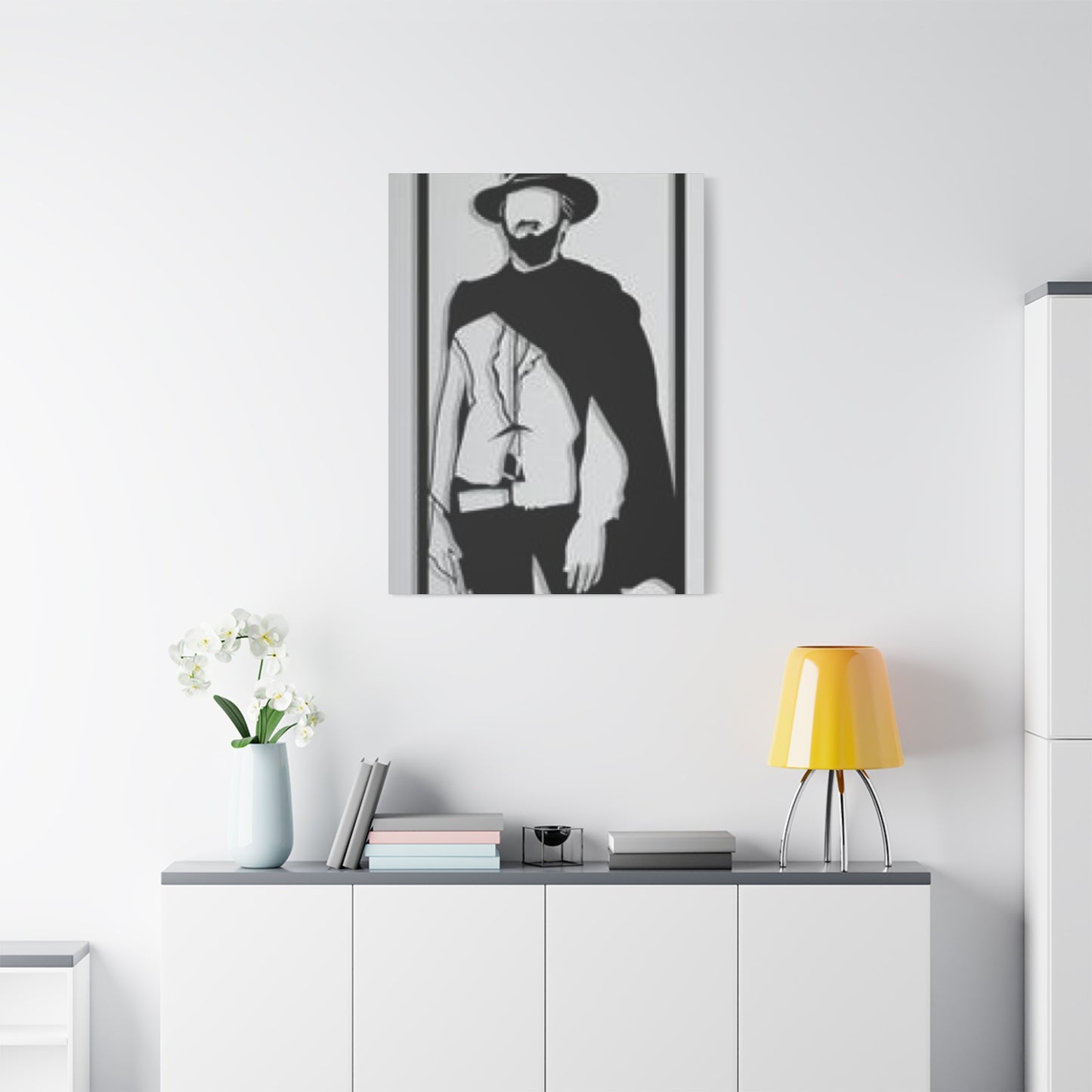
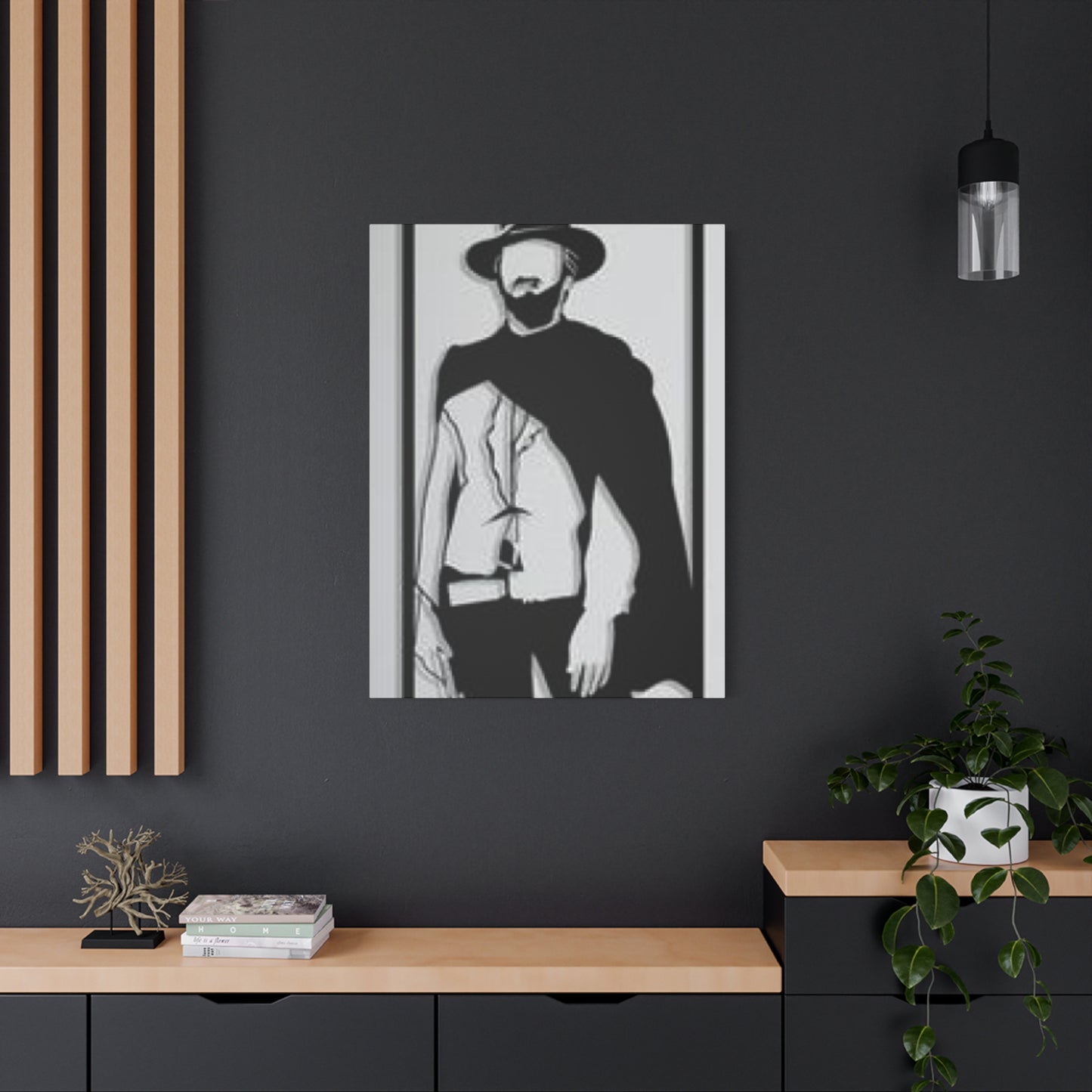
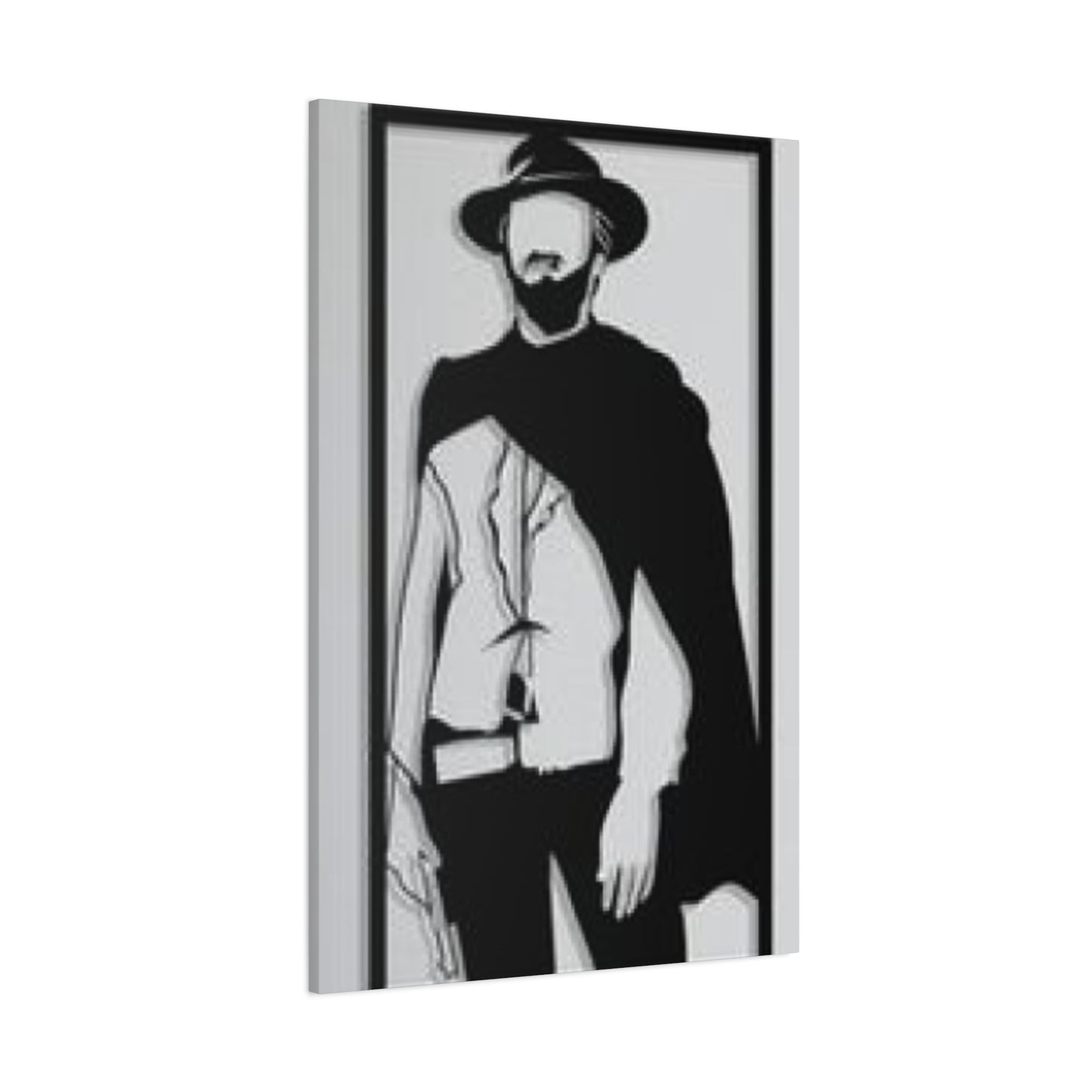
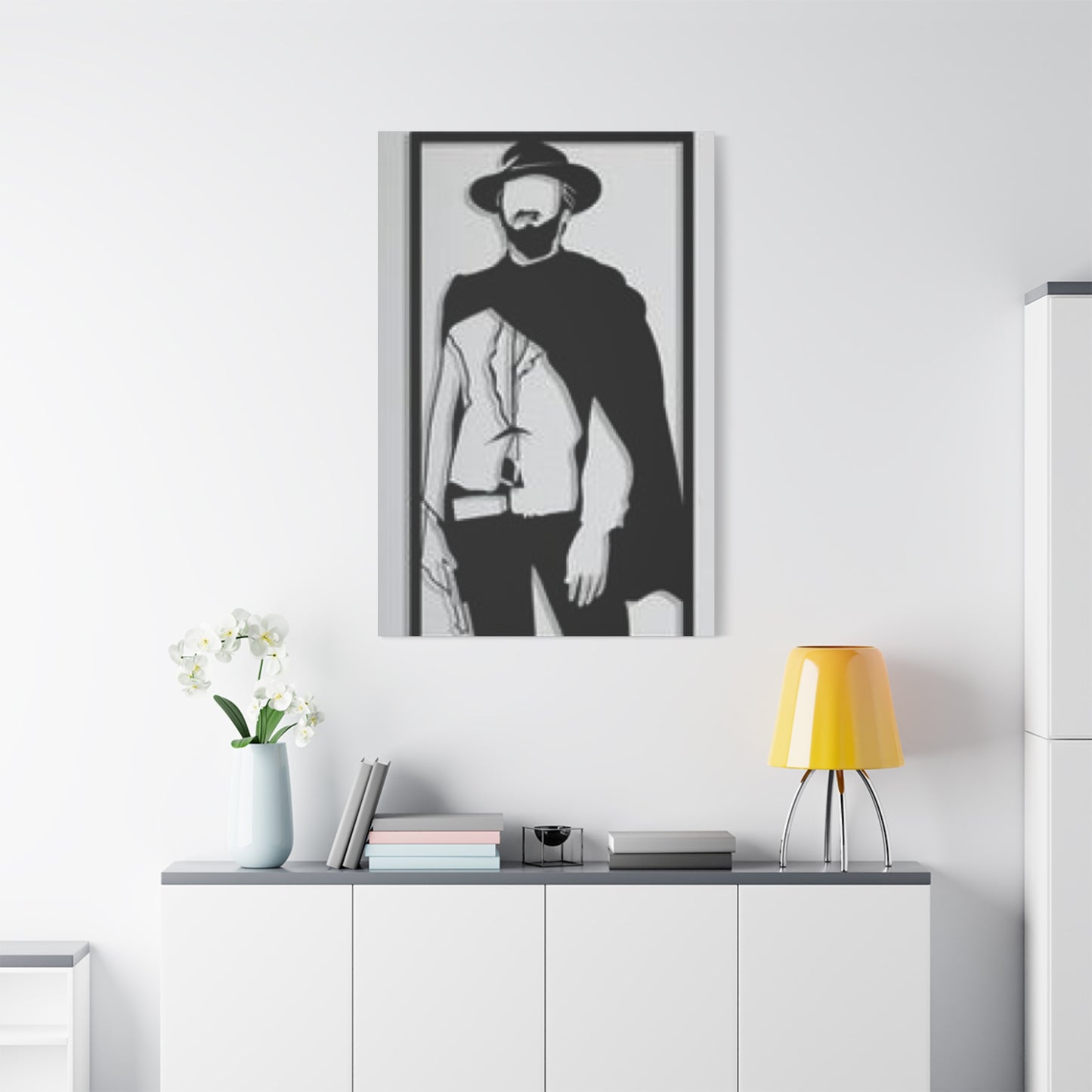
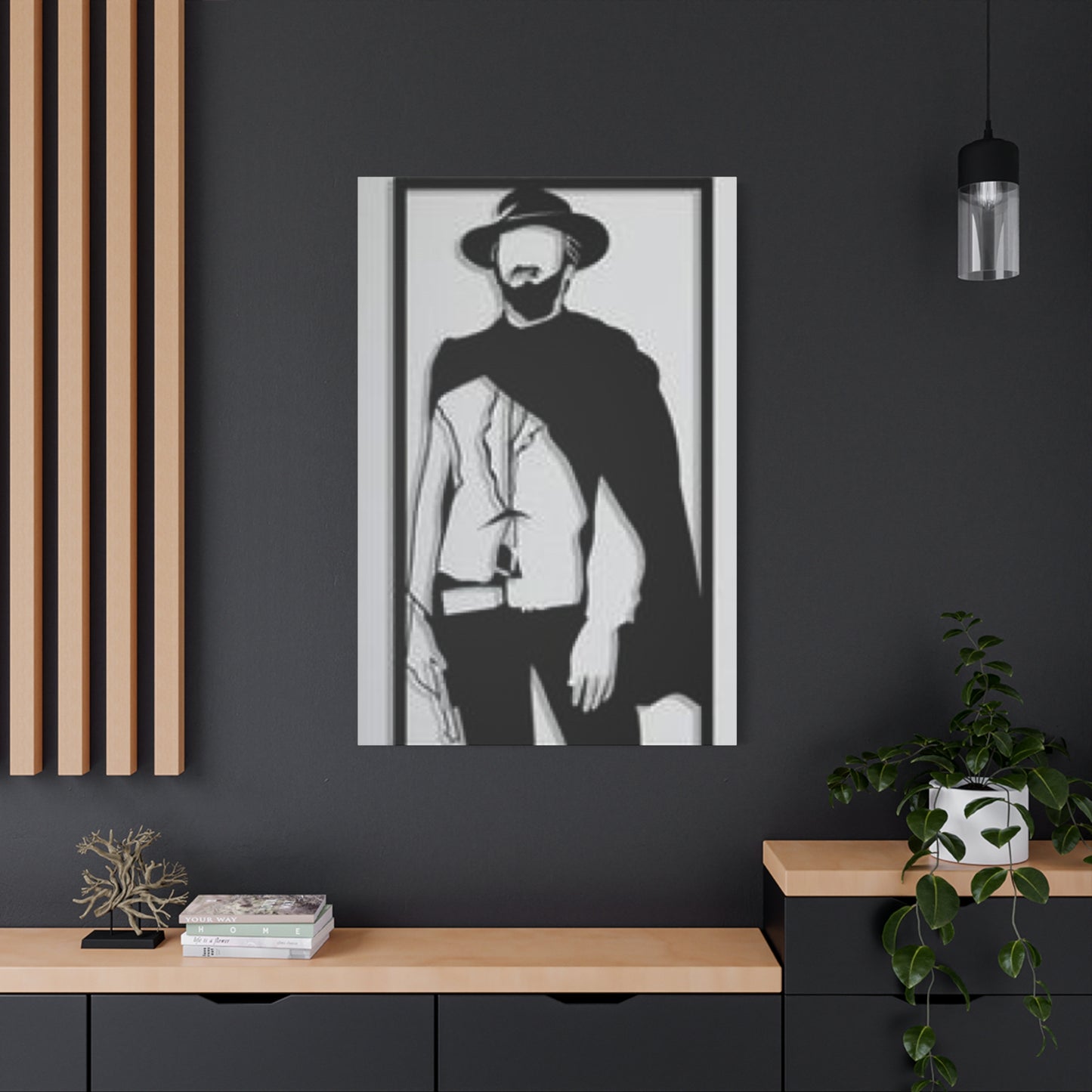
Actor Doodle Wall Art & Canvas Prints
Actor Doodle Wall Art & Canvas Prints
Couldn't load pickup availability
Creative Celebrity Sketch Designs: How Actor Doodle Wall Art Transforms Living Spaces Into Personal Galleries
The realm of interior decoration has witnessed a remarkable shift toward personalized artistic expressions that capture the essence of beloved entertainment personalities. Actor doodle wall art represents a fascinating convergence of pop culture admiration and contemporary aesthetic principles, offering enthusiasts an opportunity to celebrate their favorite performers through visually striking hand-drawn interpretations. This distinctive artistic medium transcends conventional photographic representations, instead embracing the raw, unfiltered energy of sketch-based portraiture that resonates with modern sensibilities.
The contemporary homeowner increasingly seeks meaningful connections within their living environment, gravitating toward decorative elements that reflect personal passions and cultural affinities. Celebrity sketch artwork fulfills this desire by transforming blank walls into curated galleries that speak volumes about individual taste and cinematic appreciation. Unlike mass-produced prints that flood the marketplace, these artistic renditions carry an authentic, handcrafted quality that elevates them beyond mere decoration into the realm of conversation-starting centerpieces.
The proliferation of streaming platforms and the global entertainment industry's expansion have cultivated unprecedented levels of celebrity consciousness among audiences worldwide. This cultural phenomenon has naturally translated into demand for artistic representations that honor iconic performers, directors, and entertainment figures who have shaped our collective visual consciousness. The doodle aesthetic, with its deliberate imperfections and expressive linework, captures something essential about these personalities that polished photographs sometimes fail to convey—their humanity, their creative spirit, and their enduring impact on popular culture.
Artistic Expression Through Hand-Drawn Celebrity Portraits That Capture Authentic Performance Energy
The fundamental appeal of hand-drawn celebrity portraits lies in their ability to distill the essence of a performer into pure visual form. Unlike photographic reproductions that document a single frozen moment, sketch-based interpretations synthesize multiple impressions, iconic roles, and defining characteristics into a singular artistic statement. This synthesis requires both observational acuity and interpretive courage, as the artist must identify which features, expressions, and qualities truly define their subject in the public imagination.
The line quality inherent in doodle-style artwork carries particular significance in celebrity portraiture. Bold, confident strokes convey authority and presence, while delicate, nuanced lines suggest sensitivity and depth. Many accomplished sketch artists deliberately vary their line weights to create visual hierarchy, drawing the viewer's eye toward the most expressive features—typically the eyes, which serve as windows into the performer's soul, or the mouth, which often defines their public persona through signature smiles or characteristic expressions.
Color selection in these artistic pieces serves both aesthetic and symbolic functions. Monochromatic schemes emphasizing blacks, whites, and grayscale tones evoke the classic Hollywood era and timeless elegance, while vibrant color palettes reflect contemporary energy and modern entertainment sensibilities. Some artists incorporate strategic color accents that reference specific roles or signature wardrobe choices associated with particular performers, creating visual callbacks that devoted fans instantly recognize and appreciate.
The background treatment in celebrity doodle artwork ranges from minimalist negative space that focuses attention entirely on the subject, to elaborate contextual elements that reference iconic films, memorable scenes, or defining career moments. This decision profoundly impacts the piece's overall effect—sparse backgrounds create a sense of intimacy and direct connection, while detailed environments situate the subject within their cultural legacy and artistic contributions.
Proportion and composition choices reveal much about the artist's interpretive approach. Some creators favor hyperrealistic proportions that prioritize accuracy and recognizability, while others embrace stylistic exaggeration that amplifies distinctive features into caricature-adjacent territory without crossing into mockery. The most successful pieces strike a delicate balance, remaining unmistakably faithful to their subjects while incorporating enough artistic personality to distinguish them from mere copying exercises.
Selecting Performers and Icons That Resonate With Personal Viewing Preferences and Cinematic Memories
The process of choosing which entertainment personalities to feature in your living space demands thoughtful consideration of multiple factors beyond simple popularity or current trending status. The most satisfying selections emerge from genuine personal connection—performers whose work has meaningfully impacted your worldview, provided comfort during challenging periods, or simply delivered countless hours of enjoyment and inspiration. These deeper connections ensure that your artwork maintains emotional relevance long after contemporary trends fade.
Consider the performers whose careers exemplify qualities you admire: perhaps actors known for selecting challenging, thought-provoking roles that push cinematic boundaries, or those celebrated for their versatility across genres and character types. Some individuals gravitate toward method actors whose intense commitment to their craft produces unforgettable performances, while others prefer performers known for their charisma, timing, and ability to illuminate even modest material through sheer force of personality.
The generational dimension of celebrity selection carries particular significance. Classic Hollywood icons from cinema's golden age bring timeless elegance and historical gravitas to any space, connecting contemporary living environments to entertainment's storied past. Mid-century performers who defined their era's cultural sensibilities offer nostalgic appeal for those who lived through those periods or appreciate them from historical distance. Contemporary stars reflect current cultural conversations and modern aesthetic sensibilities, creating immediate relevance and connection with today's entertainment landscape.
Genre preferences naturally influence celebrity selection. Drama enthusiasts might favor intense character actors known for emotionally demanding roles, while comedy devotees gravitate toward performers whose timing and delivery have provided laughter across decades. Action cinema fans celebrate the physical performers and stunt-oriented stars who define that genre's visceral appeal, whereas independent film supporters honor the actors who consistently choose artistically ambitious projects over commercial blockbusters.
The concept of ensemble versus individual focus presents another consideration. Some collectors prefer creating thematic groupings—perhaps the principal cast from a beloved television series, the ensemble from a defining film, or multiple performers associated with a particular director's body of work. These collections tell broader stories about cinematic collaboration and shared creative vision, while single-subject pieces create focal points that command undivided attention.
Diverse Stylistic Approaches From Minimalist Line Work to Elaborate Detailed Renderings
The spectrum of artistic styles available within the celebrity doodle genre encompasses remarkable diversity, allowing collectors to find pieces that perfectly complement their existing aesthetic preferences and interior design schemes. Understanding these stylistic variations enables more informed selection decisions and deeper appreciation for the artistic choices underlying each piece.
Minimalist line work represents one extreme of this stylistic spectrum, employing remarkably economical mark-making to suggest rather than explicitly render facial features and defining characteristics. These spare compositions rely on the viewer's pattern recognition capabilities and cultural familiarity to complete the portrait mentally. A few strategic curves suggesting jawline and cheekbone, coupled with minimal indication of eyes and mouth, can prove surprisingly effective when executed with confidence and understanding of essential forms.
Contour drawing approaches emphasize continuous line quality, often executing the entire portrait without lifting pen from paper. This technique produces organic, flowing compositions that capture gesture and energy rather than photographic precision. The resulting artwork possesses dynamic quality, as though the subject might shift expression or posture at any moment, frozen mid-gesture rather than posed statically.
Cross-hatching and tonal building techniques allow artists to construct convincing three-dimensionality through accumulated marks. Parallel lines create initial value structures, with additional layers of perpendicular or angled hatching deepening shadows and modeling forms. These labor-intensive approaches yield highly detailed results that reward extended viewing, revealing new subtleties and technical accomplishments upon each examination.
Stippling methodology employs countless individual dots to build tones and textures, creating mesmerizing surfaces that shimmer with visual interest. This painstaking approach demands extraordinary patience and planning, as artists must envision the cumulative effect of thousands of marks while applying each individual point. The resulting pieces possess unique textural quality distinct from line-based approaches.
Mixed media explorations combine various drawing implements—graphite, charcoal, ink, colored pencil, pastel—within single compositions, leveraging each medium's particular strengths. Graphite might render fine details while charcoal establishes bold value contrasts, with ink providing crisp definition and colored elements adding strategic accents. These hybrid approaches yield richly layered results that transcend any single medium's limitations.
Contemporary digital approaches expand the possibilities further, with tablet-based drawing programs enabling artists to achieve effects impossible through traditional media while maintaining the authentic gestural quality of hand-drawn artwork. Digital pieces can incorporate transparency effects, gradient blends, and color manipulations that would prove extraordinarily difficult using physical materials, all while preserving the spontaneous energy that distinguishes doodle aesthetics from computer-generated imagery.
Sourcing Authentic Handcrafted Pieces From Skilled Portrait Artists and Independent Creators
Acquiring genuine handcrafted celebrity doodle artwork requires navigating an increasingly complex marketplace where authentic artisan-created pieces coexist with mass-produced prints of varying quality. Discriminating collectors must develop evaluation skills that distinguish truly unique creations from reproductions, regardless of how those reproductions are marketed.
Independent artist platforms have democratized access to creative talent, connecting collectors directly with creators without traditional gallery intermediaries. These platforms typically feature portfolio galleries allowing prospective buyers to examine artists' full bodies of work, identifying consistent quality levels and distinctive stylistic signatures. Reading customer reviews and examining completed commission examples provides insight into reliability, communication practices, and ability to capture specific subjects successfully.
Craft marketplaces focusing on handmade goods naturally attract artists producing original celebrity portraits. These venues typically enforce authenticity standards and handmade requirements that filter out purely commercial operations. However, buyers should still examine listing details carefully, distinguishing between truly original one-of-a-kind pieces, limited edition prints of original artwork, and open edition reproductions with unlimited availability.
Local art fairs and craft shows offer valuable opportunities to meet artists personally, examining original pieces firsthand while discussing their creative processes, inspirations, and available customization options. These face-to-face interactions build relationships and confidence, particularly when commissioning personalized pieces. Many artists maintain mailing lists for interested collectors, announcing new works and offering preview access before public release.
Social media platforms have become essential artist discovery tools, with creators sharing work-in-progress images, finished pieces, and behind-the-scenes glimpses into their creative practices. Following artists whose work resonates allows collectors to track their stylistic evolution and receive immediate notification when new pieces become available. Many artists accept direct commission inquiries through these channels, streamlining the personalization process.
Art cooperatives and collective galleries provide curated environments where multiple artists display their work under shared representation. These venues typically maintain quality standards through juried selection processes, offering collectors some assurance regarding artistic merit. Cooperative membership often indicates serious professional commitment rather than casual hobbyist pursuit.
When evaluating potential purchases, examine technical execution carefully. Clean, confident linework suggests practiced skill, while hesitant, overworked marks may indicate inexperience. Proportional accuracy within the chosen style demonstrates observational ability and anatomical understanding. Surface quality and material choices reflect professionalism—archival papers and lightfast media ensure longevity, while economy-grade materials may deteriorate prematurely.
Framing Strategies and Display Methods That Enhance Visual Impact While Protecting Artwork Integrity
Proper presentation dramatically influences how celebrity doodle artwork functions within your living space, with framing choices either elevating the piece's impact or diminishing its effectiveness. Understanding framing principles enables collectors to showcase their acquisitions optimally while ensuring long-term preservation.
Frame style selection should complement rather than compete with the artwork itself. Simple, clean-lined frames suit minimalist sketch styles, allowing the drawing to command full attention without visual distraction. More elaborate frames can effectively showcase detailed, traditional-style portraits, particularly those executed on toned papers or incorporating classical techniques. Contemporary pieces often benefit from sleek metal or frameless float-mount presentations that emphasize their modern sensibility.
Color coordination between frame and artwork requires careful consideration. Neutral tones—black, white, natural wood, metallic silver—offer safe versatility that adapts to various interior schemes. However, strategic color choices can enhance specific artwork elements. A frame picking up accent colors within the piece creates visual coherence, while complementary colors generate dynamic contrast that amplifies impact.
Matting serves multiple functions beyond pure aesthetics. Practical benefits include separating the artwork from glazing contact, preventing potential sticking or moisture damage. Visually, matting provides breathing room around the piece, focusing attention inward while creating a transitional zone between artwork and frame. Mat width significantly impacts perceived importance—generous matting suggests valuable, significant work deserving reverence, while minimal matting creates casual, approachable presentation.
Mat color traditionally defaults to white or cream, offering clean, gallery-standard presentation. However, colored matting opens creative possibilities. Dark mats can dramatically showcase pieces executed on light papers, creating striking contrast and emphasizing tonal ranges. Toned mats in subtle colors can harmonize with interior palettes while adding sophistication beyond standard white.
Glazing selection balances protection with visual clarity. Standard glass provides basic protection at economical cost but creates significant reflection that can obscure viewing from certain angles. Museum glass eliminates virtually all reflection through anti-reflective coatings while offering enhanced UV protection, but commands premium pricing. Acrylic glazing provides shatter resistance and lighter weight, particularly important for larger pieces, though it scratches more easily than glass.
UV protection deserves serious consideration for valuable pieces or those displayed in bright conditions. Ultraviolet radiation gradually fades pigments and degrades paper fibers, with damage accumulating invisibly until suddenly becoming apparent. UV-filtering glazing blocks harmful wavelengths while remaining visually neutral, significantly extending artwork longevity.
Mounting methods range from traditional hinged mounting using archival tape to more secure but potentially reversible techniques. Archival standards prioritize complete reversibility, ensuring future conservators can separate artwork from mounting materials without damage. Acid-free materials throughout—mats, backing boards, tapes—prevent chemical degradation that might otherwise discolor or weaken the artwork over decades.
Gallery wall arrangements allow collectors with multiple pieces to create cohesive displays exceeding the impact of individual artworks. Successful arrangements balance visual weight across the overall composition, considering frame sizes, subject orientation, and tonal values. Common approaches include symmetrical grid arrangements offering orderly formality, salon-style asymmetric groupings suggesting eclectic collecting, and linear sequences creating narrative flow.
Lighting dramatically affects artwork presentation, with dedicated picture lights, track systems, or strategic placement relative to natural light sources enhancing visibility and visual drama. Ideal lighting illuminates the piece evenly without glare or hot spots, while avoiding direct sunlight that accelerates fading. Adjustable lighting enables customization as natural light conditions shift throughout the day and across seasons.
Color Palette Choices Ranging From Classic Monochrome to Vibrant Contemporary Schemes
The color approach underlying celebrity doodle artwork profoundly influences its aesthetic impact and compatibility with various interior environments. Understanding color theory principles and common palette strategies enables collectors to select pieces that harmonize with existing décor while achieving desired emotional effects.
Monochromatic schemes restricting artwork to single hues and their tints, tones, and shades offer sophisticated restraint and timeless appeal. Black ink on white paper represents the most fundamental monochromatic approach, providing maximum contrast and graphic punch. These high-contrast pieces command attention and maintain legibility across viewing distances, making them effective focal points in large rooms. Sepia-toned alternatives evoke vintage photography and historical associations, lending classical dignity to contemporary subjects.
Grayscale rendering employing the full value range from pure white through mid-tones to absolute black enables nuanced modeling and atmospheric depth impossible with pure line work. Skilled artists manipulate value relationships to direct viewer attention, reserving strongest contrasts for focal areas like eyes and facial features while allowing peripheral elements to recede into subtler tonal ranges. These pieces adapt readily to diverse color schemes since they introduce no competing hues.
Limited color palettes incorporating two or three hues offer sophisticated restraint while escaping monochrome's absolute austerity. Analogous combinations using adjacent color wheel positions—blues and greens, oranges and reds—create harmonious, unified feels. Complementary pairings employing opposite color wheel positions—blue and orange, red and green—generate dynamic tension and visual excitement. Split-complementary schemes use one primary hue plus the two colors adjacent to its complement, balancing harmony and contrast.
Full-spectrum color approaches embrace unrestricted hue diversity, ranging from naturalistic flesh tones and hair colors to wildly interpretive schemes bearing no relationship to actual subject appearance. Naturalistic coloring pursues accurate representation, carefully mixing pigments to match skin tones, eye colors, and other physical attributes. This approach satisfies viewers seeking recognizable, lifelike renderings that could theoretically represent actual encounter.
Expressive color ignores literal accuracy, instead selecting hues for emotional impact or symbolic meaning. Perhaps blue tones pervade the entire piece, conveying coolness, melancholy, or spiritual qualities. Maybe hot reds and oranges dominate, suggesting passion, intensity, or volatile energy. These interpretive choices transform portraits into mood pieces transcending mere likeness documentation.
Pop art influences frequently appear in contemporary celebrity doodle work, employing saturated, unmodulated colors reminiscent of commercial printing and mass media imagery. These vibrant, flat color areas reference the subjects' existence within popular culture and media landscape rather than intimate personal acquaintance. The aesthetic deliberately embraces artificiality and reproducibility, celebrating celebrities as cultural constructs rather than private individuals.
Metallic accents and special effect pigments introduce luxurious dimension beyond standard color ranges. Gold leaf or metallic ink highlights suggest divinity, wealth, or exceptional status—appropriate for subjects viewed as entertainment royalty. Iridescent pigments shift hue depending on viewing angle, creating dynamic surfaces that reveal new aspects as viewers move around the piece.
Background color treatments merit independent consideration from subject rendering. Solid fields provide clean, uncomplicated settings that emphasize foreground figures. Graduated washes create atmospheric depth and spatial suggestion. Abstract color backgrounds might incorporate geometric patterns, organic textures, or gestural marks that complement rather than distract from primary subjects.
Seasonal and trendy color movements periodically influence the marketplace, with particular palettes gaining popularity through social media exposure and influencer endorsement. While following trends ensures contemporary relevance, collectors seeking lasting satisfaction should prioritize personal response over temporary fashion. Colors that genuinely resonate with your sensibilities will continue pleasing long after trends shift.
Sizing Considerations for Different Room Dimensions and Viewing Distance Requirements
Artwork scale dramatically impacts its effectiveness within architectural contexts, with inappropriate sizing either overwhelming spaces or disappearing into insignificance. Thoughtful dimension selection ensures celebrity doodle pieces achieve optimal visual impact while maintaining comfortable proportional relationships with surrounding elements.
Small-scale pieces measuring roughly eight by ten inches or smaller function effectively in intimate settings like powder rooms, hallway nooks, or clustered arrangements forming larger composite displays. These modest dimensions suit detailed, intricately rendered works rewarding close examination. Viewers naturally approach small artwork to appreciate fine details, creating engagement moments that larger pieces viewed from distance cannot provide.
Medium formats ranging from eleven by fourteen inches through roughly eighteen by twenty-four inches represent the most versatile sizing, adapting successfully to diverse residential contexts. These dimensions provide sufficient visual presence to anchor wall space without dominating rooms. Medium pieces work well individually as focal points in smaller rooms or grouped in pairs or trios throughout larger spaces.
Large-scale works exceeding twenty by thirty inches make bold statements, functioning as room focal points that organize surrounding décor. These substantial pieces require adequate viewing distance—approximately six to ten feet minimum—allowing viewers to appreciate overall composition rather than focusing on individual marks. Large celebrity portraits work particularly well above furniture groupings like sofas or dining tables, visually anchoring seating arrangements.
Oversized statement pieces approaching or exceeding life-size dimensions create dramatic impact suitable for spacious, minimally furnished environments. These monumental works become room-defining features rather than mere accessories, demanding architectural consideration during placement. Oversized celebrity portraits suit commercial contexts like entertainment venues, studios, or screening rooms as effectively as residential applications.
The relationship between artwork dimensions and wall space requires careful calculation. Design principles traditionally suggest artwork should occupy roughly two-thirds to three-quarters of available wall width when hung above furniture, creating balanced visual weight without excessive empty space or cramped appearance. Freestanding walls without furniture below offer more flexibility, potentially accommodating smaller pieces through strategic vertical placement.
Viewing distance naturally increases with artwork size. The general principle suggests optimal viewing distance equals approximately 1.5 to 2 times the diagonal measurement of the artwork. This distance allows viewers to perceive the piece as unified whole rather than scanning across surface searching for comprehensive view. Hallways and other constrained spaces may necessitate smaller pieces ensuring adequate viewing distance remains possible.
Ceiling height influences appropriate artwork scale, with higher ceilings accommodating proportionally larger pieces. Standard eight-foot residential ceilings typically suit small to medium artwork best, while ten to twelve-foot ceilings embrace medium to large pieces comfortably. Dramatic multi-story spaces can heroically showcase oversized works that would overwhelm conventional rooms.
Portrait orientation versus landscape format affects spatial relationships differently. Vertical portraits naturally draw eyes upward, emphasizing ceiling height and creating elegant, sophisticated feels. Horizontal compositions spread attention laterally, potentially making rooms feel wider while introducing calm, stable energy. Square formats offer neutral balance without directional emphasis.
Preservation Practices Ensuring Longevity Through Proper Environmental Controls and Handling Protocols
Conscientious stewardship extends artwork lifespans indefinitely, allowing celebrity doodle pieces to remain vibrant and intact for generations. Understanding conservation principles enables collectors to implement protective measures preventing premature deterioration.
Environmental control begins with temperature management. Excessive heat accelerates chemical reactions within paper and media, promoting acidification, embrittlement, and pigment degradation. Conversely, extreme cold can cause condensation problems when temperatures fluctuate. Maintaining stable temperatures between 65 and 75 degrees Fahrenheit provides ideal conditions for works on paper. More importantly than absolute temperature, stability matters—wild fluctuations stress materials more than consistent conditions slightly outside optimal ranges.
Humidity regulation proves equally crucial, with relative humidity ideally maintained between 40 and 55 percent. Excessive moisture encourages mold growth, foxing, and dimensional changes as paper absorbs atmospheric water. Insufficient humidity causes brittleness and surface flaking as materials desiccate. Basement and bathroom locations typically present problematic humidity levels, while climate-controlled living spaces generally offer acceptable conditions. Affordable hygrometers enable monitoring, while humidifiers and dehumidifiers allow adjustment when necessary.
Light exposure represents perhaps the greatest threat to artwork longevity, with both visible and ultraviolet radiation causing irreversible damage. Pigments fade, papers yellow and weaken, and subtle tonal relationships disappear under prolonged exposure. Damage accumulates invisibly until suddenly becoming apparent, typically too late for reversal. Minimizing light exposure—particularly direct sunlight—extends artwork lifespans dramatically. When illumination proves necessary, LED fixtures generate minimal heat and UV radiation compared to incandescent or fluorescent alternatives.
Air quality considerations include filtering particulates that settle on surfaces and potentially embed in paper fibers. Cooking areas release grease particles that discolor artwork over time. Fireplace proximity exposes pieces to soot and combustion byproducts. Smoking indoors deposits tar and nicotine residues. Proper ventilation and air filtration minimize these contaminants, while strategic placement keeps valuable pieces away from primary sources.
Physical damage prevention requires thoughtful handling practices. Clean, dry hands free from lotions or oils prevent transfer of substances that might stain or attract pests. Supporting artwork edges rather than surfaces avoids pressure damage and fingerprints. Never touching the actual drawing surface preserves its pristine condition. When unframed works require storage, acid-free tissue interleaving prevents contact between pieces, while archival boxes exclude light, dust, and physical damage.
Pest management protocols protect against insect damage, particularly from silverfish, beetles, and cockroaches that consume paper and organic media. Maintaining clean, dry conditions discourages infestation, while regular inspection enables early detection before significant damage occurs. Professional pest control should specify museum-safe methods if treatment becomes necessary near valuable artwork.
Disaster preparedness planning acknowledges risks from water damage, fire, and other catastrophes. Elevated placement protects against flooding from plumbing failures or ground-level water intrusion. Avoiding exterior walls subject to roof leaks or condensation provides additional protection. Documentation through photography establishes condition records valuable for insurance purposes and restoration guidance should damage occur.
Professional appraisal and periodic condition assessments from qualified conservators provide expert evaluation of artwork state and emerging conservation needs. These specialists detect subtle deterioration signs before they become obvious, recommending interventions that stabilize pieces and prevent further damage. Establishing relationships with conservation professionals before emergencies arise ensures rapid response when needed.
Insurance coverage specifically listing valuable pieces protects financial investment while enabling restoration funding should damage occur. Standard homeowner policies typically provide minimal fine art coverage, making supplemental policies advisable for significant collections. Documentation requirements include photographs, purchase receipts, and professional appraisals establishing value.
Commissioning Custom Portraits Featuring Personal Favorite Performers and Specific Role References
Personalized commissioned artwork offers unparalleled satisfaction, creating unique pieces precisely matching your vision while celebrating specific performances, roles, or career moments holding particular significance. Successfully navigating the commission process requires clear communication and mutual understanding between collector and creator.
Initial artist selection demands careful portfolio review, ensuring prospective creators demonstrate both general competency and specific success with subjects similar to your intended commission. An artist excelling at dramatic, intense character studies may not suit lighthearted comedy subjects equally well. Review multiple completed pieces rather than single standout examples, assessing consistency and range.
Communication clarity proves essential throughout commission processes. Prepare reference materials including multiple images showing your subject from various angles, in different lighting conditions, and expressing diverse moods and emotions. For role-specific commissions, gather screenshots or production stills capturing the particular performance you wish commemorated. The more reference material provided, the better equipped artists become to capture essential qualities.
Specify stylistic preferences explicitly. Do you envision photorealistic rendering or more interpretive approaches? What color palette do you prefer? Should the composition include background elements or focus exclusively on the subject? Do you want specific costumes or props referenced? Articulating these preferences prevents miscommunication and disappointment.
Discuss size and format requirements early, ensuring the artist works comfortably at your desired scale. Some creators specialize in intimate, detailed smaller works while others excel at bold, large-scale pieces. Confirm medium preferences—perhaps you specifically want ink, graphite, colored pencil, or particular combinations. Some artists work exclusively with certain media, making this discussion crucial.
Timeline expectations require honest discussion. Complex, detailed portraits demand substantial time investment. Rush orders may command premium pricing or sacrifice quality. Establish realistic completion timeframes allowing adequate creation periods while accommodating your needs. Many artists provide estimated completion dates rather than guaranteed deadlines, acknowledging creative process variables.
Pricing structures vary considerably based on artist experience, subject complexity, dimension, and medium. Some creators charge hourly rates while others establish flat fees for standard sizes with surcharges for larger dimensions or additional subjects. Request detailed quotes including all costs—artwork creation, framing if included, shipping, and any applicable taxes. Understanding complete investment prevents surprise expenses.
Revision policies deserve clarification before commissioning. Will the artist provide preliminary sketches for approval before final rendering? How many revision rounds does the price include? What constitutes minor adjustments versus major changes requiring additional fees? Reputable creators establish clear policies preventing disputes.
Progress updates maintain connection throughout creation periods, allowing collectors to witness pieces emerging. Many artists share work-in-progress photographs at various stages, building anticipation while ensuring the direction aligns with expectations. These checkpoints enable course corrections before substantial work investment makes changes impractical.
Payment structures typically involve deposits—often 50 percent—before work begins, with balance due upon completion before shipping. This arrangement protects both parties: collectors avoid full prepayment risk should artists fail to deliver, while creators avoid extensive unpaid work should collectors change minds. Clarify refund policies addressing scenarios where pieces fail to meet agreed specifications.
Shipping arrangements require attention to protective packaging preventing damage during transit. Professional artists employ rigid backing, protective sleeves, and sturdy containers ensuring safe arrival. Insurance during shipping protects against loss or damage, though responsibility assignment—collector versus artist—requires clear agreement.
Creating Cohesive Gallery Collections Celebrating Particular Cinematic Eras or Film Movements
Thematic collecting elevates individual artwork acquisition into curatorial practice, assembling pieces that dialogue with each other while collectively narrating larger stories about cinema, performance, and cultural history. Coherent collections possess impact exceeding the sum of individual components, creating immersive environments reflecting deep engagement with entertainment culture.
Era-focused collections might celebrate particular decades—perhaps the 1970s Hollywood Renaissance with its gritty realism and auteur-driven filmmaking, or the 1980s blockbuster era defining contemporary entertainment paradigms. Assembling portraits of defining performers from chosen periods creates temporal coherence while educating viewers about historical progressions and stylistic evolution. These collections function as visual timelines, tracking both changing entertainment aesthetics and evolving portraiture techniques.
Genre-based collecting organizes around particular cinematic categories. A noir collection might feature morally ambiguous protagonists and dangerous femmes fatales from classic crime dramas, while a horror gallery celebrates icons who terrified audiences across decades. Comedy collections showcase performers whose timing and delivery generated laughter, potentially organized chronologically to illustrate humor's evolution. Science fiction assemblages honor visionaries who imagined futures, while western collections commemorate frontier mythology and American genre traditions.
Director-centric collections celebrate auteurs through portraits of actors who repeatedly collaborated with particular filmmakers, illustrating creative partnerships and repertory company traditions. A collection honoring a single director's muses might include multiple pieces showcasing that filmmaker's regular collaborators across various projects. These assemblages illuminate creative processes and the alchemy of successful actor-director relationships.
Studio system collections acknowledge classic Hollywood's factory approach, perhaps gathering contract players associated with particular production companies. Metro-Goldwyn-Mayer's glamorous stars, Warner Brothers' tough-guy performers, or Universal's horror specialists each represent distinct aesthetic and commercial philosophies. These collections educate viewers about entertainment industry economics and artistic house styles.
Method acting explorations might assemble portraits of performers associated with particular pedagogical traditions—perhaps Actors Studio graduates committed to psychological realism and emotional truth, or classical British stage-trained performers bringing different sensibilities. These collections engage with performance philosophy and training methodologies while celebrating distinctive approaches to craft.
Diversity and representation collections thoughtfully highlight performers who broke barriers, challenged stereotypes, or expanded opportunities for underrepresented groups. These assemblages serve educational and inspirational functions while celebrating specific artistic achievements. Careful curation ensures respectful presentation avoiding tokenization or reduction of subjects to single identity aspects.
Collaborative ensemble collections commemorate casts from specific beloved productions—perhaps a television series that defined its era, or a film franchise spanning decades. These groupings celebrate collective chemistry and shared creative vision while allowing collectors to honor all contributors rather than privileging stars over supporting players.
Stylistic consistency across collections requires attention to artistic approaches employed in individual pieces. Mixing diverse sketch styles creates eclectic energy but may sacrifice visual coherence. Collections employing consistent techniques, palettes, and compositional approaches achieve unified gallery feels. Alternatively, deliberate stylistic variety might serve conceptual purposes—perhaps different artistic approaches for different performers reflect their varying career trajectories or performance styles.
Physical display arrangements dramatically affect how collections communicate. Chronological sequences guide viewers through historical progressions. Grouped clusters of related subjects create conversational dynamics among pieces. Scattered placement throughout spaces distributes impact while rewarding exploration. Formal symmetrical arrangements suggest archival preservation, while organic asymmetric compositions feel more personal and spontaneous.
Ongoing collection development allows assemblages to grow and evolve as interests deepen and new pieces become available. Establishing collecting parameters—perhaps maximum prices, preferred artists, or subject criteria—provides discipline preventing unfocused accumulation. Simultaneously, remaining open to unexpected discoveries and fortuitous finds preserves collecting excitement and serendipity.
Wall Arrangement Techniques Creating Visual Harmony Across Multiple Portrait Pieces
Strategic arrangement transforms individual artworks into cohesive visual statements exceeding isolated pieces' impact. Mastering gallery wall principles enables collectors to create professional-quality displays showcasing collections advantageously while complementing architectural contexts.
The foundational principle involves establishing visual balance—distributing perceived weight evenly across compositions preventing lopsided appearances. Larger pieces carry more visual mass than smaller works, while high-contrast images dominate subtler compositions. Dark frames appear heavier than light finishes. Successful arrangements account for these variables, positioning elements so no single area overwhelms others.
Grid arrangements offer the most orderly approach, aligning pieces in rows and columns with consistent spacing. This formal strategy suits uniform or similar-sized pieces, creating gallery-like presentation emphasizing collection scope. Strict grids communicate intentionality and curatorial sophistication, though potentially feeling rigid or institutional in intimate residential settings.
Salon-style arrangements embrace asymmetry and varying sizes, clustering diverse pieces with more organic, informal logic. This European tradition suggests accumulated collecting over time rather than single coordinated purchase. Successful salon walls maintain roughly even density throughout—avoiding sparse areas surrounded by congestion—while ensuring adequate breathing room prevents visual chaos.
Linear sequences arrange pieces horizontally along sight lines, typically aligned by either centers or bottom edges. This approach suits hallways and narrow walls while creating narrative progression as viewers move along walls. Sequential arrangements naturally accommodate varying sizes since alignment provides organizing principle overcoming dimension differences.
Central focus arrangements position largest or most significant pieces centrally with smaller works radiating outward. This strategy creates clear hierarchies while allowing supporting pieces to enhance primary subjects. The approach suits collections where particular works merit featured status while remaining pieces provide context or complement central themes.
Spacing decisions dramatically affect arrangements' overall impressions. Generous spacing between pieces allows each work individual appreciation space while creating sophisticated, gallery-like presentation. Tighter spacing integrates pieces into unified compositions where relationships between elements become primary focus. As general guideline, spacing individual pieces two to four inches apart provides comfortable balance, though adjusting based on frame sizes and visual weights remains important.
Template creation streamlines installation while preventing wall damage from experimental positioning. Tracing frames onto craft paper and arranging paper templates with removable tape allows unlimited rearrangement until optimal configuration emerges. This planning prevents unnecessary nail holes and enables visualization before committing to permanent installation.
Height recommendations typically suggest hanging artwork so centers align with average eye level—approximately 57 to 60 inches from floor. This standard produces comfortable viewing angles without neck strain. However, furniture placement modifies this guideline. Pieces above sofas or tables should relate to furniture, positioned higher than standard eye level to accommodate seated viewers and create visual connection between artwork and furnishings.
Hardware selection appropriate to artwork weight prevents accidents and damage. Standard picture hooks suit lightweight pieces while heavier works require wall anchors or stud mounting. Professional hanging systems using adjustable hooks on mounted rails offer maximum flexibility, enabling easy rearrangement without additional wall holes.
Lighting integration elevates gallery walls from simple arrangements into dramatic presentations. Track lighting or individual picture lights highlight pieces while creating depth through shadows and highlights. Adjustable fixtures enable customization as natural light changes, maintaining optimal visibility throughout days.
Incorporating Sketch Artwork Into Diverse Interior Design Schemes From Modern to Traditional
Celebrity doodle artwork adapts successfully to remarkably diverse aesthetic environments, though strategic selection and presentation choices optimize compatibility with particular design philosophies. Understanding style relationships enables collectors to integrate pieces harmoniously while potentially introducing intentional creative tension.
Modern minimalist interiors emphasizing clean lines, uncluttered surfaces, and neutral palettes provide excellent backdrops for graphic, high-contrast sketch work. Simple black line drawings on white grounds complement rather than compete with understated furnishings. Frameless presentation or slim metal frames maintain contemporary sensibility without introducing traditional ornamentation. These sparse environments allow artwork to command attention as primary visual interest sources.
Scandinavian-influenced spaces featuring natural materials, soft textiles, and hygge coziness welcome sketch work with organic, handdrawn quality. Pieces incorporating gentle grayscale tones or subtle color washes harmonize with characteristic muted palettes. Natural wood frames echo furniture materials while maintaining overall warmth. The handcrafted nature of sketch artwork aligns philosophically with Scandinavian appreciation for artisan traditions and maker culture.
Industrial aesthetics combining exposed materials, utilitarian objects, and urban textures accept celebrity sketches as contemporary art expressions. Bold, graphic pieces with strong contrast suit raw, unfinished environments. Metal frames or exposed mounting hardware echo industrial materials. The contemporary subject matter of entertainment personalities aligns with industrial style's modern sensibility.
Bohemian eclectic interiors celebrating pattern, color, and collected objects enthusiastically embrace sketch artwork as additional layer of visual interest. These maximalist environments accommodate pieces spanning diverse styles, eras, and subjects. Ornate frames, unexpected color choices, and unconventional arrangements suit bohemian's anything-goes attitude. Celebrity portraits contribute to overall sense of curated treasures reflecting personal passions.
Final Thoughts
Creative celebrity sketch designs, especially those in the form of actor doodle wall art, offer a unique and captivating way to personalize and elevate your living spaces. These artistic interpretations of famous actors, musicians, and cultural icons blend the world of pop culture with the realm of fine art, creating pieces that resonate on both an emotional and aesthetic level. Whether you’re a movie buff, a fan of a specific celebrity, or someone who appreciates the combination of celebrity culture and abstract expression, actor doodle wall art serves as an excellent way to bring character, vibrancy, and personality into your home.
The beauty of celebrity sketch designs lies in their ability to encapsulate the essence of an iconic figure in a simplified, yet creative, form. Rather than focusing on photorealistic representations, doodles emphasize the spirit of the individual—capturing unique facial expressions, signature postures, or even abstract traits that make the celebrity instantly recognizable. These artistic renditions, often drawn in bold lines, fluid curves, and minimalist strokes, evoke a sense of playfulness and energy that traditional portraits or photographs might not. The raw, spontaneous nature of the sketches brings a level of modernity and whimsy to the art, while still honoring the person’s cultural significance.
Incorporating actor doodle wall art into your home transforms your space into a personal gallery that reflects your interests, personality, and artistic taste. Whether it's a striking sketch of your favorite actor or a collection of abstract representations of multiple celebrities, these artworks allow you to surround yourself with figures that inspire, entertain, and connect with you on a deeper level. They are not just images on a wall—they are a celebration of the cultural icons who have shaped entertainment and left lasting legacies in music, film, and television.
The emotional connection that comes with celebrity doodle art cannot be understated. For fans, seeing an abstract sketch of a beloved actor can evoke a sense of nostalgia, admiration, and even joy. These artworks provide a way to celebrate your favorite stars without resorting to the usual memorabilia or standard photographs. The loose, imaginative nature of the sketches gives the viewer room to connect with the artwork beyond mere recognition, inviting them to appreciate the energy, creativity, and humanity behind the celebrity’s public persona. It’s a way of inviting an iconic figure into your home while still keeping things fresh, fun, and unconventional.
Celebrity doodle art is also highly versatile in terms of style and placement. Whether your home follows a minimalist design with clean lines and neutral tones, or a more eclectic, boho-chic vibe with bold, vibrant colors and eclectic furniture, actor doodles can easily integrate into various aesthetics. For a modern, sleek living room or office space, a black-and-white sketch of a legendary actor like Audrey Hepburn or James Dean might provide a sophisticated focal point. On the other hand, for a more eclectic, artsy vibe, colorful and abstract sketches of contemporary actors can add an energetic touch to a gallery wall. The range of celebrity sketches—from minimalist, monochromatic designs to vivid, expressive depictions—makes it easy to find the perfect match for any room.
In a personal gallery setting, combining celebrity sketches with other types of art—whether abstract pieces, photography, or other doodles—can create a cohesive yet dynamic display. The contrast of different artistic forms adds depth and intrigue to the wall, while the recurring theme of celebrity culture ties everything together. A wall dedicated to actor doodles can serve as a personal celebration of the entertainment industry, with each sketch offering a snapshot of the stars who have made an impact on your life and cultural identity.
Moreover, celebrity doodle art adds a playful and youthful quality to any space, making it perfect for more casual or creative environments. In a teenager’s bedroom, a home office, or a media room, these quirky and bold designs can set the tone for an environment that’s filled with creativity and individual expression. Whether you're a fan of timeless icons like Marlon Brando or a modern celebrity like Zendaya, actor doodles add a unique, stylized flair to the room that is both visually engaging and emotionally resonant.
The simplicity of doodle art also allows for greater accessibility, both in terms of price and interpretation. Unlike high-end, traditional portraits or gallery pieces, celebrity doodle wall art is often more affordable while still maintaining a strong visual impact. These pieces allow for an accessible way to bring art into your home, offering a creative alternative to mass-produced posters or digital prints. The playful, abstract nature of doodles ensures that they can be enjoyed by all, even those who may not have a deep appreciation for fine art.
In conclusion, creative celebrity sketch designs in the form of actor doodle wall art are a brilliant way to transform your living spaces into a personalized gallery that showcases your love for entertainment, pop culture, and contemporary art. These abstract, playful pieces bring a sense of individuality, creativity, and energy into your home, while offering an emotional connection to the stars who have shaped the cultural landscape. Whether you're decorating a cozy bedroom, a stylish living room, or an inspiring office space, actor doodle wall art allows you to celebrate the celebrities you admire in a fun, modern, and visually compelling way. By infusing your space with these unique artworks, you not only create a room that feels deeply personal and artistic but also a place where the energy and legacy of iconic figures continue to inspire and engage you daily.
Share