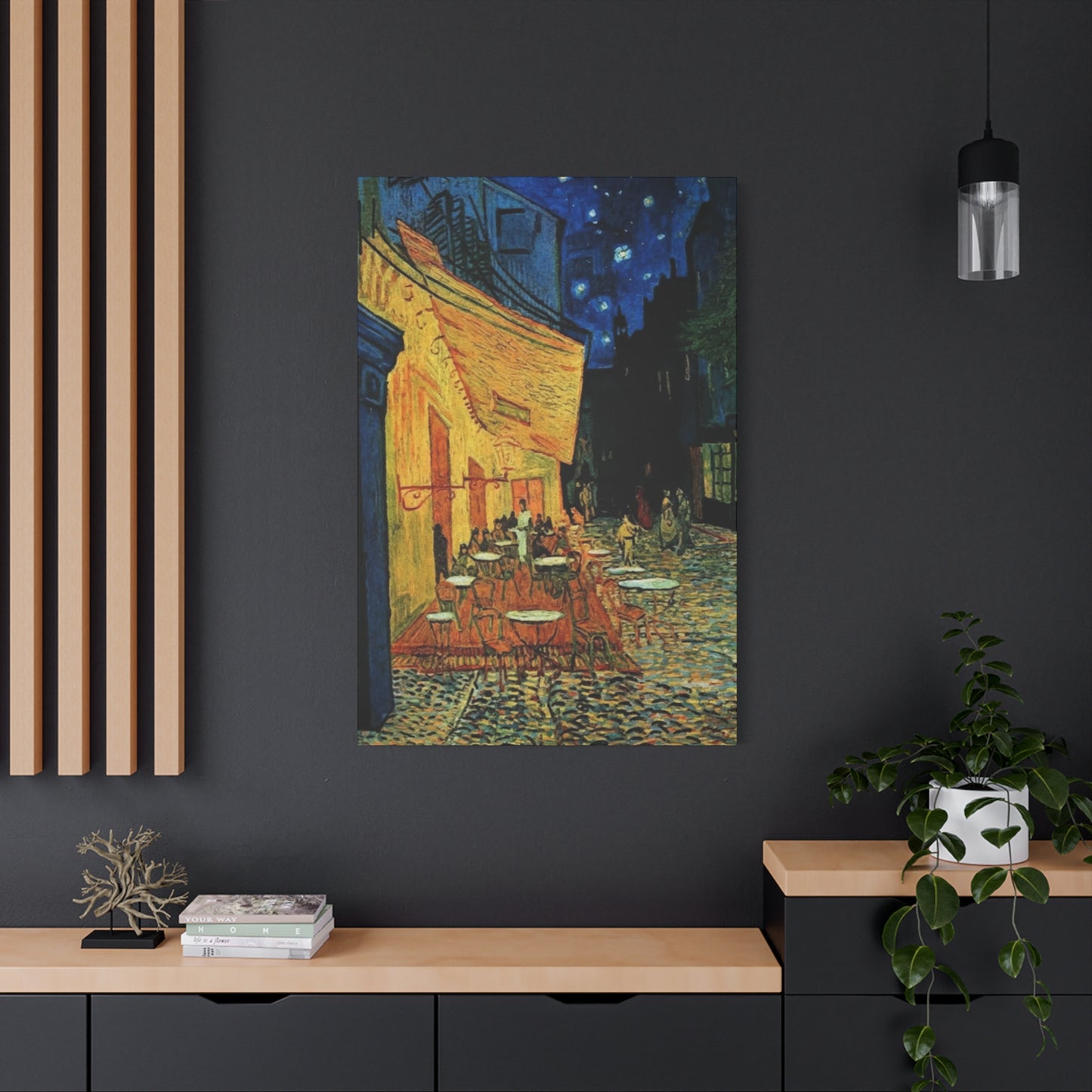


Street Abstract Wall Art & Canvas Prints
Street Abstract Wall Art & Canvas Prints
Couldn't load pickup availability
Bringing Urban Energy Into Your Living Spaces Through Street Abstract Wall Art
The phenomenon of street abstract wall art represents a fascinating convergence between rebellious urban expression and sophisticated interior decoration. This distinctive artistic movement captures the untamed spirit of city landscapes, transforming raw concrete jungle aesthetics into refined visual statements that resonate with modern sensibilities. Unlike conventional decorative pieces that merely occupy wall space, these creations inject visceral energy into residential and commercial environments, establishing dialogues between structured indoor spaces and the chaotic beauty of metropolitan streets.
Street abstract wall art embodies more than mere decoration; it functions as a cultural bridge connecting viewers to the pulsating rhythm of urban existence. Each piece carries fragments of city life - the weathered textures of aged brick walls, the vibrant splashes reminiscent of spontaneous graffiti, the geometric patterns echoing architectural frameworks, and the emotional intensity of voices seeking expression through visual language. This genre celebrates imperfection, embracing the accidental beauty found in peeling paint, layered posters, and the patina of time that characterizes authentic street environments.
The appeal extends beyond aesthetic considerations into deeper psychological territories. Displaying such artwork creates immediate connections to memories of urban exploration, late-night wanderings through illuminated streets, the discovery of hidden murals in unexpected alleyways, and the electric atmosphere of cities that never sleep. These pieces serve as portals, transporting observers from controlled domestic settings into the unrestrained creative landscape of metropolitan thoroughfares where artistic expression refuses confinement within traditional boundaries.
Contemporary collectors and design enthusiasts increasingly gravitate toward this genre because it defies sterile minimalism without succumbing to cluttered excess. The abstract nature allows for personal interpretation while the street influence grounds these pieces in tangible reality. This balance proves particularly appealing in an era where authenticity carries premium value and mass-produced uniformity generates widespread fatigue. When someone incorporates street abstract wall art into their environment, they're making statements about their values, experiences, and aesthetic sensibilities that extend far beyond simple decoration.
The evolution of this artistic category reflects broader cultural shifts in how society perceives and values different forms of creative expression. What once existed exclusively in underground contexts has ascended to gallery walls and prestigious collections, yet the work retains its rebellious DNA. This duality creates unique tension - refined enough for sophisticated spaces yet raw enough to maintain street credibility. The best examples navigate this tightrope masterfully, never fully domesticated yet sufficiently polished to function within diverse environments without overwhelming them.
Materials and methods employed in creating street abstract wall art often mirror those found in actual urban settings. Artists utilize spray paint, stencils, wheat paste, markers, and mixed media combinations that recall authentic street creation processes. Some incorporate found materials - fragments of street signs, weathered wood, metal scraps, or reclaimed materials that carry their own histories. These choices aren't arbitrary; they're deliberate attempts to preserve the essence of street culture while translating it into formats suitable for permanent display.
The color palettes characteristic of quality street abstract wall art tend toward bold, unapologetic combinations that demand attention. Neon brights clash against industrial grays, warm oranges contrast with cool blues, and unexpected juxtapositions create visual friction that energizes spaces. These chromatic choices reflect the overstimulation inherent in urban environments where countless visual stimuli compete simultaneously for attention. Unlike nature-inspired palettes that soothe, street-influenced colors stimulate and provoke, making them ideal for spaces where energy and creativity matter most.
Compositionally, these works often embrace organized chaos - seemingly random elements that reveal underlying structure upon closer examination. Layering proves essential, with multiple visual planes creating depth that rewards sustained viewing. Text fragments, drips, splashes, geometric shapes, and organic forms coexist in carefully orchestrated tension. This complexity mirrors the sensory experience of navigating urban landscapes where ancient architecture stands beside modern structures, where natural elements persist despite concrete dominance, and where countless human stories intersect momentarily before diverging.
Decoding the Visual Language of Urban-Inspired Contemporary Artworks
Understanding street abstract wall art requires developing visual literacy specific to urban creative expression. This language incorporates symbols, gestures, and stylistic elements that carry meaning within street culture contexts. Recognizing these components enhances appreciation and helps viewers connect more deeply with individual pieces. Tags, for instance, represent more than random scribbles - they're signatures, territorial markers, and assertions of identity in environments that often render individuals anonymous.
Drip effects and paint runs in street abstract wall art aren't merely aesthetic choices; they reference the immediacy of street creation where artists work quickly, often illegally, without opportunity for perfect execution. These "flaws" become authenticating features, distinguishing genuine street-influenced work from sanitized imitations. The deliberately rough finish communicates urgency, spontaneity, and refusal to conform to academic painting standards that prioritize technical perfection over emotional impact.
Stencil work within this genre connects to protest traditions and political messaging historically associated with street art movements. Even when employed purely aesthetically in abstract compositions, stenciled elements carry echoes of this activist heritage. The sharp edges and repeatable nature of stencils contrast beautifully with loose, gestural painting, creating textural variety that keeps compositions visually engaging across multiple viewings.
Collage elements frequently appear in street abstract wall art, reflecting the layered visual environment of urban spaces where posters overlap advertisements, which cover older posters in endless cycles. This archaeological layering creates temporal depth, suggesting histories and previous existences beneath current surfaces. Artists manipulating this technique invite viewers to consider what lies hidden, what stories preceded the visible present, and how environments accumulate meaning through temporal accretion.
Typography and text fragments function differently in street abstract wall art compared to traditional text-based art. Rather than delivering clear messages, words appear partially obscured, fragmented, layered to illegibility, or presented in languages viewers might not understand. This approach treats text as visual texture rather than communication vehicle, mirroring how urban environments bombard inhabitants with more textual information than any individual can process, creating white noise that becomes purely visual rather than linguistic.
Color blocking techniques borrowed from street murals translate effectively into abstract compositions suitable for interior display. Large, unmodulated color fields provide visual rest areas amid busier compositional sections, creating rhythm and preventing visual exhaustion. These blocks often employ colors rarely seen in nature but common in urban settings - industrial yellows, safety oranges, graffiti purples - that immediately signal the work's street connections even without representational content.
The incorporation of seemingly random numbers, dates, or coordinates in street abstract wall art references the bureaucratic marking systems visible throughout cities - utility markers, construction codes, permit numbers - that create unintentional abstract compositions on sidewalks and walls. By deliberately including similar elements, artists acknowledge this overlooked urban aesthetic while imbuing these typically meaningless markings with artistic intentionality.
Gestural marks and energetic brushwork convey the physical act of creation, making visible the artist's bodily movements. This emphasis on process over polish aligns with street art traditions where the act of making art in public space carries as much significance as the finished product. Viewers can trace the artist's hand movements, imagine the creative energy required, and connect with the human presence behind the work rather than experiencing it as mysteriously manifested decoration.
Selecting Pieces That Resonate With Your Personal Aesthetic Vision
Choosing street abstract wall art demands different considerations than selecting conventional decoration. The intensity and personality inherent in these pieces mean they'll significantly influence any space they occupy, making thoughtful selection crucial. Begin by examining your emotional response rather than intellectually analyzing whether something "matches" existing elements. Street-influenced art succeeds by creating impact, sometimes through pleasant harmony but often through productive tension that energizes rather than relaxes.
Consider the energy level appropriate for different spaces within your environment. Bedrooms might benefit from more subdued street abstract pieces that maintain urban edge while supporting rest, whereas living areas, creative workspaces, or entertainment zones can accommodate bolder, more aggressive compositions that stimulate conversation and activity. Scale matters tremendously - a piece sized appropriately for gallery walls might overwhelm intimate residential spaces, while modest works disappear in expansive commercial environments.
Authenticity represents another crucial selection criterion. The market contains countless mass-produced imitations lacking the soul of genuine artistic vision. Seek works by actual artists with street credentials or those deeply engaged with urban culture rather than corporate productions cynically exploiting aesthetic trends. Authentic pieces carry tangible differences - you can feel the passion, recognize the cultural knowledge, and sense the creative risk-taking that distinguishes art from mere decoration.
Color relationships between potential street abstract wall art and existing environmental elements deserve careful attention, though not necessarily toward achieving perfect coordination. Sometimes the most exciting interior moments emerge from calculated color clashes that create visual electricity. However, ensure at least one or two colors in the artwork echo somewhere in the surrounding space, providing subtle connectivity that prevents complete discord while maintaining stimulating contrast.
The narrative or emotional content implied by compositional choices should align with your desired atmospheric goals. Some street abstract pieces radiate aggression and confrontation, others suggest melancholy nostalgia, while still others exude celebratory joy. None of these emotional registers is inherently superior, but they create vastly different environmental effects. Spend time with pieces before committing, imagining how their emotional tenor will influence your daily experience of the spaces they'll inhabit.
Mixed media street abstract wall art offers textural richness that purely painted works cannot match. The physical dimensionality of layered materials creates shadow play and surface variation that changes as lighting conditions shift throughout days and seasons. This dynamic quality means the work never becomes static or boring, continually offering fresh visual experiences. However, highly dimensional pieces require sufficient viewing distance to read coherently, making them less suitable for narrow hallways or small rooms where viewers stand close to walls.
Limited edition prints of street abstract wall art provide accessibility for collectors working within modest budgets while still offering genuine artistic value. Quality prints on appropriate substrates can capture much of the original's impact, though they inevitably sacrifice some textural information and the aura of unique objects. When selecting prints, prioritize those produced in collaboration with artists who maintain control over reproduction quality rather than unauthorized copies that benefit creators nothing.
Commission possibilities deserve consideration for those seeking street abstract wall art perfectly tailored to specific spaces or visions. Many artists welcome custom projects, allowing collaboration that ensures final pieces meet size requirements, incorporate preferred color schemes, and resonate with your aesthetic sensibilities. Commissioning supports artists directly while yielding truly unique works, though it requires patience, clear communication, and comfort with creative process uncertainties.
Creating Cohesive Interior Narratives Around Urban-Inspired Visual Elements
Incorporating street abstract wall art into existing environments requires strategic thinking about spatial narratives and visual flow. These powerful pieces shouldn't exist as isolated elements but rather as integral components of broader design stories. Begin by identifying the role you want the artwork to play - focal point that commands attention, supporting player that adds interest without dominating, or part of a gallery wall where multiple pieces create collective impact.
When positioning street abstract wall art as the primary focal point in a space, ensure surrounding elements support rather than compete with it. This doesn't demand complete subordination of other design components but rather suggests using restraint with nearby decorative objects, keeping furniture lines relatively simple, and avoiding busy patterns on adjacent surfaces that would create visual chaos. The goal involves directing attention toward the artwork while maintaining comfortable, functional space.
Lighting dramatically affects how street abstract wall art performs within environments. These pieces often feature complex layering and textural variation that proper illumination reveals and celebrates. Consider dedicated picture lighting, track systems allowing angle adjustment, or strategic placement near natural light sources that change throughout the day, creating evolving visual experiences. Avoid situations where glare obscures portions of the work or flat, even lighting that flattens dimensional elements into two-dimensional appearances.
Color echoing creates subtle connections between street abstract wall art and surrounding environments without demanding exact matching. Select throw pillows, area rugs, or decorative objects incorporating secondary or tertiary colors from the artwork, allowing the piece's dominant hues to remain distinctive while establishing chromatic conversations across the space. This approach feels intentional yet organic rather than overly coordinated or matchy.
Contrasting the raw, energetic quality of street abstract wall art against refined, elegant furniture creates dynamic tension that elevates both elements. Mid-century modern pieces with clean lines provide particularly effective foils, as do industrial-style furnishings in metal and reclaimed wood that echo urban material palettes. Avoid pairing street-influenced art with fussy, overly ornate furniture that creates stylistic confusion rather than productive contrast.
Grouping multiple street abstract pieces requires careful attention to relationships between individual works. Unlike symmetrical arrangements of matching prints, street-influenced pieces benefit from asymmetrical, organic groupings that mirror the unpredictable visual environment of actual urban spaces. Vary sizes, orientations, and frame styles while maintaining some unifying thread - perhaps consistent color temperatures, similar mark-making approaches, or complementary energy levels.
Negative space surrounding street abstract wall art contributes crucially to its impact. Resist the temptation to fill every inch of wall surface; instead, allow generous breathing room that lets powerful pieces exert their full presence. This restraint proves especially important with large-scale works whose compositions need space to properly register visually. Remember that in gallery settings, even massive pieces typically enjoy substantial surrounding emptiness that residential environments rarely provide.
Transitional spaces like hallways, entryways, and stairwells offer excellent opportunities for street abstract wall art that might overwhelm more intimate rooms. These areas typically accommodate briefer viewing durations, making intense, complex pieces less fatiguing. Additionally, the transitory nature of hallways mirrors the experience of moving through urban environments, creating conceptual alignment between art style and spatial function.
Material Considerations for Longevity and Visual Integrity Over Time
The substrate on which street abstract wall art is created significantly impacts its longevity, appearance, and suitability for different display environments. Canvas remains the most popular choice, offering textural interest, relative affordability, and the traditional "painting" appearance many collectors prefer. Quality canvas properly stretched and primed provides stable surfaces that accommodate diverse mark-making approaches while remaining light enough for straightforward hanging.
Wood panels deliver remarkable durability and unique aesthetic qualities that complement street abstract aesthetics. The rigid surface allows aggressive mark-making, layering of heavy materials, and incorporation of dimensional elements that canvas cannot support. Additionally, wood grain occasionally visible through paint adds organic textural elements contrasting beautifully with harsh urban-inspired compositions. Birch, maple, and specially manufactured artist panels offer smooth surfaces, while rough-hewn reclaimed wood introduces rustic character.
Metal substrates including aluminum, steel, and copper appeal to artists pursuing distinctly urban, industrial aesthetics. These materials reference the omnipresent metal infrastructure of cities - fire escapes, chain-link fencing, corrugated structures - while offering exceptional durability and contemporary sleekness. Printing or painting on metal creates unique visual effects, particularly when metallic surfaces remain partially visible, creating interplay between image and substrate.
Paper-based street abstract wall art, whether original works or fine art prints, demands more protective consideration than other substrates. Quality archival papers provide beautiful surfaces for detailed work and maintain certain immediacy and intimacy that larger formats cannot match. However, paper requires framing behind protective glazing, ideally UV-filtering glass or acrylic that prevents light damage while maintaining clarity. Proper matting provides additional protection and visual breathing room.
Mixed media pieces incorporating found objects, fabric, or three-dimensional elements present unique preservation challenges. These works may prove difficult to clean, vulnerable to component degradation, and problematic to transport or store. However, their textural richness and conceptual power often justify accepting increased maintenance demands. When selecting mixed media street abstract wall art, inquire about specific care requirements and ensure you can accommodate them.
Protective finishes applied to street abstract wall art significantly extend lifespan while affecting appearance and maintenance requirements. Varnishes provide moisture resistance and UV protection while intensifying colors and adding glossy, satin, or matte sheens depending on product selection. Unvarnished works maintain more subtle, authentic street aesthetics but prove more vulnerable to environmental factors and handling damage. Discuss finishing options with artists or galleries before purchasing.
Frame selection for street abstract wall art involves balancing protection, aesthetic enhancement, and stylistic appropriateness. Heavy, ornate traditional frames typically clash with street aesthetics, though occasionally this contrast creates intentional irony. Simple floater frames that create subtle separation between artwork and wall often prove most effective, particularly in raw wood or metal finishes echoing urban material palettes. Some pieces benefit from remaining unframed, especially those on deep-profile canvases where edges constitute compositional elements.
Environmental factors including humidity, temperature fluctuation, and light exposure affect street abstract wall art preservation regardless of substrate. Avoid placing valuable pieces in direct sunlight, near heating/cooling vents, or in consistently humid environments like bathrooms without proper climate control. While these artworks often celebrate imperfection and aging, intentional preservation differs from neglectful damage. Regular dusting with soft brushes and occasional professional cleaning maintain appearance without risking harm through aggressive amateur interventions.
How Street Culture Infiltrated Mainstream Aesthetic Consciousness
The journey of street abstract wall art from subcultural margins to mainstream acceptance traces fascinating paths through late twentieth and early twenty-first century cultural evolution. Early graffiti writers of the 1970s and 1980s never imagined their illicit nocturnal activities would eventually generate legitimate artistic movements, yet their pioneering work established visual vocabularies that contemporary artists continue exploring and expanding.
Keith Haring and Jean-Michel Basquiat represent crucial bridge figures who maintained street credibility while achieving gallery success and critical recognition. Their work demonstrated that urgent, raw, street-influenced aesthetics could carry conceptual depth and artistic sophistication rivaling any established movements. Haring's accessible iconography and Basquiat's complex layered compositions opened doors for subsequent generations, proving commercial and critical success possible without abandoning street roots.
The rise of hip-hop culture as dominant global force accelerated street art's mainstream penetration. As rap music transitioned from underground phenomenon to cultural juggernaut, its associated visual aesthetics followed similar trajectories. Graffiti-influenced imagery appeared in music videos, album covers, fashion design, and eventually interior decoration, normalizing urban visual languages that previously existed outside polite society's boundaries.
Street art festivals and sanctioned mural projects helped legitimize formerly illegal practices while introducing street aesthetics to audiences who'd never venture into underground contexts. Cities worldwide began commissioning street artists to create large-scale public works, transforming how municipalities approached urban beautification and cultural programming. This official endorsement signaled that street-influenced art had achieved mainstream respectability, though purists argued sanctioned work lost the rebellious essence central to authentic street culture.
Social media platforms revolutionized street art's dissemination and appreciation, allowing instant global sharing of urban artworks that previously required physical presence to experience. Instagram particularly transformed street art culture, enabling artists to build international followings without gallery representation and allowing collectors to discover works they'd never encounter otherwise. This democratization accelerated street aesthetics' spread while sometimes prioritizing instagrammable moments over deeper engagement.
The art market's embrace of street-influenced work brought both validation and controversy. Auction houses began featuring street artists previously excluded from fine art contexts, with certain works achieving prices rivaling established blue-chip artists. This financial success attracted inevitable criticism about commercialization diluting street art's oppositional stance, though defenders argued artists deserved compensation for their labor regardless of stylistic choices.
Museum exhibitions dedicated to street art and graffiti culture marked another milestone in mainstream acceptance. Institutions from the Museum of Contemporary Art Los Angeles to the Brooklyn Museum mounted major shows examining urban creative practices, conferring academic legitimacy while exposing diverse audiences to this work. These exhibitions sparked debates about whether institutionalization necessarily compromised street art's essential character or simply acknowledged its cultural significance.
Contemporary interior design's increasing embrace of street abstract wall art reflects broader cultural shifts toward valuing authenticity, individual expression, and eclectic aesthetic approaches over rigid stylistic rules. The Instagram generation expects spaces reflecting personality and cultural awareness rather than adherence to decorator dogma. Street-influenced art perfectly suits these values, offering distinctiveness and edge that mass-produced decoration cannot match.
Practical Methods for Proper Display and Preservation of Urban-Influenced Artworks
Hanging street abstract wall art correctly ensures both visual impact and physical security. Unlike lightweight commercial prints, substantial original works demand proper hardware rated for their weight. Most canvas and panel pieces require heavy-duty picture hangers or professional hanging systems rather than simple nails. When dealing with particularly large or heavy works, locate wall studs and attach directly rather than trusting drywall alone.
Height considerations significantly affect how street abstract wall art reads within spaces. The traditional rule suggesting centers at 57-60 inches (eye level) works well for average-sized pieces in standard rooms, but oversized works may need adjustment. Consider the viewing distance and typical position from which people will experience the piece - art in dining rooms reads better slightly lower since viewers sit, while hallway pieces can hang higher since people pass them standing.
Corner placement offers interesting opportunities for street abstract wall art, particularly L-shaped or diptych arrangements that wrap around angles. This positioning creates immersive viewing experiences and makes excellent use of otherwise challenging spaces. Ensure adequate lighting reaches both wall sections and that the compositional flow works when viewed from multiple angles throughout the room.
Rearranging or rotating street abstract wall art prevents visual stagnation and allows different pieces opportunities to shine throughout the year. This practice particularly suits collectors with more artworks than simultaneous display space. Seasonal rotations can align with color preferences - warmer palettes for autumn and winter, cooler tones for spring and summer - or simply reflect changing moods and interests. Proper storage of non-displayed pieces in dark, climate-controlled conditions preserves them during rotation periods.
Security concerns merit attention, particularly for valuable street abstract wall art in commercial spaces or residences with significant foot traffic. Specialized hanging hardware includes systems requiring tools for removal, security cables, and even alarm systems for museum-quality pieces. In commercial contexts like restaurants or offices, additionally consider positioning that minimizes accidental damage from passing individuals, service carts, or cleaning equipment.
Cleaning street abstract wall art requires appropriate methods for specific materials and finishes. Varnished paintings tolerate gentle wiping with barely damp microfiber cloths, while unvarnished works should only receive soft brush dusting to avoid disturbing delicate surfaces. Mixed media pieces demand particular care around dimensional elements, and paper works behind glass need only frame exterior cleaning. When uncertain about proper care methods, consult professional art conservators rather than risking irreversible damage through trial and error.
Documentation of your street abstract wall art collection serves multiple purposes - insurance requirements, estate planning, potential resale, and personal enjoyment. Photograph each piece in good lighting from straight-on angles, maintaining files including artist information, dimensions, acquisition dates, purchase prices, and any accompanying certificates or provenance documentation. Regular inventory updates reflect additions, rotations, or unfortunately thefts.
Insurance consideration becomes essential as street abstract wall art collections grow in size and value. Standard homeowners or renters policies often provide inadequate coverage for fine art, with low limits and problematic claim processes. Specialized art insurance policies offer agreed-value coverage, worldwide protection, and appreciation for art's unique value beyond mere monetary worth. Proper documentation significantly eases claim processes should disasters occur.
Color Psychology and Emotional Resonance in Urban Abstract Compositions
The chromatic choices in street abstract wall art carry profound psychological impacts that extend beyond mere aesthetic preferences. Bold reds dominating compositions trigger visceral responses - excitement, passion, urgency, even aggression - making them powerful tools for spaces where energy and stimulation matter. However, red-dominant pieces can prove overwhelming in environments meant for relaxation, potentially increasing stress levels rather than providing sanctuary from daily pressures.
Blue elements in street abstract wall art offer cooling counterpoints to warmer aggressive colors while introducing their own psychological dimensions. Urban blues often lean toward grayed, industrial tones rather than pure primary hues, suggesting nocturnal city atmospheres, weathered metal surfaces, or distant urban horizons visible between buildings. These muted blues create contemplative moods without the sterile coldness of hospital-like bright blues.
Yellow and its neon cousins frequently appear in street abstract compositions, referencing caution signage, taxi cabs, safety equipment, and the artificial illumination flooding cities after dark. Psychologically, yellow stimulates mental activity and optimism while demanding attention. However, excessive yellow can trigger anxiety and fatigue, making its careful modulation within compositions crucial for creating balanced rather than jangling visual experiences.
Black functions differently in street abstract wall art than in traditional painting, often appearing as bold graphic elements rather than subtle shadows or modeling tools. These stark black components reference spray paint, tar, asphalt, and the deep shadows between buildings where sunlight never penetrates. Black grounds compositions, provides rest areas amid chromatic chaos, and introduces weight that prevents pieces from feeling too light or insubstantial.
White and off-white elements create breathing room within dense street abstract compositions while referencing urban surfaces - concrete, paint, bleached posters, and the pale gray skies common in hazy metropolitan environments. These lighter passages prove essential for compositional balance, preventing visual suffocation that would result from unrelenting color intensity. The specific qualities of whites matter tremendously; cool bright whites feel different from cream or warm ivory tones.
Green rarely dominates street abstract wall art since it references nature rather than built environments, yet strategic green inclusions create productive tensions between organic life and urban structures. When present, greens often appear muted, grayed, or paired with decidedly unnatural companions that prevent any pastoral readings. These carefully controlled green elements remind viewers that nature persists even in heavily urbanized contexts, growing through sidewalk cracks and colonizing abandoned structures.
Metallic elements including gold, silver, copper, and bronze introduce reflective qualities that change as lighting conditions shift throughout days and seasons. Beyond their dynamic visual properties, metallics reference urban infrastructure - steel girders, copper wiring, aluminum facades - while adding luxury connotations that elevate street aesthetics beyond scrappy underdog status into sophisticated cultural expressions worthy of serious consideration and investment.
Color relationships and interactions often generate more psychological impact than individual hues considered in isolation. Complementary contrasts create visual vibration and excitement, analogous harmonies offer subtler sophistication, and unexpected juxtapositions generate surprise that maintains viewer interest across repeated encounters. The most successful street abstract wall art orchestrates these color relationships deliberately, controlling emotional tenor while allowing spontaneous accidents that prevent sterile over-calculation.
Size, Scale, and Spatial Relationships in Urban-Inspired Interior Decoration
Determining appropriate sizes for street abstract wall art within specific spaces involves more than simple measurement; it requires understanding spatial relationships and visual weight. A common mistake involves selecting pieces too small for their intended walls, creating awkward floating effects that leave compositions feeling tentative and unconvincing. Generally, artwork should occupy roughly two-thirds to three-quarters of available wall width for proper visual presence, though particular circumstances might justify variations from this guideline.
Oversized street abstract wall art creates immersive viewing experiences that transport viewers into compositional environments rather than maintaining observer distance. These large-scale works function almost architecturally, reshaping spatial perceptions and dominating consciousness of rooms they inhabit. However, truly large pieces require adequate viewing distance - at least six to eight feet minimum - to read coherently, making them unsuitable for compact spaces where viewers inevitably stand too close for proper perspective.
Vertical versus horizontal orientation dramatically affects how street abstract wall art influences spatial perception. Tall vertical pieces emphasize ceiling height, making rooms feel more spacious and grand, while wide horizontal works expand perceived width and can make narrow spaces feel more generous. Consider room proportions when selecting orientation, using artwork to counterbalance awkward dimensions - horizontal pieces in tall narrow rooms, vertical works in long low spaces.
Diptychs and triptychs allow expansion beyond single-panel limitations while introducing compositional complexity through deliberate divisions. These multi-panel works reference cinematic formats, comic book sequences, and the fragmented viewing experiences characteristic of urban environments where sightlines constantly shift. The spacing between panels matters tremendously; too close and they read as single interrupted works, too distant and they lose cohesion and read as unrelated pieces coincidentally grouped.
Proportion relationships between street abstract wall art and furniture beneath it deserve attention. Pieces hanging above sofas, credenzas, or beds should generally span roughly two-thirds of the furniture width, creating visual connection without exact matching that would feel rigid. When furniture and artwork widths differ dramatically, the disconnect creates discomfort even when viewers cannot articulate why the arrangement feels wrong.
Creating focal walls with street abstract wall art centralizes visual attention while allowing other walls to remain relatively quiet. This approach suits open-plan spaces where every surface carrying equally intense artwork would create exhausting visual chaos. The focal wall typically faces main entry points or sits opposite primary seating, ensuring maximum impact for residents and visitors experiencing the space.
Salon-style arrangements mixing multiple street abstract pieces of varying sizes create eclectic, collected-over-time aesthetics that reflect passionate engagement with art rather than single decorator-driven purchasing decisions. These complex groupings demand more planning than they appear to require - begin by arranging pieces on the floor, photographing successful arrangements, and then methodically transferring to walls. Maintain consistent spacing between pieces even as sizes vary, creating organizational rhythm amid diversity.
Scale relationships extend beyond artwork dimensions to consider mark-making within compositions. Pieces featuring large gestural marks and bold shapes read clearly from distance and suit larger spaces, while works with intricate details and delicate marks demand closer viewing and belong in more intimate settings where their subtleties receive appreciation. Mismatching mark scale to viewing distance disappoints both artwork and viewers.
Identifying Authentic Street-Influenced Art Versus Commercial Imitations
Distinguishing genuine street abstract wall art from mass-produced imitations masquerading as authentic urban expression requires developing discernment about what constitutes real artistic engagement versus superficial aesthetic borrowing. Authentic works carry tangible differences - you can sense the hand of someone deeply engaged with street culture rather than corporate designers cynically exploiting trending styles for commercial gain.
Original marks and genuine spontaneity characterize real street abstract wall art versus the calculated pseudo-randomness of commercial reproductions. Authentic pieces show evidence of real creative problem-solving, changed intentions mid-creation, and the beautiful accidents that occur during unscripted making. Factory-produced imitations exhibit suspiciously consistent "spontaneity" - if you see dozens of virtually identical supposedly unique pieces, you're encountering manufactured products rather than art.
Artist attribution and accompanying documentation matter significantly when assessing authenticity. Legitimate works include artist names, creation dates, and often statements describing intentions or processes. Some artists provide certificates of authenticity, particularly for limited-edition prints. Anonymous works aren't necessarily inauthentic, but the complete absence of any creator information combined with suspiciously low prices typically signals mass production rather than artistic origin.
Material quality immediately reveals much about a piece's authenticity. Genuine artists invest in quality supports and materials that will endure, while commercial producers minimize costs through cheap canvas, inferior stretcher bars, and low-grade prints on flimsy substrates. Examine edges, reverses, and construction quality - proper gallery-wrapped canvases with neat stapling and protected corners versus sloppy construction suggest different production contexts.
Pricing provides significant authenticity clues, though not infallible ones. Legitimate street abstract wall art by recognized or emerging artists commands prices reflecting materials, labor, and artistic vision - typically starting at several hundred dollars for modest works and escalating dramatically for established artists or large pieces. Conversely, identical-looking pieces available for fifty dollars regardless of size are certainly commercial reproductions, though understand that affordability alone doesn't preclude authenticity if accompanying factors support legitimacy.
Engaging directly with artists through studios, open houses, or online portfolios offers the surest path to authentic street abstract wall art while supporting creative practitioners directly. Many artists welcome studio visits where collectors can see work in progress, discuss techniques and concepts, and build relationships that enrich ownership experiences far beyond what anonymous purchase provides. These direct connections also enable commissions tailored to specific visions.
Gallery representation signals that curators have vetted artists and believe in their work sufficiently to dedicate valuable gallery space. Reputable galleries stand behind authenticity and typically offer certificates, clear return policies, and expert guidance. Be cautious of galleries with suspicious inventory - vast quantities of similar works by many "artists" whose names appear nowhere else often indicate print-on-demand operations rather than genuine artistic representation.
Online marketplaces range from excellent resources for discovering authentic street abstract wall art to minefields of commercial reproductions. Platforms dedicated to original art with artist verification processes like certain peer networks offer relative safety, while general marketplaces mixing everything from original works to prints to reproductions to outright counterfeits demand greater vigilance. Read seller reviews, examine return policies, and trust instincts when something seems too good to be true.
Supporting Living Artists and Participating in Contemporary Creative Economies
Purchasing street abstract wall art directly from living artists creates meaningful impact beyond acquiring decoration. Unlike buying vintage works where money circulates among collectors and dealers without reaching creators, supporting contemporary artists enables them to continue producing new work, experimenting with ideas, and contributing to cultural conversations. This patronage relationship, though often informal in modern contexts, echoes historical traditions where art depended on enlightened supporters who understood creative production's value.
Emerging artists represent particularly rewarding collecting opportunities for those willing to acquire work before market recognition drives prices beyond modest budgets. These early-career practitioners often produce their most ambitious, risk-taking work as they establish voices and develop signatures approaches. The financial accessibility means building substantial collections while supporting multiple artists, and the possibility that some may achieve significant recognition adds investment dimension beyond aesthetic pleasure.
Fair compensation matters tremendously when acquiring street abstract wall art directly from artists. Many creative practitioners, conditioned by society's tendency to devalue artistic labor, underpriced their work relative to time, skill, and materials invested. Paying asking prices without aggressive negotiation, offering bonuses for works you love, and commissioning pieces at rates reflecting professional expertise all contribute to sustainable creative practices where artists can focus on making excellent work rather than hustling constantly for survival.
Transparency about your intentions when purchasing street abstract wall art helps artists understand how their work will be utilized. If acquiring for personal enjoyment, say so; if for commercial spaces, explain the context; if hoping the work appreciates as investment, be honest about that calculus. Most artists appreciate directness and it helps them gauge whether particular pieces suit your needs while avoiding misunderstandings about reproduction rights or future exhibition possibilities.
Social media engagement amplifies the impact of supporting artists beyond purchase prices. Sharing images of purchased street abstract wall art in your spaces, tagging artists, and describing what draws you to their work helps build their audiences and professional reputations. These small acts cost nothing yet provide valuable marketing and validation that can lead to additional opportunities for artists you admire.
Lending street abstract wall art from your collection for exhibitions, whether in galleries, libraries, community centers, or cultural institutions, allows broader audiences to experience works while burnishing both artist and collector reputations. Most insurance policies cover loaned artwork, and properly executed loan agreements protect everyone's interests while generating goodwill and contributing to artistic discourse beyond private enjoyment of your collection.
Introducing artists to potential collectors, curators, or professional opportunities within your networks constitutes powerful support requiring no monetary investment. If you know someone seeking street abstract wall art, connect them with artists whose work might suit their needs. If you encounter exhibition opportunities appropriate for artists you admire, facilitate introductions. These connections can prove career-changing for artists and generate satisfaction from enabling others' success.
Constructive feedback and thoughtful engagement with artists about their work provides value beyond collecting. Most creators appreciate learning how audiences respond to their pieces, what resonates, what confuses, how works function in actual living spaces. Offering respectful observations without attempting to direct their practice respects their expertise while satisfying natural curiosity about how their creations exist in the world beyond studio walls.
Final Thoughts
Street abstract wall art offers a bold and exciting way to infuse your living spaces with the vibrant energy of urban culture. Drawing inspiration from street art, graffiti, and contemporary urban aesthetics, these abstract artworks bring a sense of raw, untamed creativity into your home. Whether you live in a bustling city or a quiet suburb, street abstract wall art serves as a powerful visual representation of modern life, urban decay, and the constant flow of energy within city spaces. It captures the pulse of urban streets—dynamic, ever-changing, and full of expression—creating a unique atmosphere in your home that is both energetic and sophisticated.
One of the most compelling aspects of street abstract wall art is its ability to convey movement and emotion. Much like the street art found on city walls, these pieces often utilize bold colors, textured layers, and spontaneous shapes to evoke a sense of action and energy. The use of spray-paint-like brushstrokes, splashes of neon hues, or fragmented patterns mimics the rawness and unpredictability of the urban environment. Whether it’s a chaotic blend of geometric forms or a more minimalist interpretation of street influences, these artworks can infuse any room with a sense of youthful vigor and creative freedom. They are perfect for anyone seeking to add an element of excitement and contemporary edge to their space.
Incorporating street abstract wall art into your living spaces can also be a reflection of personal style and identity. Just like the street art that gives voice to social movements, individual expression, and community identity, street abstract art can allow you to reflect your own values, interests, and tastes. These pieces create an opportunity to bring an urban sensibility into your home, expressing a love for city life, culture, or the fast-paced nature of modern society. Each piece of art tells a story—whether it’s one of rebellion, hope, or sheer artistic expression—offering a constant visual reminder of the creative forces that shape our world.
From a design perspective, street abstract wall art is incredibly versatile and can adapt to a wide range of interior styles. In modern, industrial, or minimalist spaces, the bold, graphic quality of street art can serve as a striking contrast to sleek lines and neutral tones, drawing the eye and anchoring the room with a powerful focal point. For more eclectic or bohemian interiors, street art can seamlessly blend with other vibrant, free-spirited elements, adding layers of personality and texture to the space. The beauty of abstract street art is its adaptability—whether you prefer monochrome works that play with light and shadow or colorful compositions that explode with energy, there is a piece to suit every type of home and aesthetic.
Another benefit of street abstract art is its potential to spark conversation. These works are often thought-provoking and open to interpretation, making them a great conversation starter in your home. Whether it's the chaotic beauty of a splattered canvas or the geometric intricacy of a layered piece, viewers may find themselves drawn into discussion about the meaning, inspiration, or creative process behind the artwork. This not only adds an intellectual depth to your space but also allows you to engage with others in meaningful ways, sharing your appreciation for art and urban culture.
Street abstract wall art is also a perfect way to evoke a sense of energy and vitality, especially in areas where you want to create an inspiring atmosphere. Placing these works in a home office, creative studio, or even a living room can inject the space with a sense of innovation and energy, encouraging you to think outside the box and engage with your surroundings in a new way. The energy of the city, encapsulated in these works, can drive creativity, inspire ambition, and help foster a lively, vibrant environment.
Additionally, street abstract art can provide a powerful contrast to more traditional or serene decor. If your space leans toward classic, minimalist, or even neutral-toned furnishings, a statement street art piece can be the perfect way to add personality and modern flair without overwhelming the space. The unexpected juxtaposition of styles can create an intriguing visual contrast, allowing the urban-inspired artwork to become the heart of the room while maintaining a balanced overall aesthetic.
In conclusion, street abstract wall art is a compelling way to inject your living spaces with the raw energy, creativity, and vibrancy of urban culture. Its bold colors, dynamic compositions, and spontaneous forms capture the essence of the streets, offering a unique way to express personal style while enlivening any room. Whether you seek to create a high-energy atmosphere in your office, add depth and intrigue to your living room, or simply celebrate modern urban aesthetics, street abstract art provides a versatile and meaningful addition to your home. By embracing these powerful and expressive works, you invite the pulse of the city into your space, making your home a dynamic reflection of the creative spirit of urban life.
Share