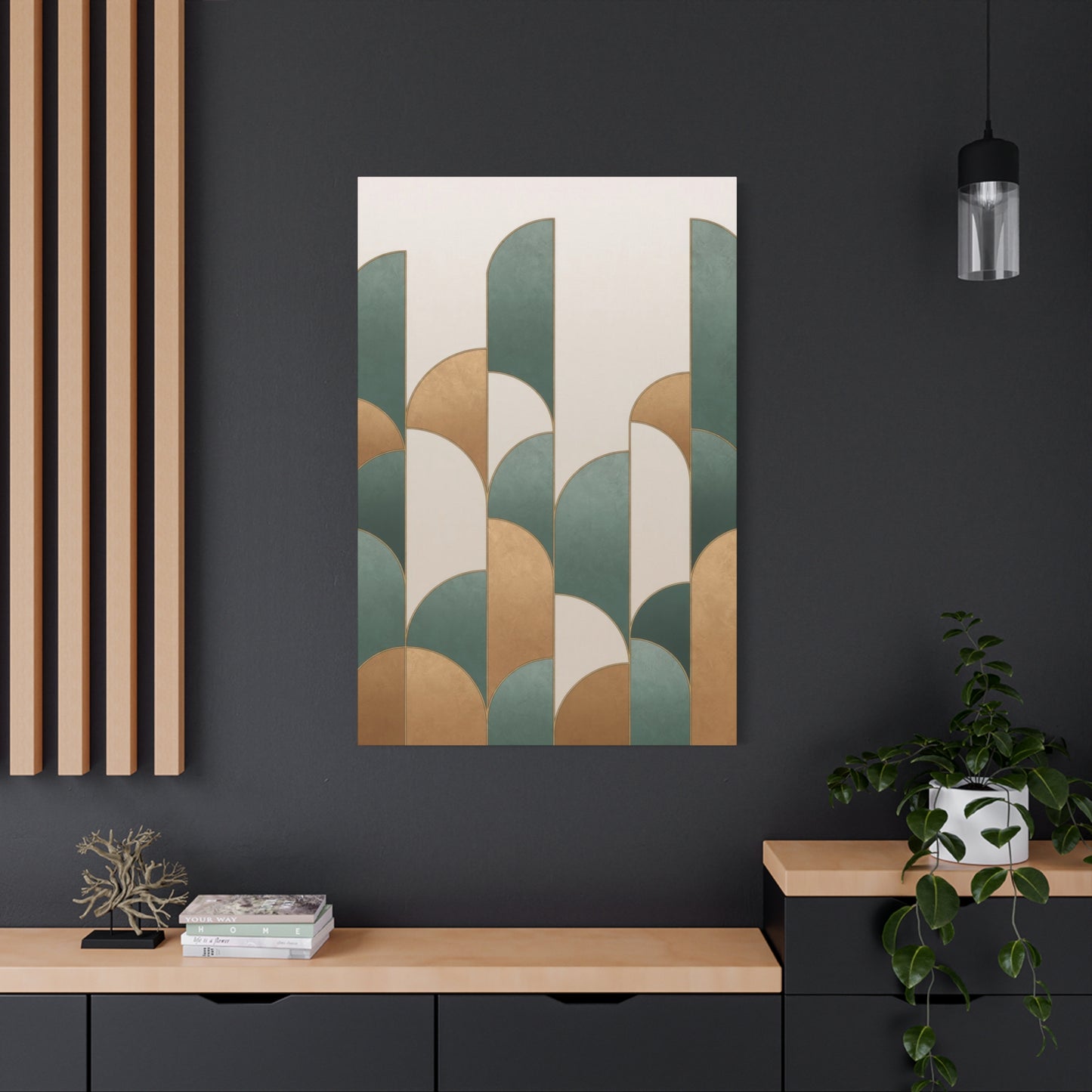
Abstract Teal Gold Opulence Wall Art & Canvas Prints
Abstract Teal Gold Opulence Wall Art & Canvas Prints
Couldn't load pickup availability
Decorate Your Living Spaces with Abstract Teal Gold Opulence Wall Art: A Brief Exploration
The realm of interior decoration has witnessed a remarkable shift towards sophisticated artistic expressions that merge contemporary aesthetics with timeless elegance. Among the most captivating trends emerging in modern home styling stands the mesmerizing combination of teal and gold hues manifested through abstract compositions. This particular genre of decorative pieces has captivated homeowners, design enthusiasts, and artistic connoisseurs alike, offering a perfect equilibrium between boldness and refinement. The allure of these artistic creations lies in their ability to transform mundane spaces into extraordinary environments that reflect personal taste while maintaining universal appeal.
Abstract Teal Gold Opulence Wall Art represents more than mere decoration; it embodies a philosophy of living that celebrates luxury, creativity, and individual expression. These stunning pieces serve as focal points that command attention without overwhelming the senses, creating visual interest that evolves with changing light conditions throughout the day. The interplay between cool teal tones and warm golden accents generates a dynamic tension that energizes spaces while maintaining a sense of tranquility. This harmonious contradiction makes such artwork particularly versatile, suitable for various interior styles ranging from minimalist contemporary to maximalist eclectic arrangements.
The growing popularity of this artistic genre reflects a broader cultural movement toward incorporating statement pieces that communicate sophistication and discernment. Unlike conventional decorative elements that simply fill empty spaces, these abstract compositions engage viewers on multiple levels, inviting contemplation and sparking conversation. The luxurious metallic elements combined with the depth of teal create visual narratives that remain compelling through repeated viewings, revealing new details and nuances over time. This enduring quality distinguishes truly exceptional pieces from temporary decorative trends that quickly lose their appeal.
Understanding the profound impact of color psychology helps explain why this particular combination resonates so deeply with contemporary audiences. Teal, a sophisticated fusion of blue and green, evokes feelings of calmness, creativity, and emotional balance. This hue carries associations with clarity of thought, spiritual growth, and intuitive wisdom, making it particularly appealing for spaces dedicated to relaxation or contemplation. Gold, conversely, symbolizes prosperity, achievement, and radiant energy, bringing warmth and vitality to any environment. When these colors unite within abstract compositions, they create a multidimensional experience that simultaneously soothes and stimulates, offering viewers a retreat from daily stress while inspiring aspirational thinking.
The abstract nature of these artistic expressions provides additional layers of meaning and flexibility. Unlike representational artwork that depicts specific subjects or scenes, abstract compositions allow individual interpretation, making them deeply personal despite their universal appeal. Each viewer brings their own experiences, emotions, and perspectives to their encounter with the piece, creating a unique relationship between artwork and observer. This subjective quality ensures that Abstract Teal Gold Opulence Wall Art never becomes stale or predictable, continuously offering fresh insights and emotional responses depending on the viewer's state of mind and life circumstances.
Discovering the Captivating Characteristics That Define Abstract Teal and Gold Artistic Expressions
The distinctive features that characterize exceptional abstract pieces featuring teal and gold elements extend far beyond simple color application. These works typically incorporate multiple layers of visual complexity, creating depth that draws the eye inward and encourages extended contemplation. The finest examples demonstrate masterful manipulation of texture, with raised areas catching light differently than recessed sections, producing shadows and highlights that animate the surface. This dimensional quality transforms flat canvases into sculptural experiences that change appearance throughout the day as natural and artificial light sources shift position and intensity.
Compositional balance plays a crucial role in determining the success of these artistic creations. The most compelling pieces achieve equilibrium without resorting to rigid symmetry, instead employing dynamic arrangements that guide the viewer's gaze across the entire surface. Strategic placement of gold accents creates points of emphasis that punctuate larger fields of teal, establishing visual rhythm and movement. The relationship between positive and negative space becomes particularly important, with areas of restraint allowing moments of intensity to achieve maximum impact. This careful orchestration of elements separates sophisticated artwork from merely decorative pieces that lack conceptual coherence.
The specific shades and tones within the teal spectrum significantly influence the overall aesthetic and emotional impact of the composition. Deeper, more saturated teals convey mystery and depth, evoking oceanic depths or twilight skies, while lighter, more aquatic variations suggest freshness and vitality. Many exceptional pieces incorporate multiple teal tones, creating gradations that add complexity and prevent monotony. Similarly, gold elements range from bright, mirror-like metallic finishes to aged, patinated effects that suggest antiquity and heritage. The interplay between different metallic qualities—from glossy to matte, from brilliant to subdued—adds richness that rewards close examination.
Brushwork and application methods contribute substantially to the distinctive character of abstract compositions. Some artists favor bold, gestural strokes that convey spontaneity and emotional immediacy, while others employ meticulous layering that builds complexity through successive applications. Dripping, pouring, and splattering techniques introduce elements of controlled chaos that energize compositions, while careful blending creates smooth transitions that soothe the eye. The most sophisticated pieces often combine multiple approaches, juxtaposing different application methods to create visual dialogue between contrasting passages. This technical variety demonstrates artistic mastery and keeps viewers engaged as they discover new details with each viewing.
Scale and proportion represent additional crucial considerations when evaluating these artistic expressions. Oversized pieces make dramatic statements that anchor entire rooms, serving as undeniable focal points around which other design elements orbit. Medium-sized works offer flexibility, working effectively both as standalone features and as components within gallery wall arrangements. Smaller compositions provide opportunities for intimate viewing experiences and work particularly well in personal spaces like bedrooms or home offices. The most successful pieces demonstrate awareness of their intended viewing distance, with details and compositional elements scaled appropriately to remain legible and impactful from the expected vantage point.
Selecting the Perfect Abstract Teal Gold Opulence Wall Art for Your Personal Sanctuary
The process of choosing artwork that will enhance your living environment requires thoughtful consideration of multiple factors beyond simple aesthetic preference. Begin by assessing the physical characteristics of the space where the piece will reside, including wall dimensions, ceiling height, and available lighting conditions. Large, dramatic compositions require substantial wall space and sufficient viewing distance to be properly appreciated, while more intimate works can transform smaller areas into jewel-box environments. Consider the sightlines within the room—pieces positioned to be visible from multiple vantage points maximize impact and justify investment in higher-quality examples.
Existing color schemes and design elements within the space should inform but not overly restrict your selection. While coordination with current furnishings creates harmonious environments, the most memorable interiors often incorporate unexpected elements that challenge conventional matching. Abstract Teal Gold Opulence Wall Art possesses inherent versatility that allows it to complement diverse palettes. The teal component harmonizes with cool grays, crisp whites, and deeper navy tones, while the gold accents coordinate beautifully with warm neutrals, rich browns, and even blushing pinks. This flexibility means these pieces can serve as bridges connecting disparate color families within eclectic interiors.
Your personal emotional response to potential pieces should carry significant weight in the selection process. Artwork that resonates deeply creates lasting satisfaction far exceeding pieces chosen purely for coordinating colors or trendy appeal. Spend time contemplating works that attract your attention, noting which elements specifically draw you in—perhaps the way light plays across metallic surfaces, the energy of gestural brushstrokes, or the meditative quality of blended passages. Trust your instincts while also pushing yourself slightly beyond your comfort zone; pieces that initially seem challenging often prove most rewarding over time, growing in meaning and significance as your relationship with them deepens.
The quality of materials and construction directly impacts both the visual impact and longevity of artistic pieces. Premium canvases prepared with proper sizing and priming accept paint differently than economy alternatives, allowing richer color saturation and more subtle blending. Artist-grade paints contain higher concentrations of pigments and superior binders, ensuring colors remain vibrant rather than fading or yellowing over time. Genuine metallic leaf or high-quality metallic paints create luminosity impossible to achieve with cheaper substitutes. Examine pieces closely for evidence of skilled craftsmanship—even brushstrokes in abstract works should demonstrate intentionality rather than appearing haphazard or unfinished unless deliberately pursuing a raw aesthetic.
Provenance and artistic reputation merit consideration, particularly for significant investments. Works created by established artists with documented exhibition histories and critical recognition typically appreciate in value while also carrying cultural cachet. Emerging artists offer opportunities to acquire compelling pieces at more accessible price points while supporting creative careers. Limited edition prints provide another avenue for collecting distinctive imagery at lower costs than unique originals. Regardless of whether you prioritize investment potential or pure aesthetic enjoyment, purchasing from reputable sources ensures authenticity and often includes documentation that enhances both monetary and sentimental value.
Positioning Strategies That Maximize Visual Impact and Emotional Resonance Within Interior Environments
Strategic placement transforms good artwork into transformative focal points that elevate entire rooms. The traditional guideline of hanging pieces at eye level provides a useful starting point, typically positioning the center of the artwork between fifty-seven and sixty inches from the floor. However, this standard assumes average viewer height and standard furniture arrangements; adjust accordingly for spaces with predominantly seated viewing positions or unusually tall or short inhabitants. In dining areas, position pieces higher to remain visible above table surfaces and seated guests. In bedrooms, works hung above headboards should maintain visual connection to the bed rather than floating unanchored near the ceiling.
The relationship between artwork and furniture requires careful orchestration to achieve cohesive arrangements. Abstract Teal Gold Opulence Wall Art hung above sofas or consoles should span approximately two-thirds to three-quarters the width of the furniture piece below, creating visual balance without overwhelming the supporting element. Leave appropriate breathing room—typically four to eight inches—between the furniture top and the artwork's lower edge to establish connection while maintaining distinct identities. Oversized pieces that extend beyond furniture boundaries make bold statements but require sufficient wall space to prevent crowding. Consider the sight lines from various positions throughout the room, ensuring the piece remains prominent from primary seating areas and entry points.
Lighting dramatically affects how teal and gold elements interact and how the overall composition reads from different distances and angles. Natural light reveals true colors with unparalleled accuracy but varies dramatically with time of day, season, and weather conditions. Position pieces receiving direct sunlight carefully, as prolonged exposure can cause fading over time despite high-quality materials. North-facing walls receive cooler, more consistent indirect light ideal for teal tones, while south-facing positions bathe artwork in warmer light that enhances golden accents. Artificial lighting provides control and consistency, with directional spotlights or picture lights emphasizing texture and dimensional elements while minimizing glare on glossy surfaces.
Gallery wall arrangements offer opportunities to incorporate Abstract Teal Gold Opulence Wall Art within larger compositional frameworks. These multi-piece installations require careful planning to achieve visual coherence while maintaining individual piece integrity. Begin by arranging works on the floor, experimenting with configurations until achieving satisfying balance. Consider mixing sizes and orientations, using the teal and gold pieces as anchors around which complementary works orbit. Maintain consistent spacing between pieces—typically two to three inches—to unify the collection while preserving individual identity. The overall arrangement should form a cohesive shape, whether formal grid, organic cluster, or linear sequence, that relates logically to the wall space and surrounding architecture.
Unconventional placement strategies can yield particularly striking results in certain contexts. Leaning large-scale pieces against walls rather than hanging them creates relaxed, gallery-like ambiance while offering flexibility to adjust positioning. Positioning artwork above doorways or in hallways transforms transitional spaces into memorable moments. Unexpected locations like bathrooms or walk-in closets demonstrate commitment to surrounding yourself with beauty in every environment. Asymmetrical or off-center placements challenge conventional expectations and can energize spaces dominated by symmetrical architecture or furniture arrangements. Such creative positioning demonstrates confidence and personal style while maximizing the impact of your artistic investments.
Harmonizing Abstract Teal and Gold Artwork with Diverse Interior Design Philosophies
Contemporary minimalist environments benefit tremendously from the focused visual interest provided by abstract compositions featuring teal and gold elements. Within spare spaces dominated by neutral colors and clean lines, these pieces introduce warmth and personality without compromising the fundamental aesthetic of restraint. The key lies in selecting works that demonstrate compositional clarity despite their abstract nature, with well-defined color fields and purposeful mark-making rather than chaotic complexity. A single large-scale piece often serves minimalist interiors more effectively than multiple smaller works, maintaining the emphasis on quality over quantity and preventing visual clutter. The luxurious materials and sophisticated color palette elevate simple surroundings, proving that minimalism need not mean austerity.
Scandinavian-inspired interiors, with their emphasis on natural materials, functional beauty, and cozy hygge principles, provide surprisingly compatible settings for Abstract Teal Gold Opulence Wall Art. The cool teal tones echo the Nordic affinity for oceanic and forested landscapes, while gold accents introduce warmth that balances the predominantly cool palette typical of Scandinavian design. Select pieces with organic, flowing compositions that mirror natural forms rather than hard-edged geometric abstractions. The combination works particularly well when the surrounding space incorporates natural wood tones and soft textiles, with the artwork serving as a sophisticated counterpoint to rustic elements. This unexpected pairing creates interiors that feel both grounded and aspirational, comfortable and refined.
Industrial loft spaces characterized by exposed brick, concrete surfaces, and metal fixtures gain unexpected softness from teal and gold abstract artwork. The organic fluidity of abstract compositions contrasts beautifully with the hard edges and honest materials of industrial design, humanizing spaces that might otherwise feel cold or overly masculine. The gold metallic elements establish dialogue with exposed pipes, steel beams, and metal window frames, creating visual coherence across diverse materials. Oversized pieces scaled to match the generous proportions of loft spaces prevent artwork from disappearing against expansive walls. The sophisticated color palette and luxurious execution demonstrate that industrial aesthetic can accommodate refinement and elegance alongside its characteristic rawness.
Traditional and transitional interiors benefit from the bridge these contemporary pieces create between classical heritage and modern sensibility. Within rooms featuring crown molding, wainscoting, and ornate furniture, abstract artwork provides counterbalance that prevents spaces from feeling like period museum displays. The timeless appeal of gold references gilded frames and decorative objects common in traditional design, while teal offers freshness that updates the palette beyond expected burgundies and forest greens. Select pieces with more structured compositions and sophisticated execution that command respect alongside antique furnishings and architectural details. This thoughtful mixing of eras creates layered, collected interiors that feel curated rather than decorated, personal rather than generic.
Bohemian and eclectic interiors characterized by pattern mixing, global influences, and abundant color naturally embrace abstract teal and gold artwork. Within these maximalist environments, such pieces contribute to the overall visual richness while offering moments of relative restraint that allow the eye to rest. The abstract nature complements diverse cultural motifs without competing directly with patterned textiles and decorative objects. Gold metallic elements echo brass fixtures, mirrors, and decorative accessories often featured in boho spaces, while teal coordinates with the peacock blues, emerald greens, and turquoise accents frequently appearing in this aesthetic. Multiple smaller pieces or salon-style gallery walls work particularly well, contributing to the abundant, collected feeling characteristic of successful bohemian interiors.
Exploring the Profound Influence of Color on Mood and Spatial Perception
The neurological impact of color extends far beyond cultural associations and learned preferences, with specific wavelengths directly affecting brain chemistry and emotional states. Teal occupies a unique position within the color spectrum, combining the calming properties of blue with the renewal and growth associations of green. Research indicates that exposure to teal tones can lower heart rate and blood pressure, promoting relaxation and reducing anxiety. The color stimulates the production of serotonin, contributing to feelings of contentment and emotional stability. These physiological effects make Abstract Teal Gold Opulence Wall Art particularly valuable in spaces dedicated to rest, meditation, or stress relief, where the color literally contributes to occupant wellbeing beyond mere aesthetic pleasure.
Gold's psychological impact operates through different mechanisms, activating brain regions associated with reward, achievement, and positive anticipation. The color's association with sunlight triggers instinctive positive responses related to warmth, energy, and abundance. Metallic gold specifically activates attentional mechanisms, drawing focus and creating memorable visual experiences. When combined with the calming influence of teal, gold accents prevent relaxation from devolving into lethargy, maintaining gentle stimulation that keeps minds alert and engaged. This balanced activation—simultaneously calming and energizing—creates ideal conditions for both productive work and restorative rest, depending on the viewer's needs and intentions.
Spatial perception undergoes subtle but significant alterations in response to color choices, with cooler tones generally appearing to recede while warmer tones advance toward viewers. Teal walls or prominent teal artwork can make rooms feel more spacious, particularly valuable in compact urban dwellings where every perceived inch matters. The advancing nature of gold accents within predominantly teal compositions creates dimensional depth, with metallic elements appearing closer than the surrounding field. This interplay between receding and advancing colors generates visual interest and complexity that prevents spaces from feeling flat or one-dimensional. Skillful artists exploit these perceptual phenomena, using color relationships to create illusions of space and movement within two-dimensional surfaces.
The emotional resonance of specific color combinations transcends individual hues to create synergistic effects greater than the sum of their parts. Teal and gold together evoke complementary concepts—stability and ambition, tranquility and vitality, introspection and expression. This duality appeals to contemporary sensibilities that reject binary thinking in favor of both-and rather than either-or approaches. Viewers respond to the sophisticated balance, finding permission to embrace seemingly contradictory aspects of their own personalities and aspirations. The color combination communicates refined taste and cultural awareness without pretension, accessible luxury rather than intimidating exclusivity. These subtle psychological messages contribute to the enduring appeal of Abstract Teal Gold Opulence Wall Art across diverse demographics and design preferences.
Cultural and personal color associations layer additional meaning onto these universal physiological responses. For some viewers, teal evokes memories of tropical waters and vacation tranquility, while others connect it to peacock feathers and regal elegance. Gold carries meanings ranging from autumn harvests to wedding anniversaries to spiritual enlightenment across different cultural contexts. Abstract compositions allow individual viewers to access their own associations without being constrained by representational imagery that might conflict with personal experiences. This openness to interpretation enhances the personal significance of artwork, allowing pieces to accumulate meaning over time as they witness and reflect the evolving lives of their owners.
Examining Various Mediums and Production Methods for Abstract Compositions
Original acrylic paintings represent the most common medium for contemporary abstract work, offering vibrant color possibilities and rapid drying times that facilitate layering. Acrylics accept a wide range of application techniques from thin, watercolor-like washes to thick, impasto textures that project dramatically from the canvas surface. The medium's versatility allows artists to achieve both smooth, blended passages and crisp, hard-edged divisions within the same composition. High-quality acrylic paints maintain their brilliance indefinitely when properly sealed, with the binding polymers actually strengthening over time. The water-based nature of acrylics makes them more environmentally friendly than oil alternatives while still providing professional-grade results suitable for serious collecting.
Oil painting, the traditional medium of master artists, offers unparalleled richness and depth particularly valuable when rendering luminous gold accents and complex teal tonalities. The extended drying time of oils allows extensive manipulation and blending, enabling subtle gradations impossible to achieve with faster-drying media. Oil paint's translucent quality when applied in thin glazes creates internal luminosity, with light penetrating multiple layers before reflecting back to viewers' eyes. This optical phenomenon produces colors that appear to glow from within rather than simply resting on the surface. The prestige associated with oil painting and its proven archival stability makes oil-on-canvas abstracts particularly desirable for serious collectors, though they typically command premium prices reflecting the time investment required.
Mixed-media approaches incorporate diverse materials beyond traditional paint to create tactile surfaces and unexpected visual effects. Artists might embed fabric, paper, metal leaf, or found objects within compositions, adding dimensional complexity and conceptual depth. Resin pours create glossy, glass-like surfaces with remarkable depth, encapsulating metallic powders and pigments in transparent layers that shift appearance with changing viewpoints. Textural mediums like molding paste or marble dust add physical relief that catches light dramatically, emphasizing the sculptural qualities of abstract compositions. These experimental approaches push boundaries and create distinctive pieces that function as much as objects as images, rewarding physical presence and close examination.
Digital artwork and high-quality giclée prints provide accessible entry points for those desiring the aesthetic impact of Abstract Teal Gold Opulence Wall Art without original artwork investment. Contemporary digital printing achieves remarkable accuracy, reproducing subtle color gradations and even textural appearances convincingly. Archival-quality inks on museum-grade substrates ensure longevity rivaling traditional media when properly cared for. Limited edition prints signed by artists offer a middle ground between mass-produced posters and unique originals, providing collectibility and exclusivity at intermediate price points. Enhanced prints with hand-applied metallic accents bridge digital and traditional approaches, combining technological precision with artisanal craftsmanship for hybrid works with unique character.
Metal prints and acrylic face-mounting represent cutting-edge presentation methods that amplify the contemporary character of abstract compositions. Printing directly onto aluminum panels creates luminous, weather-resistant pieces with sleek, modern presence particularly suited to minimalist or industrial interiors. The metallic substrate enhances gold elements while adding shimmer to teal passages, creating shifting appearances as viewers move. Acrylic face-mounting positions prints behind thick, transparent acrylic panels, adding depth and protecting the image while creating a frameless, floating appearance. These contemporary presentation methods demonstrate commitment to innovation and suit collectors who appreciate how form and content merge in truly cohesive artistic statements.
Building Cohesive Gallery Wall Arrangements Featuring Abstract Pieces
Successful gallery walls balance diversity with unity, incorporating varied pieces that nonetheless share connecting threads of color, theme, or formal qualities. Abstract Teal Gold Opulence Wall Art serves excellently as an anchor within such arrangements, with its distinctive color palette providing visual coherence around which complementary pieces orbit. Consider including works in related but not identical colors—perhaps pieces featuring cream, white, navy, or rust that coordinate without matching. Mixing abstract and representational pieces adds visual interest, with the teal and gold abstracts providing contemporary energy while figurative or landscape works offer recognizable imagery that grounds the composition.
Size relationships within gallery walls require careful orchestration to achieve visual balance without rigid uniformity. Begin with your largest or most compelling piece, positioning it either centrally or slightly off-center depending on your aesthetic preference and wall dimensions. Arrange medium-sized pieces around this anchor, maintaining awareness of visual weight distribution to prevent arrangements from feeling lopsided. Smaller pieces fill gaps and extend the composition's reach, but avoid using too many small works that might appear cluttered or inconsequential. The goal is creating a unified composition where individual pieces maintain distinct identities while contributing to greater collective impact.
Spacing consistency distinguishes professional-looking gallery walls from haphazard picture accumulations. Maintain uniform gaps between pieces—typically two to three inches—throughout the arrangement to unify disparate elements. Use painter's tape to outline the arrangement directly on the wall before committing to nail holes, allowing adjustment and refinement of the composition. This planning phase proves crucial for achieving satisfying results, as even slight spacing irregularities create visual disturbance once pieces are installed. For large or complex arrangements, create paper templates matching frame dimensions and tape these to the wall, perfecting the layout before transferring measurements to hanging hardware.
Frame selection significantly impacts how gallery walls read as cohesive collections versus random assemblages. Matching frames throughout creates formal unity appropriate for traditional or minimalist interiors, emphasizing the artwork itself rather than presentation methods. Mixing frame styles—perhaps combining sleek metals with natural woods or varying finishes between matte and glossy—adds visual interest suitable for eclectic or maximalist spaces. When varying frames, maintain consistent visual weight and quality level to prevent some pieces from appearing more important than others. For Abstract Teal Gold Opulence Wall Art, simple frames that don't compete with the complex compositions within typically prove most effective, allowing the artwork to command attention.
Thematic or narrative coherence elevates gallery walls from mere decoration to storytelling devices that reveal collector personality and values. Consider organizing around concepts beyond simple color coordination—perhaps exploring themes of water, luxury, natural phenomena, or emotional states. Including pieces from various periods of your life or acquisitions from meaningful travels transforms walls into autobiographical documents. Rotating pieces seasonally or annually keeps arrangements fresh and allows appreciation of works that might otherwise remain in storage. This dynamic approach to display reflects the truth that living with artwork should be an evolving relationship rather than a static decorating decision.
Caring for and Preserving Your Artistic Investments Over Decades
Proper environmental conditions prove crucial for maintaining the visual integrity and structural stability of artwork across years and decades. Temperature fluctuations cause expansion and contraction of canvas and paint layers, potentially leading to cracking or delamination over time. Maintain stable temperatures between sixty-five and seventy-five degrees Fahrenheit, avoiding placement near heating vents, fireplaces, or drafty windows. Humidity similarly affects artwork, with excessive moisture encouraging mold growth while overly dry conditions make materials brittle. Target relative humidity between forty and fifty-five percent, using humidifiers or dehumidifiers as necessary to maintain this range. These environmental controls benefit both the artwork and inhabitants, creating comfortable, healthy living spaces.
Light exposure represents the greatest threat to long-term color stability, with ultraviolet radiation breaking down pigment molecules and causing irreversible fading. Direct sunlight poses extreme risk, capable of noticeably damaging artwork within months or even weeks. Position pieces away from windows or install UV-filtering window films that block harmful wavelengths while allowing visible light transmission. Artificial lighting also emits UV radiation, though typically at lower levels than sunlight. LED lighting produces minimal UV emissions compared to incandescent or fluorescent alternatives, making it the preferred choice for illuminating valuable artwork. Consider installing UV-filtering acrylic glazing over particularly valuable pieces for additional protection without compromising visibility.
Cleaning requires a light touch and conservative approach, as overzealous attempts at maintenance cause more damage than accumulated dust. Dust gently with a clean, soft brush—never apply pressure that could abrade surfaces or dislodge paint particles. Avoid feather dusters that can snag on textured passages, and never use compressed air that might force dust particles into paint crevices. For glazed or framed works, clean glass with appropriate cleaners applied to the cloth rather than sprayed directly, preventing liquid from seeping beneath frames. Never attempt to clean unglazed paint surfaces with liquid or chemical cleaners, as even gentle solvents can dissolve varnishes or remove paint. For valuable pieces requiring more than dusting, consult professional conservators rather than risking damage through amateur intervention.
Proper hanging methods prevent physical damage from falling or shifting over time. Use picture-hanging hardware rated for weights exceeding your piece's mass—undersized hardware represents false economy given the potential consequences of failure. For heavy pieces, install anchors directly into wall studs or use appropriate wall anchor systems designed for the specific wall material. Secure artwork with two hanging points rather than one whenever possible, distributing weight and preventing rotation. Install bumpers on bottom frame corners to prevent wall contact that could damage both the artwork and painted surfaces. Periodically inspect hanging hardware for signs of weakness or degradation, replacing any questionable components before failure occurs.
Professional conservation and restoration services prove worthwhile for significant pieces showing signs of deterioration or damage. Conservators possess specialized training in stabilizing compromised artwork, repairing tears or punctures, and cleaning surfaces safely. They can apply protective varnishes that shield against environmental damage while remaining removable for future conservation. Documentation of conservation work maintains records of treatment history valuable for insurance and resale purposes. While conservation services represent significant expenses, they preserve artwork value and ensure pieces remain appreciable for future generations. View such expenditures as insurance premiums protecting artistic and financial investments rather than optional extras.
Leveraging Artwork to Enhance Property Value and Market Appeal
Real estate staging professionals recognize that thoughtfully chosen artwork significantly influences buyer perceptions during property viewings. Abstract Teal Gold Opulence Wall Art particularly enhances staged spaces, conveying sophistication and aspiration that help potential buyers envision elevated lifestyles. The contemporary character appeals to younger buyers with modern sensibilities while the luxurious materials and colors avoid alienating traditional buyers seeking classic elegance. Strategic placement in key areas—above living room sofas, in grand entry halls, within primary bedroom suites—creates memorable focal points that distinguish properties from comparable listings. Investment in high-quality pieces for staging purposes often returns multiples of the initial cost through faster sales at higher prices.
Rental properties benefit similarly from artistic enhancement, though different considerations apply given tenant turnover and potential damage risks. Secured hanging systems prevent casual removal while protecting walls from repeated nail holes. Reproduction prints or limited editions balance visual impact with financial prudence for properties where damage remains more likely. The teal and gold palette creates luxury associations that justify premium rents while remaining broadly appealing across tenant demographics. Furnished luxury rentals particularly benefit from complete artistic programming that positions properties as designer environments rather than mere temporary housing. This distinction proves crucial in competitive short-term rental markets where visual presentation directly impacts booking rates and nightly prices.
Hospitality environments from boutique hotels to corporate offices increasingly recognize artwork's role in creating memorable brand experiences. Abstract pieces featuring teal and gold elements communicate contemporary refinement appropriate for upscale establishments seeking to convey quality and attention to detail. The abstract nature avoids the religious, political, or cultural specificity that might alienate diverse clientele in commercial settings. Commissioning custom pieces scaled specifically for architectural features creates unique branded environments that resist commodification and generate social media sharing. These intangible benefits—guest satisfaction, brand differentiation, shareability—compound quantifiable returns from increased bookings or client retention.
Insurance considerations merit attention for significant artistic acquisitions, particularly pieces representing substantial financial investment or irreplaceable sentimental value. Standard homeowner or renter policies typically provide minimal coverage for artwork, with low per-item limits and restrictive conditions. Valuable pieces warrant scheduled personal property endorsements specifically documenting individual items with professional appraisals establishing replacement value. Specialized fine art insurance provides broader coverage including accidental damage scenarios excluded from standard policies. Documentation through detailed photographs, purchase receipts, certificates of authenticity, and professional appraisals proves essential for substantiating claims. This administrative effort protects financial investment while providing peace of mind that allows relaxed enjoyment rather than anxious vigilance.
Estate planning considerations arise for serious collectors accumulating substantial artistic holdings over decades. Artwork can transfer to heirs as part of estate bequests, though tax implications require professional guidance to navigate effectively. Charitable donations to museums or cultural organizations provide tax deductions at fair market value while ensuring public access to significant works. Establishing clear documentation of provenance, authenticity, and value assists executors in properly distributing collections according to wishes. These considerations may seem premature for younger collectors, but establishing good documentation practices from the beginning simplifies future estate administration while protecting against loss of critical information over time.
Discovering Emerging Artists and Unique Pieces in the Contemporary Art Market
Online art marketplaces have democratized access to contemporary artwork, connecting collectors directly with artists worldwide without gallery intermediaries. These platforms typically feature extensive filtering options allowing searches by color palette, size, price range, and style, simplifying the process of finding Abstract Teal Gold Opulence Wall Art matching specific criteria. Reading artist statements provides insight into creative philosophies and working methods, helping collectors identify practitioners whose conceptual approaches resonate personally. Many platforms offer satisfaction guarantees and return policies reducing purchase risk, though carefully reviewing terms remains essential. The convenience and selection of online platforms make them excellent starting points for building collections, though nothing replaces viewing work in person when possible.
Local galleries and art fairs provide opportunities for direct engagement with physical artwork and conversations with artists or knowledgeable gallery staff. Regional galleries often feature work by local artists at accessible price points, supporting creative communities while discovering distinctive voices. Major art fairs bring together galleries from diverse locations, offering concentrated exposure to broad artistic trends and individual talents. The ability to compare multiple pieces simultaneously and examine details impossible to appreciate online makes in-person shopping valuable despite requiring more time and effort. Building relationships with gallery owners who understand your taste can yield personalized recommendations and early access to new work by artists you admire.
Artist studio visits offer the most intimate collecting experiences, allowing firsthand observation of creative processes and direct communication about specific pieces. Many artists welcome studio visits by appointment, particularly for collectors demonstrating serious interest. Viewing work in the space where it was created provides context impossible to replicate in galleries or online, often revealing details and significance not immediately apparent. Purchasing directly from artists eliminates gallery commissions, benefiting both parties financially while establishing personal connections that enhance the meaning of acquisitions. These relationships transform collecting from mere object acquisition into participation within creative communities, yielding friendships and insights extending far beyond individual transactions.
Commissioned work provides opportunities to acquire pieces precisely calibrated to specific spaces and personal preferences. Collaborating with artists to develop custom compositions ensures perfect scale, color relationships, and thematic resonance with existing design elements. The commissioning process typically begins with conversations about preferences, viewing examples of previous work, and discussing conceptual directions. Artists may create preliminary sketches or small-scale studies for approval before proceeding to final pieces. While commissioned work requires patience and involves some uncertainty regarding final results, the resulting pieces offer unique significance as creations specifically conceived for their owners and environments. This bespoke approach elevates artwork beyond decoration into personal artistic patronage.
Emerging collecting trends favor authenticity, craftsmanship, and conscious consumption over mass-produced decorative products. Younger collectors particularly prioritize supporting working artists whose careers they can follow and champion. The story behind acquisitions—where pieces were discovered, what attracted initial attention, the artist's background—becomes integral to ownership satisfaction. This narrative dimension transforms individual pieces into chapters of personal stories, accumulating meaning through time and circumstance. Collecting approached this way—as relationship building rather than shopping—yields profound satisfaction transcending mere aesthetic pleasure, connecting owners to broader creative communities and cultural conversations.
Conclusion
The resurgence of abstract expressionism in contemporary art reflects broader cultural movements toward authenticity and emotional honesty in an increasingly digital, curated world. Abstract work resists the easy replication and mass distribution that diminishes other visual forms, maintaining aura and presence that rewards physical encounter. The gestural, process-oriented nature of much abstract painting emphasizes human touch and imperfection, providing counterbalance to technological perfection and algorithmic optimization dominating contemporary life. Abstract Teal Gold Opulence Wall Art participates in this renewed appreciation for analog craft and unmediated human expression, offering viewers respite from screen-mediated experience and permission to engage with ambiguity rather than demanding instant interpretation.
Color trend forecasting reveals teal's enduring popularity stems from its position at the intersection of multiple cultural streams. The color's association with water resonates amid growing environmental consciousness and climate anxiety, evoking both the beauty requiring protection and the calming escape nature provides. Teal's gender-neutral appeal suits contemporary rejection of rigid pink-and-blue binaries, appearing equally at home in any occupant's space. The sophistication and relative rarity of teal compared to more common blues or greens appeals to desires for distinction within increasingly homogenous mass-market design. These converging factors ensure teal's continued relevance as more than momentary trend, instead representing a durable preference likely to maintain appeal for years to come.
Gold's persistence as a luxury signifier transcends fleeting trends, rooted in millennia of cultural history across civilizations worldwide. Unlike fashion colors that quickly feel dated, gold maintains perennial associations with celebration, achievement, and exceptional quality. Contemporary interpretations balance traditional associations with modern sensibilities, favoring brushed or matte finishes over high-gloss treatments that might read as ostentatious. Rose gold and champagne variations offer subtle updates on classic yellow gold, appealing to those seeking novelty while maintaining fundamental luxury associations. Abstract artists exploit gold's symbolic weight while subverting expectations through unconventional applications that challenge viewers to reconsider familiar materials through fresh perspectives.
Share